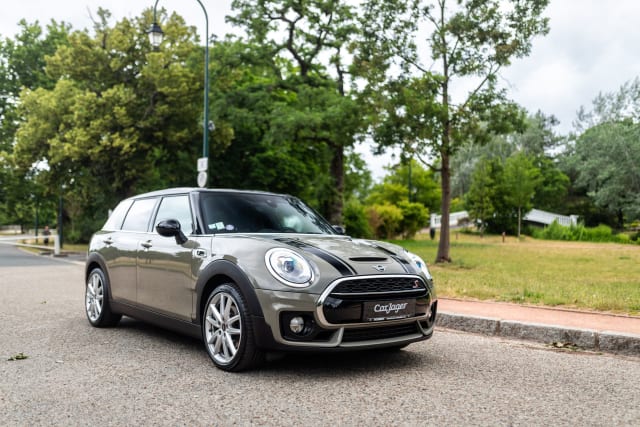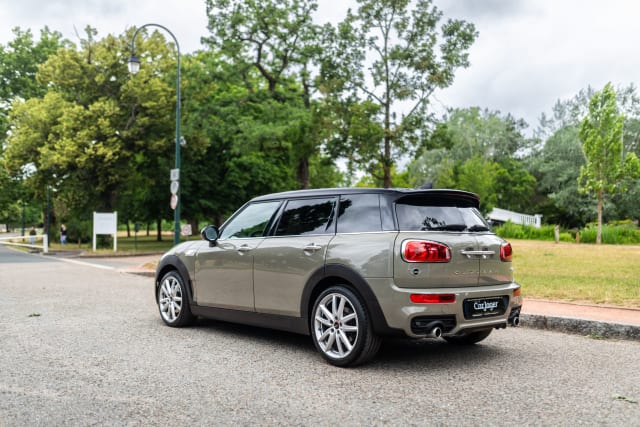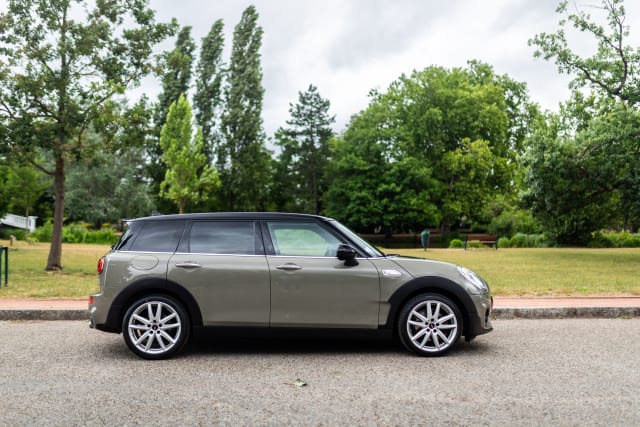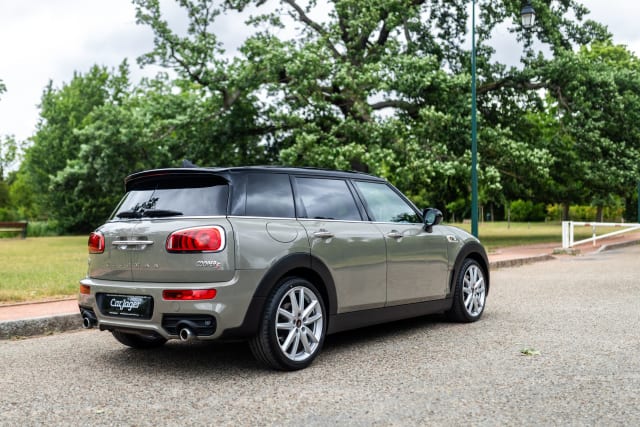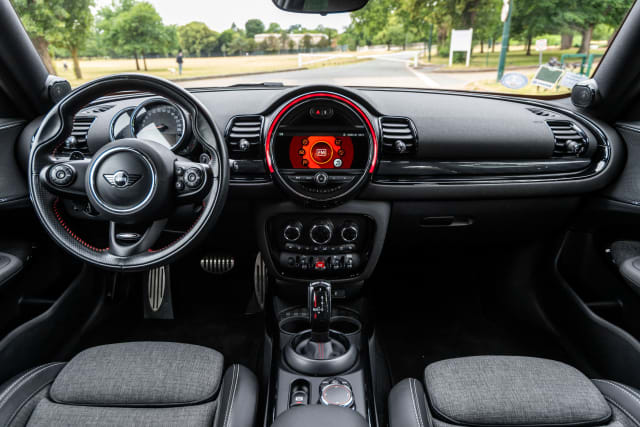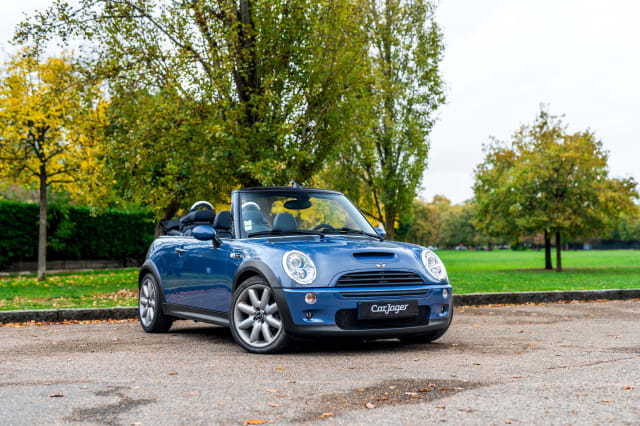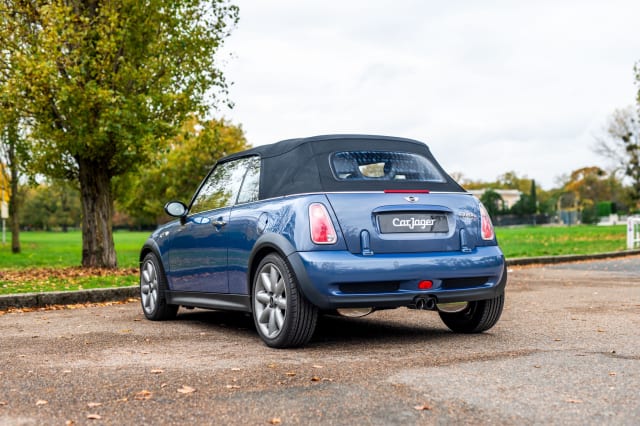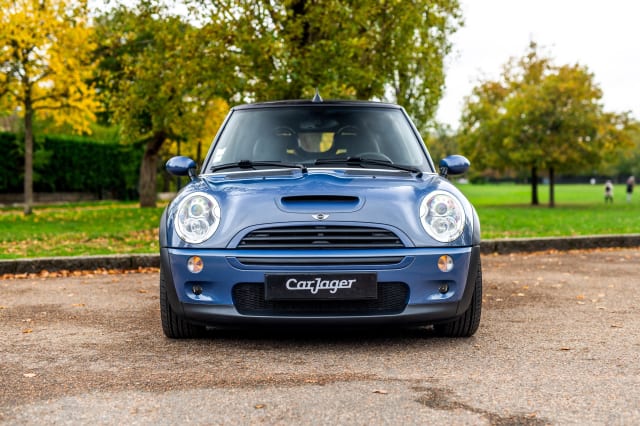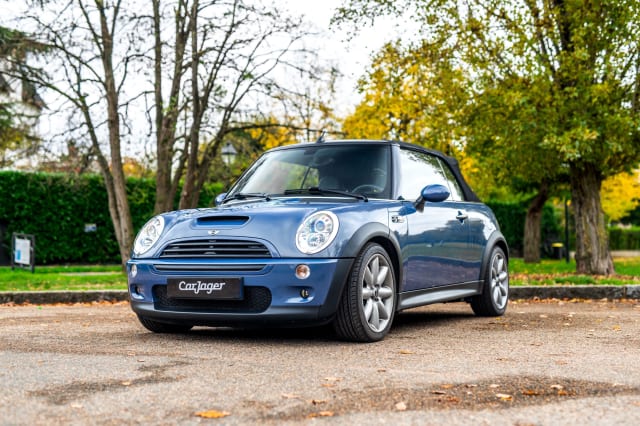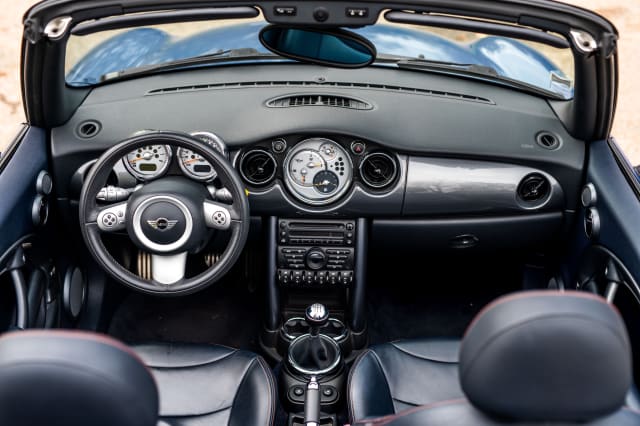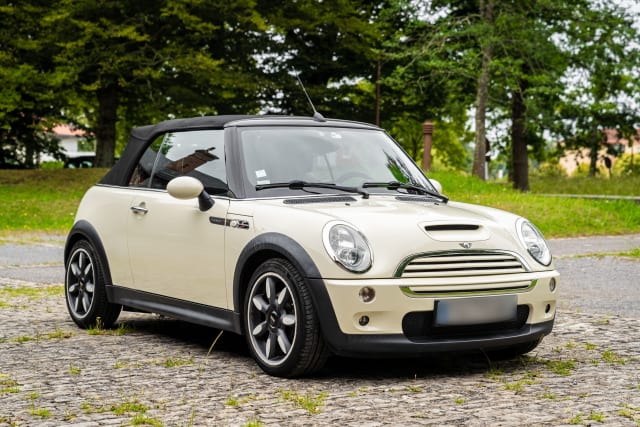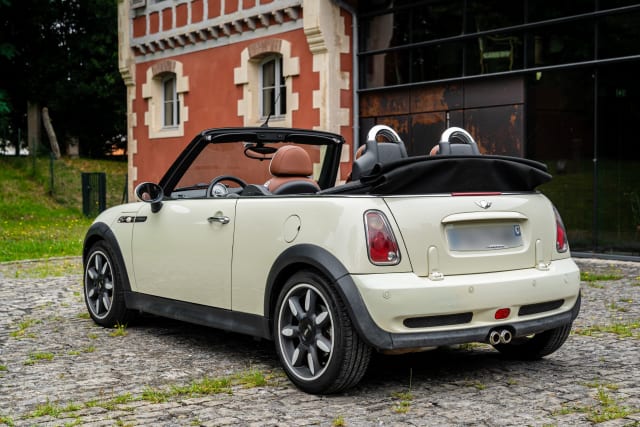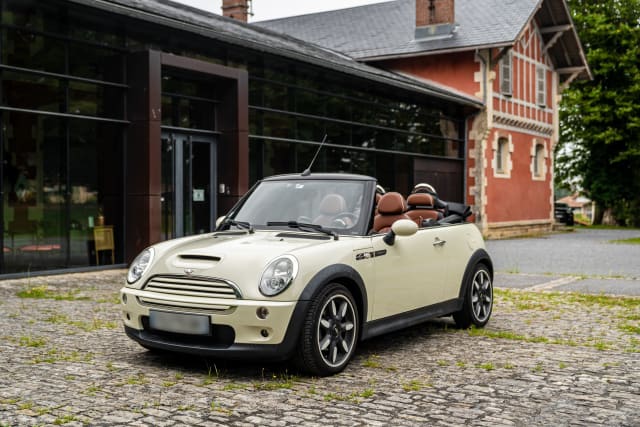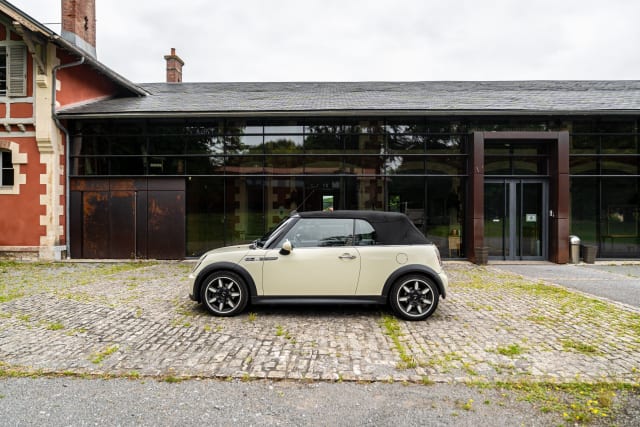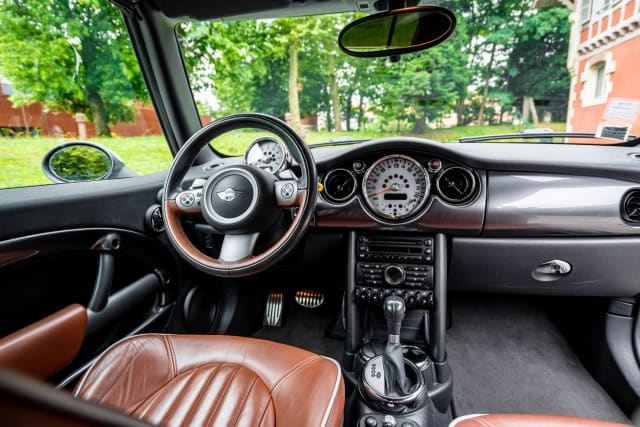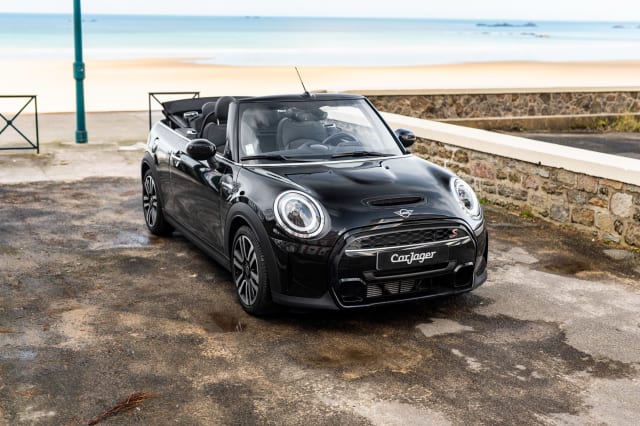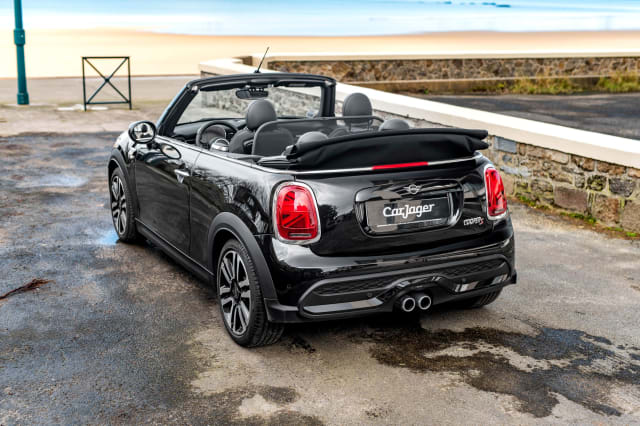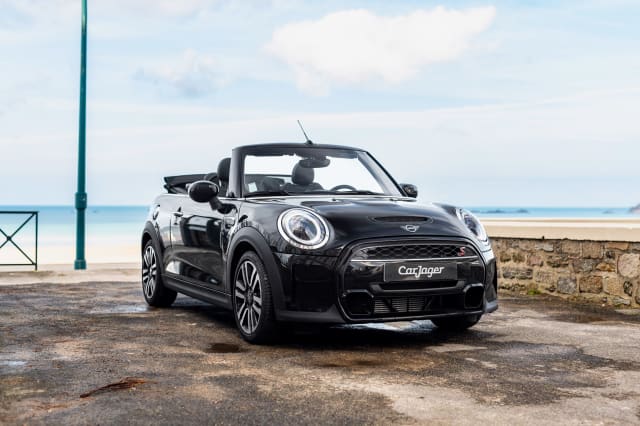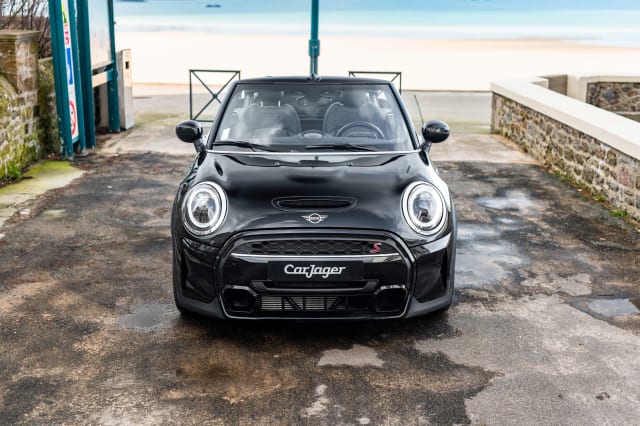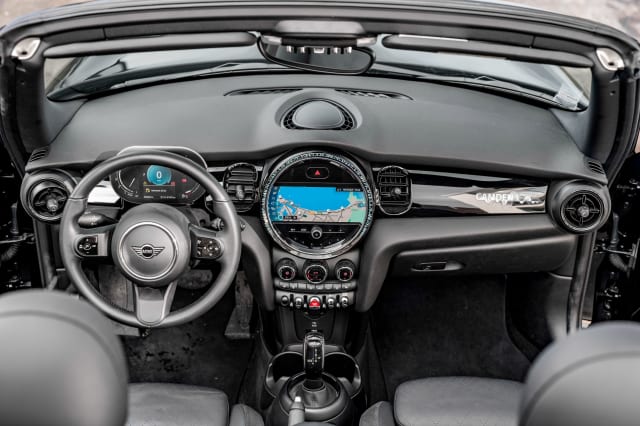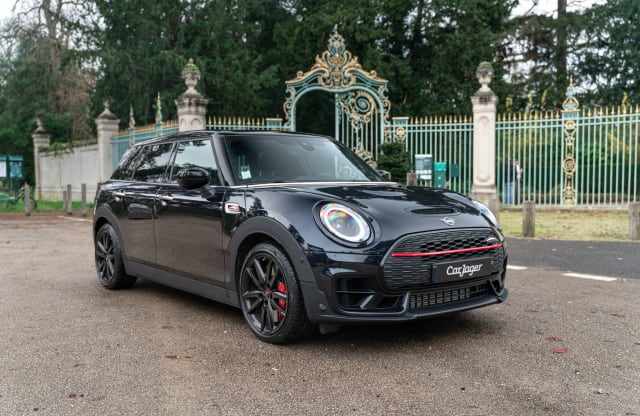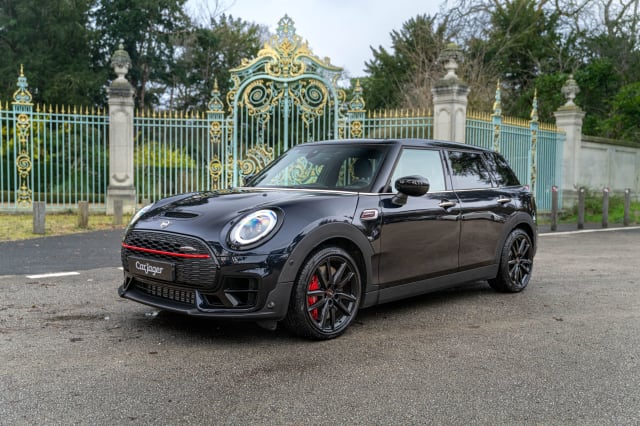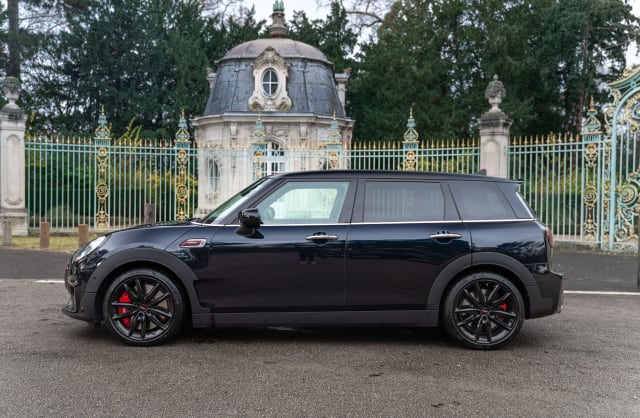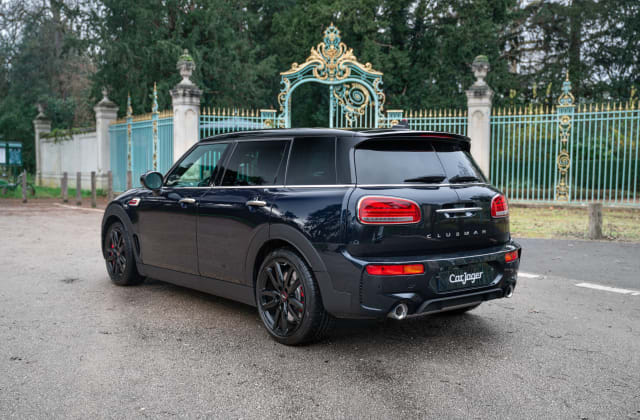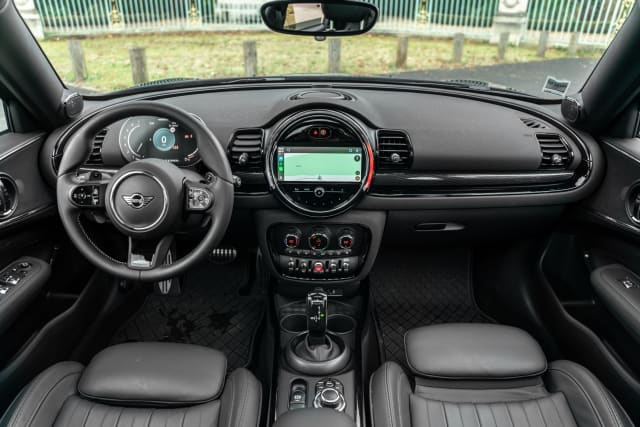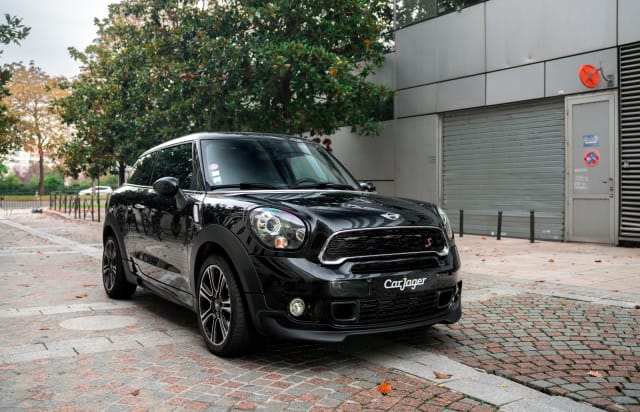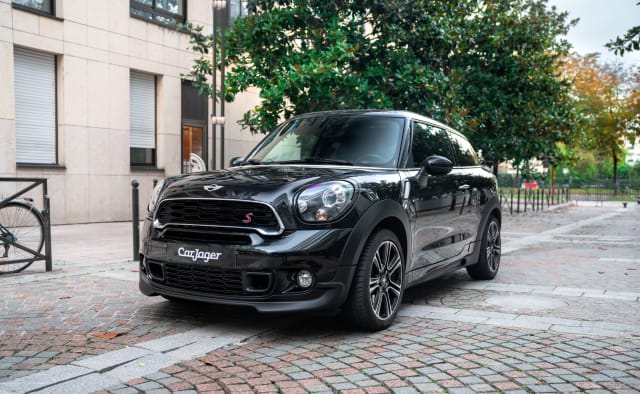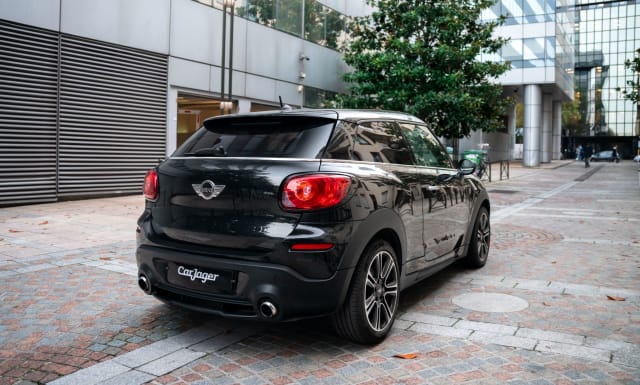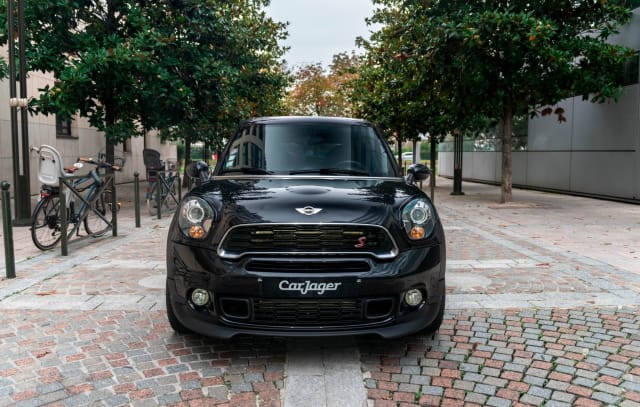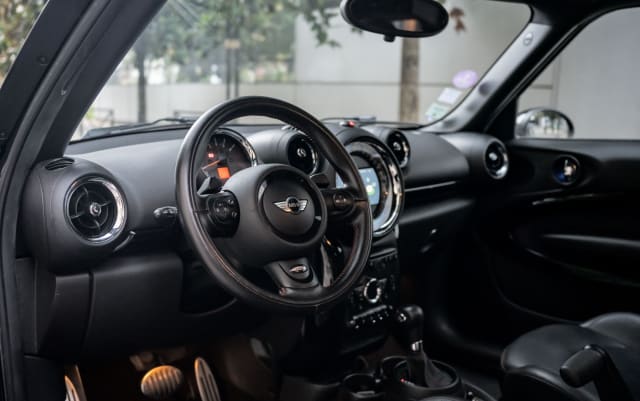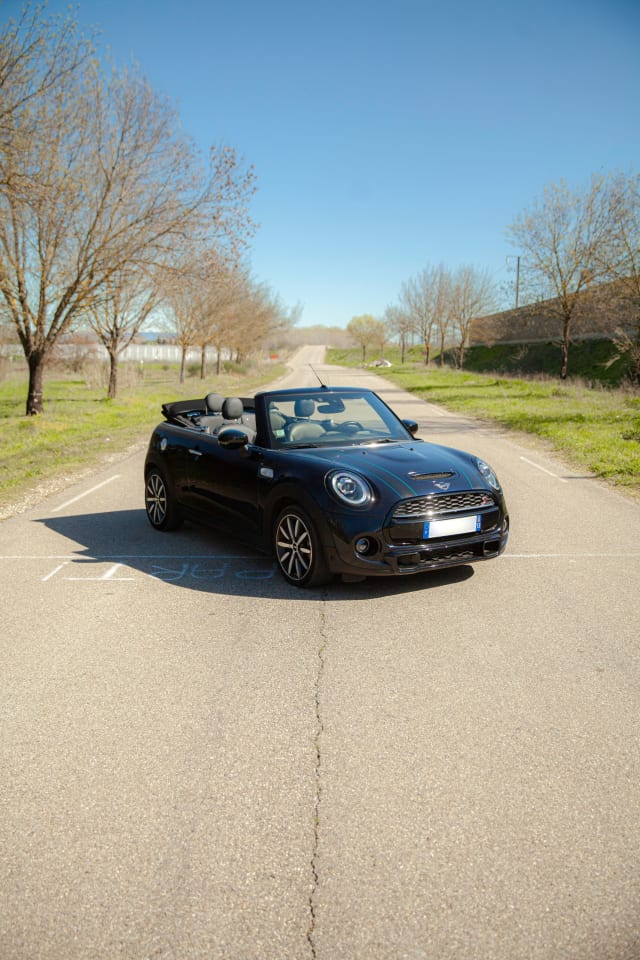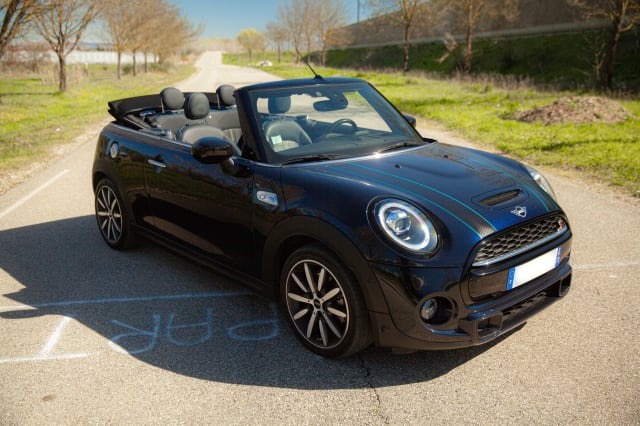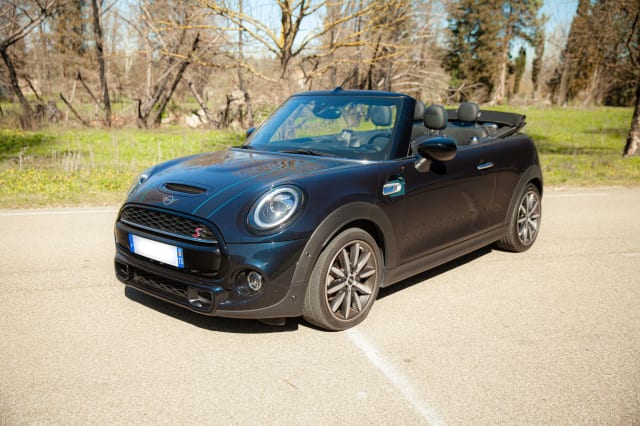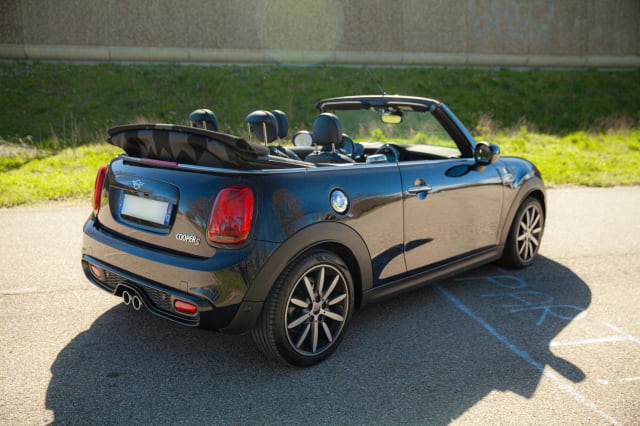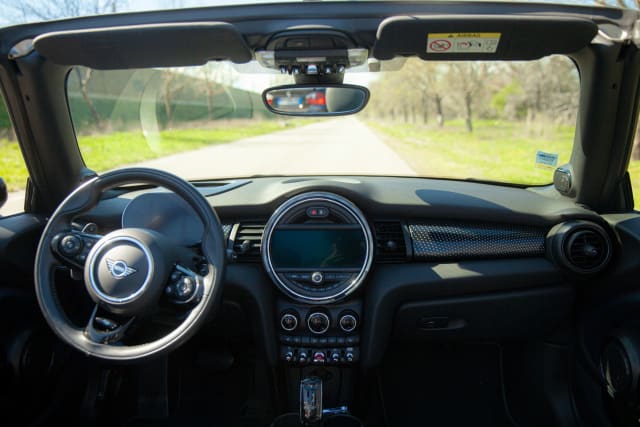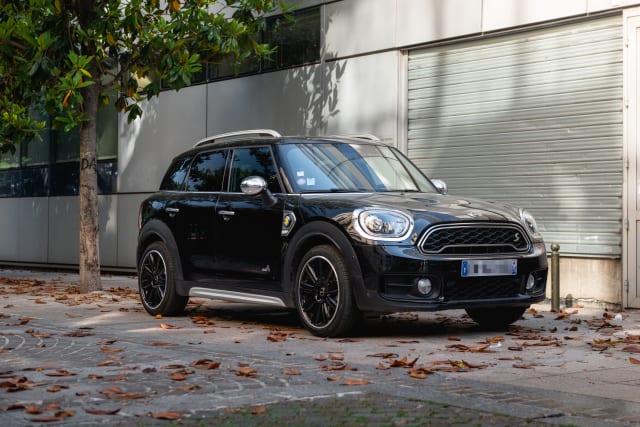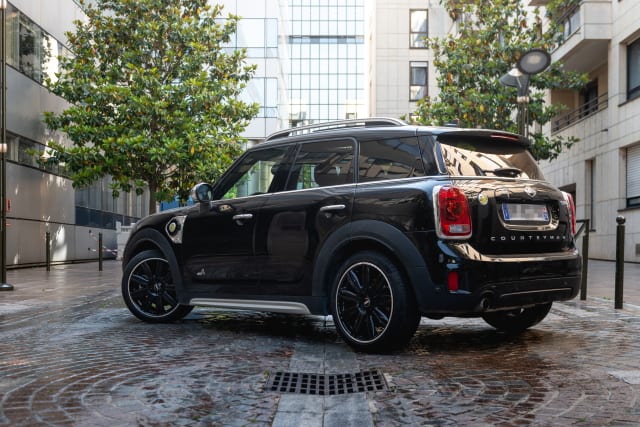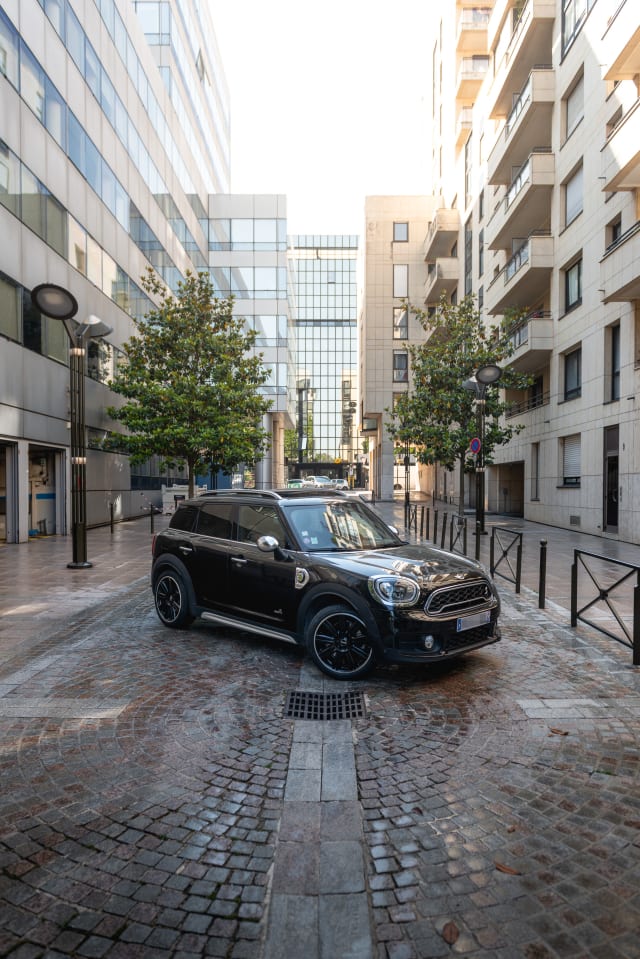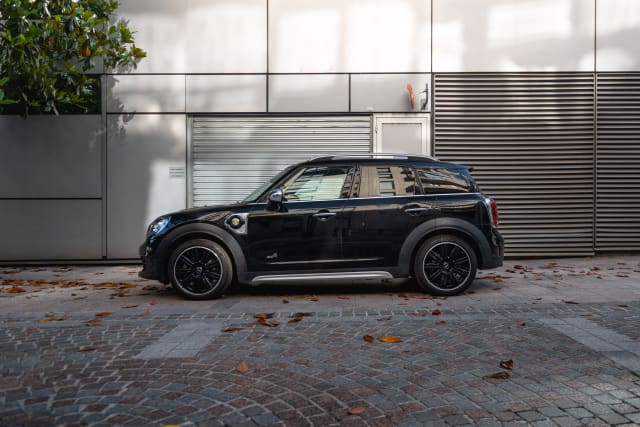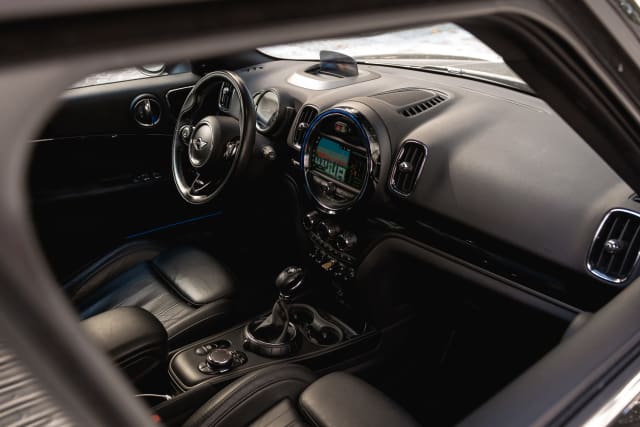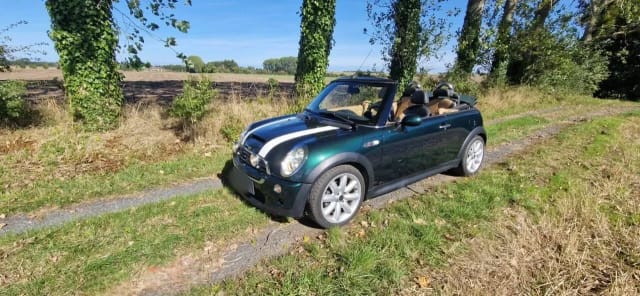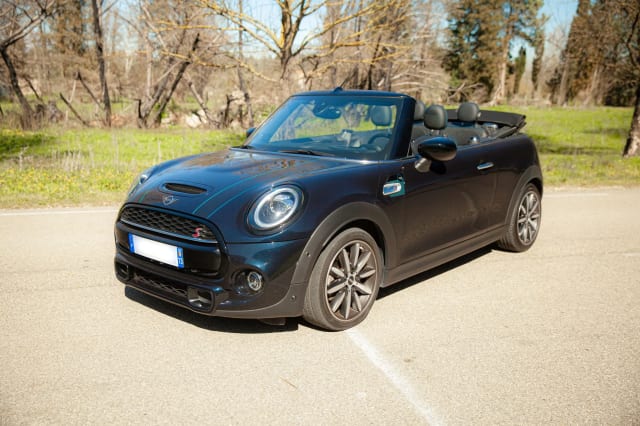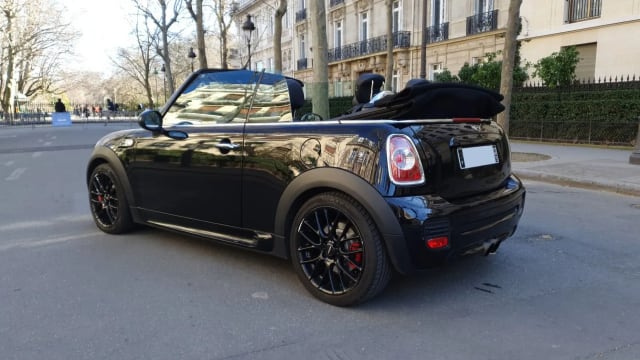
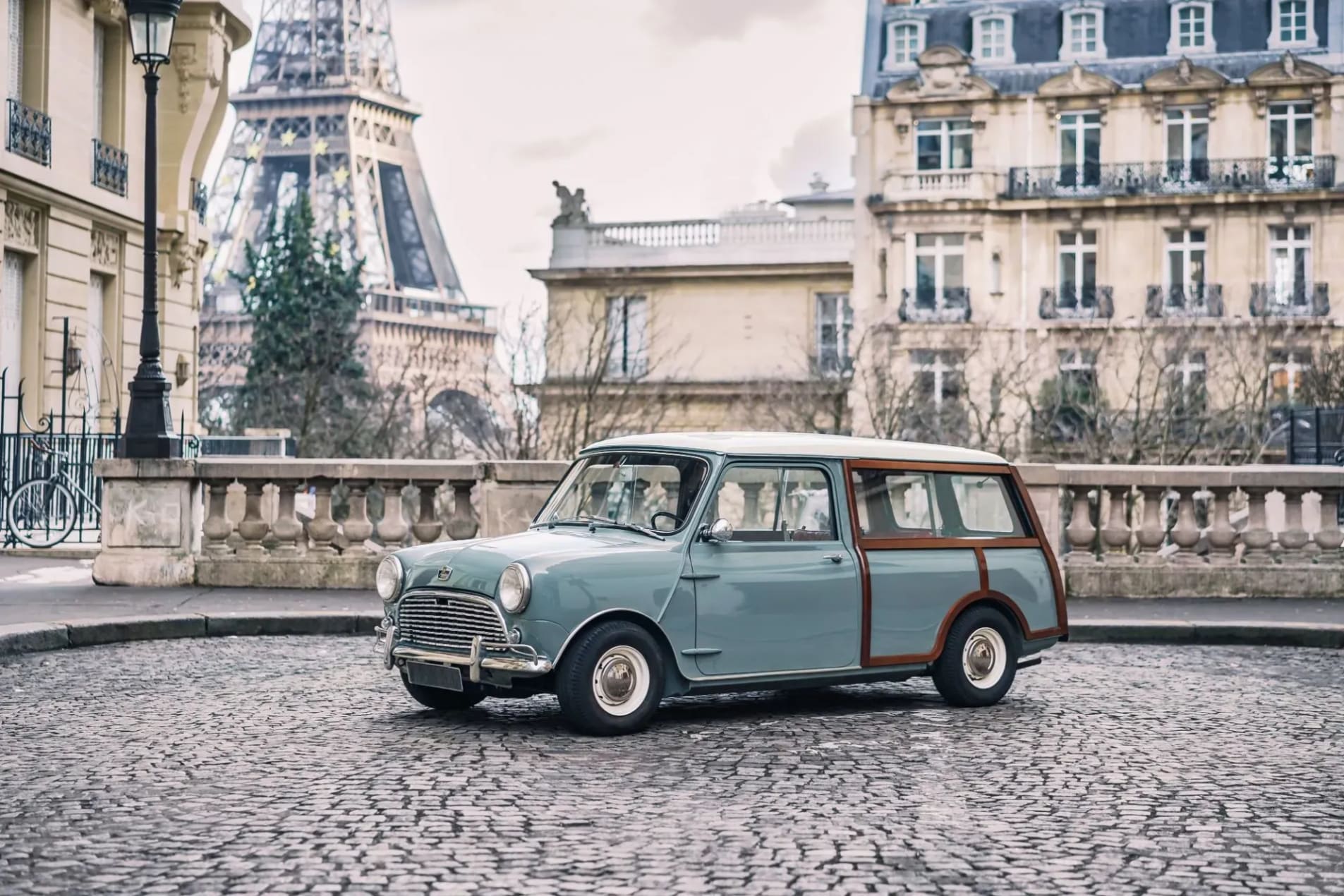
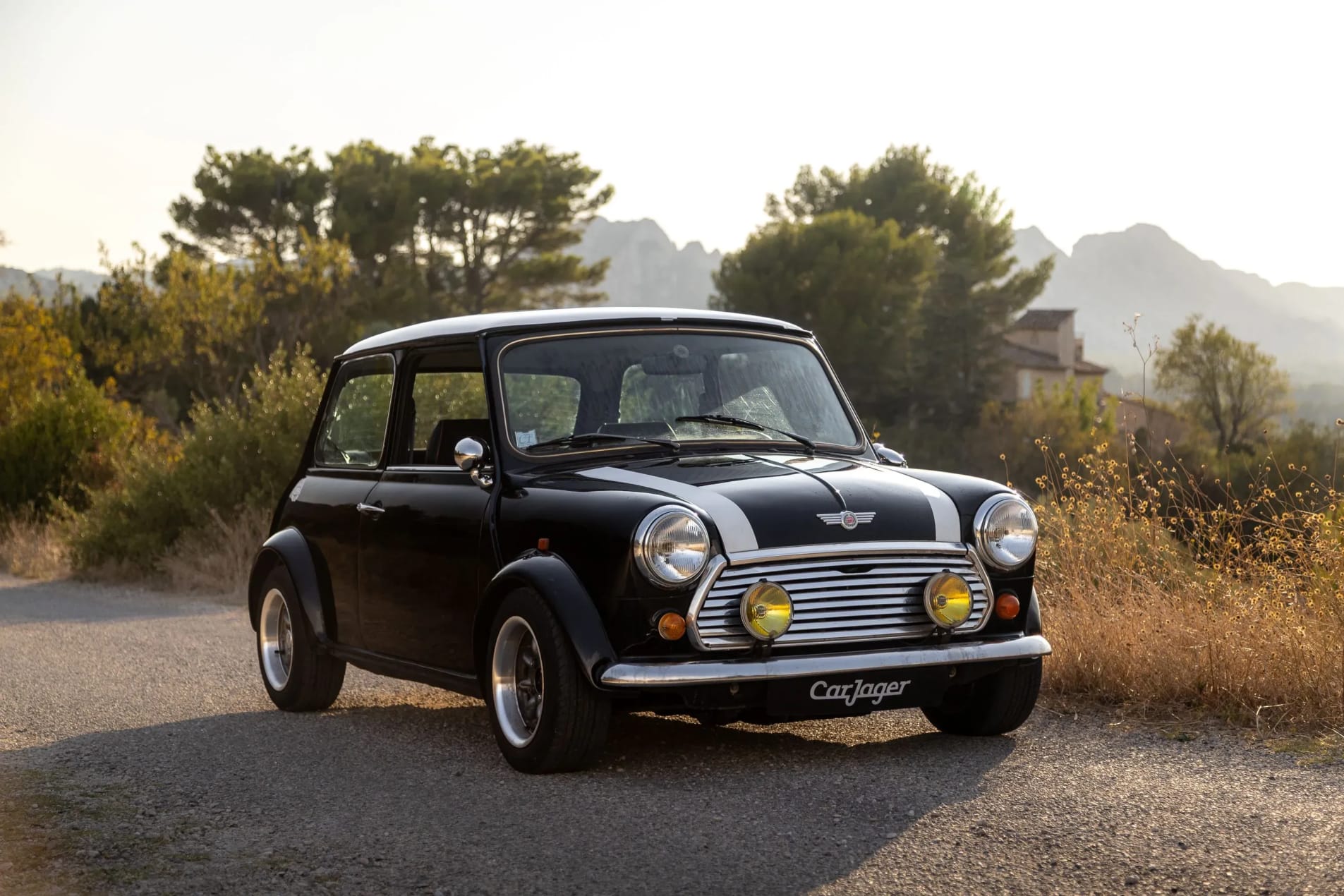
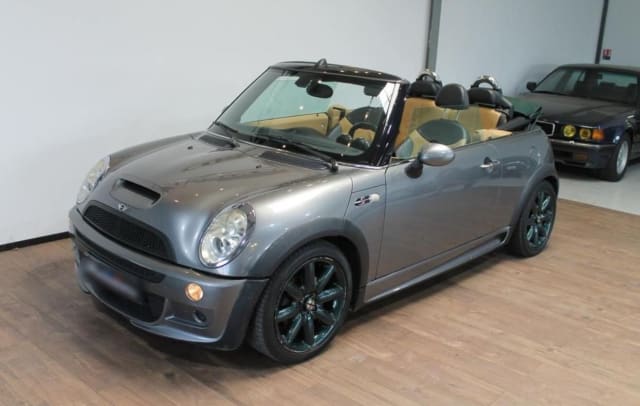
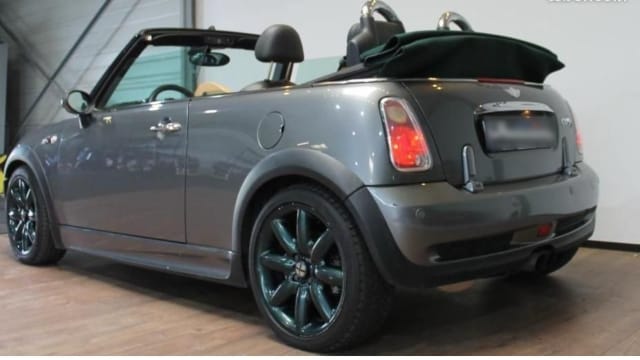
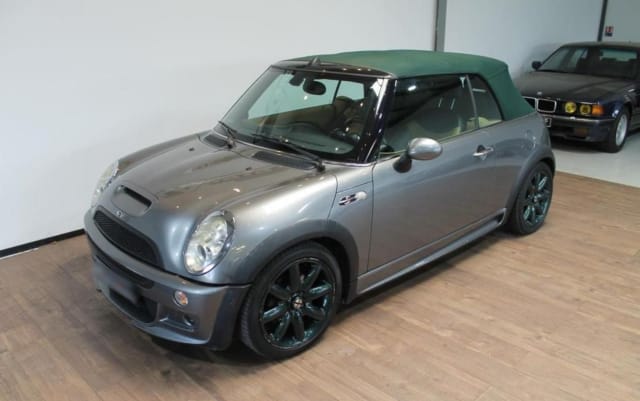
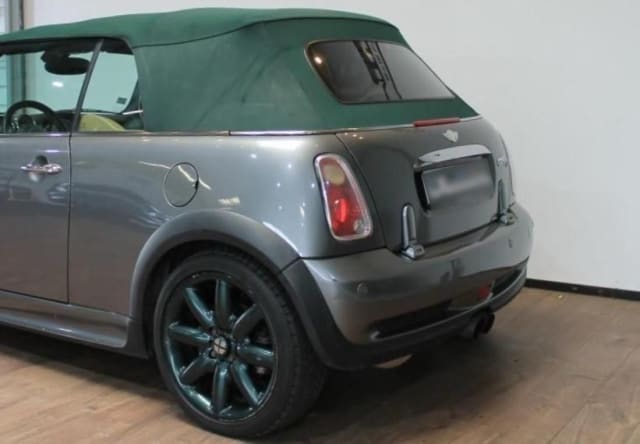
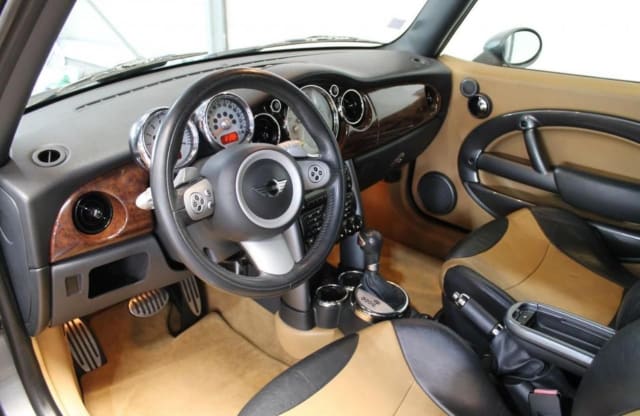
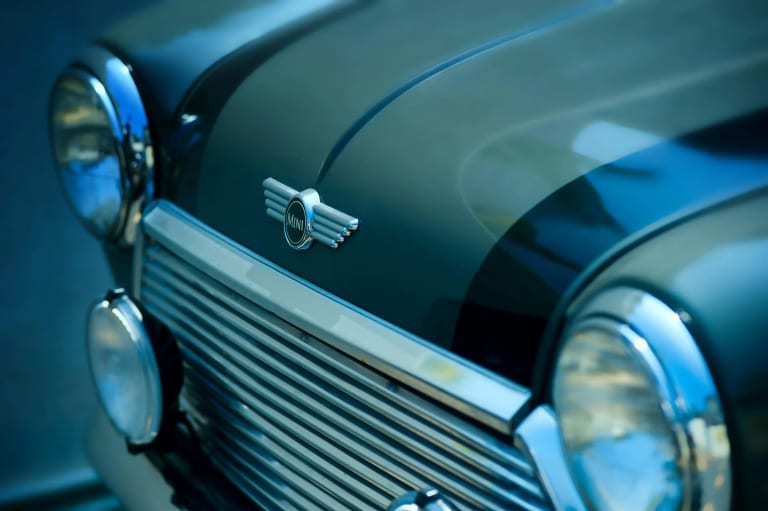
Ready to experience the Mini? From the legendary Austin Mini to the latest Mini Cooper, CarJager is here to help. Immerse yourself in the world of Minis carefully selected by our Car Specialists and find the one that's right for you!
Unfortunately, we don't have this car at the moment, but our team of Brokers can find one for you within 72 hours.

Mini Cooper S — modèle de la marque Mini.
Mini F54 — modèle de la marque Mini.
Mini F56 — modèle de la marque Mini.
Mini F57 — modèle de la marque Mini.
Mini F60 — modèle de la marque Mini.
Mini R52 — modèle de la marque Mini.
Mini R57 — modèle de la marque Mini.
Mini R60 — modèle de la marque Mini.
Mini R61 — modèle de la marque Mini.


Everything went according to plan. CarJager didn't waste my time with multiple visits. The first one was the right one, and everyone was happy. I recommend CarJager and, in fact, I have a second car stored with them.
Designed by engineer Alec Issigonis for the BMC (British Motor Corporation), which was formed in 1952 following the merger of Austin and Morris, the very first Mini was introduced in the spring of 1959 in the catalogs of both brands, under the names Morris Mini Minor and Austin Seven. The name Mini, as a brand, was first used in 1969.
Between 1959 and 2000, just under 5.4 million first-generation Minis were built and sold under the Austin, Morris, Innocenti, Riley, Wolseley, Mini, and Rover brands.
When it comes to classic Minis (i.e., those built before 2000), the most sought-after models are the Cooper and Cooper S, as well as the Countryman and Traveller station wagons. Looking at contemporary Minis, the R56 and F56 generation Cooper S “John Cooper Works” models are already collector’s items, as is the 306-horsepower Mini GP unveiled in 2020.
Among classic Minis, produced up until 2000, prices range from €3,000 for a Clubman—recognizable by its distinctive elongated front end—to €34,000 for the first Cooper S models introduced in 1964. Among modern Minis, the rare John Cooper Works GP versions of the F56 generation can exceed €50,000.
The most powerful Mini ever built is the limited-edition John Cooper Works GP, unveiled in 2020 with a production run of 3,000 units. It was powered by a 2.0-liter turbocharged four-cylinder engine producing 306 horsepower and could reach a top speed of 265 km/h.
Previously owned by the Rover Group, which was acquired by BMW in 1994, Mini has since become a brand in its own right and benefits from the engineering expertise of the Bavarian company, which still retains exclusive control over it.
After a difficult start on the British market, the Mini managed, by the early 1960s, to win over a wide audience, captivated by its compact size, maneuverability, driving pleasure, and above all, its extraordinary balance of interior space and overall dimensions. Since 2001, modern Minis have carried on the legacy of their predecessors by combining iconic design with a driving experience unmatched in the market.
In this case, there are, of course, two scenarios: either you’re interested in classic Minis (produced from 1959 to 2000), or you’ve set your sights on a modern Mini (manufactured since 2001). Several of the points to check are specific to each.
By taking all these precautions, you’ll protect yourself against potential disappointments that could arise from a hasty purchase decision.
To learn more about the different models and choose the one that best suits your needs, feel free to request a personalized search.