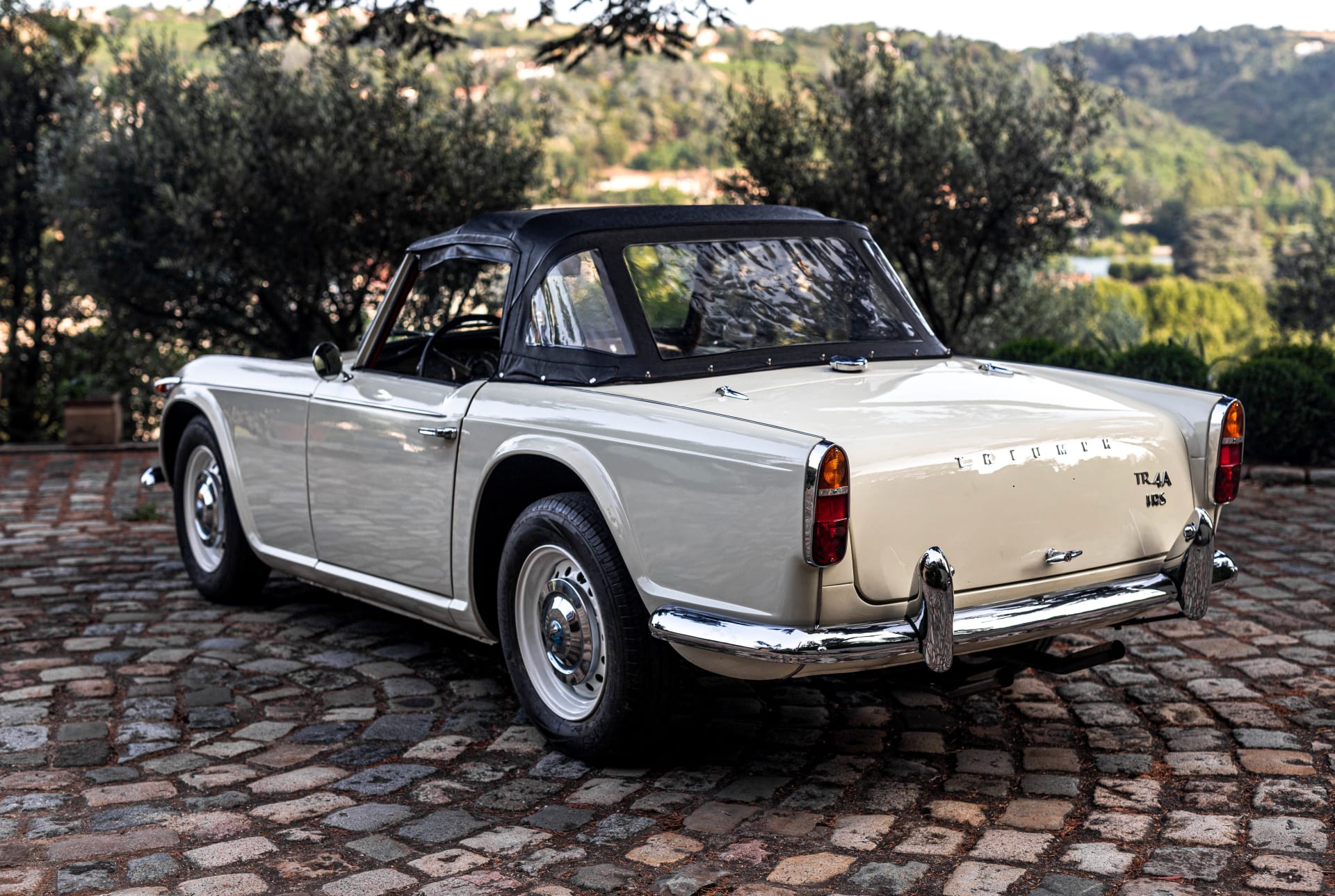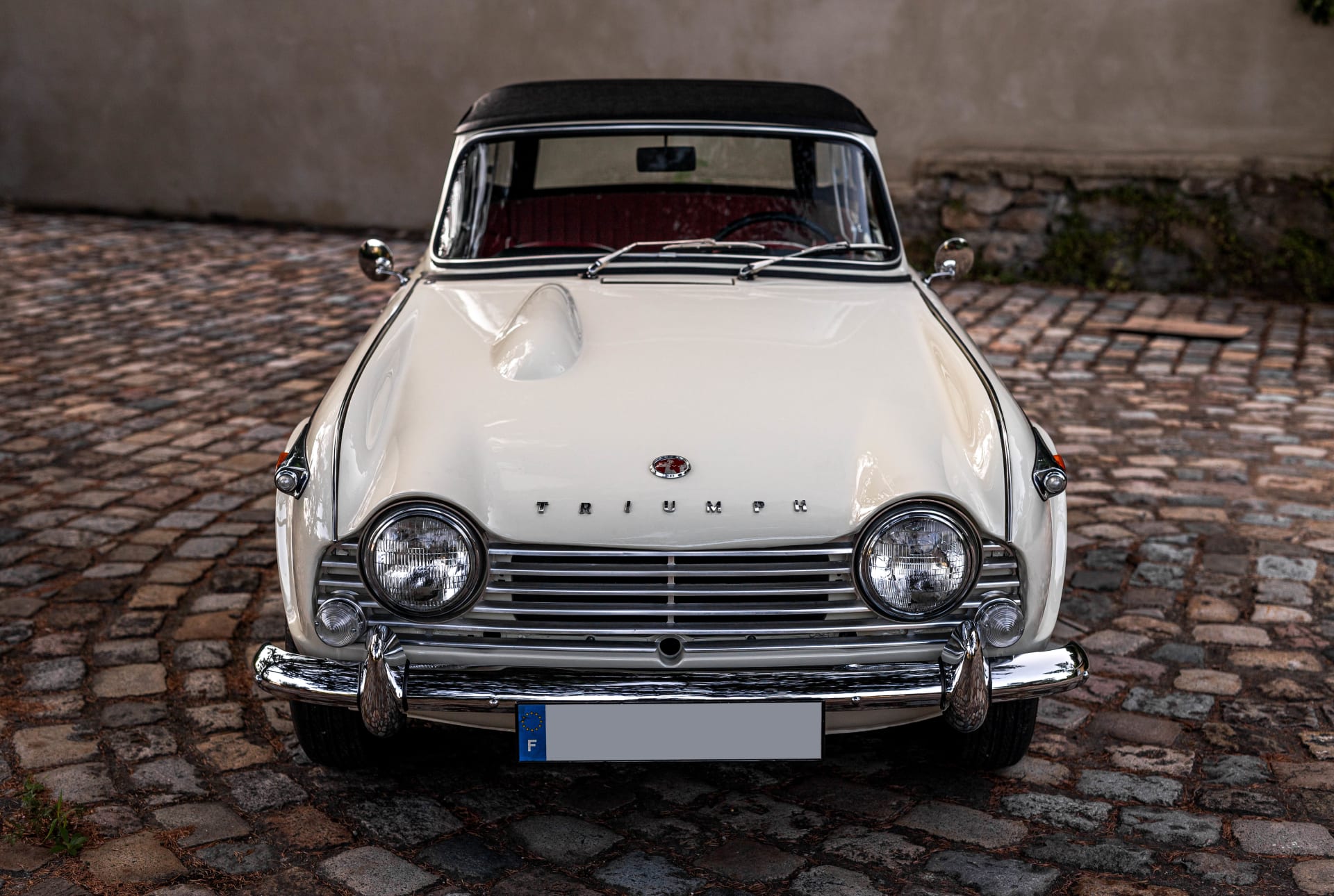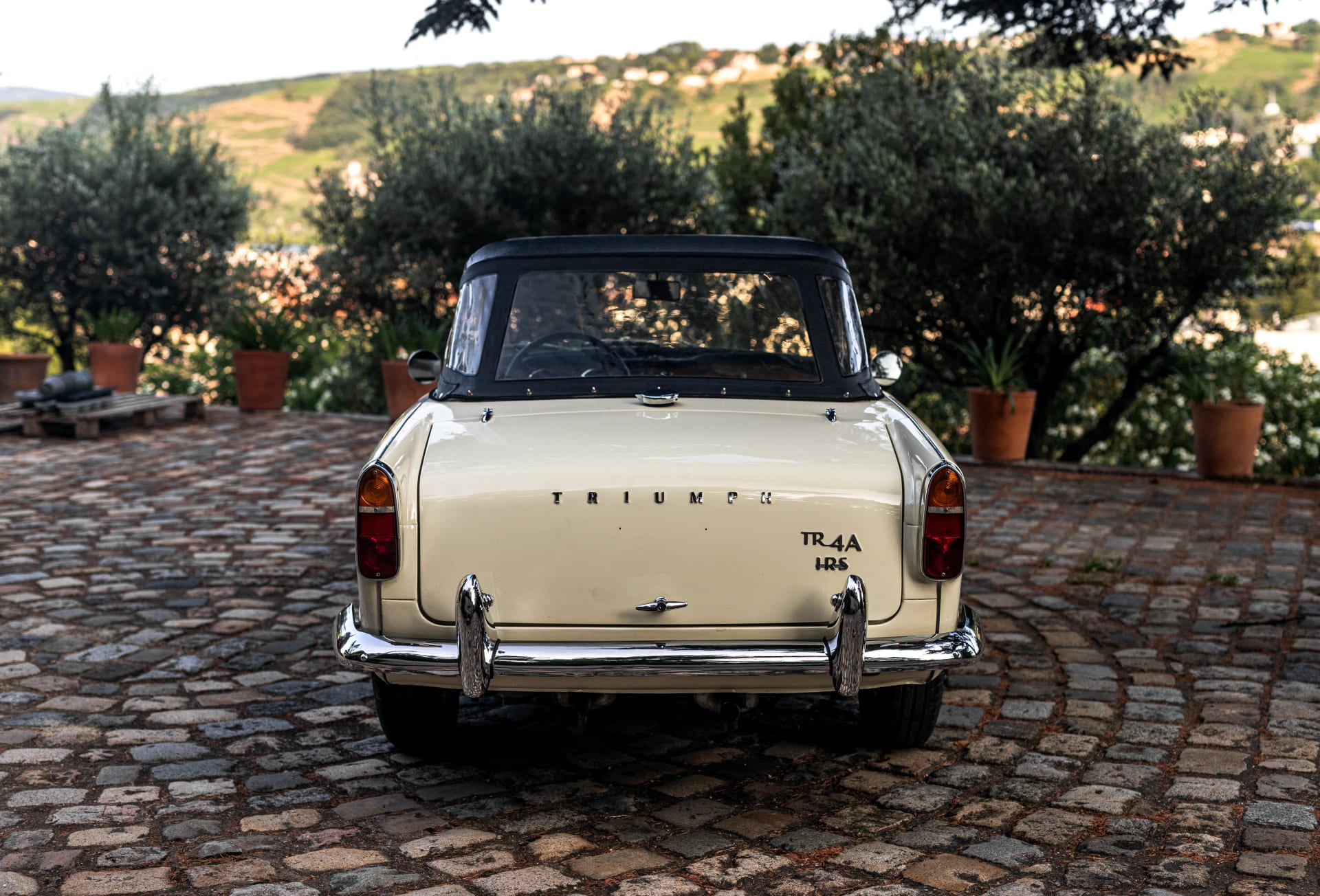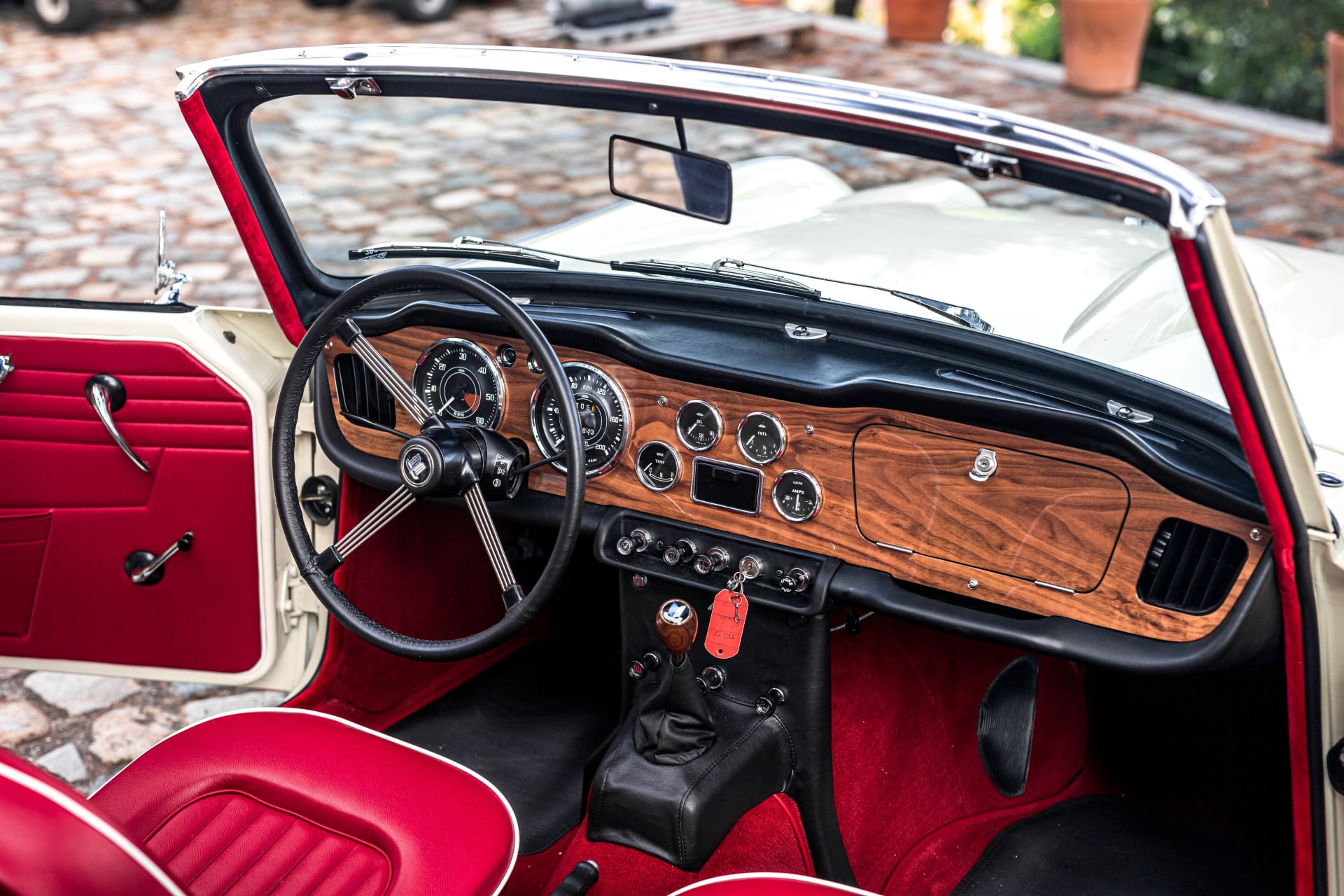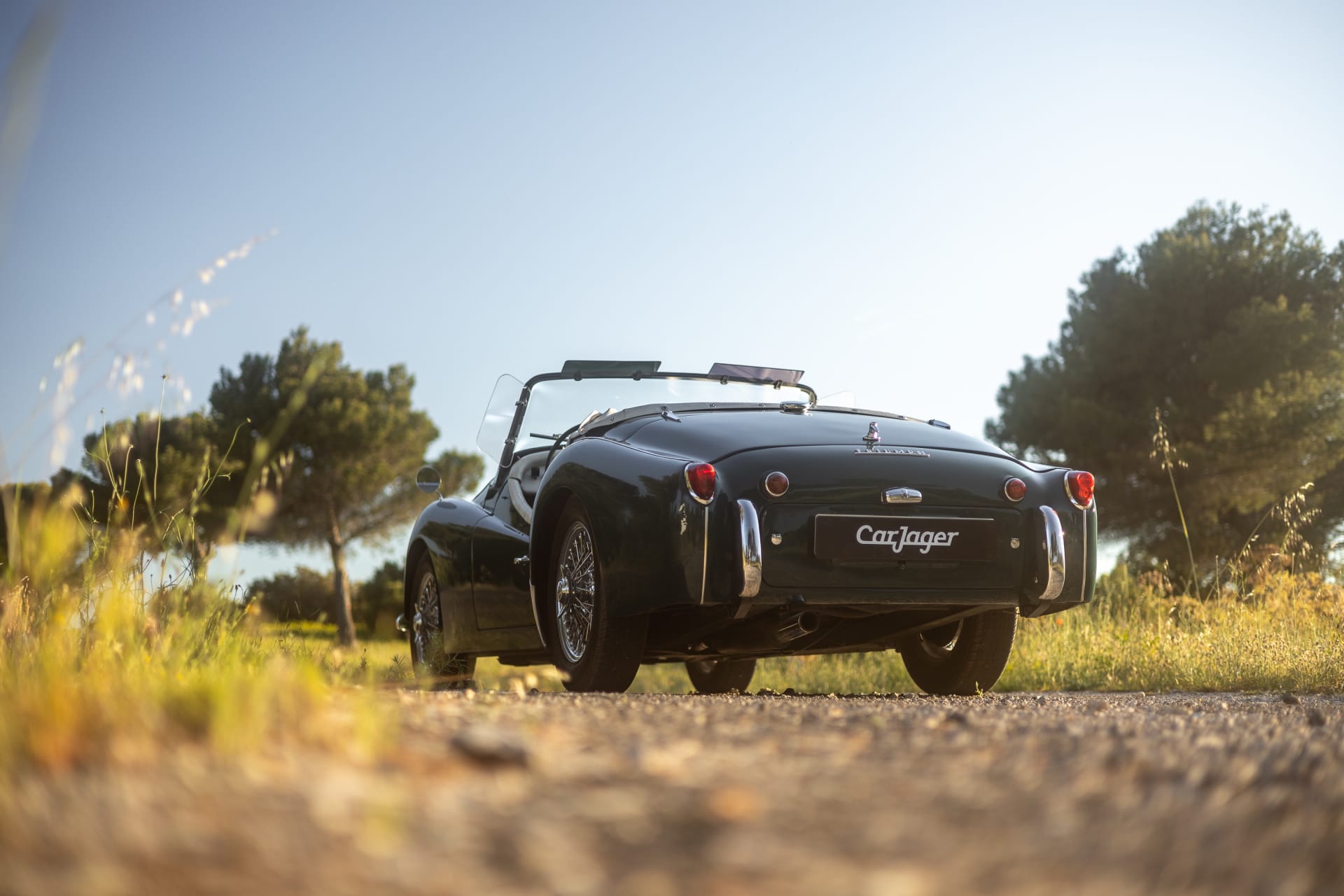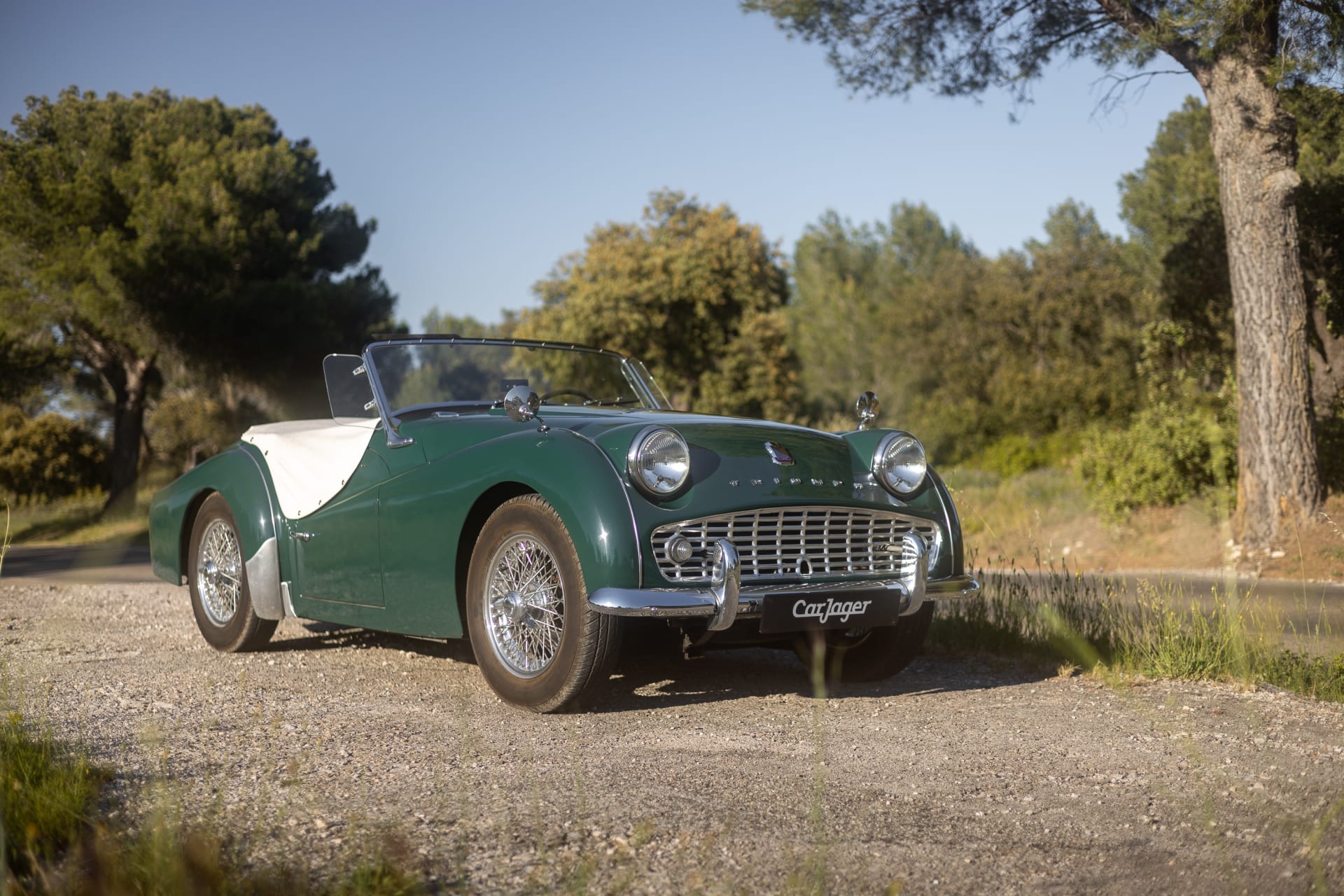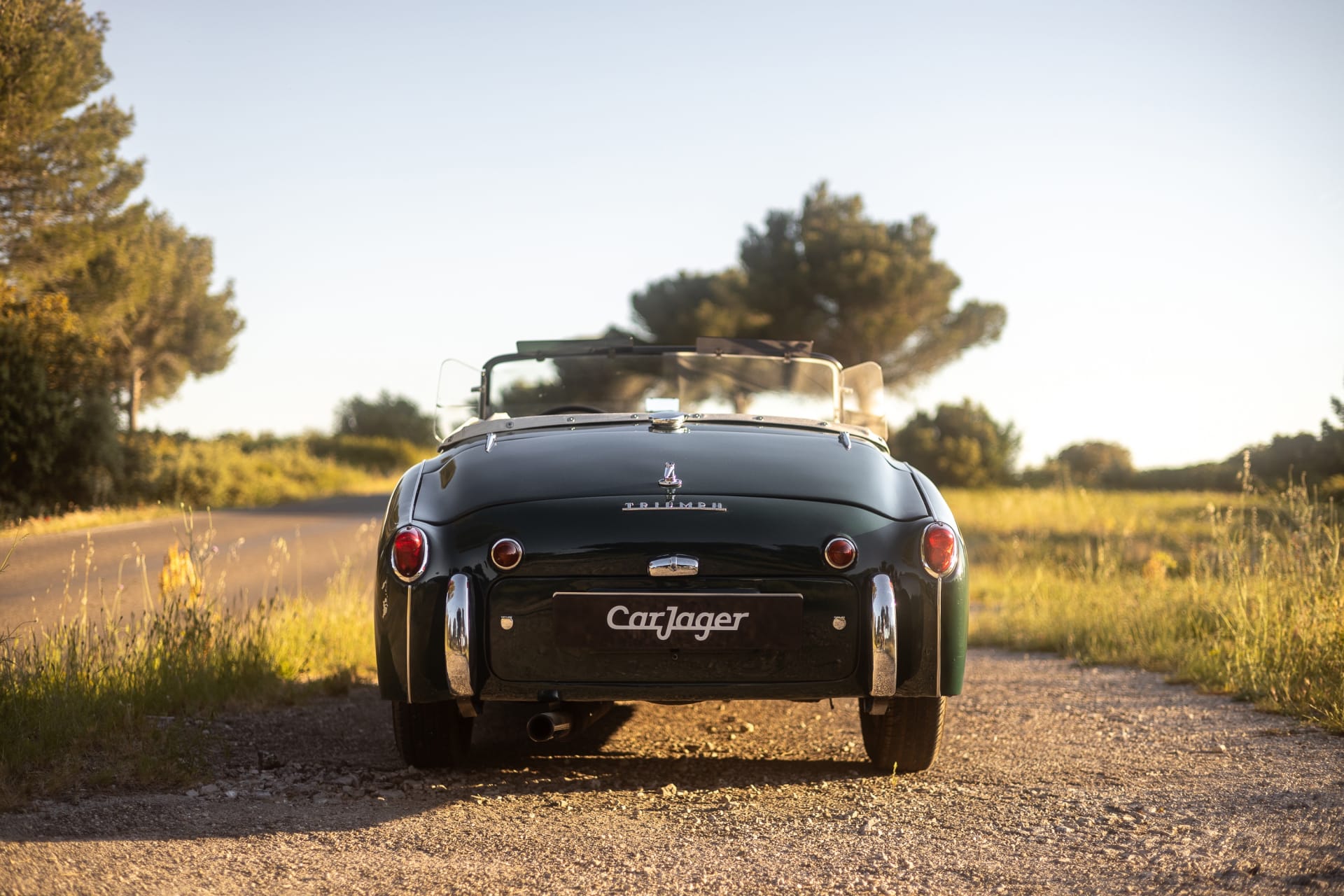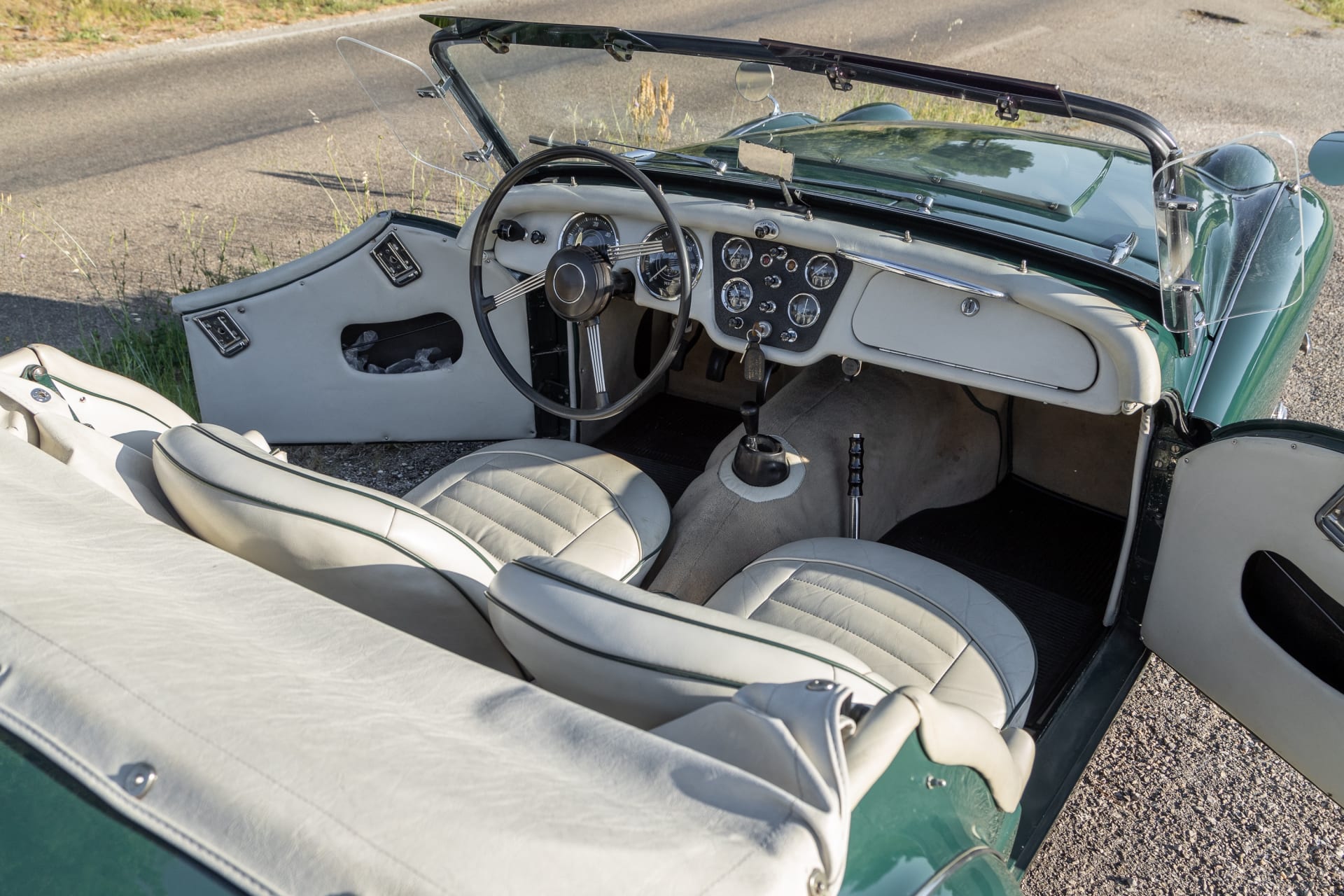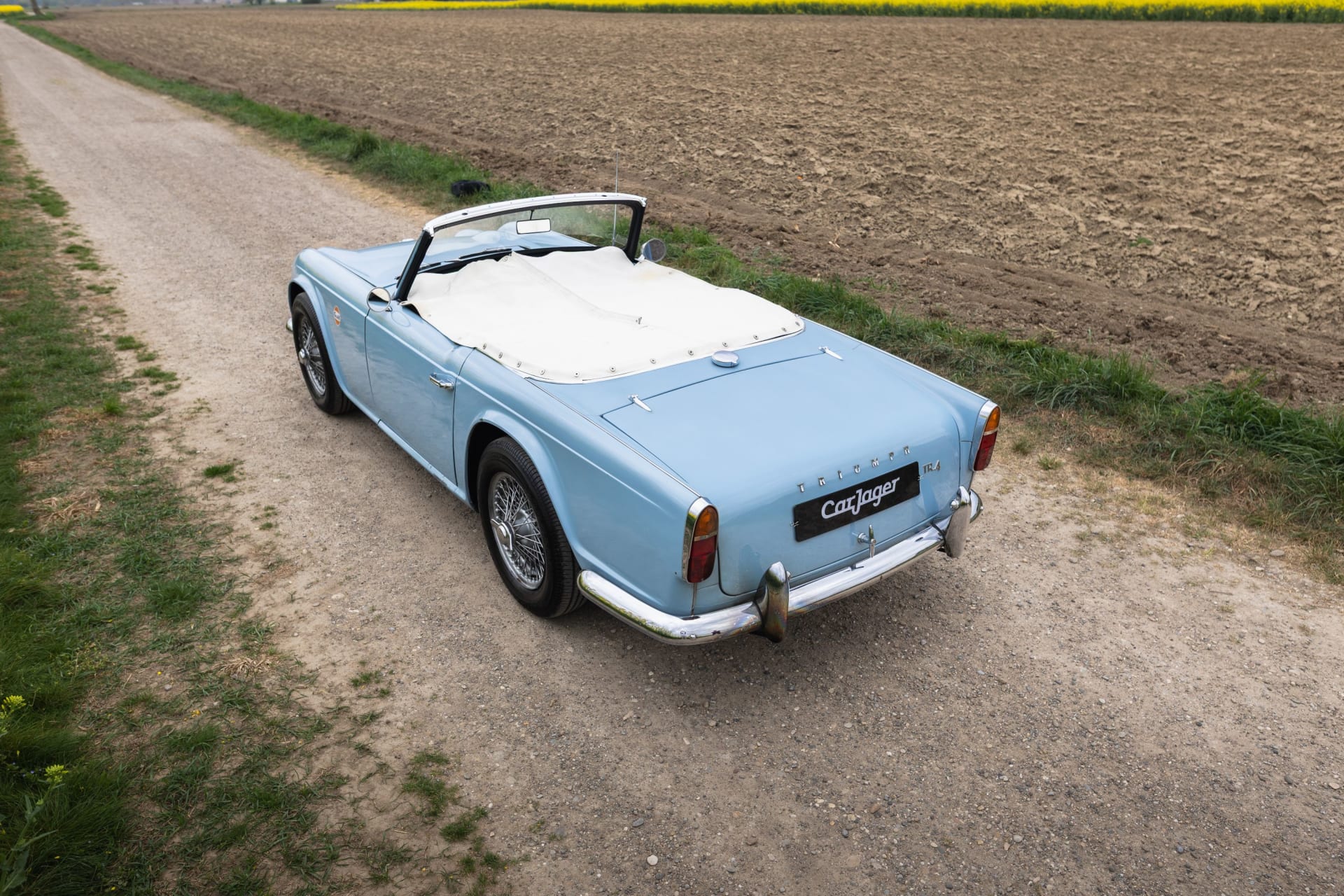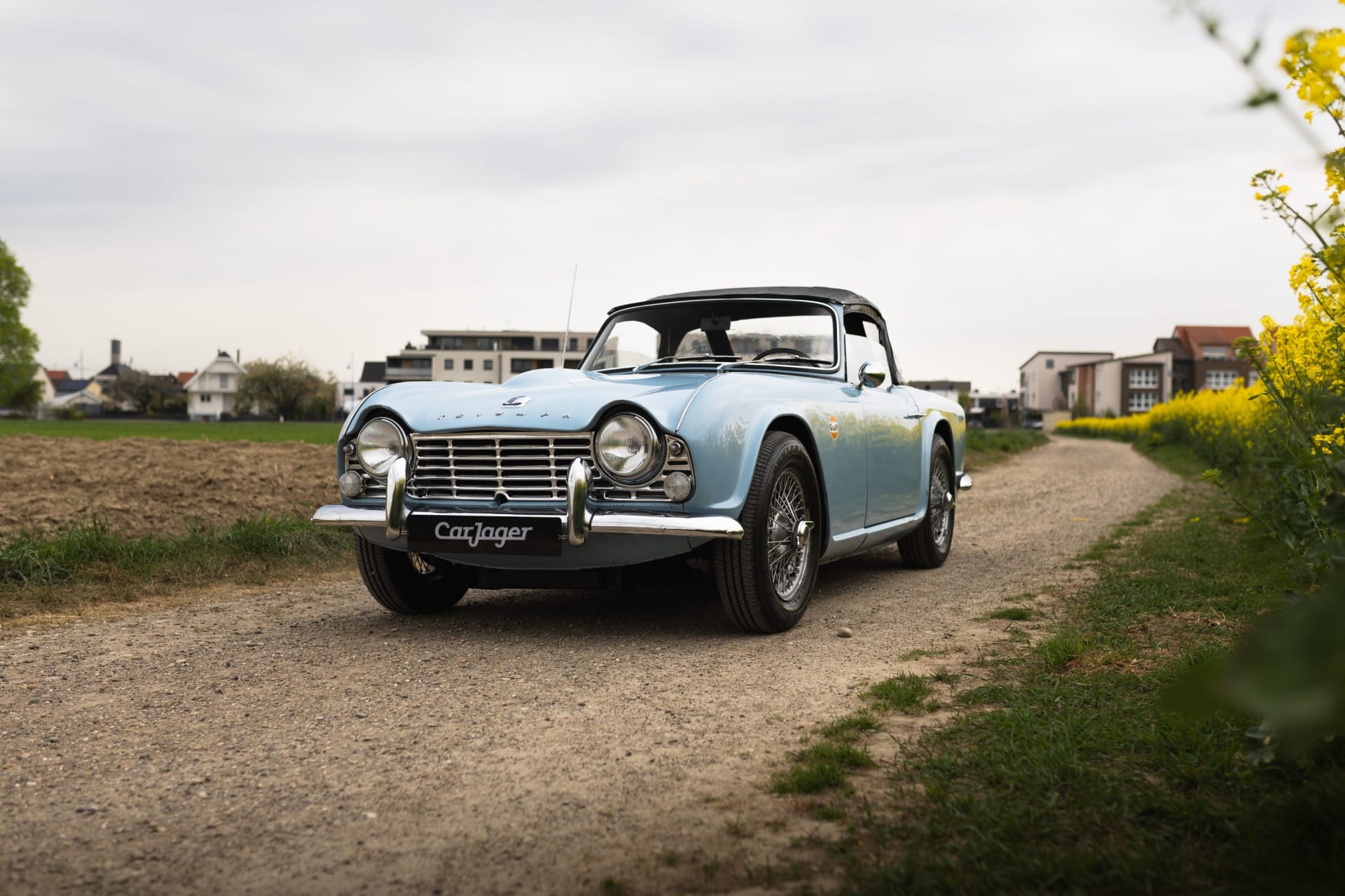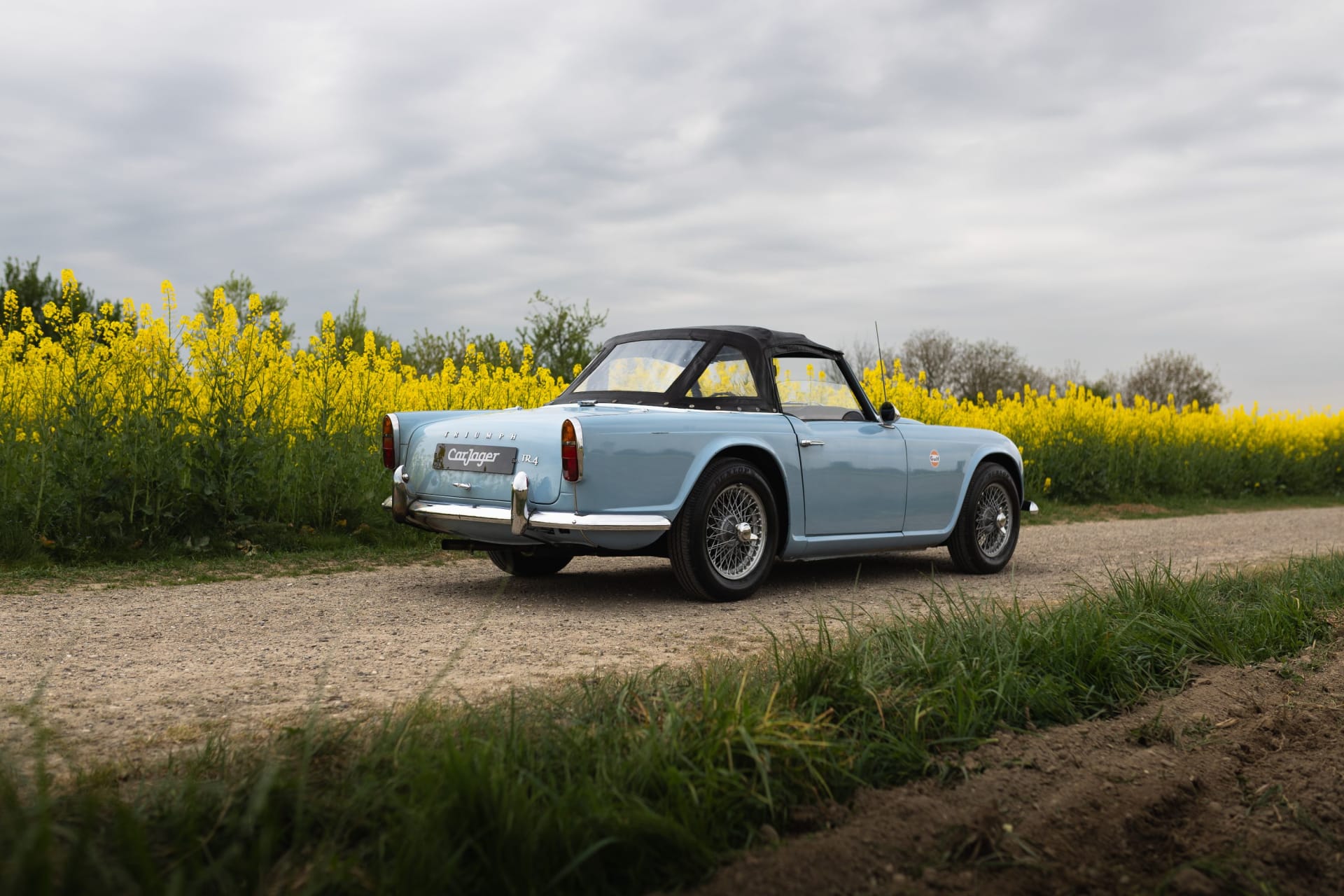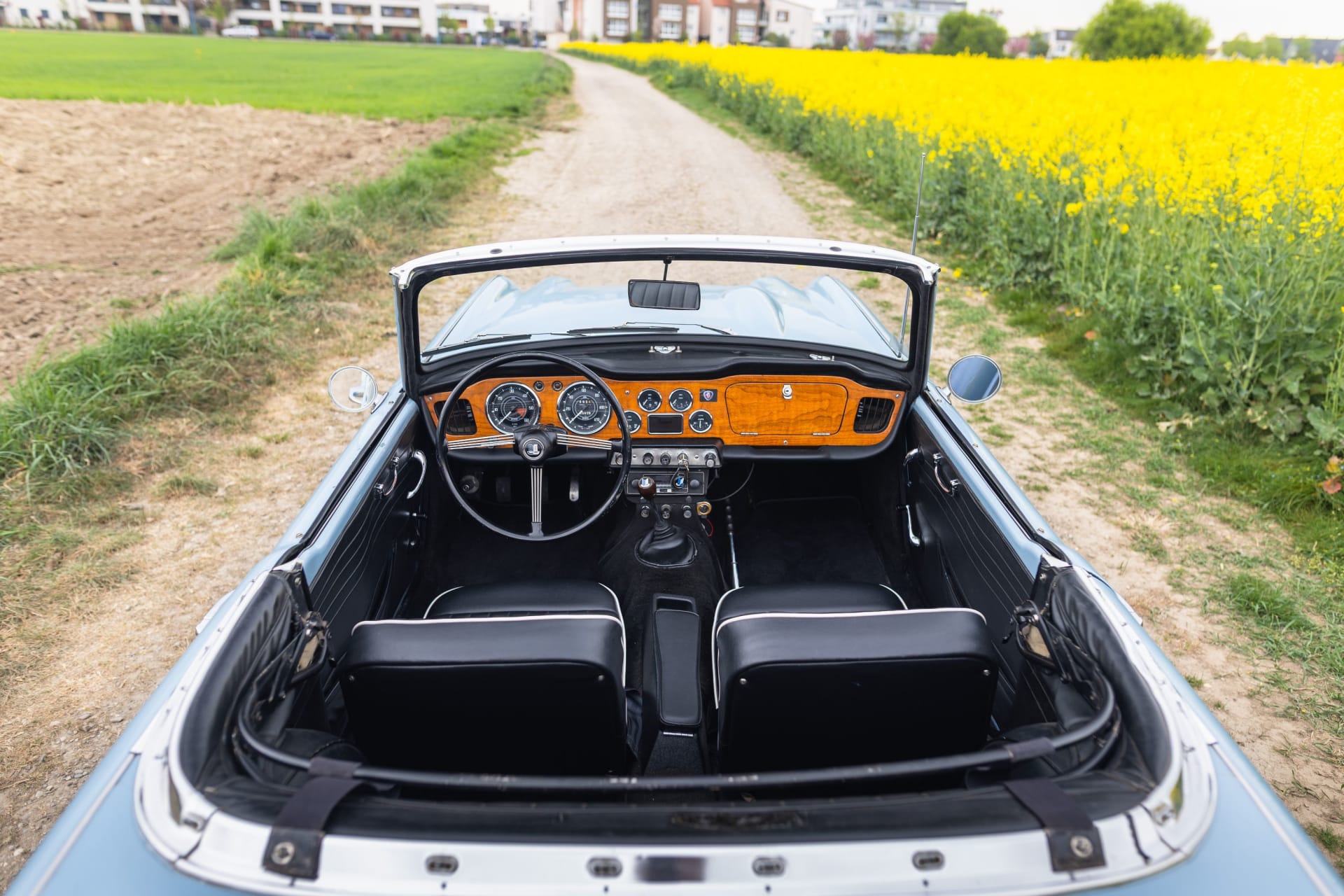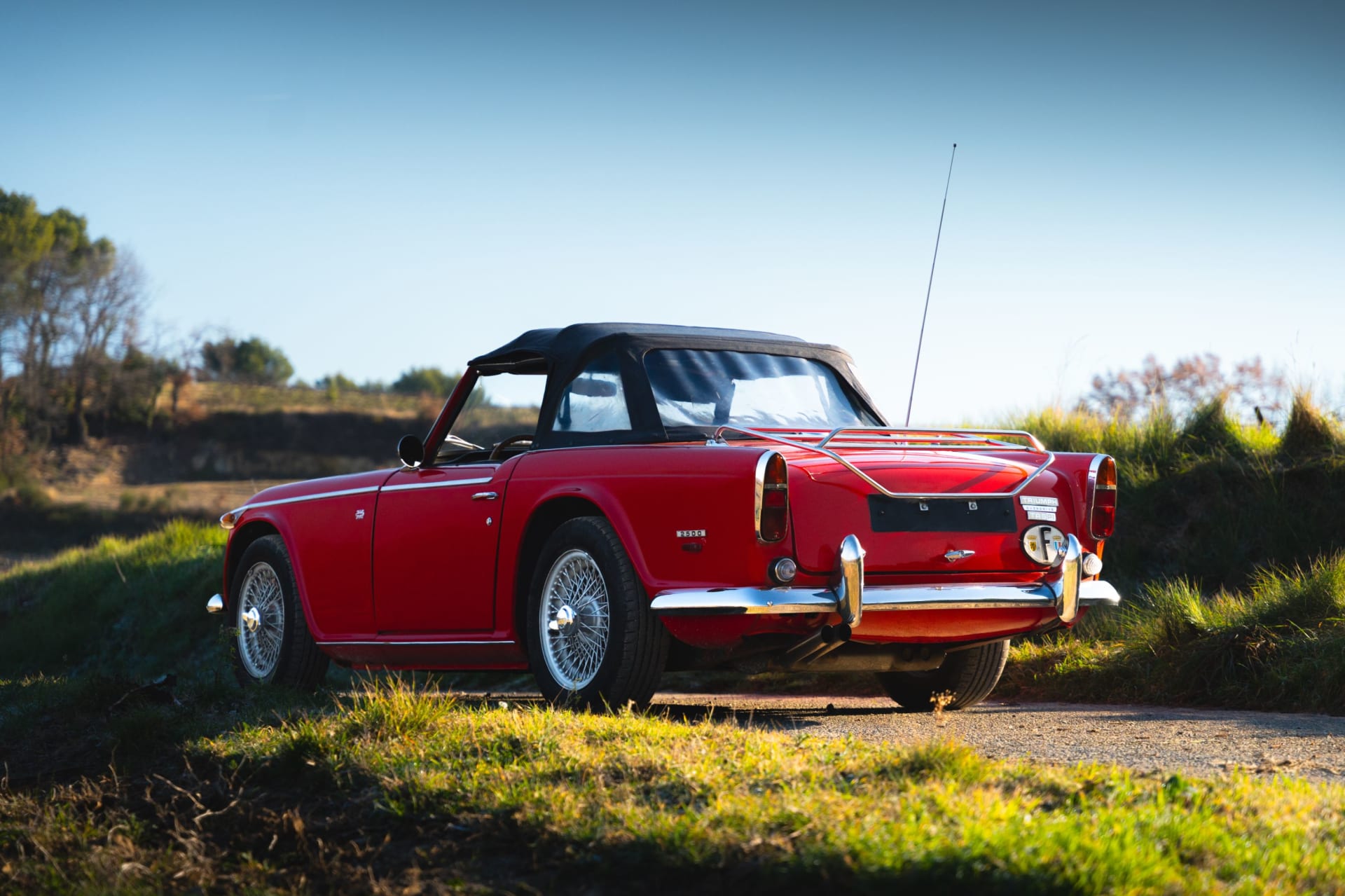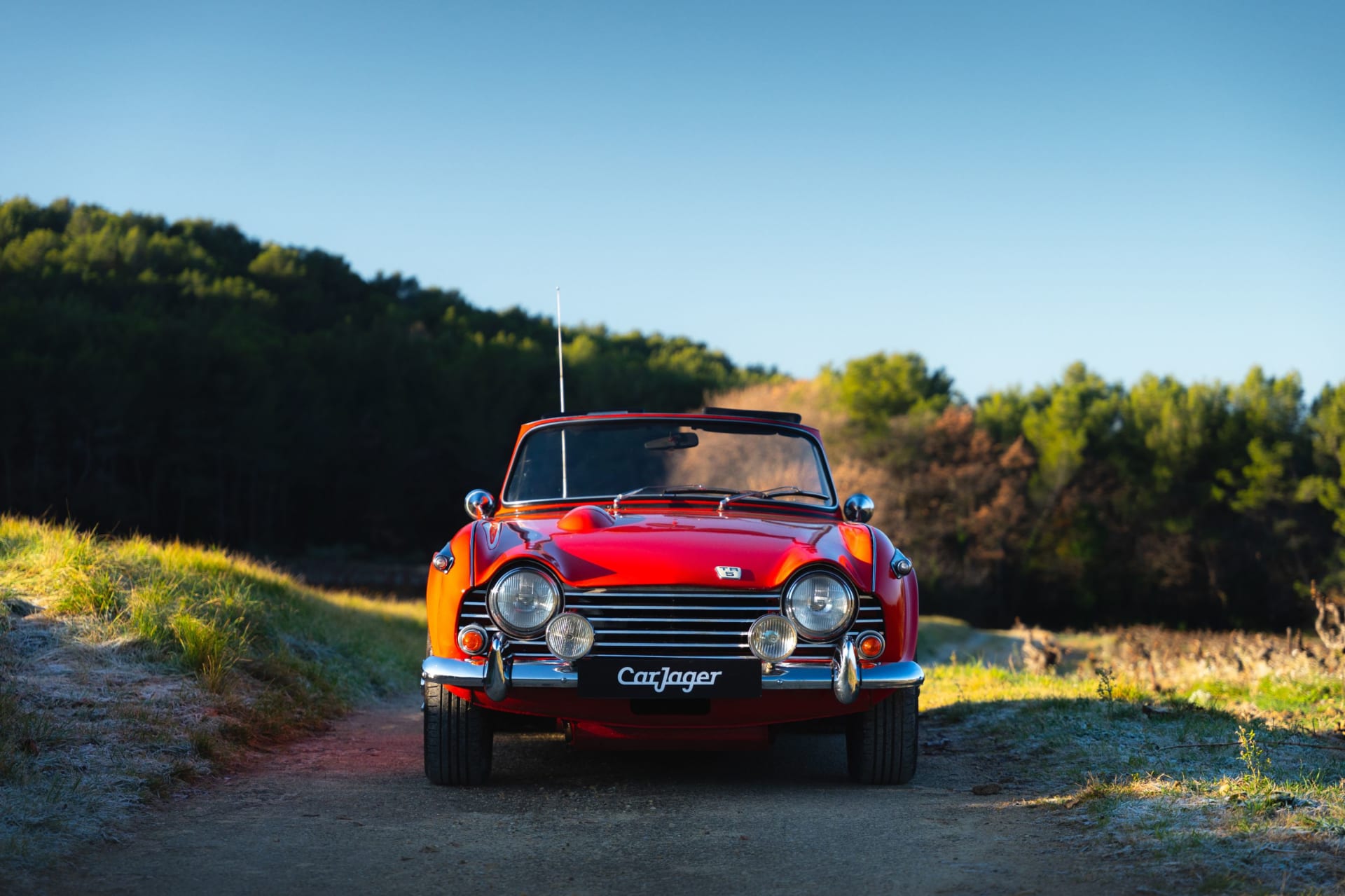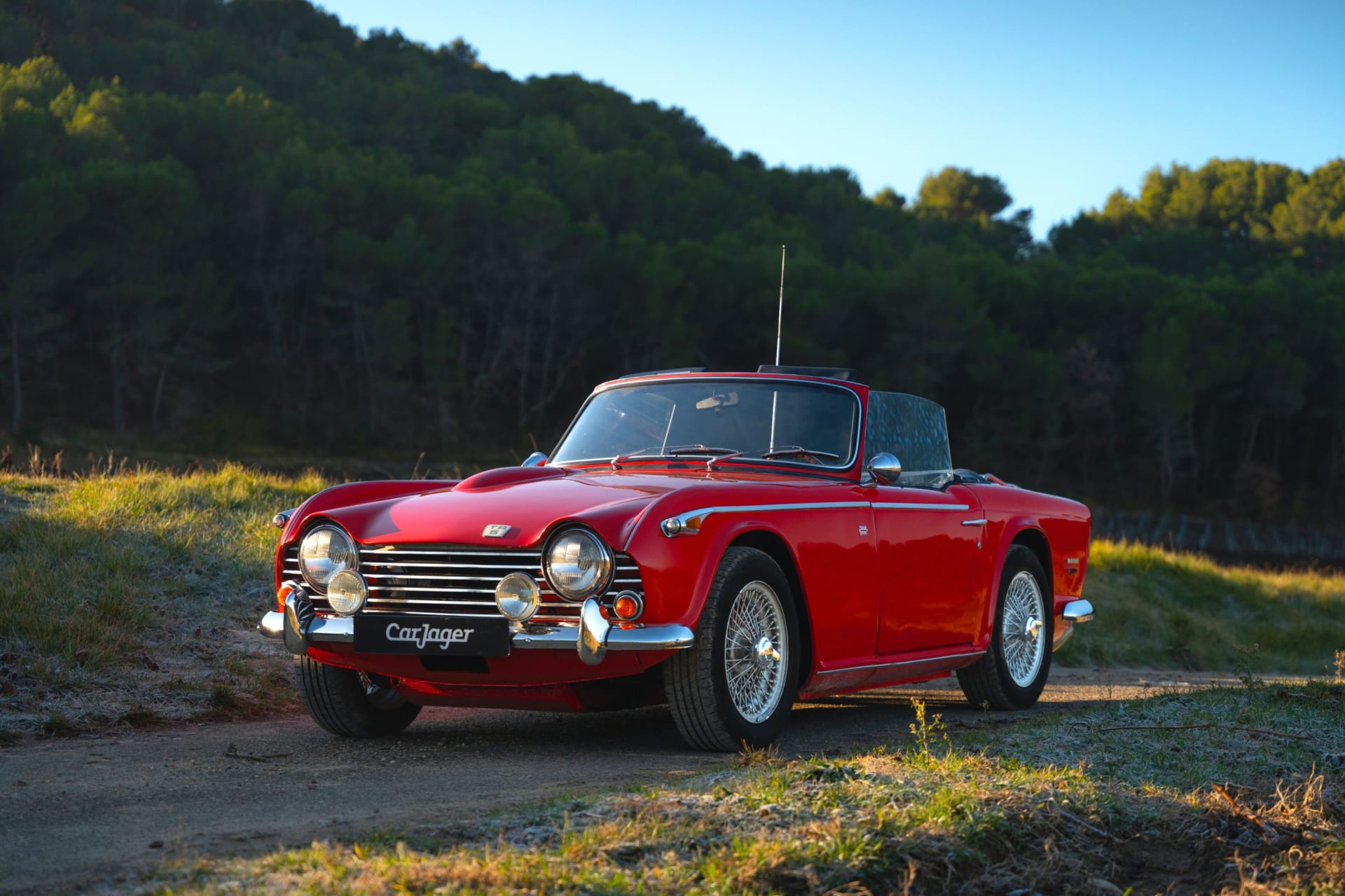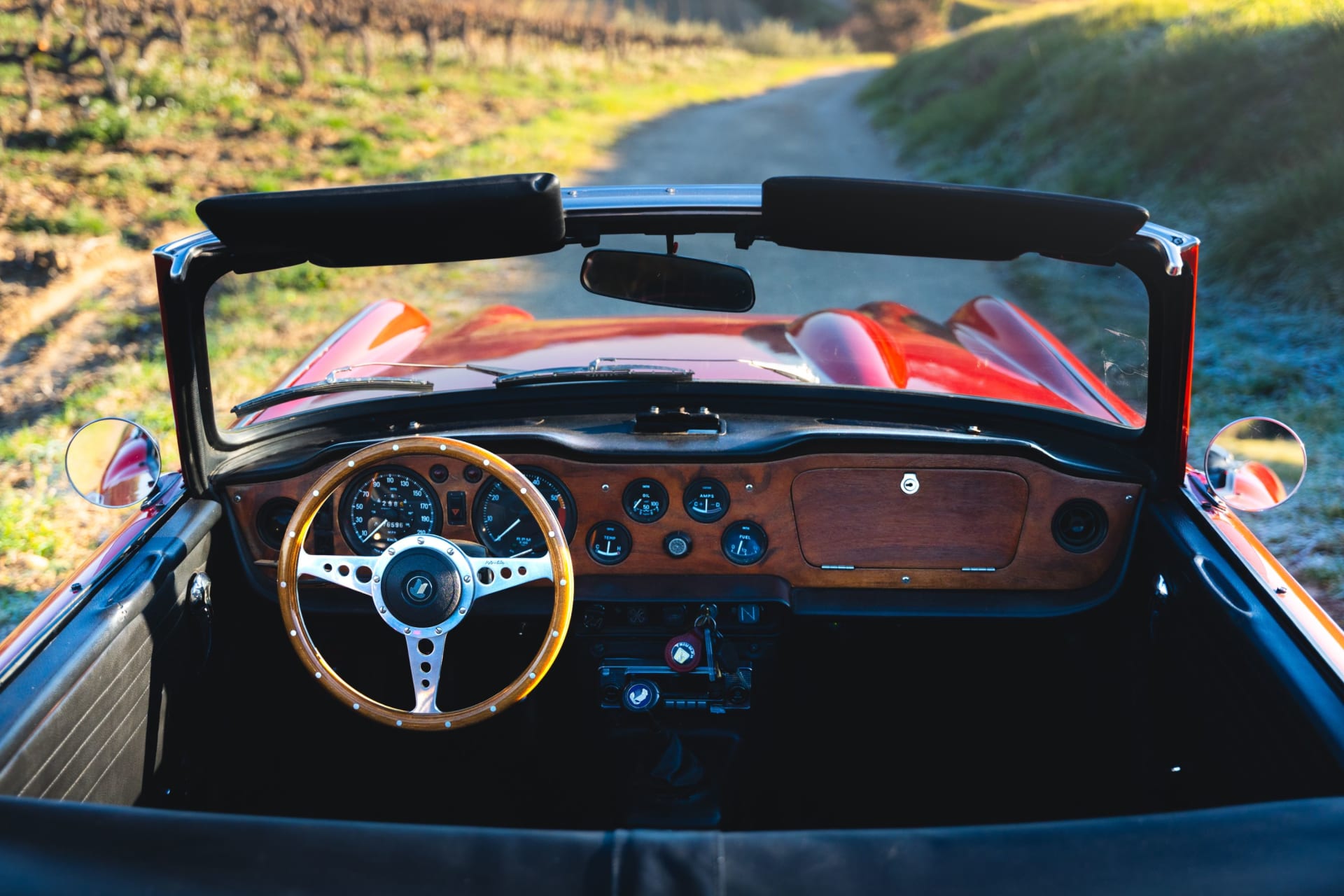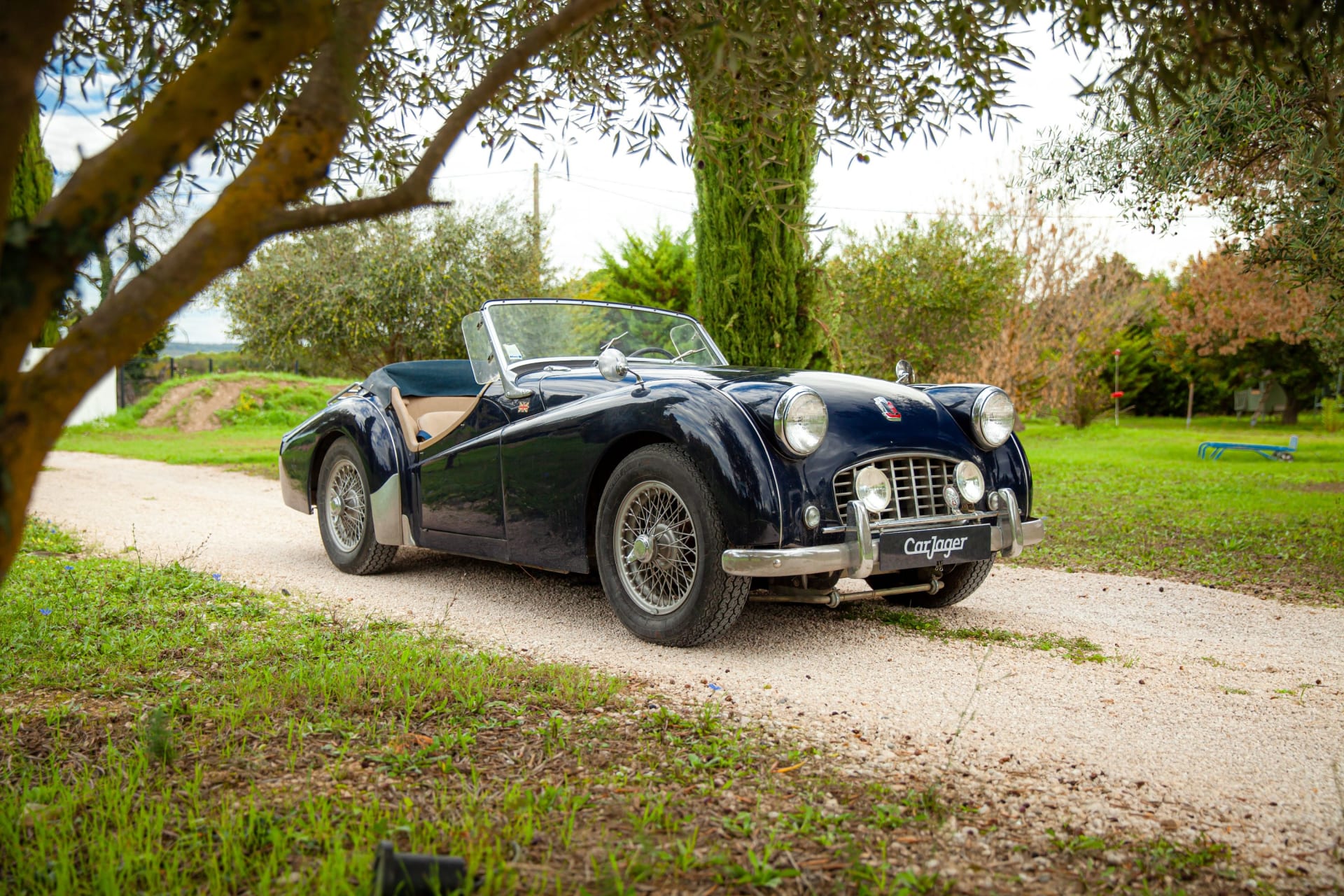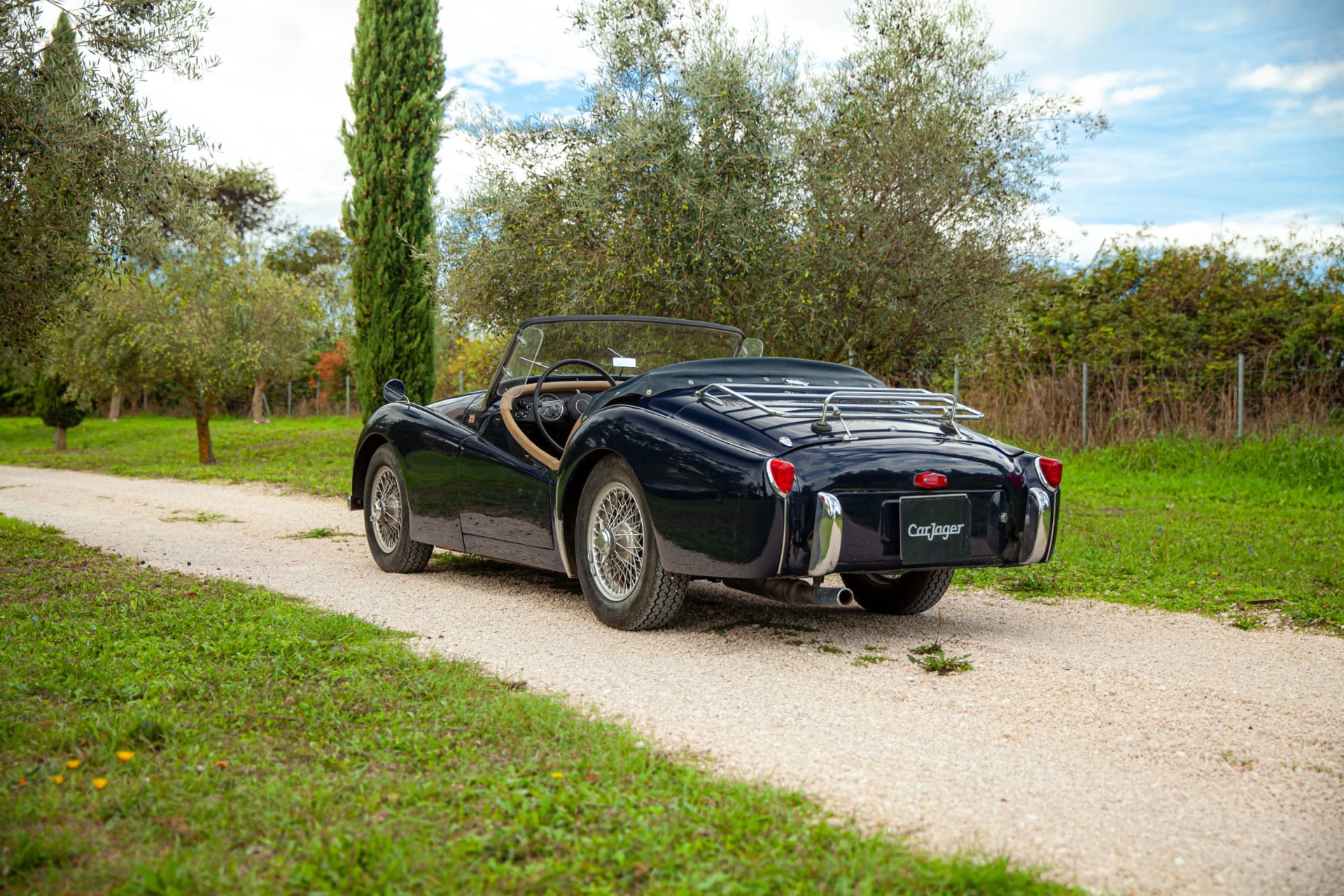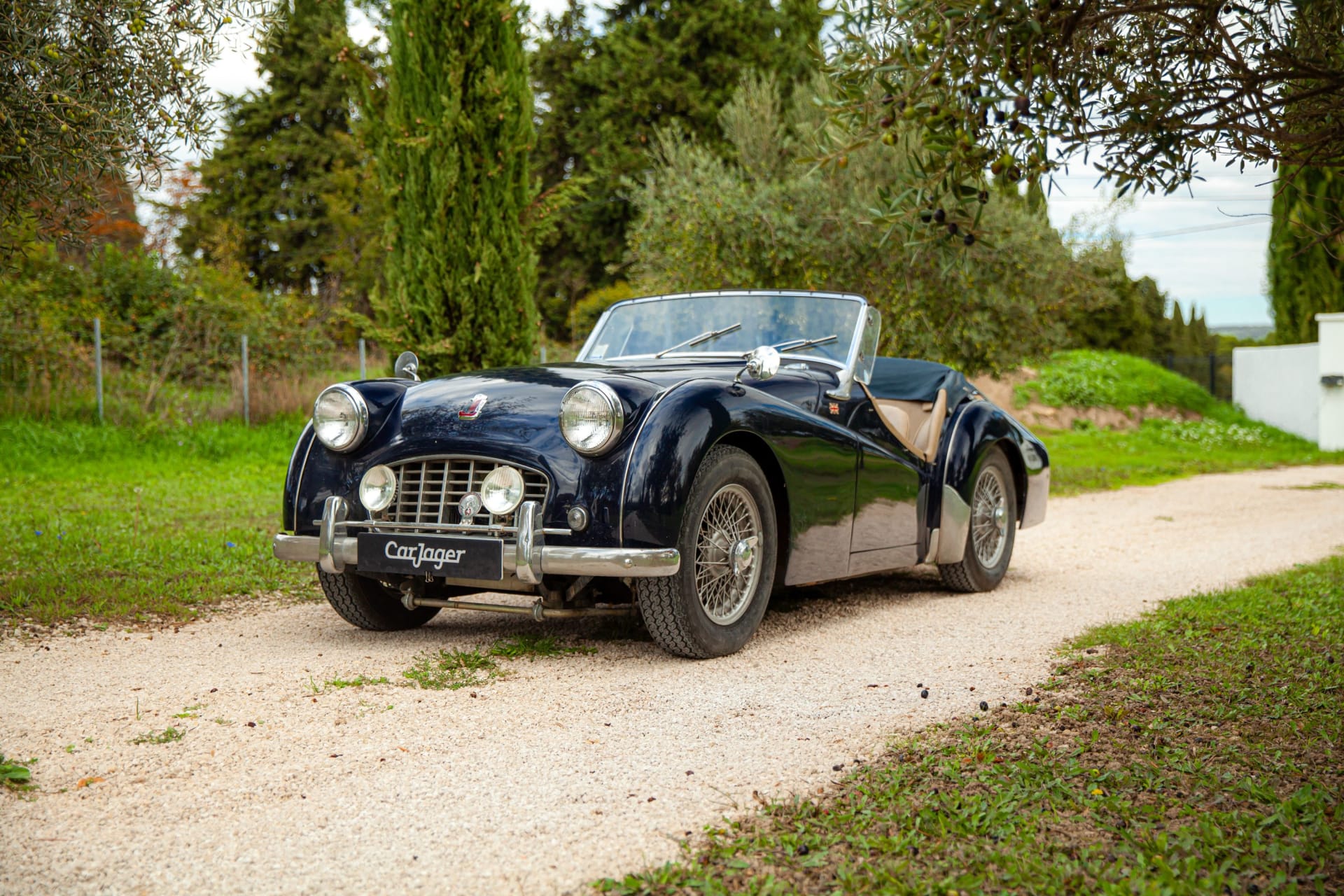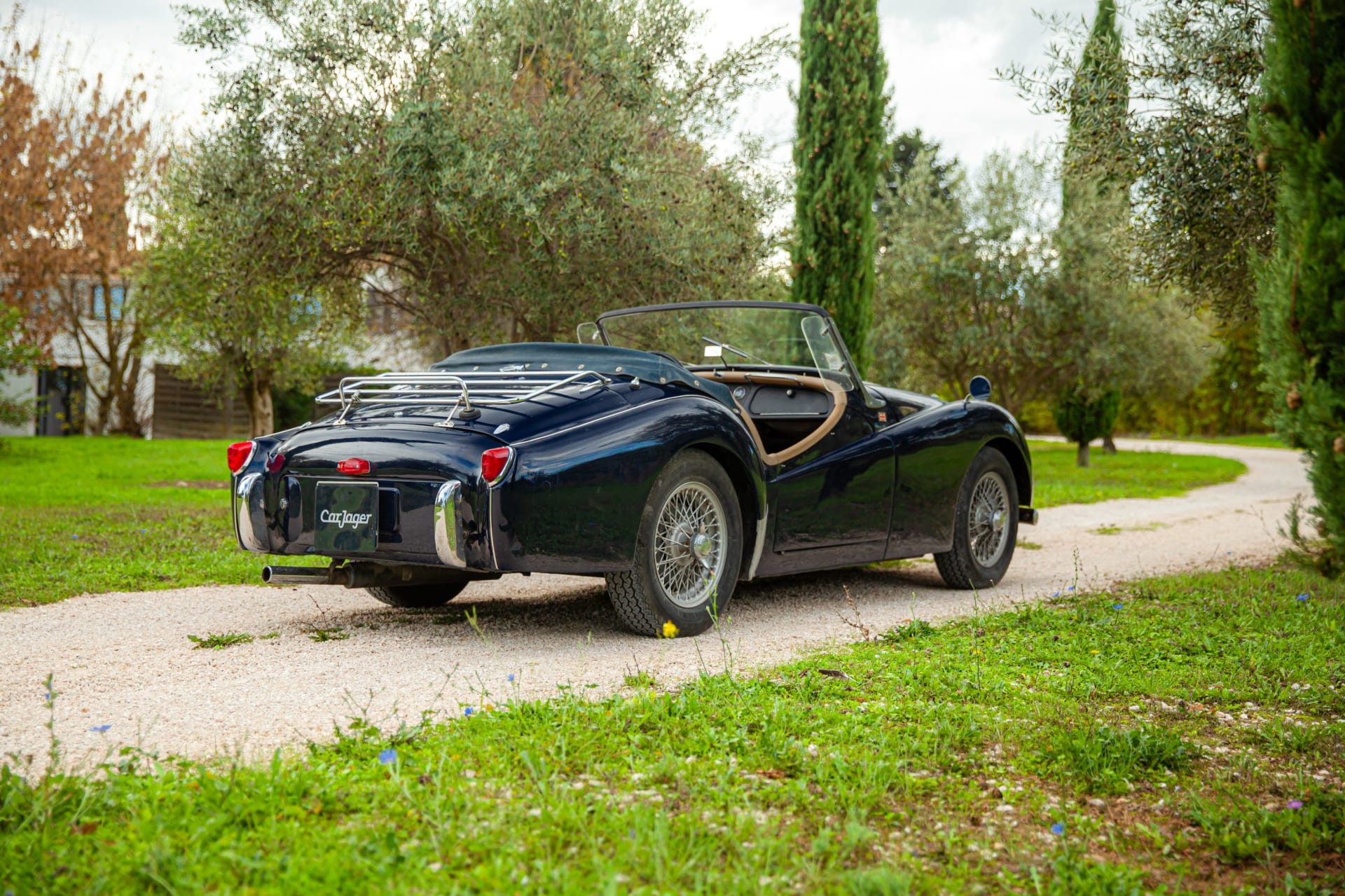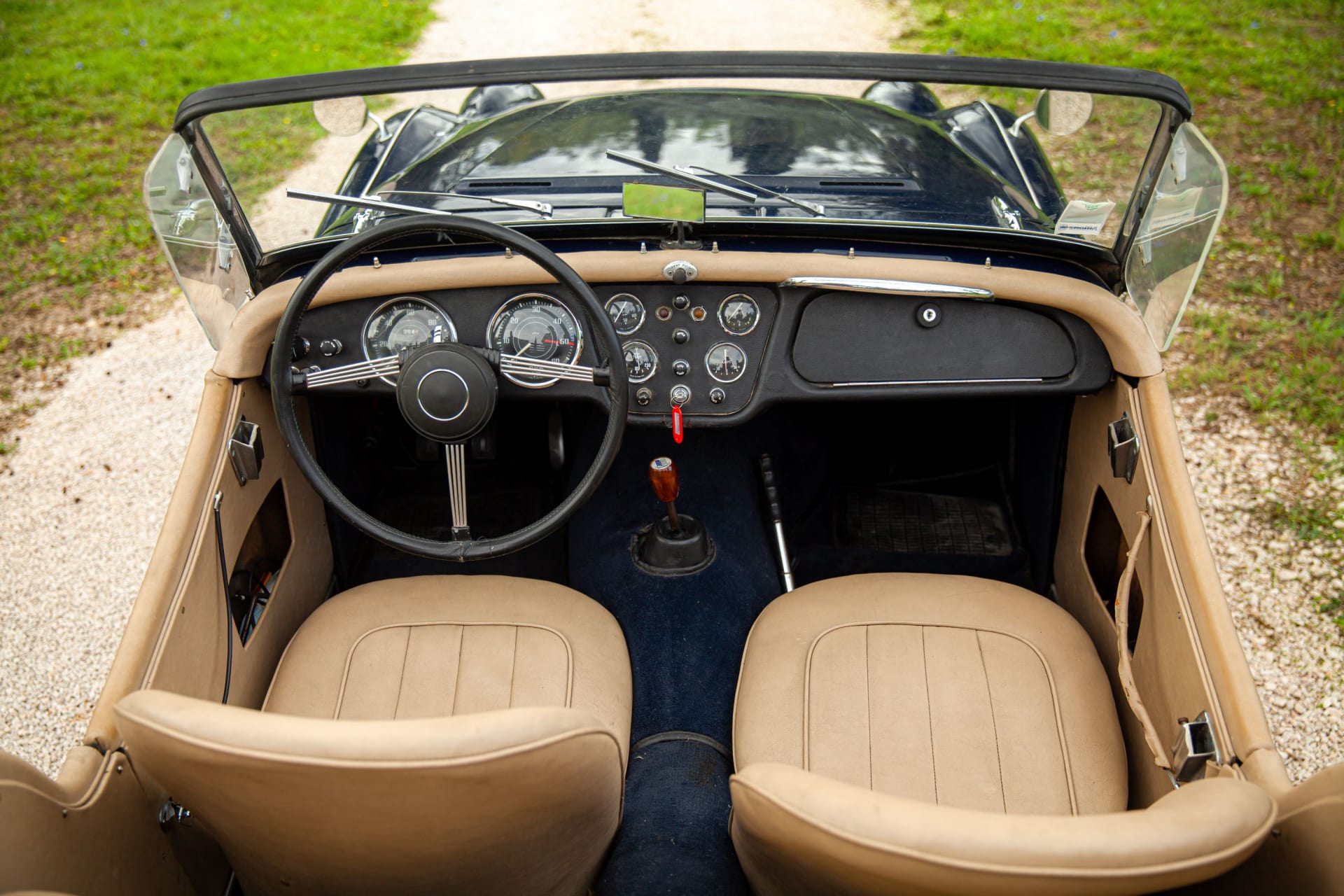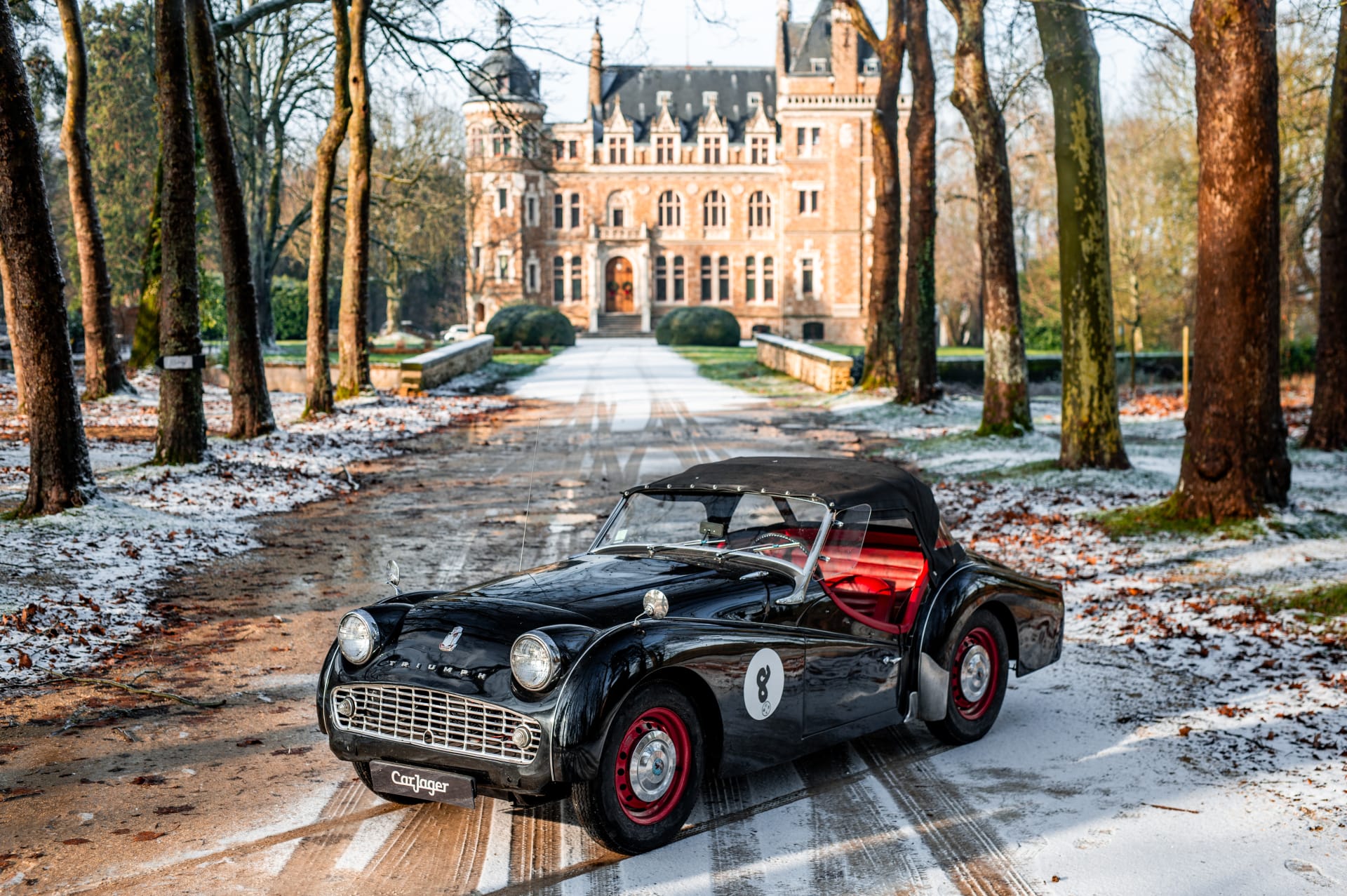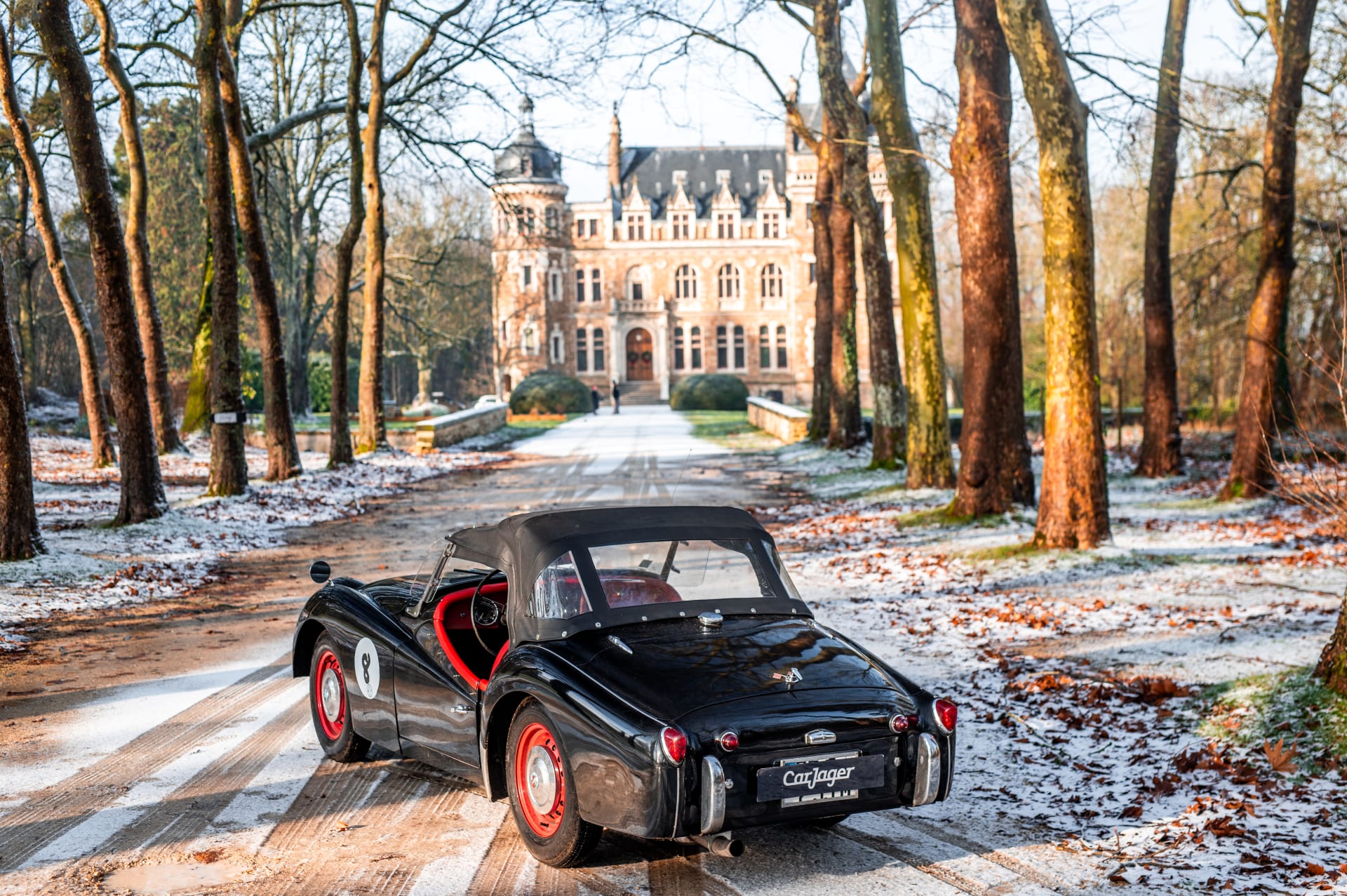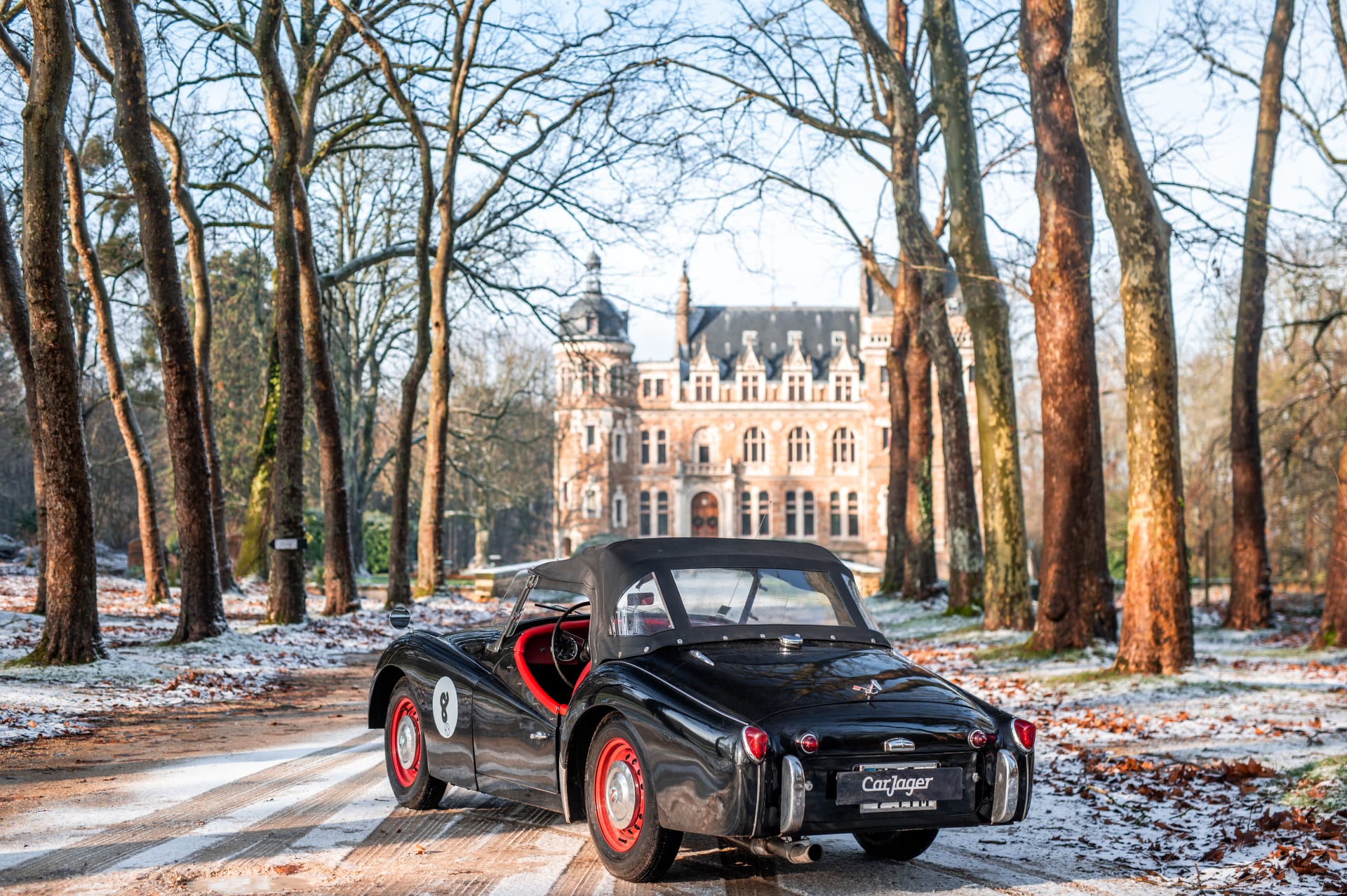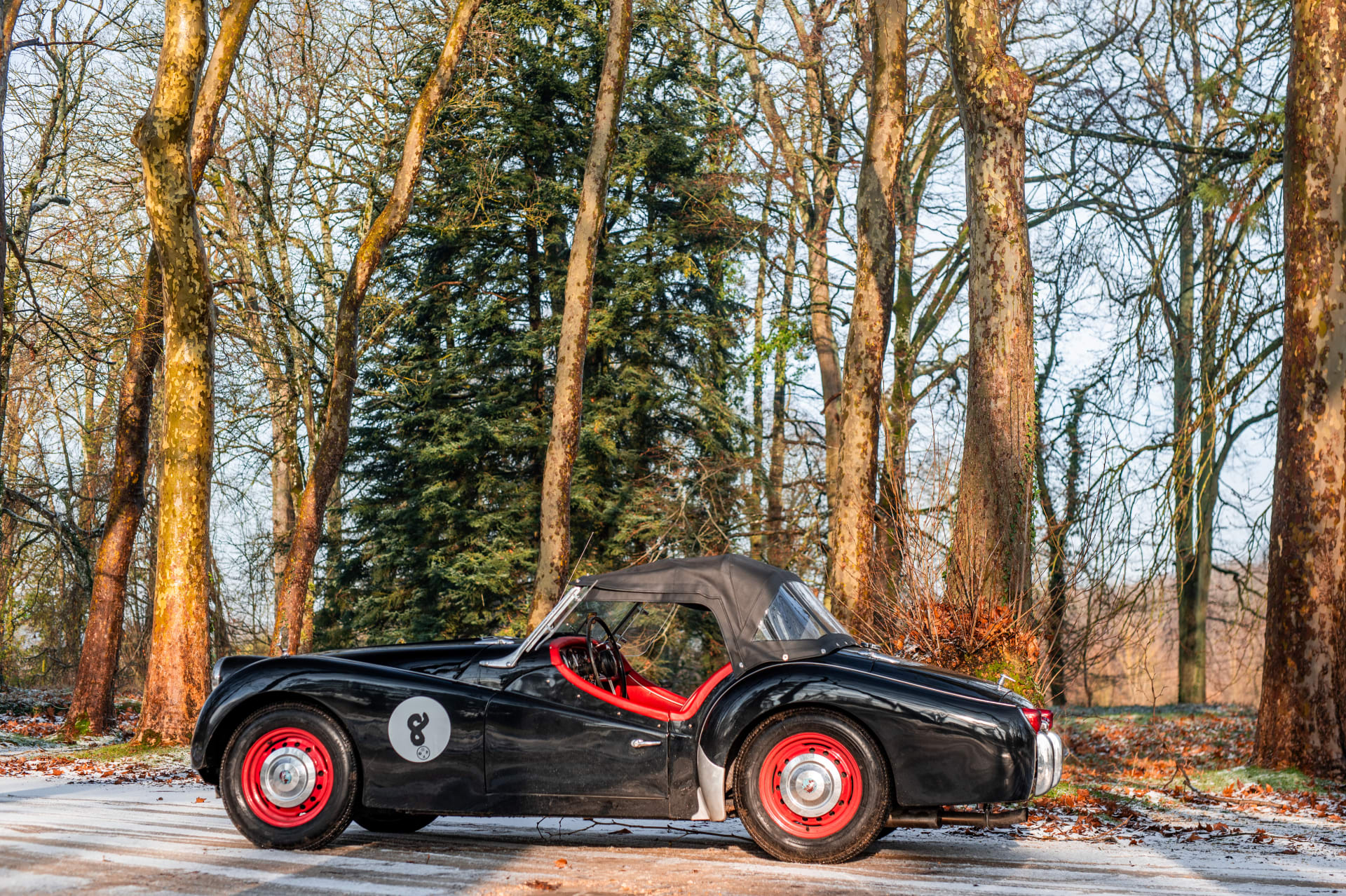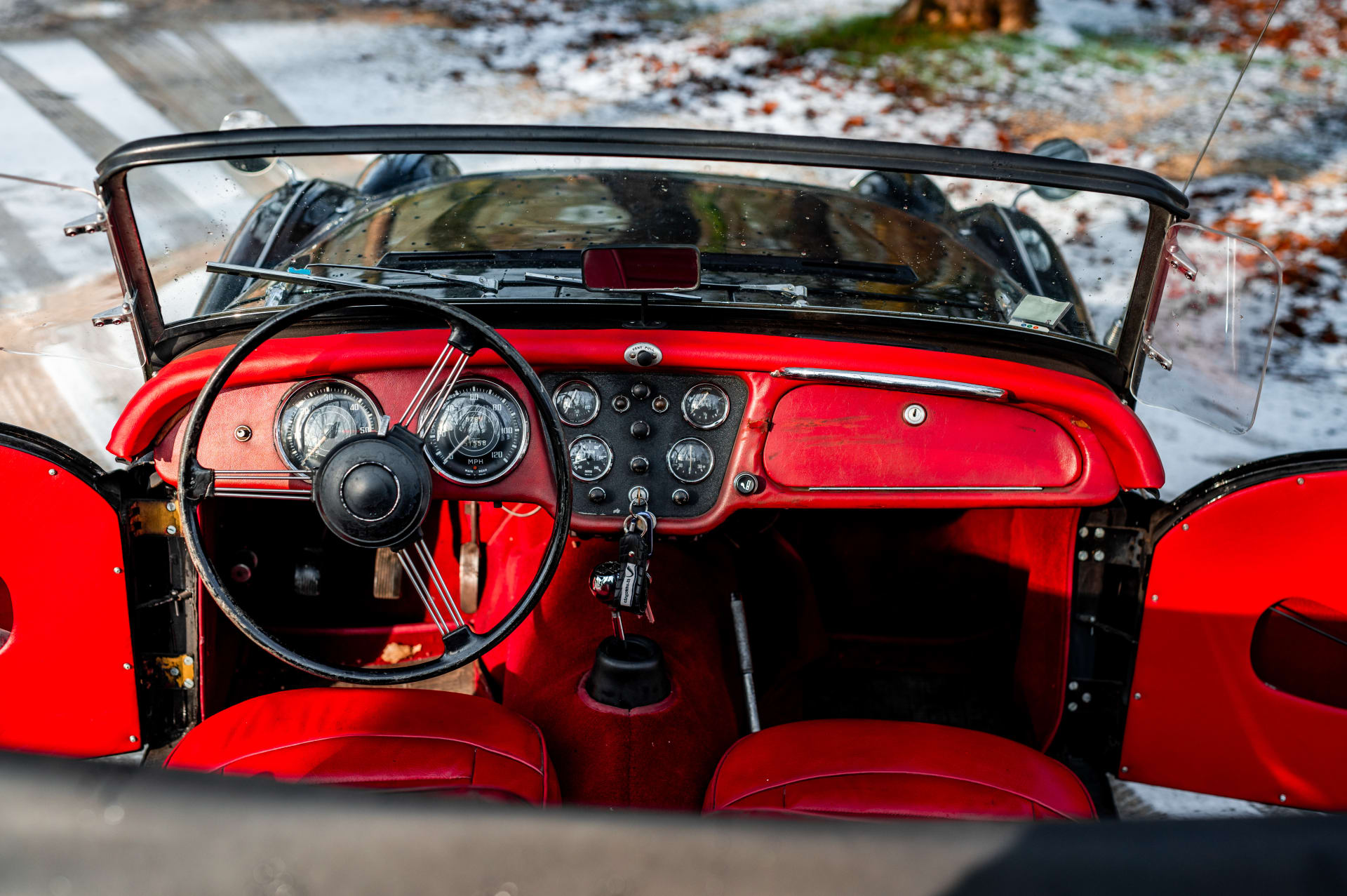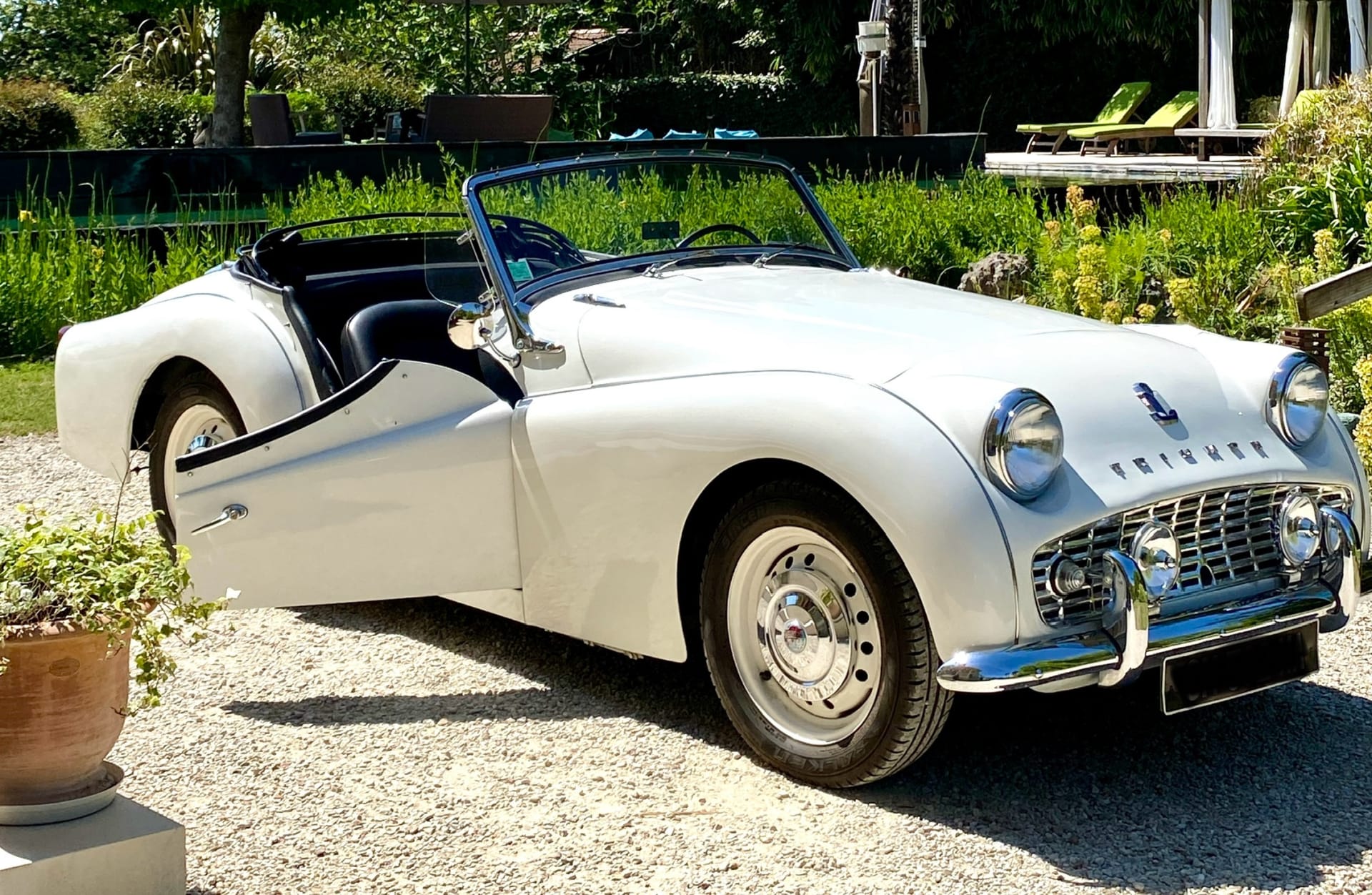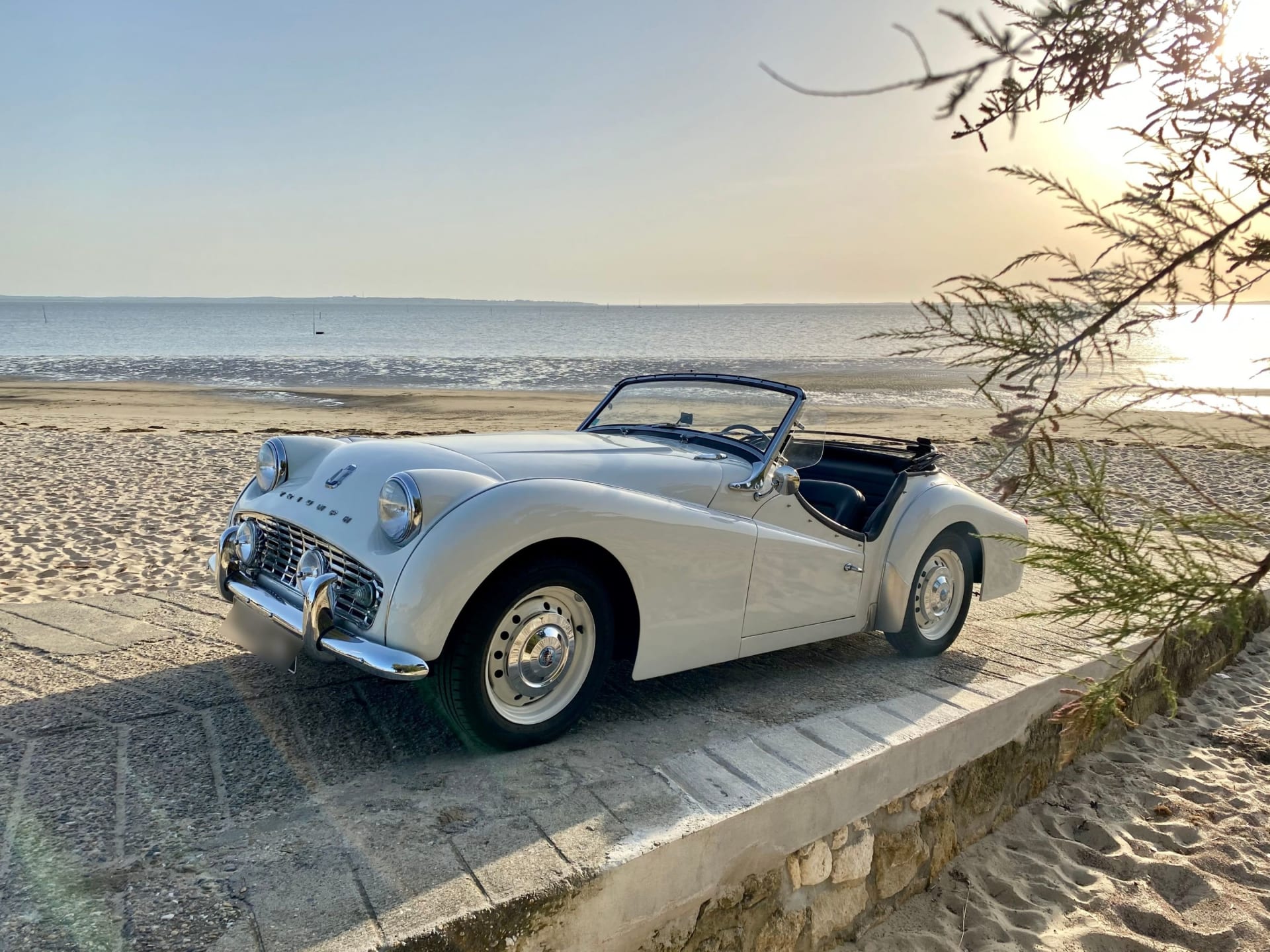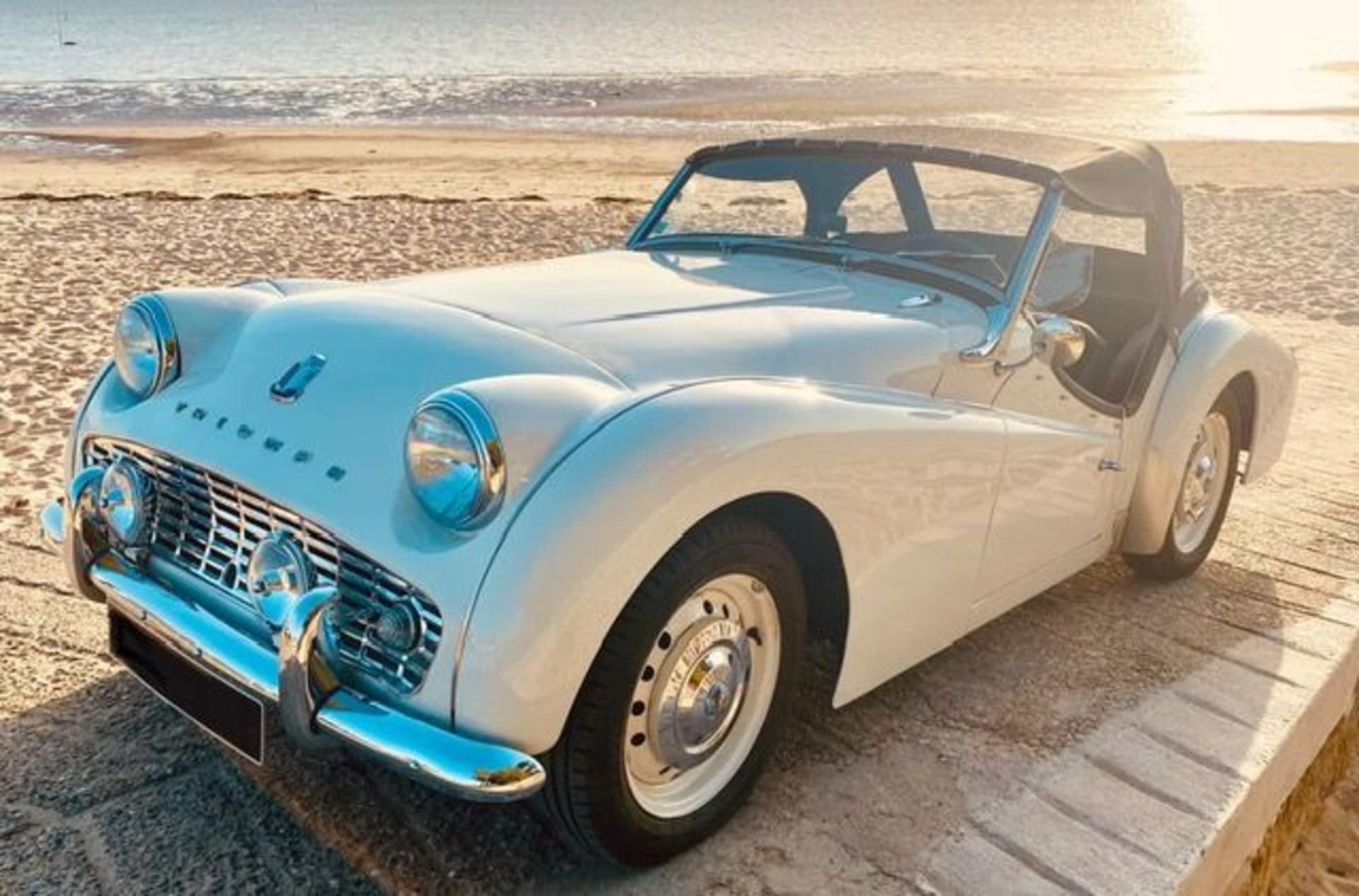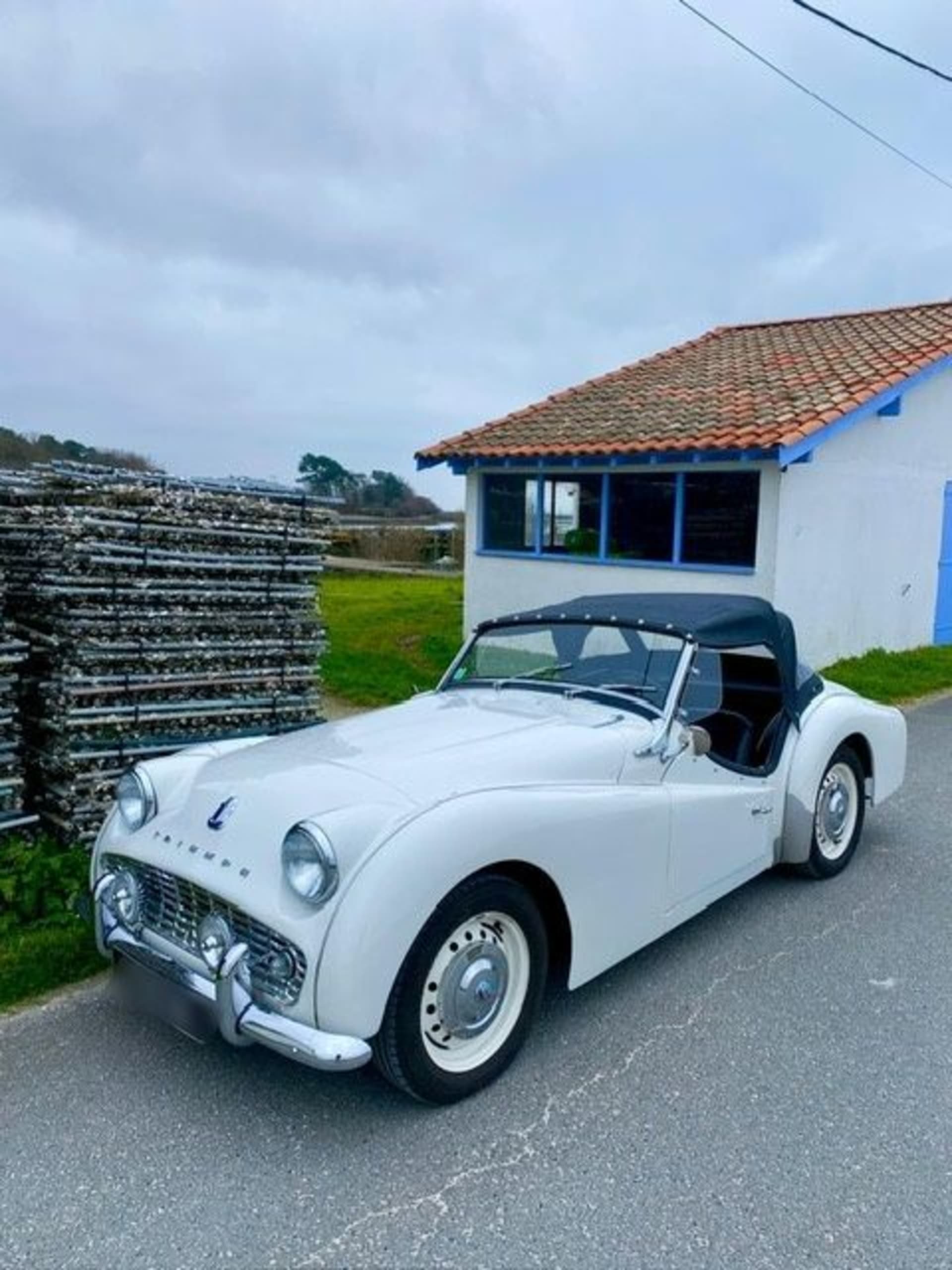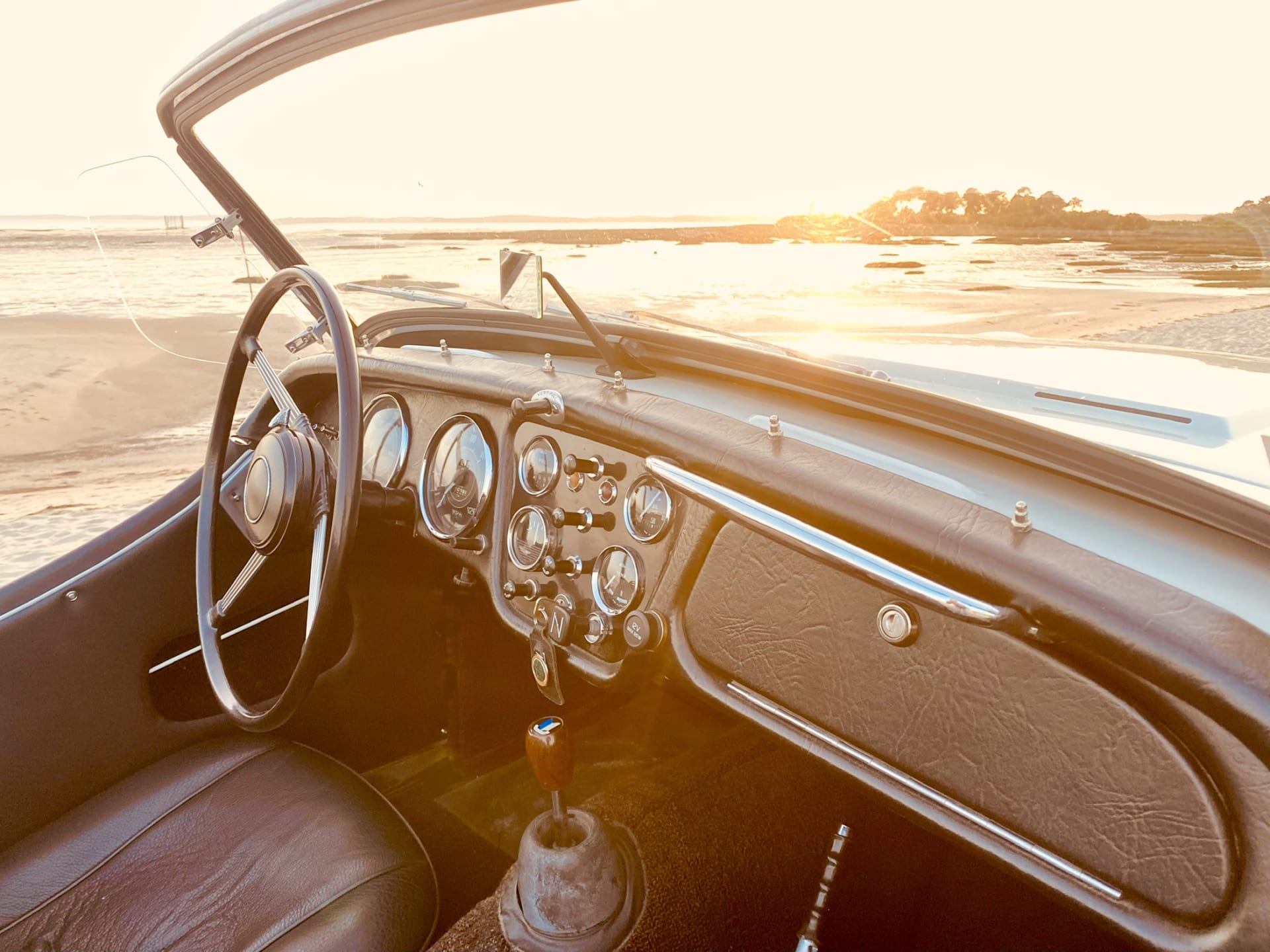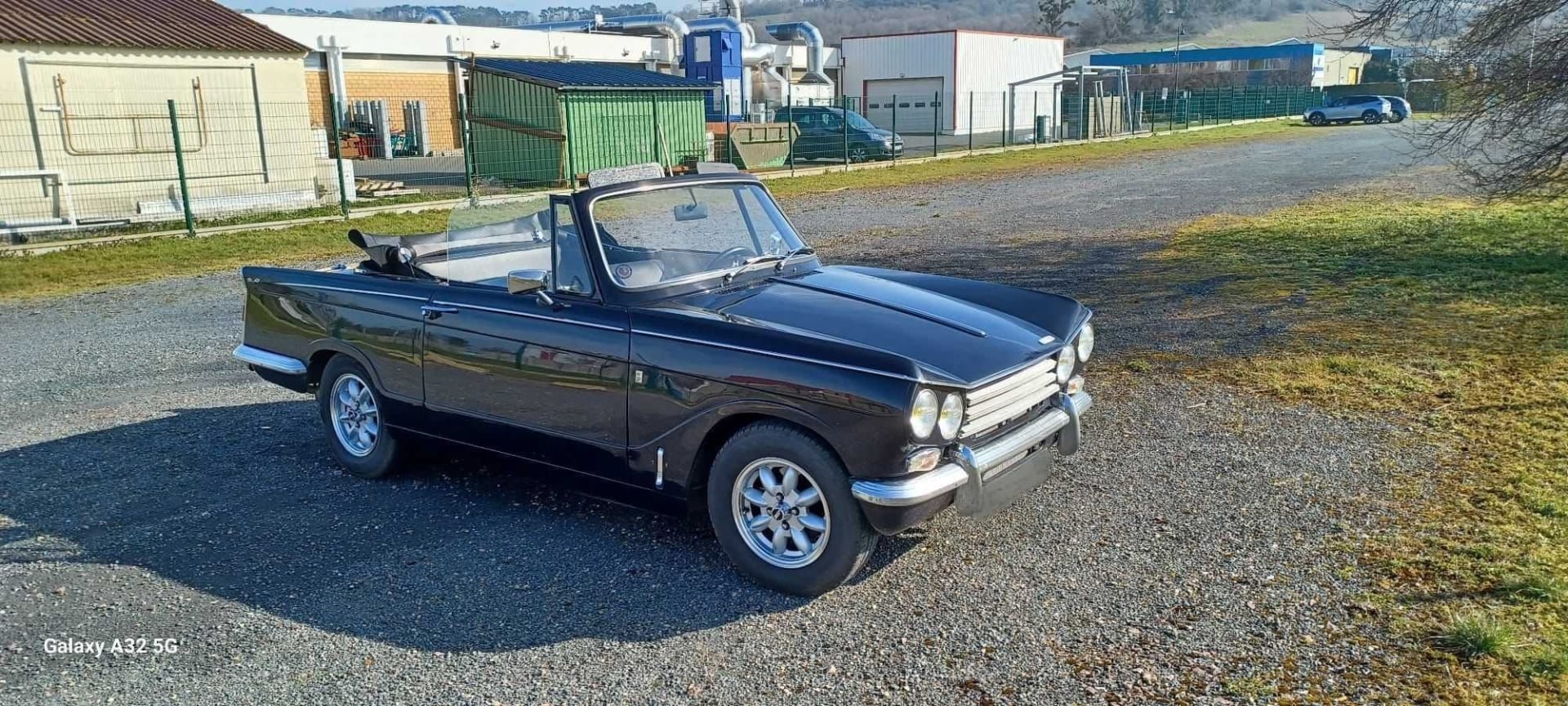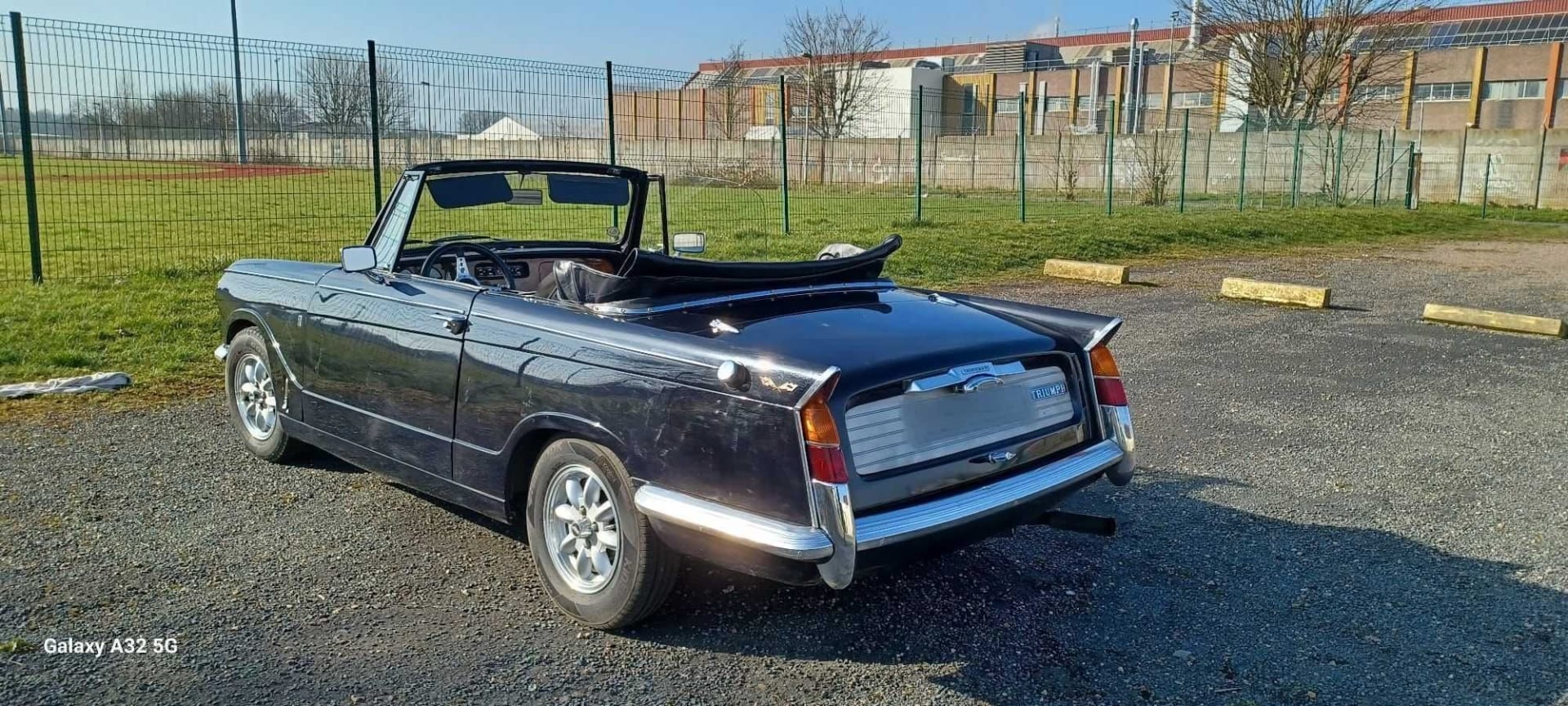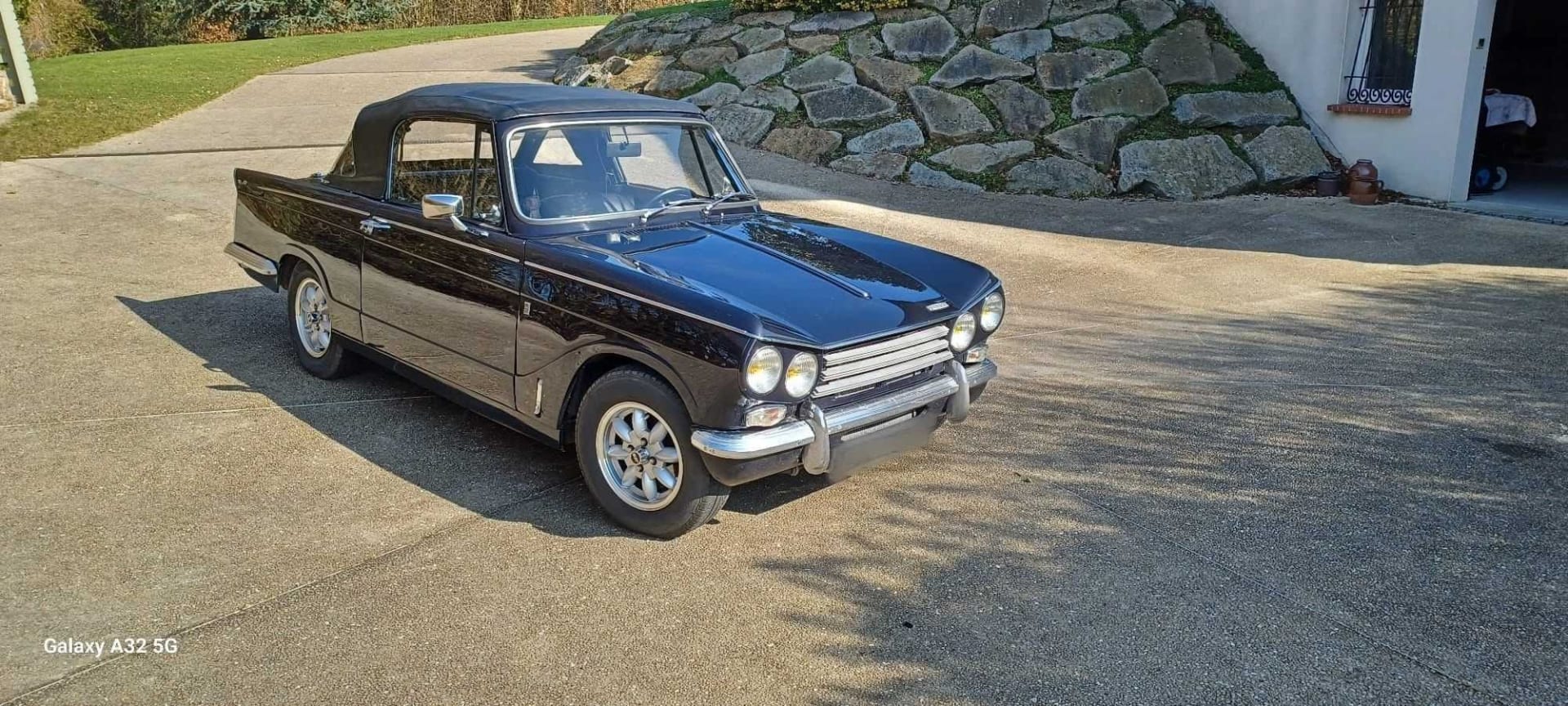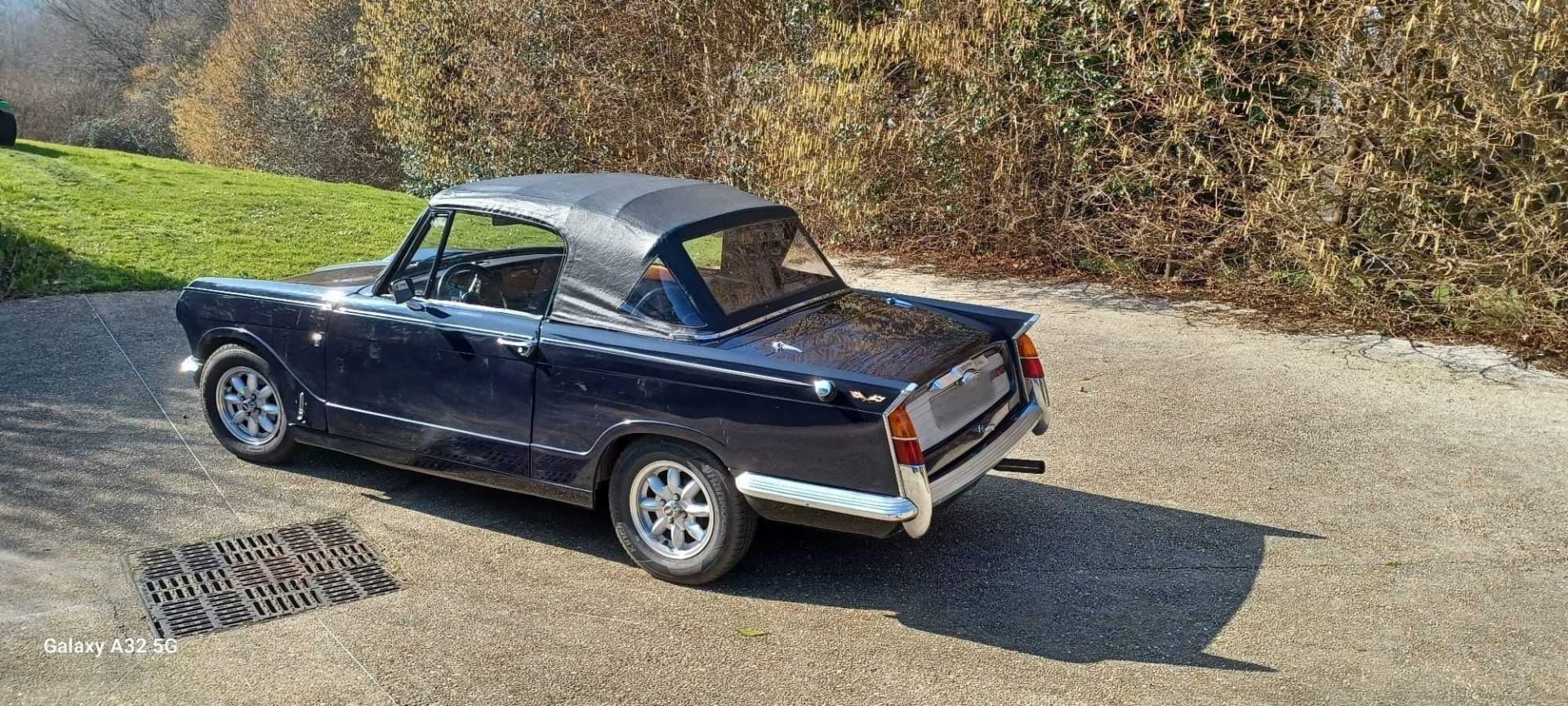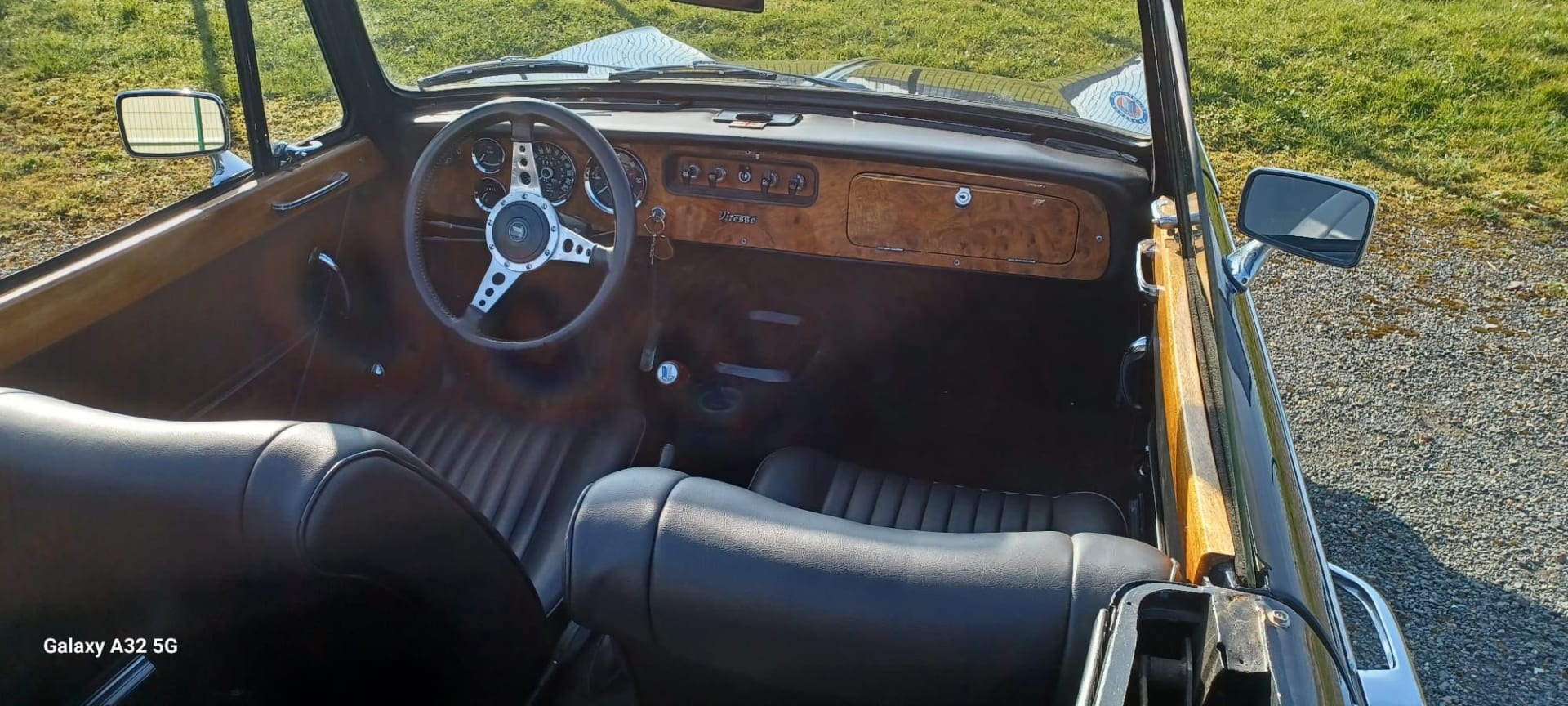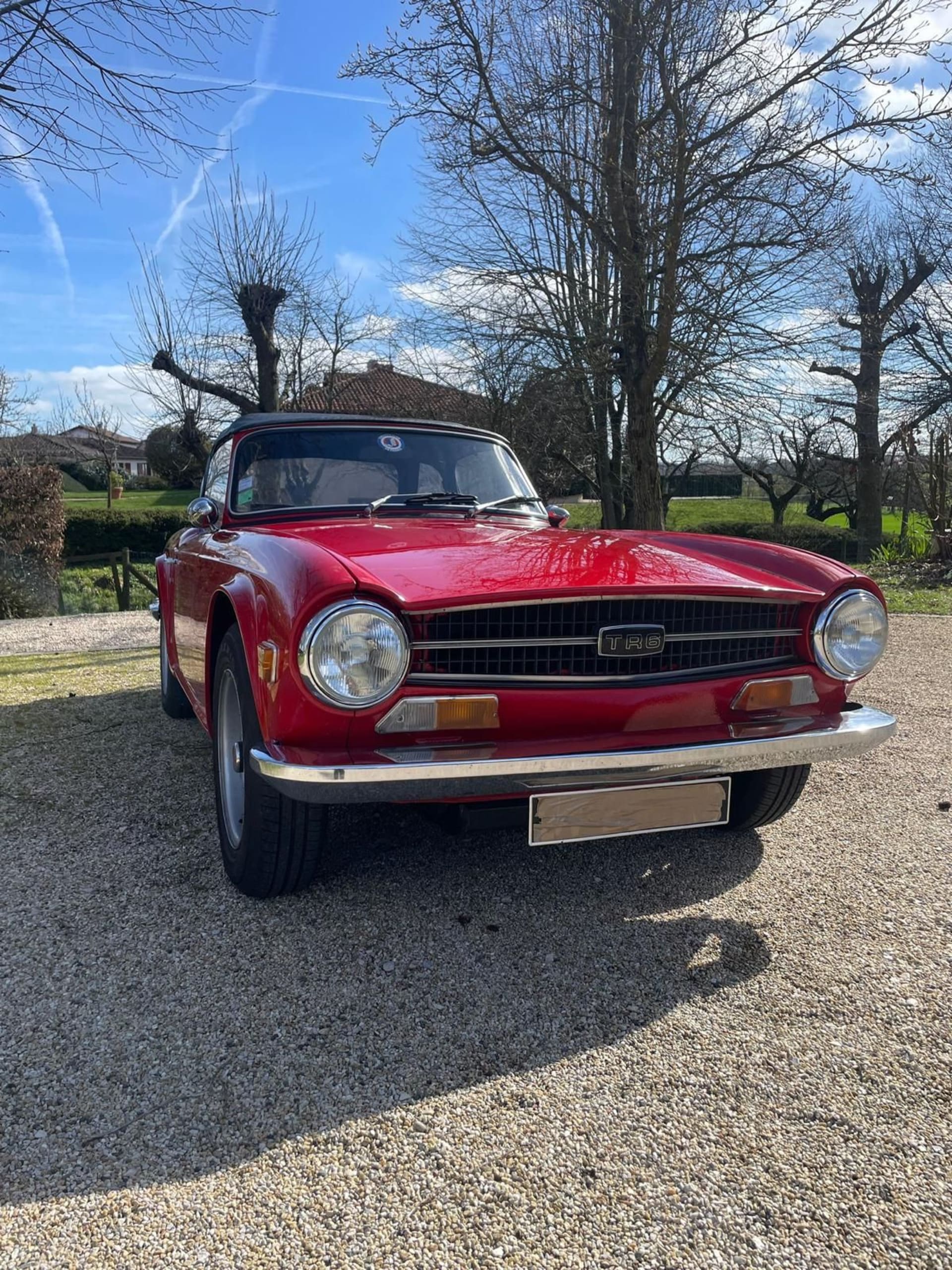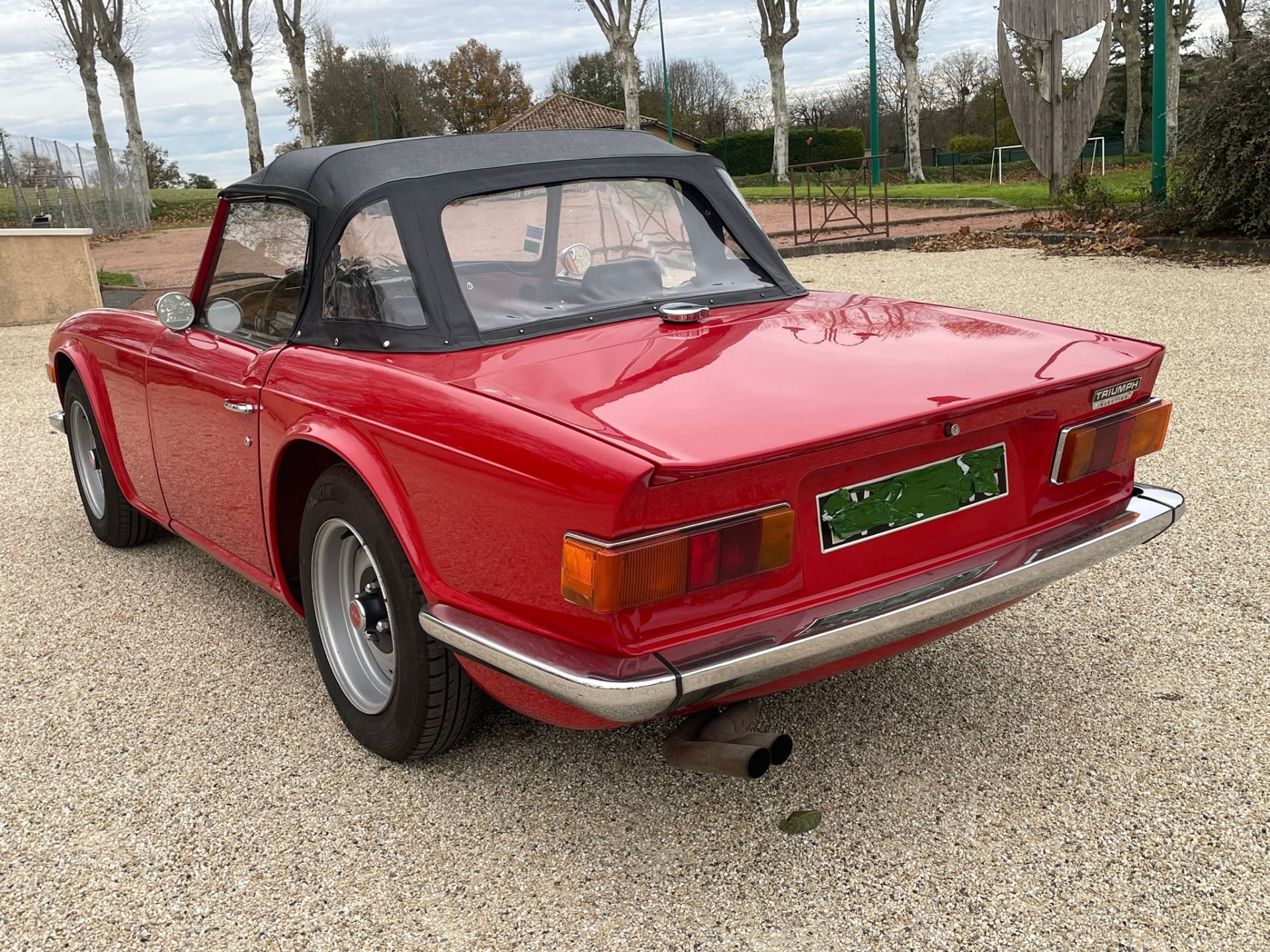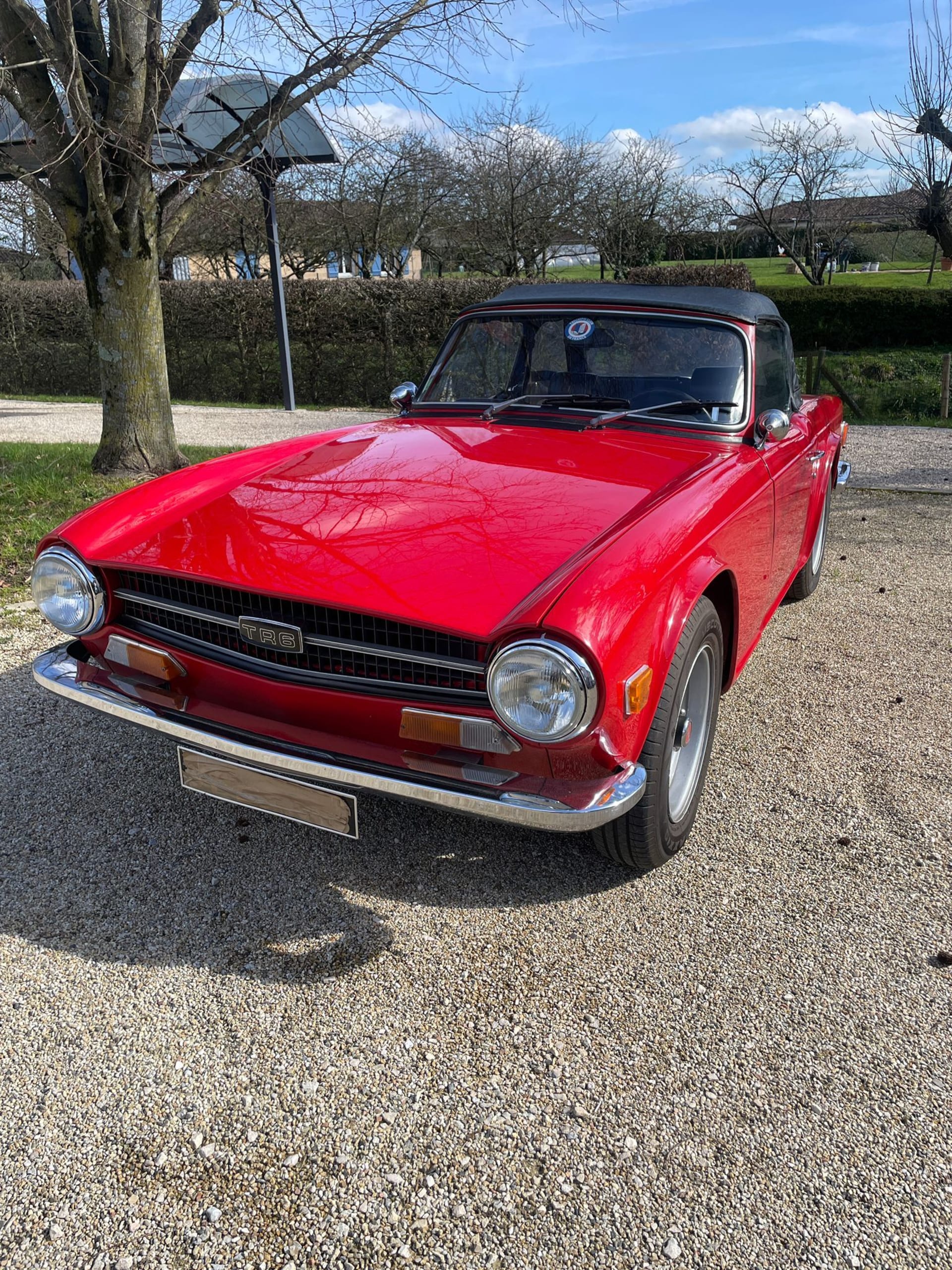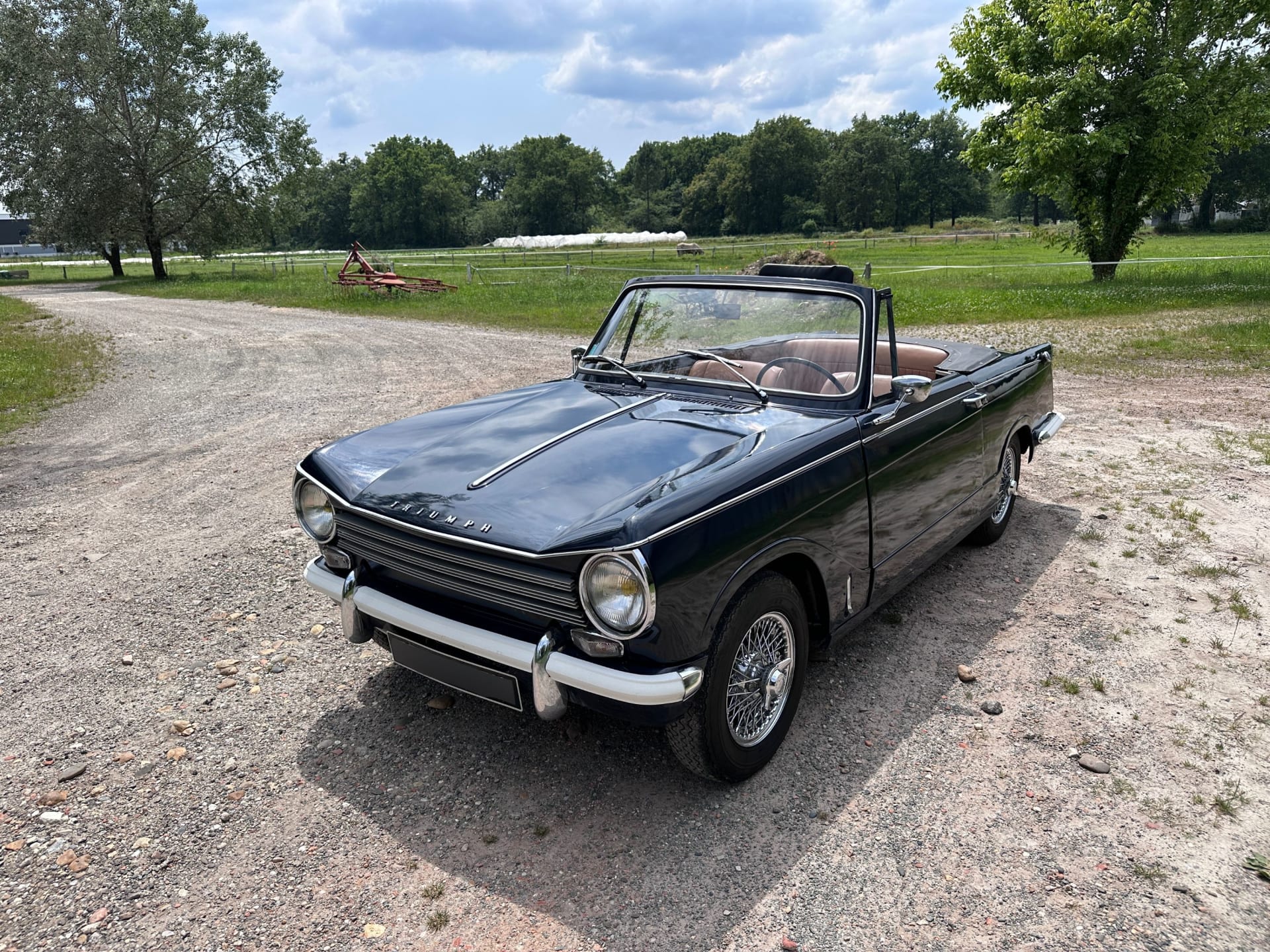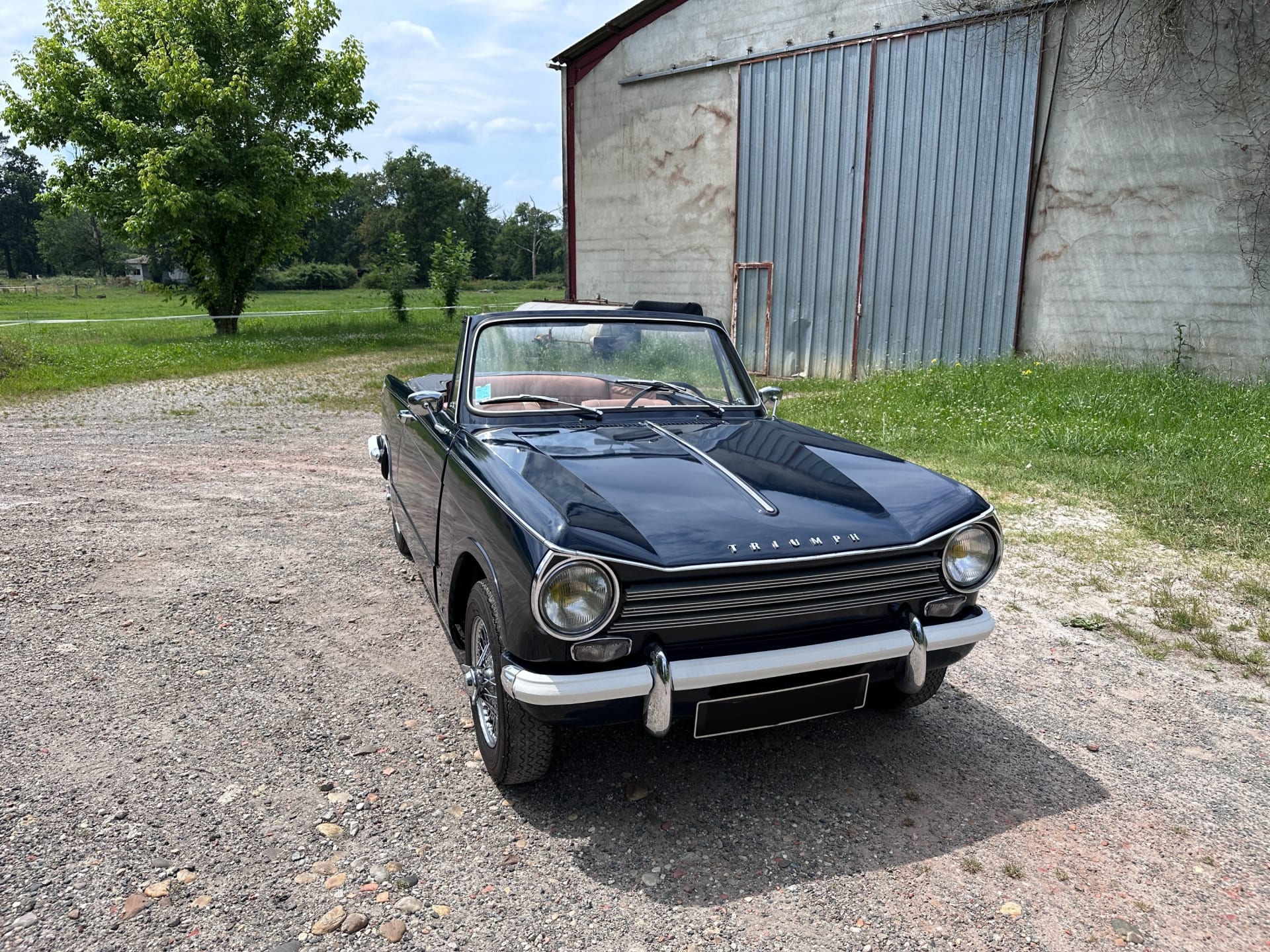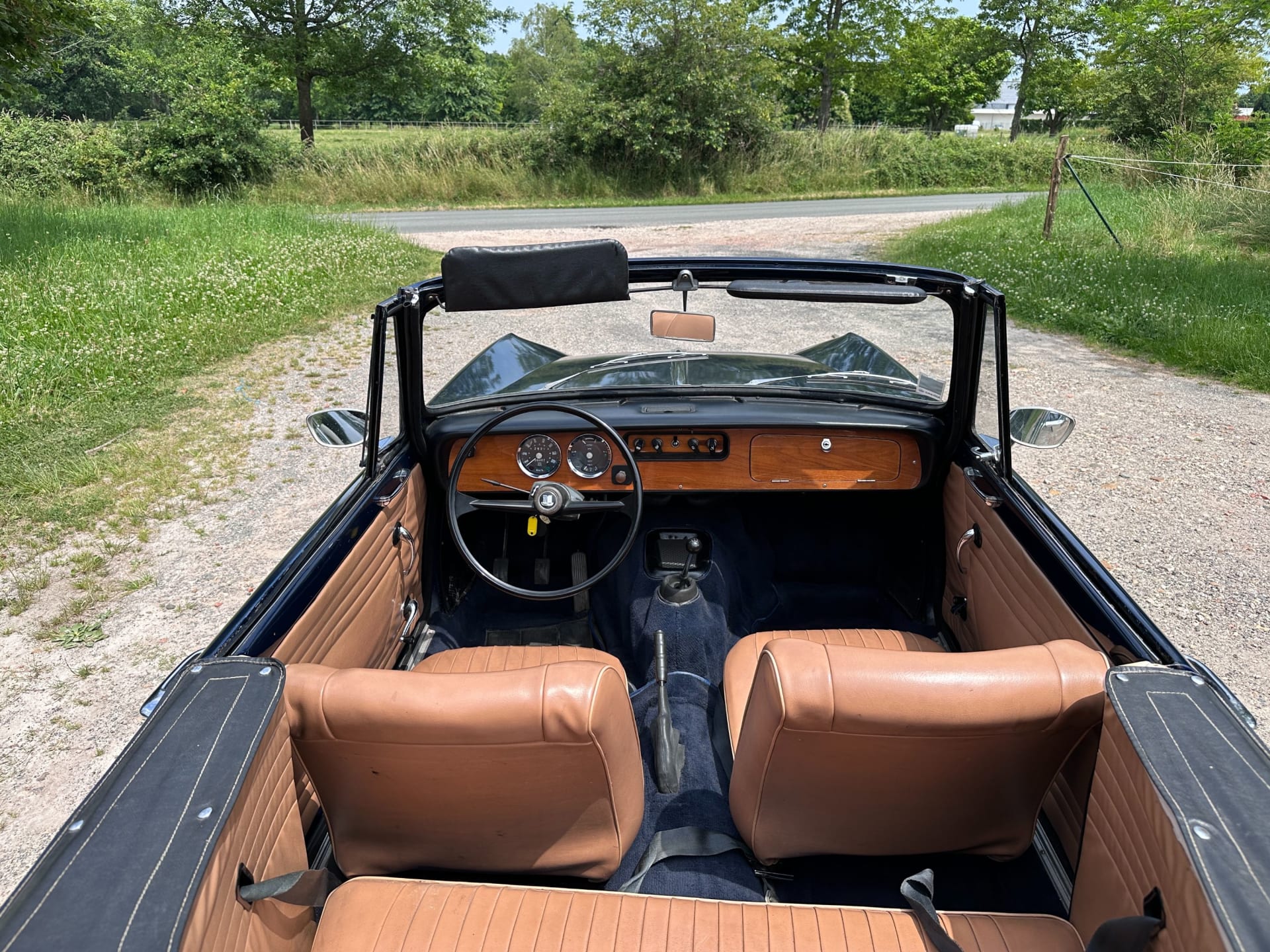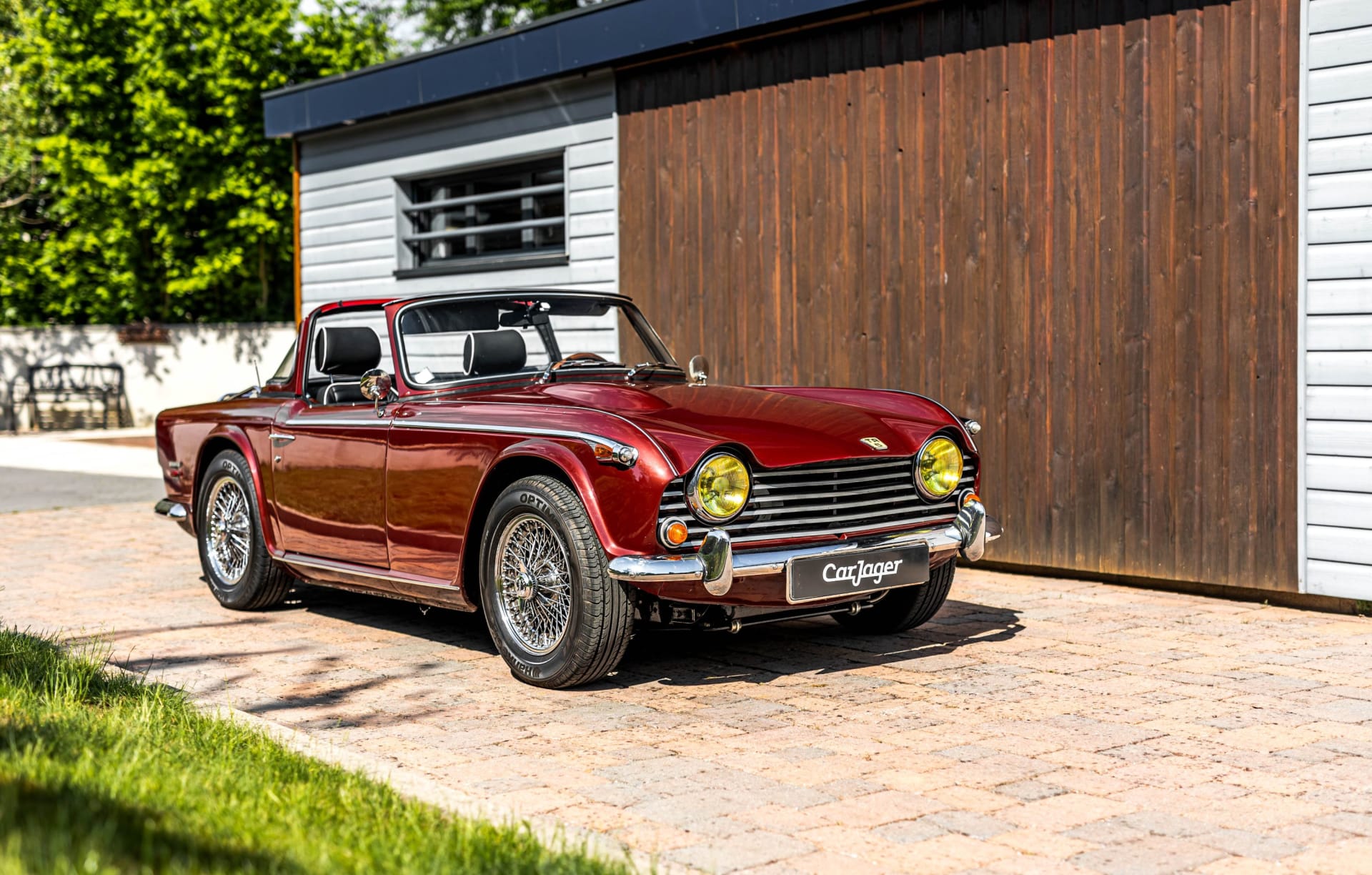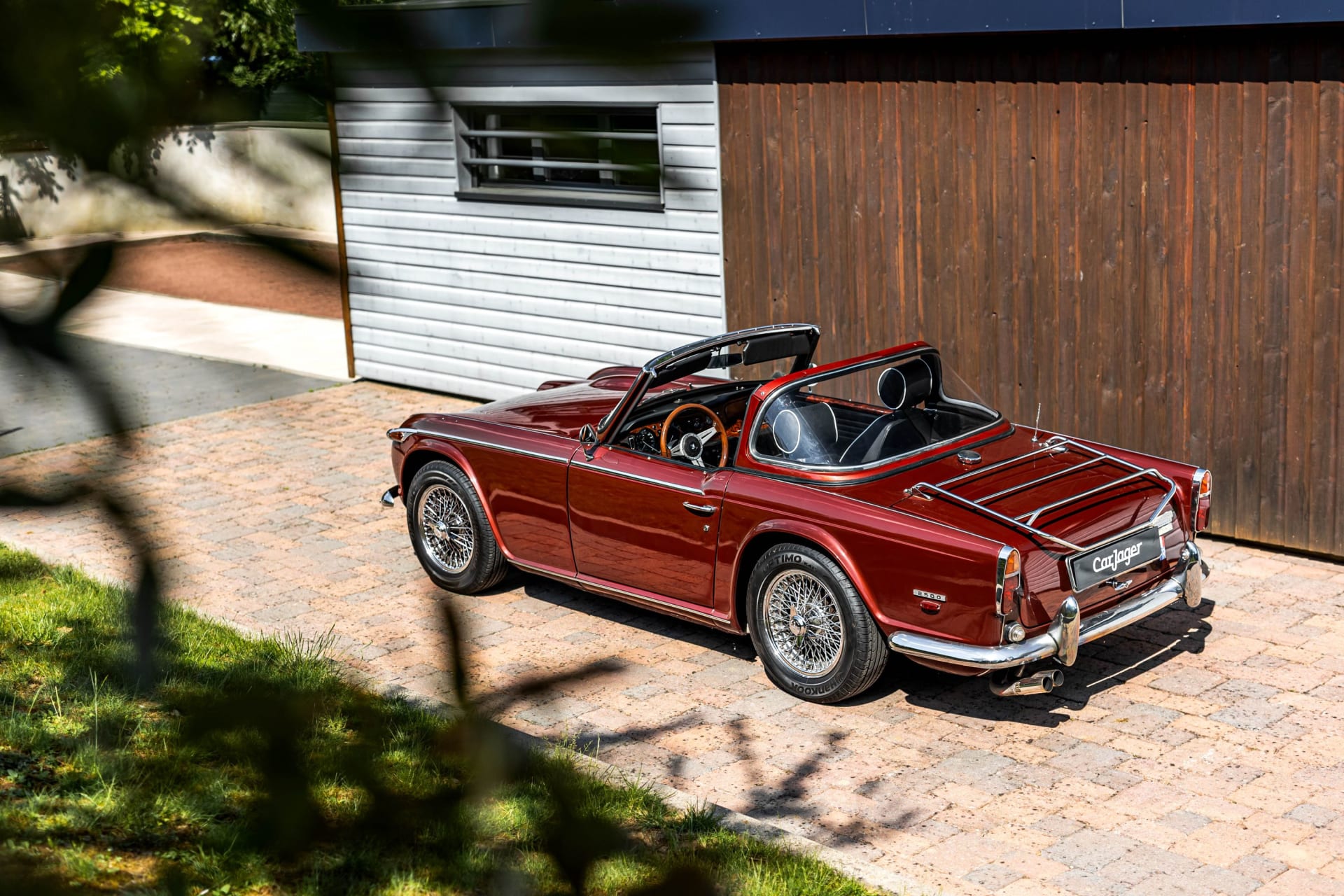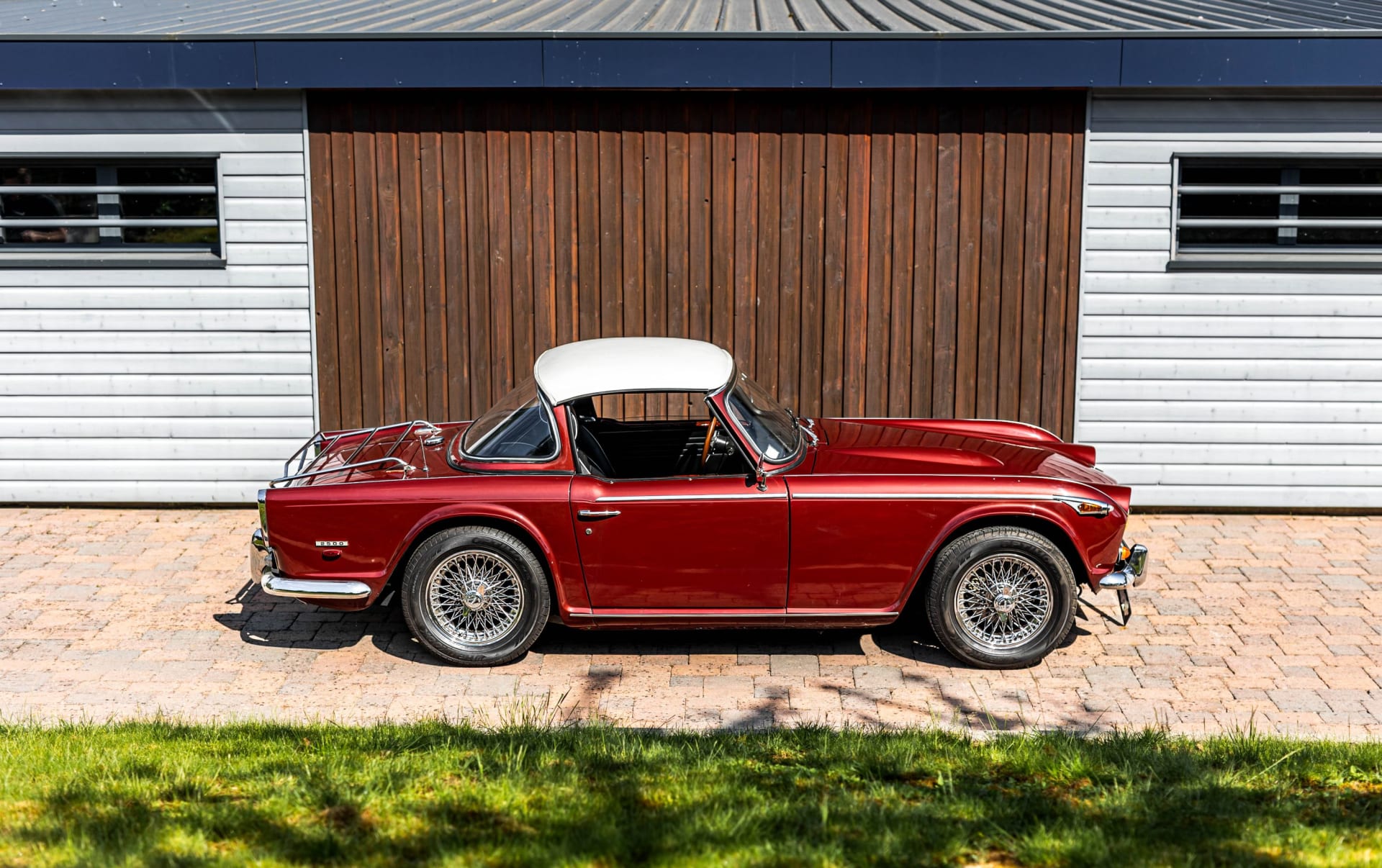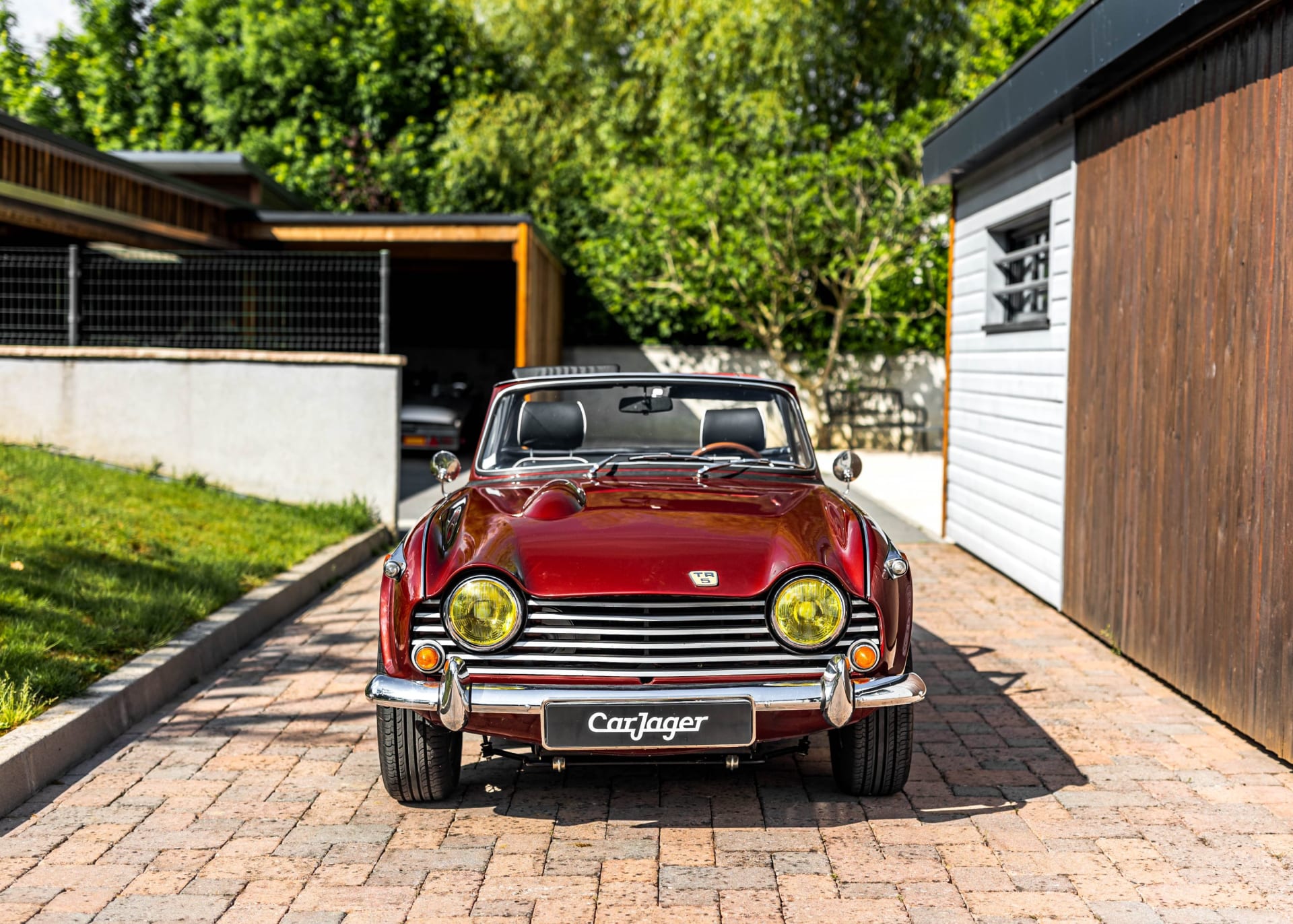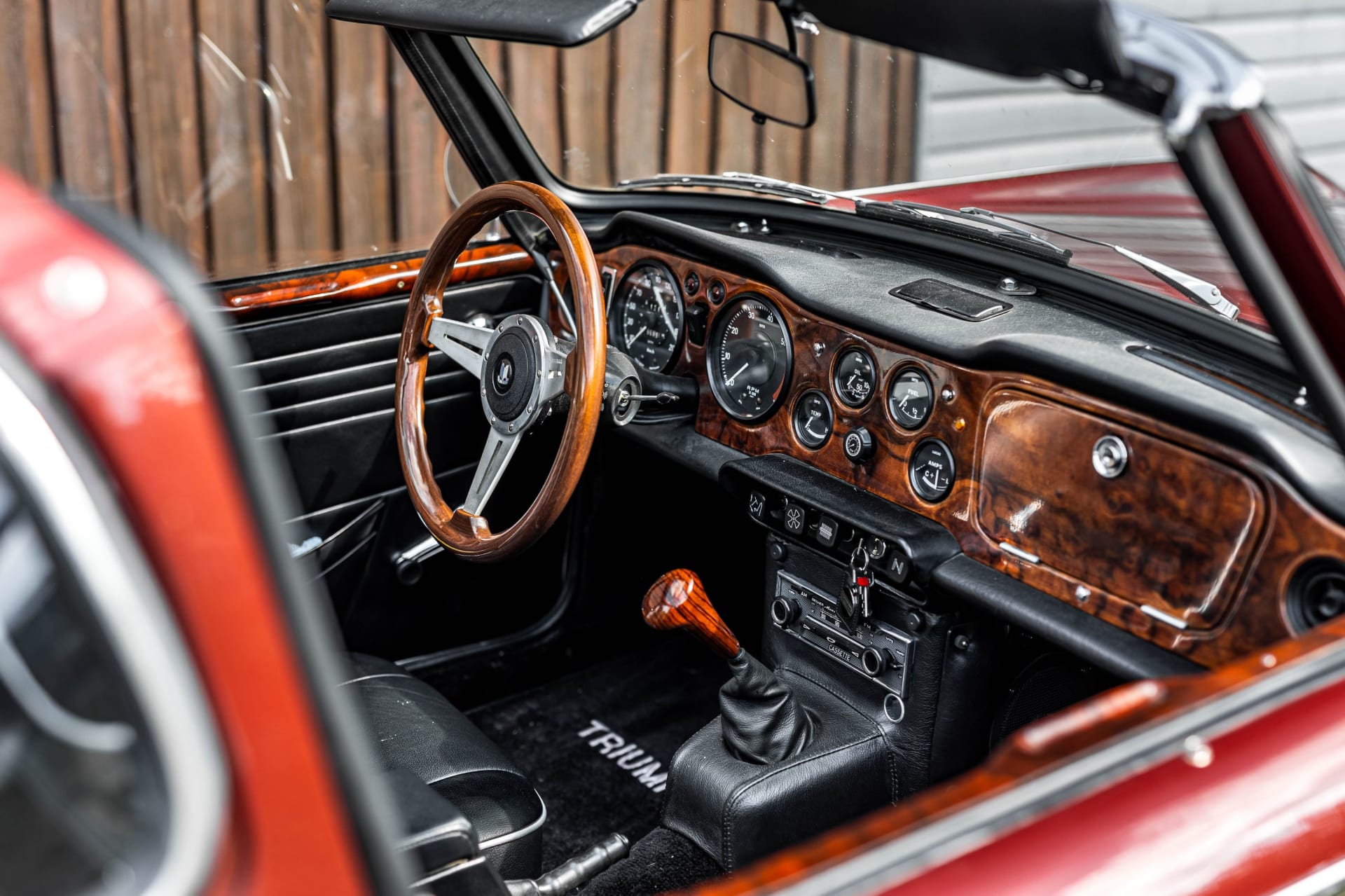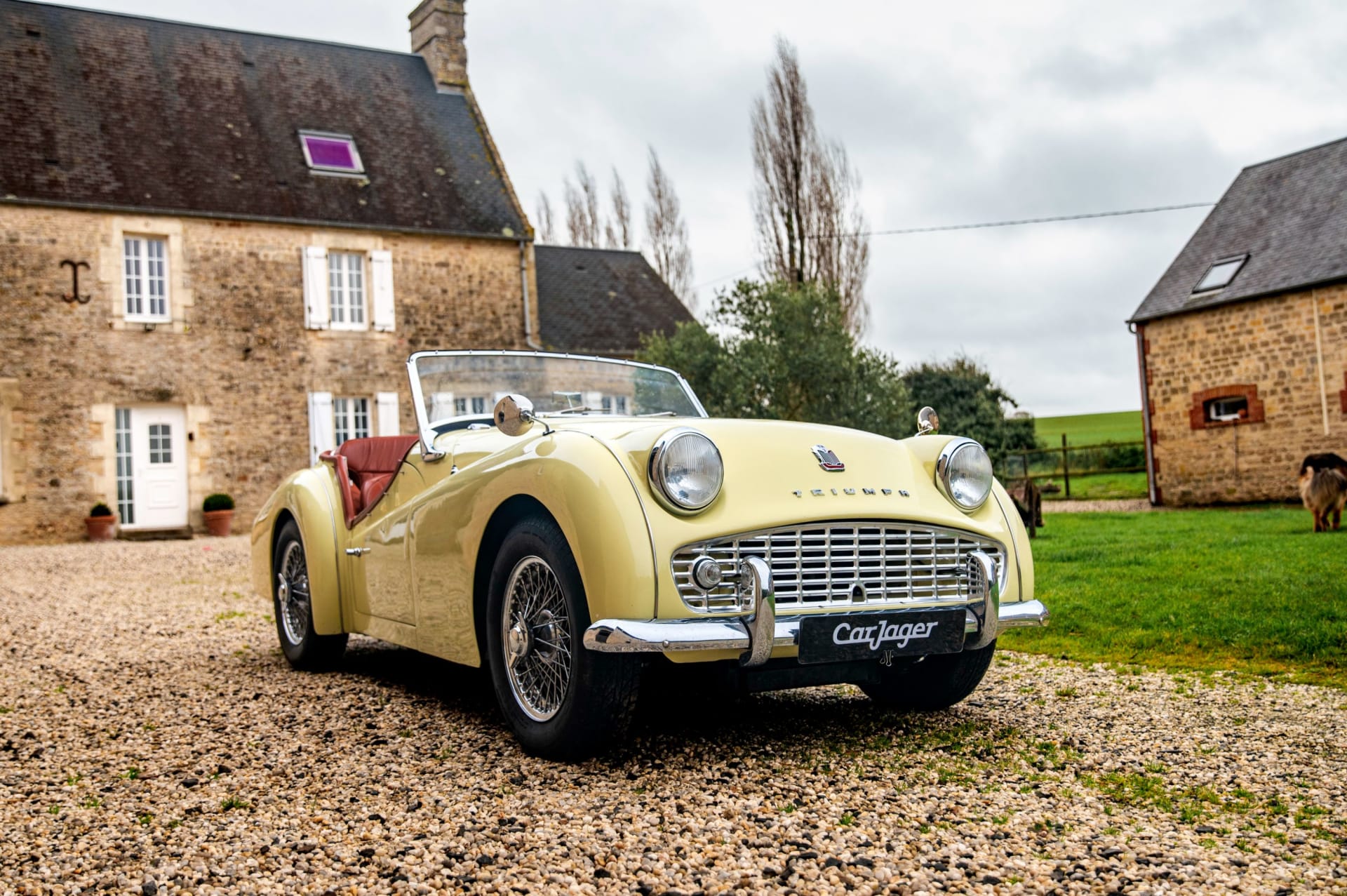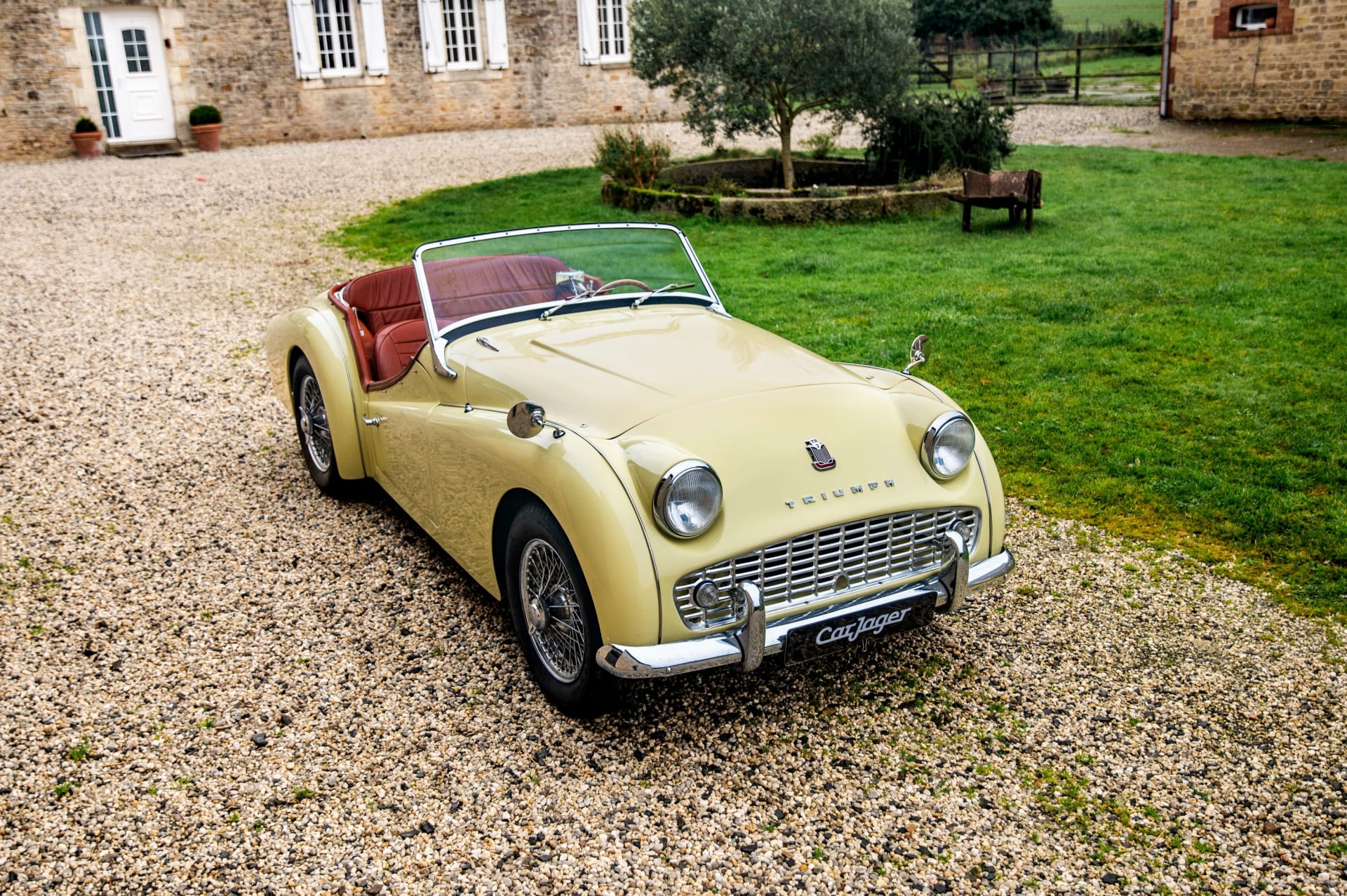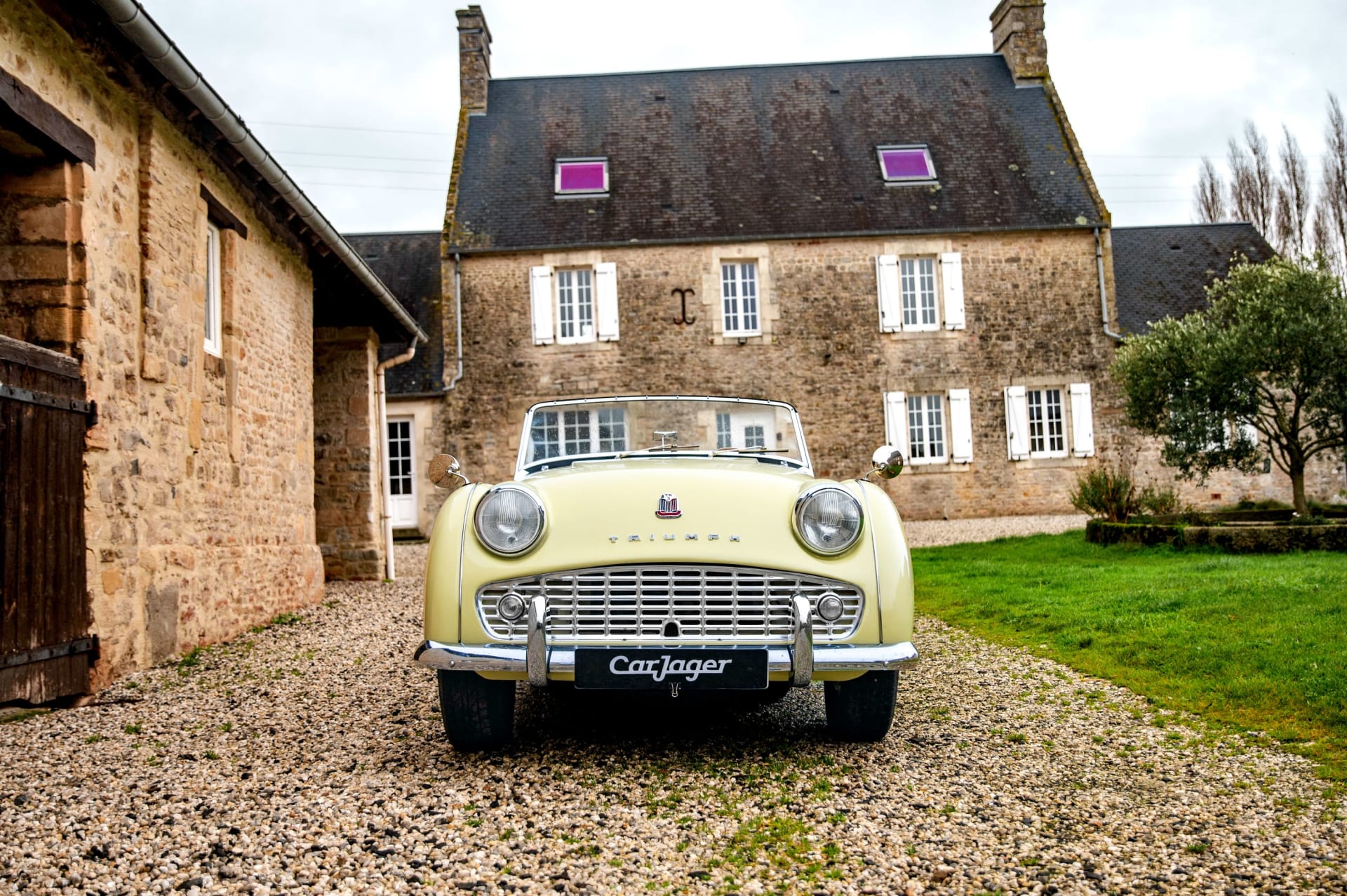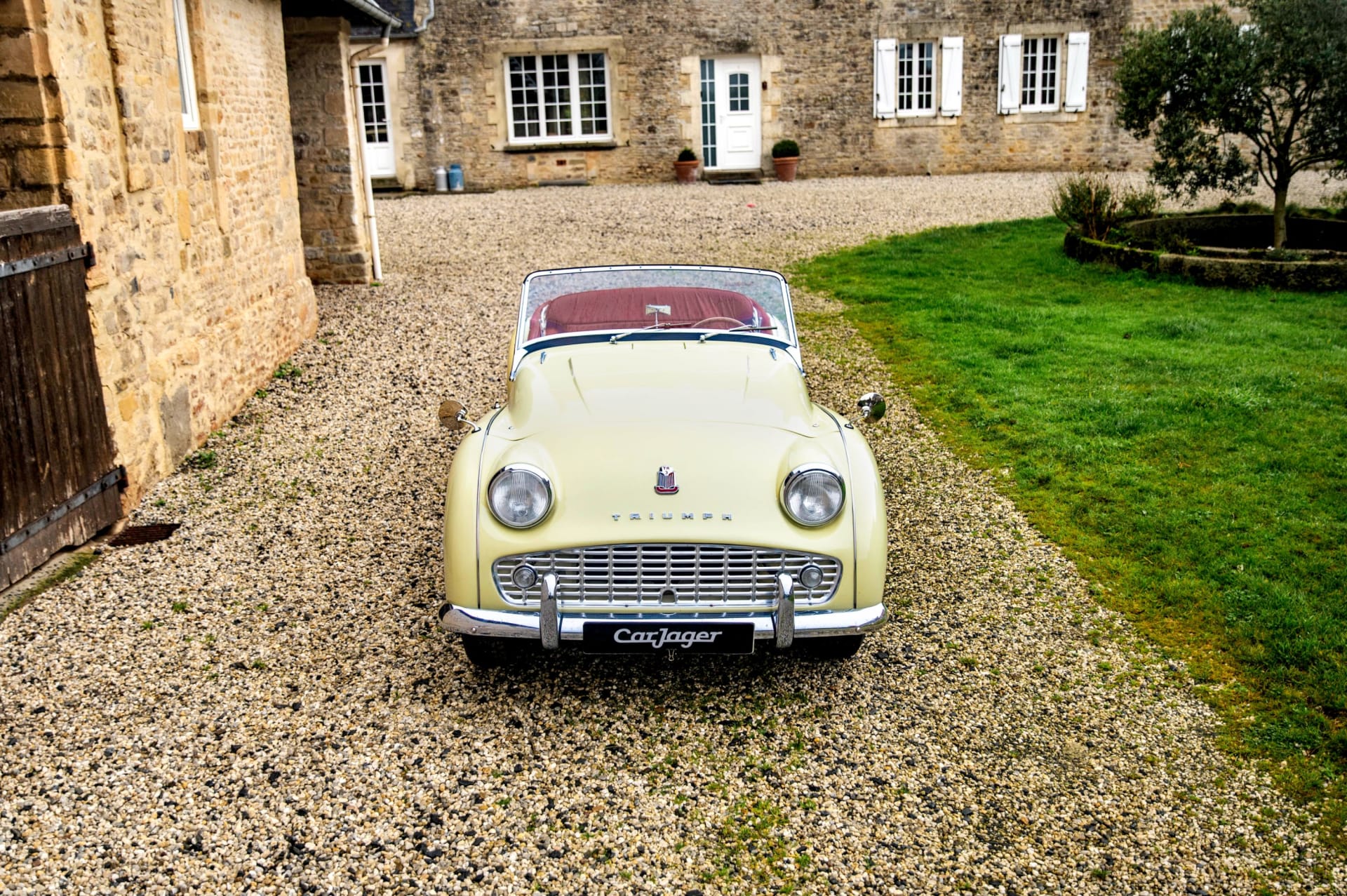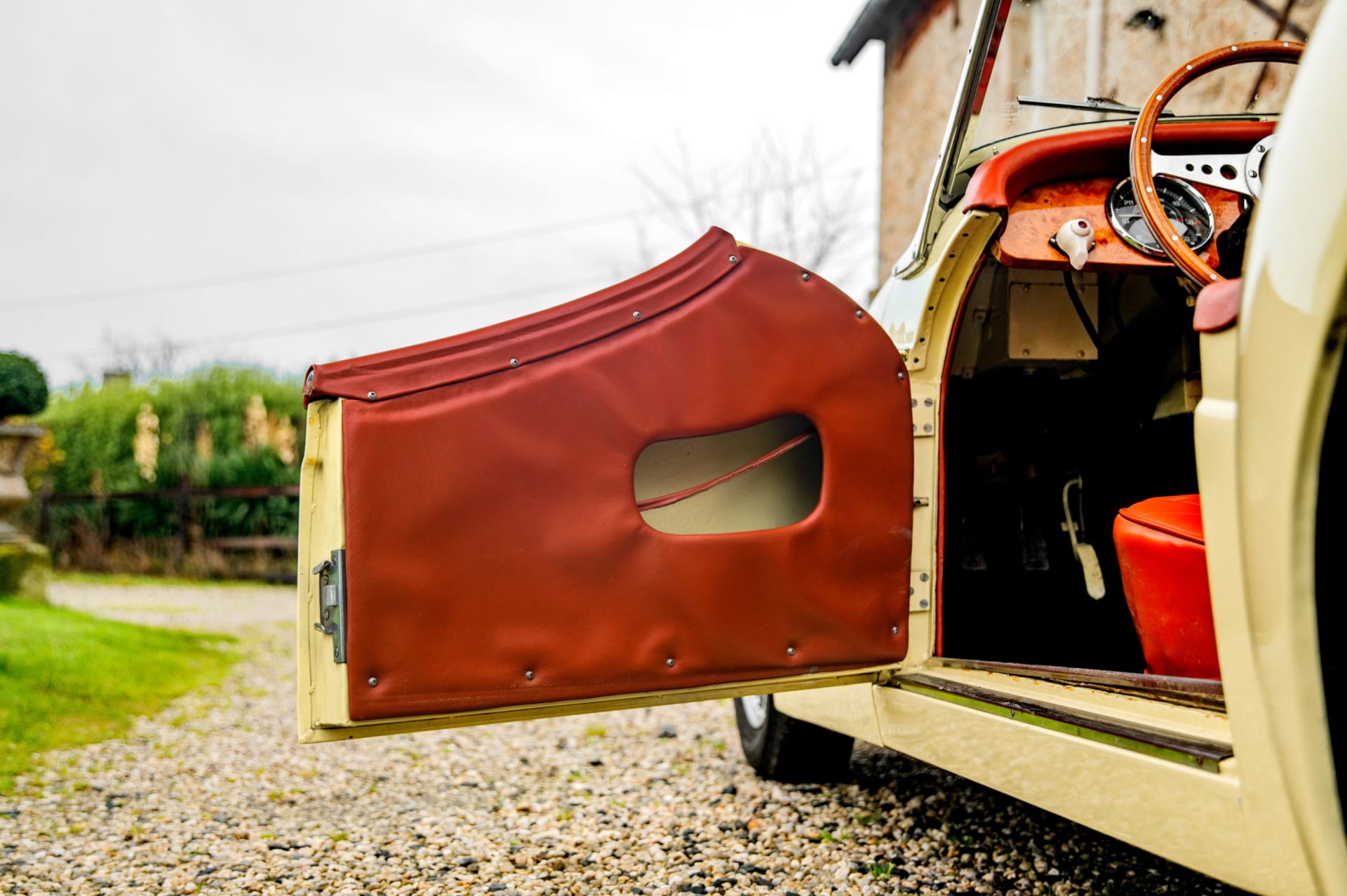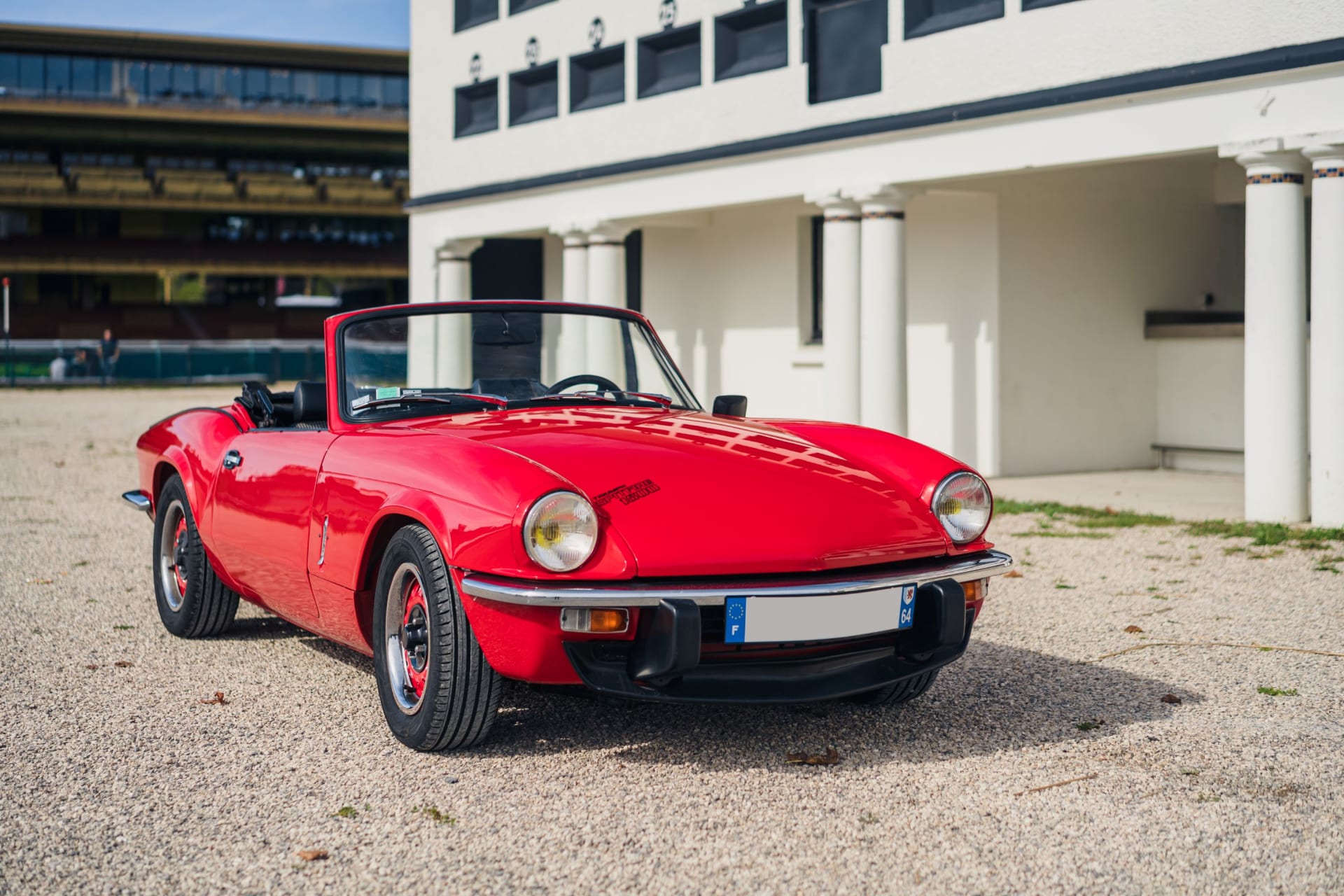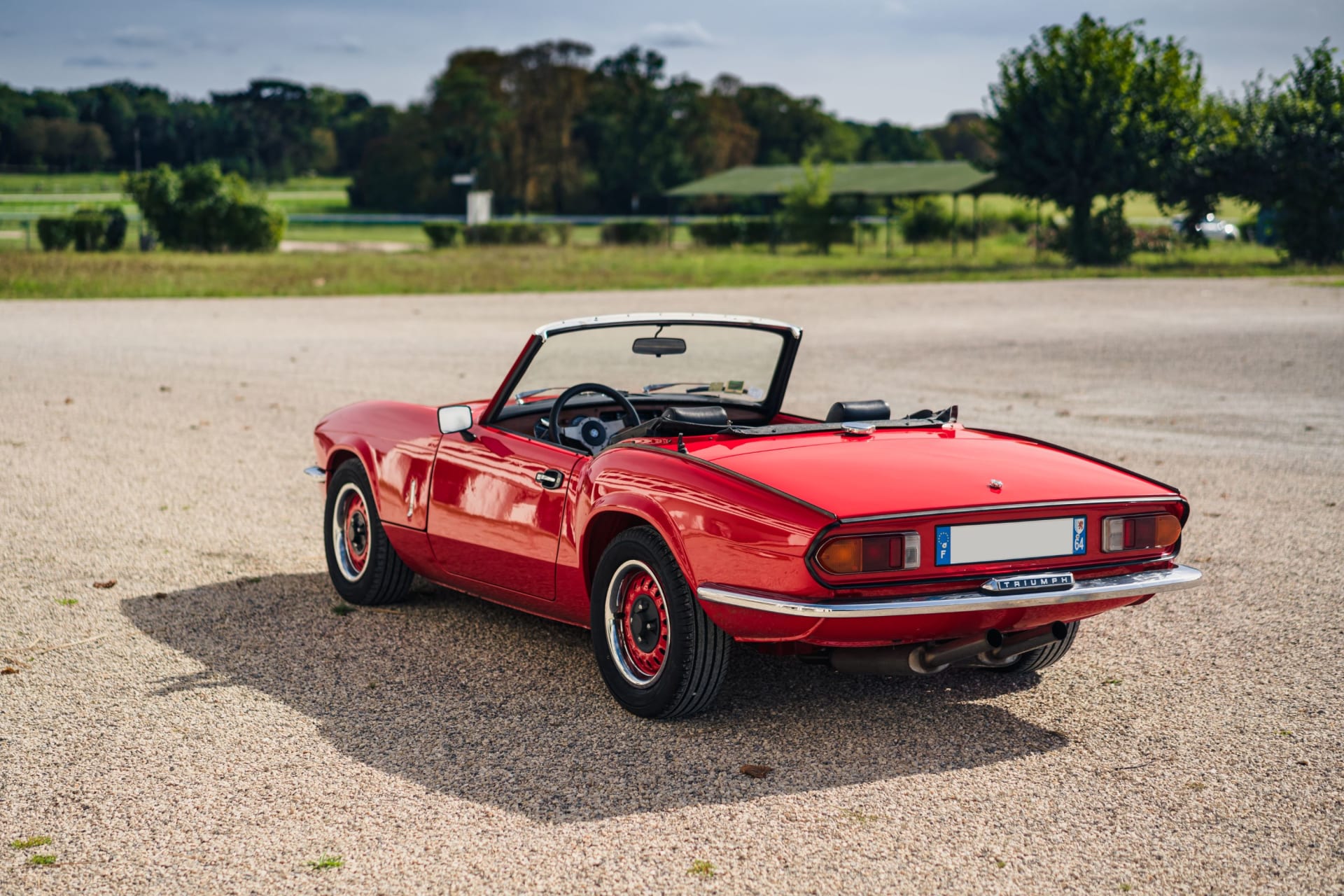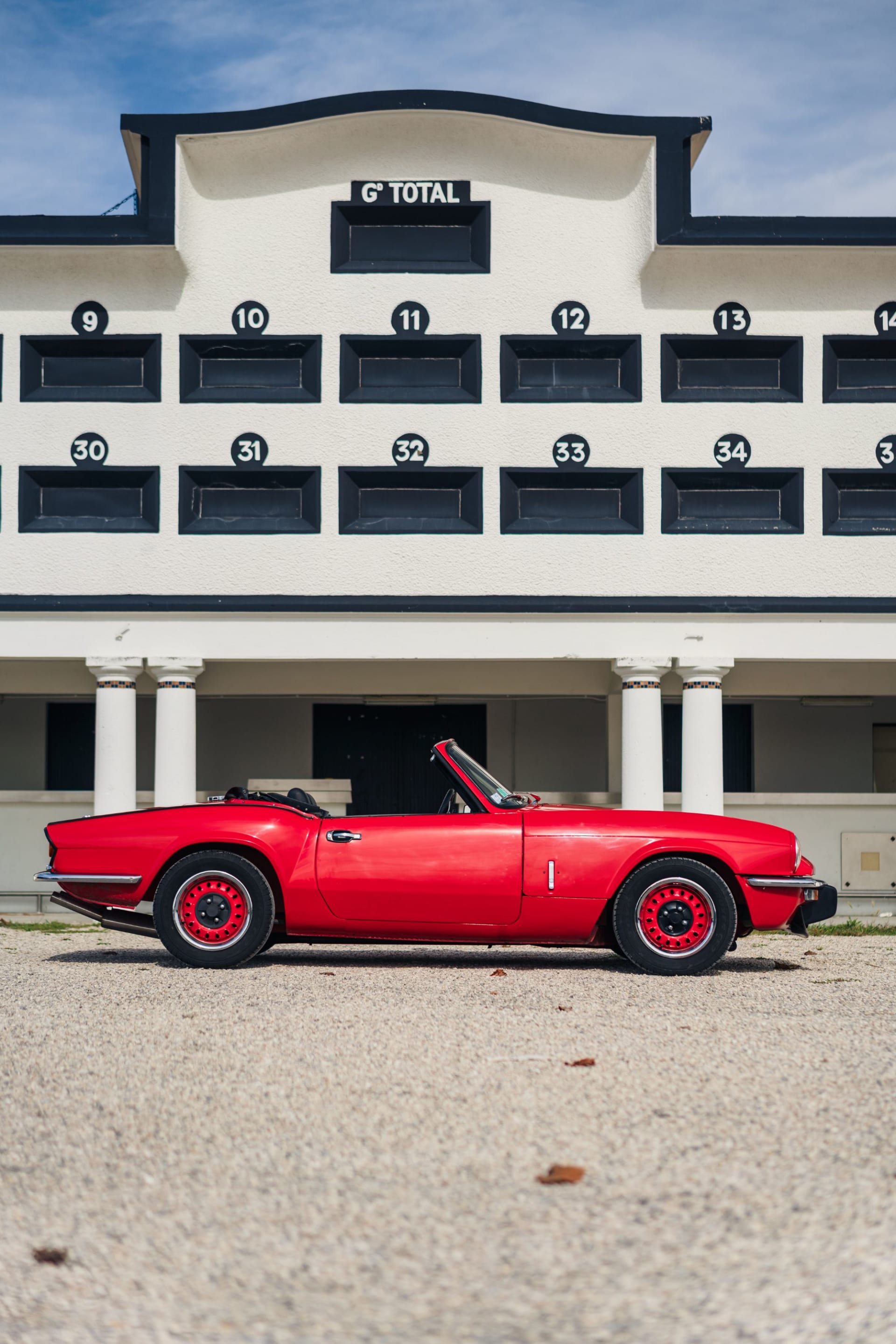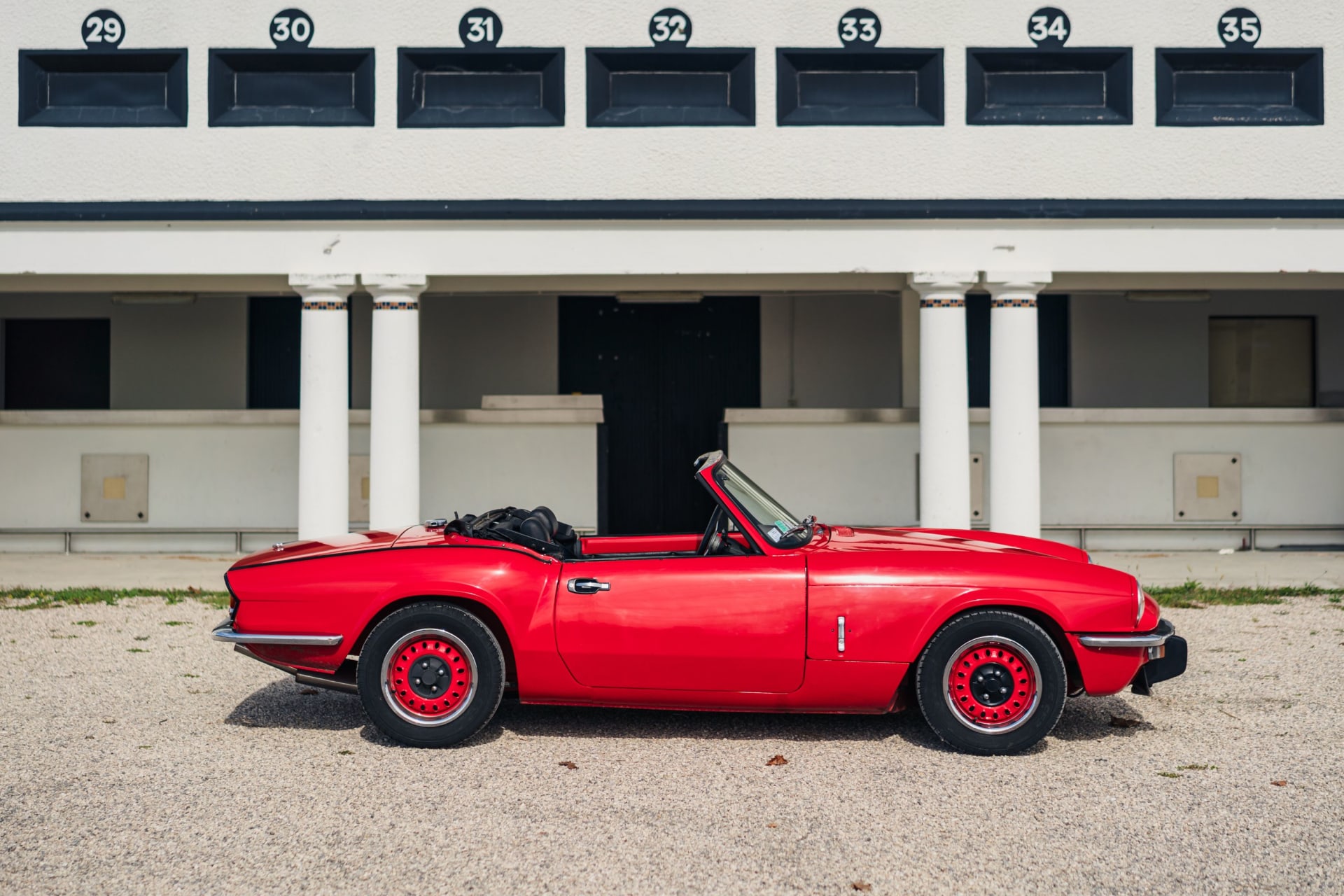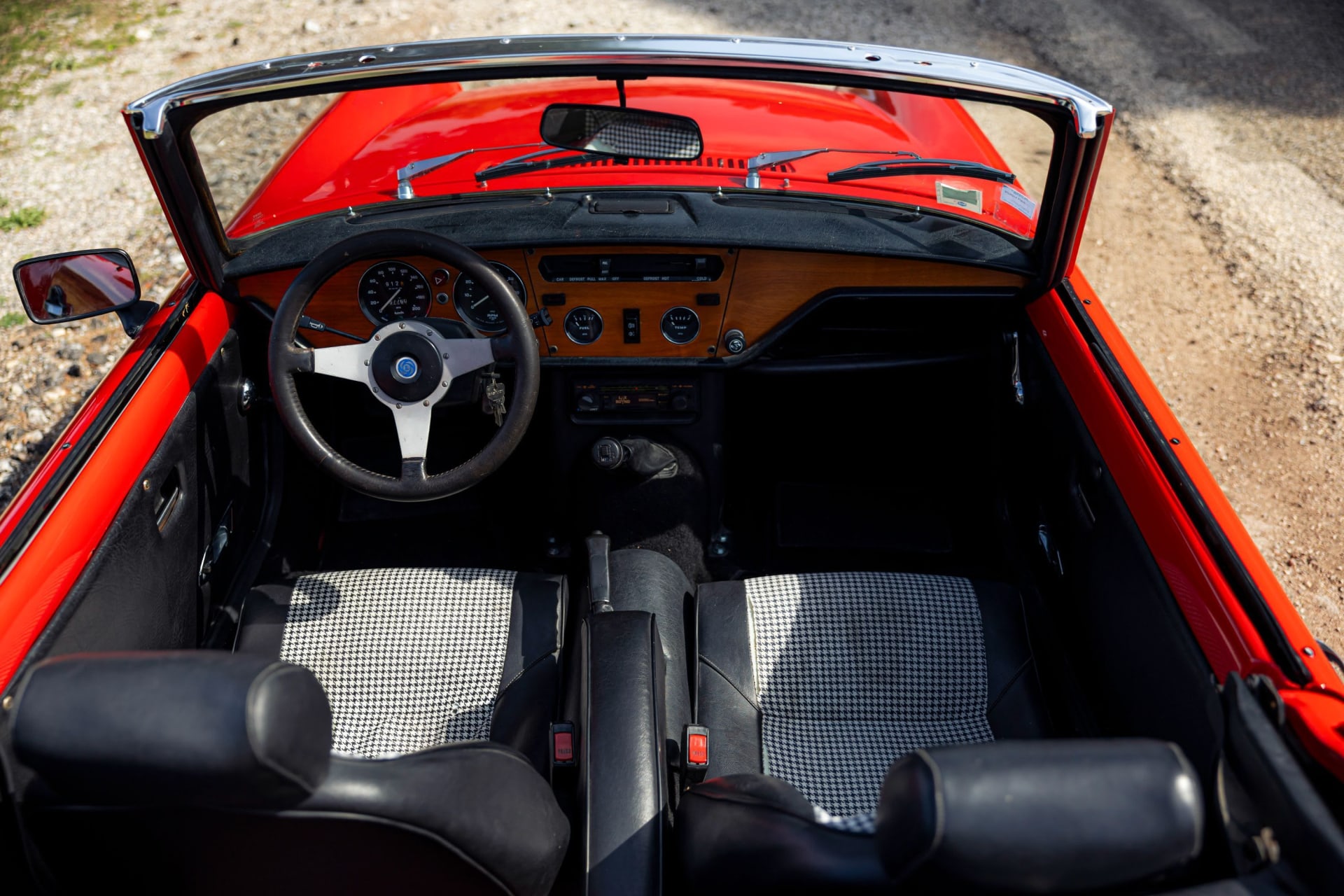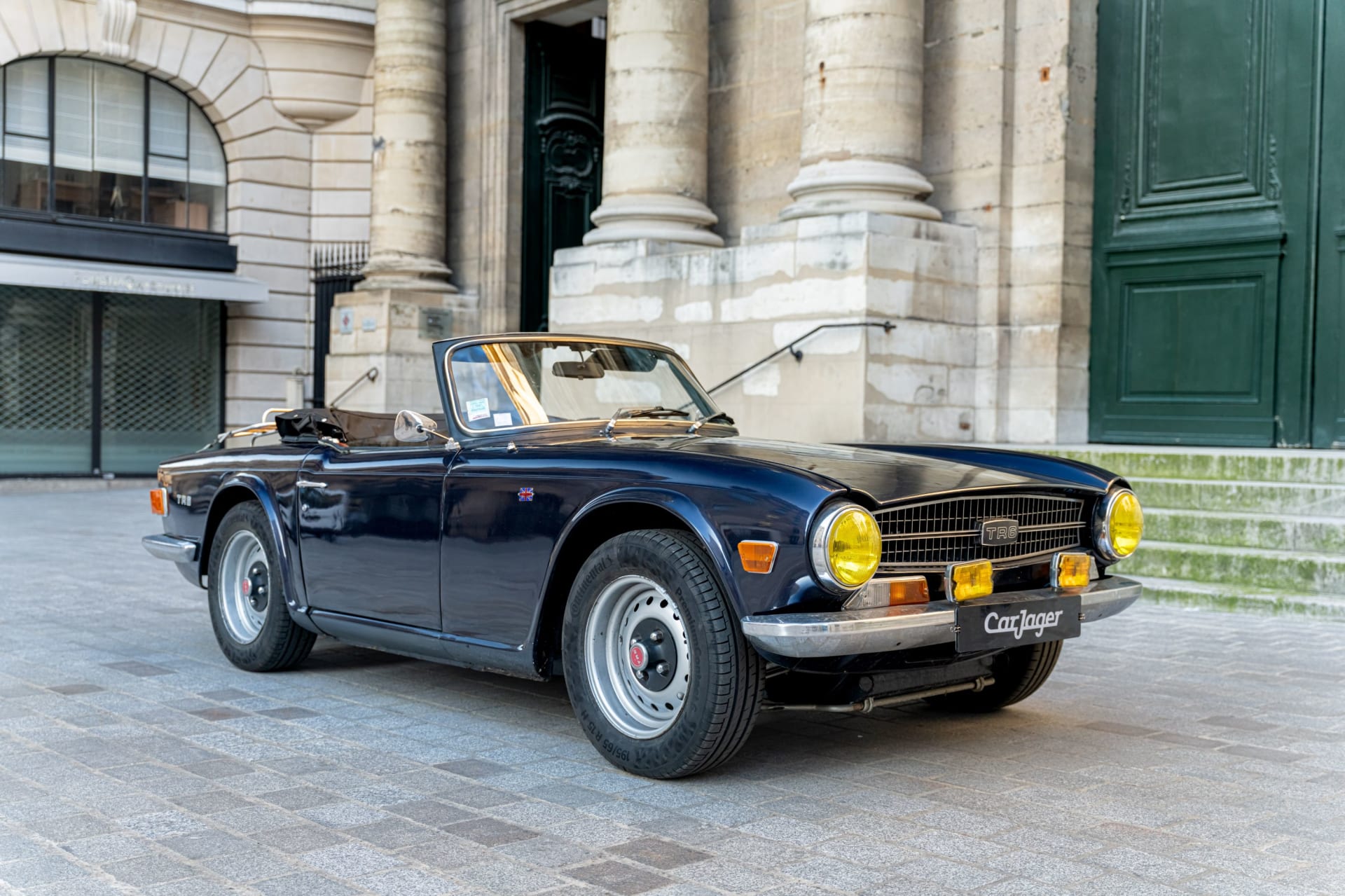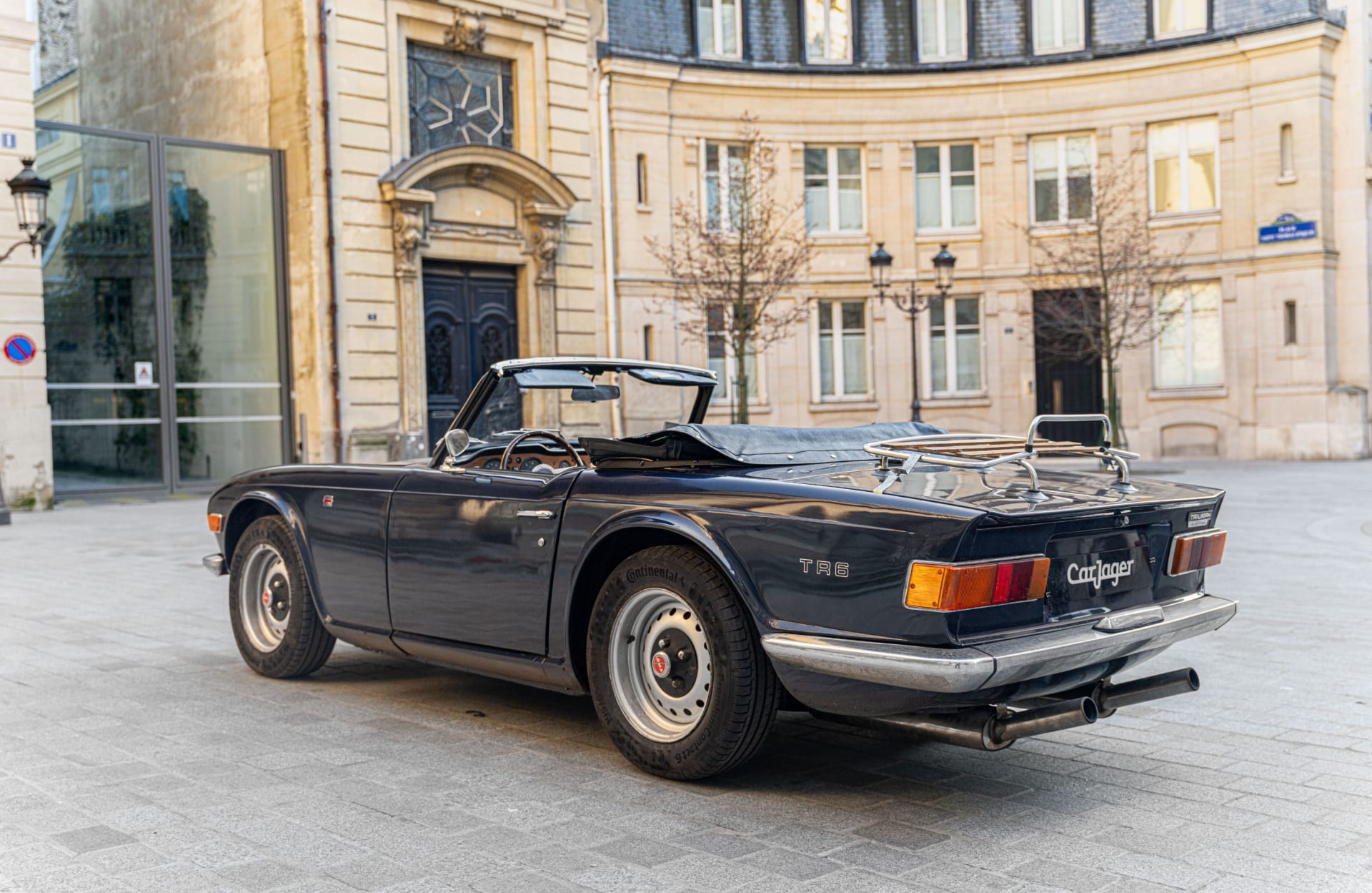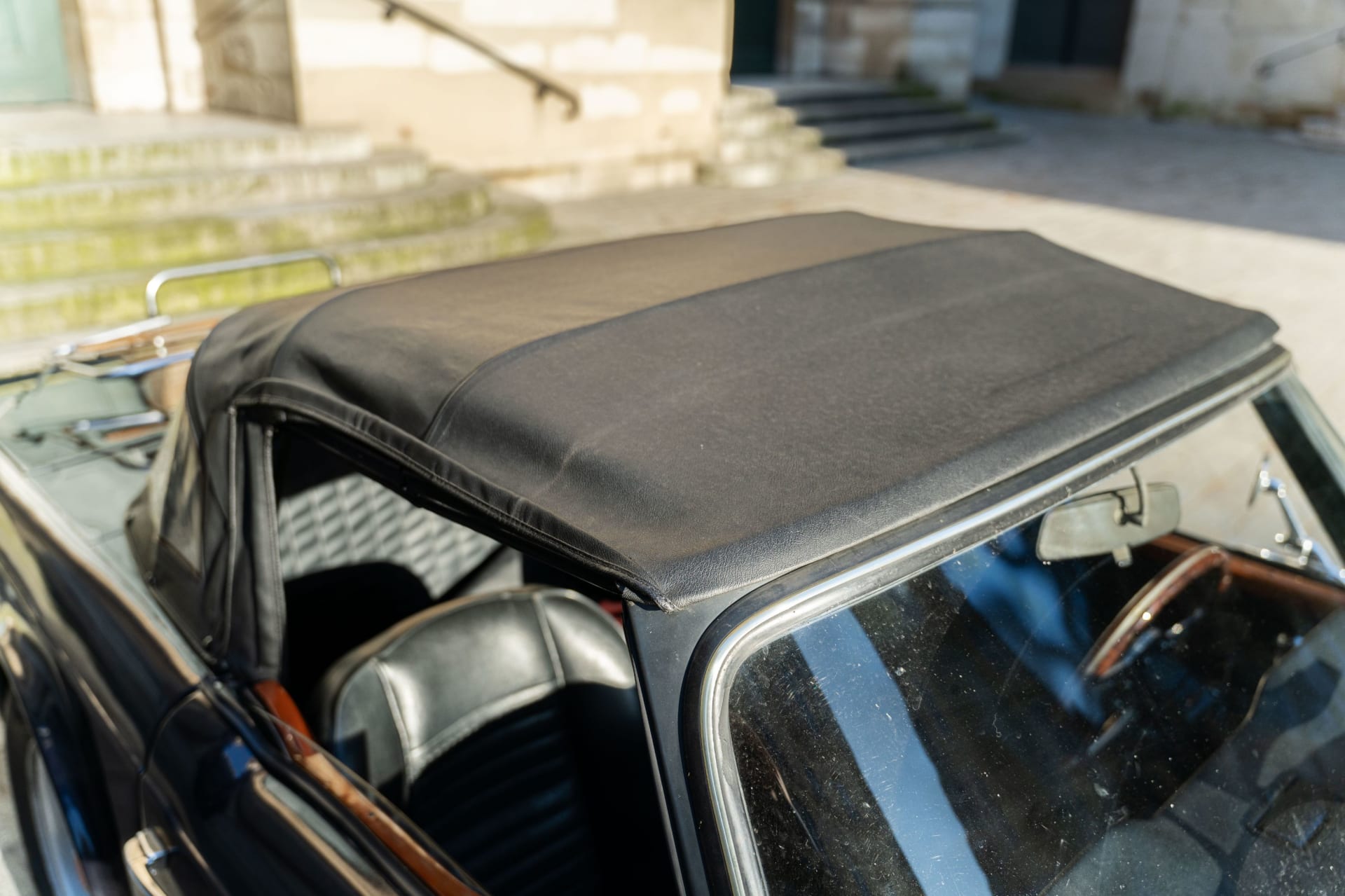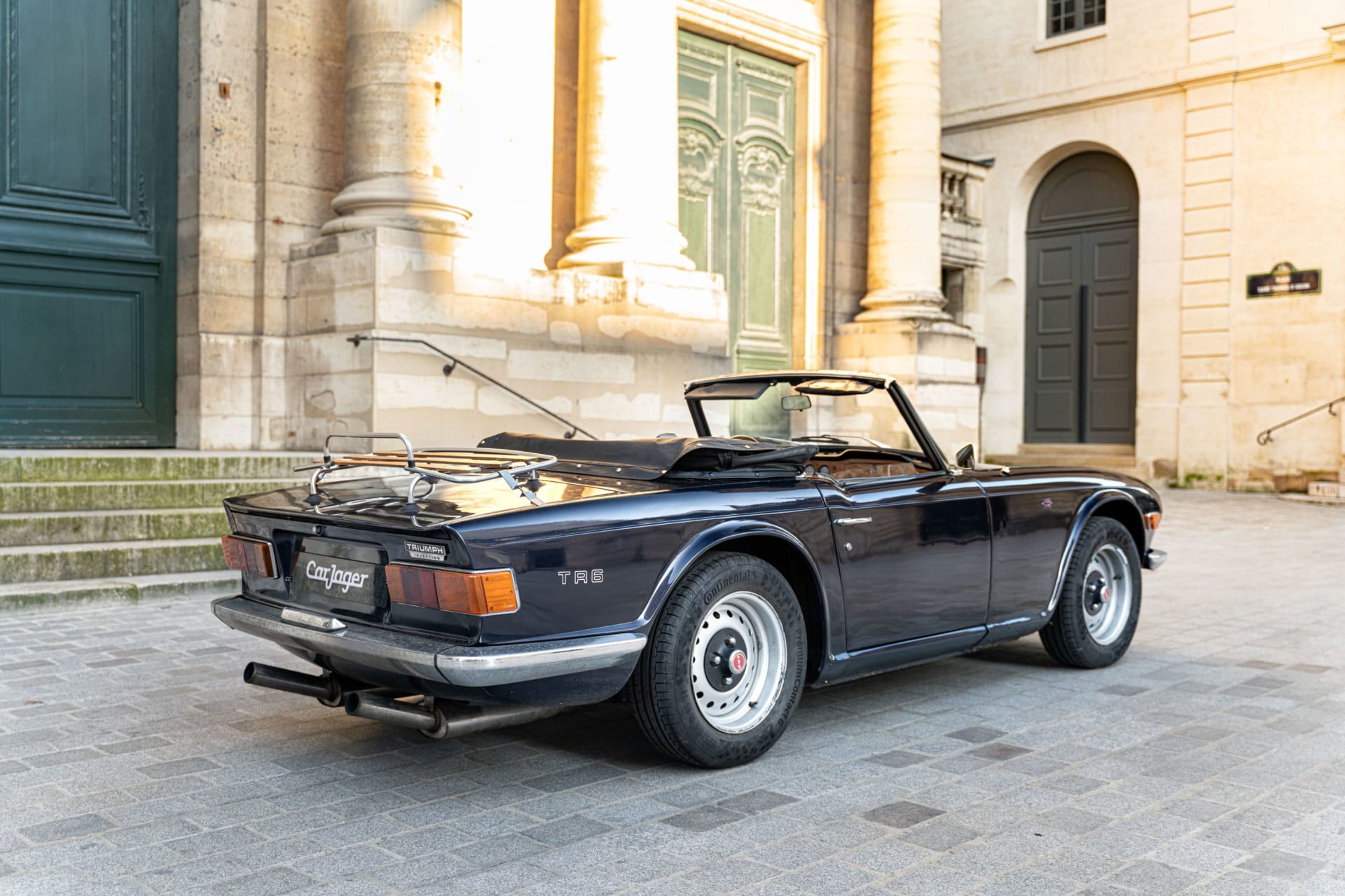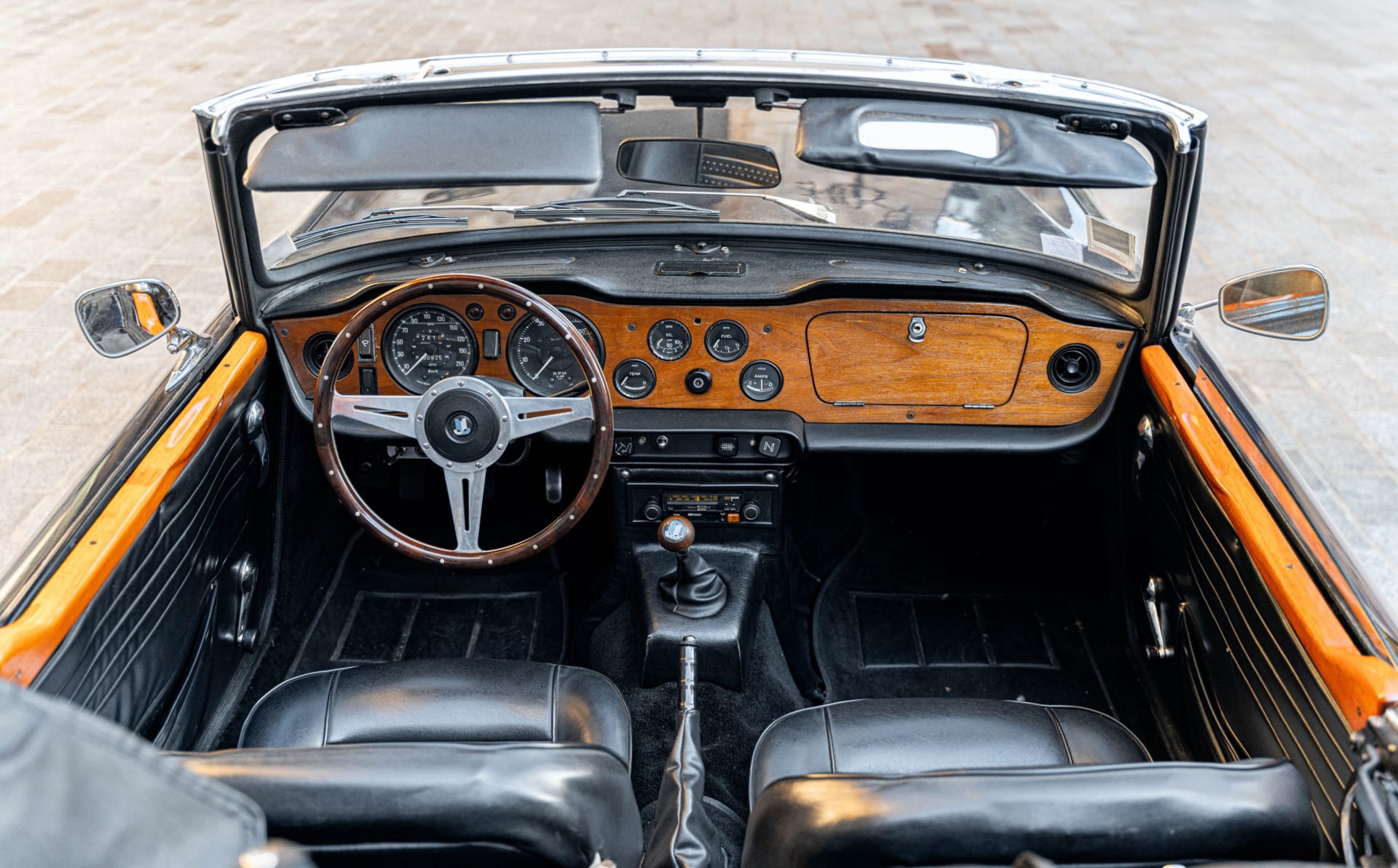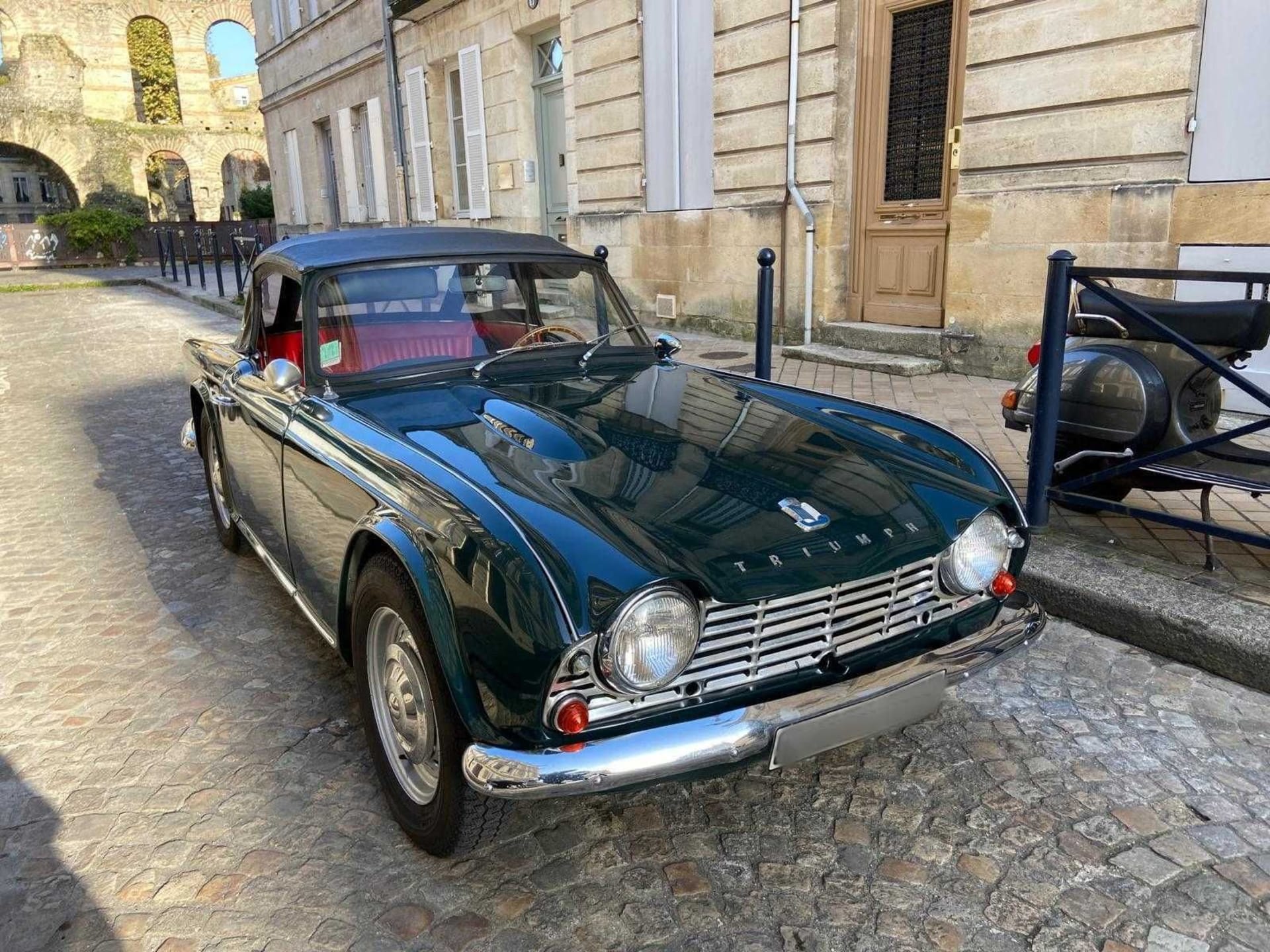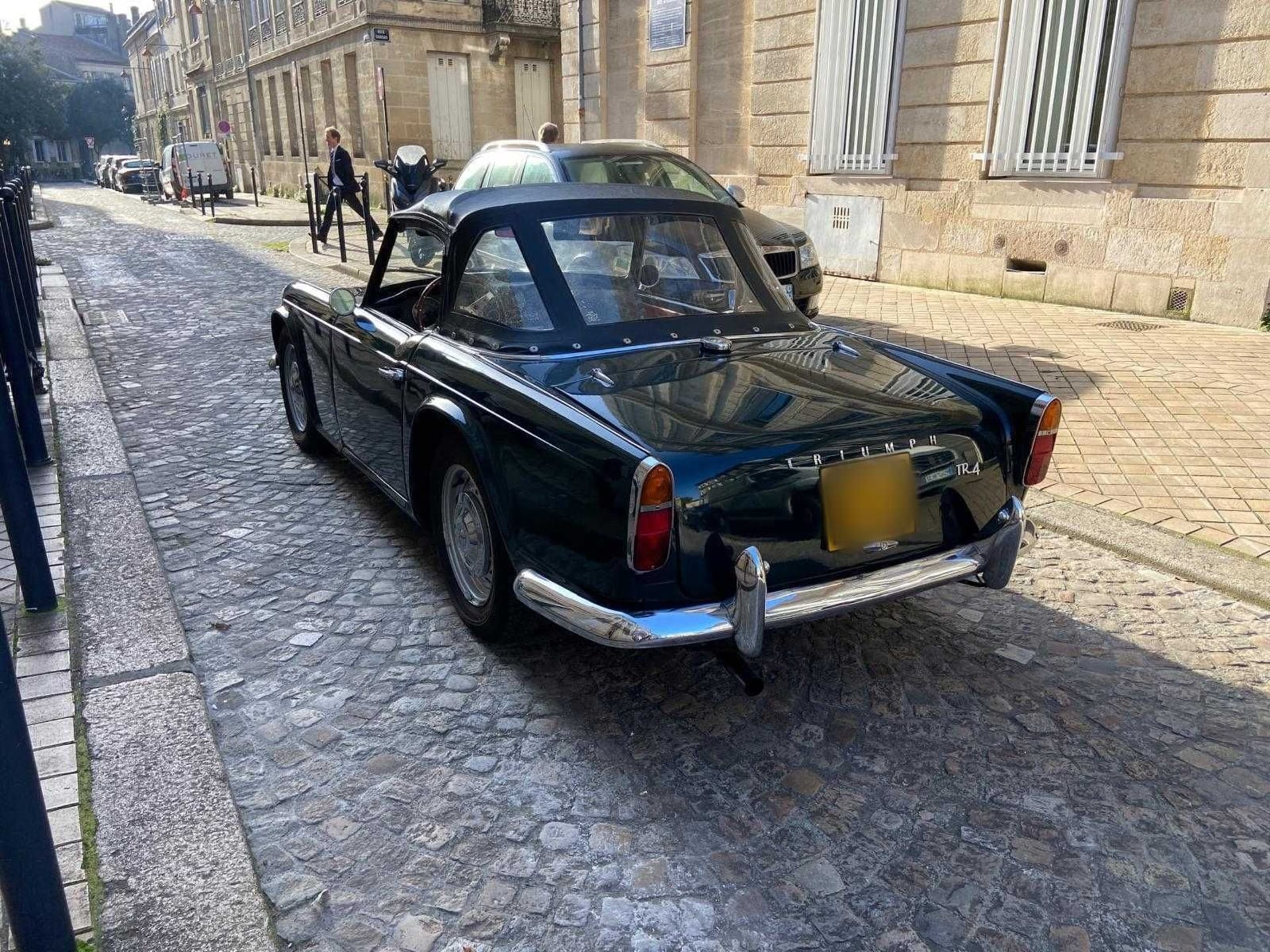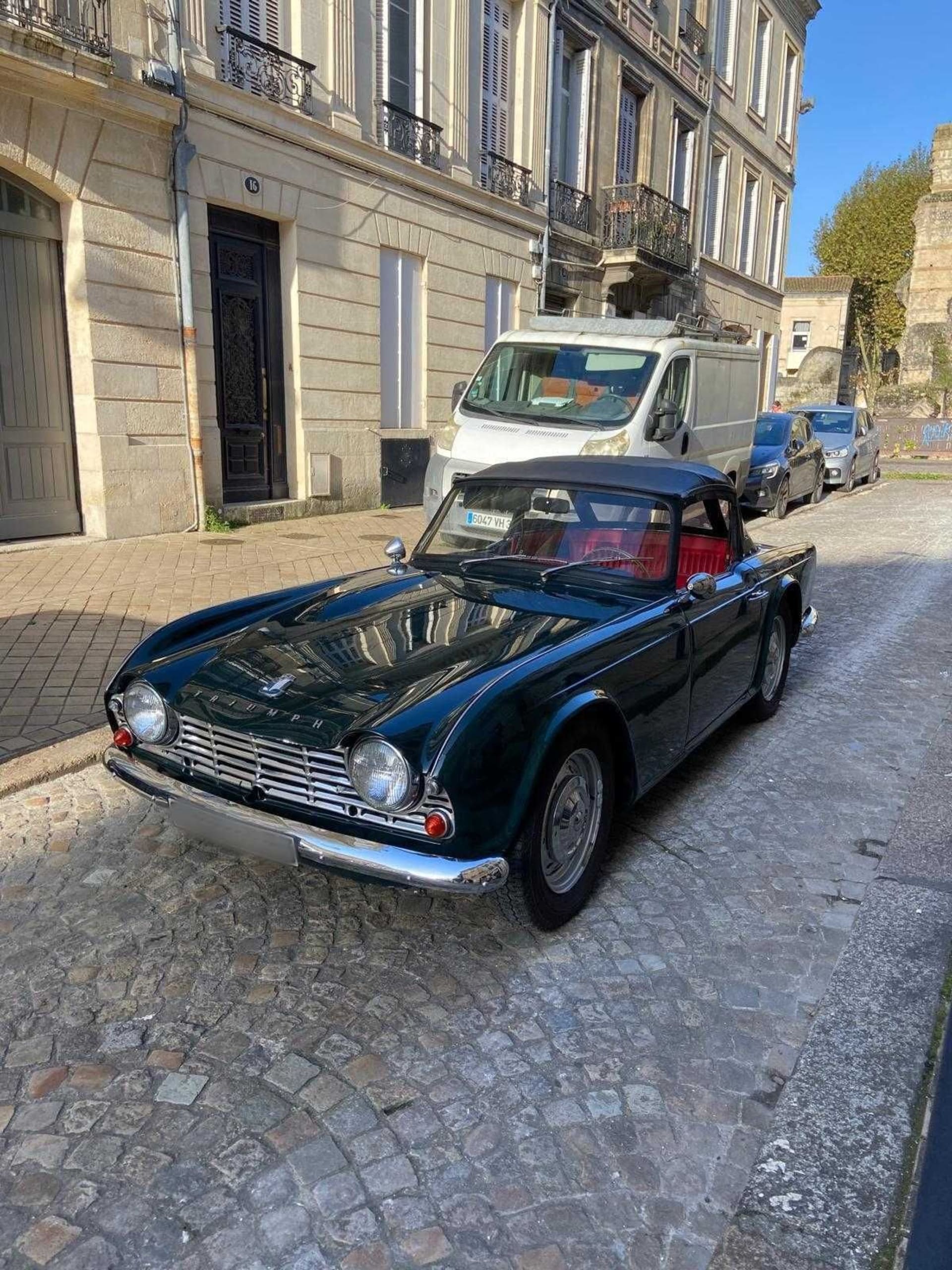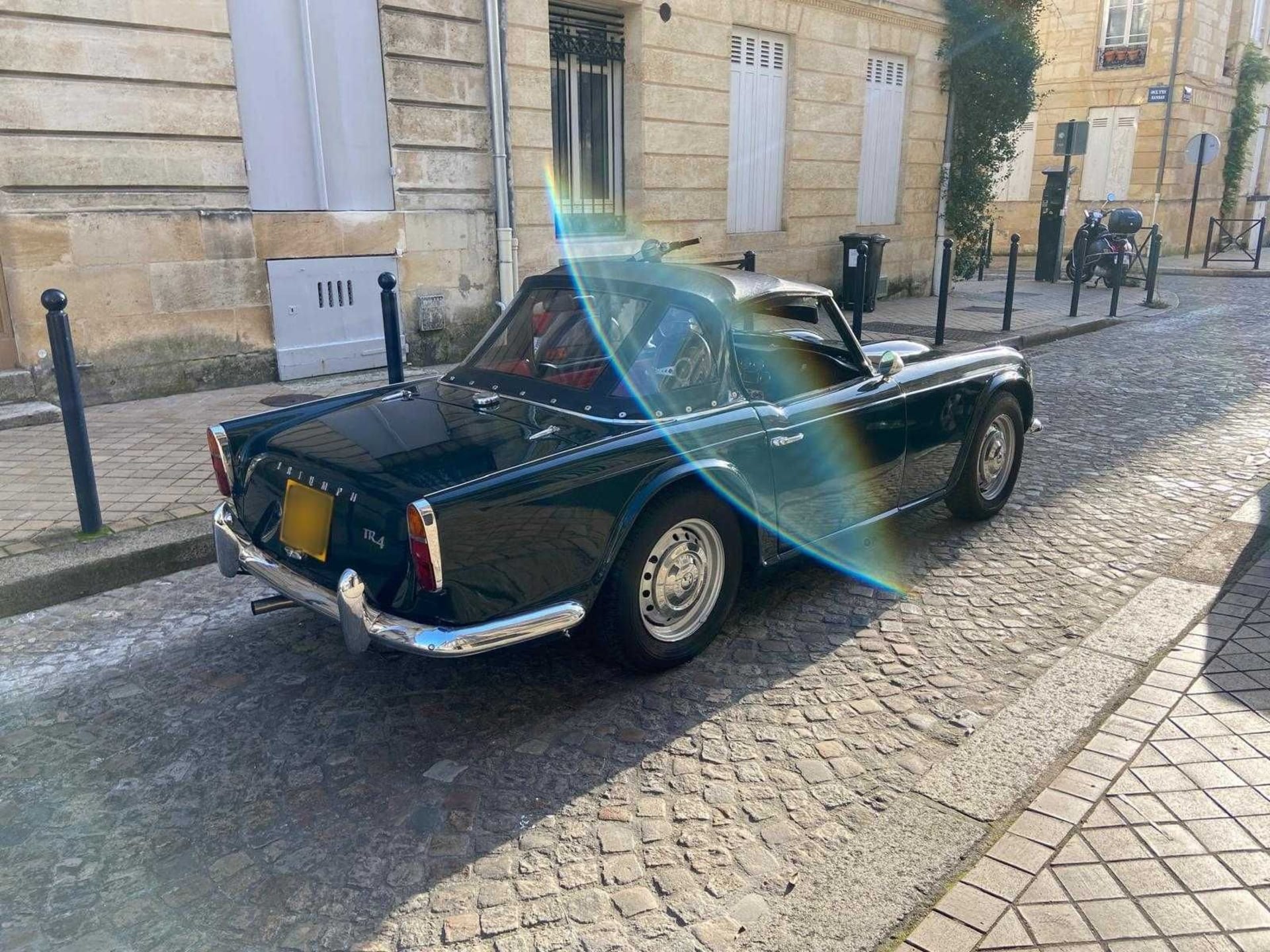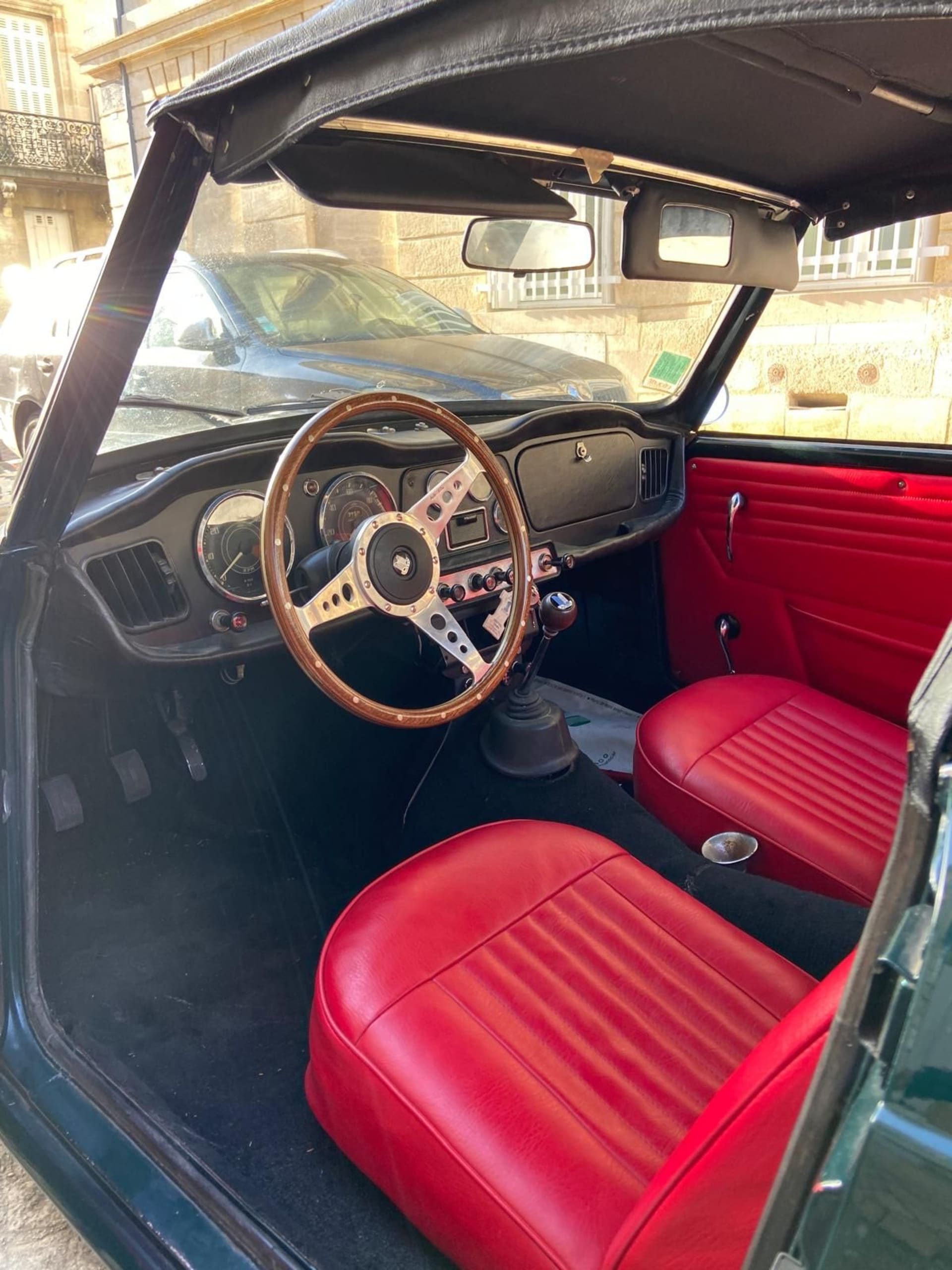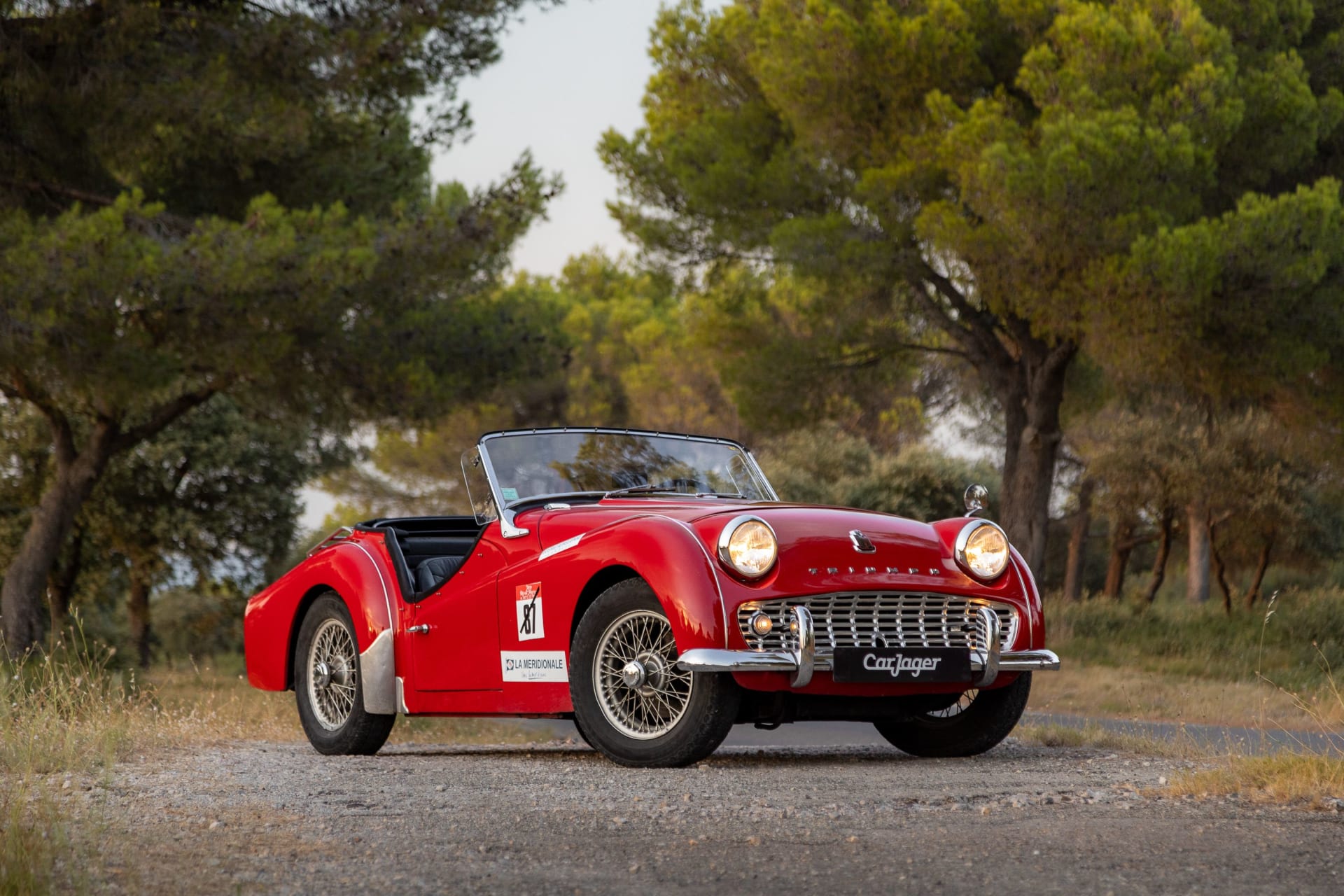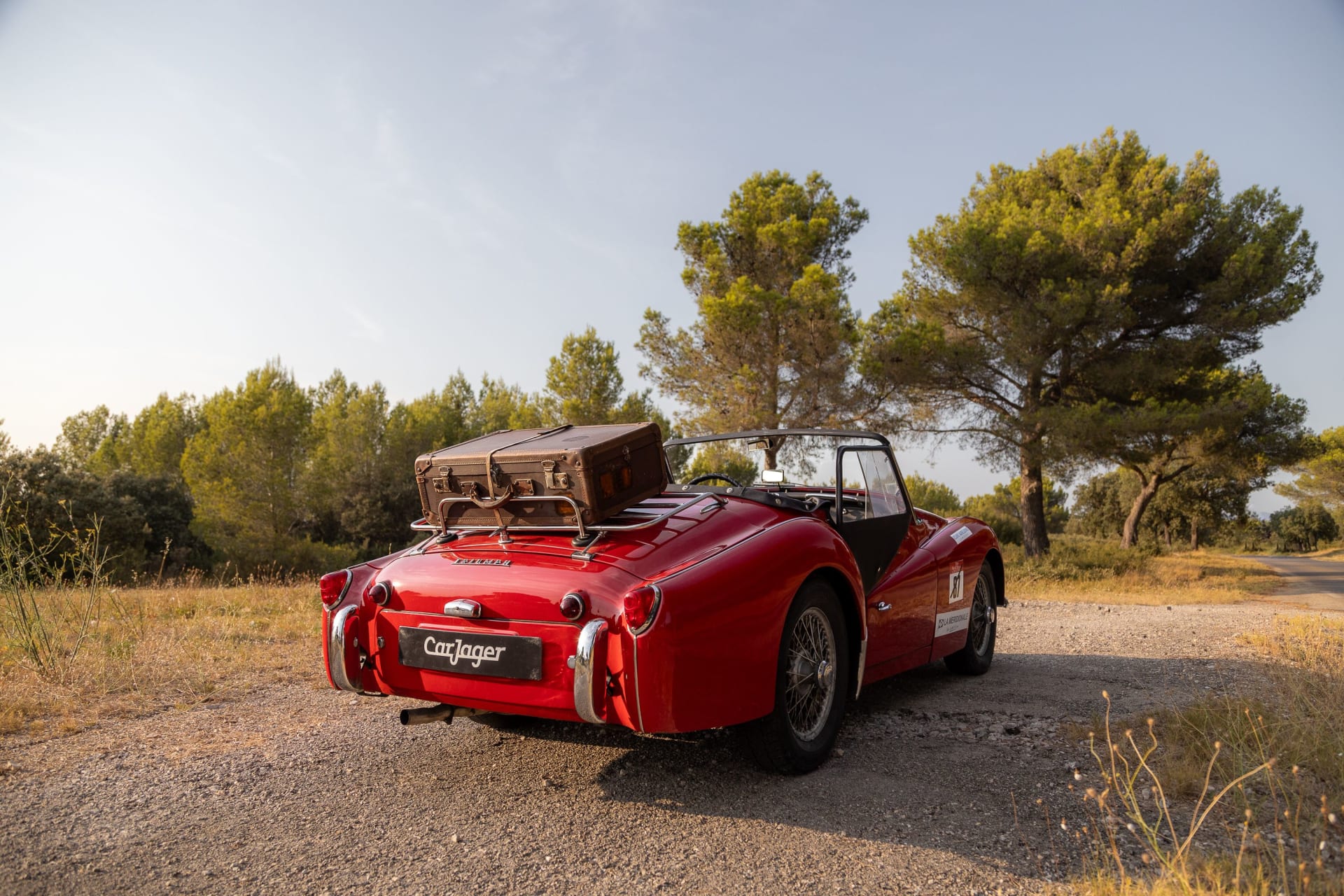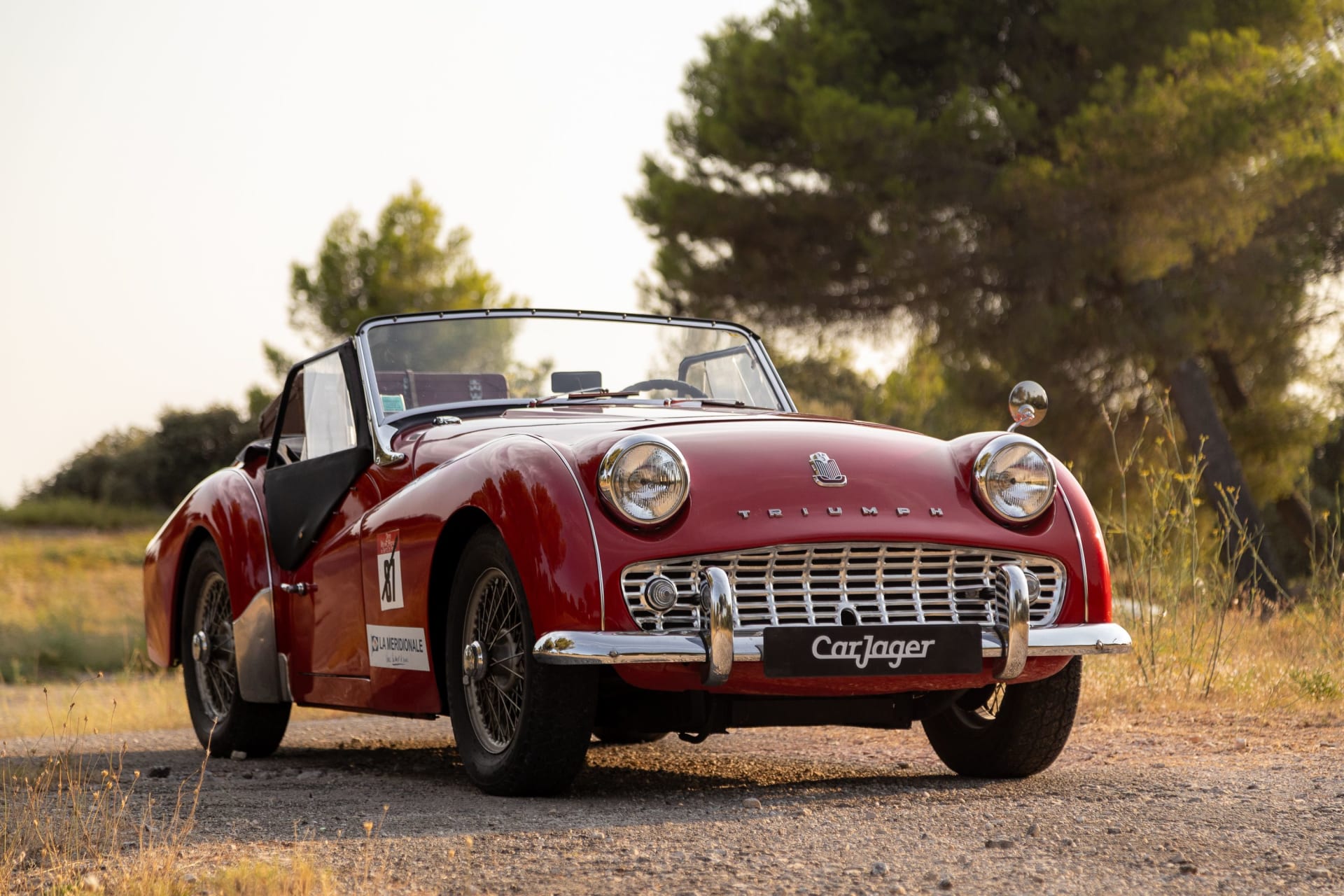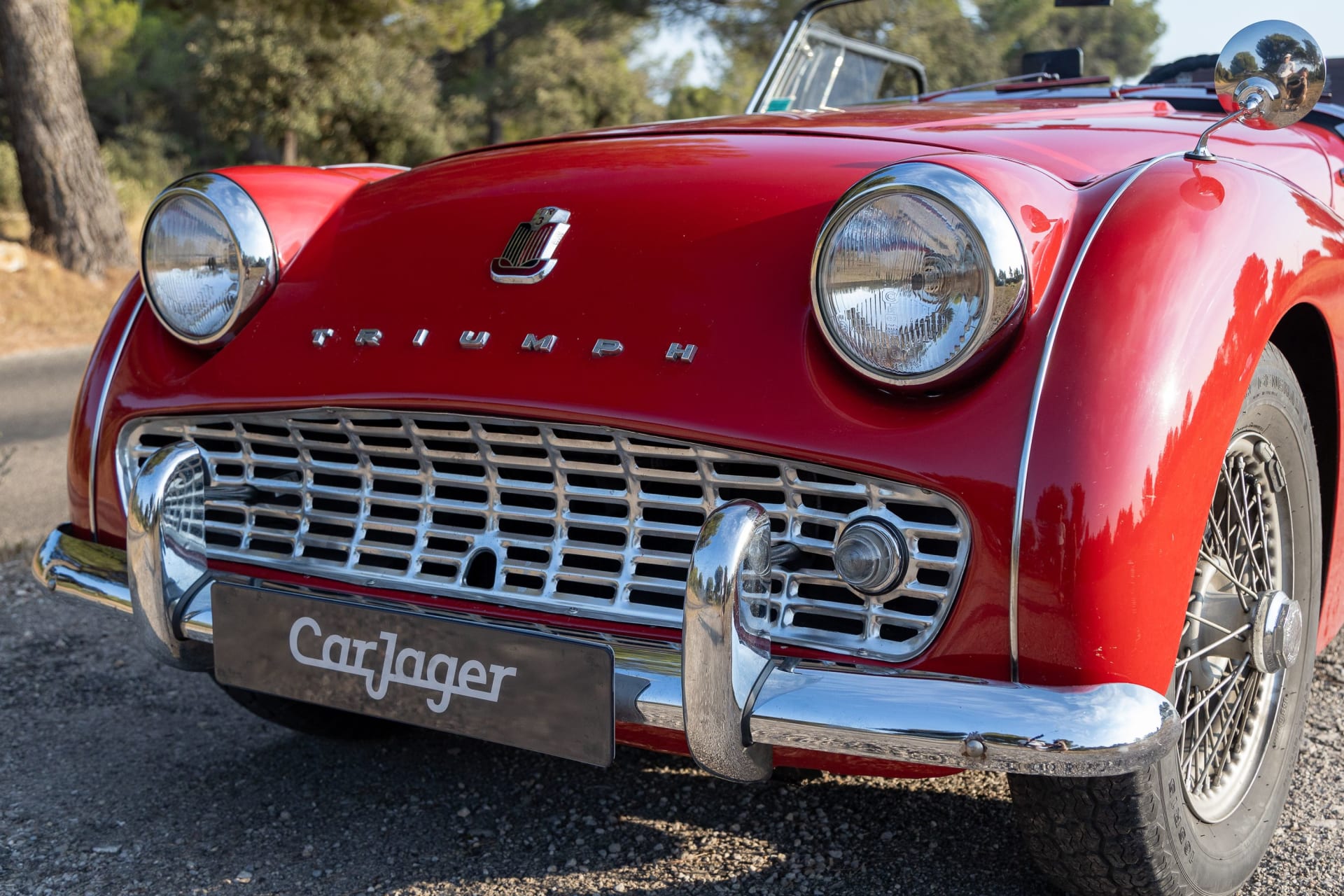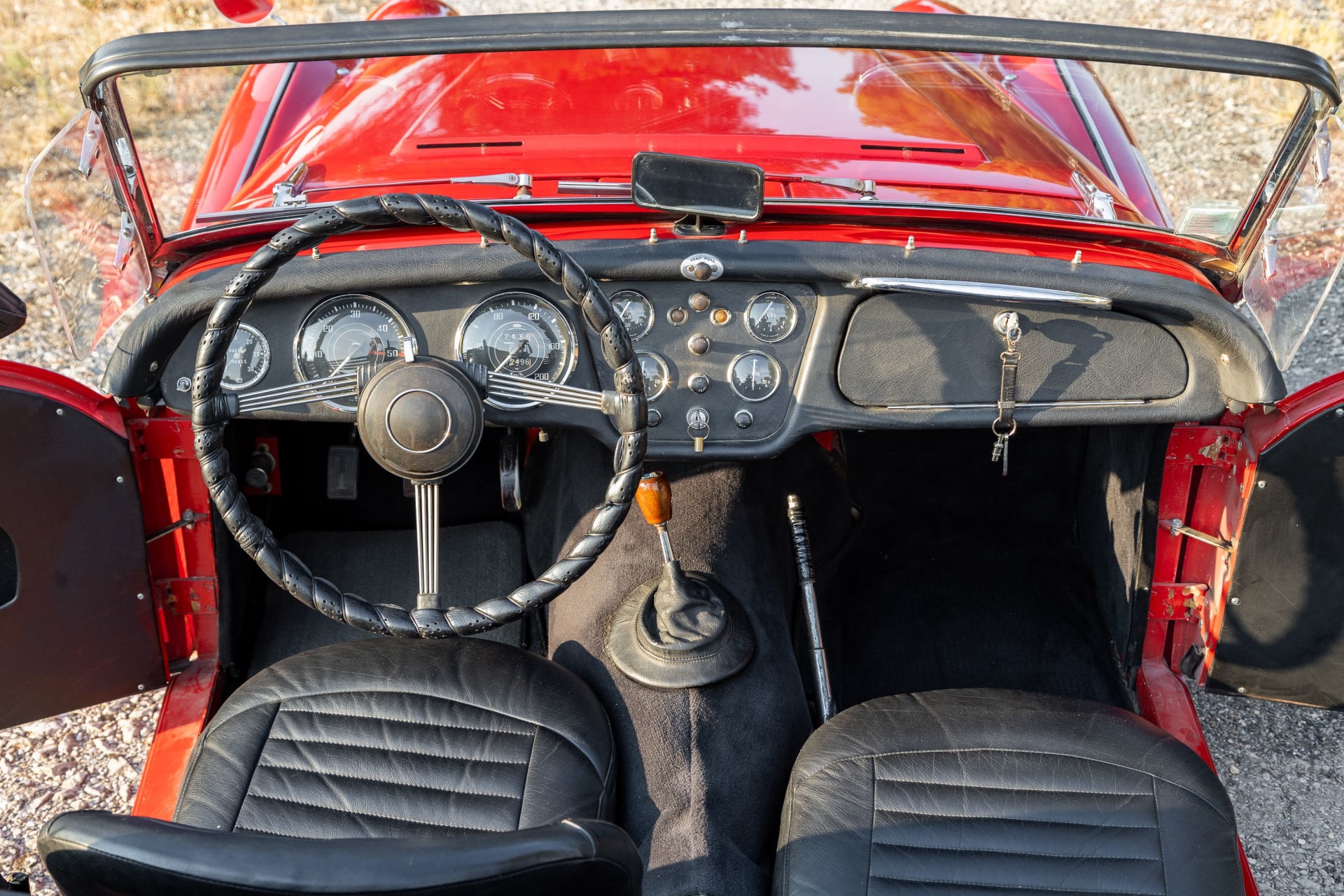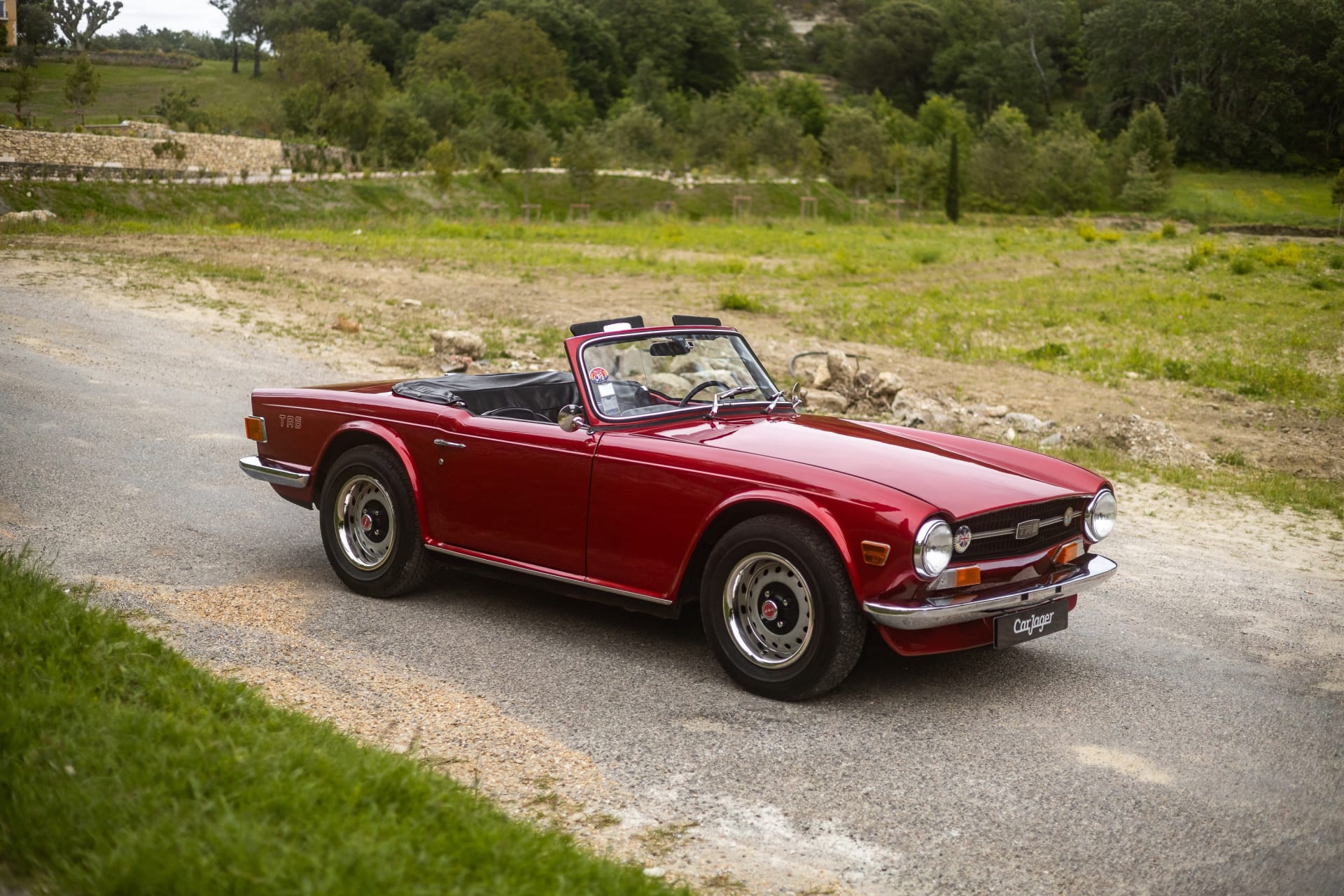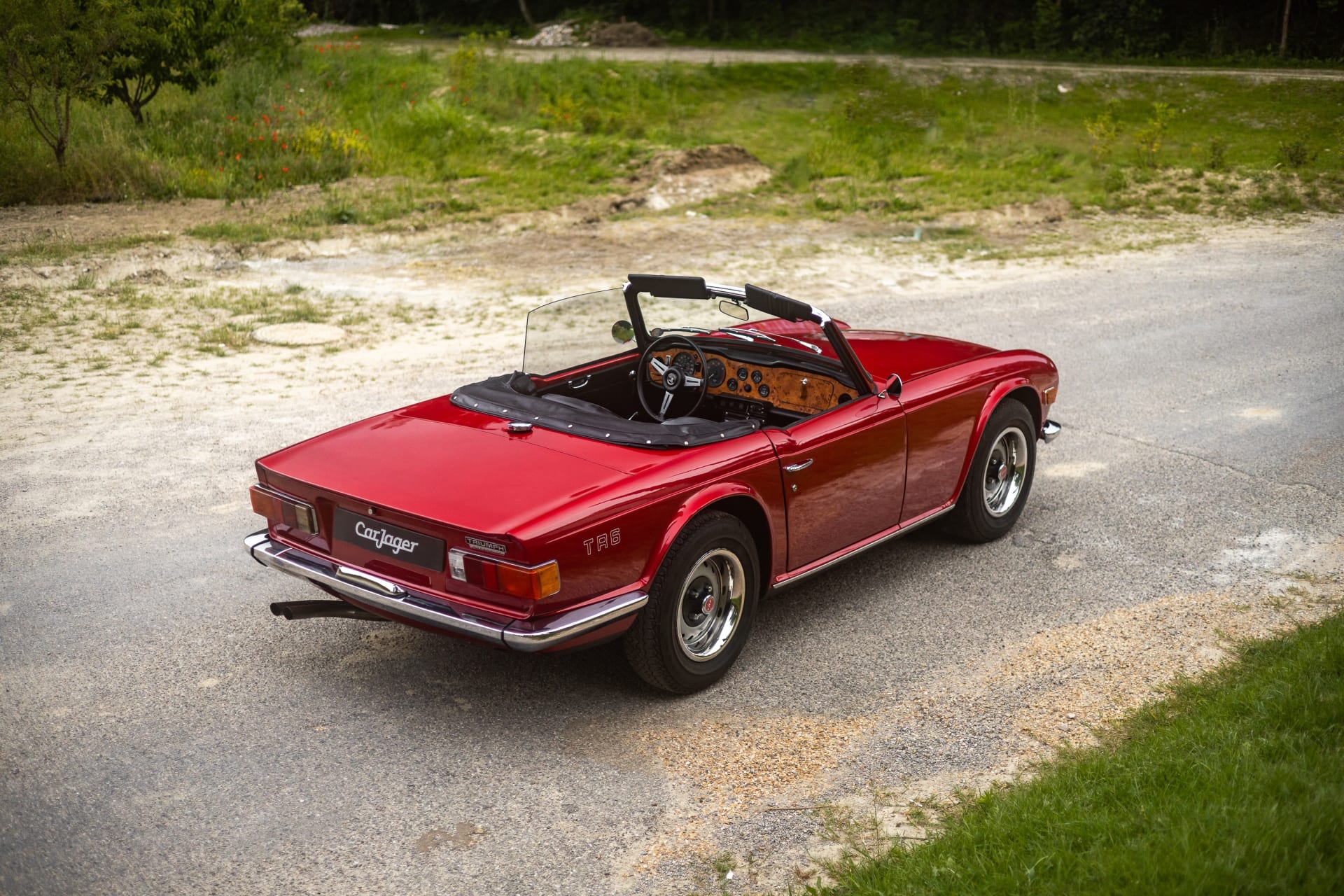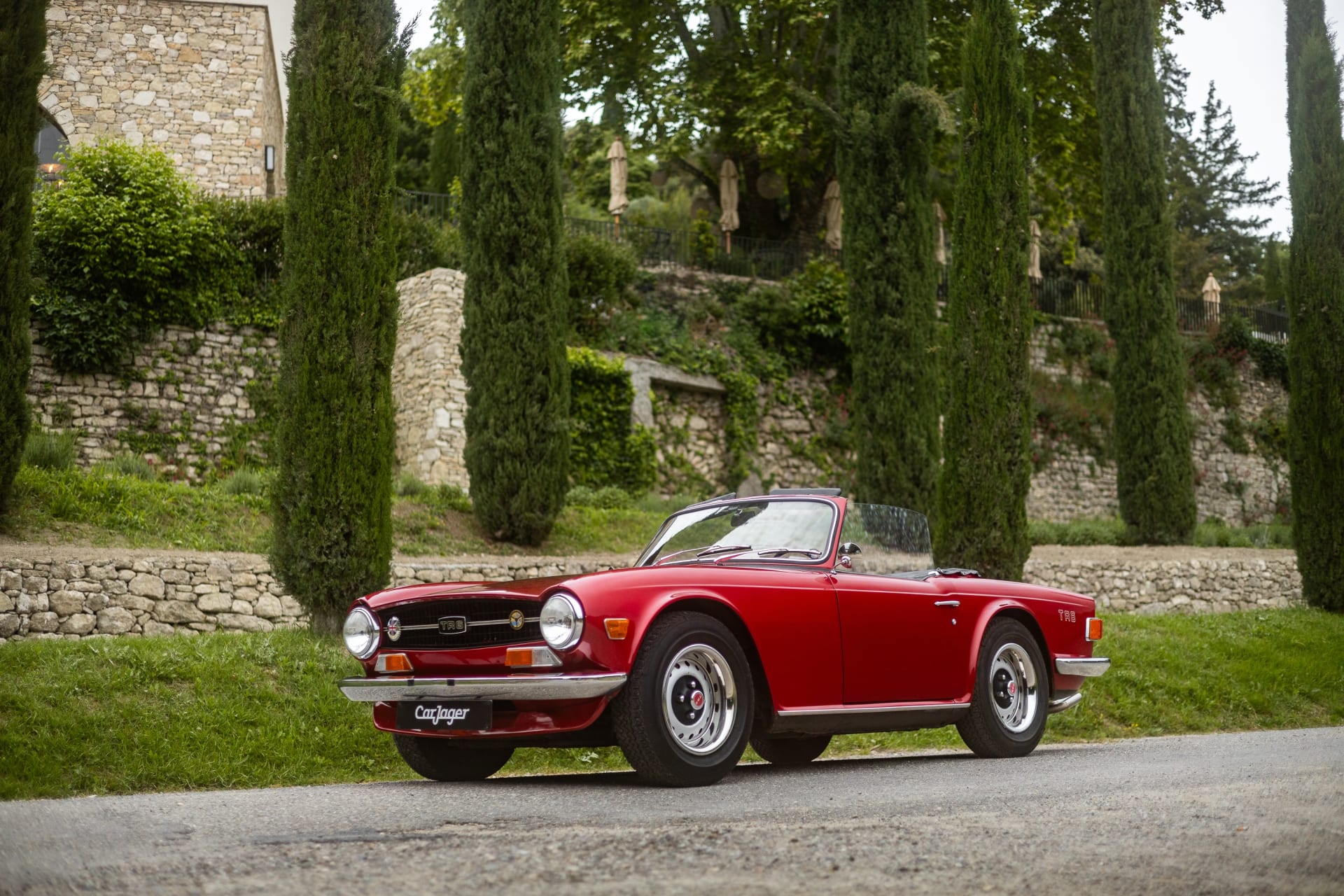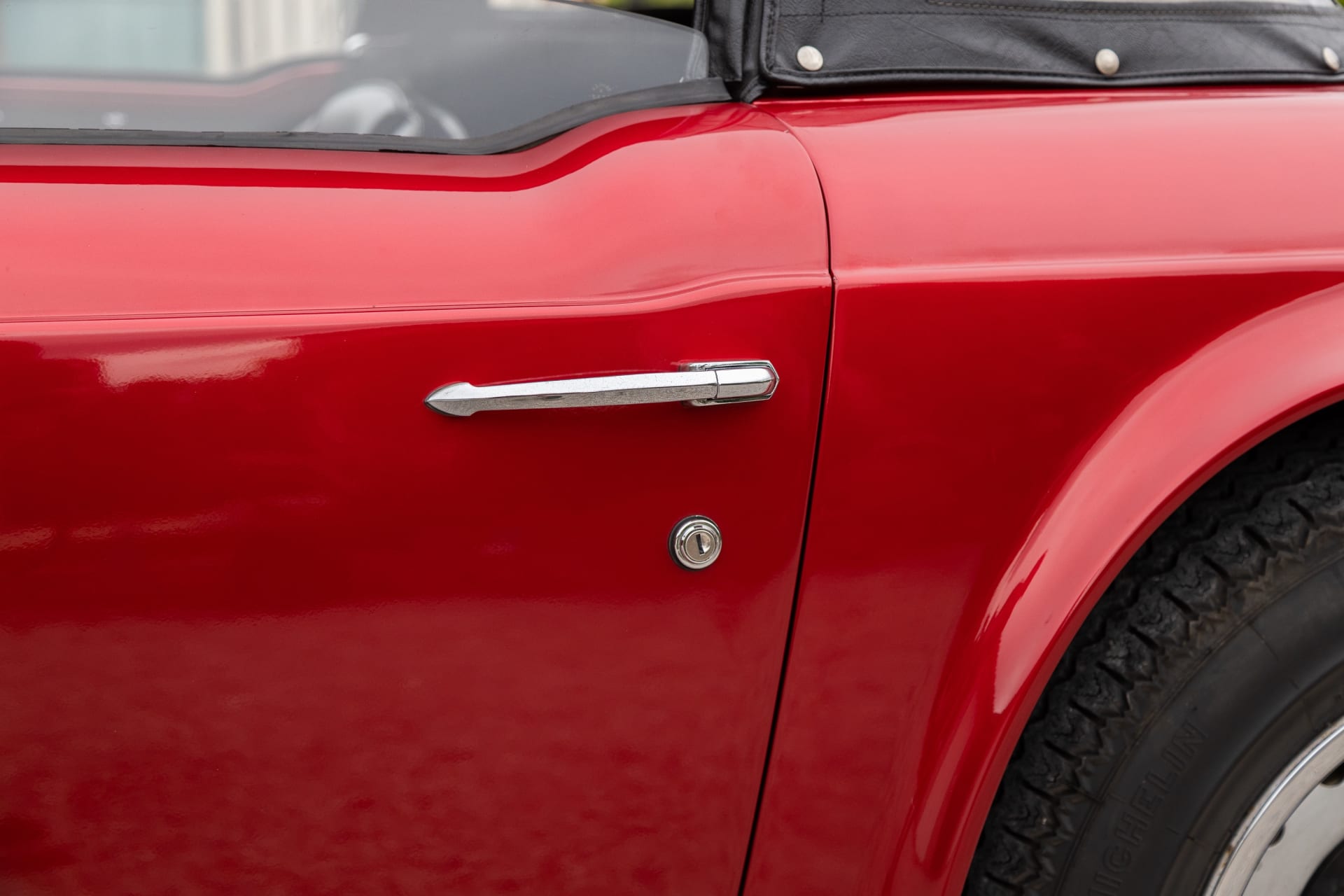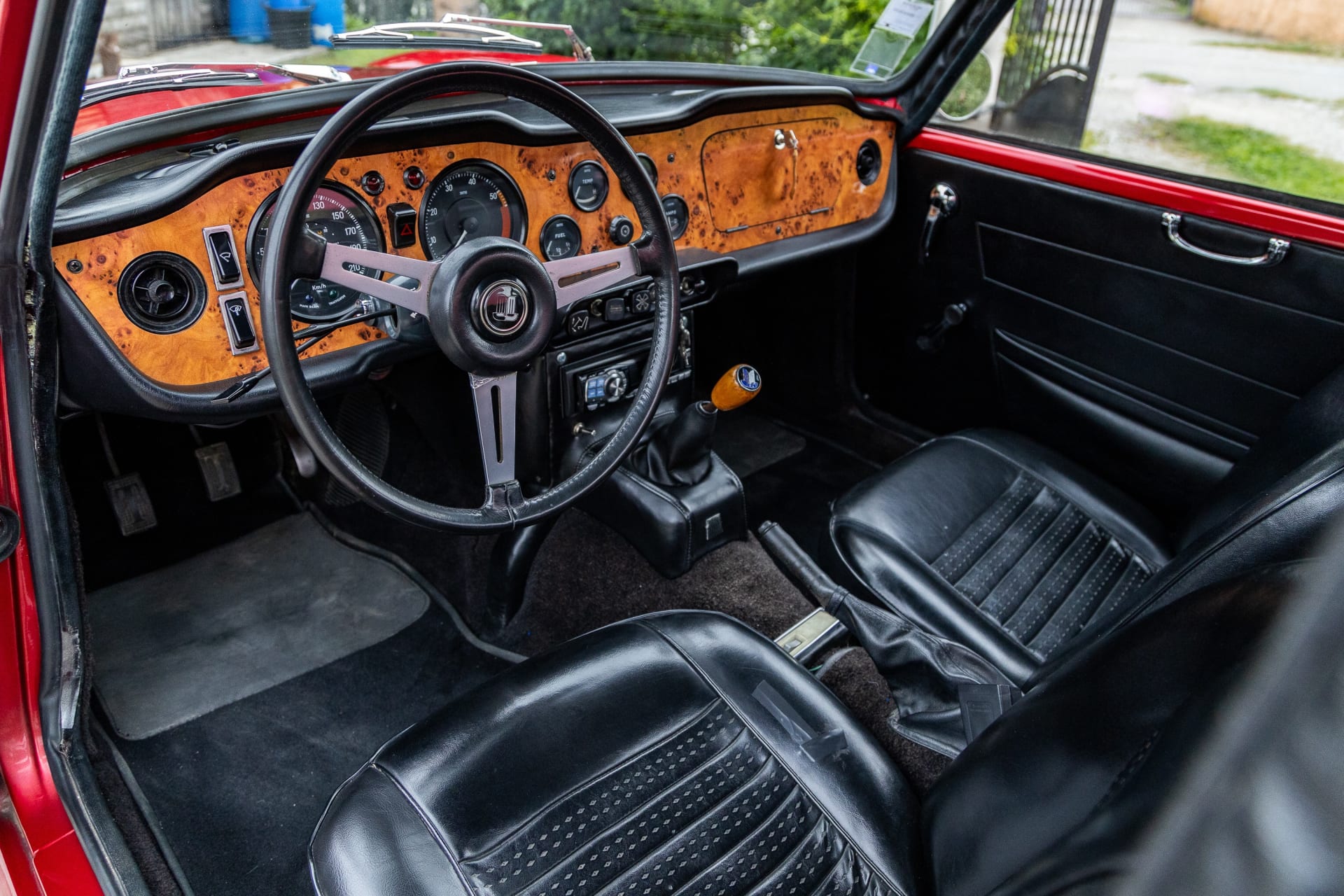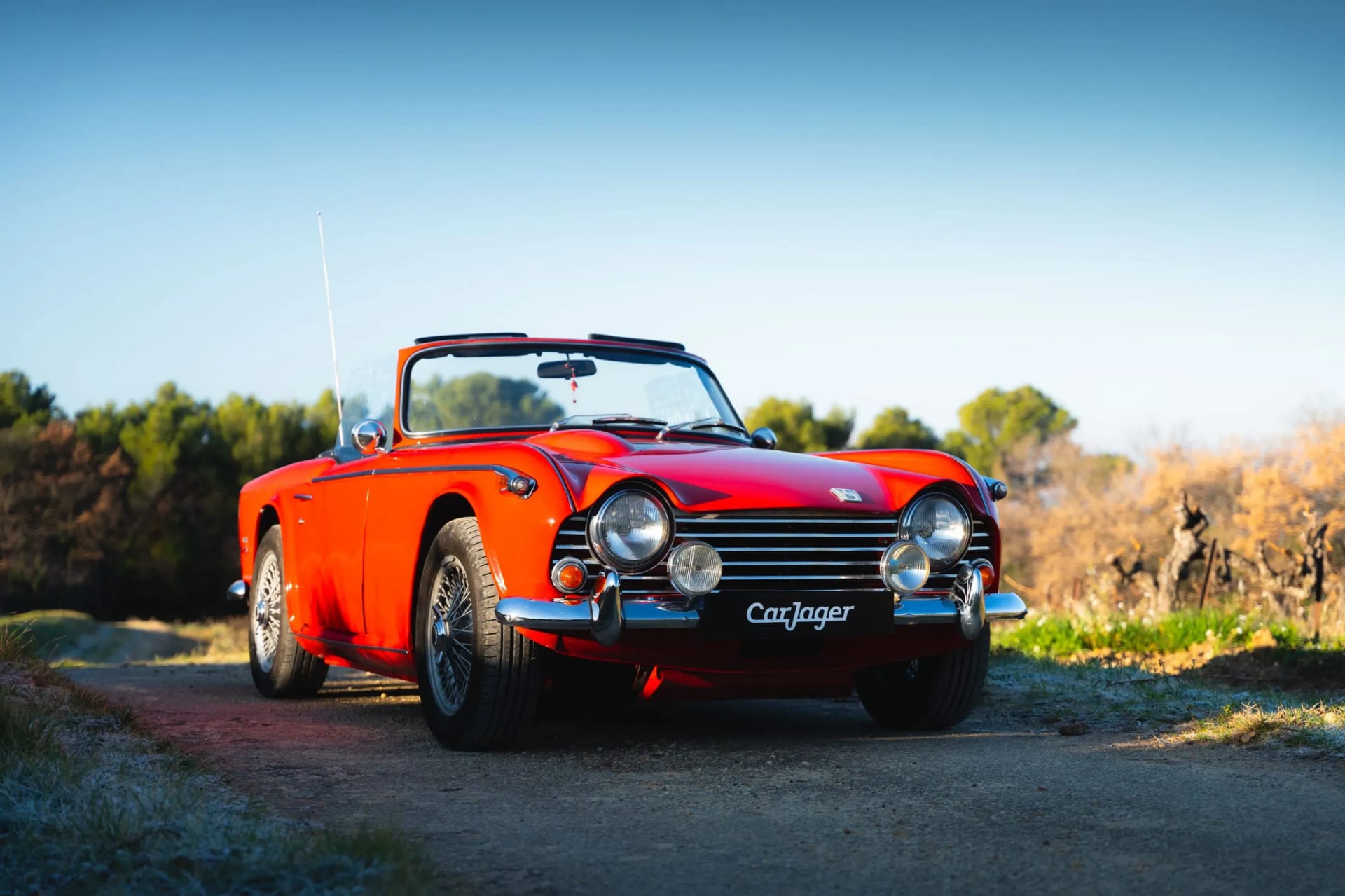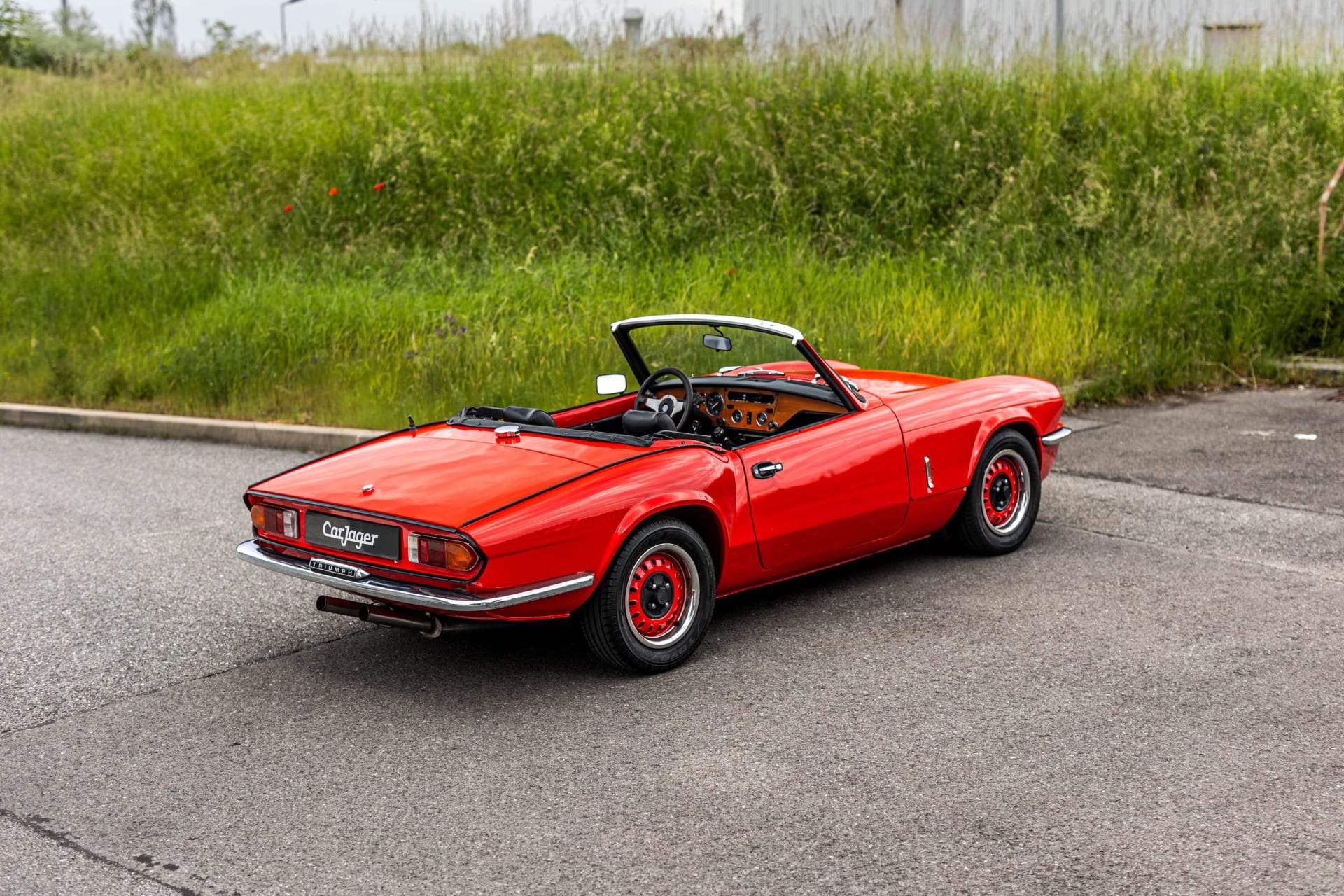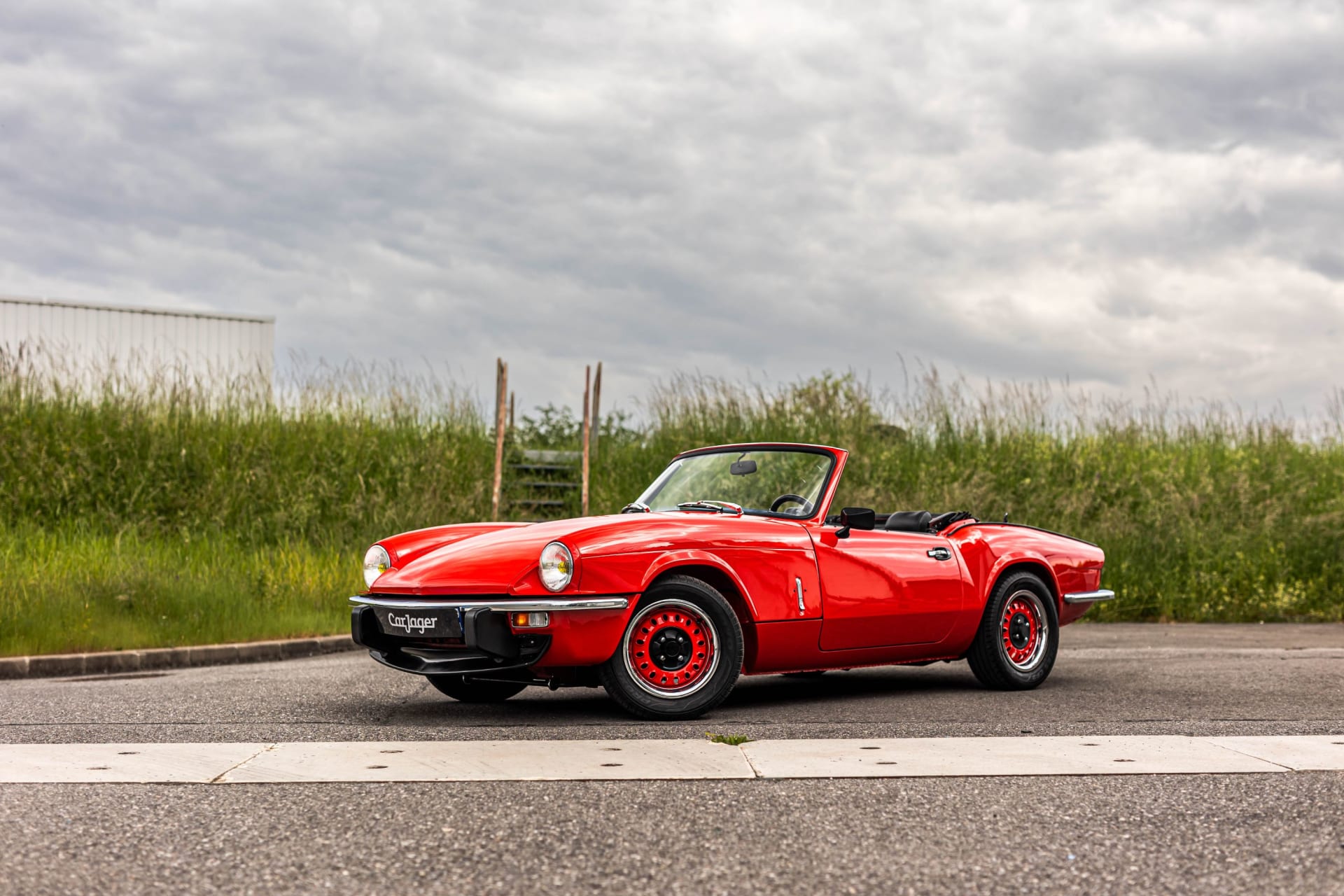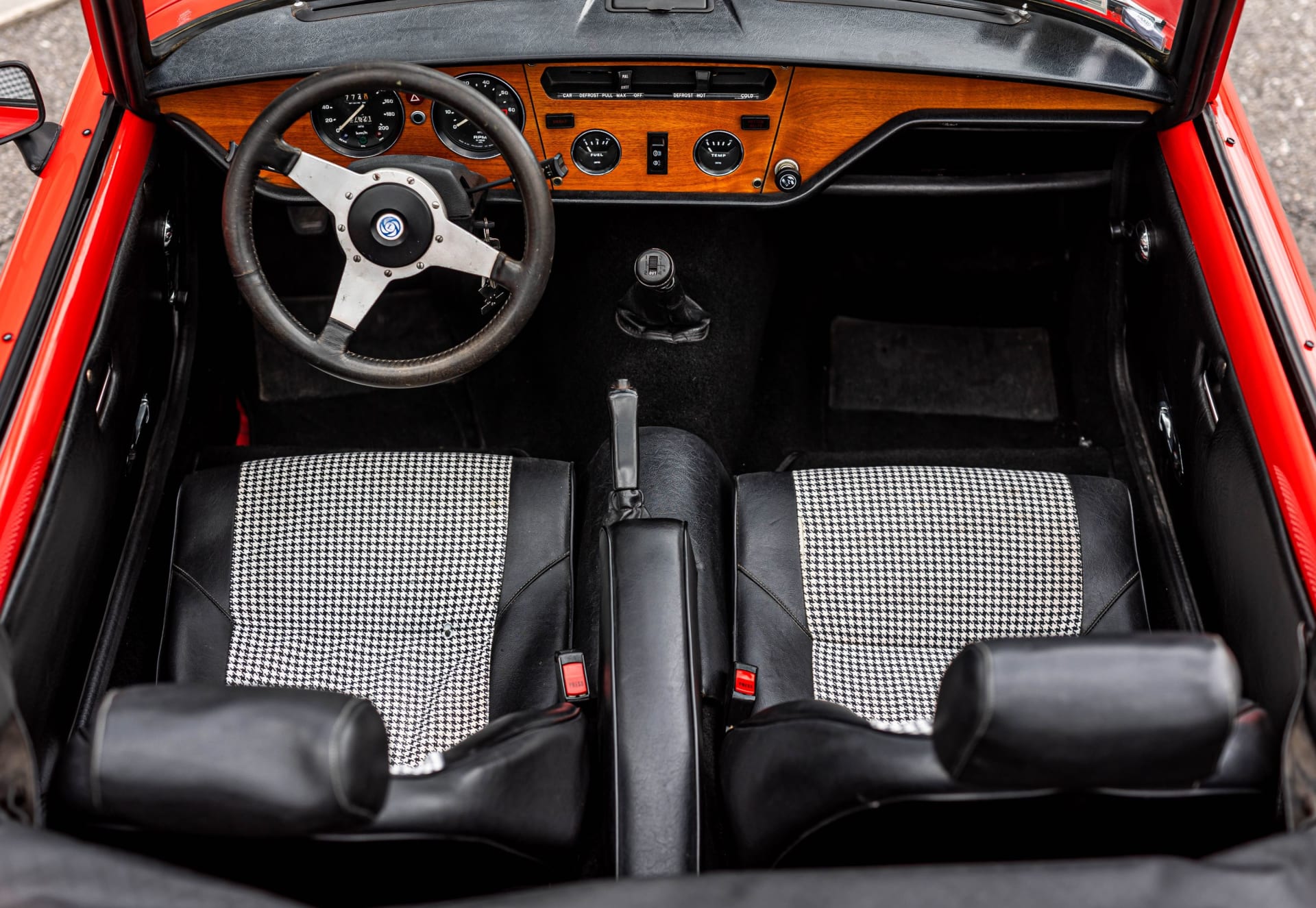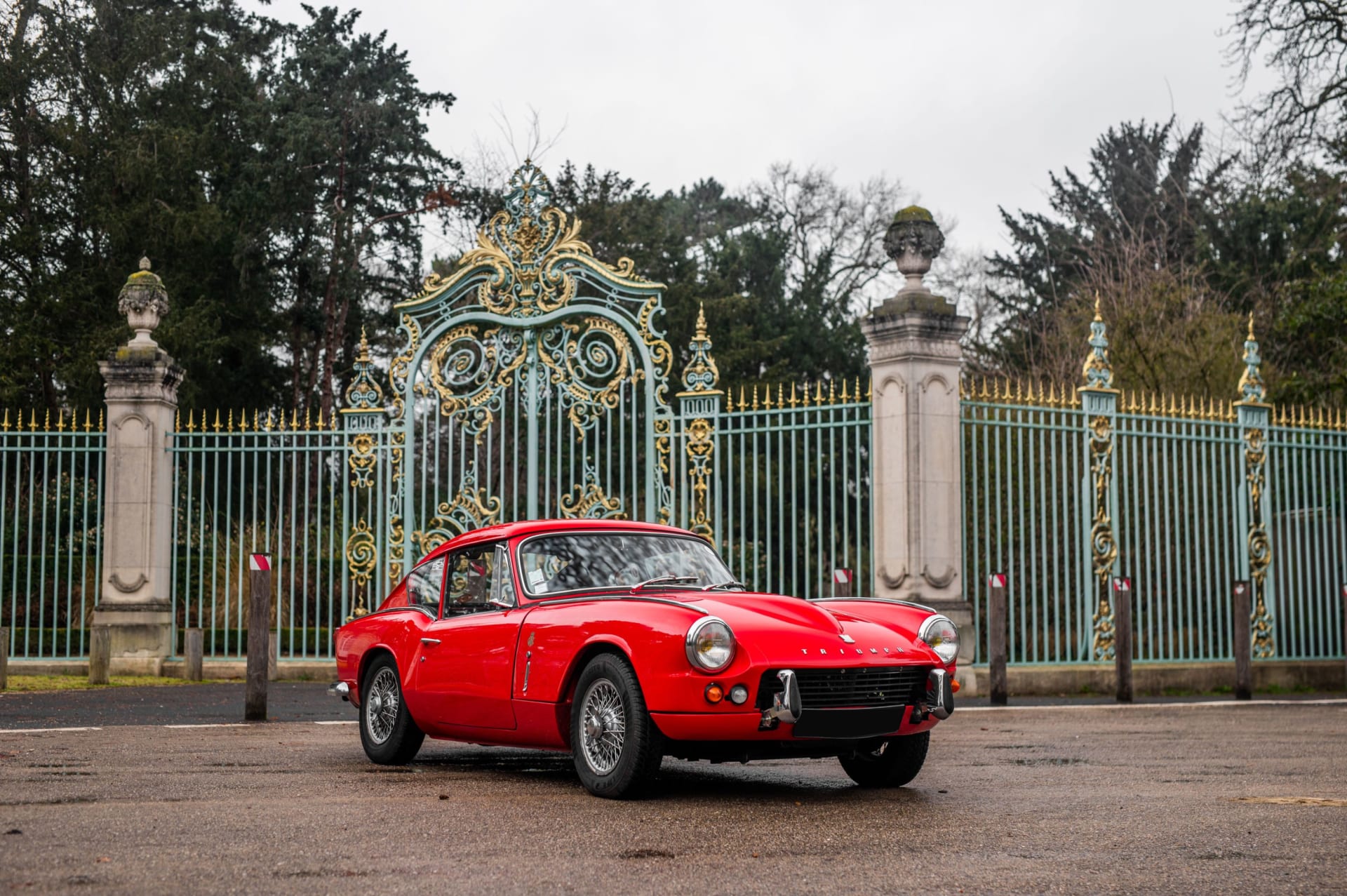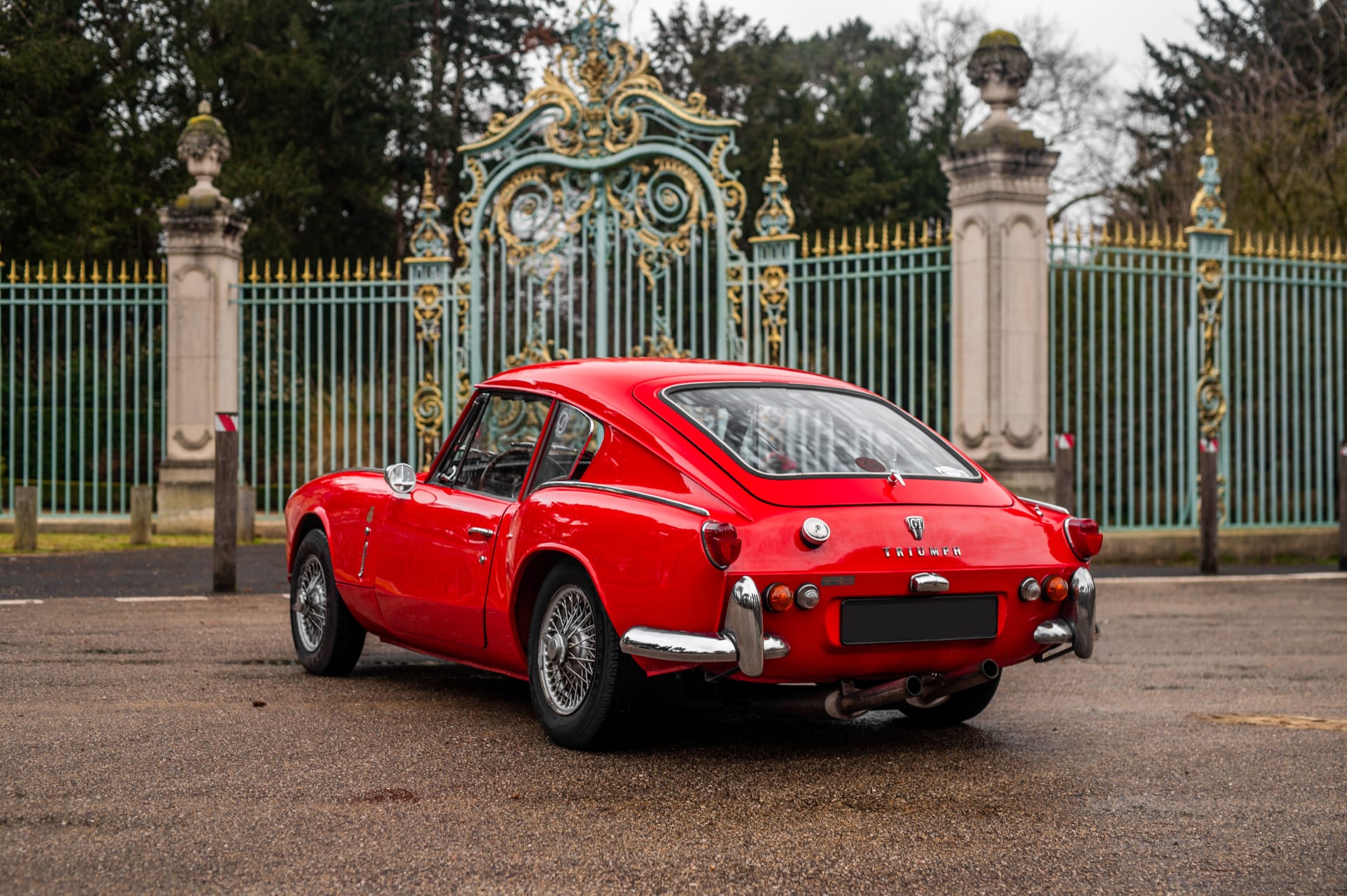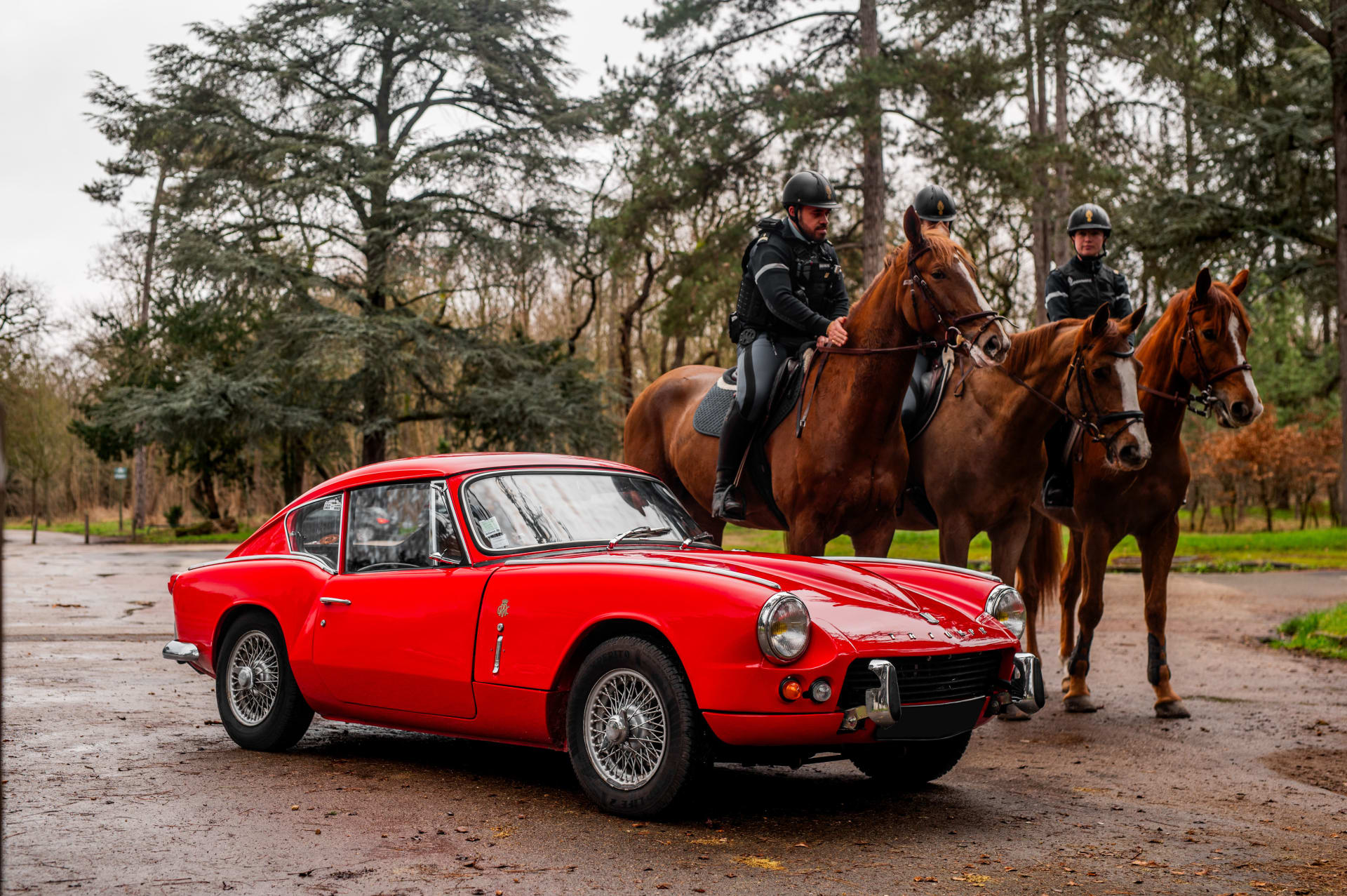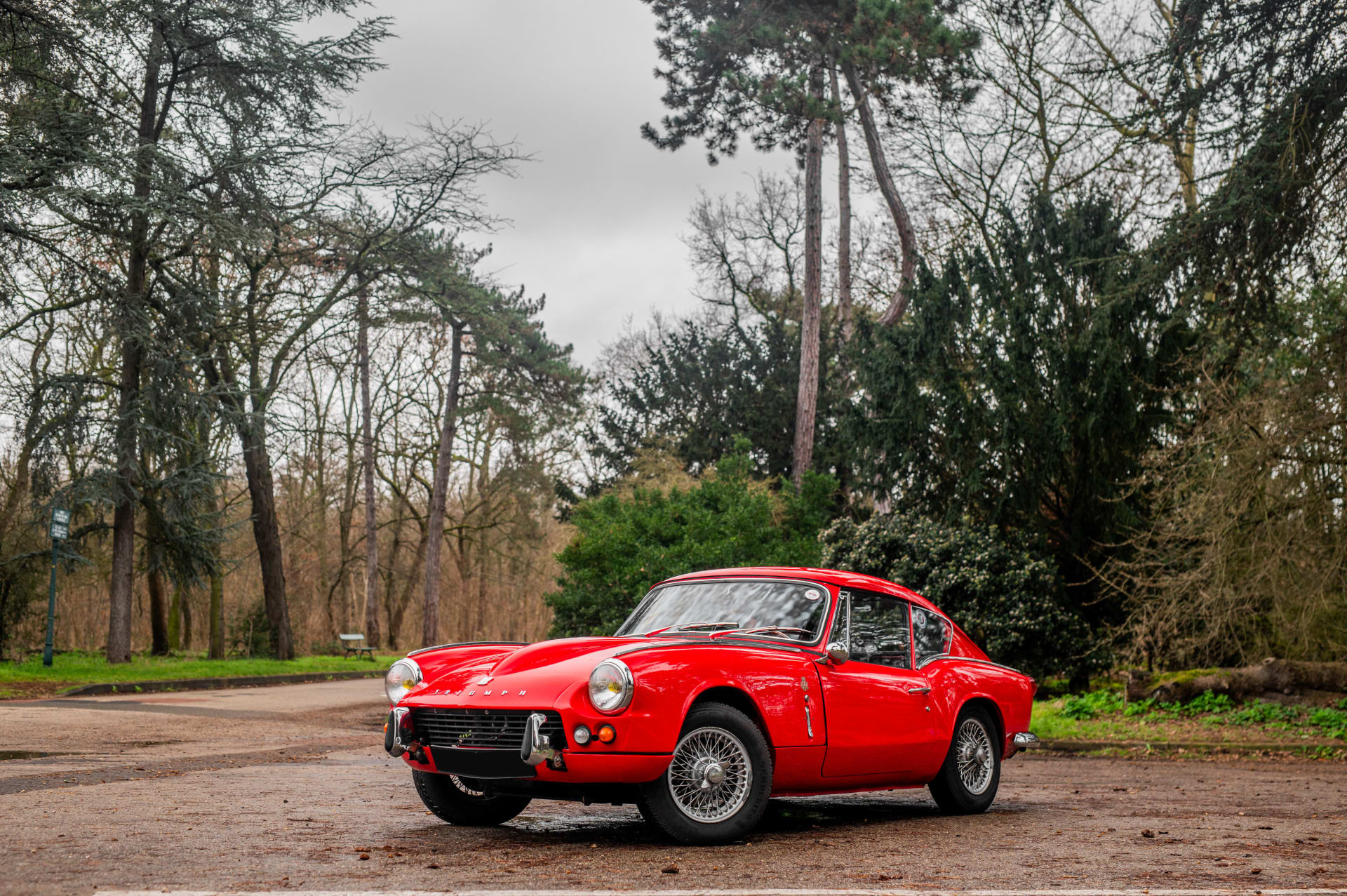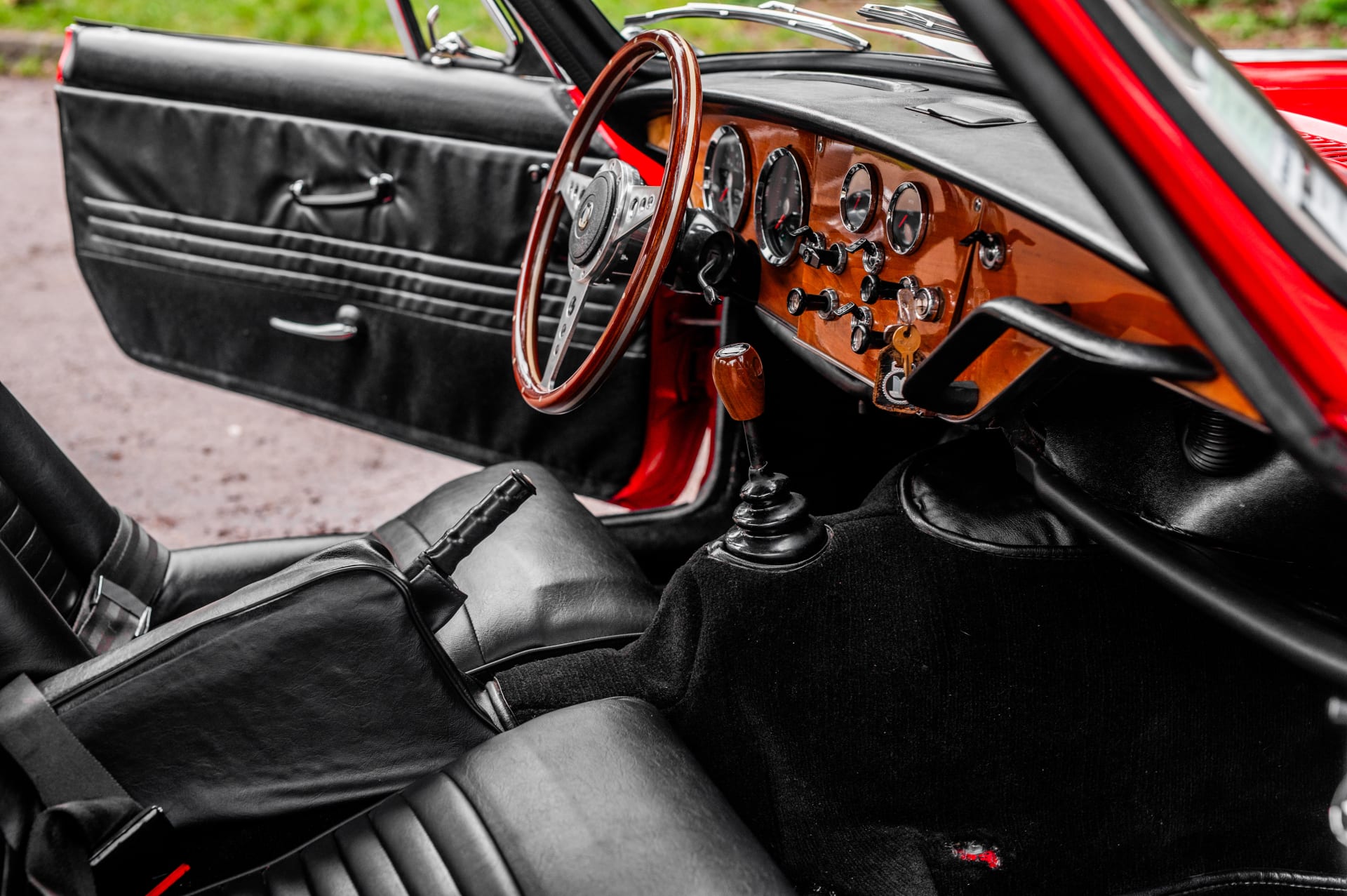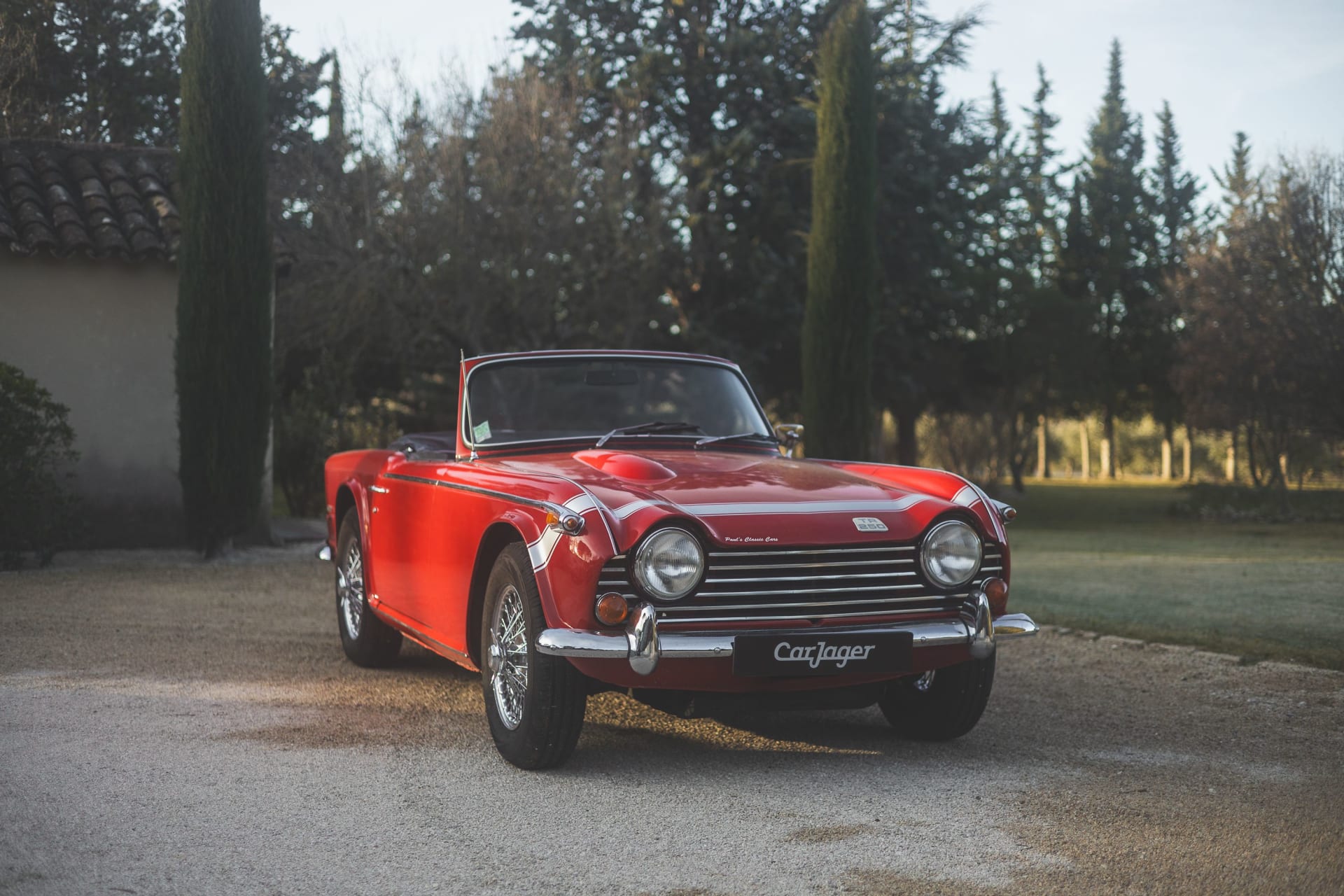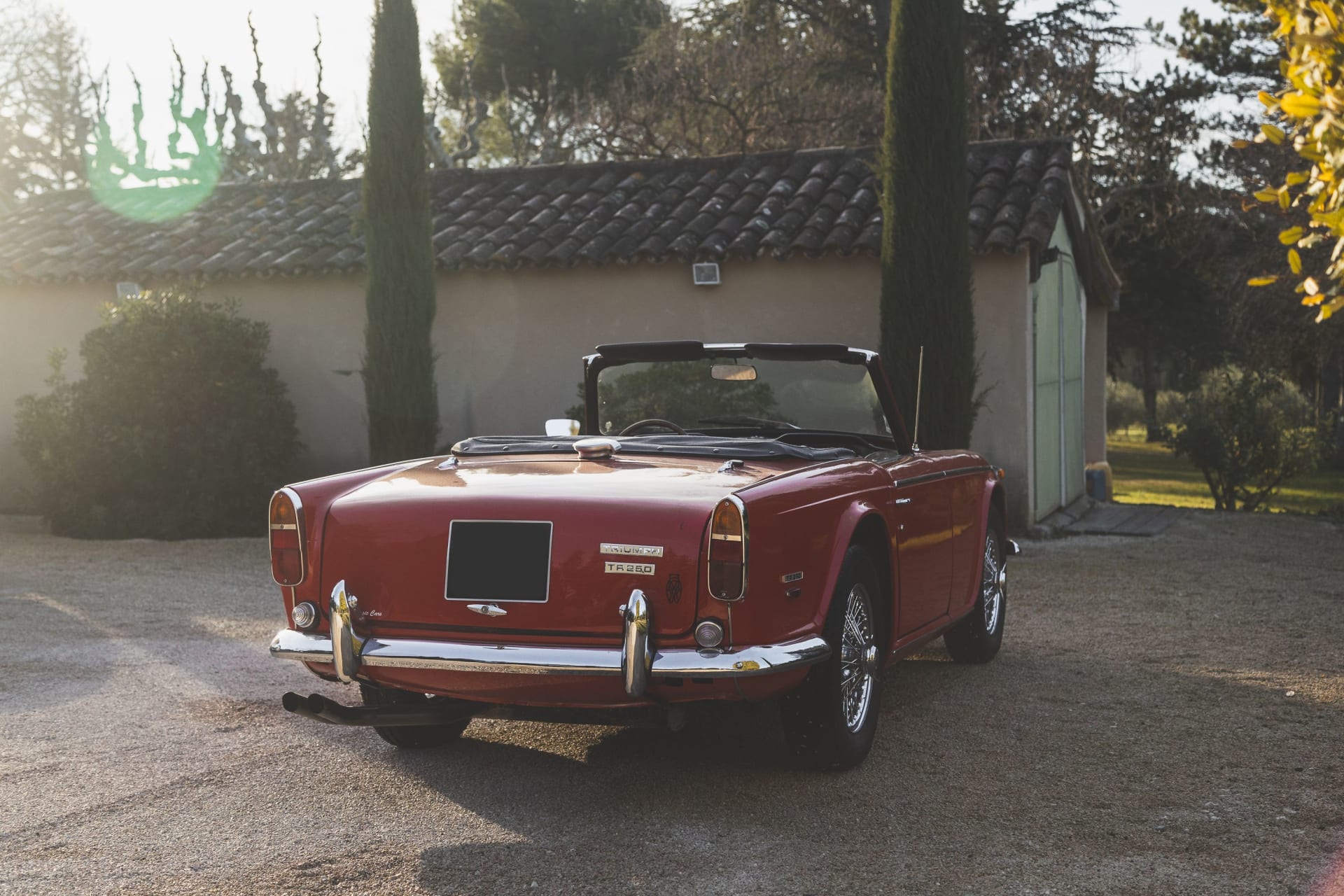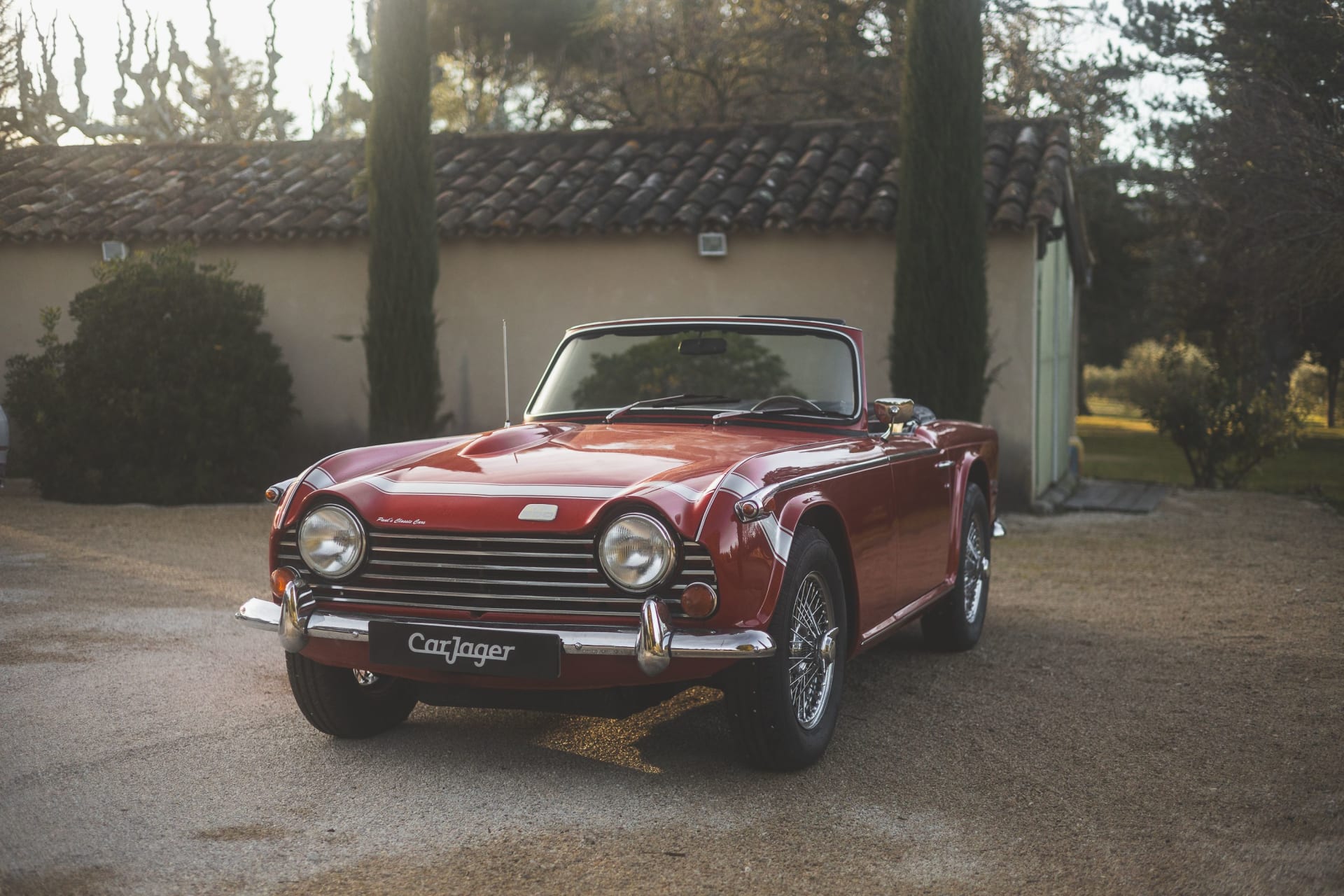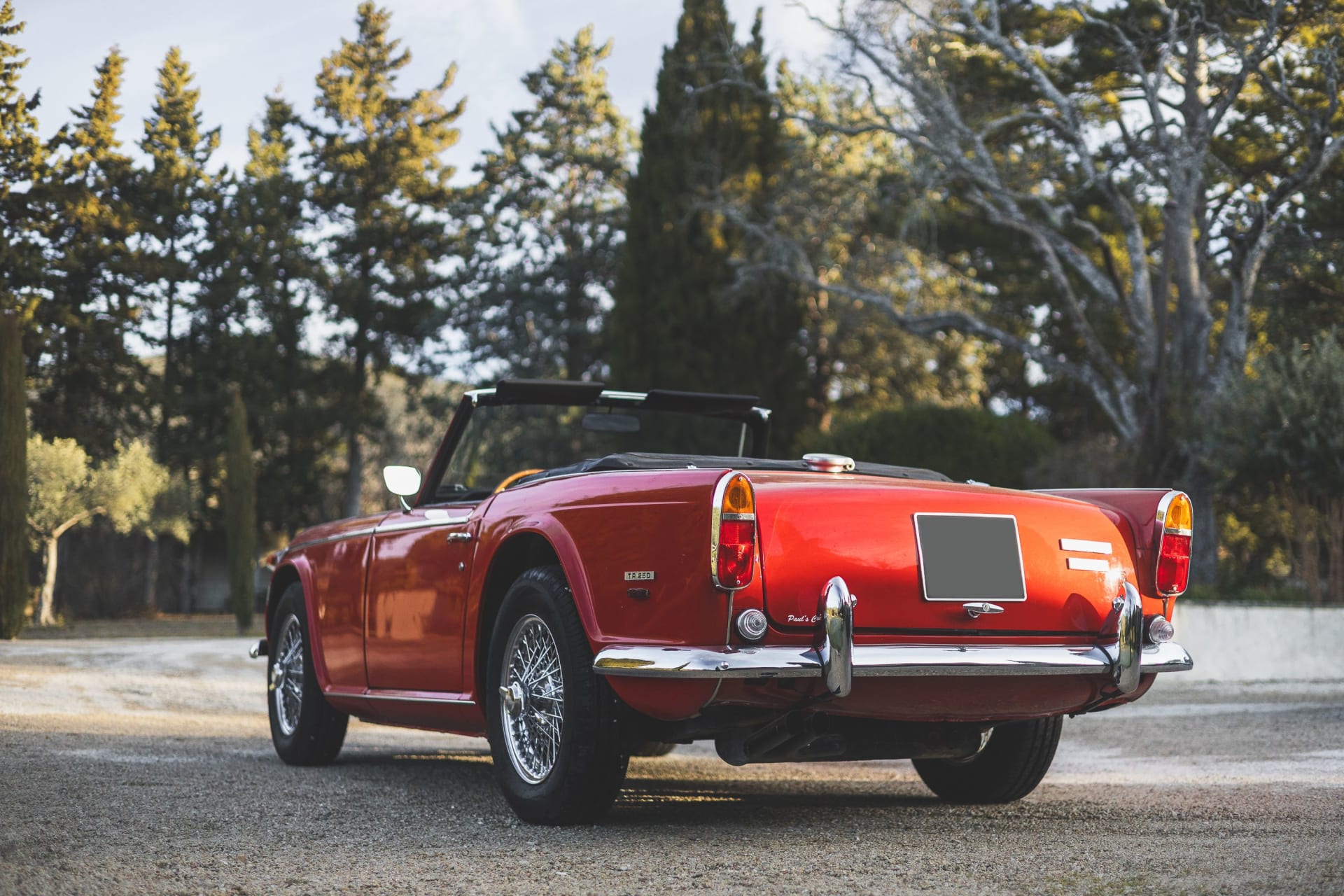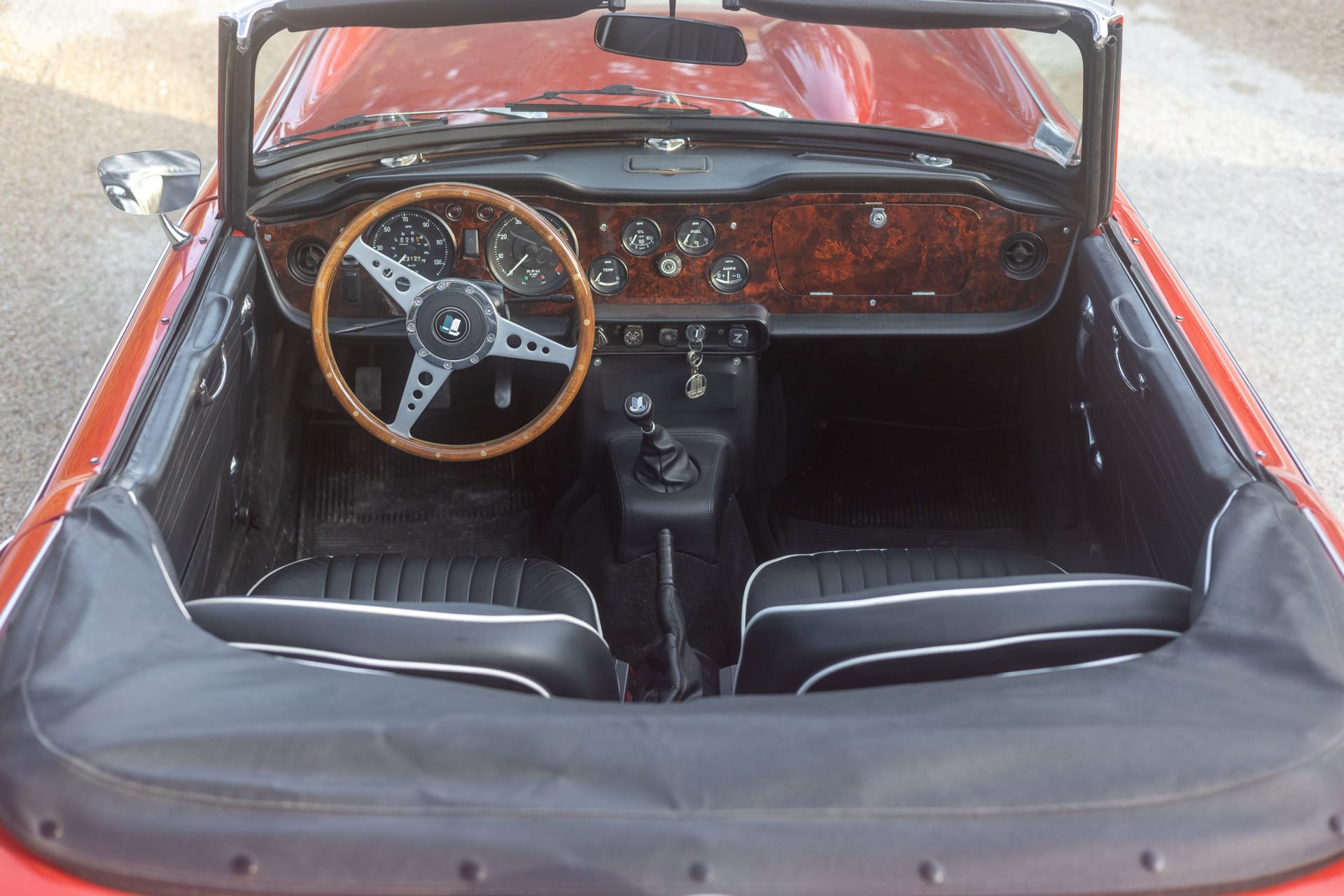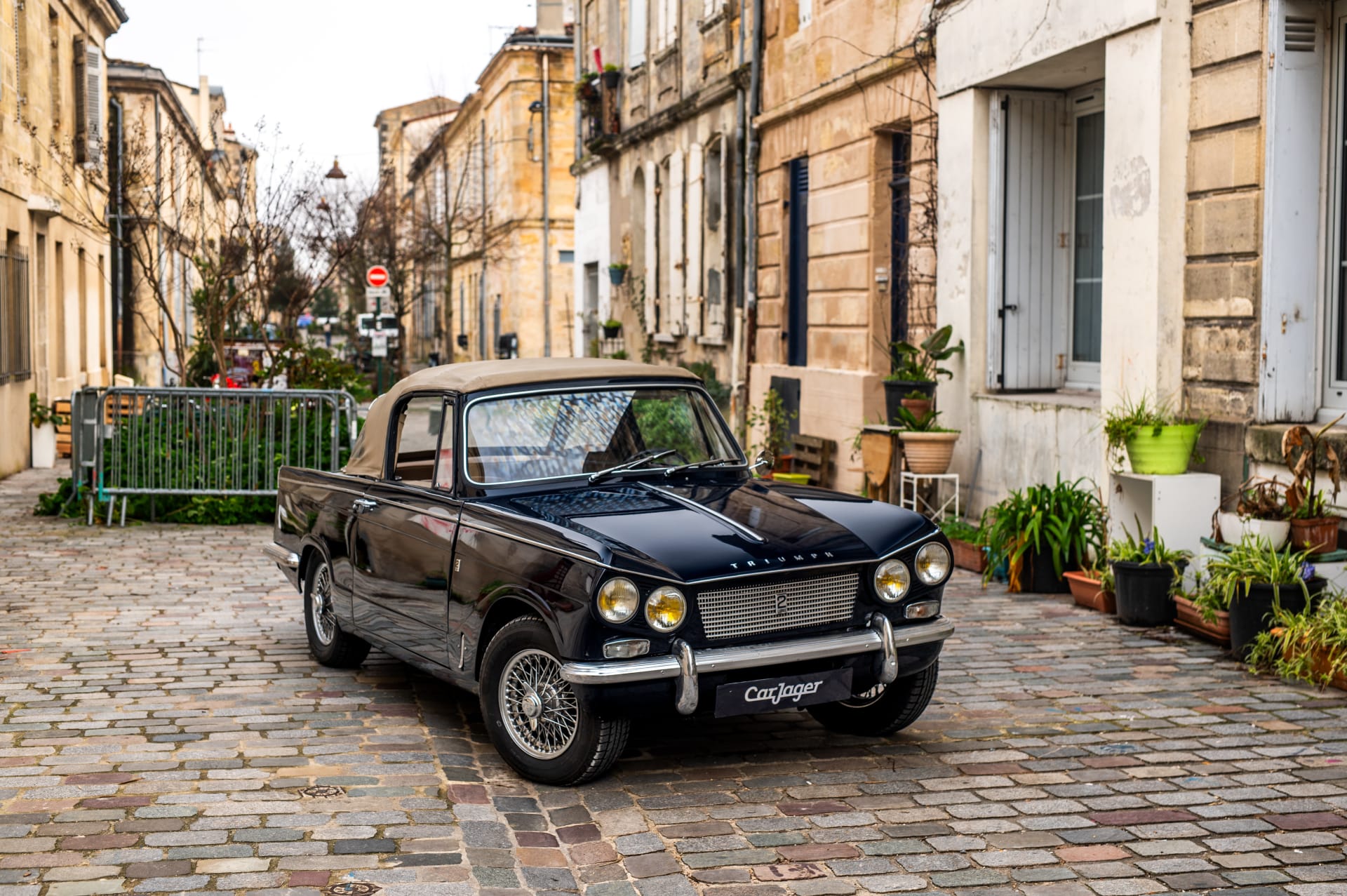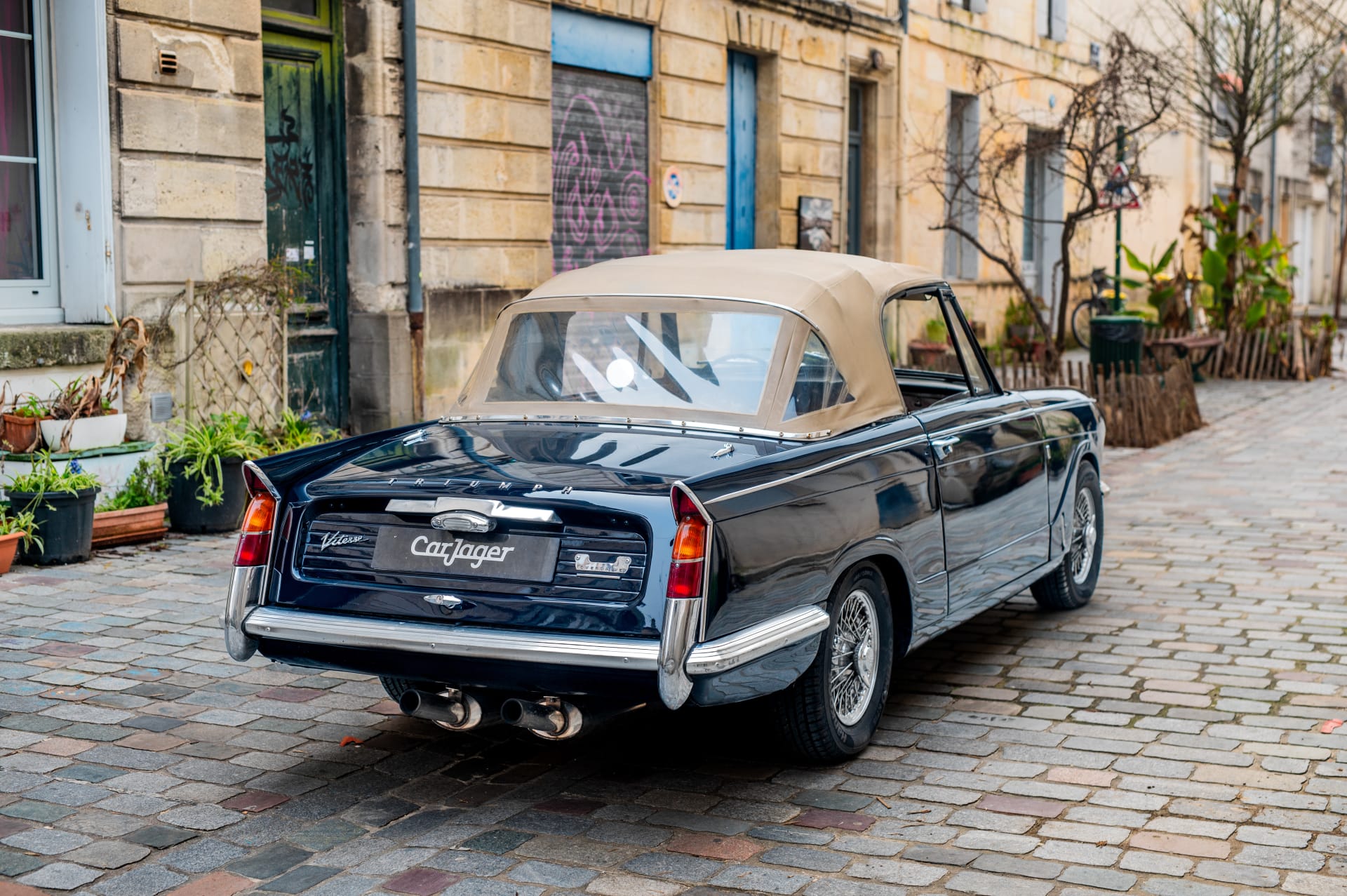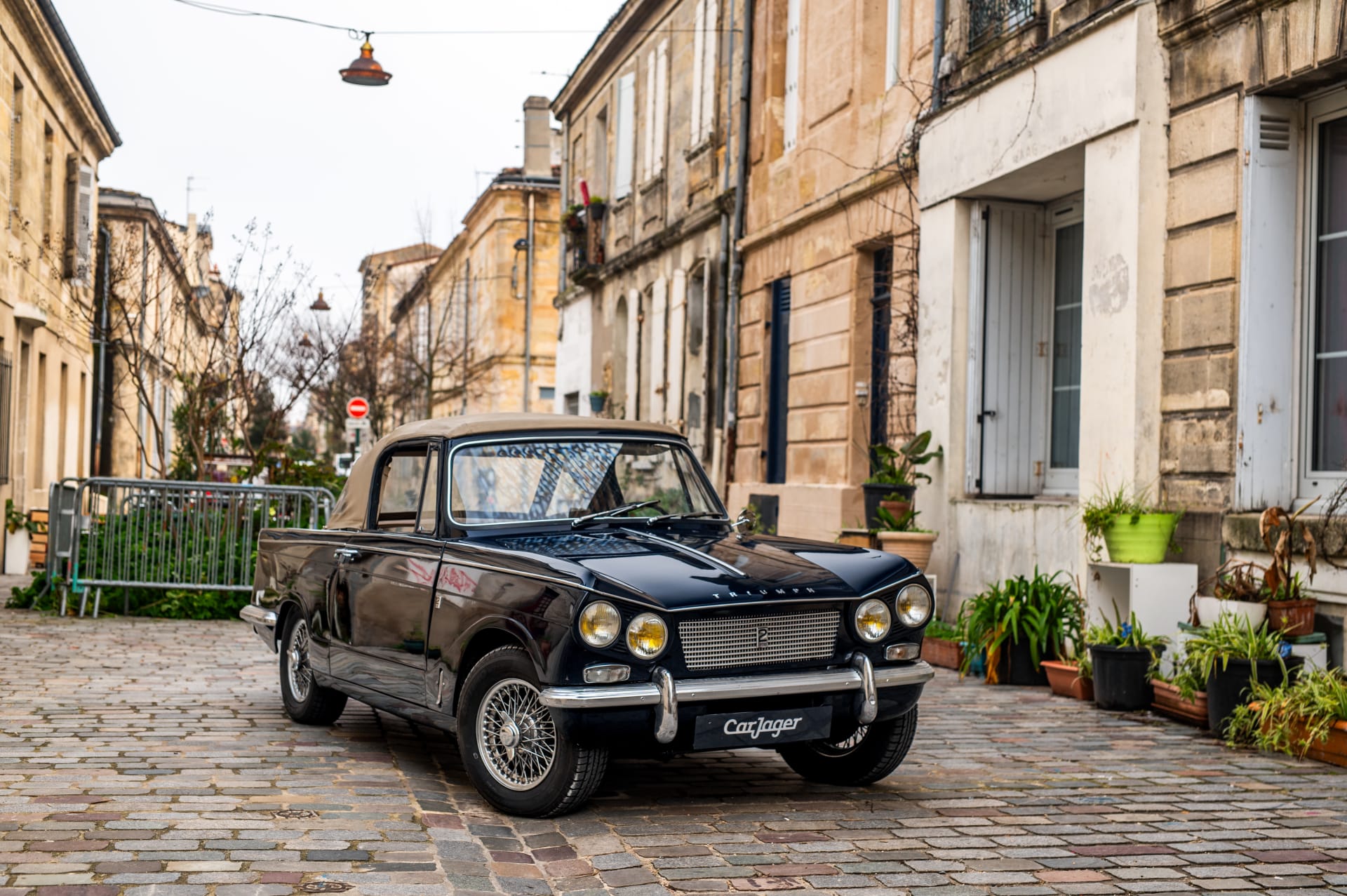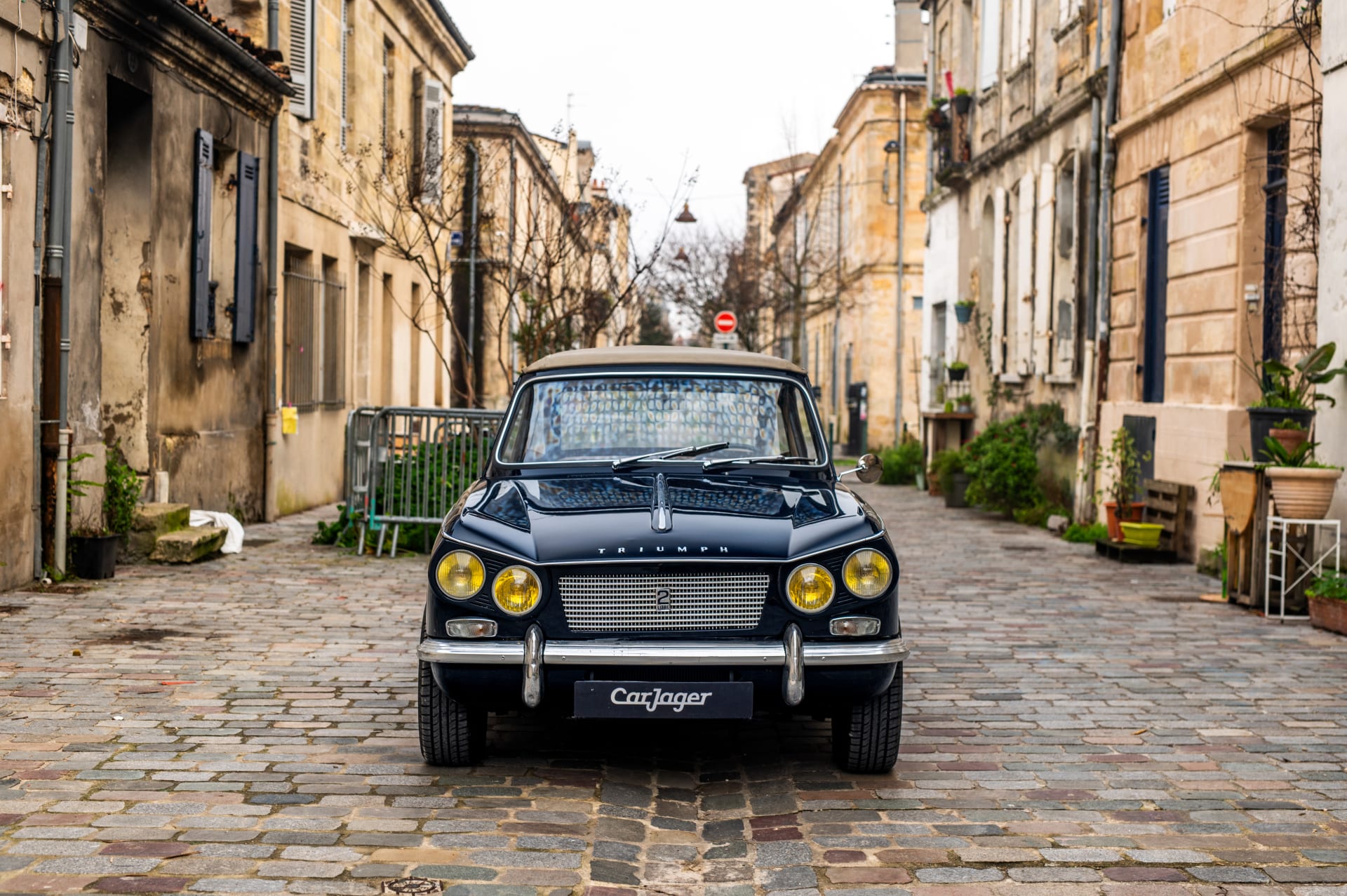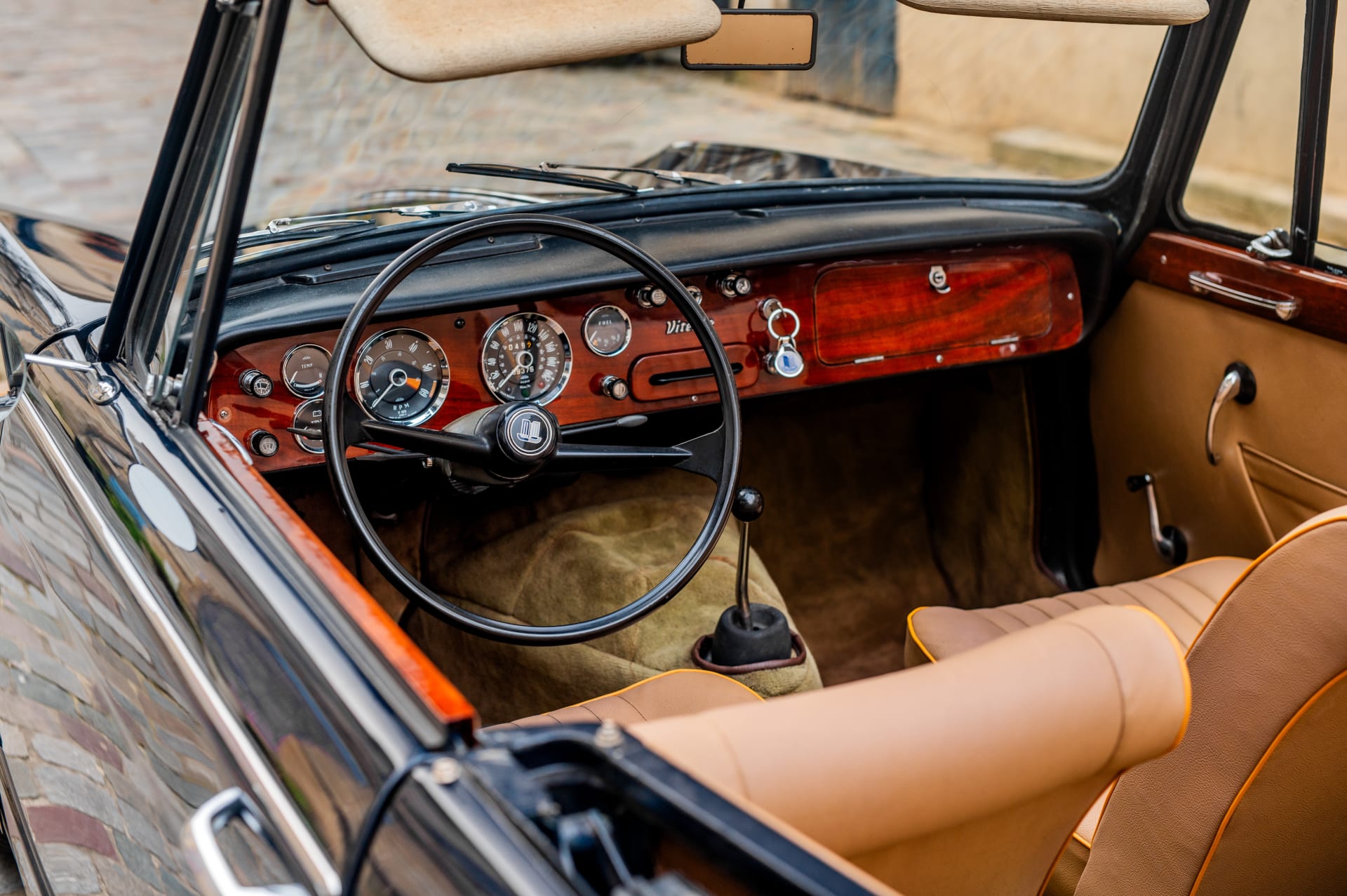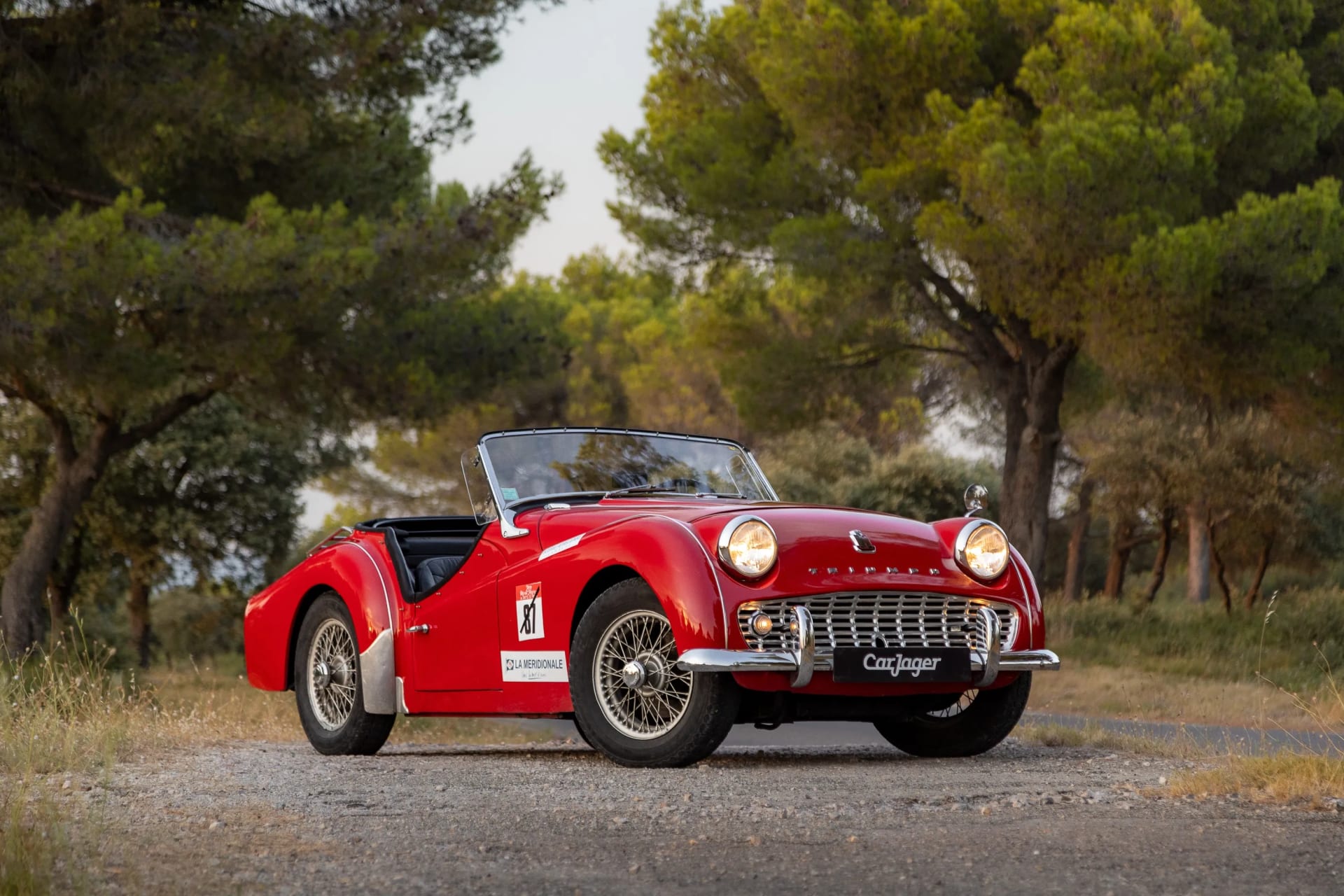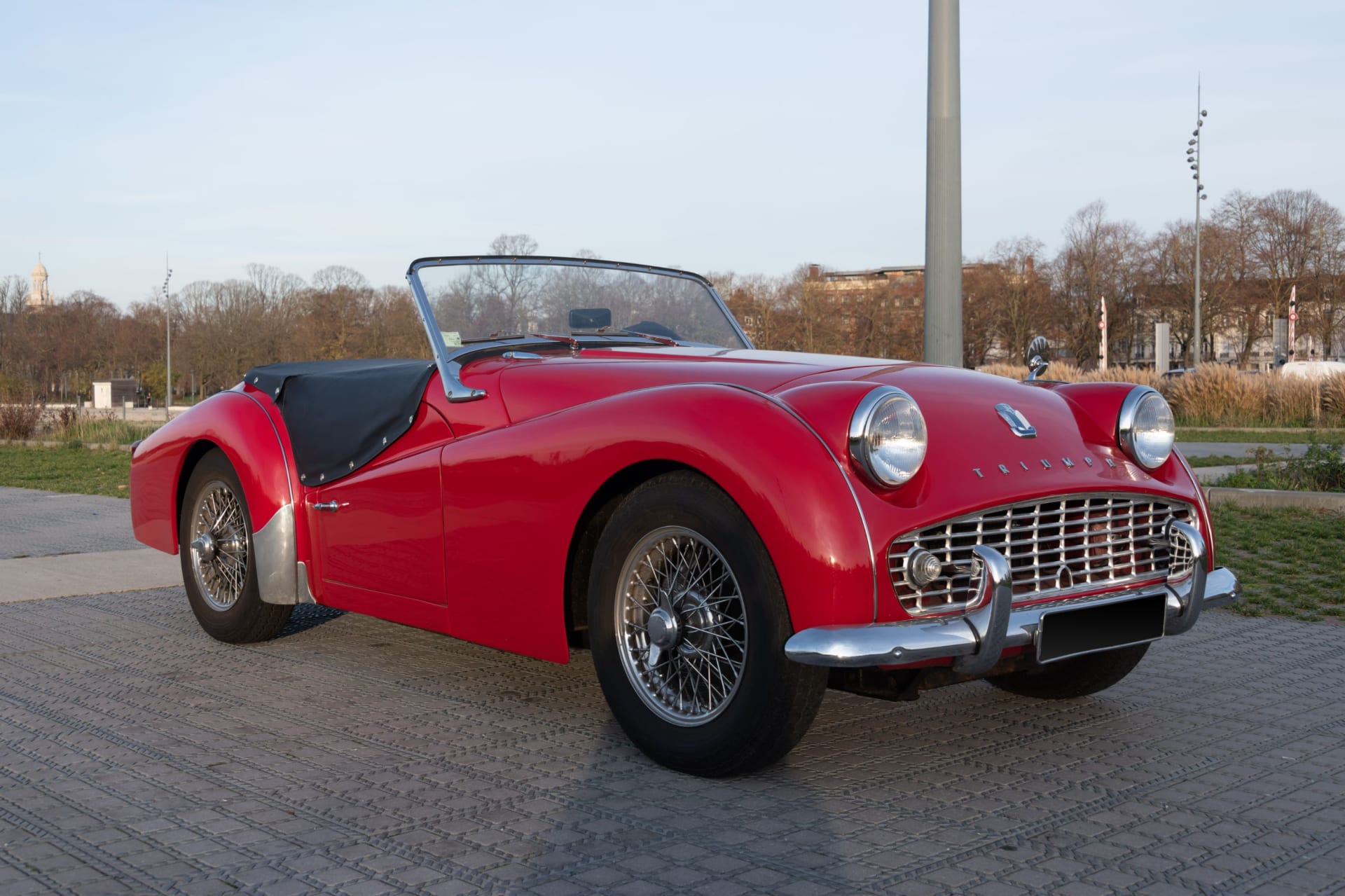
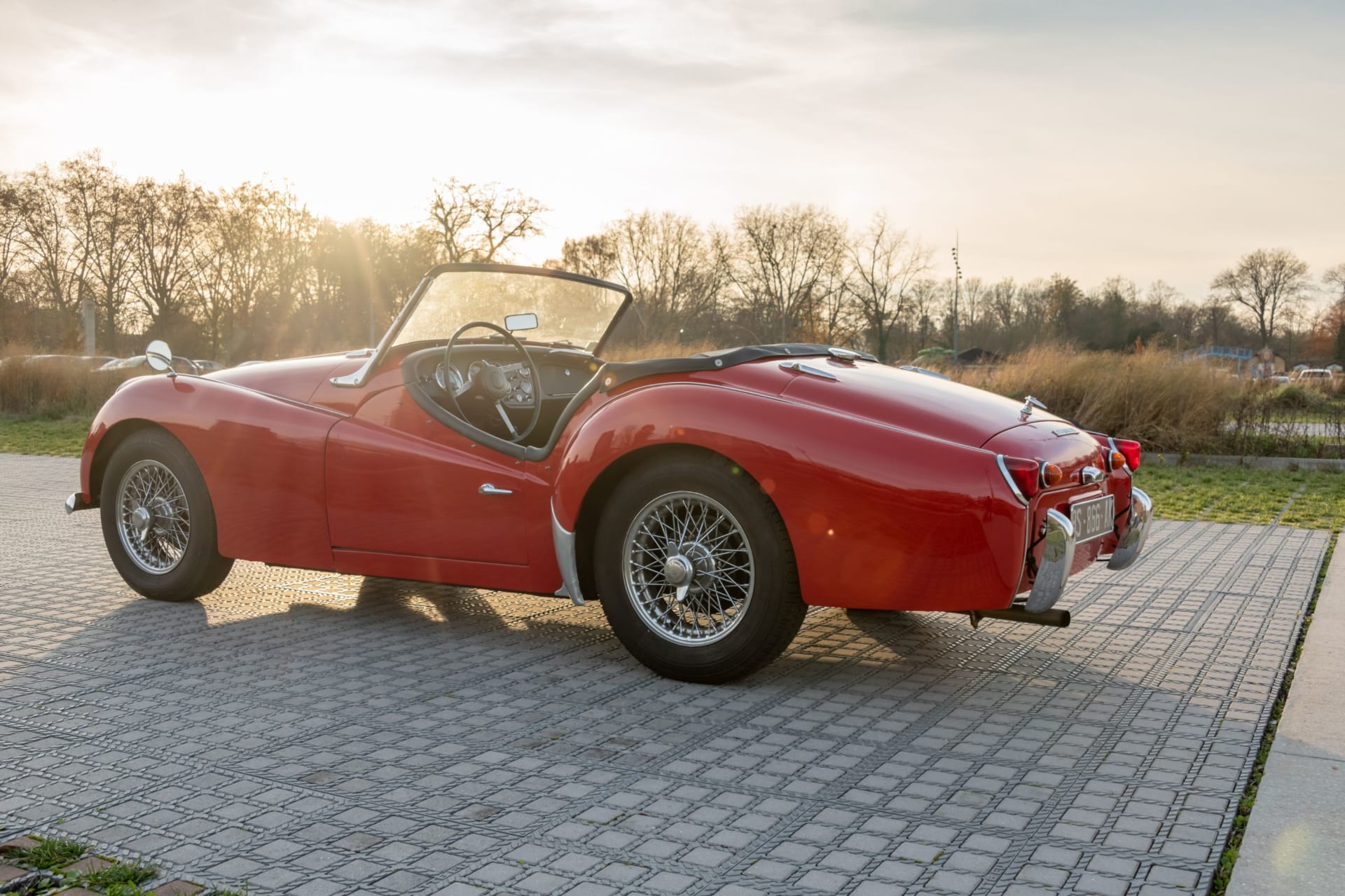
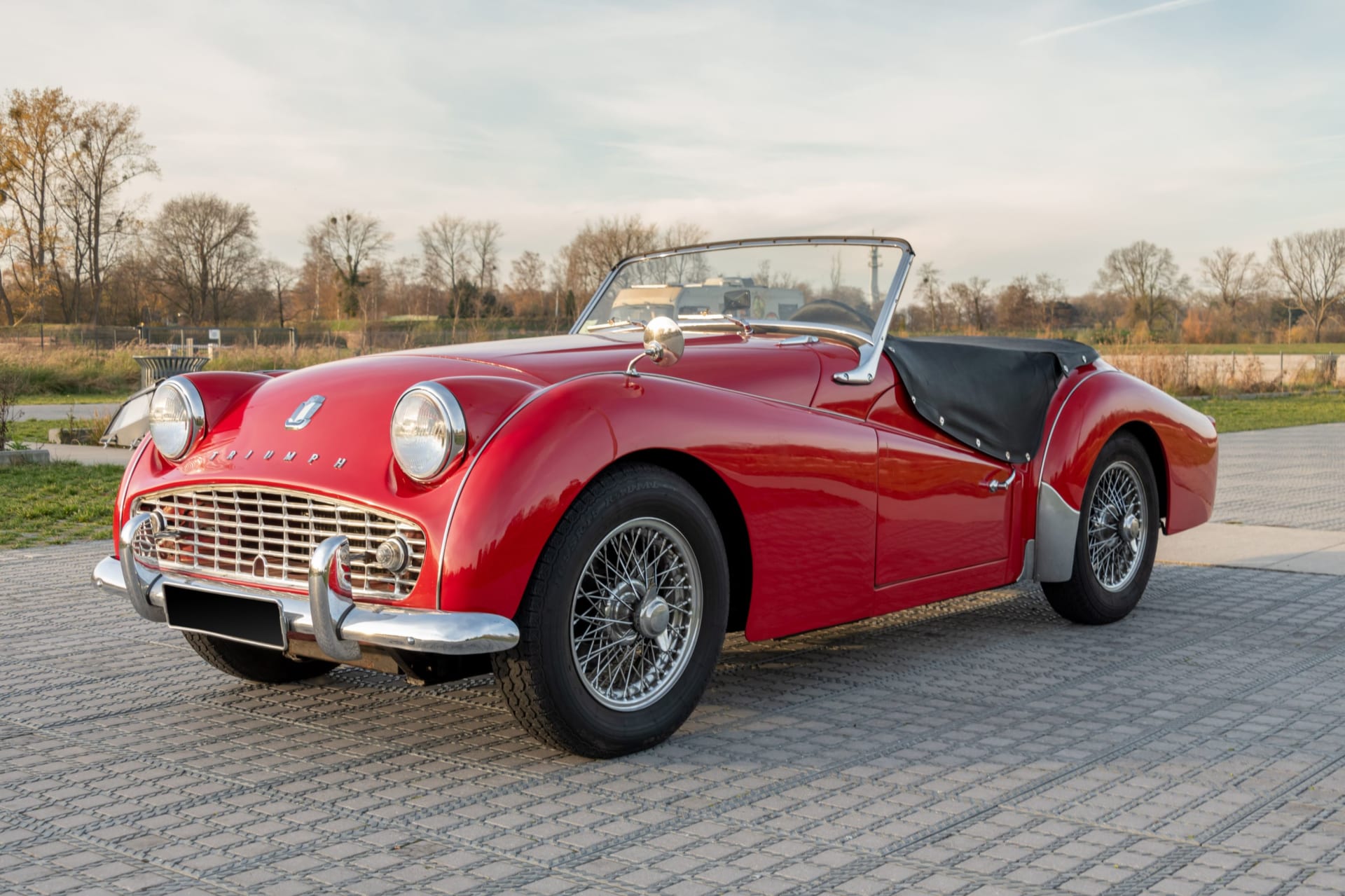
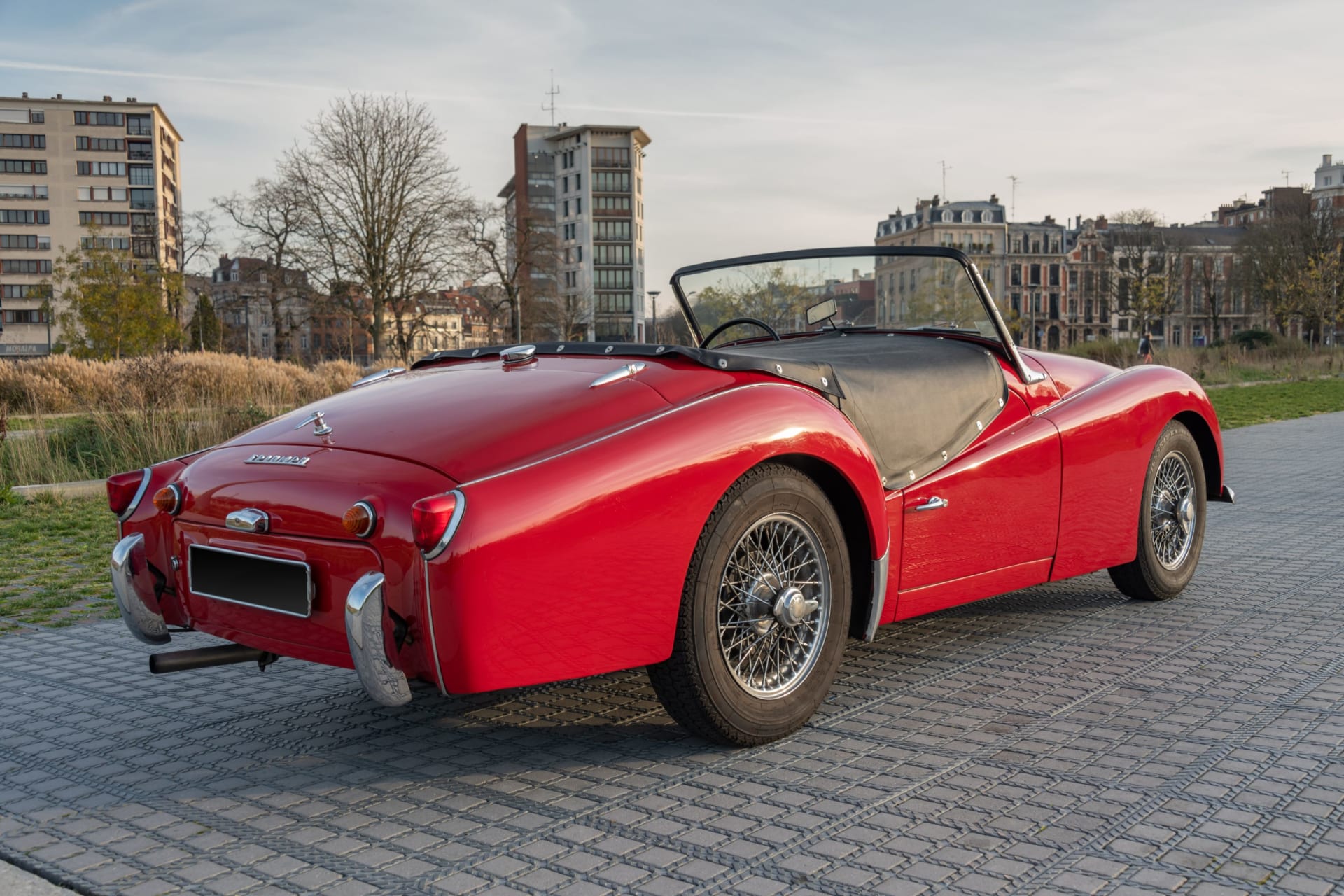
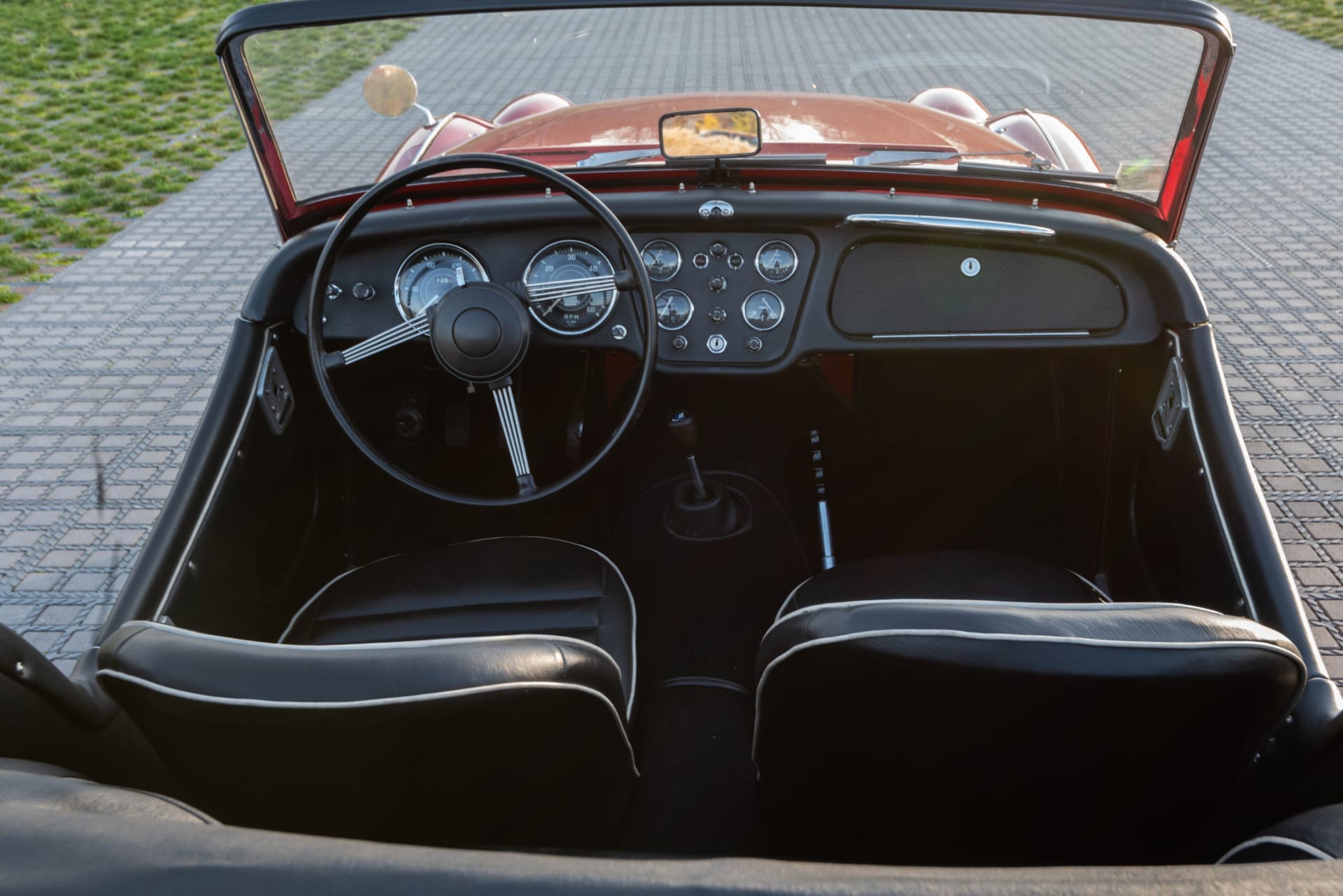
Triumph Tr3 A 1957 / Manual
26 000 €
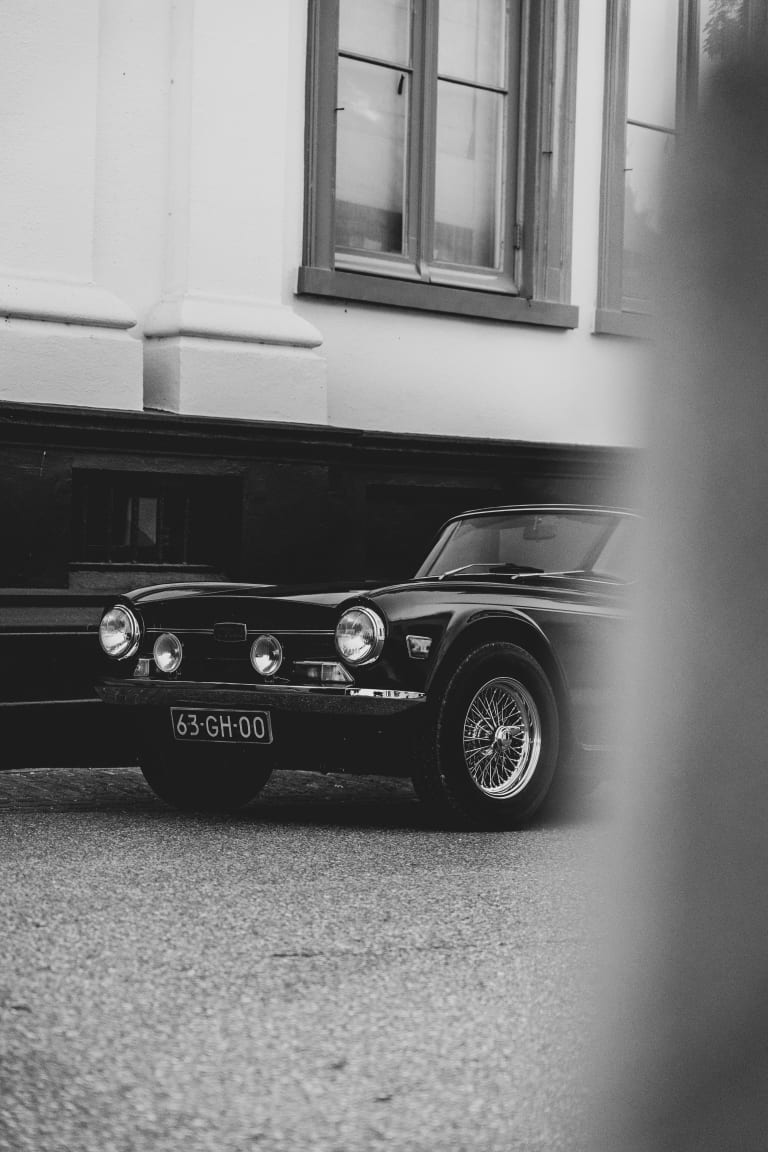
Ready to experience the classic Triumph adventure? From the legendary TR3 to the iconic Spitfire, CarJager takes you there. Dive into the world of Triumphs carefully selected by our Car Specialists.
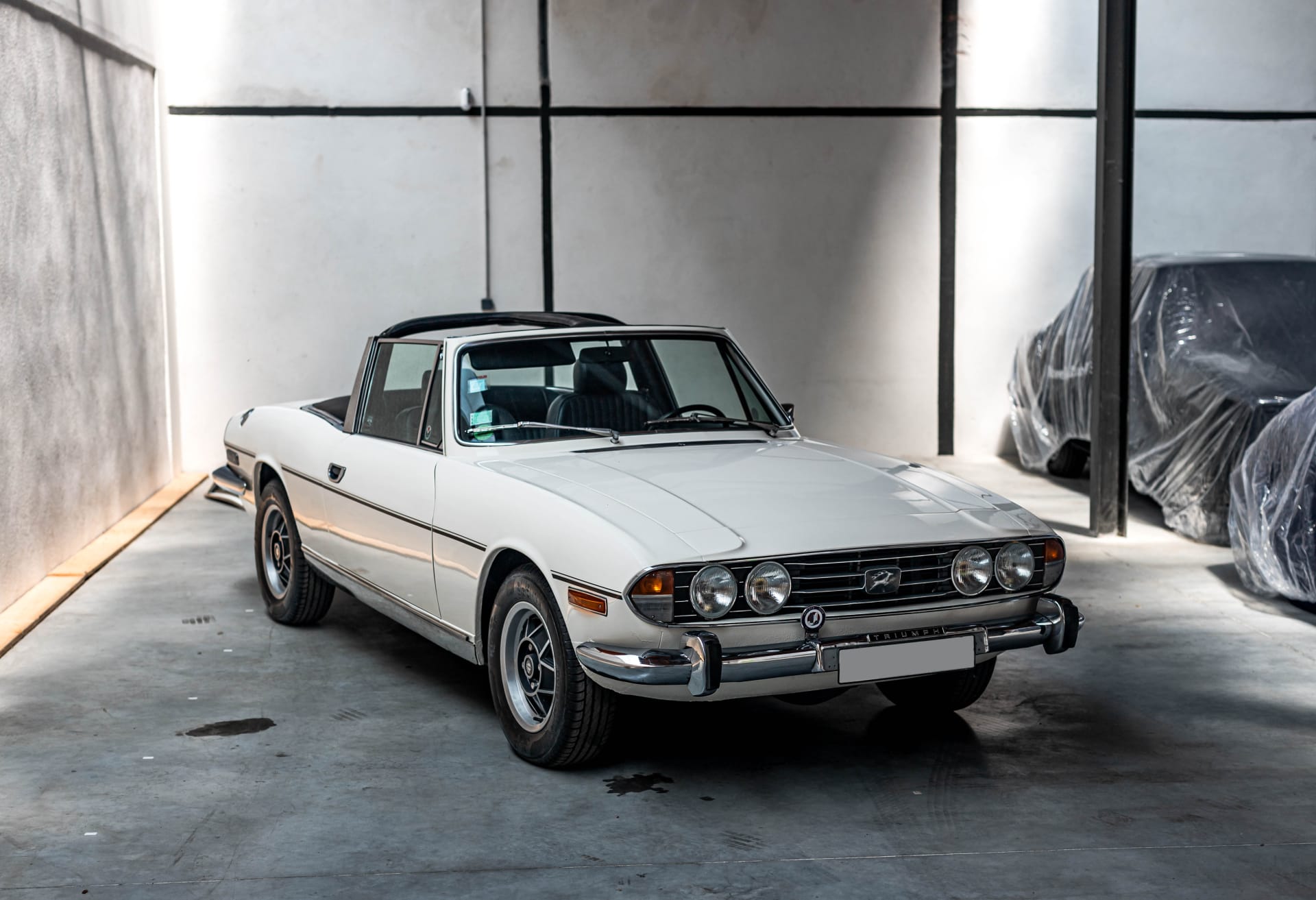
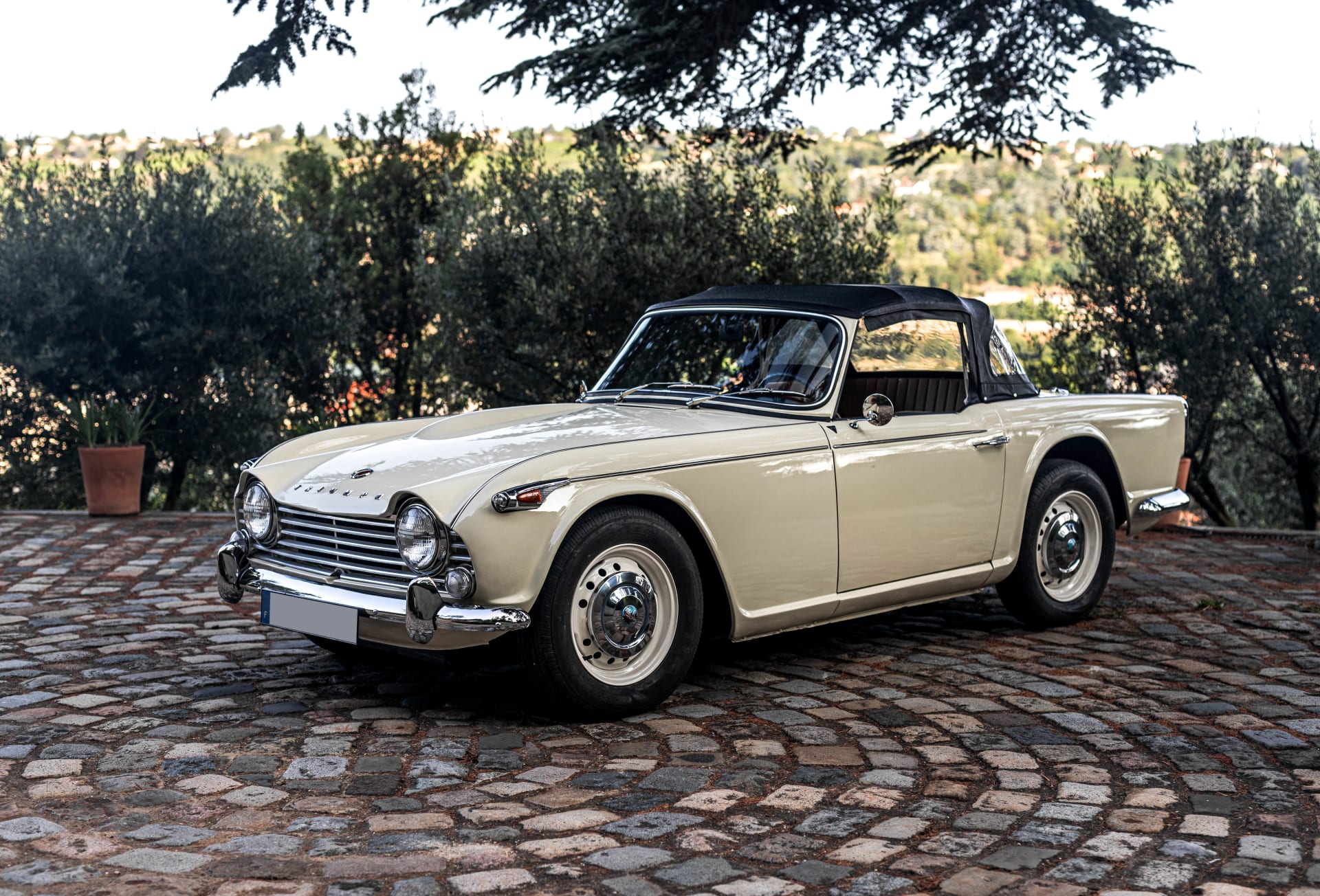
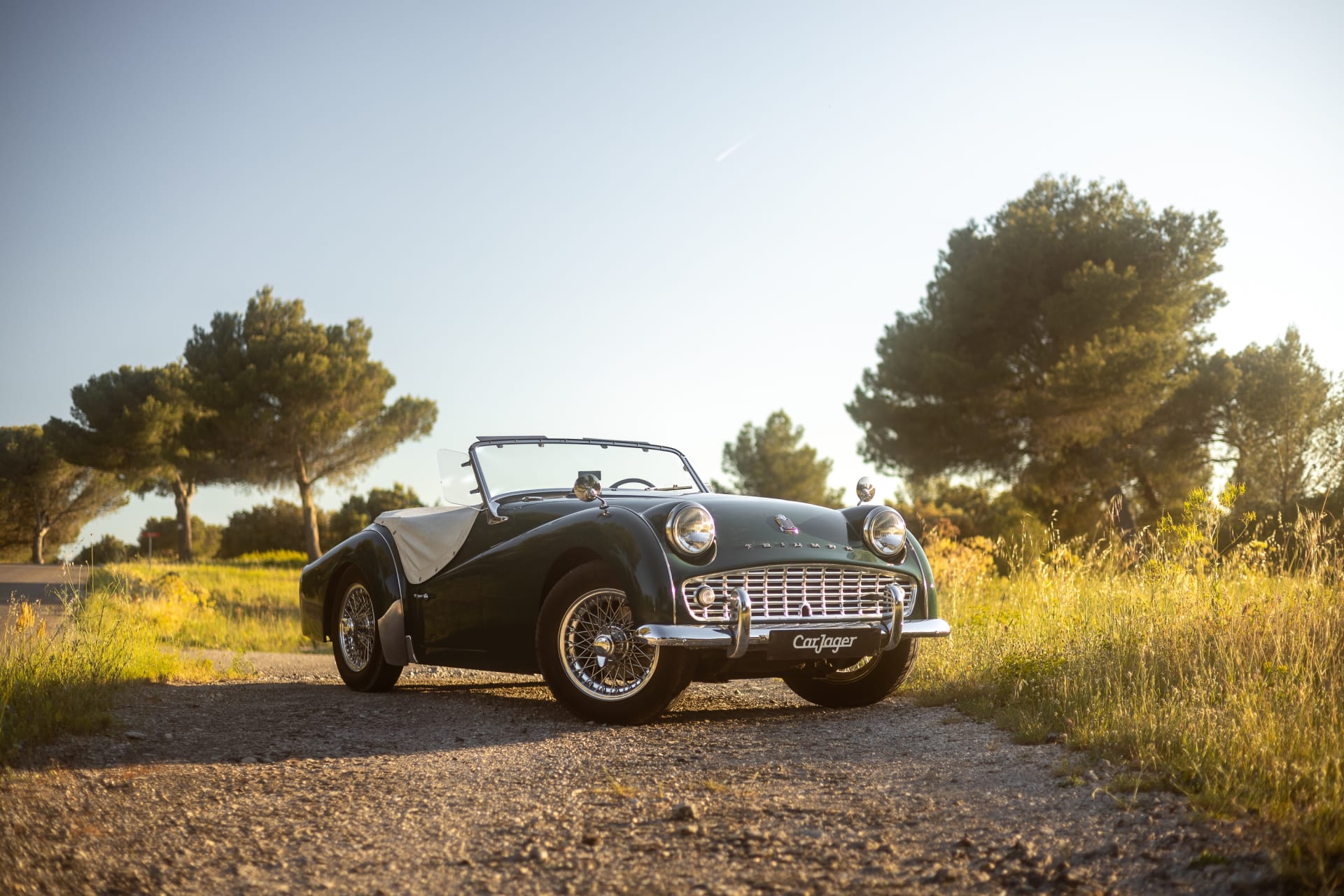
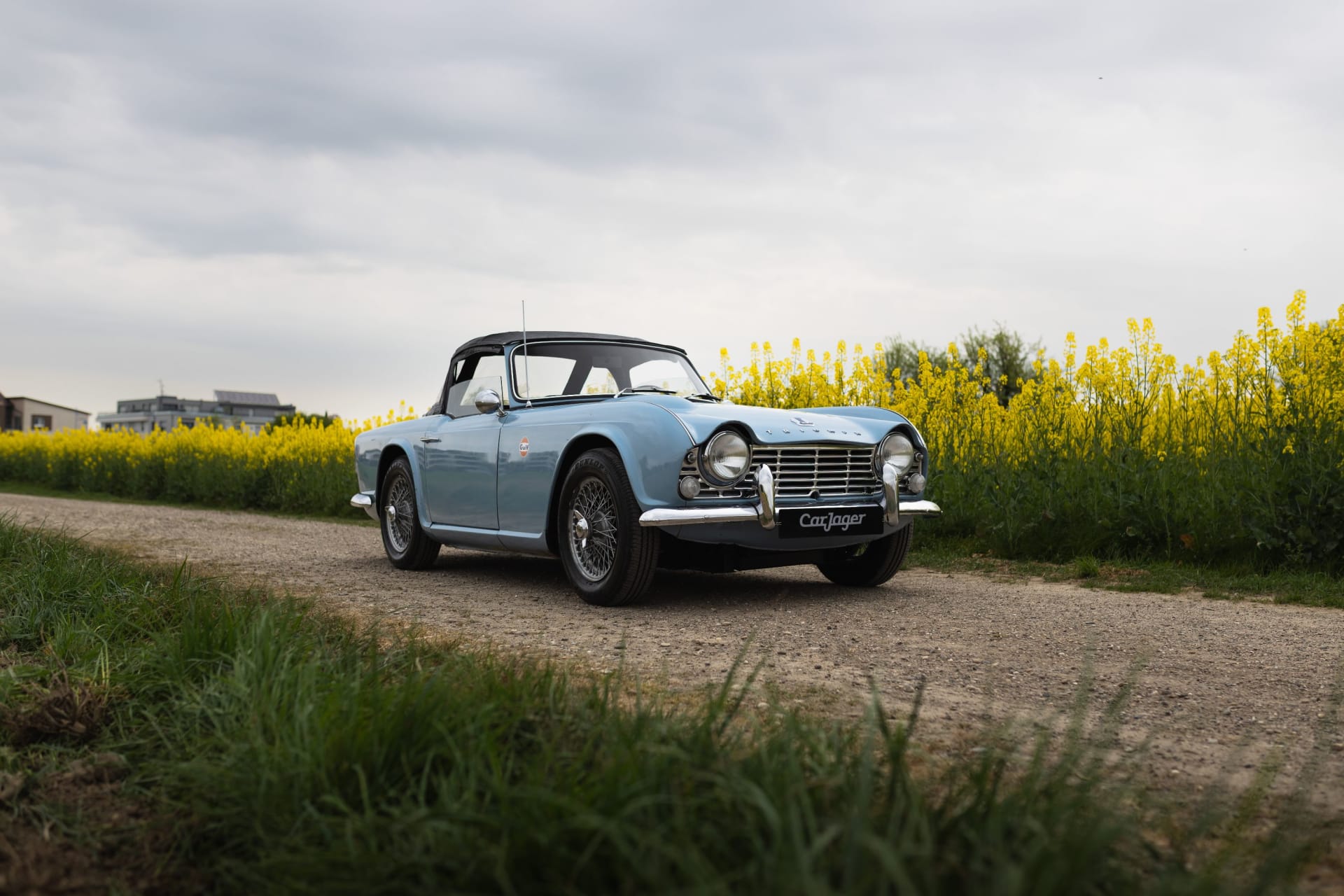
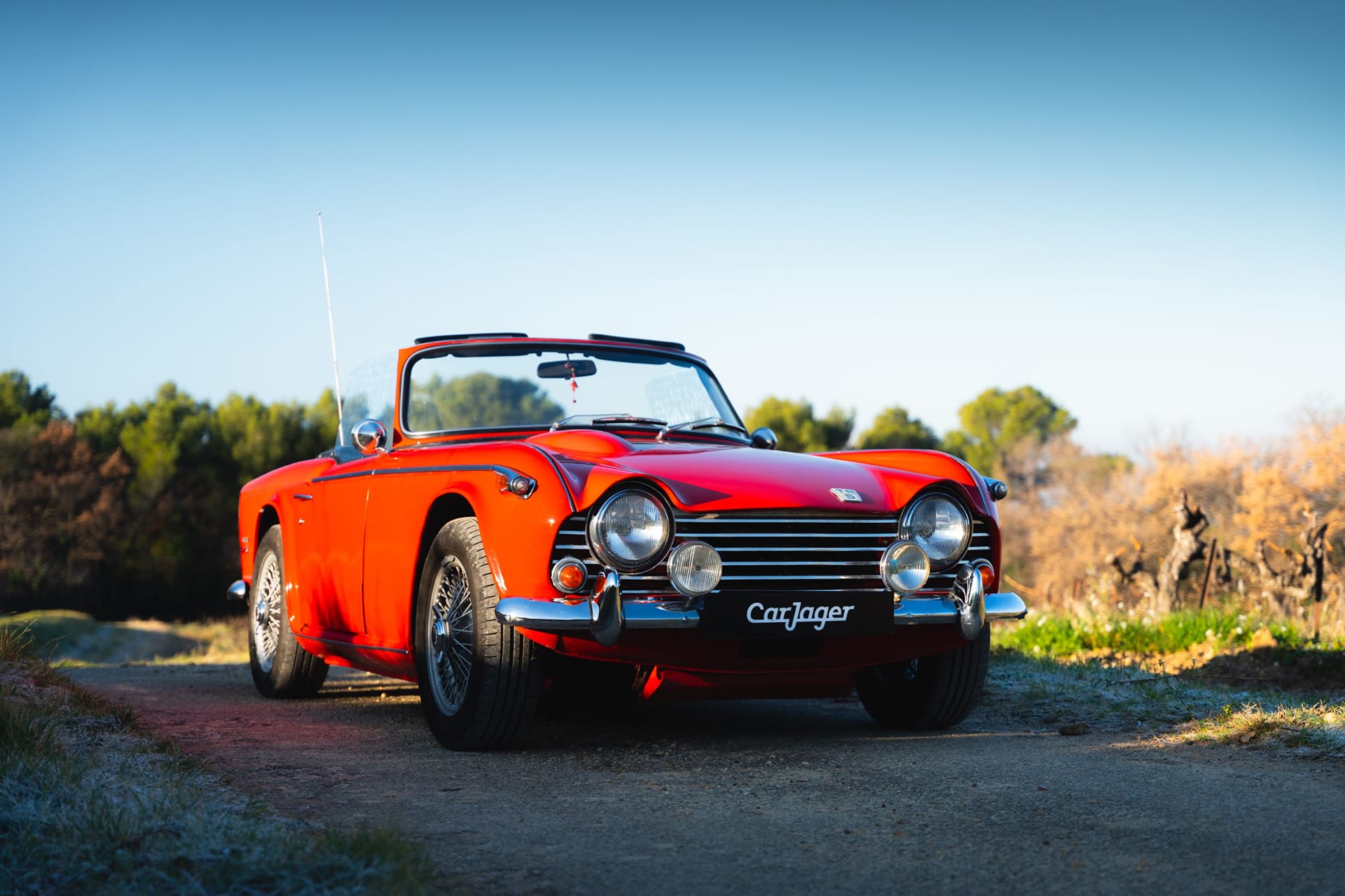
Discover our personalized search service and access our network of 32,000 enthusiasts. Start your search now, your next adventure begins here.

Unveiled in 1955, the TR3 was directly derived from the TR2, from which it inherited all its mechanical components. An archetype of the British roadster, equipped with a simple and robust four-cylinder engine, the car enjoyed great success.

In 1961, the TR4 was introduced with an entirely new body designed by Italian coachbuilder Michelotti. In 1965, the model evolved into the TR4 A IRS (for Independent Rear Suspension), featuring independent rear wheels.

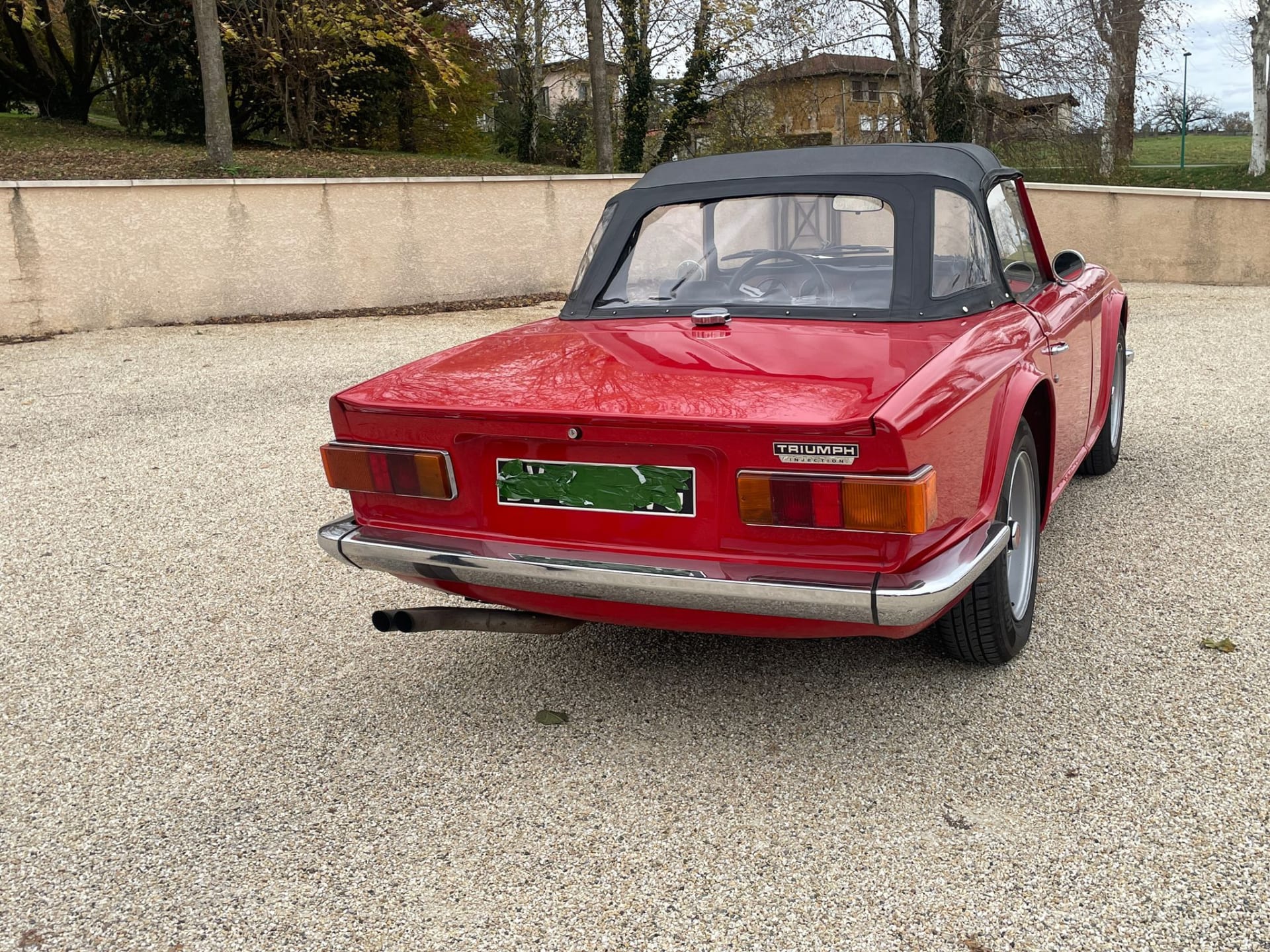
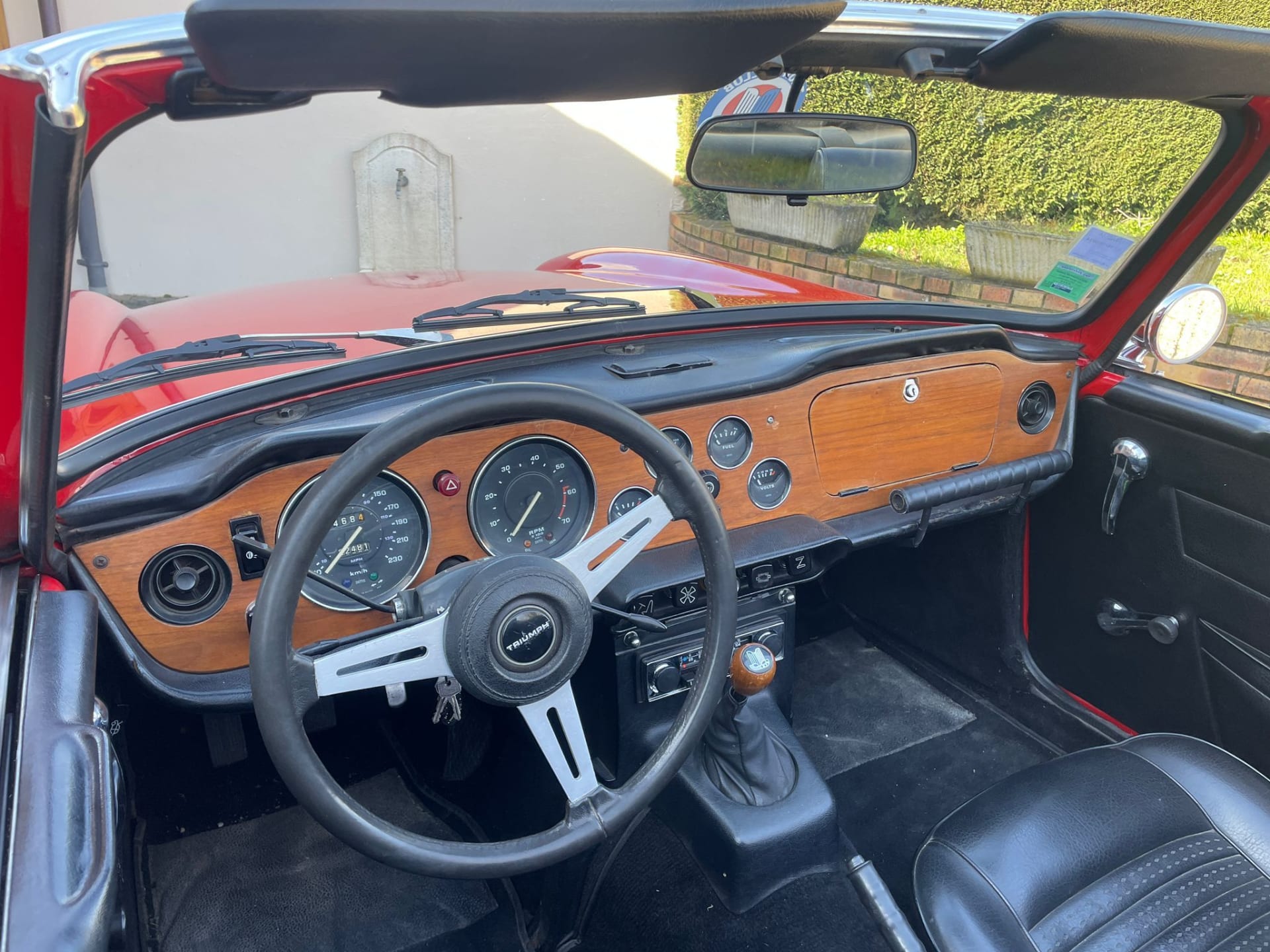
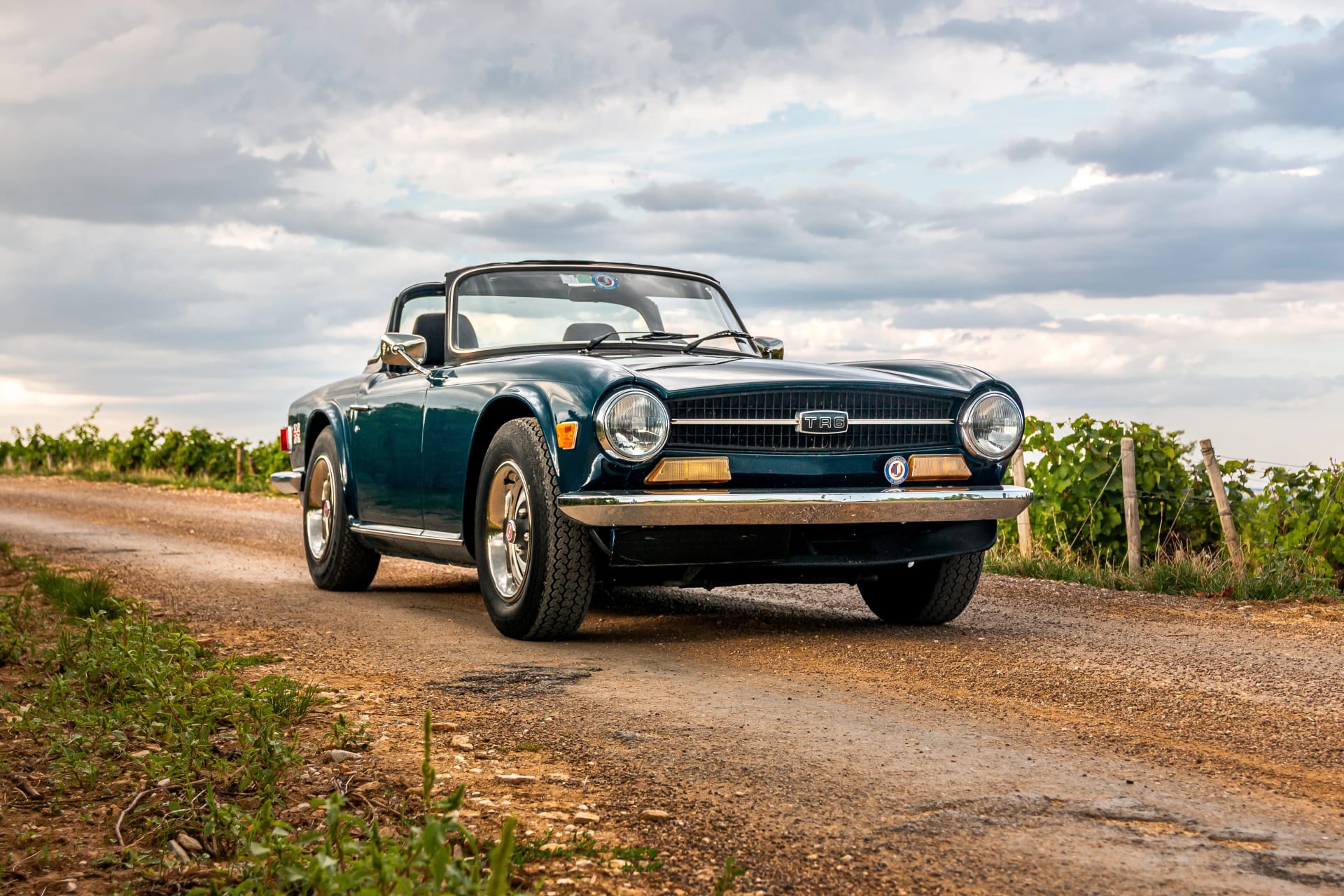
The TR6 was introduced in 1968 as a major redesign of the TR5, entrusted to German coachbuilder Karmann. A major commercial success for Triumph, the TR6 sold over 90,000 units before production ended in 1976.
Triumph Gt6 Mark I — modèle de la marque Triumph.
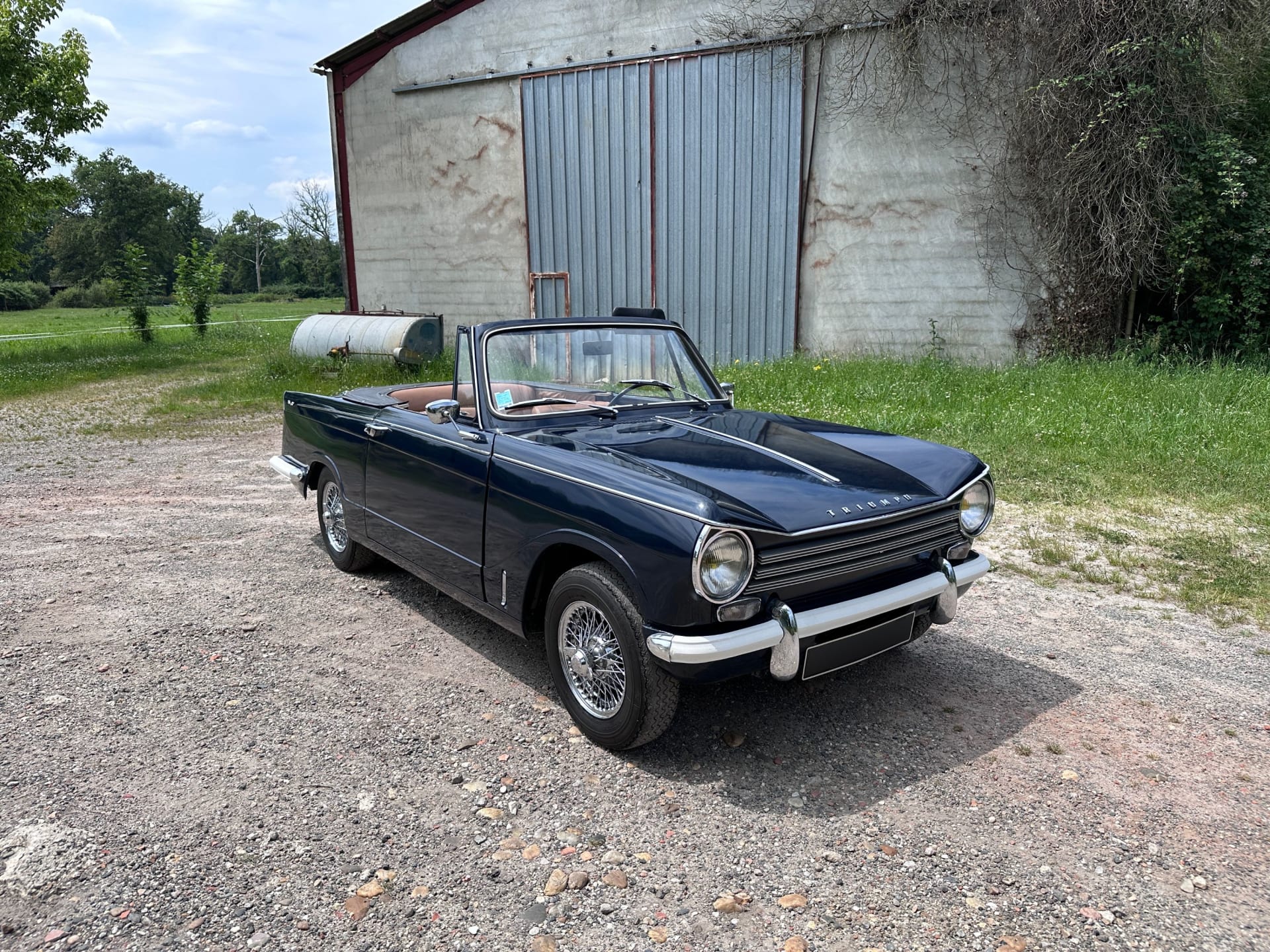
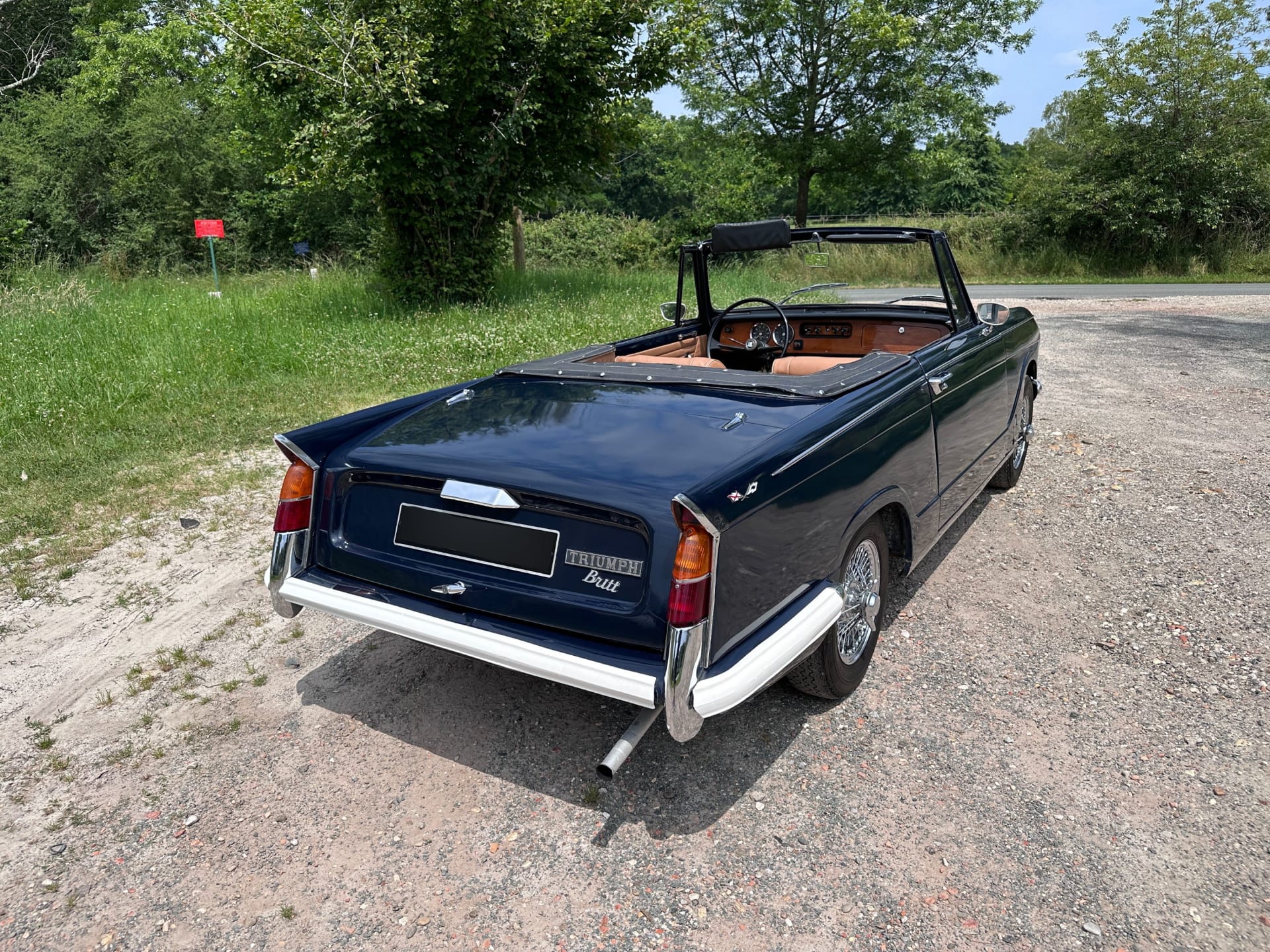
Triumph Herald — modèle de la marque Triumph.

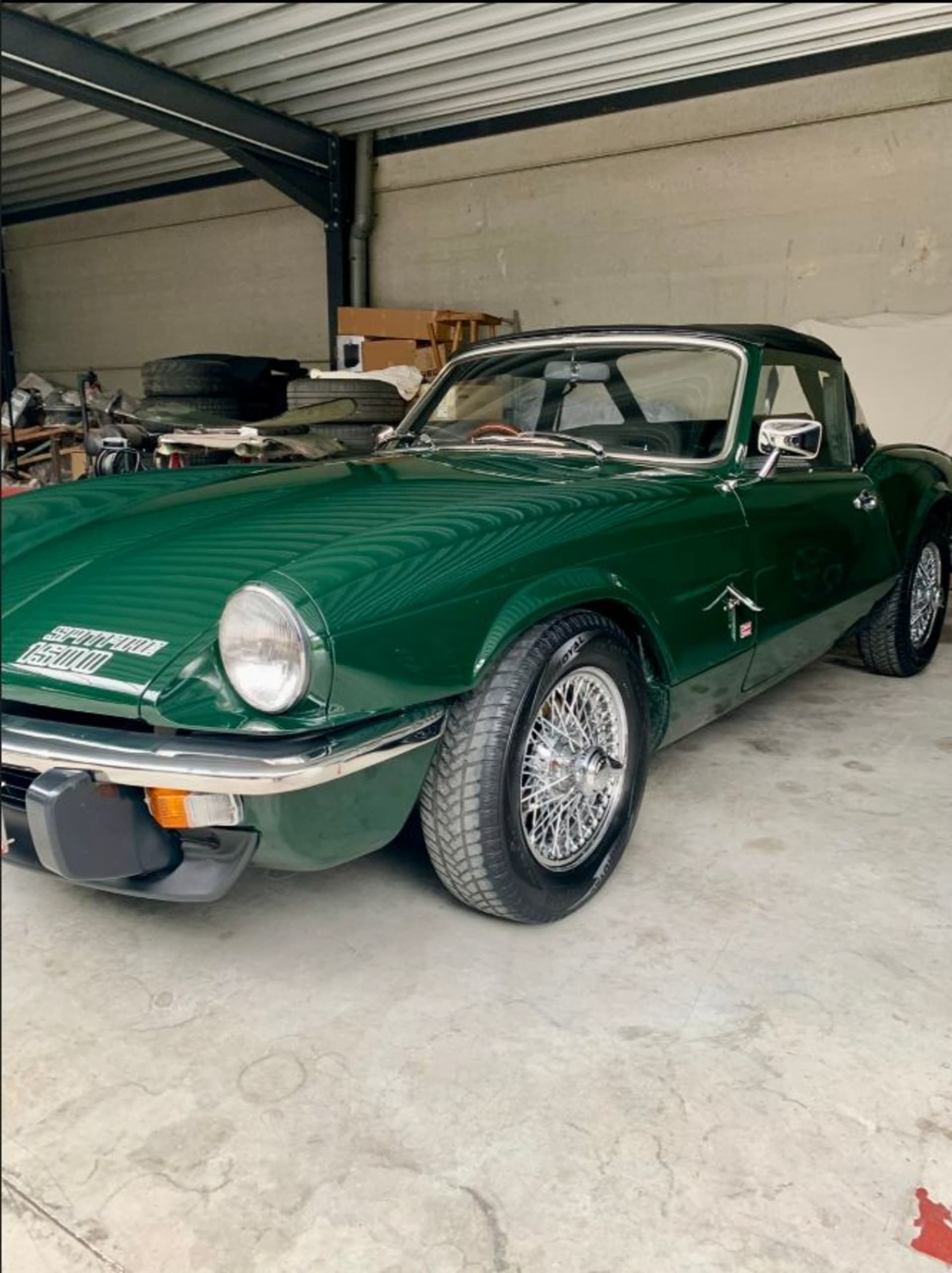
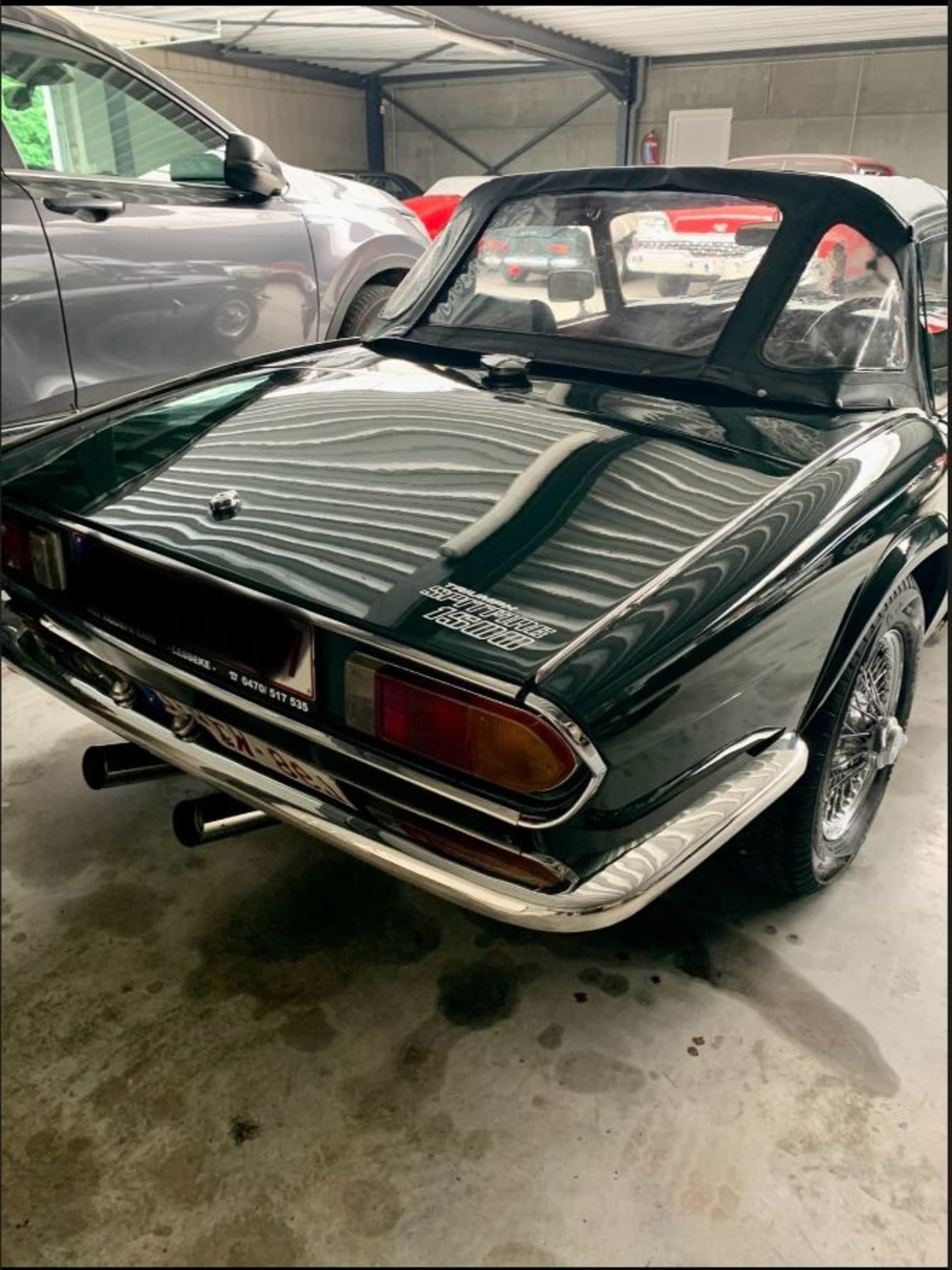
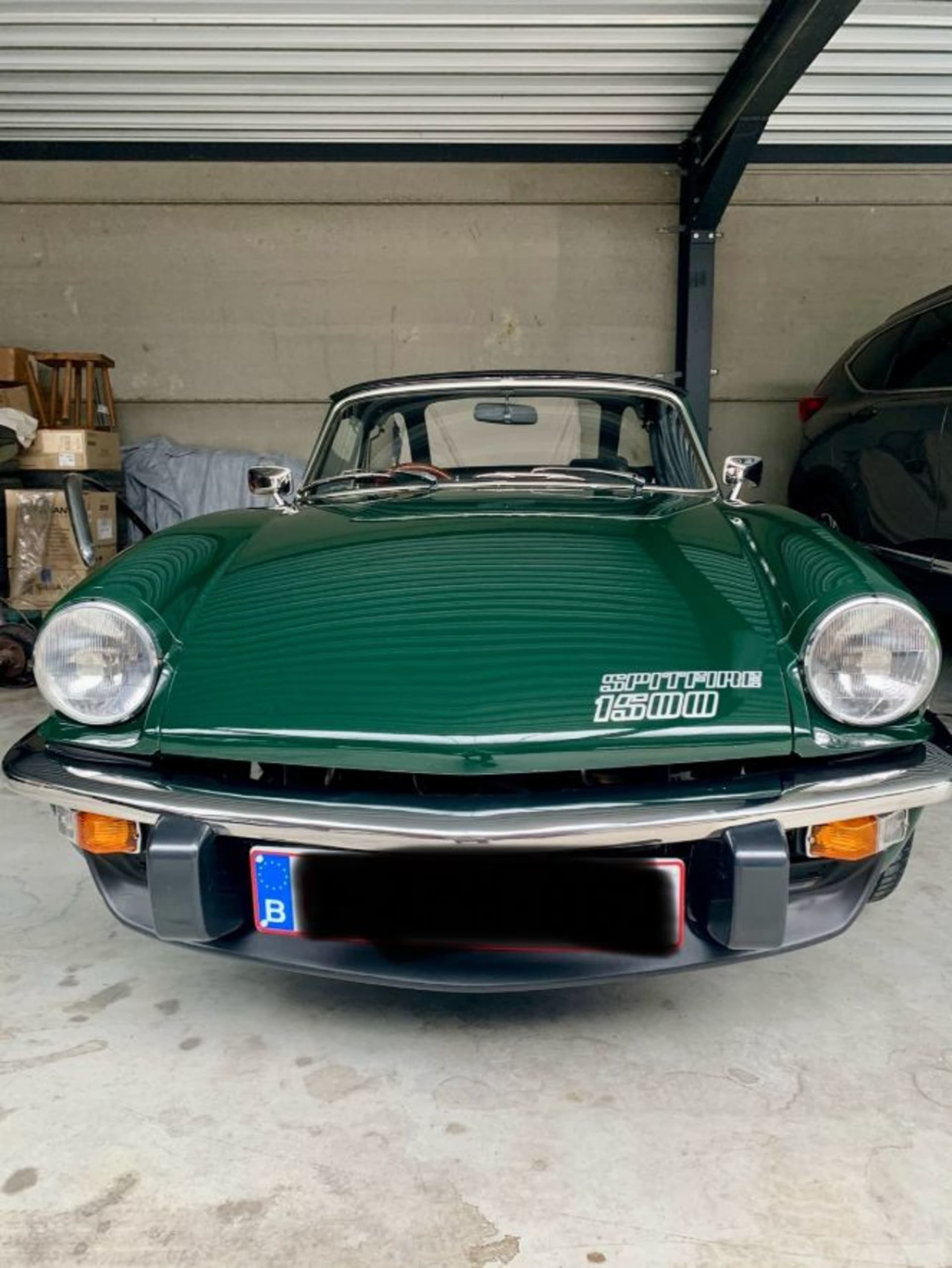
Triumph Spitfire 1500 — modèle de la marque Triumph.
Triumph Spitfire Mark I — modèle de la marque Triumph.
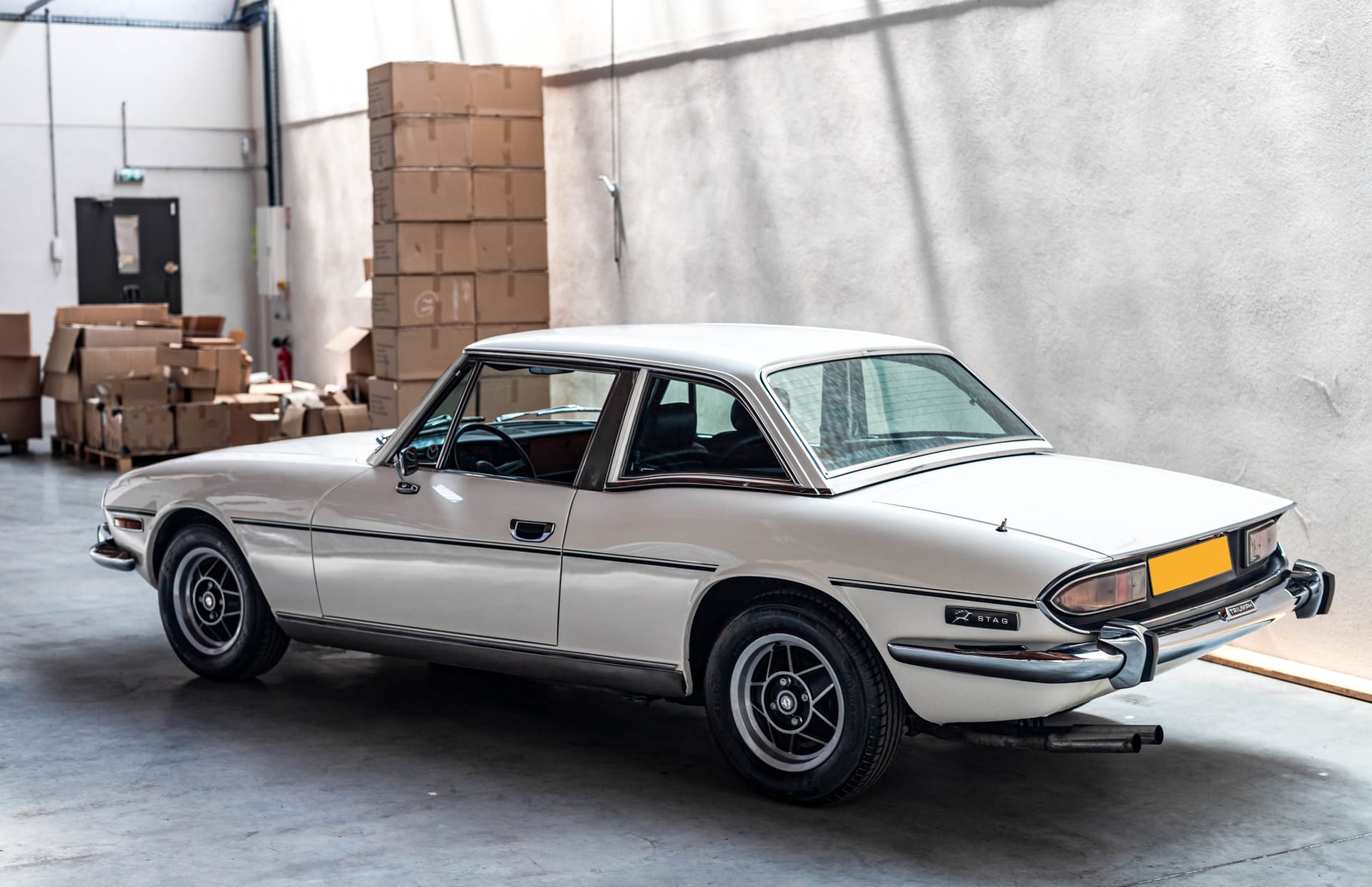
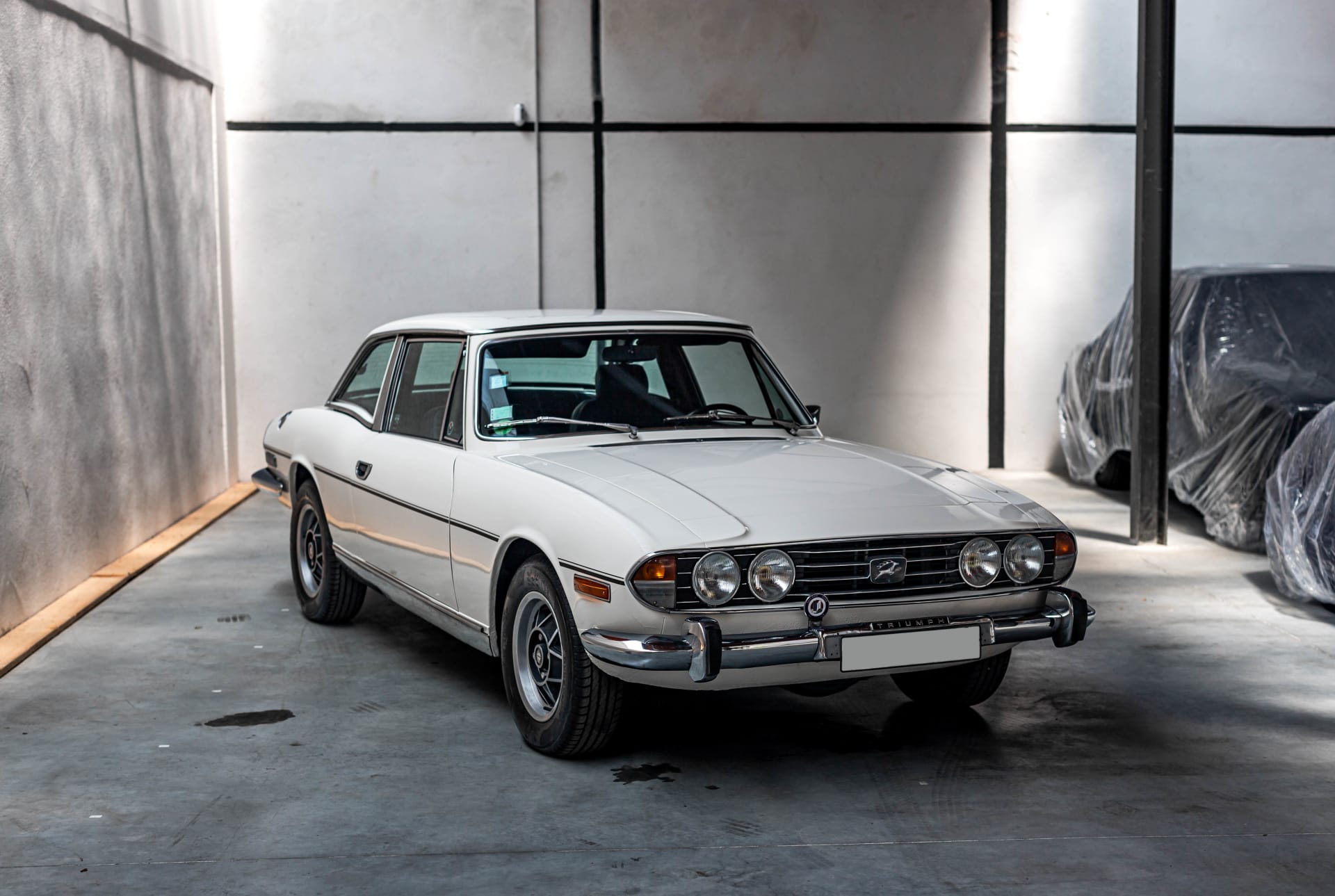
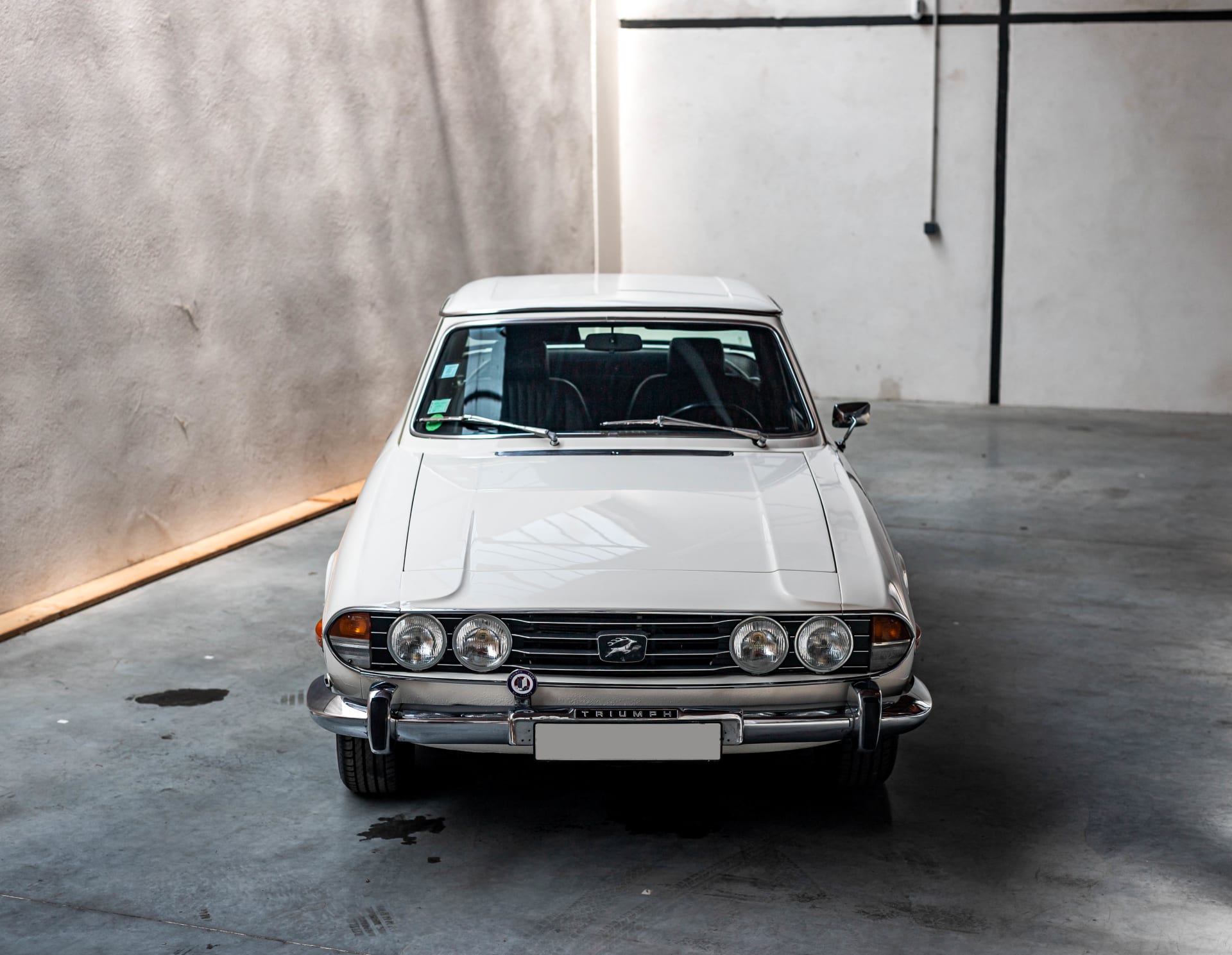
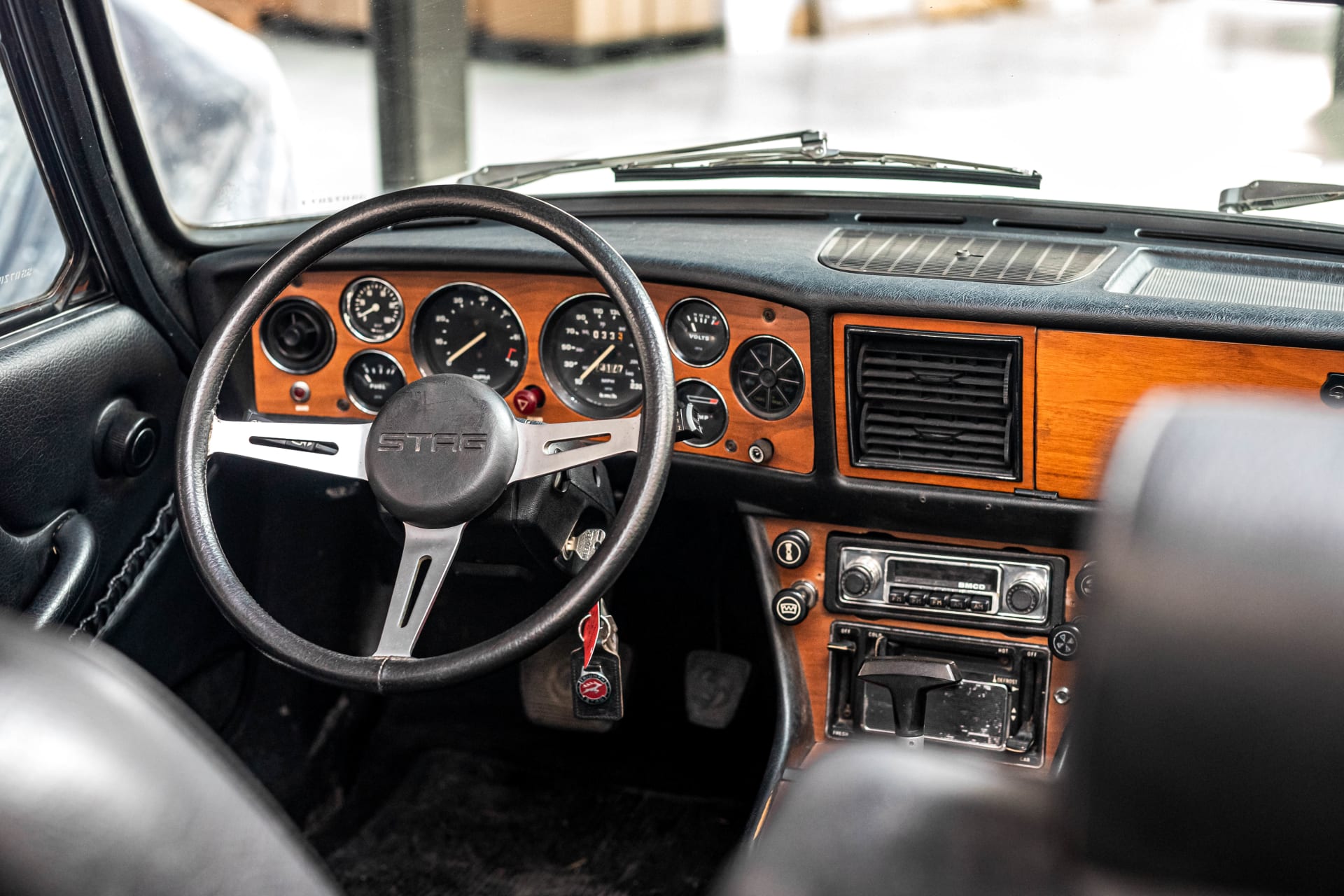
Triumph Stag — modèle de la marque Triumph.
Triumph Tr 250 — modèle de la marque Triumph.
Triumph Tr3 A — modèle de la marque Triumph.
Triumph Tr3 B — modèle de la marque Triumph.

Triumph Tr5 Pi — modèle de la marque Triumph.
Triumph Tr6 Pi — modèle de la marque Triumph.
Triumph Vitesse 2 Litre — modèle de la marque Triumph.
Triumph Vitesse 6 — modèle de la marque Triumph.


Founded in 1897, Triumph began by manufacturing bicycles, then motorcycles, before moving into automobile production in 1921. The company went bankrupt in 1939 but was revived after being acquired by Standard in 1944.
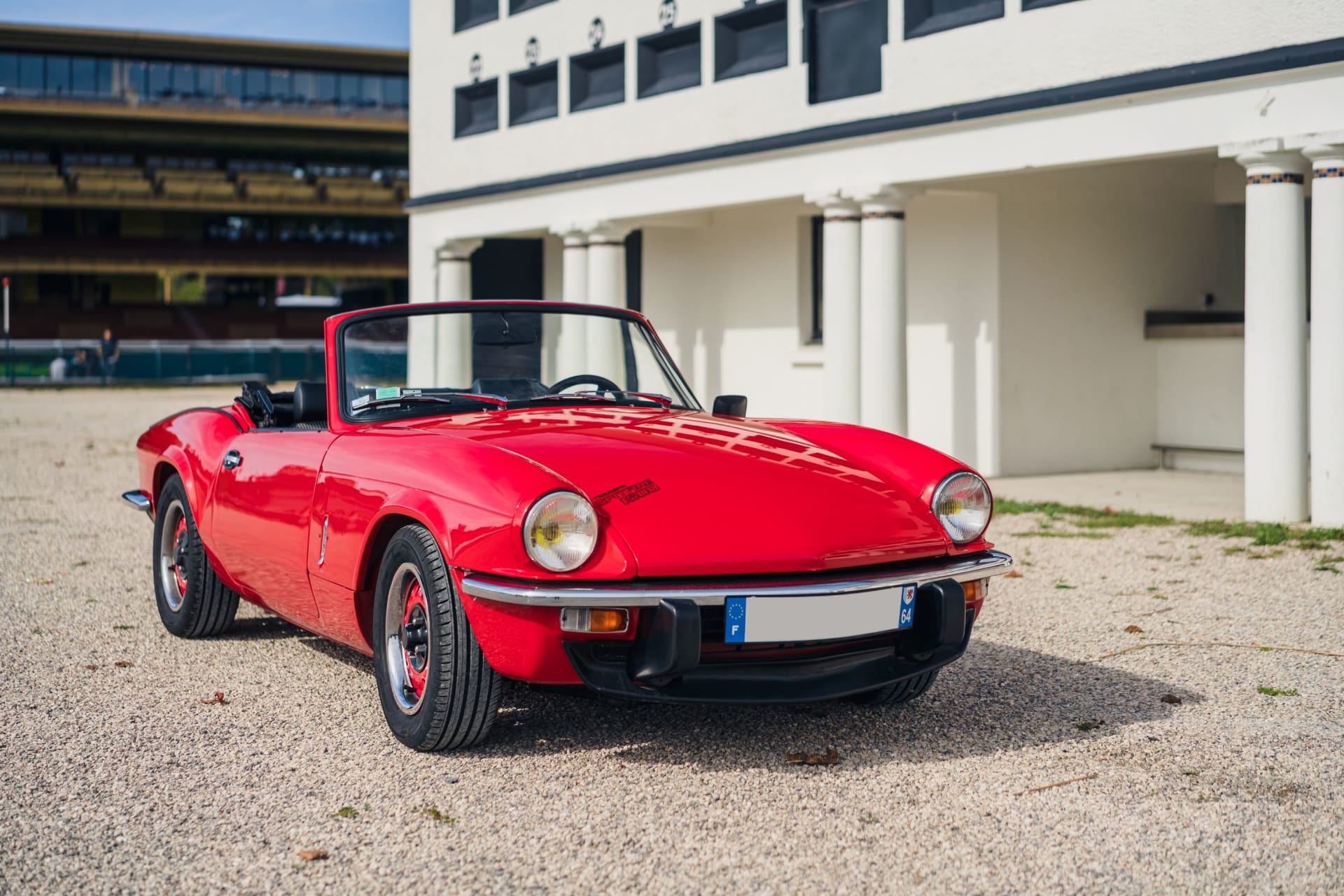
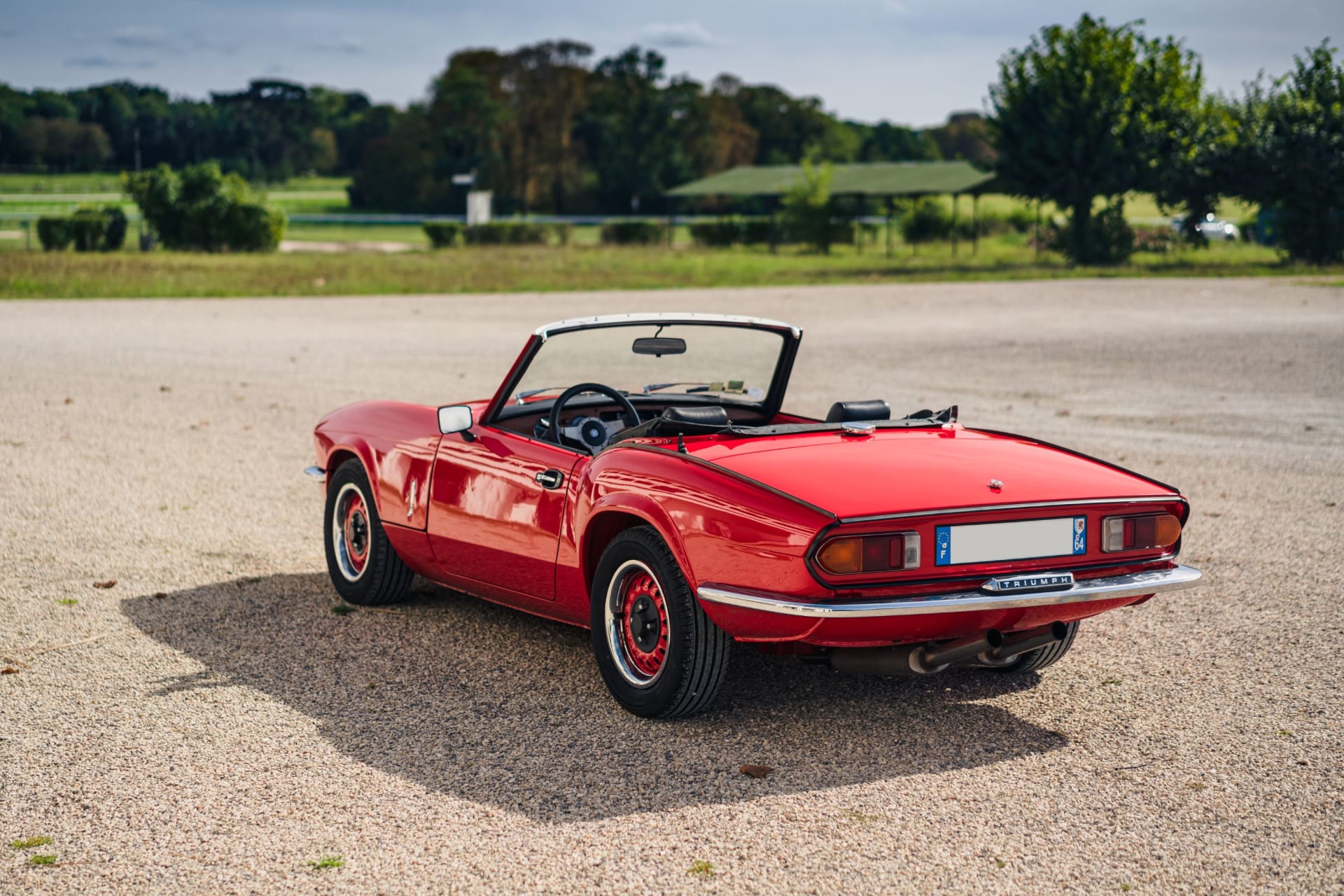
While Triumph also produced sedans and station wagons, it is, of course, the brand’s roadsters and convertibles that are the most popular, whether from the TR series or the more affordable models (such as the Spitfire or Herald). And let’s not forget the unconventional V8-powered Stag, produced from 1970 to 1977.
The last Triumph roadster, a TR7, was produced in 1981. That same year, the British Leyland Group, which owned the brand, began producing a rebadged version of the Honda Ballade—named the Triumph Acclaim—under an agreement with Honda. Production of the Acclaim ceased in 1984, marking the definitive end of the Triumph brand as an automobile manufacturer.
Triumph began manufacturing motorcycles in 1902. In 1936, the motorcycle manufacturing division was sold to form Triumph Engineering, which became Triumph Motorcycles in 1983 and has remained independent from the automotive division ever since.
Triumph prices vary widely depending on the model. While the rare TR5, which combines Michelotti’s original design with a six-cylinder engine, can fetch over 40,000 euros, the TR4 and TR6 can be purchased for less than 30,000 euros. According to LVA valuations, expect to pay 24,000 euros for a Stag convertible. As for sedans, the charming Dolomite Sprint, equipped with a 16-valve engine, can be yours for less than 15,000 euros.
With a few exceptions, Triumph’s overall design philosophy has resulted in cars that lack any particular mechanical complexity, which makes them easy to maintain. Nevertheless, there are still certain precautions to take in some areas.
By taking all these precautions, you can protect yourself against potential disappointments that might arise from a hasty purchase decision.
To learn more about the different models and choose the one that best suits your needs, feel free to request a custom search.