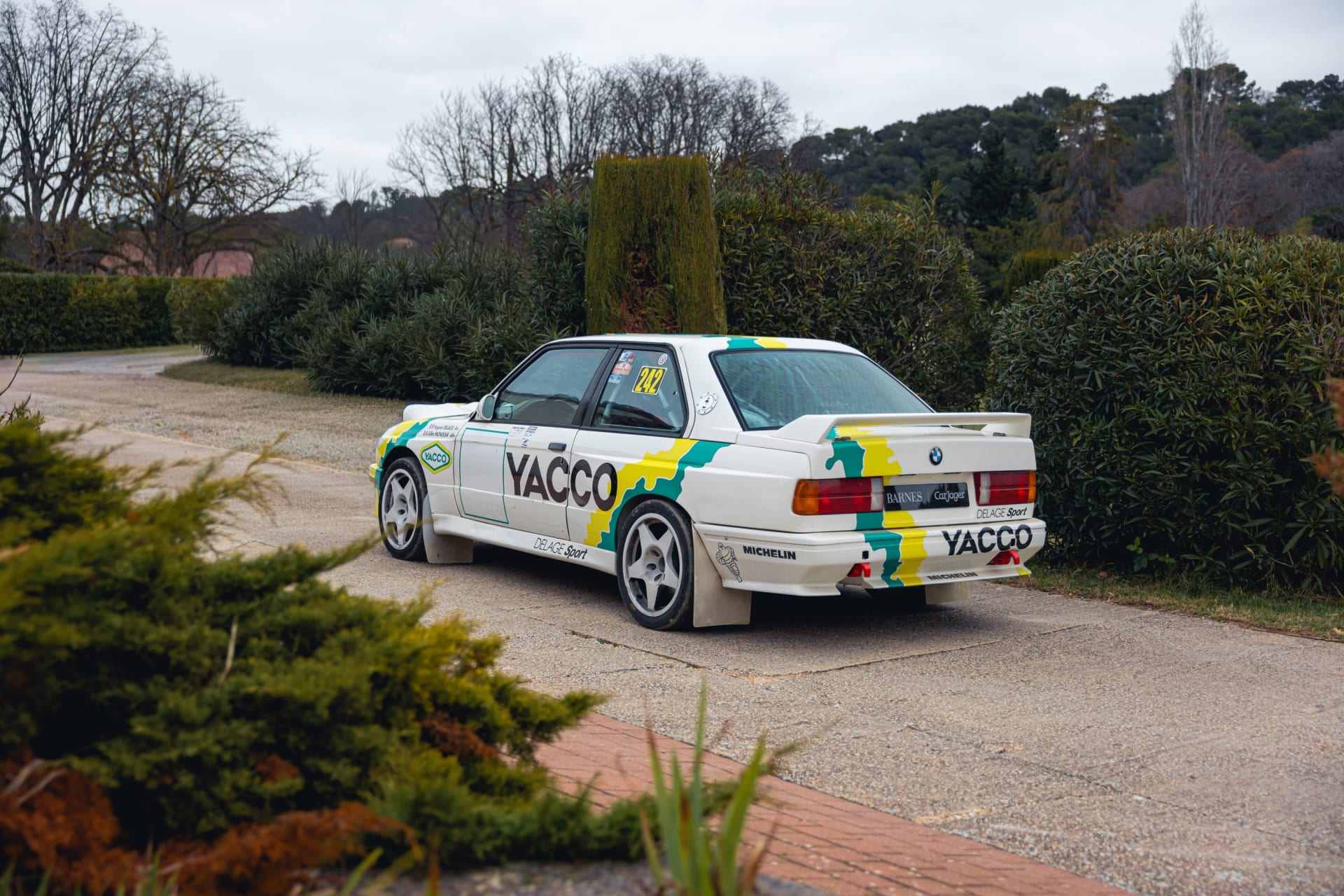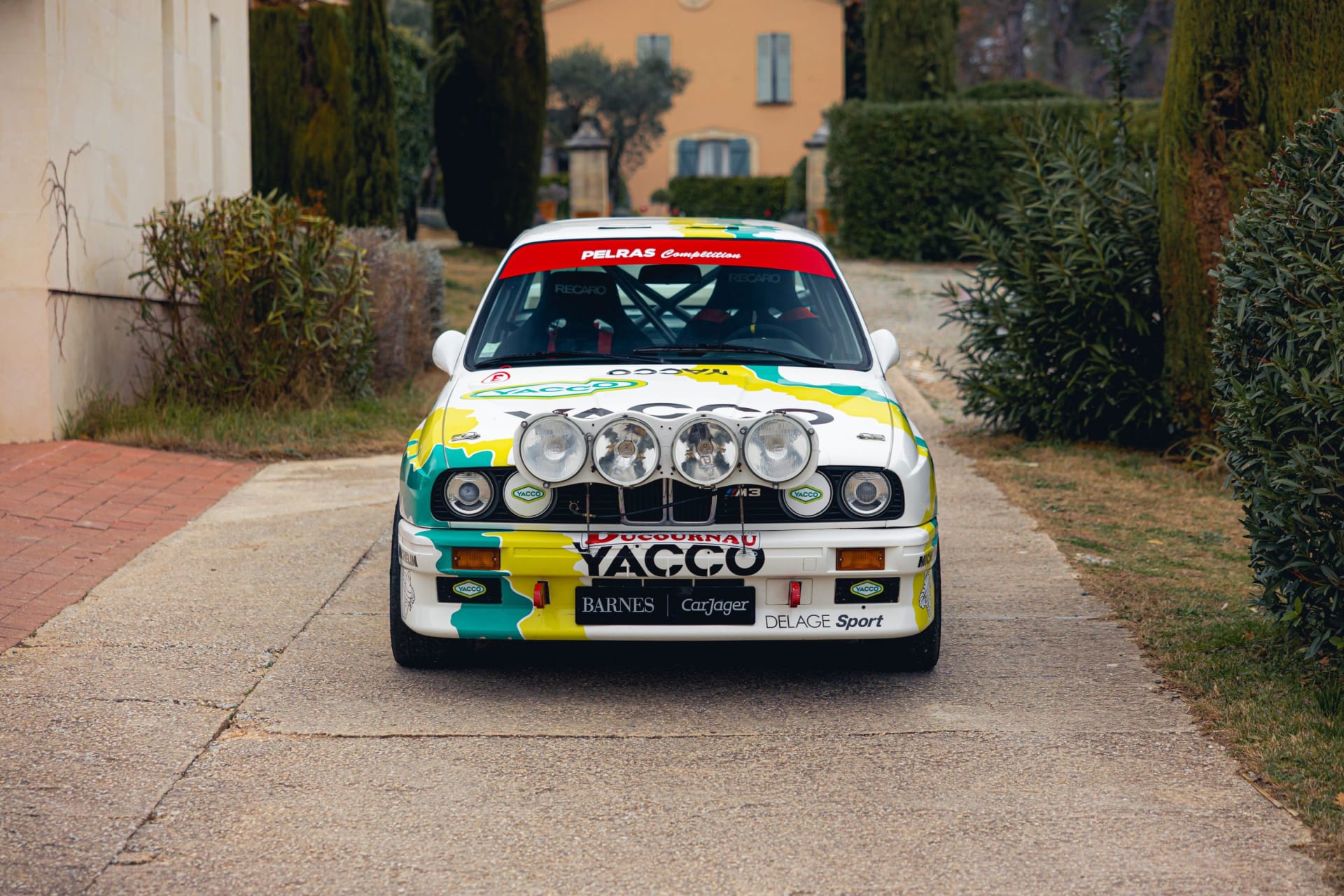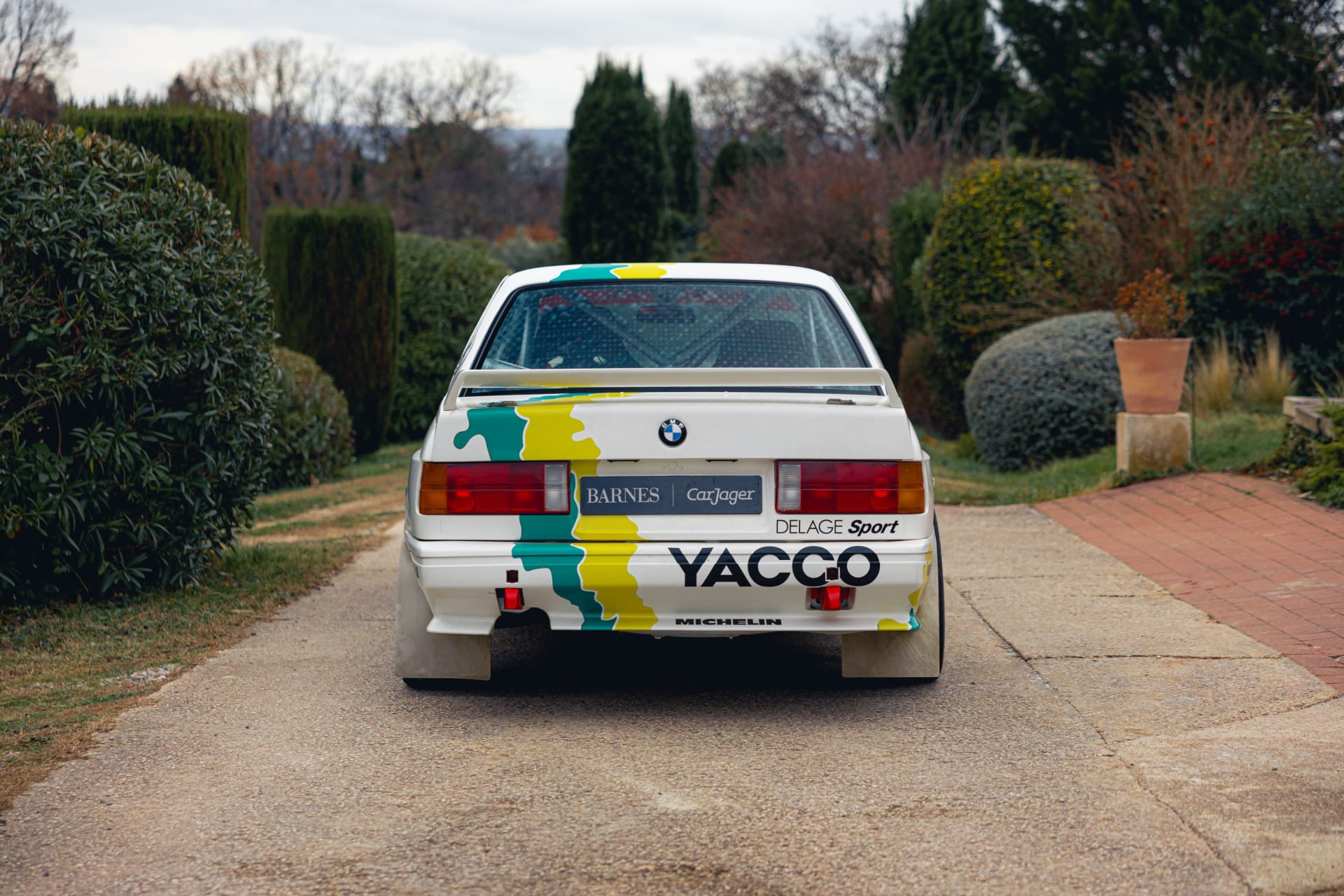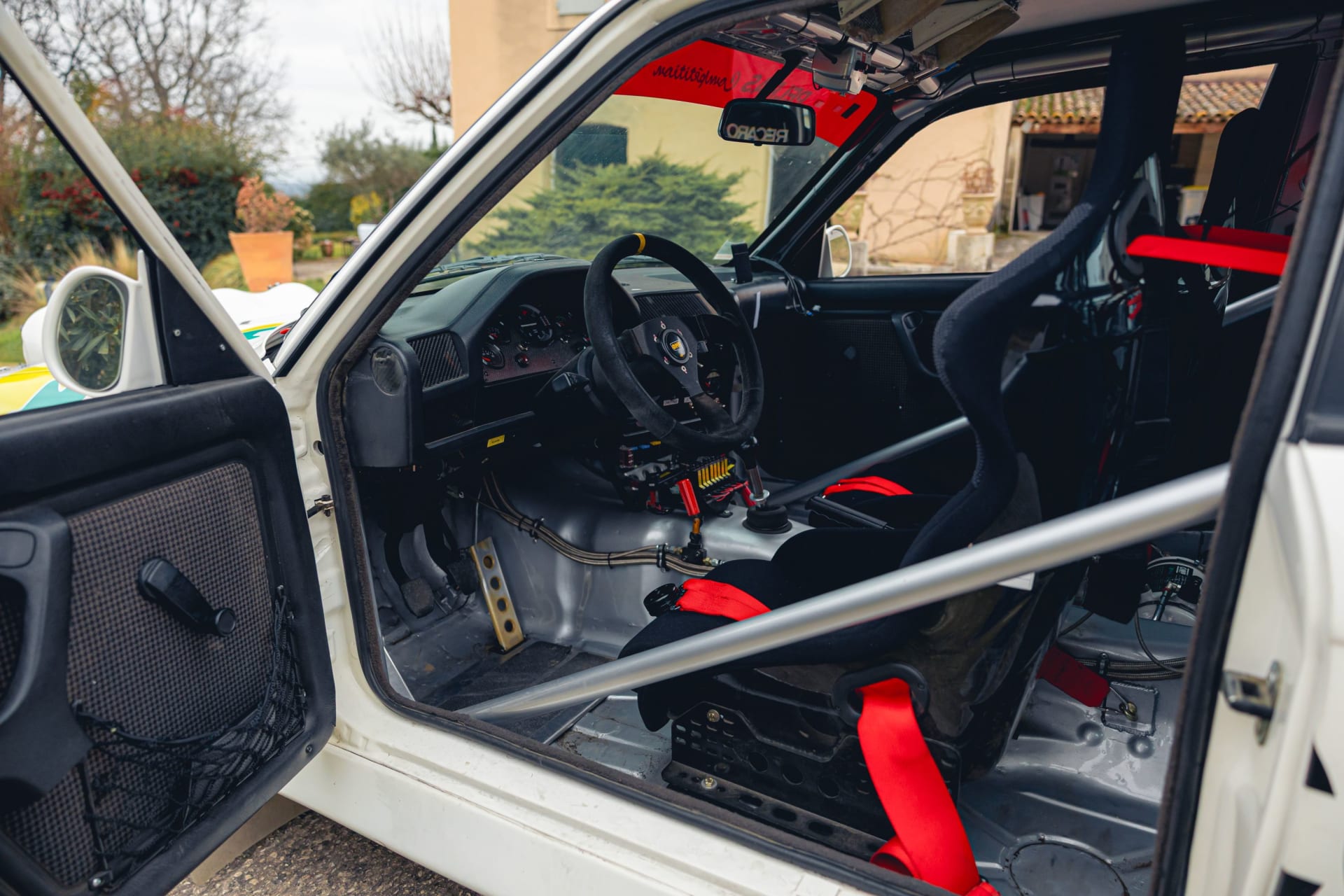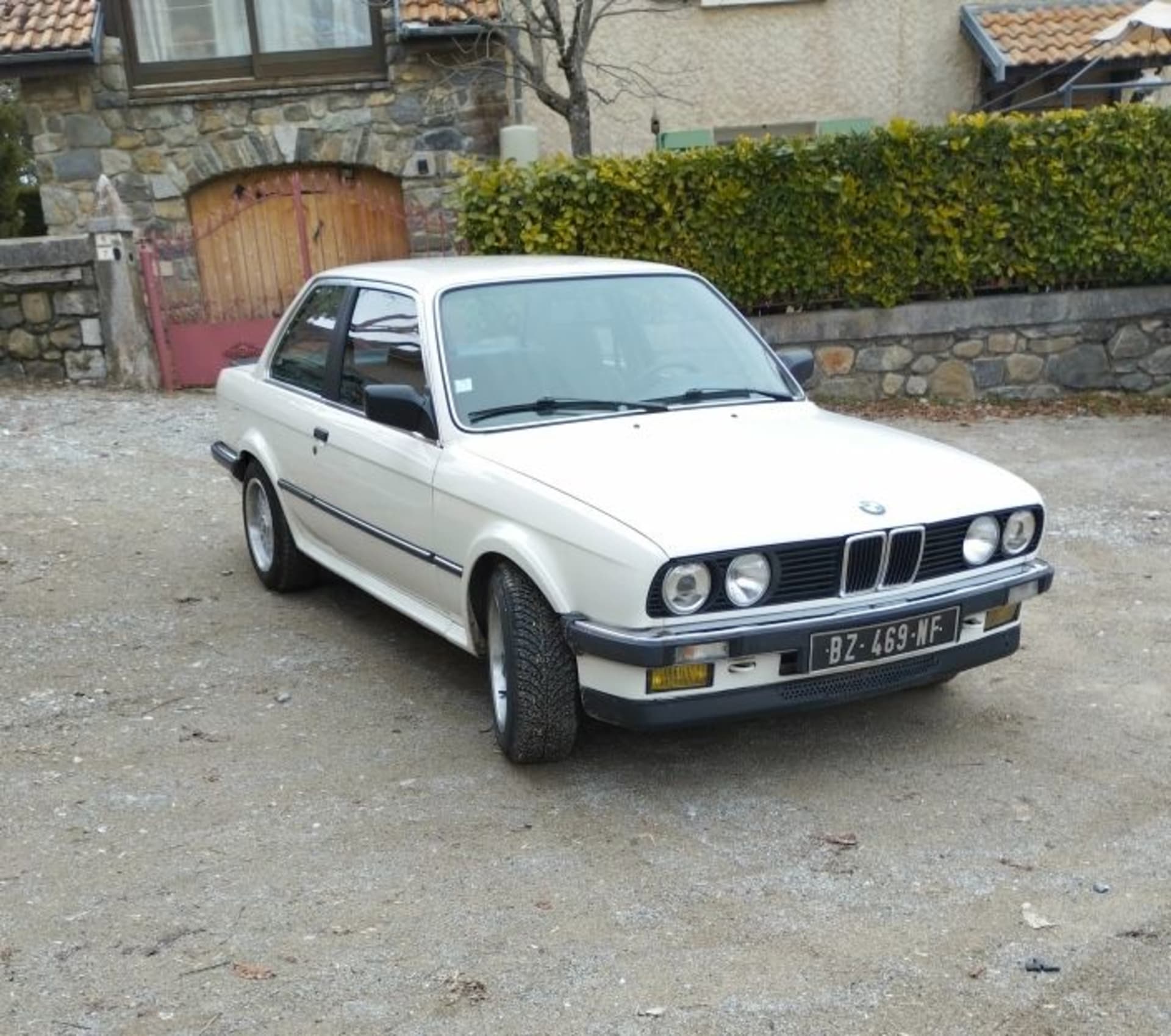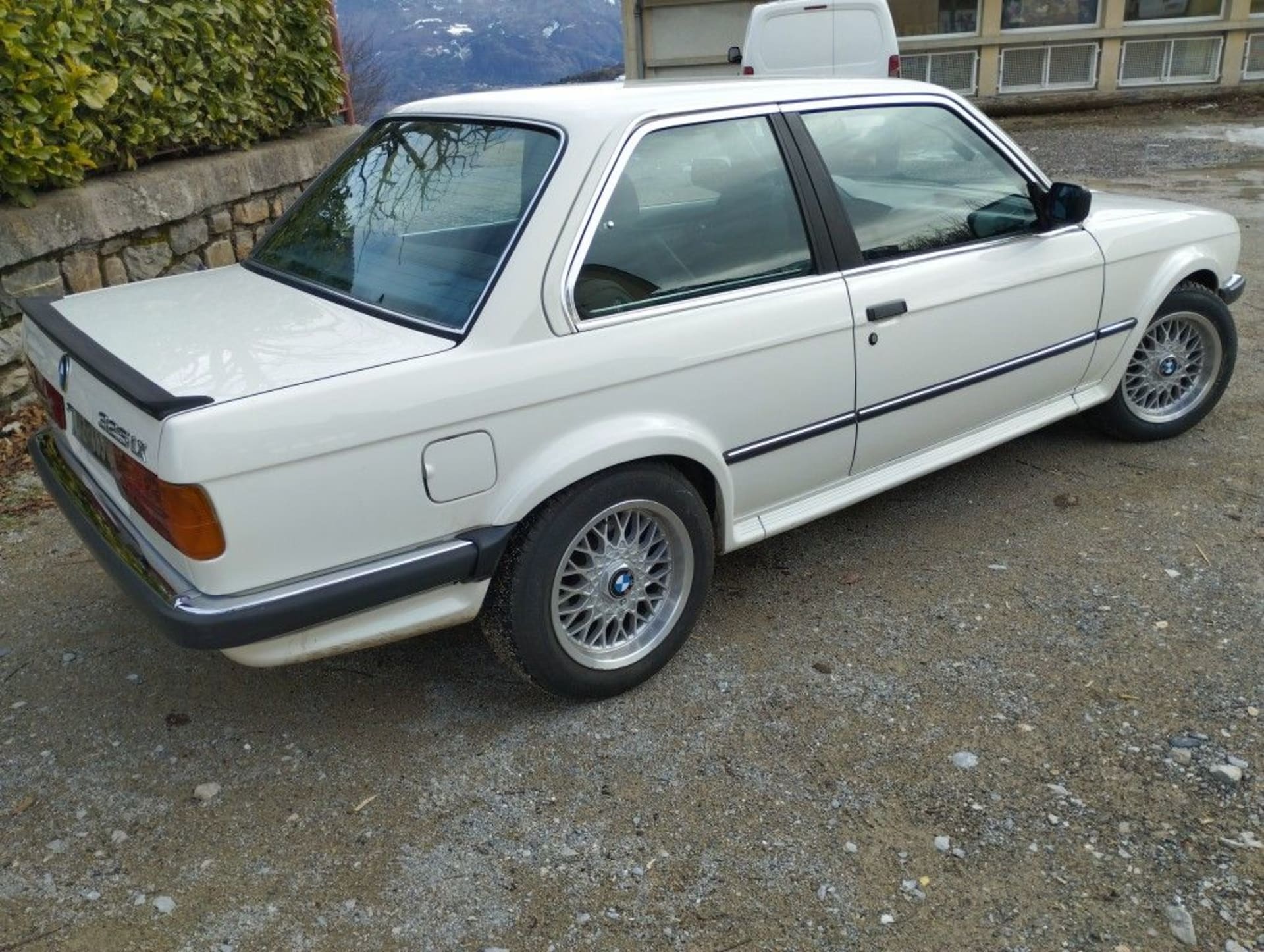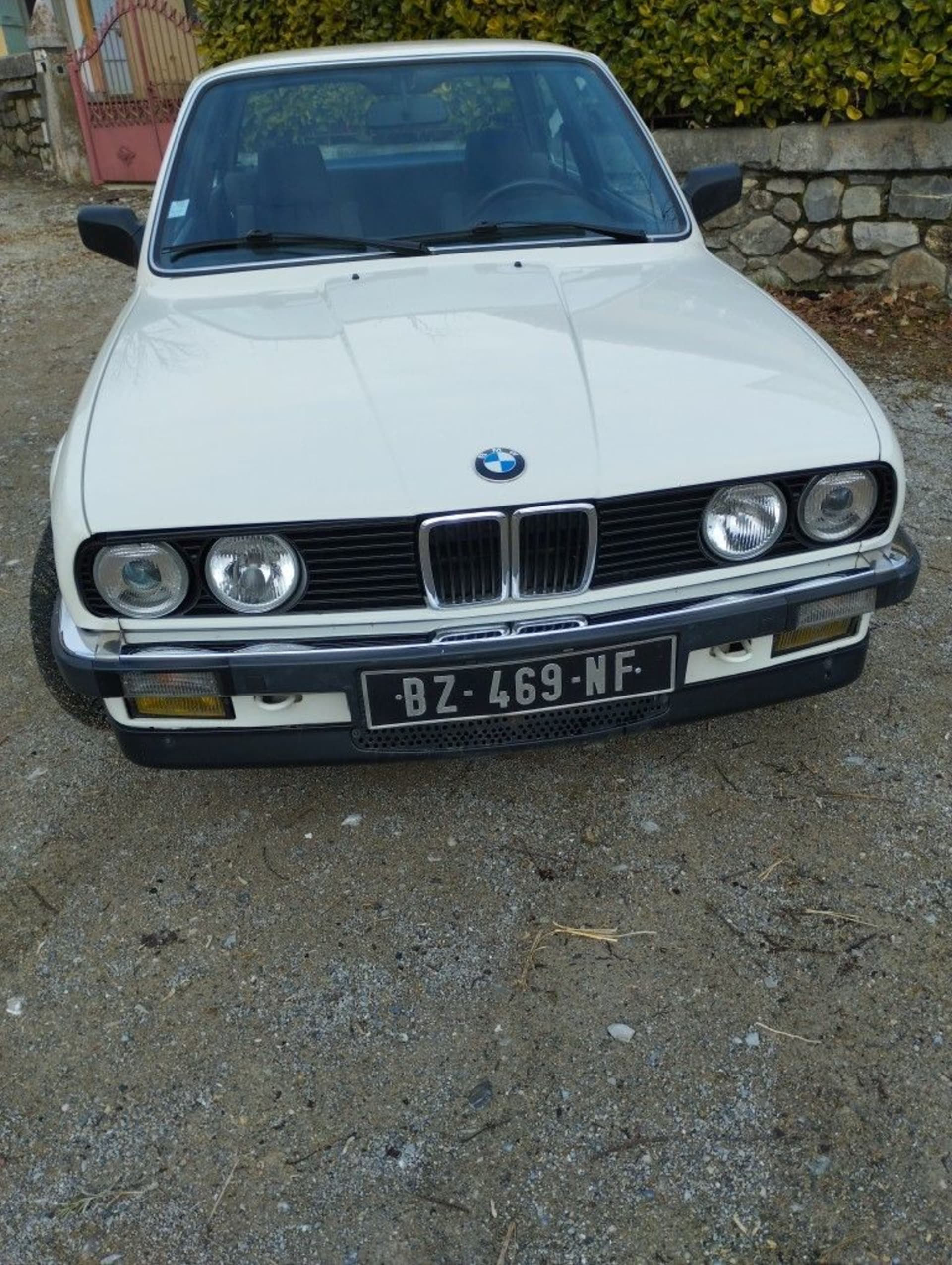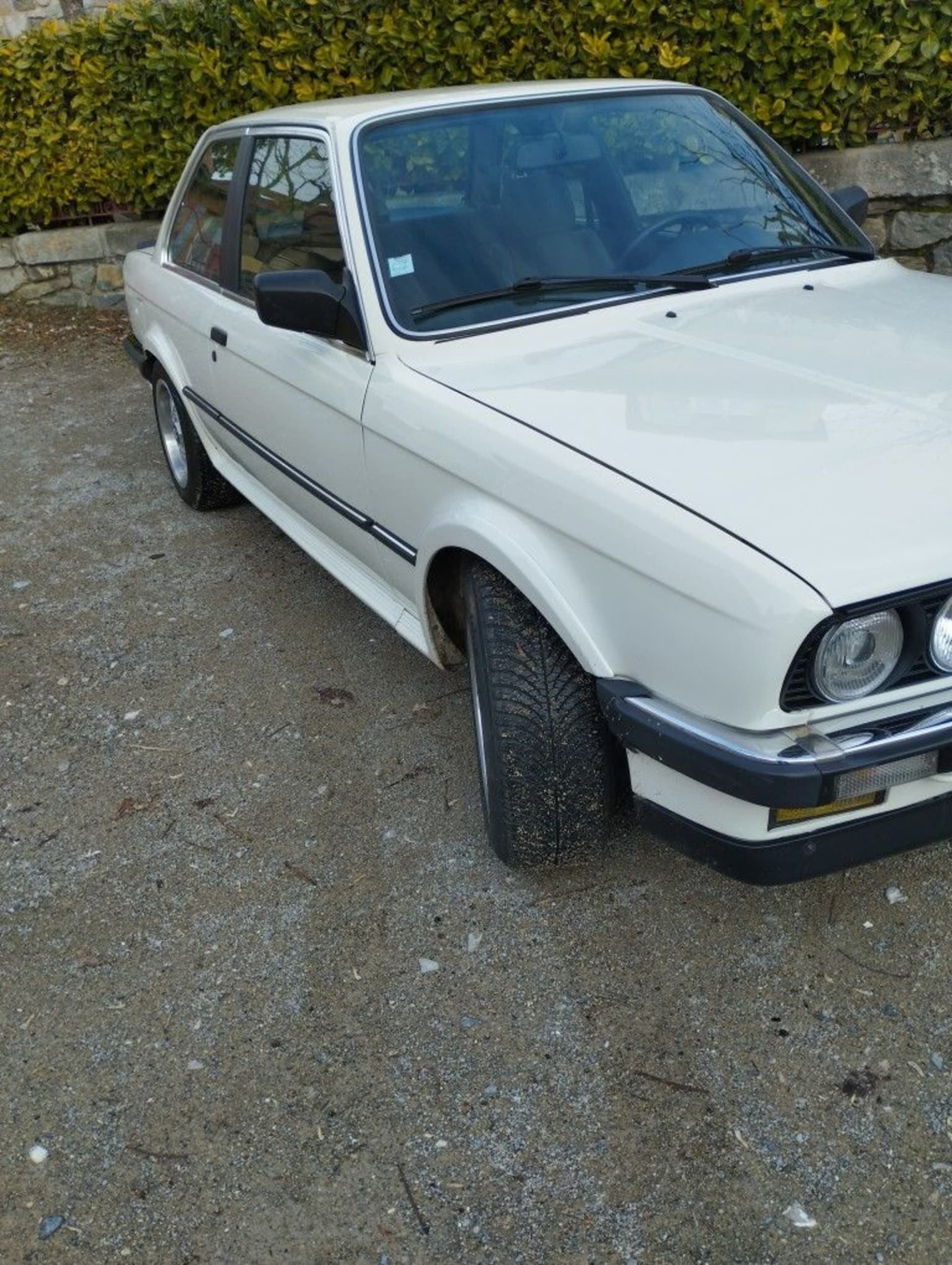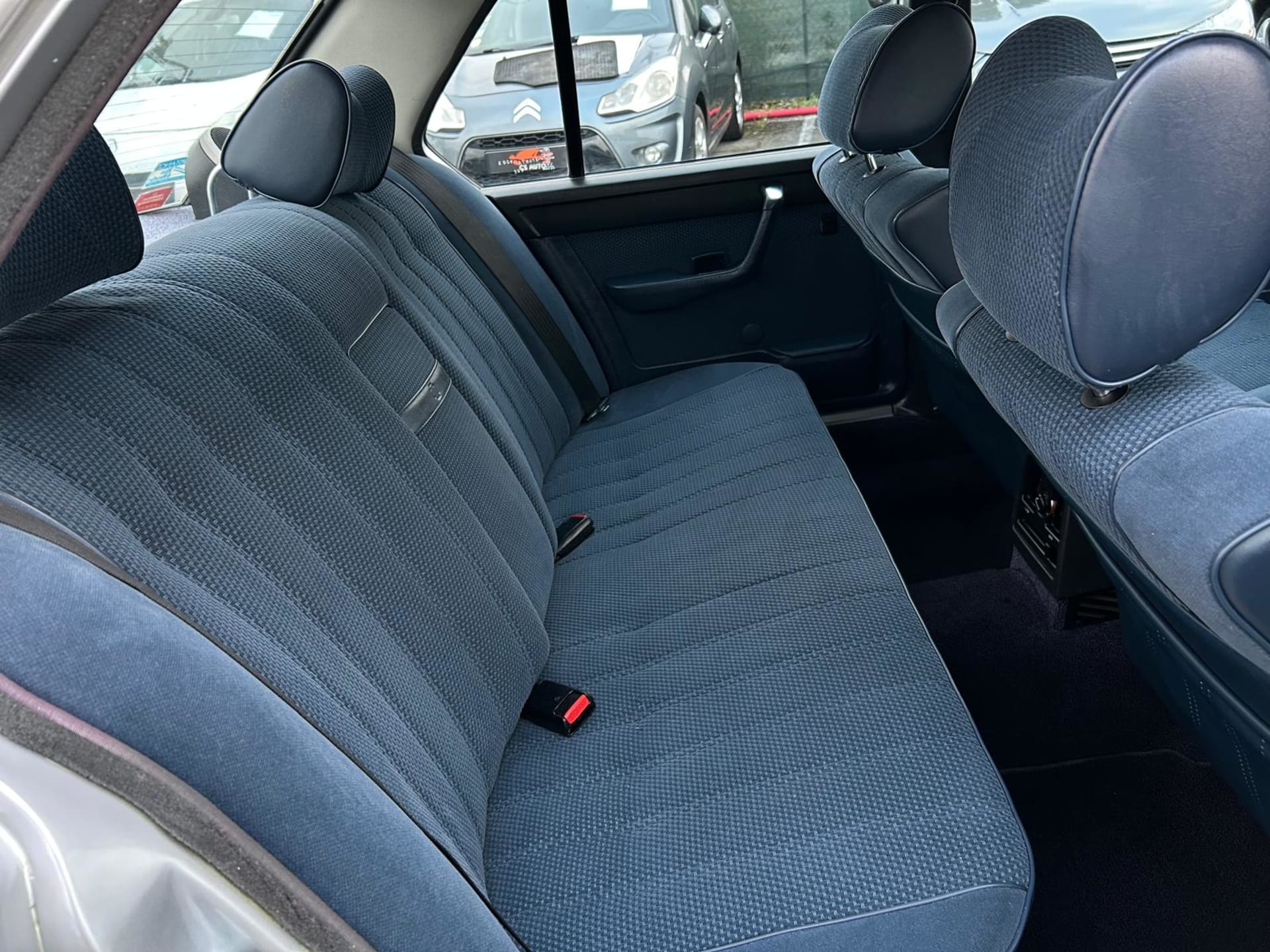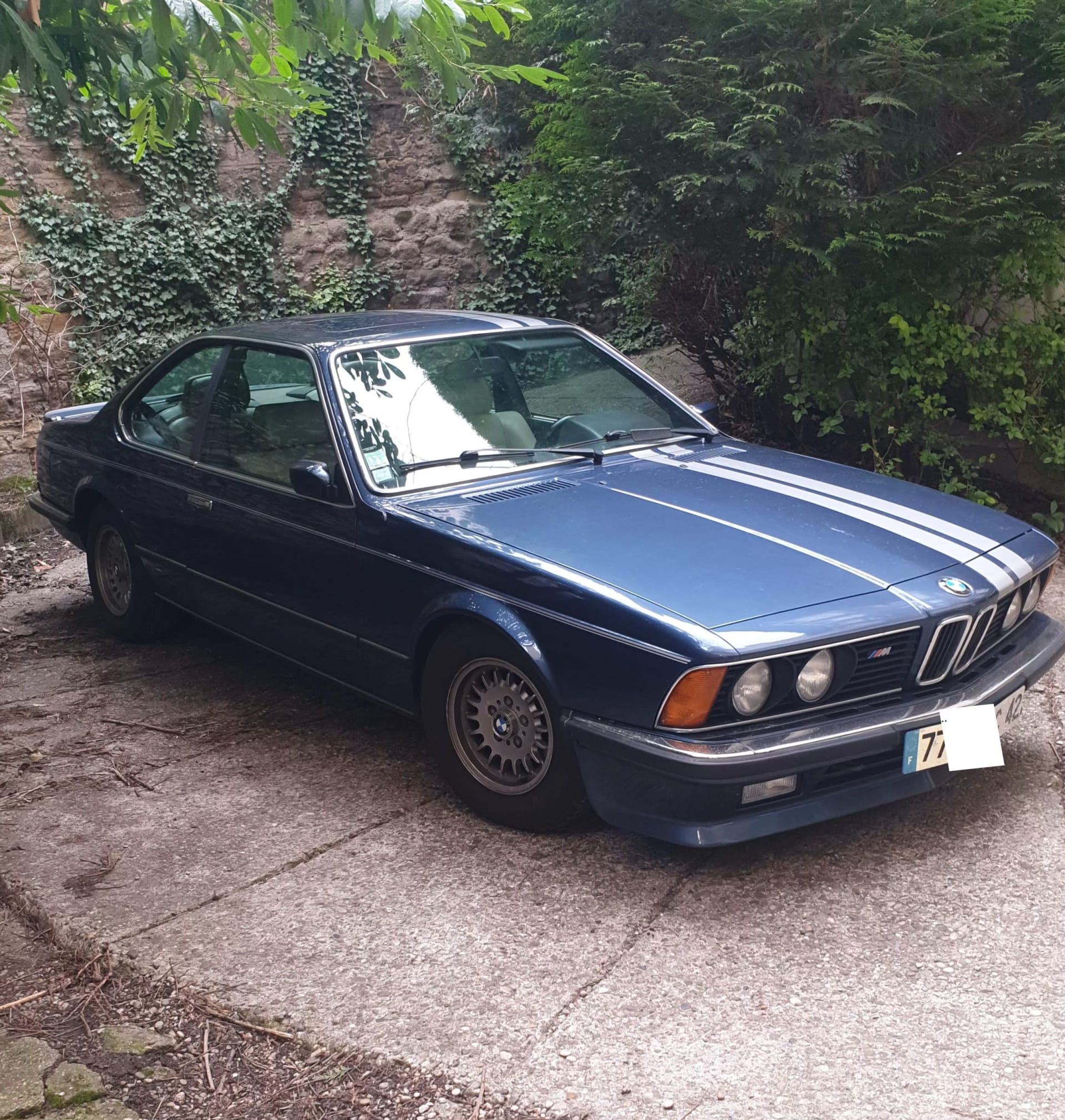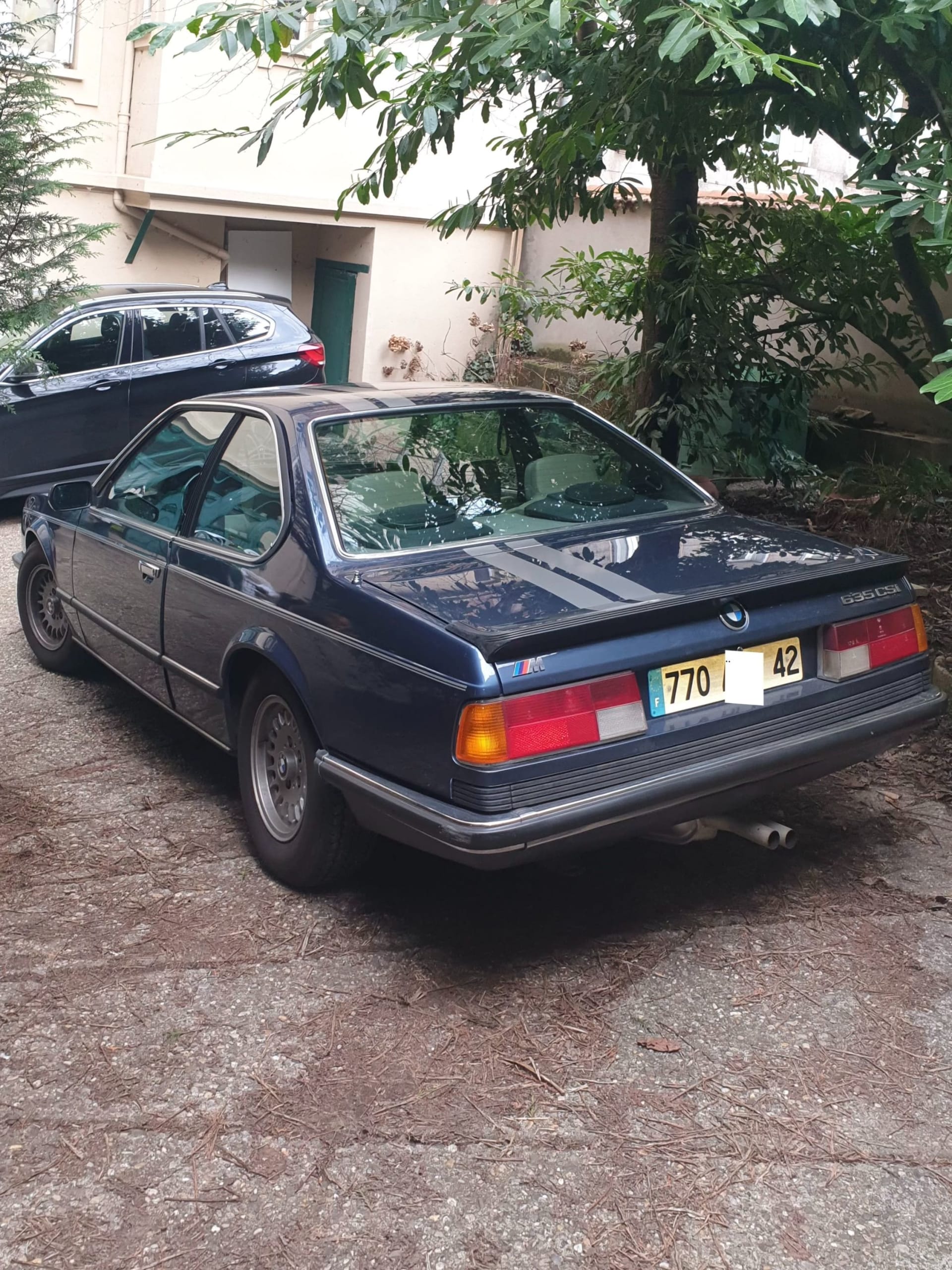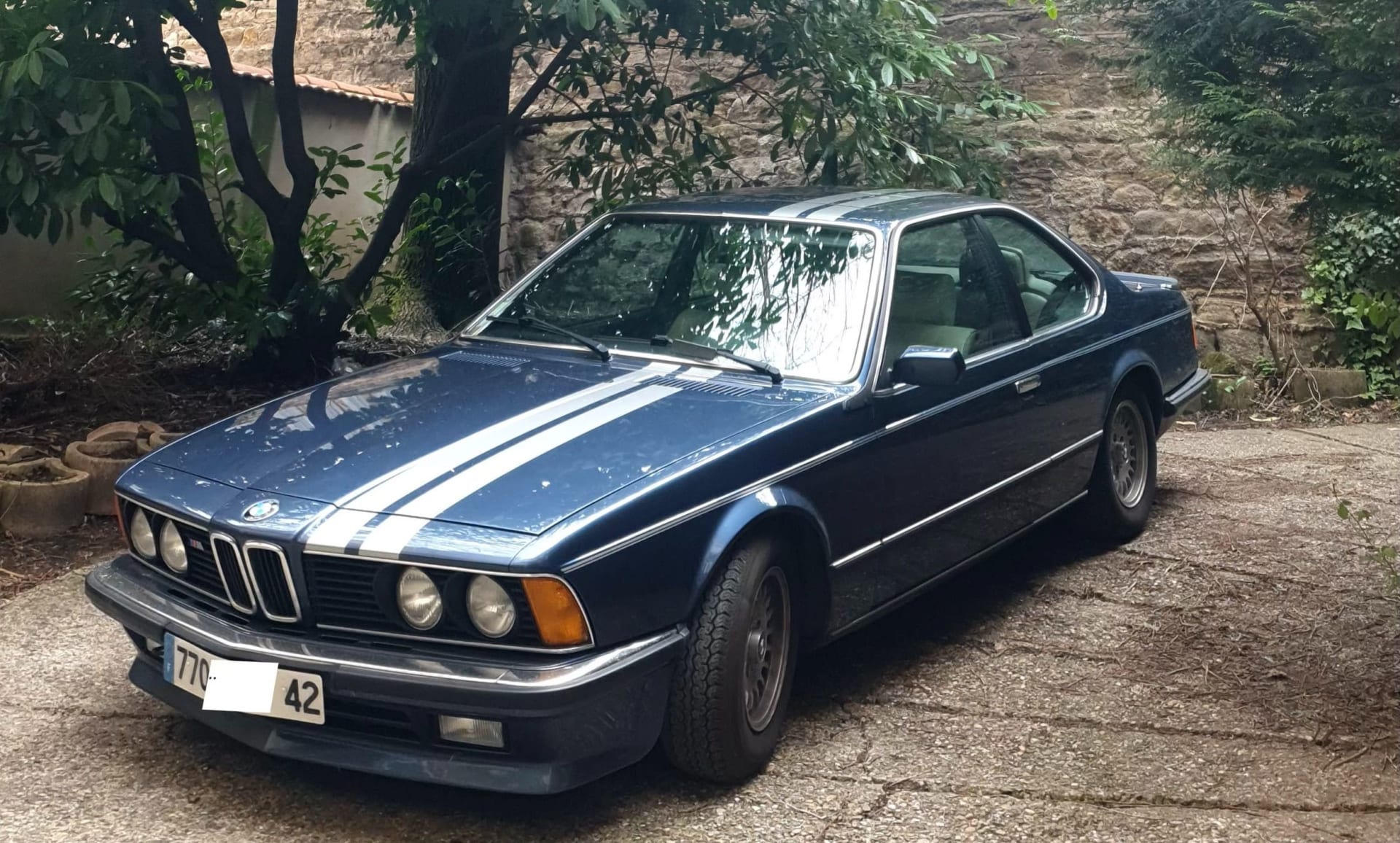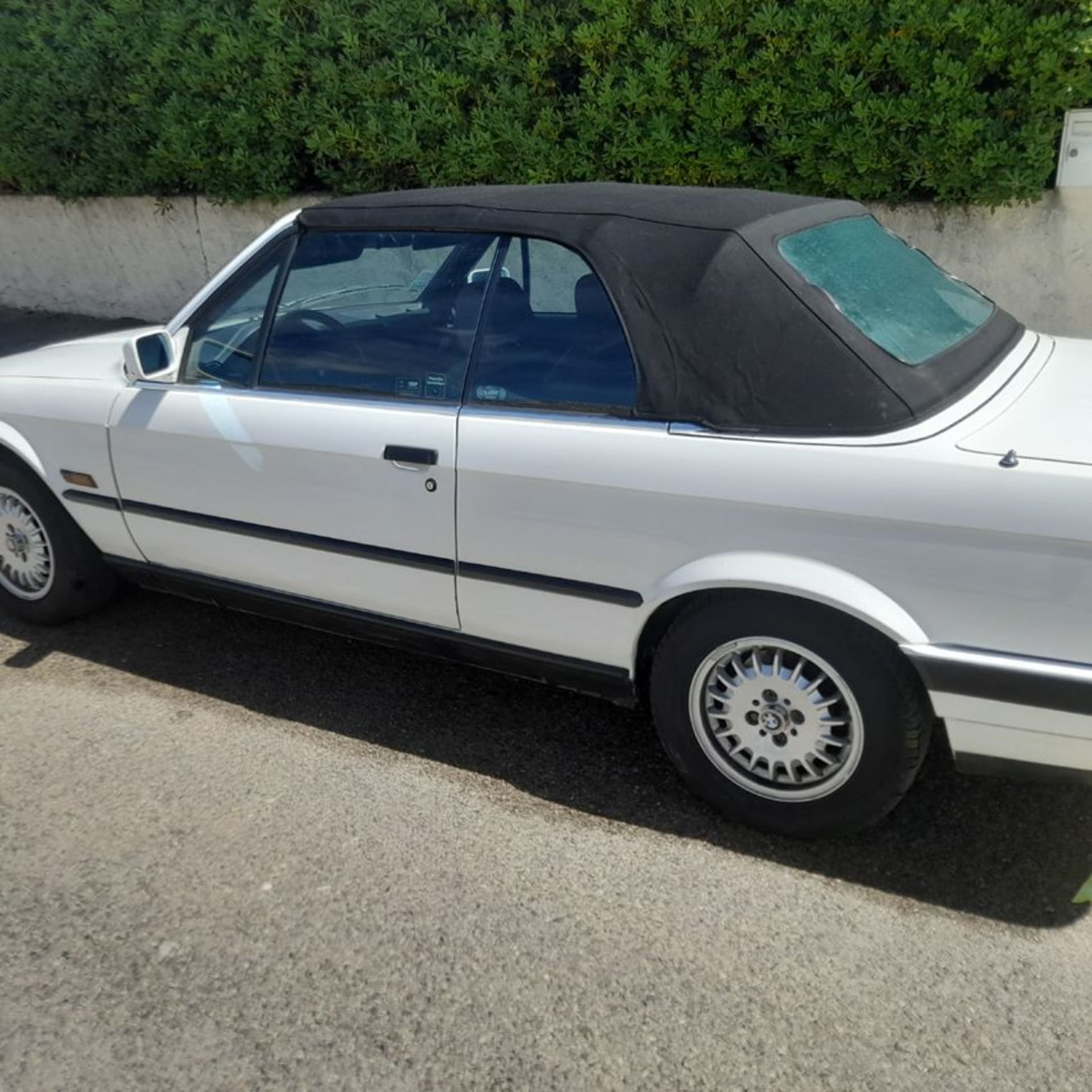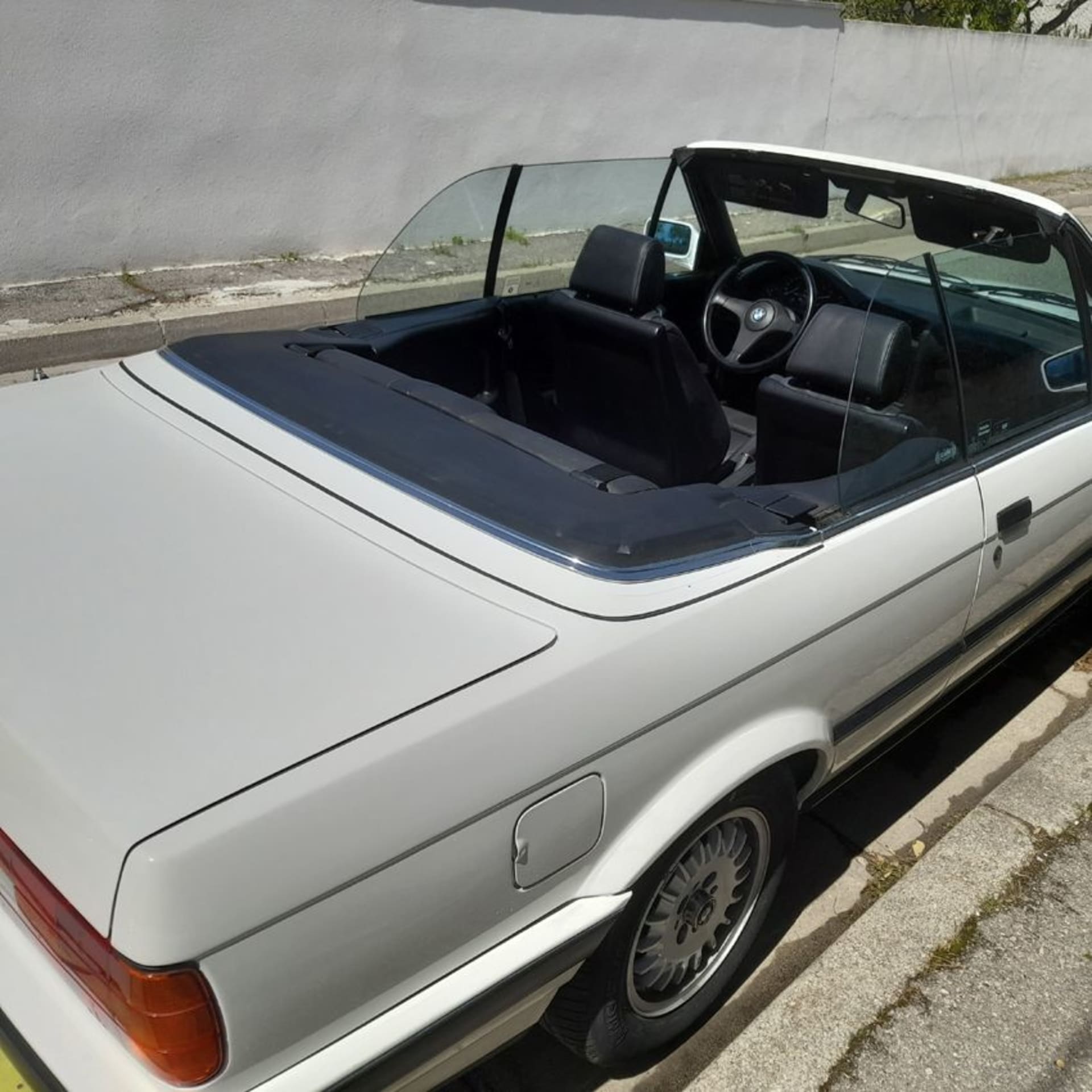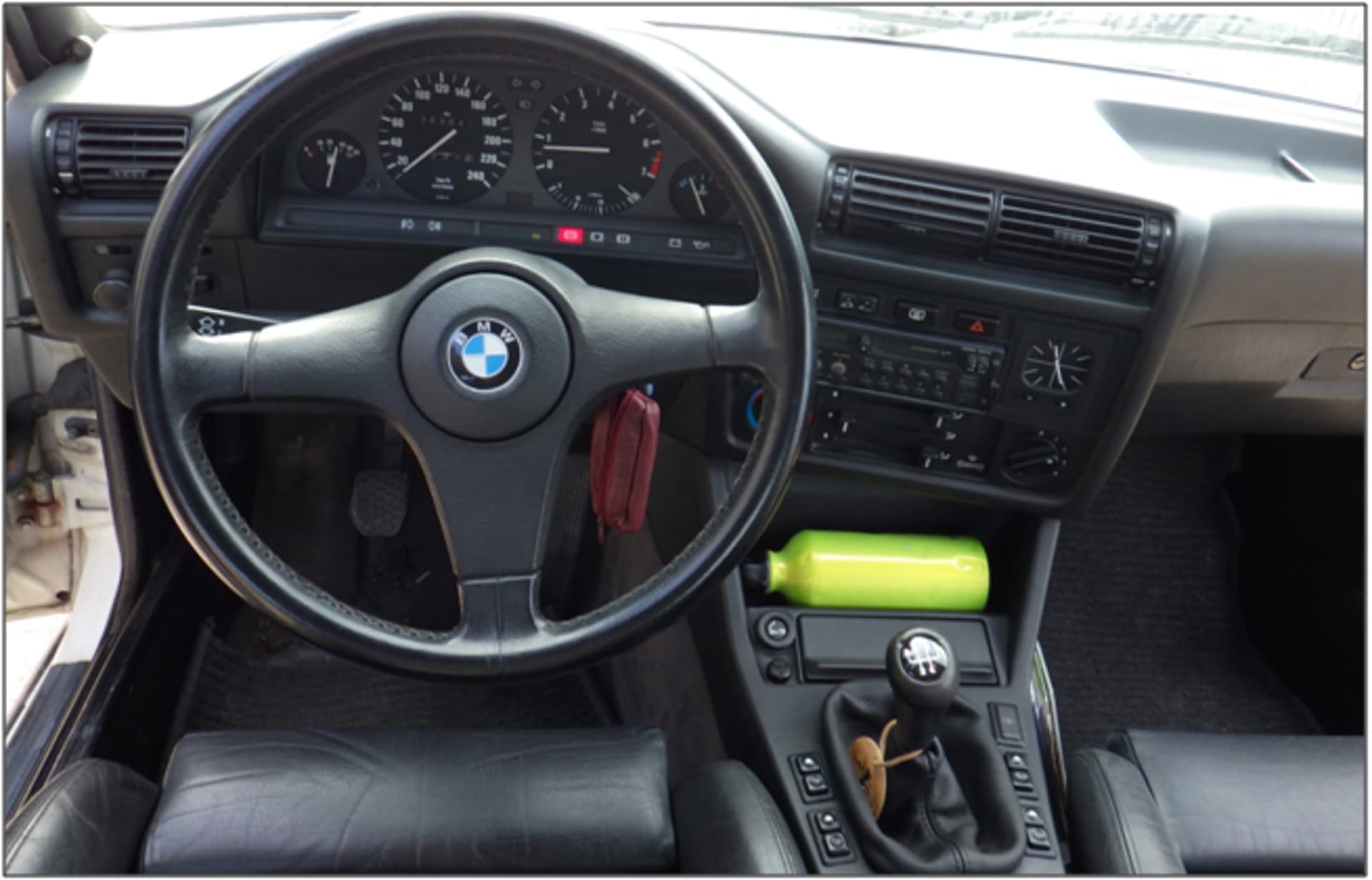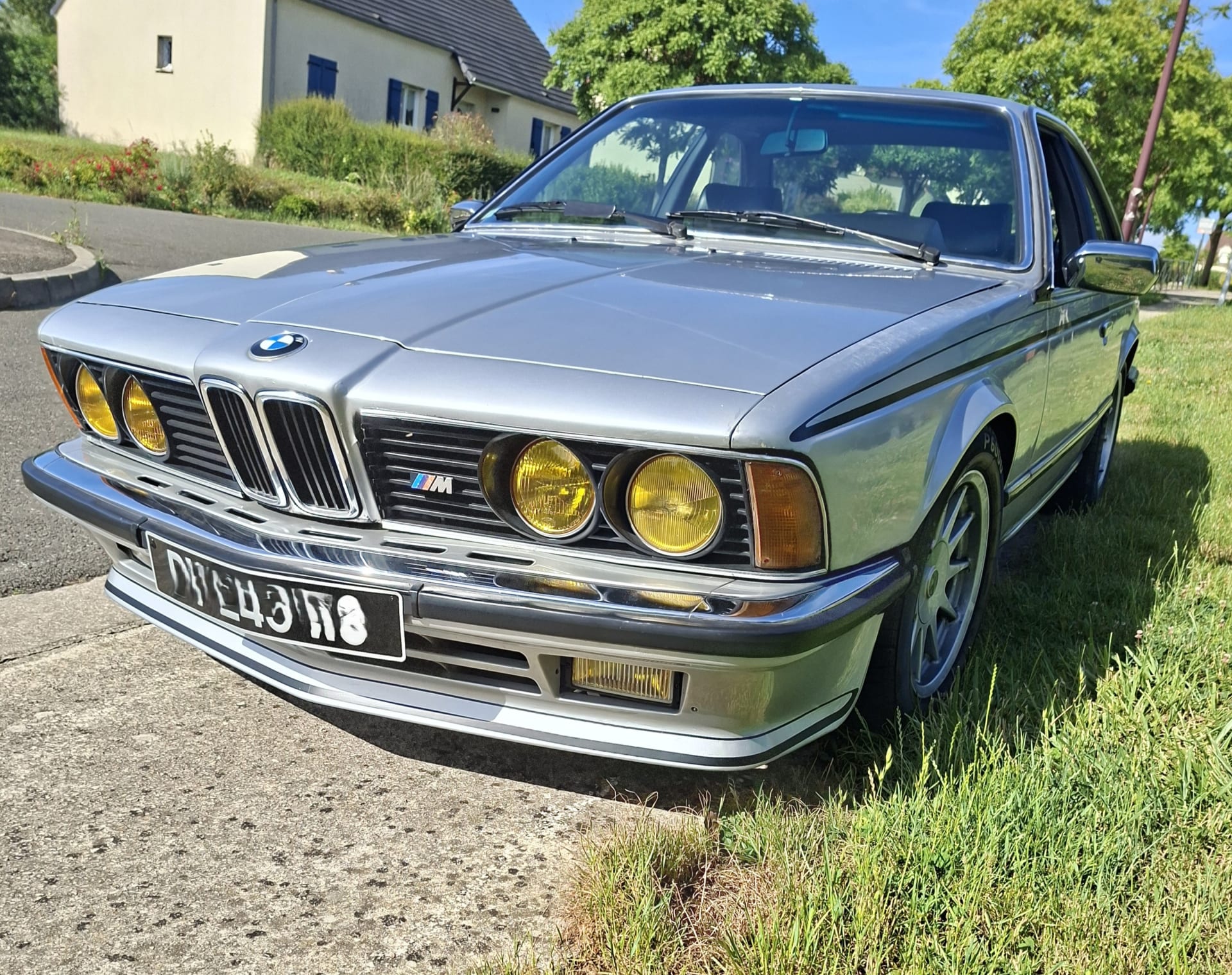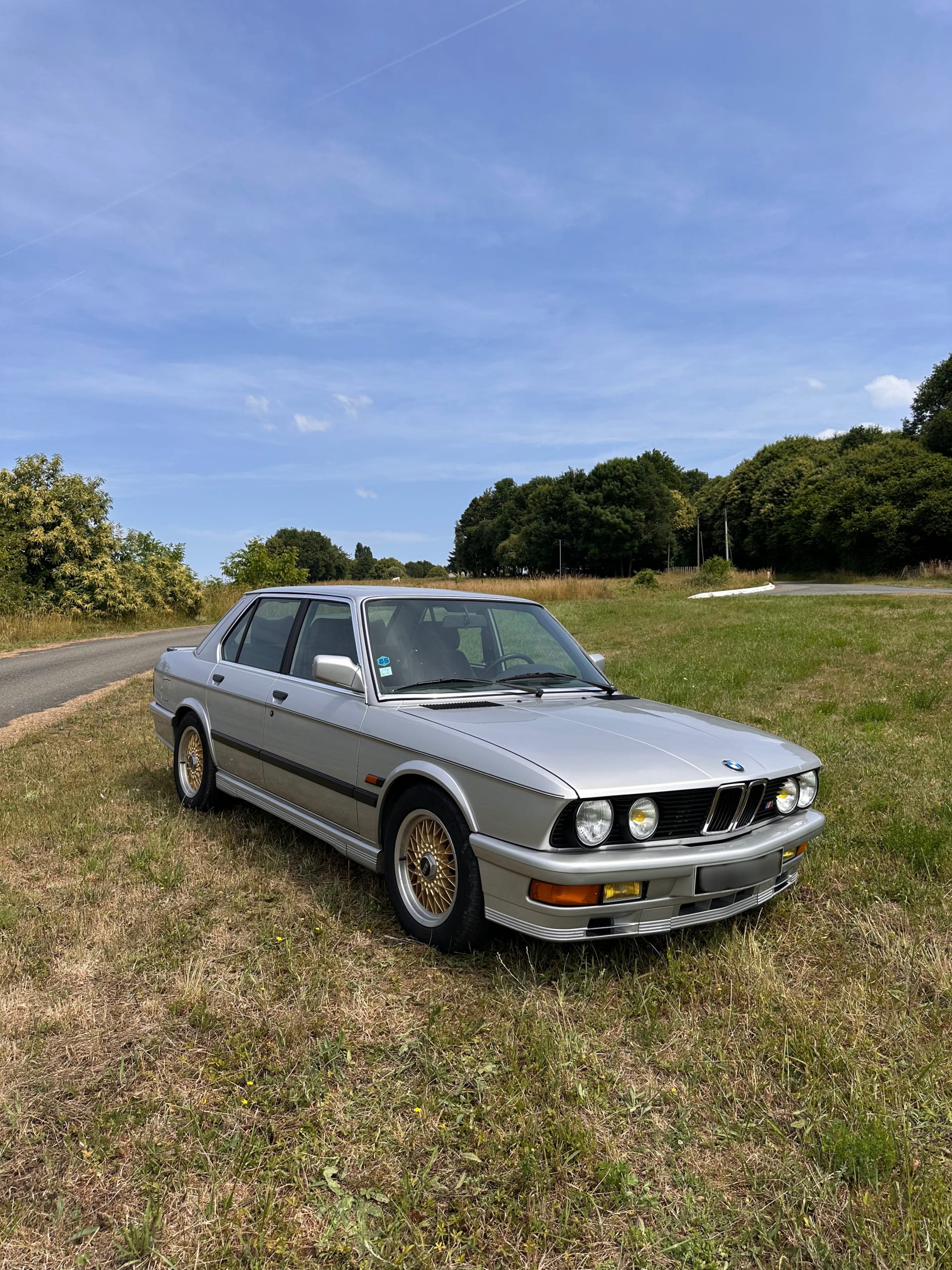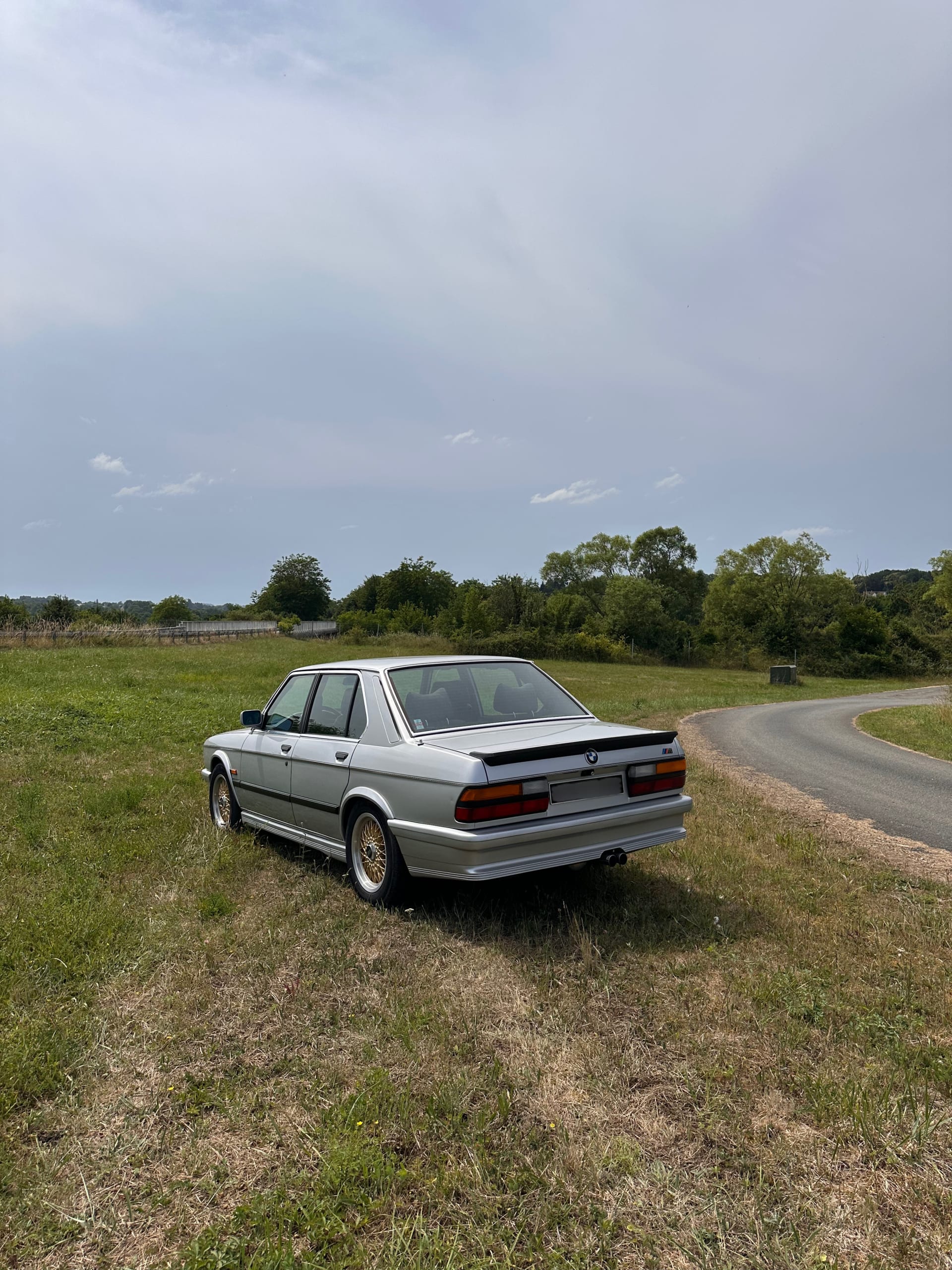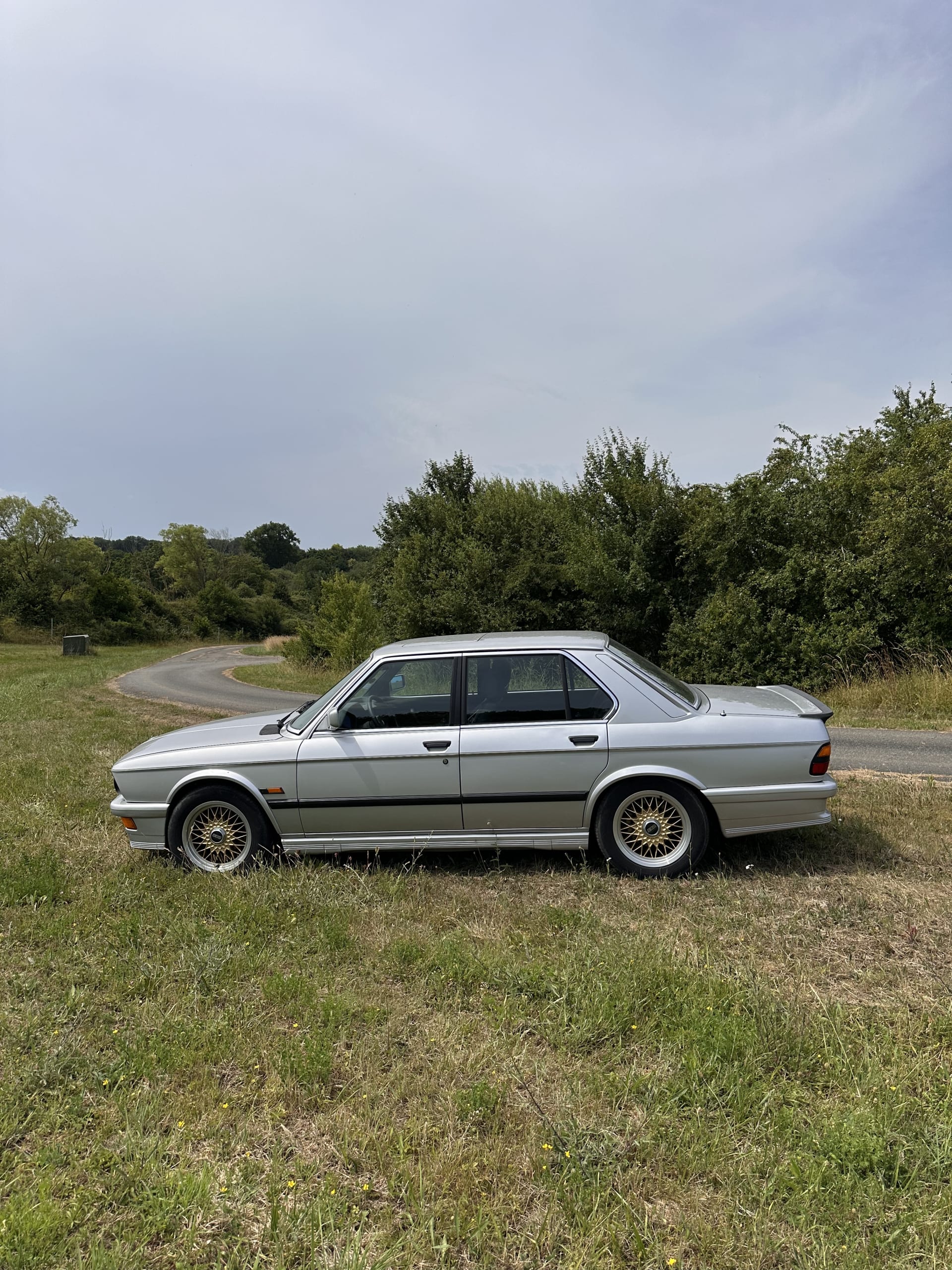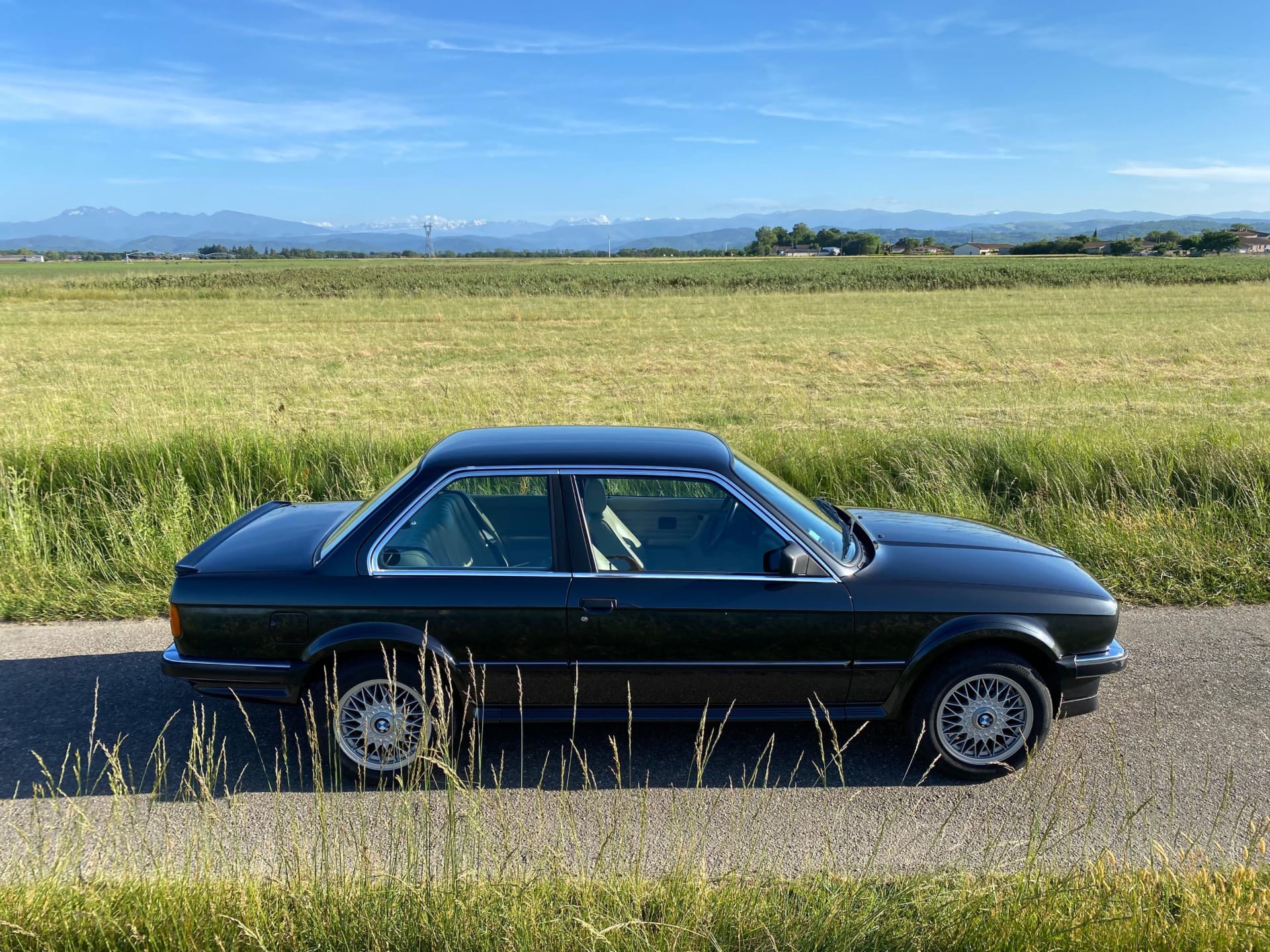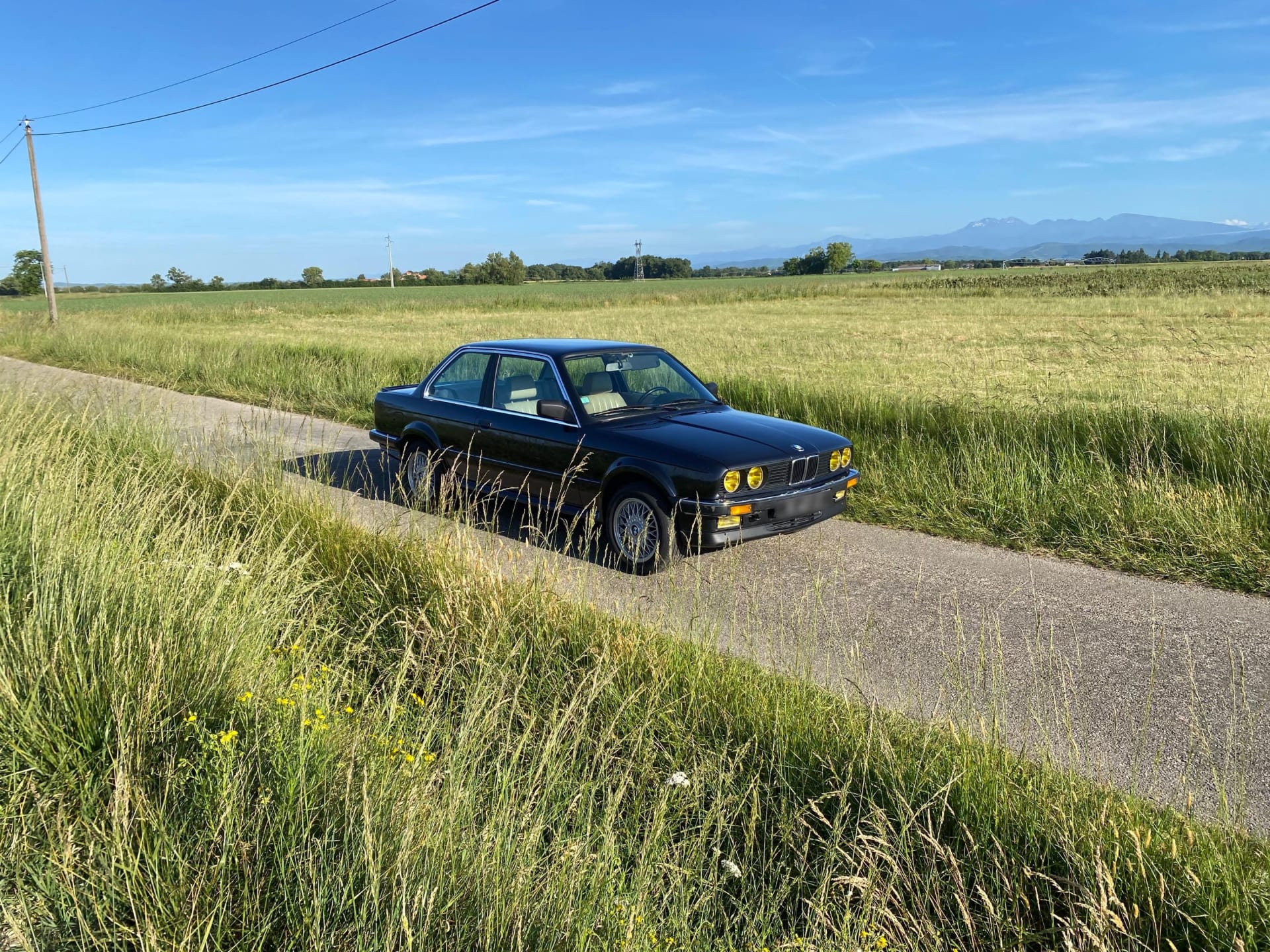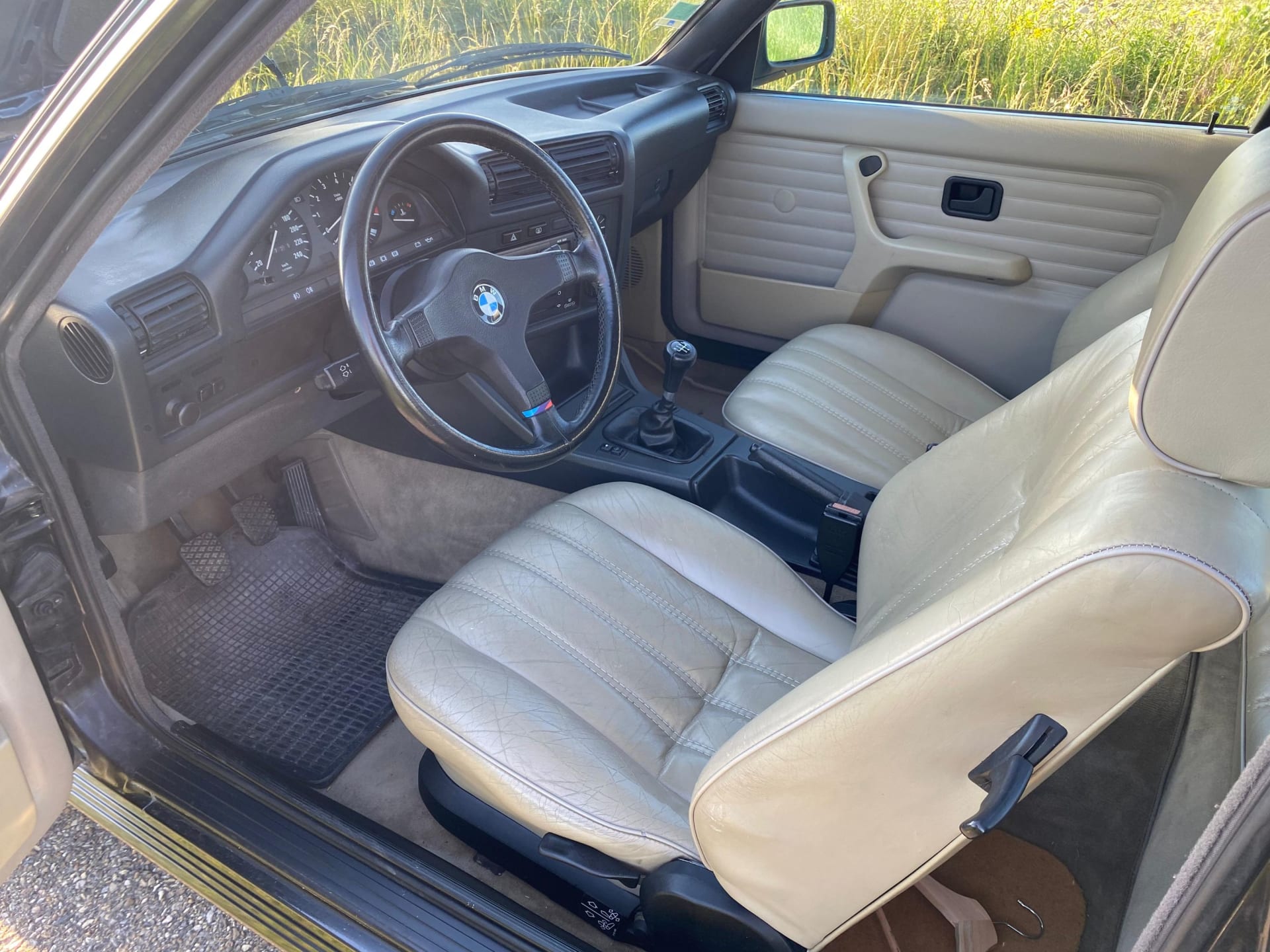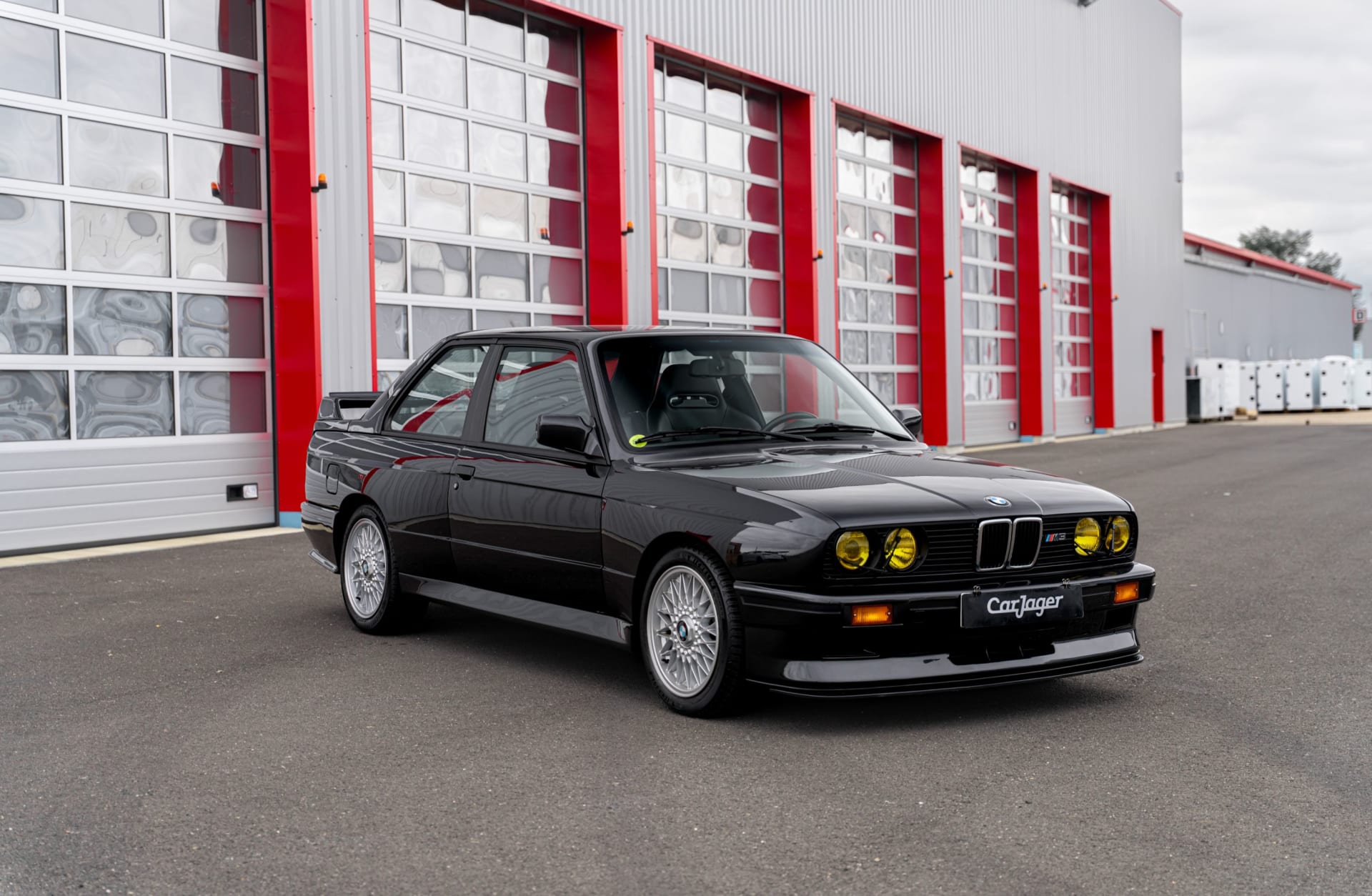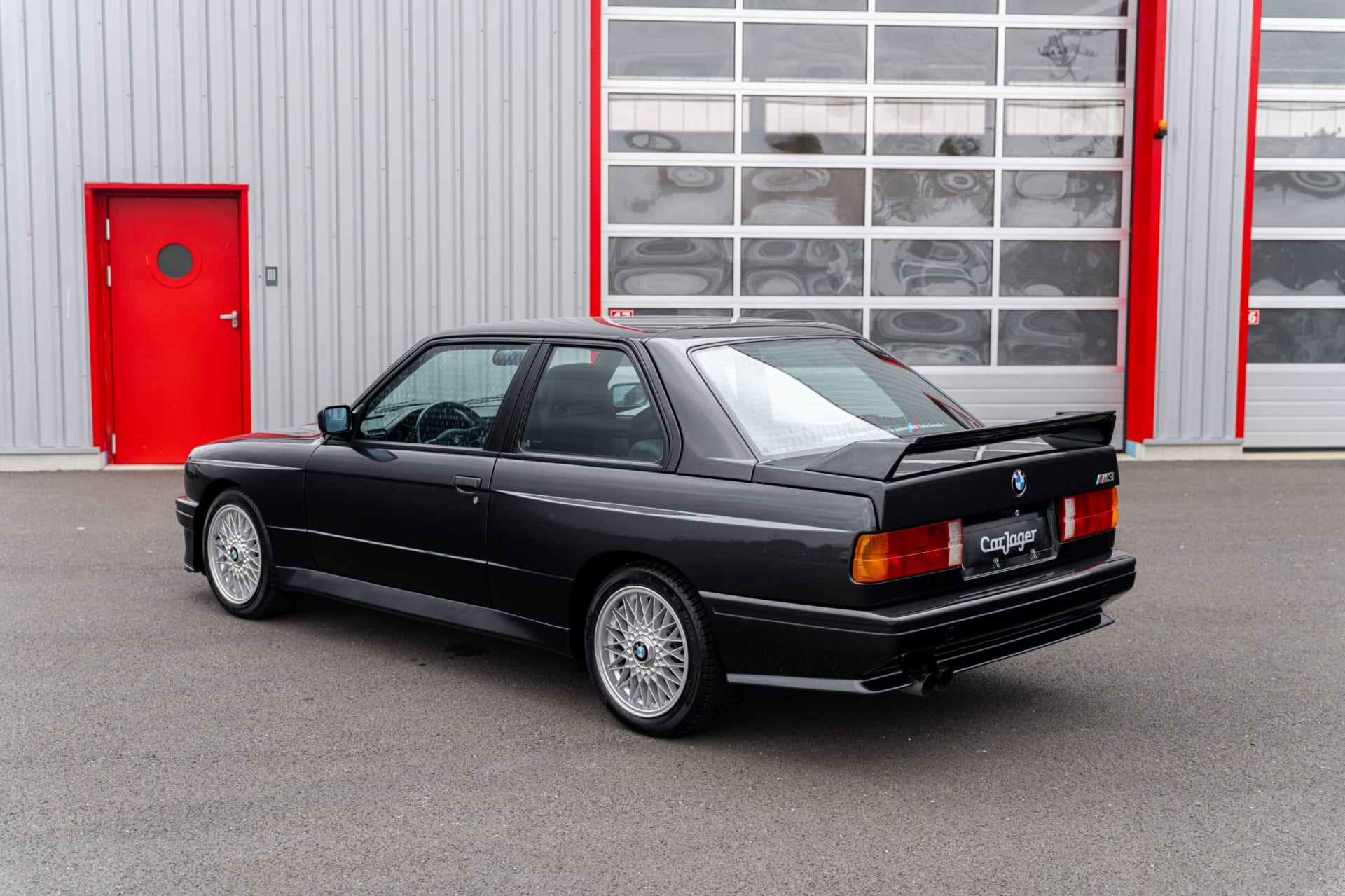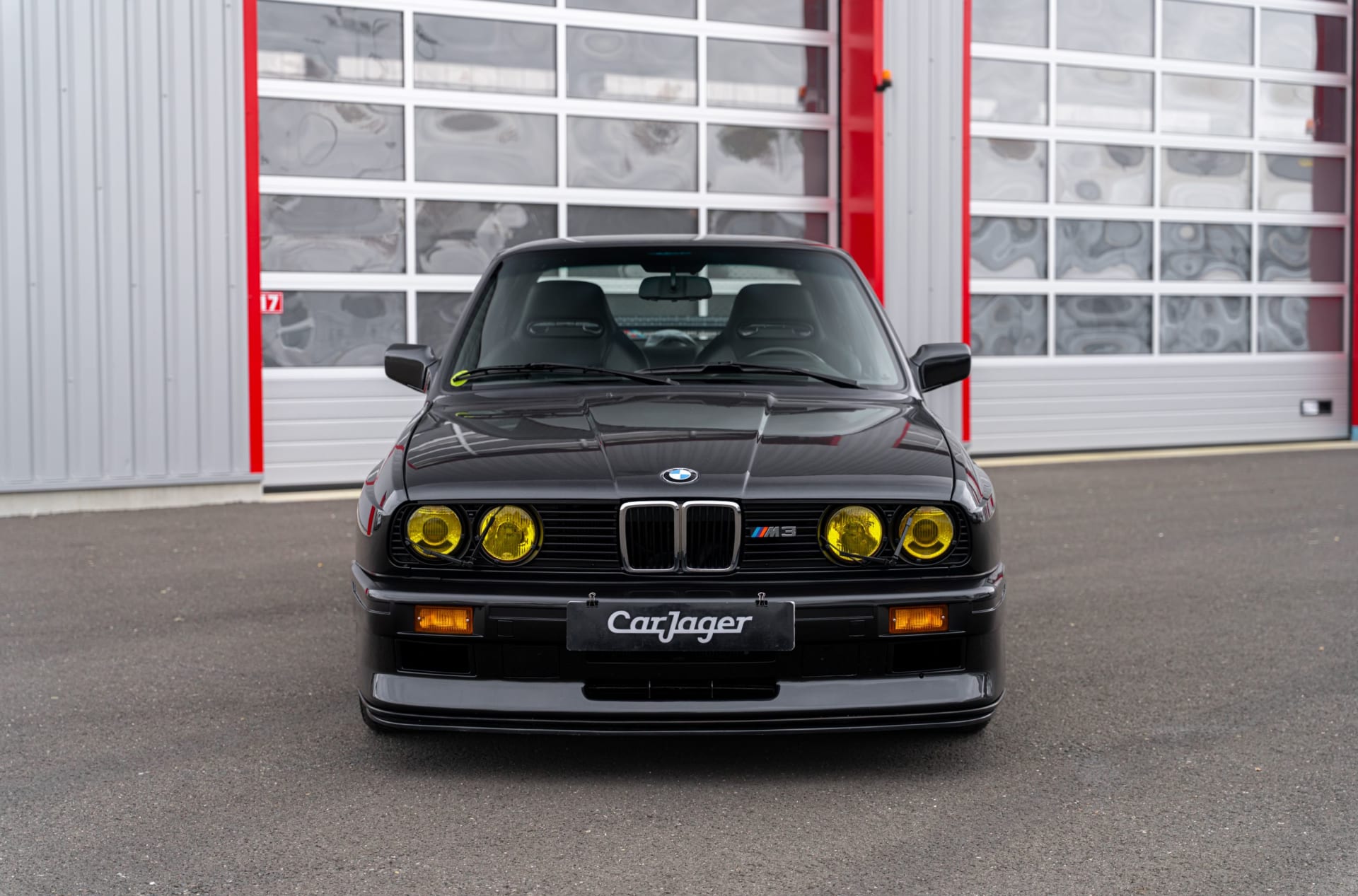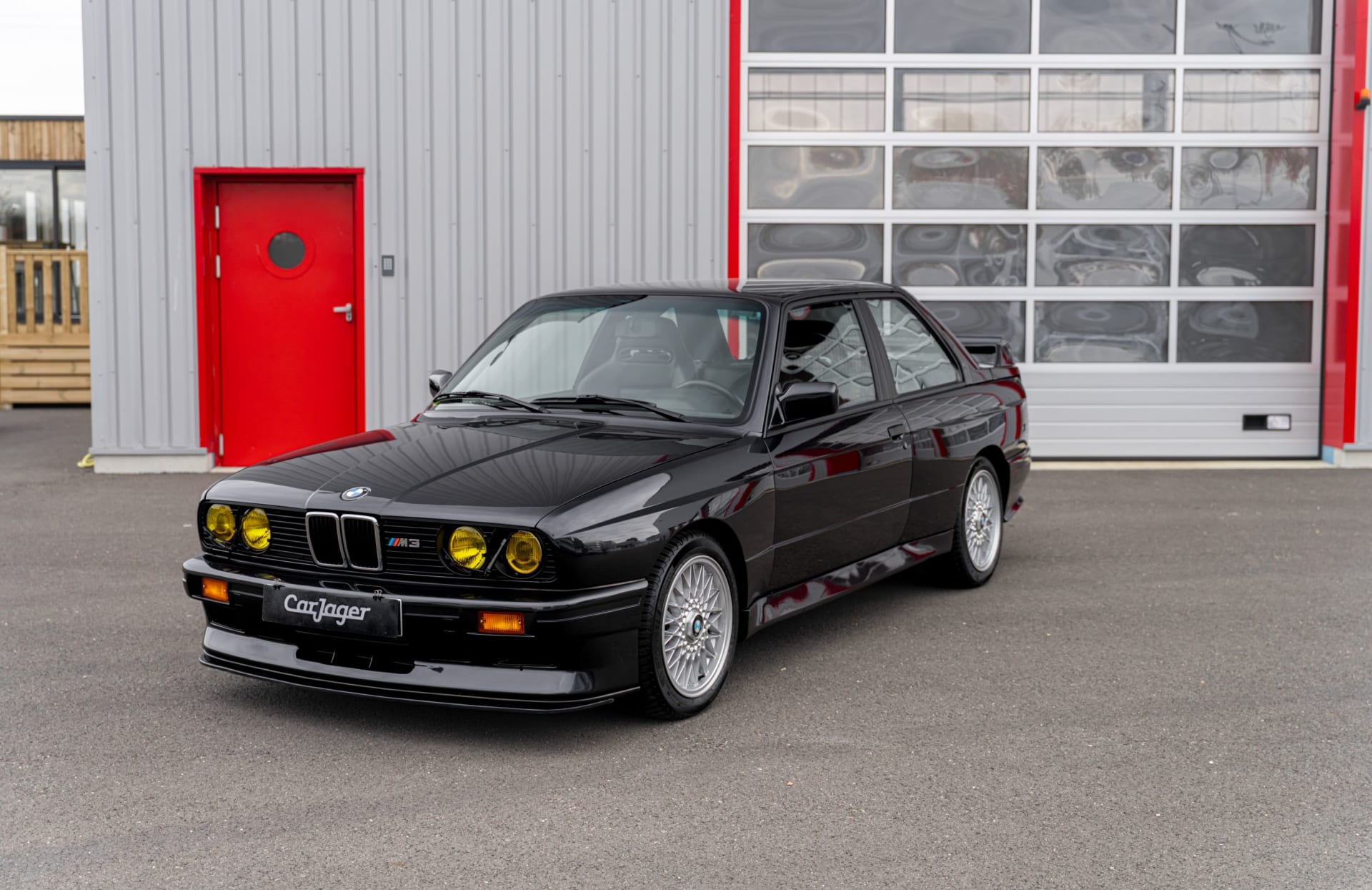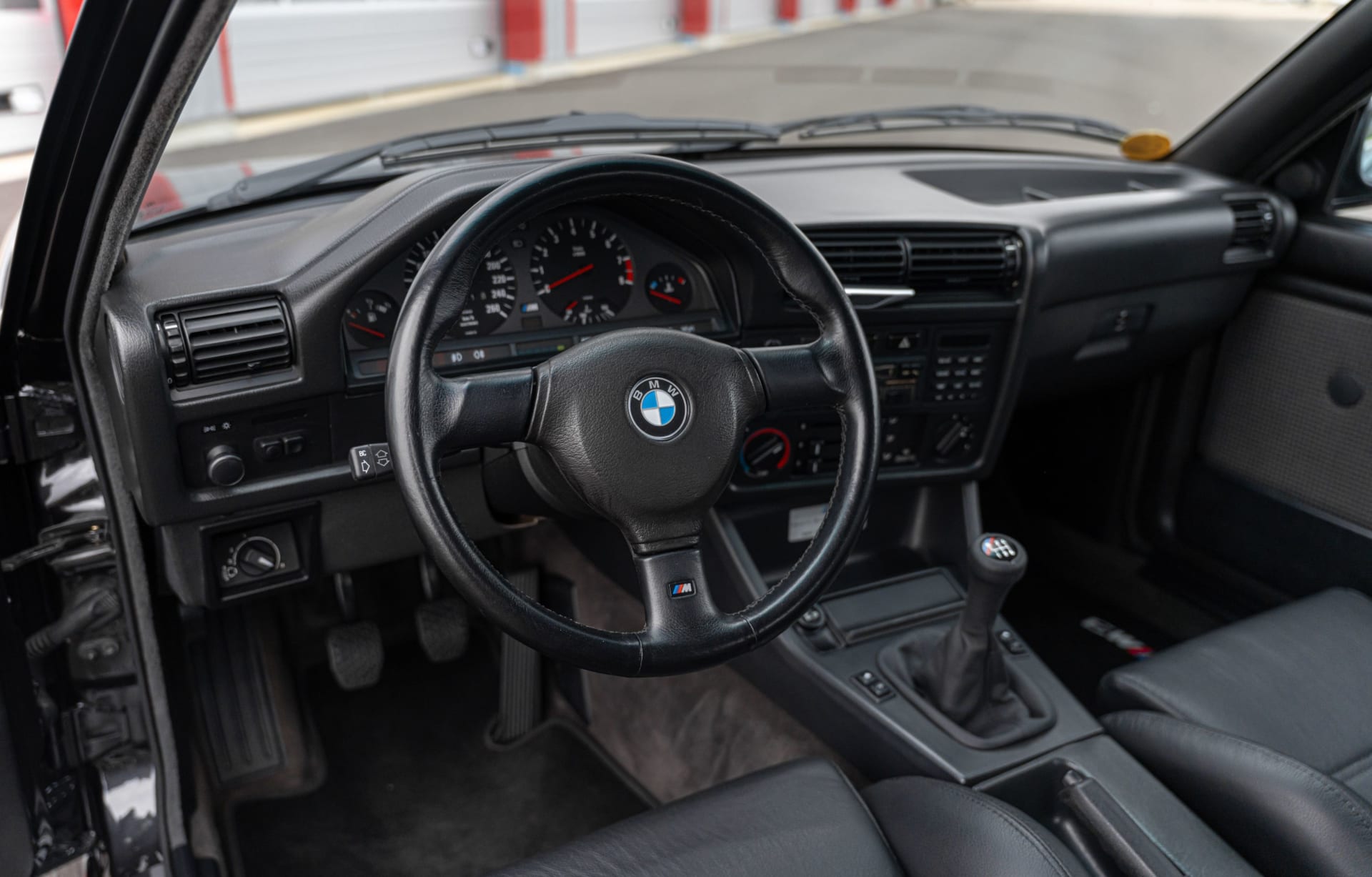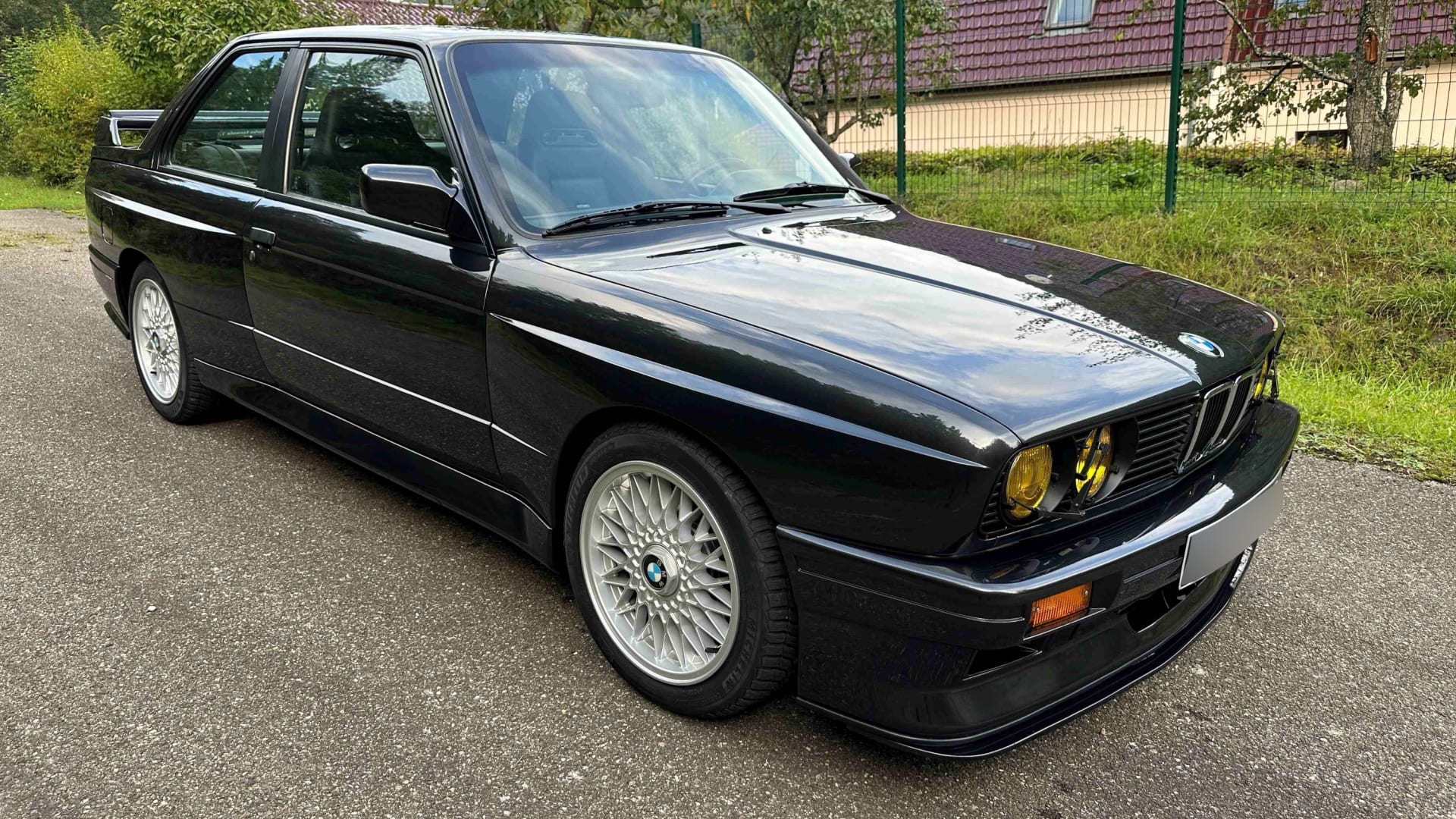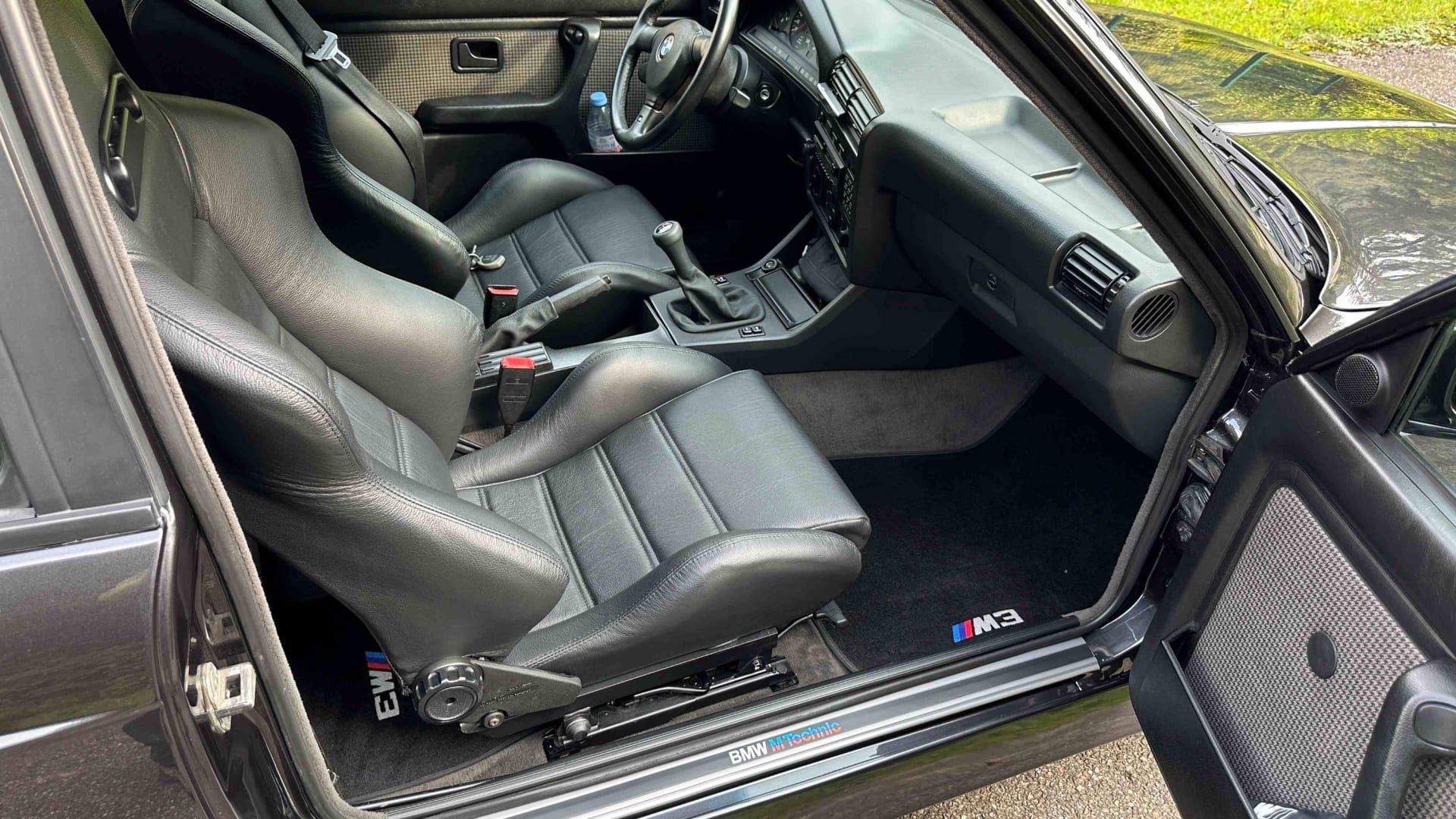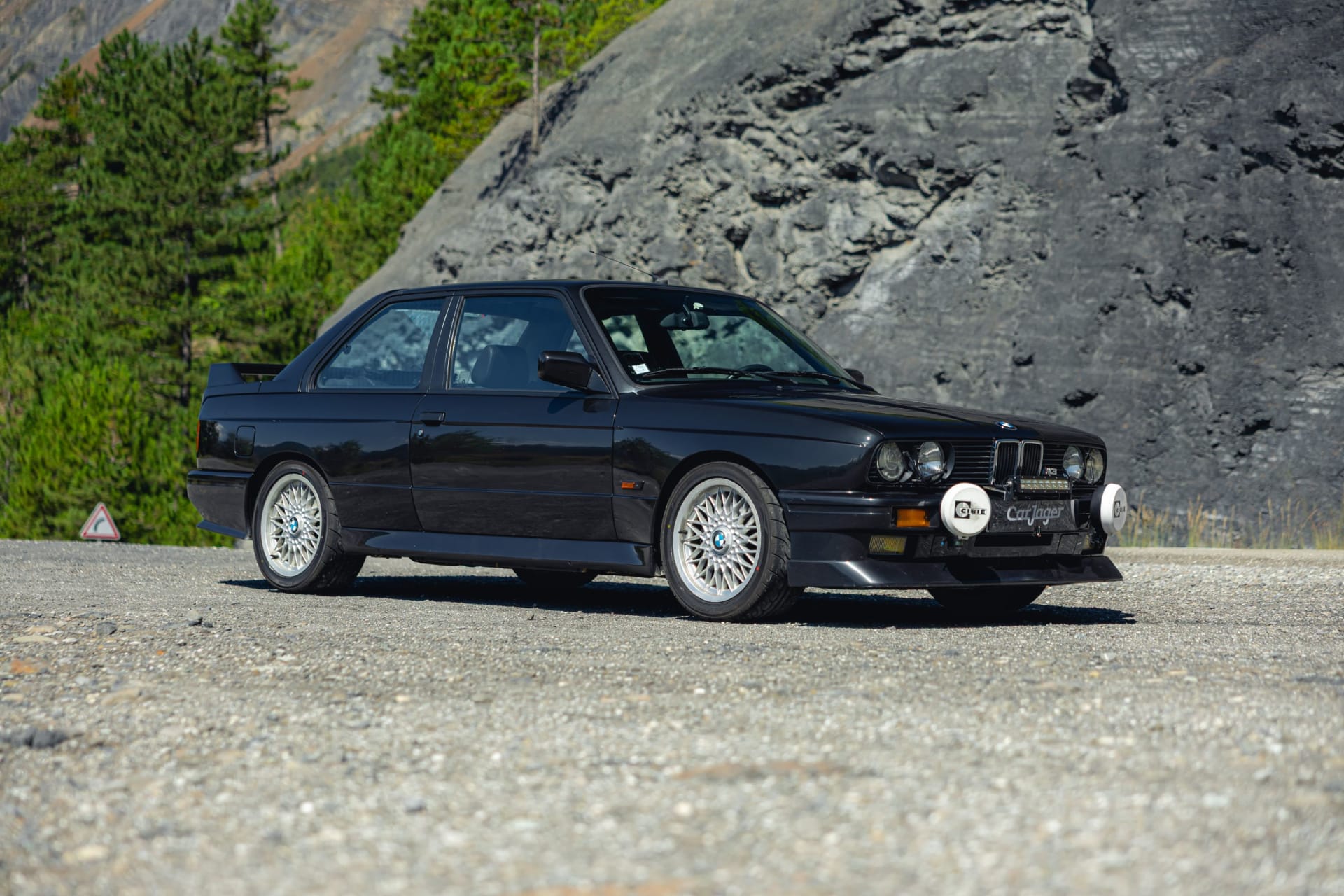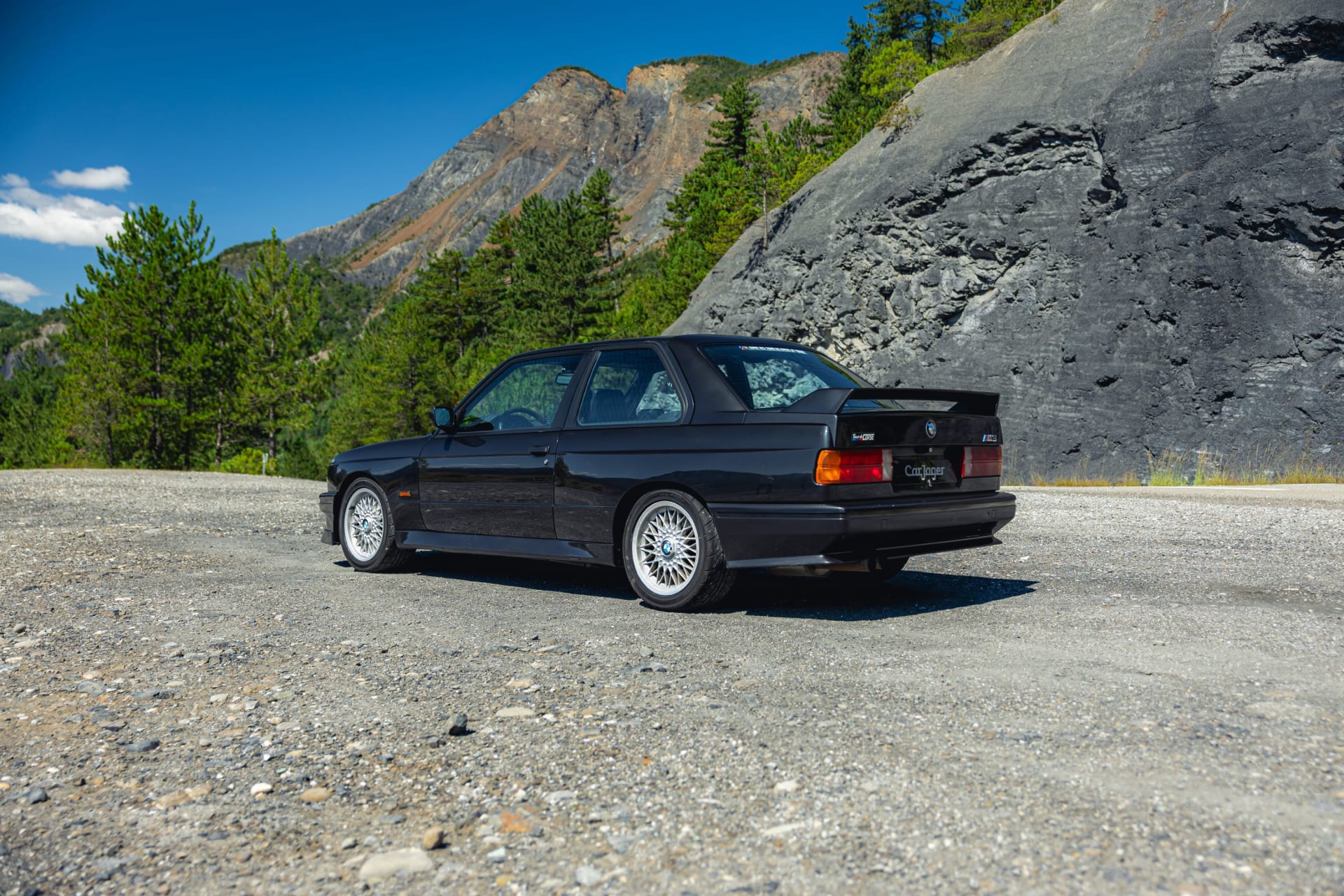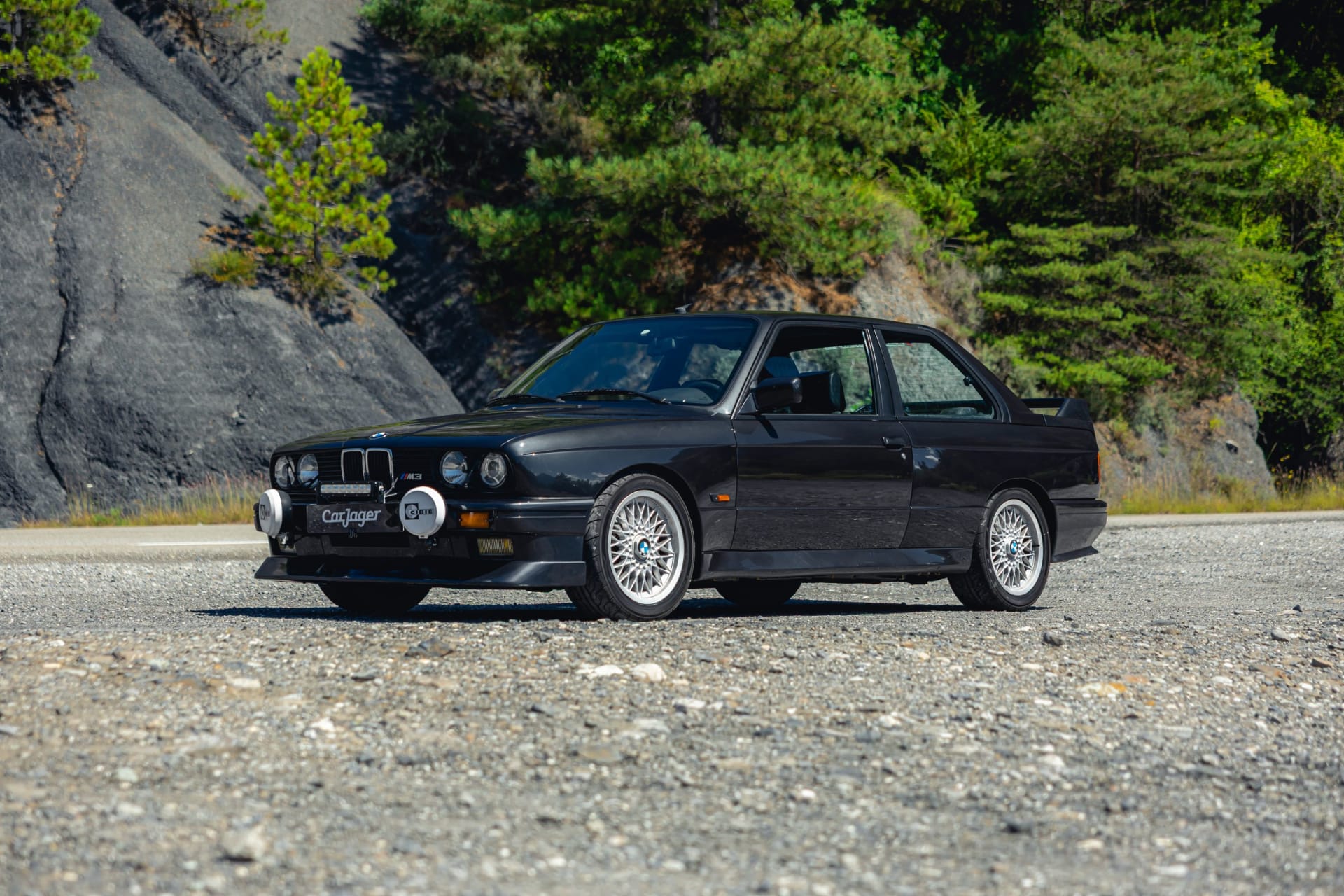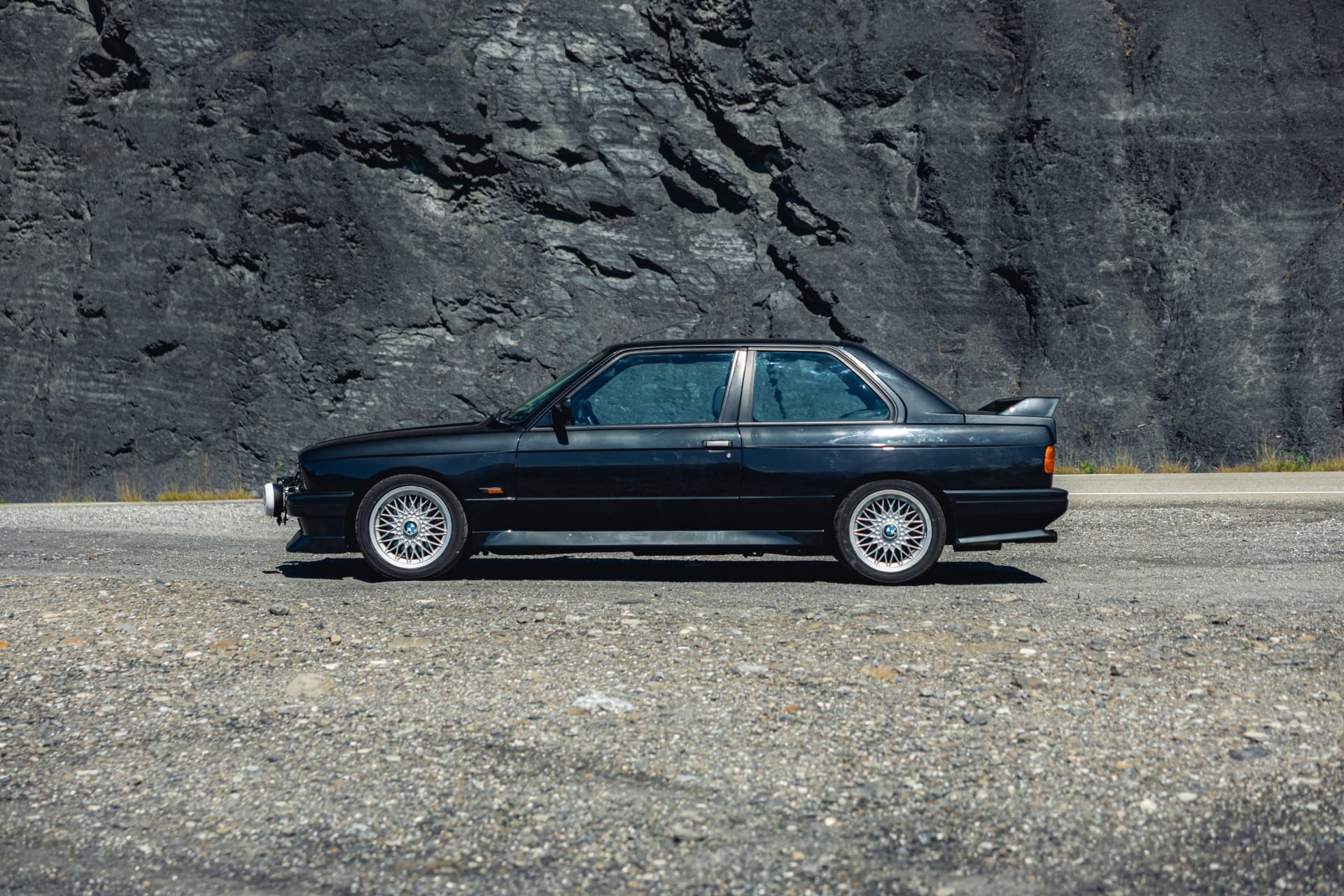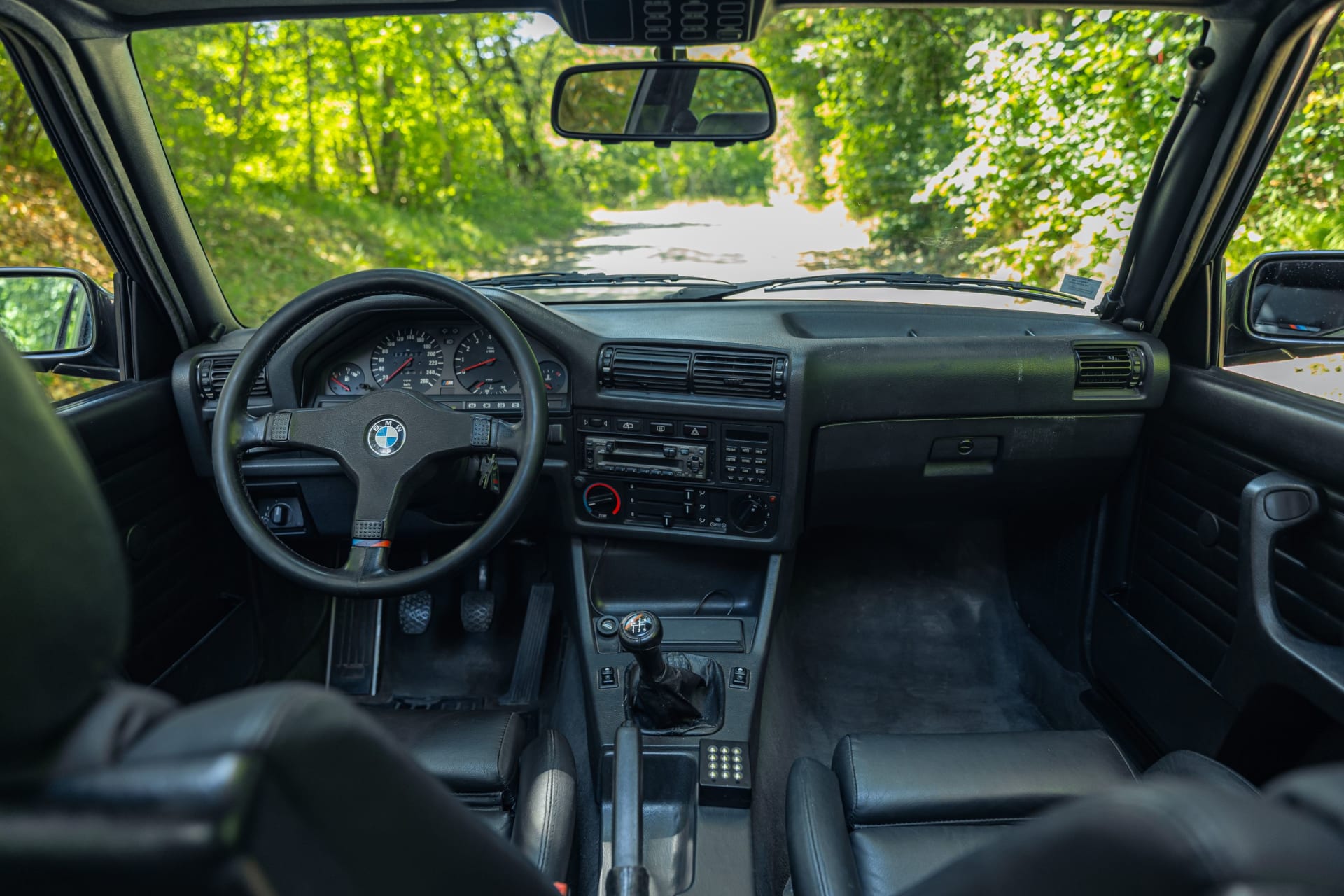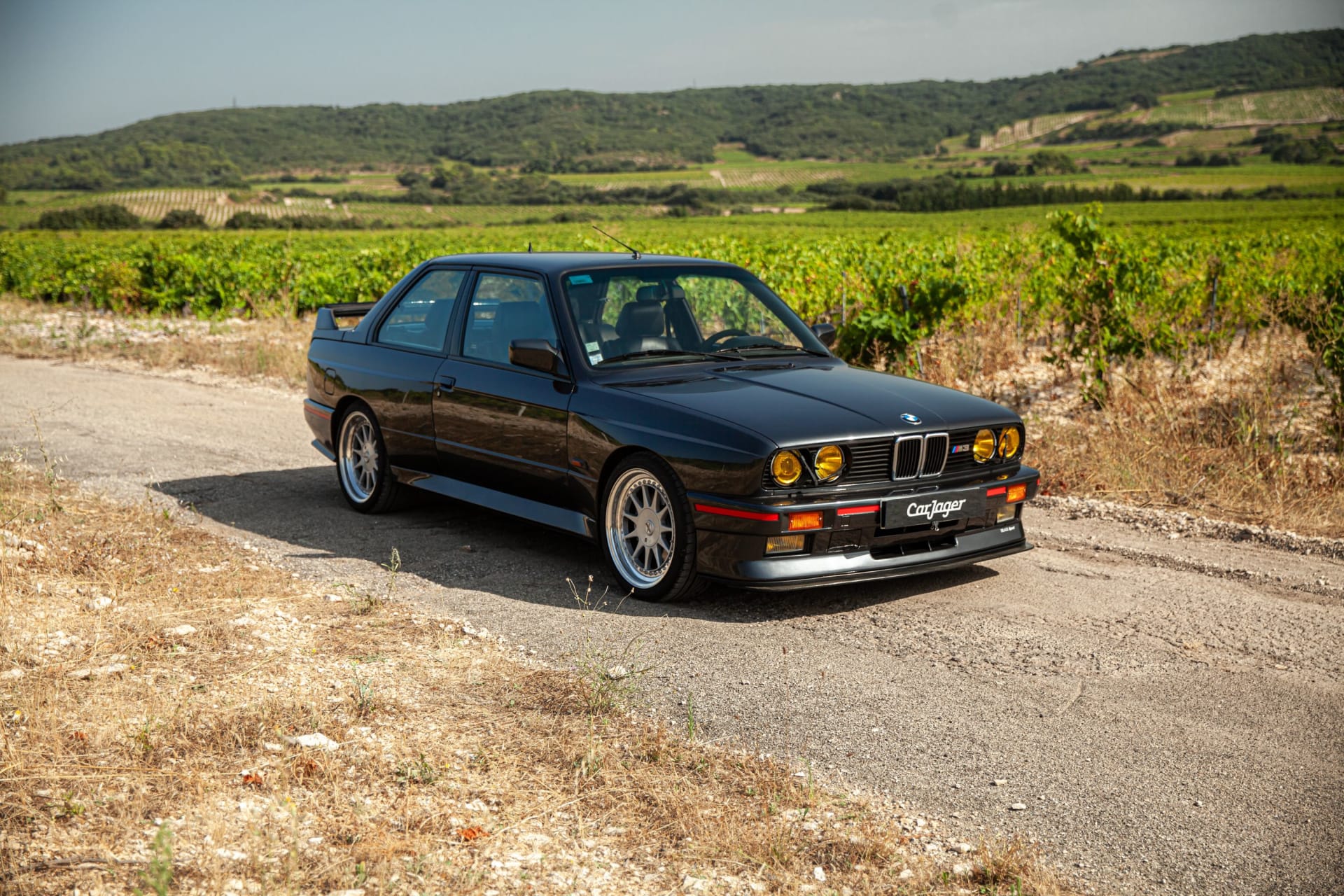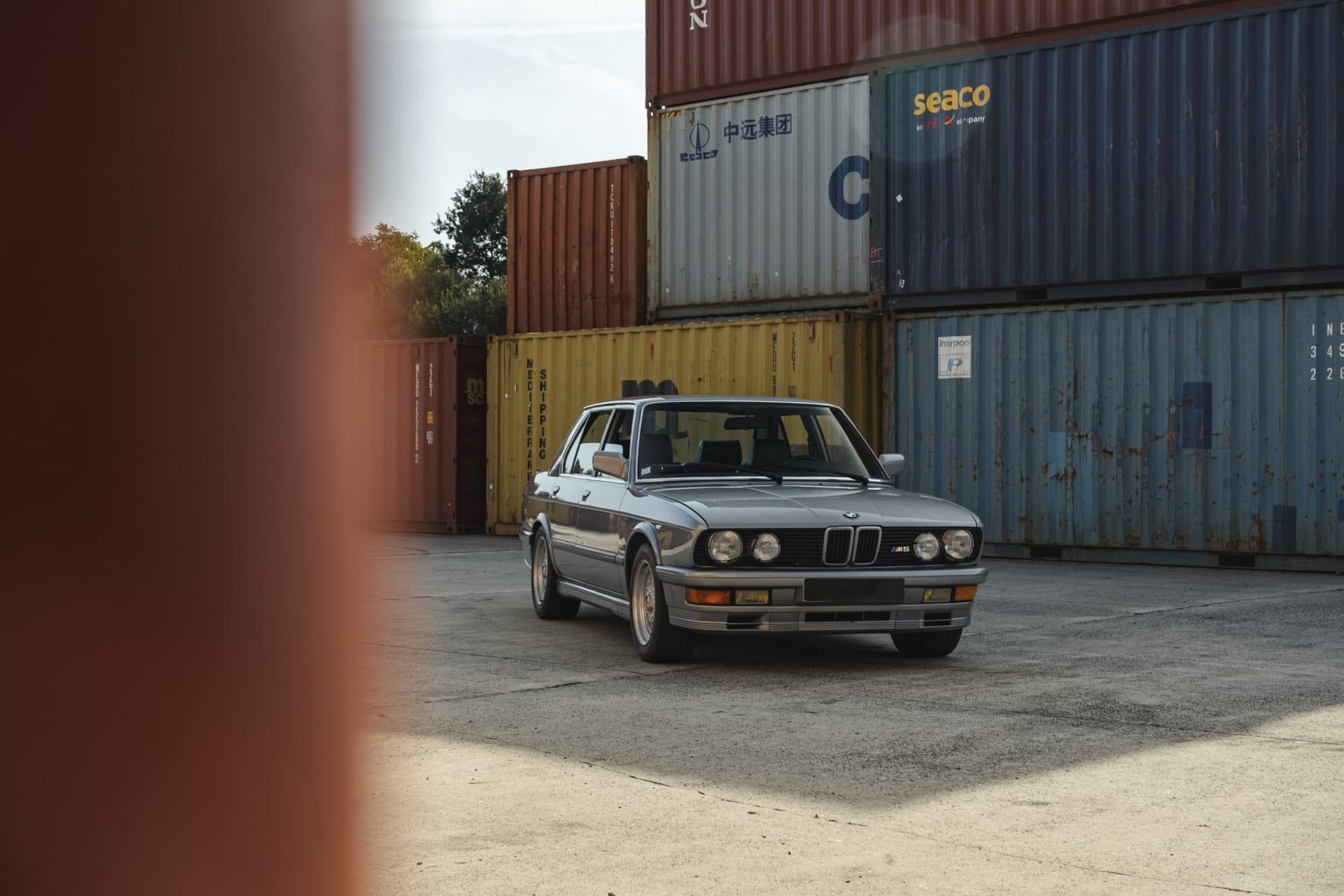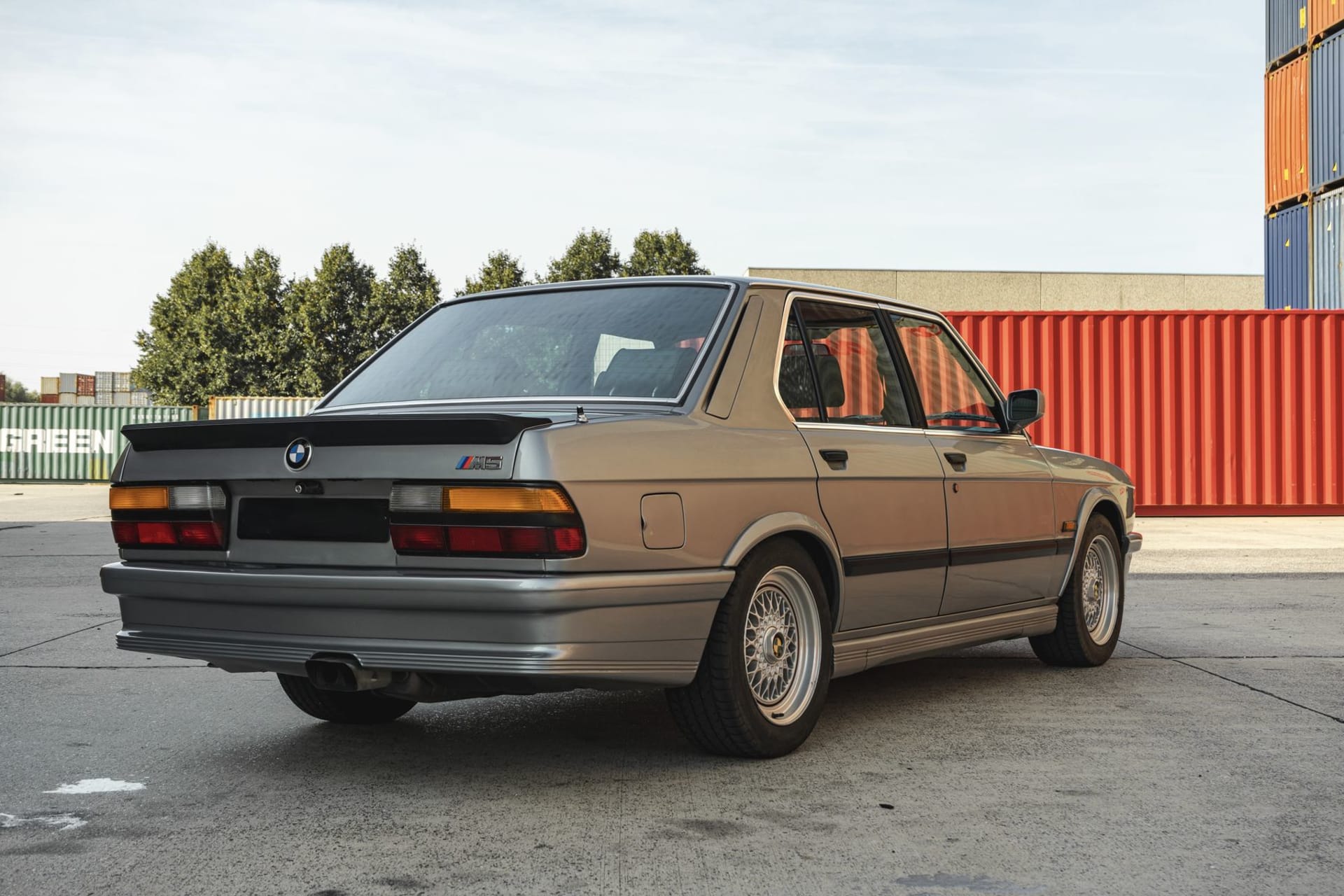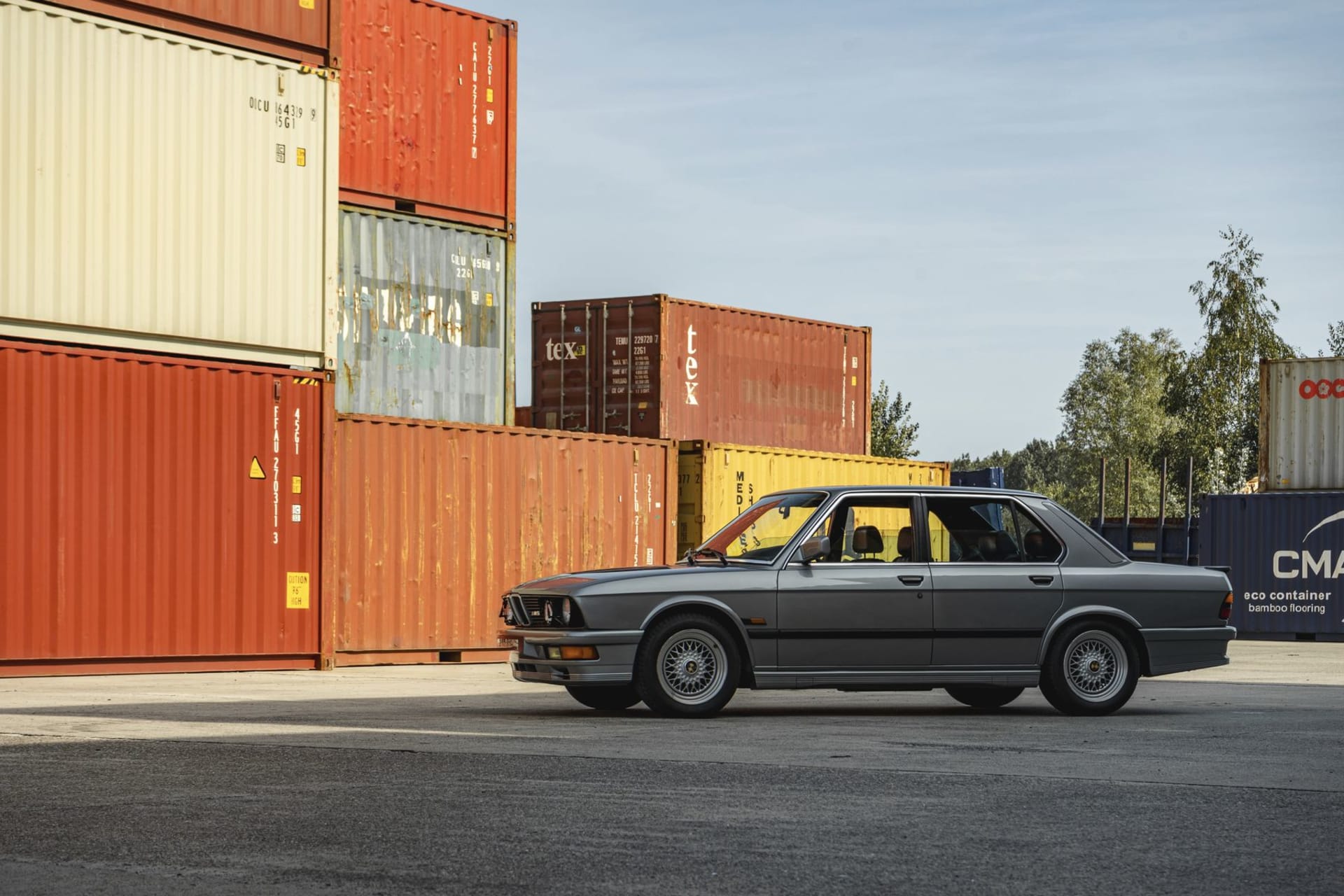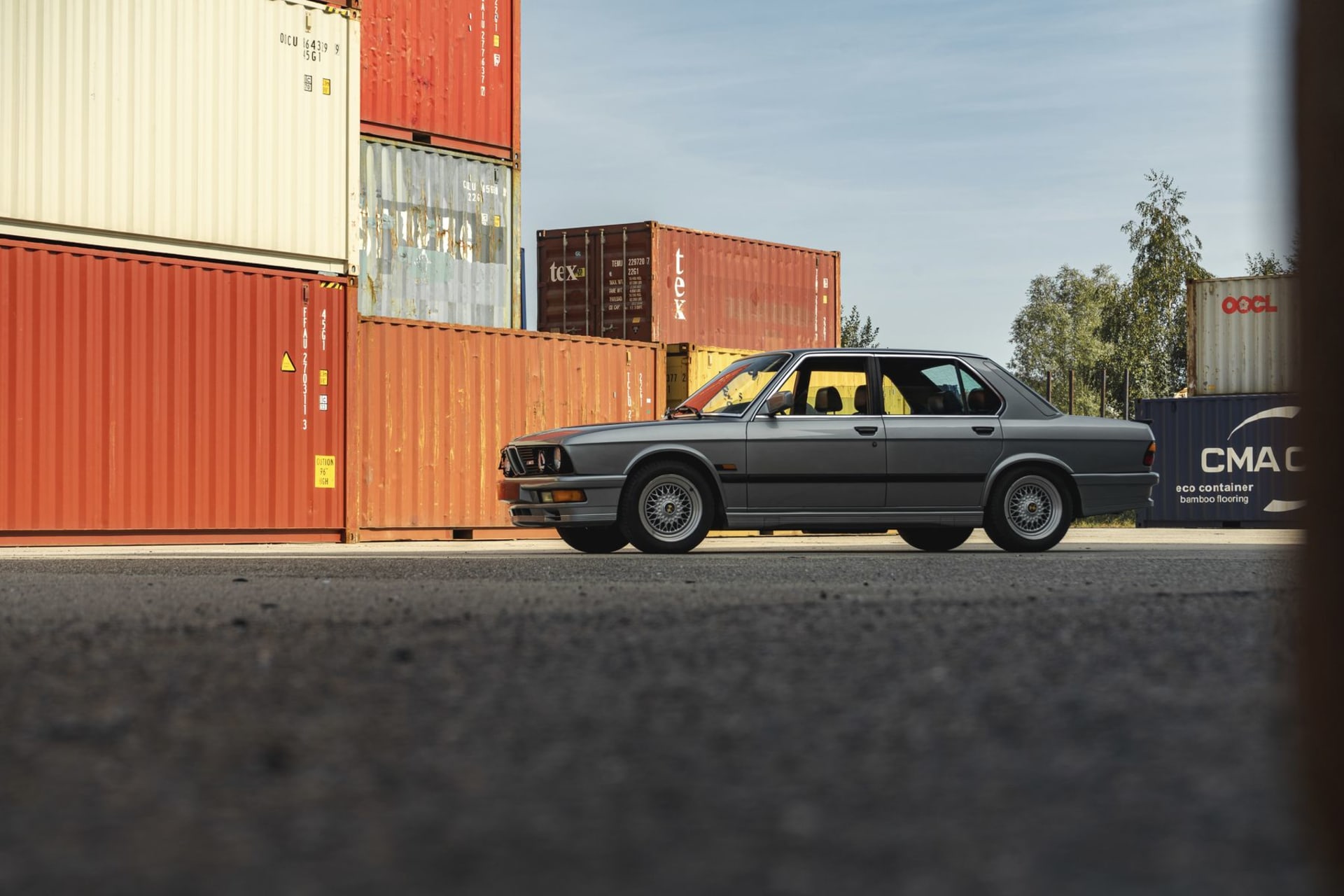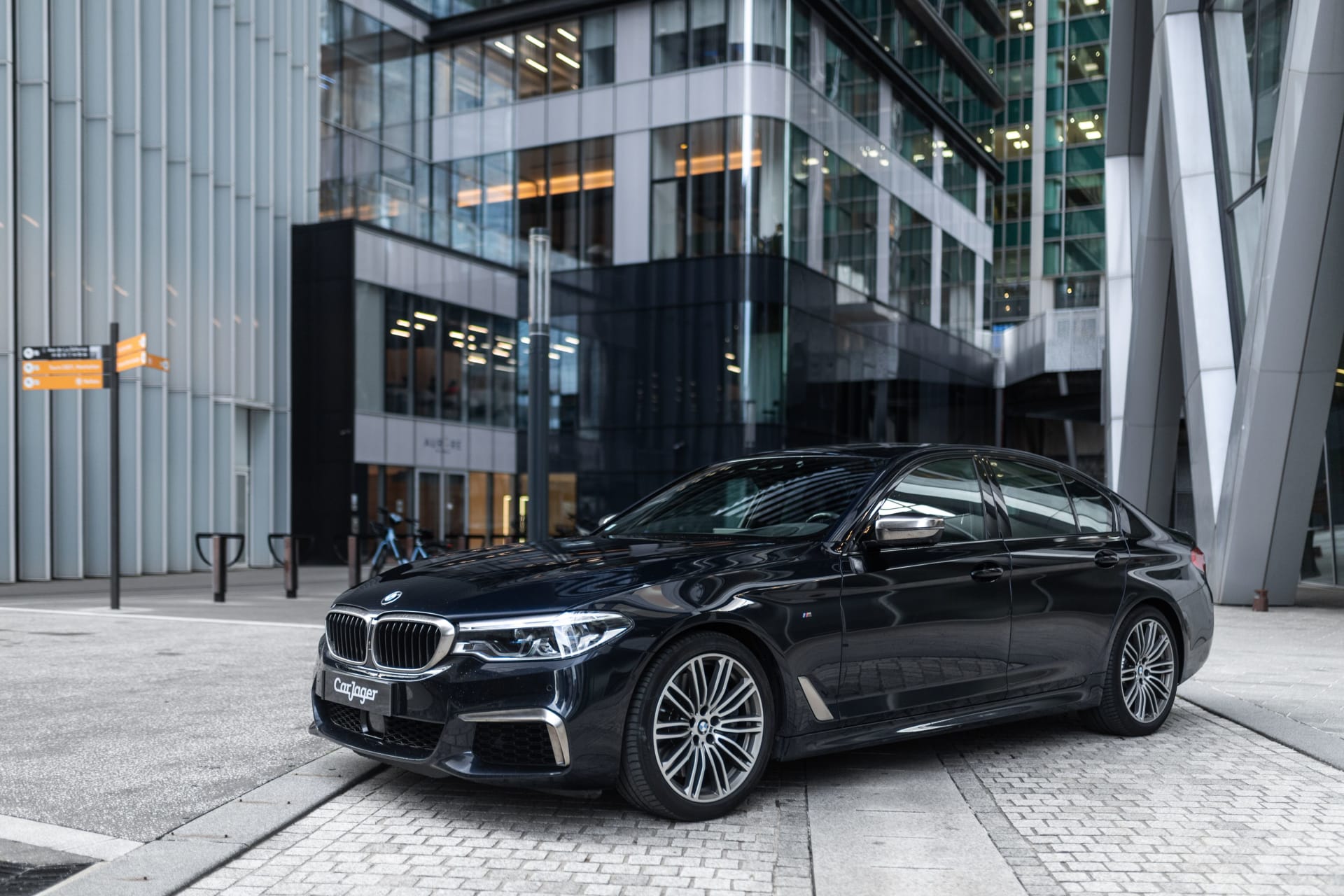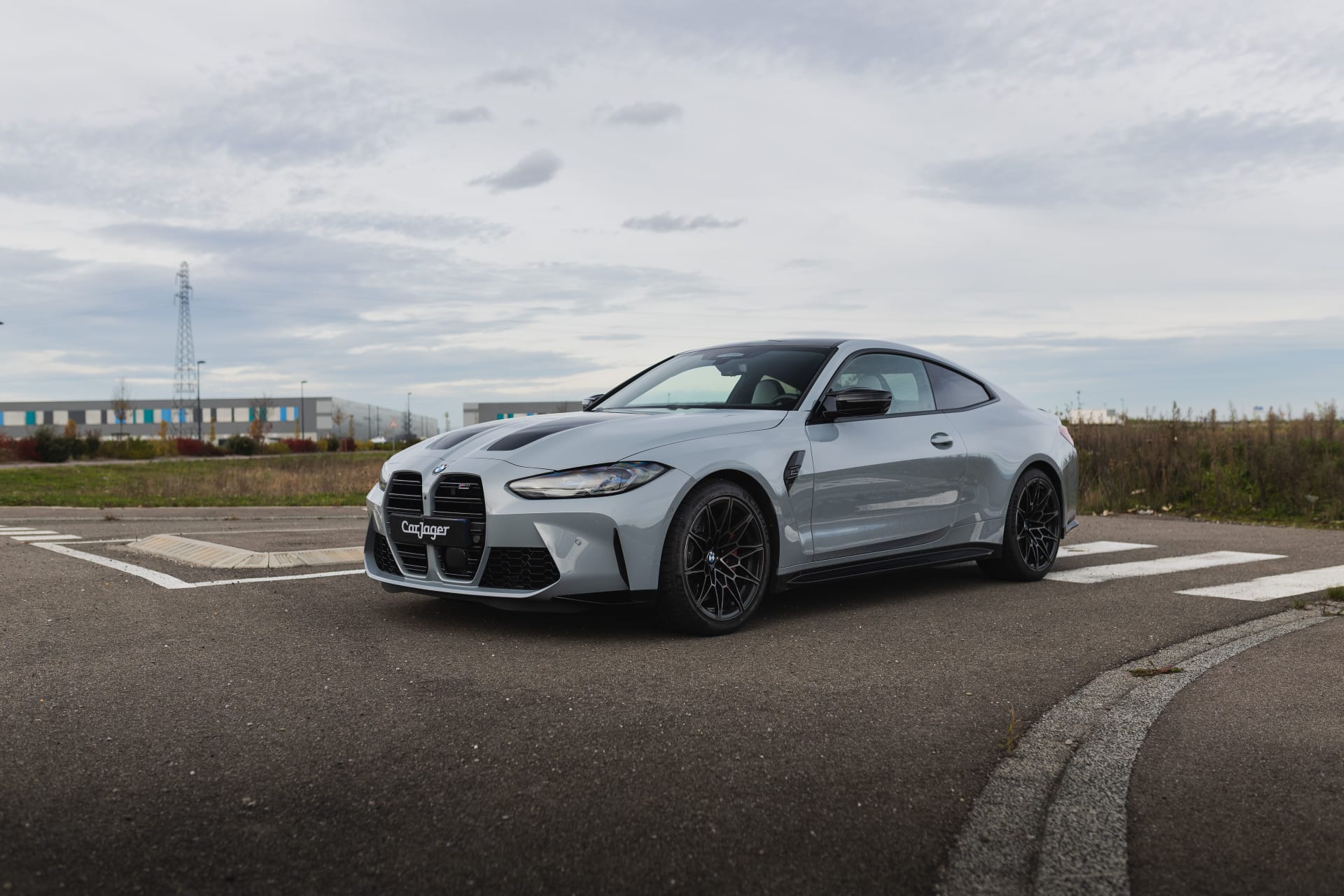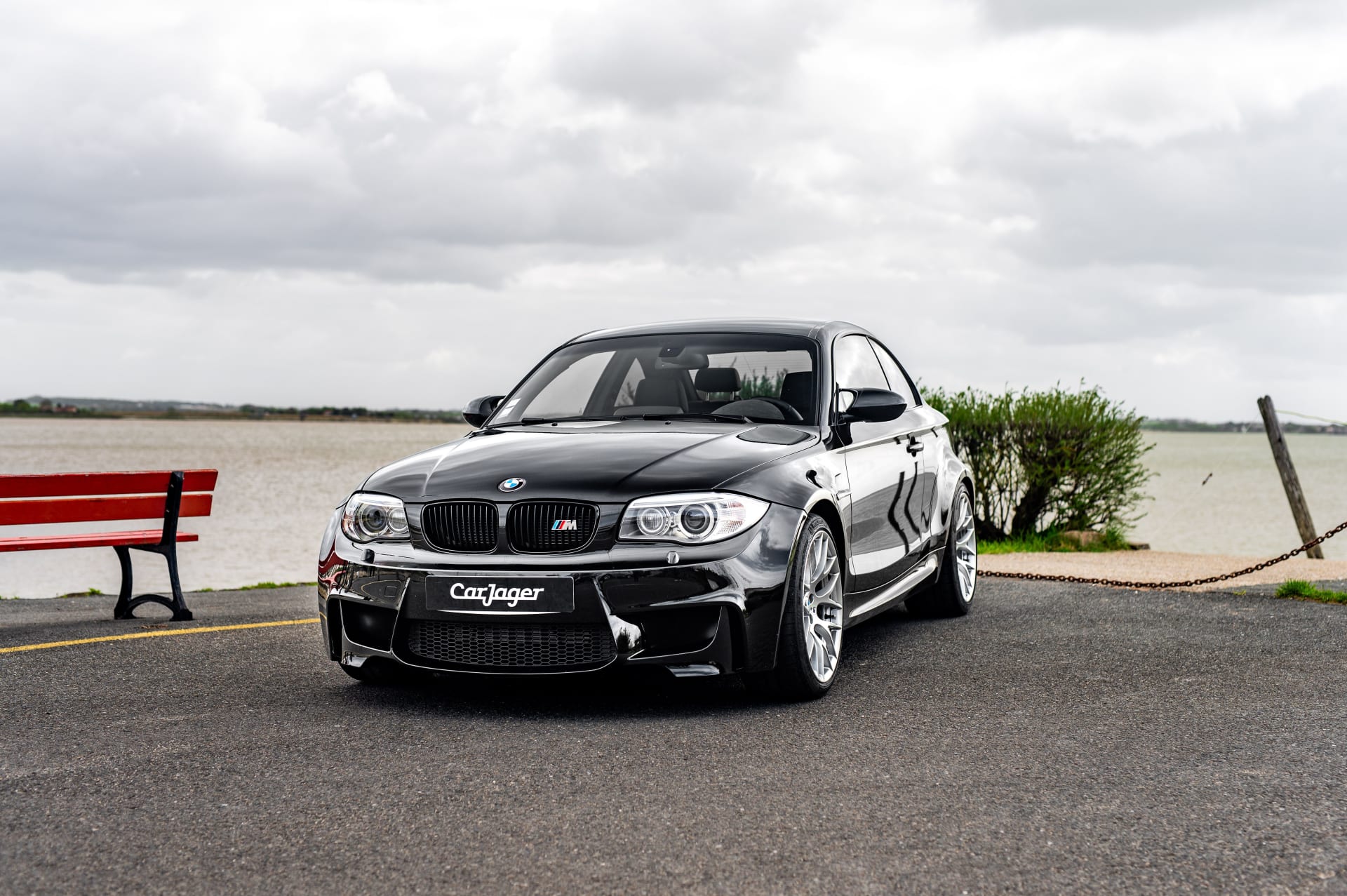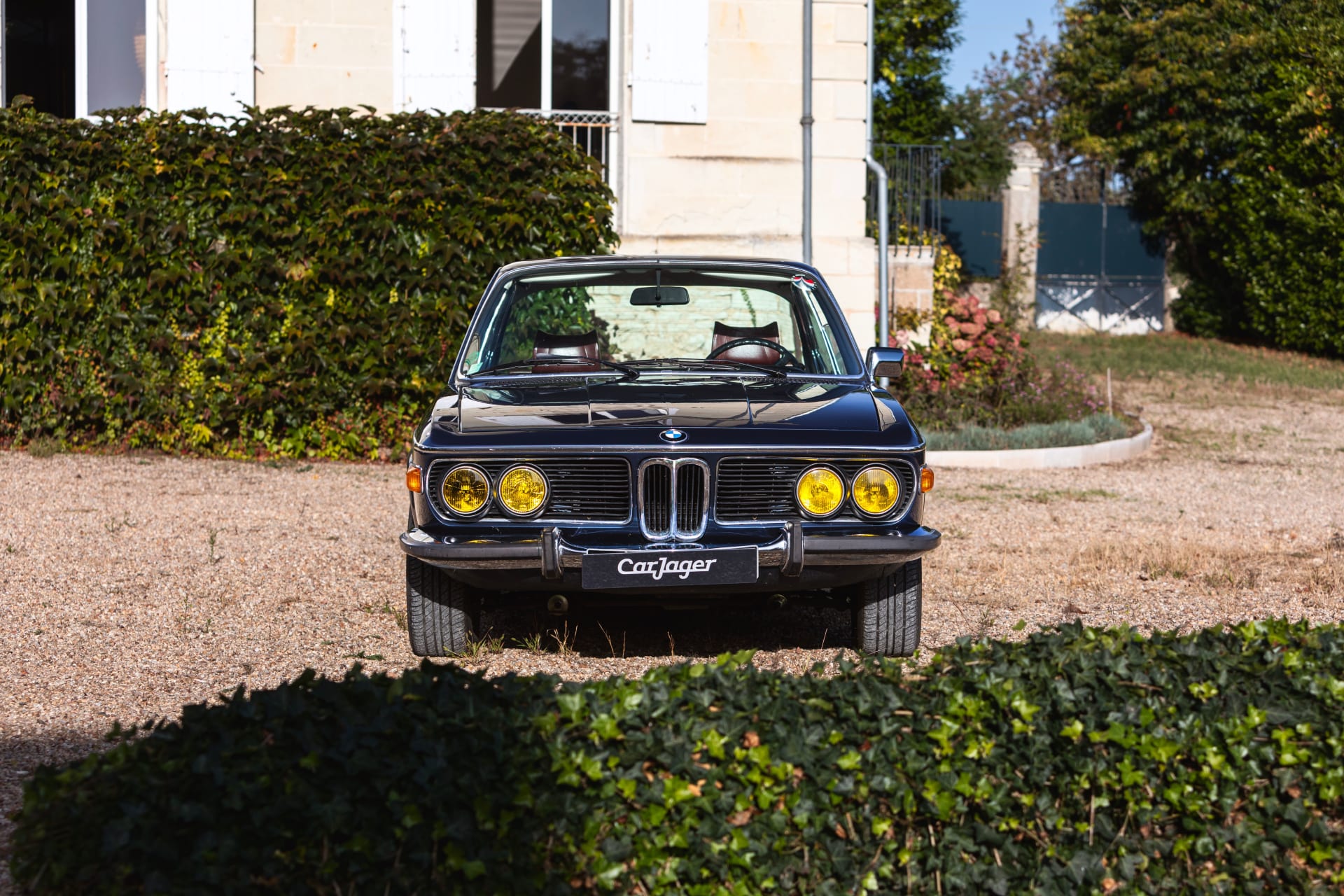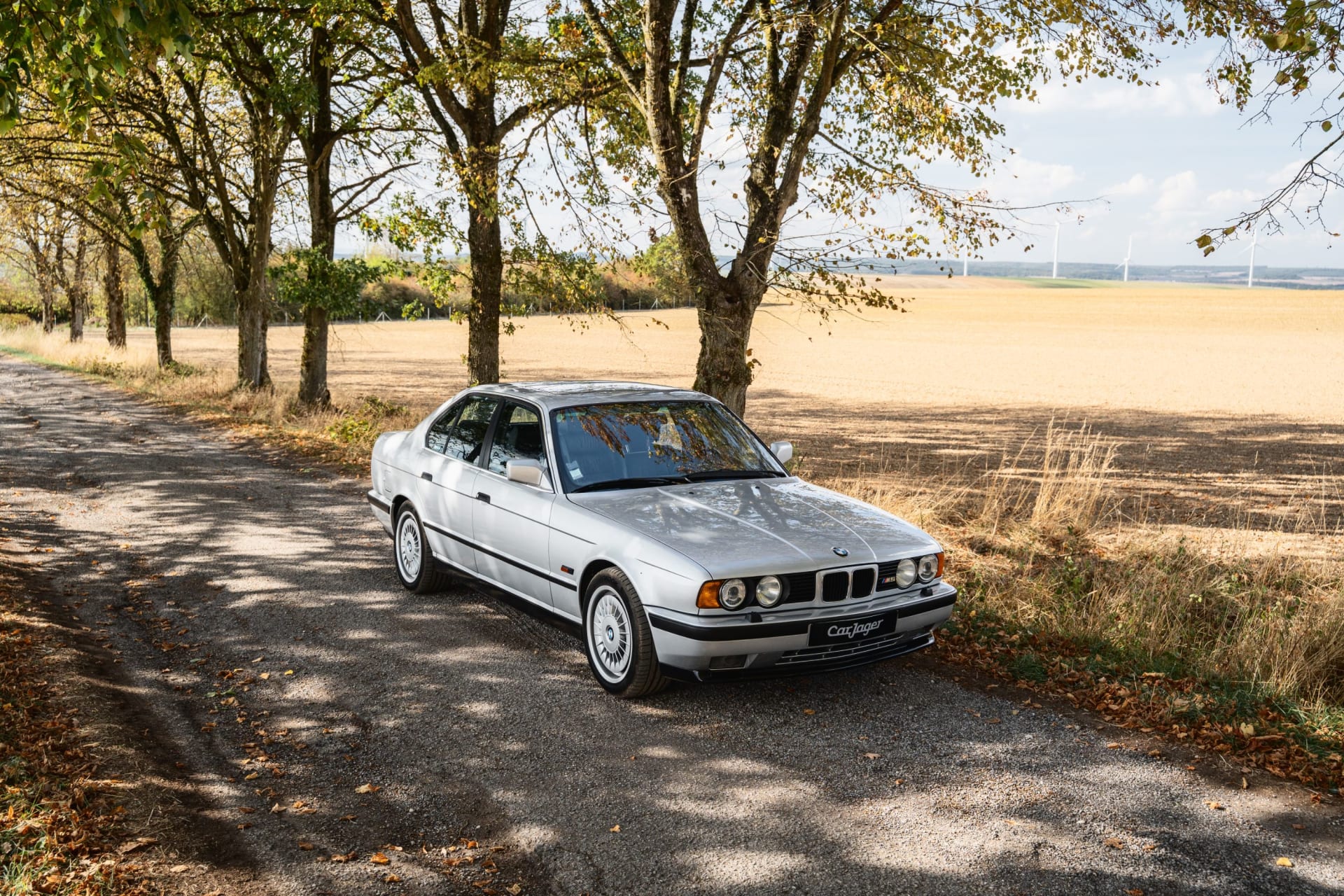
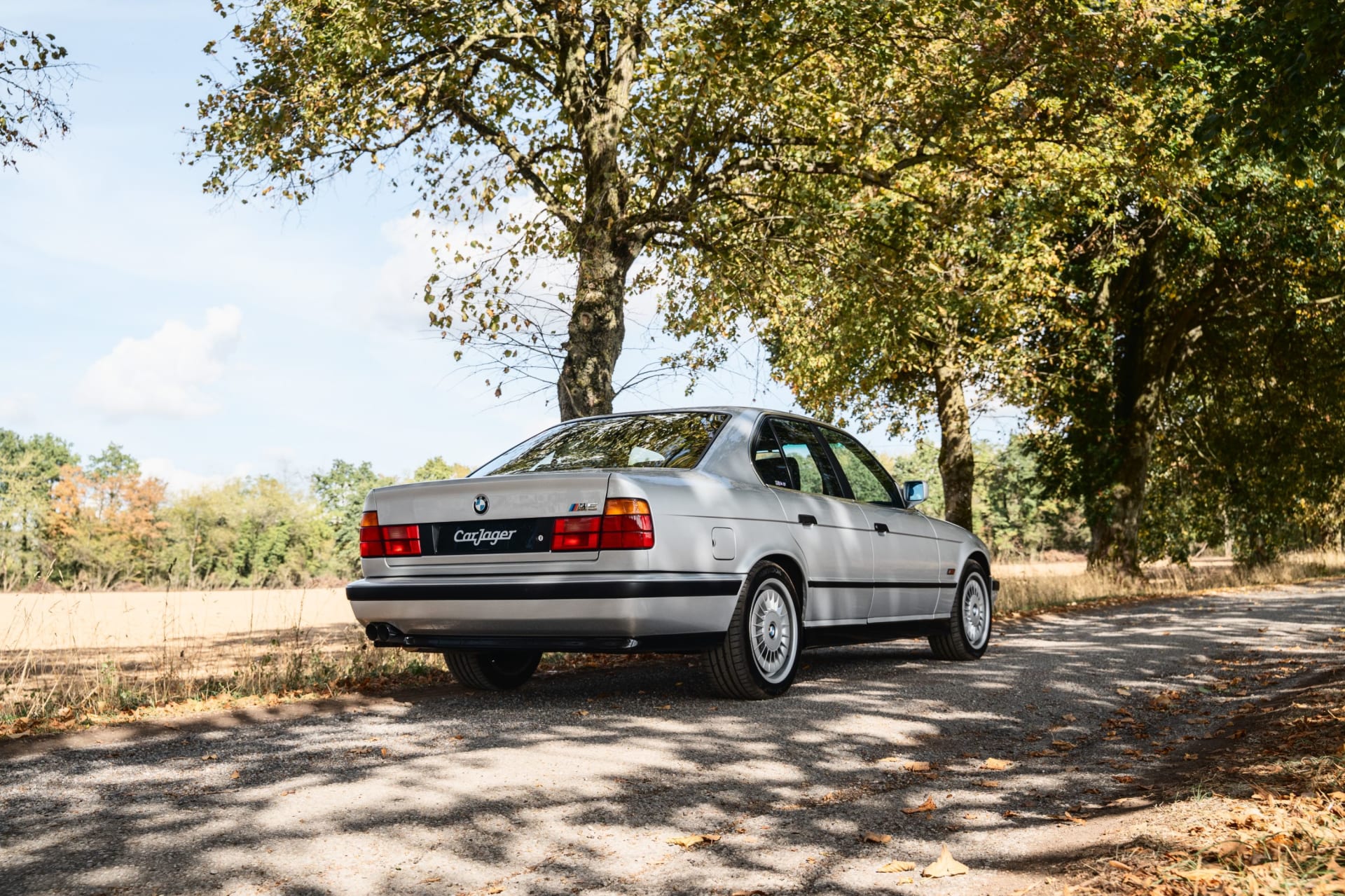
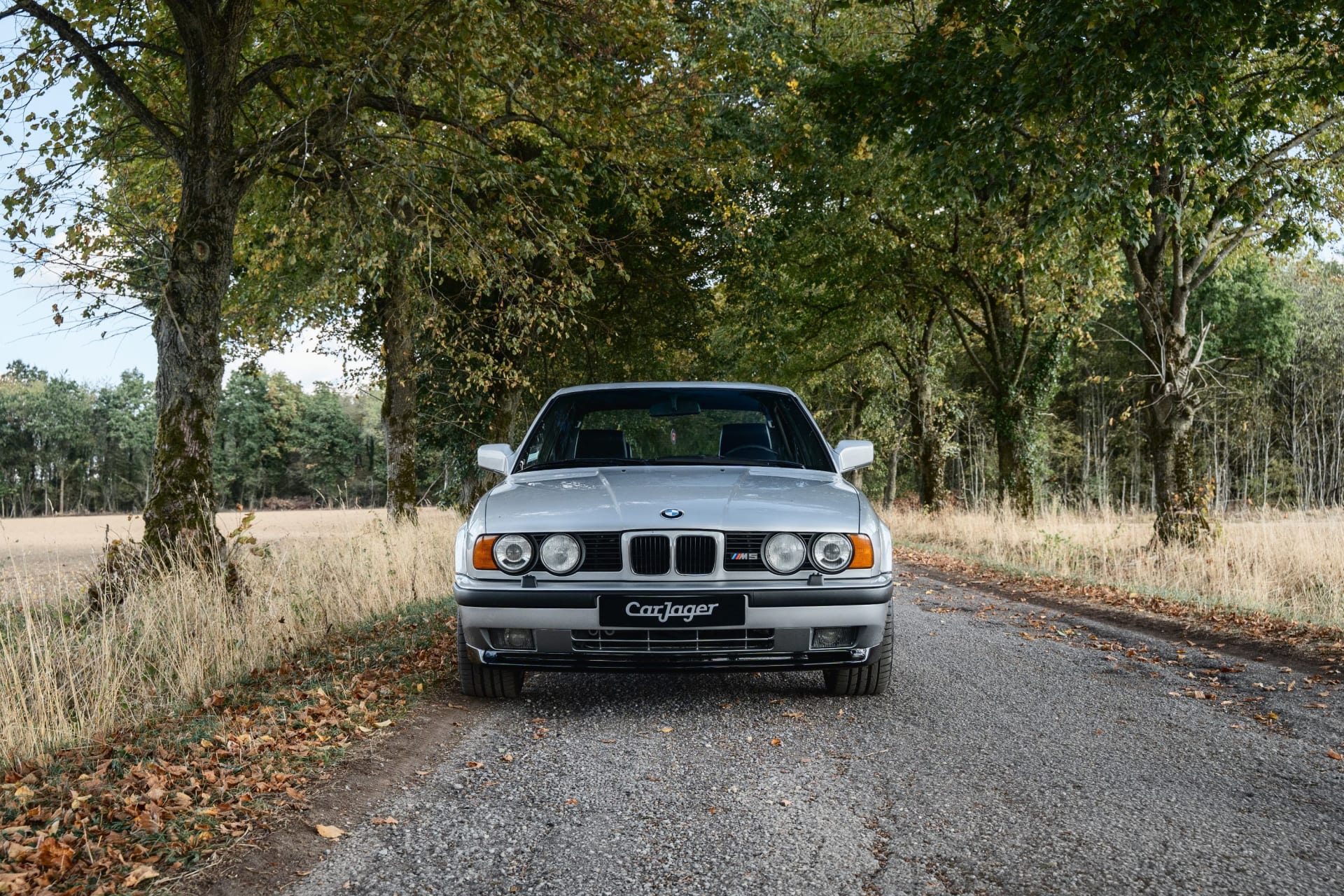
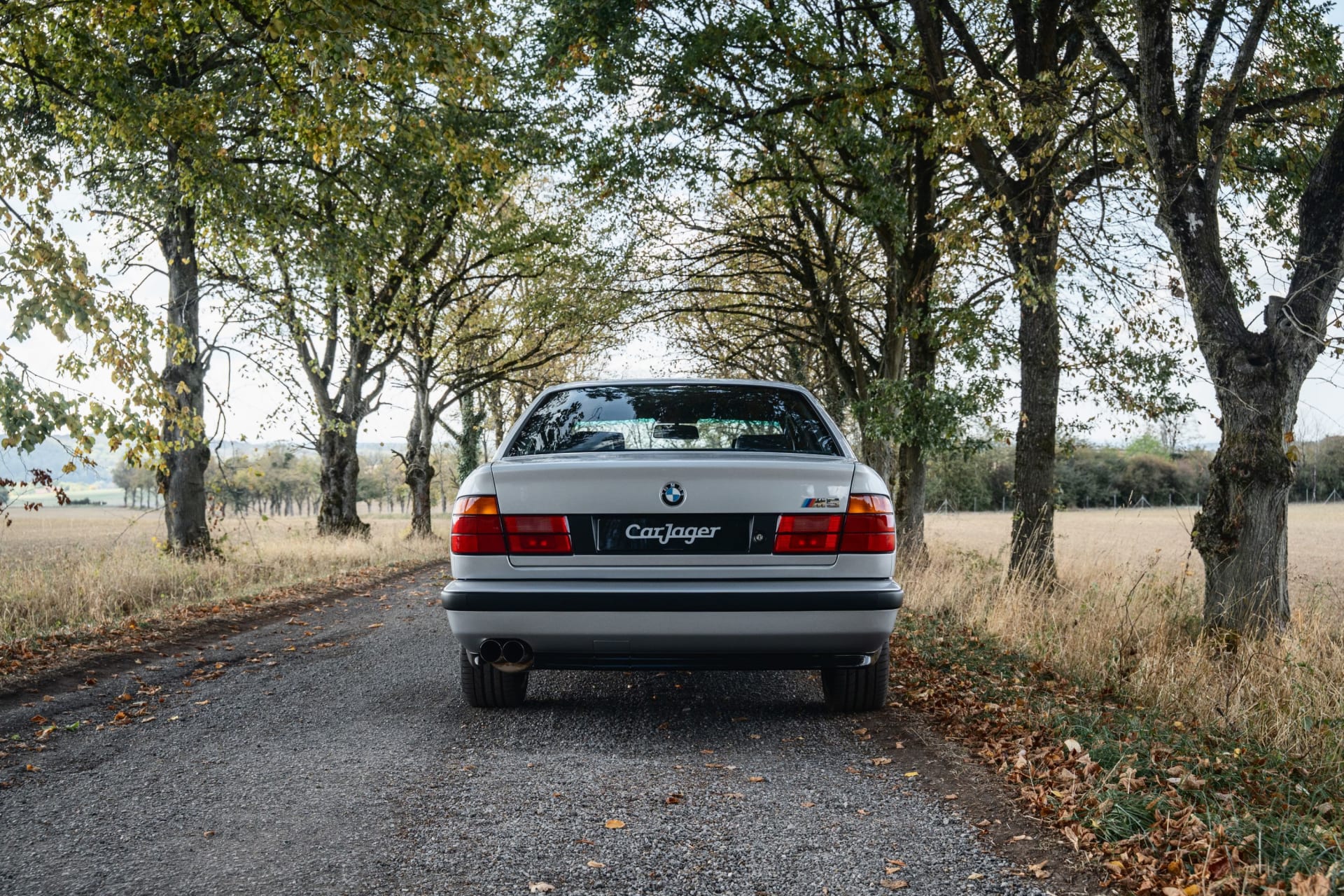
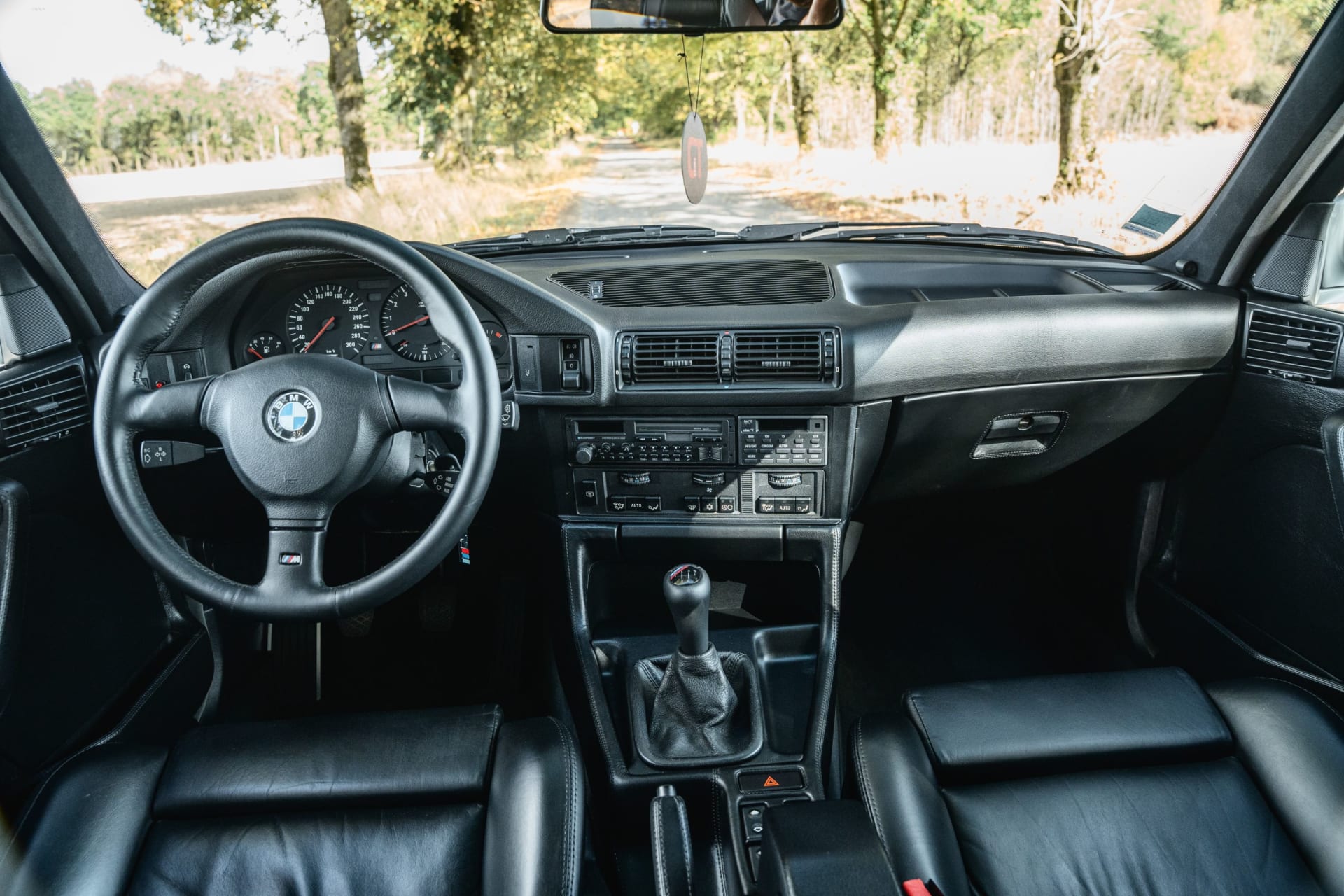

Classic BMWs hold no secrets for our Car Specialists! Whether you're looking for an M5 sedan, an M3 coupé, or a rare 3.0 CSL Batmobile, they’ll help bring your project to life.
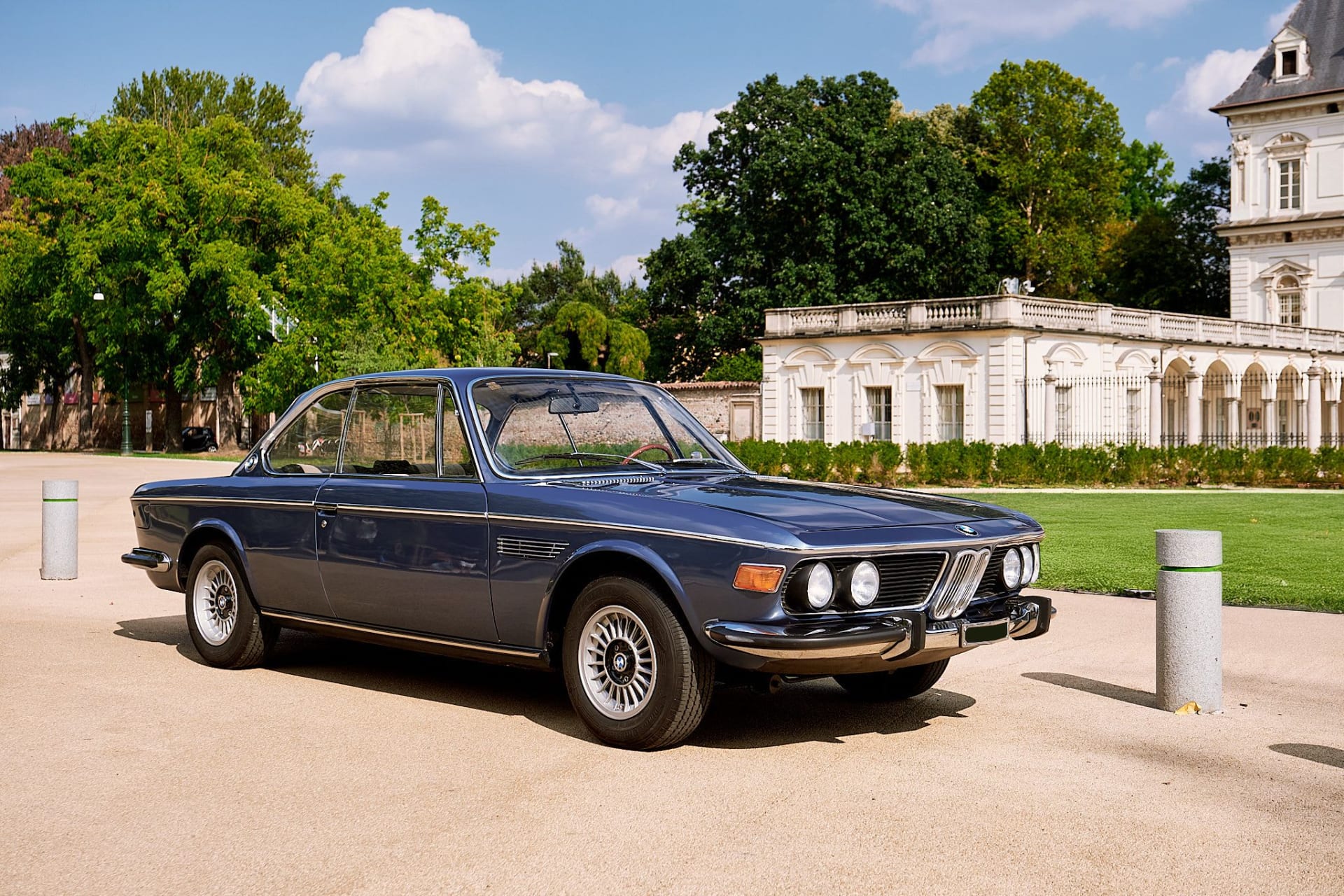
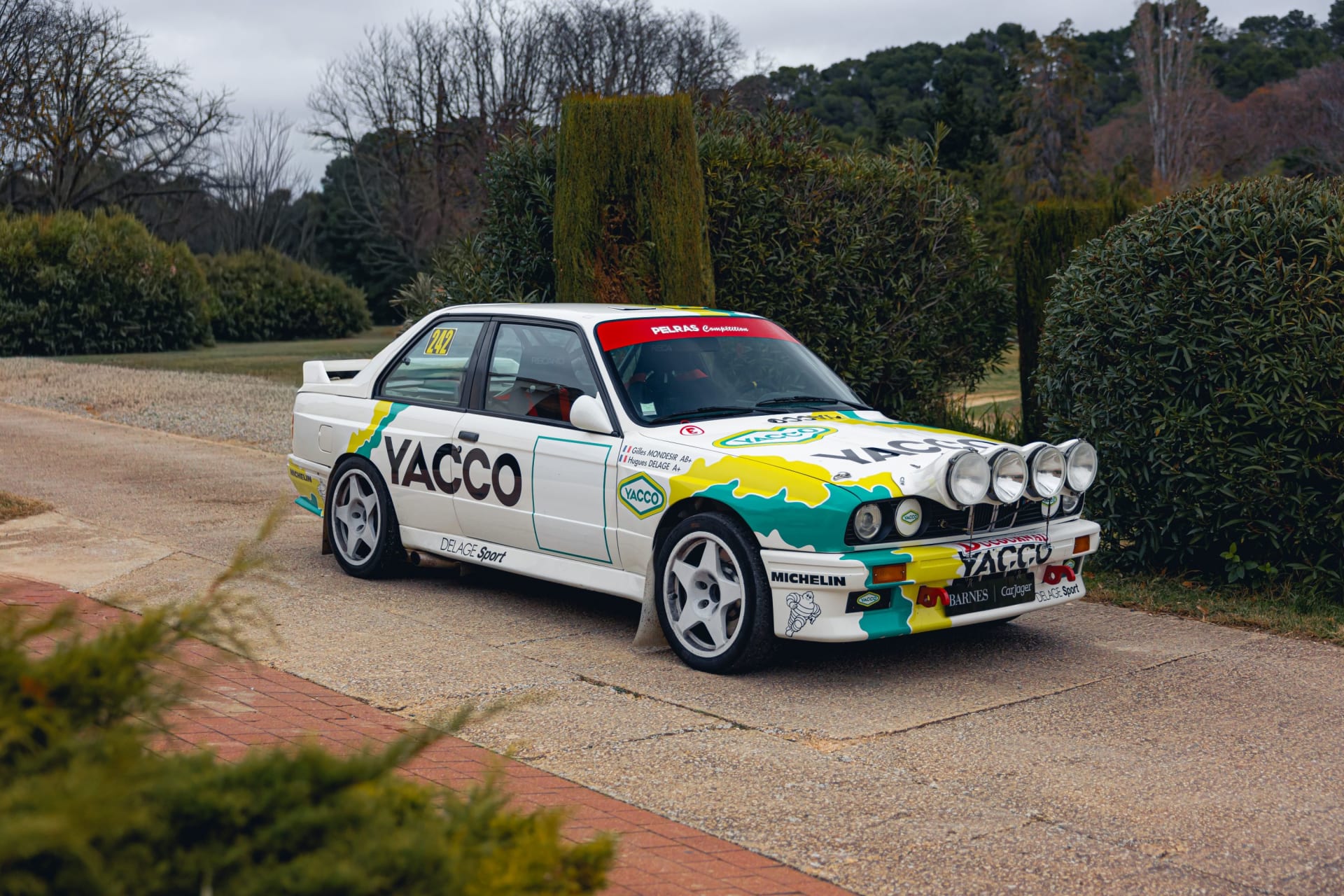
Discover our personalized search service and access our network of 32,000 enthusiasts. Start your search now, your next adventure begins here.
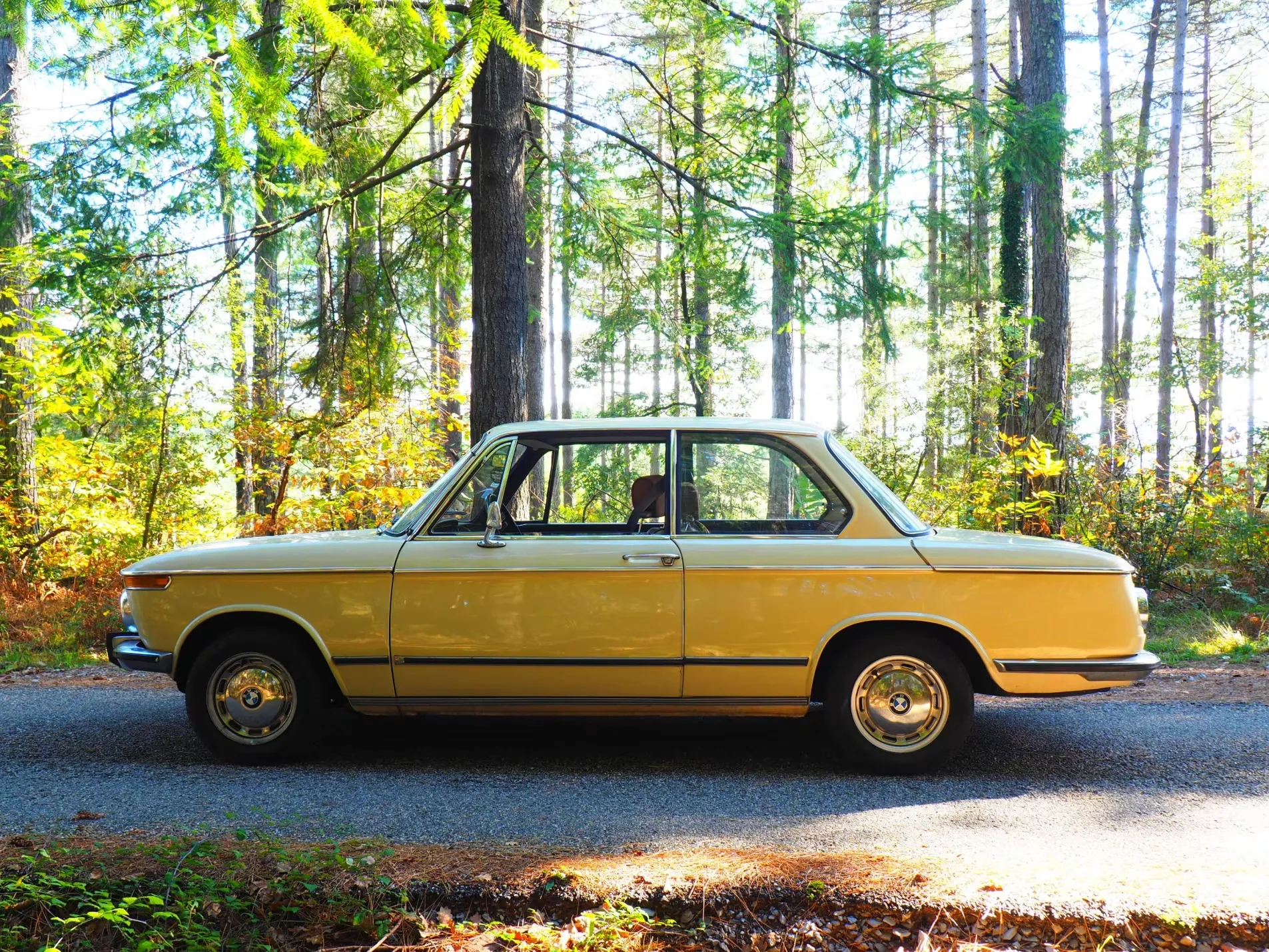
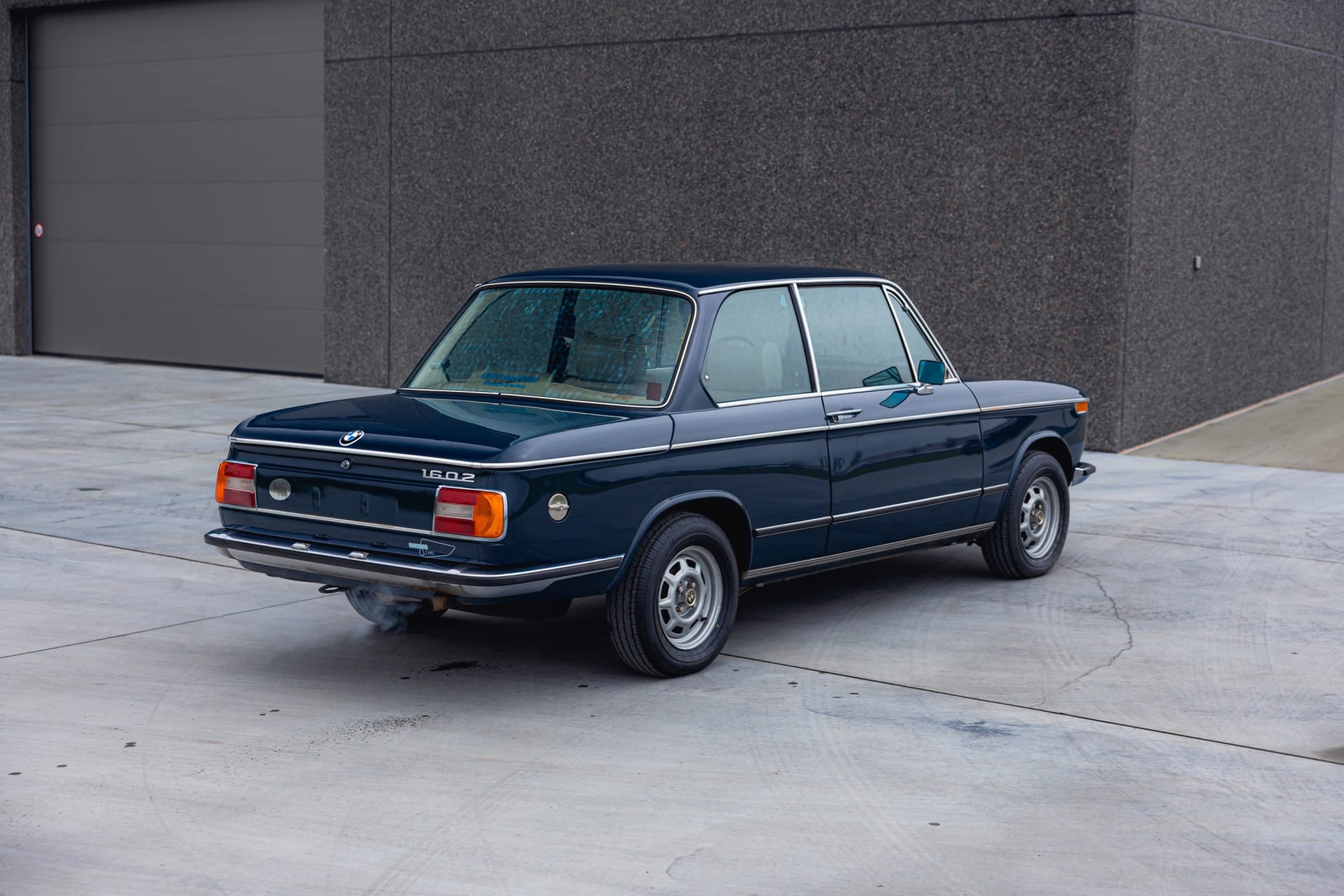
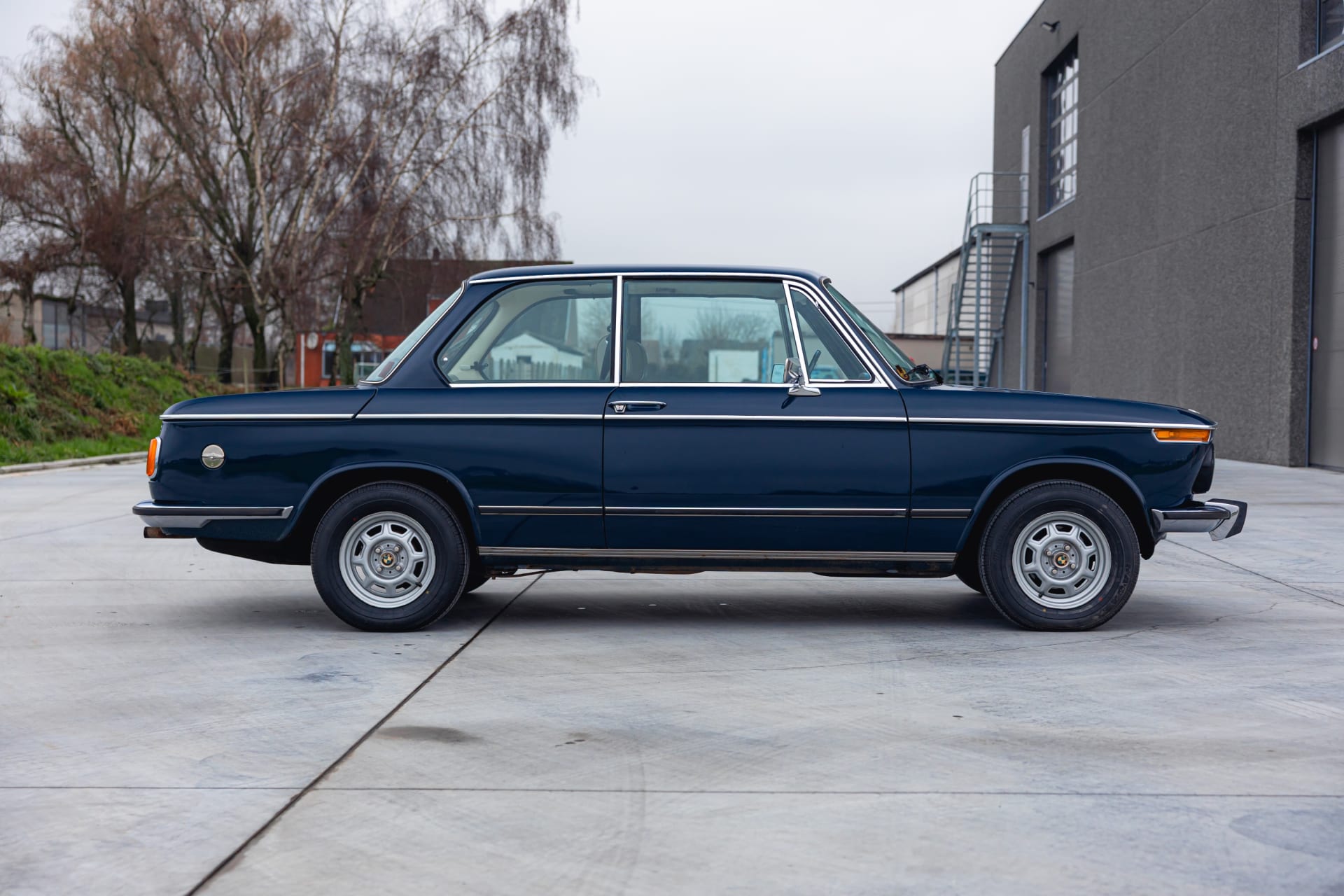
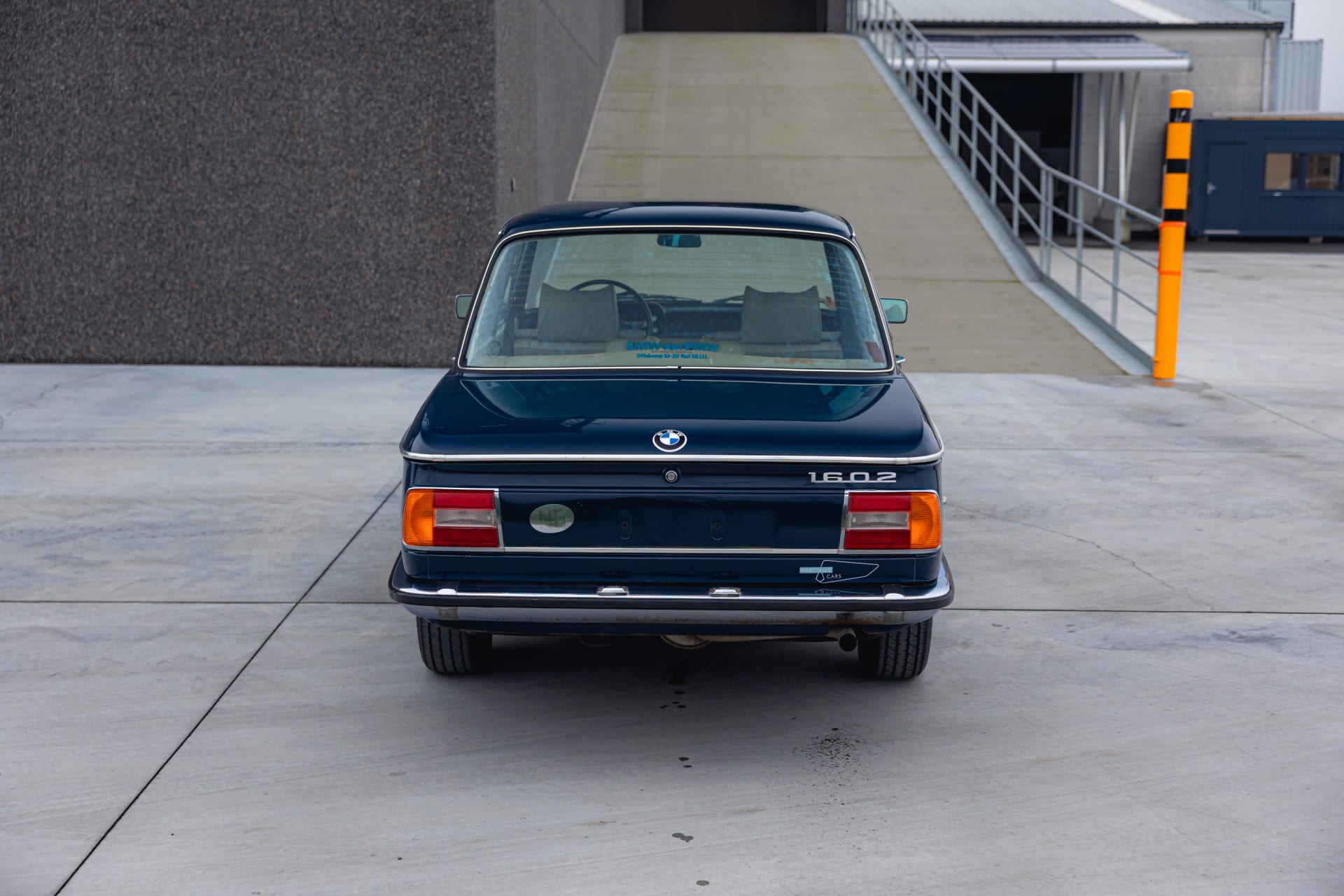
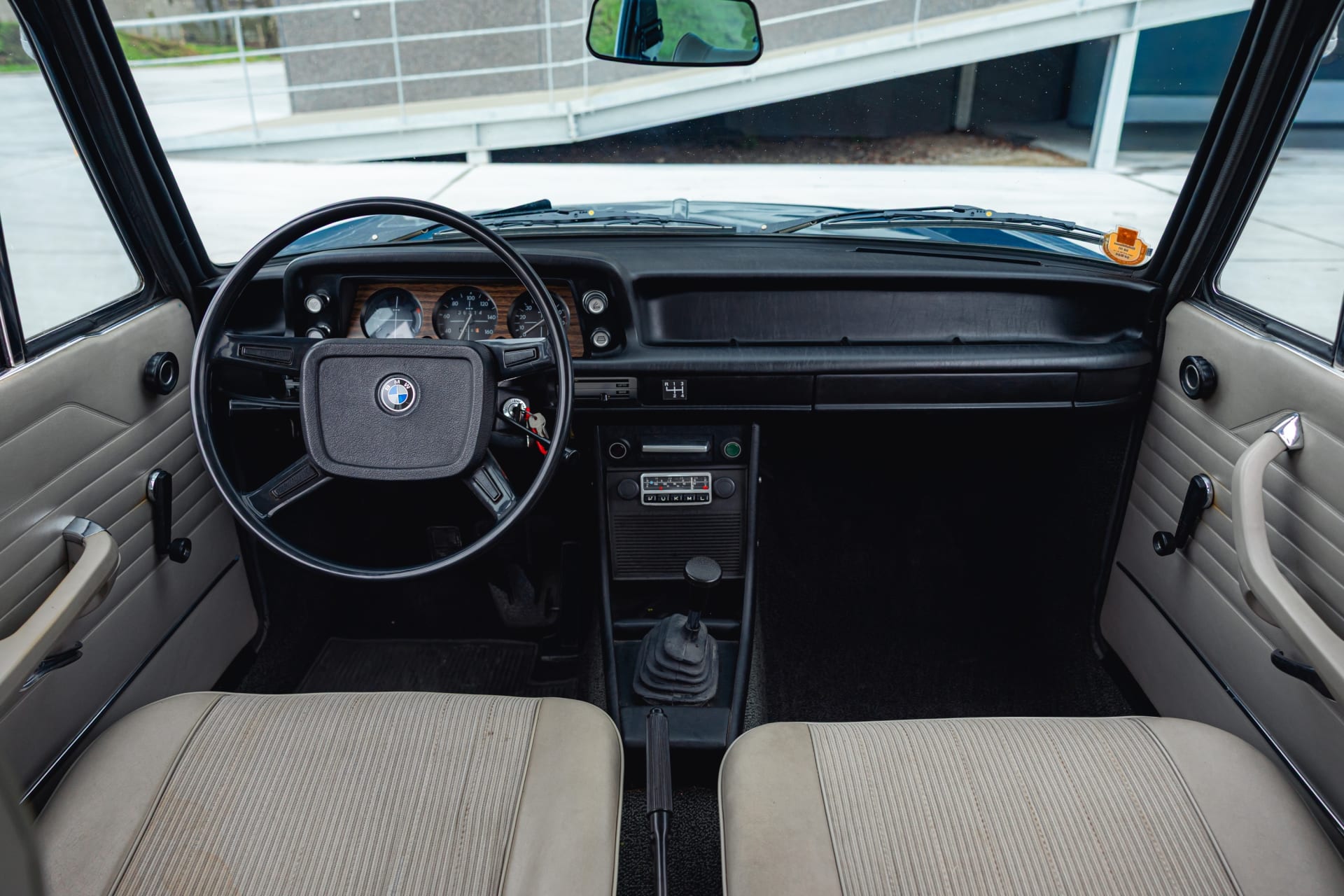
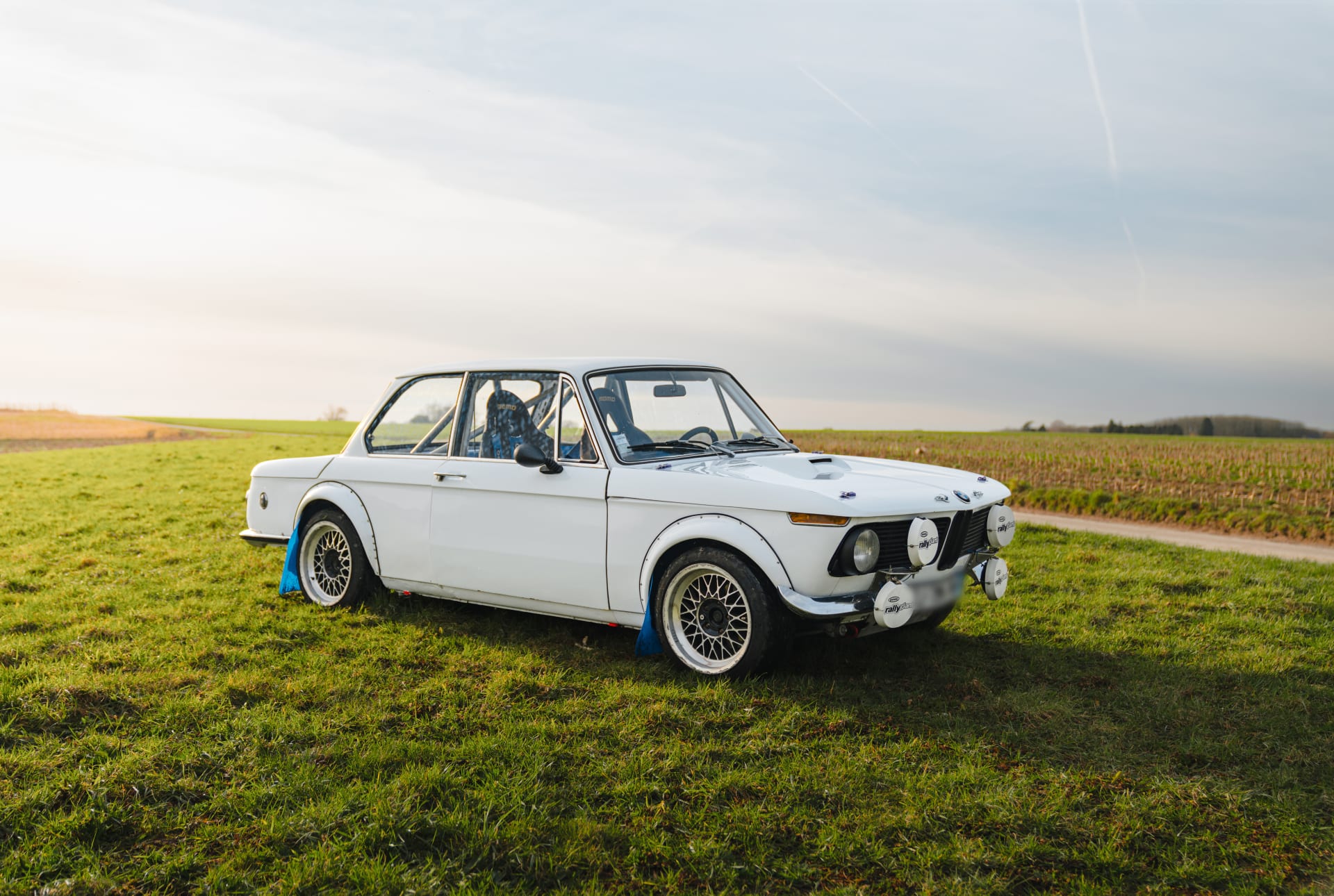
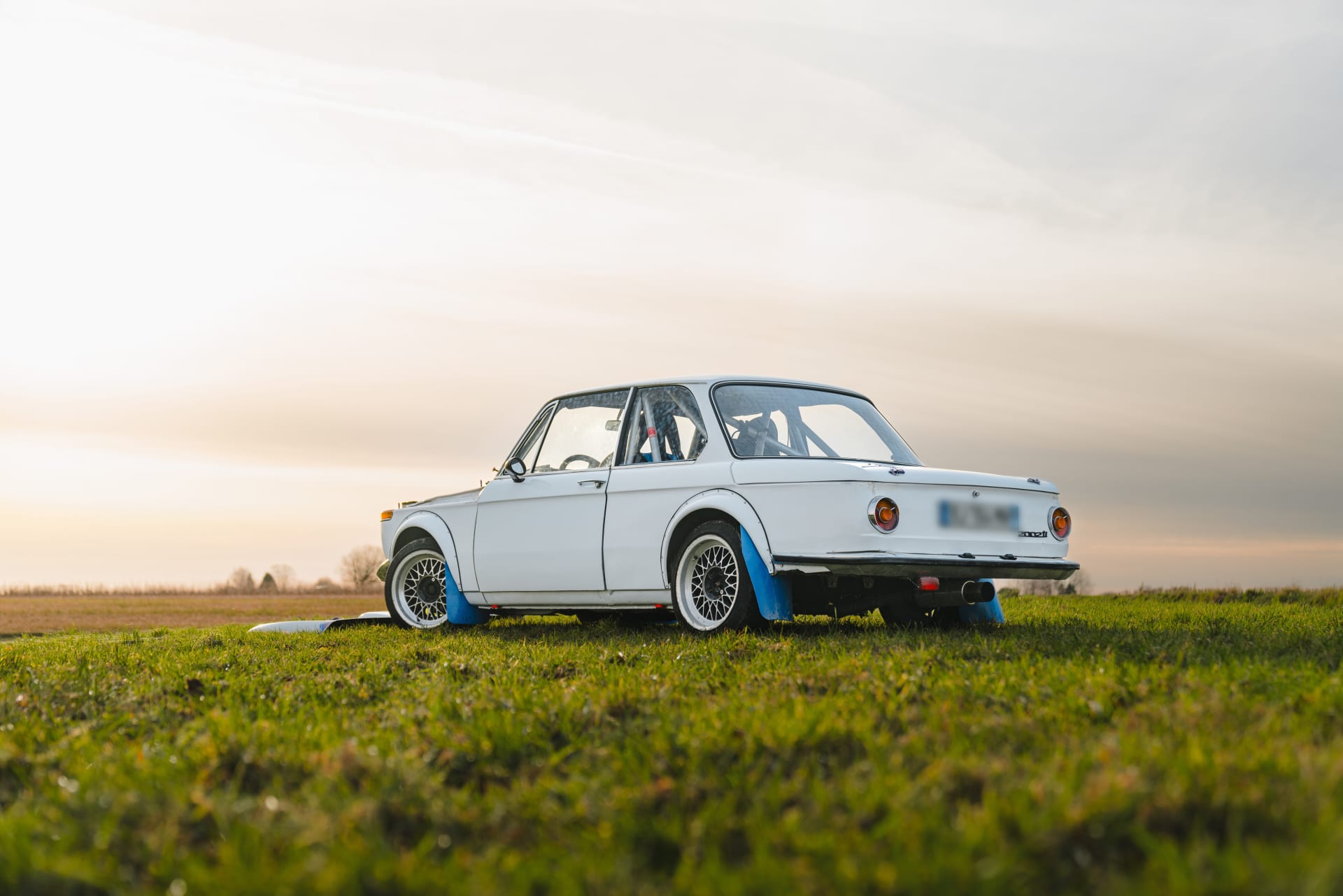
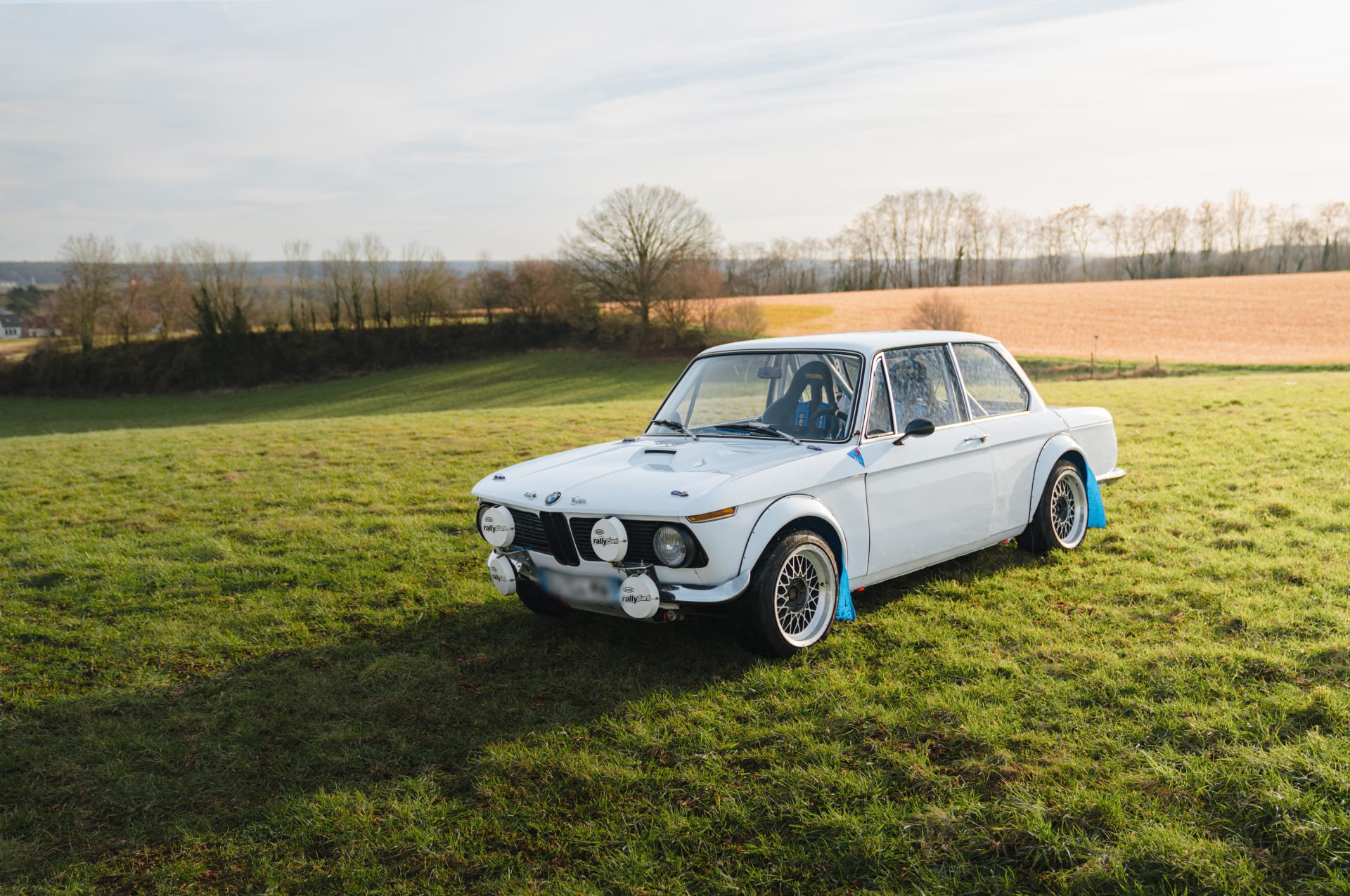
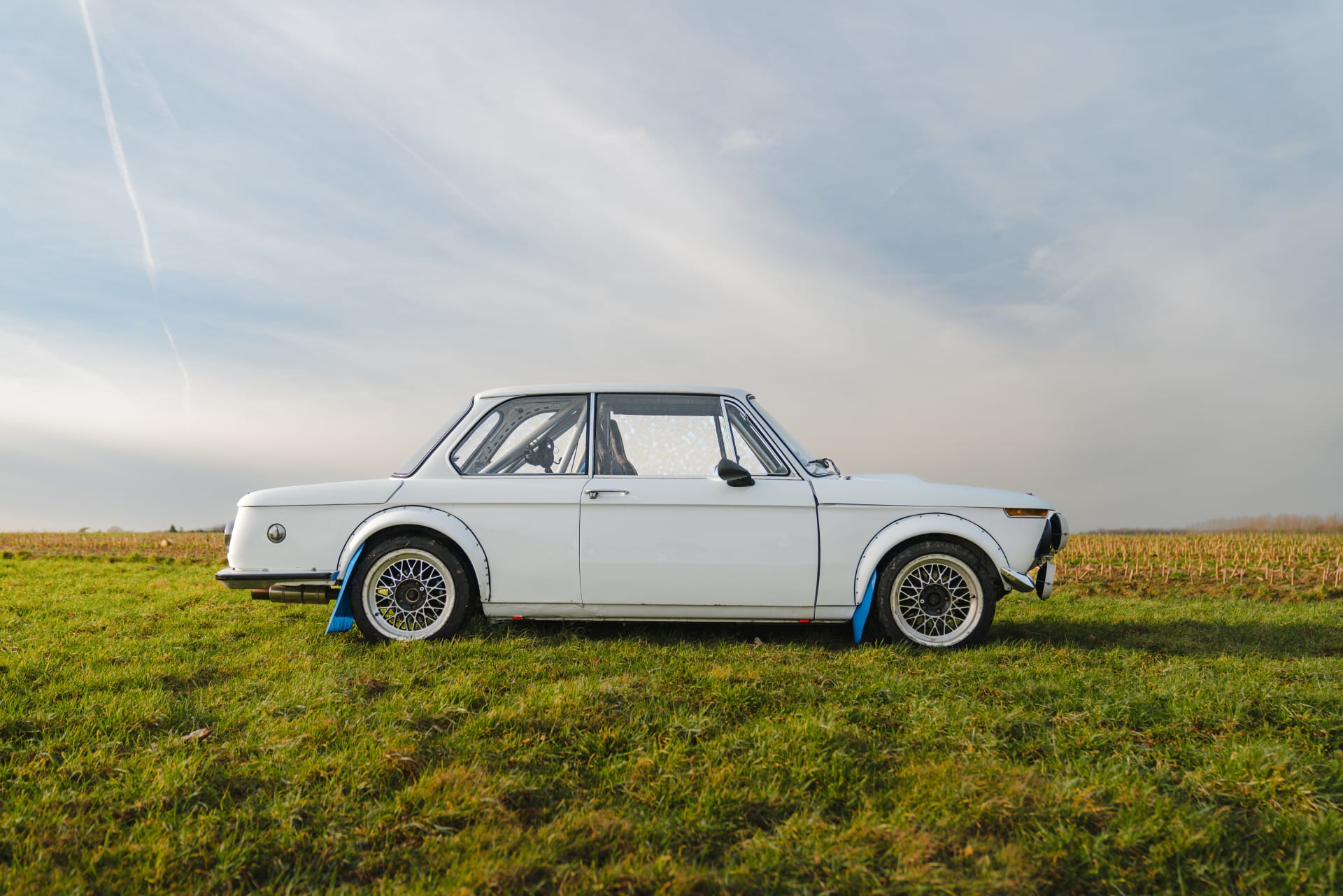
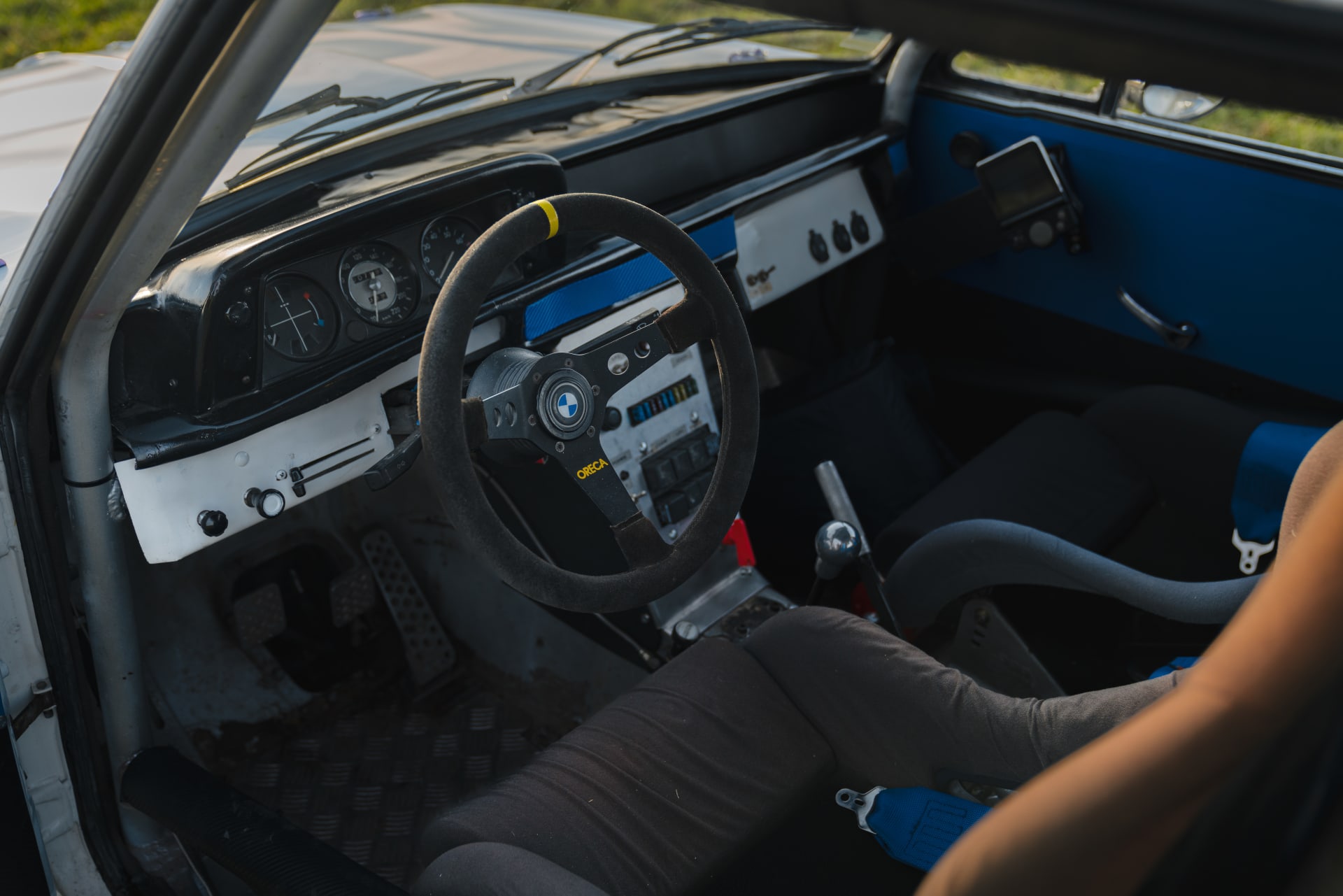
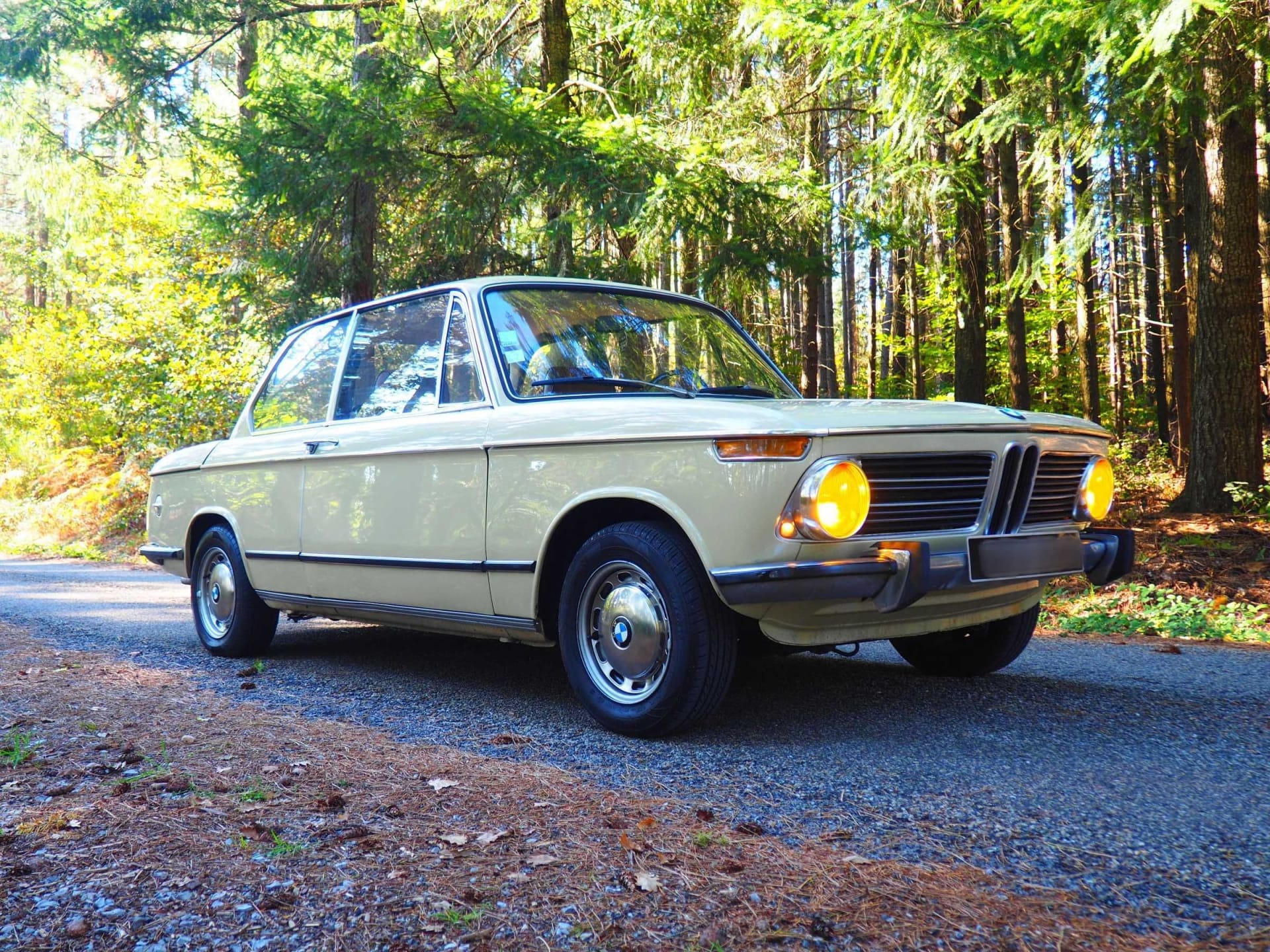
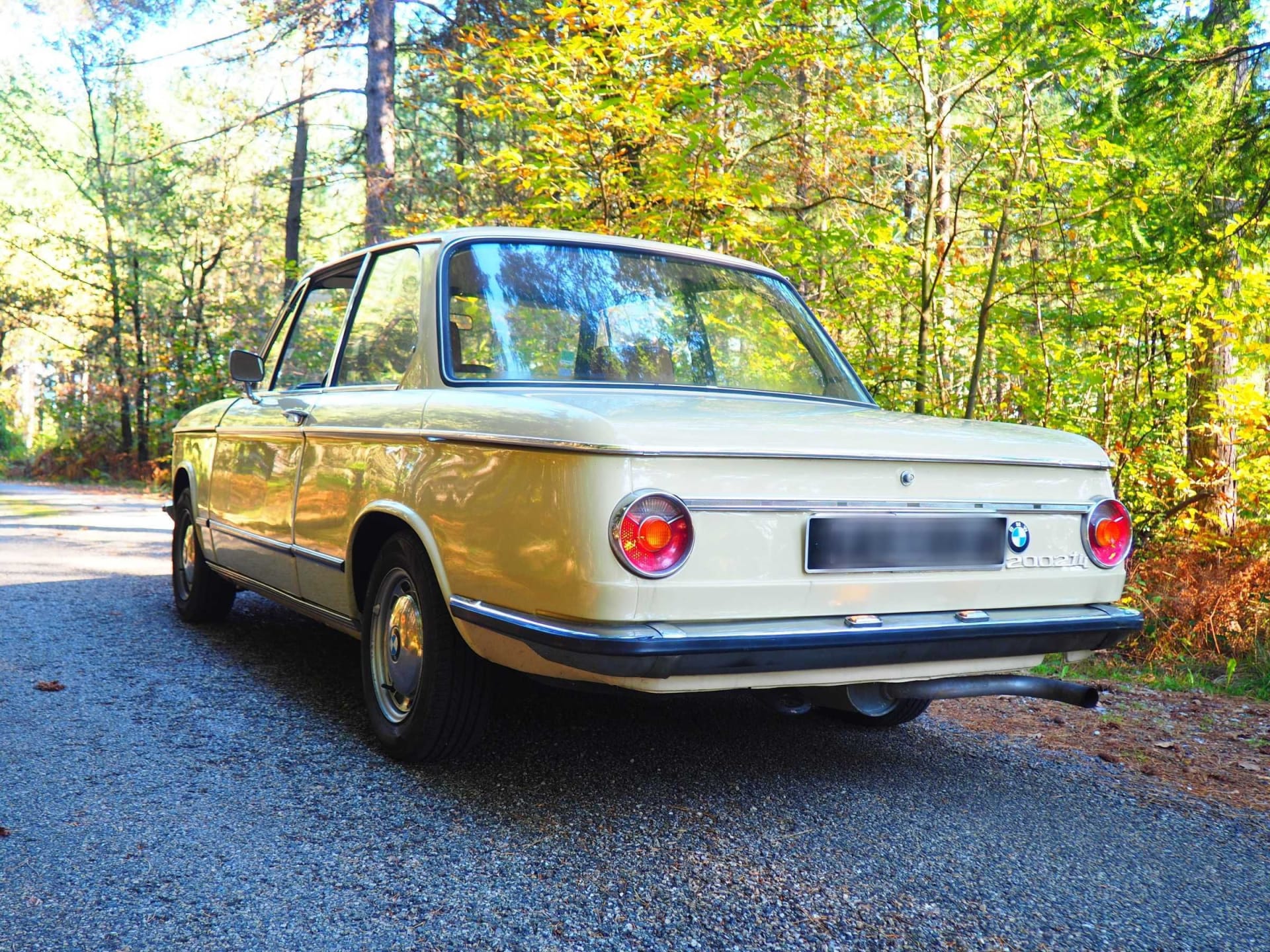
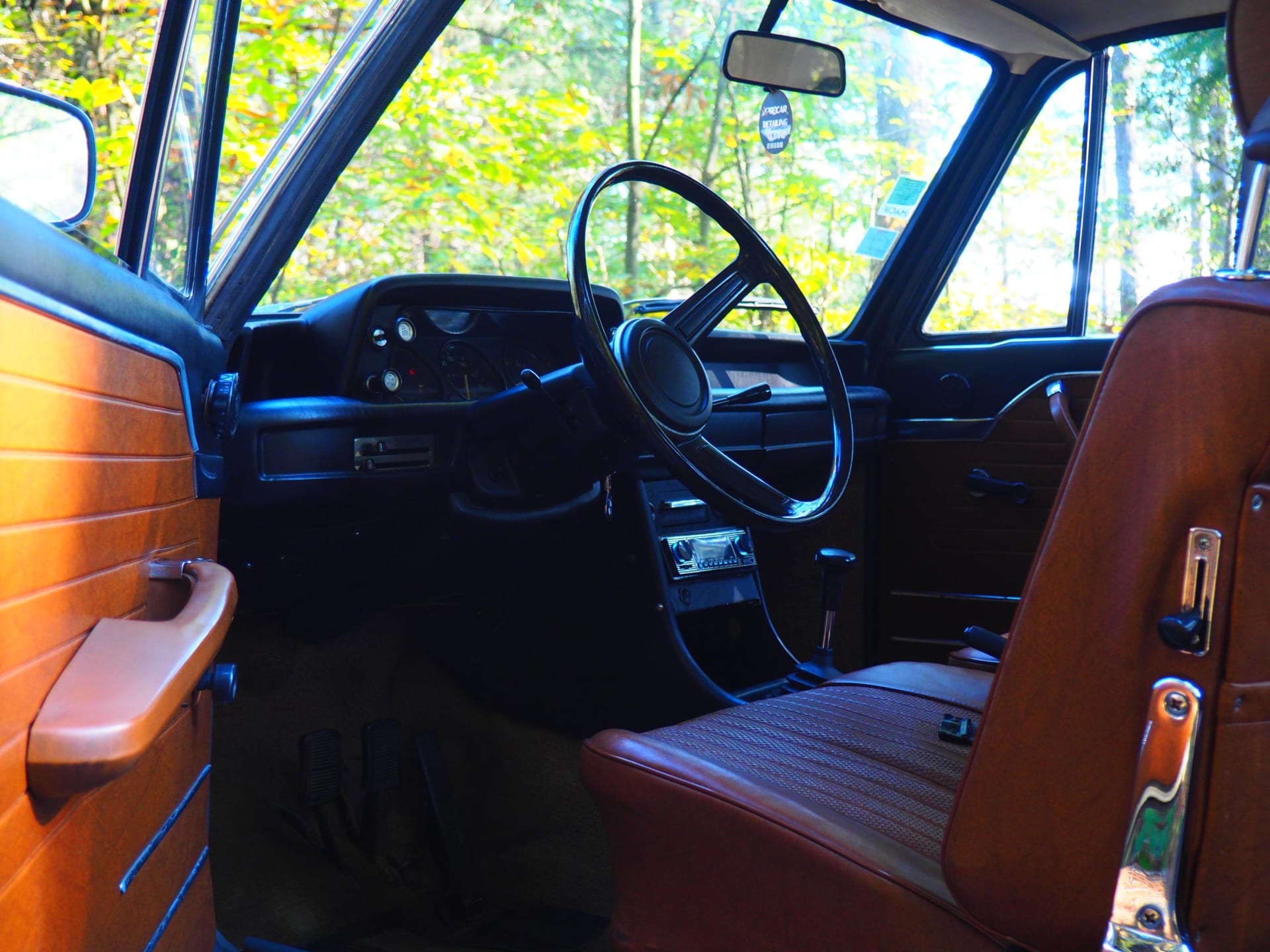
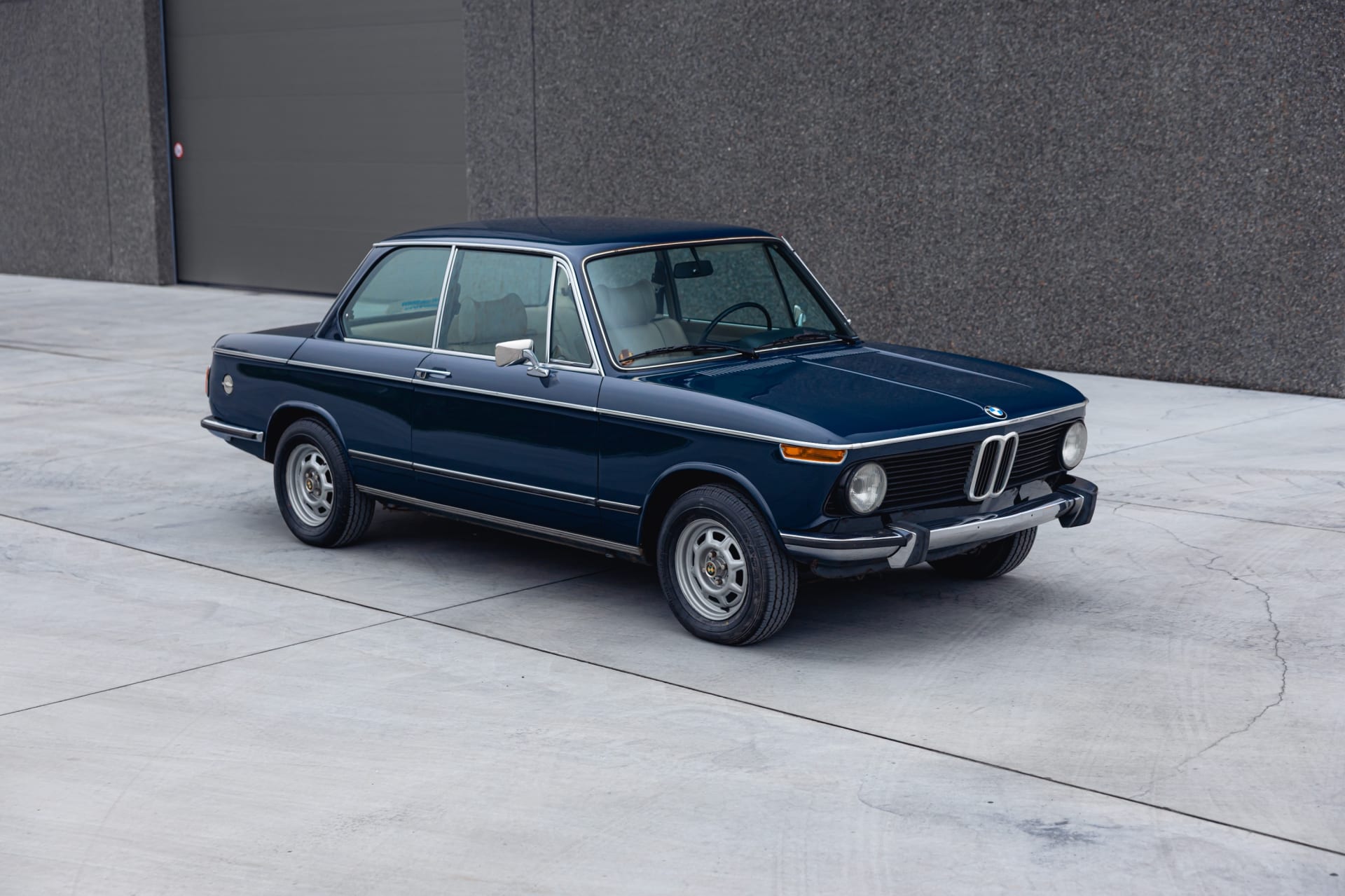
Derived from the Neue Klasse sedan introduced in 1961, the 02 Series made its debut five years later. An archetype of the compact sports car, it peaked with the 1973 Turbo version.
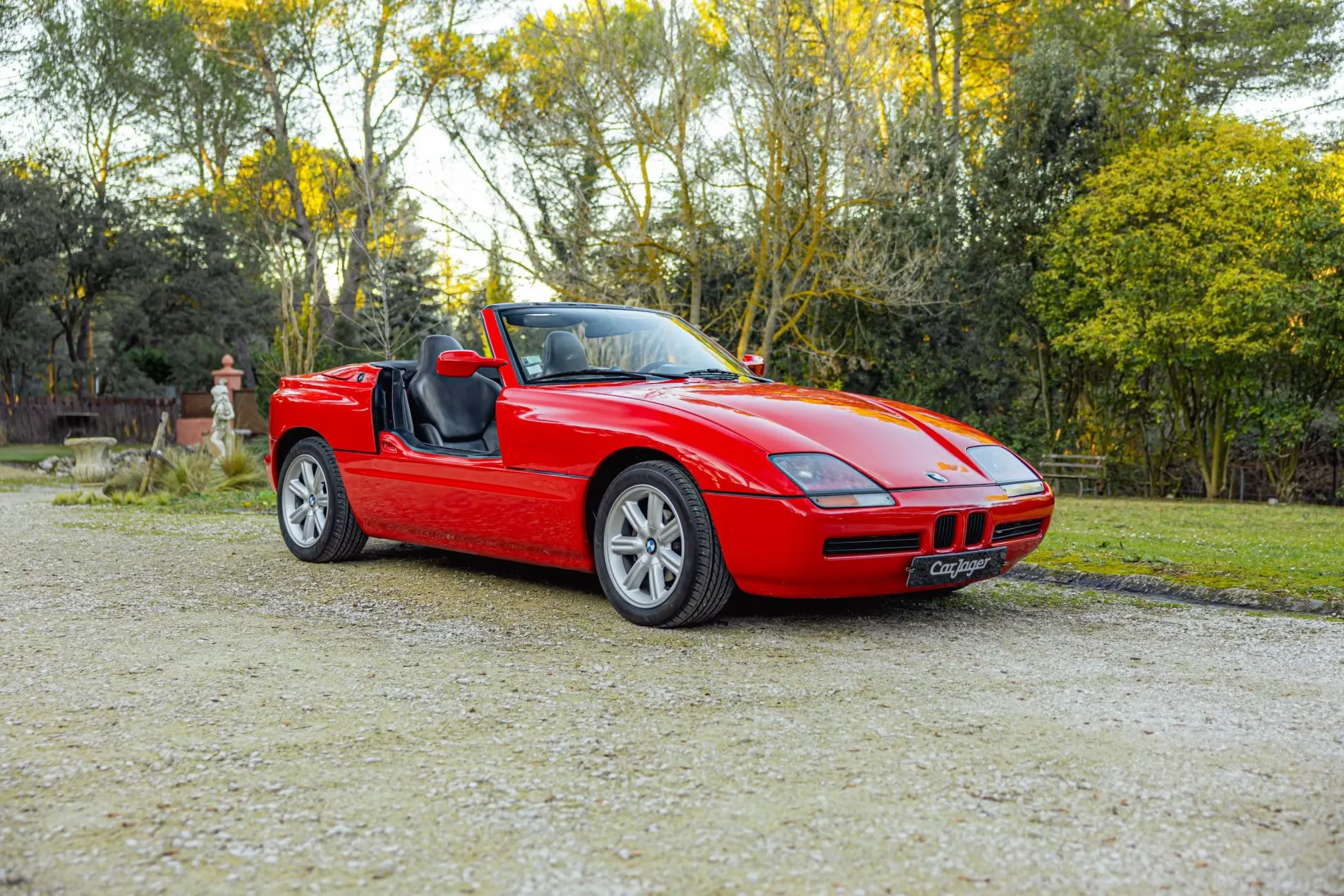
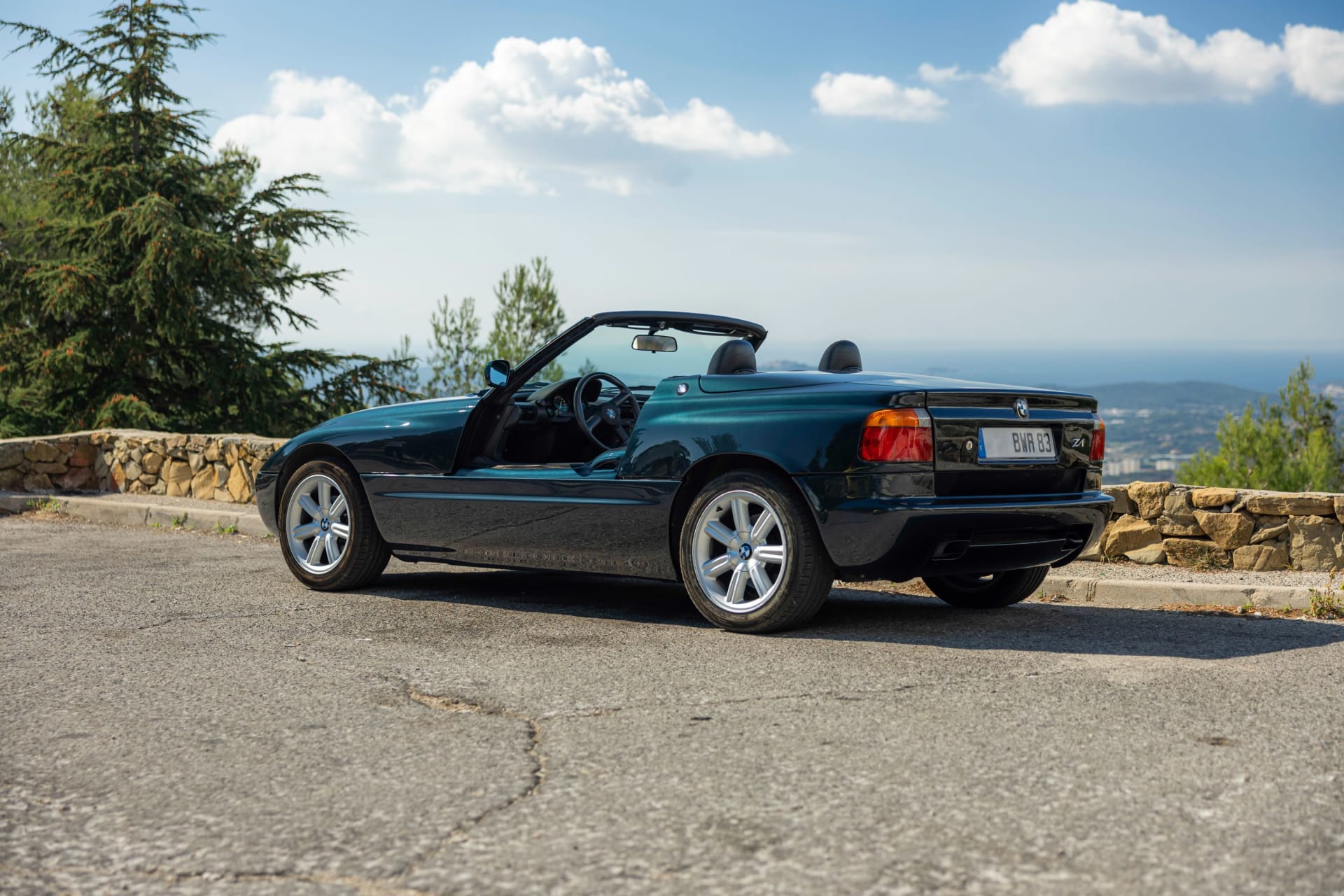
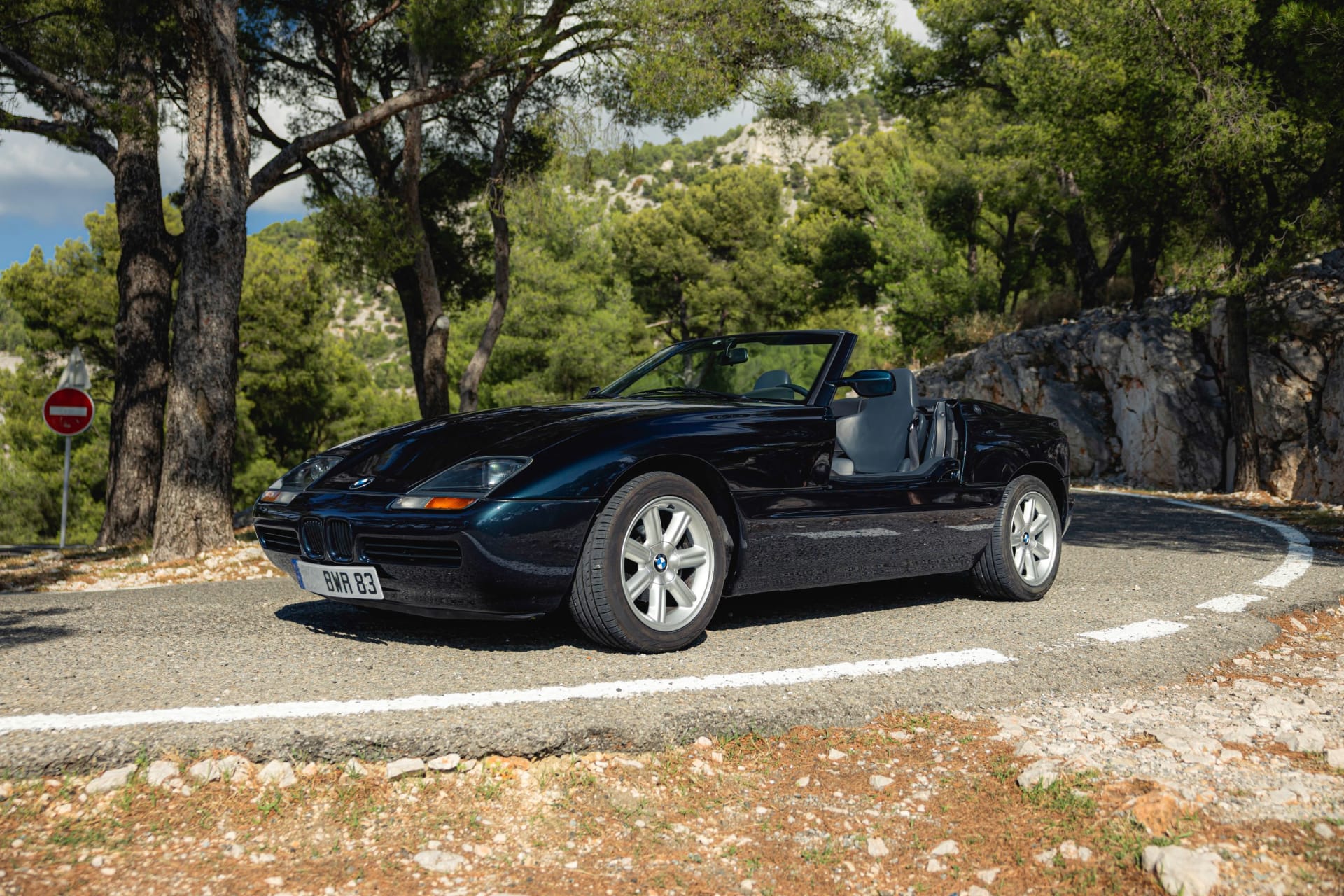
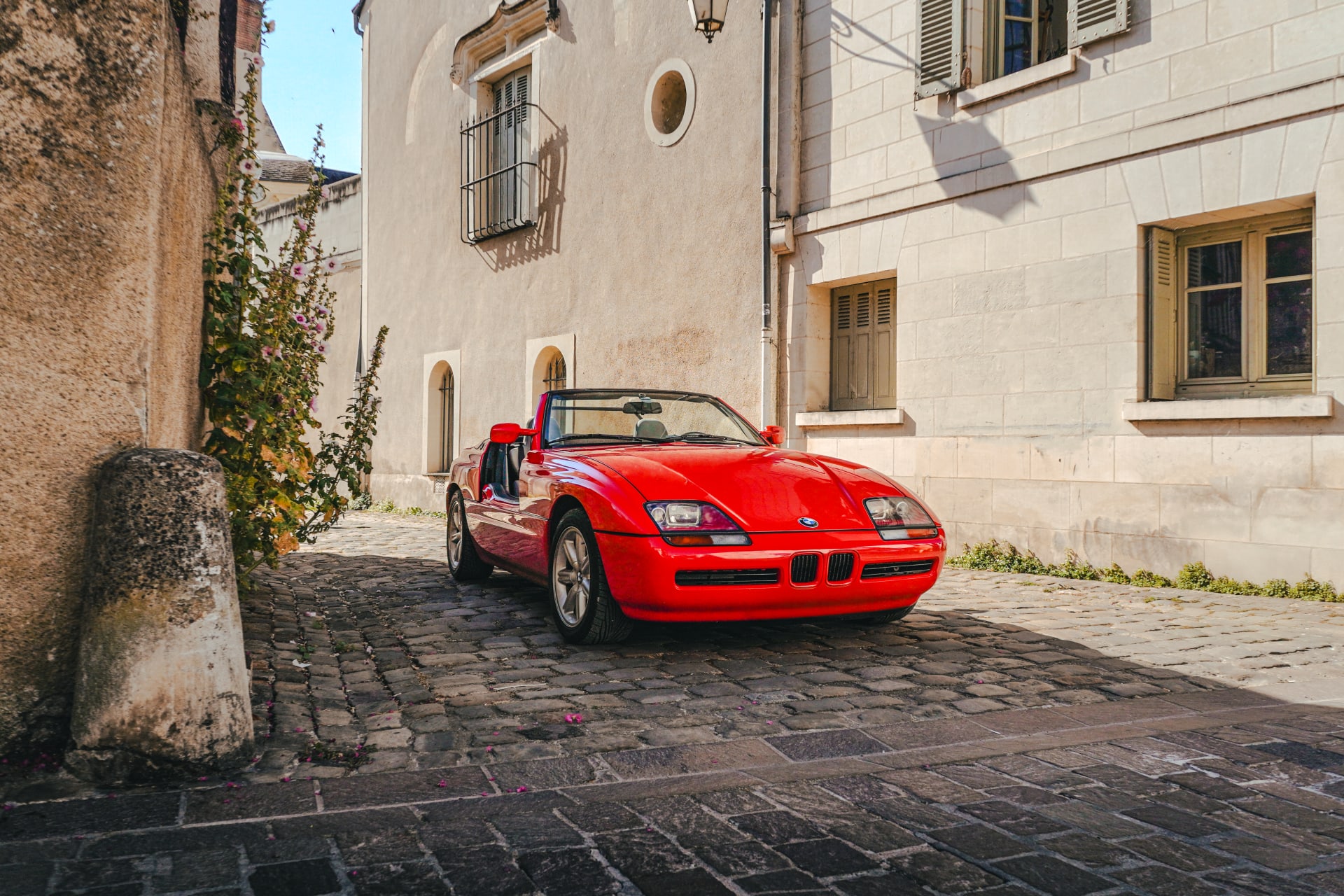
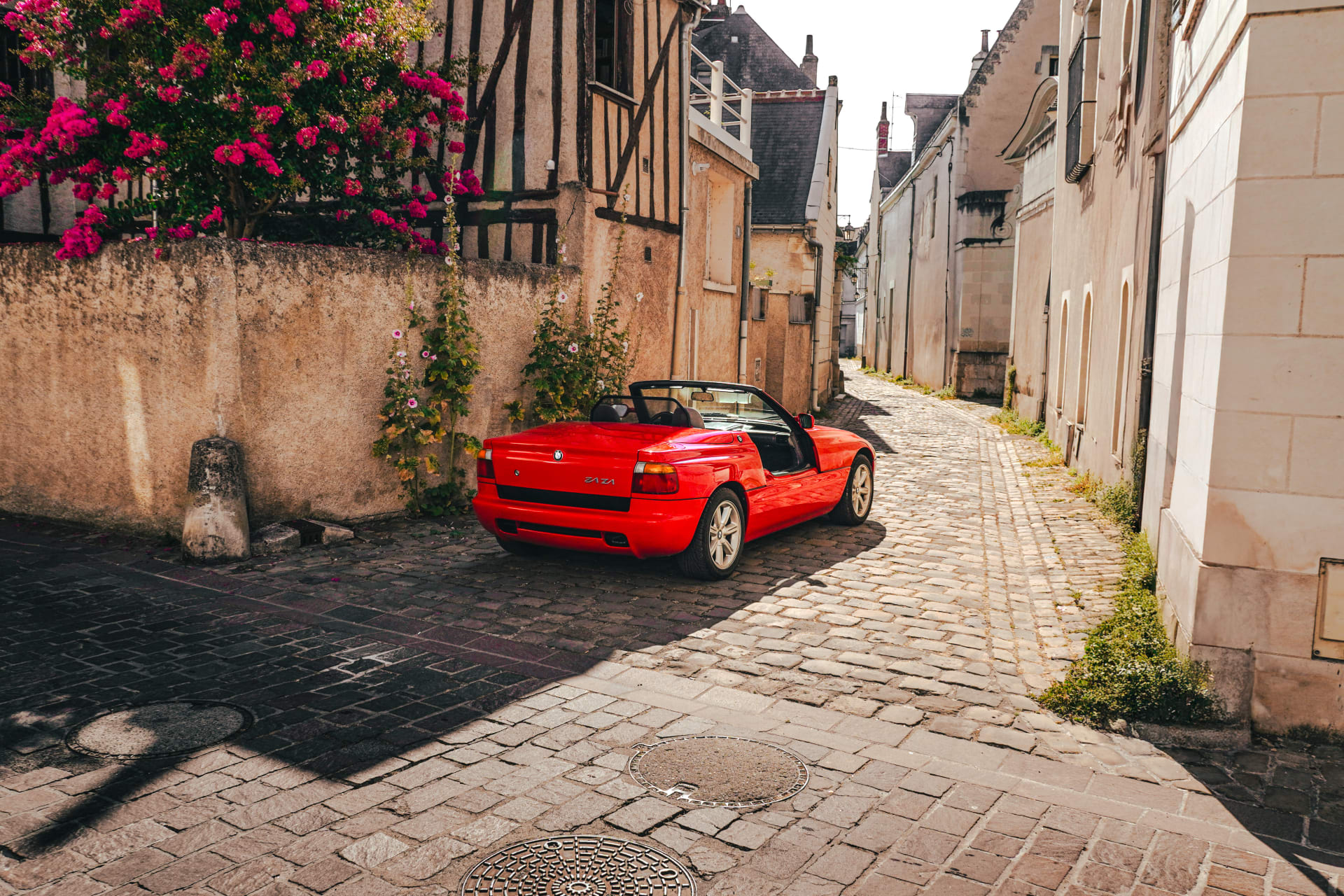
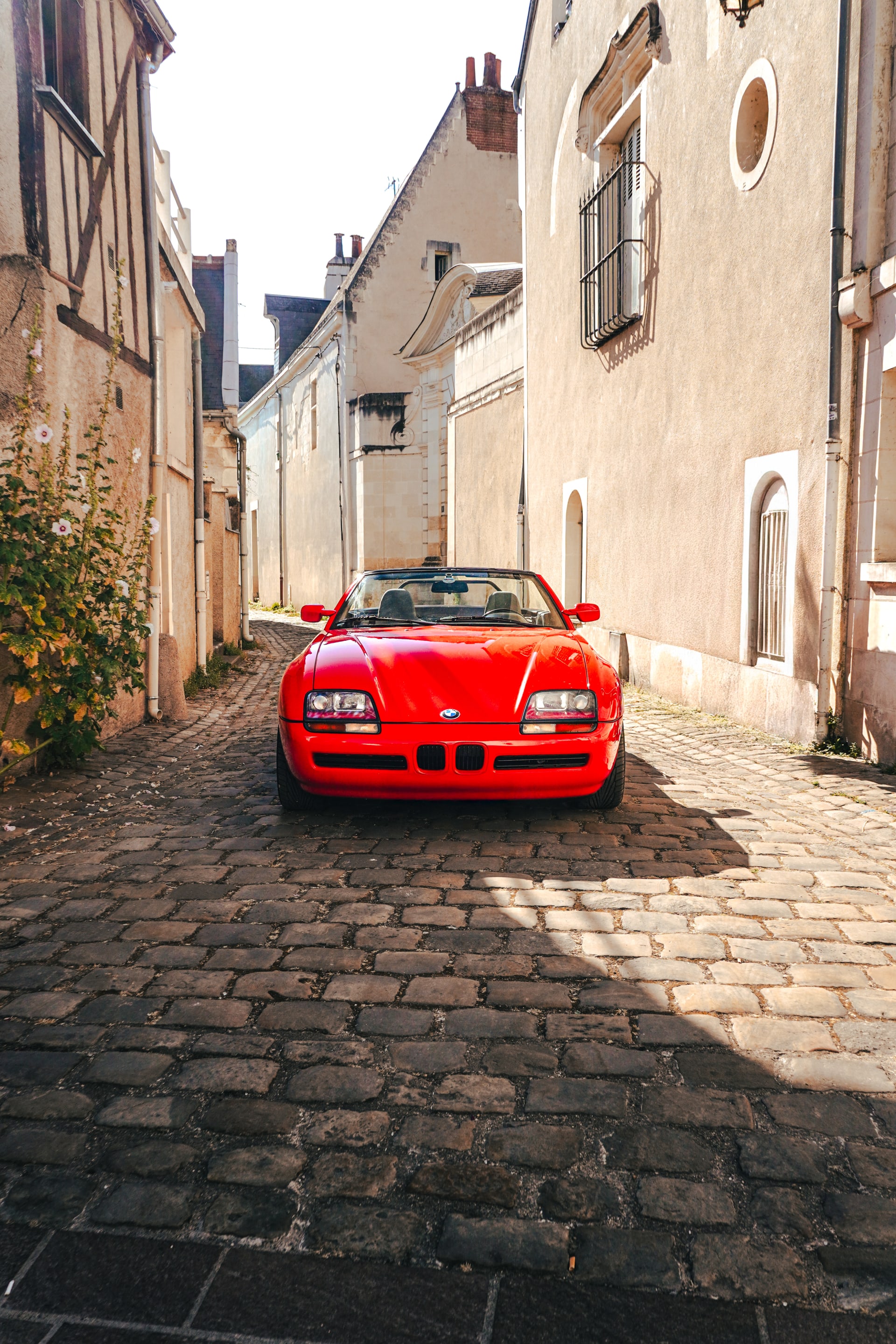
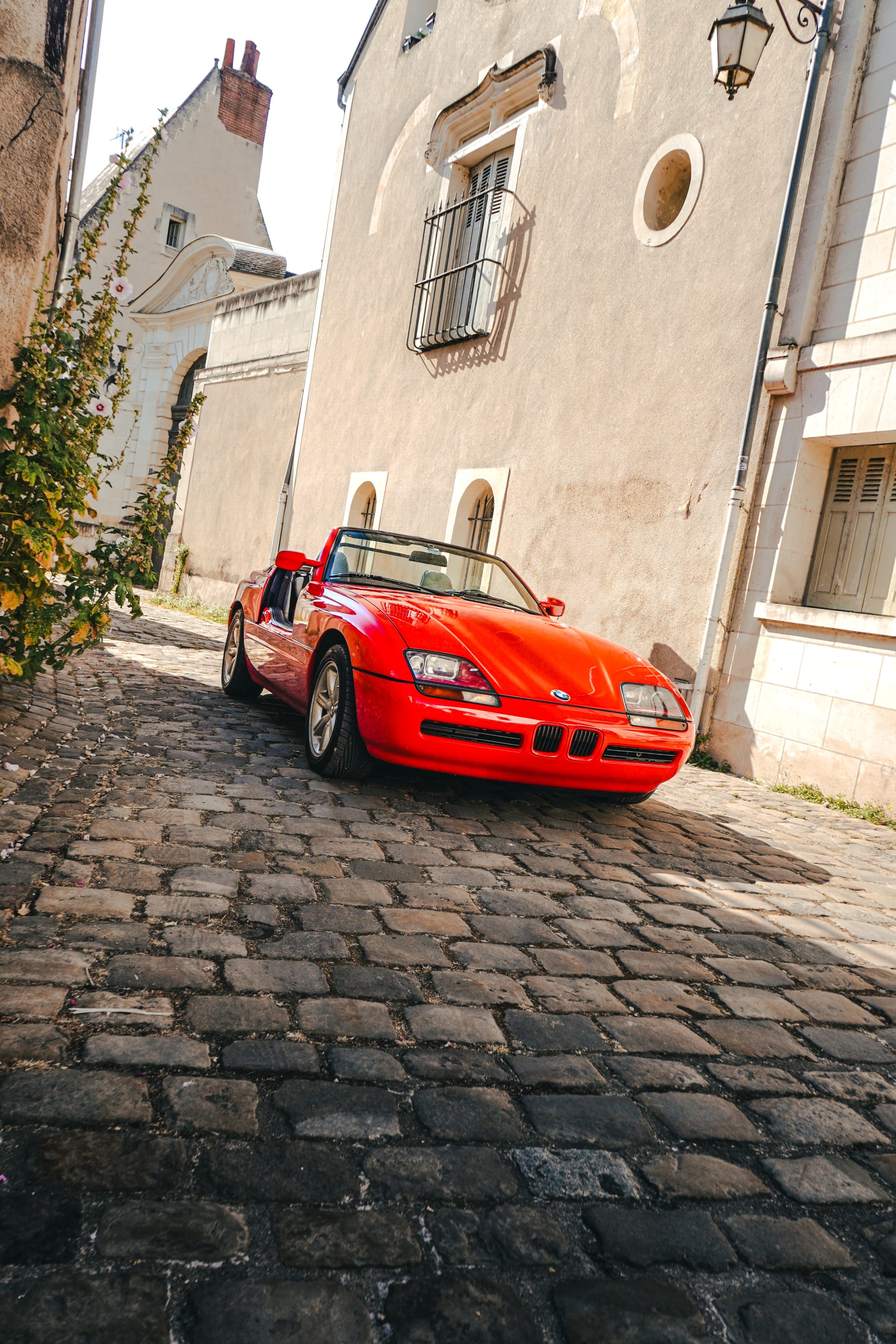
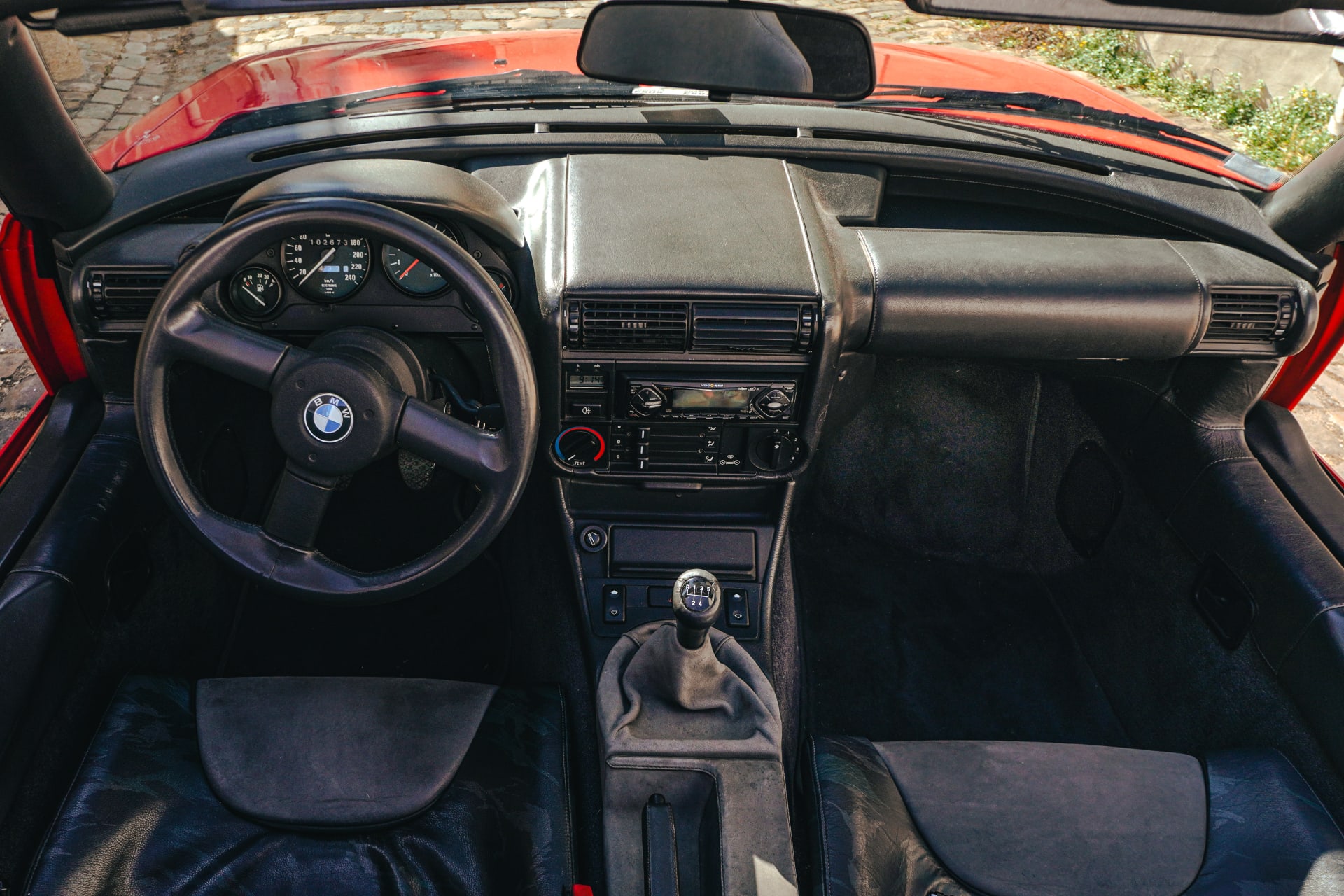
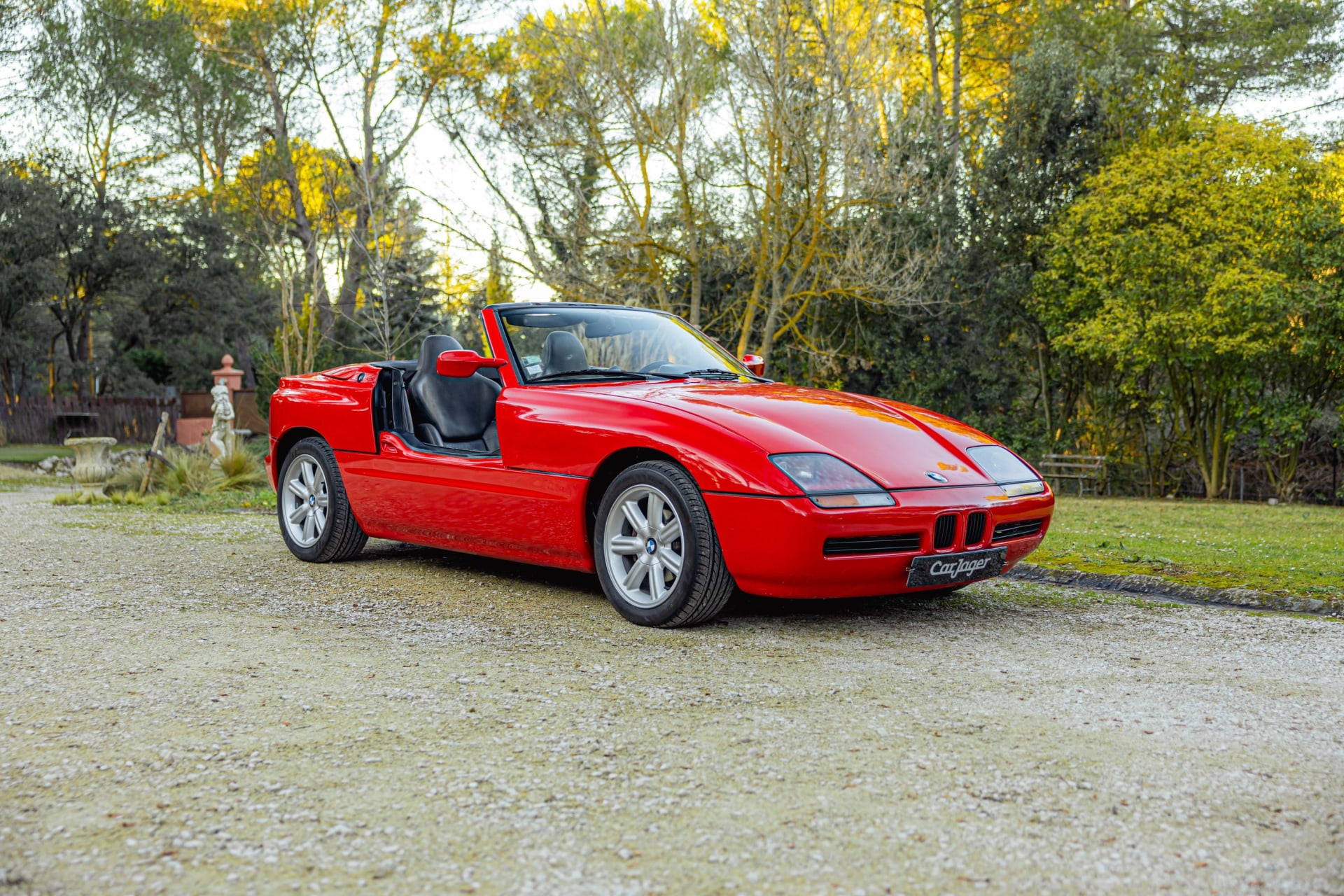
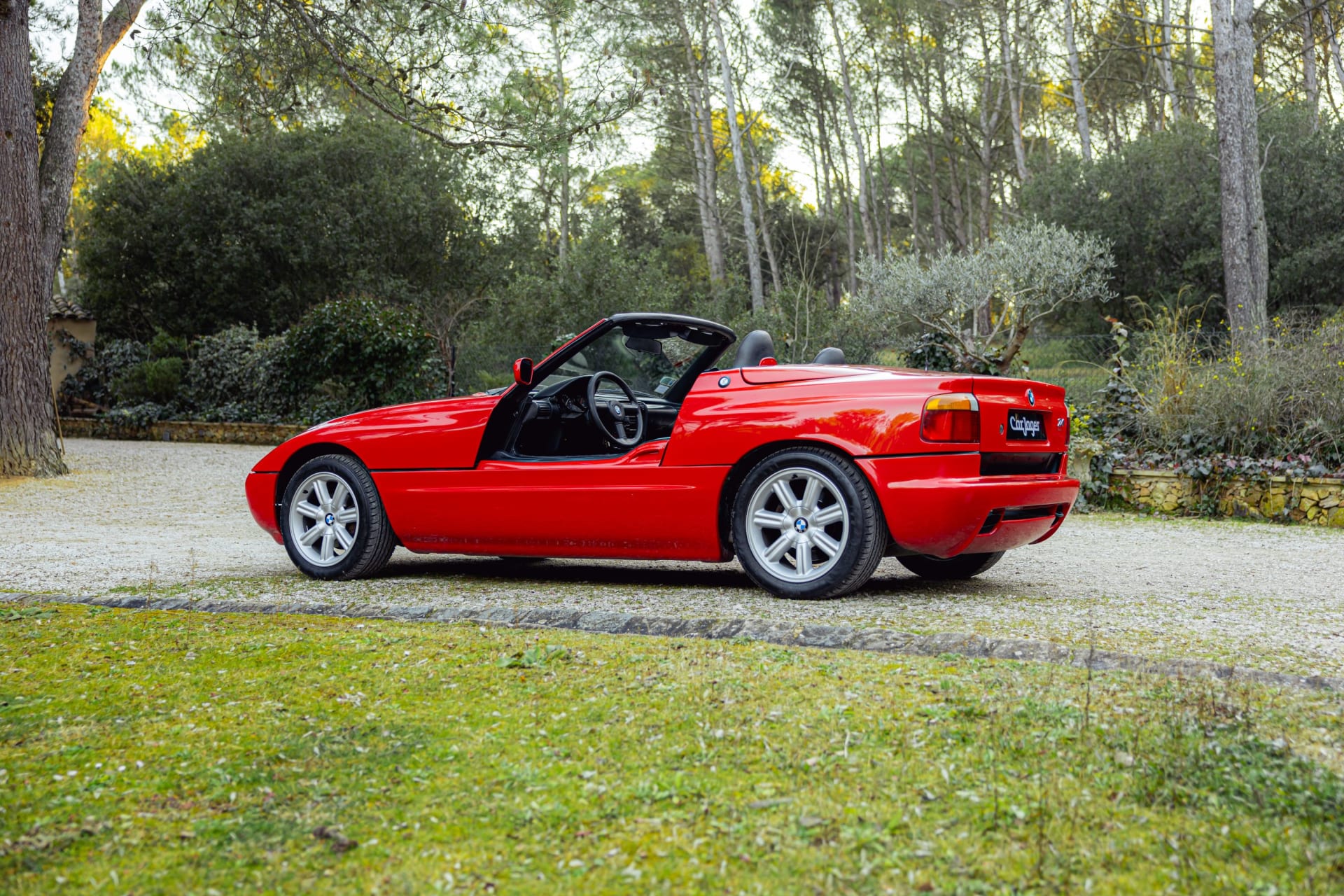
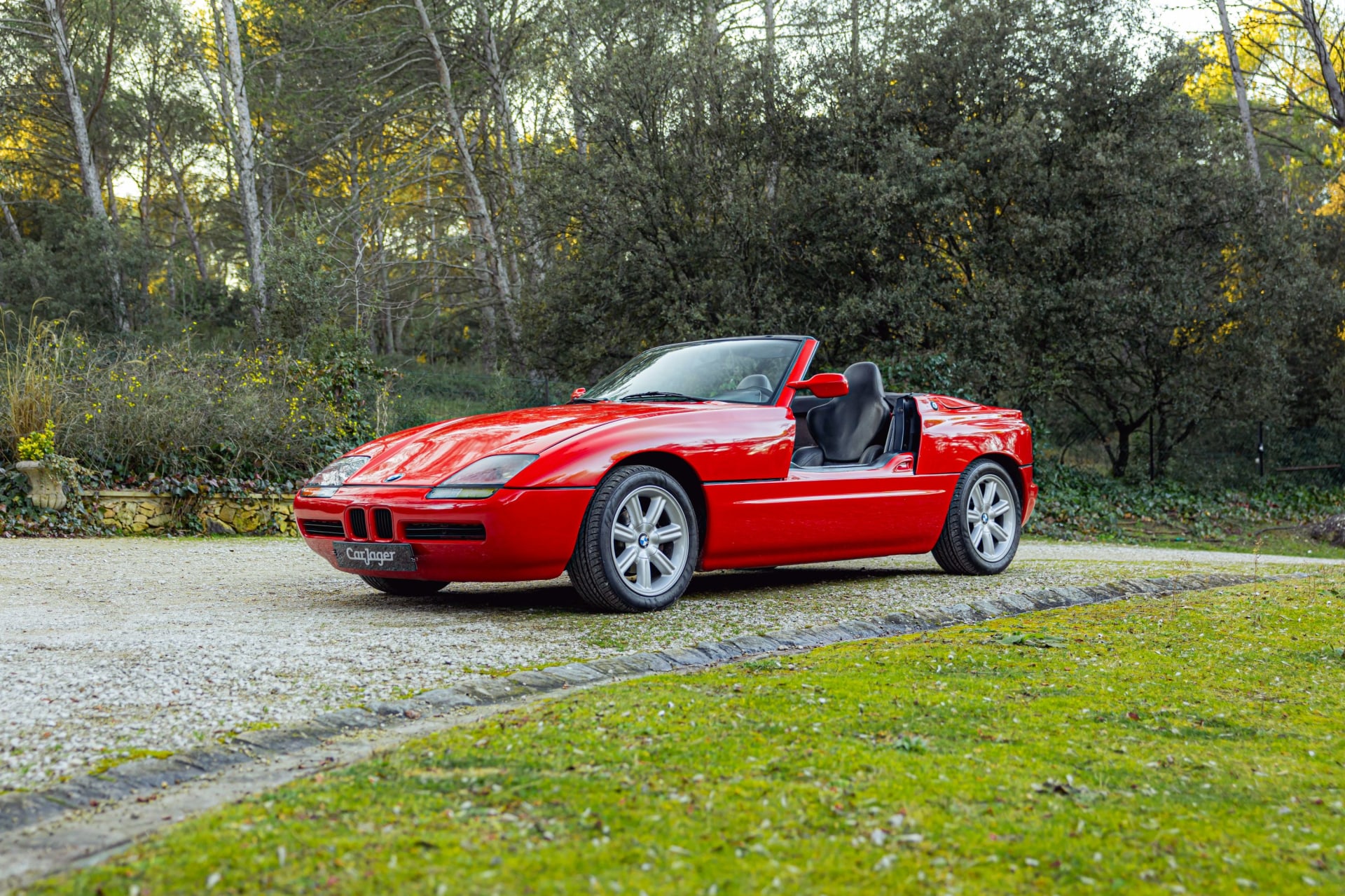
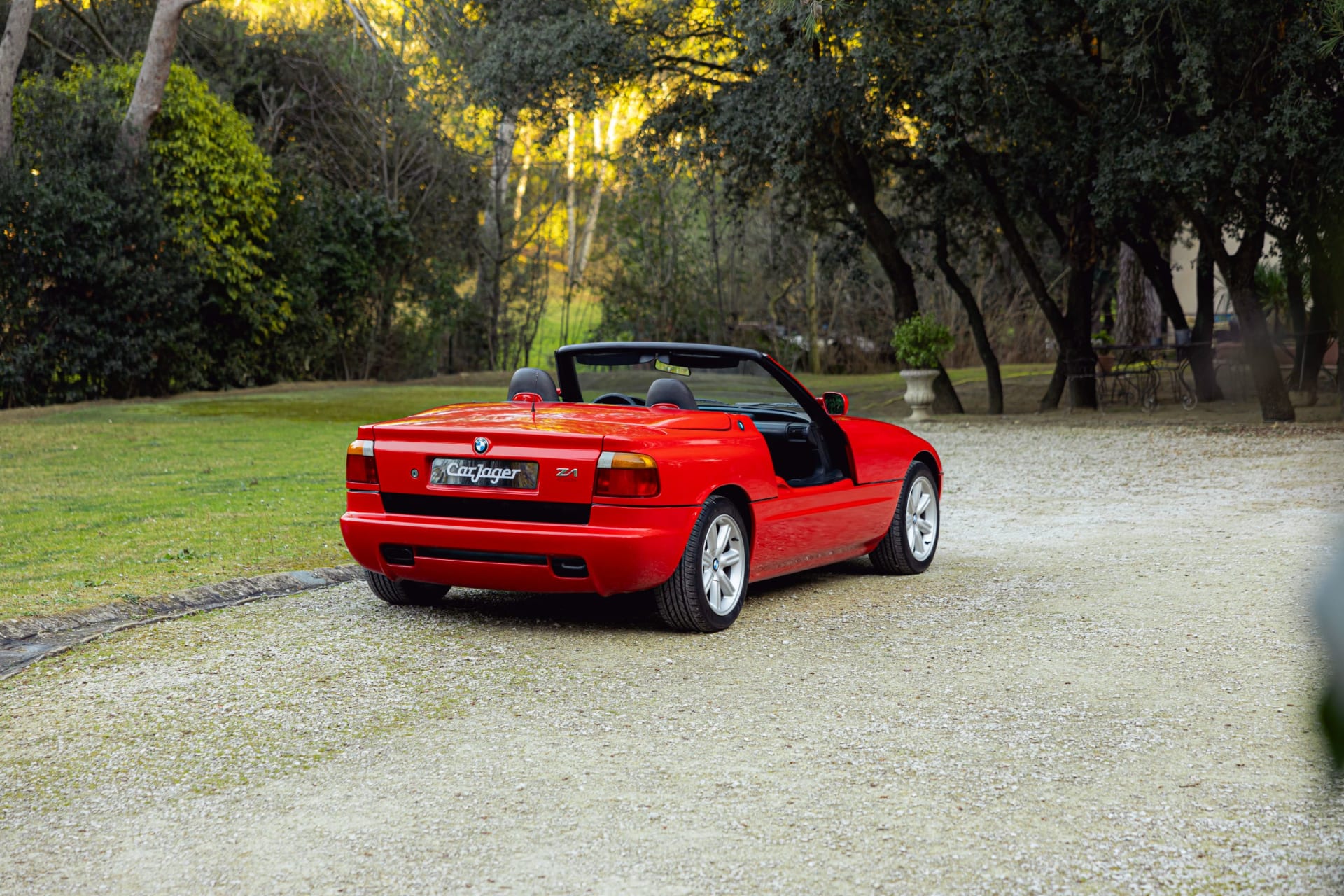
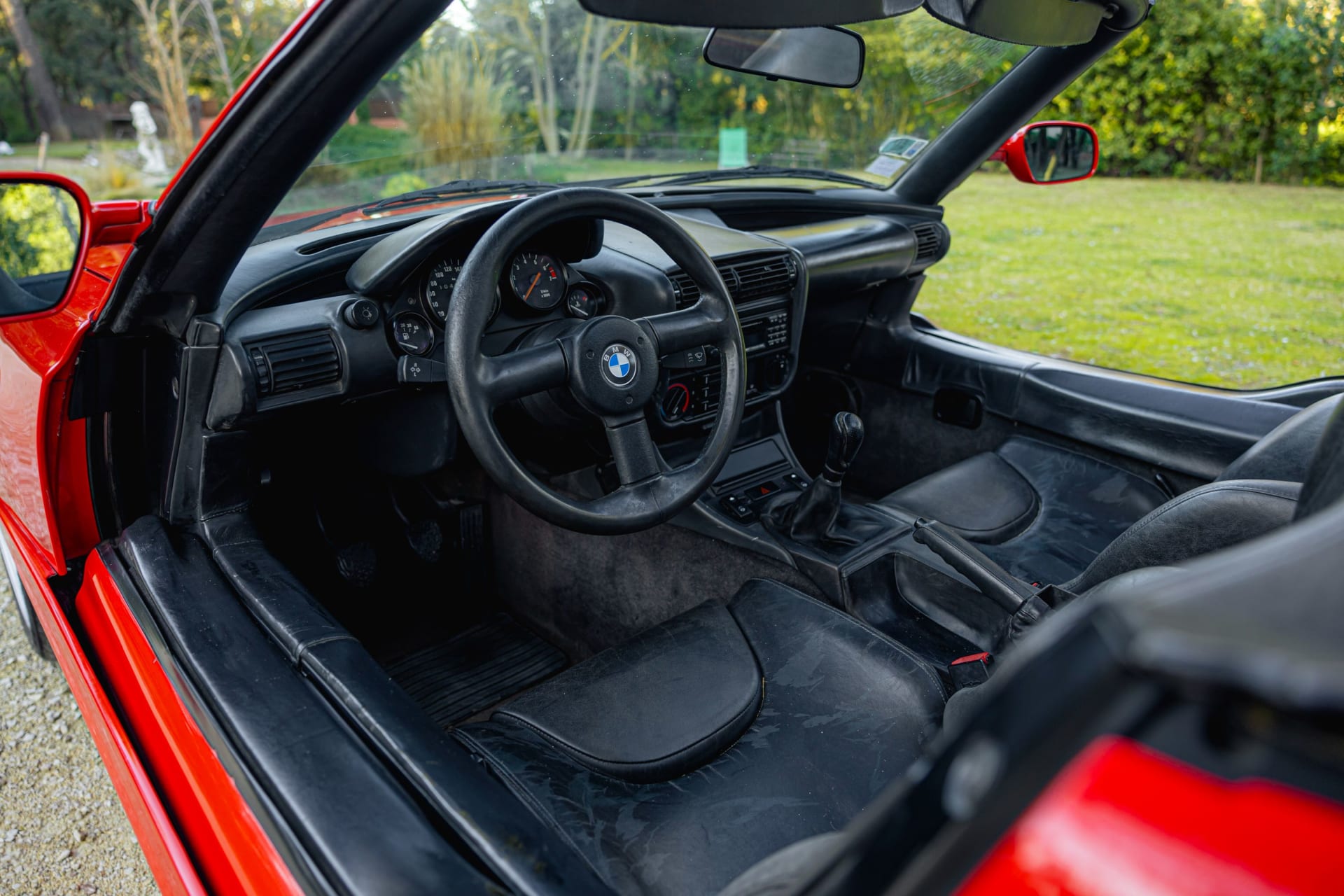
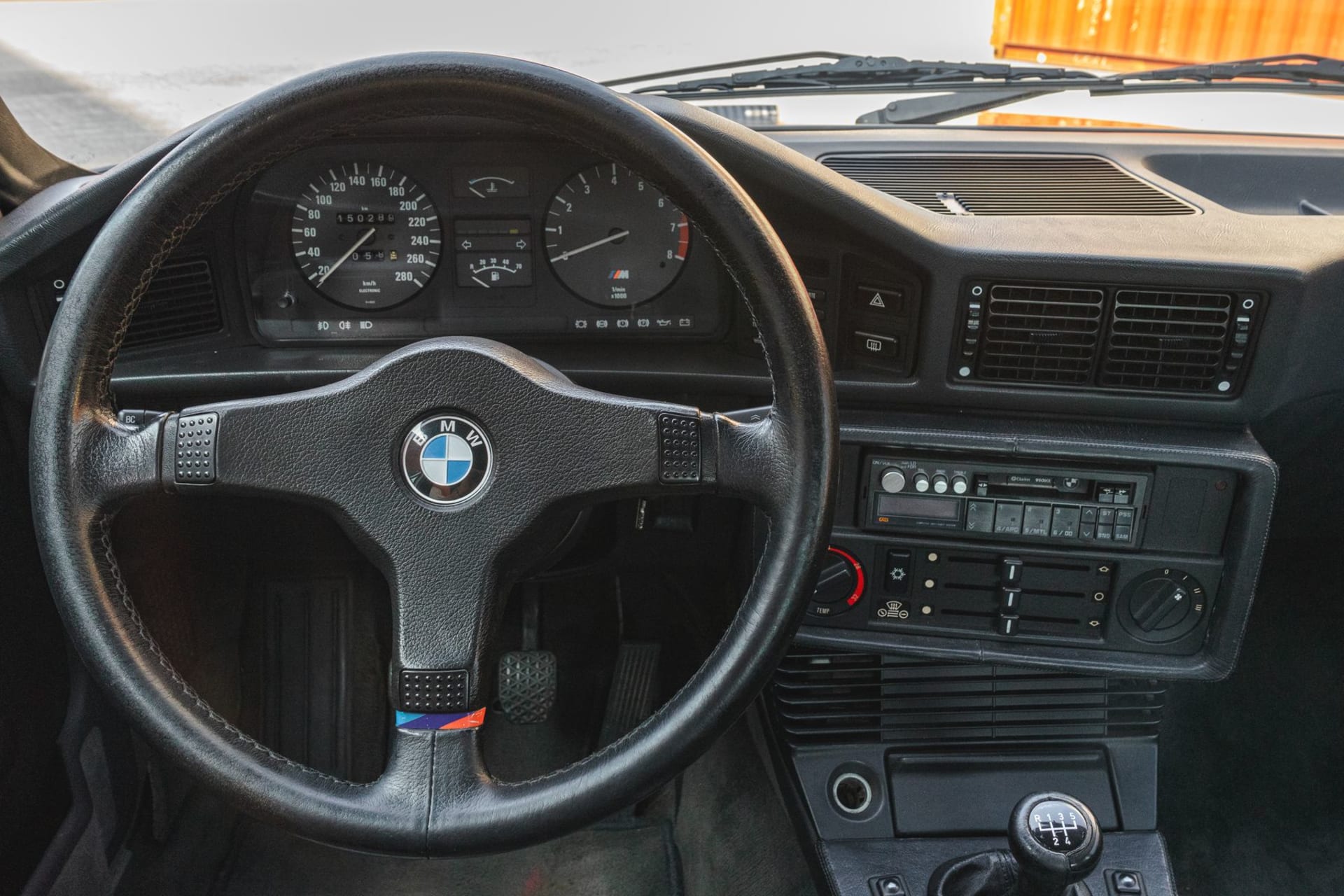
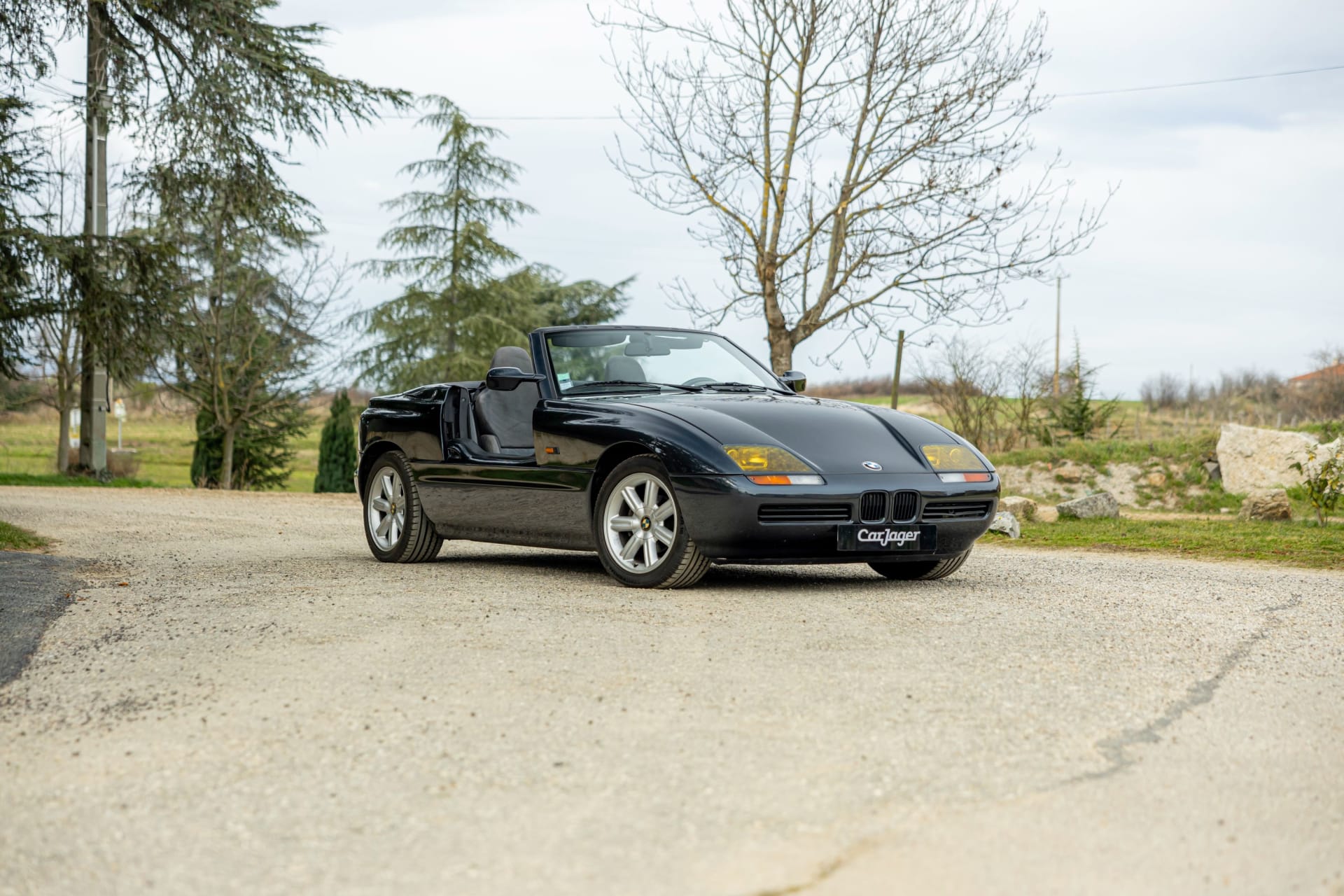
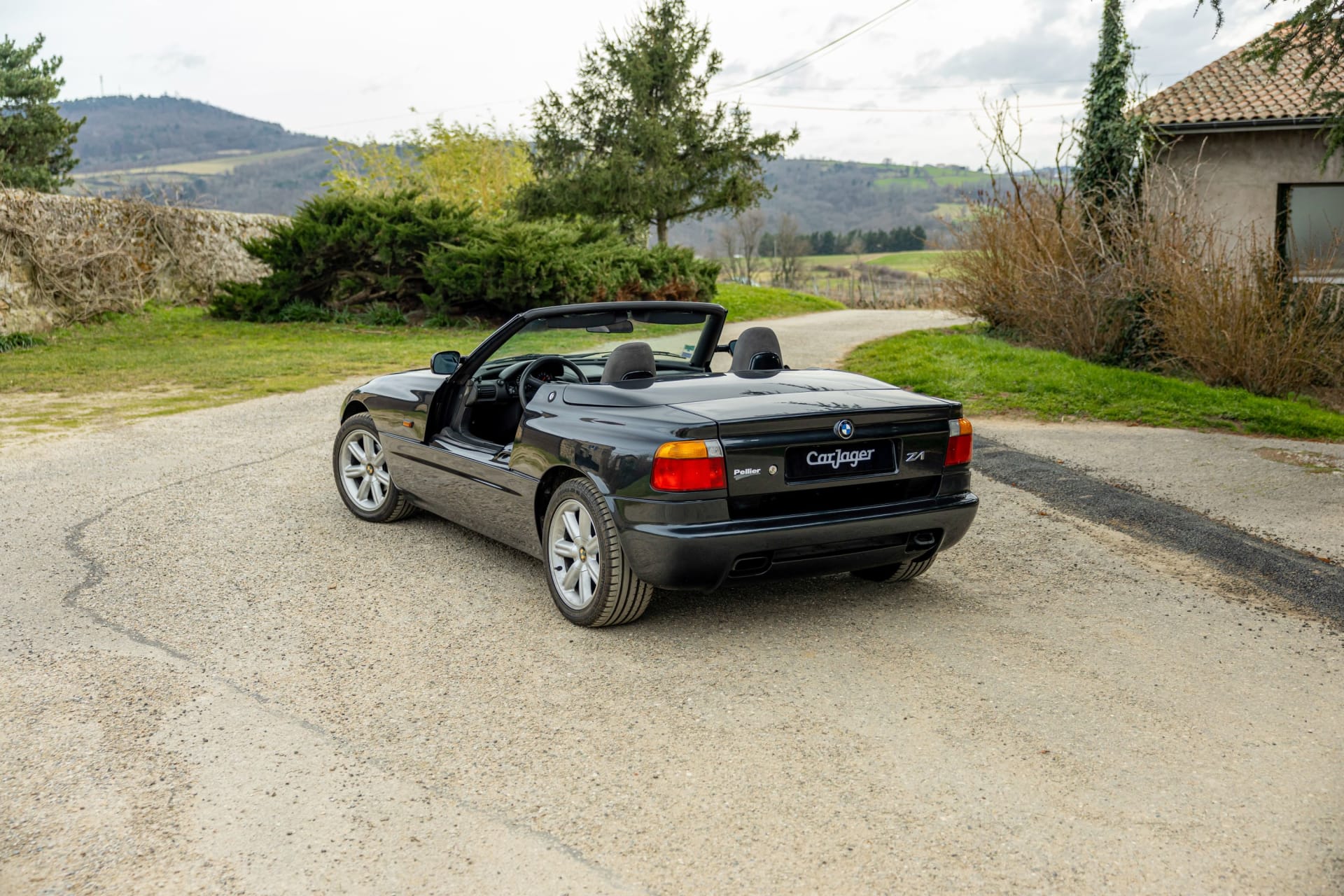
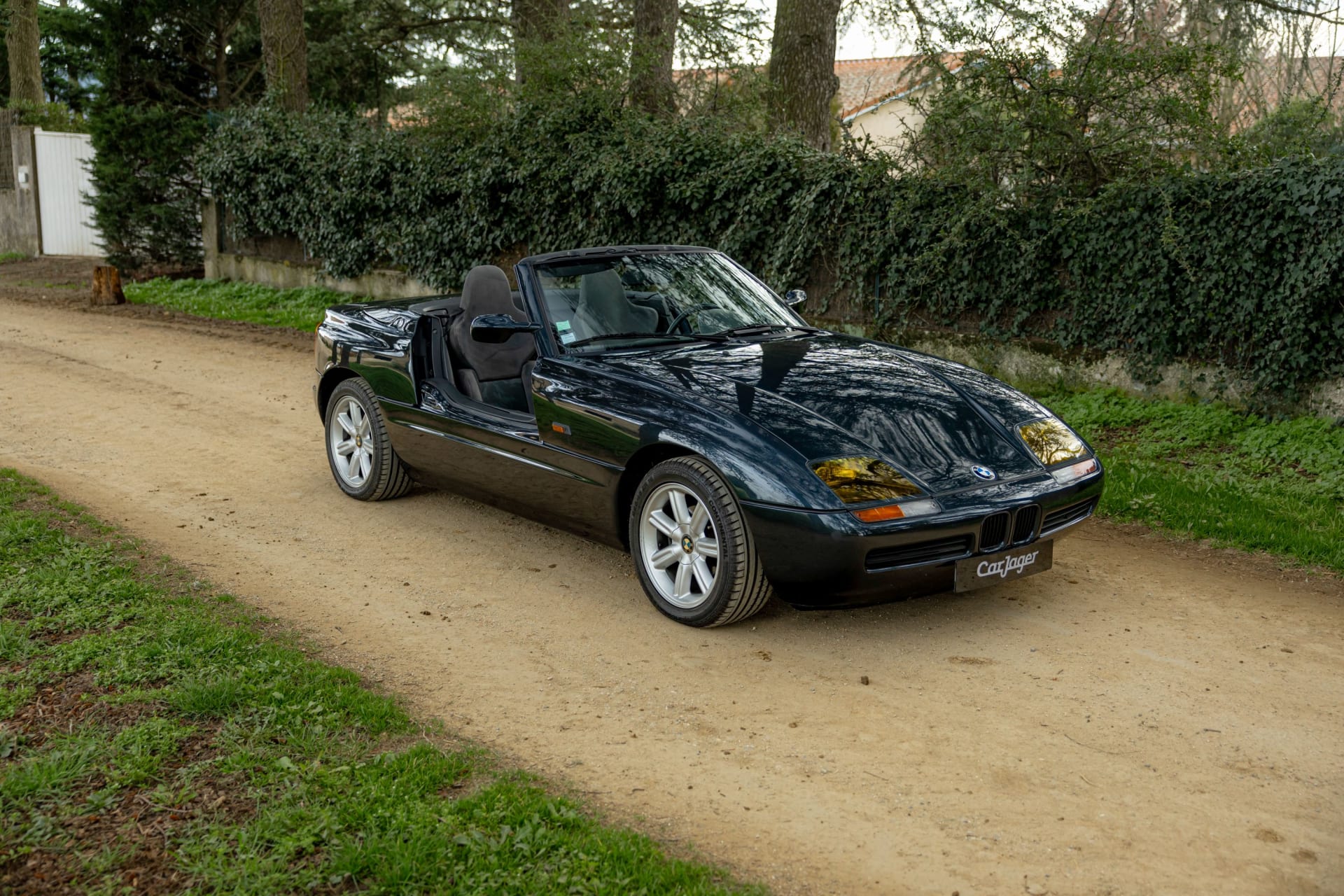
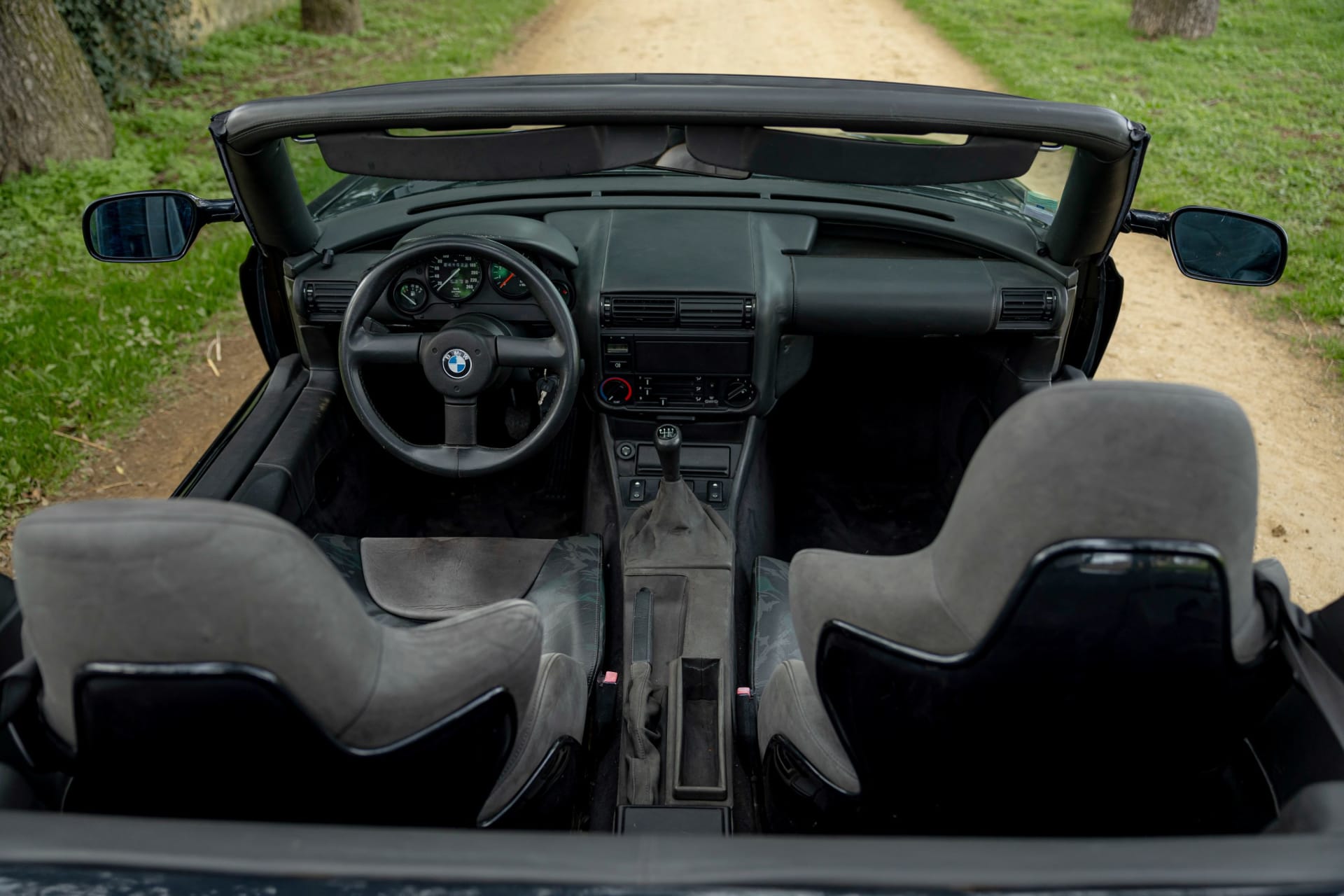
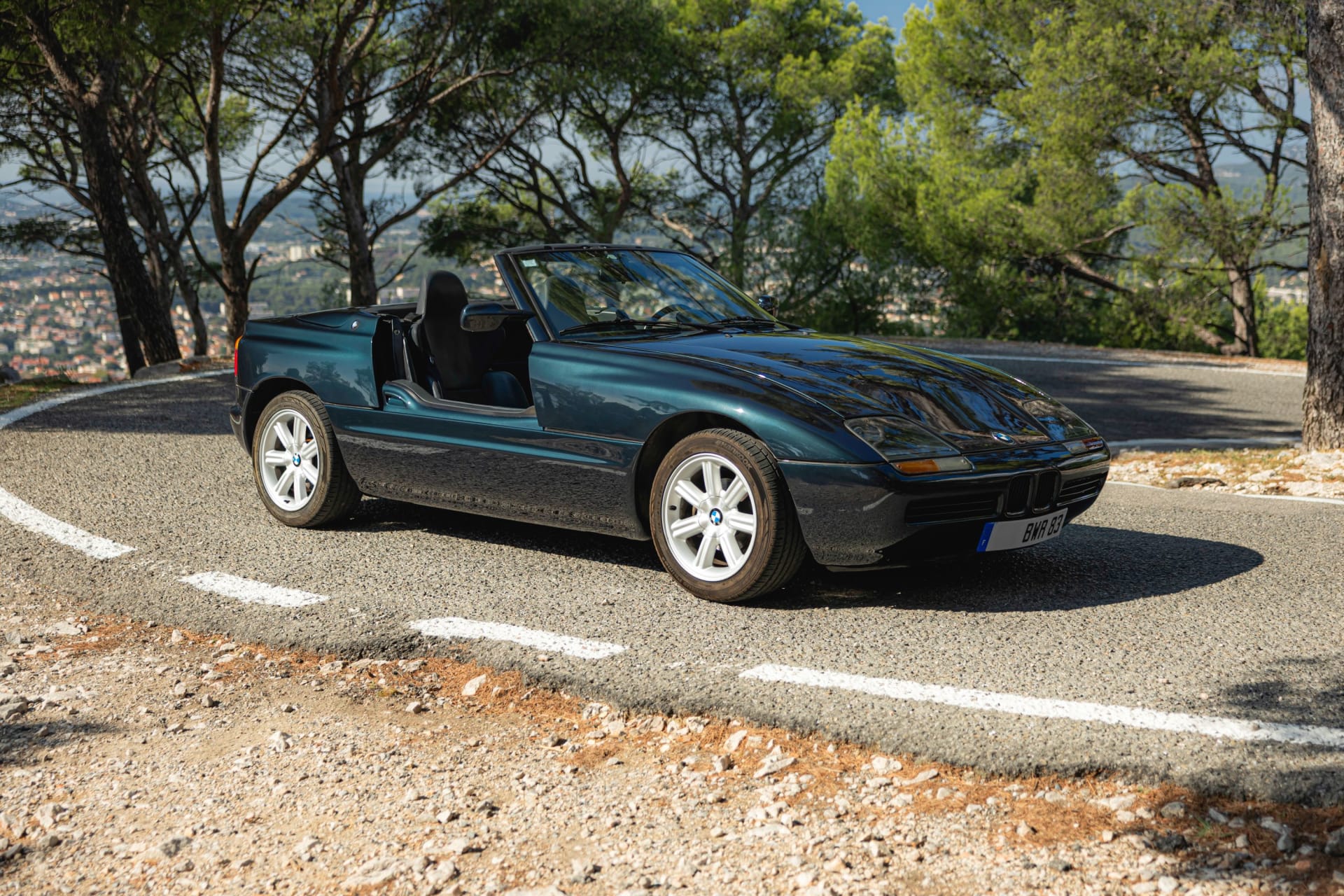
Introduced in 1988, the Z1 roadster was innovative with its front-mid engine layout, but most notably with its doors that retracted into the body. Just over 8,000 units were built.
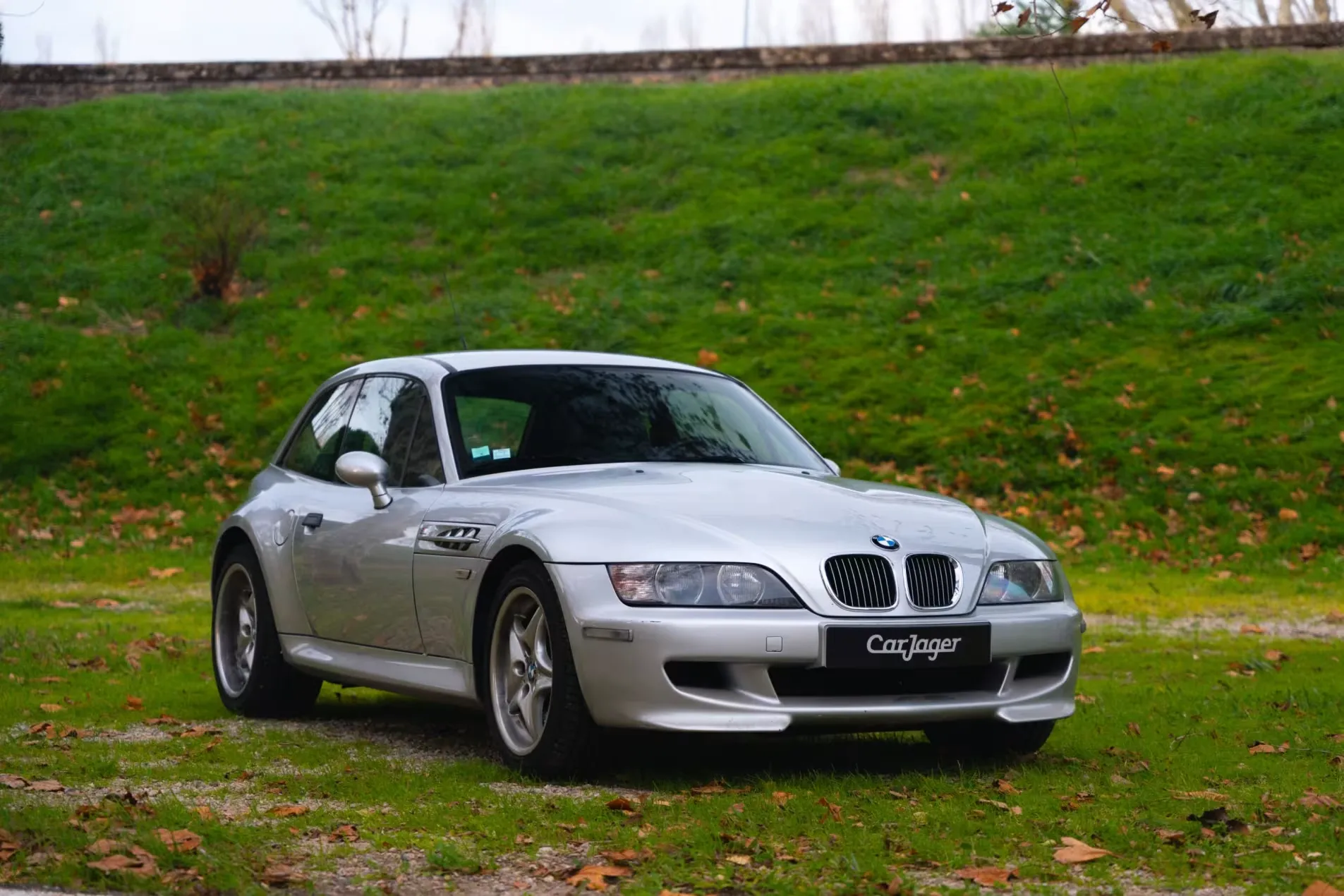
Unveiled in 1988, the Z1 roadster broke new ground with its front mid-engine layout—but most notably with its doors that retract into the body. Just over 8,000 units were produced.
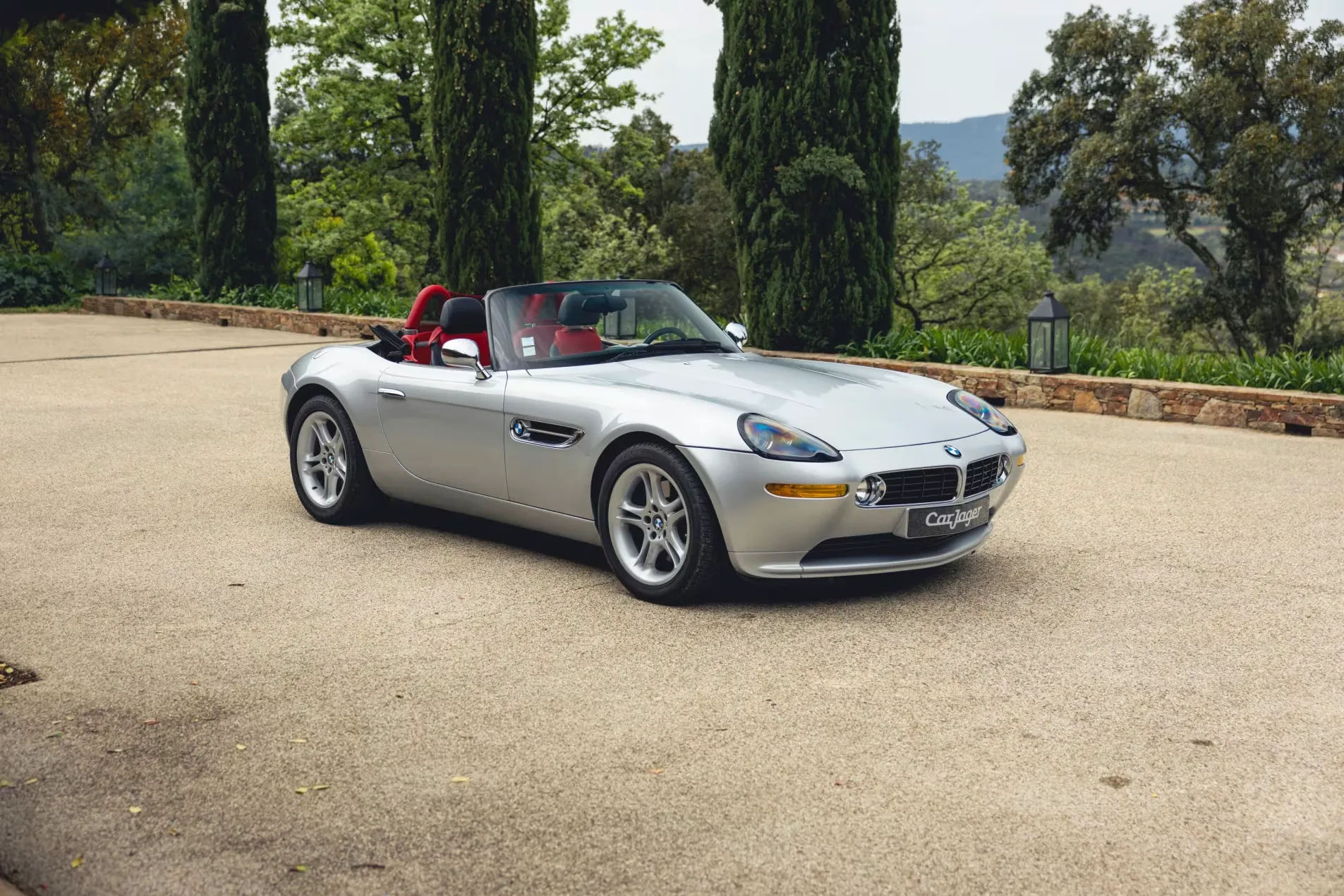
As a tribute to the legendary 507 roadster, BMW launched the Z8 in the fall of 1999. An instant collector’s item, it stood out with its neo-retro elegance and roaring 400-hp V8.
BMW 329 — modèle de la marque BMW.
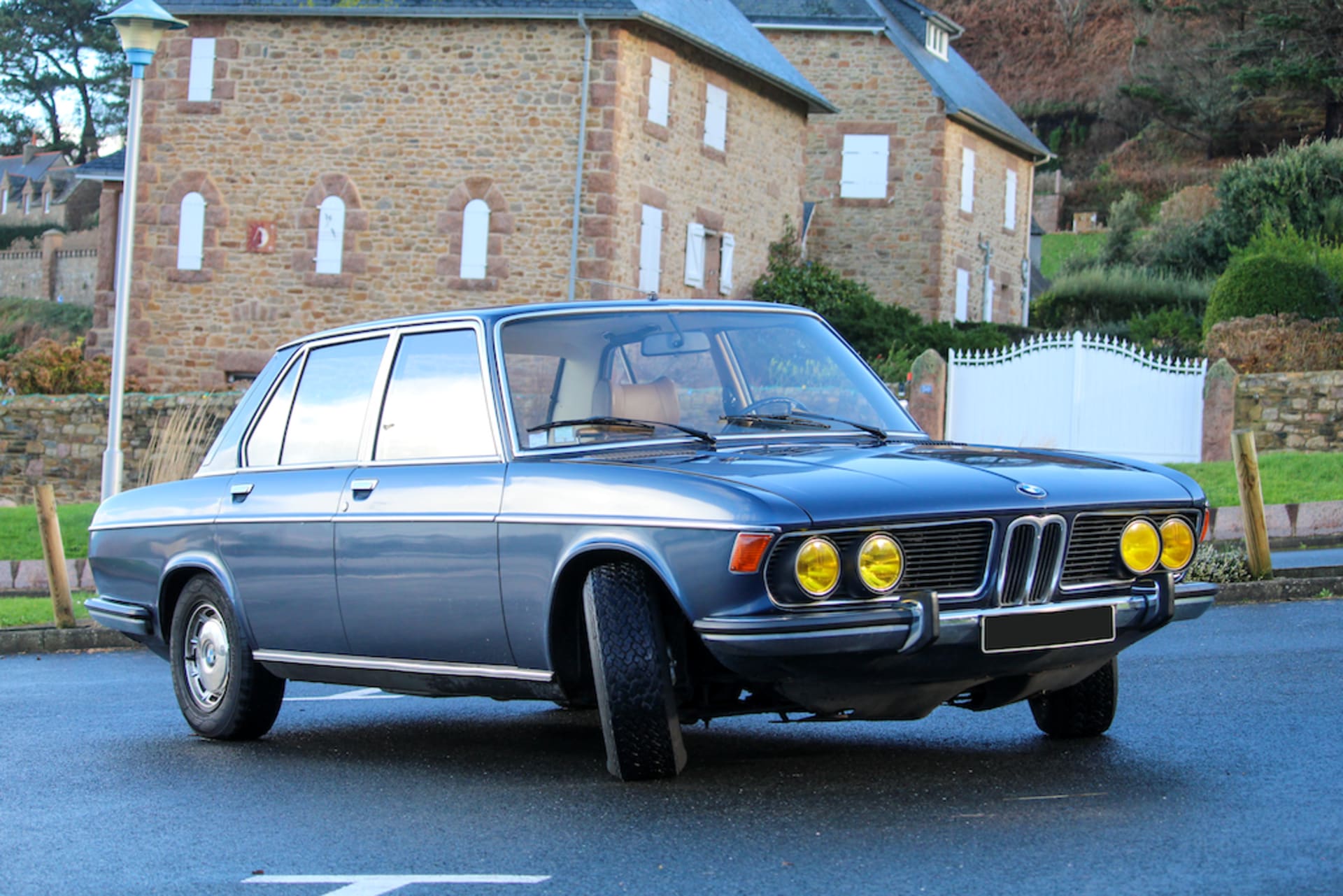
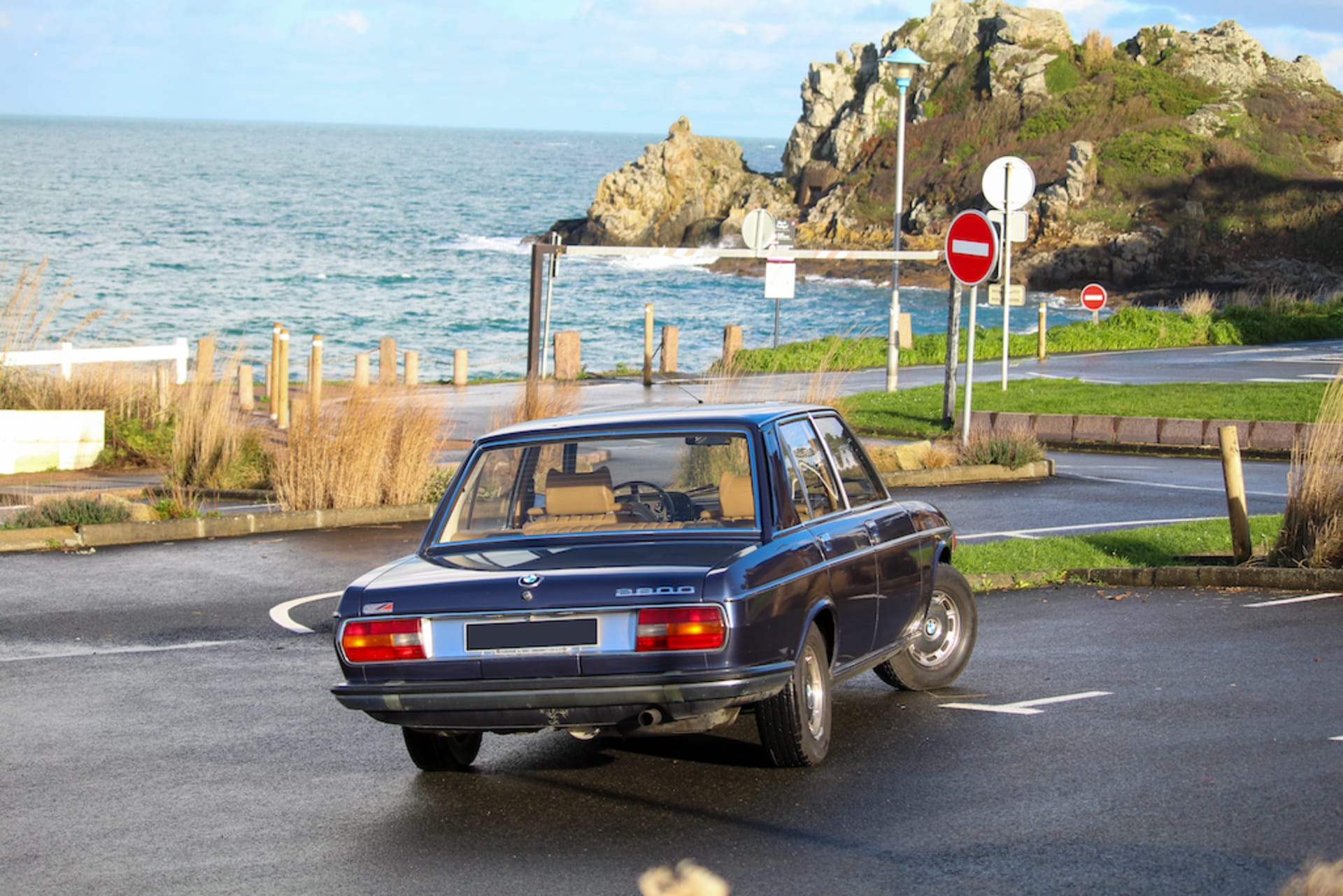
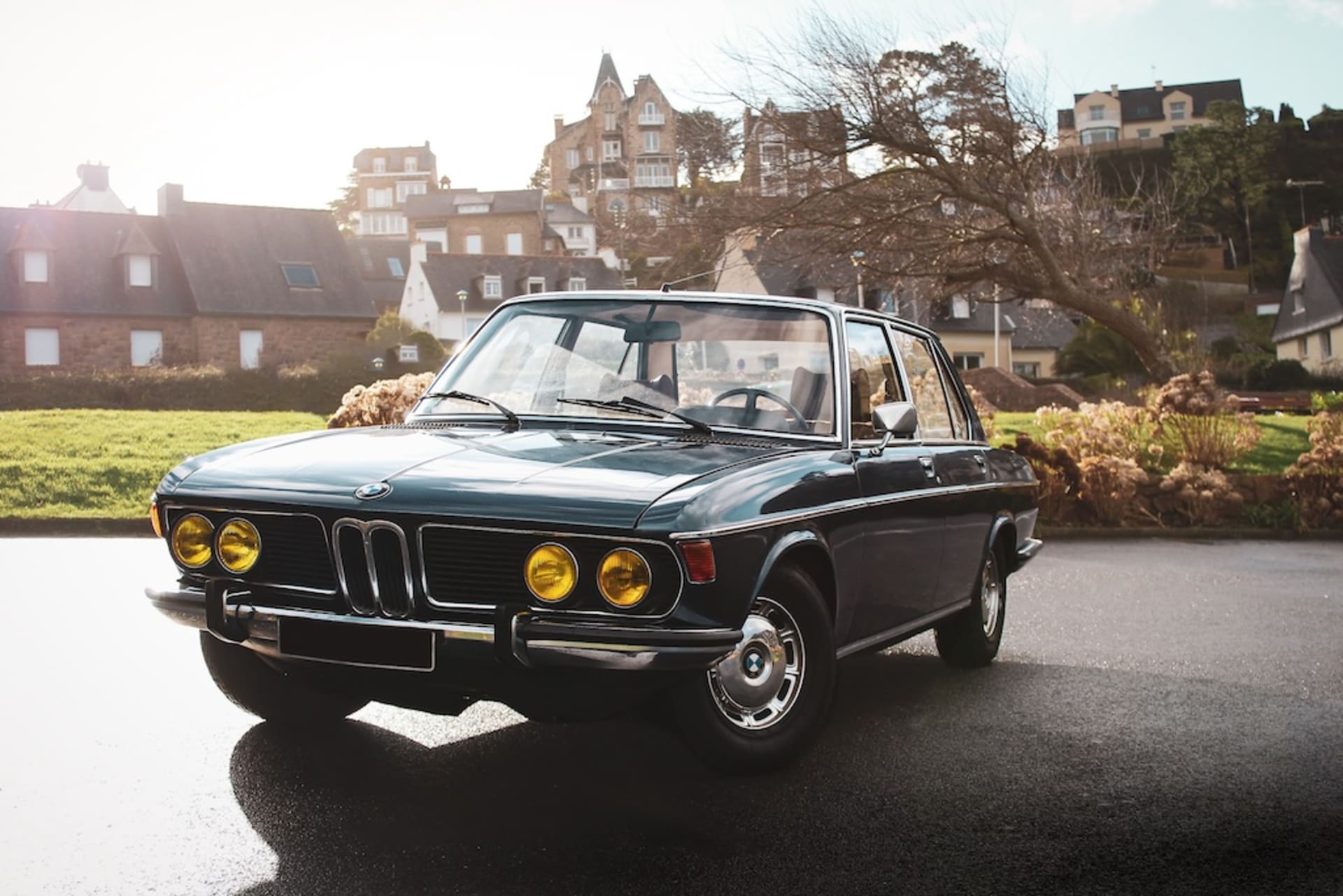
BMW E3 — modèle de la marque BMW.
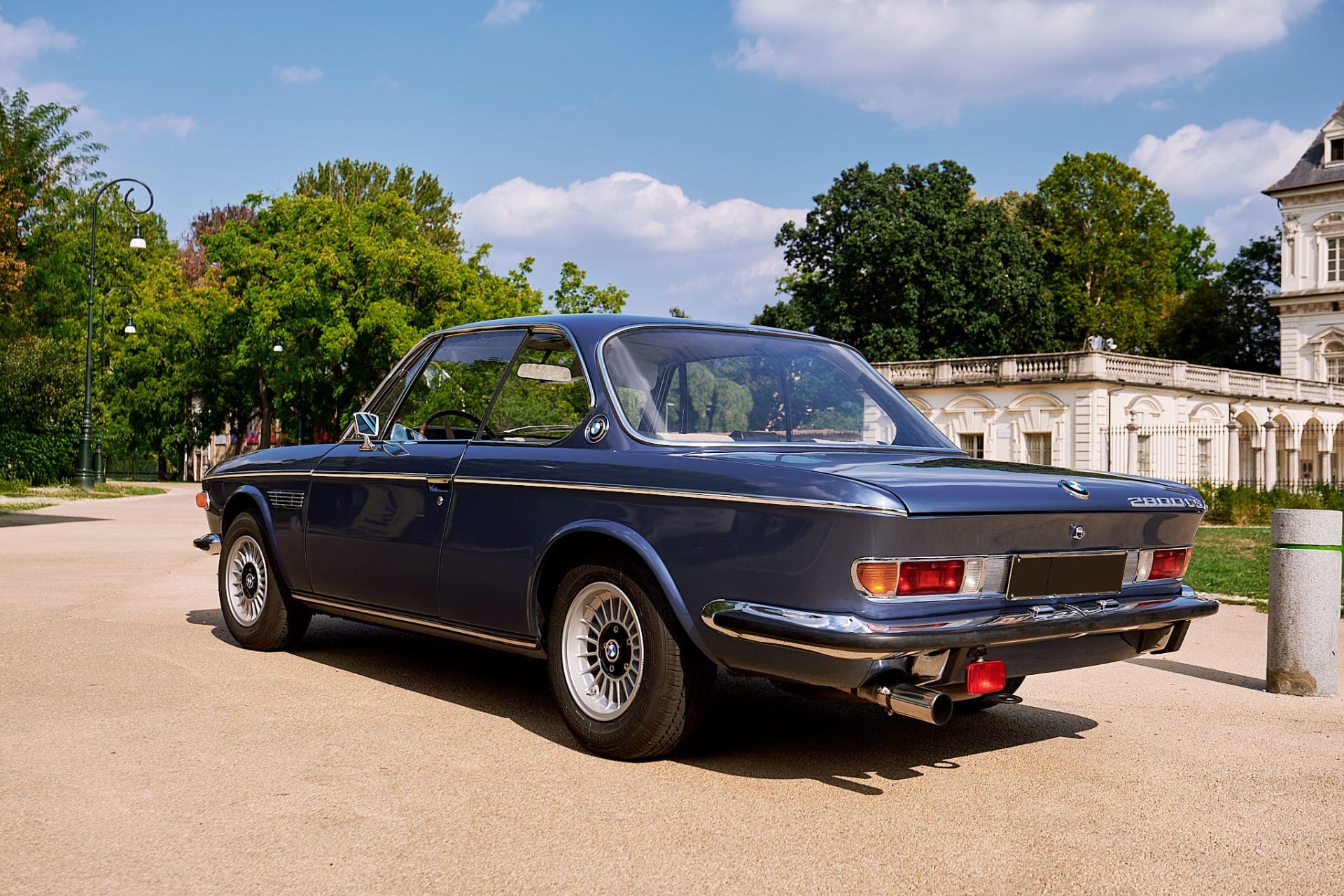
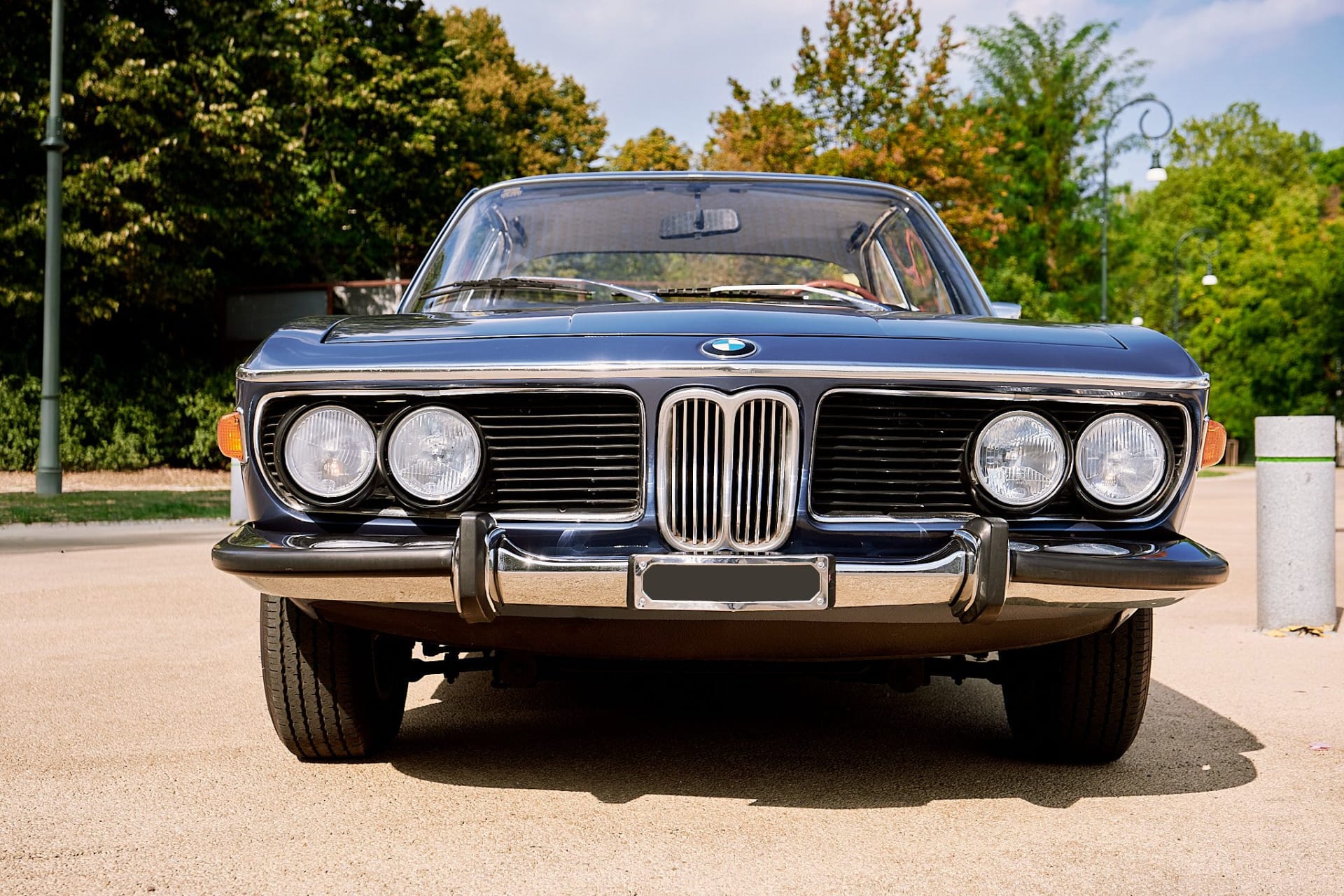
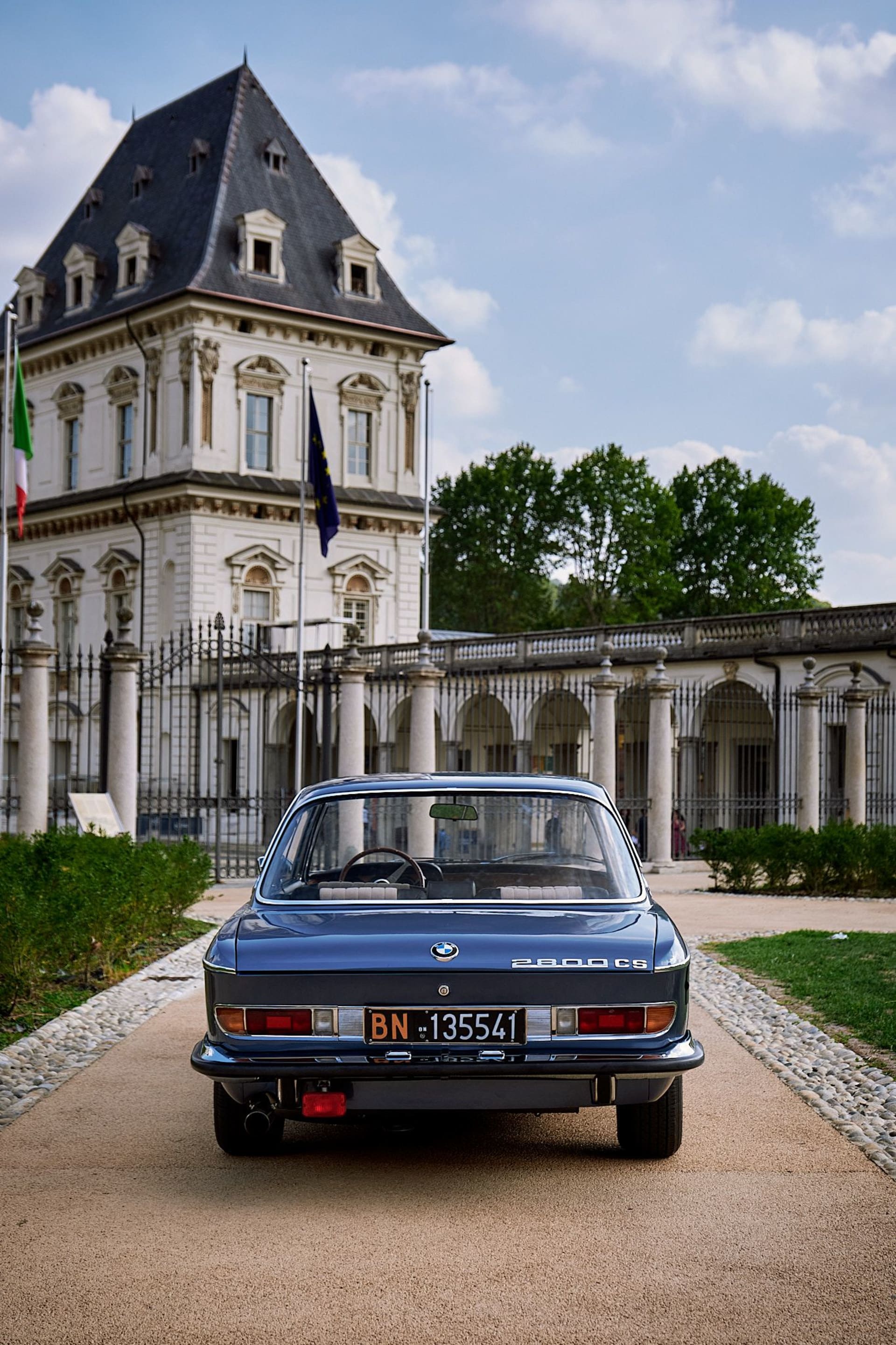
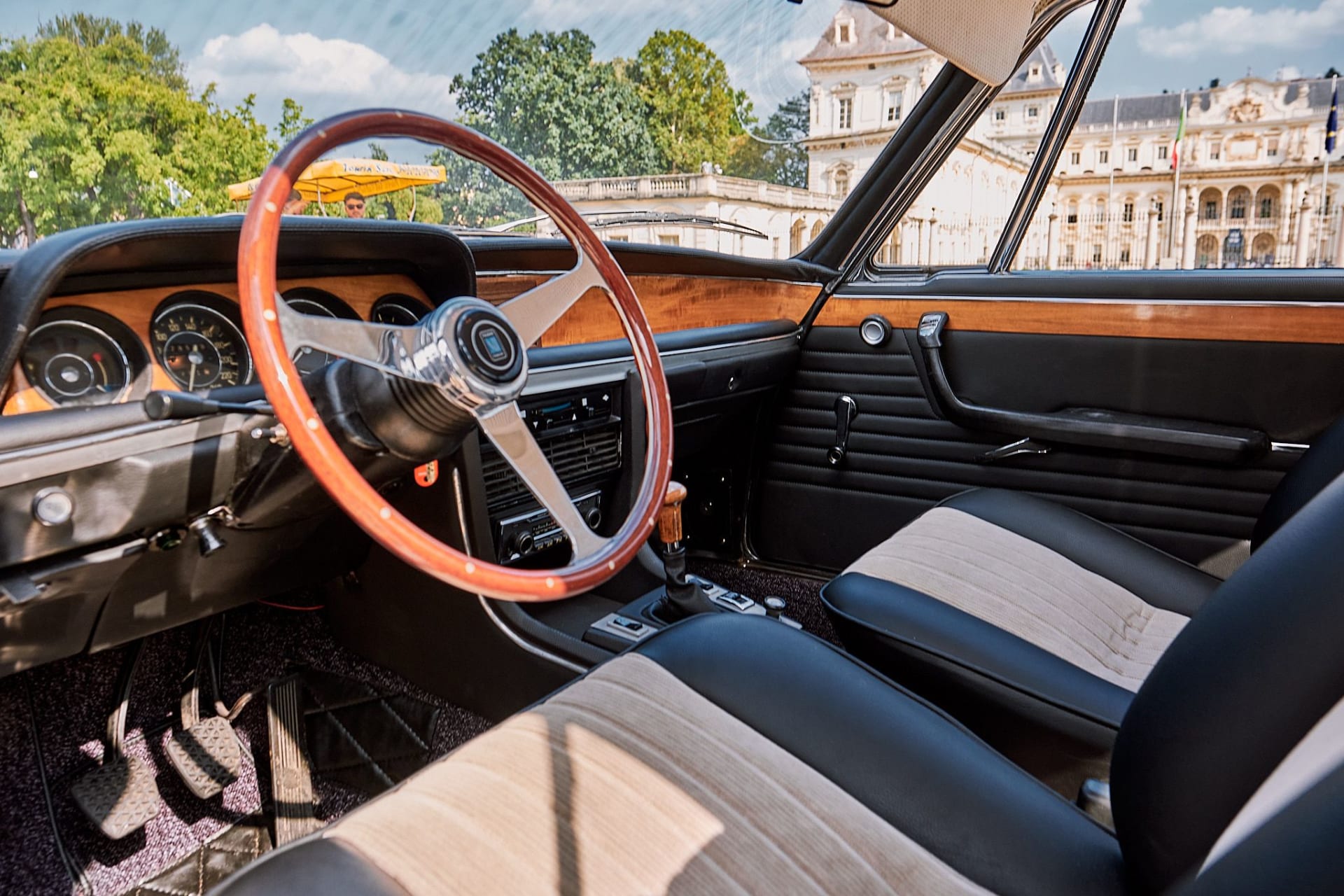
BMW E9 — modèle de la marque BMW.
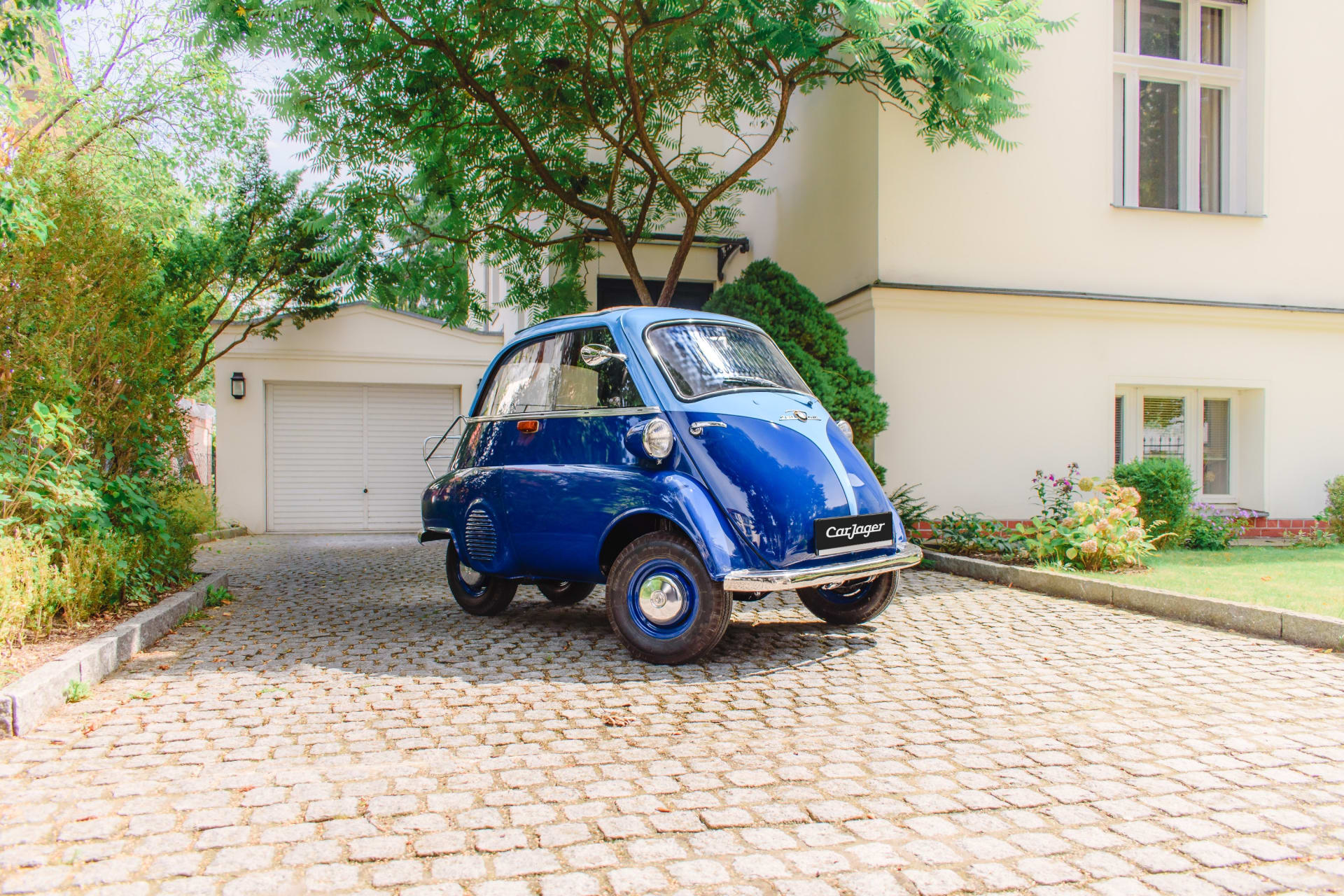
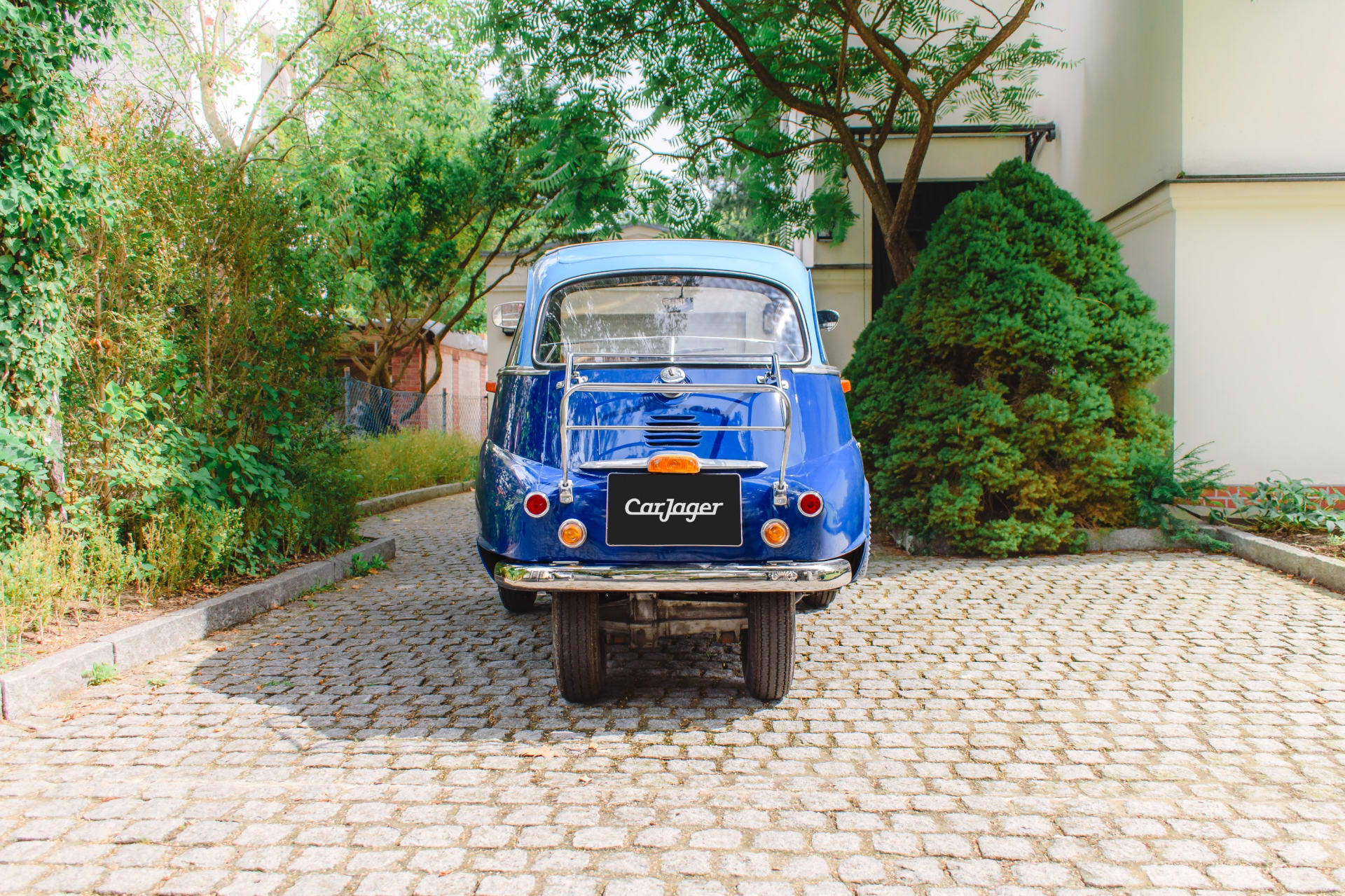
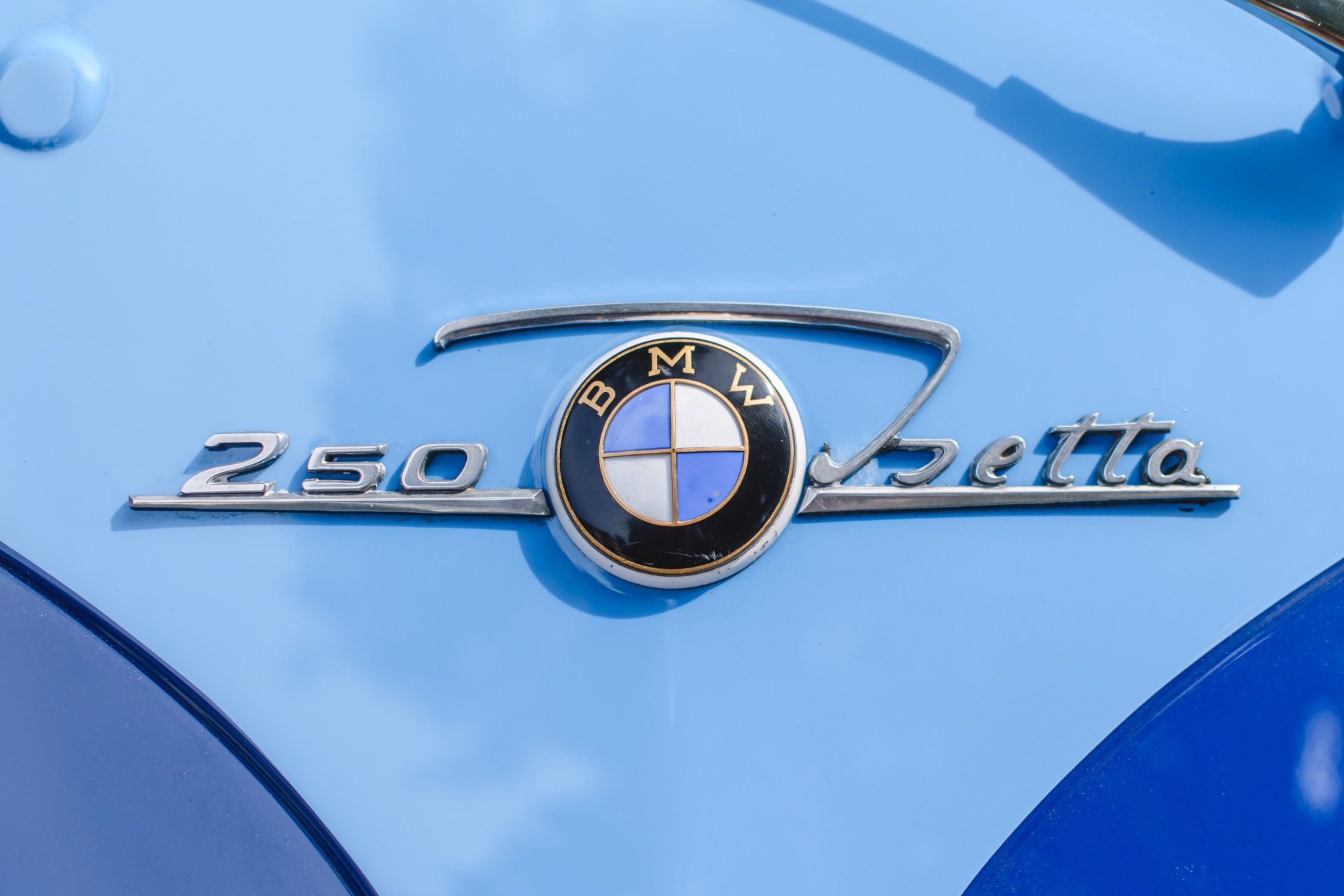
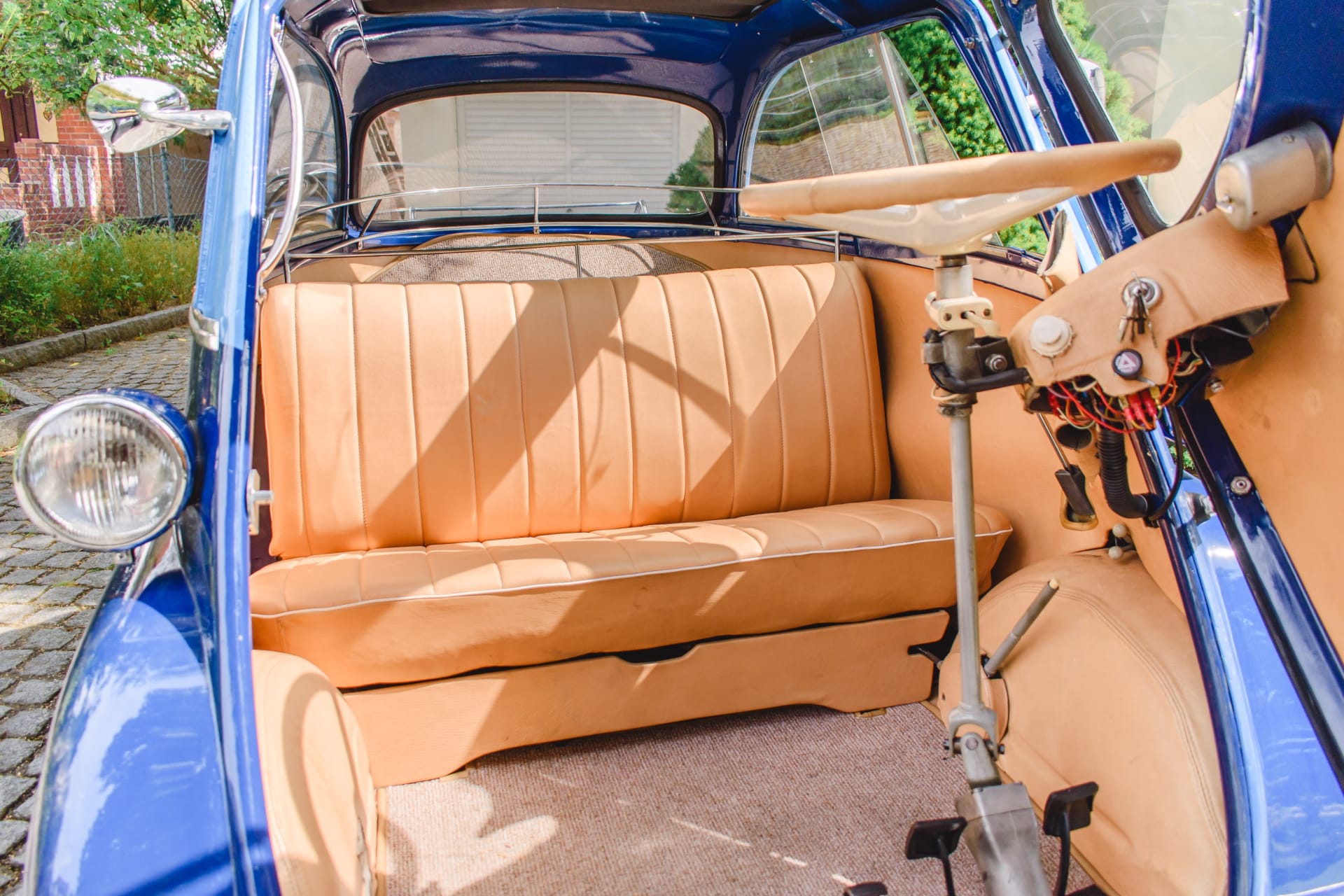
BMW Isetta — modèle de la marque BMW.
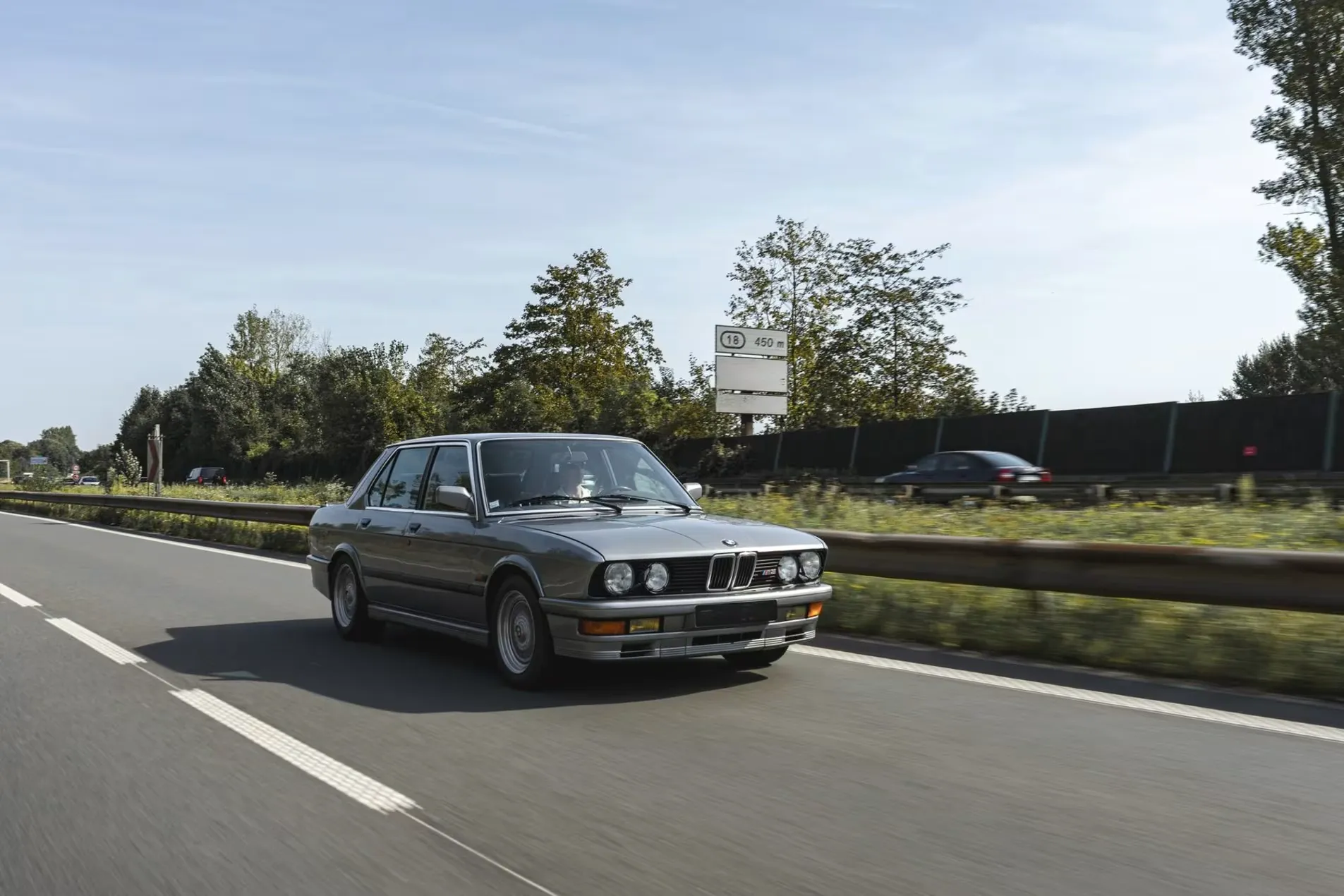
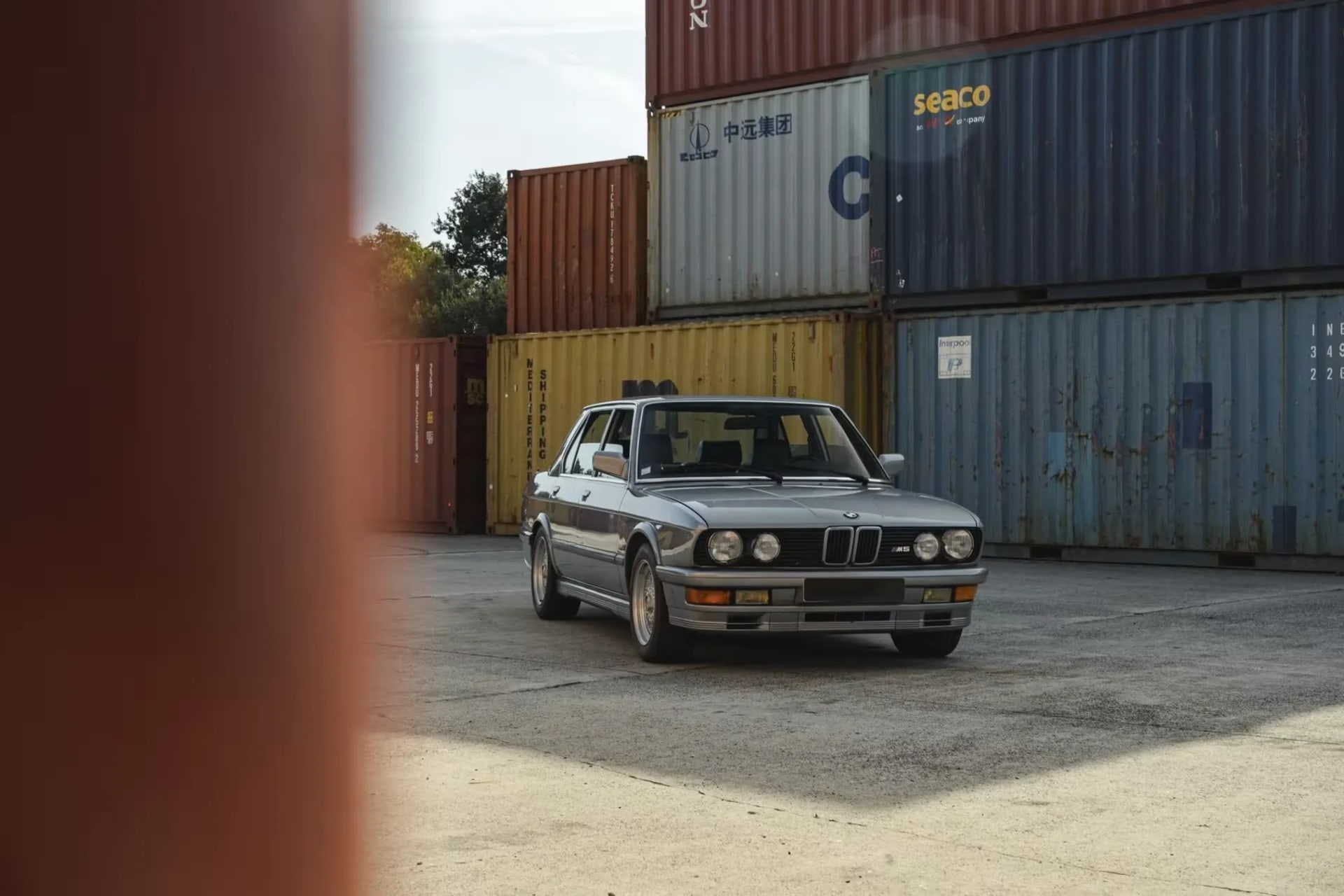
BMW M5 — modèle de la marque BMW.
BMW Serie 3 — modèle de la marque BMW.
BMW Serie 5 — modèle de la marque BMW.
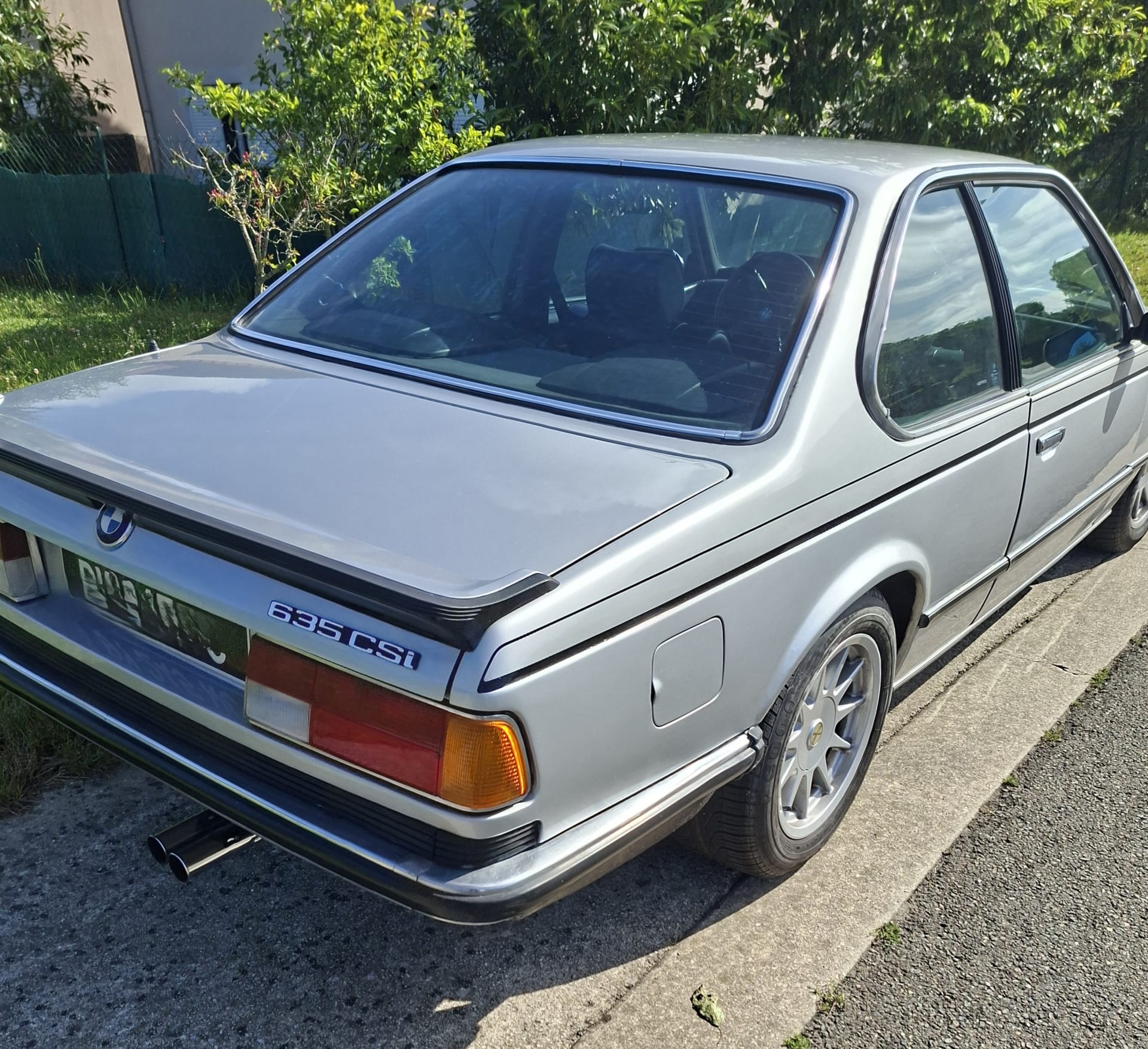
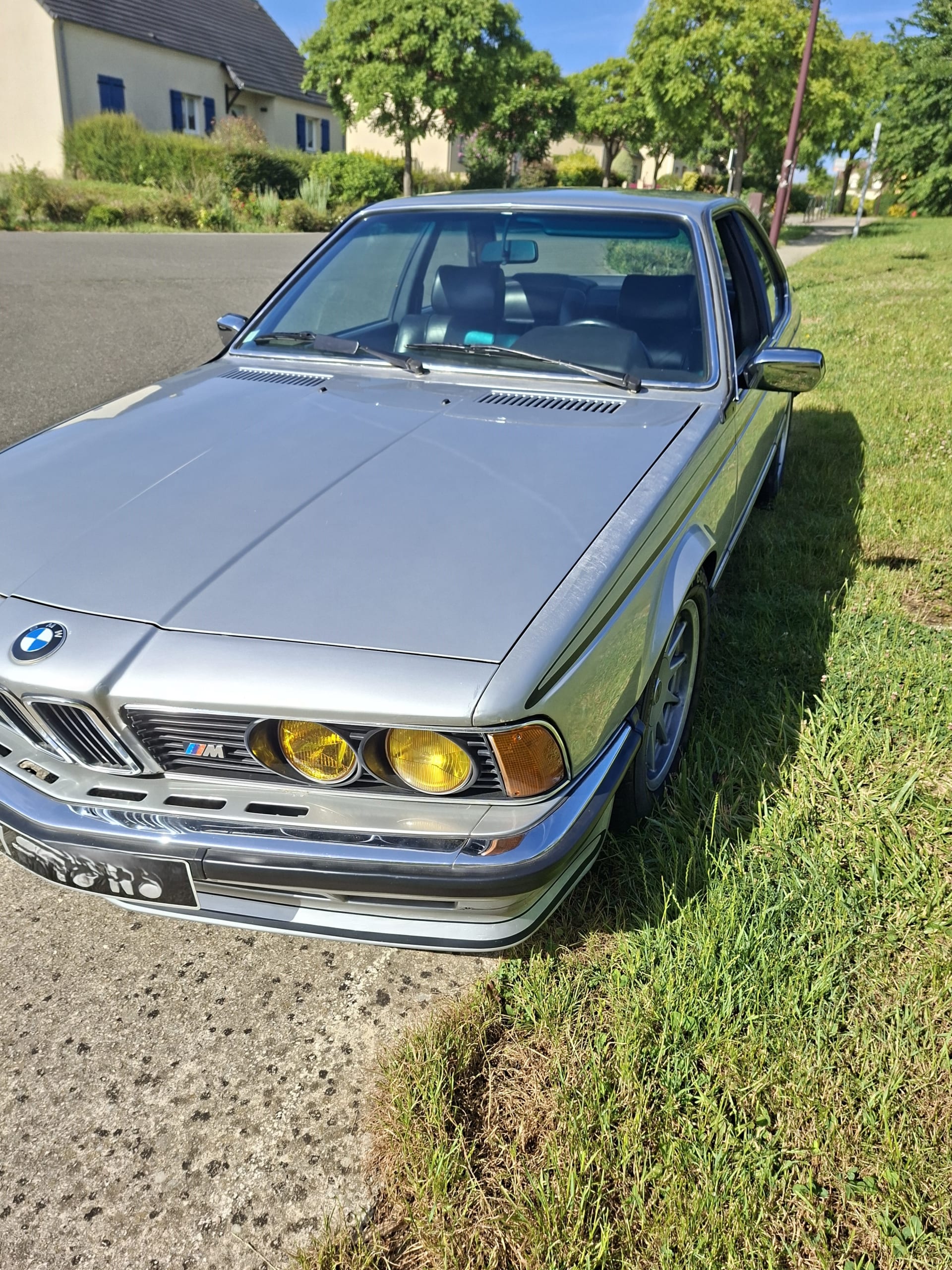
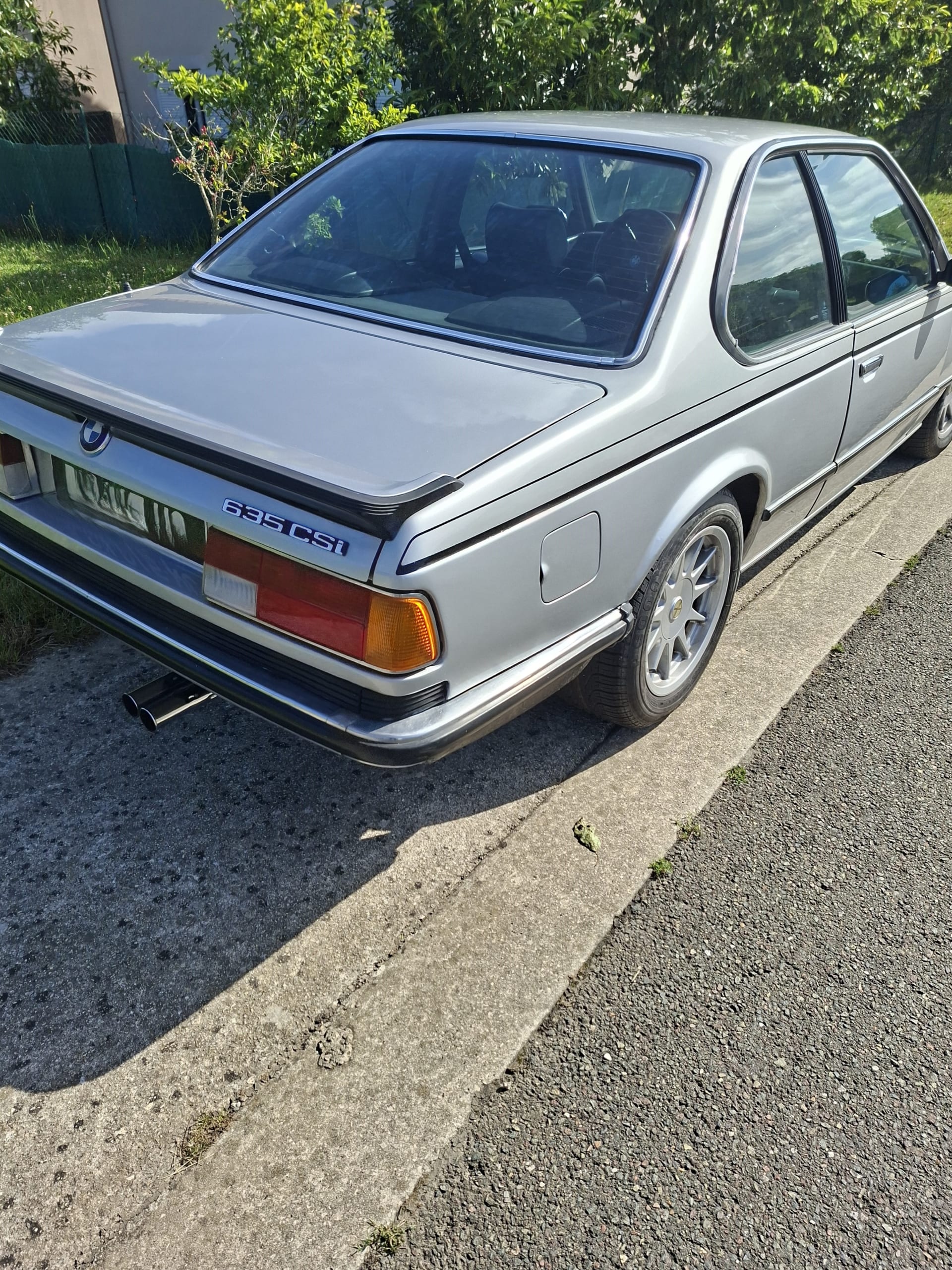
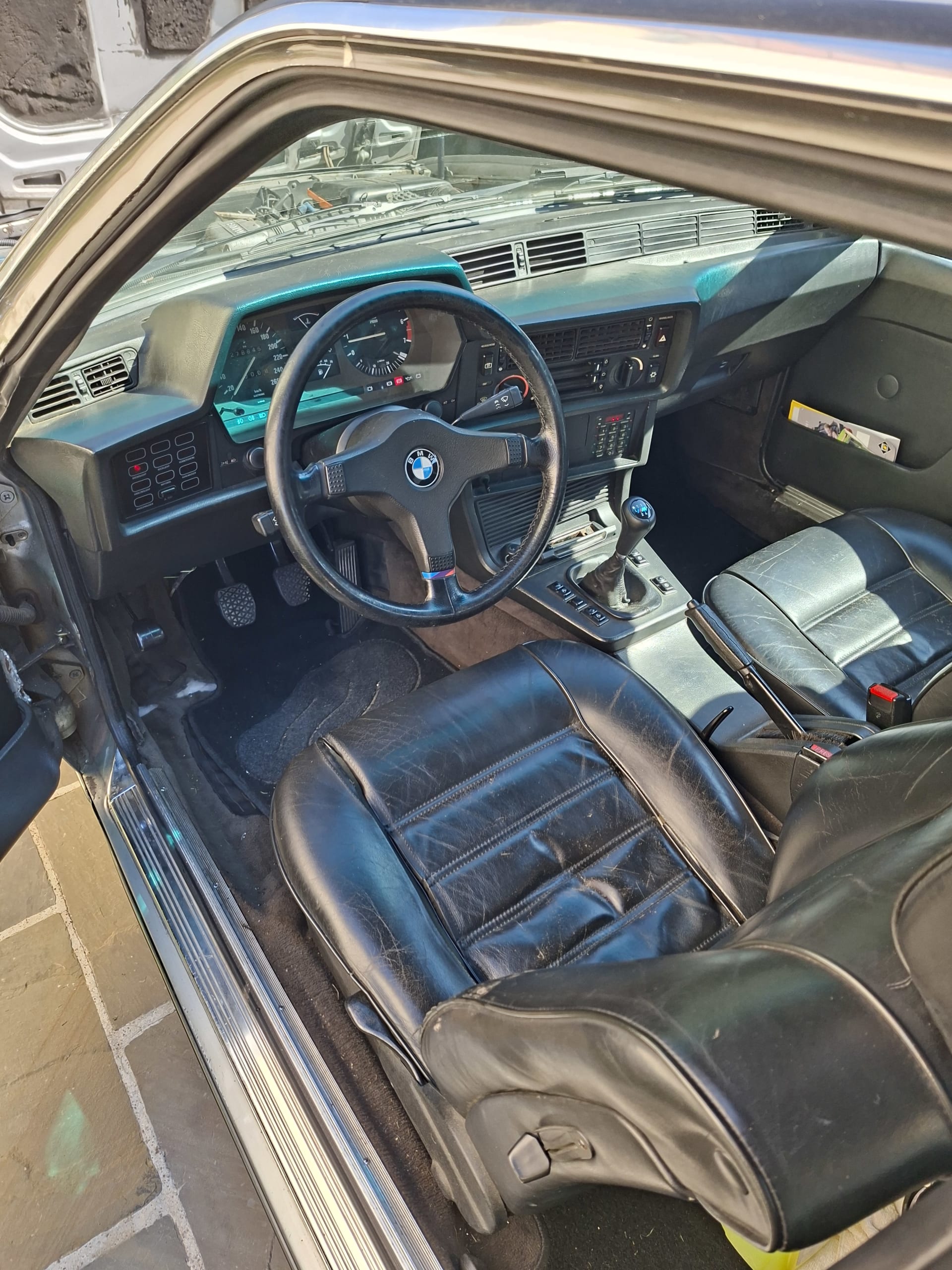
BMW Serie 6 — modèle de la marque BMW.
BMW Serie 7 — modèle de la marque BMW.
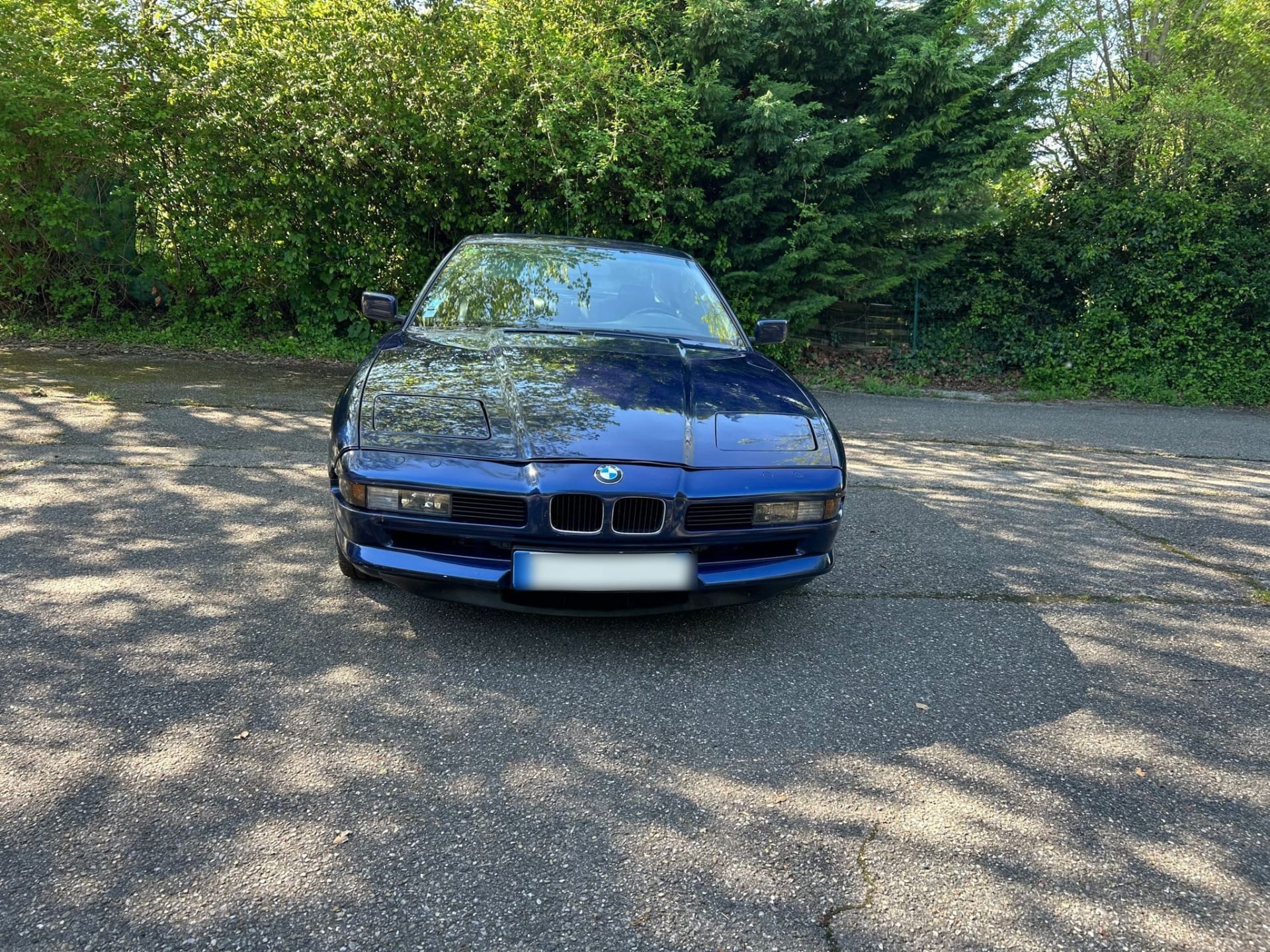
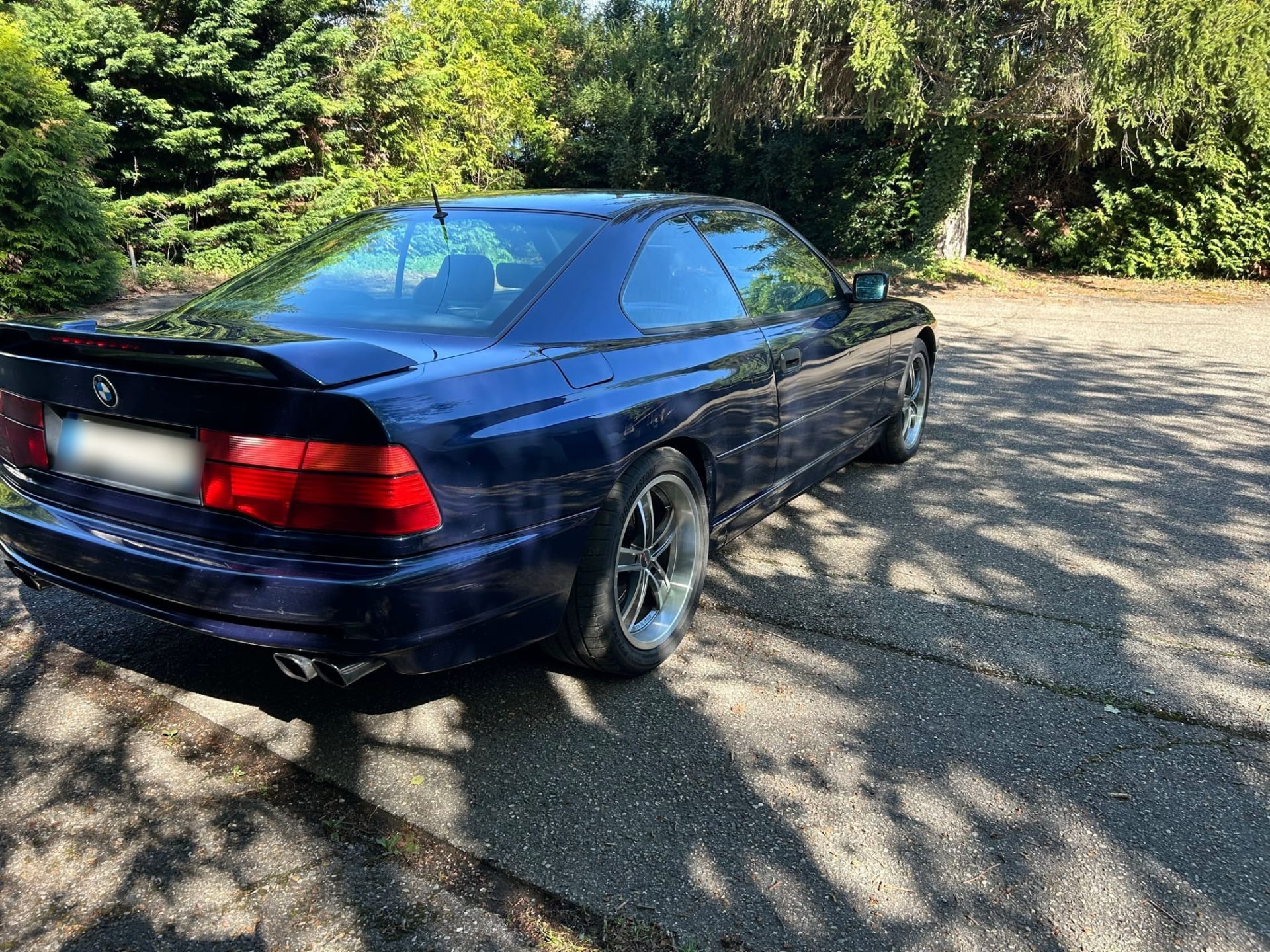
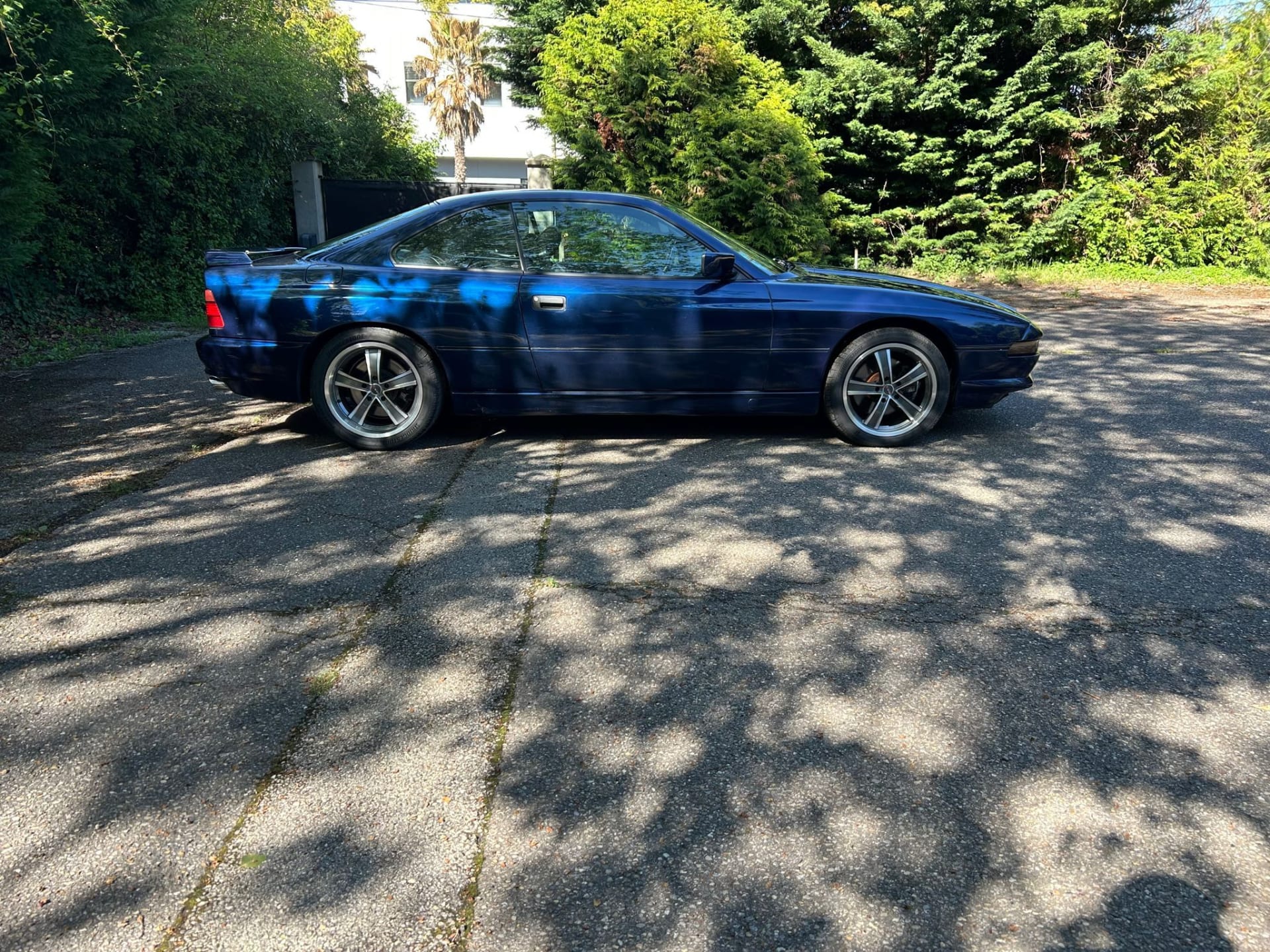
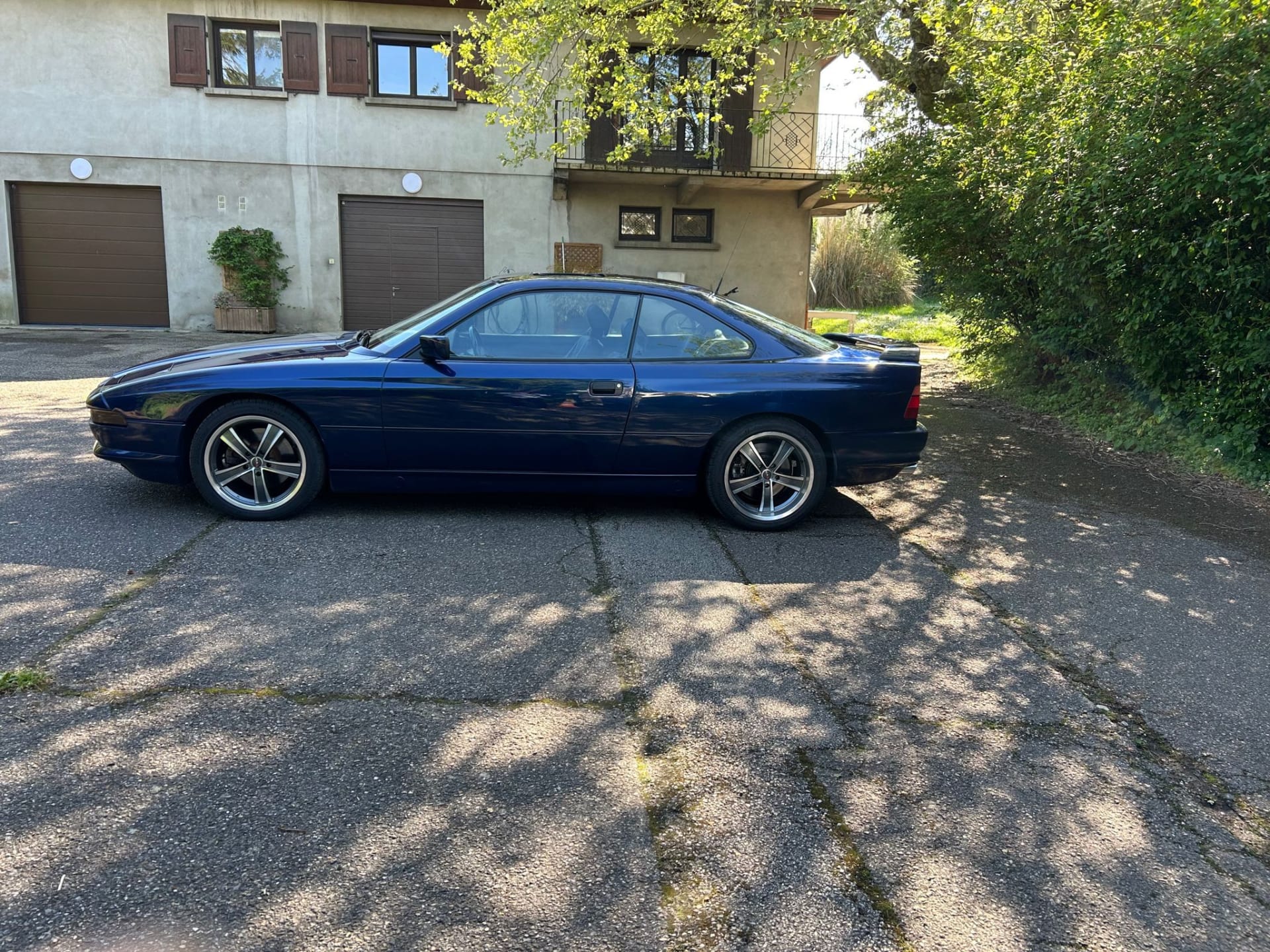
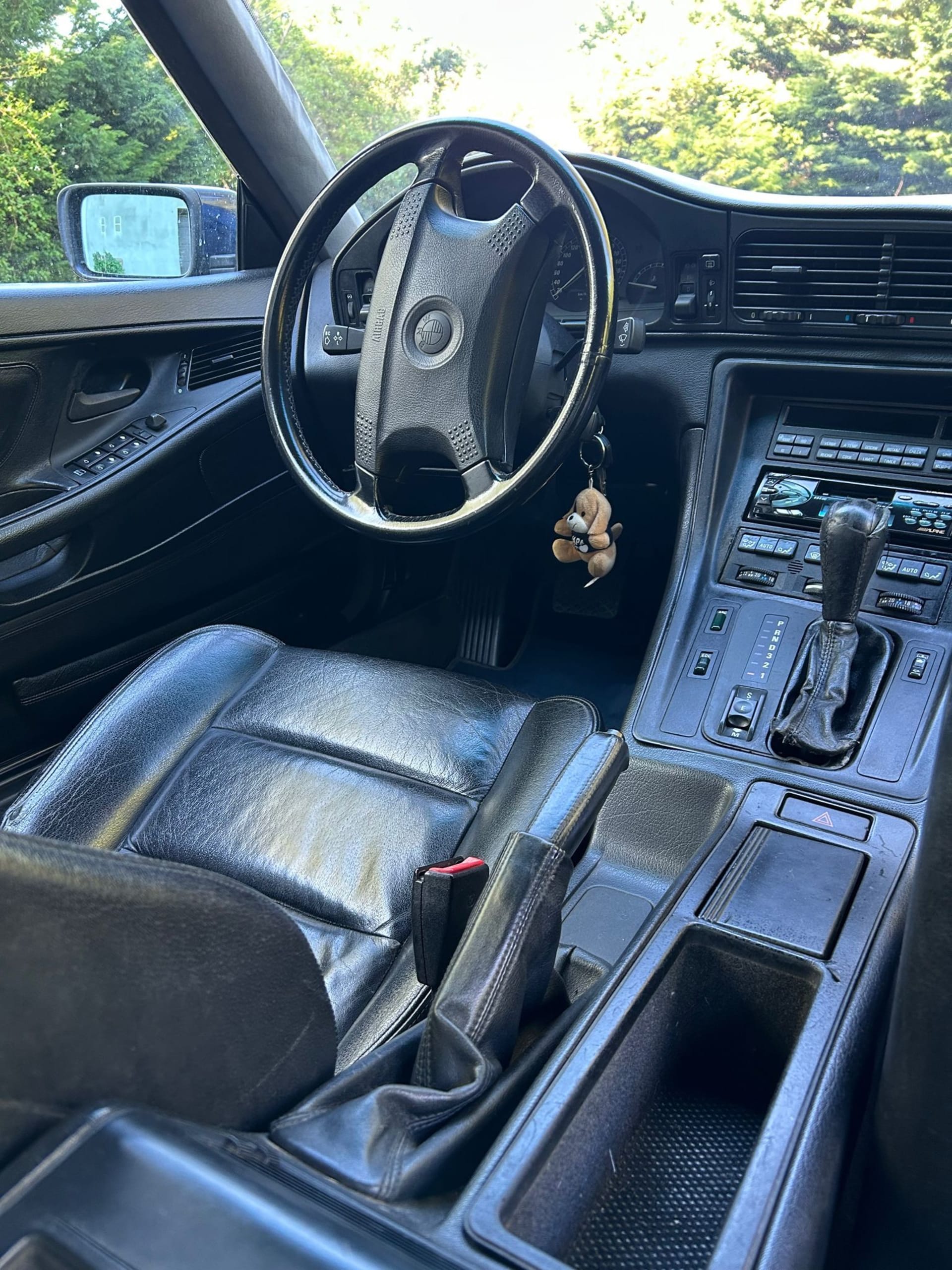
BMW Serie 8 — modèle de la marque BMW.


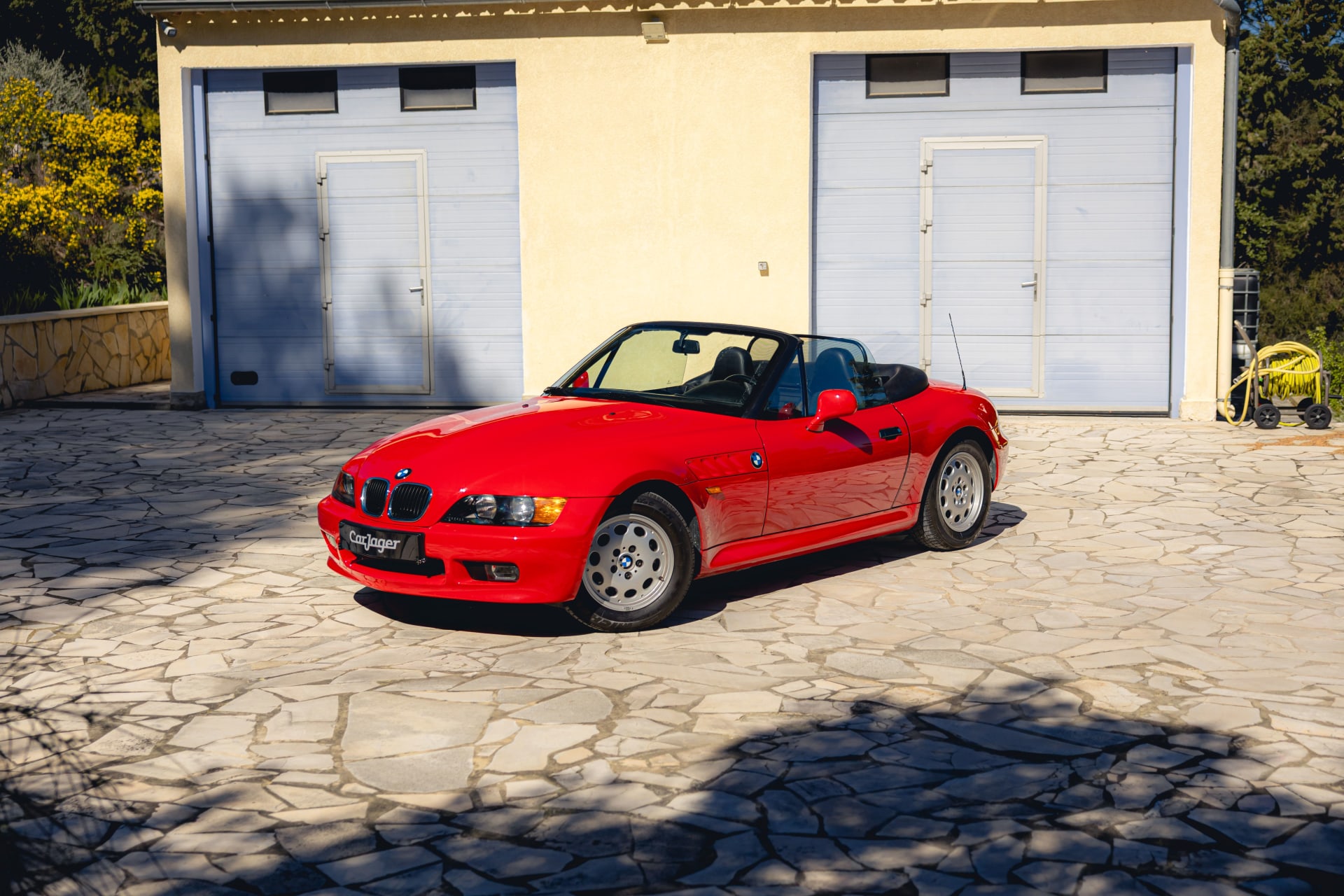
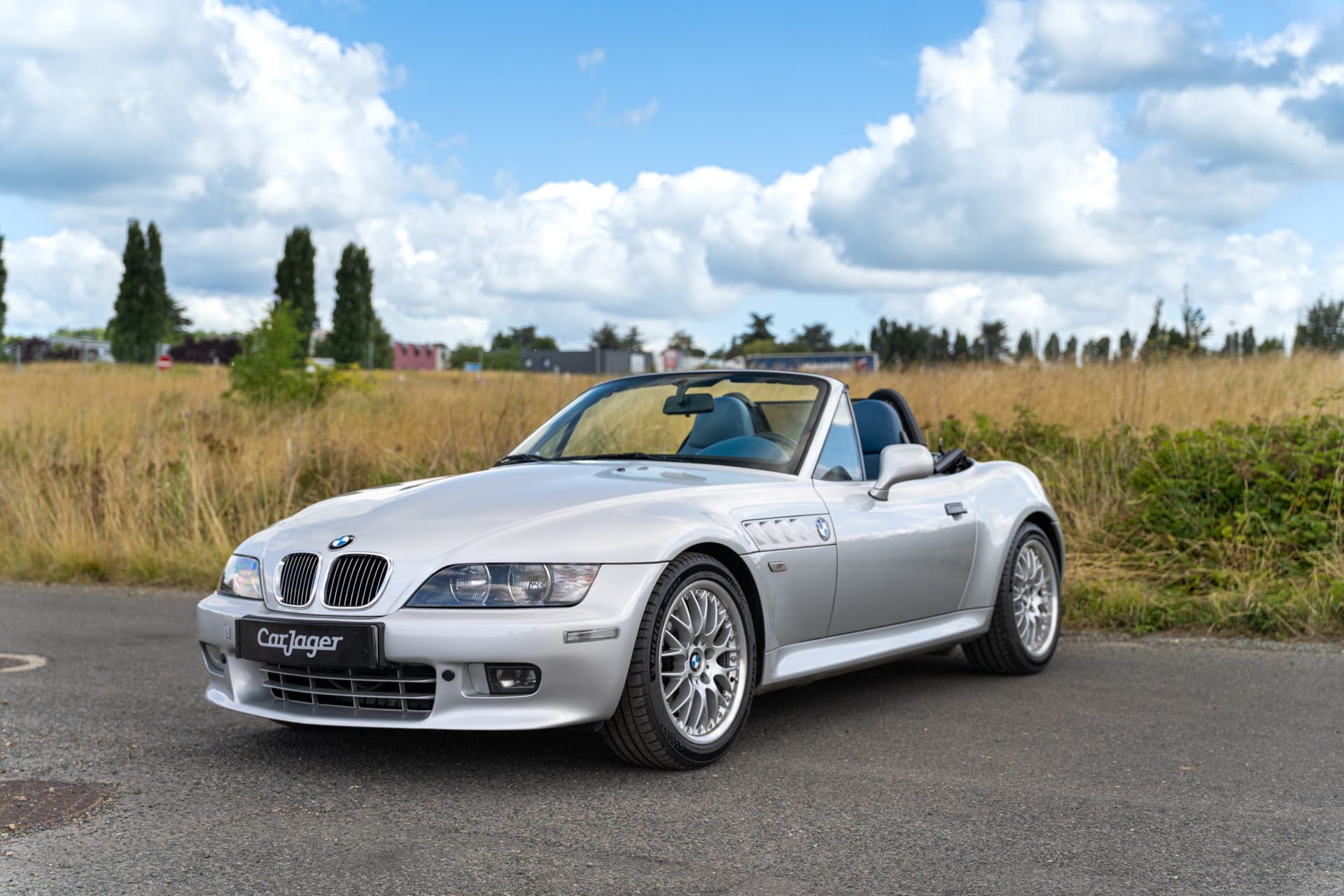
Buying my Z3 from CarJager was a very pleasant experience. I'm Spanish and don't speak French, but communicating via email was very easy. They respond very quickly and provide all the necessary documentation. Excellent service.
Perfect transaction, reliable agency, I found this rare vehicle with low mileage. A few days later, I met the seller, everything was arranged and straightforward. I appreciate the insurance included in the sale price.
A truly professional job, everything was done perfectly, from putting the car up for sale to the sale itself (photo shoot, managing buyers, organising appointments, delivering the sold vehicle, and payment). Philippe Dagonnet was always available to talk and always there when needed. Many thanks.
BMWs are not only—for the most part—better performing than average; they are also cars designed and built with a level of craftsmanship that has played a major role in establishing the brand’s reputation. Nevertheless, their durability and reliability depend, as with any car, on the quality of the maintenance and repairs they have received over their lifetime. Therefore, pay close attention to the maintenance records of any car you are considering purchasing—a complete maintenance history is ideal in this case—and, once you become the owner, contact an authorized BMW Classic partner or a reputable independent specialist for any necessary inspections and repairs; this is the key to maintaining your vehicle’s value over time.
Once again, it is undoubtedly the models bearing the “M” badge that will be the most sought-after in the future, with even greater appeal for special editions (such as the M3 E46 GTR and M3 E92 GTS) or cars whose pedigree and/or rarity enhance their appeal, like the short-lived 1M Coupe, produced from 2011 to 2012 and highly sought-after today. Let’s not forget the very limited editions, such as the Speedtop and Skytop based on the M8, which are already among the most desirable BMWs in the manufacturer’s entire history.
First and foremost, whether you’re buying a classic BMW or any other car, you should verify the vehicle’s registration status: the registration certificate must be up to date, and there must be no outstanding administrative objections against the car. If the car was imported, the VAT must have been paid, and the seller must provide you with a tax clearance certificate. Furthermore, the car’s overall condition must match the seller’s description. For example, if the car is not a “matching numbers” vehicle (meaning it no longer has its original engine and/or transmission), or if it has been substantially modified, these points must be explicitly stated. If possible, have the car placed on a lift so you can inspect it thoroughly, ideally with the assistance of an expert or someone knowledgeable about the model you’re interested in. A complete maintenance record is also essential, as it allows you to verify the quality and frequency of the vehicle’s maintenance. Finally, a test drive (of at least twenty kilometers) is imperative. This will allow you to assess the vehicle’s handling, the responsiveness of the engine and transmission, and the proper functioning of all equipment and accessories. Of course, these tips become irrelevant if you choose to use CarJager’s services, whose mission is precisely to provide you with complete peace of mind when selecting your future classic BMW!
Since the Bavarian automaker has built its image on its reputation as an engine manufacturer, it is naturally its highest-performance models that attract the most attention from collectors. The versions bearing the famous “M” badge are thus the most highly valued in each relevant series (3, 5, and 6), but the more modestly powered variants are also in high demand, particularly when equipped with the famous in-house six-cylinder engines. However, even if you opt for a model with a more modest engine, it remains essential to prioritize cars in perfect working order that have all their interior and exterior trim intact. A car in fair condition, while it may offer some savings at purchase, will cost much more in various repairs over the medium term, as restoration costs for a classic BMW are very high. This is why the best-preserved or fully restored cars are often listed at prices well above the market value on the German market.
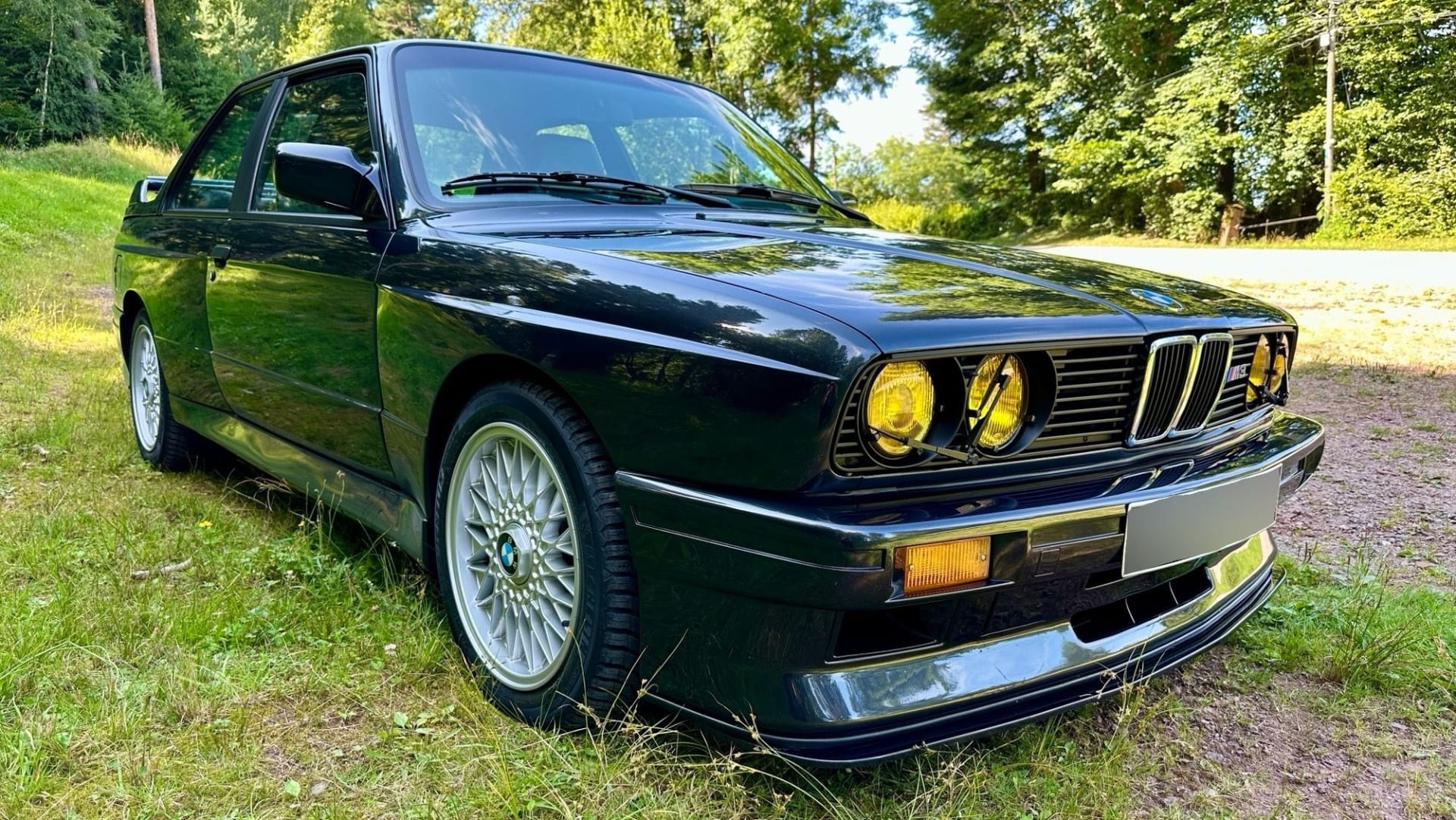
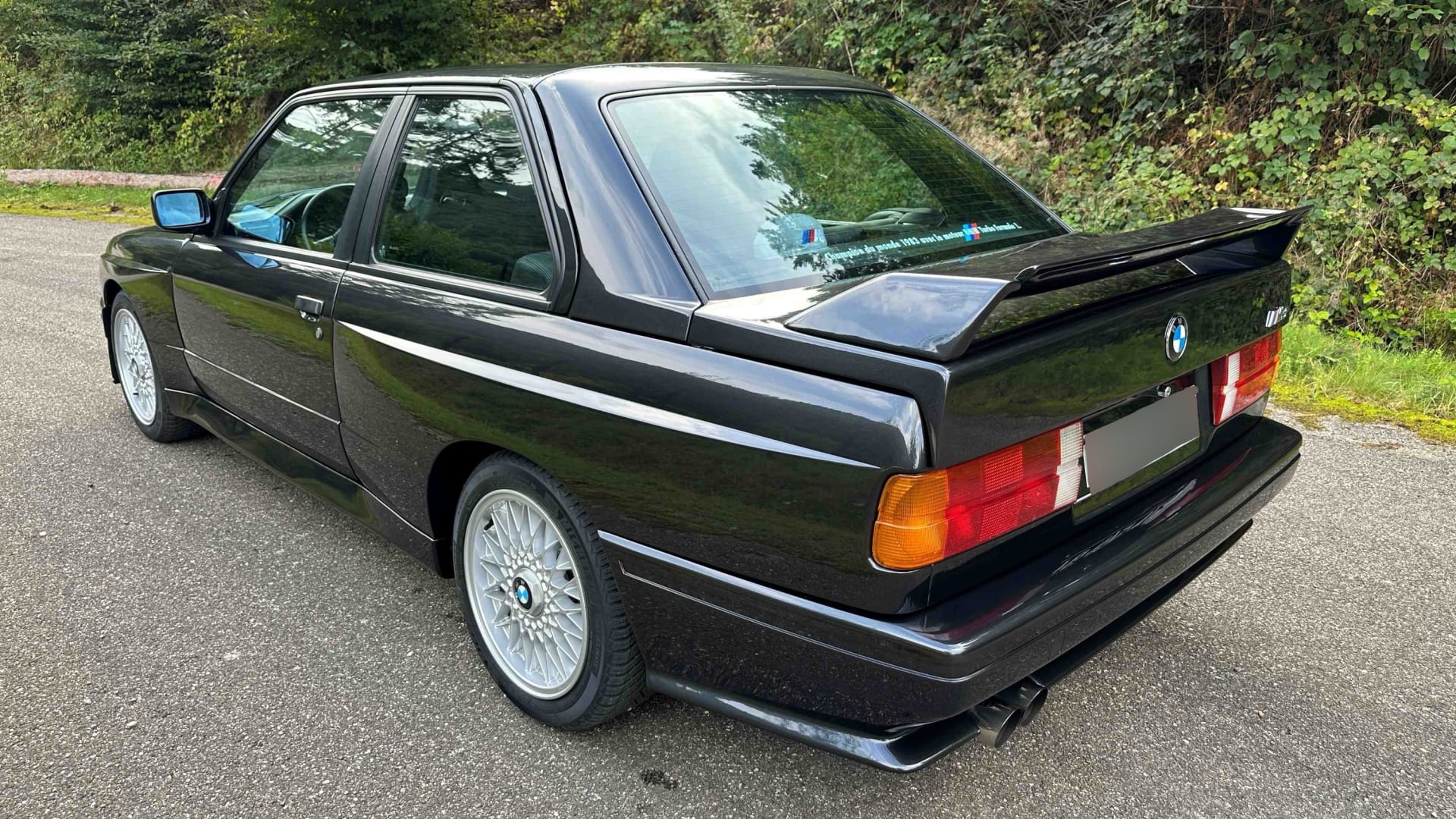
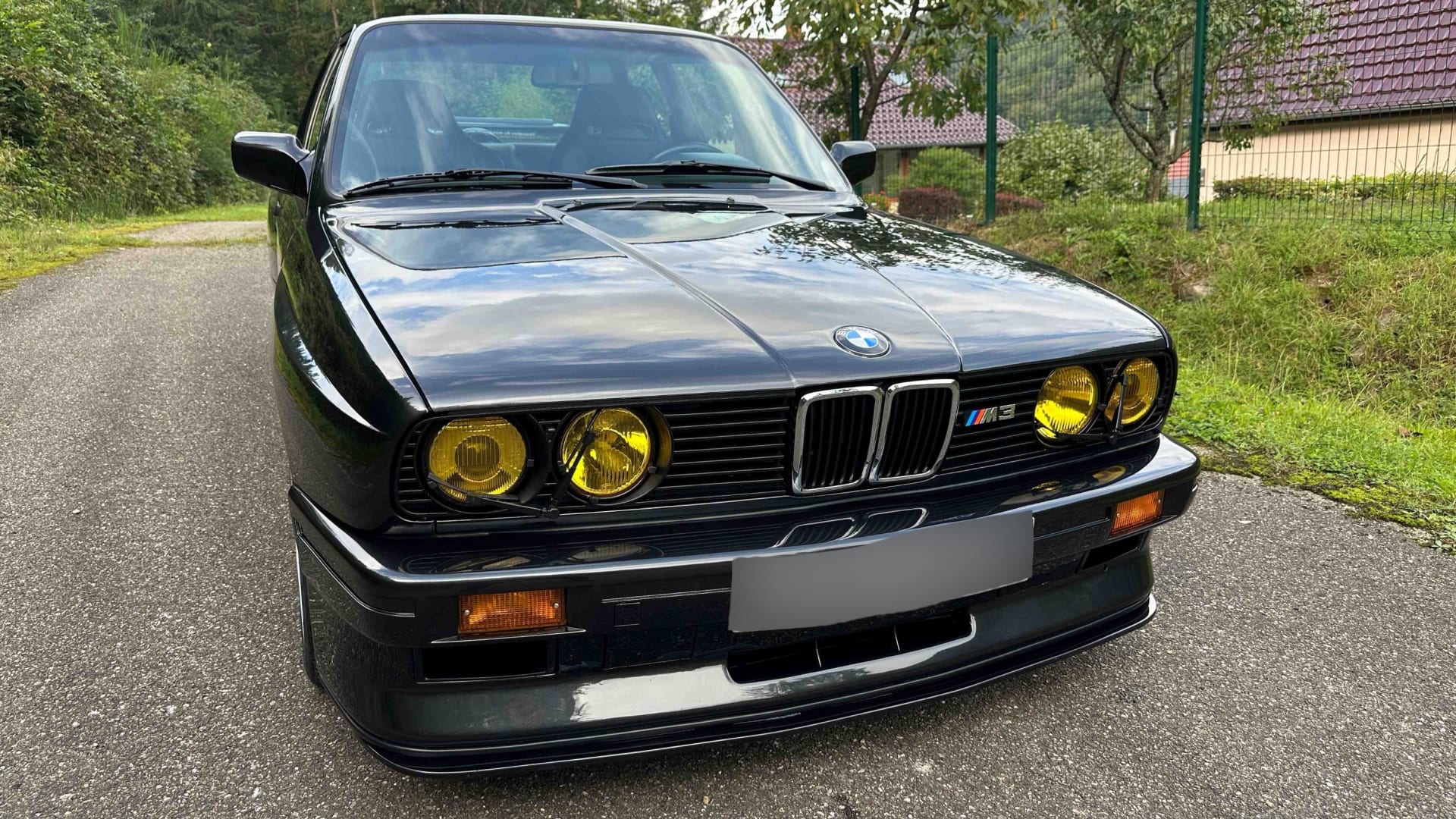
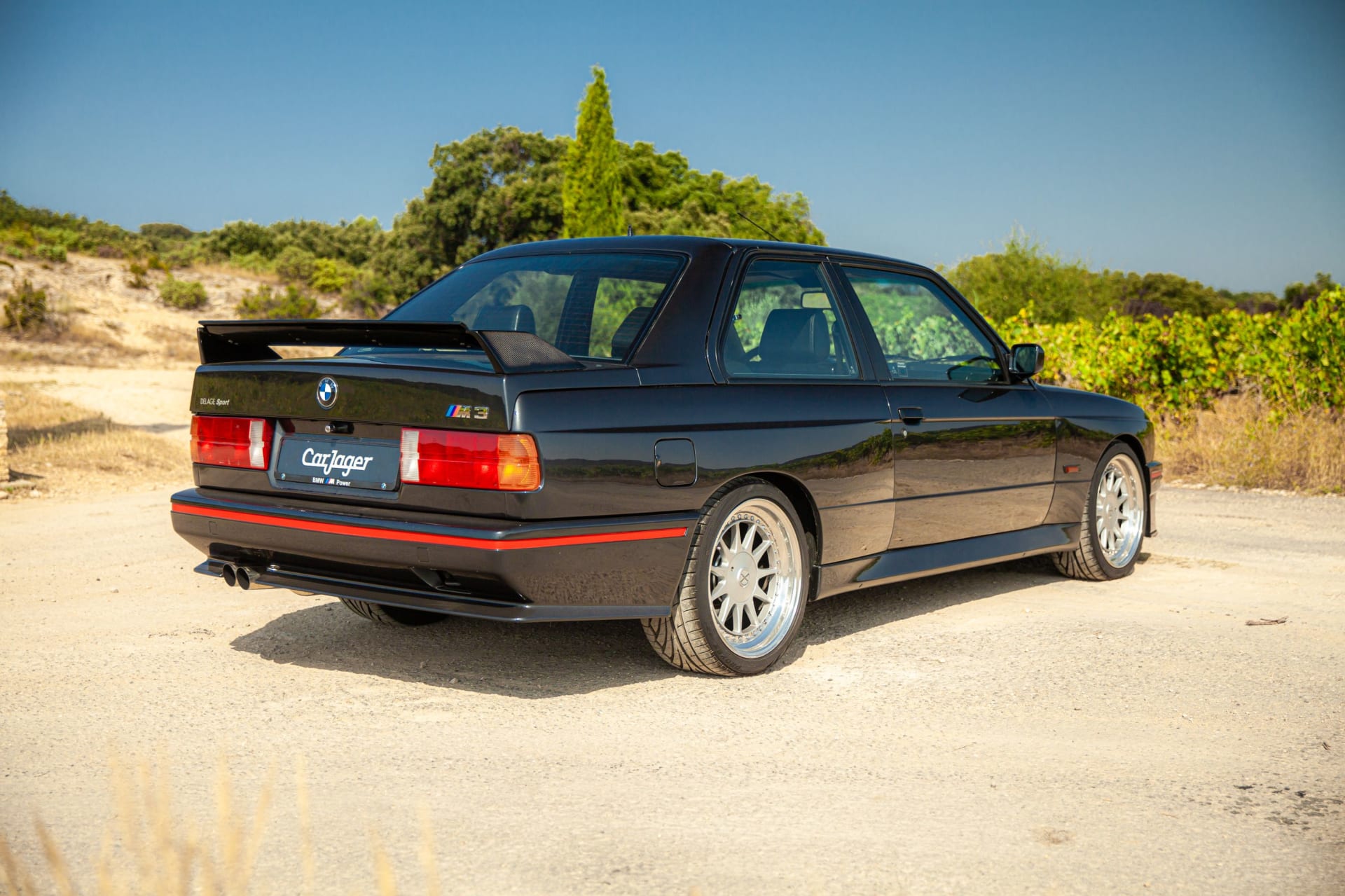
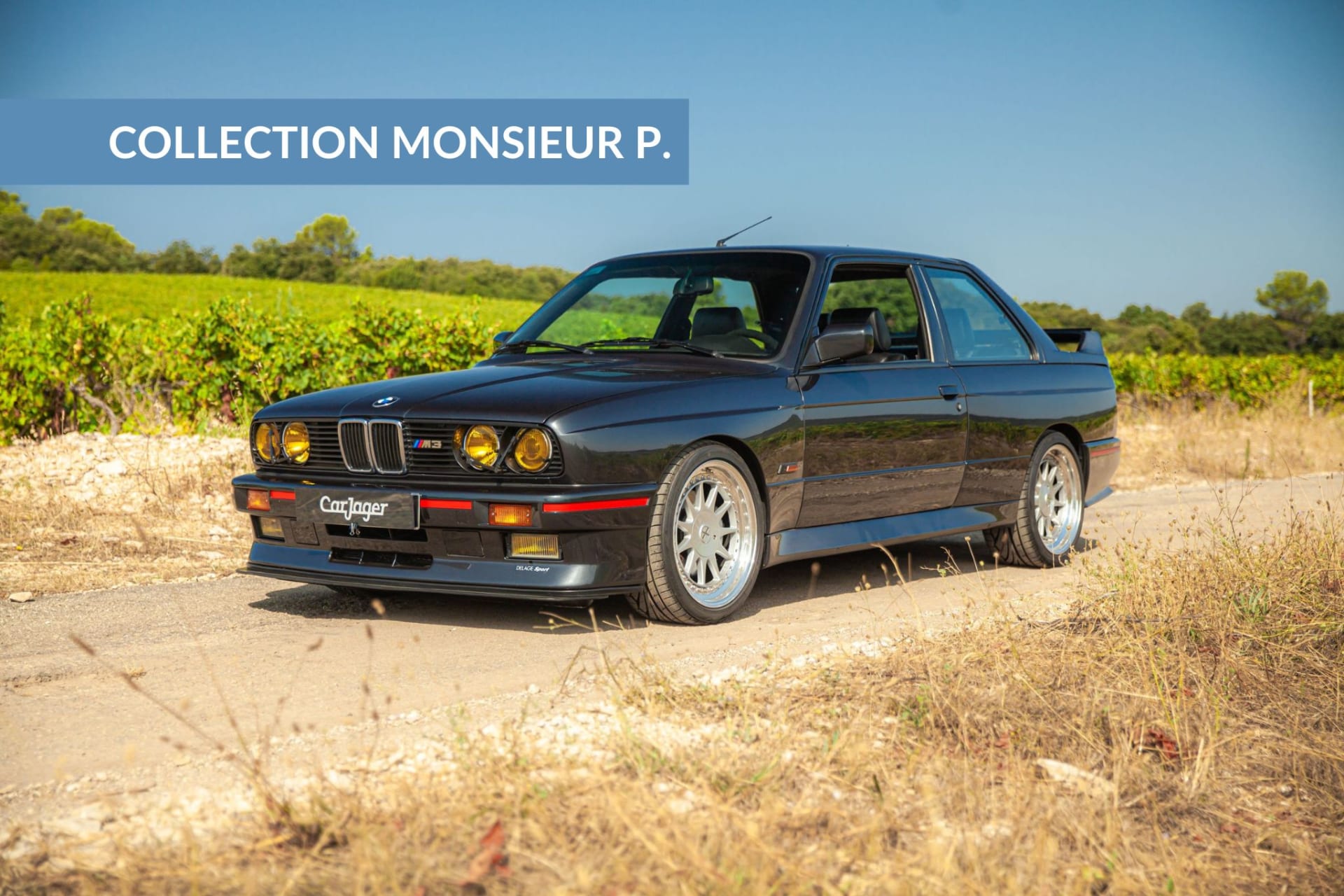
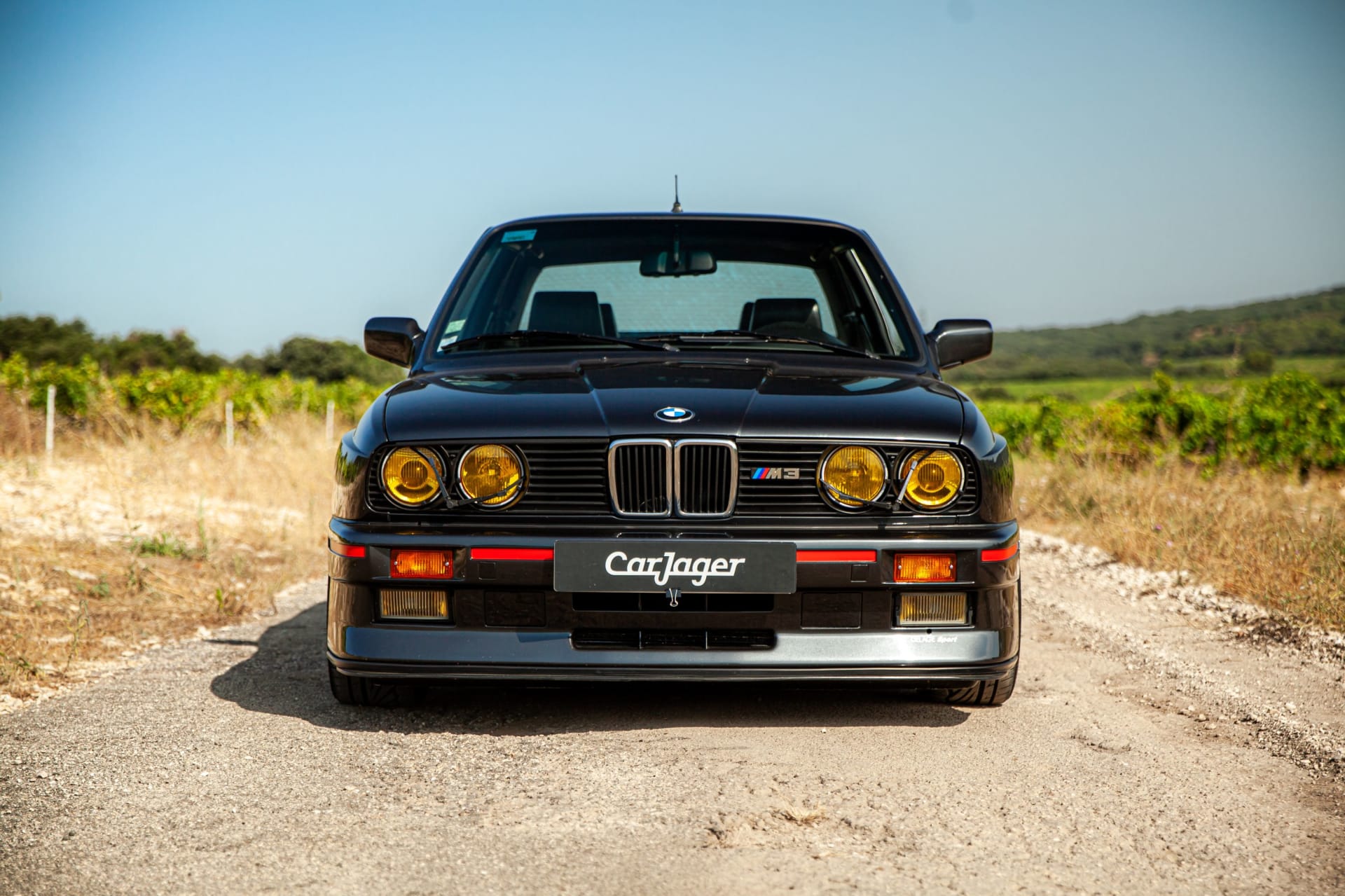
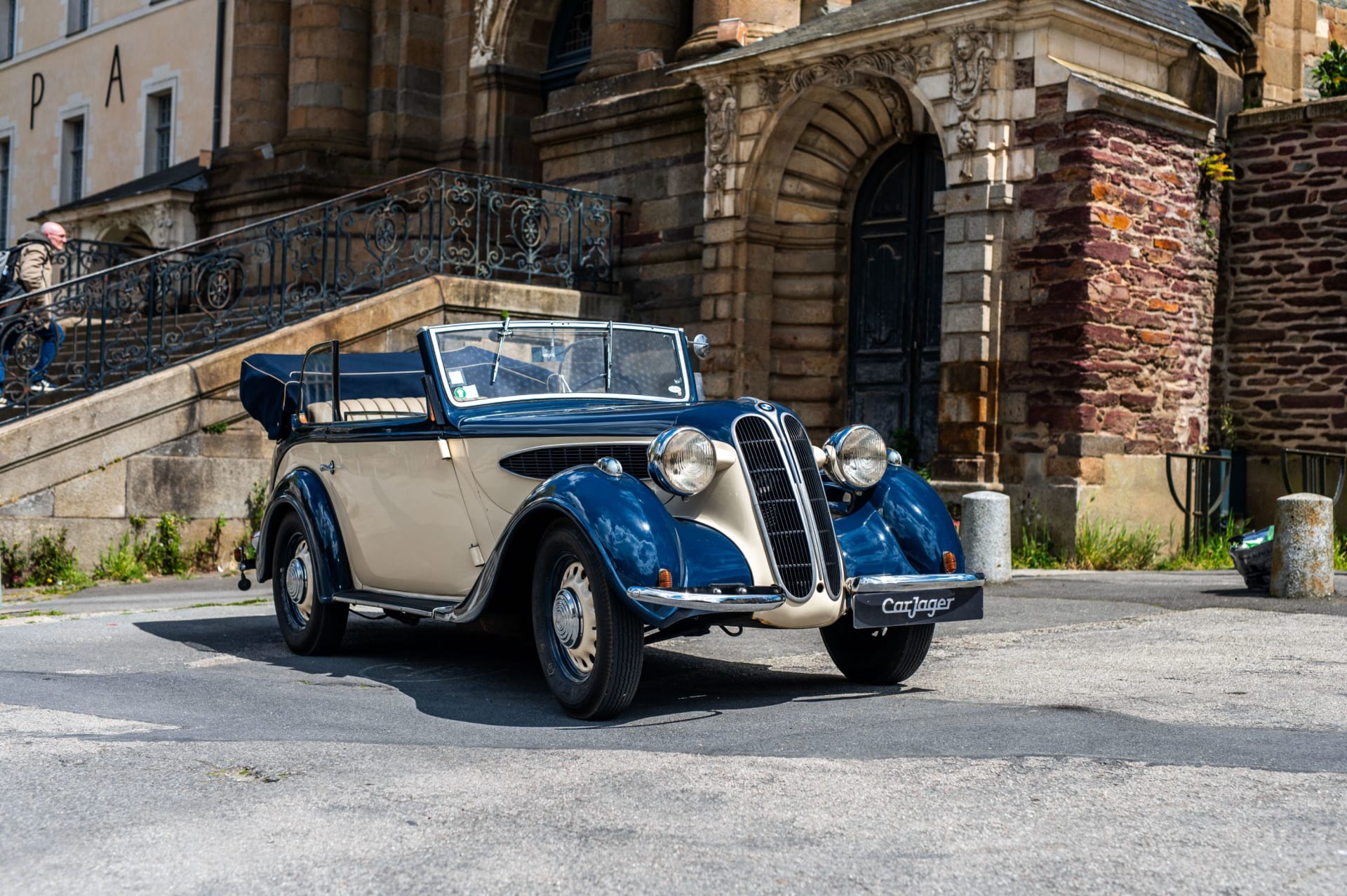
While certain pre-war BMWs, such as the 328, are universally revered classic models, most enthusiasts are primarily interested in cars introduced starting in the 1950s. First and foremost, of course, is the sumptuous [507] roadster (https://www.carjager.com/blog/article/bmw-507-le-roadster-maudit.html), designed by Count Albrecht von Goertz and produced in a limited run of just 252 units between 1956 and 1959. Subsequently, the company’s revival, which began in 1961 with the Neue Klasse sedan, gave rise to other memorable cars, such as the 1973 2002 Turbo. The 1970s also saw the legendary 3.0 CSL, followed by the 6 Series coupes, designed by French stylist Paul Bracq, while the Motorsport division created its very first car, the M1 Berlinetta, in 1978. Closer to the present, it is the large M3 family, introduced in 1986, that captures the attention of driving enthusiasts; roadster enthusiasts, for their part, set their sights on the sculptural Z8 or the more playful Z3, whose M variant is making waves!