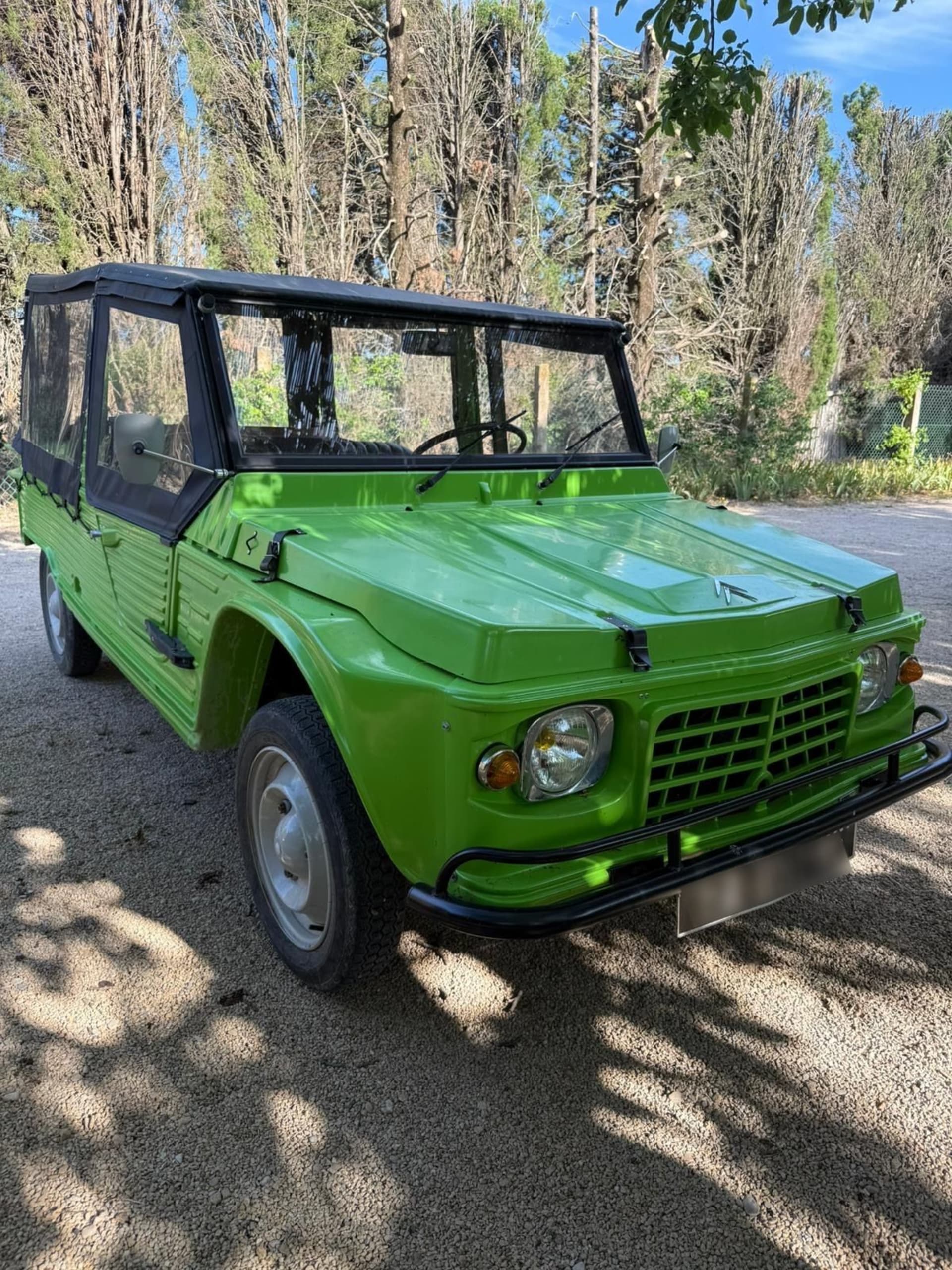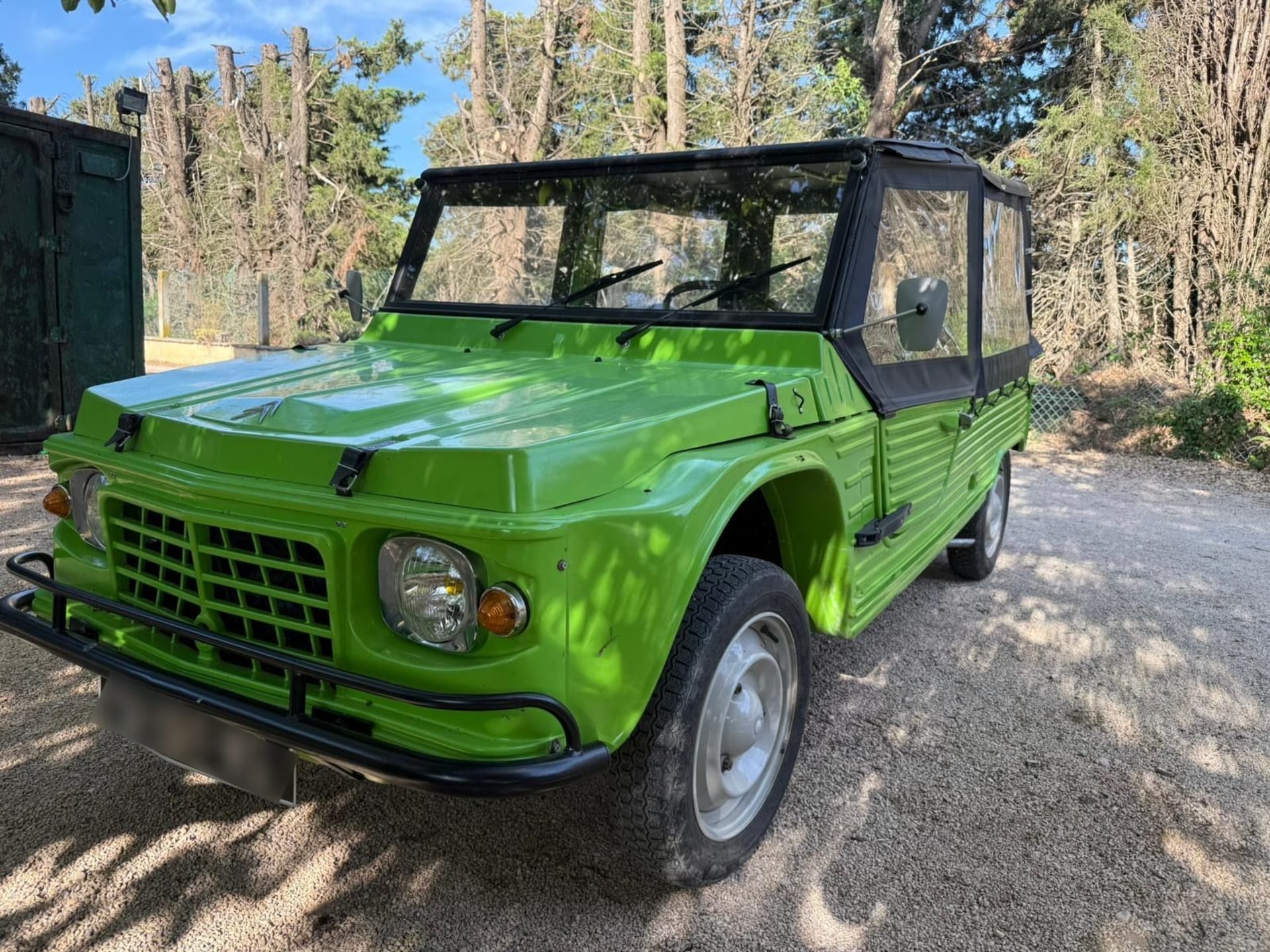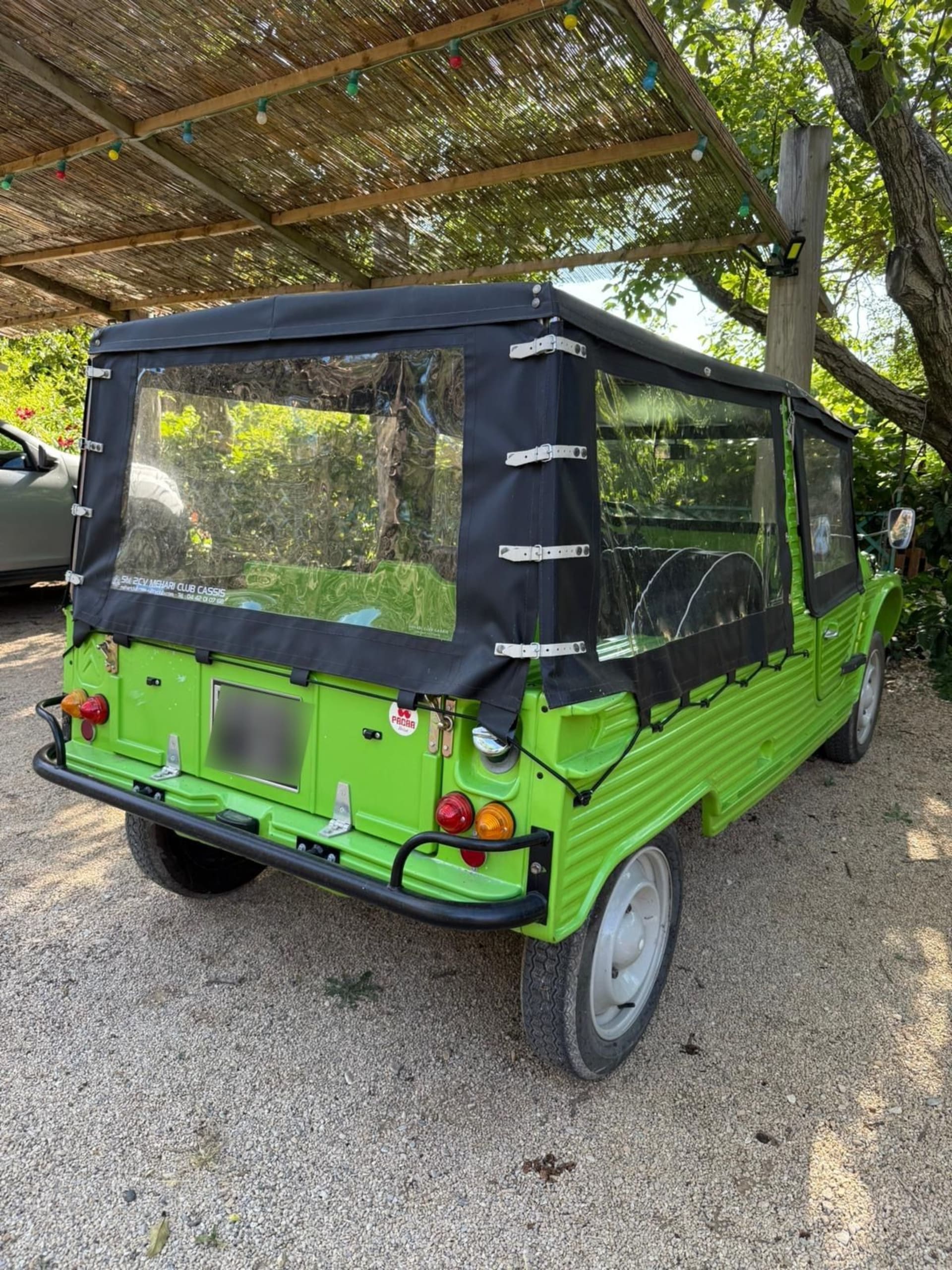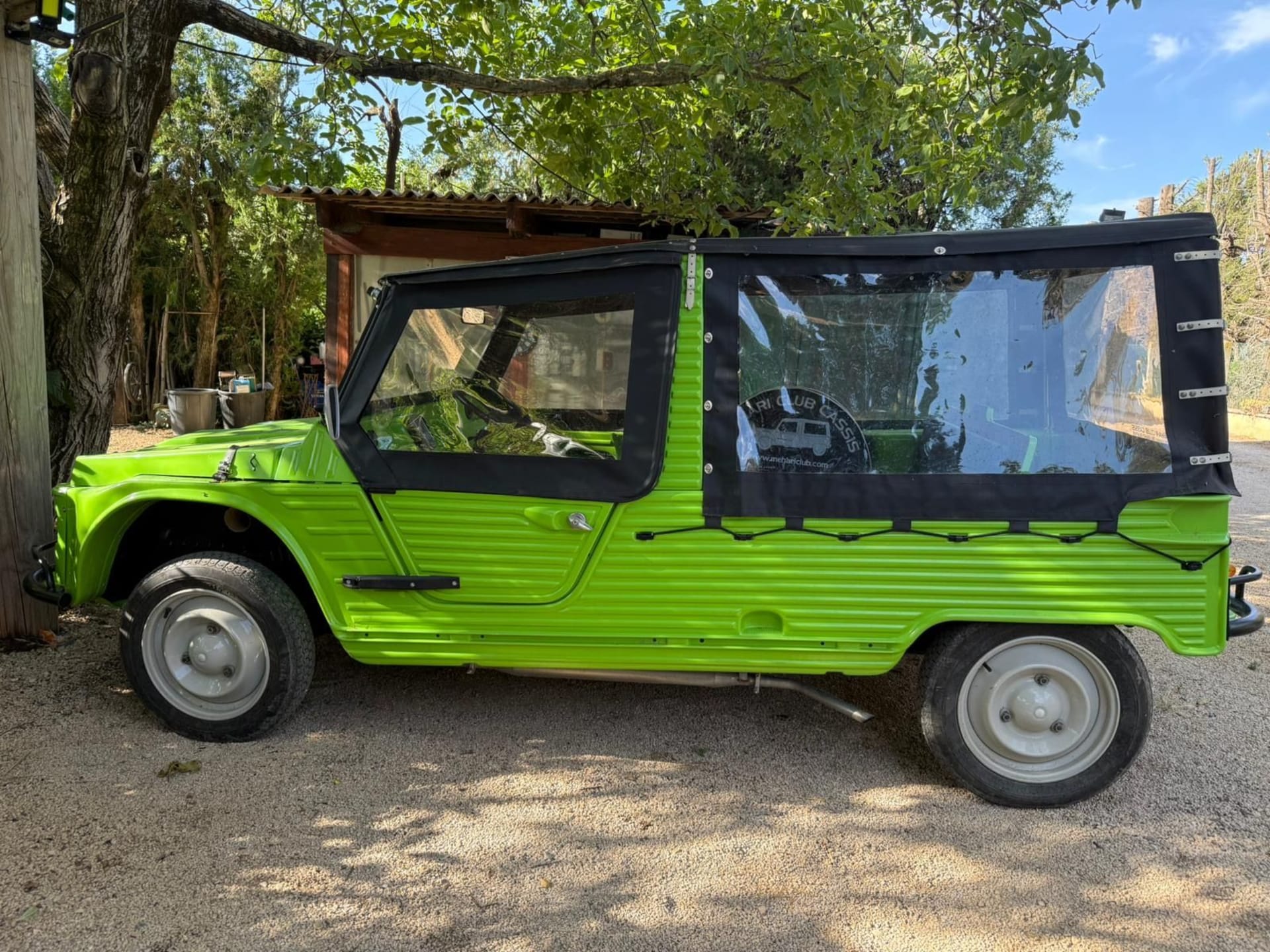
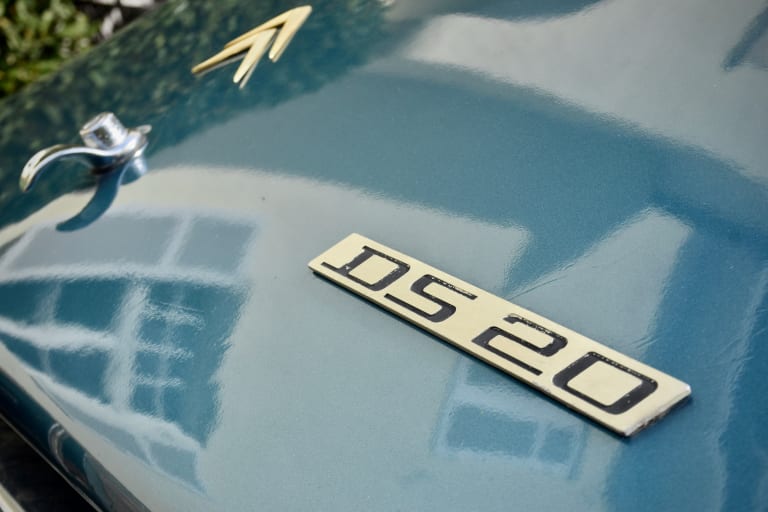
Ready to embark on a classic Citroën adventure? From the legendary Traction Avant to the iconic DS, CarJager takes you there. Dive into the world of Citroëns carefully selected by our Car Specialists.
Discover our personalized search service and access our network of 32,000 enthusiasts. Start your search now, your next adventure begins here.

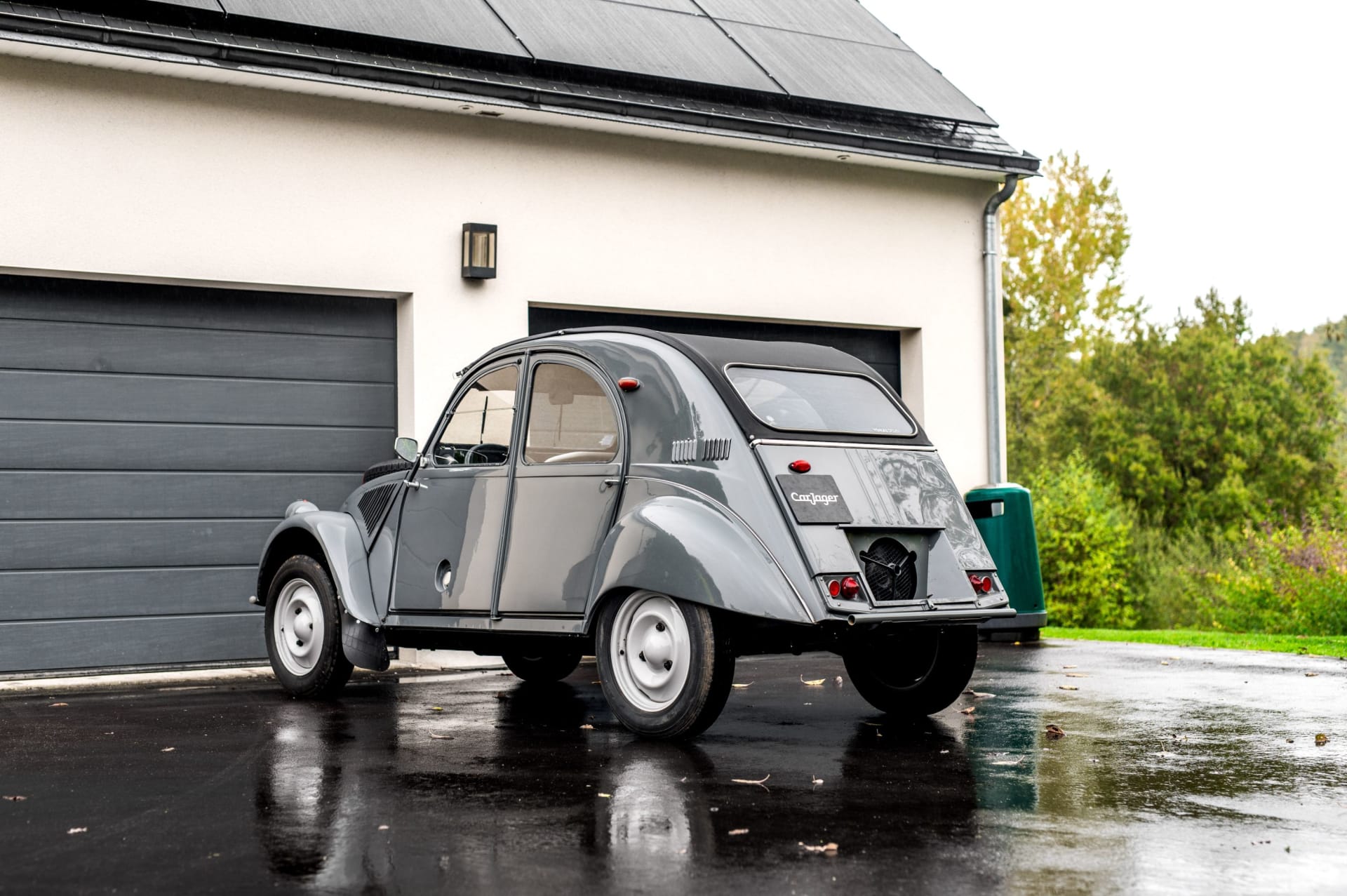
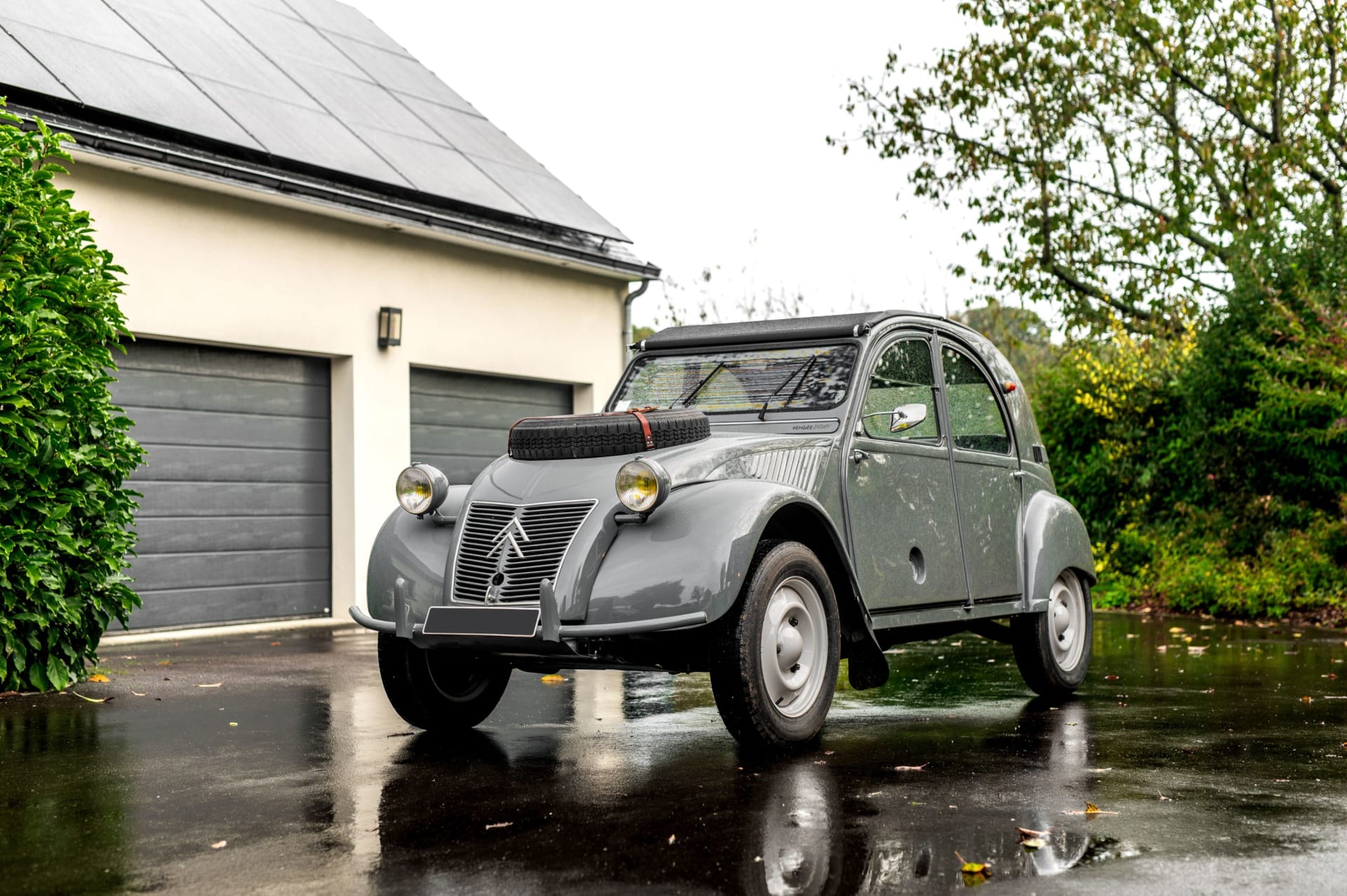
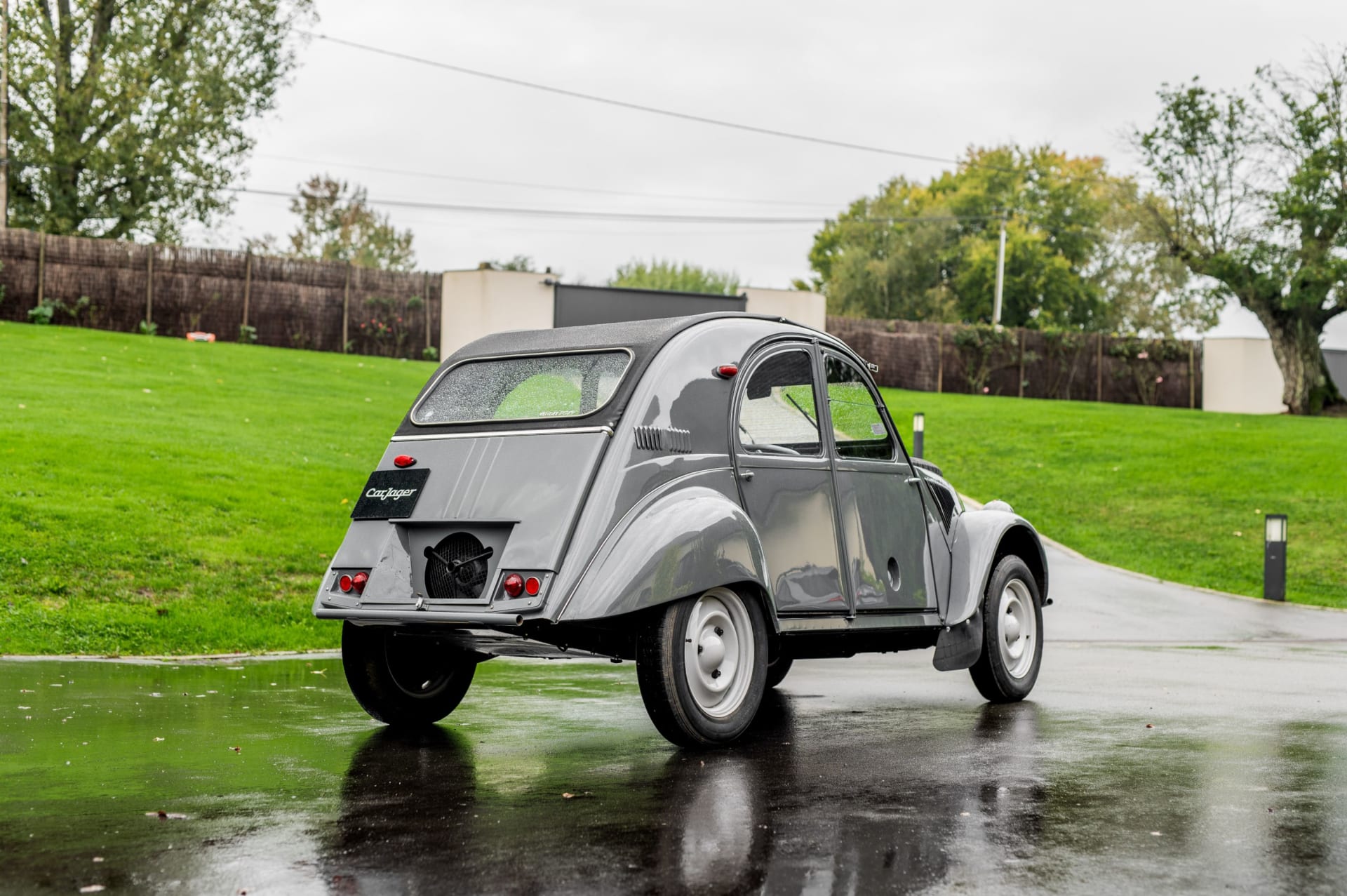
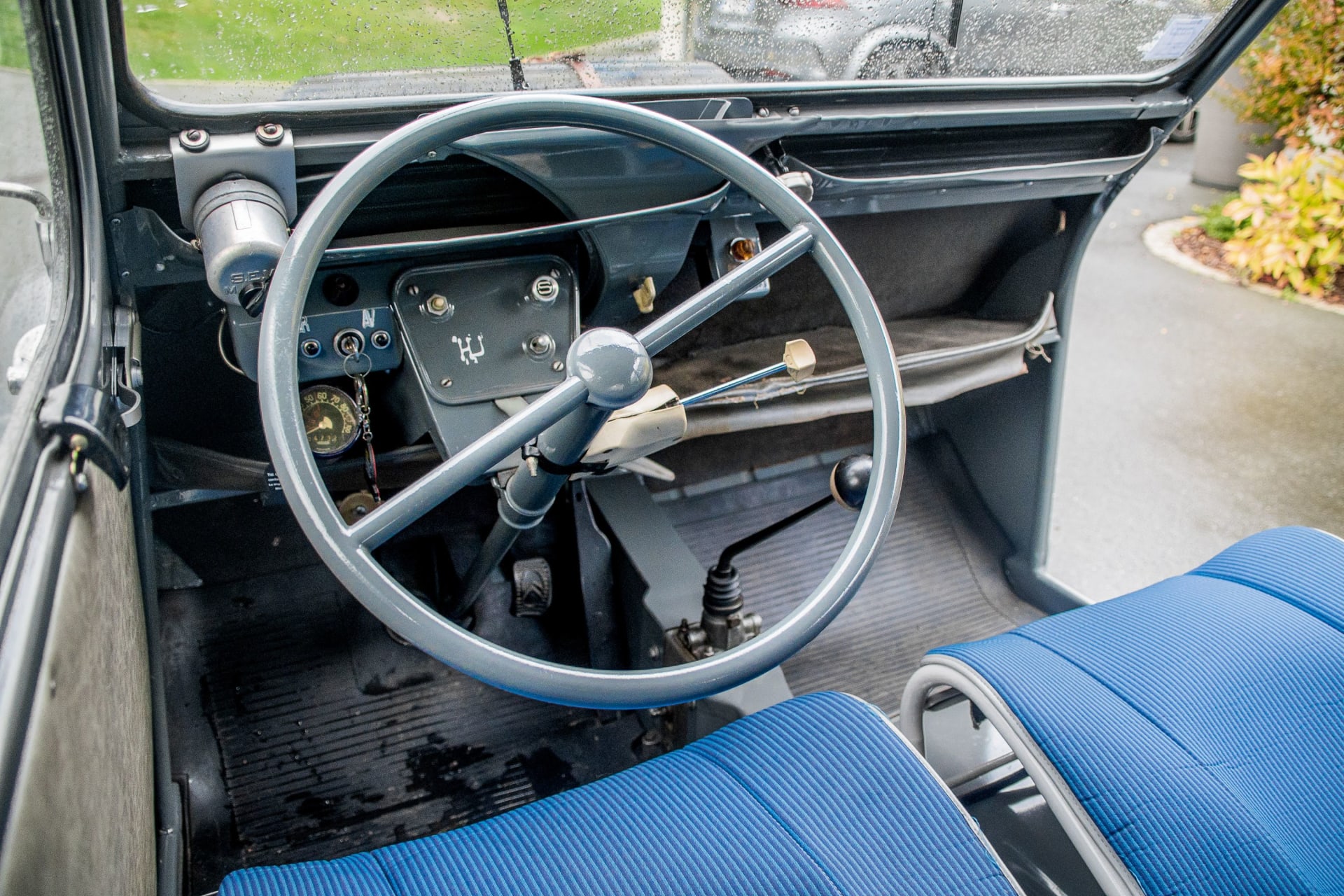
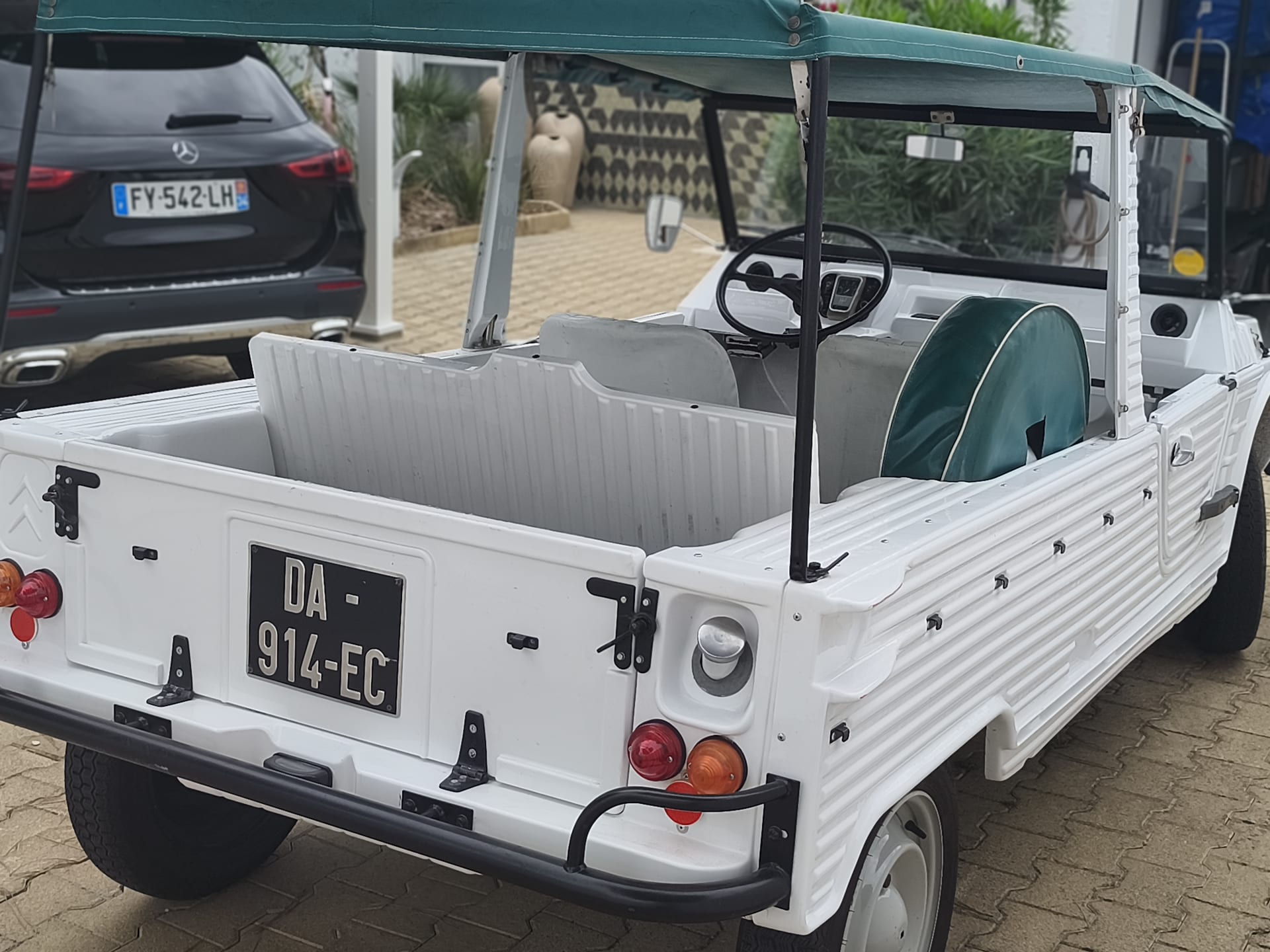
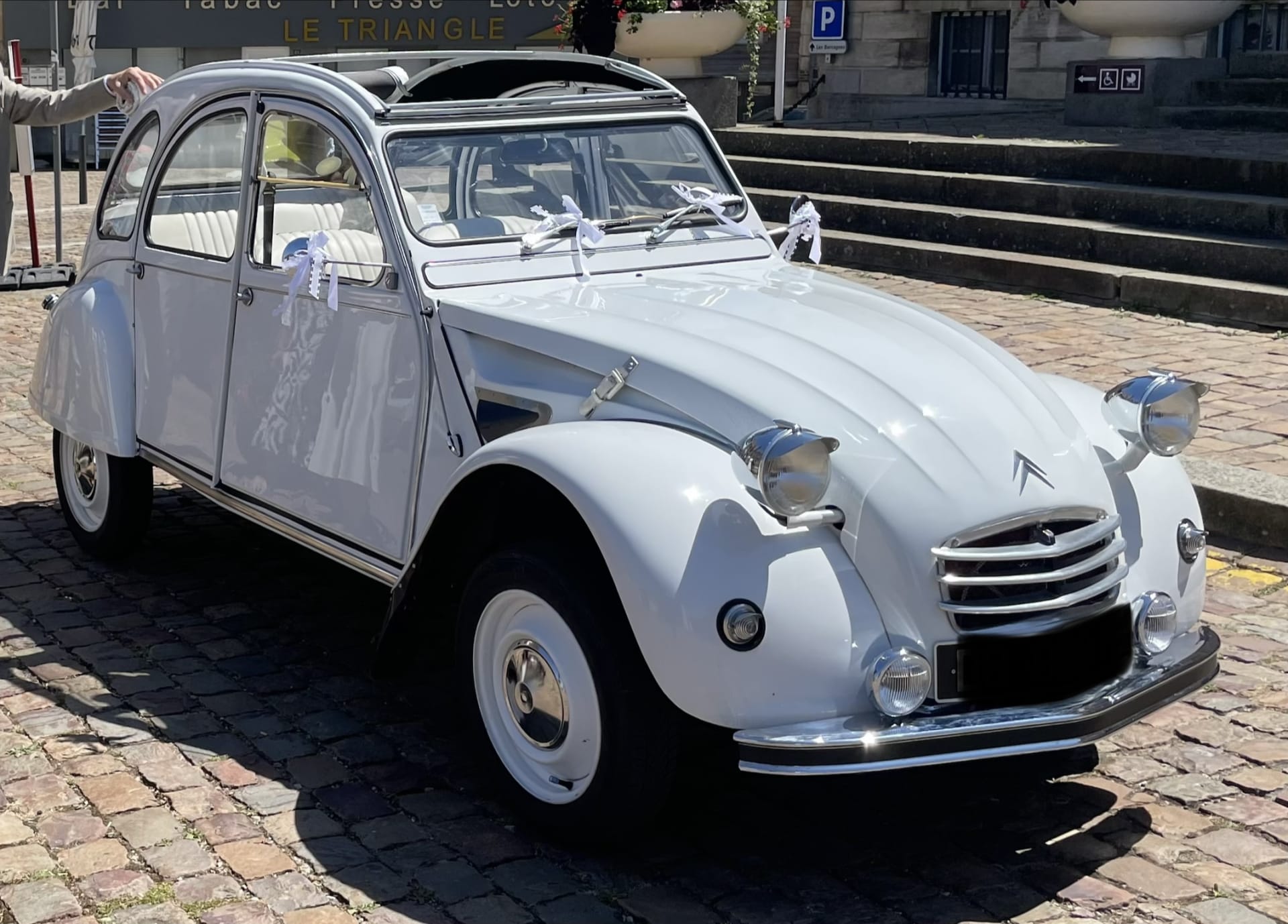
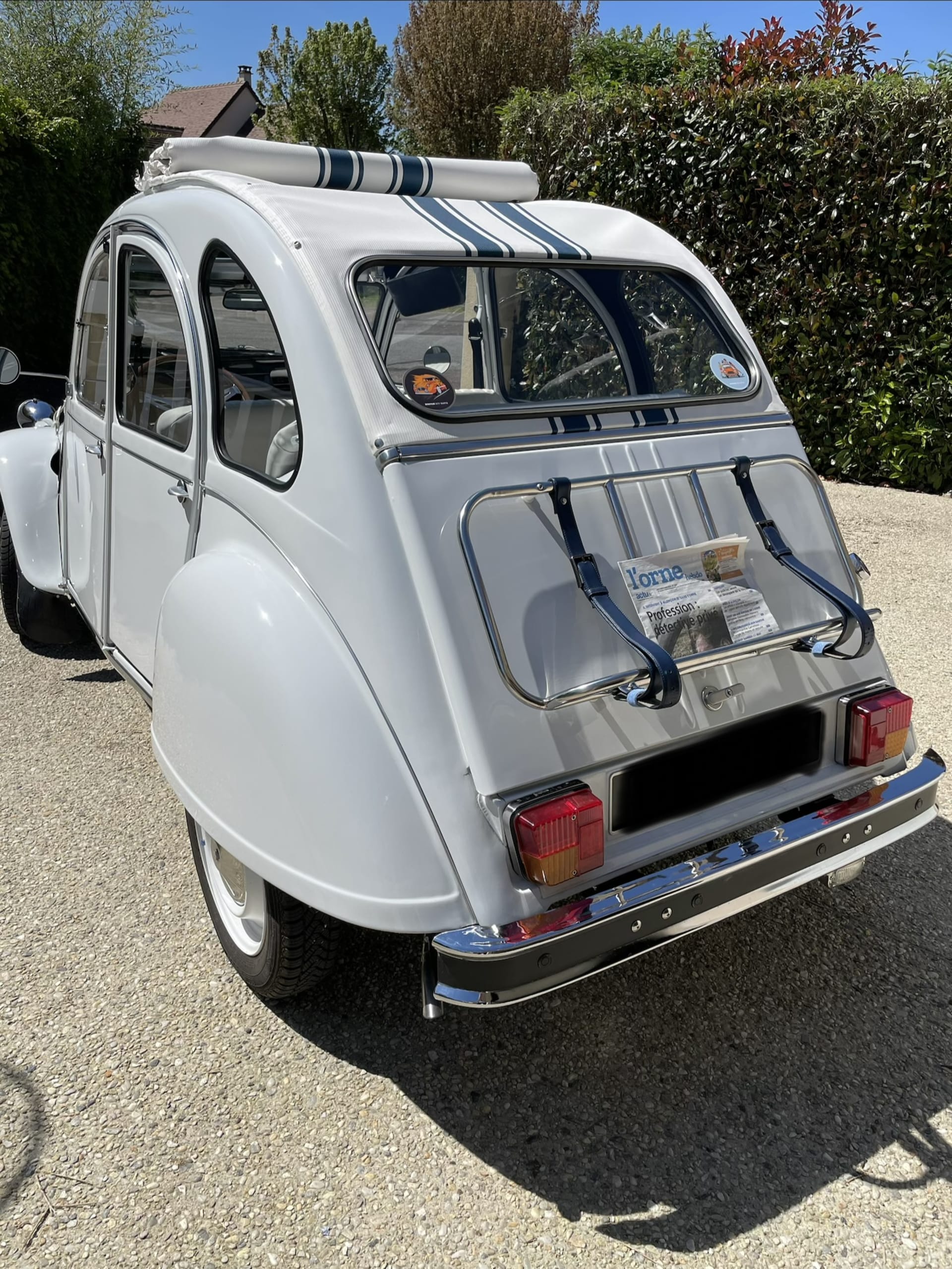
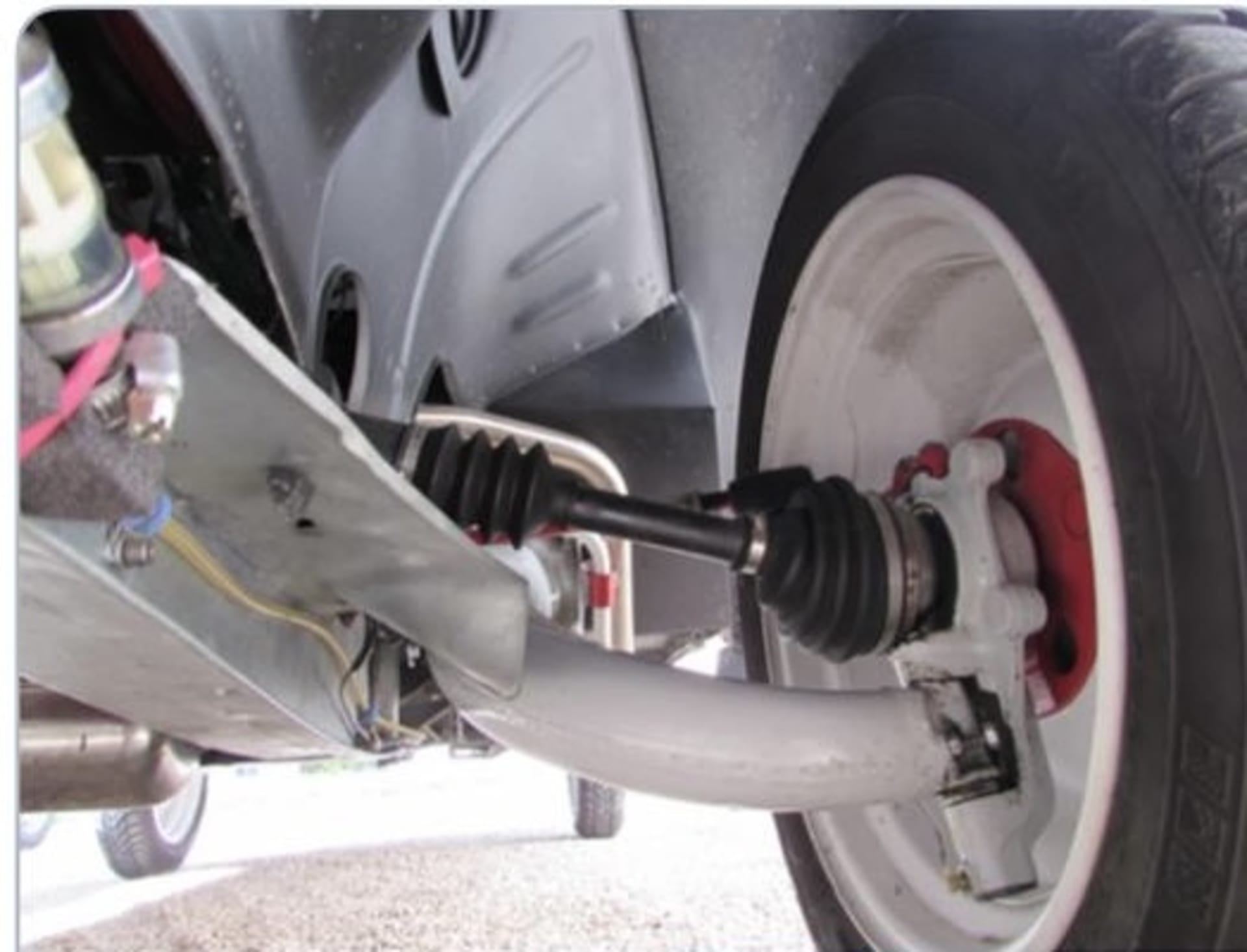
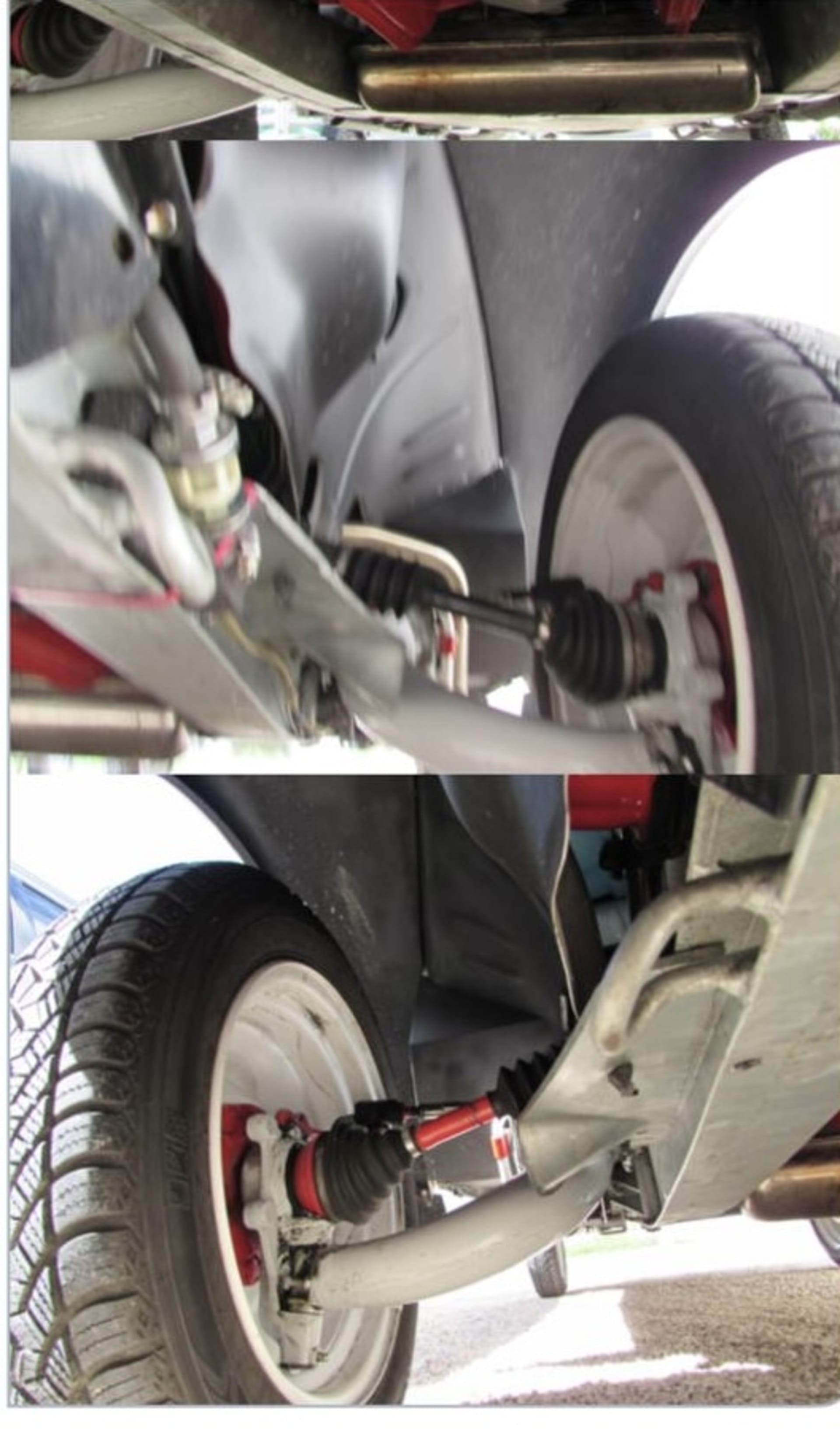
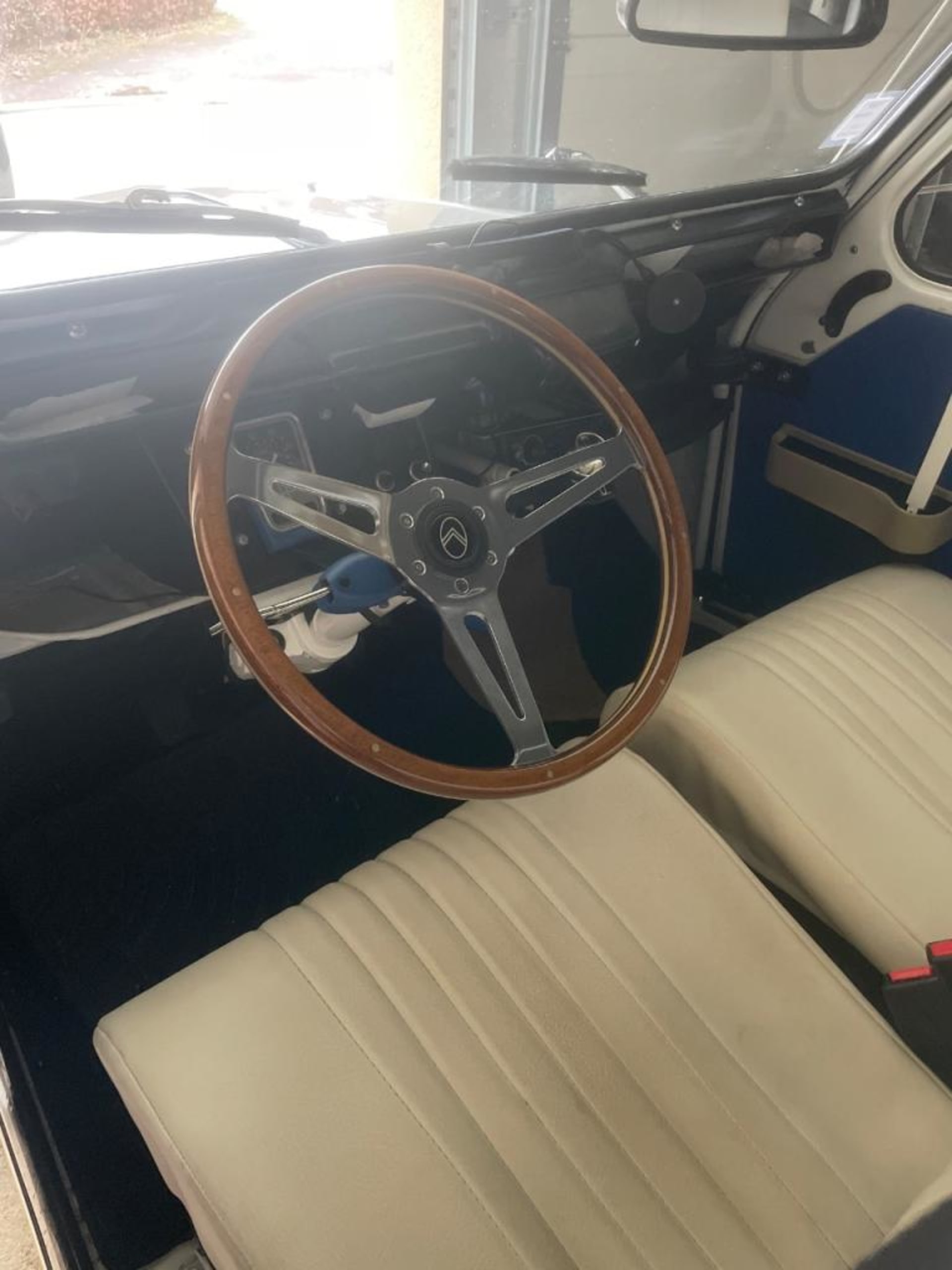
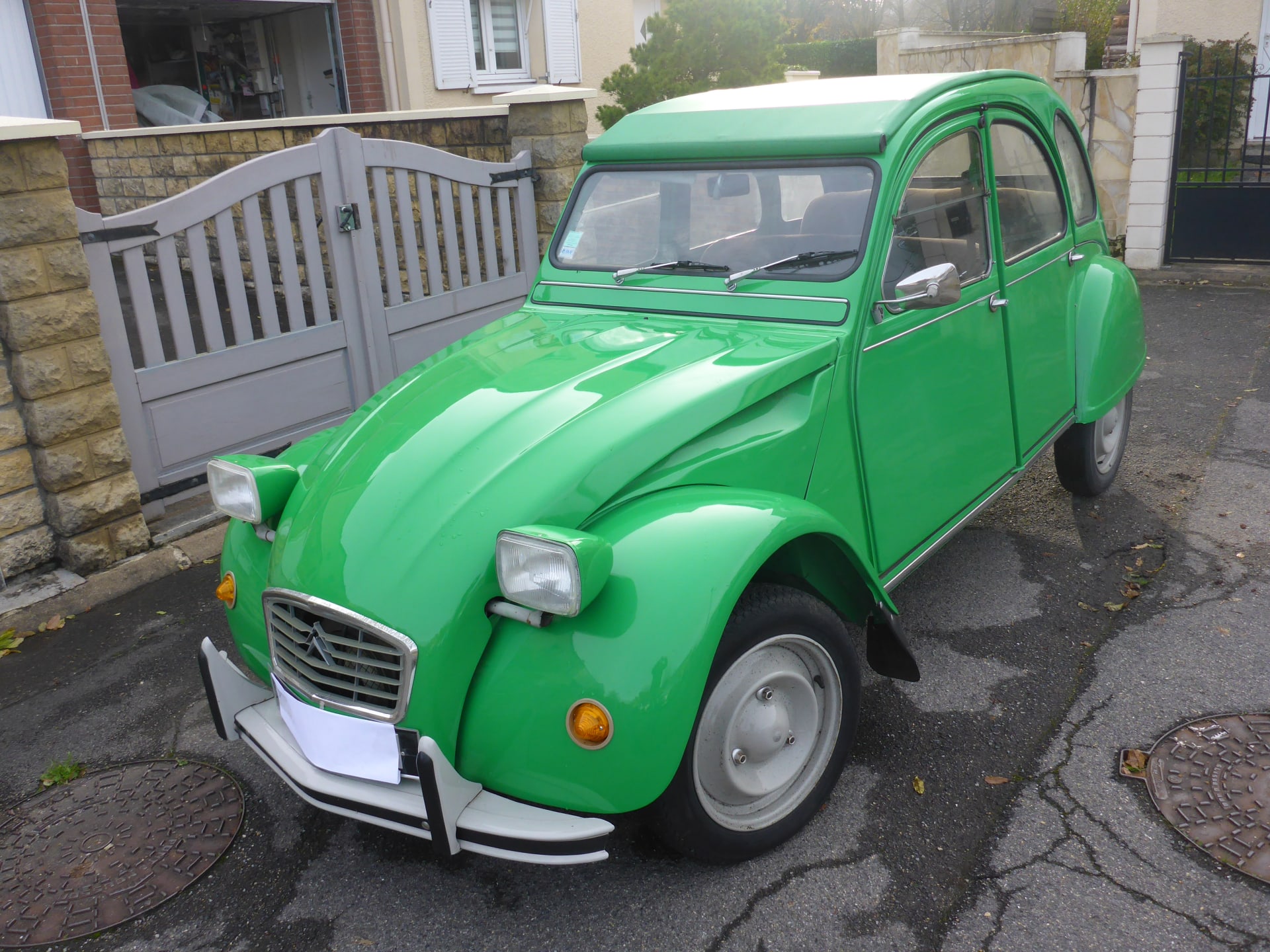
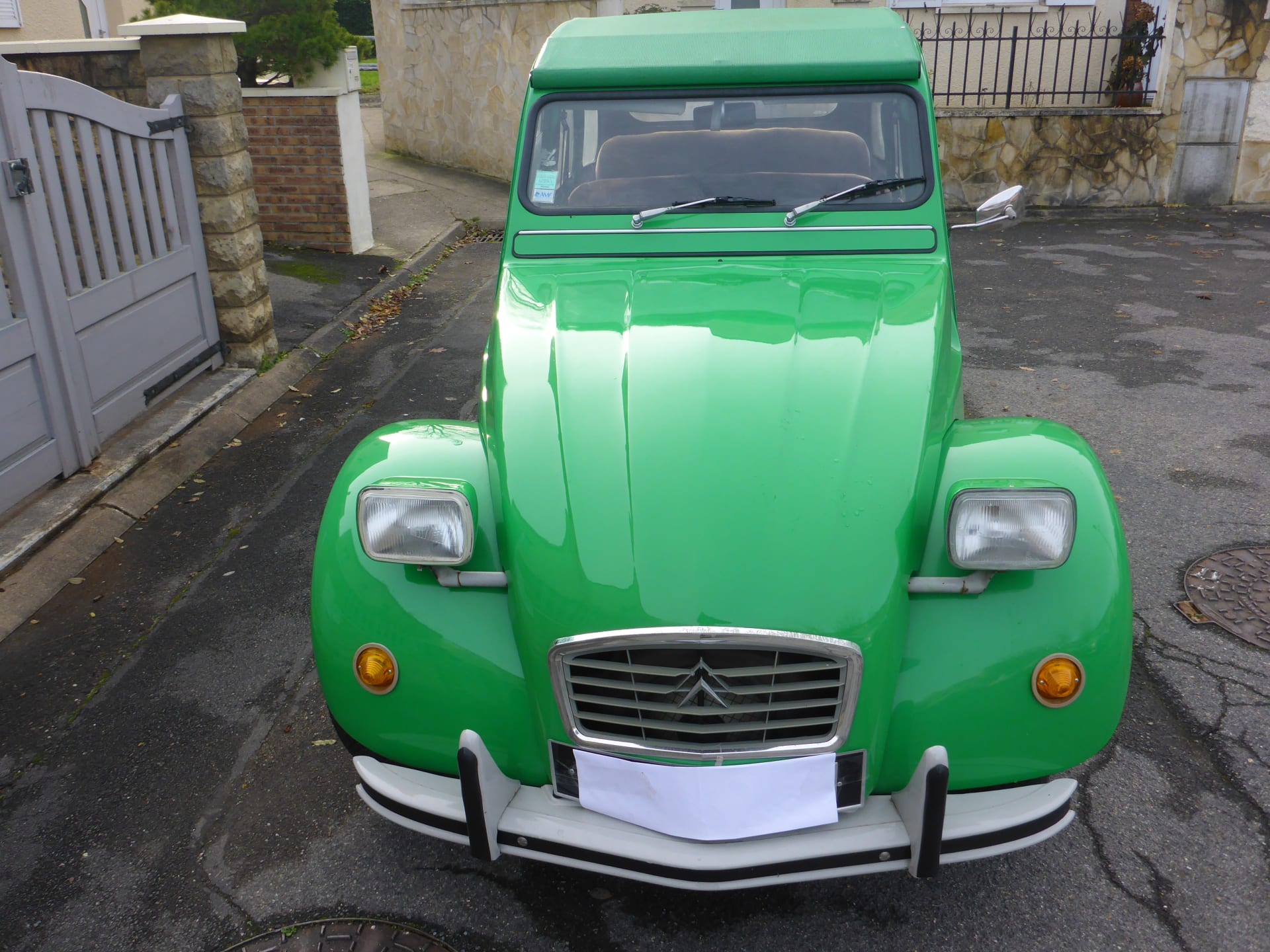
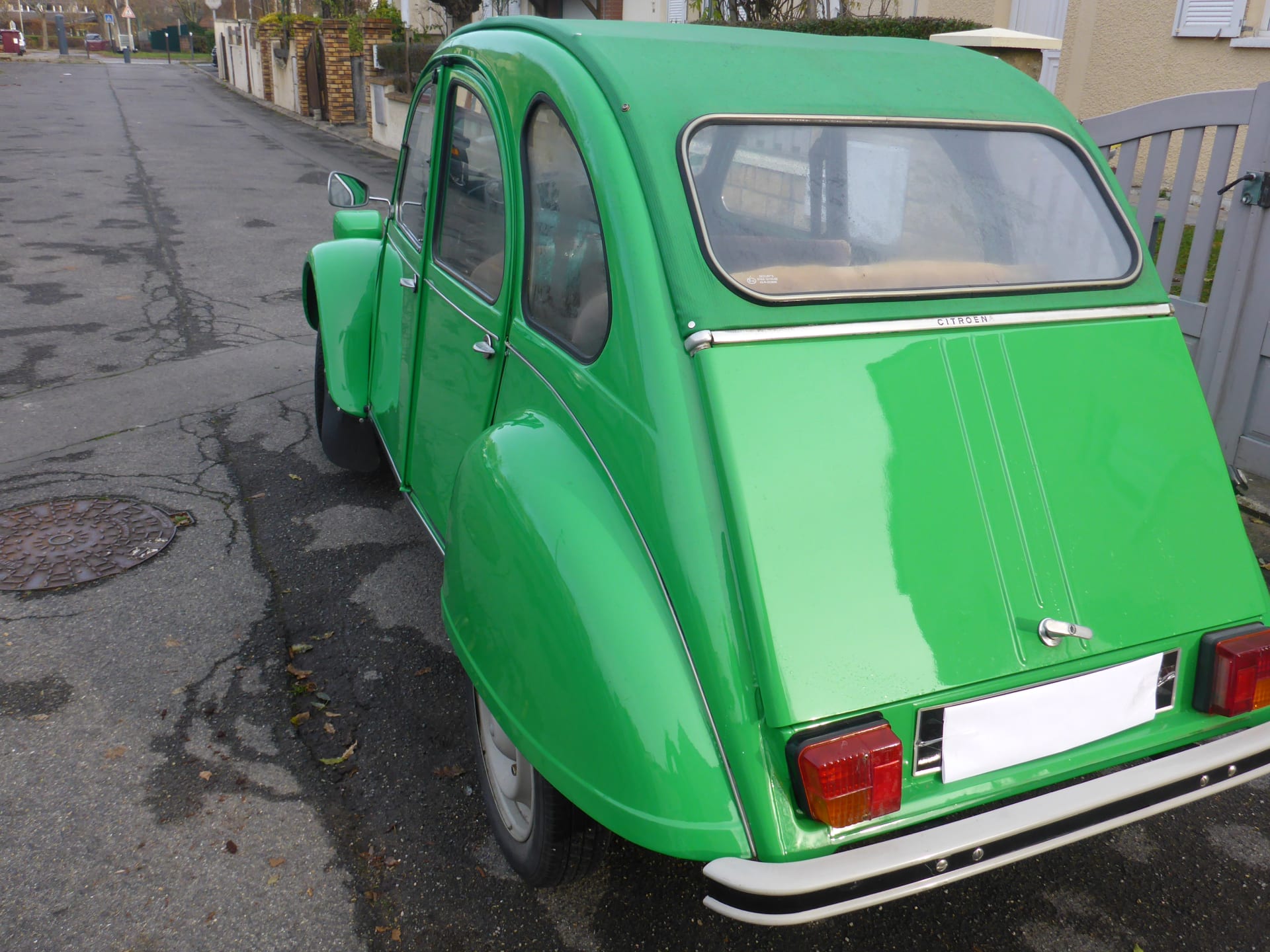
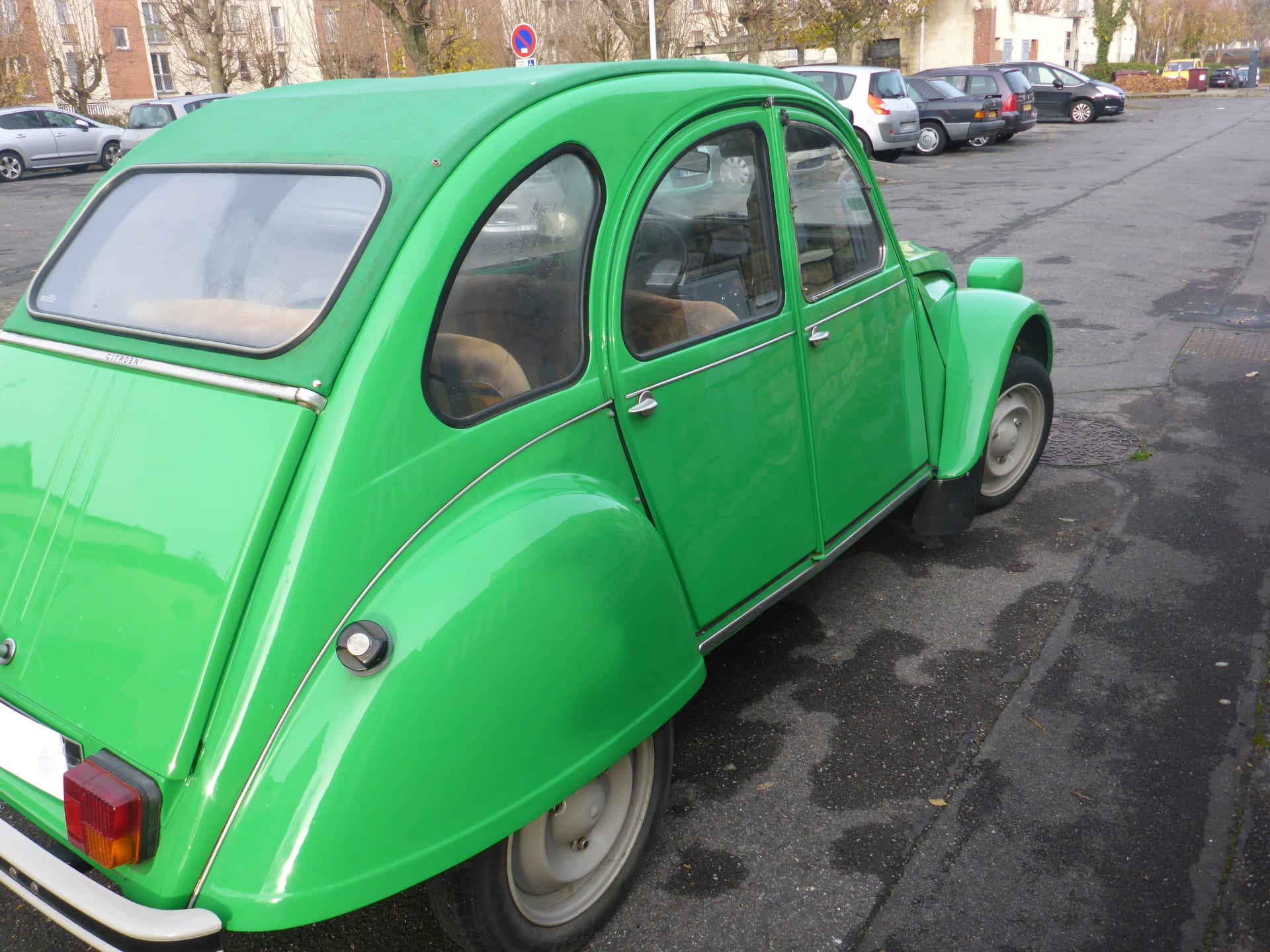
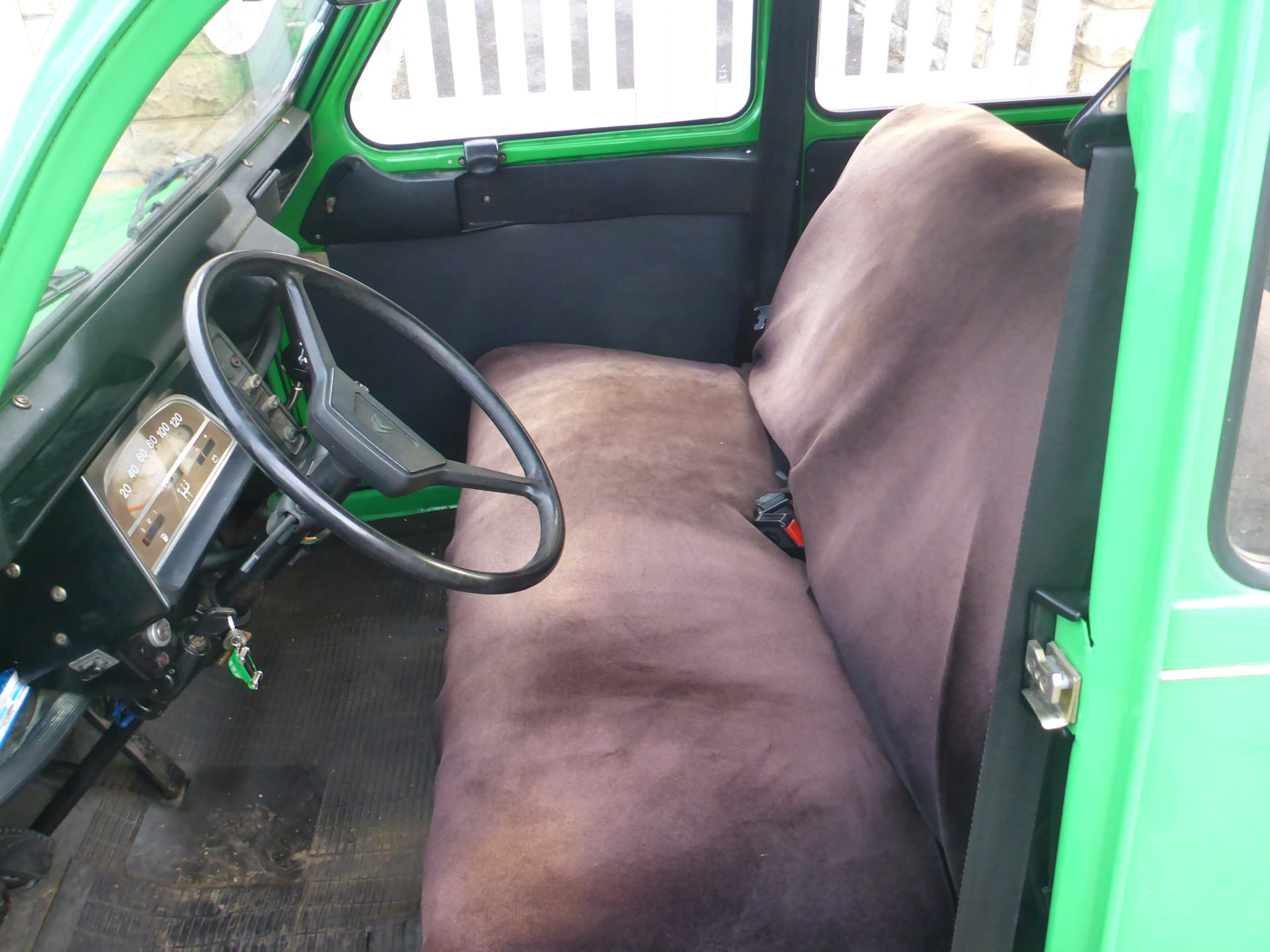
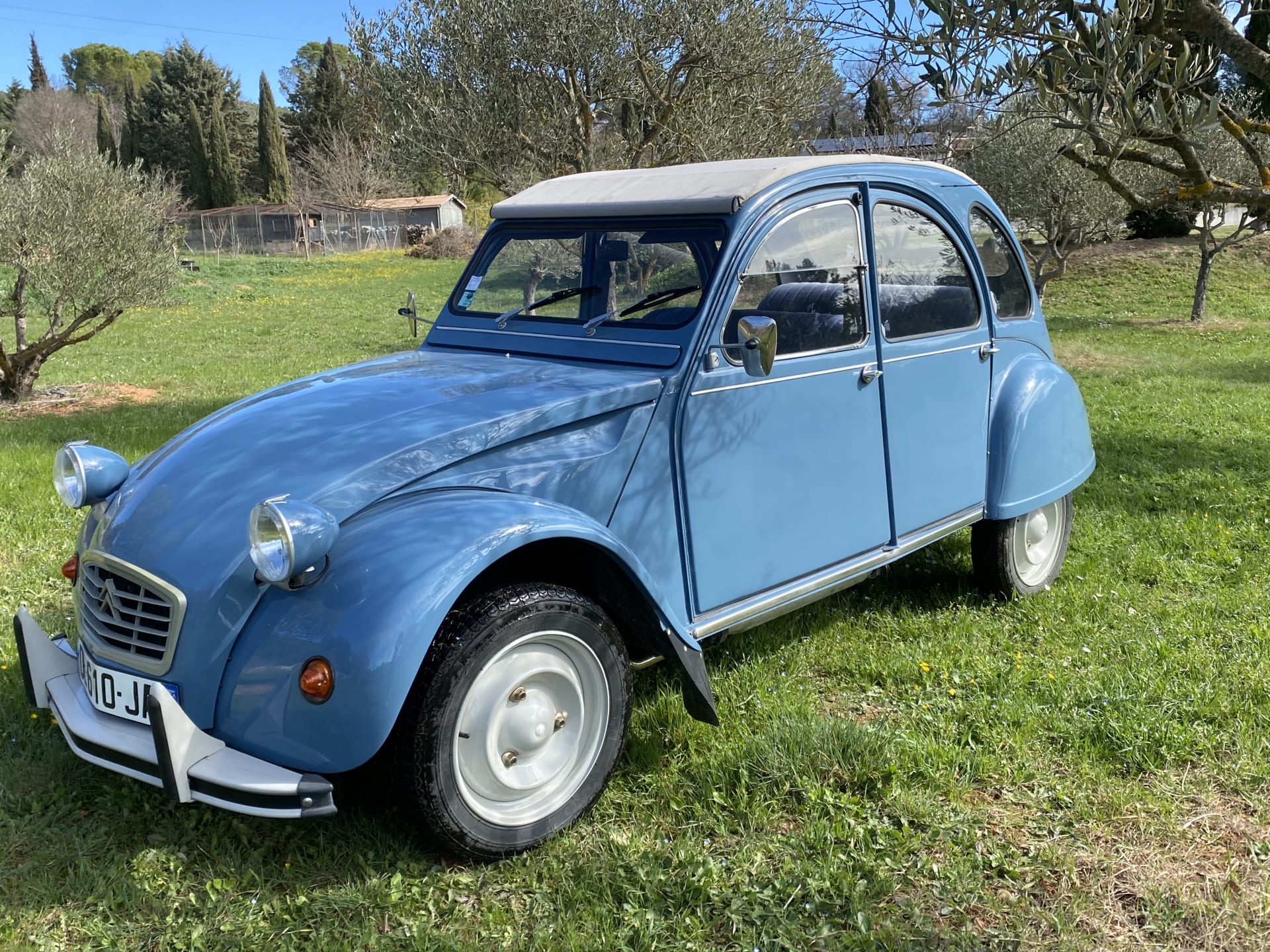
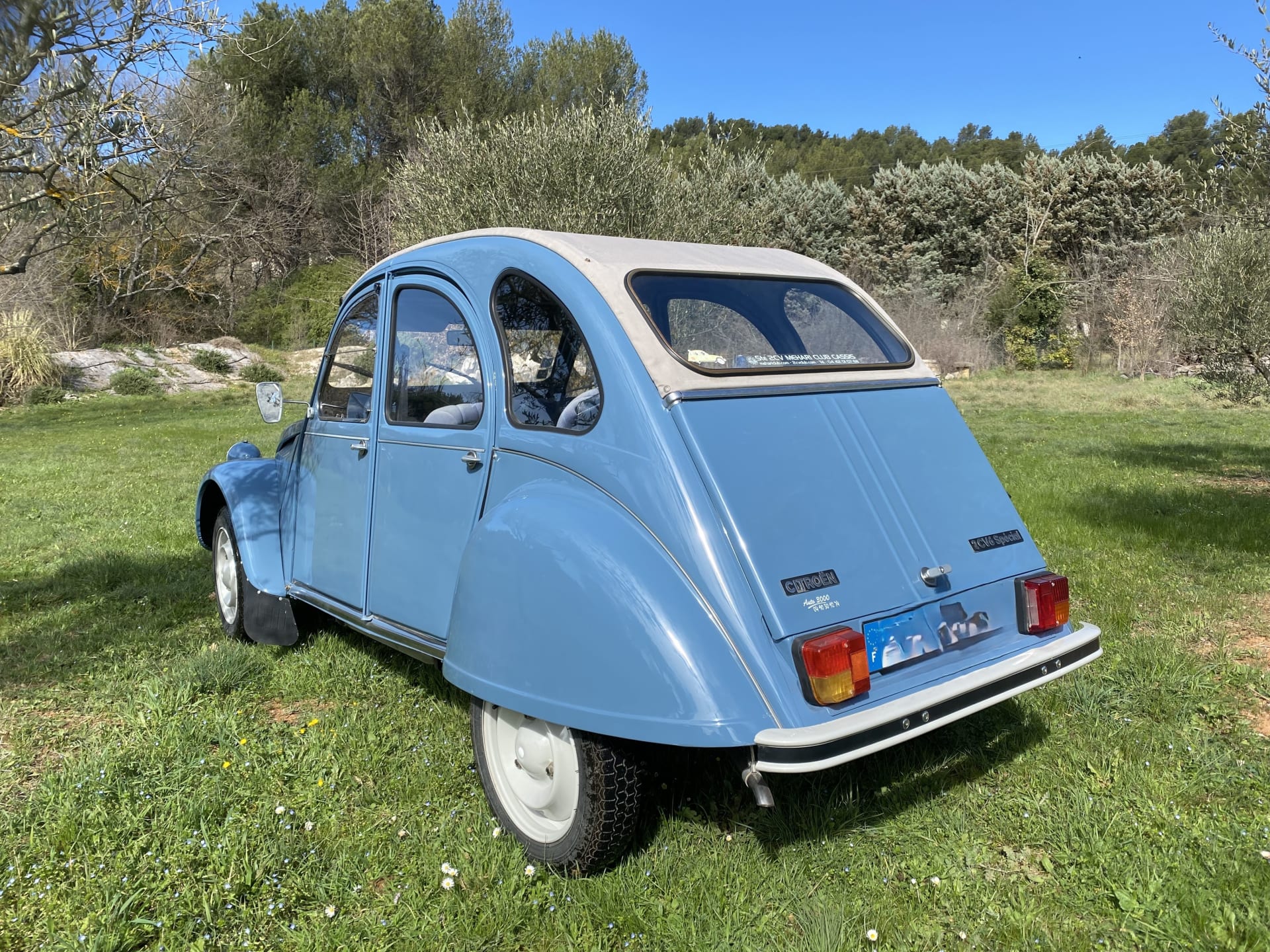
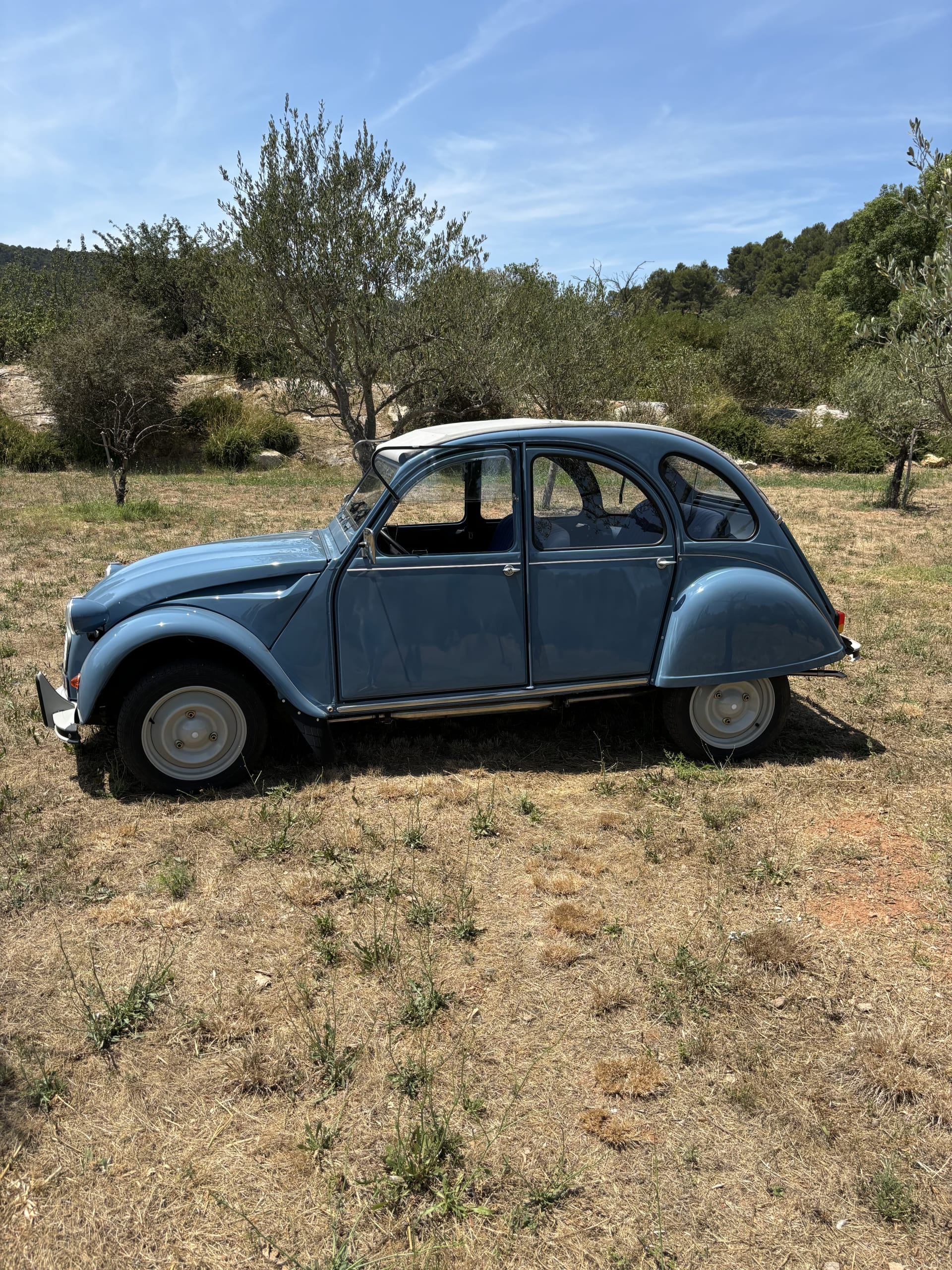
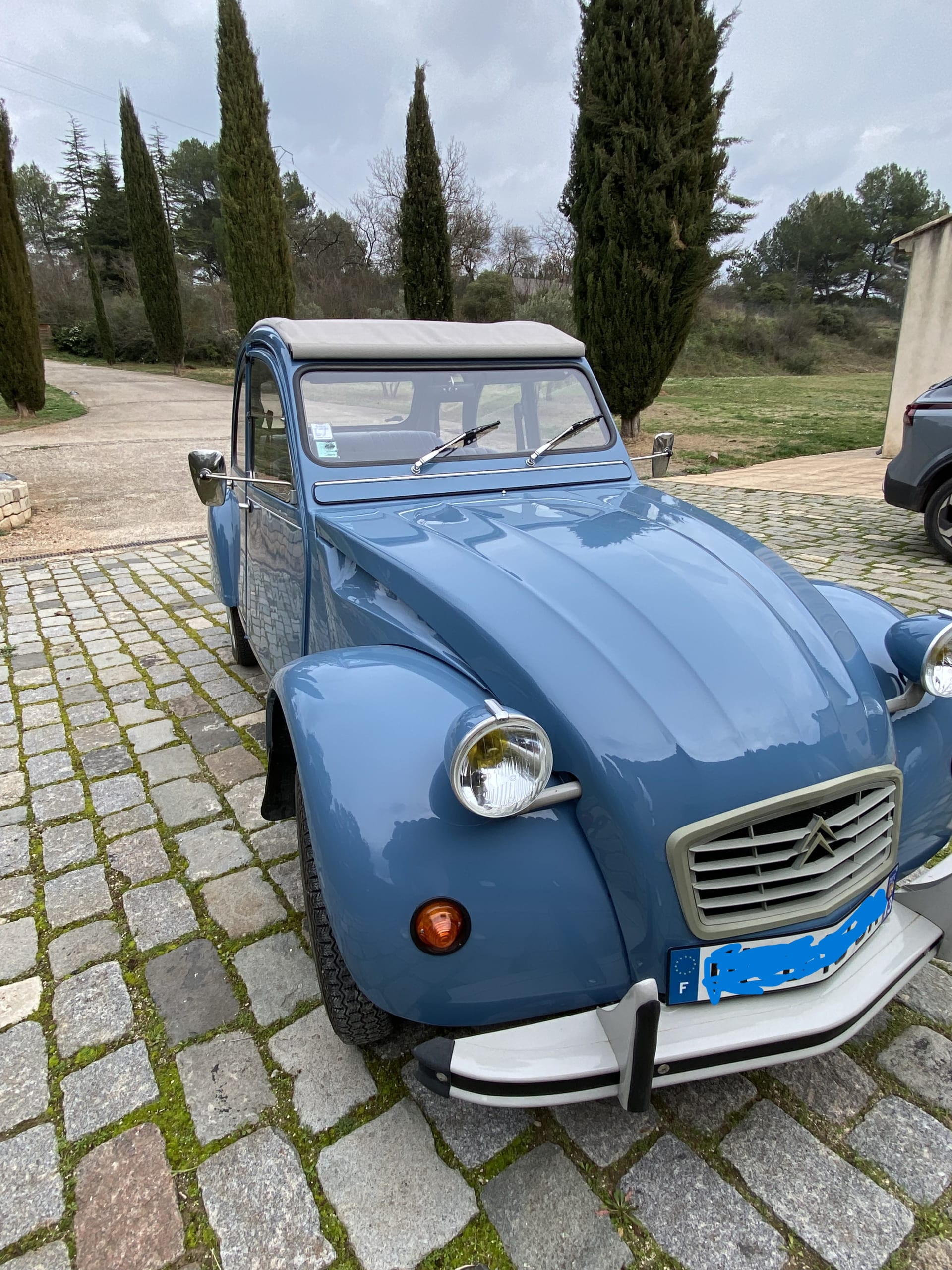
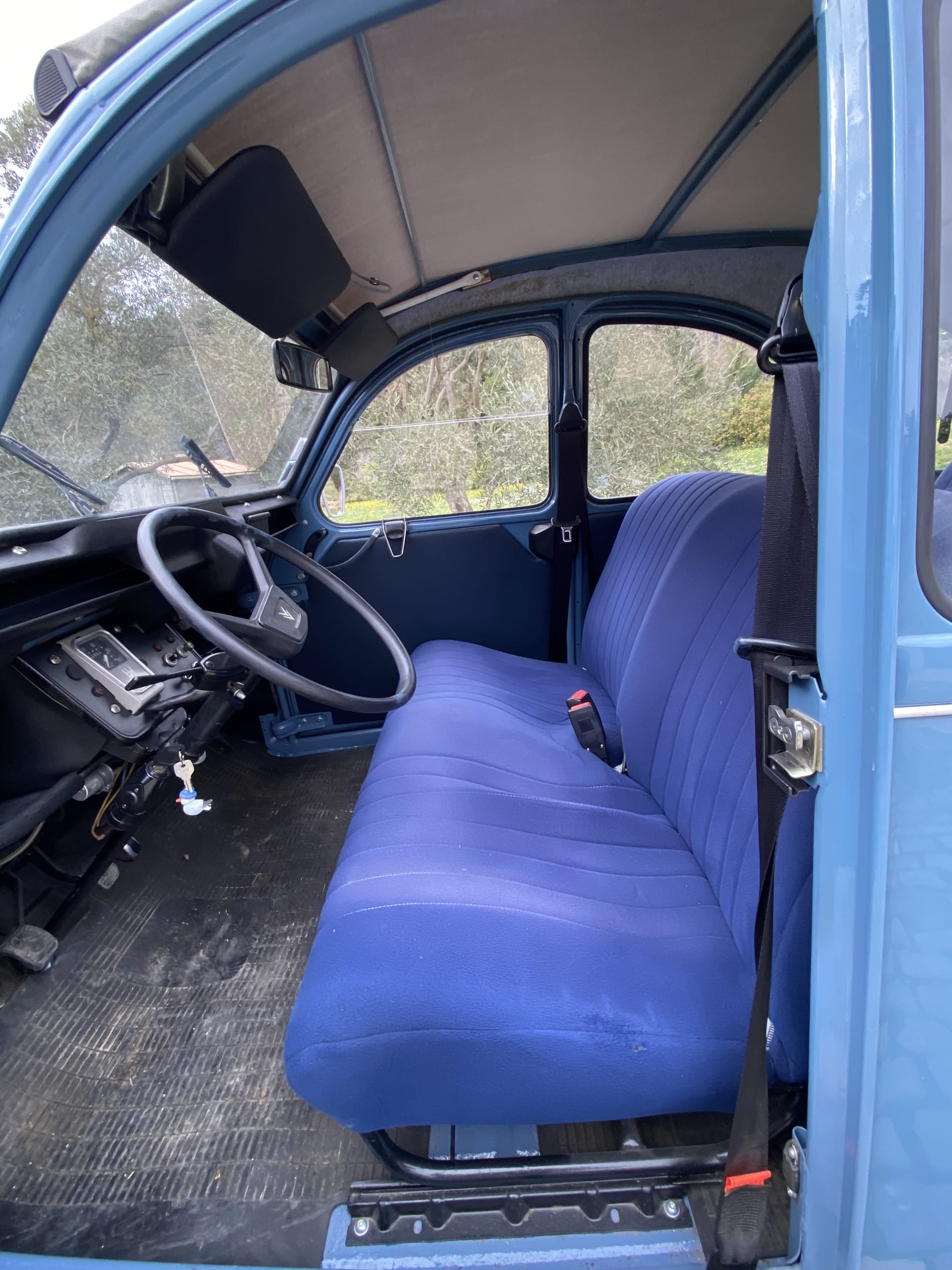
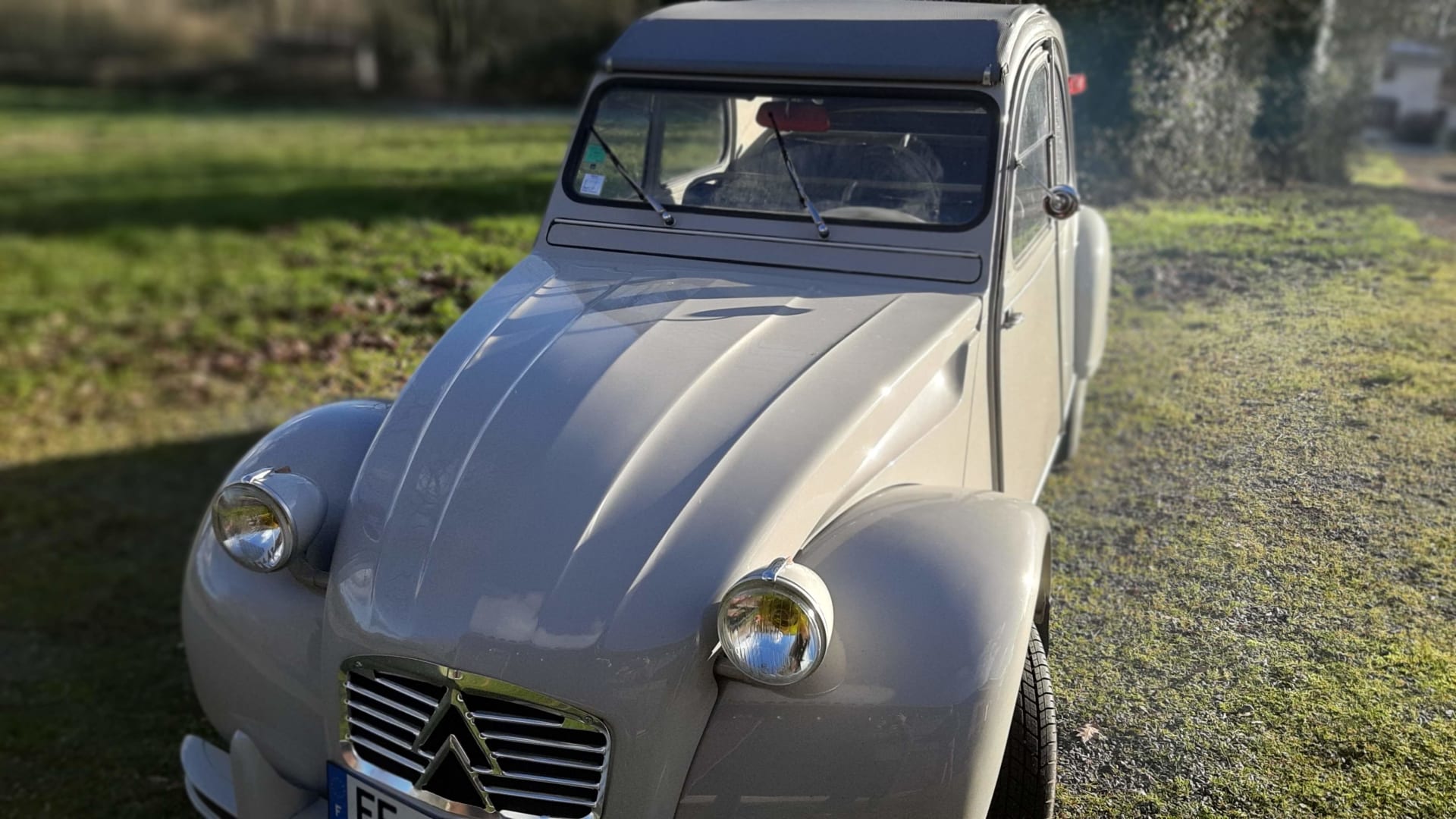
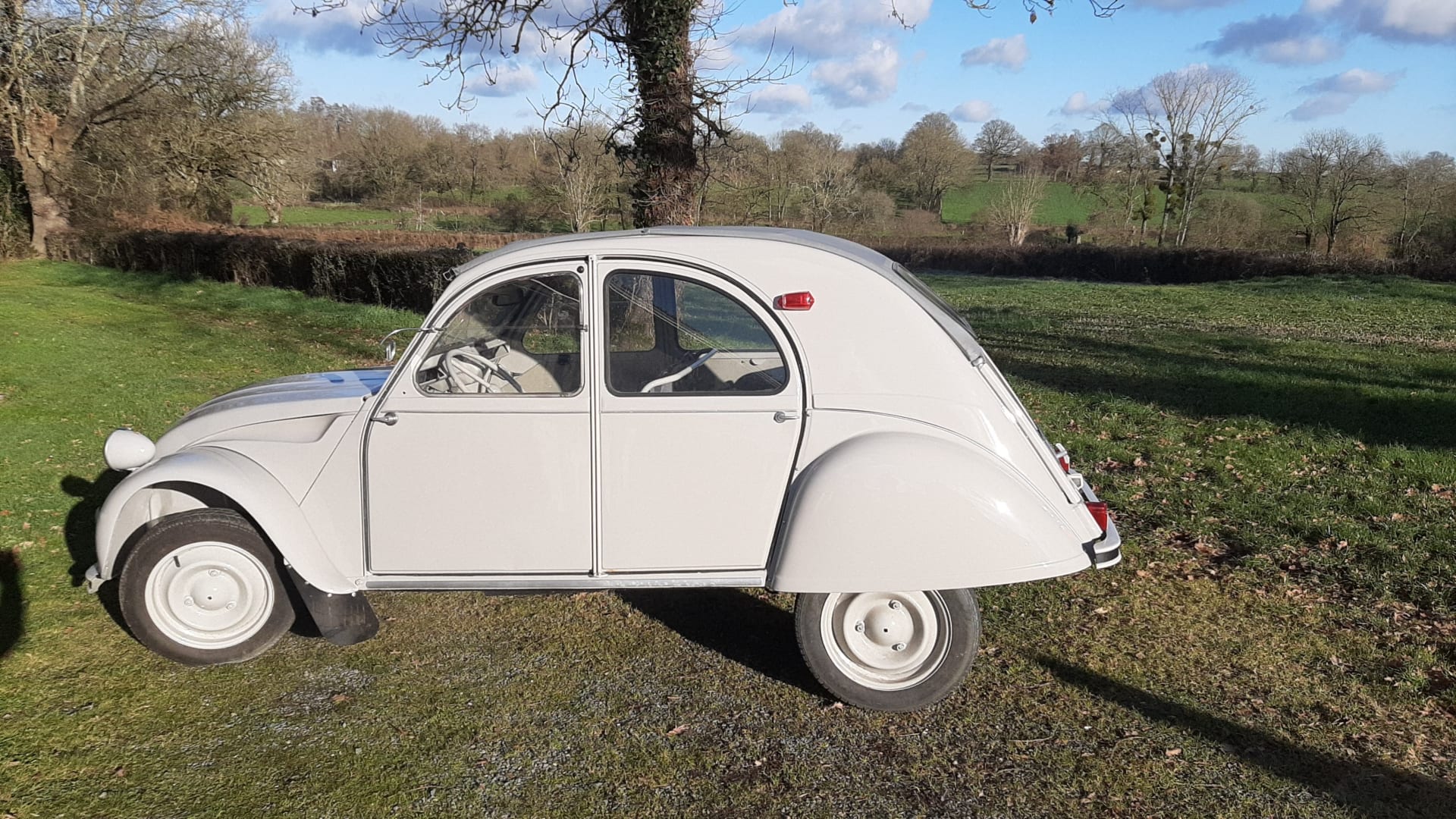
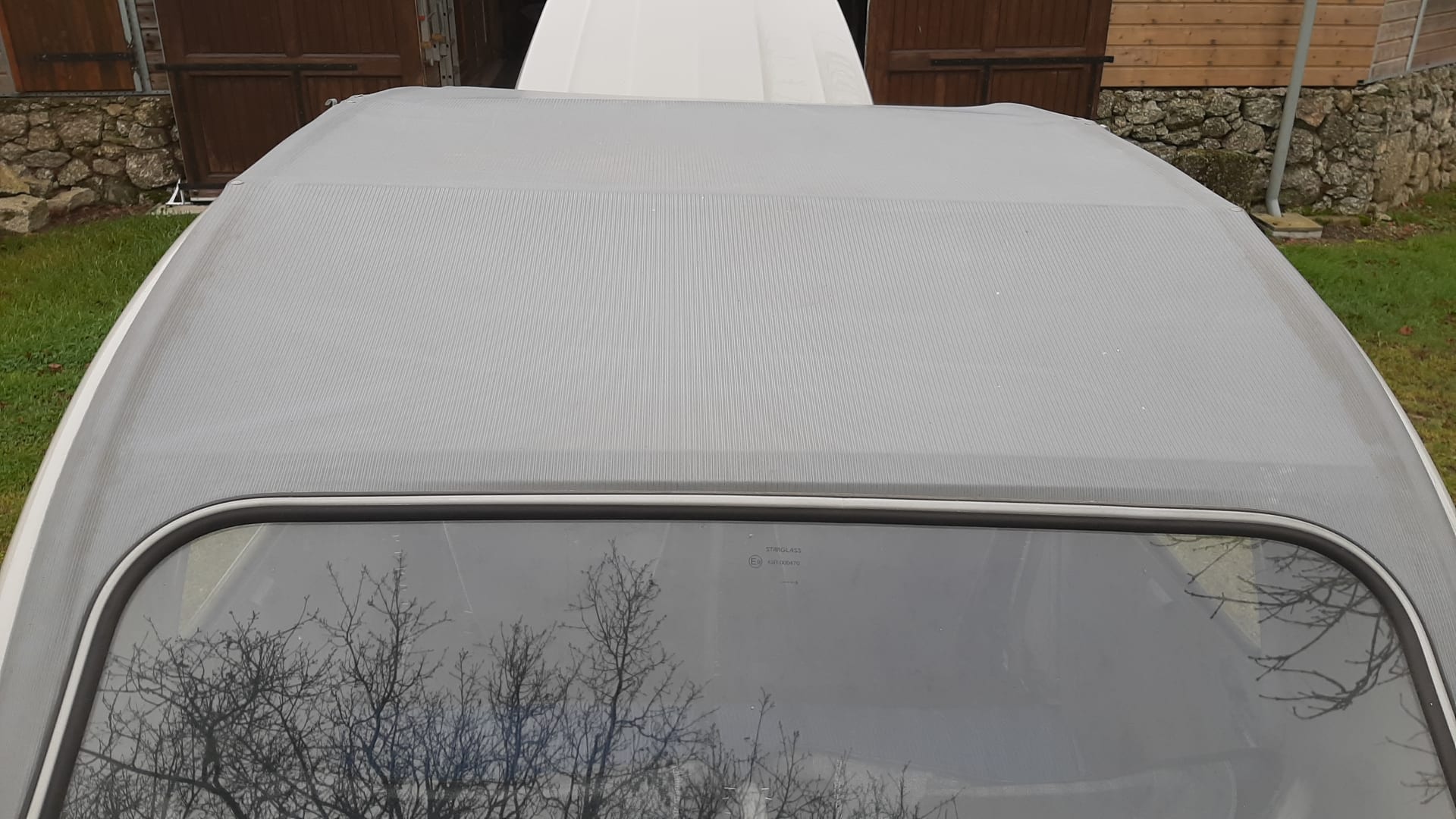
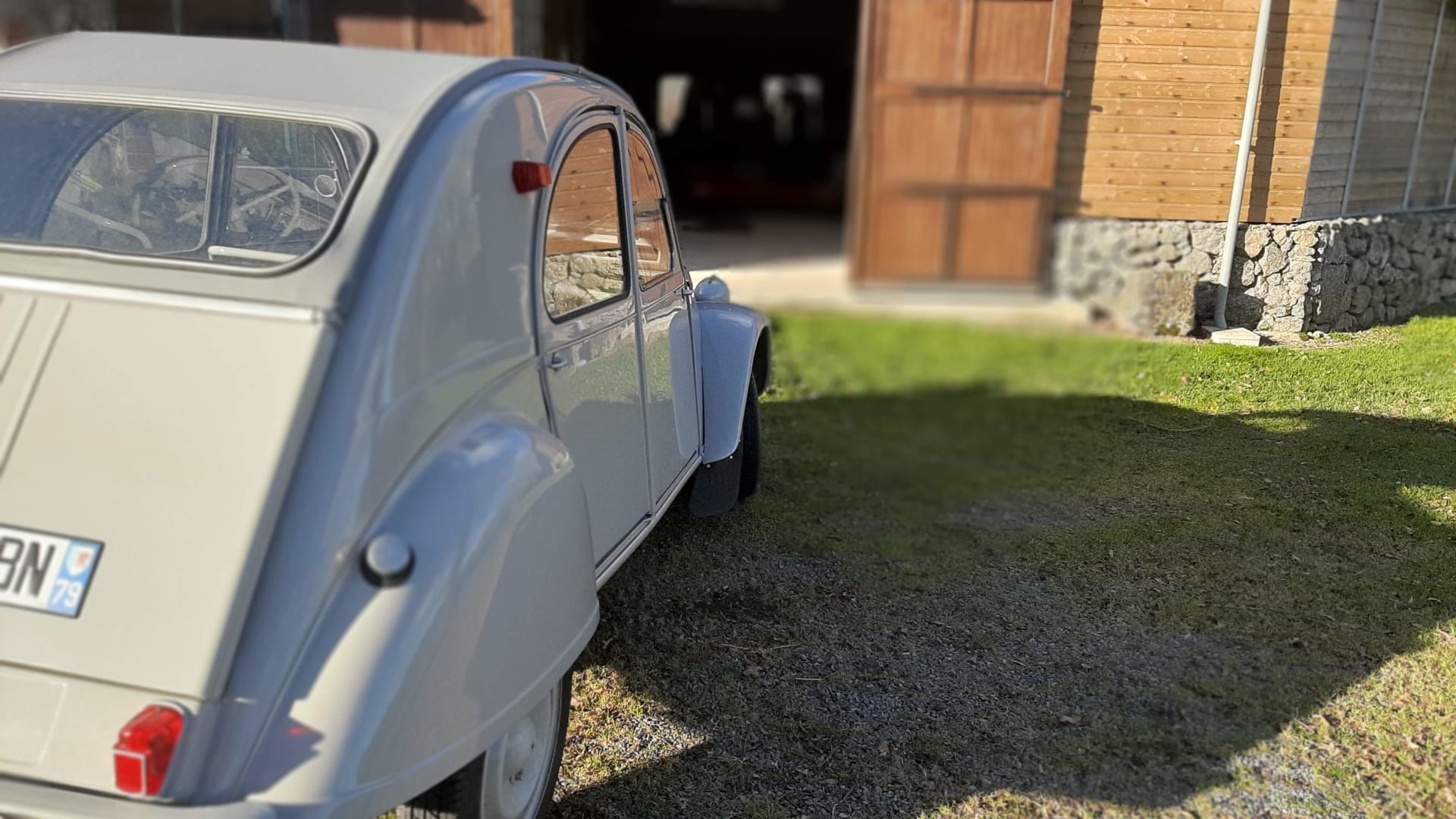
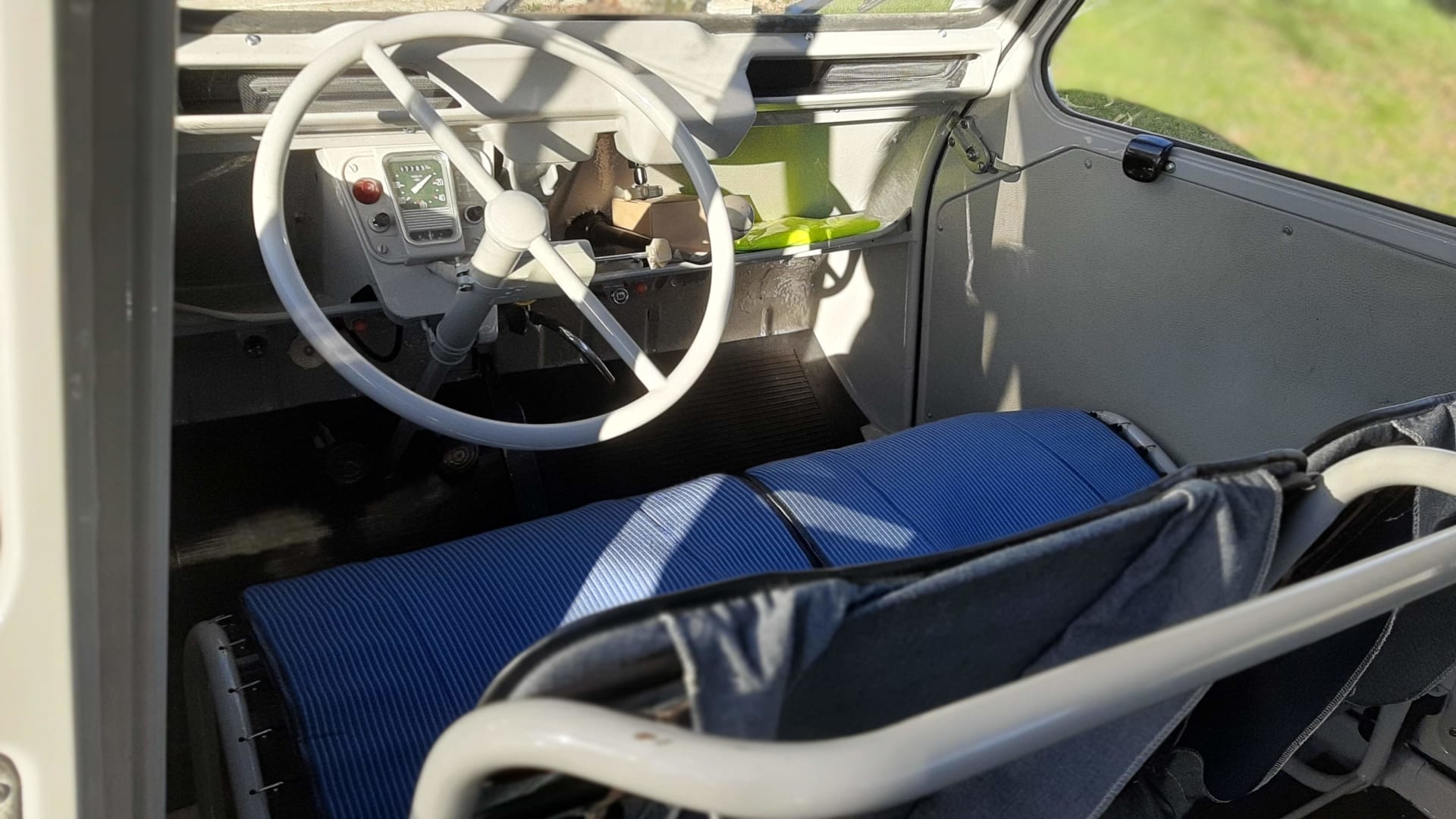
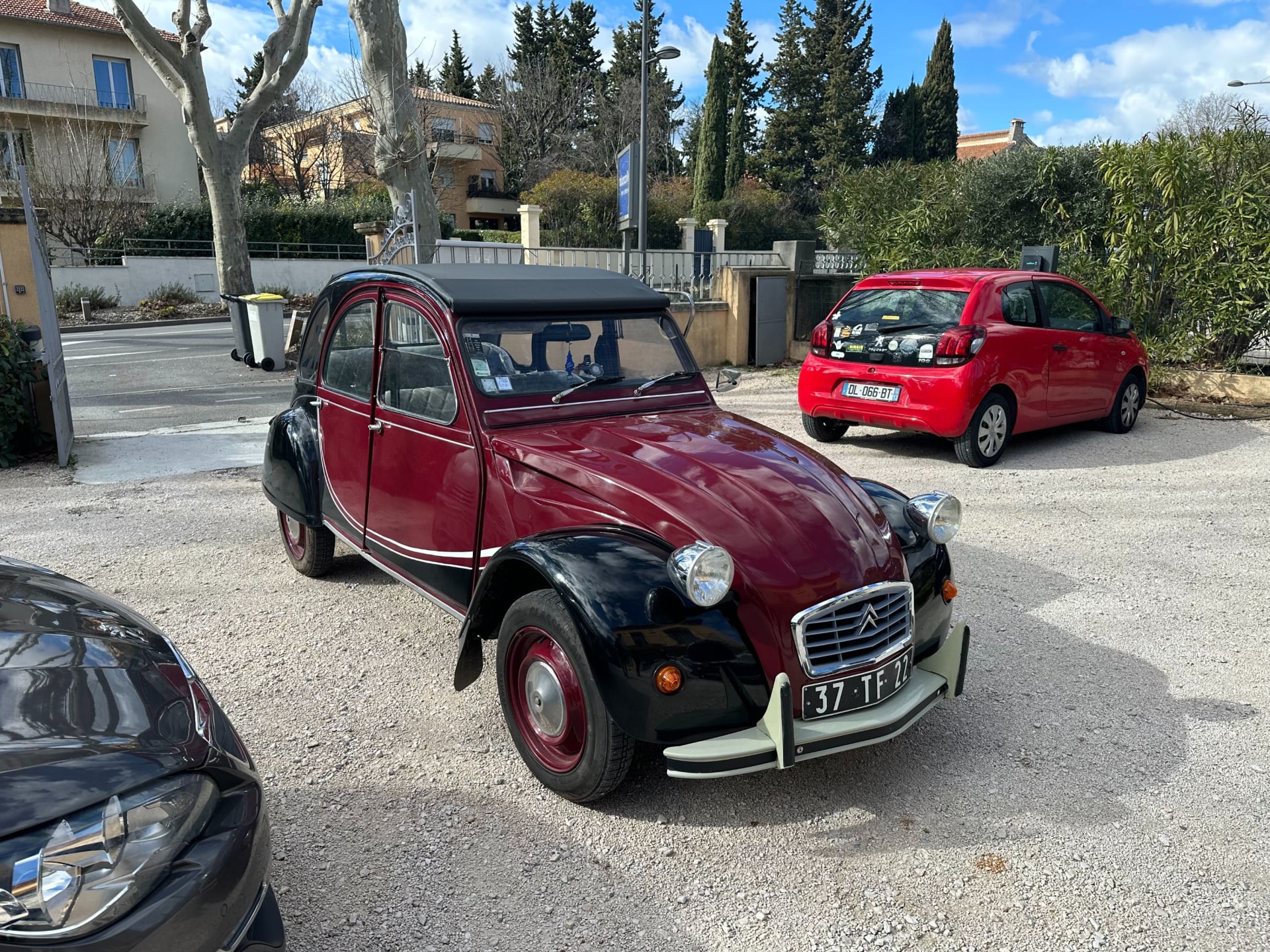
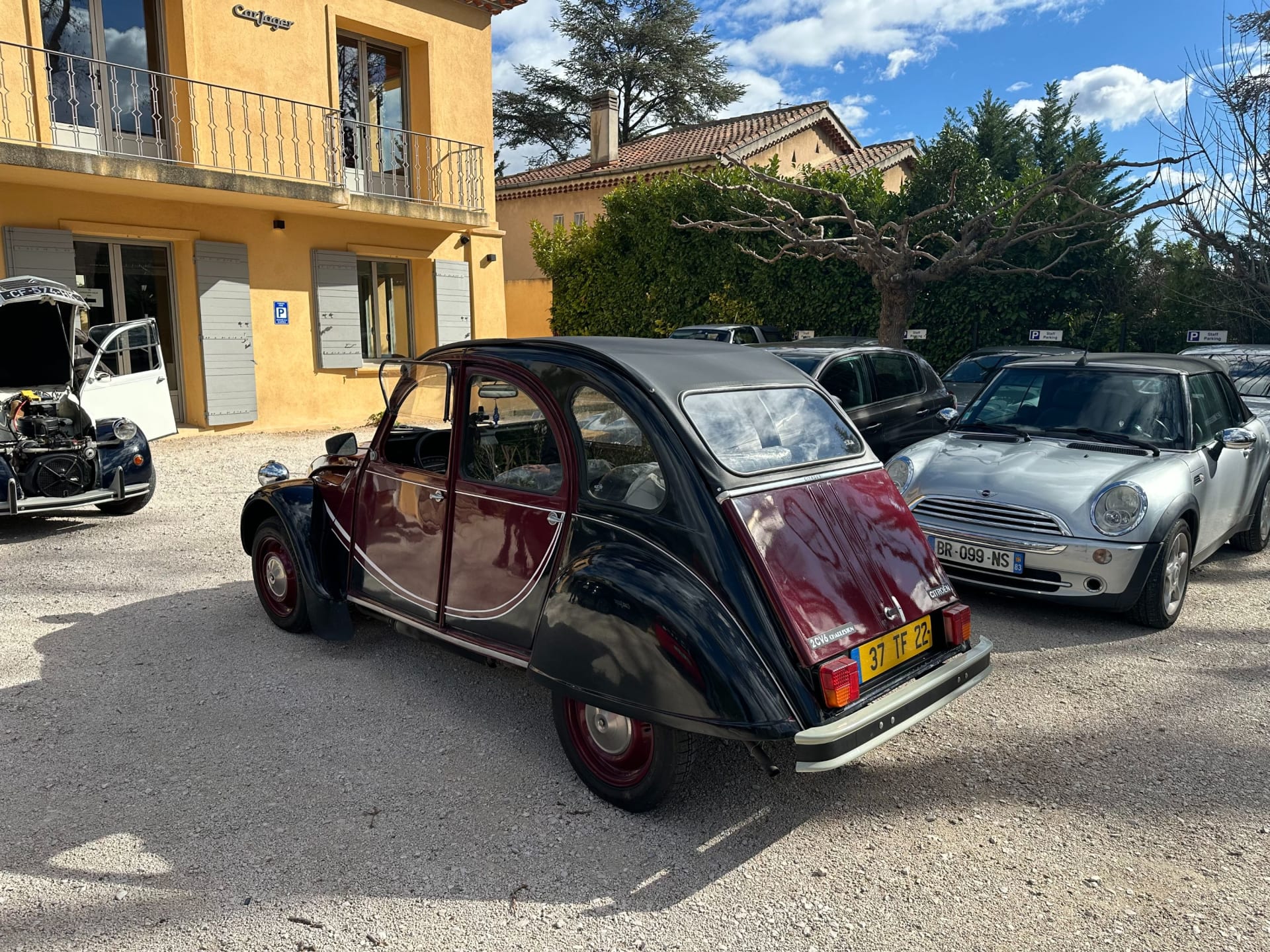
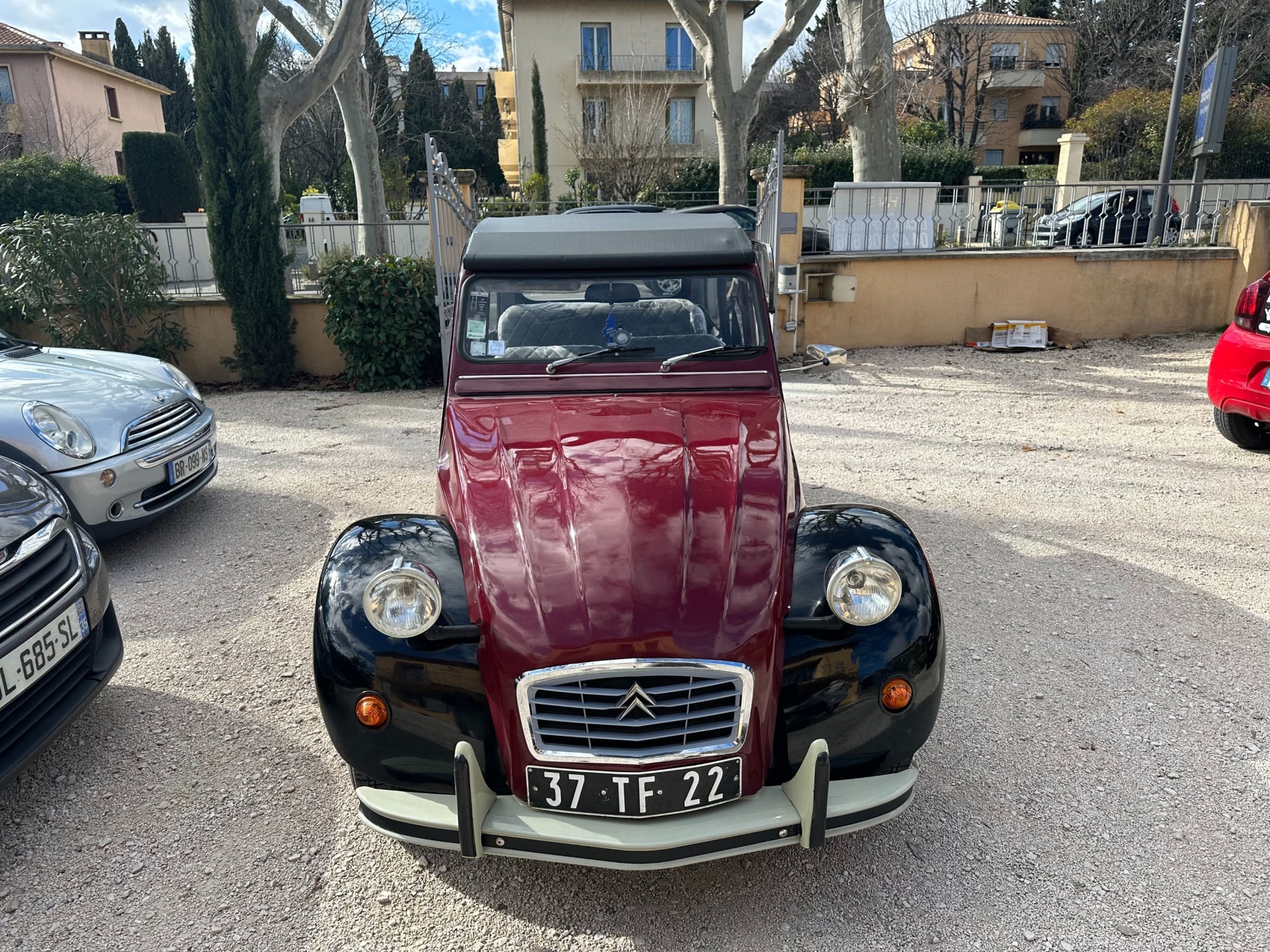
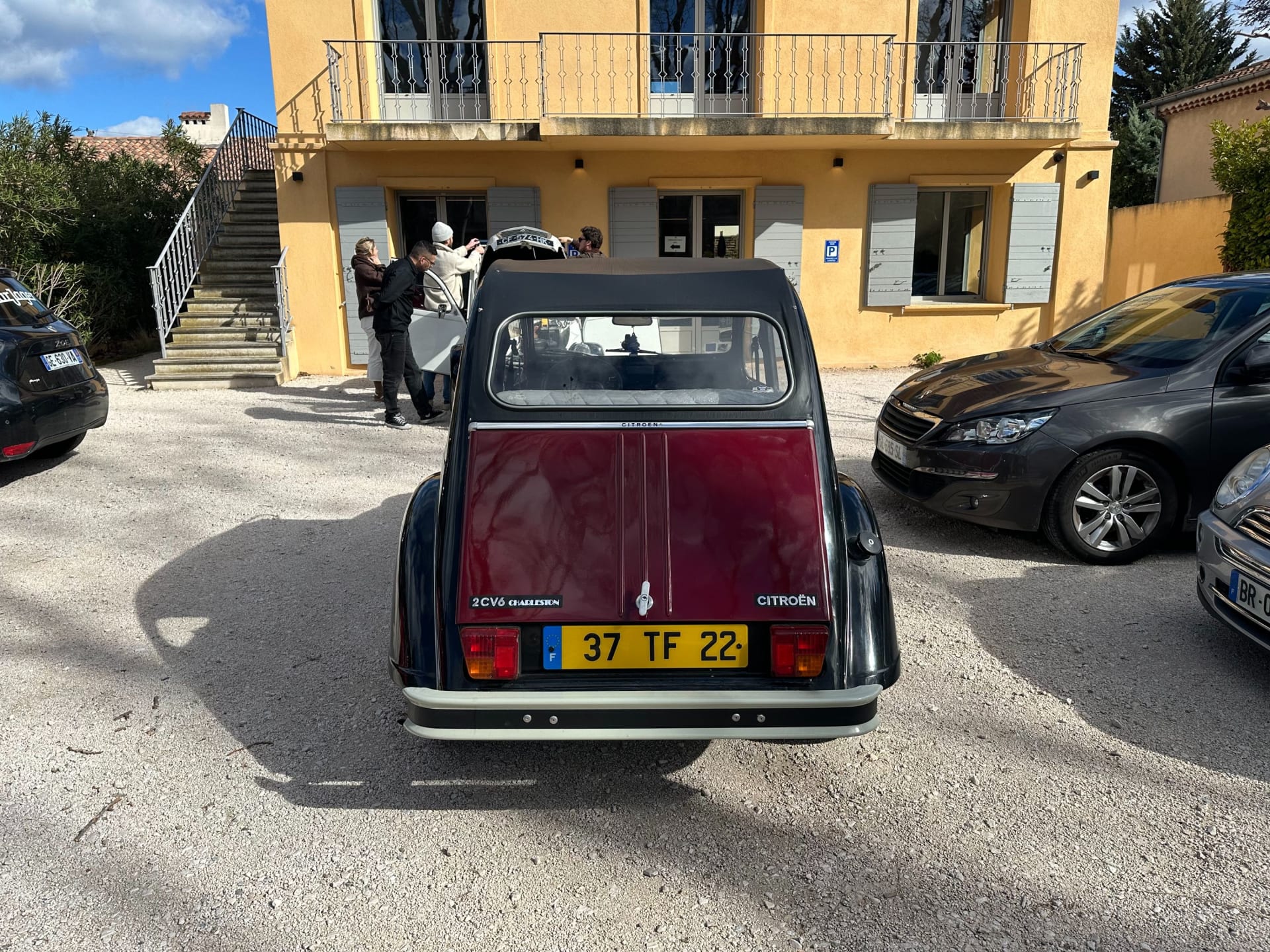
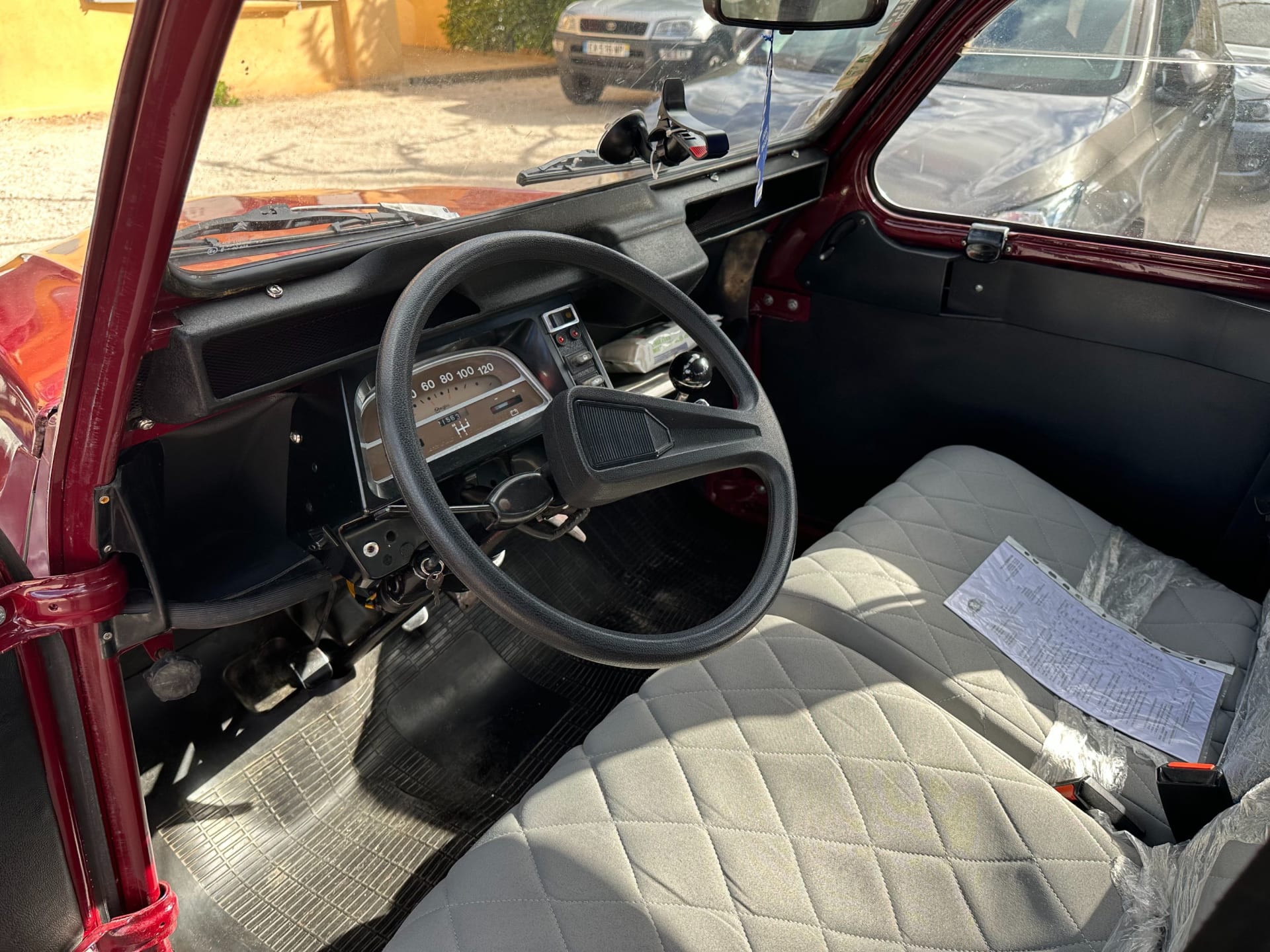
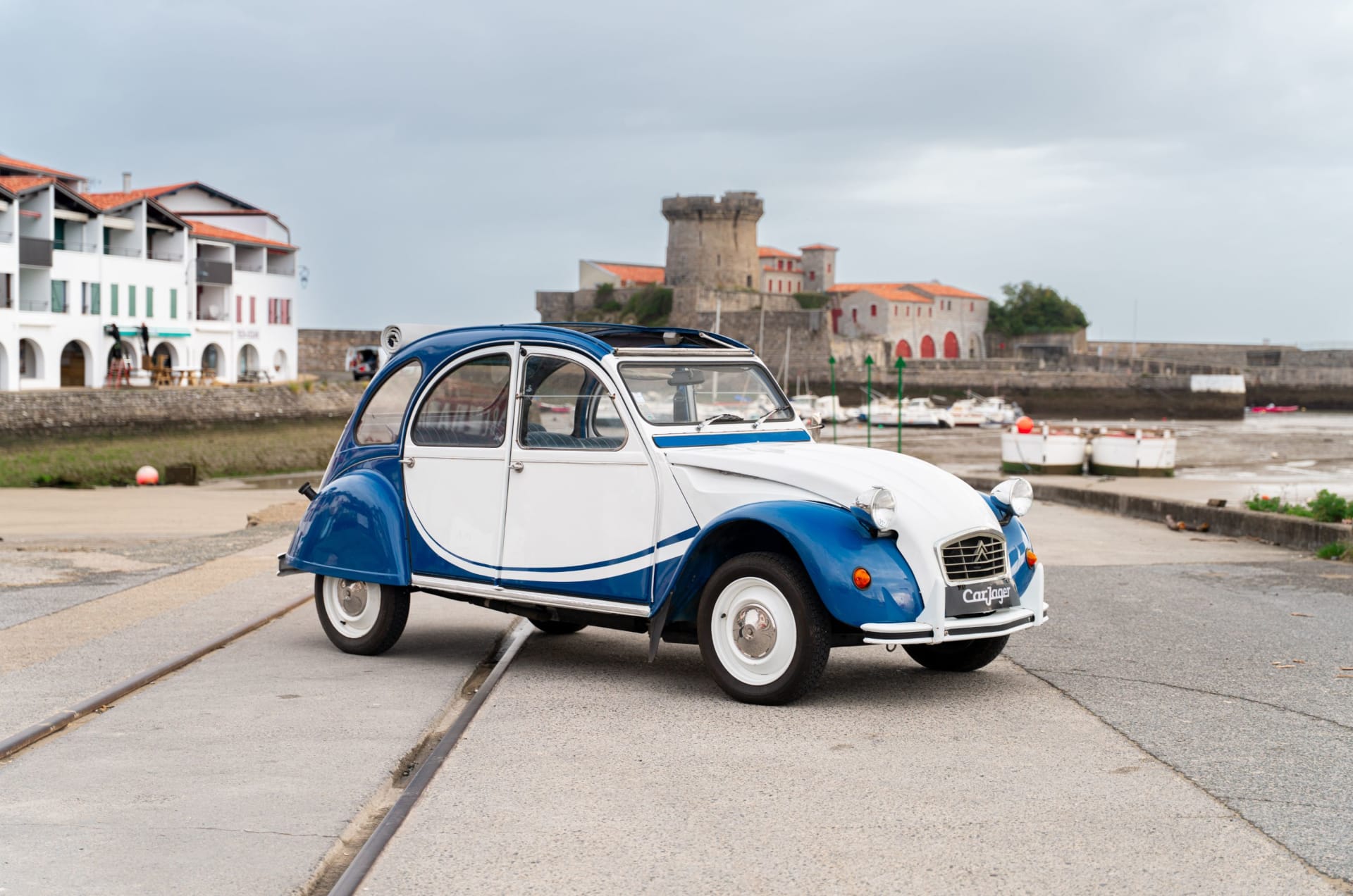
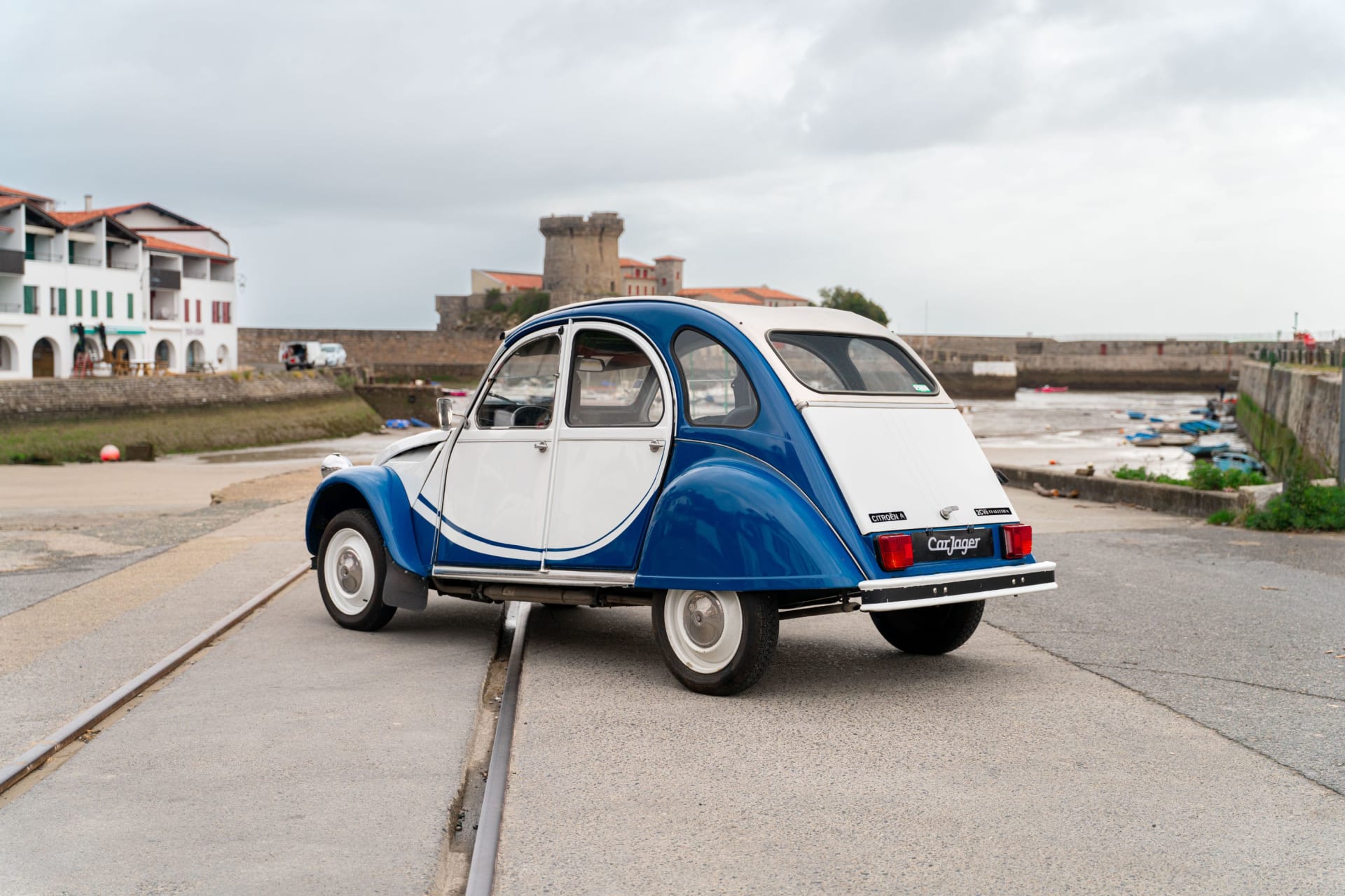
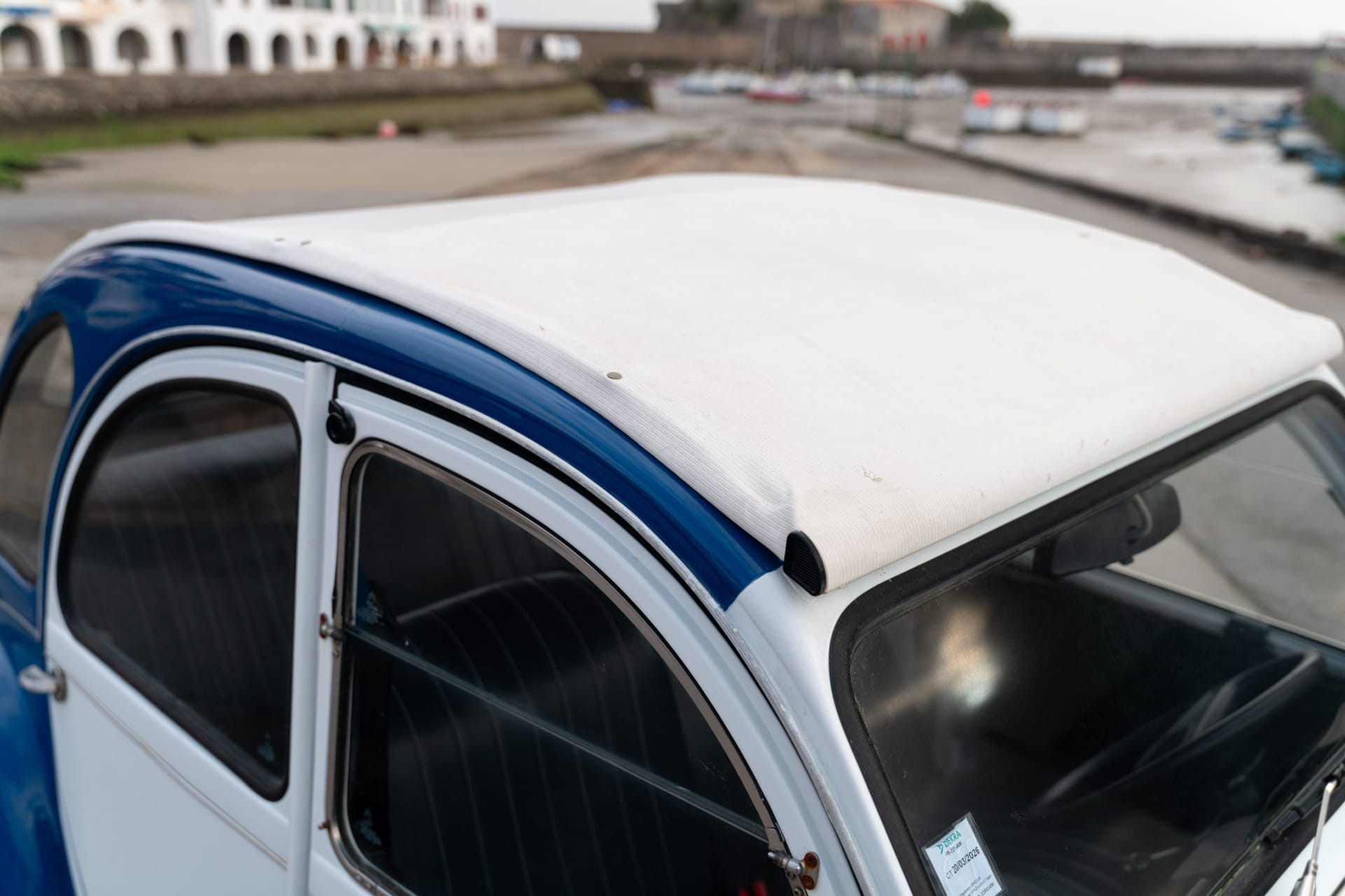
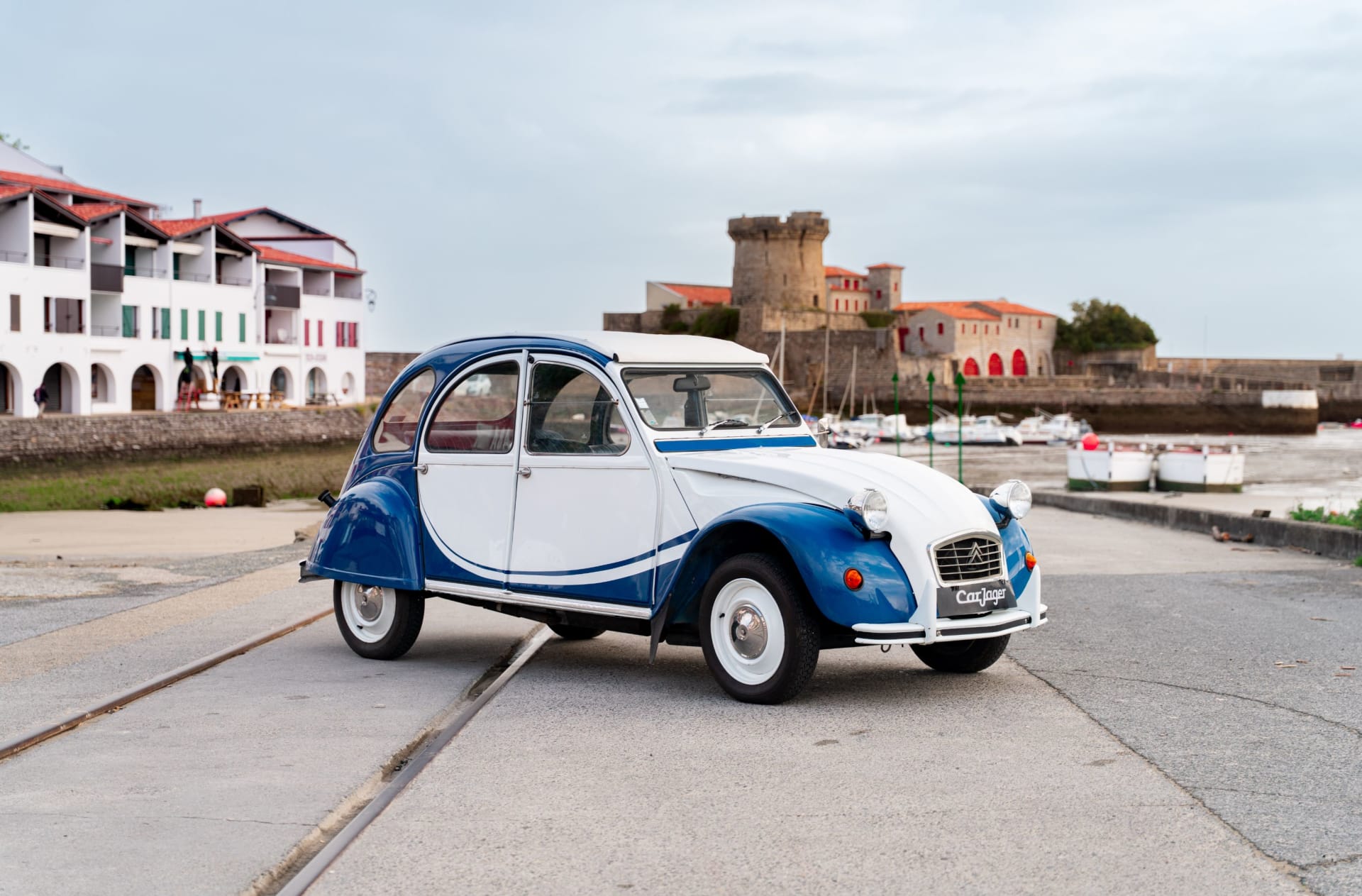
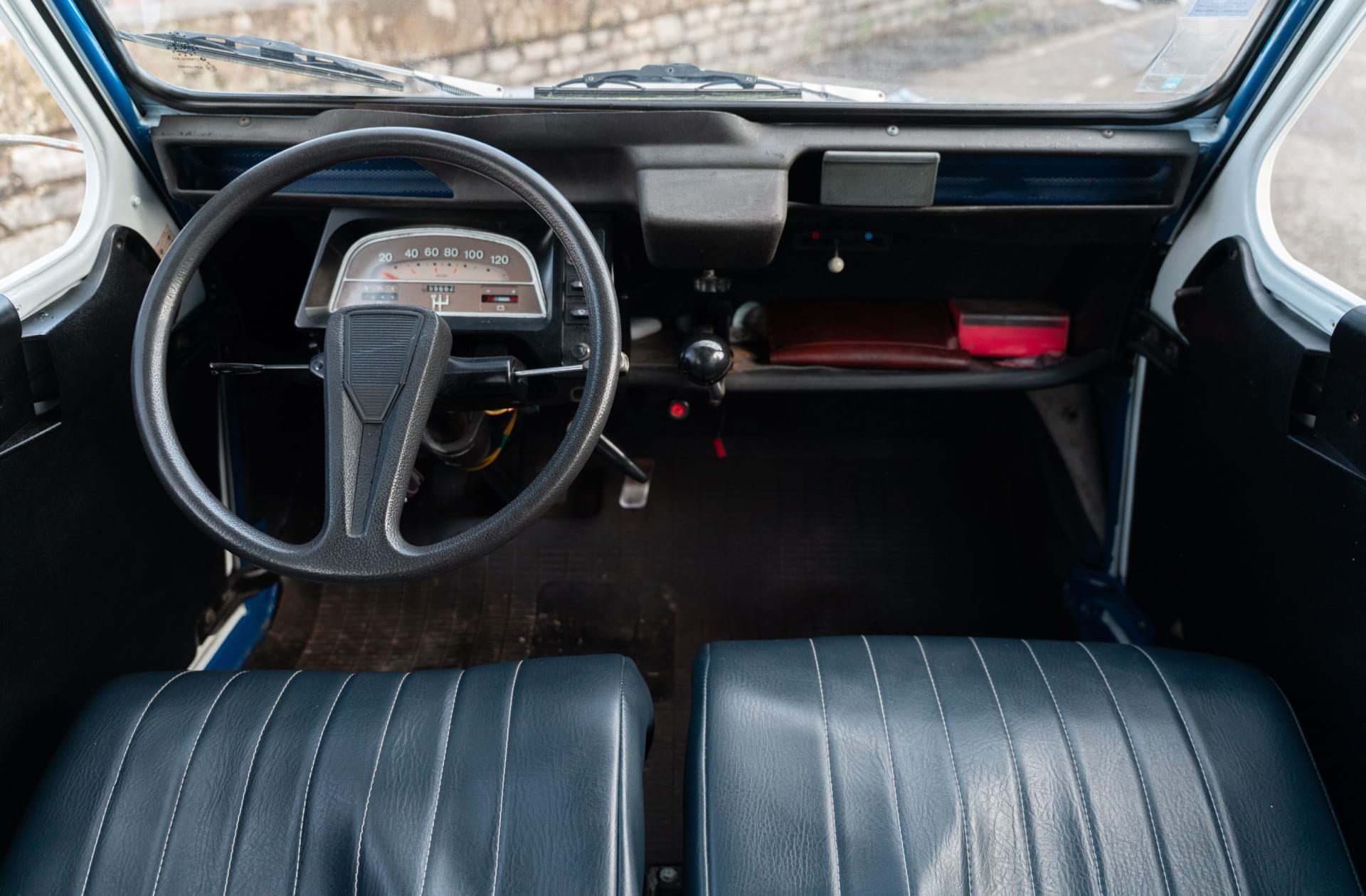
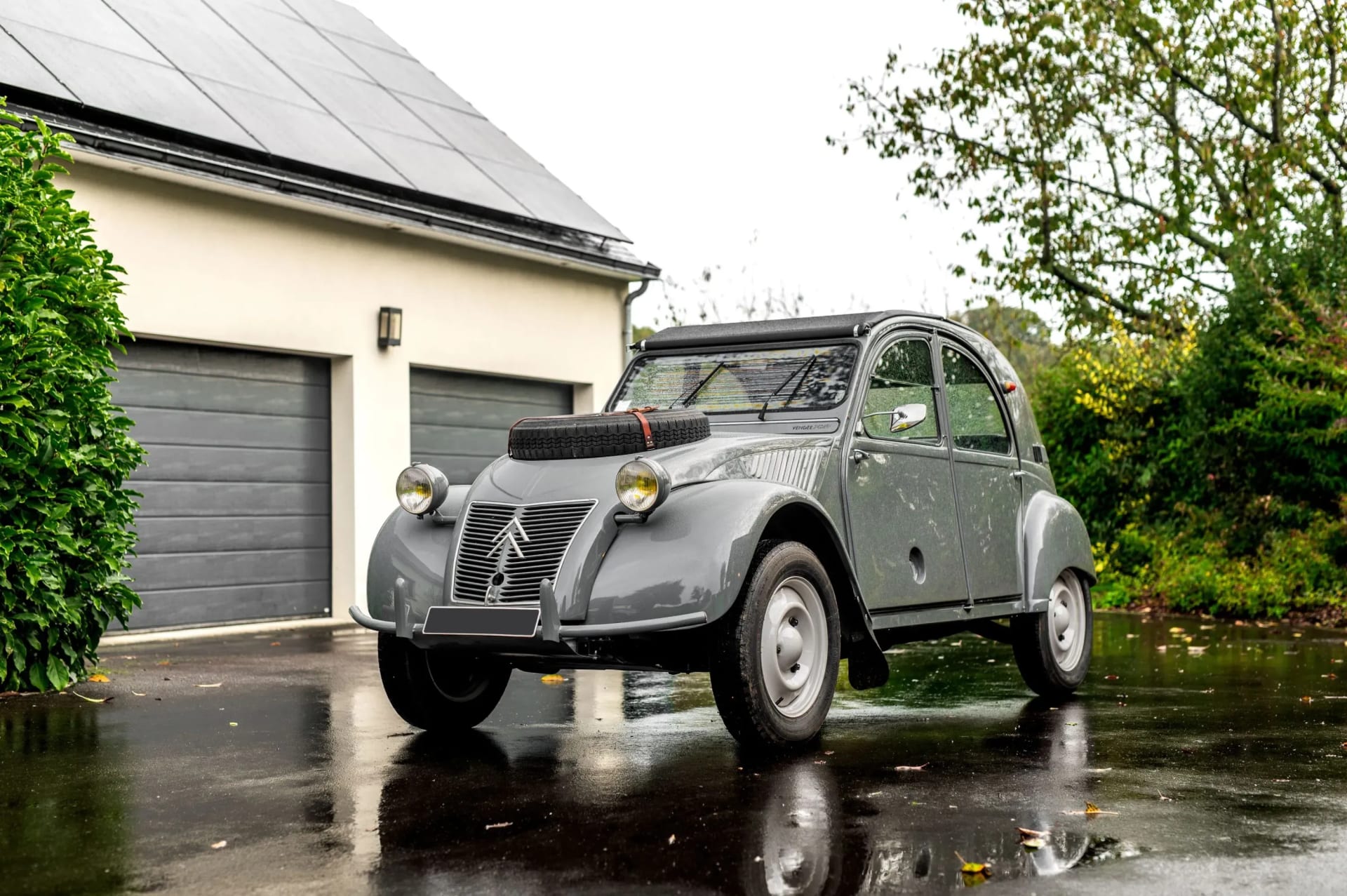
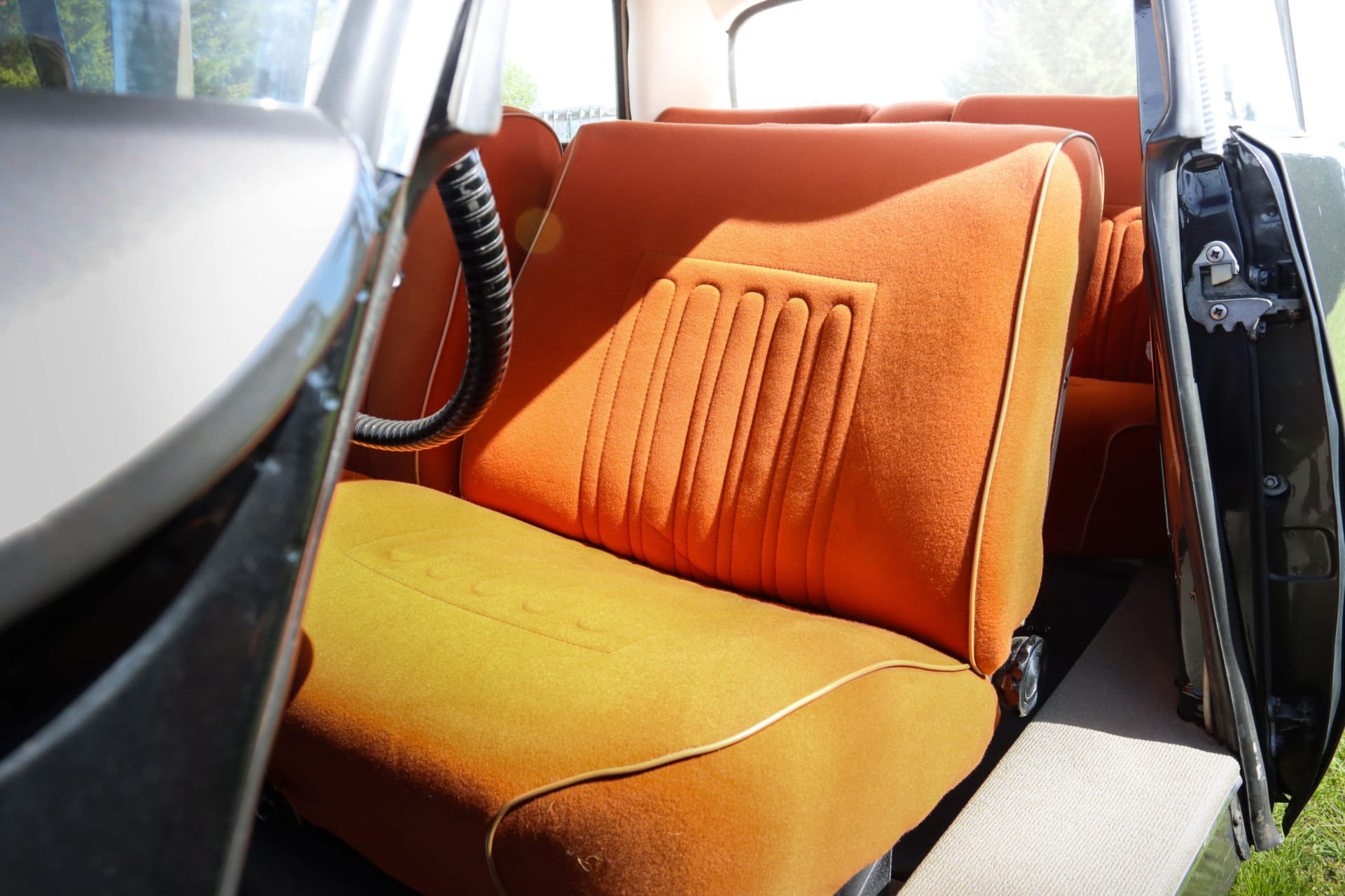
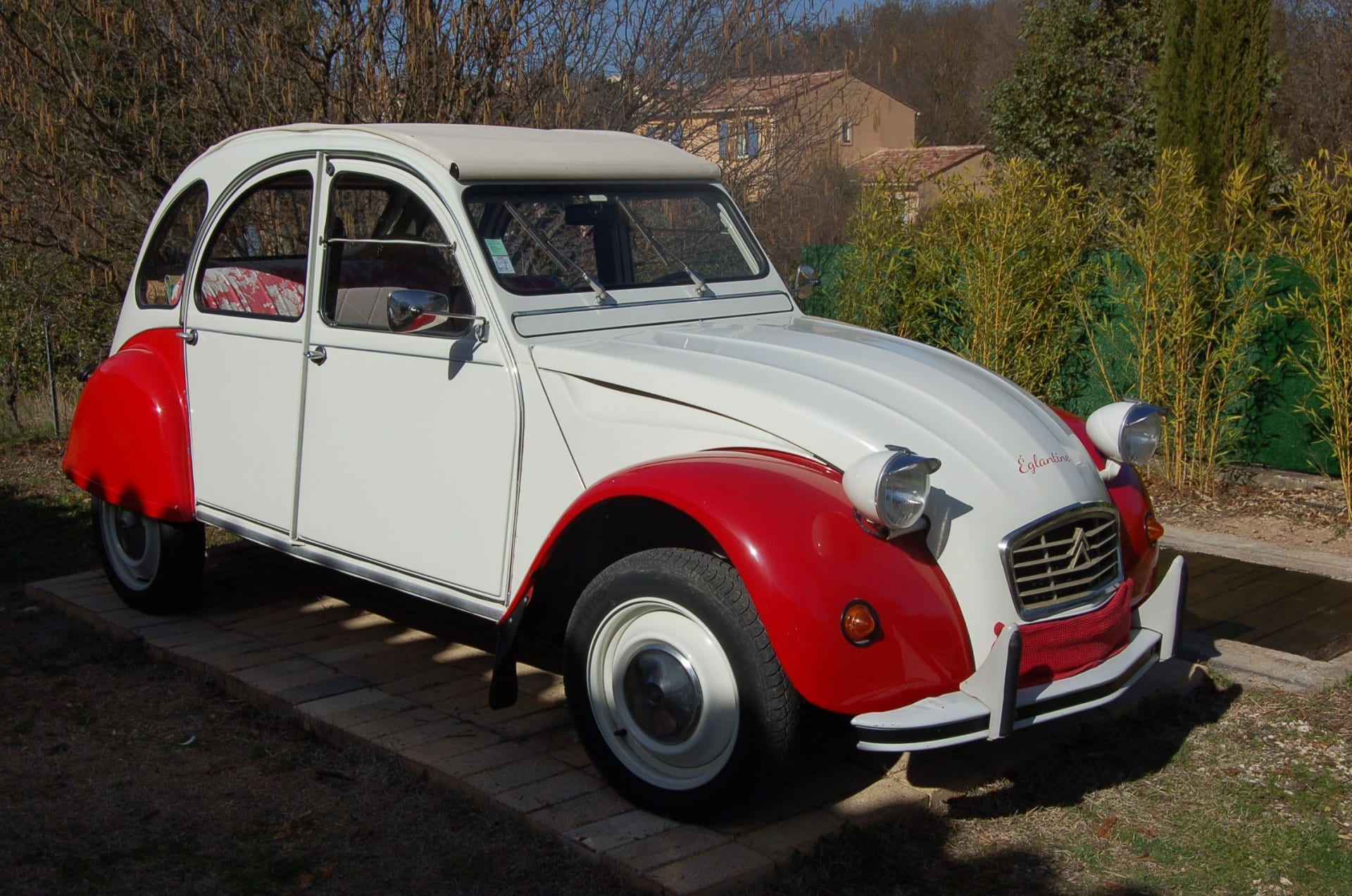
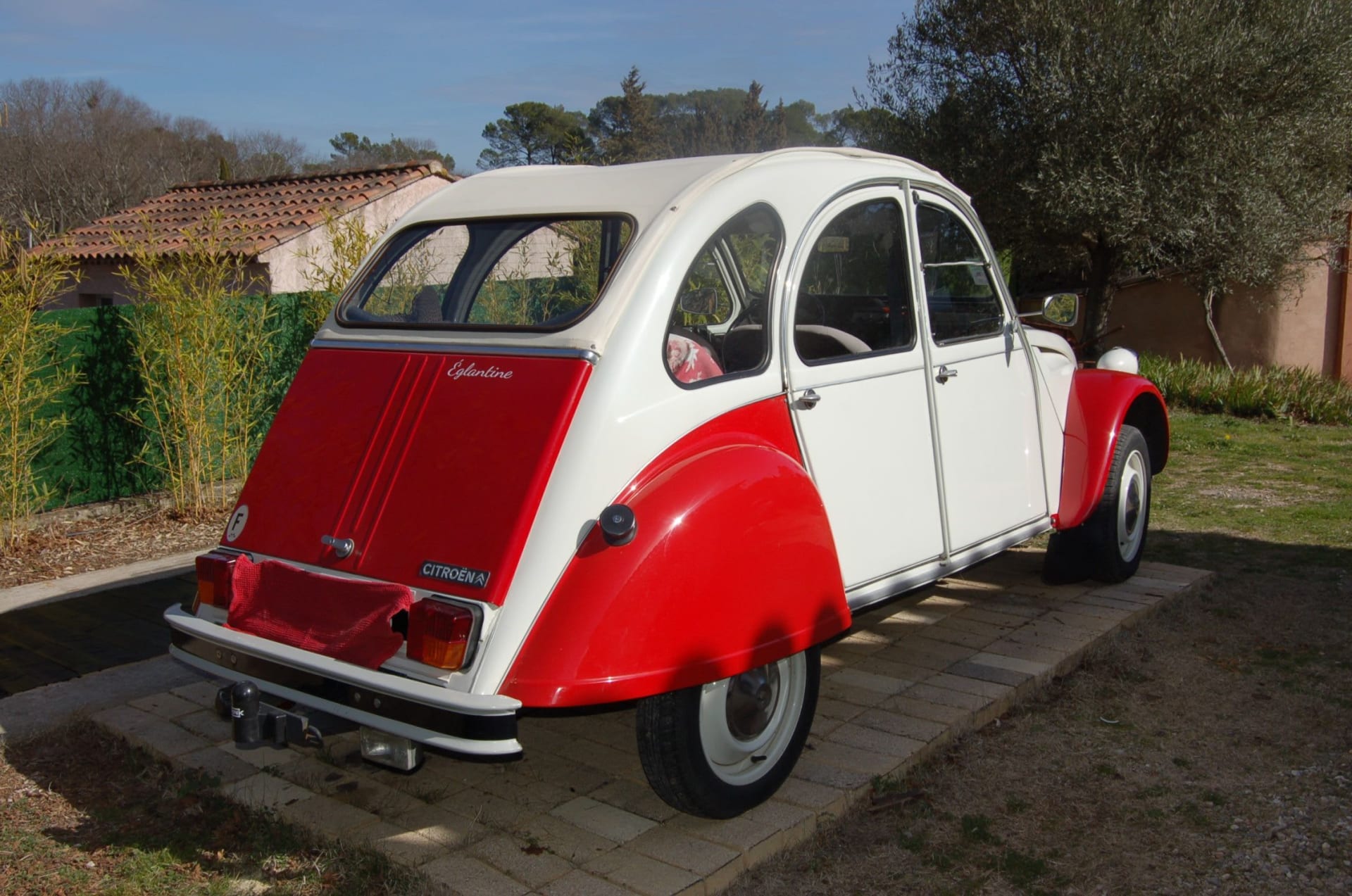
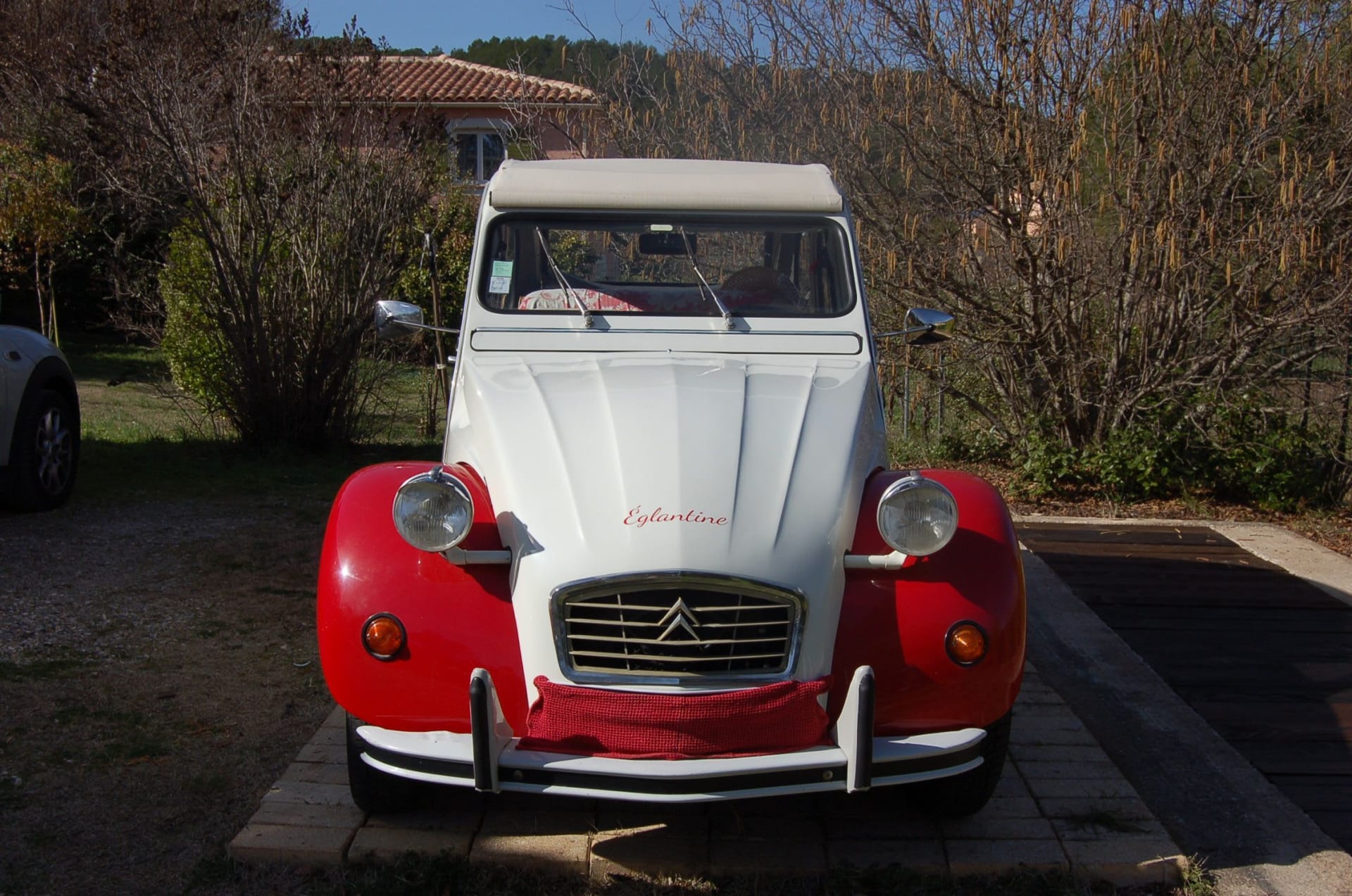
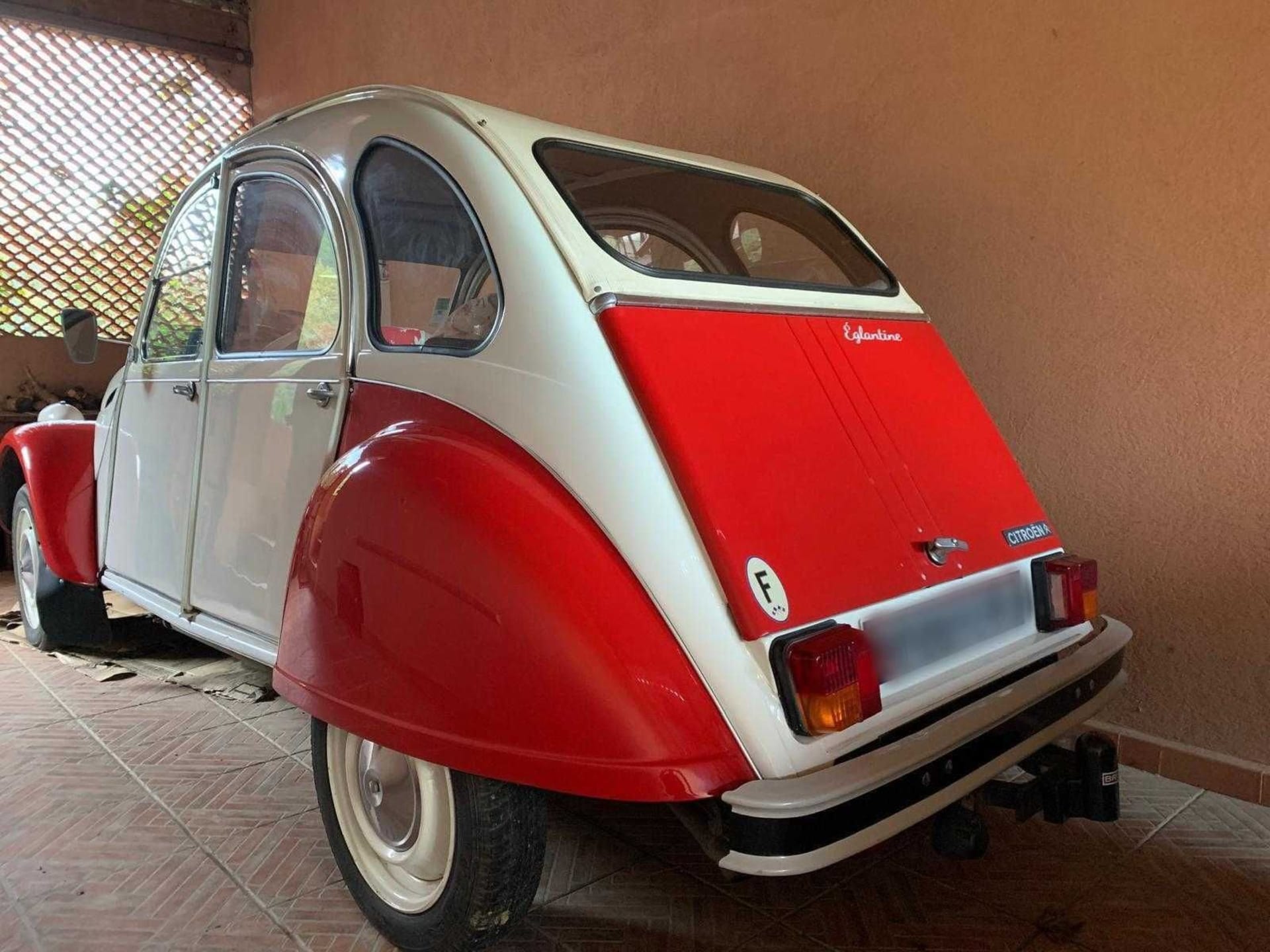
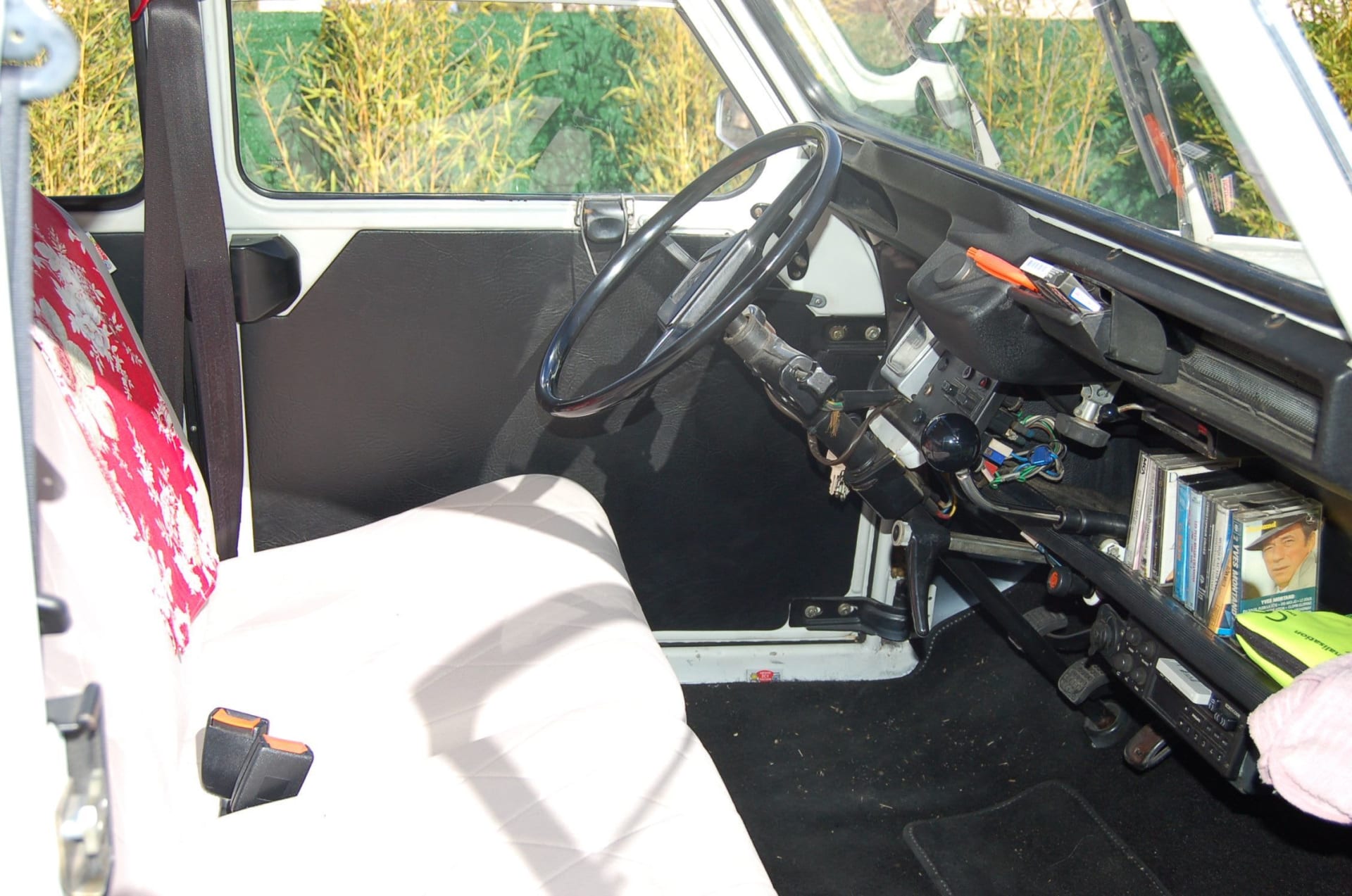
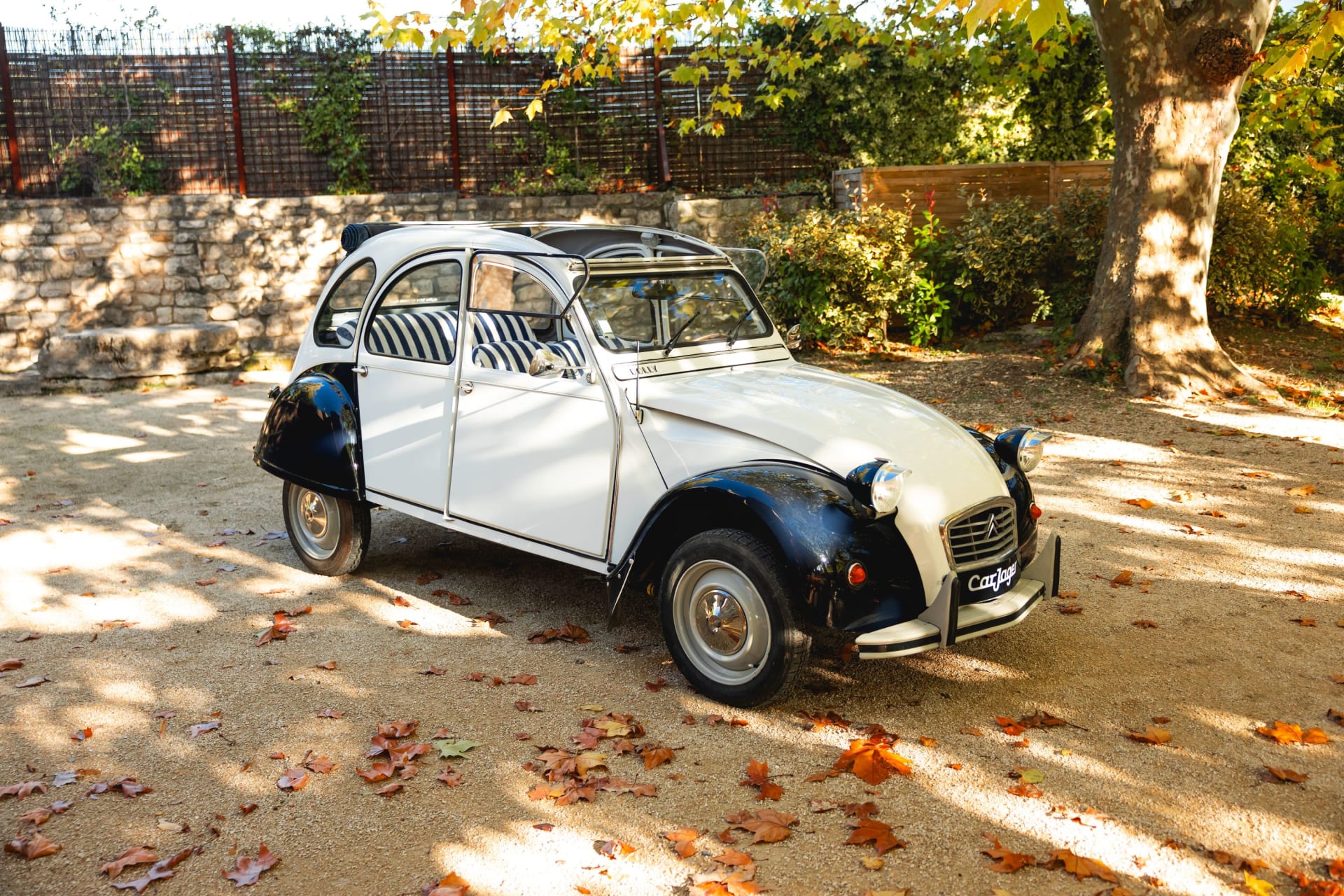
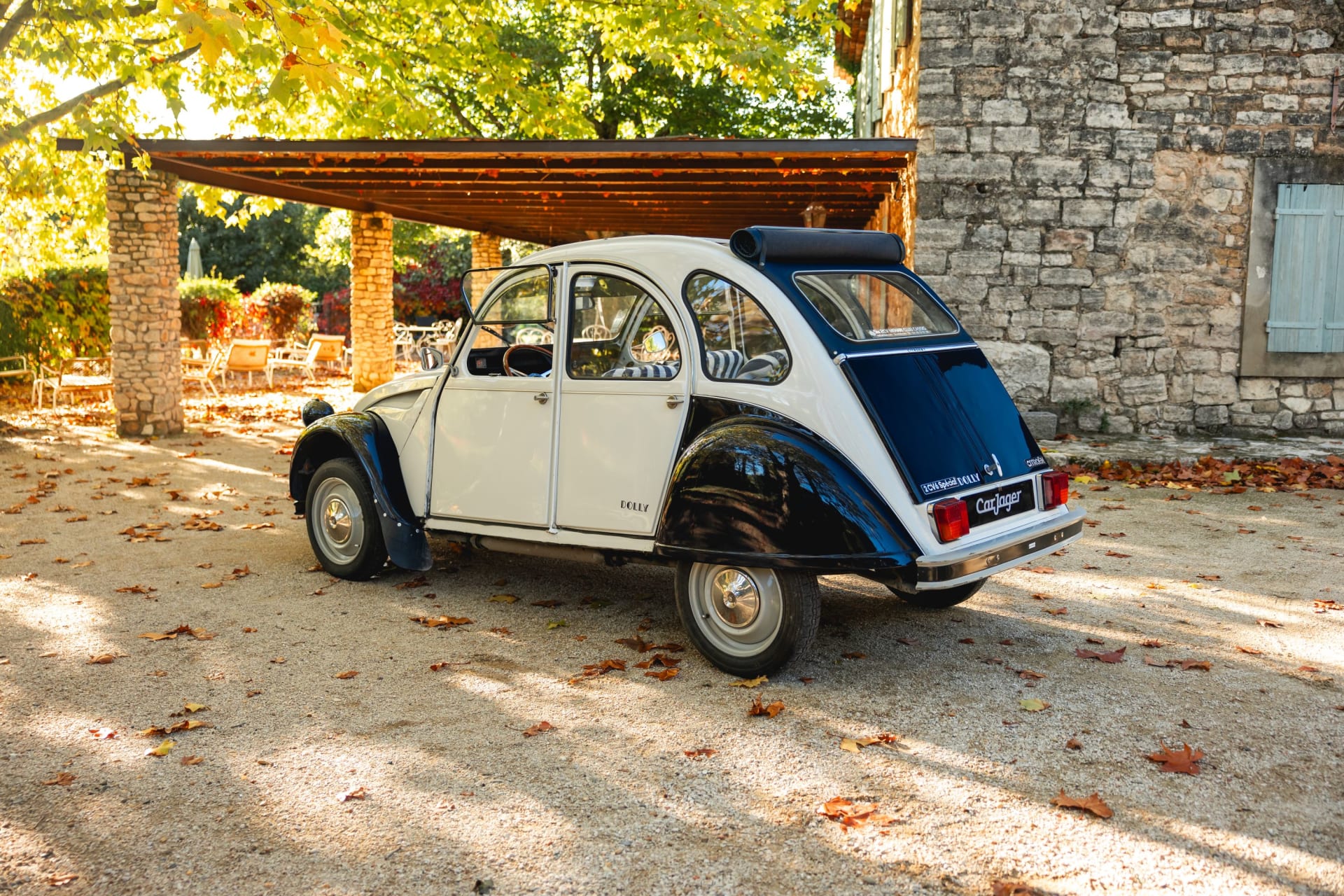
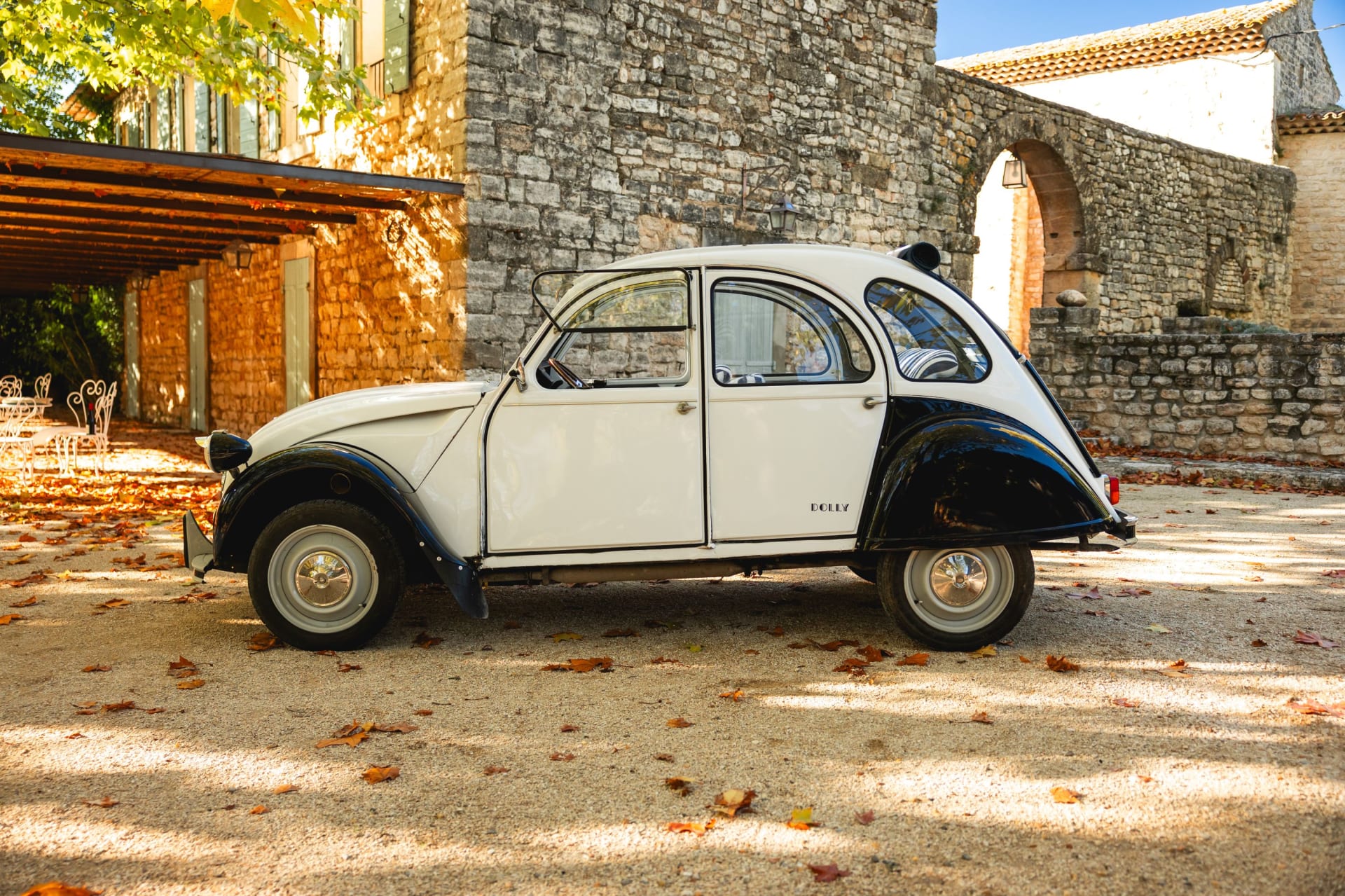
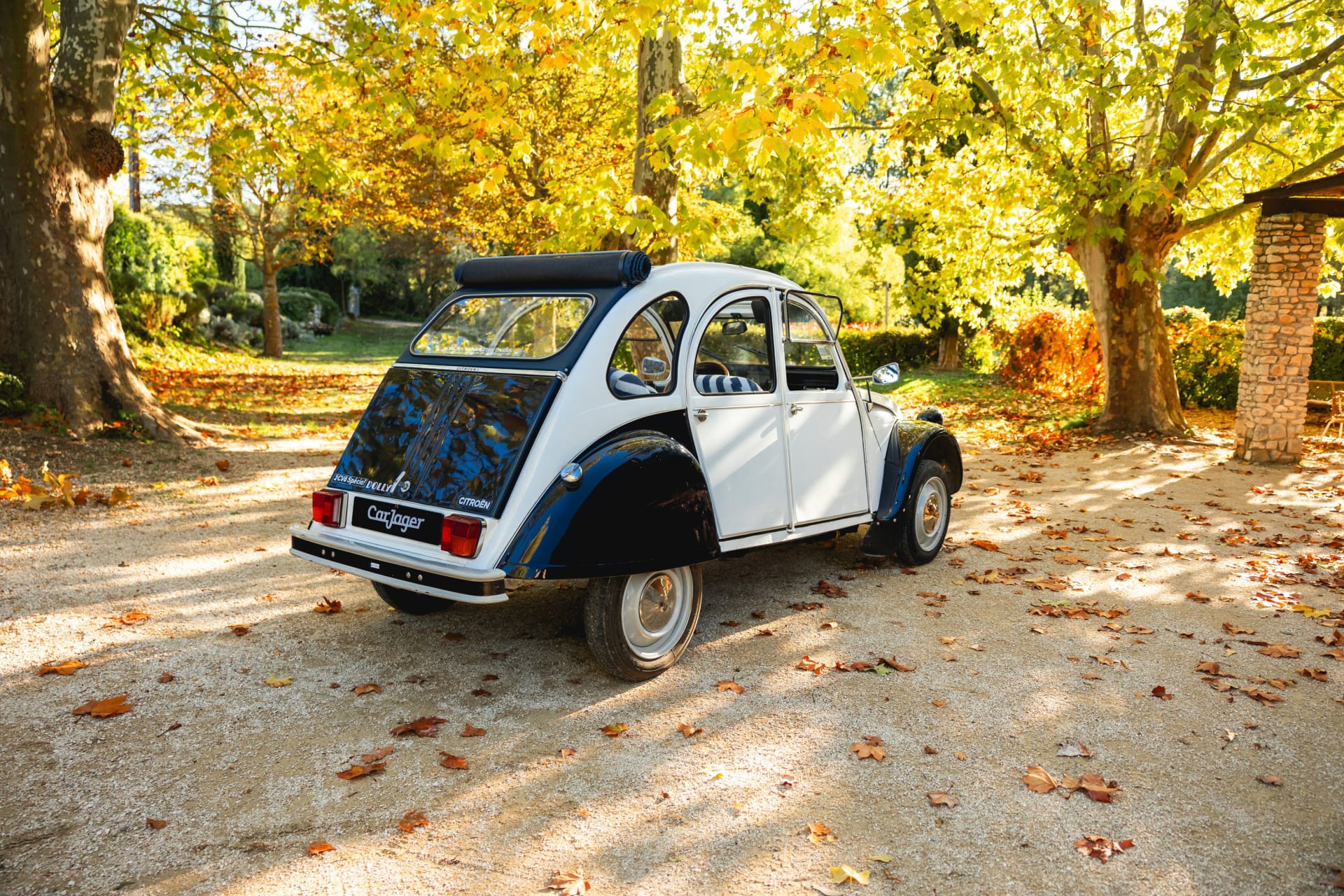
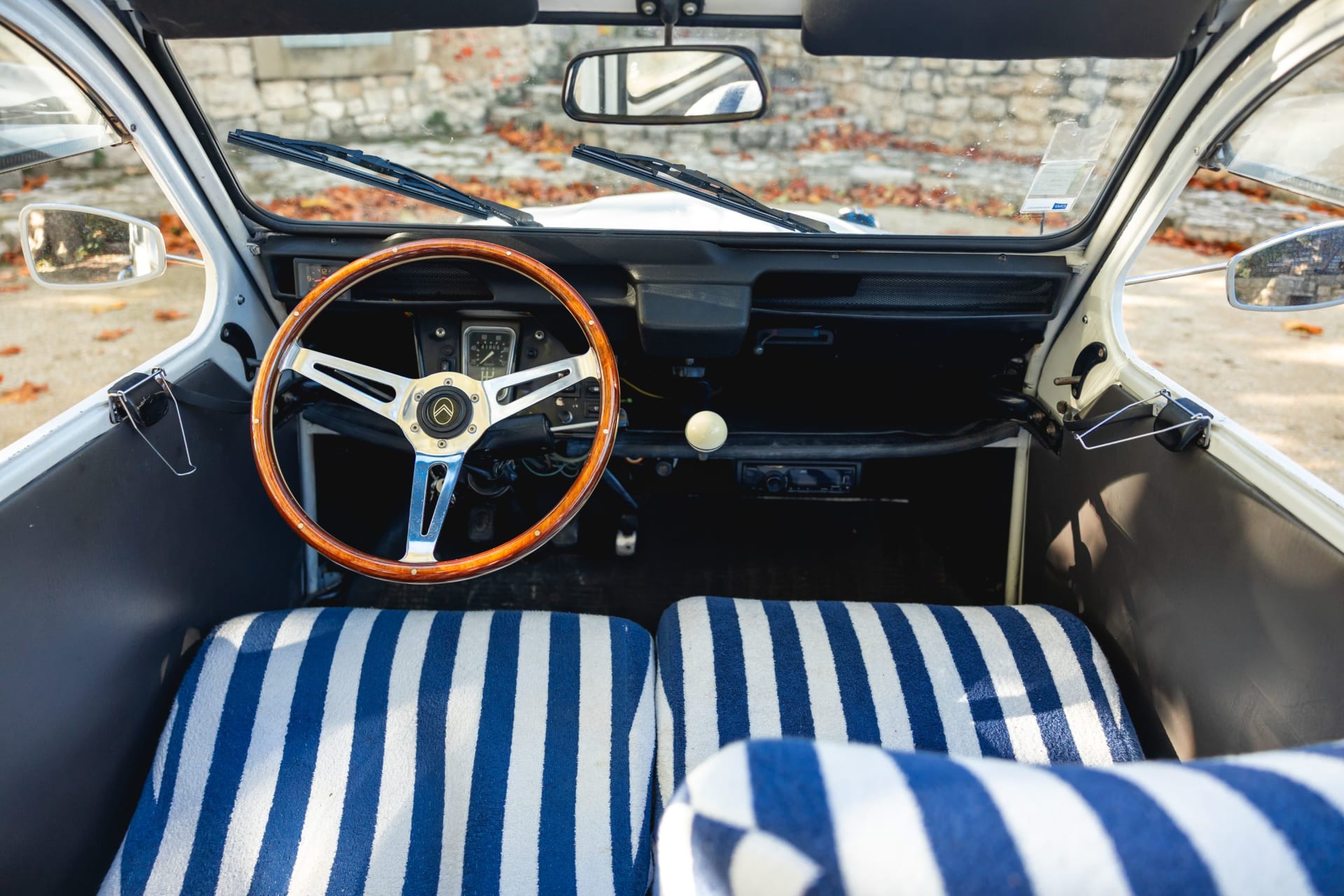
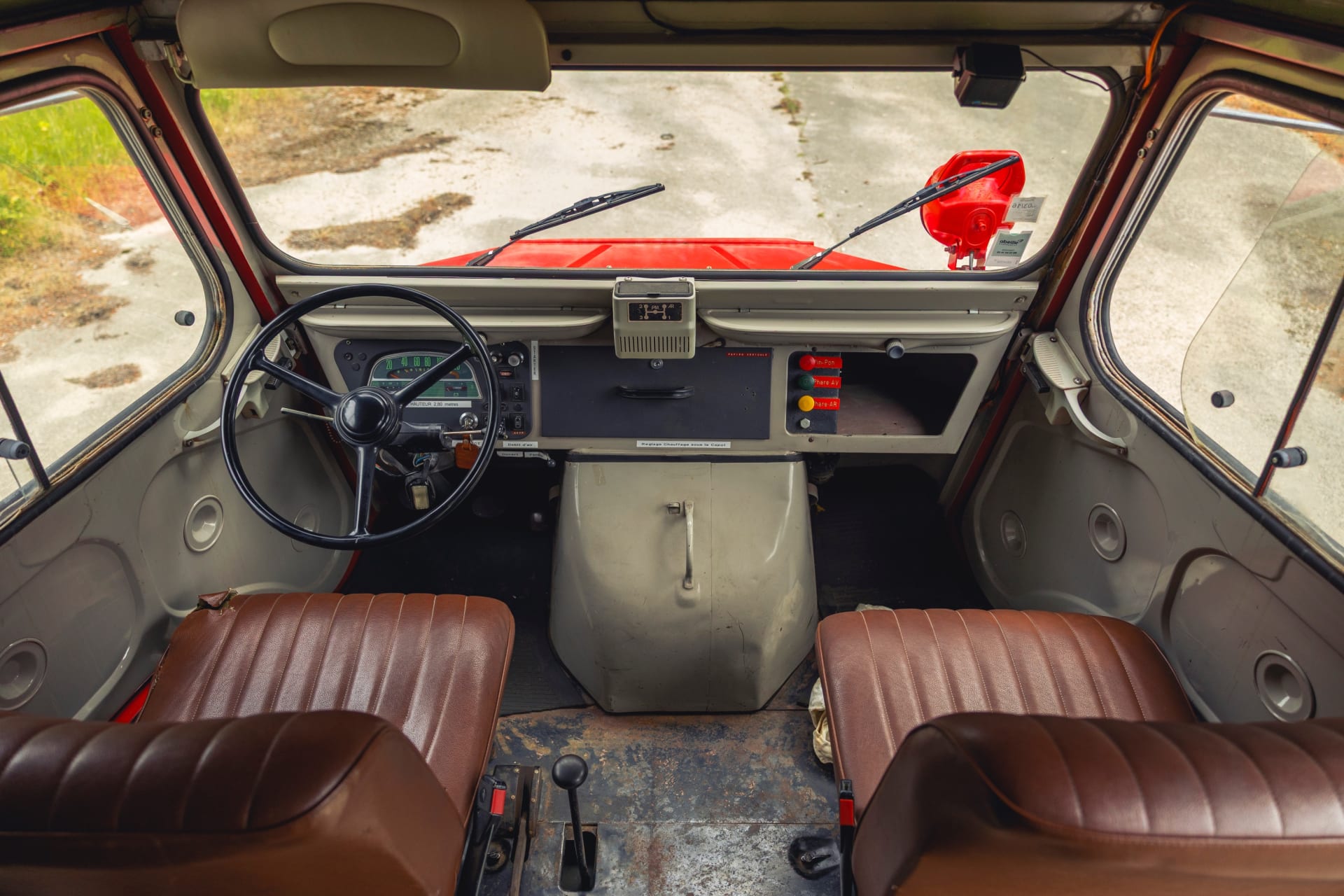
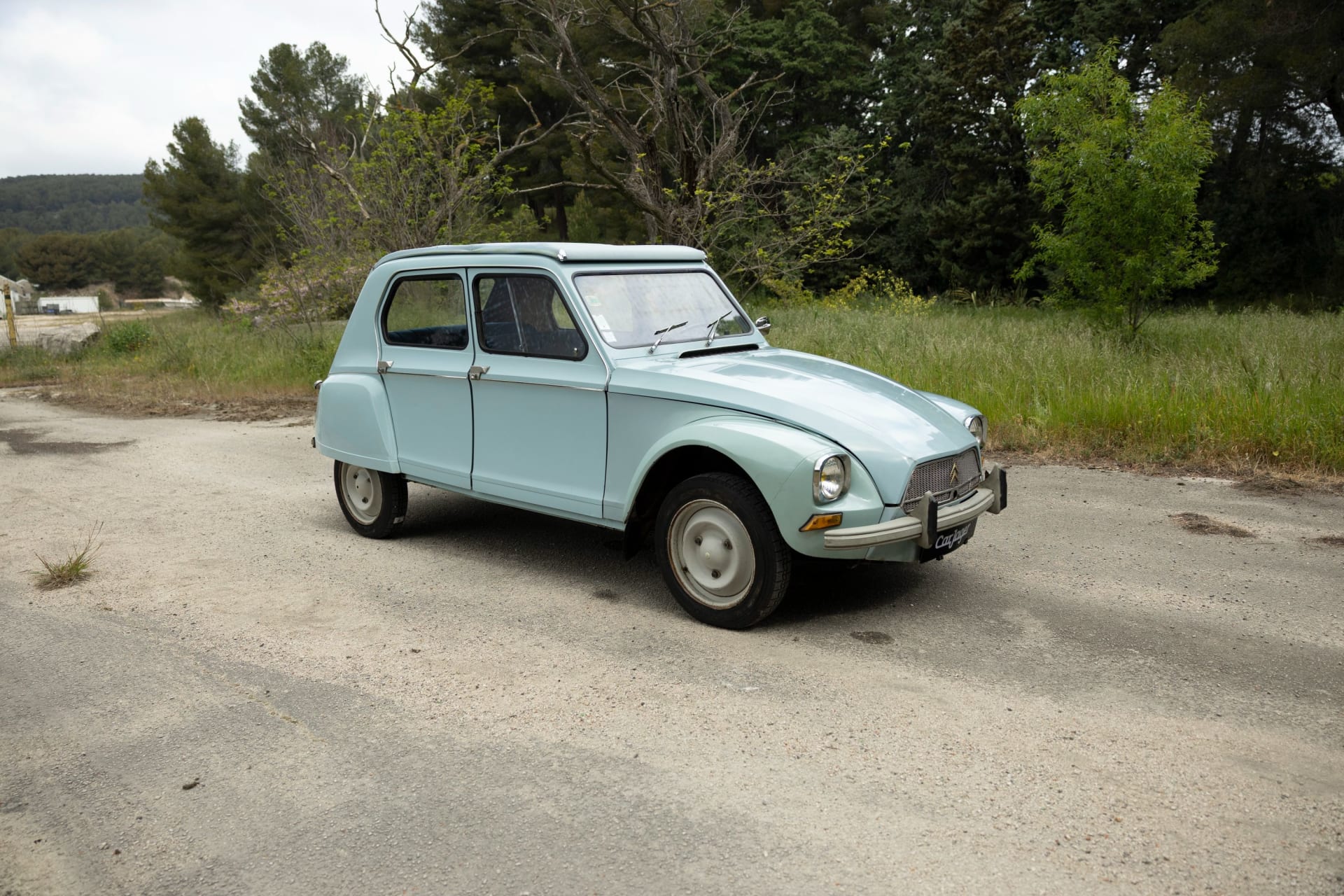
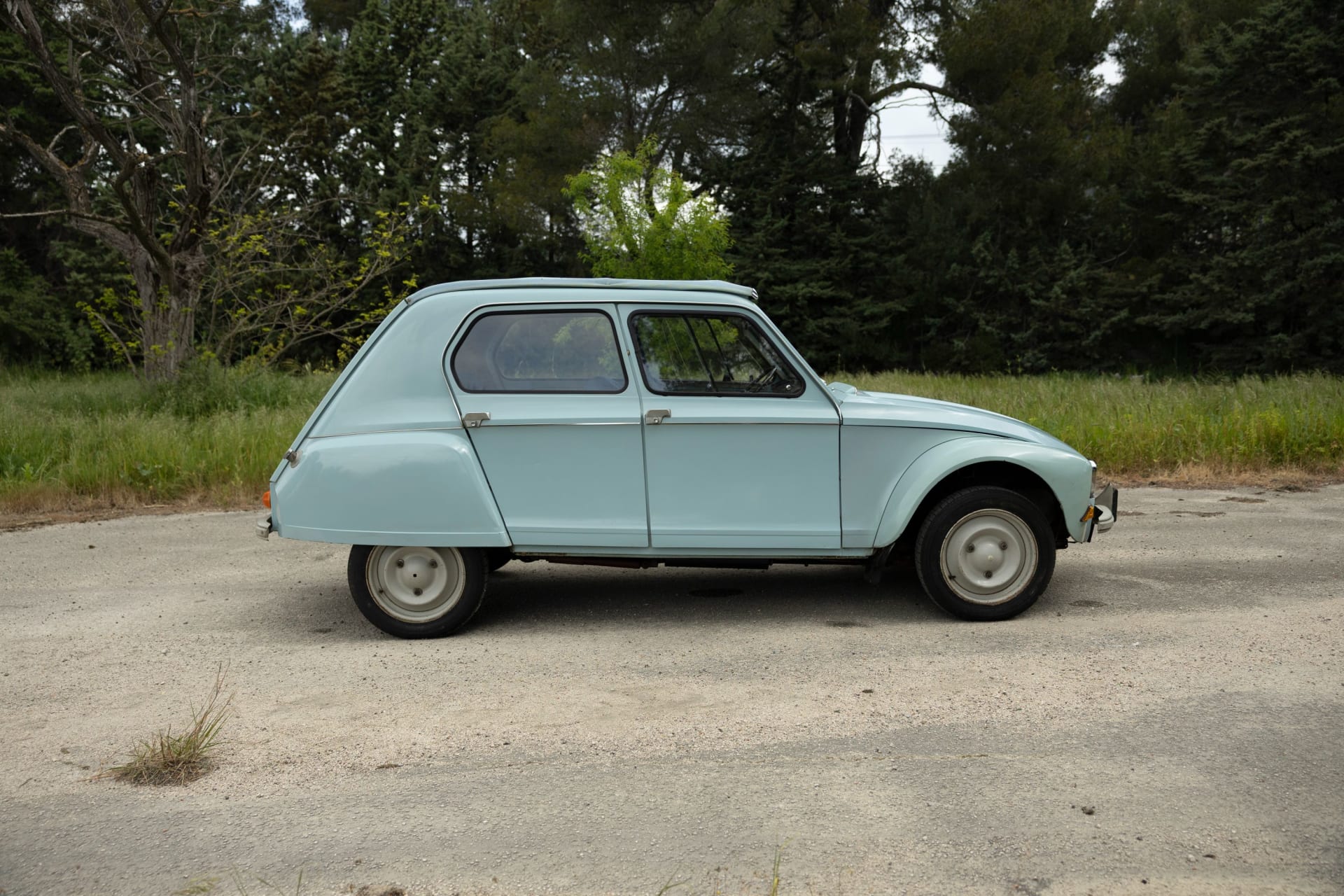
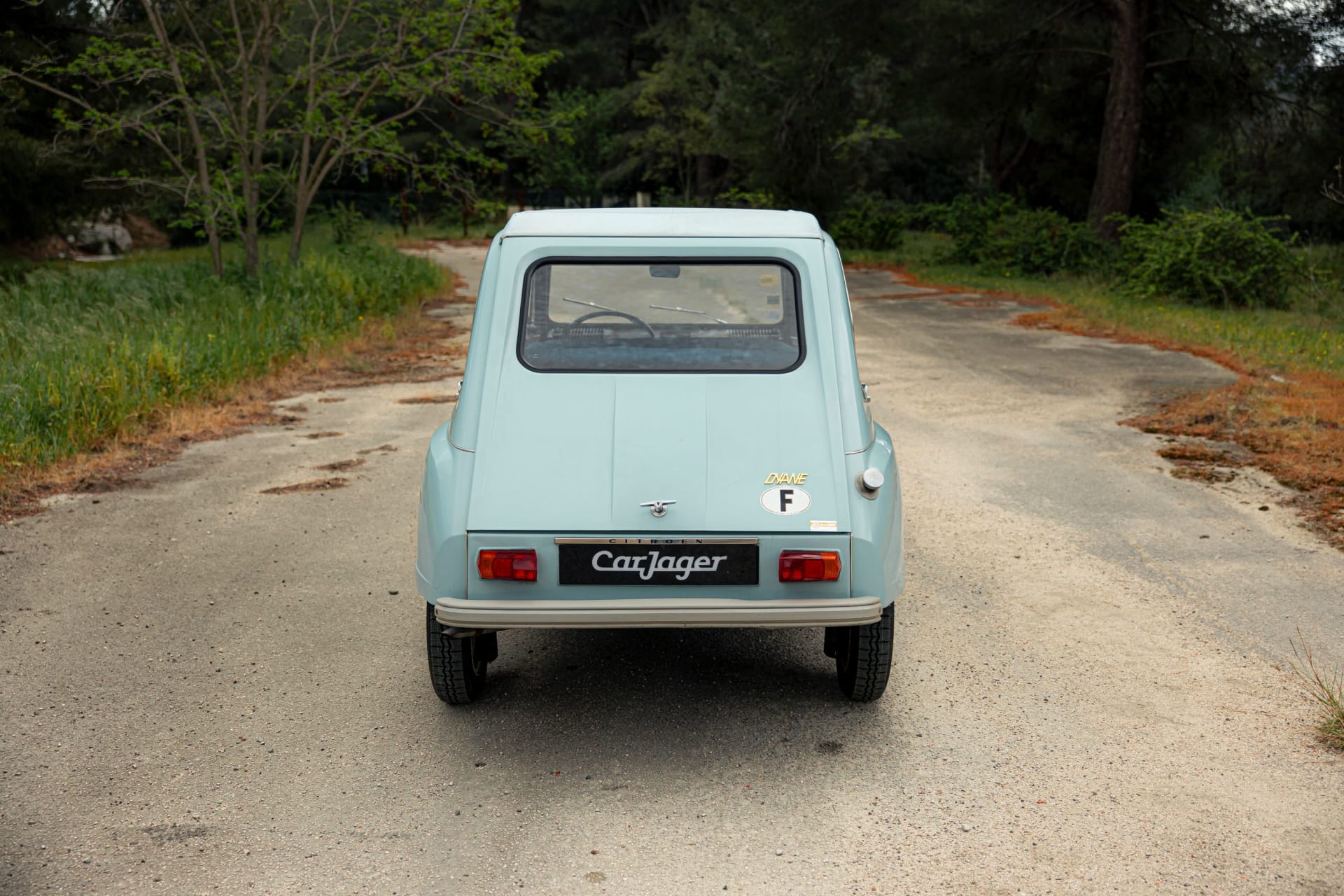
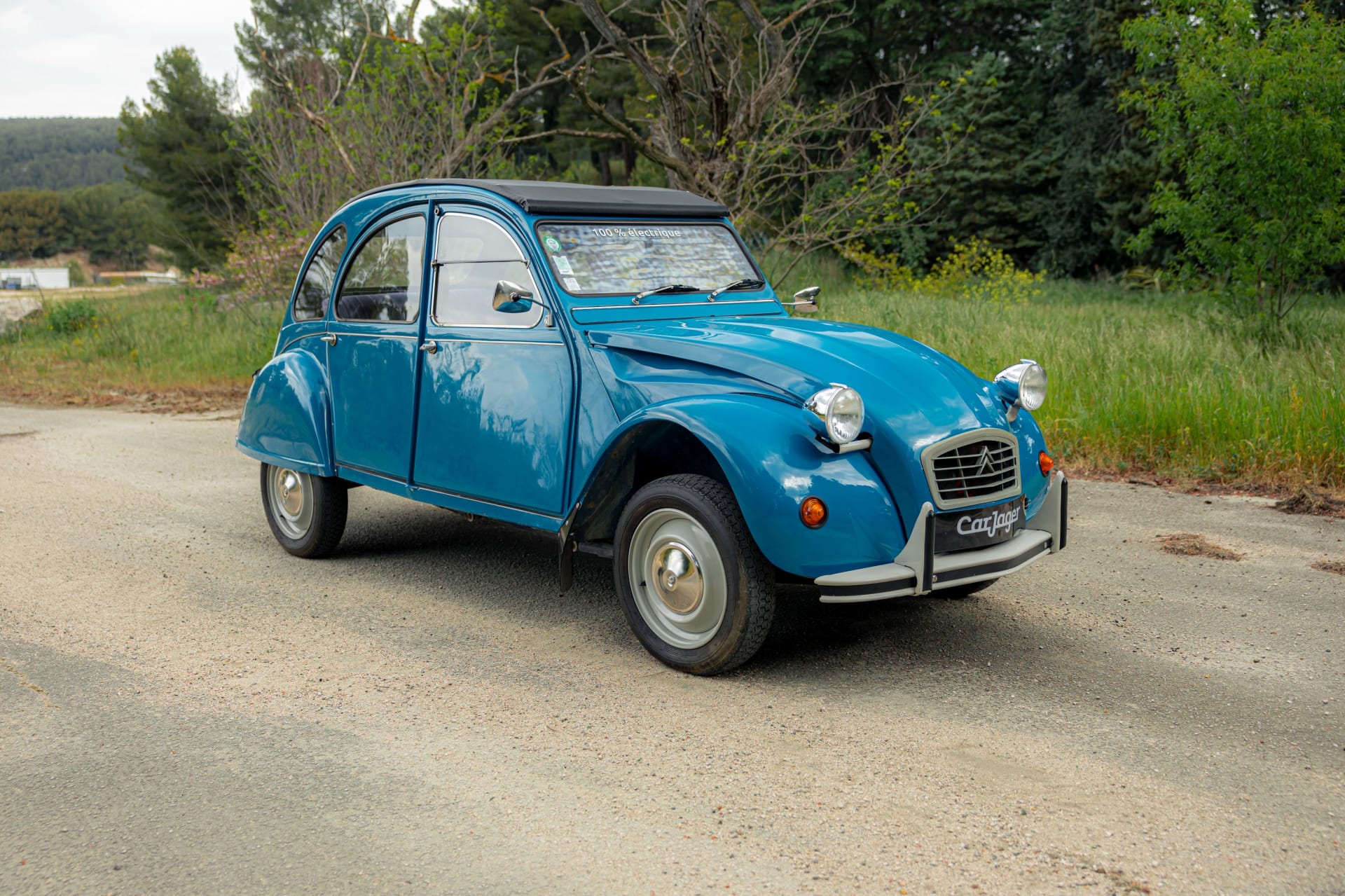
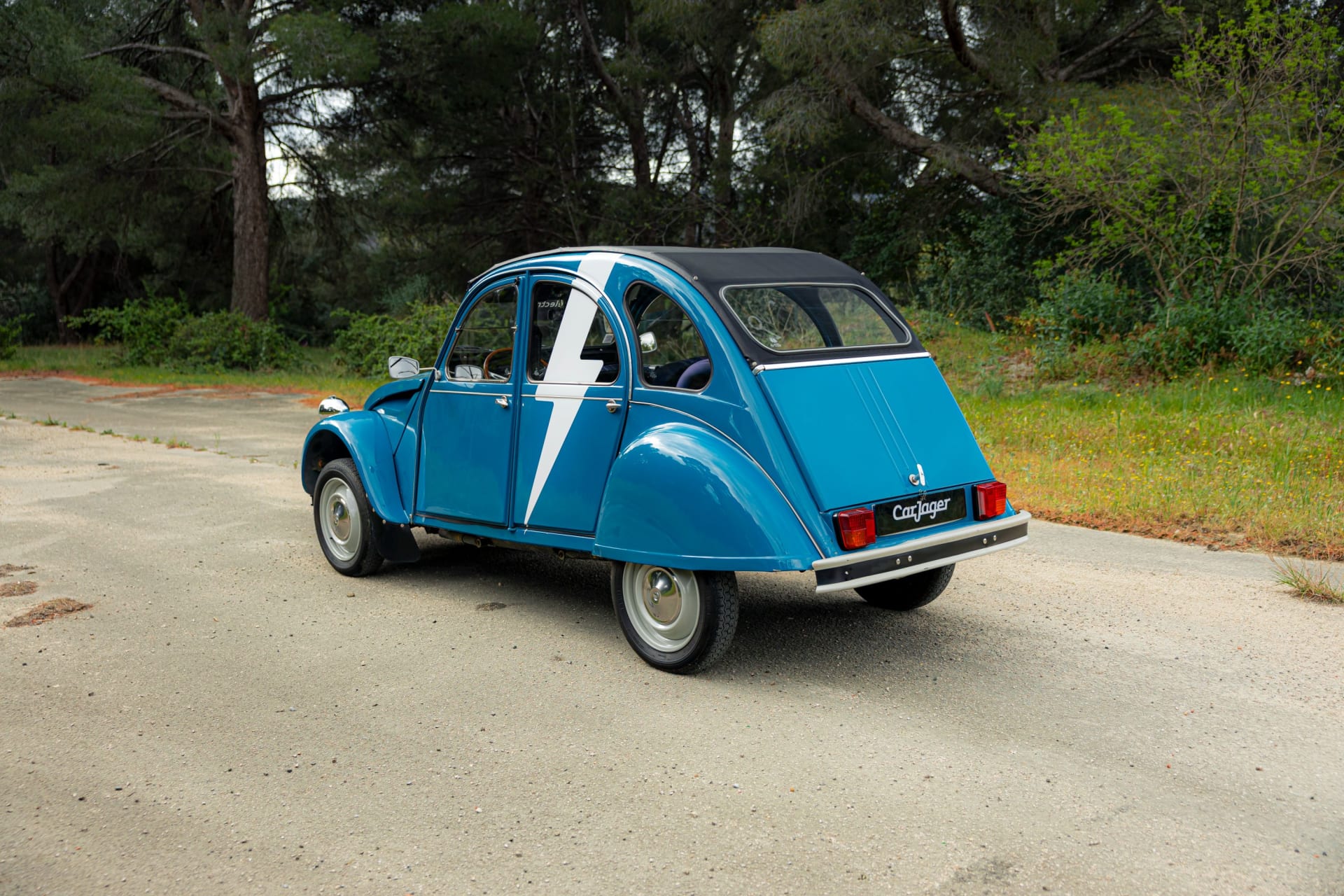
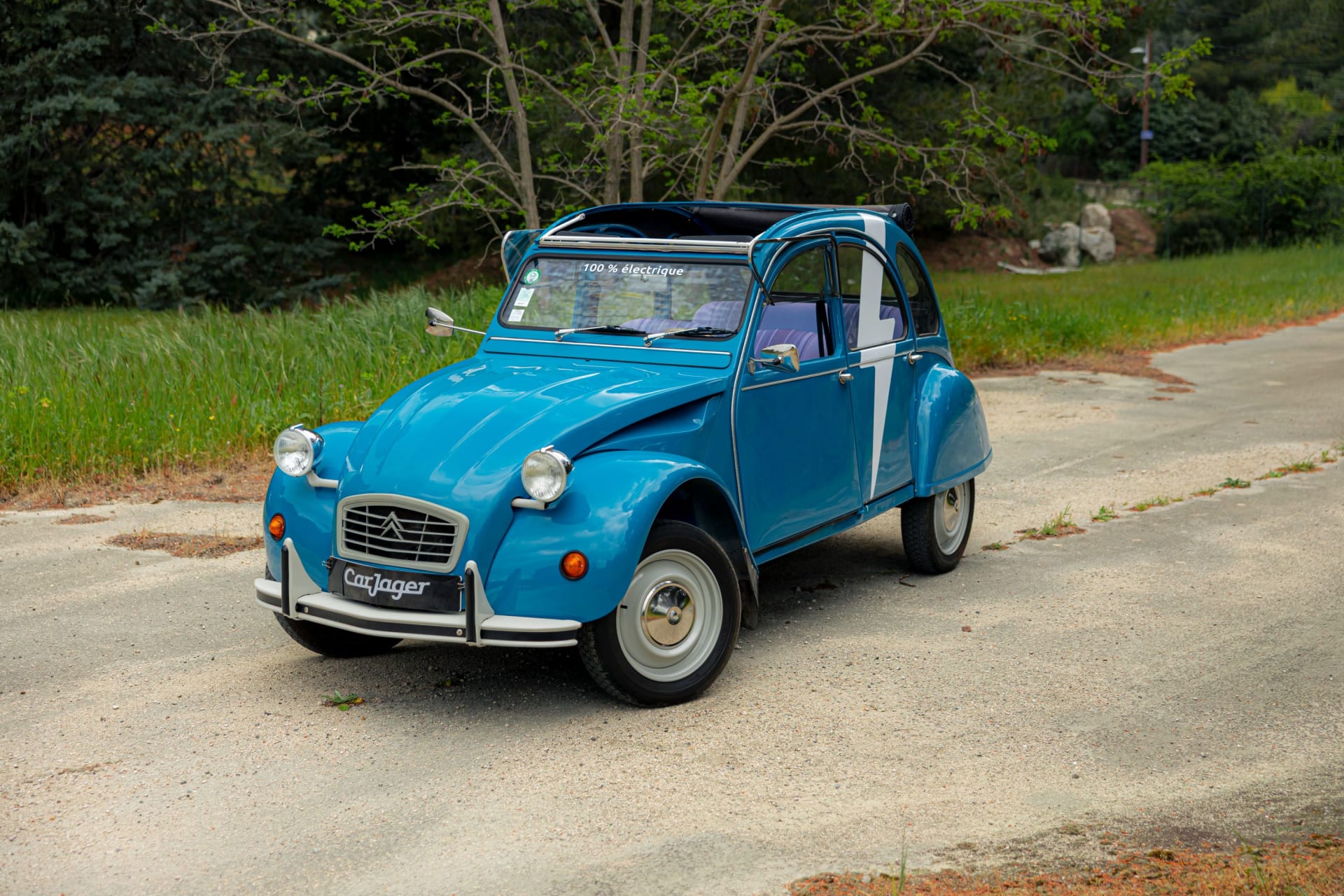
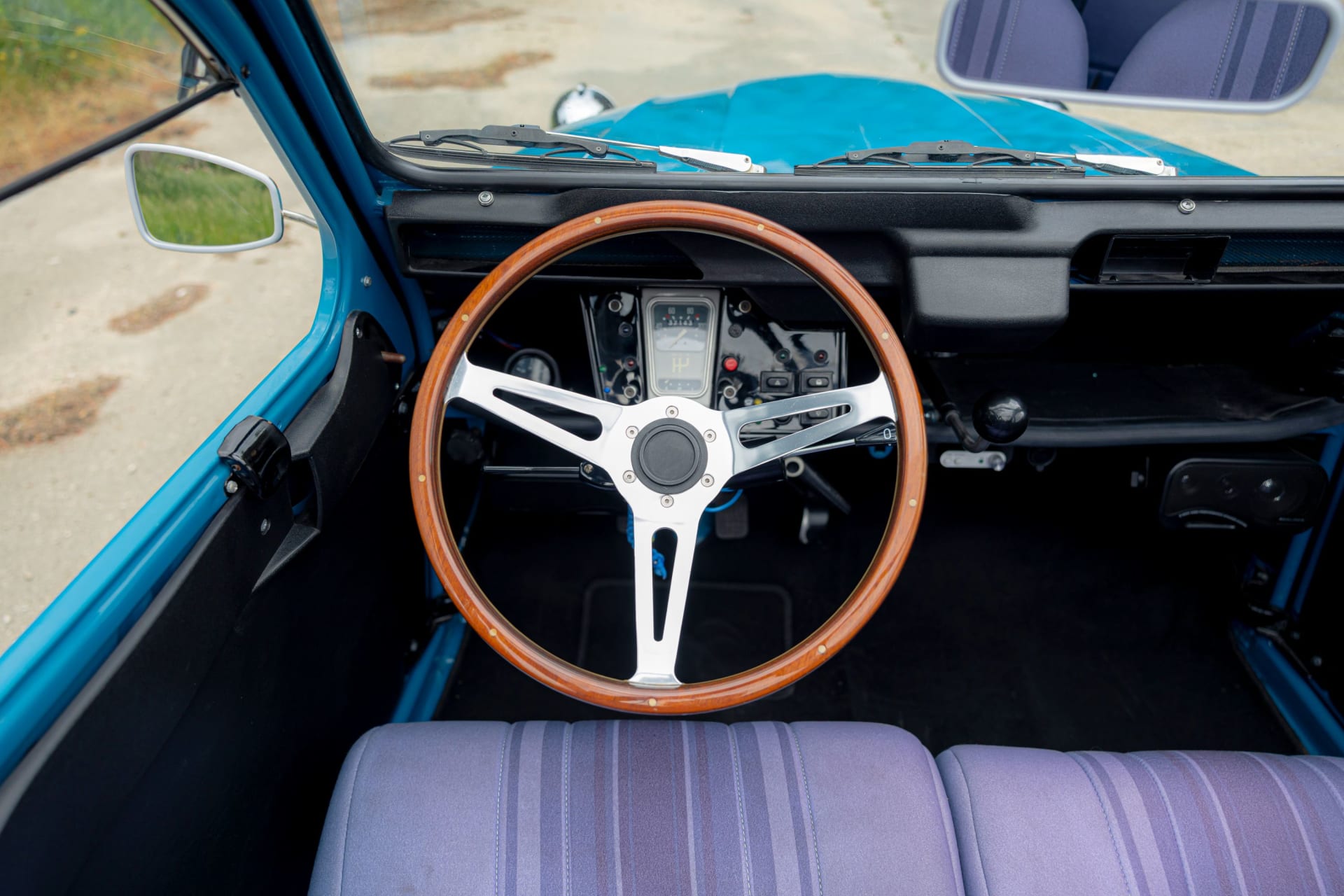
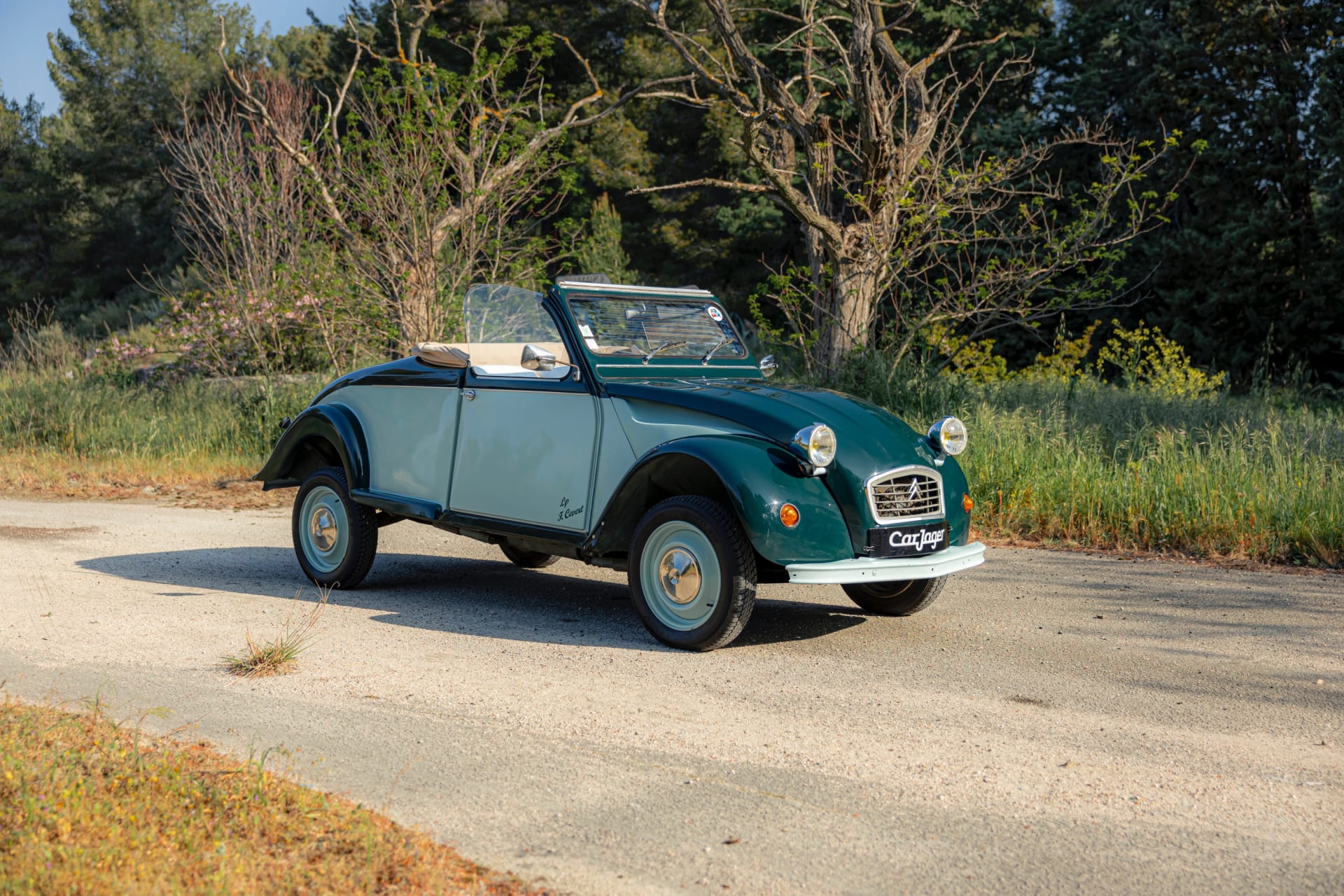
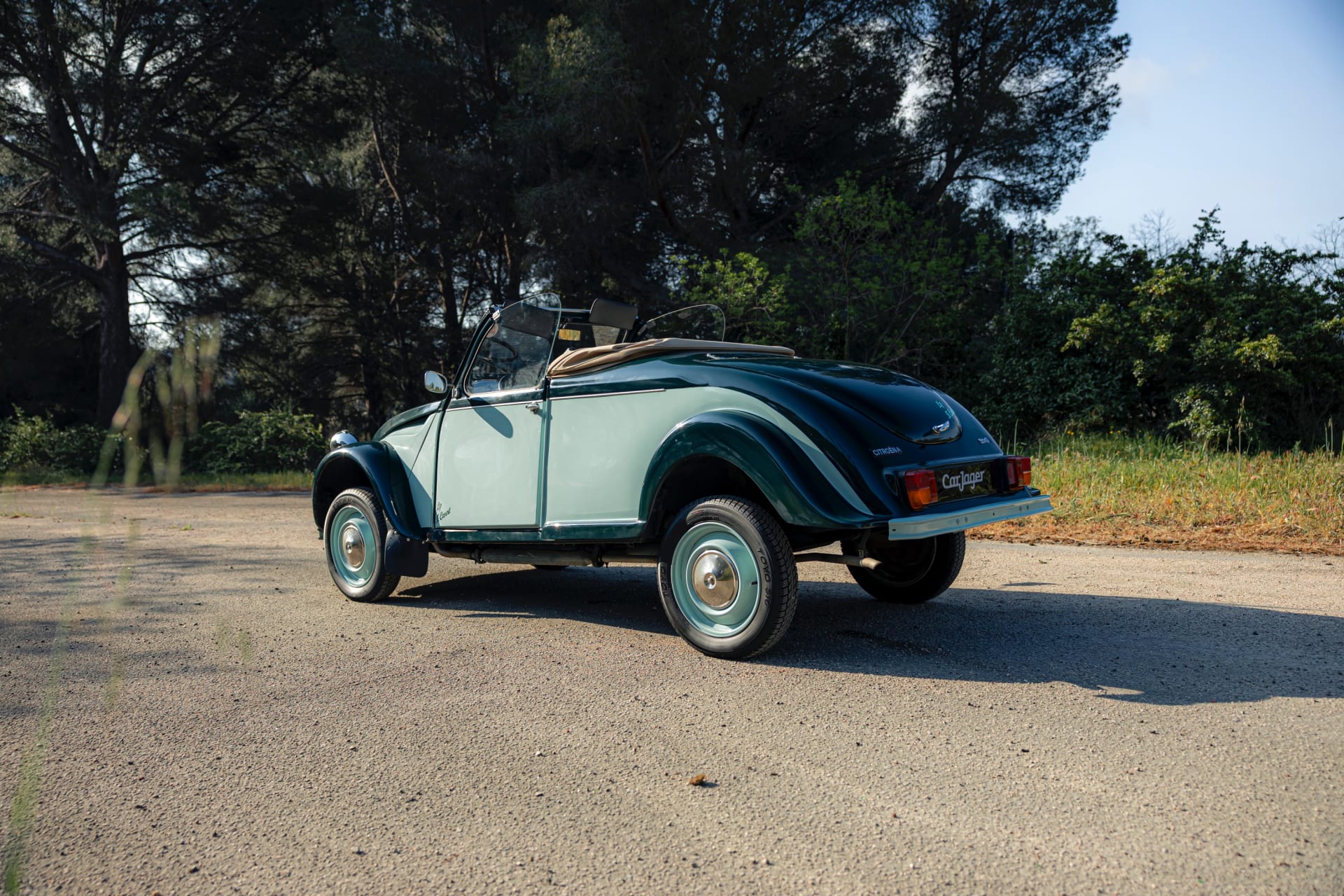
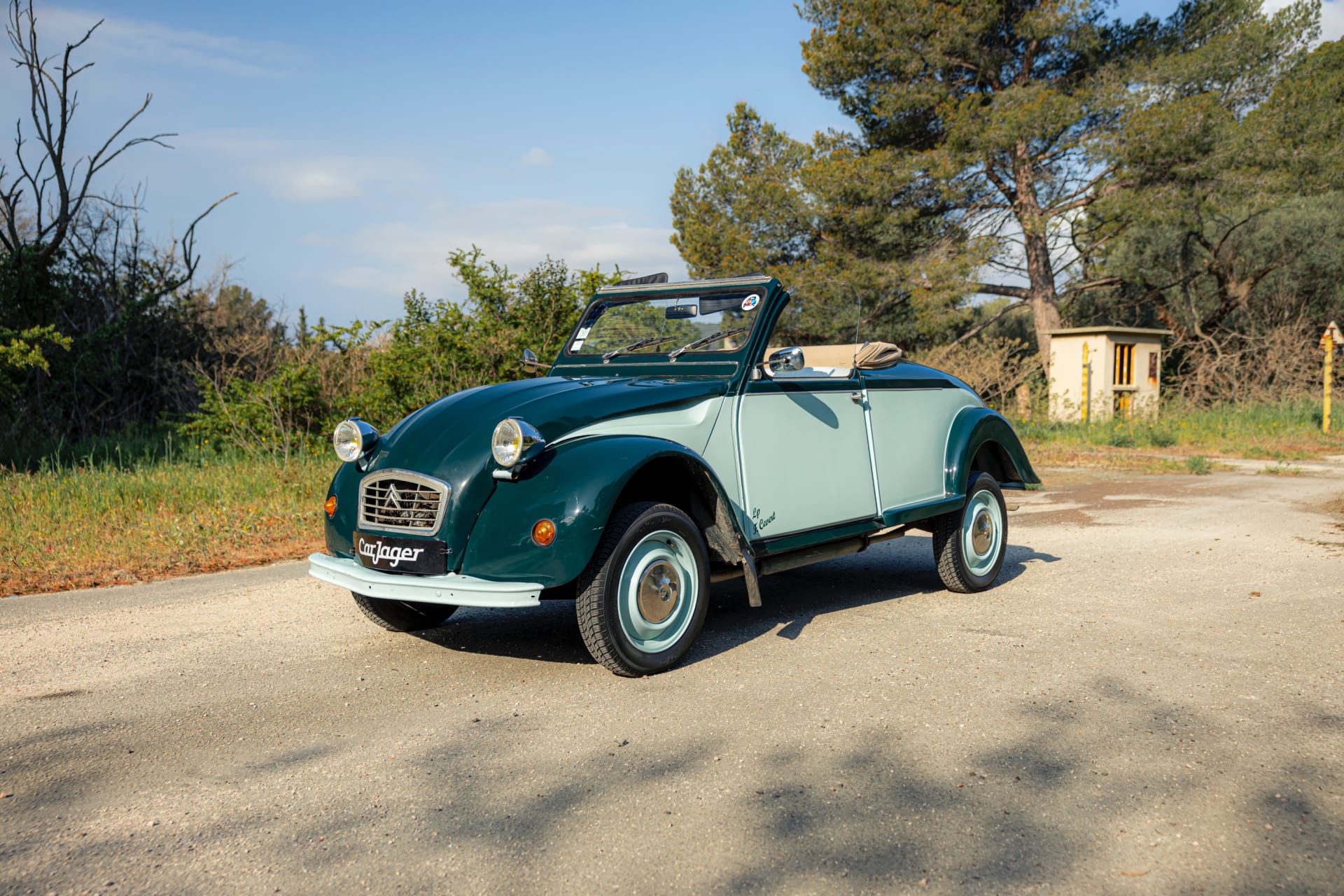
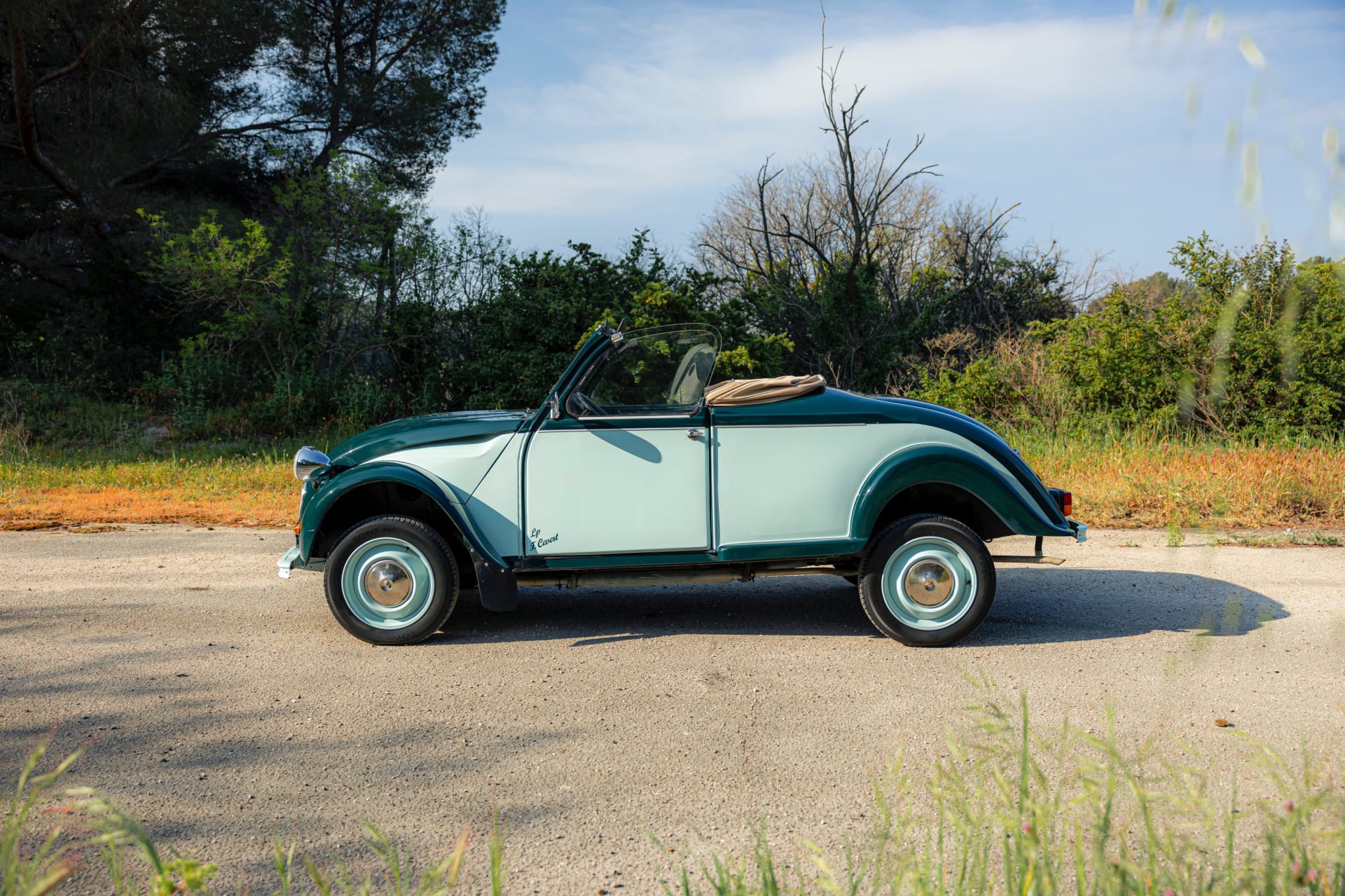
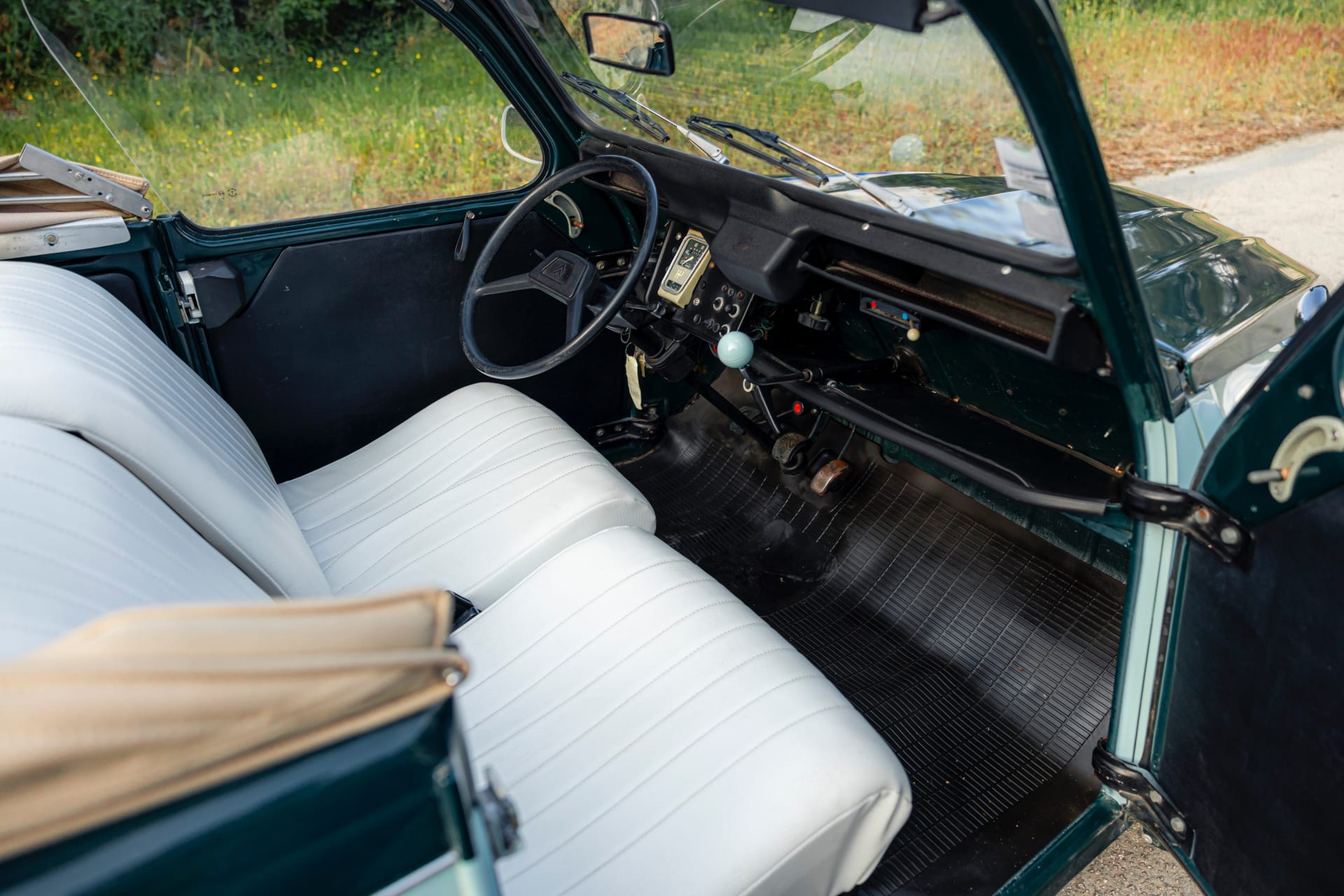
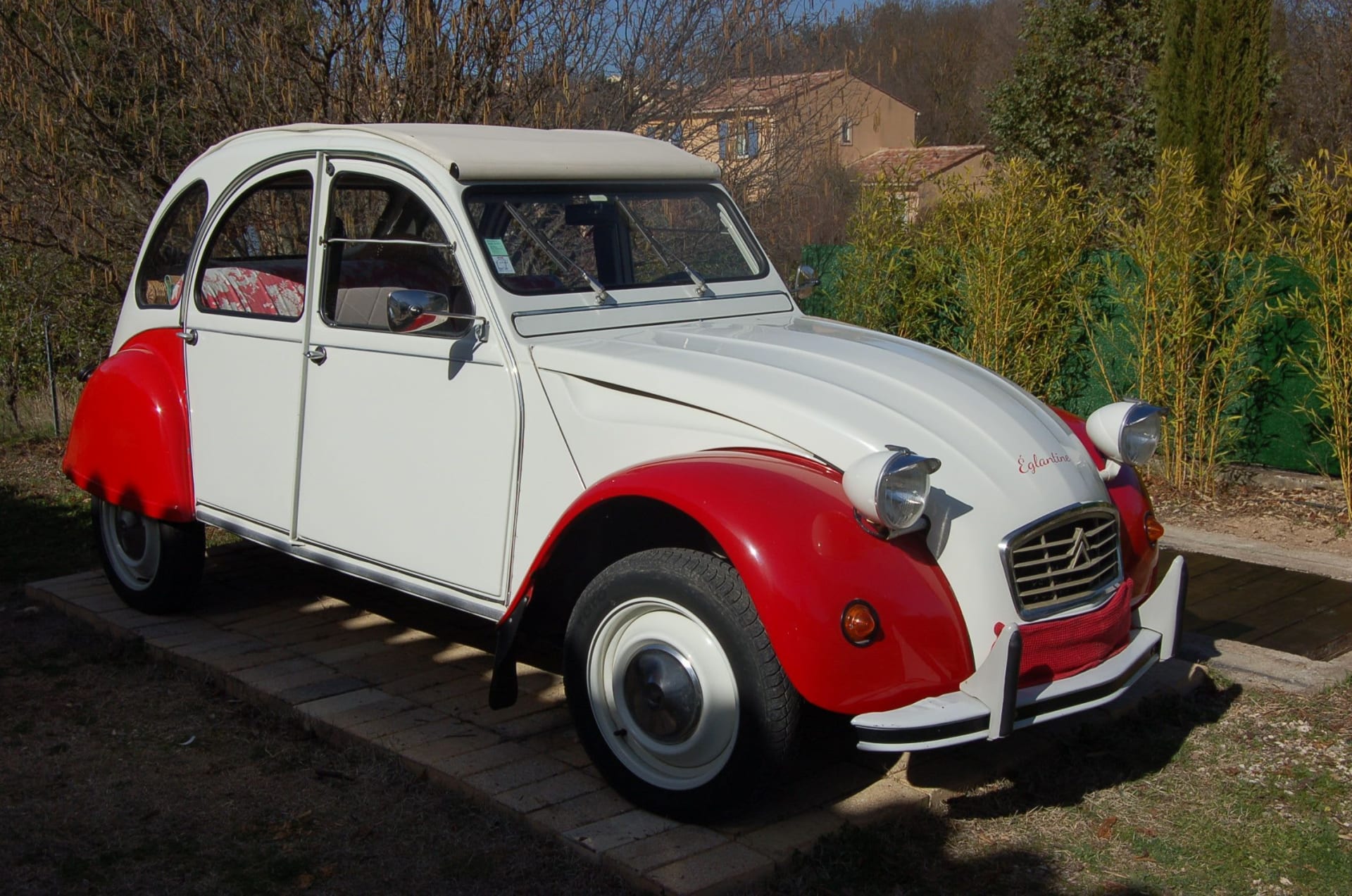
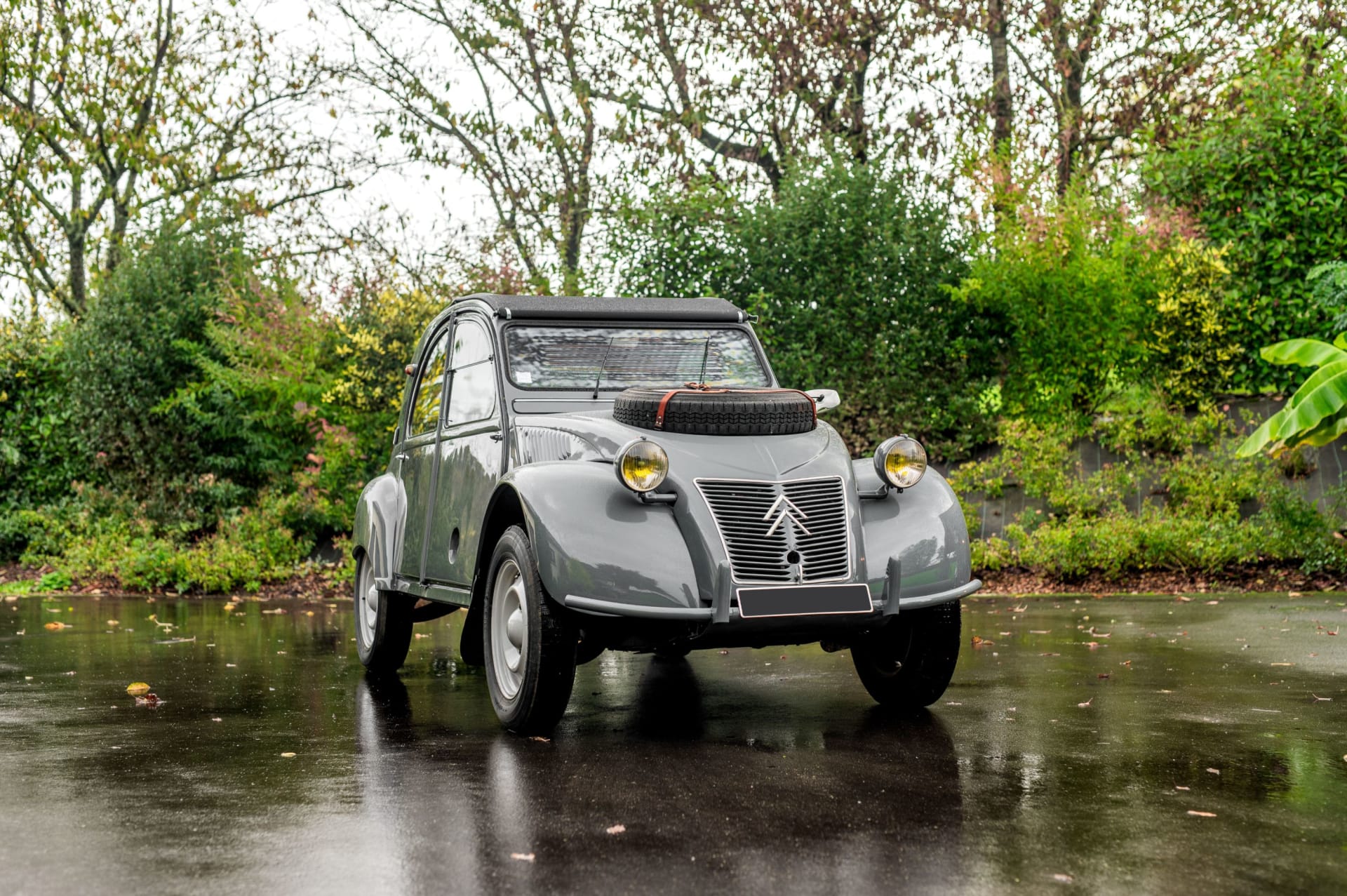
The "TPV" program (short for "Très Petite Voiture" or "Very Small Car"), launched as early as 1936, led to the final version of the 2CV in 1948. It remained in production until 1990!

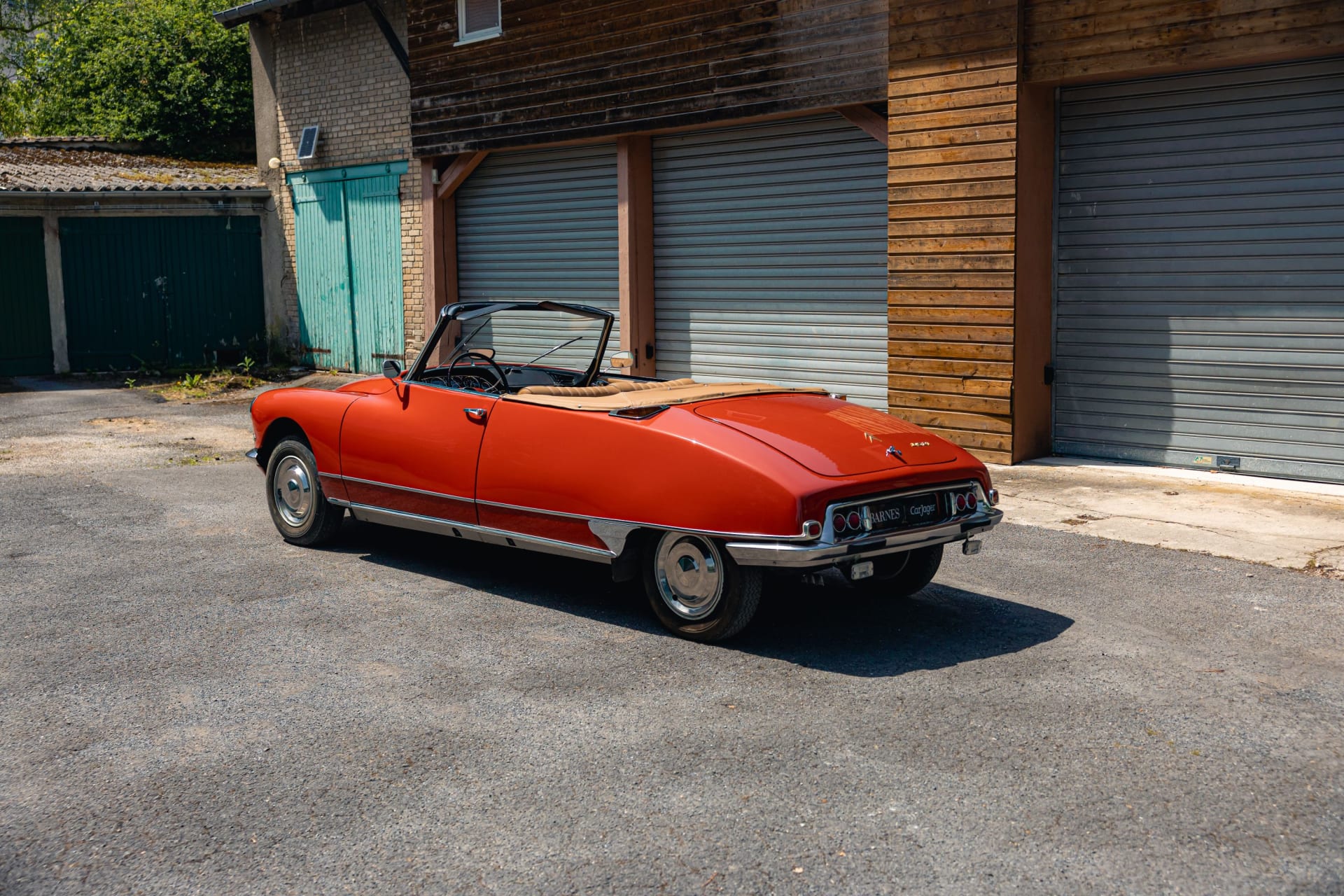
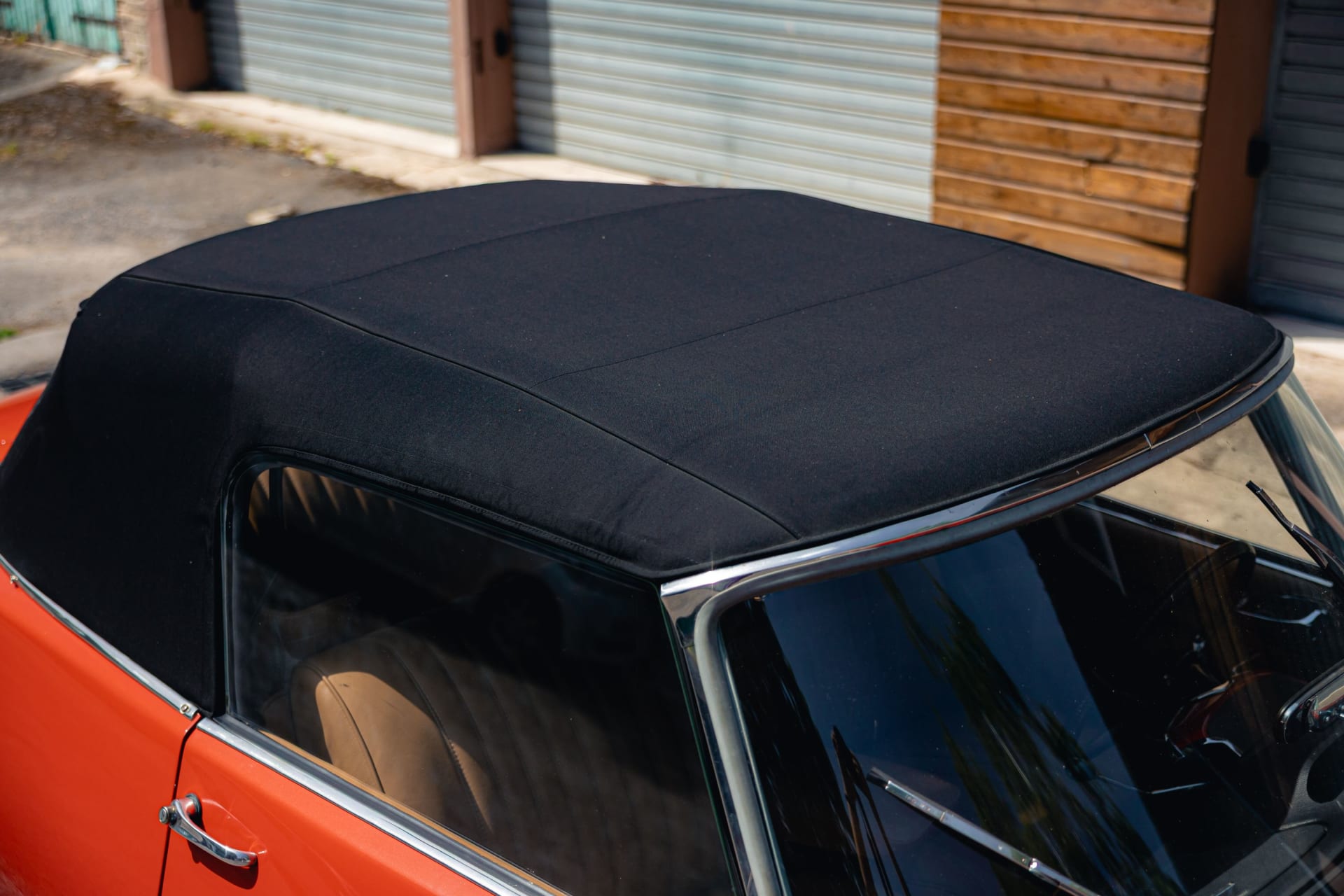
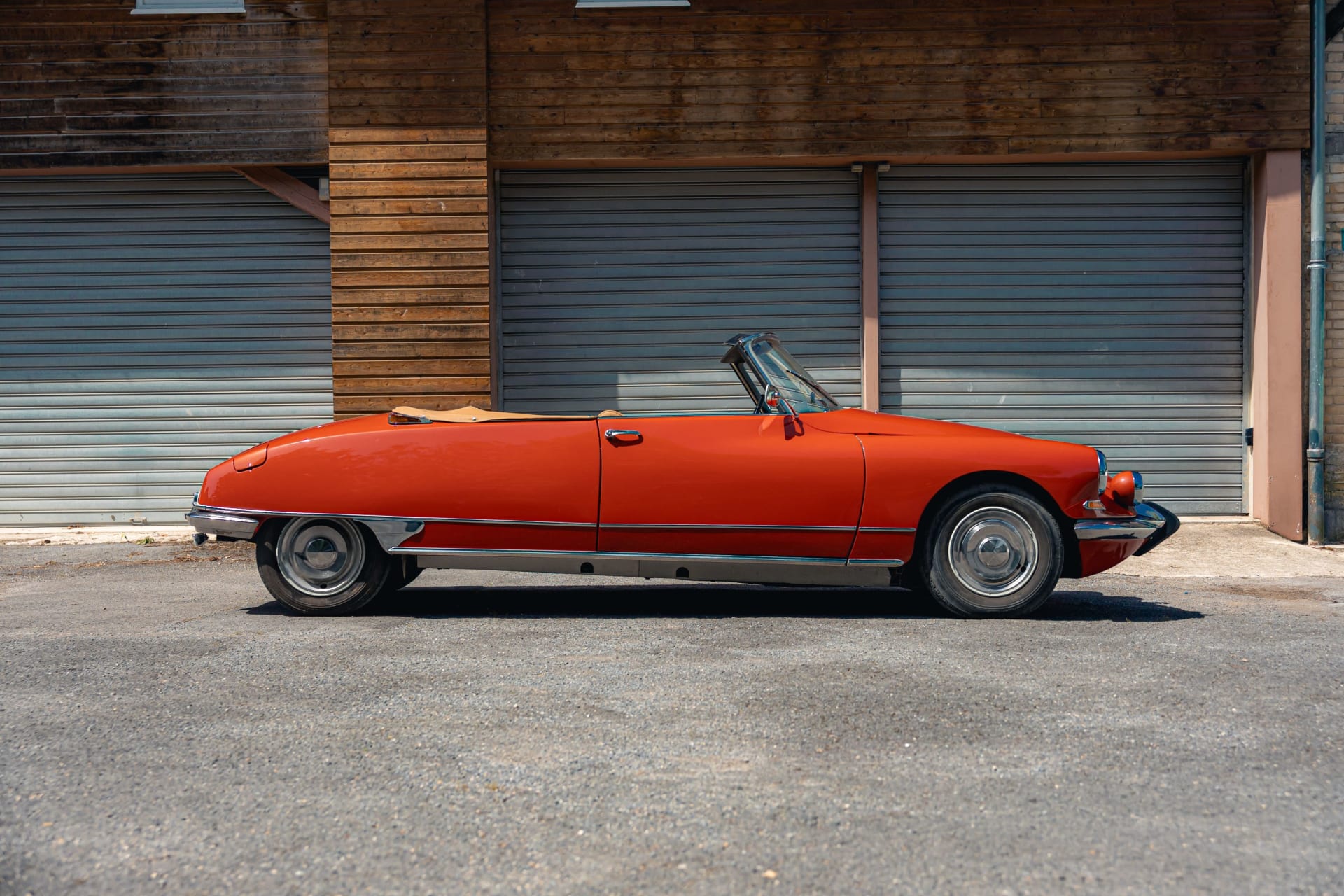
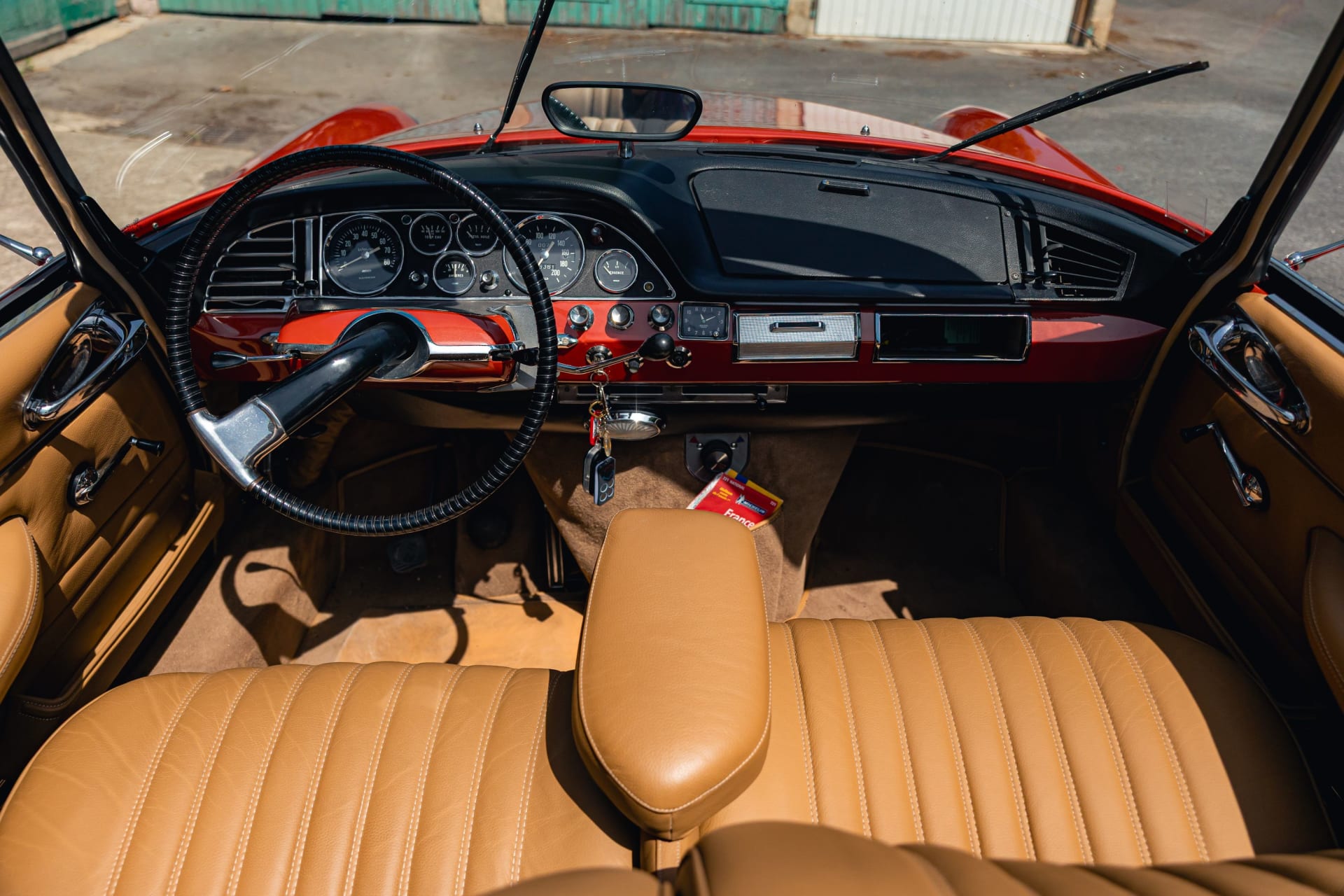
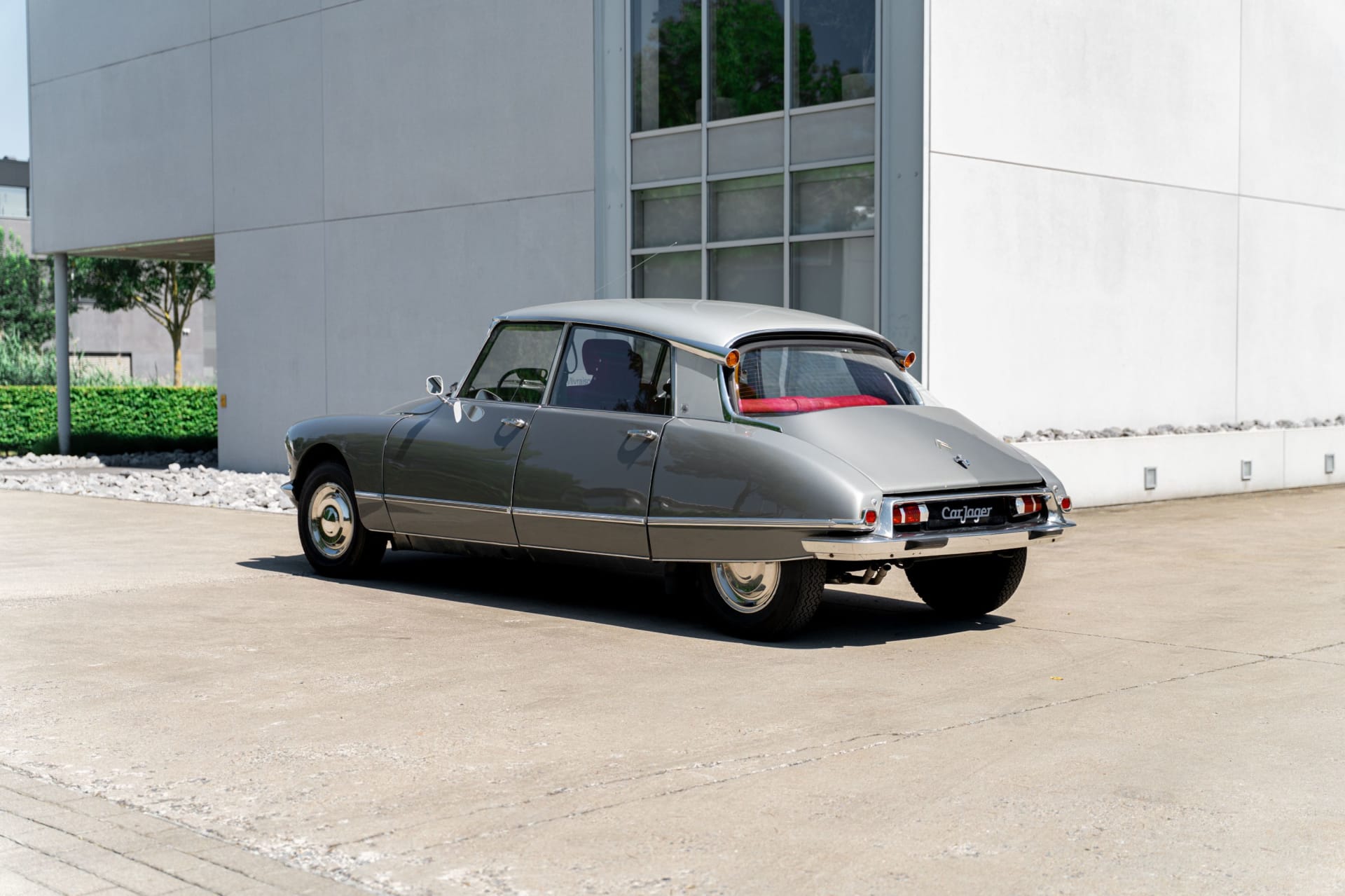
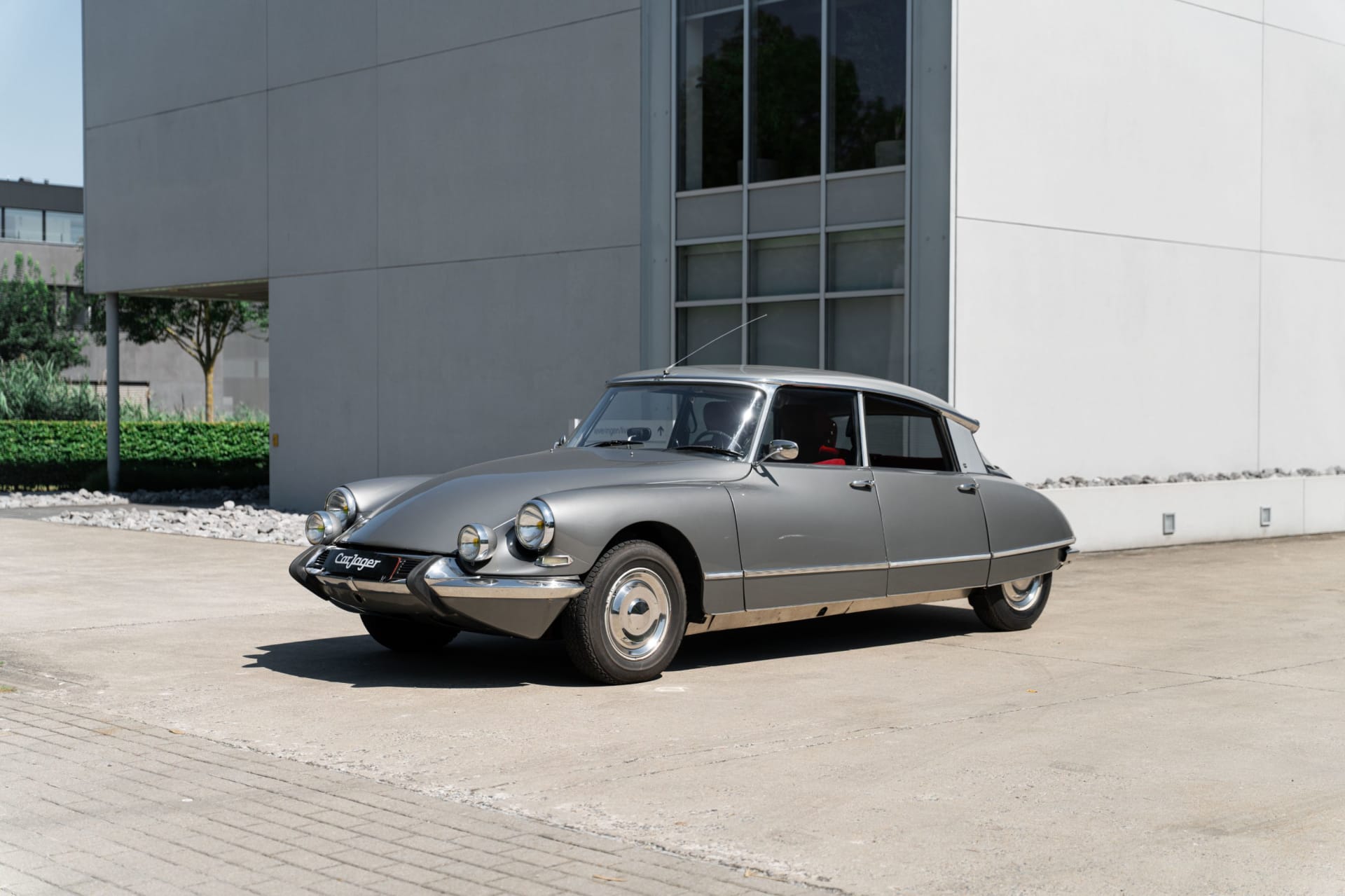
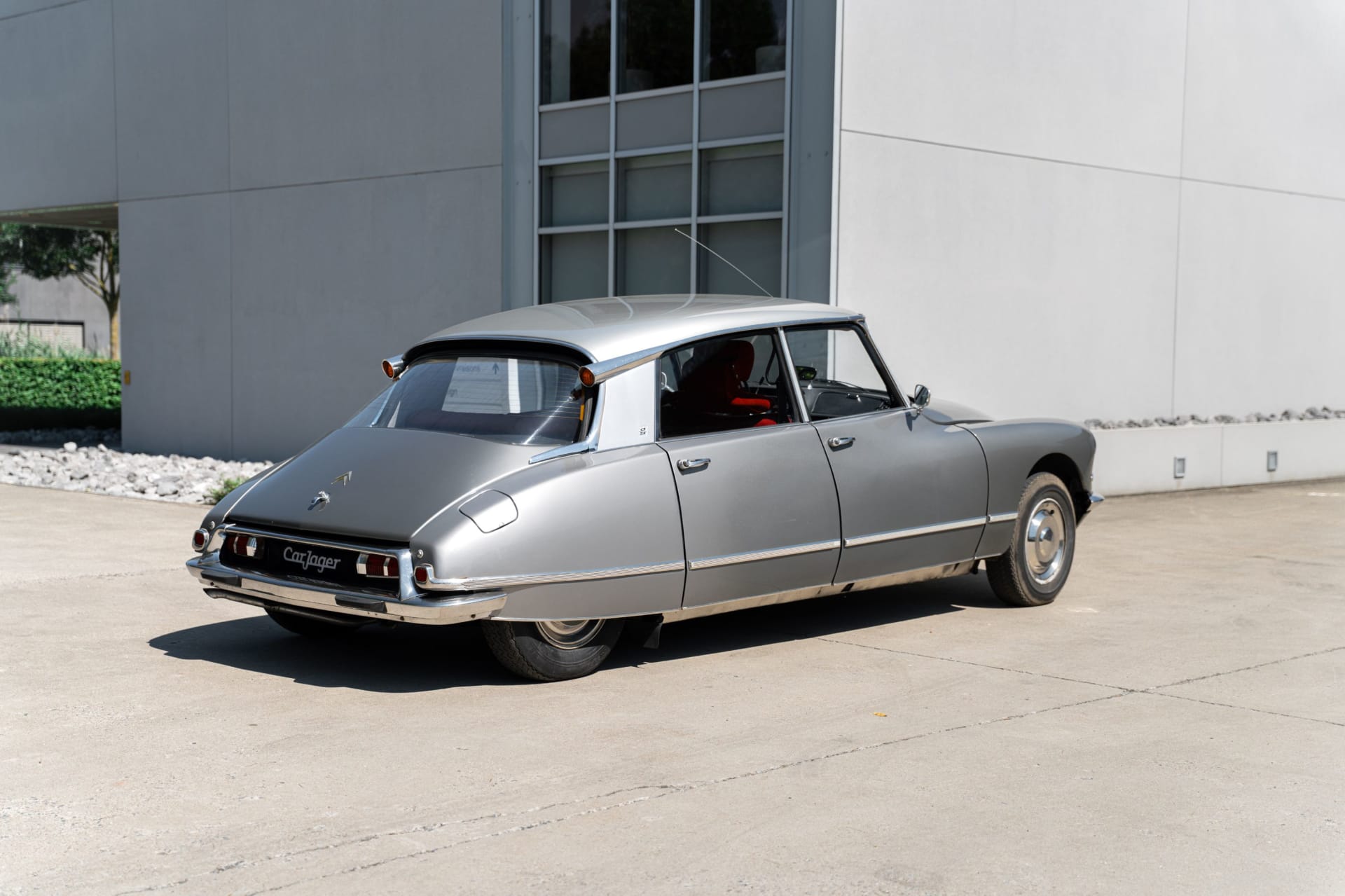
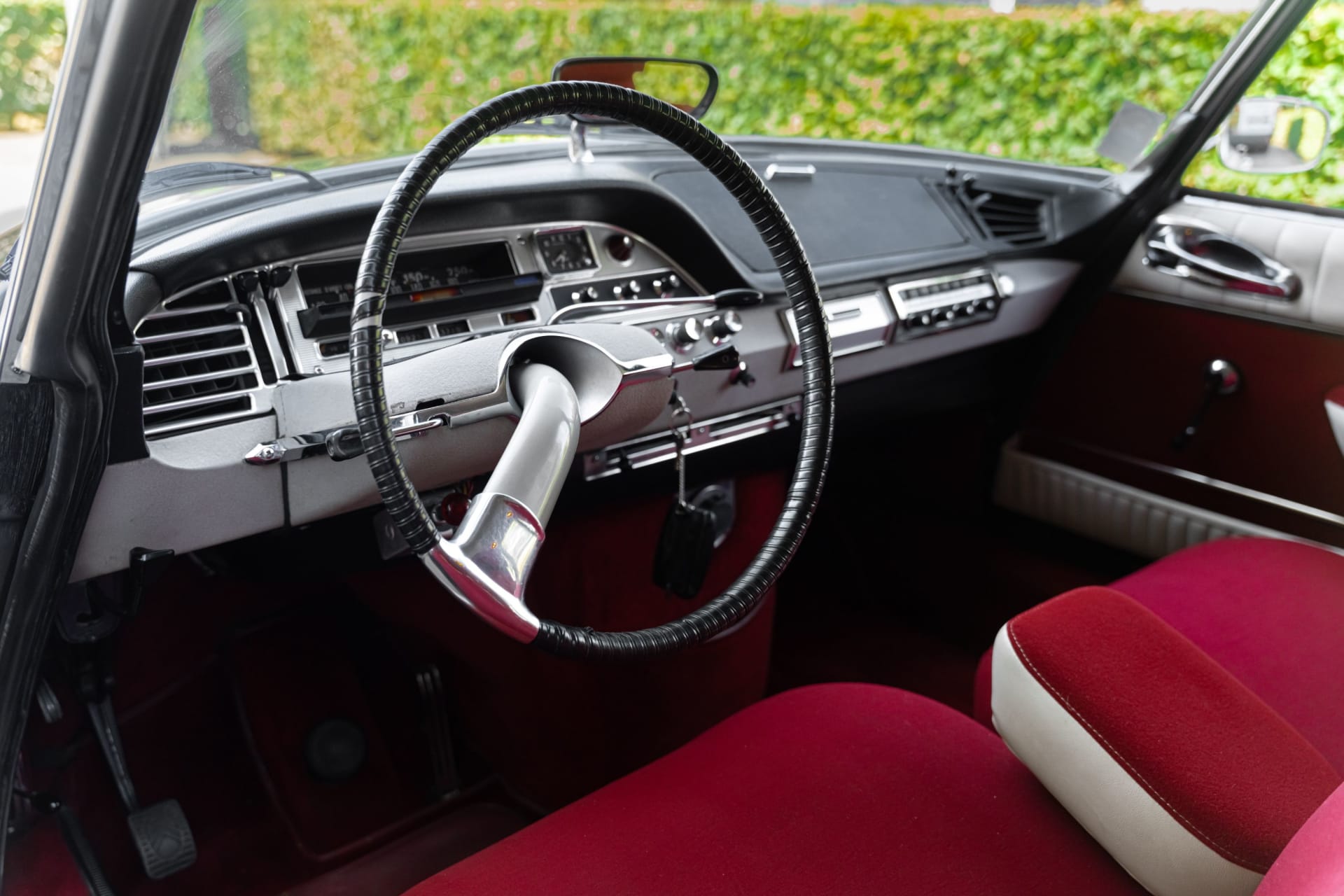
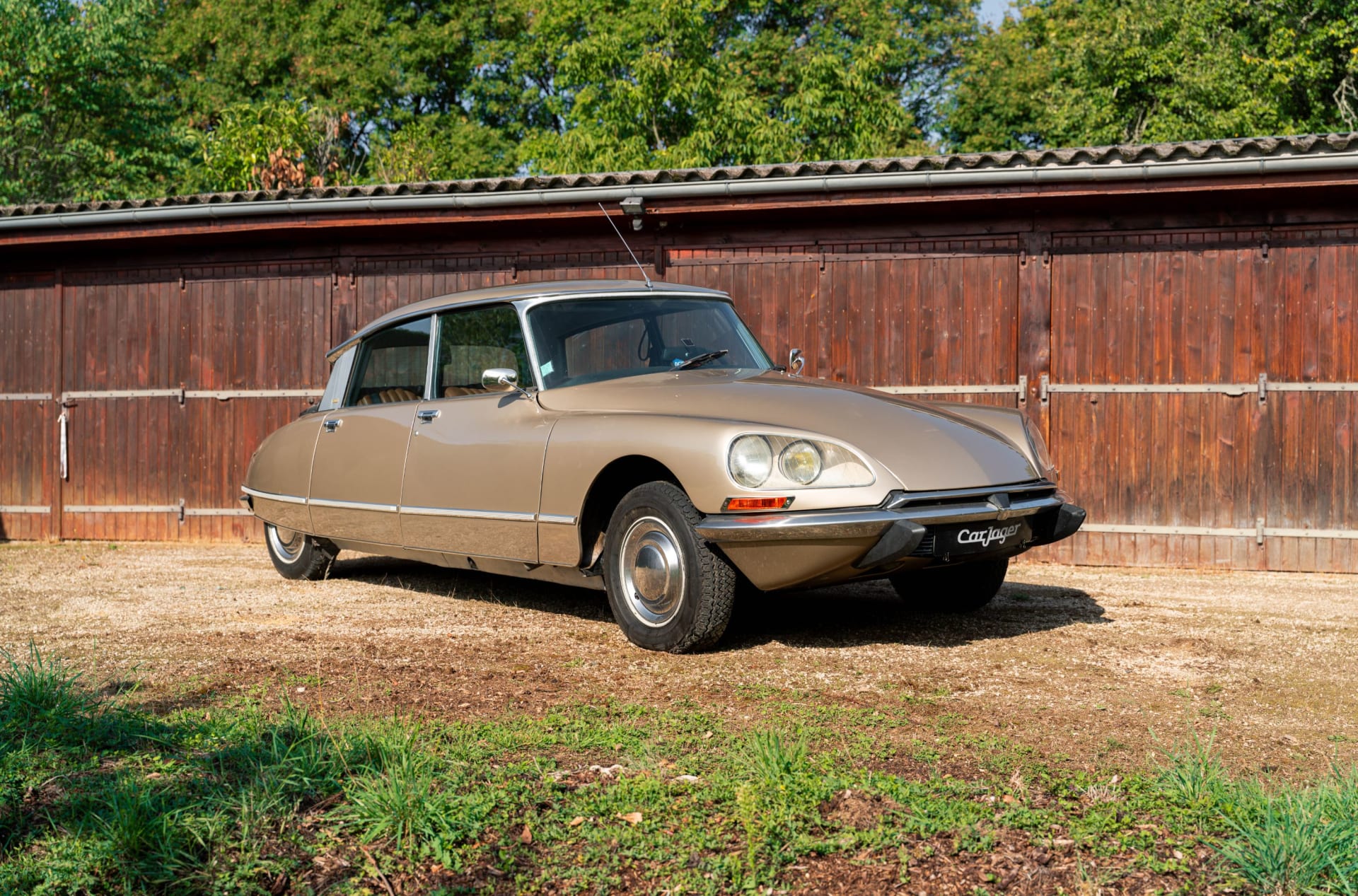
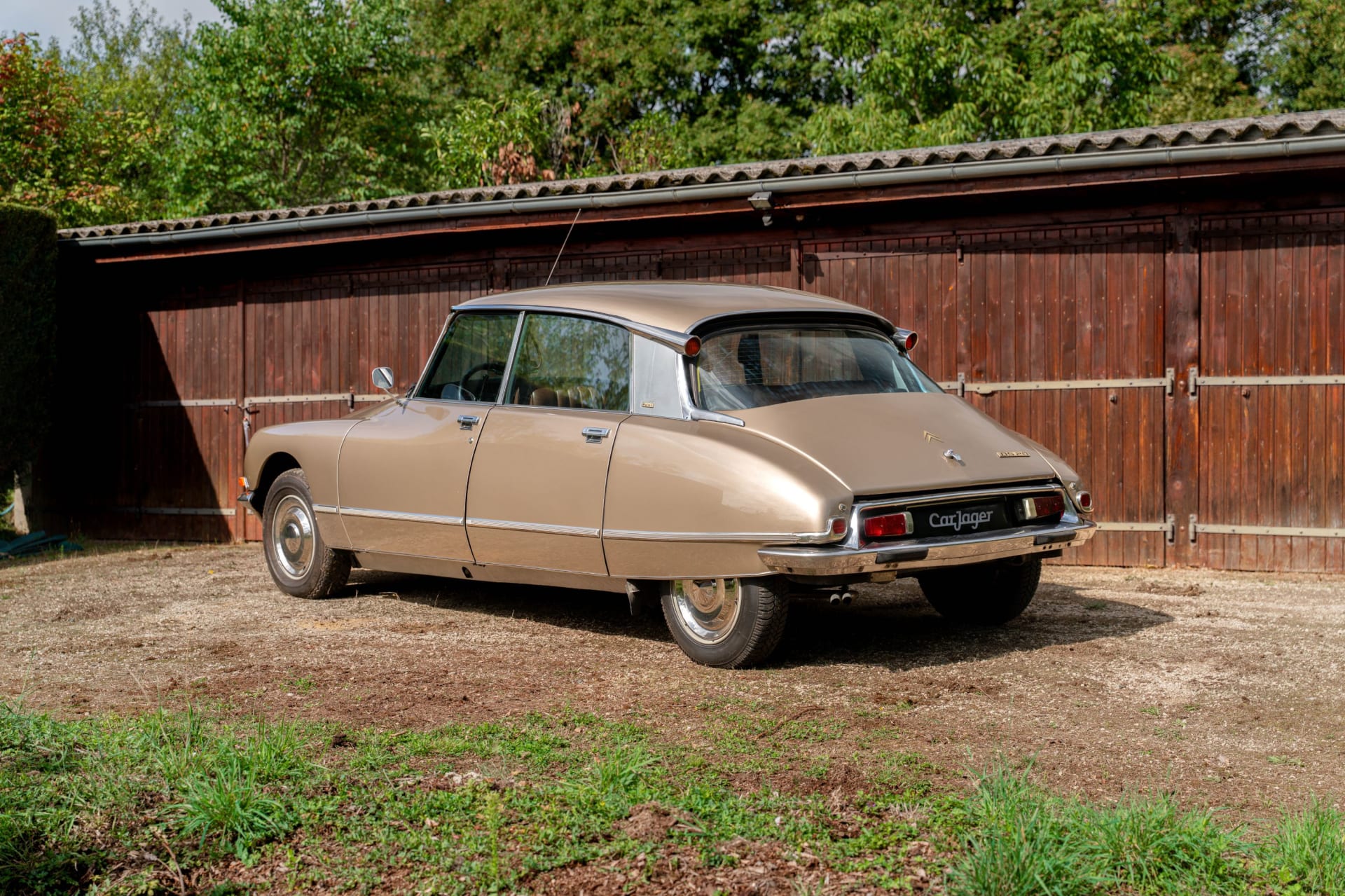
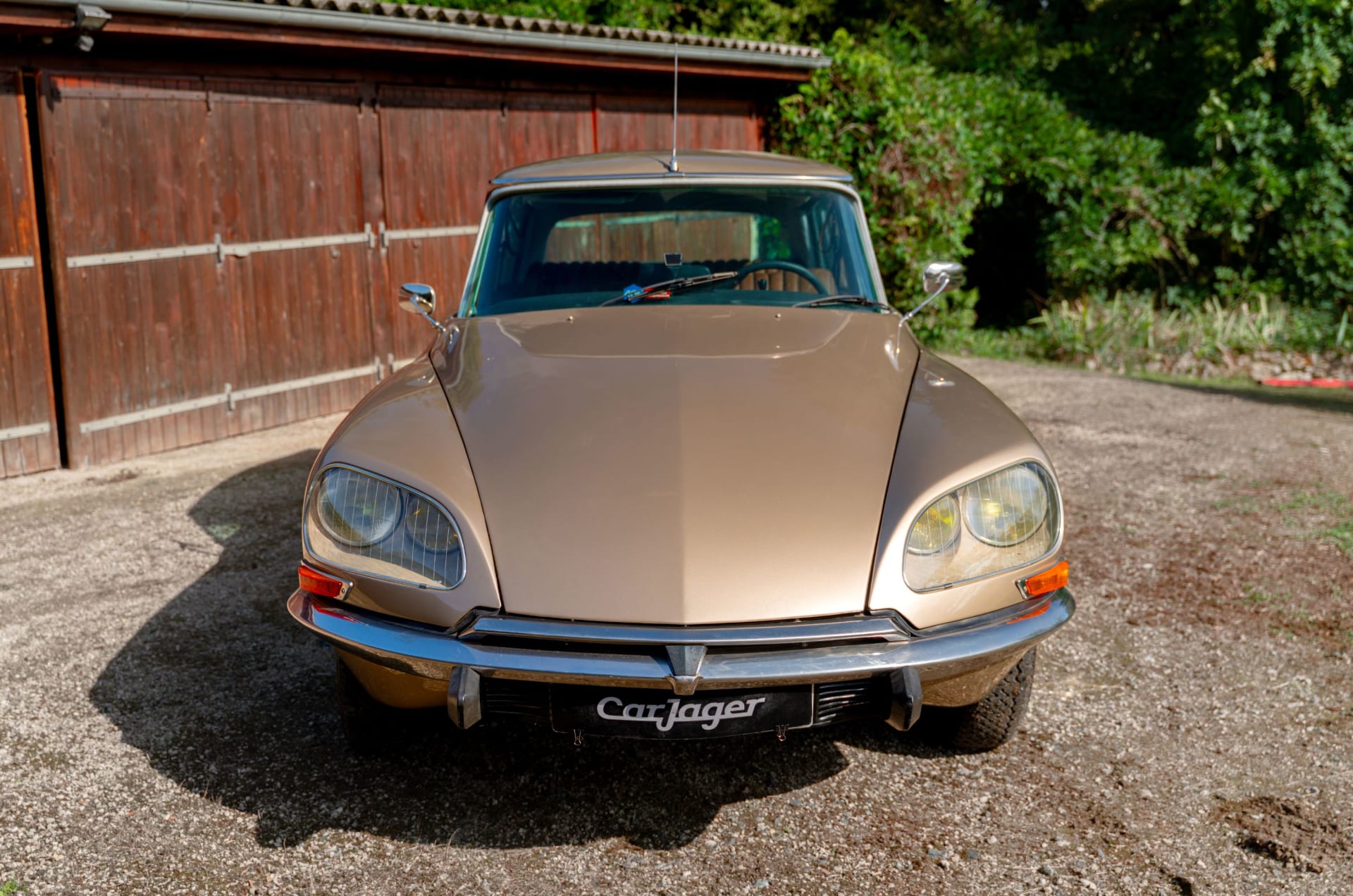
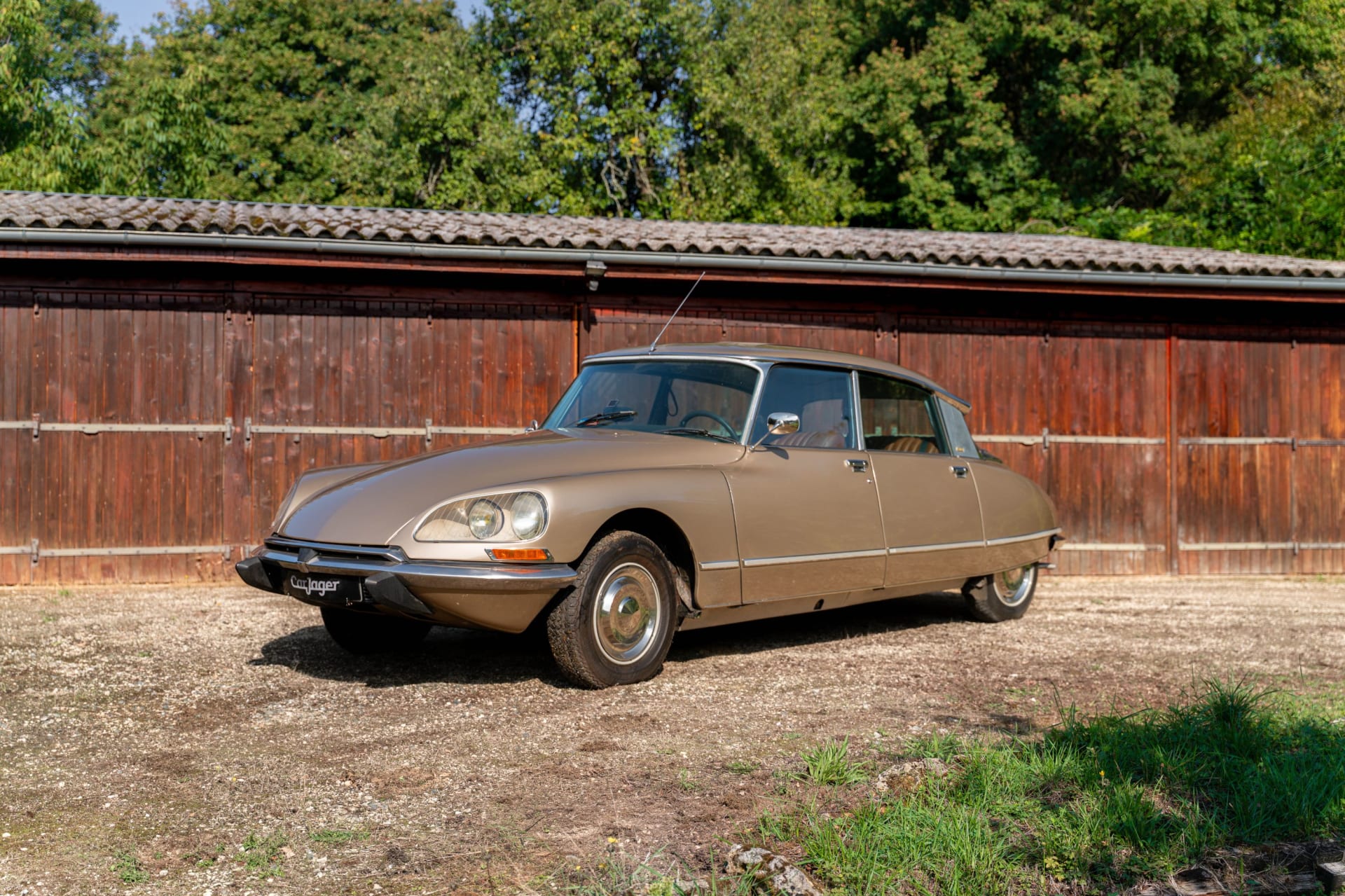
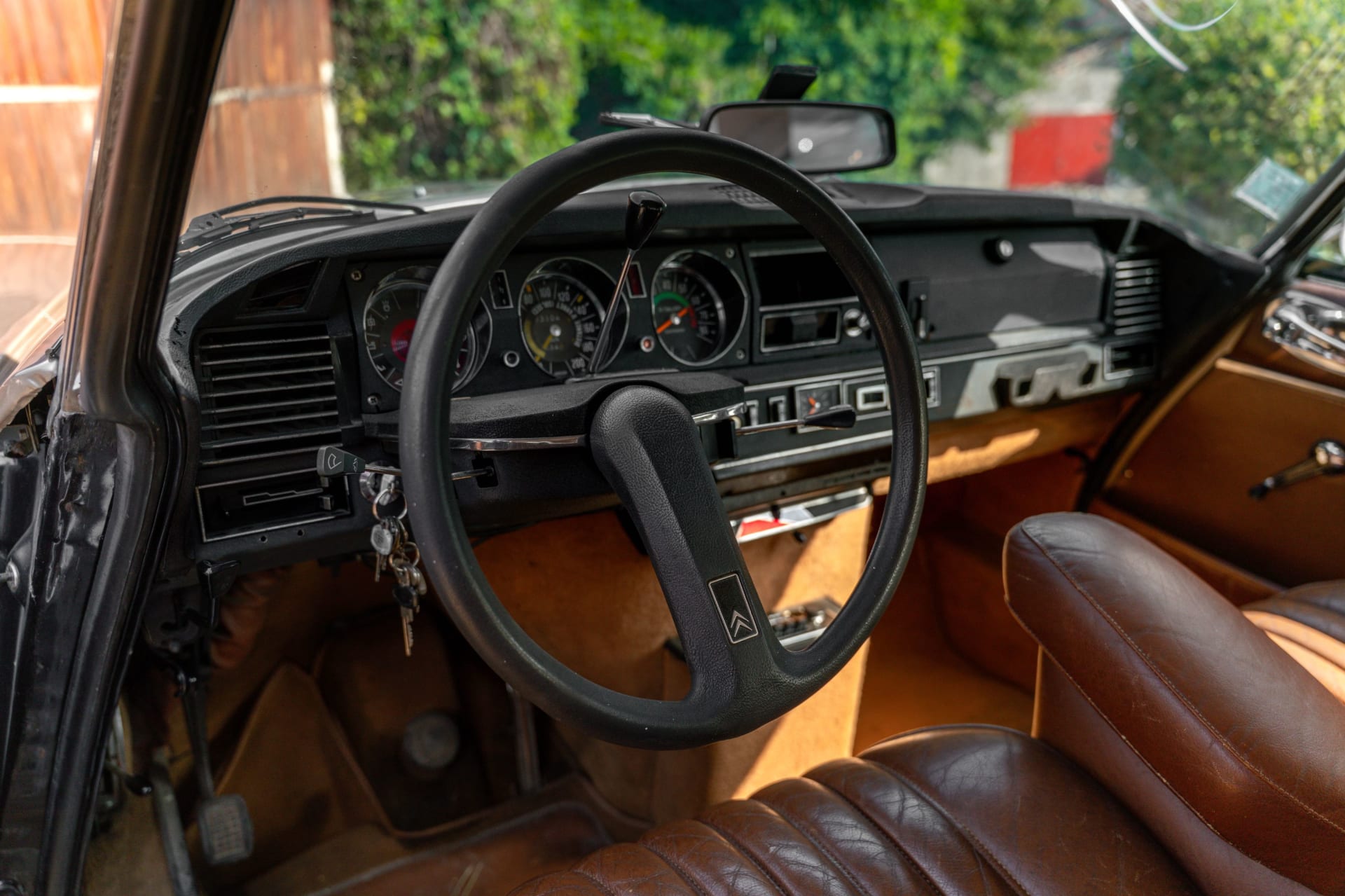
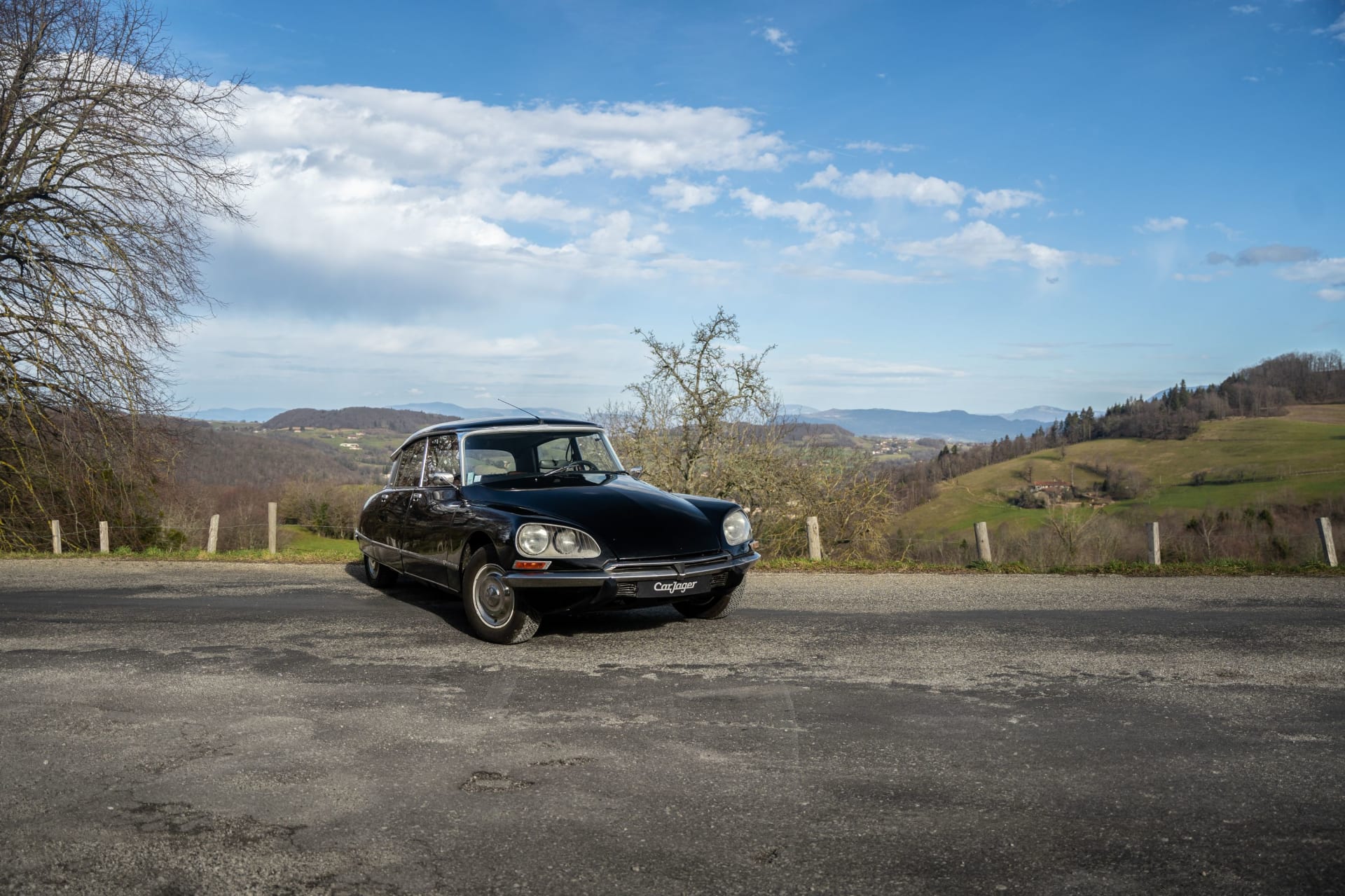
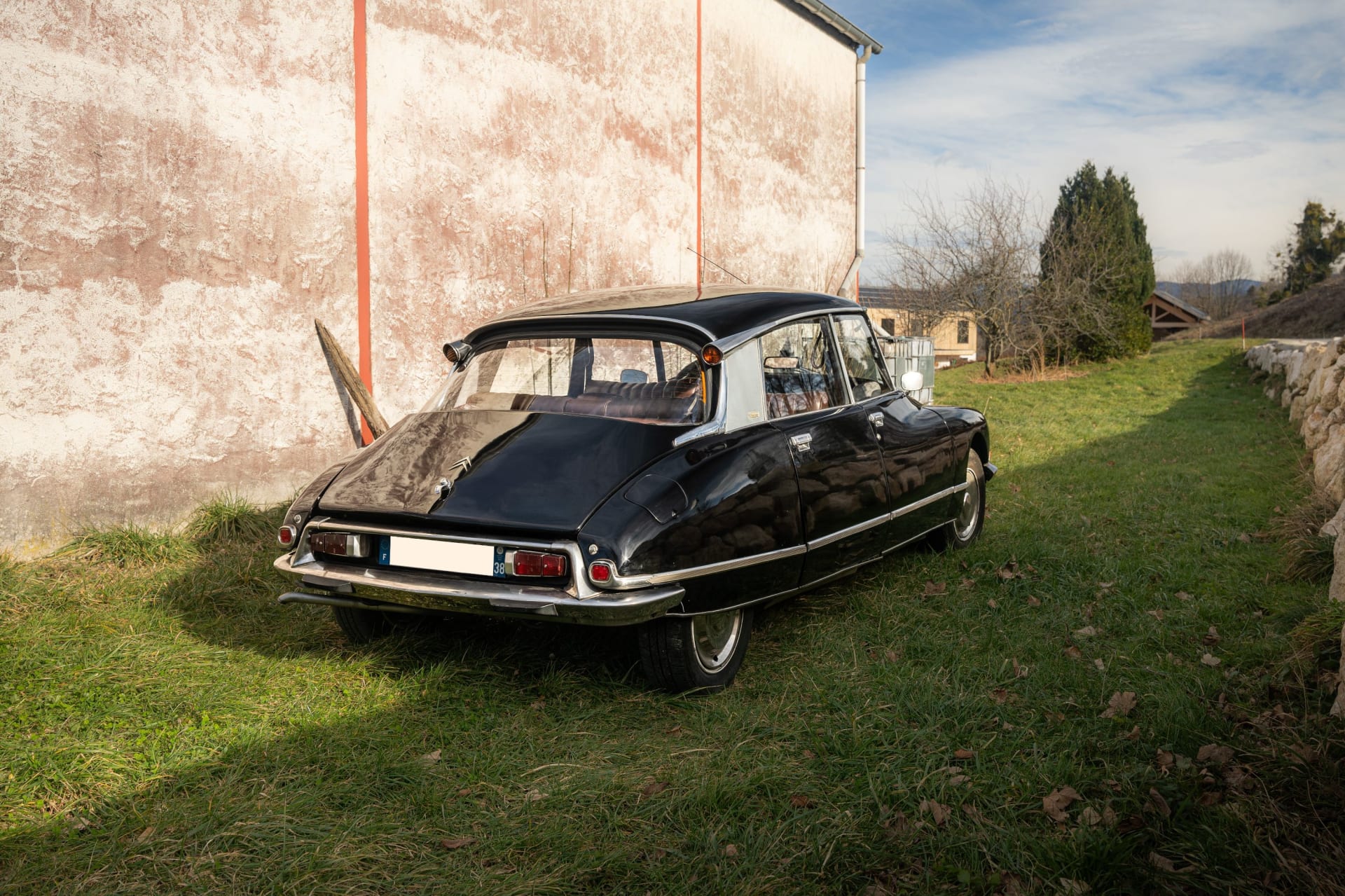
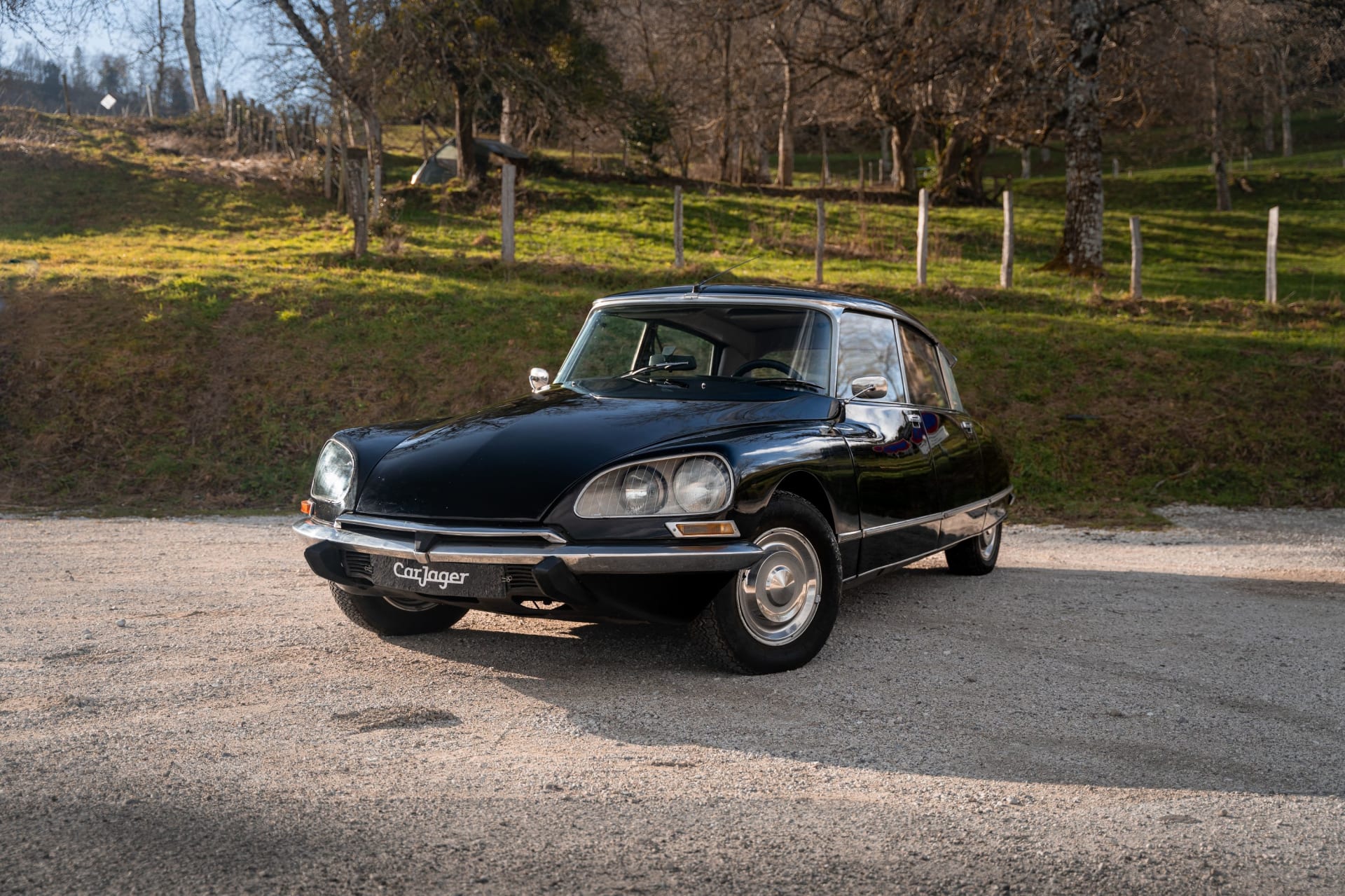
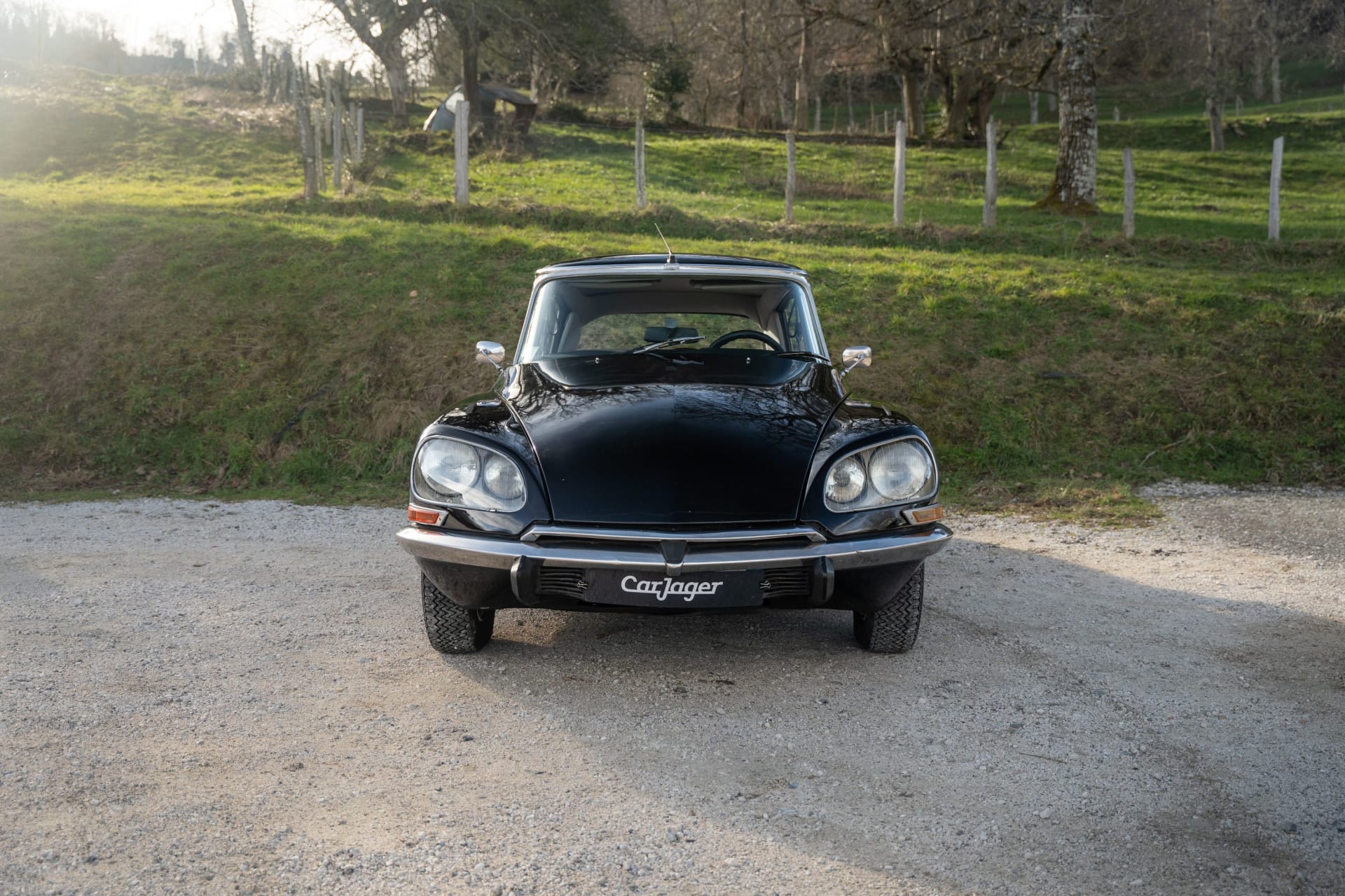
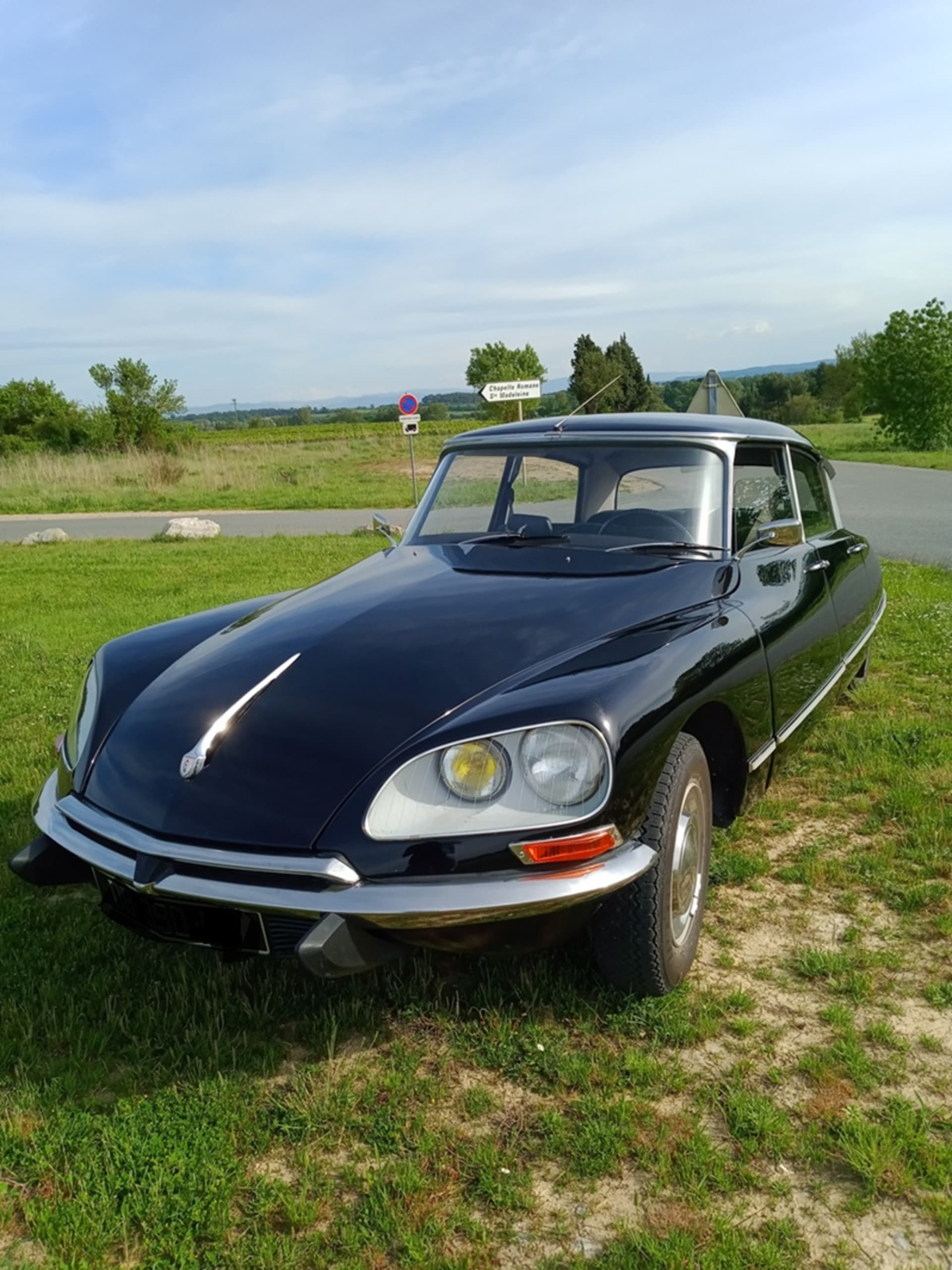
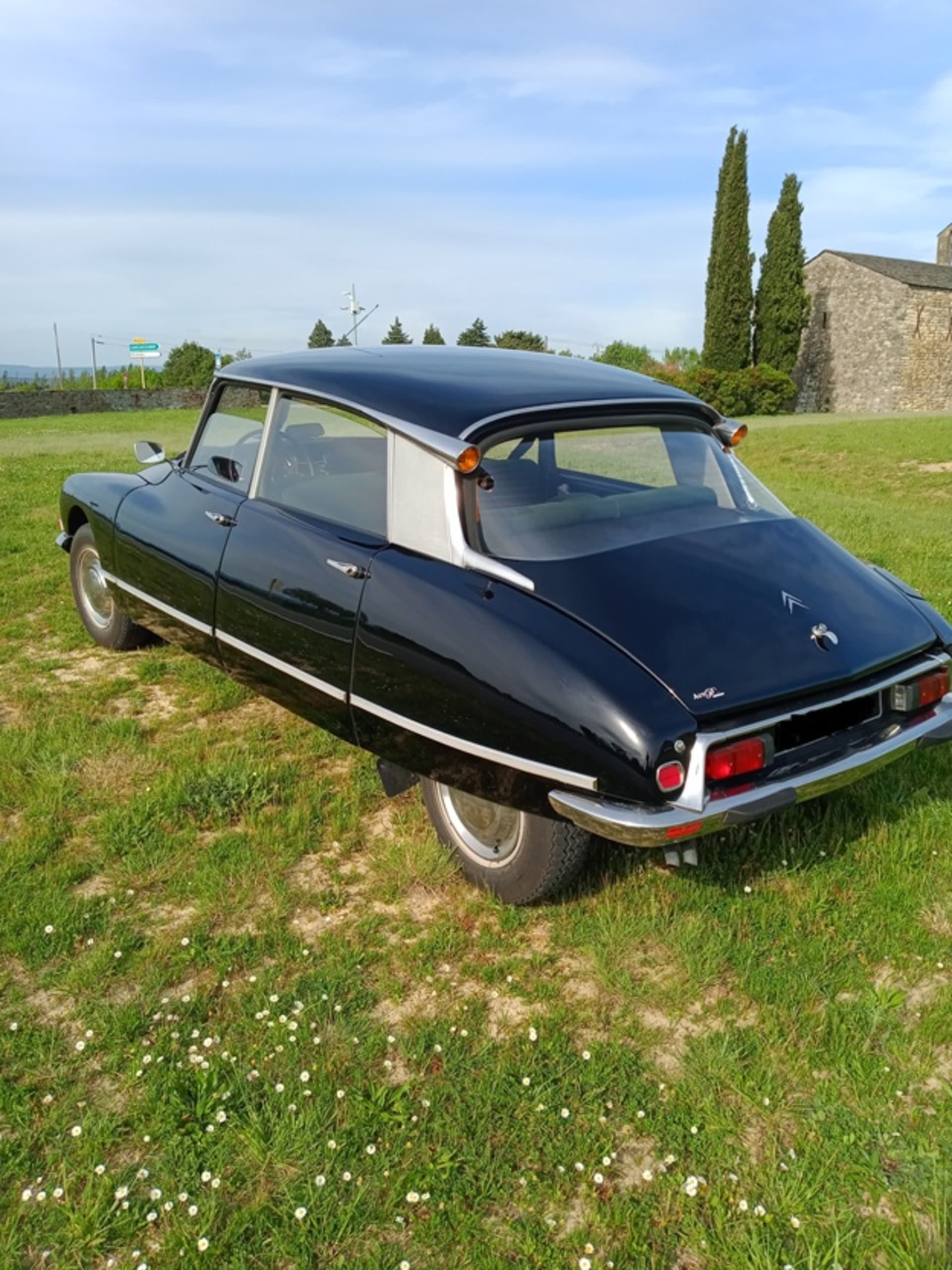
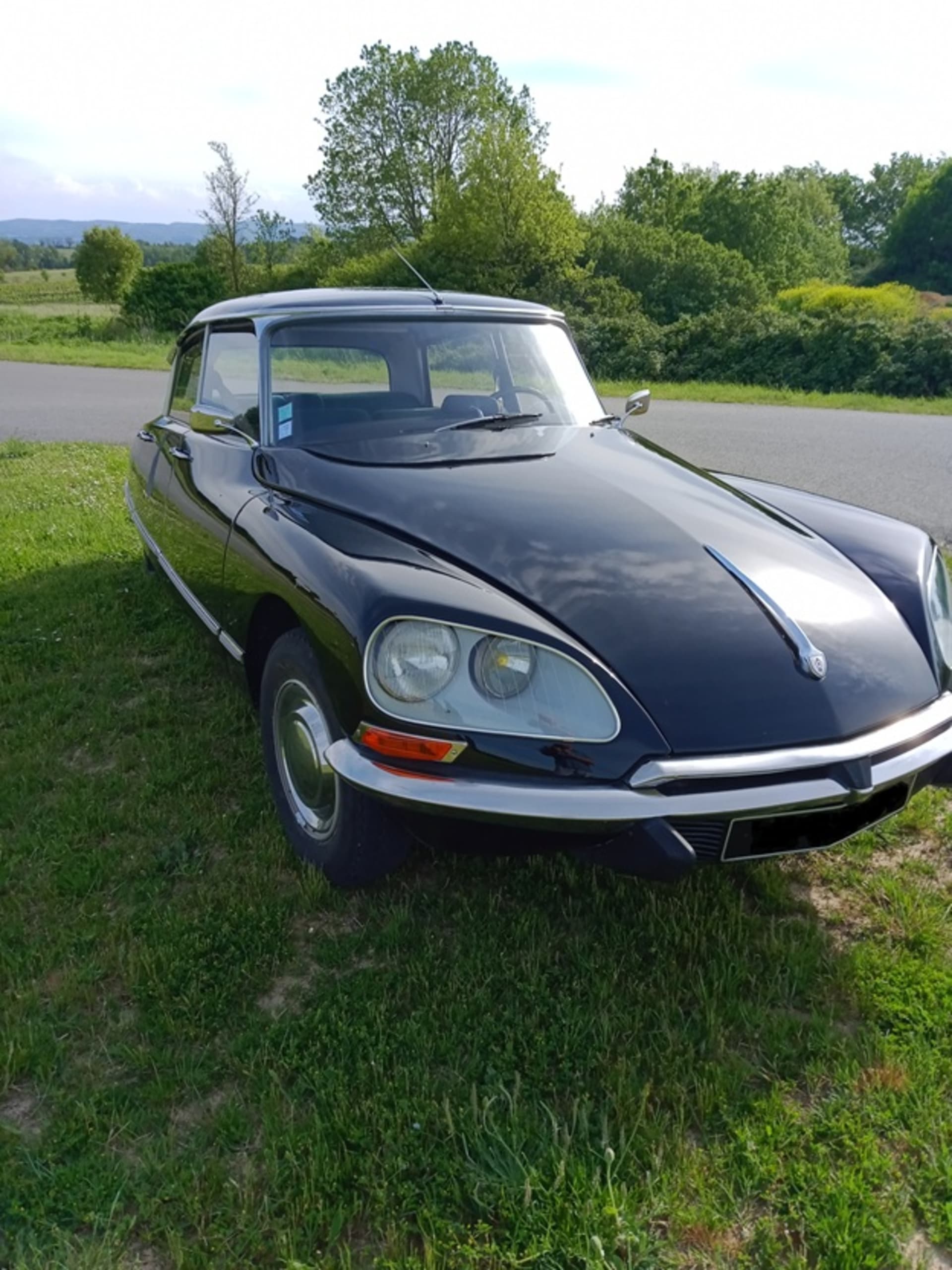
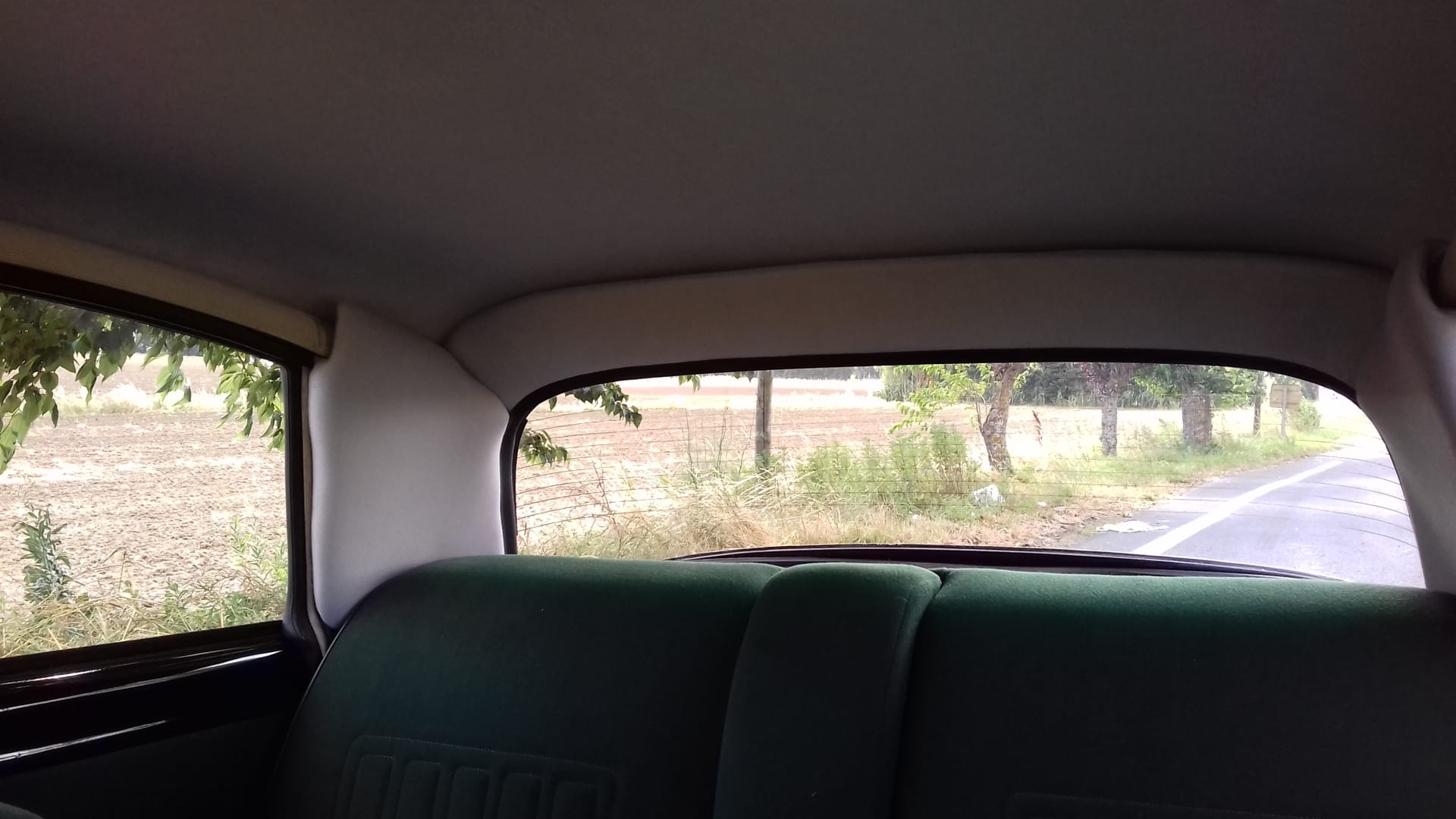
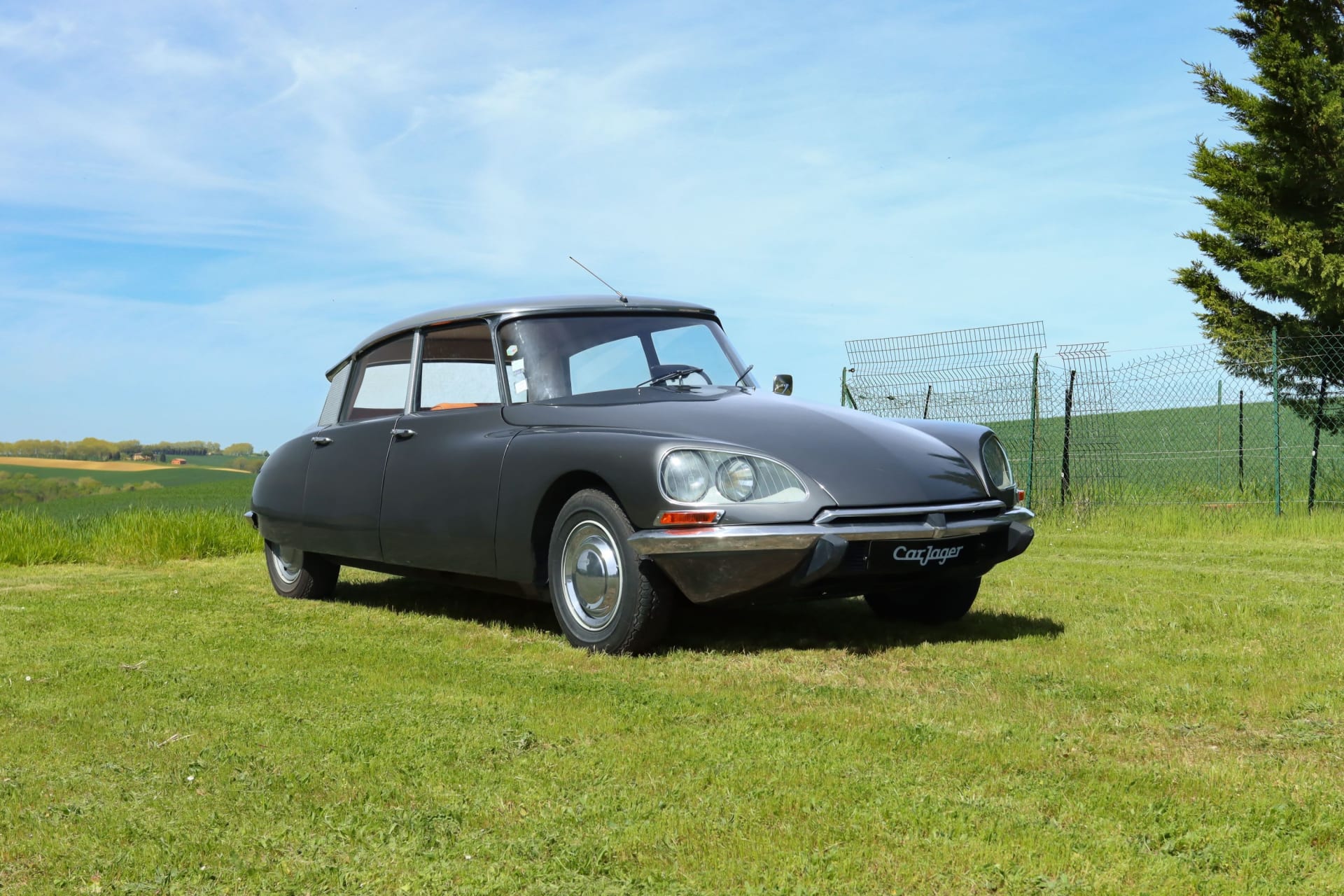
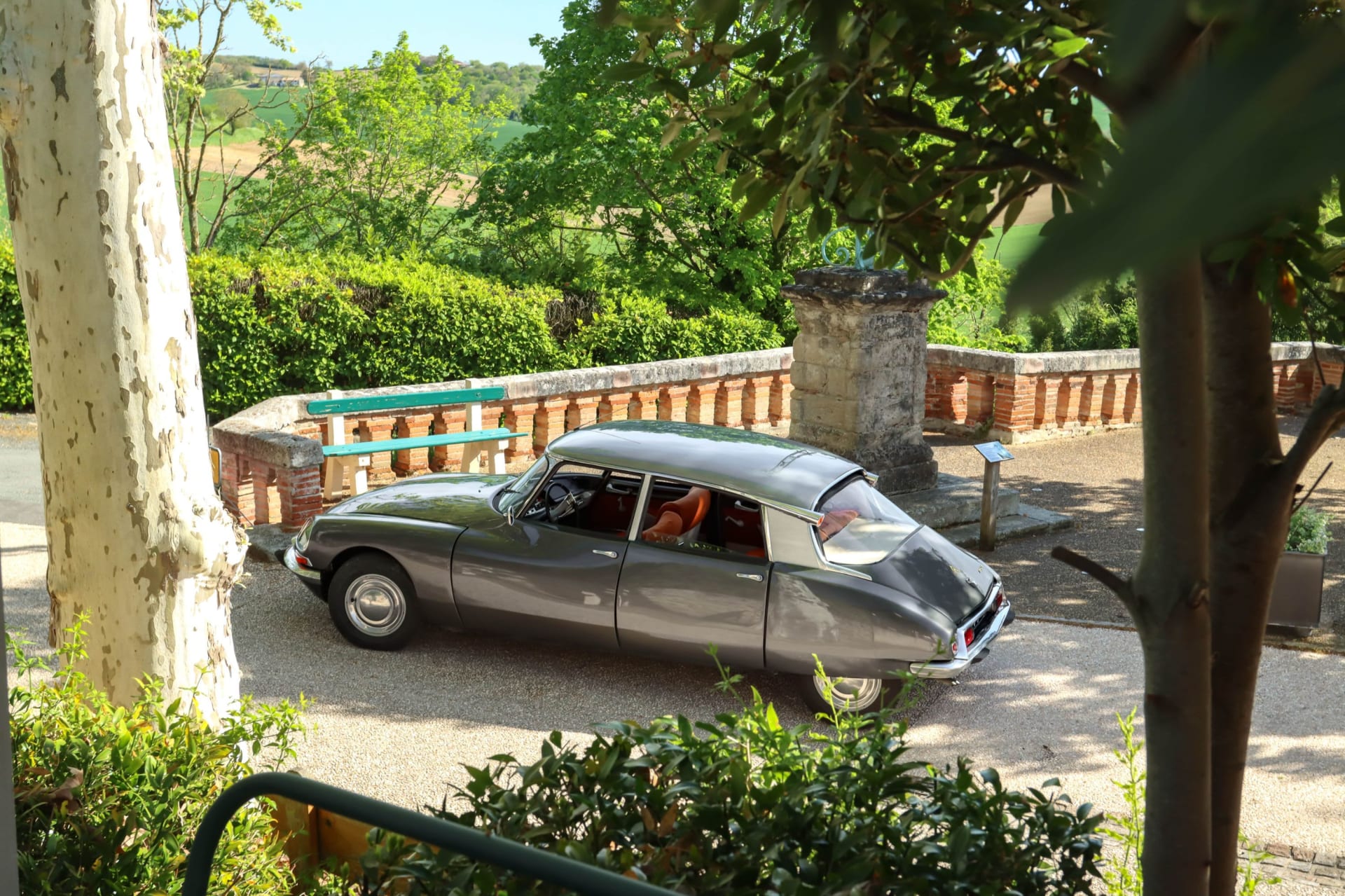
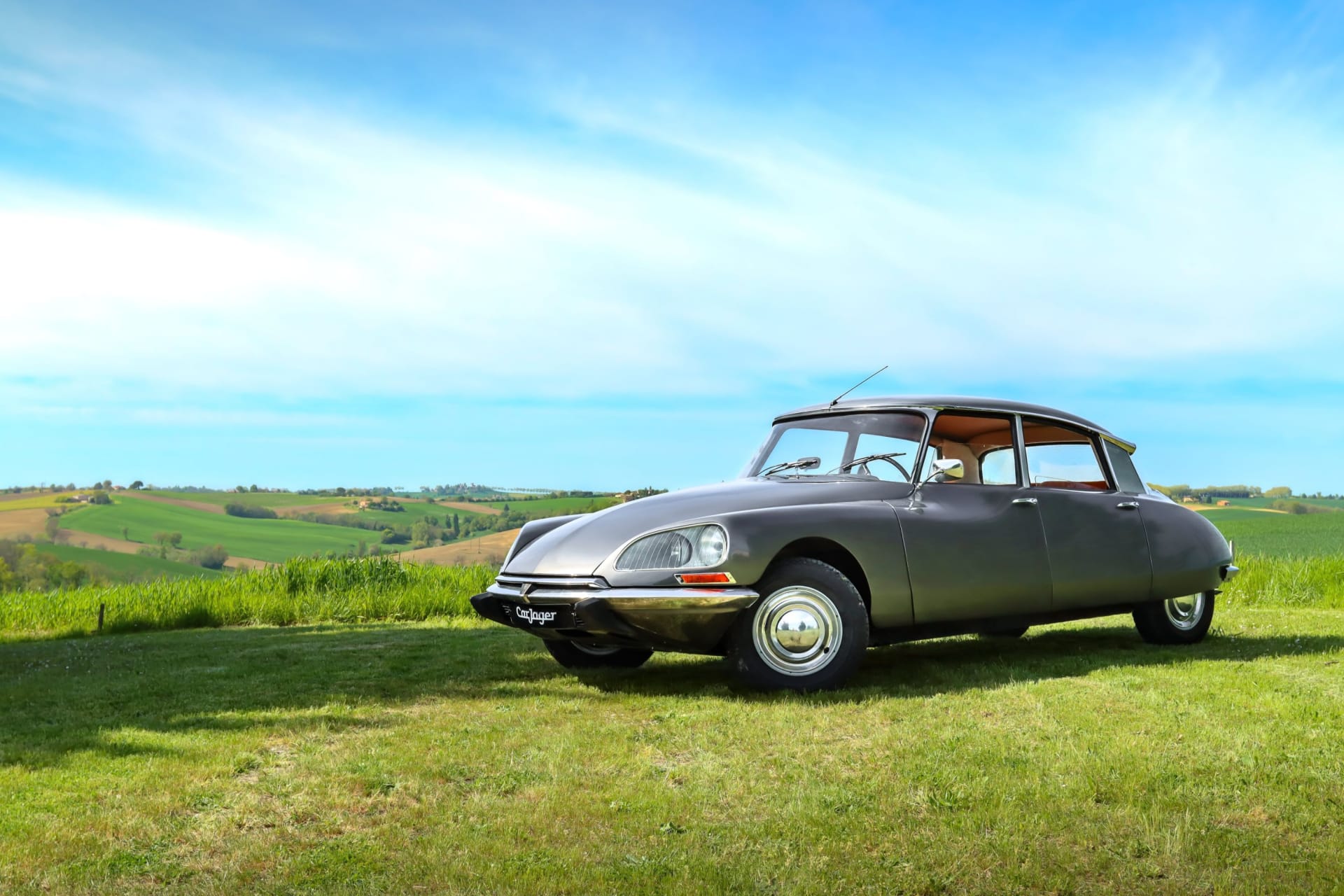
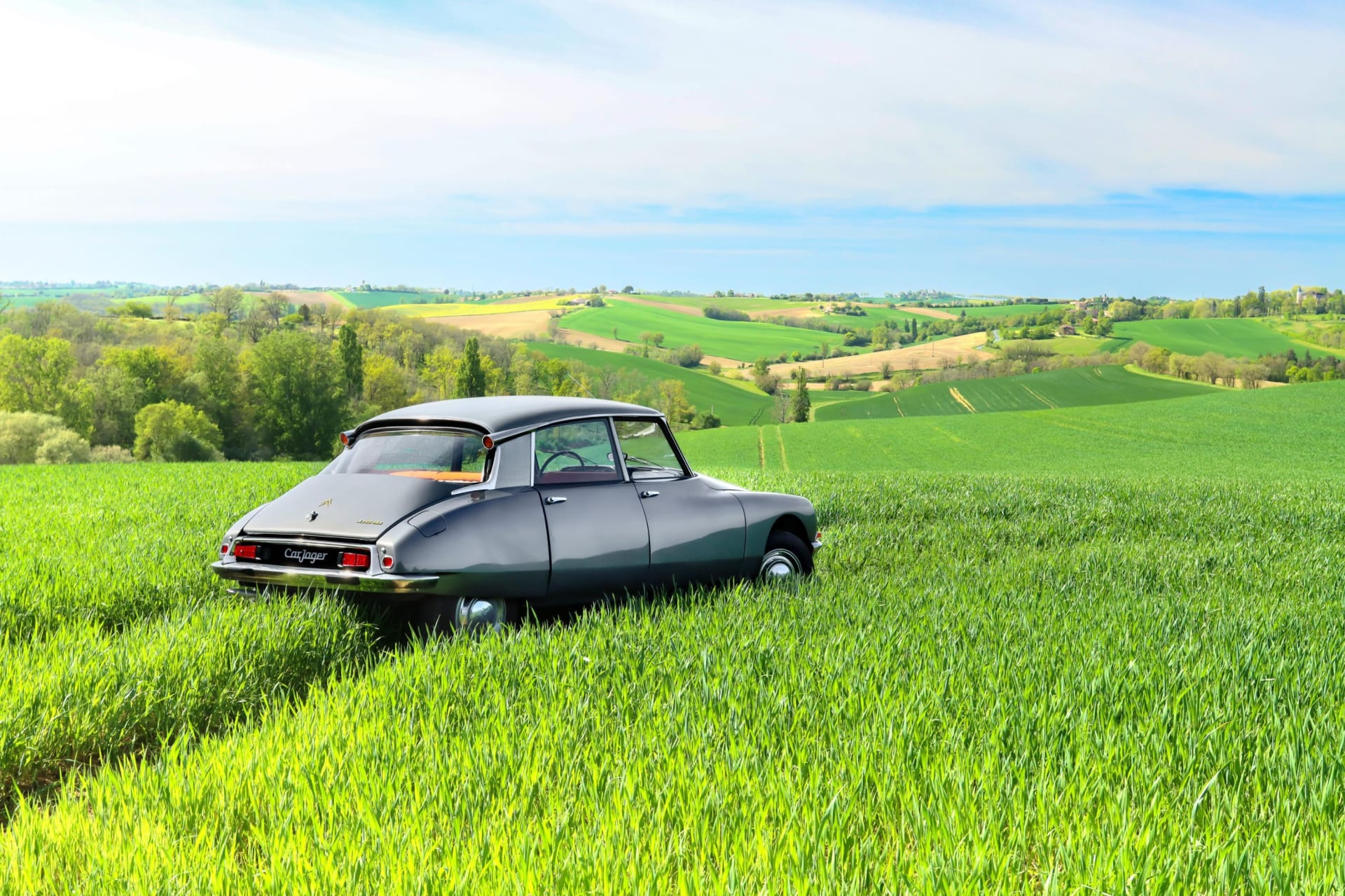
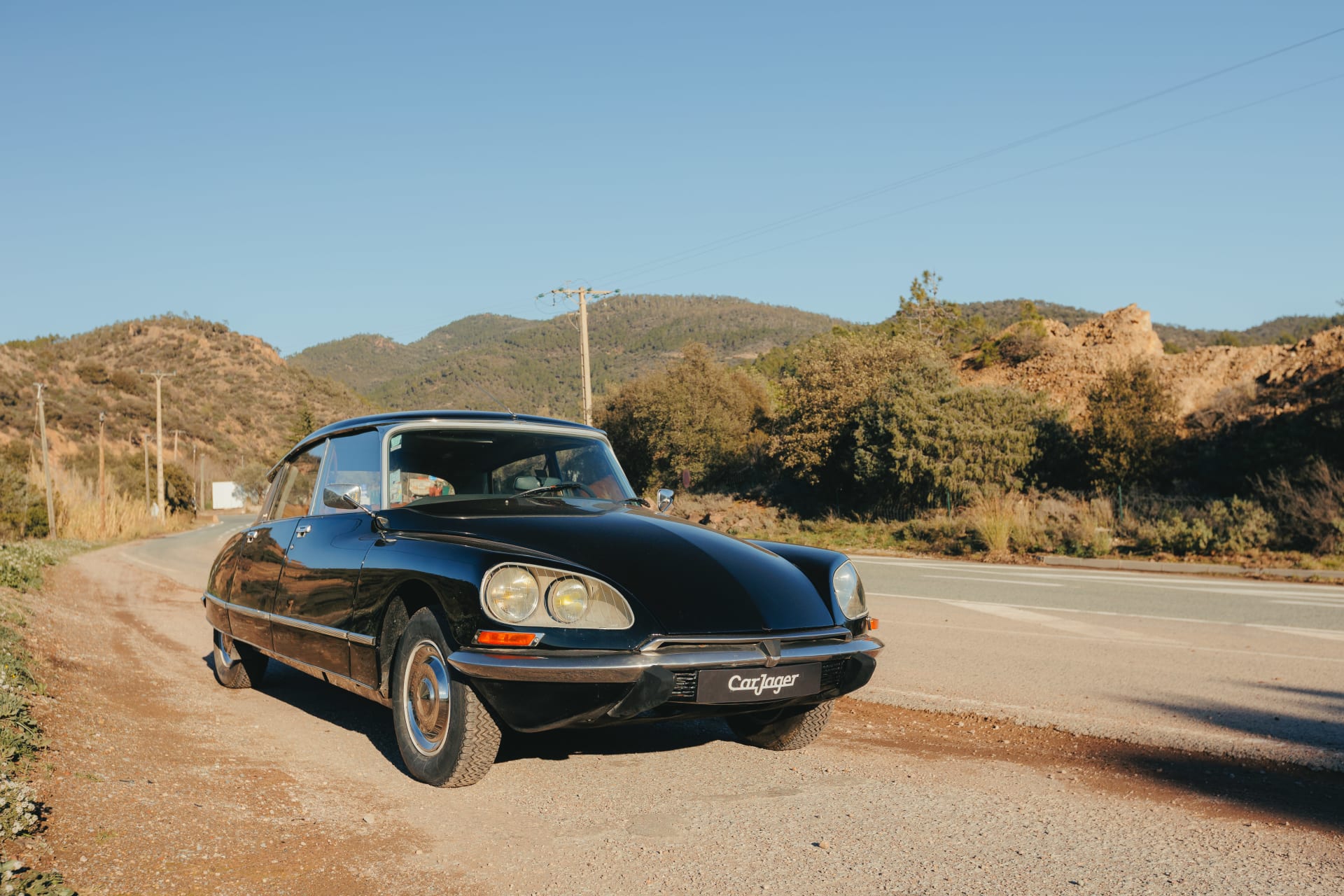
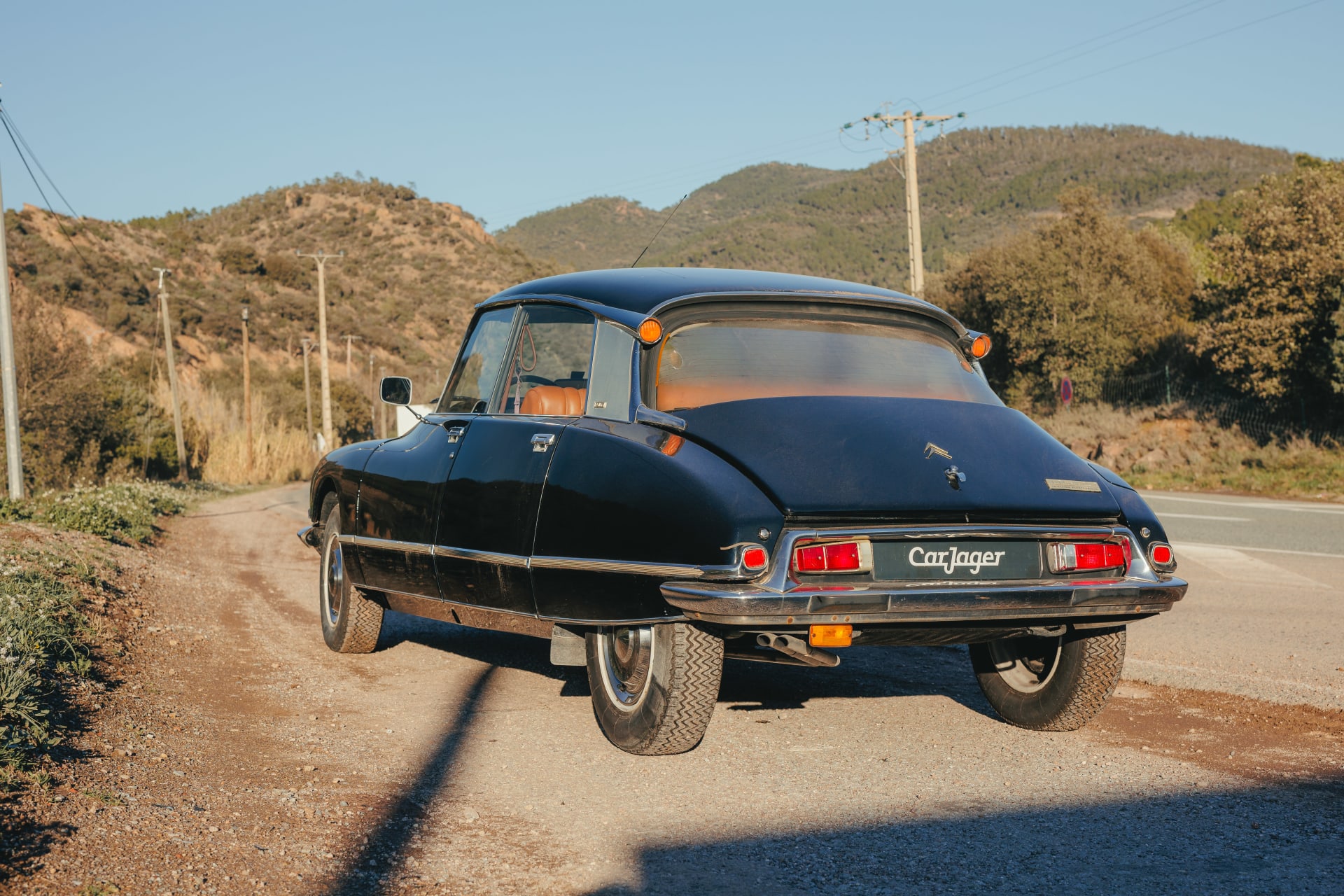
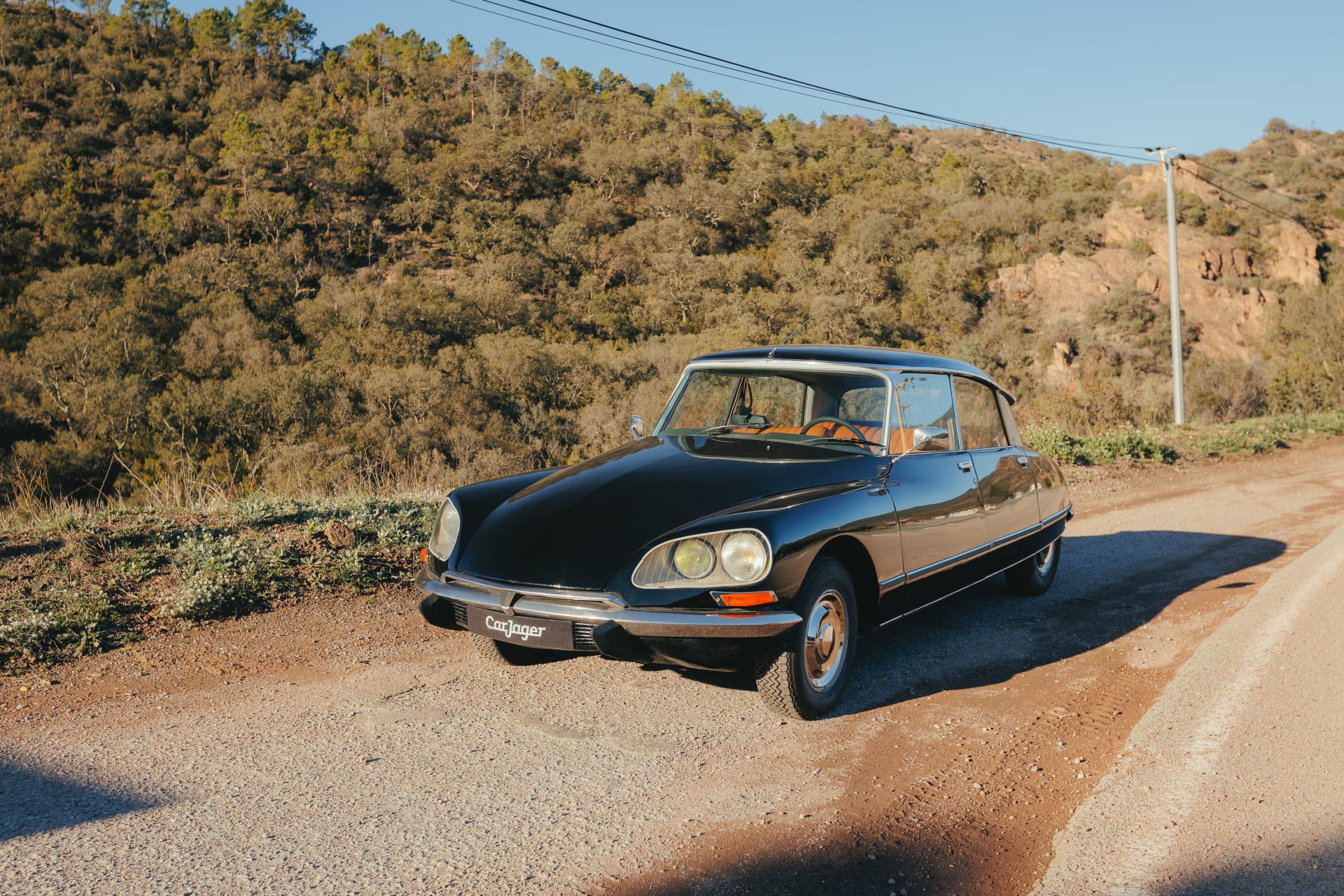
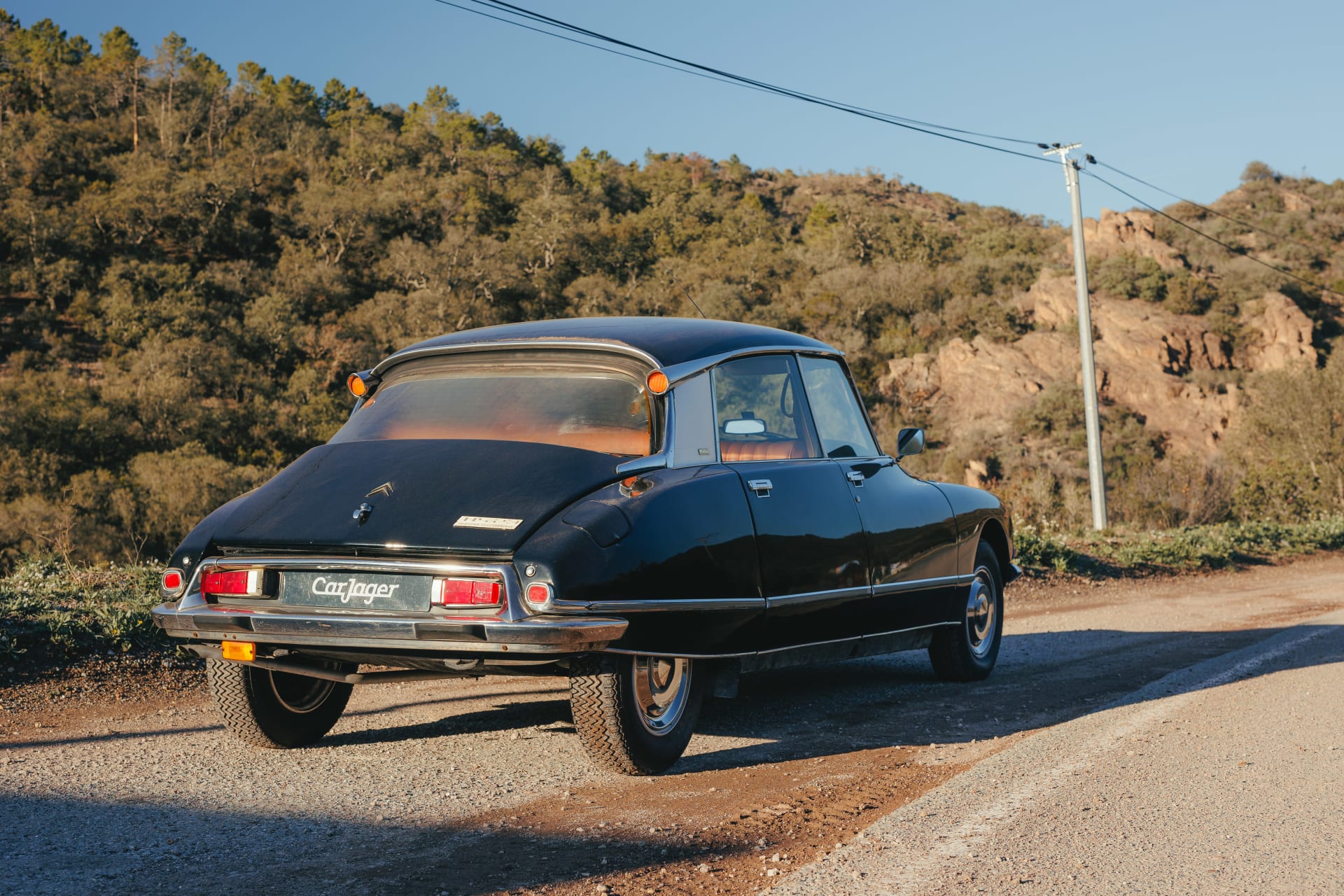
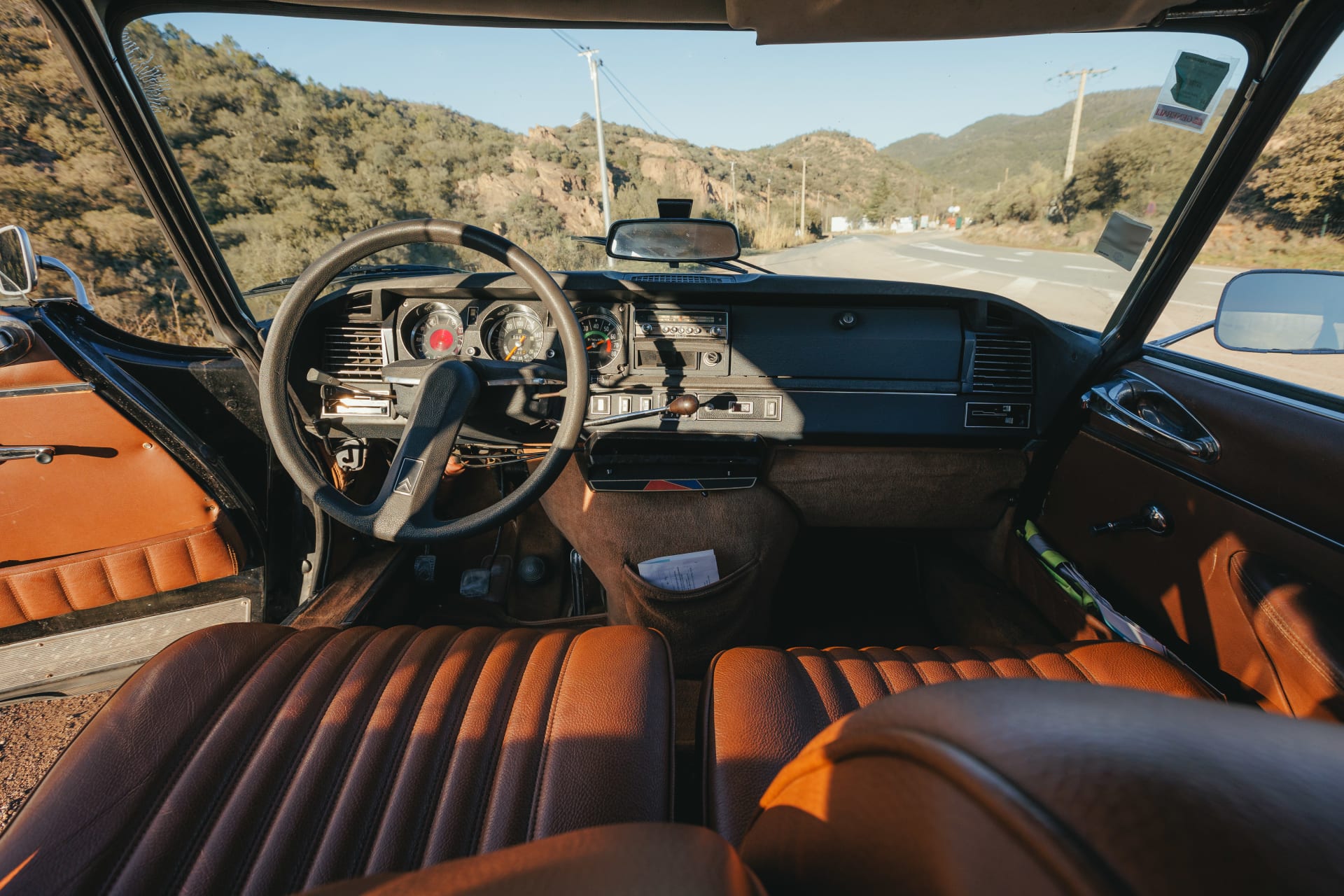
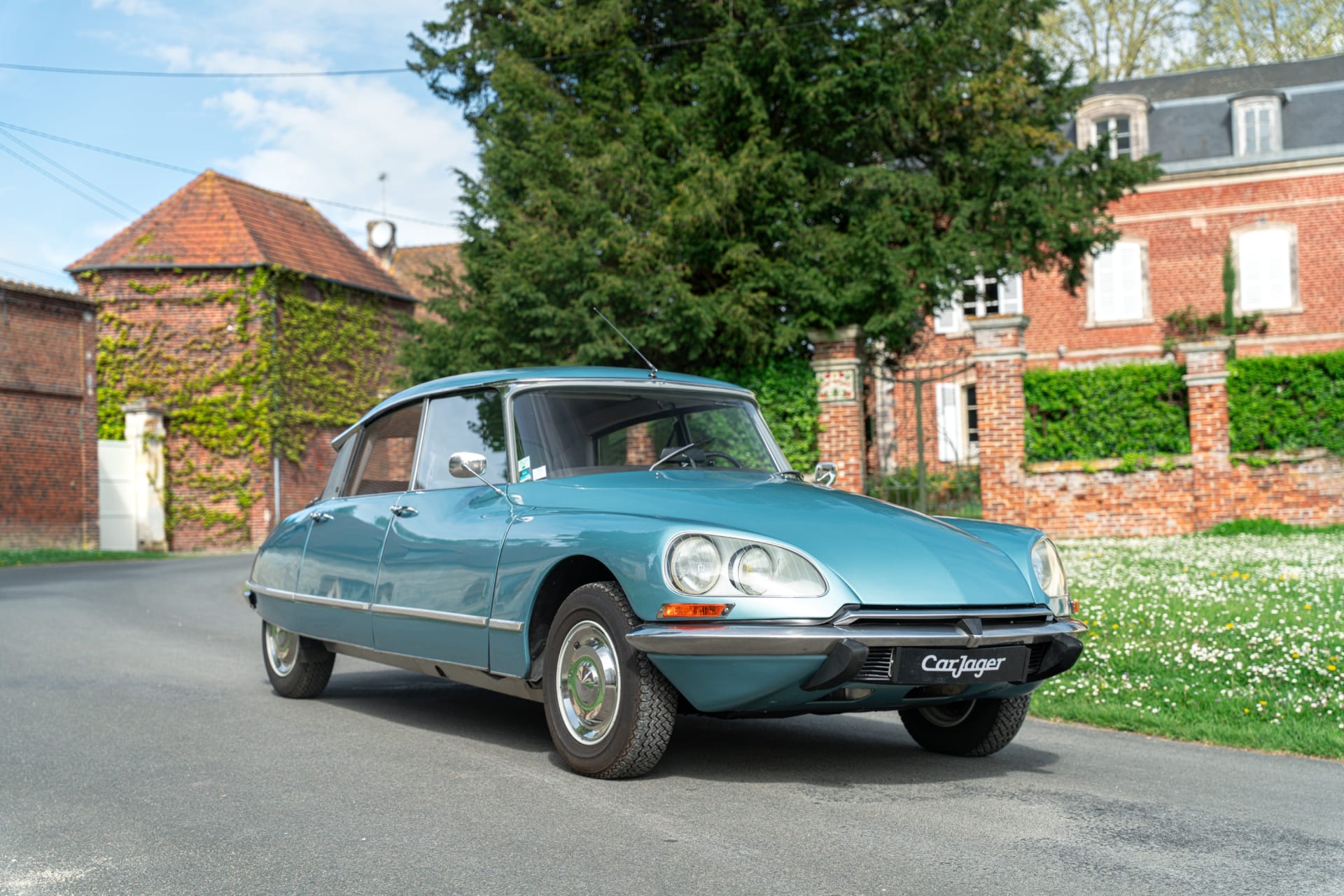
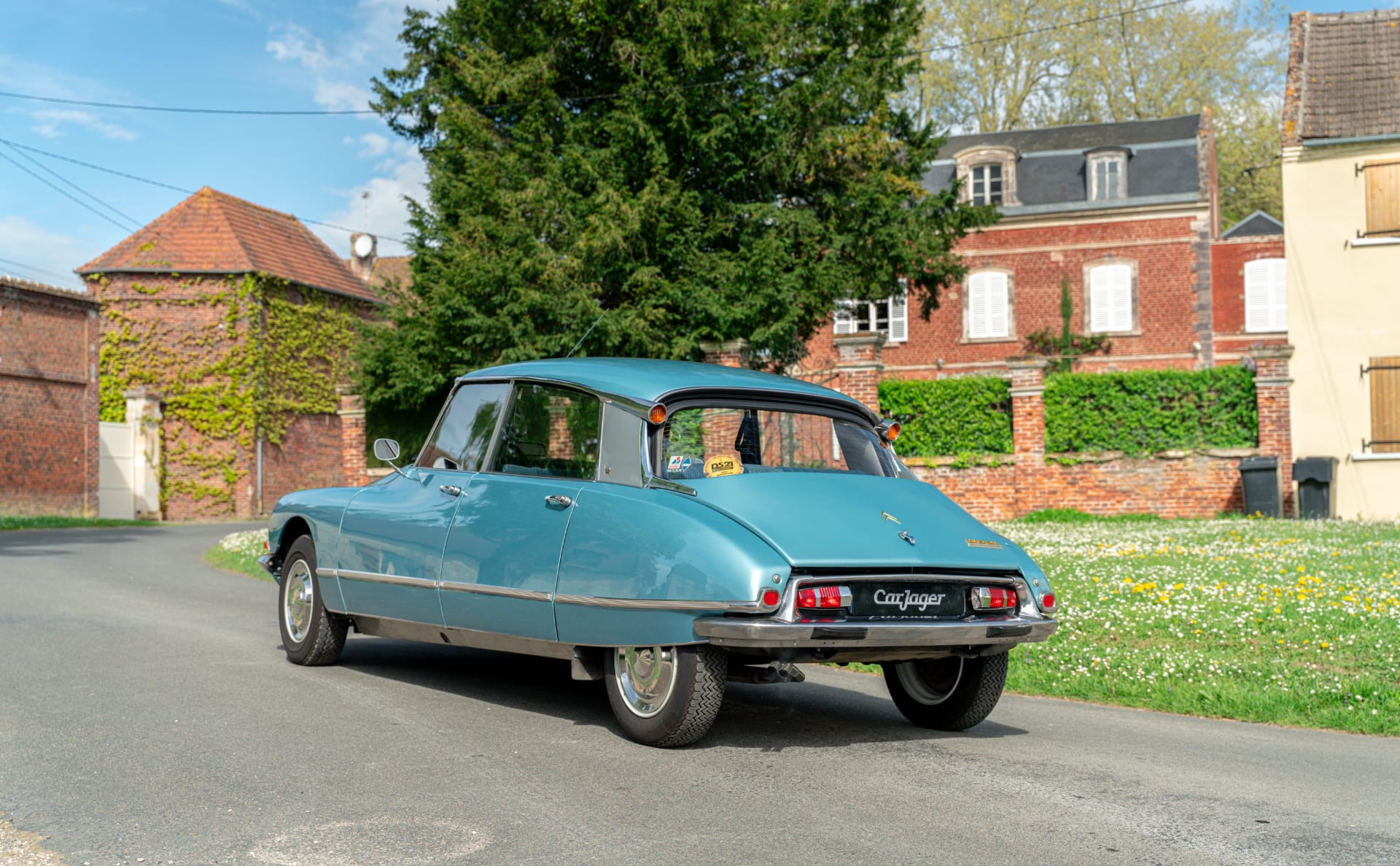
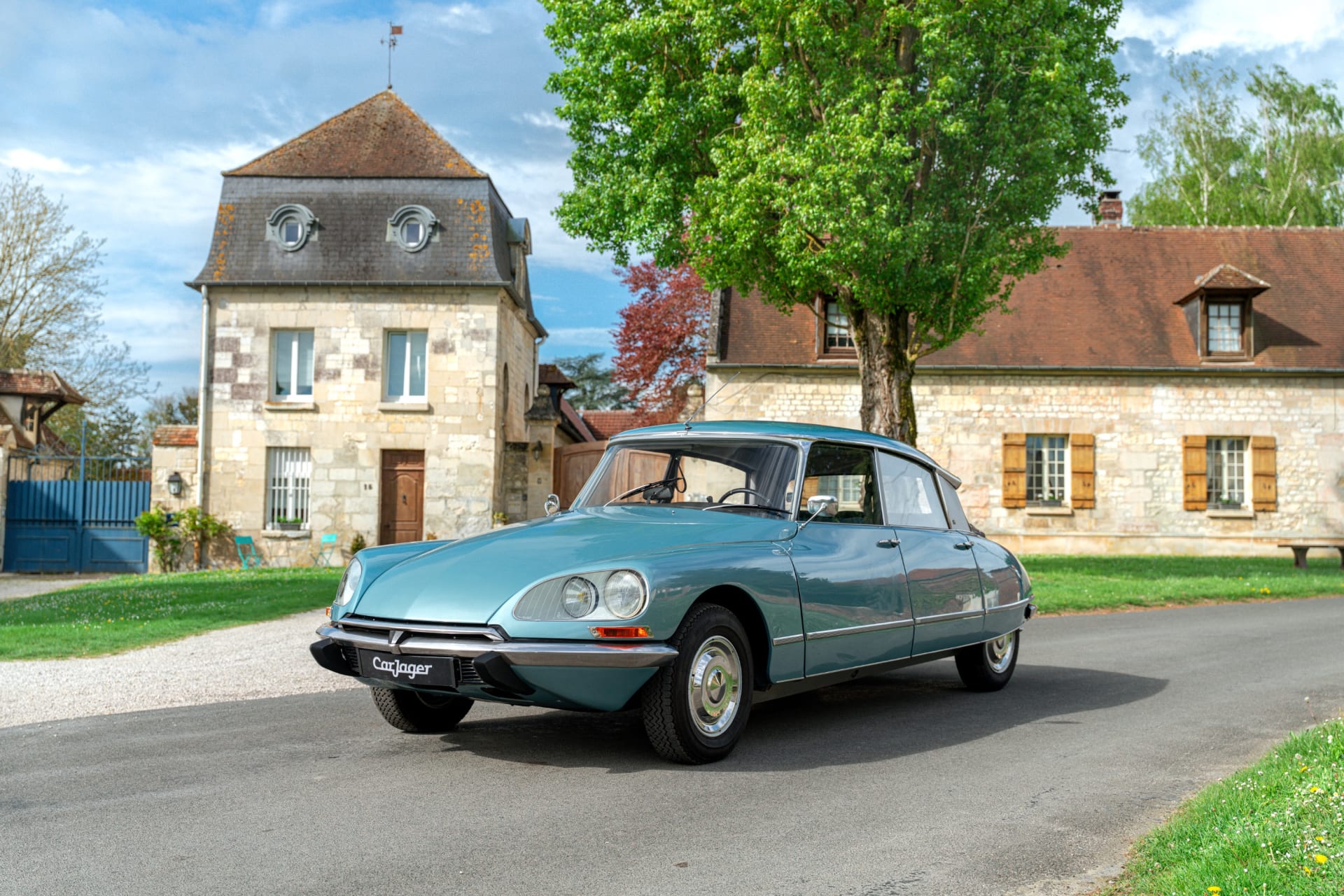
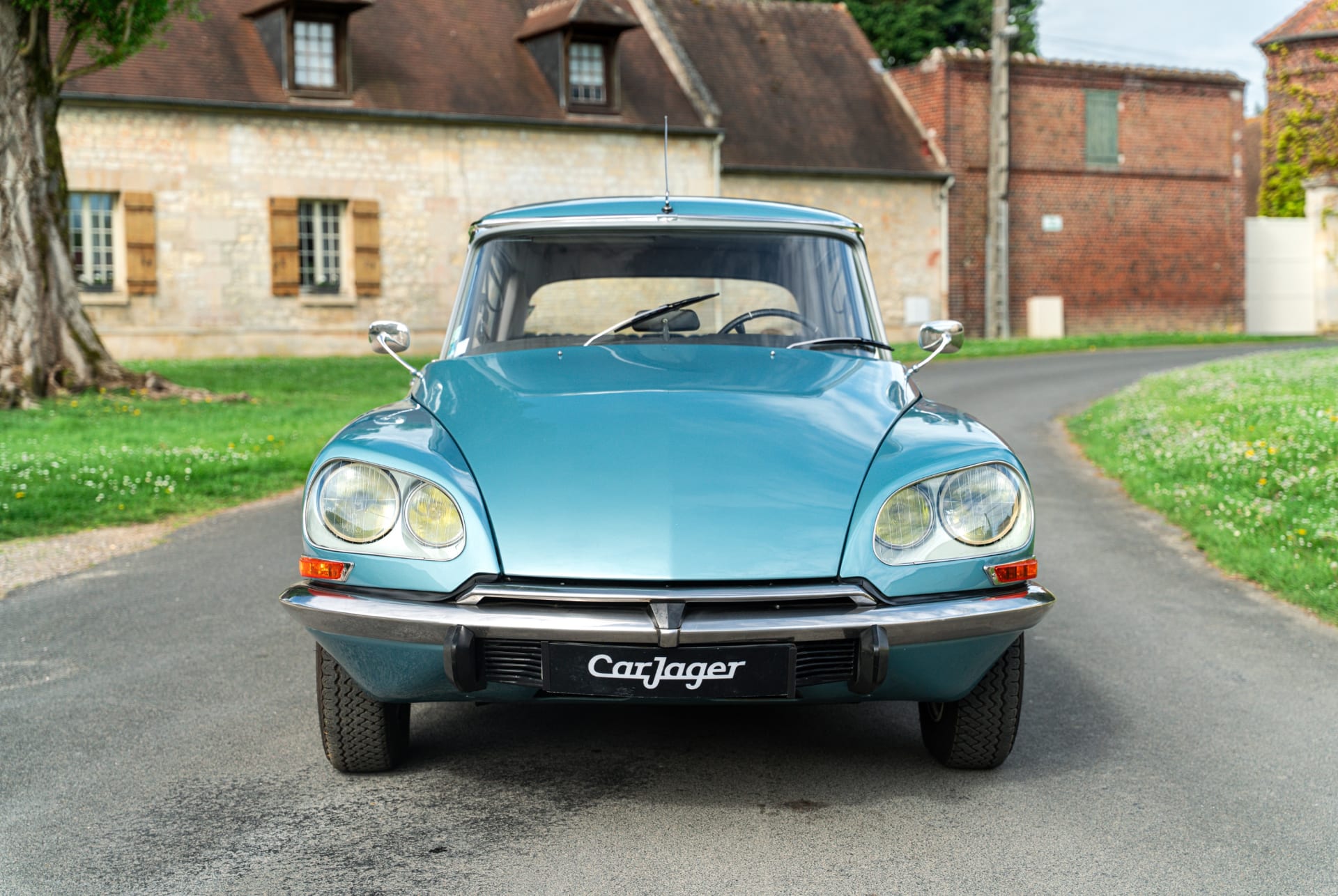
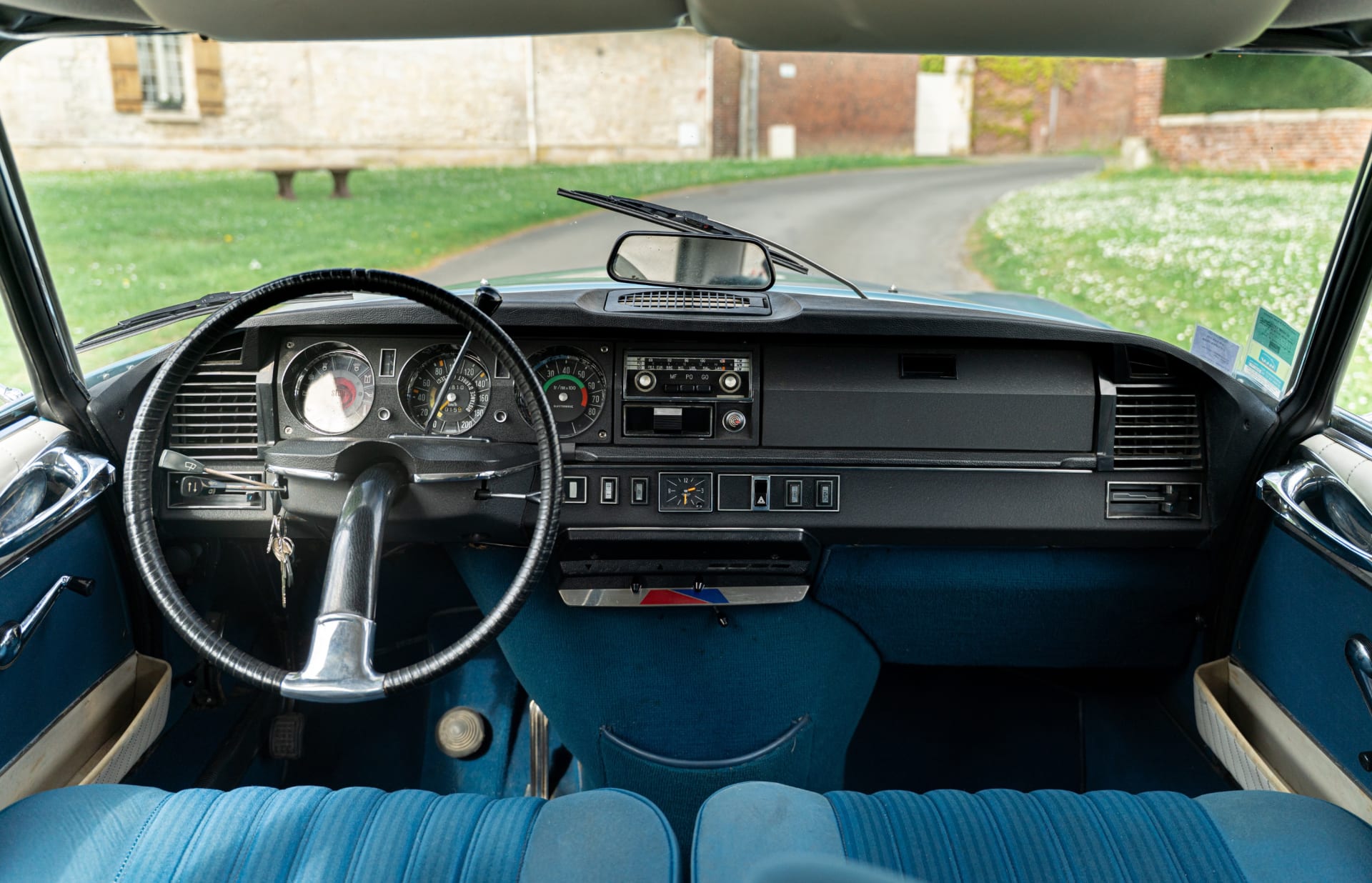
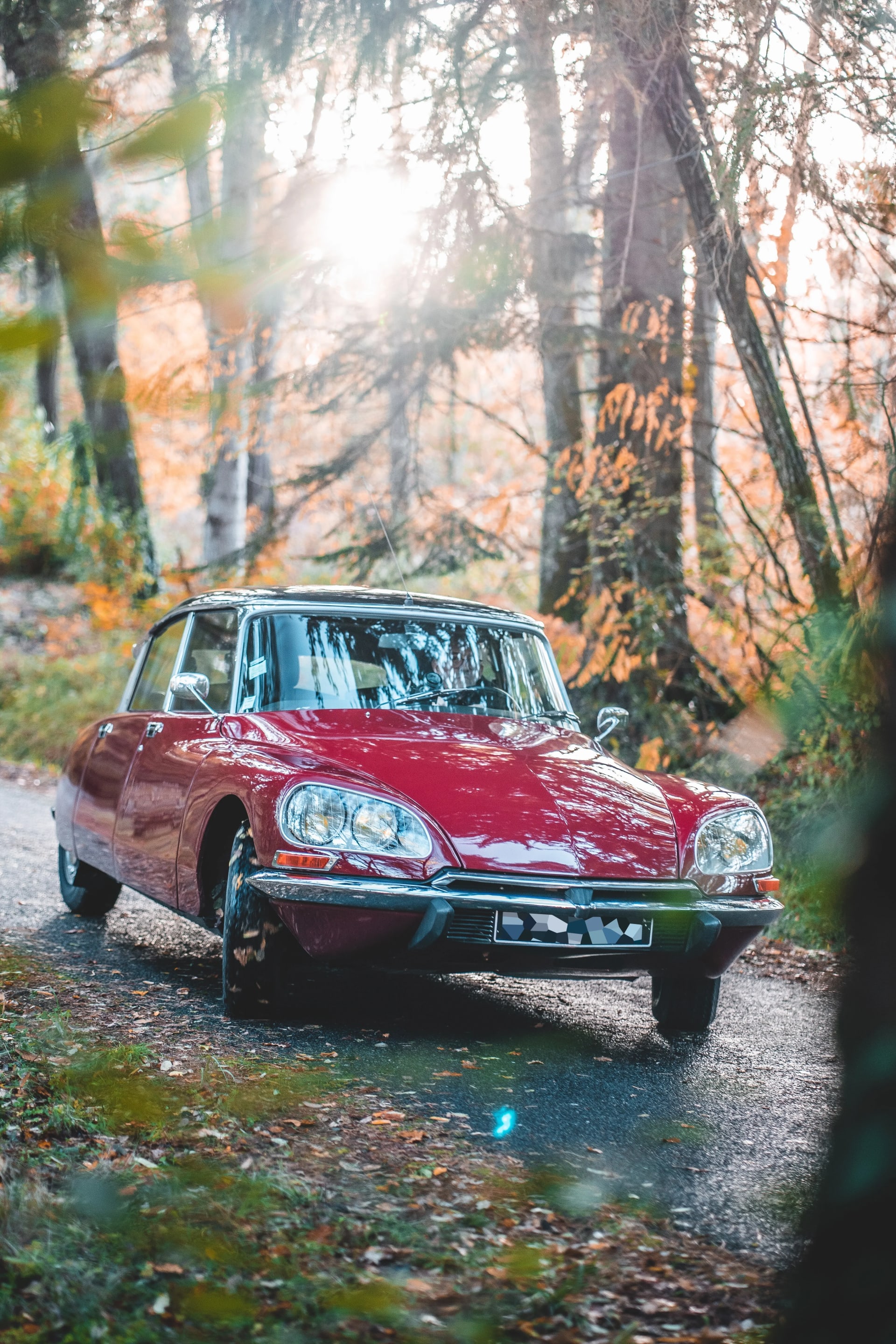
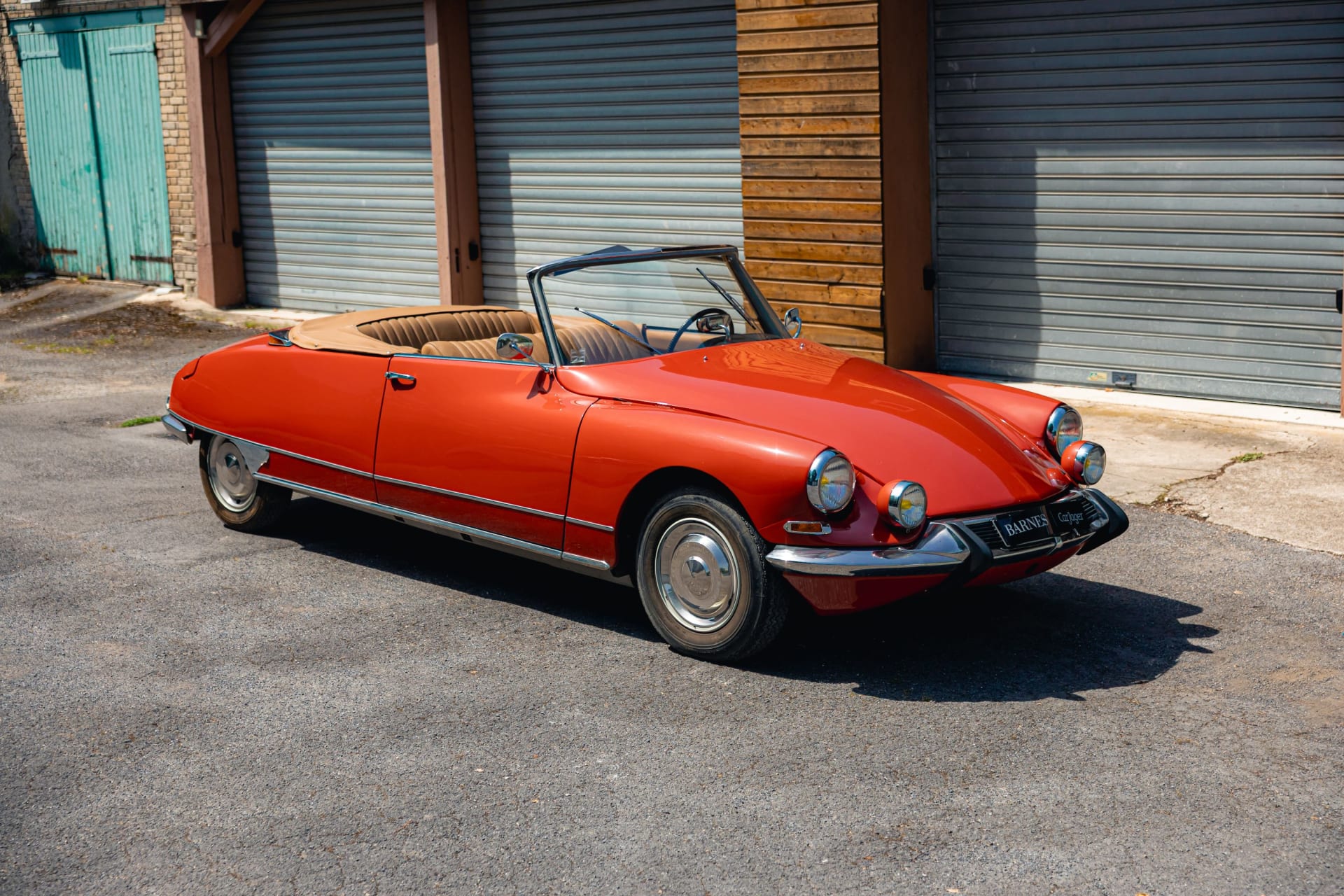
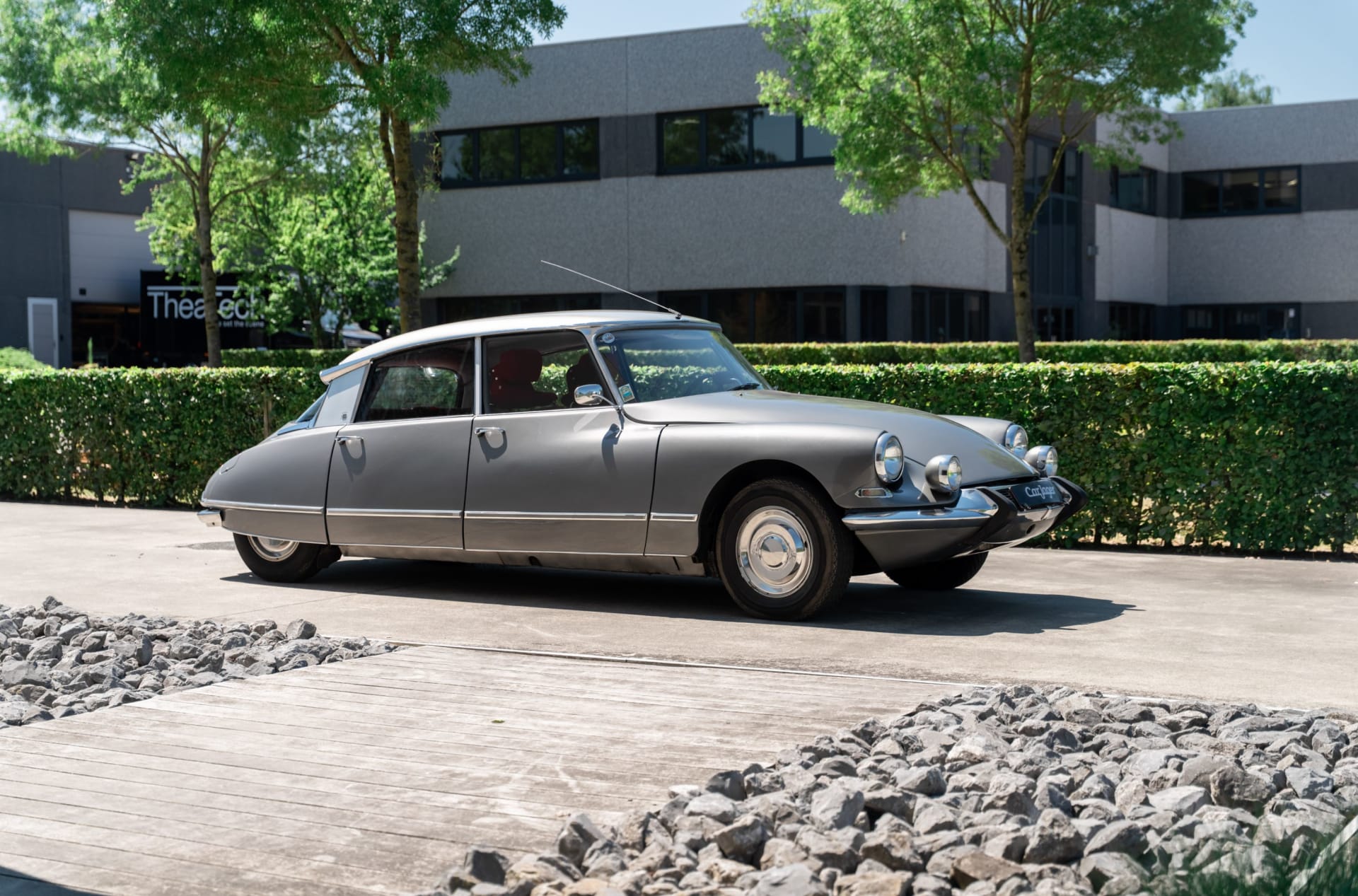
Citroën launched the revolutionary DS in 1955, a car that made its mark with its design and hydropneumatic suspension. Today, it is the most coveted Citroën among collectors.

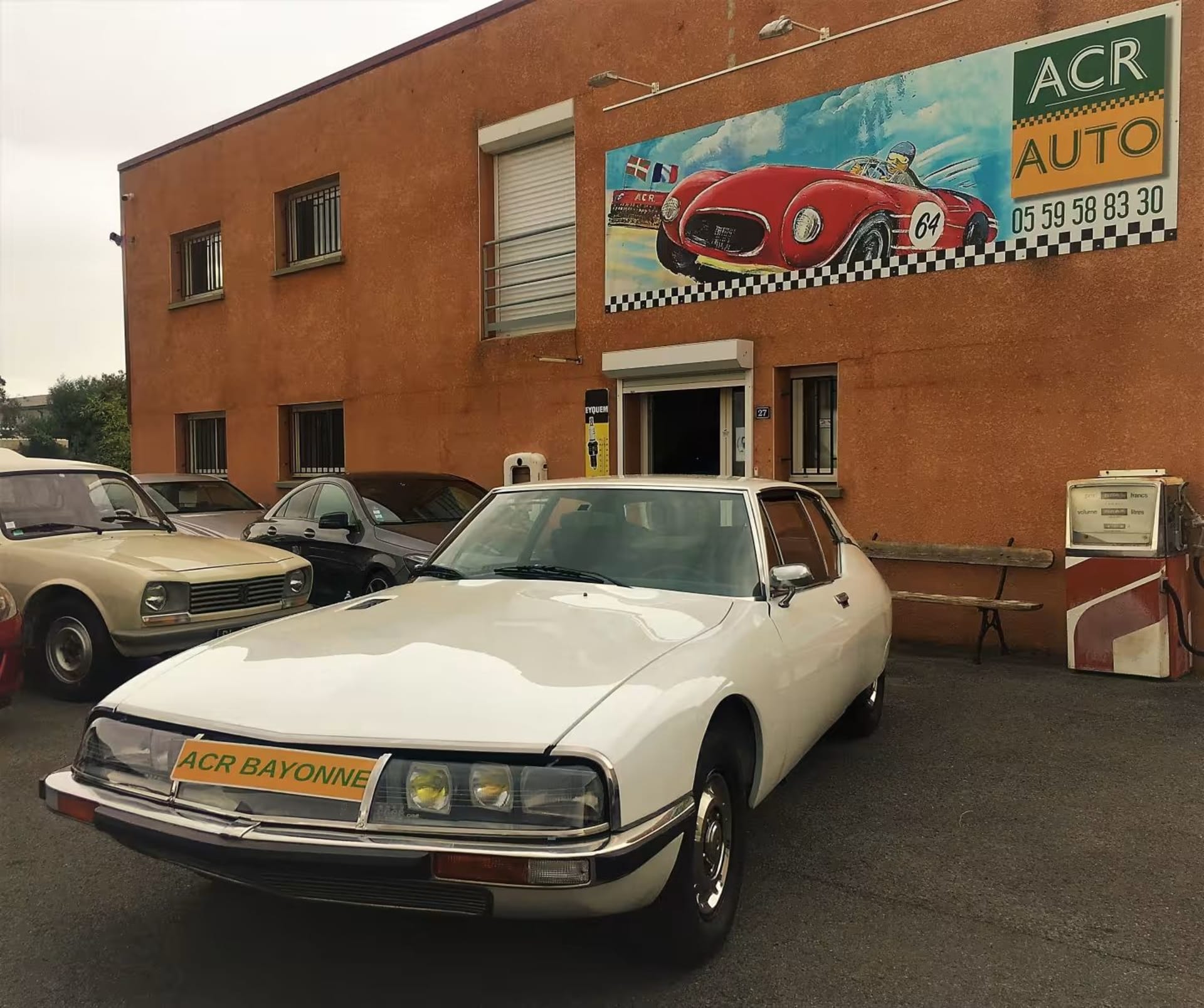
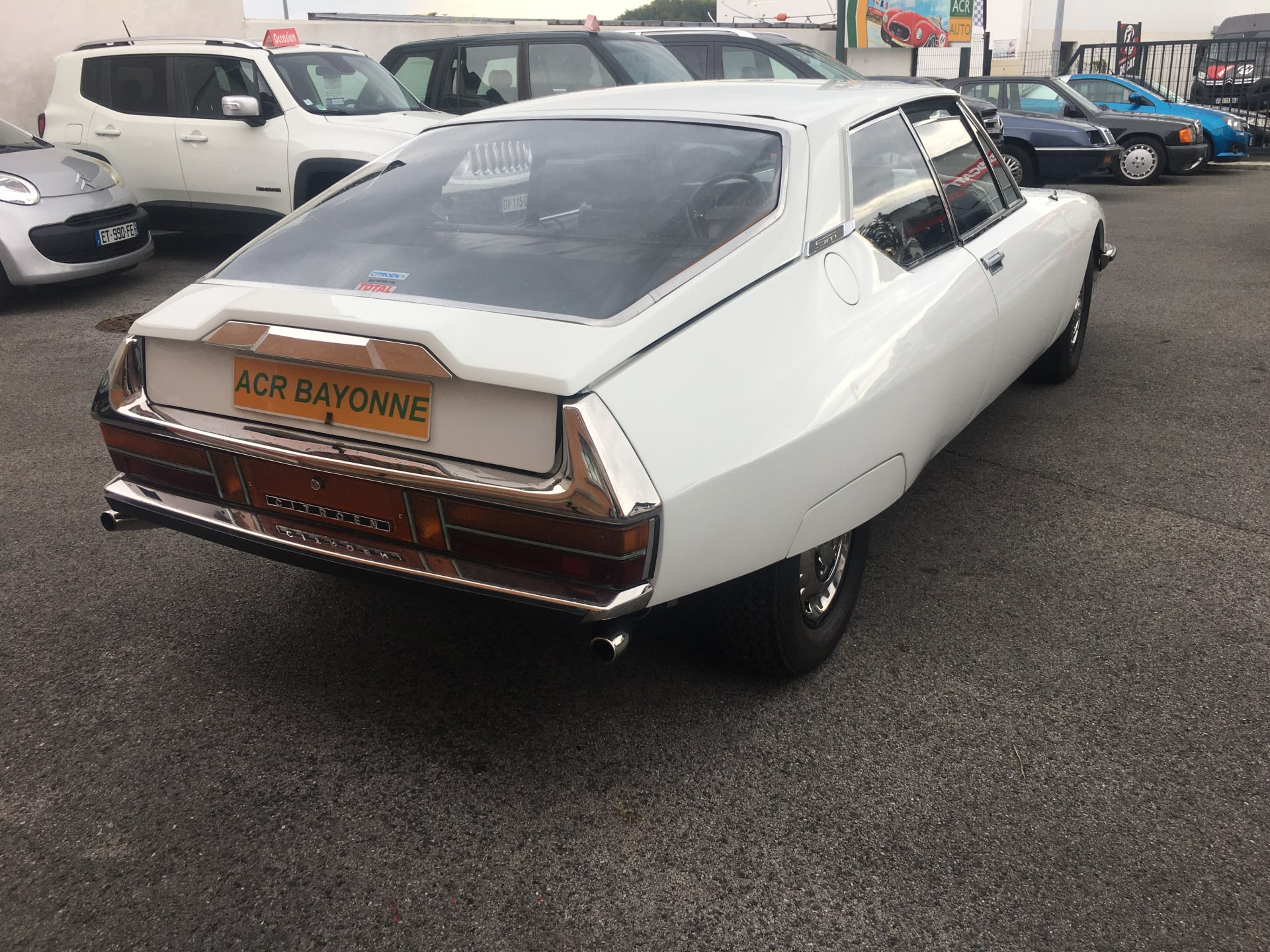
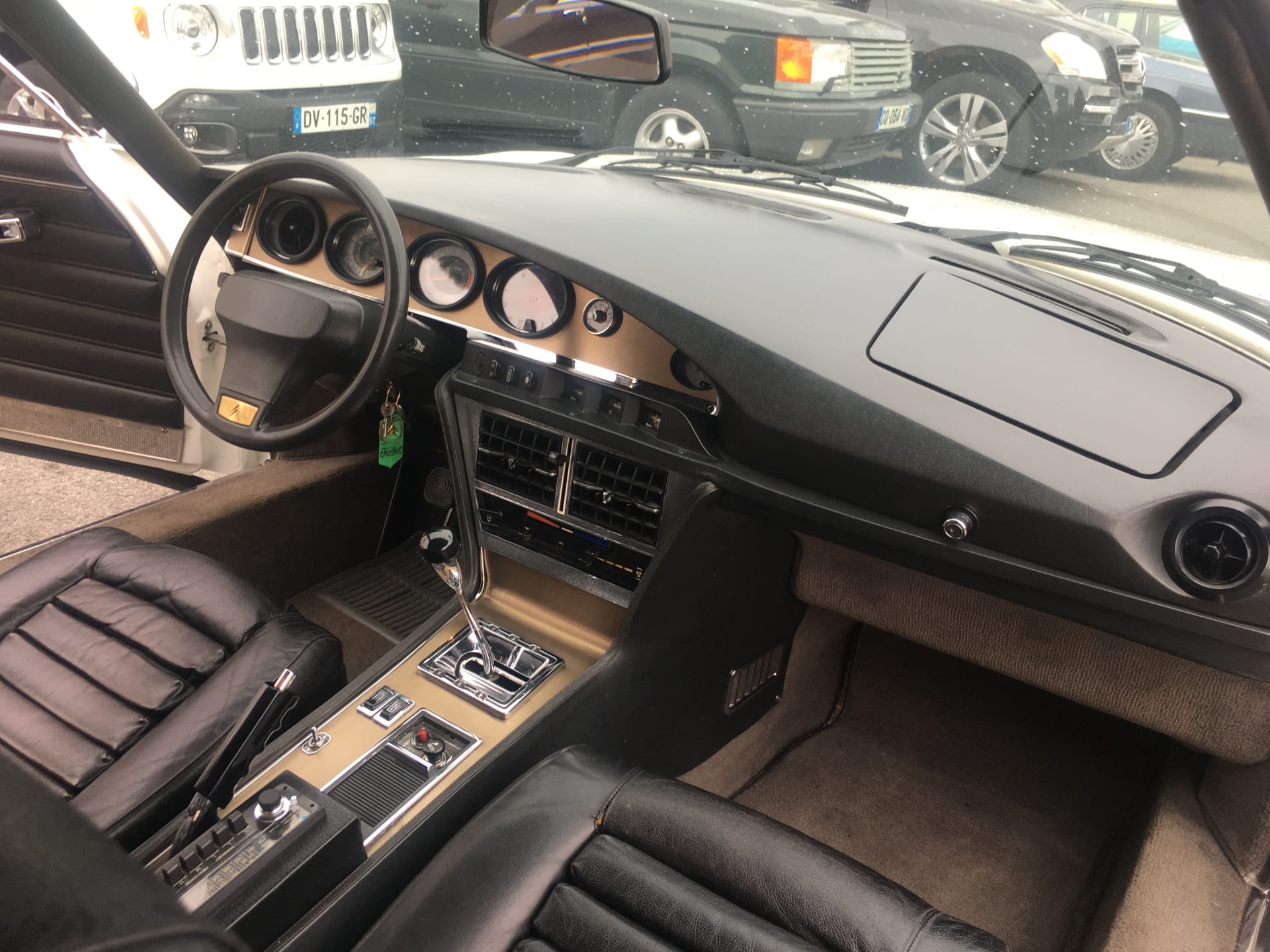
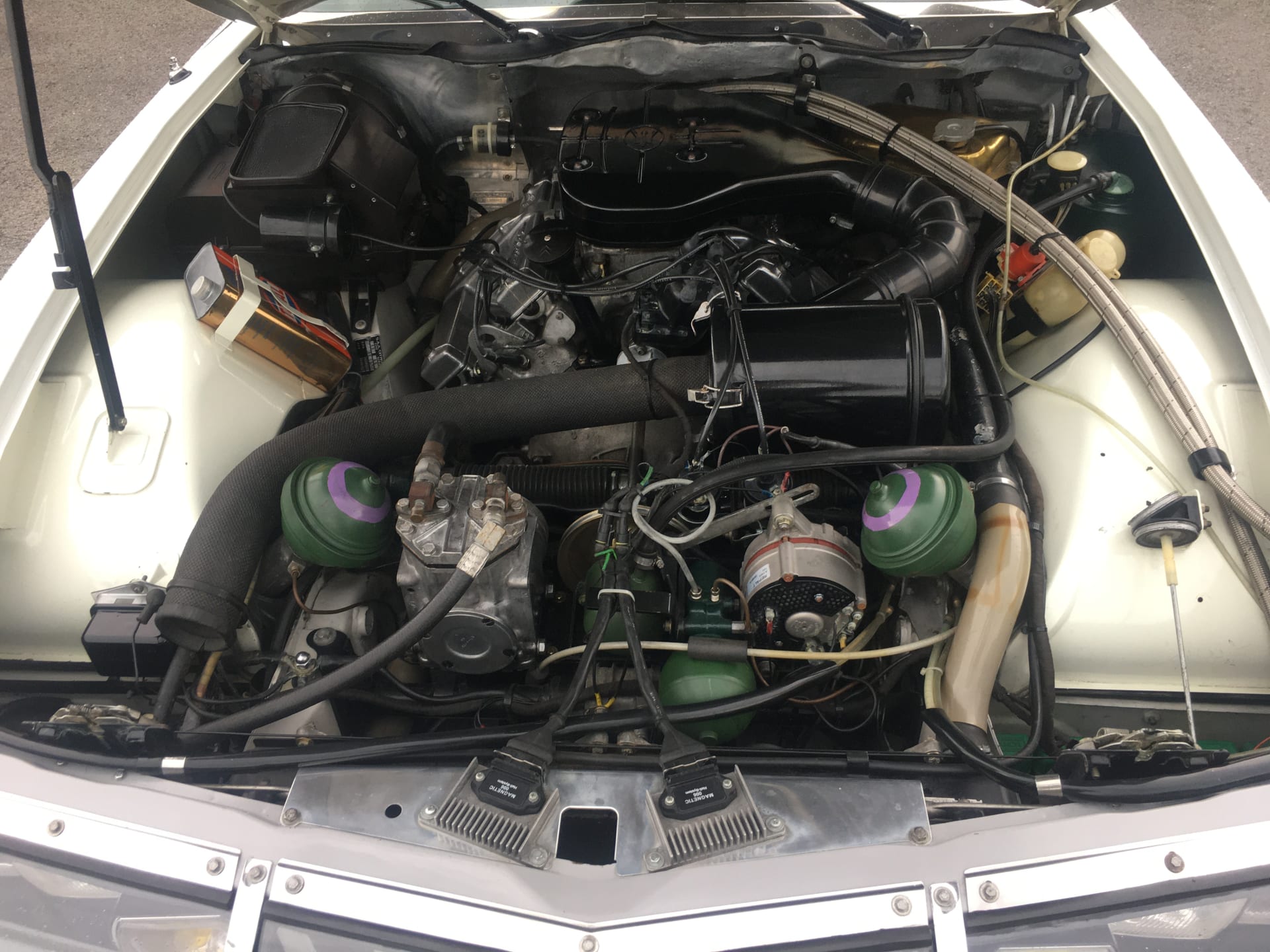
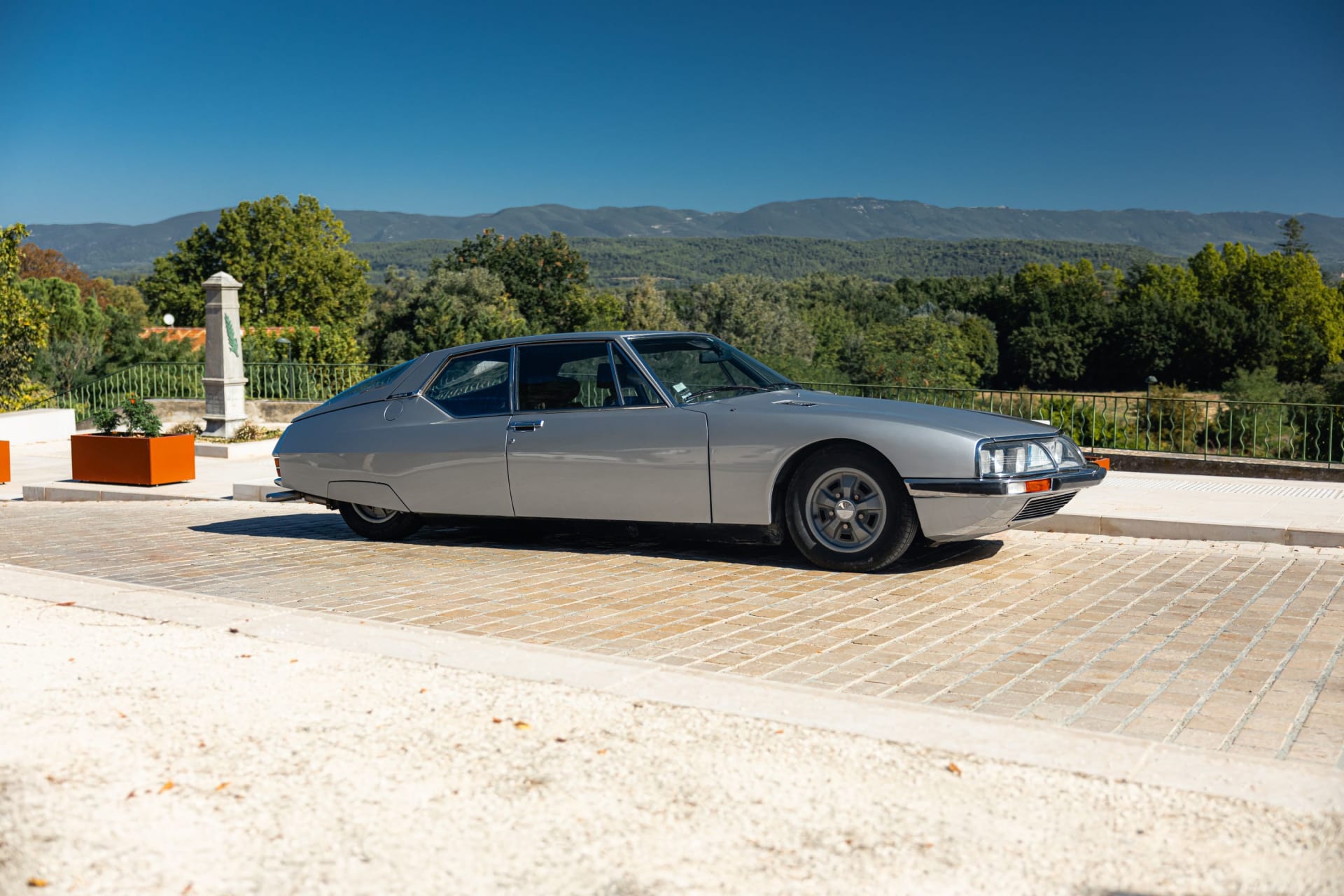
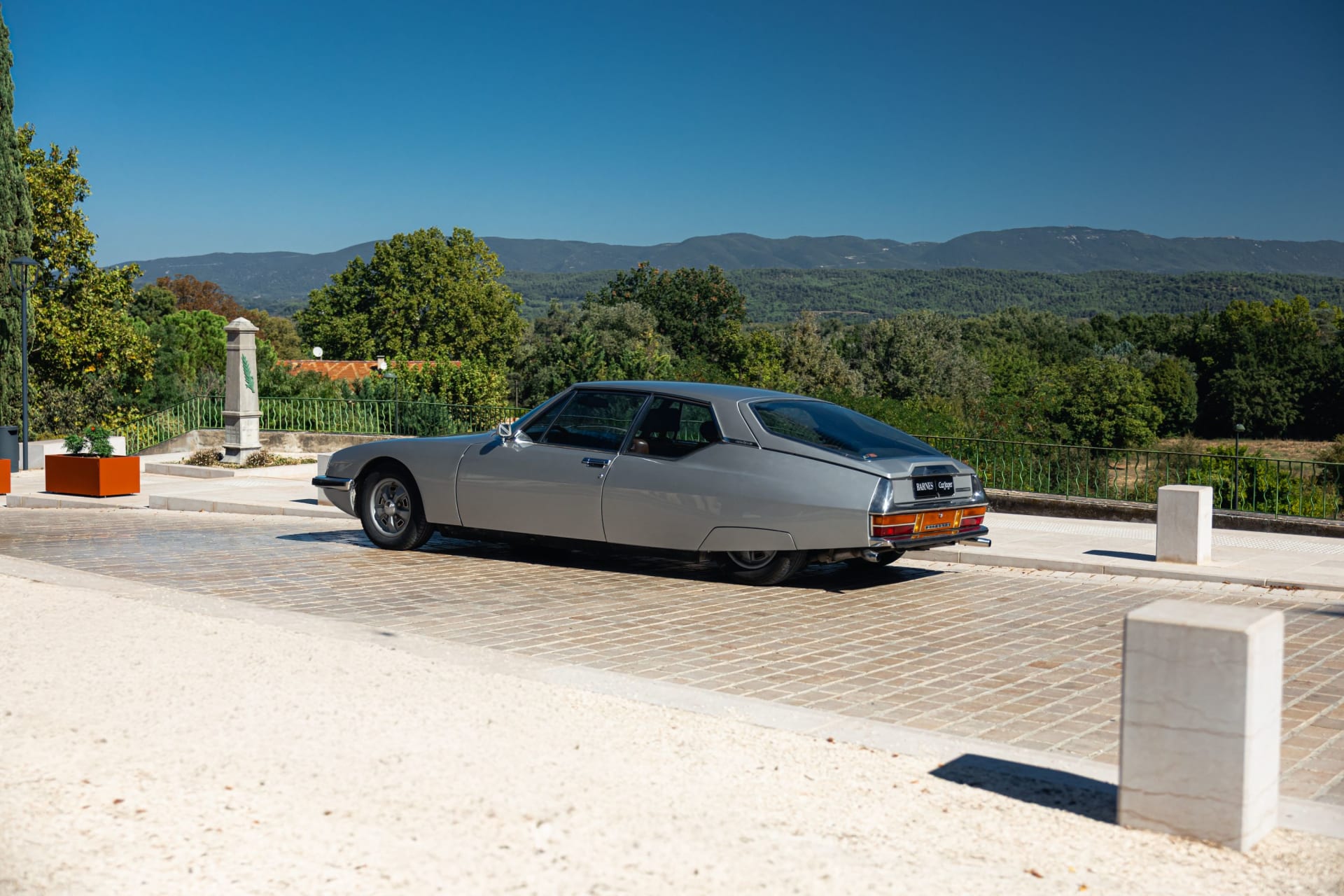
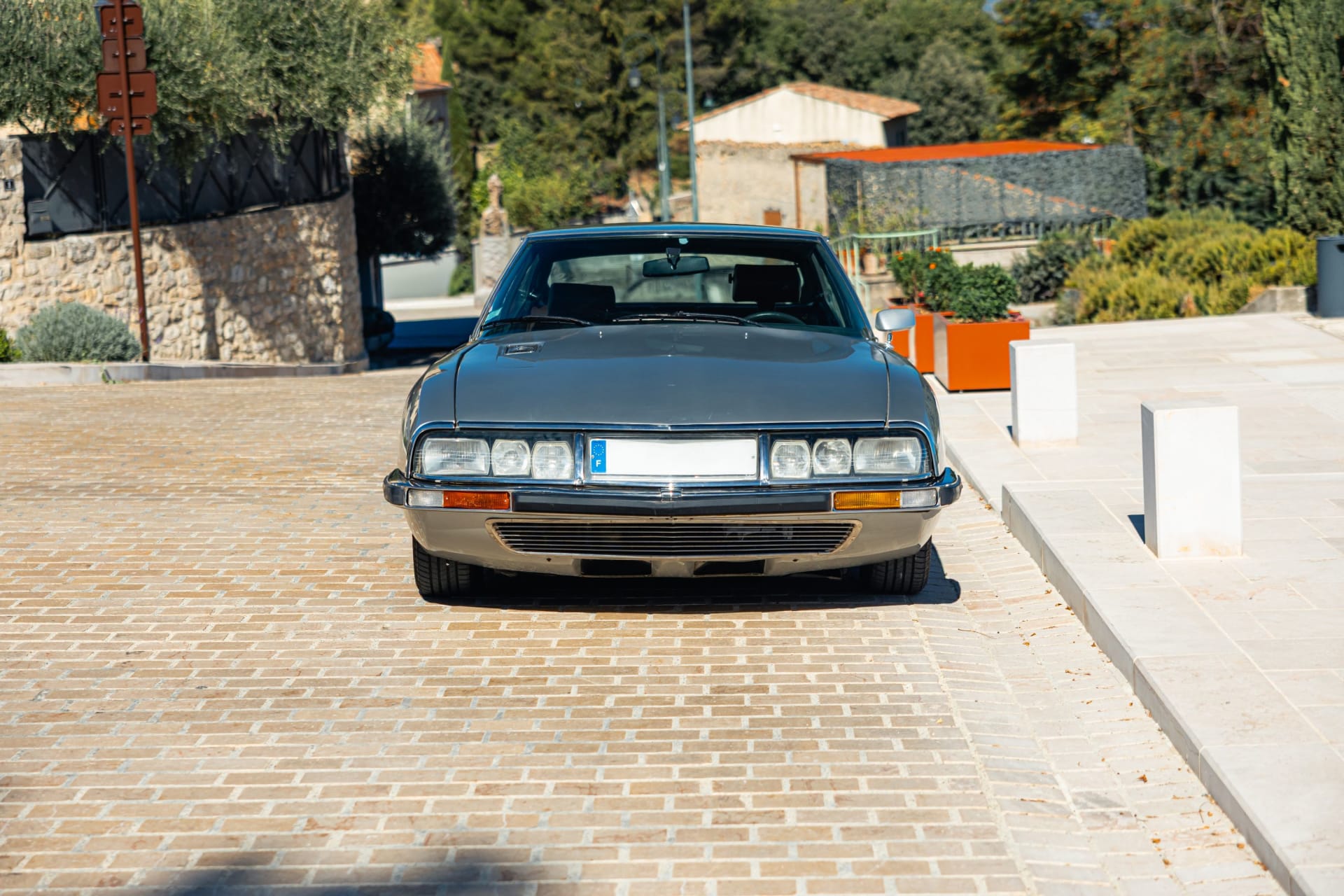
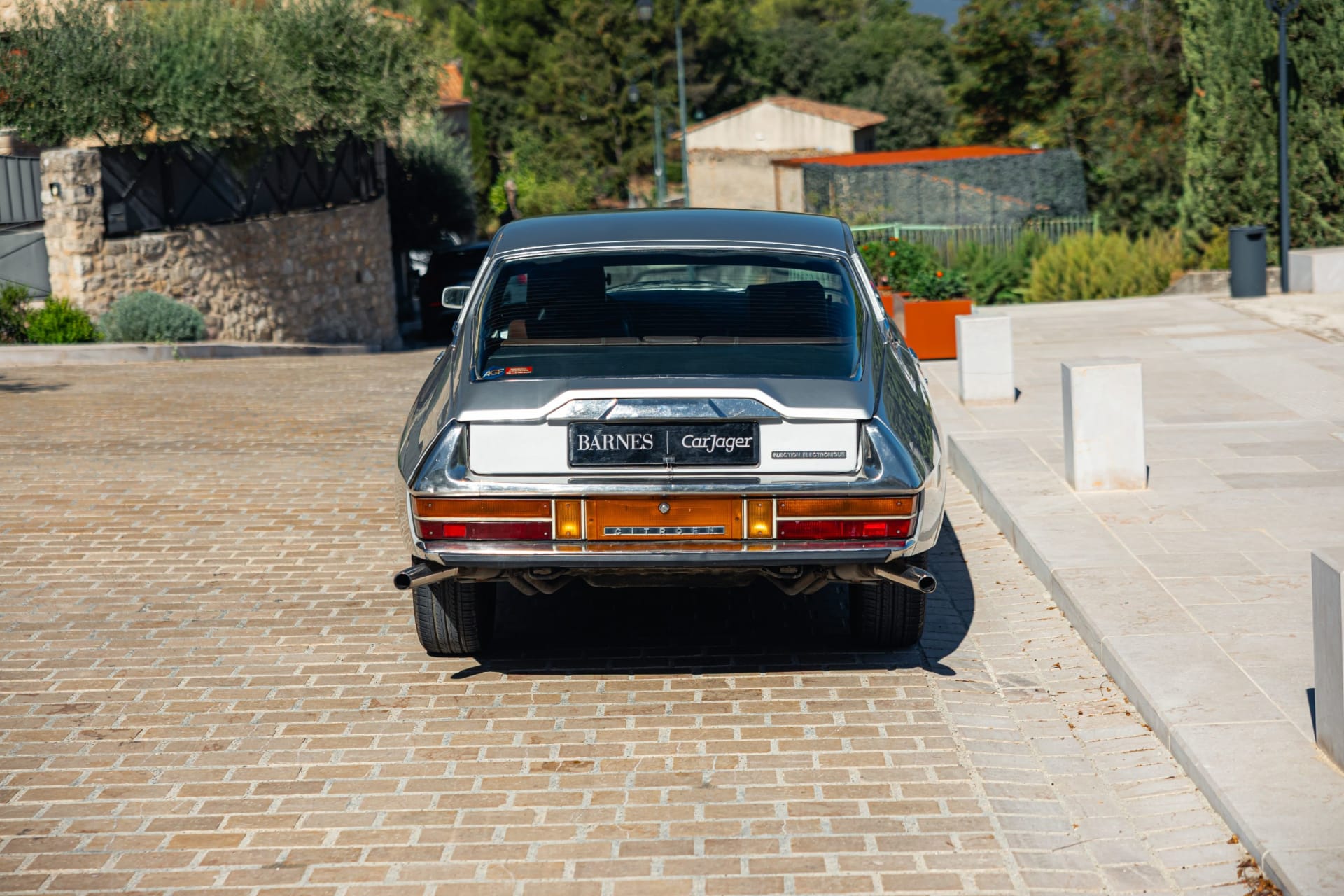
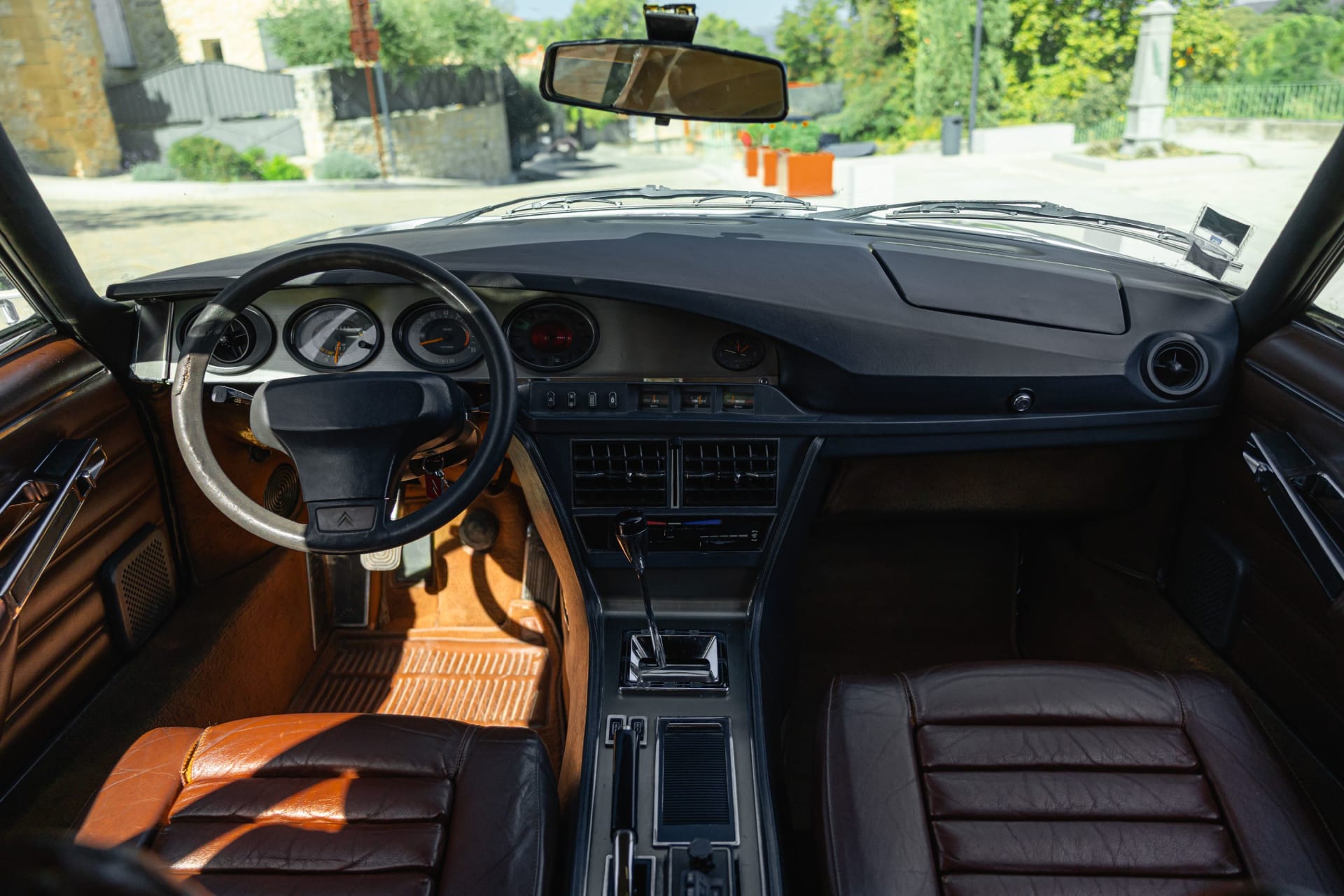
Powered by a Maserati engine, the SM, unveiled in 1970, carried over the core technical features of the DS. Only 12,920 units were built before its early discontinuation in 1975.


At no point did I doubt CarJager's effectiveness. It was an excellent experience that I would recommend to anyone who is unsure. They are true professionals.
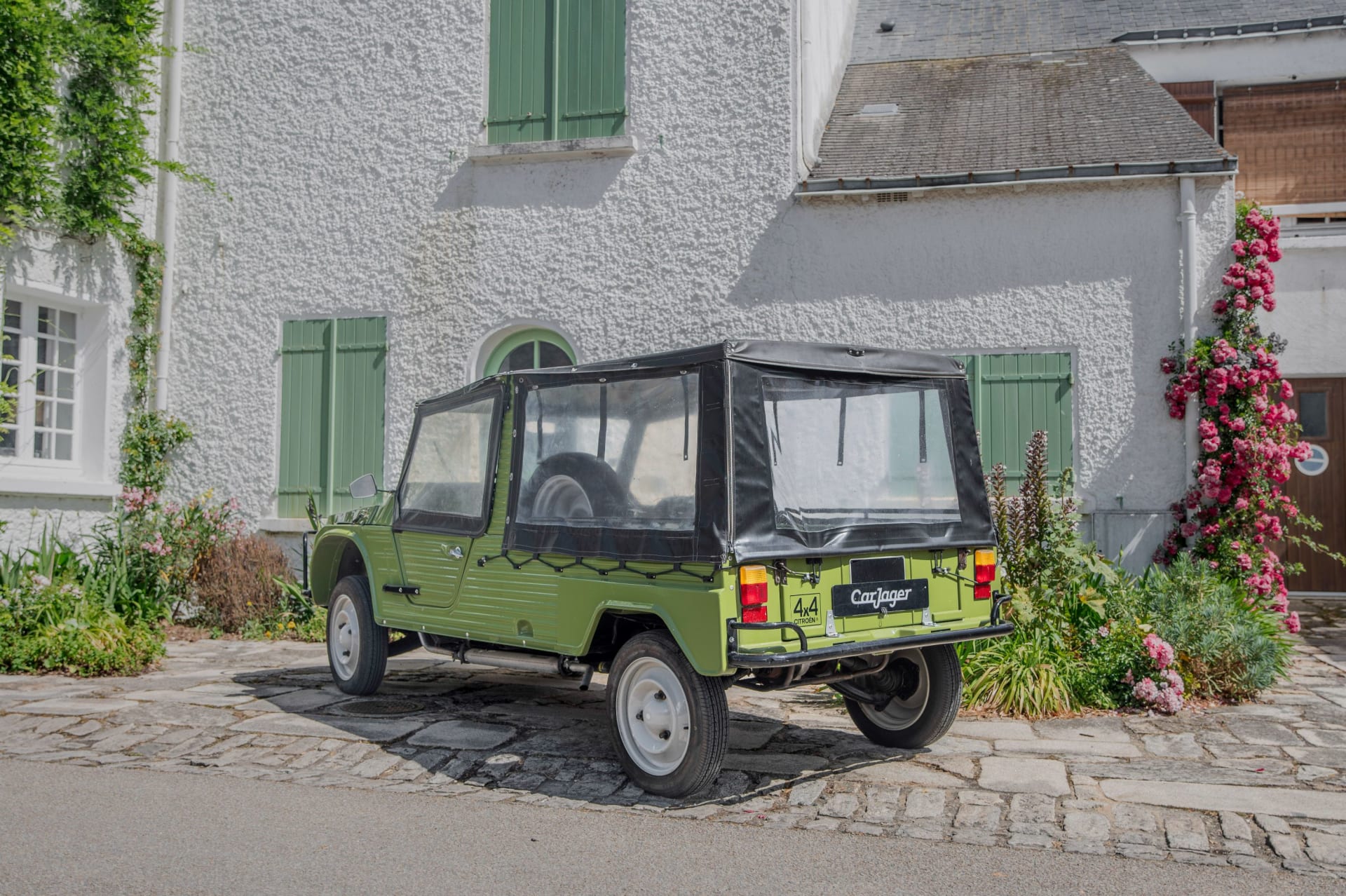
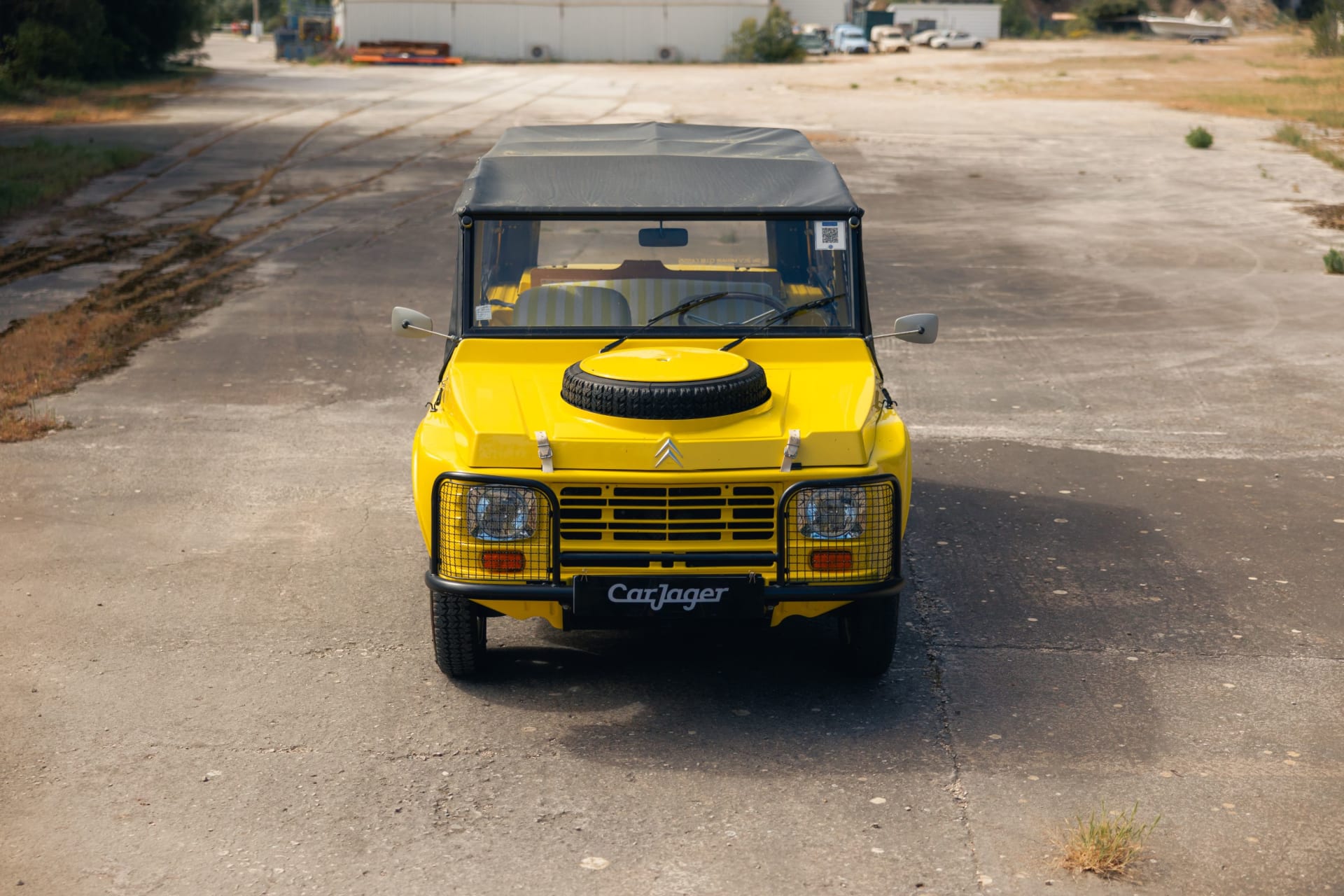
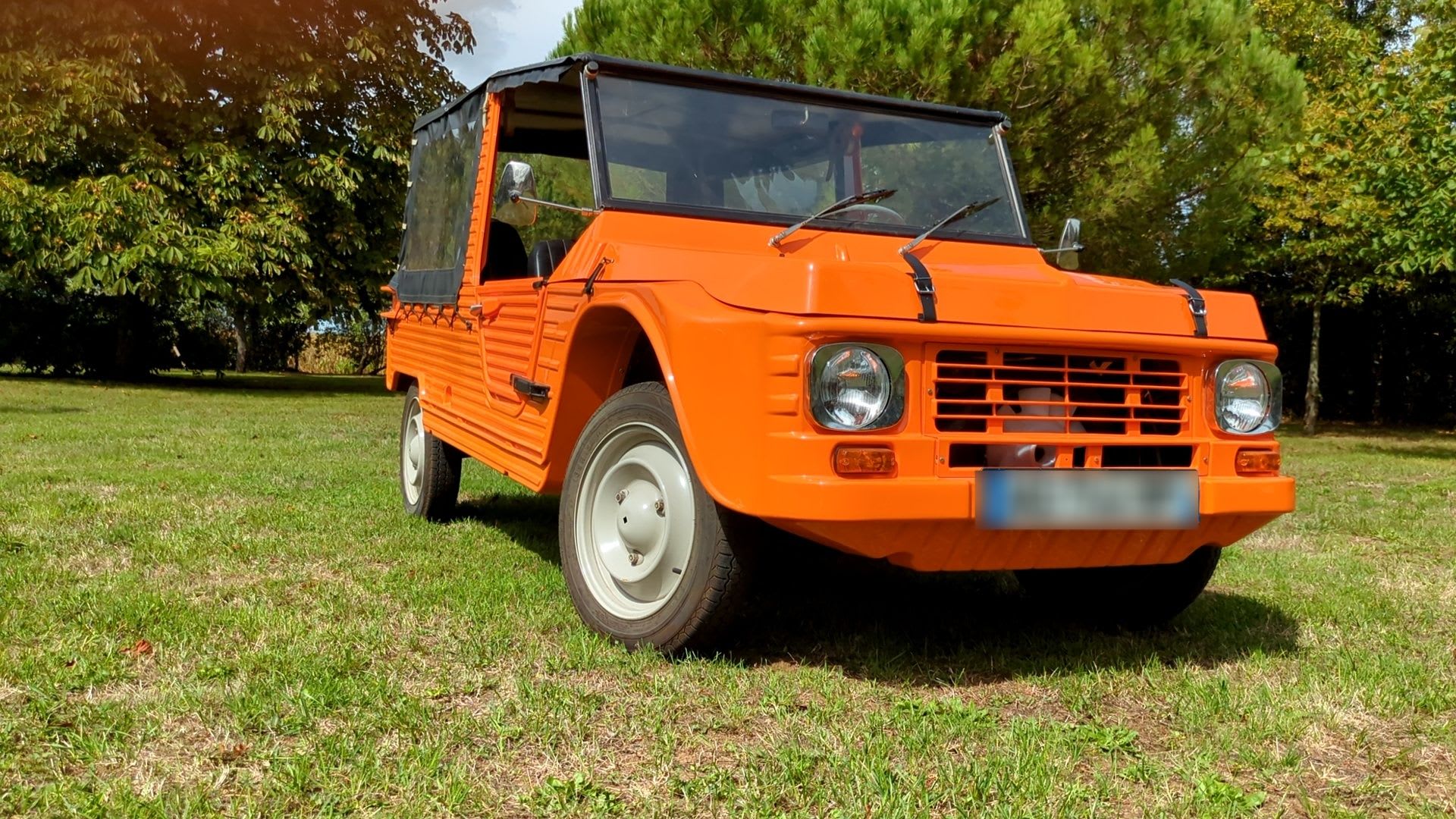
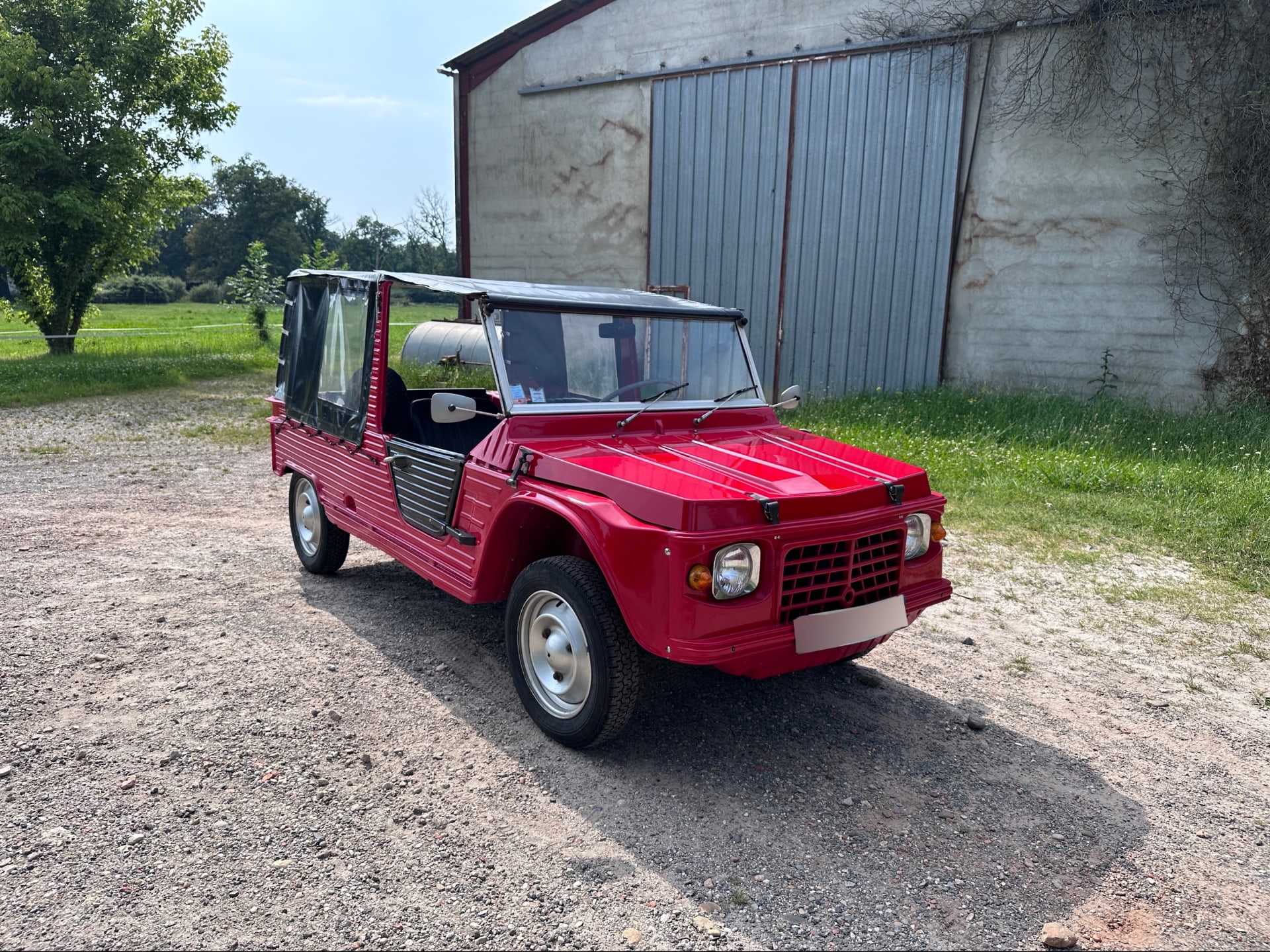
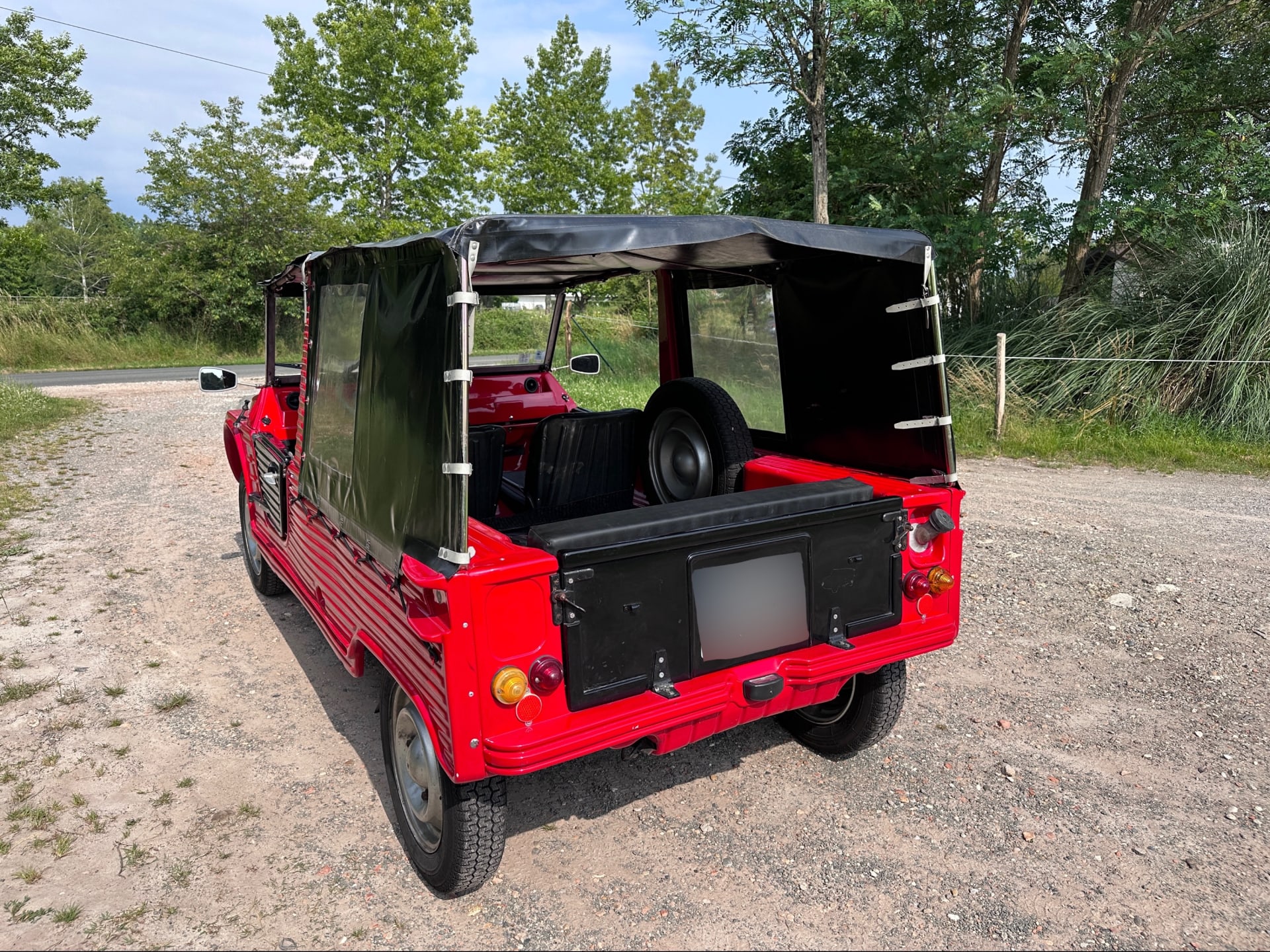
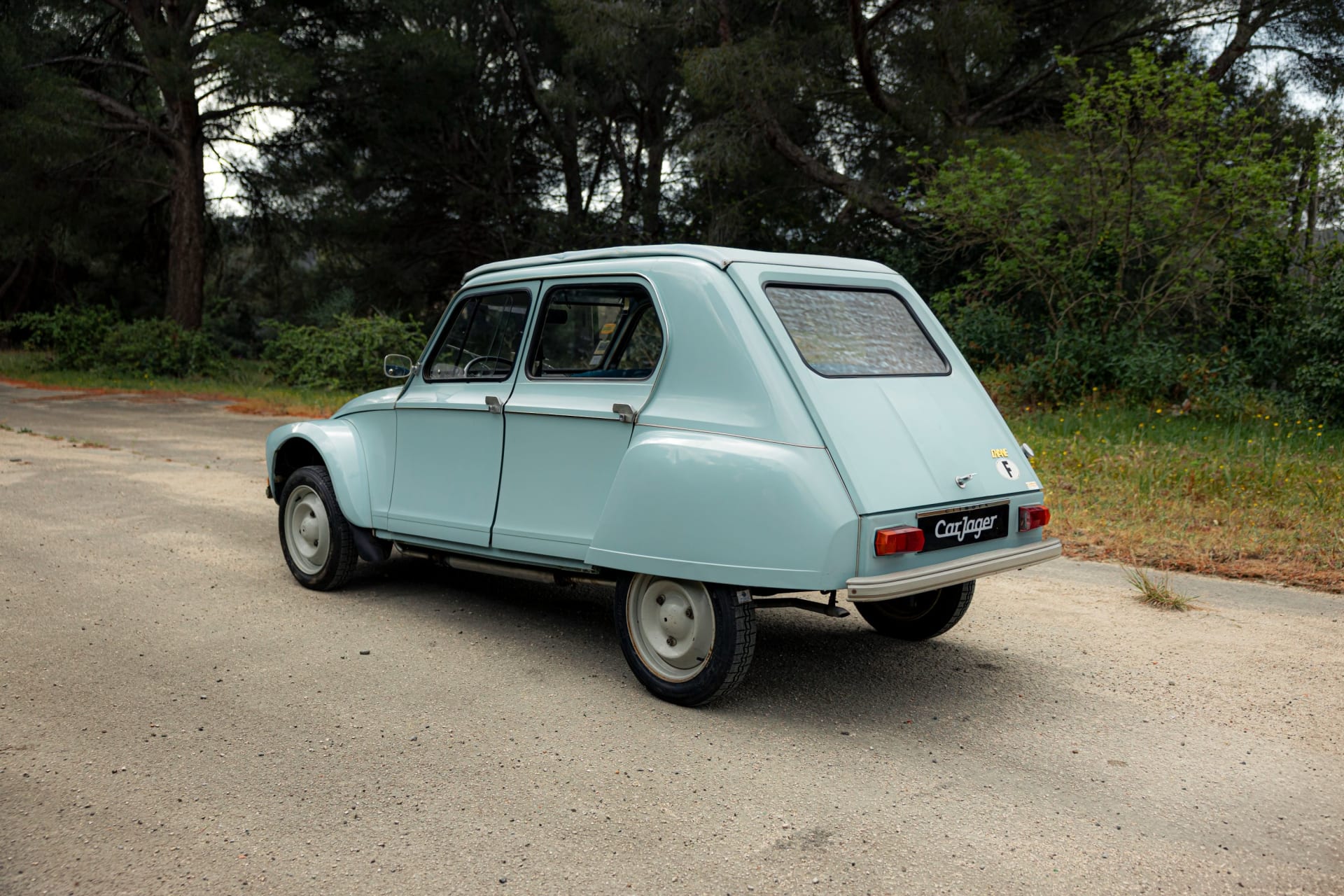
Having produced everything from popular models like the 2CV to luxury sedans like the DS and even a grand touring coupe, the SM, the value of classic Citroëns spans a wide range of prices. According to the LVA price guide, the 2CV family ranges from €6,000 for a late-1960s AZ-A to €85,000 for the extremely rare four-wheel-drive Sahara version. As for the DS, while entry-level sedans of the restyled version barely exceed €10,000, the finest convertibles can approach €200,000. Finally, an SM can be yours for €40,000.
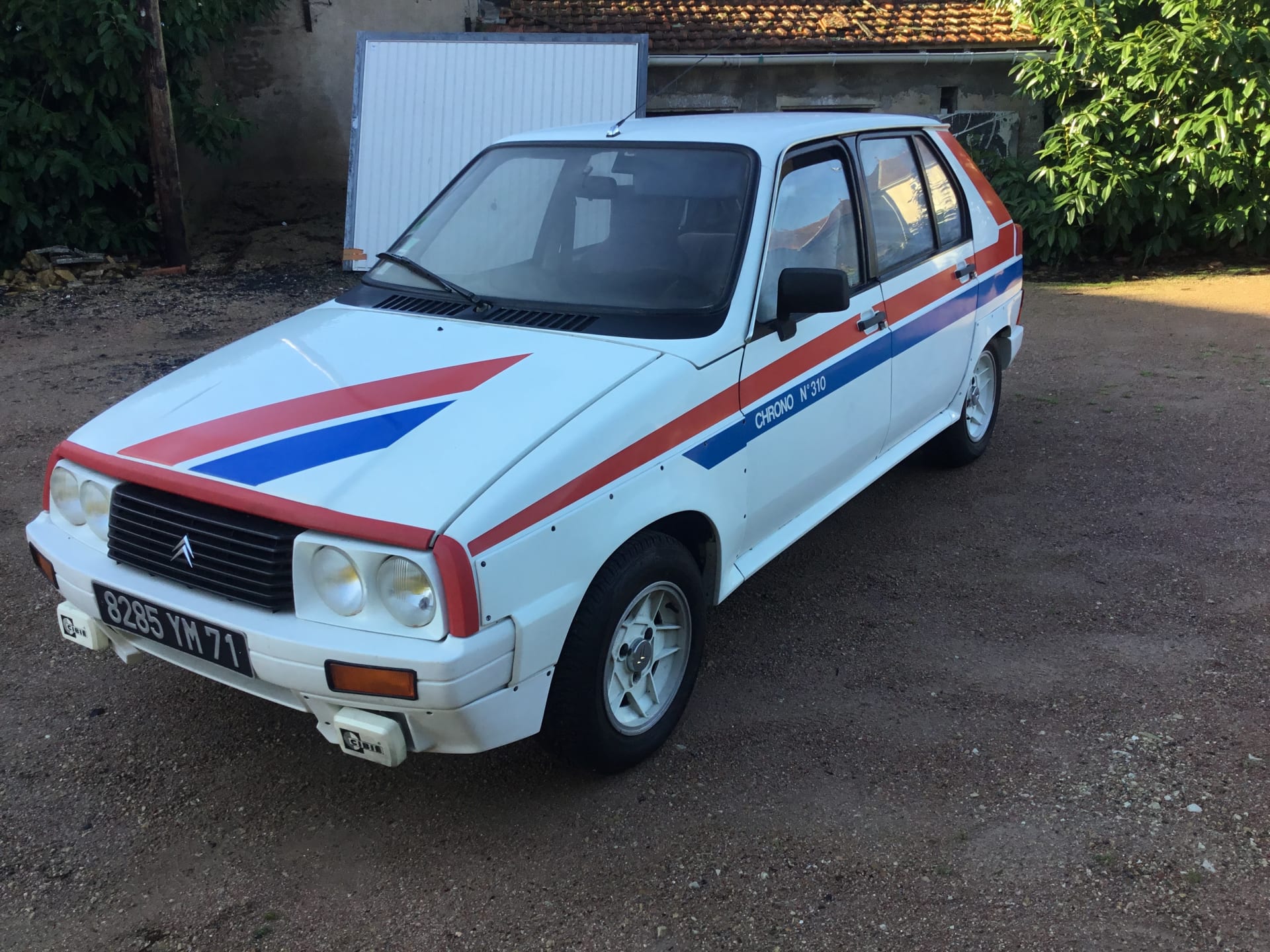
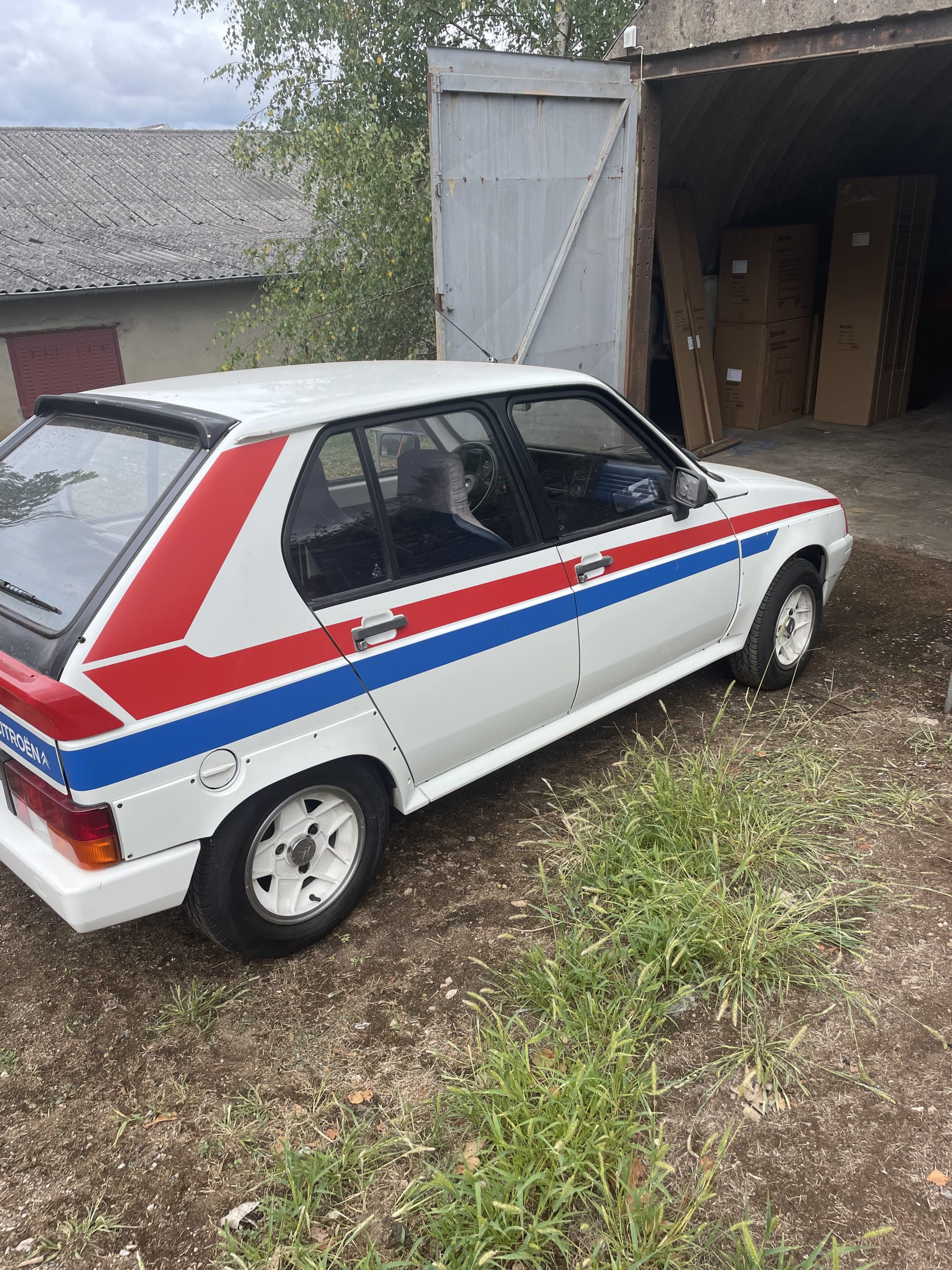
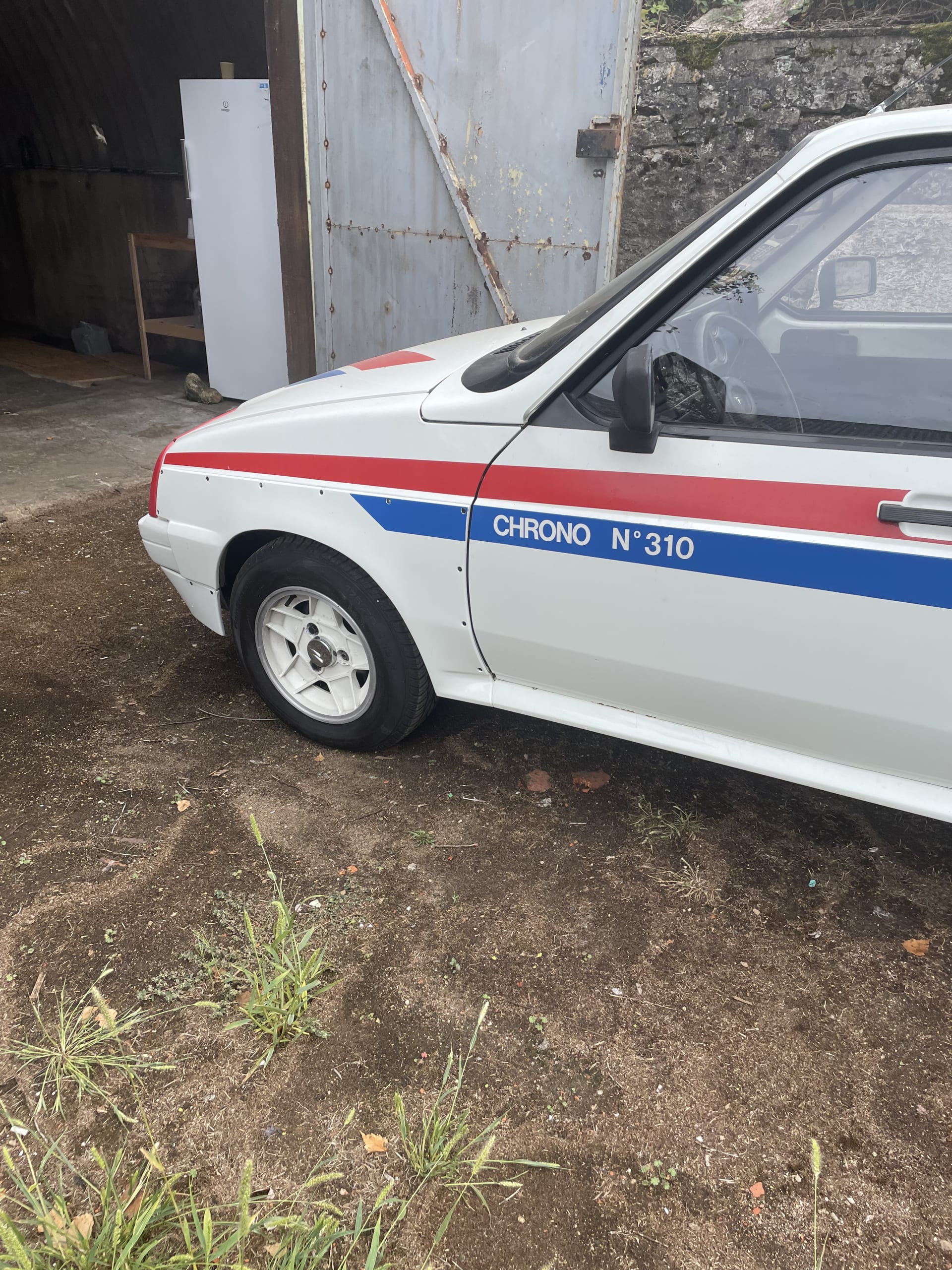
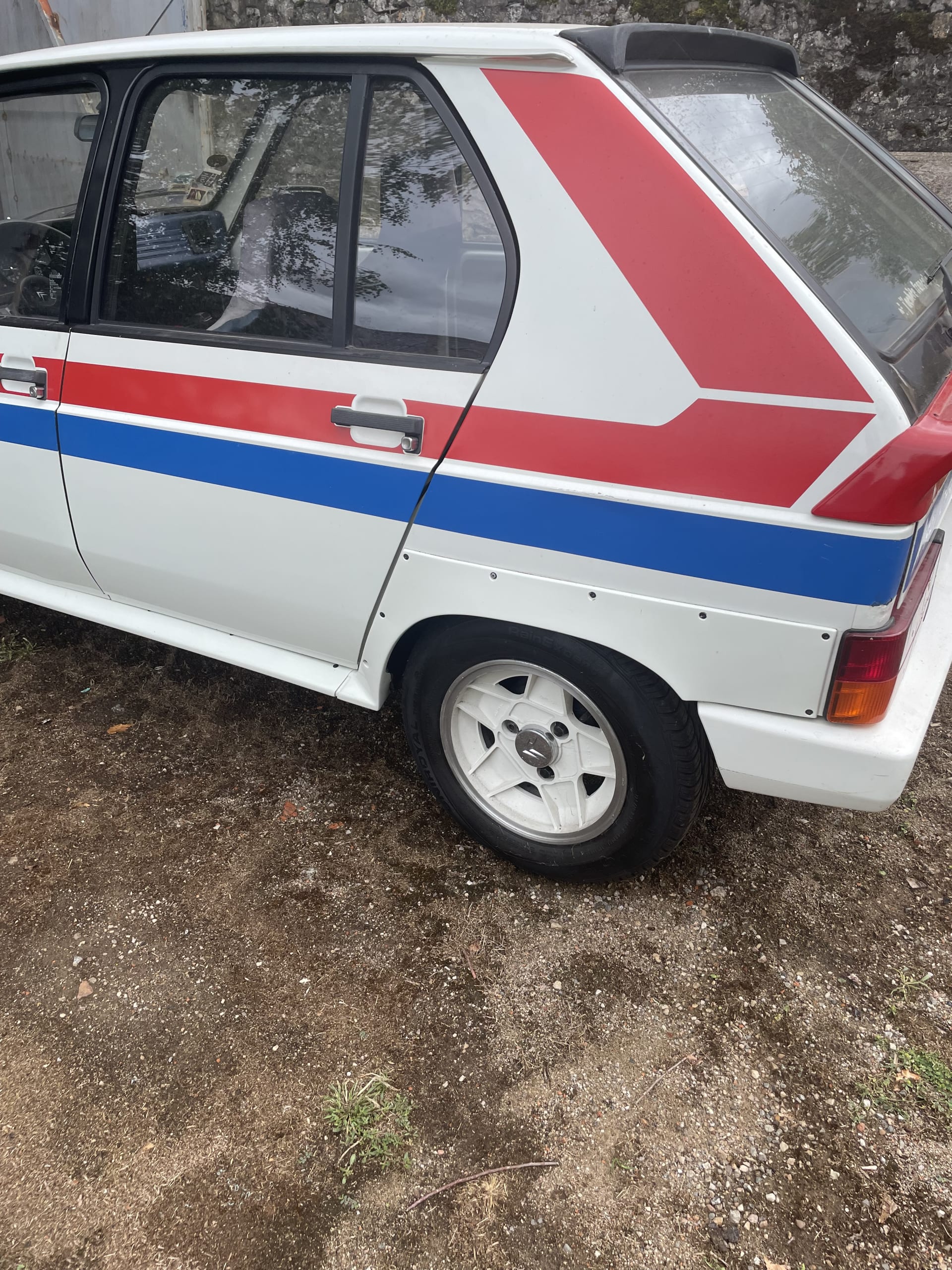
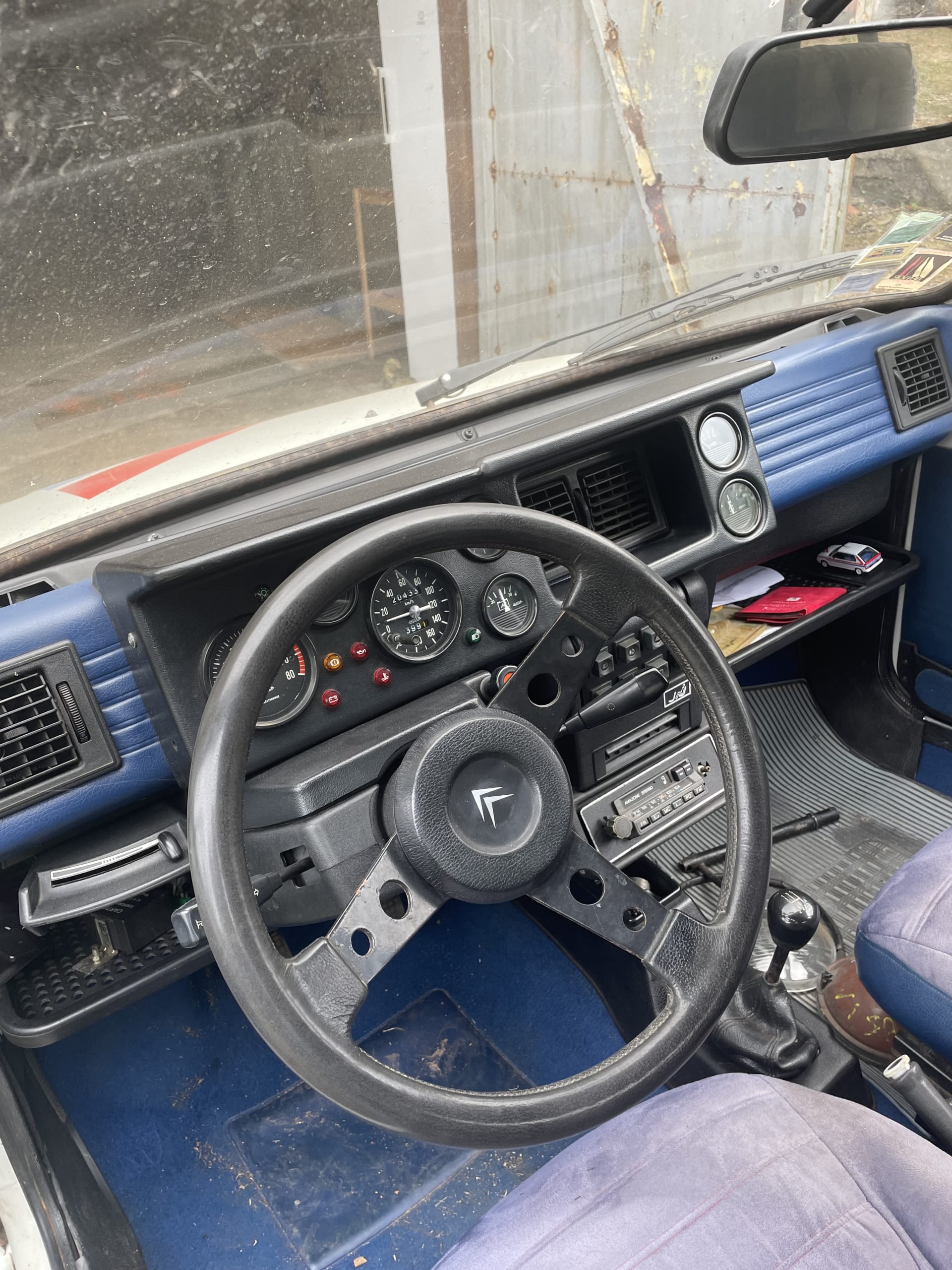
Among contemporary Citroëns, the CX and GS have their fans and are becoming increasingly sought after. The large sedans from the 1990s and 2000s, the XM and C6, are beginning to attract the interest of collectors, as are certain sporty models such as the Visa Mille Pistes and the BX 4TC. Now over 30 years old, the Xantia Activa, with its active anti-roll system, is increasingly in demand.
As the world's most collected brand, Citroën has built its legacy around four iconic models: the Traction, launched in 1934; the 2CV, introduced in 1948; the DS from 1955; and the SM, produced from 1970 to 1975.
Acquired by Michelin in 1934, Citroën came under Peugeot’s control in 1974 and became part of the PSA Group. Today, the brand is part of the Stellantis Group, formed in 2021 through the merger of PSA and Fiat Chrysler Automobiles.
During a trip to Poland, André Citroën discovered the herringbone gear mechanism and purchased the license to incorporate it into his factory. He chose this symbol as the logo for his brand when he began manufacturing automobiles.
After acquiring the Mors automobile manufacturer, André Citroën founded his own brand in 1919 and led it until 1934.
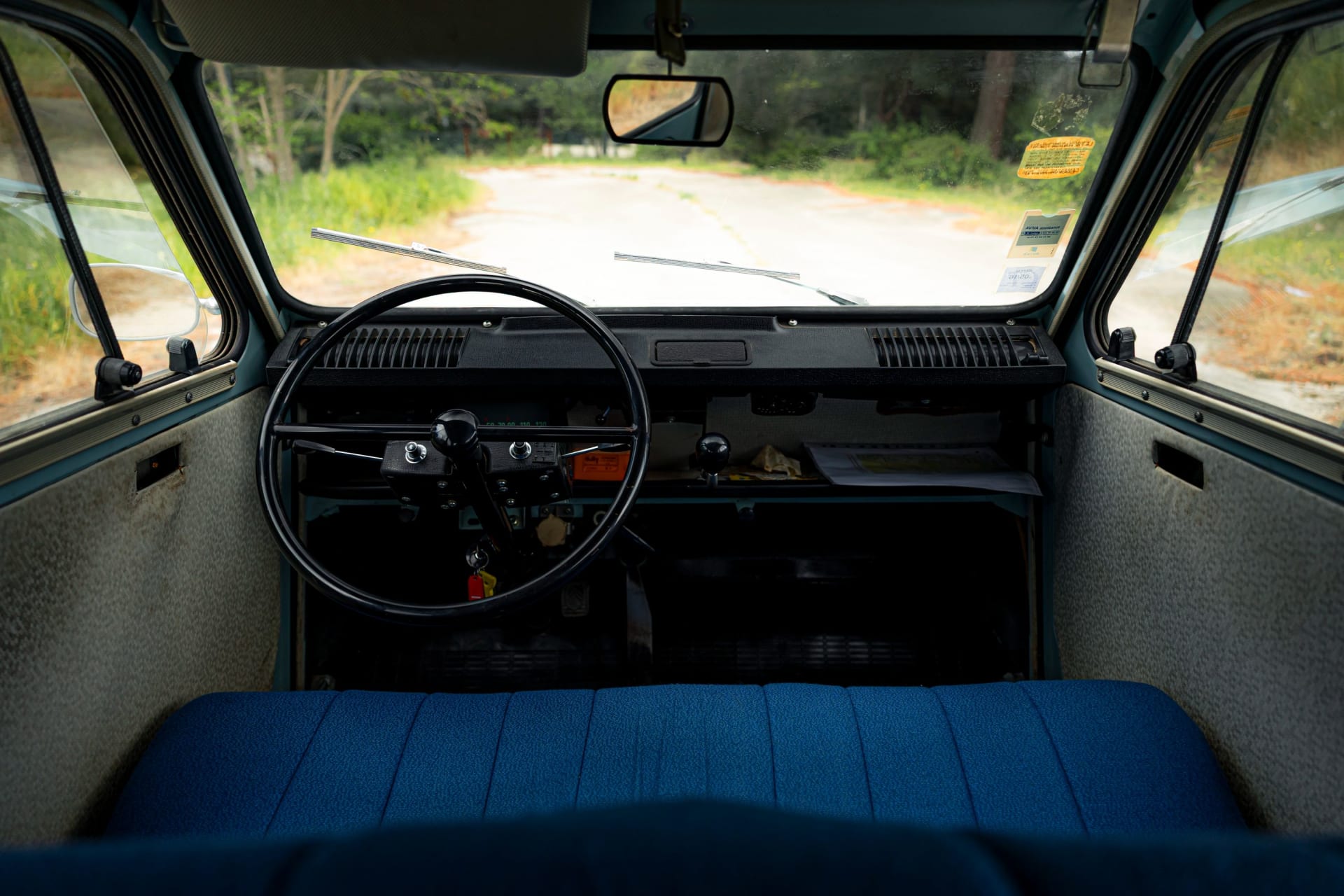
Since classic Citroëns vary greatly from one another, each model requires its own specific checks. For example, a 2CV or an Ami 8 won’t require the same level of attention as an SM, but all must still be carefully inspected before you commit to a purchase.
By following all these precautions, you can protect yourself against potential disappointments that might arise from a hasty purchase decision.
To learn more about the different models and choose the one that best suits your needs, feel free to request a custom search.