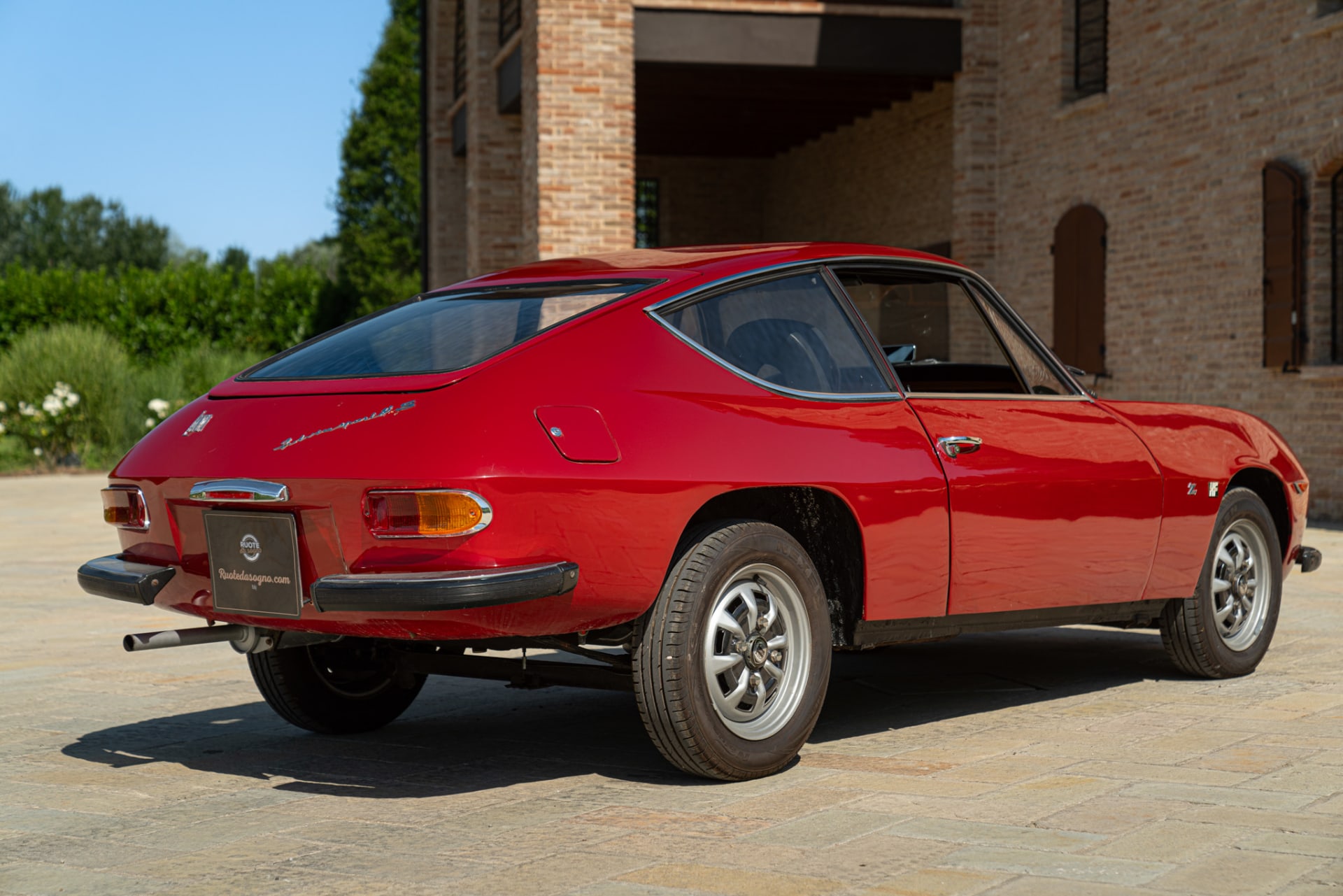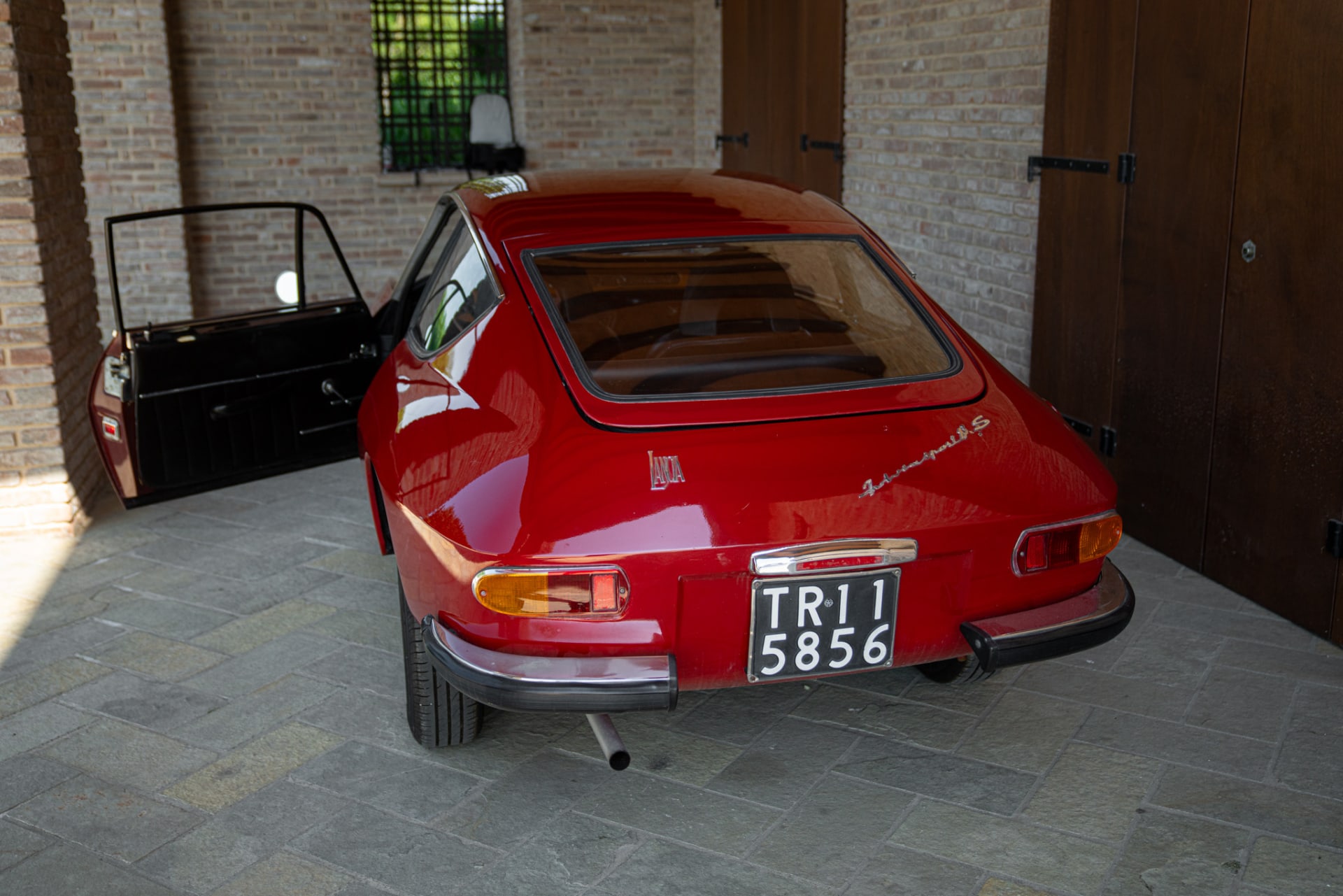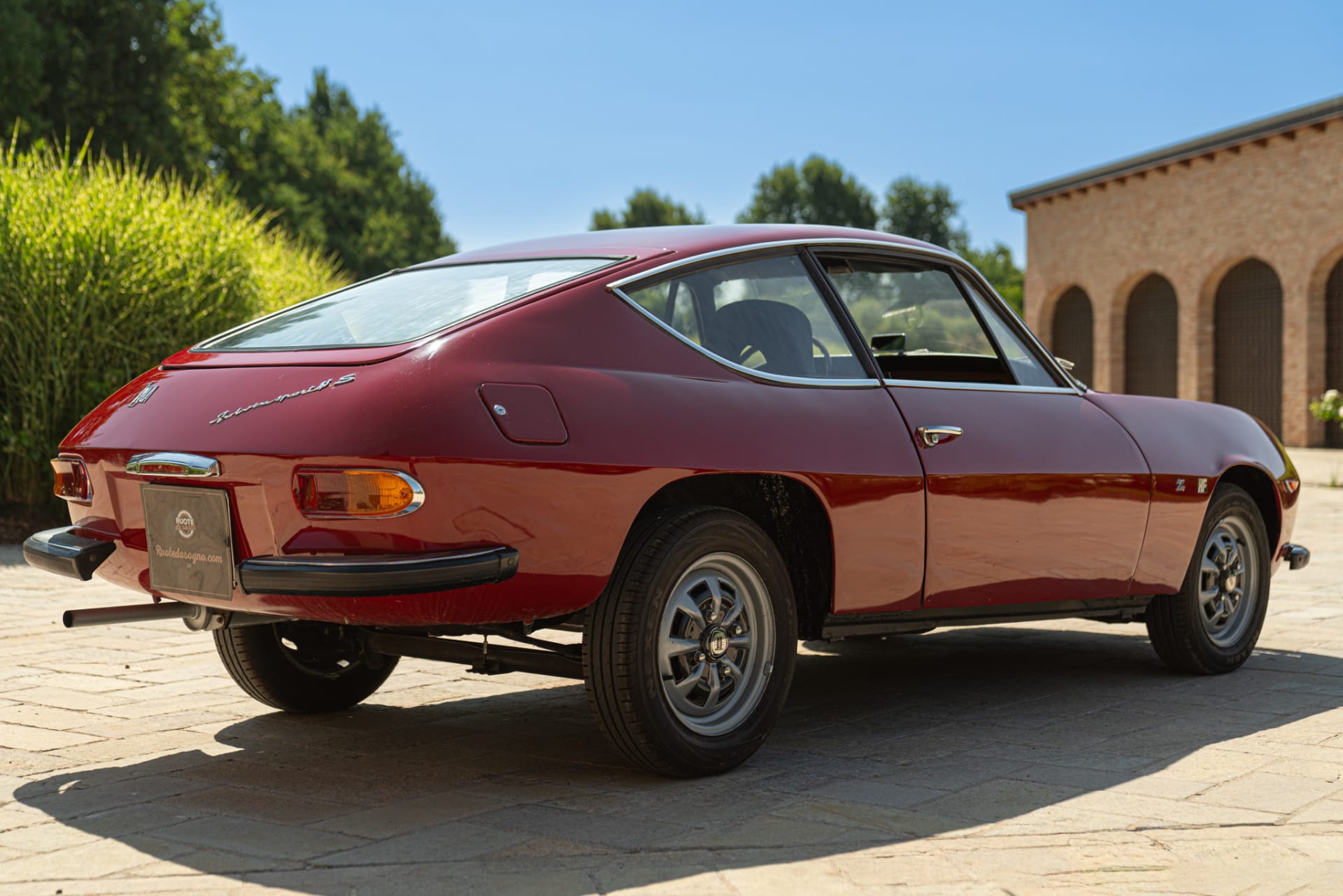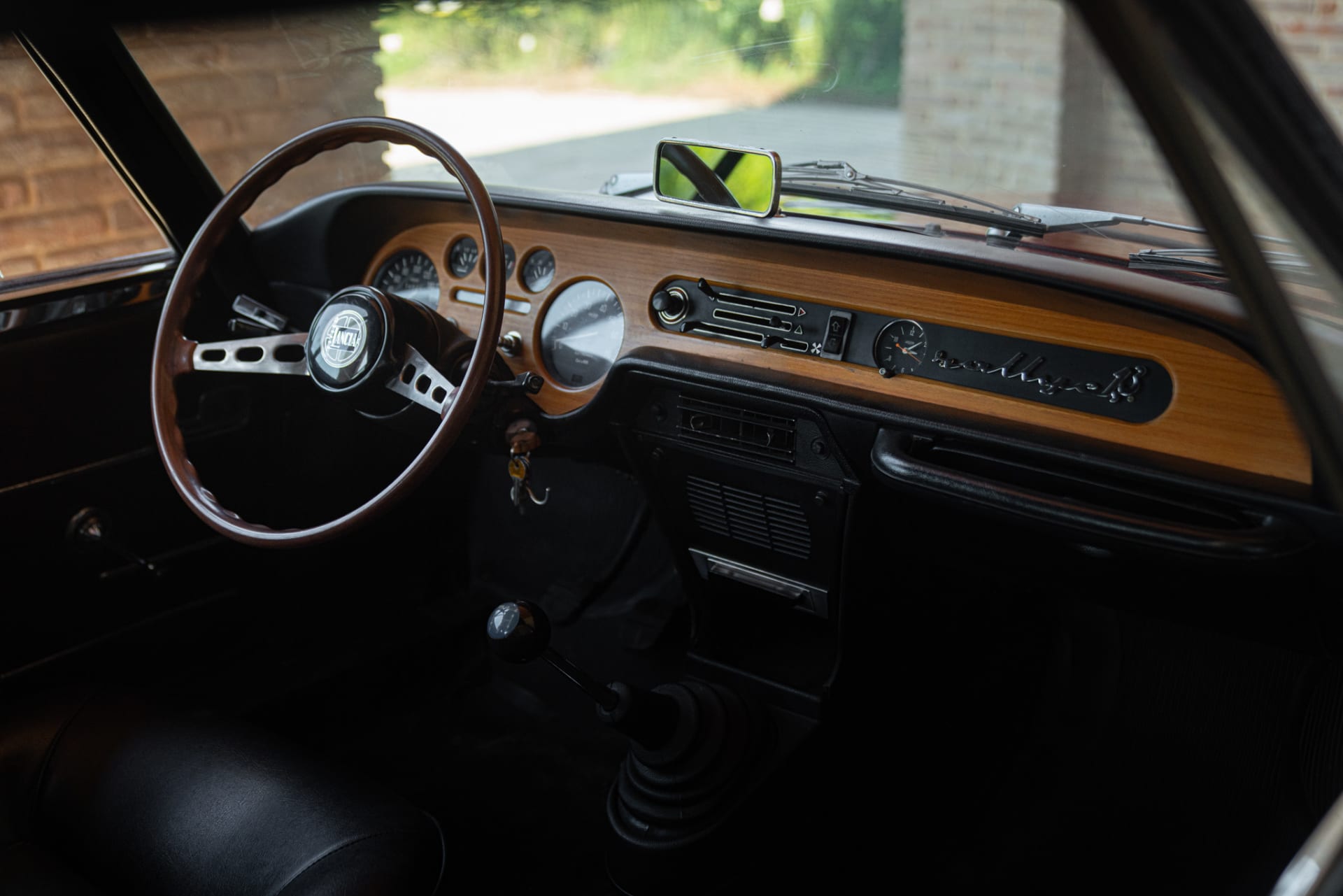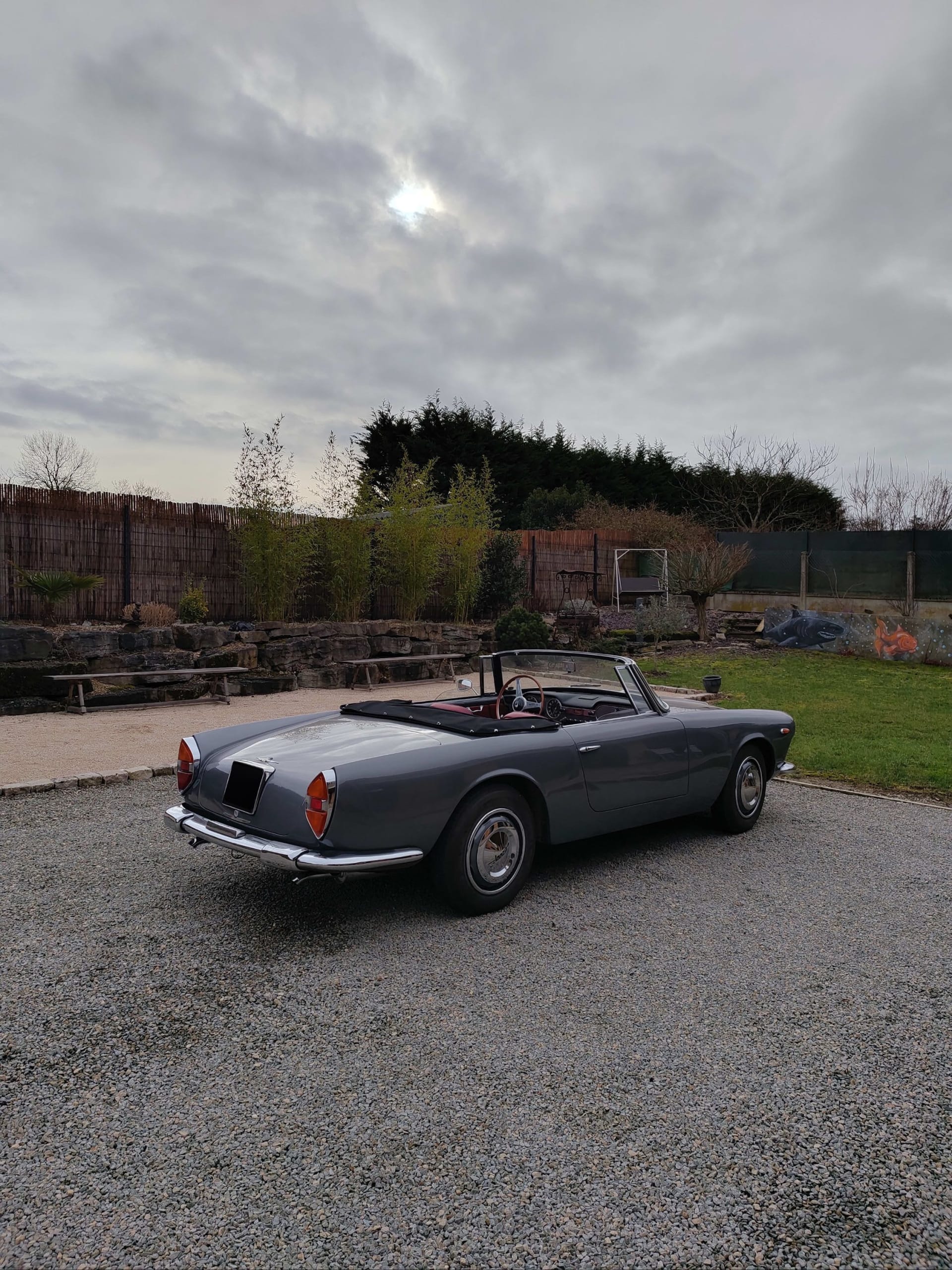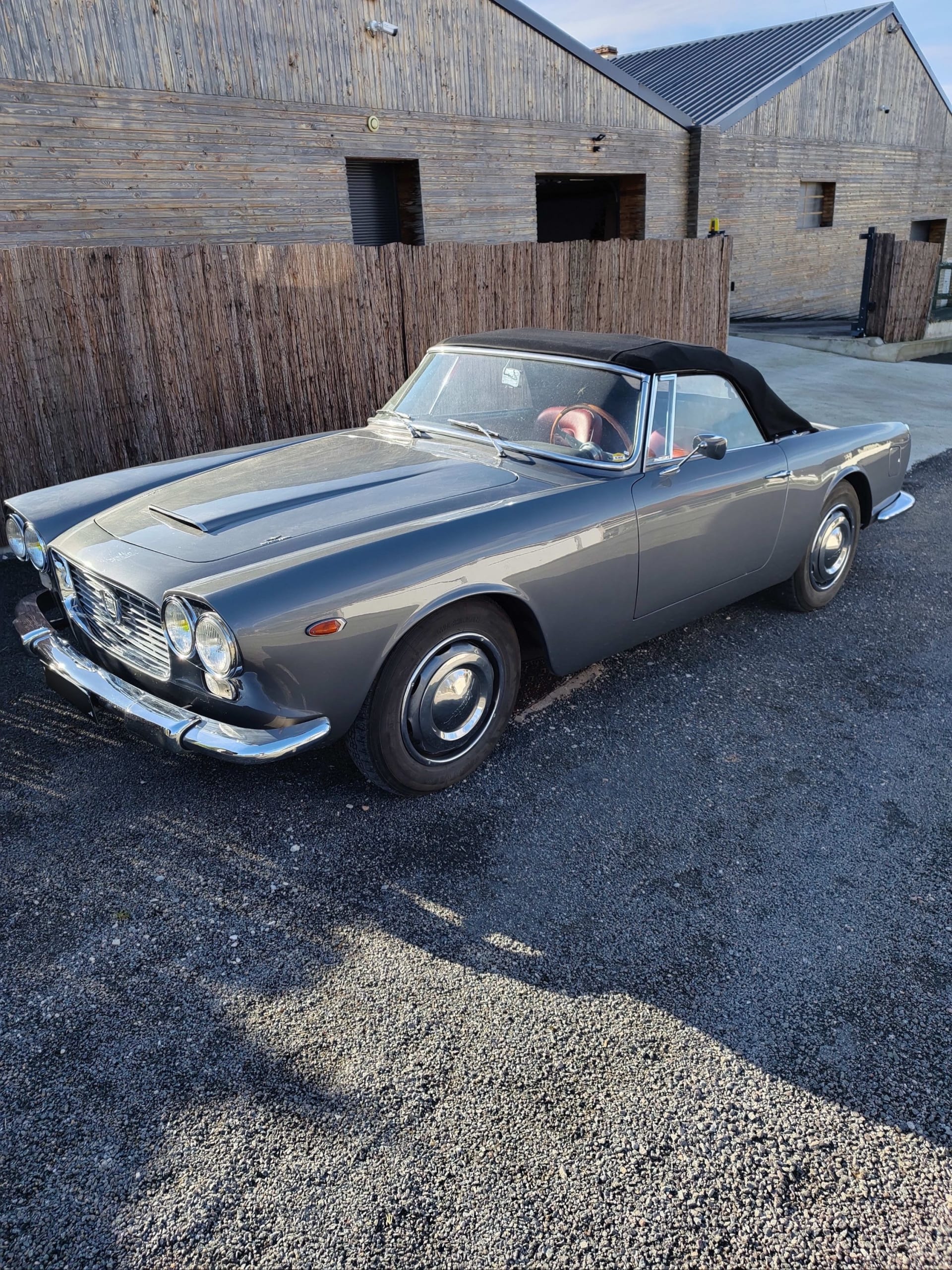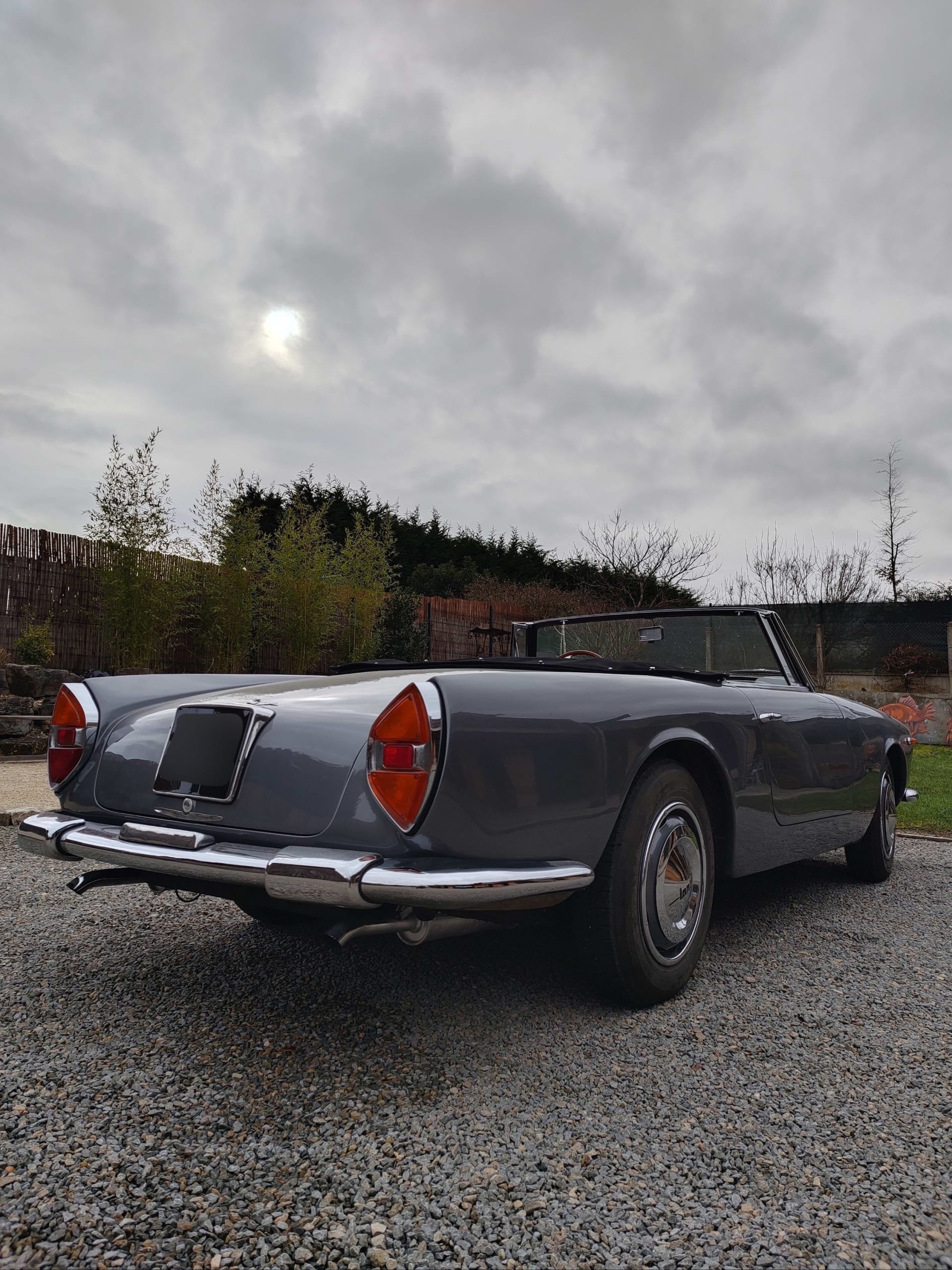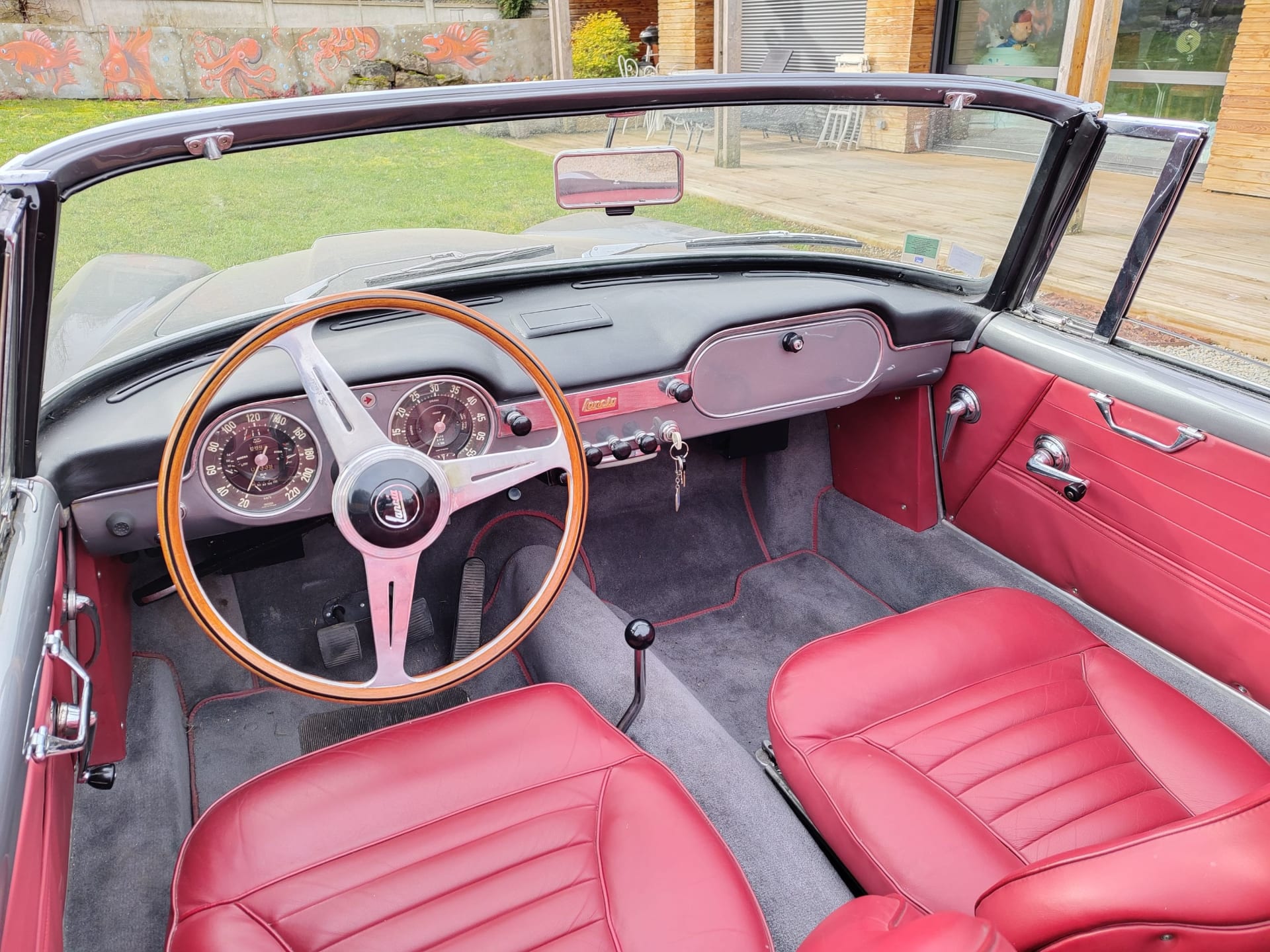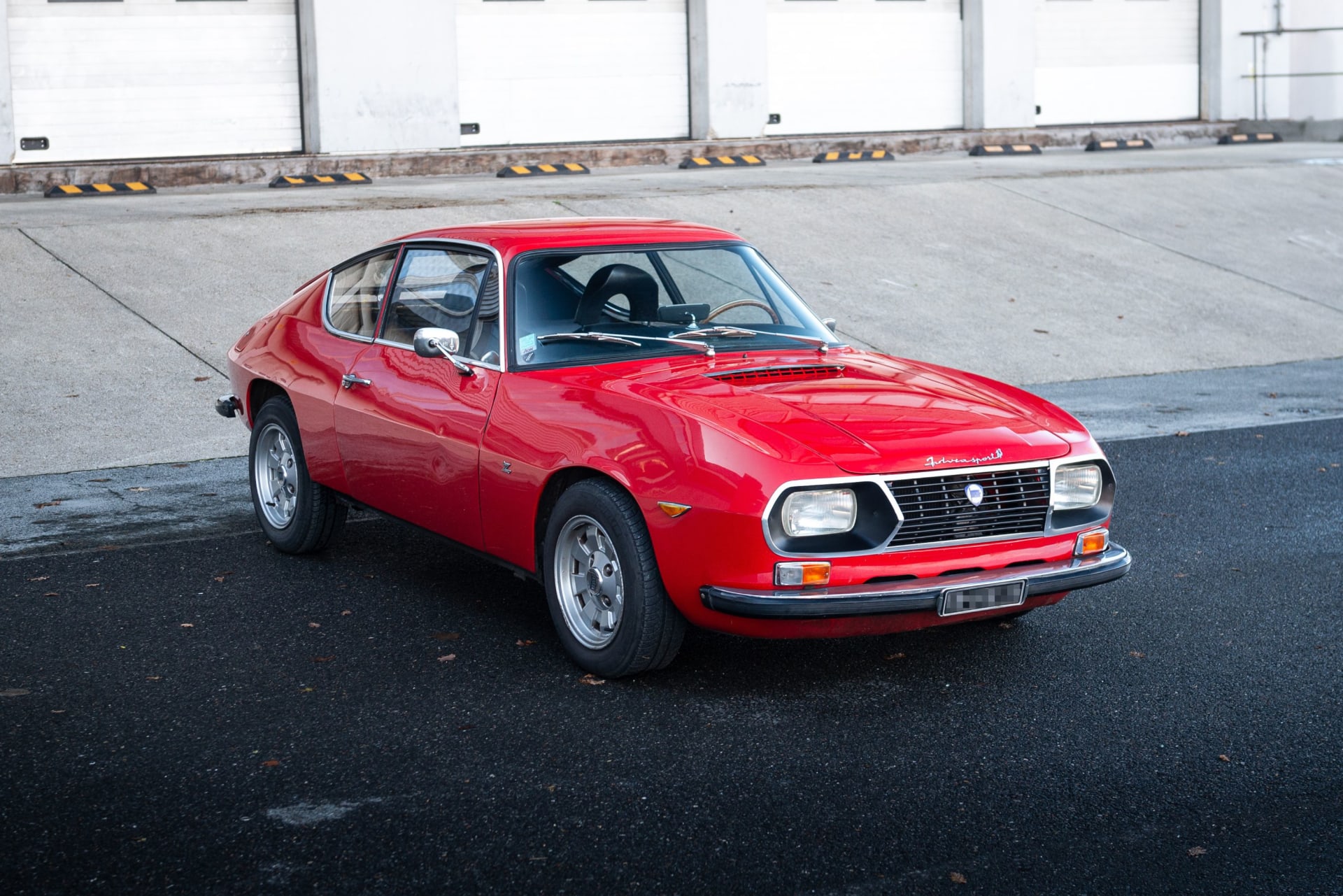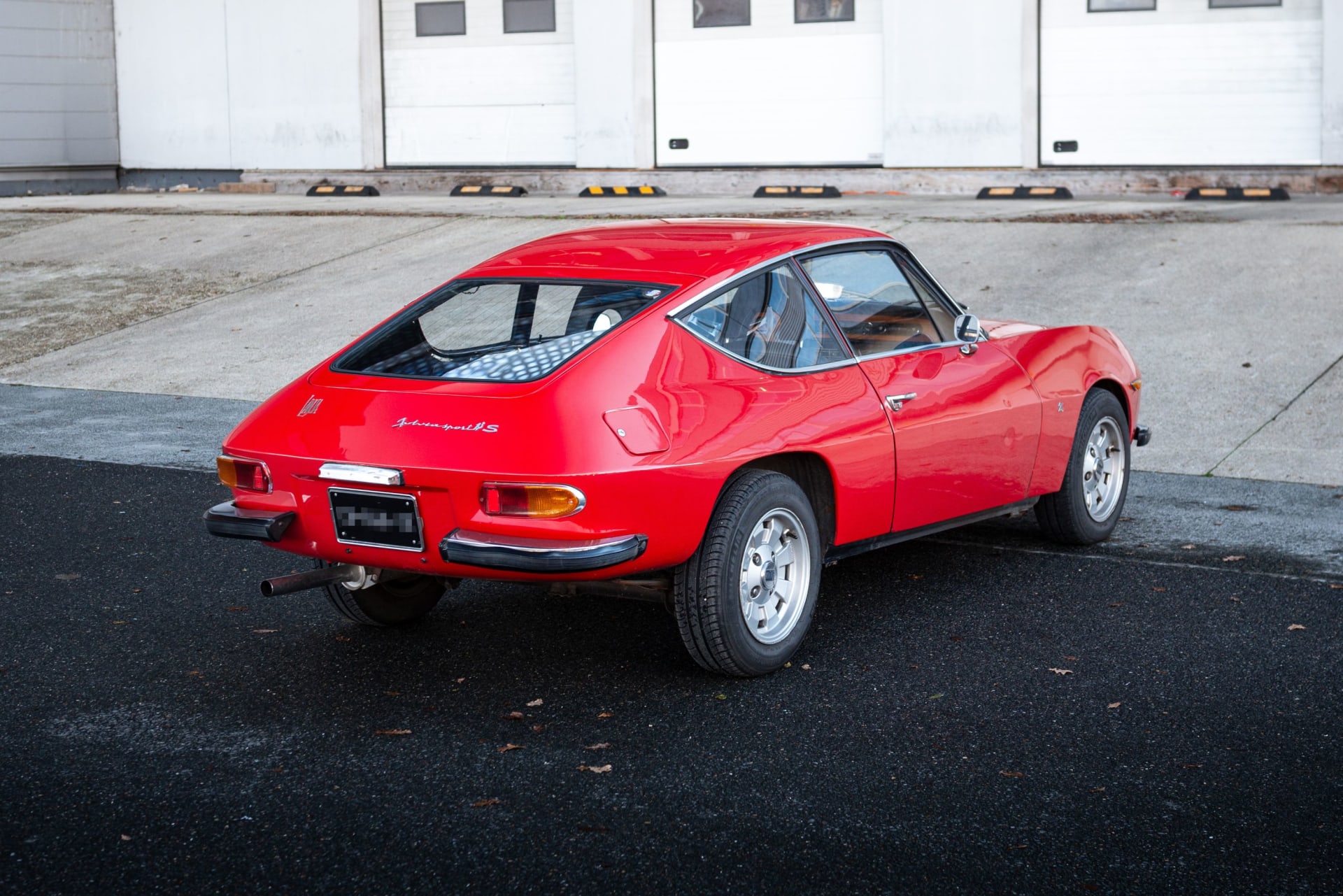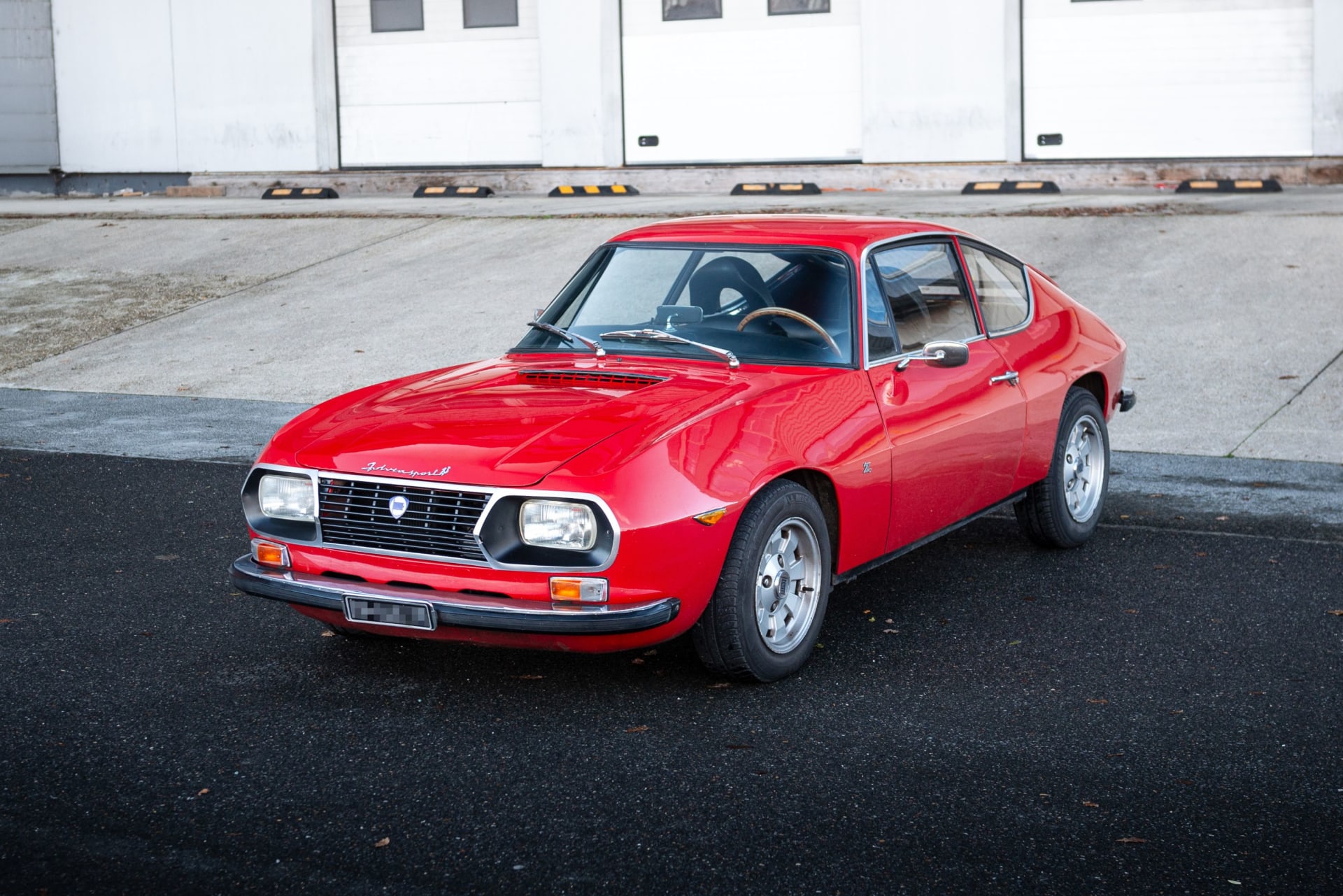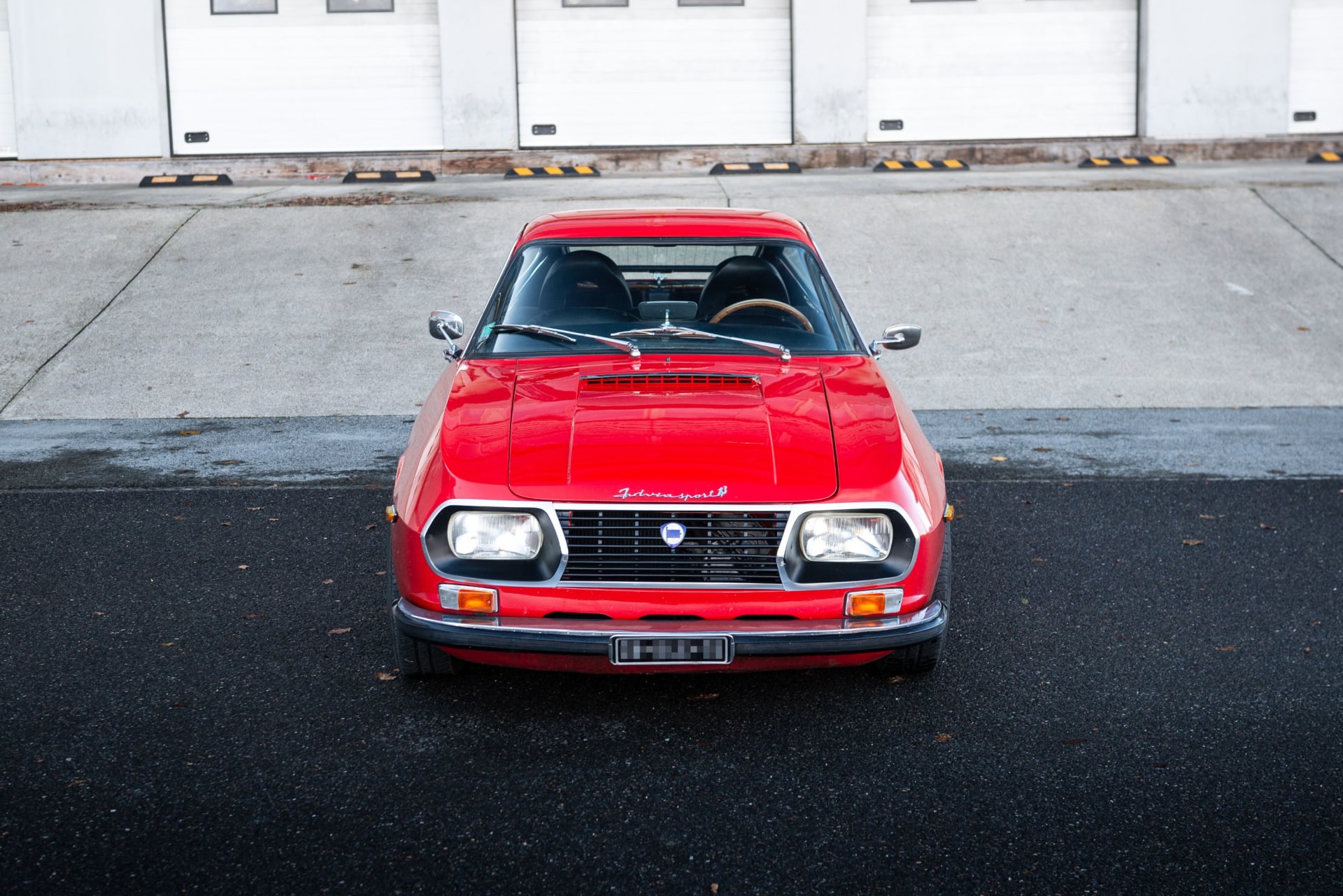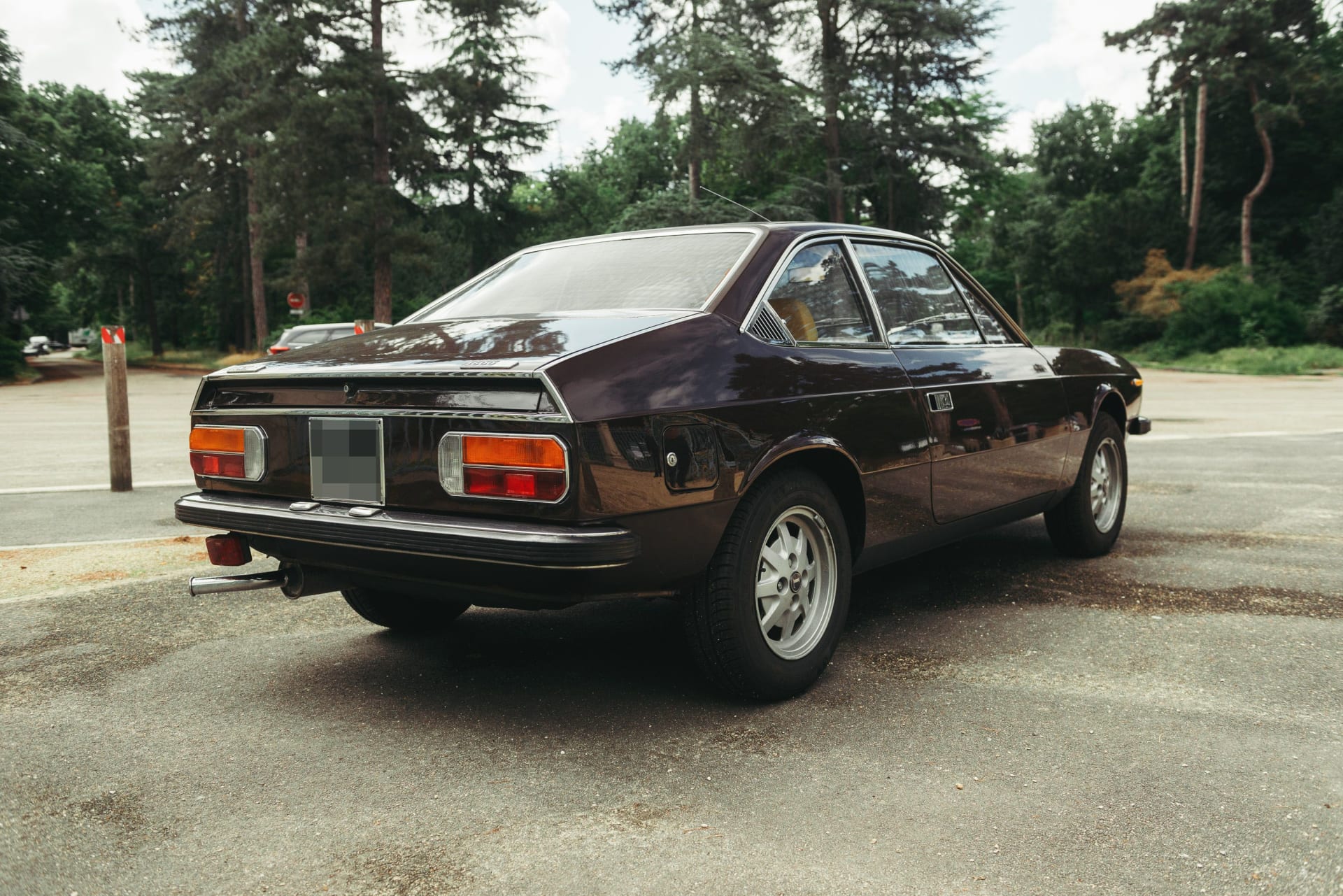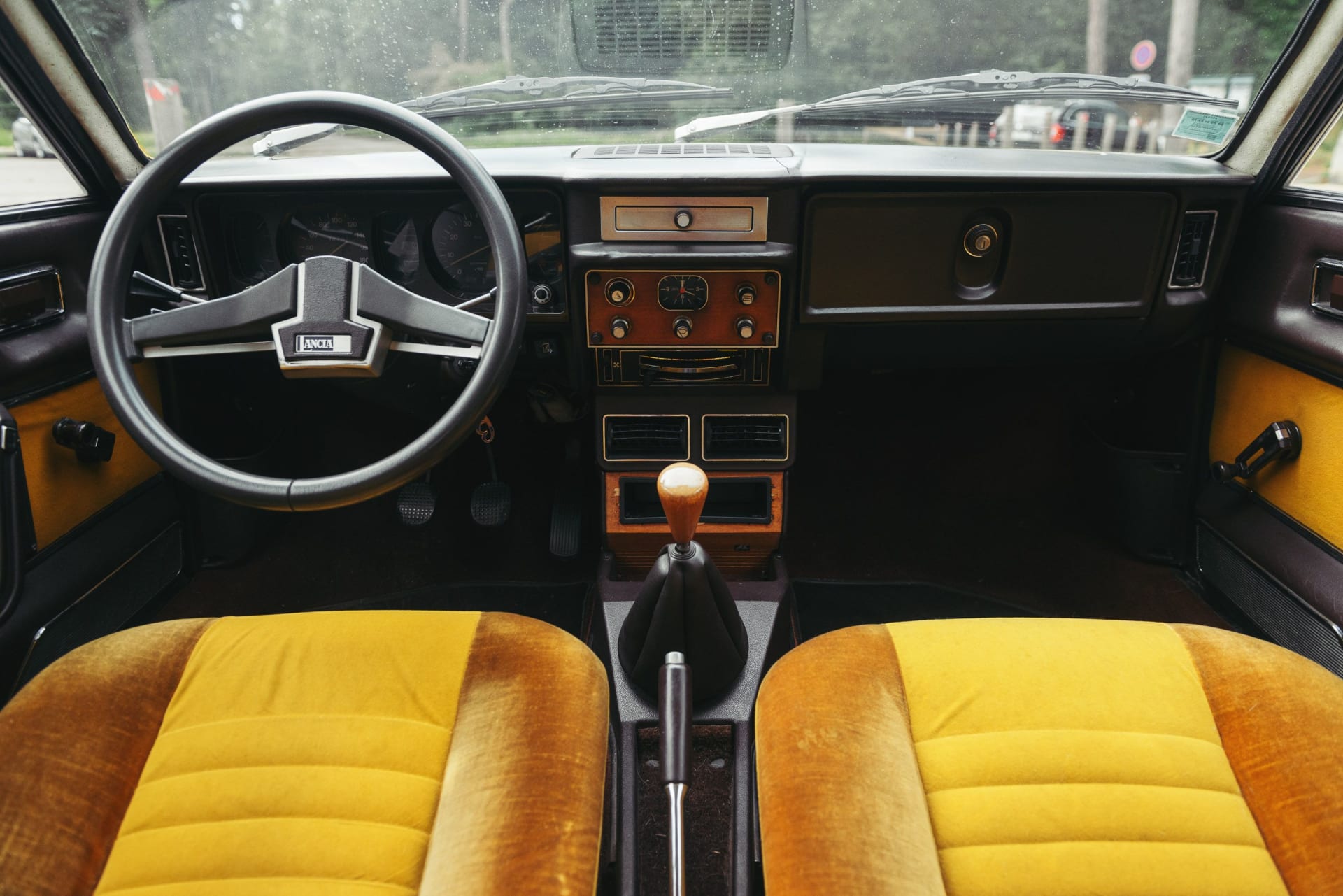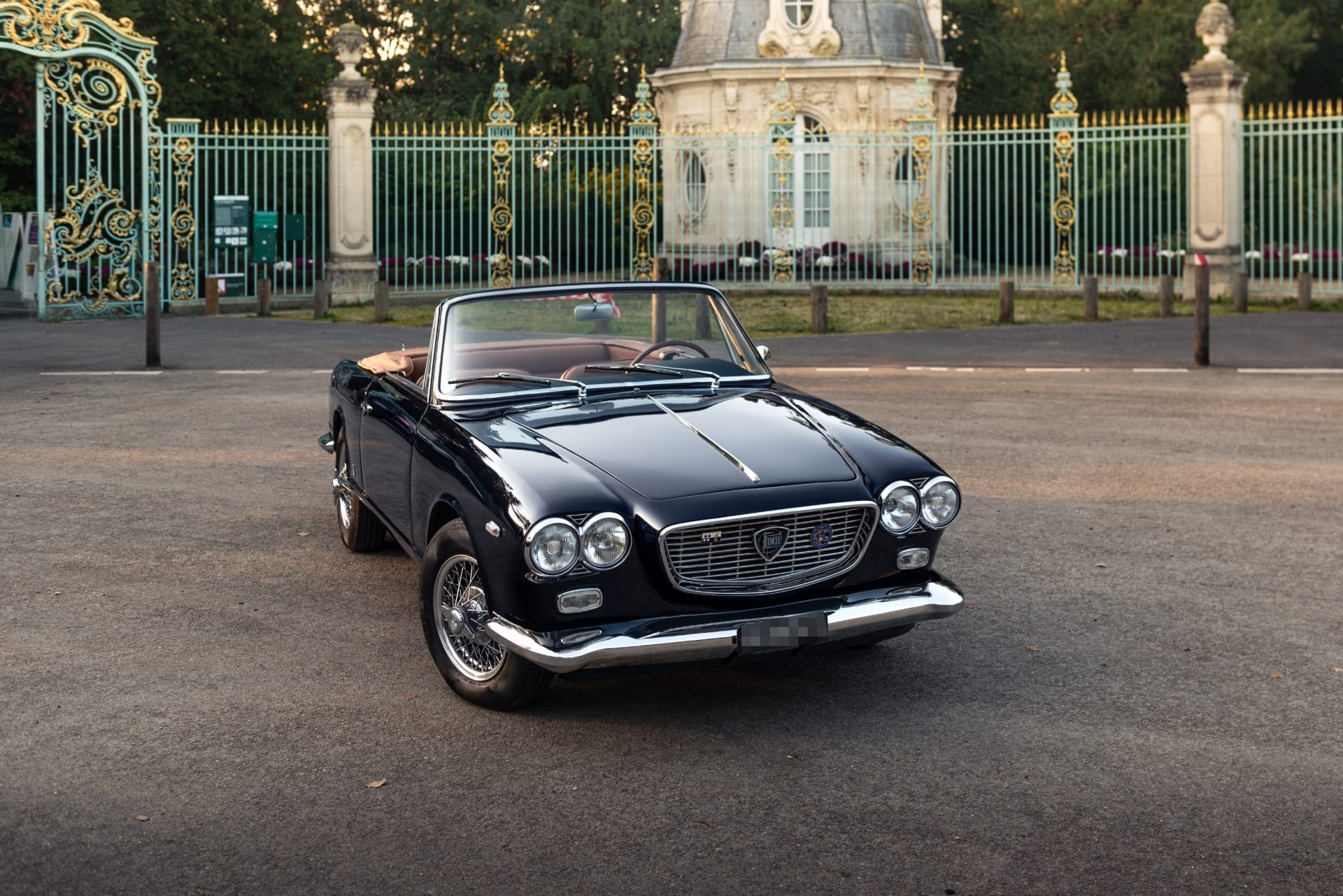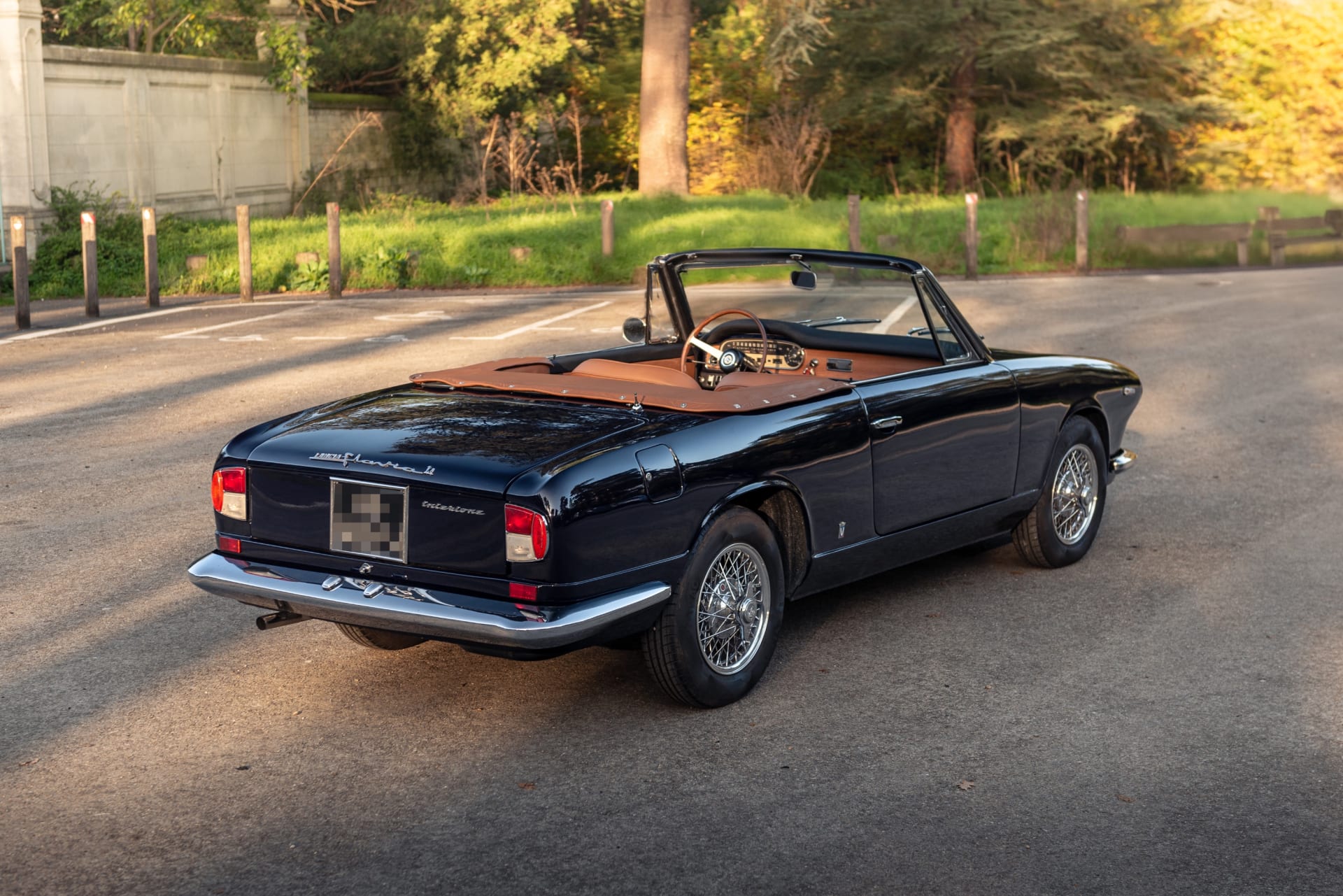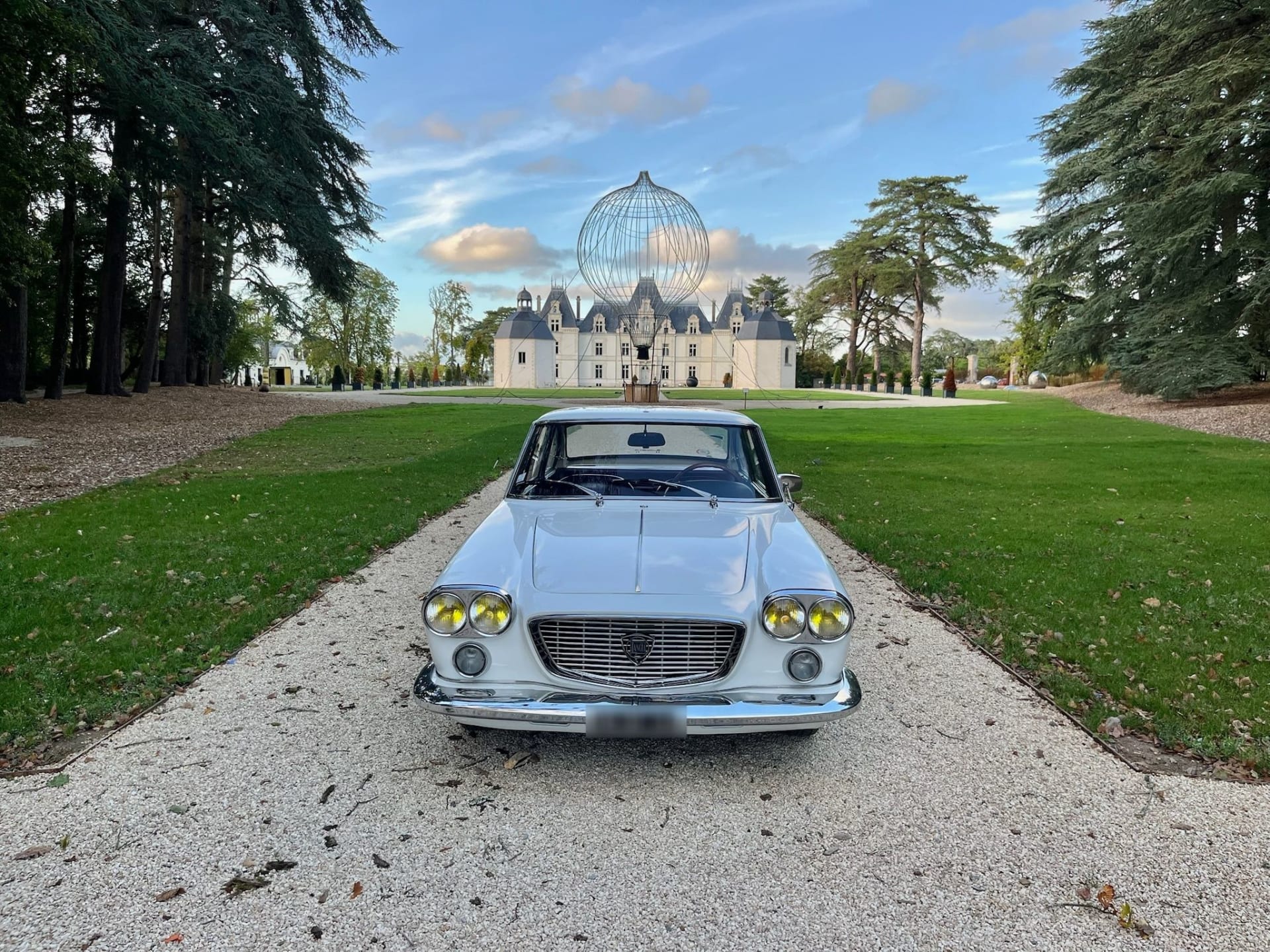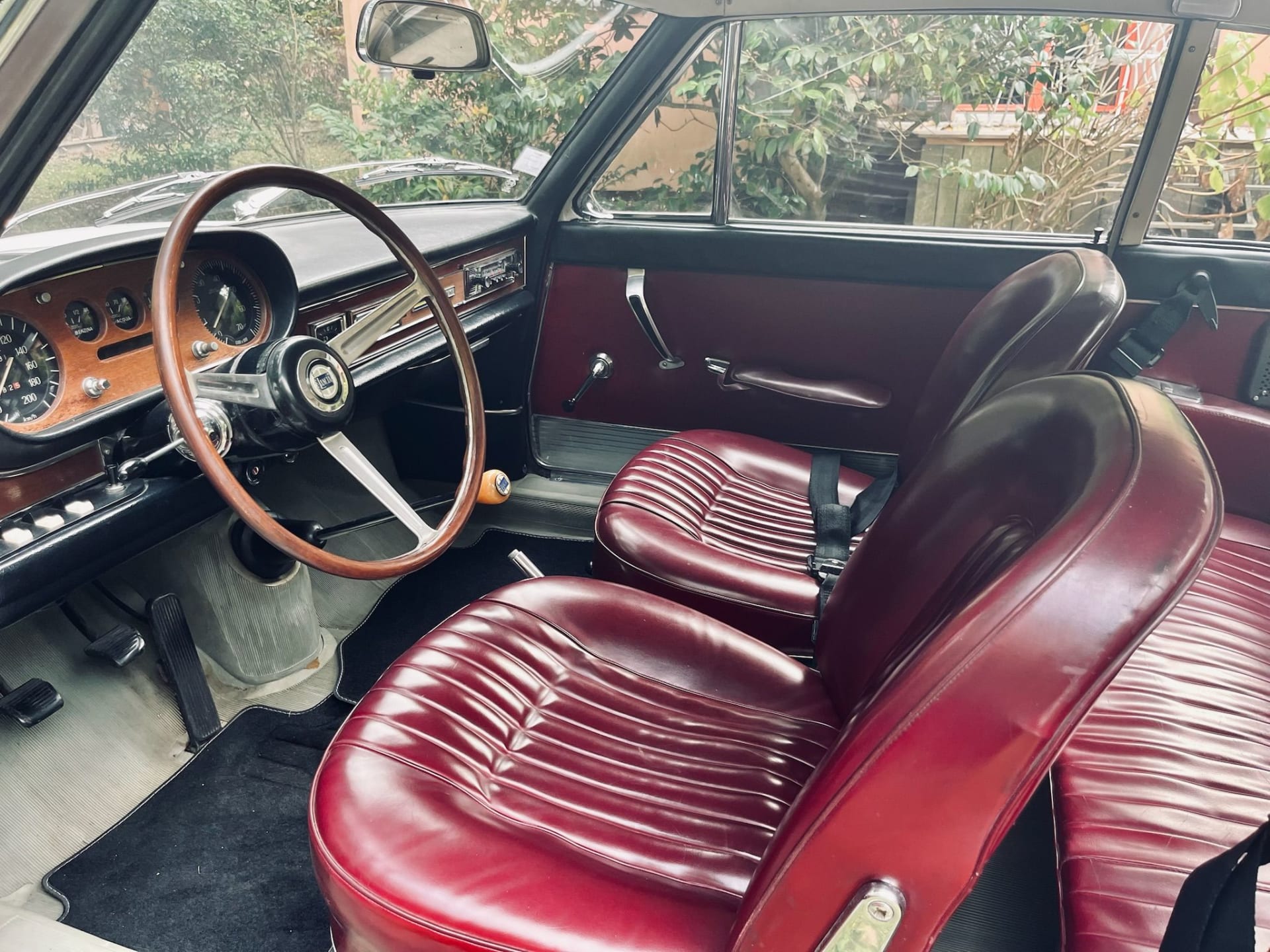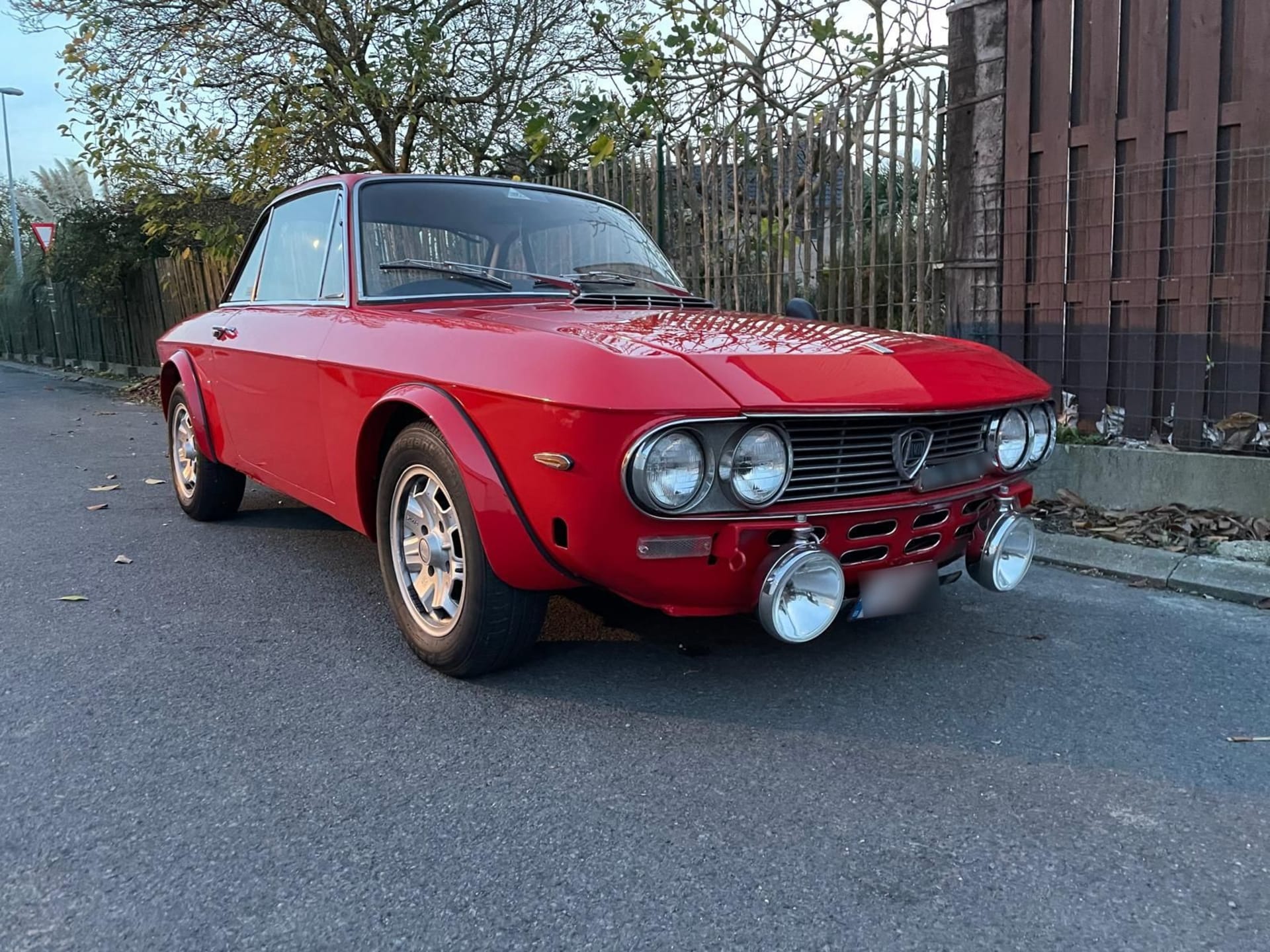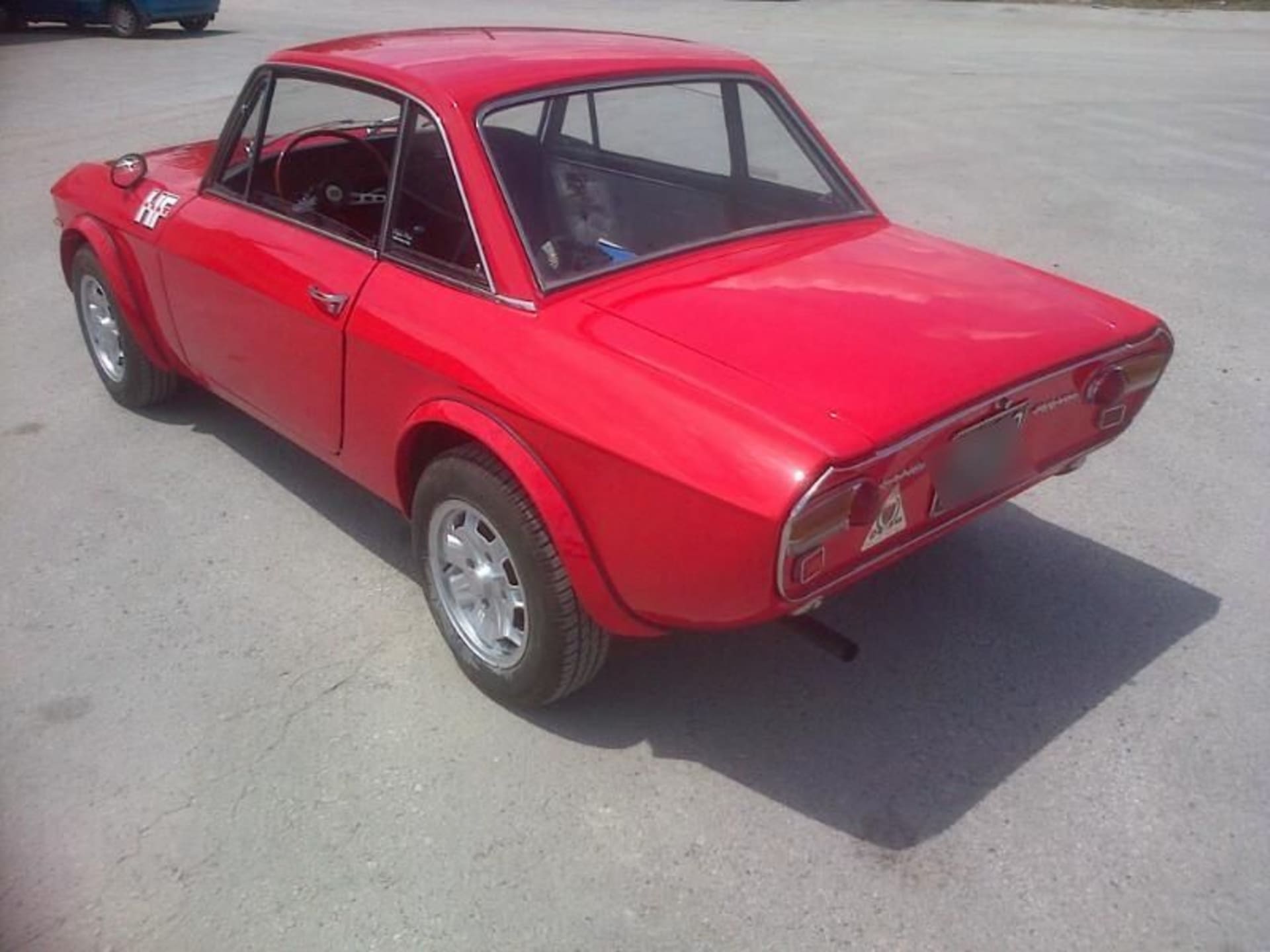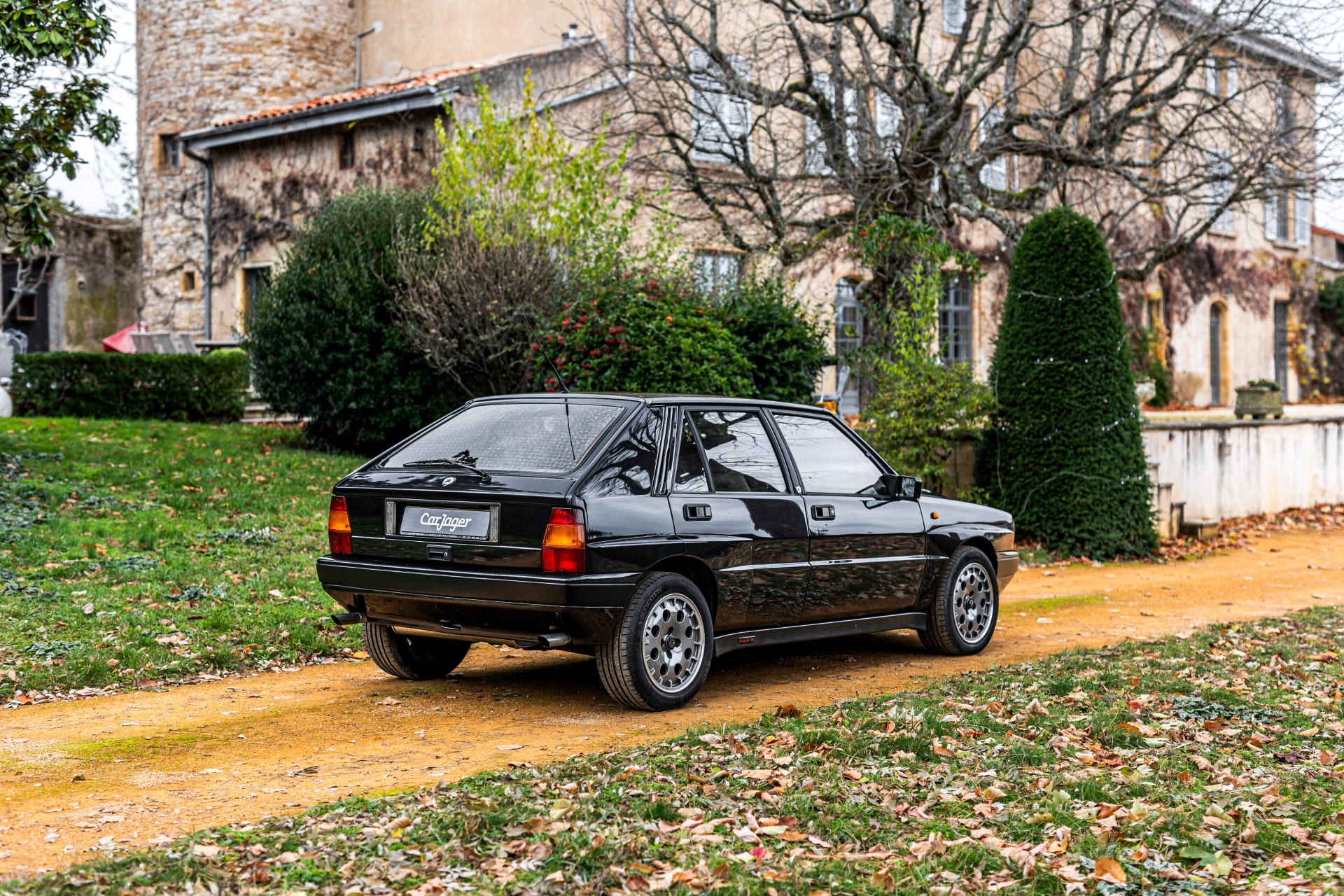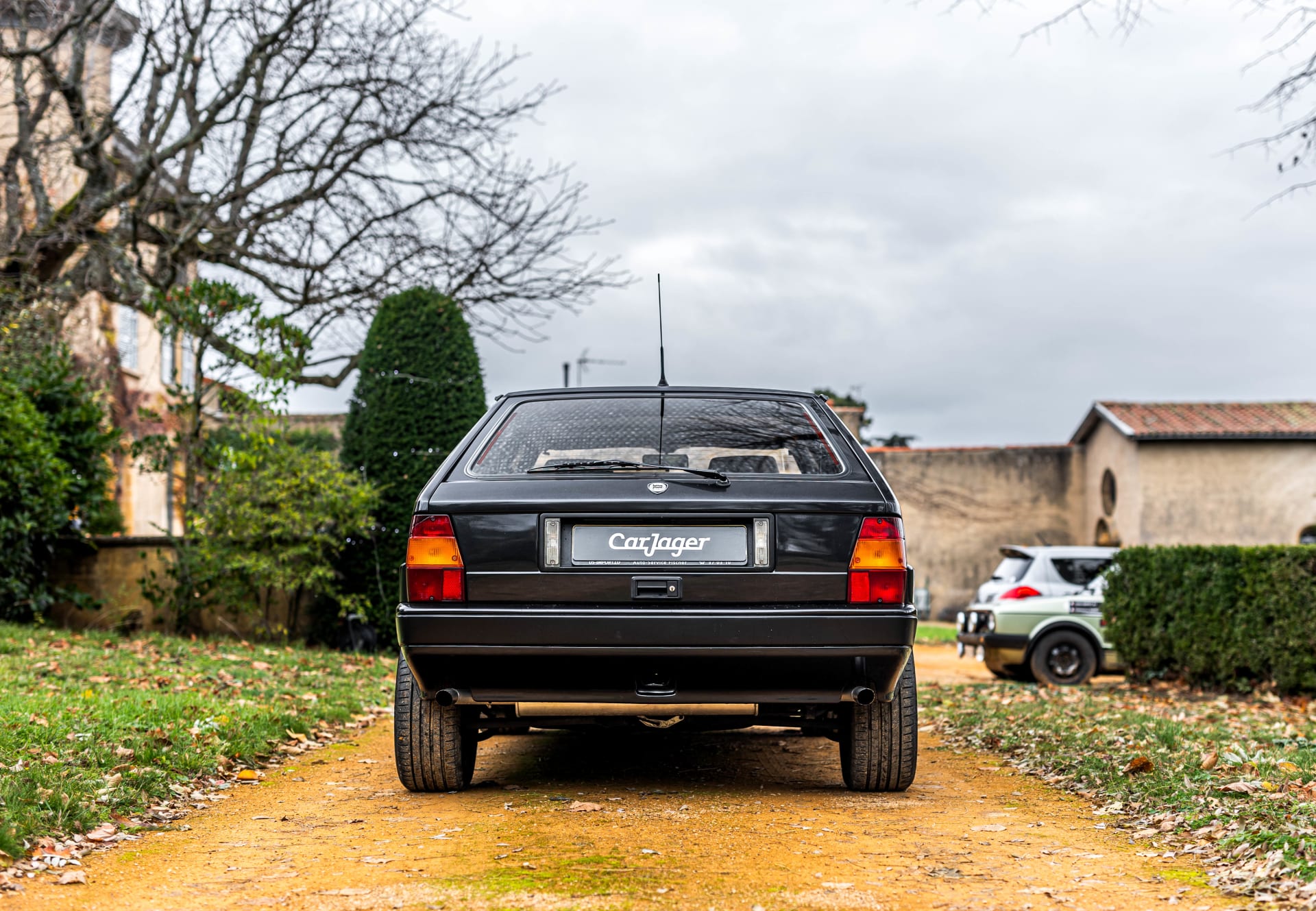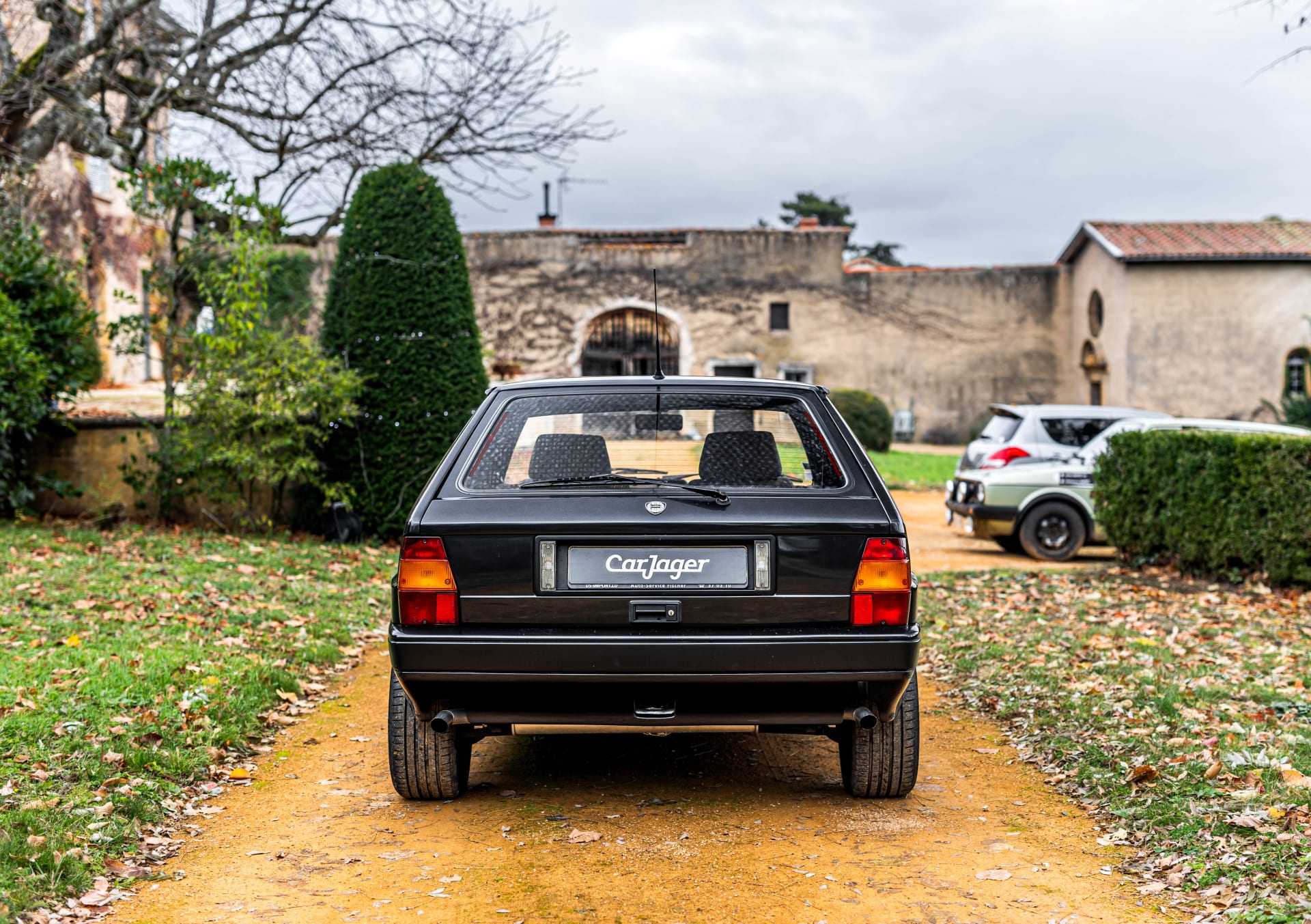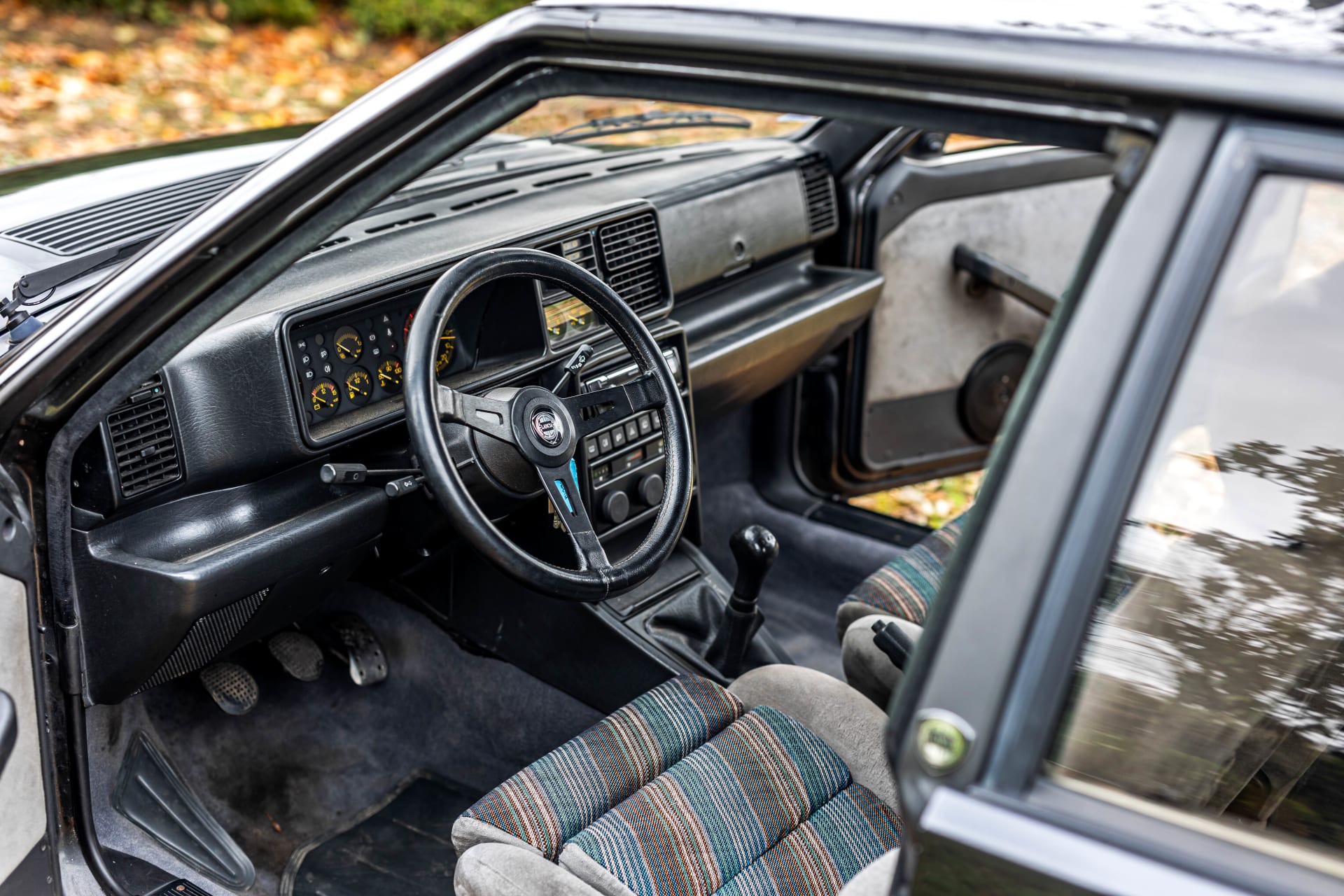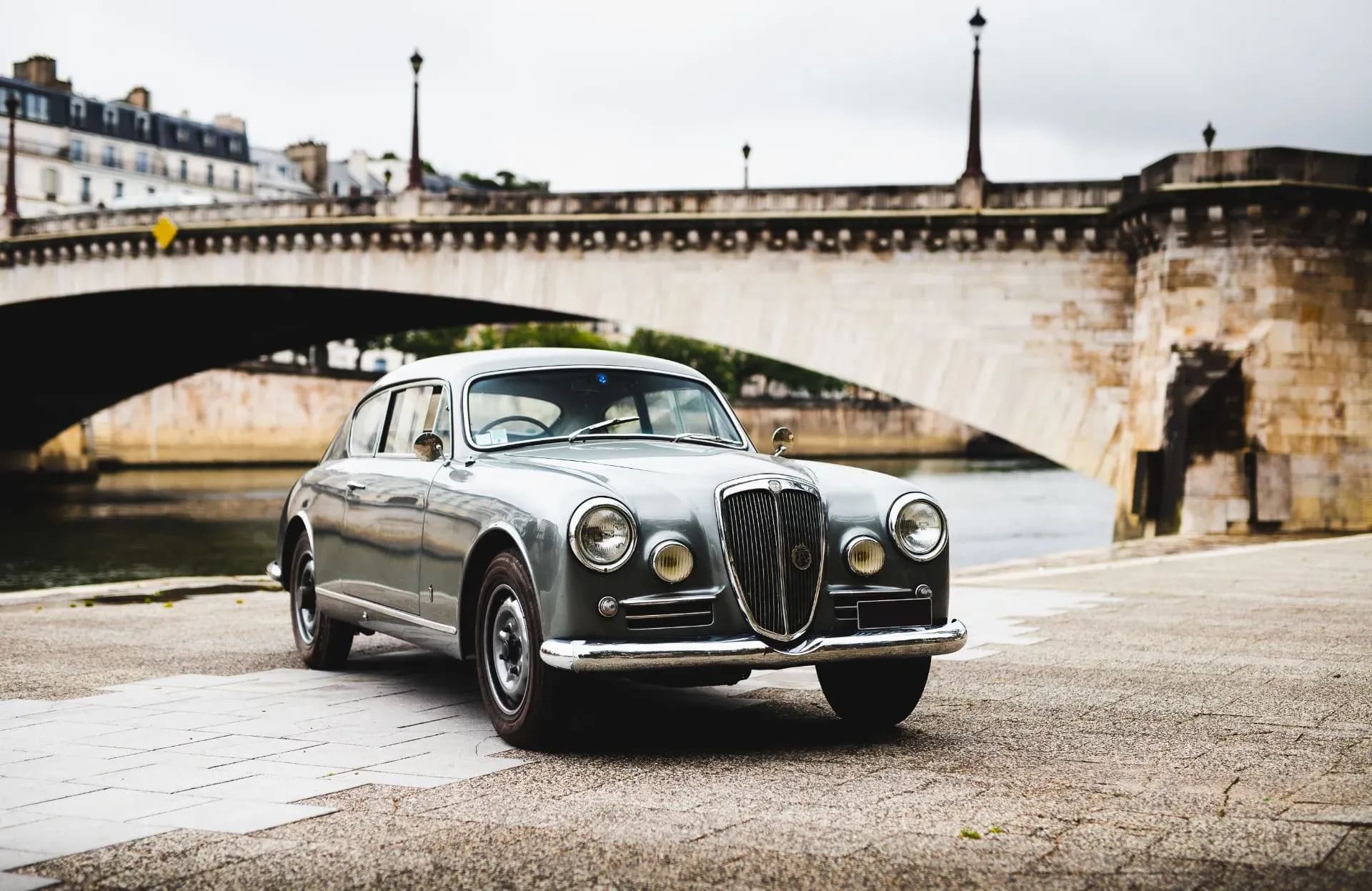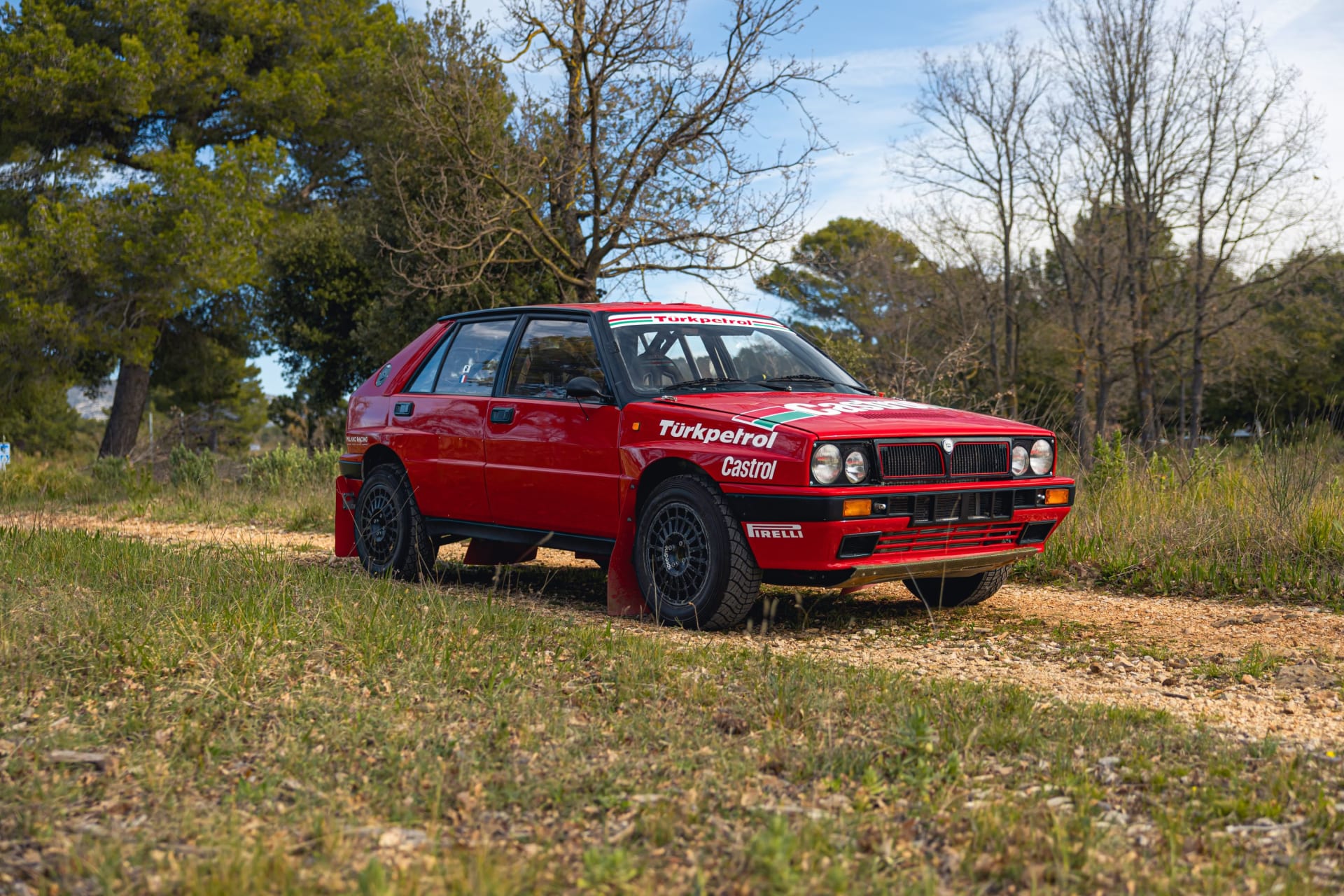
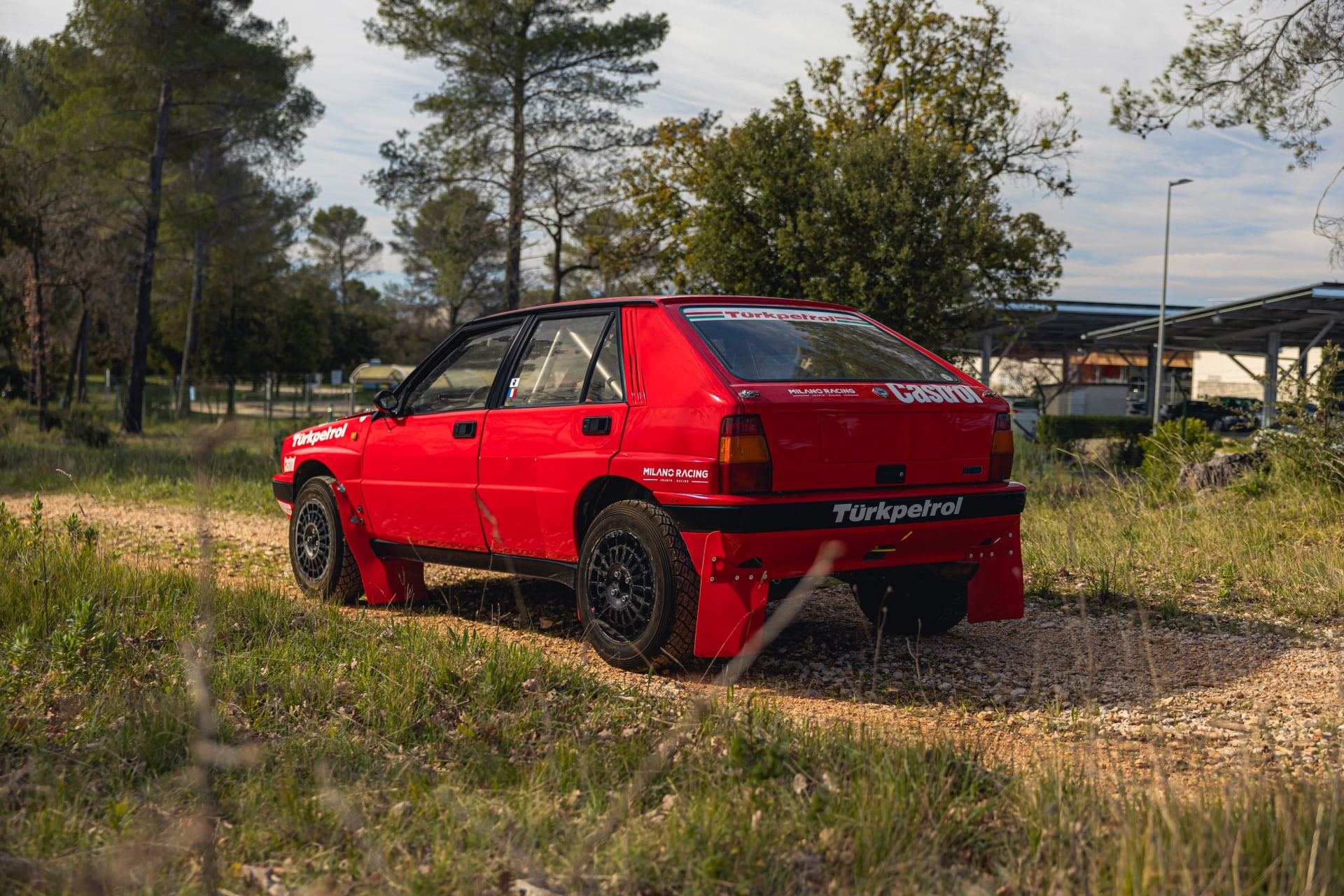
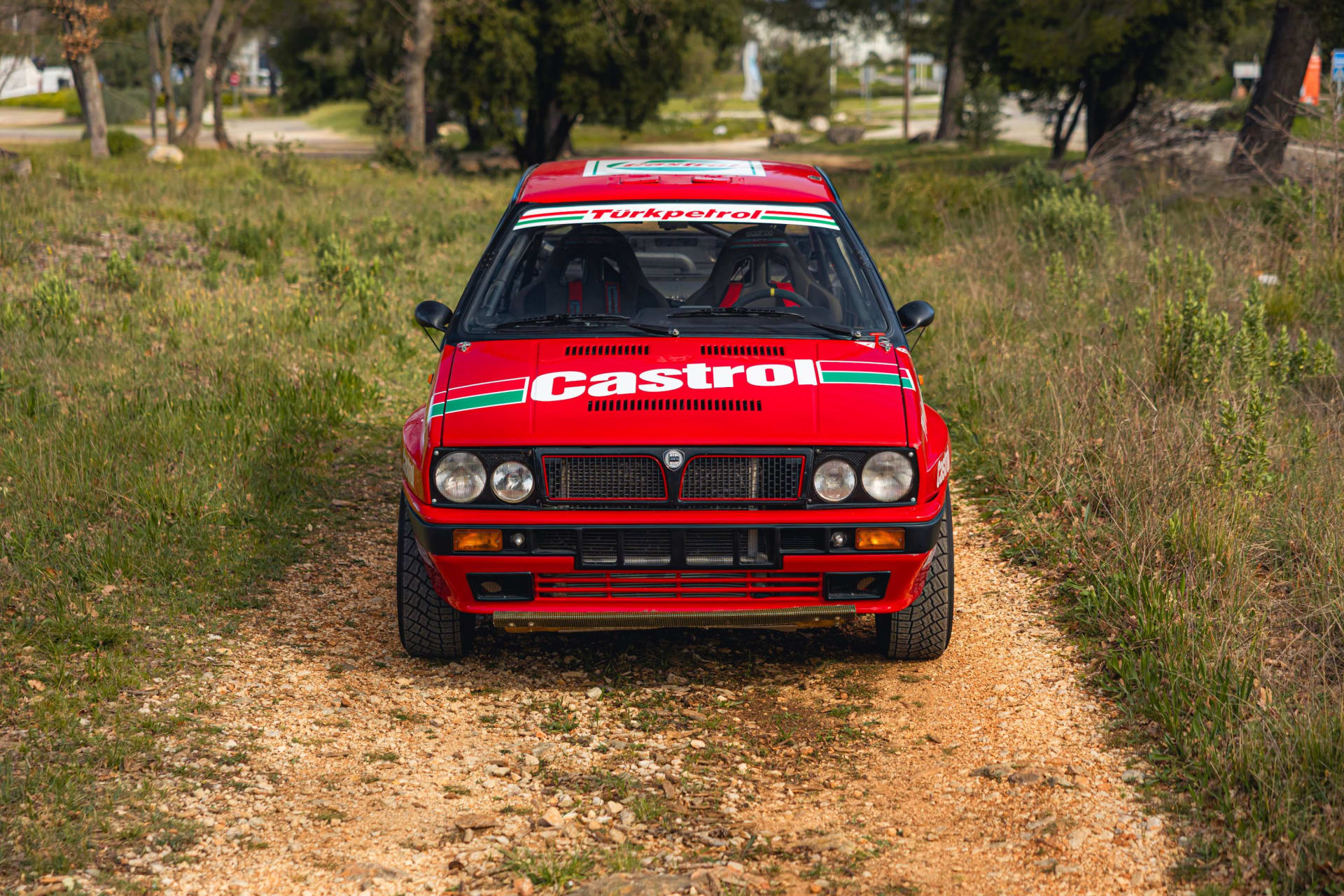
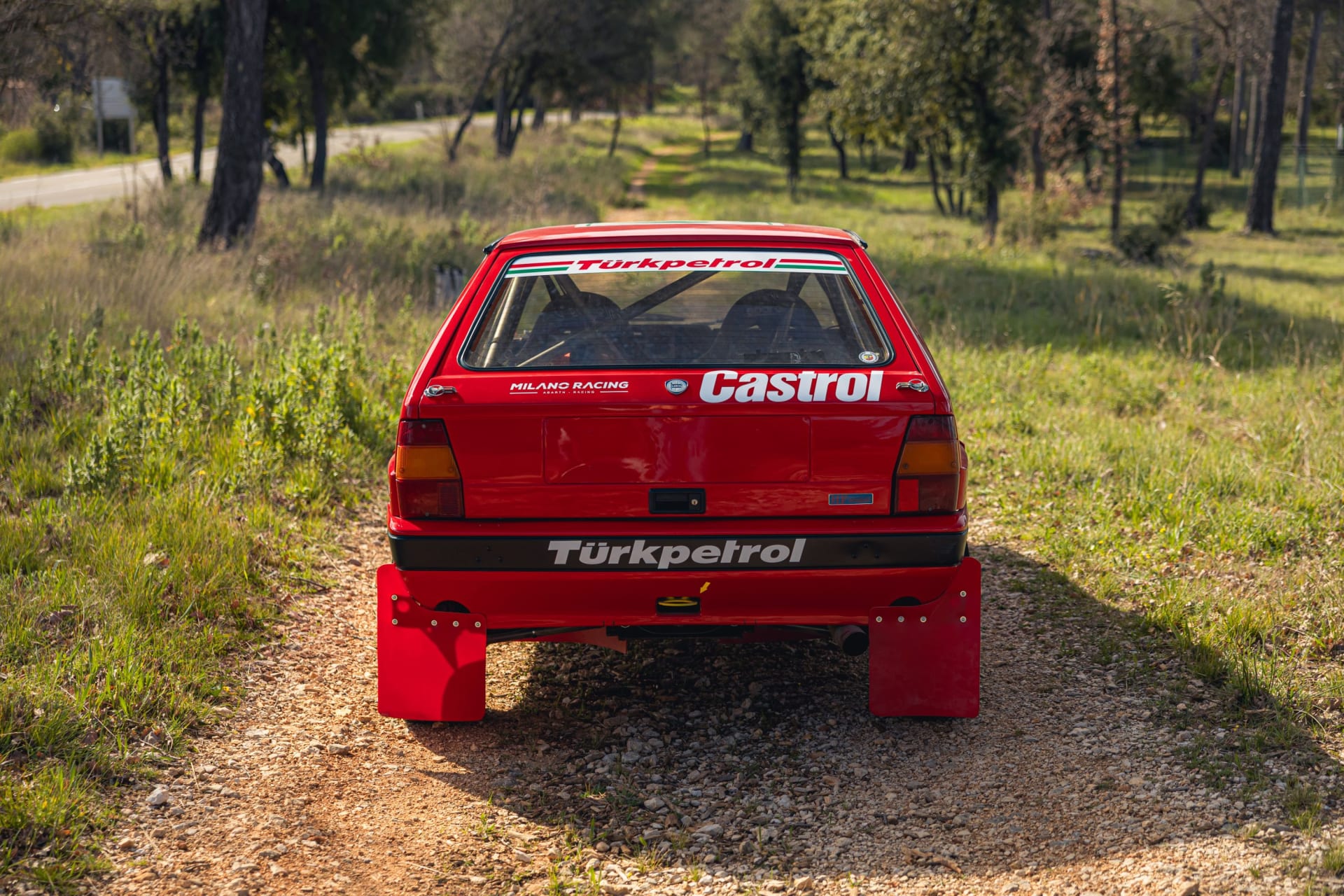
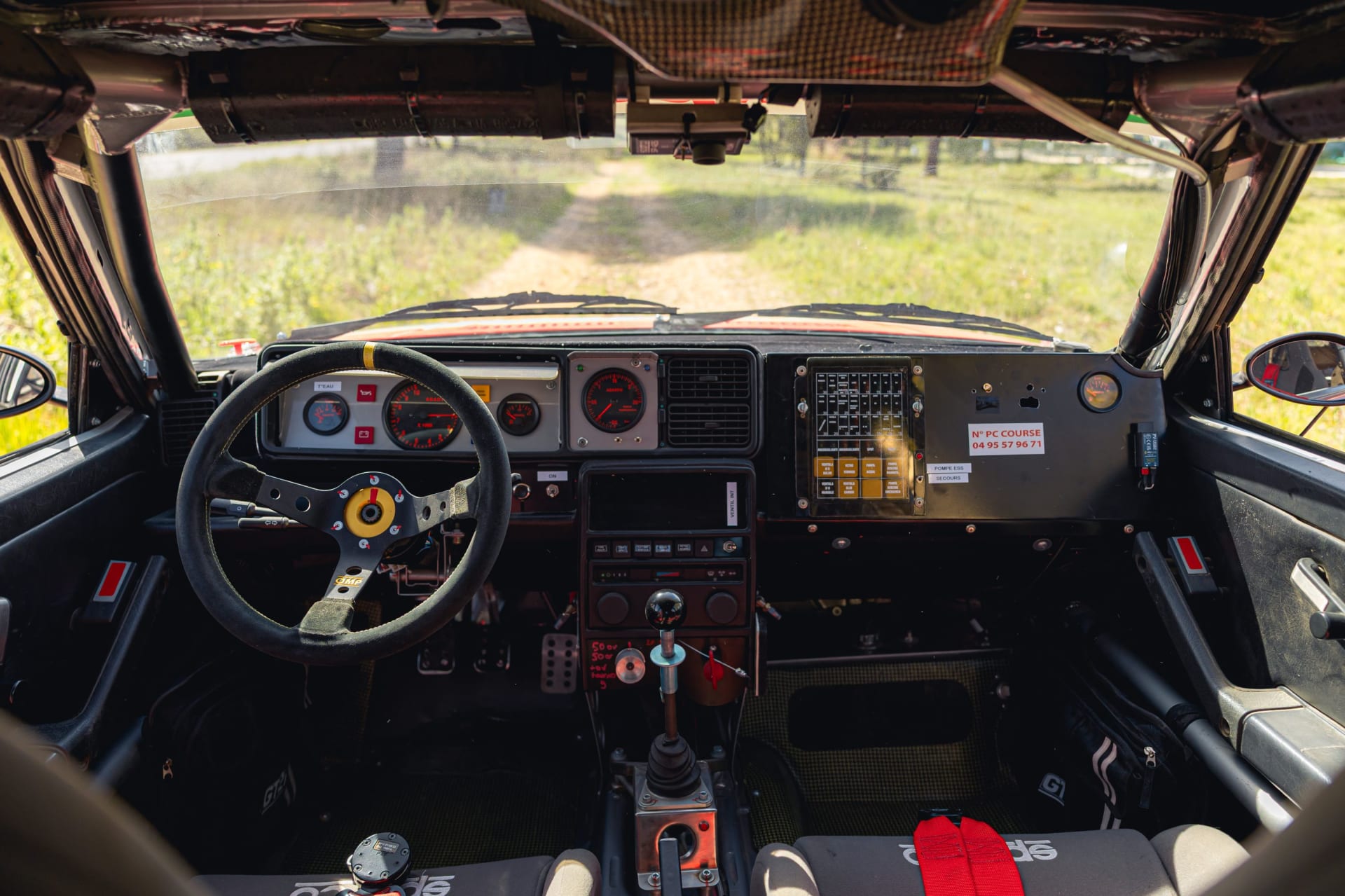
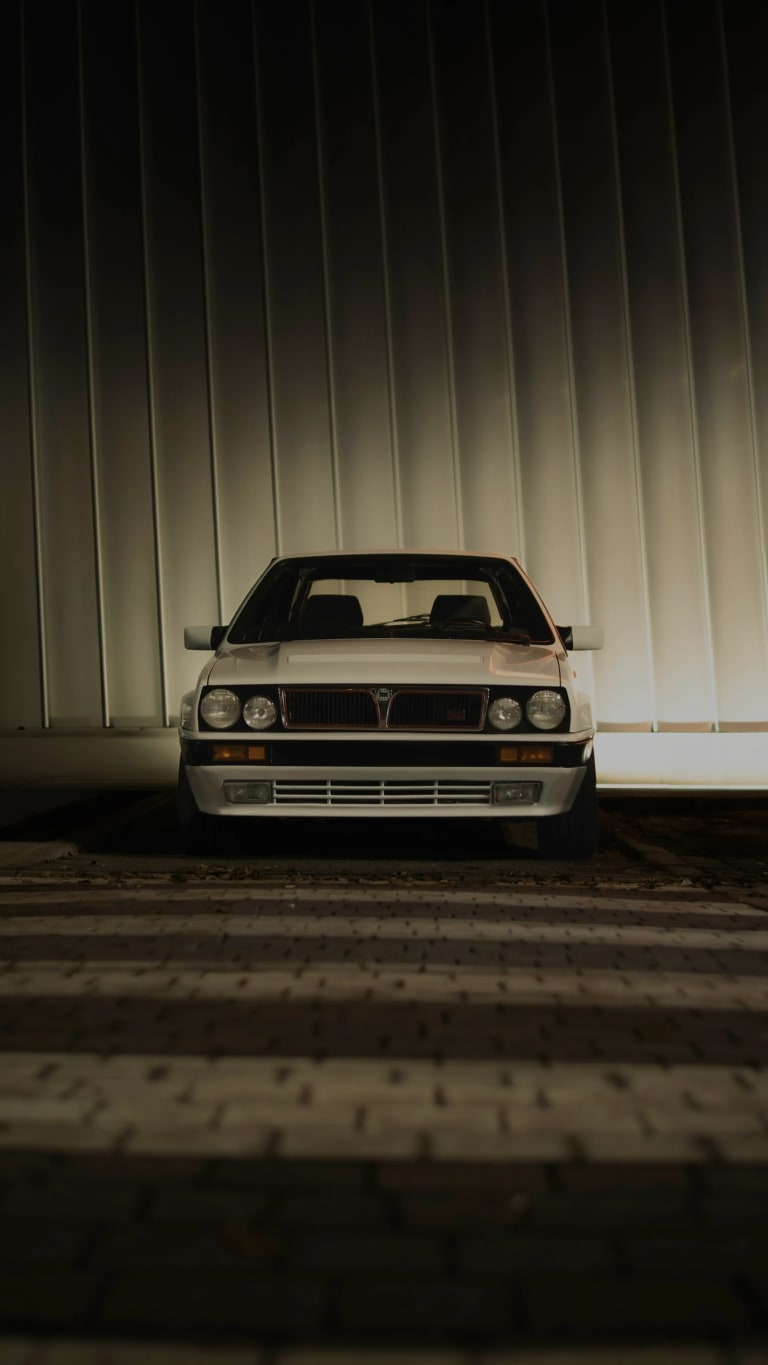
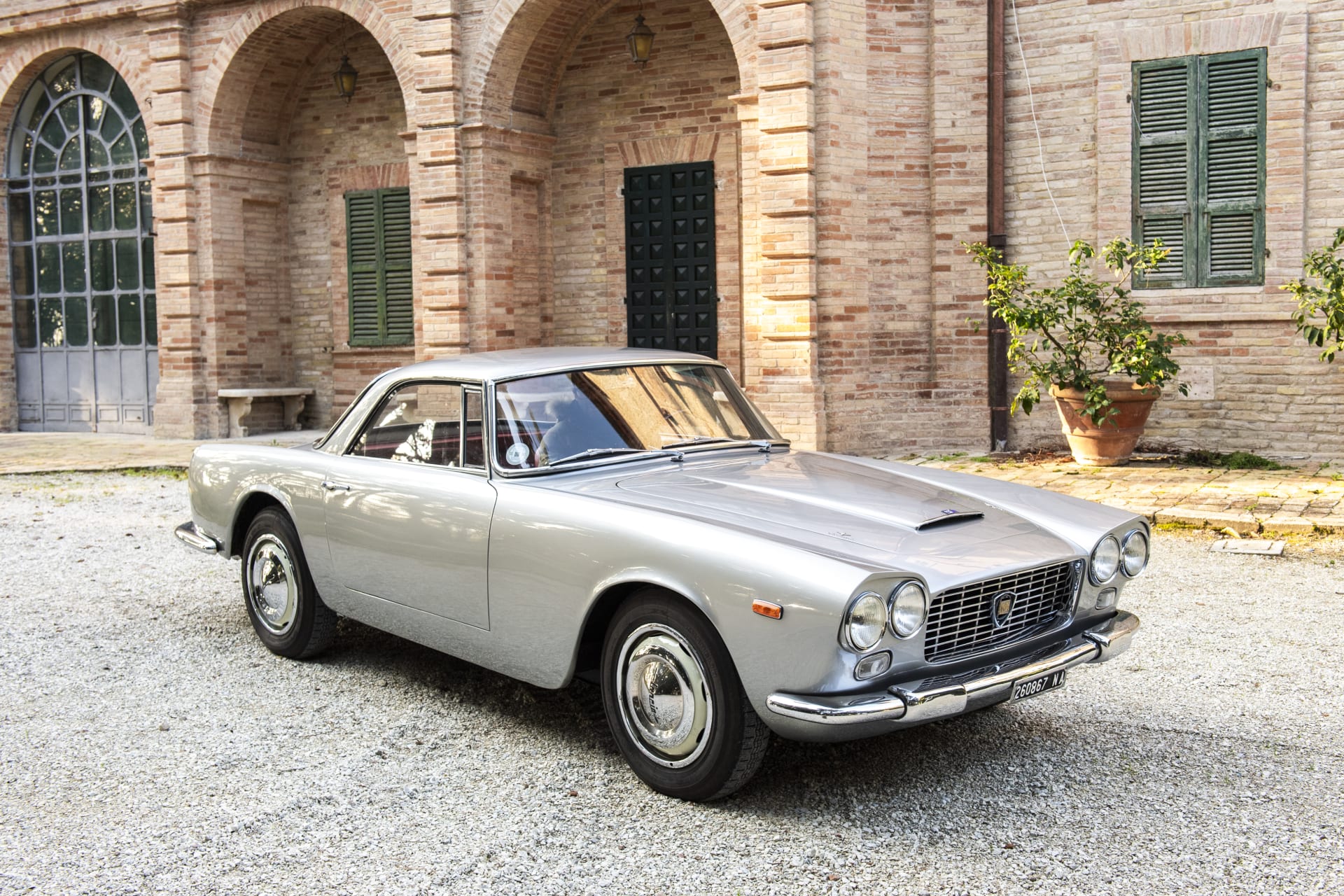
With over a century of history and a highly diverse lineup, Lancia can fulfill a wide range of desires. Whether you're looking for a Flaminia, a Fulvia Coupé, or a Delta Integrale, our Car Specialists will help you find the rare classic gem you've been dreaming of!
Discover our personalized search service and access our network of 32,000 enthusiasts. Start your search now, your next adventure begins here.
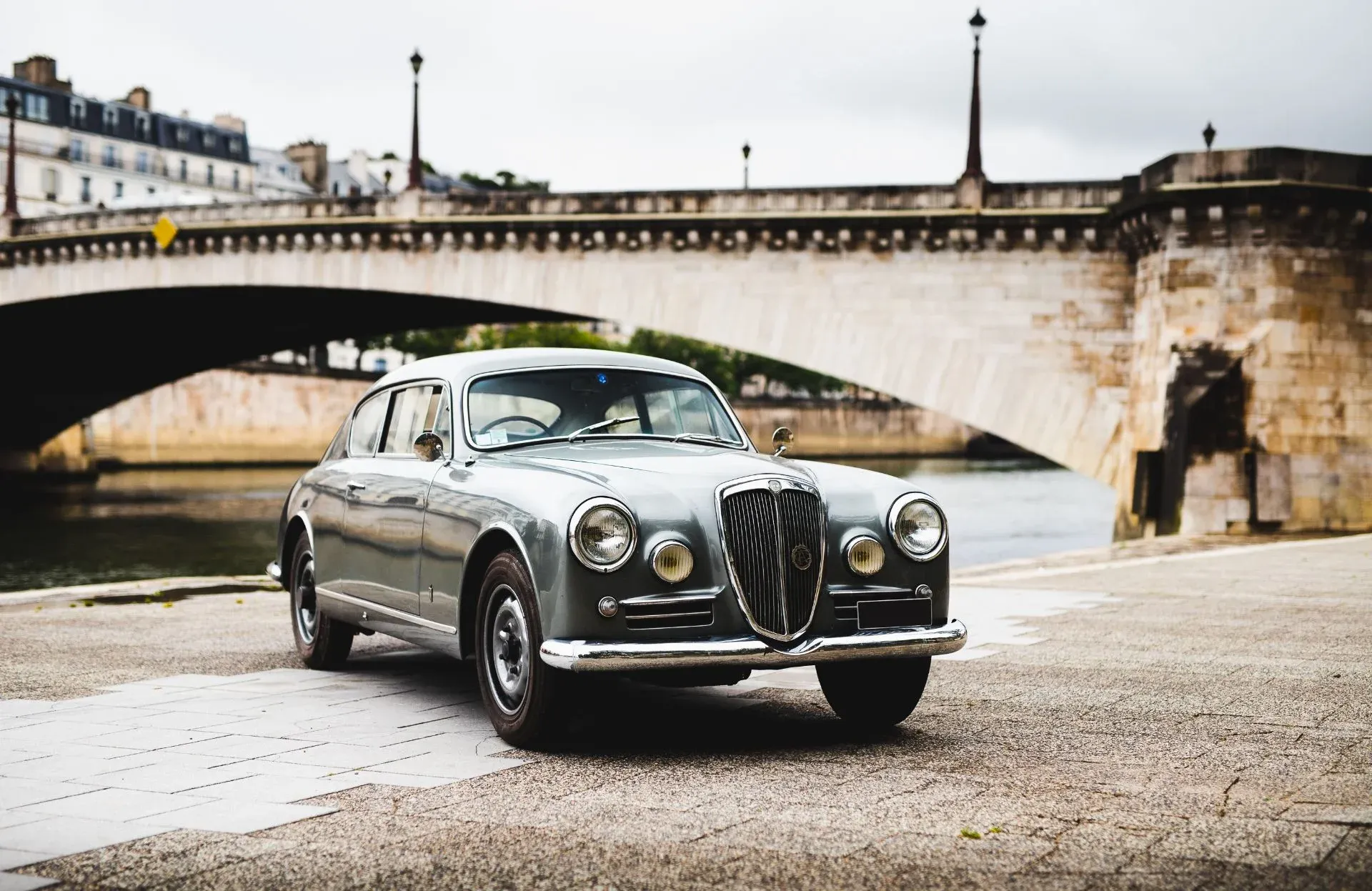
After the war, the Aurelia was equipped with one of the first production V6 engines. Available as a sedan, coupé, or convertible, the Aurelia immediately became a legendary model in the brand’s history.

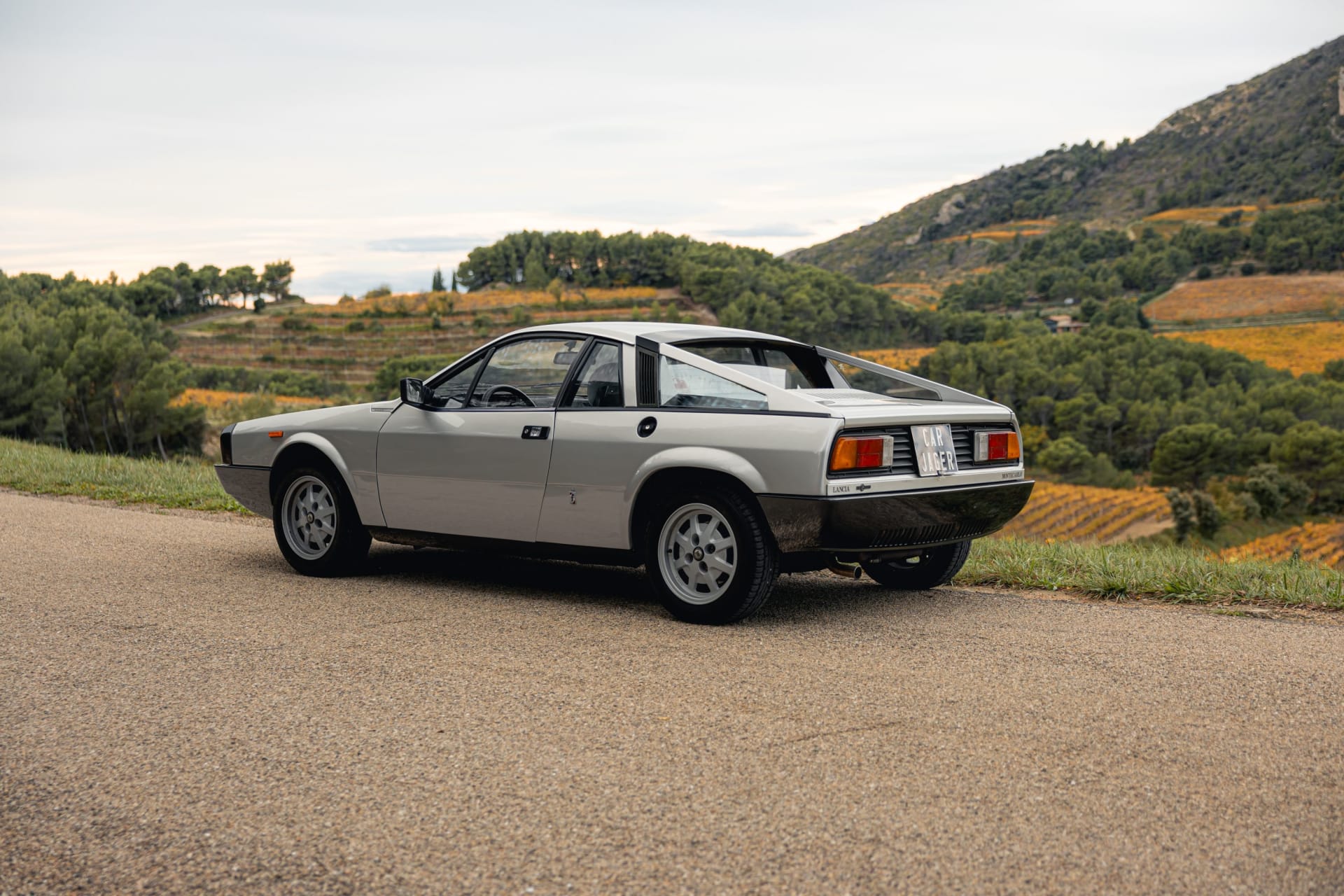
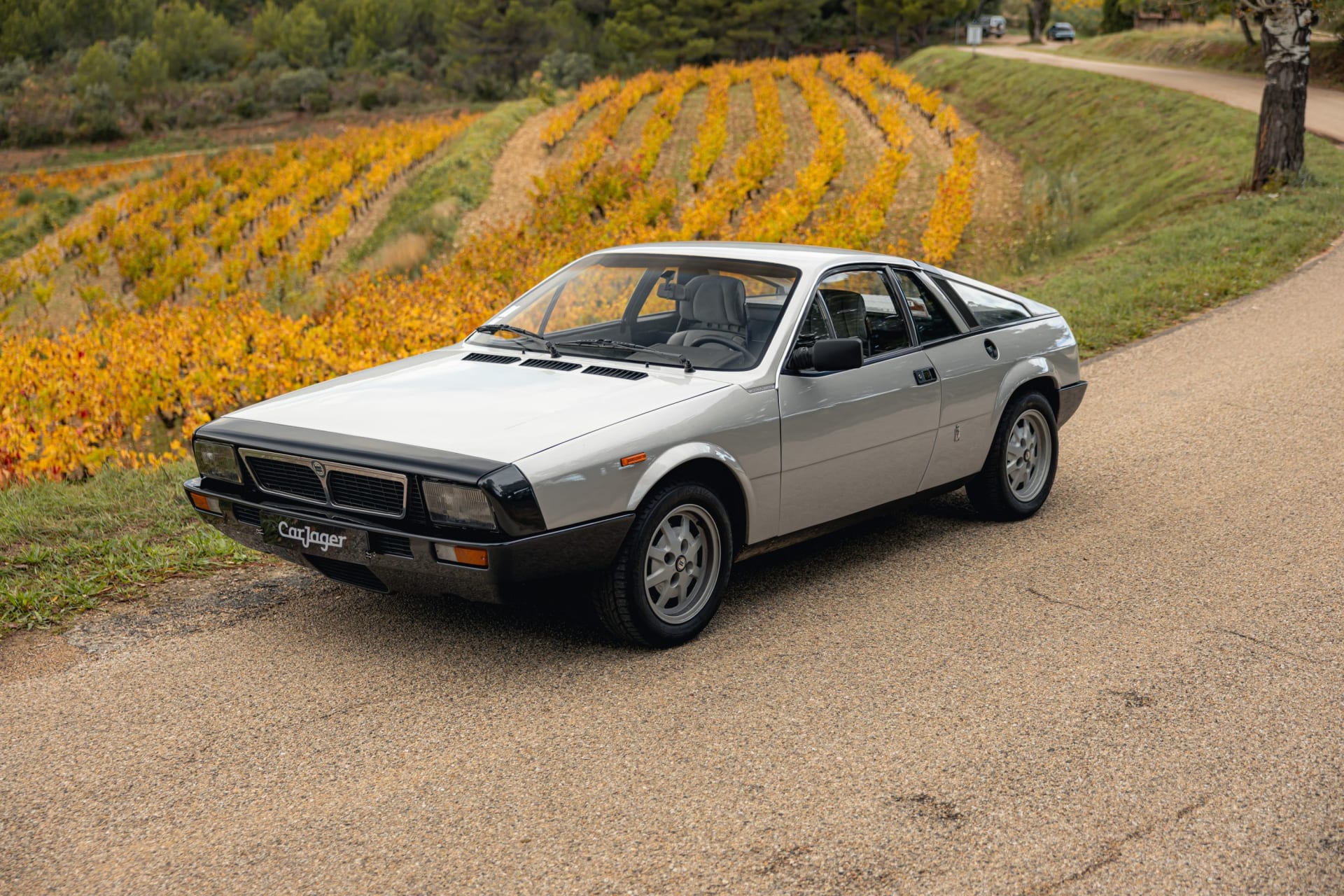
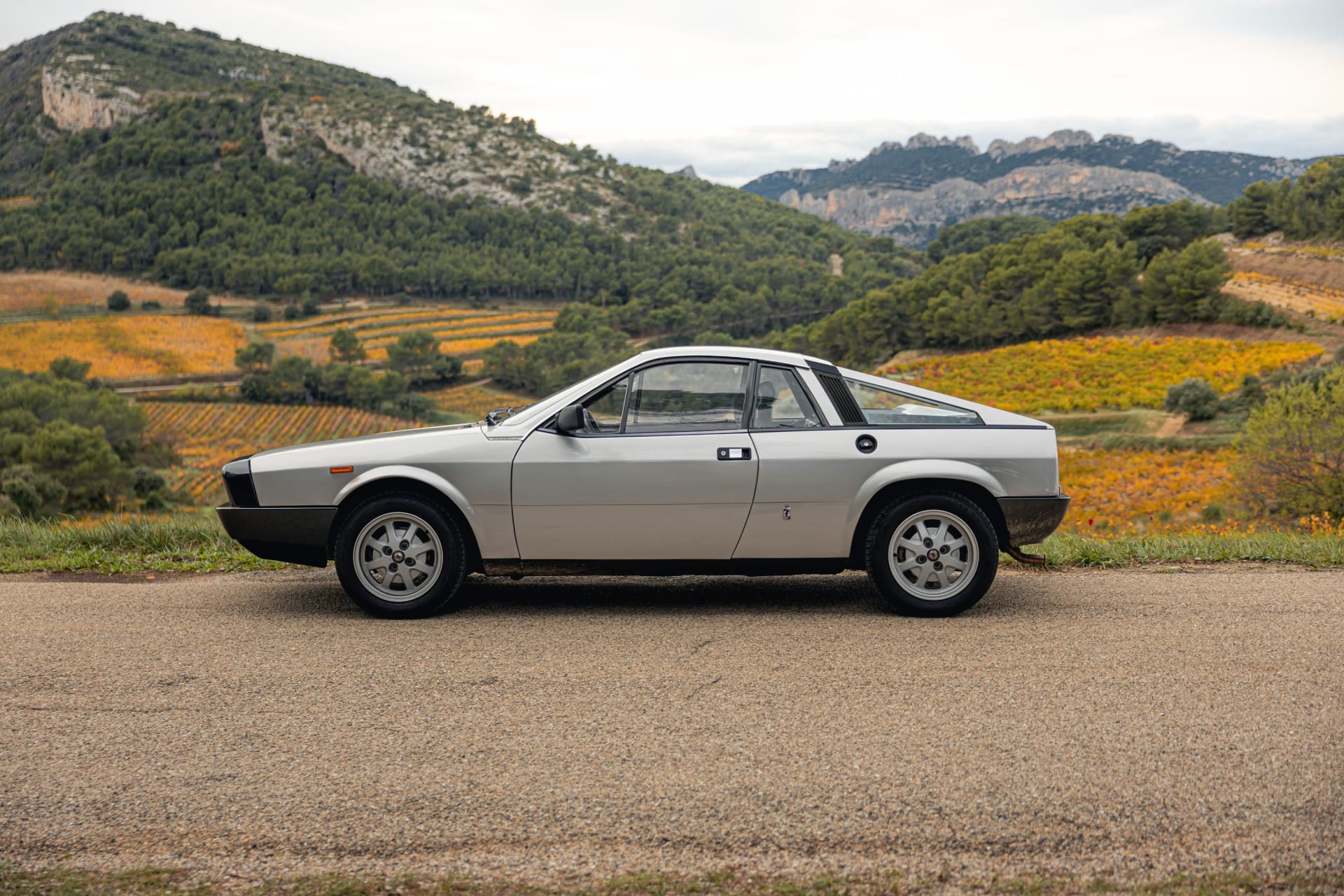
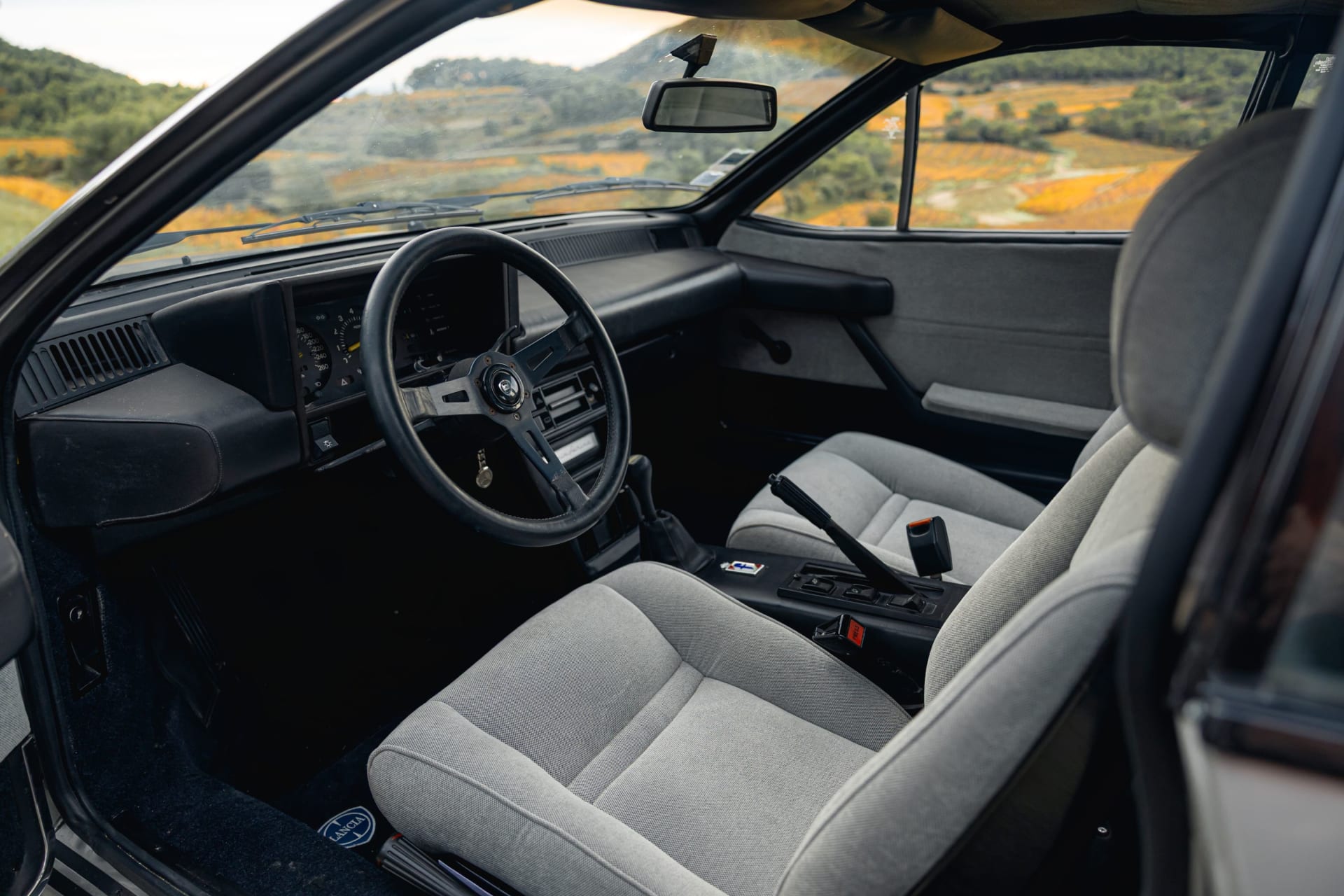
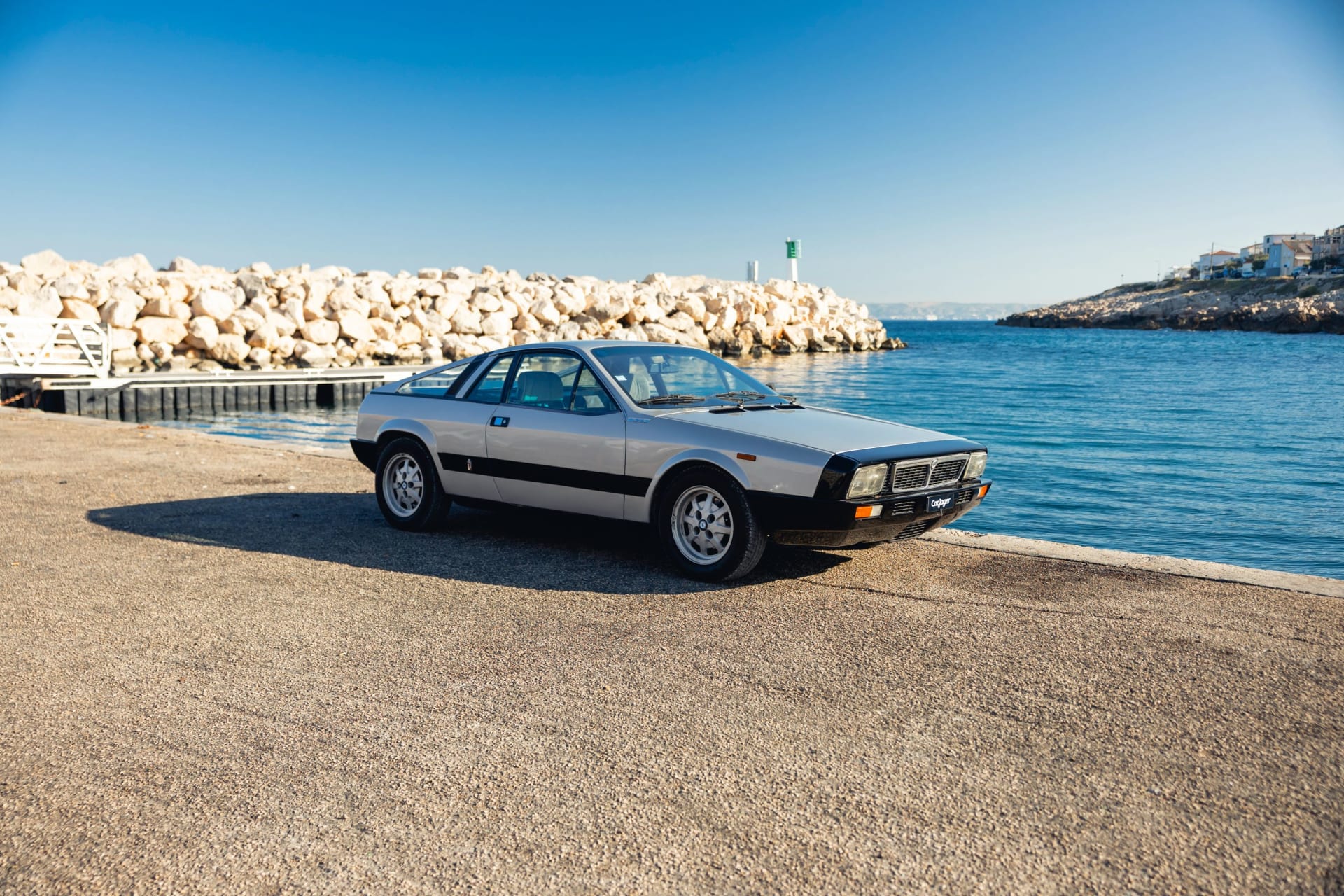
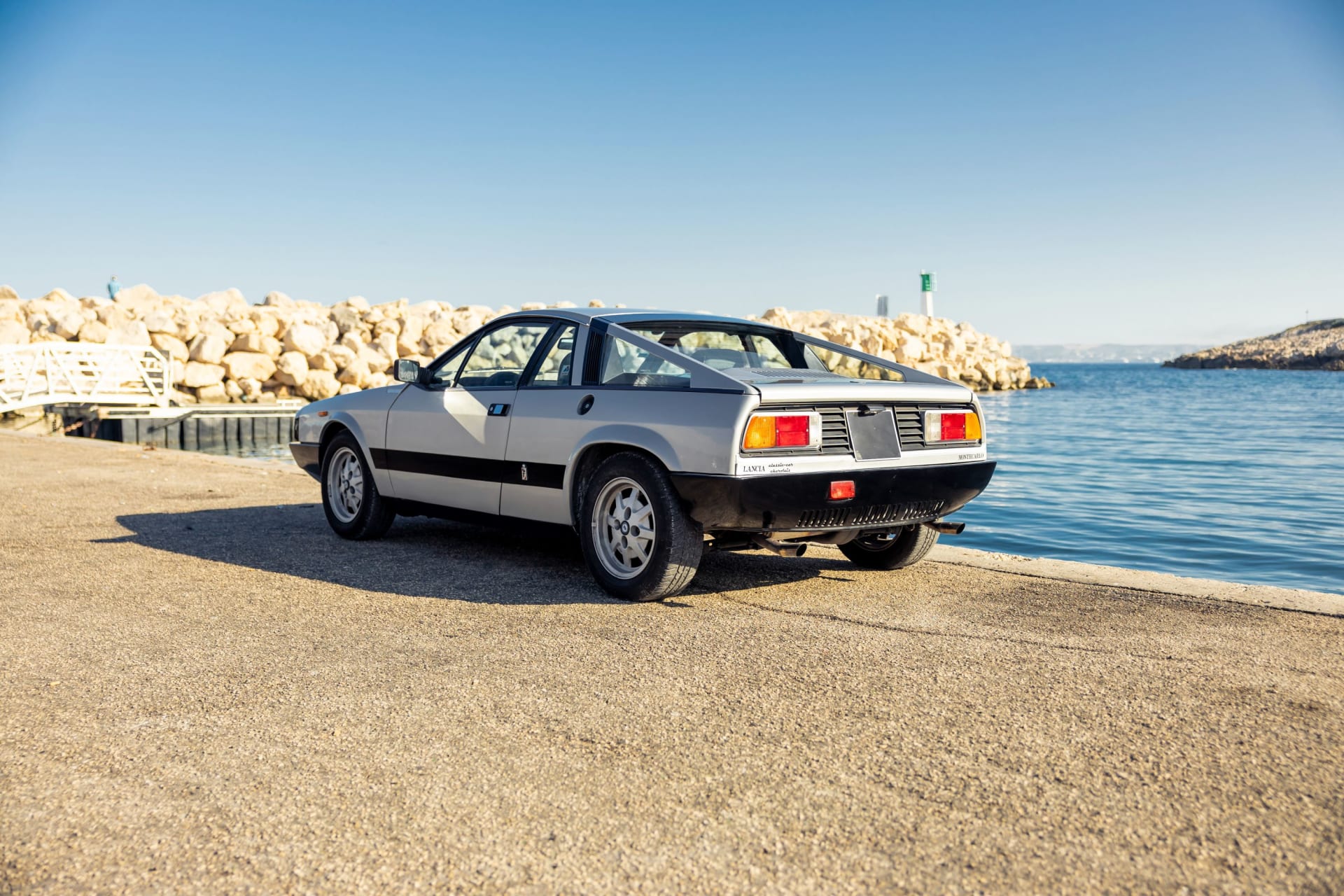
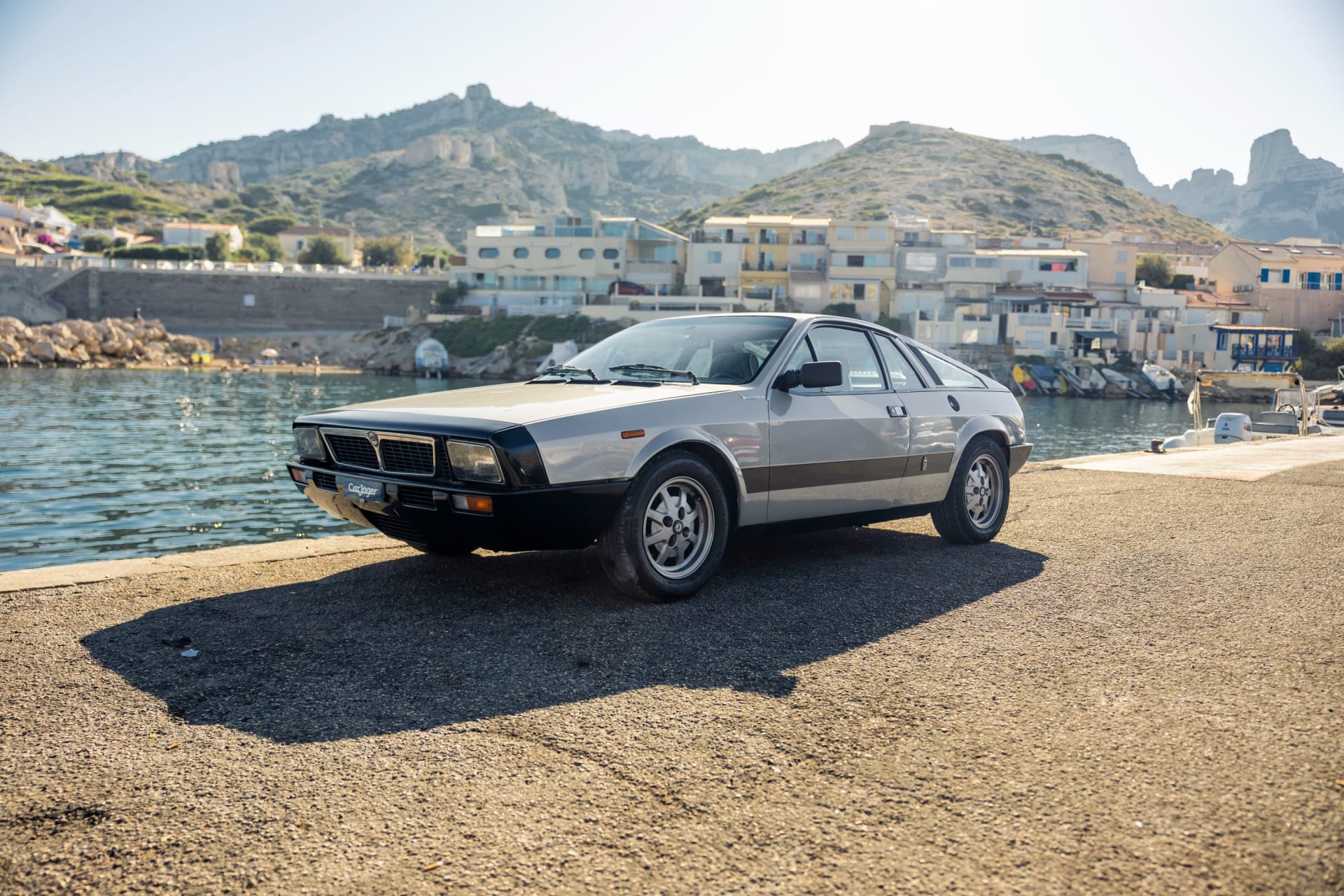
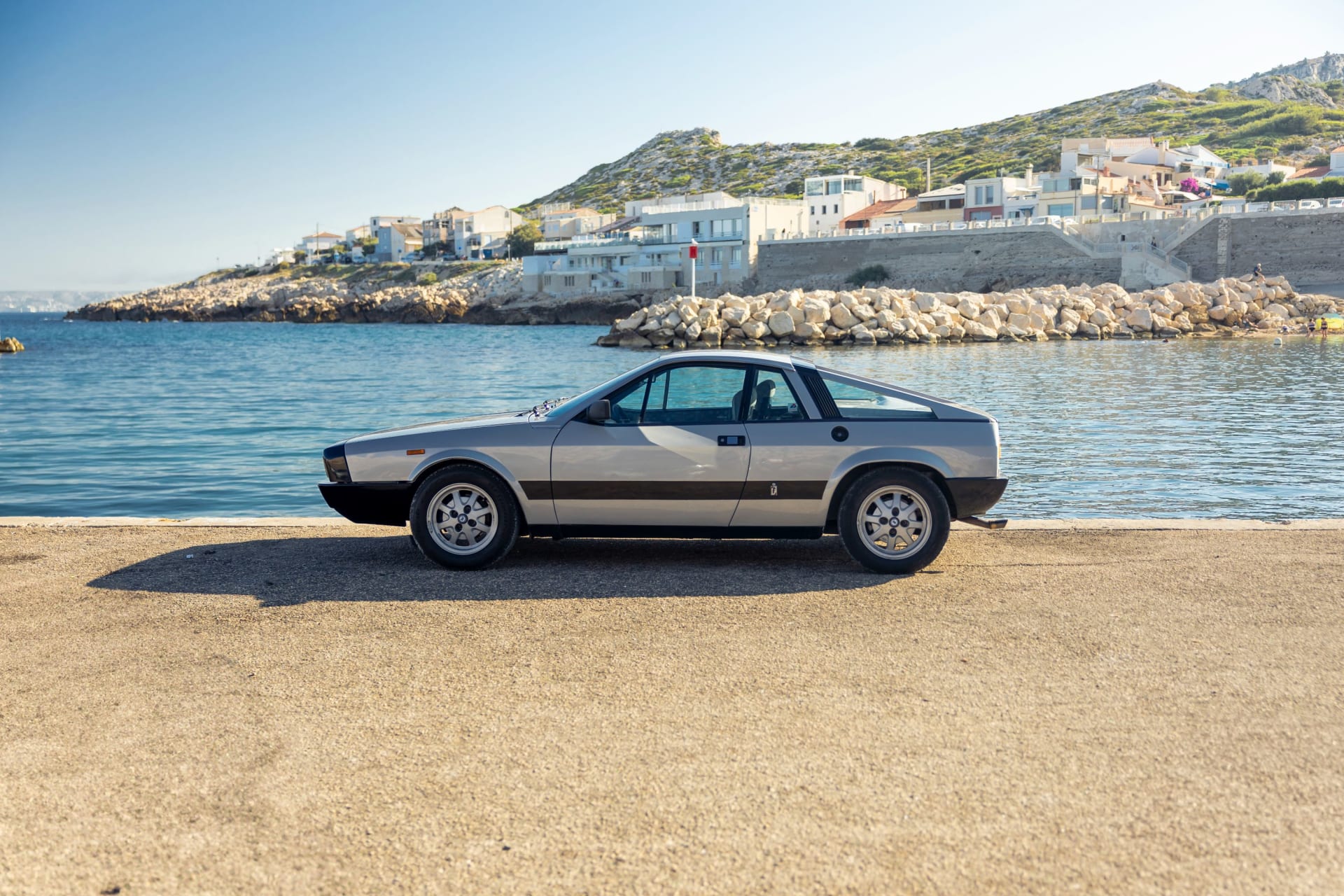
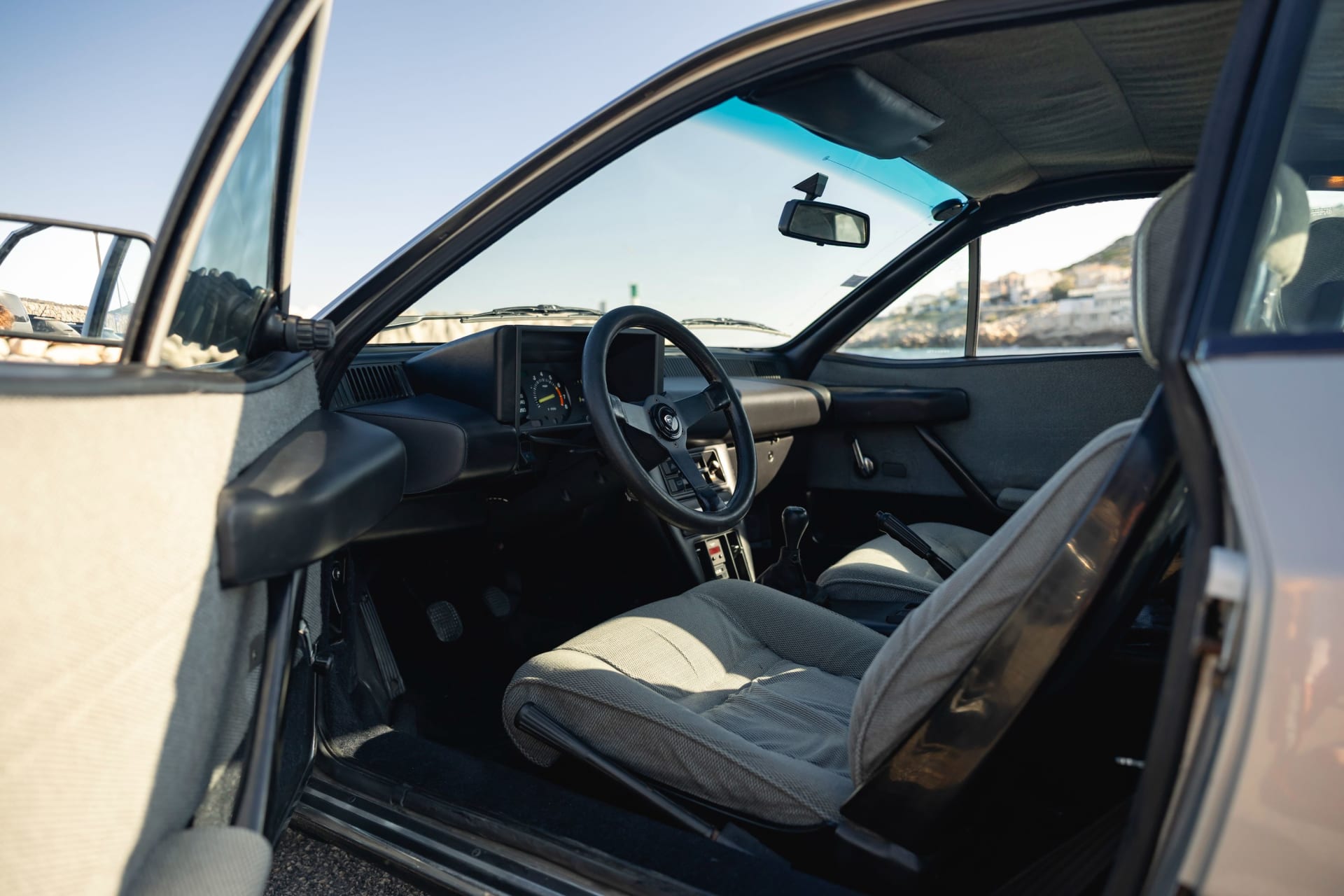
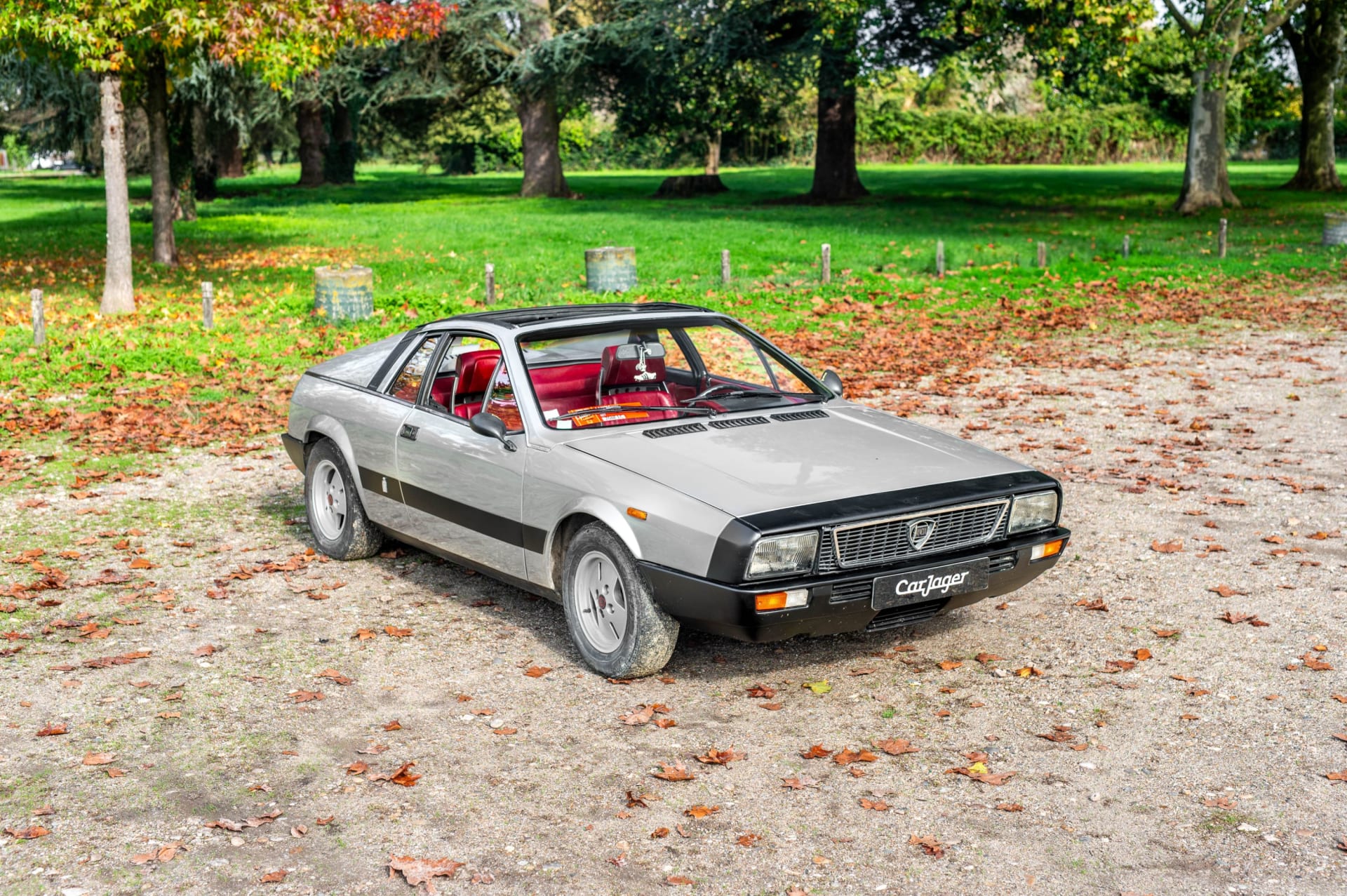
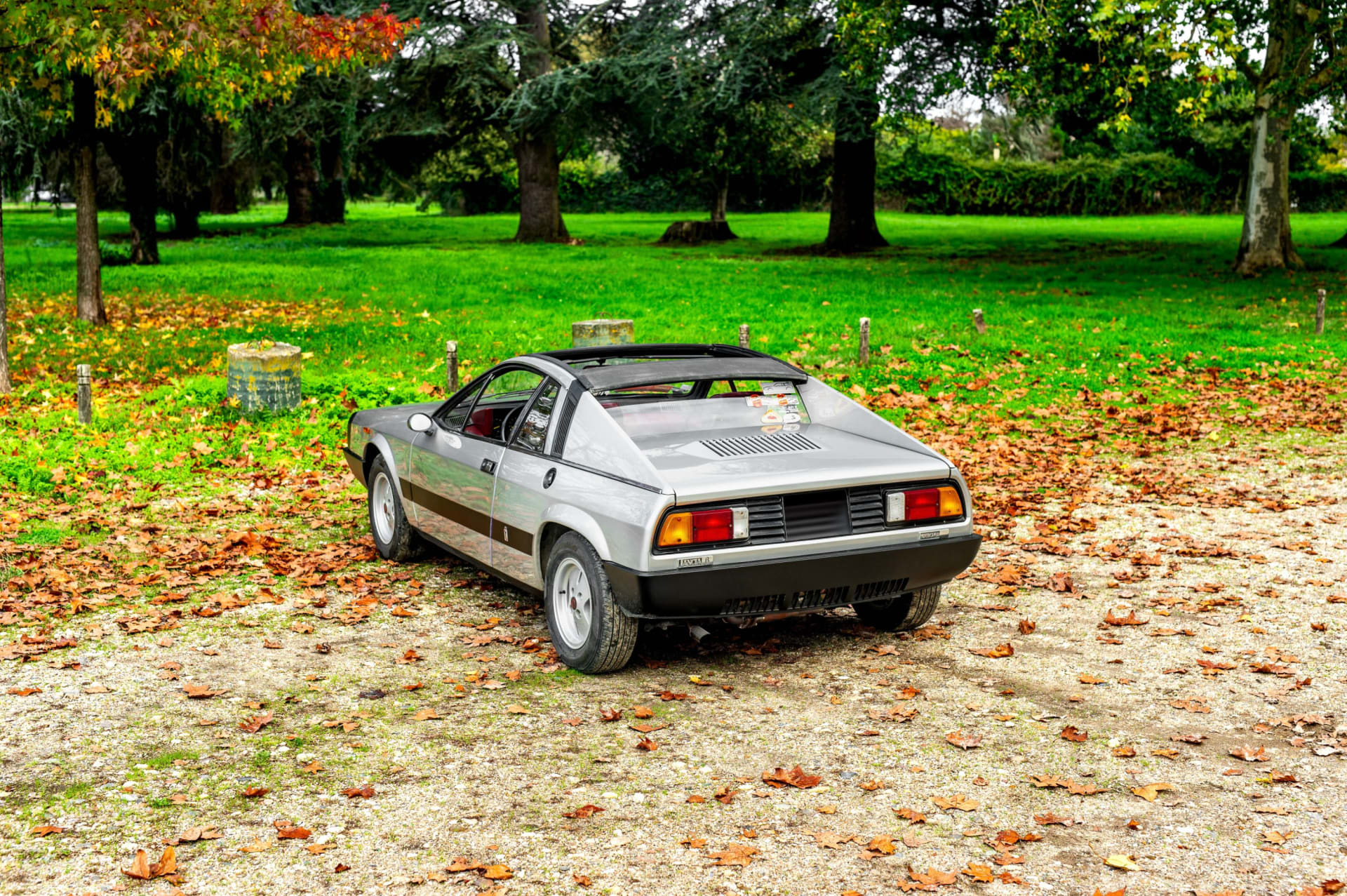
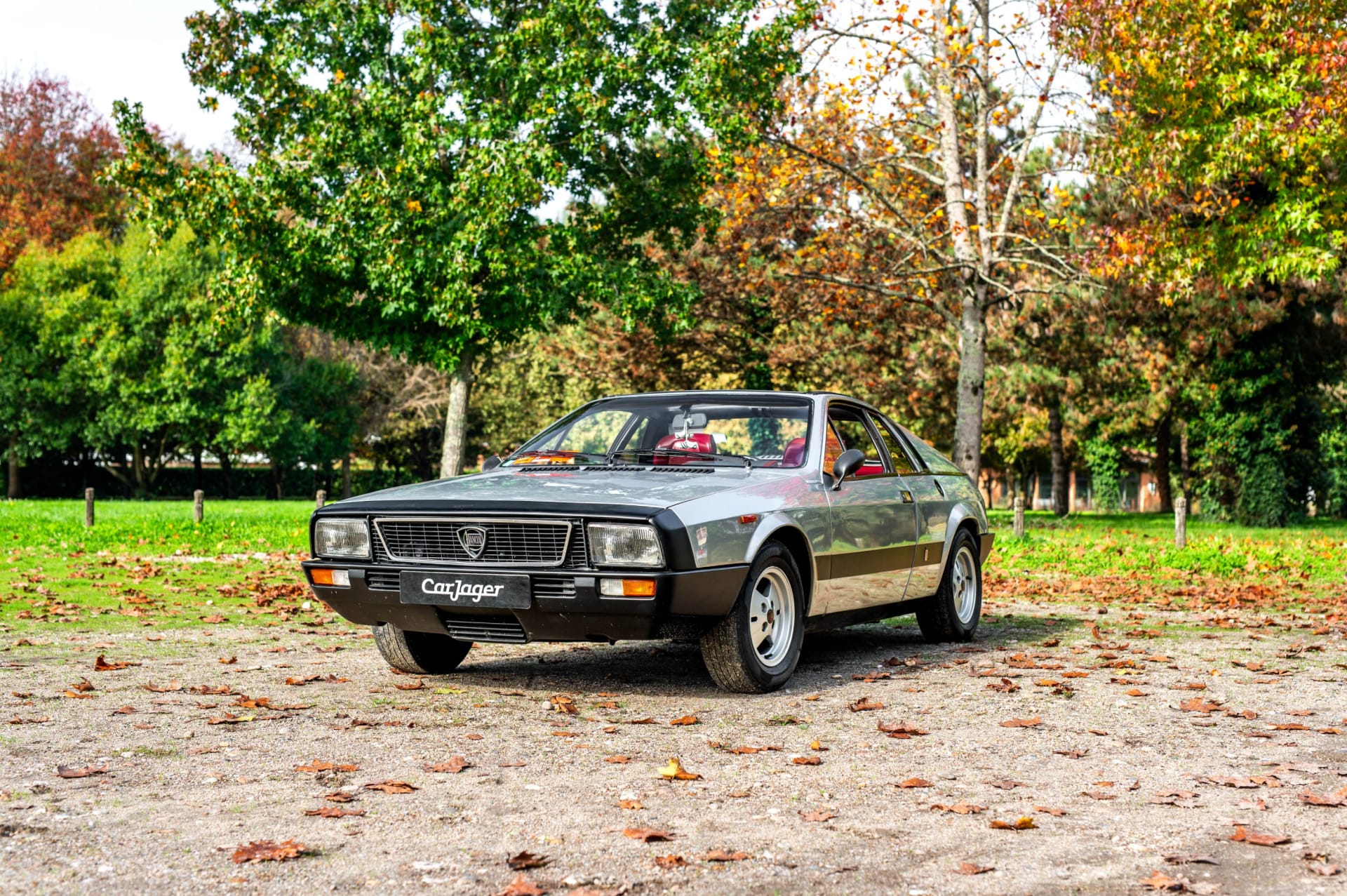
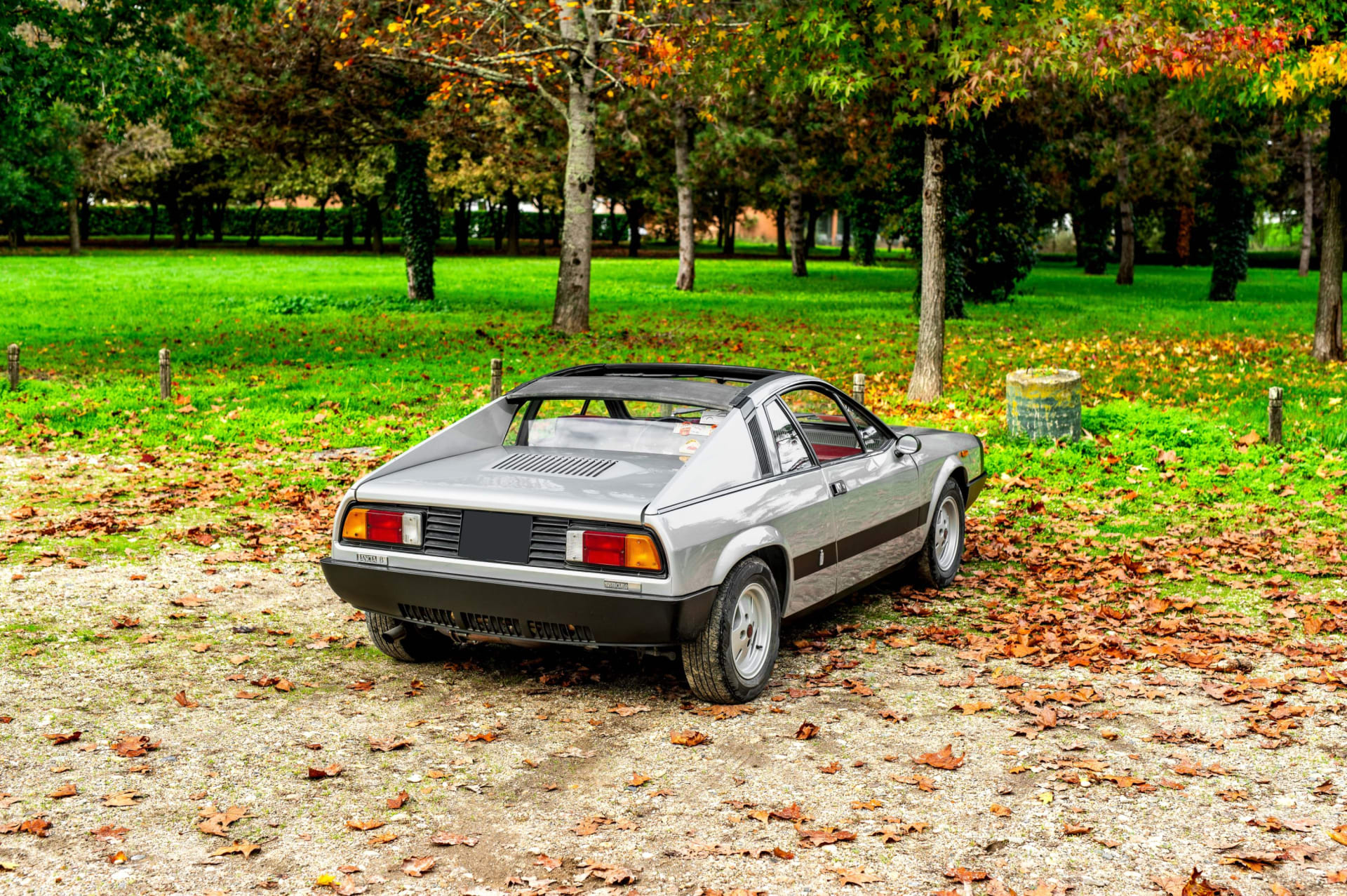
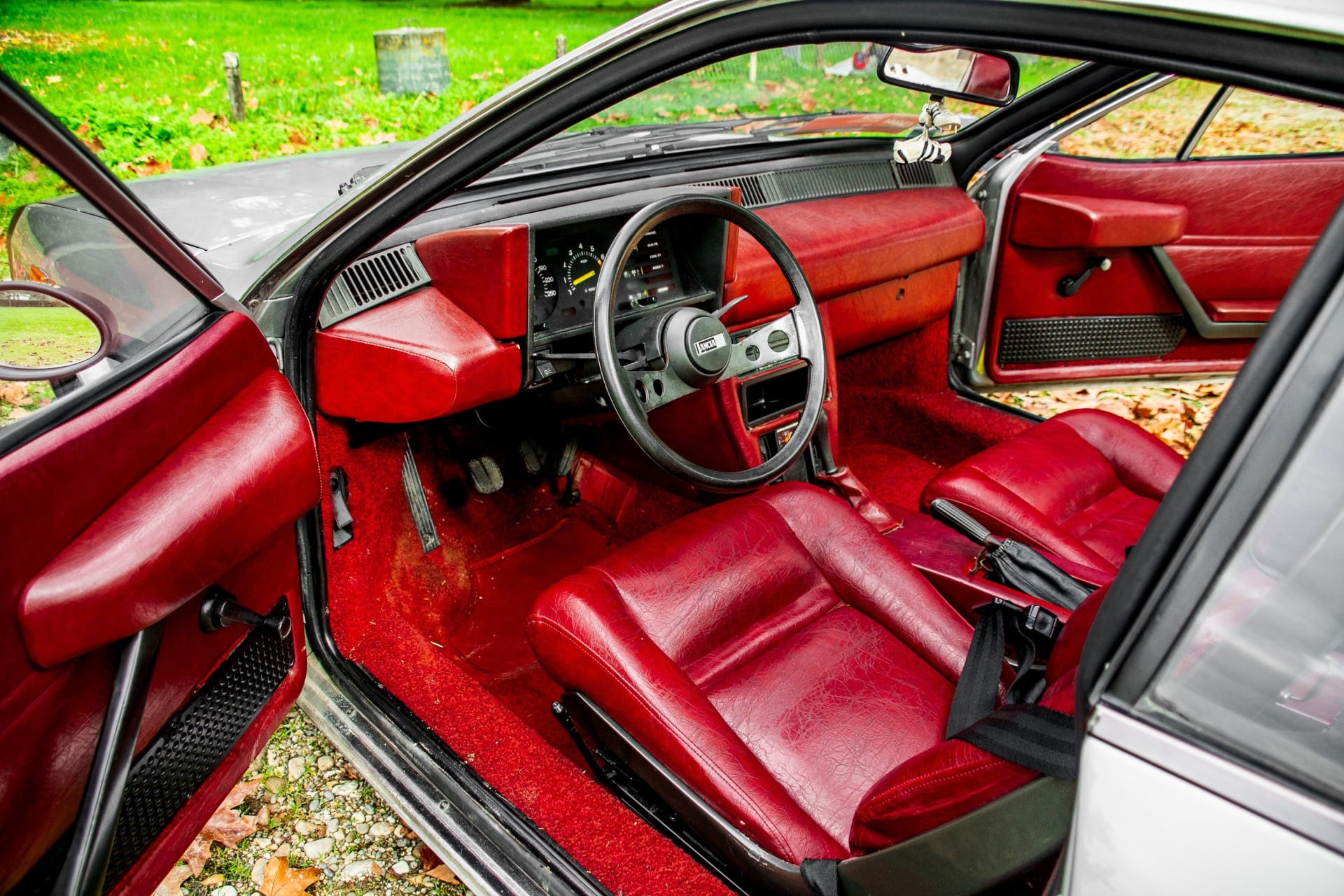
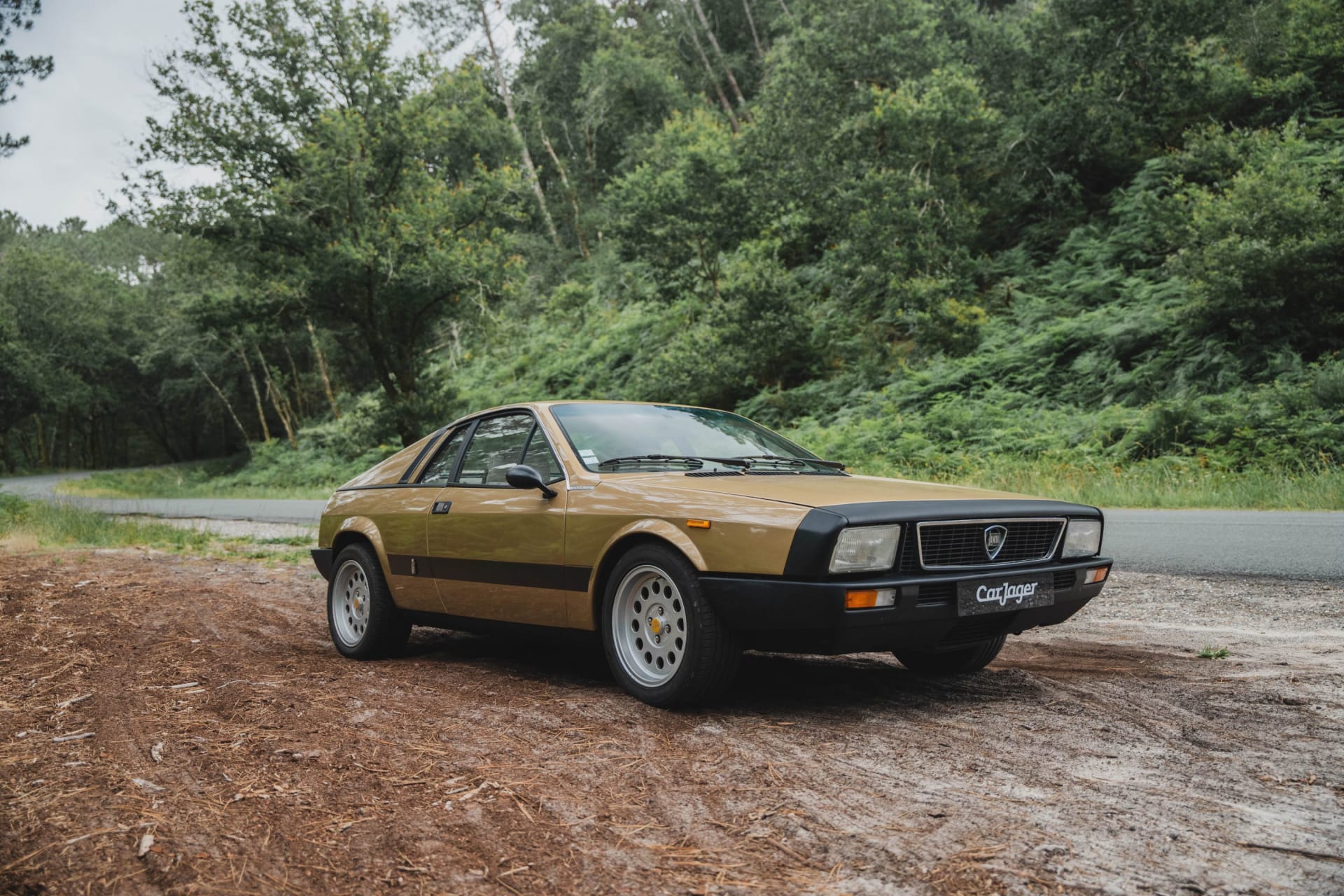
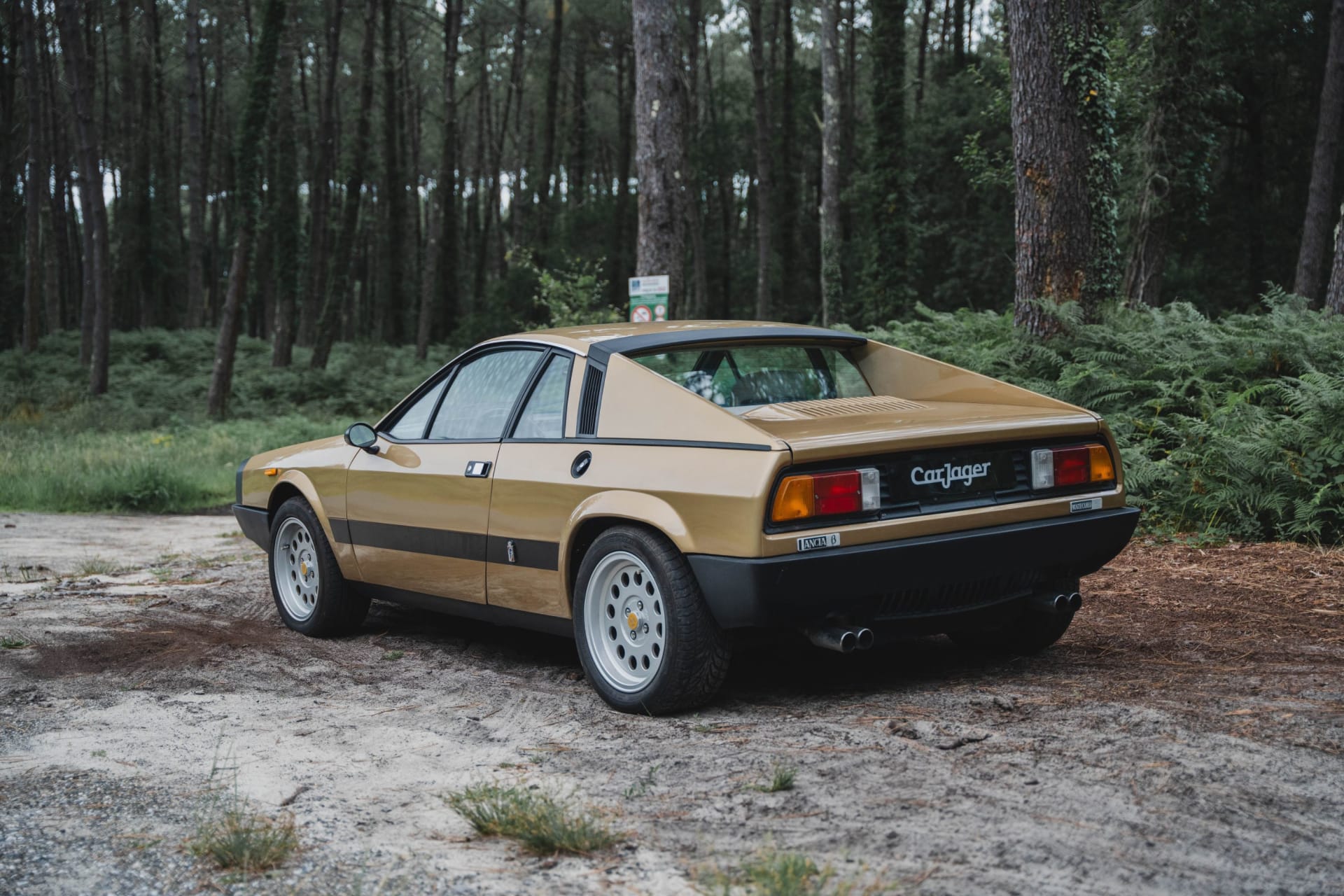
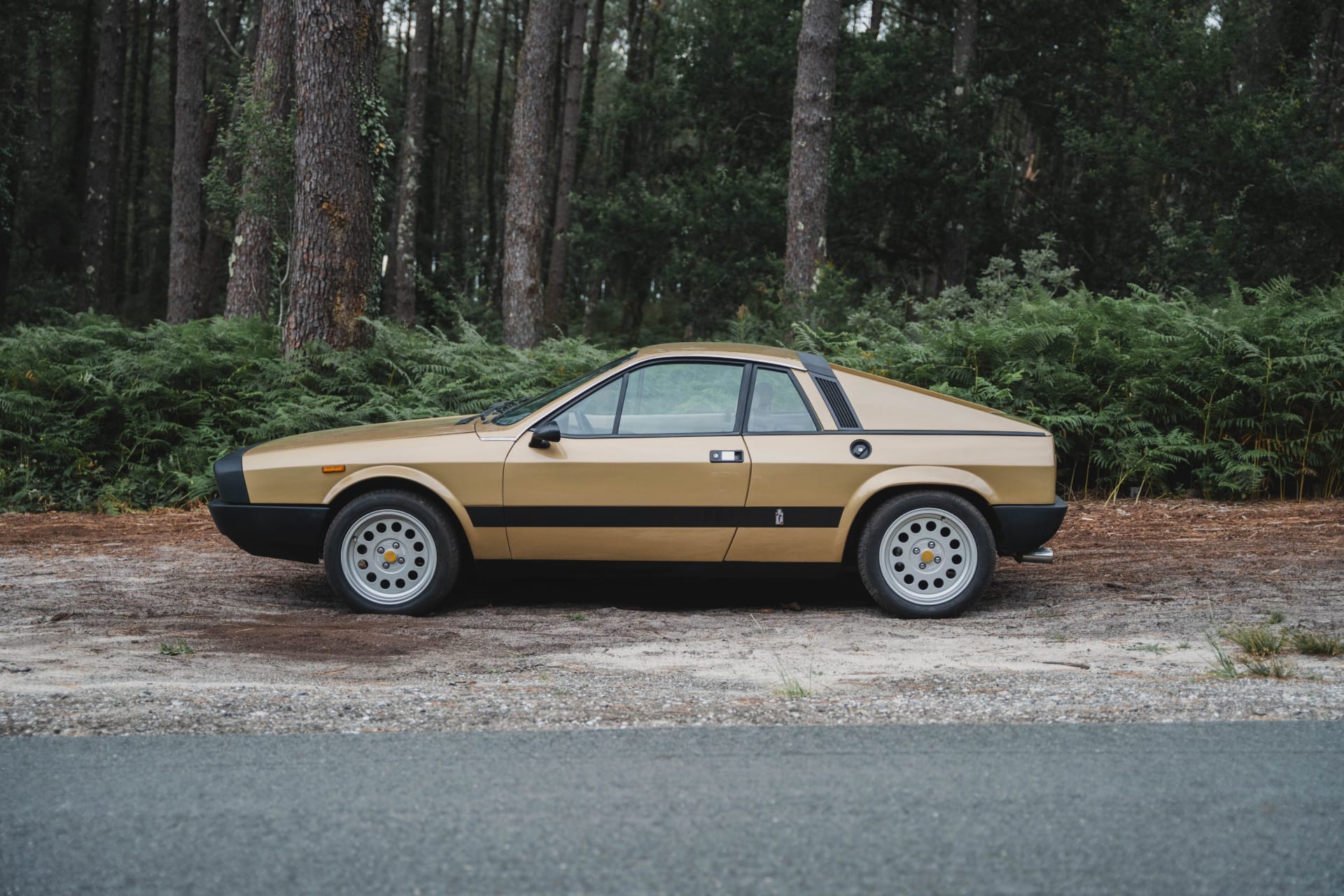
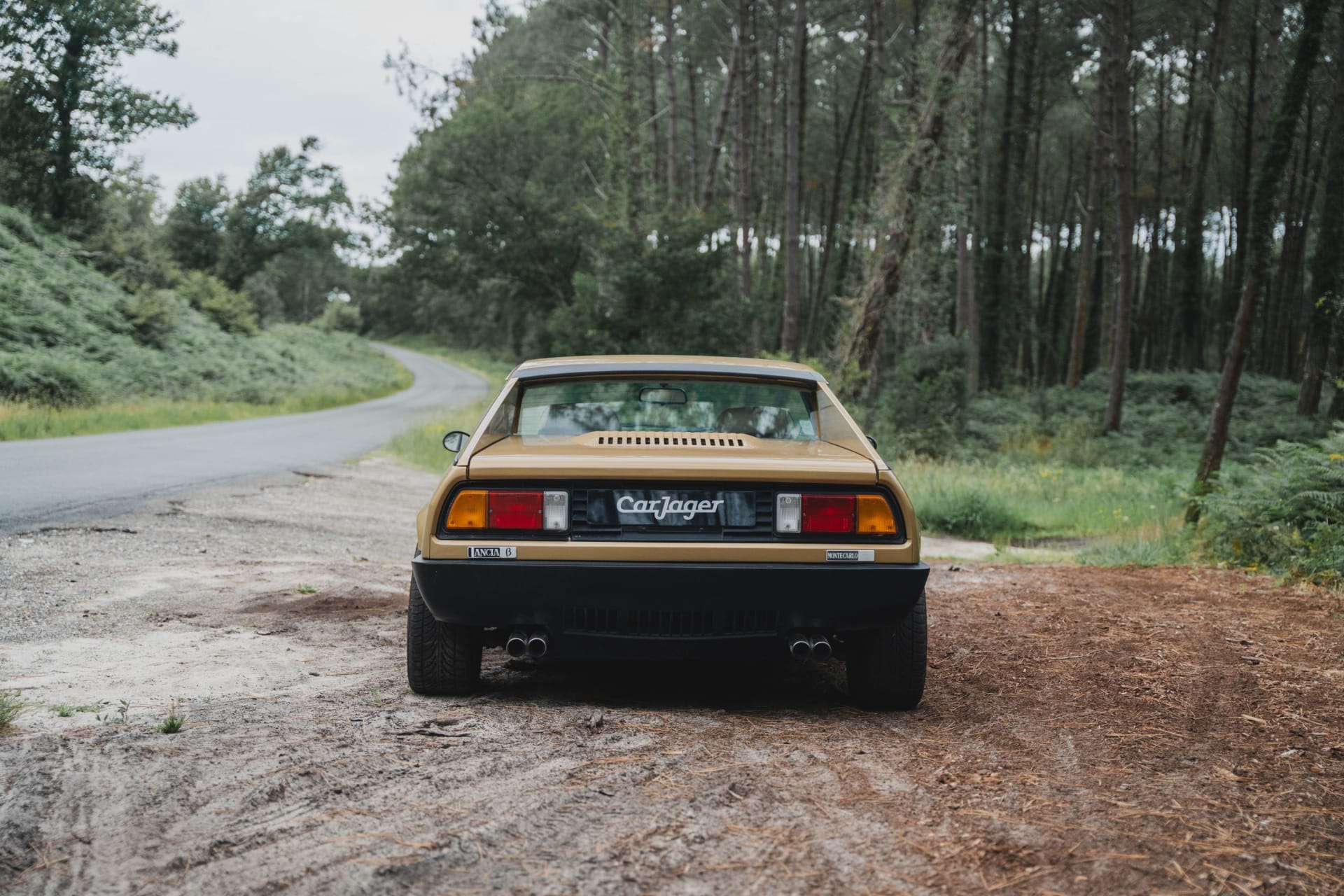
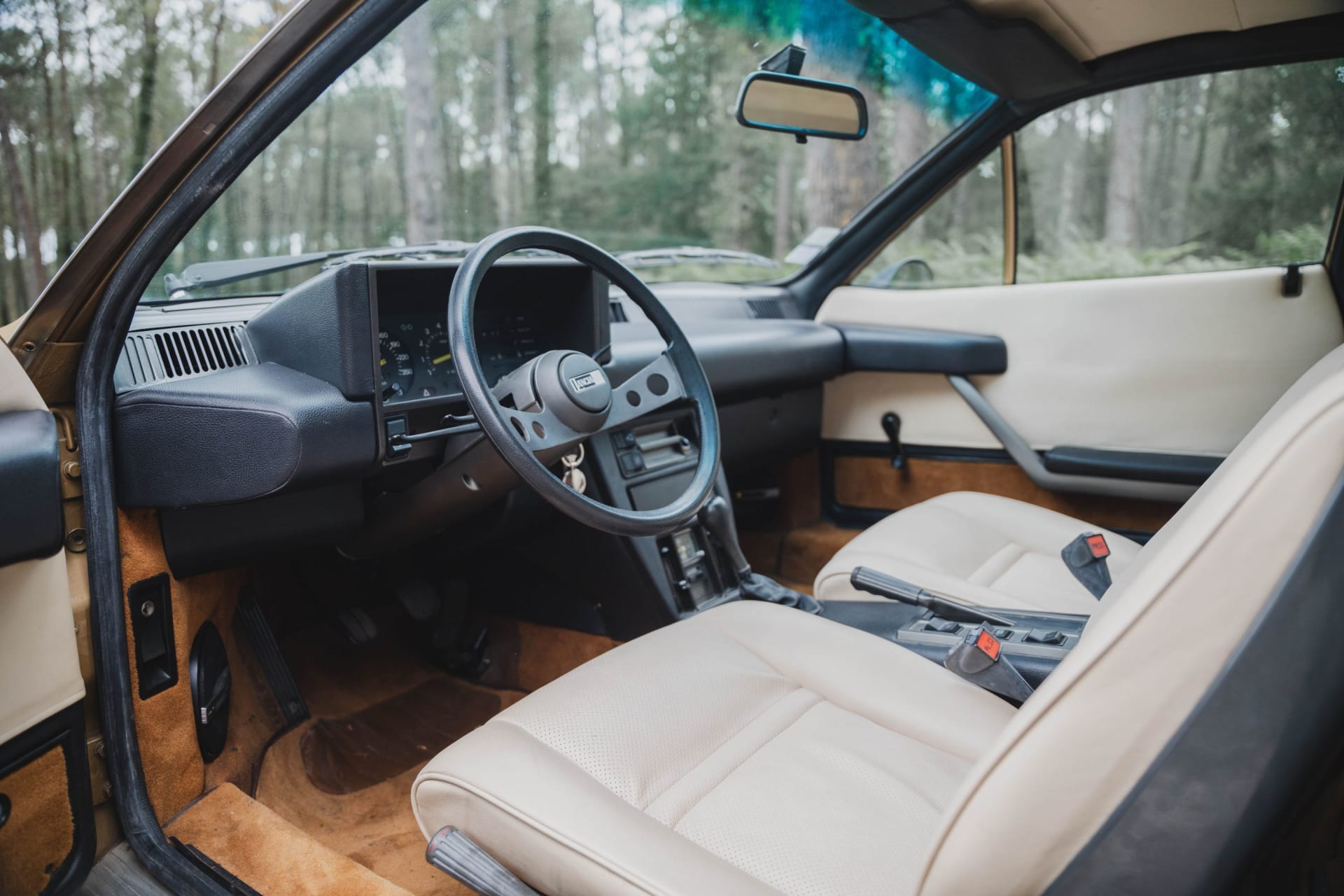
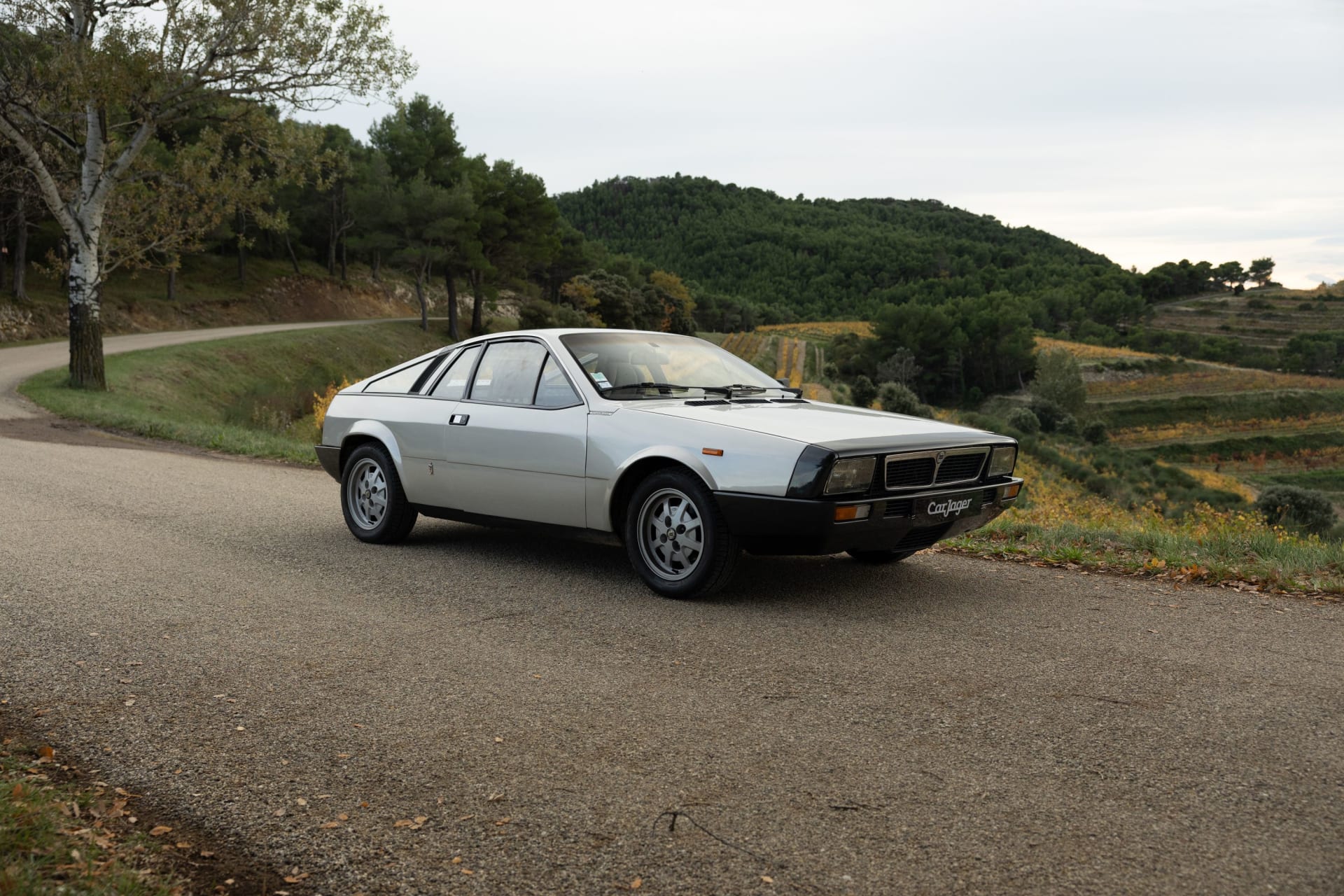
Initially intended for Fiat, the X1/20 project was ultimately branded as a Lancia and joined the Beta lineup under the name Montecarlo in 1975. This mid-engined berlinetta was produced in approximately 7,800 units.

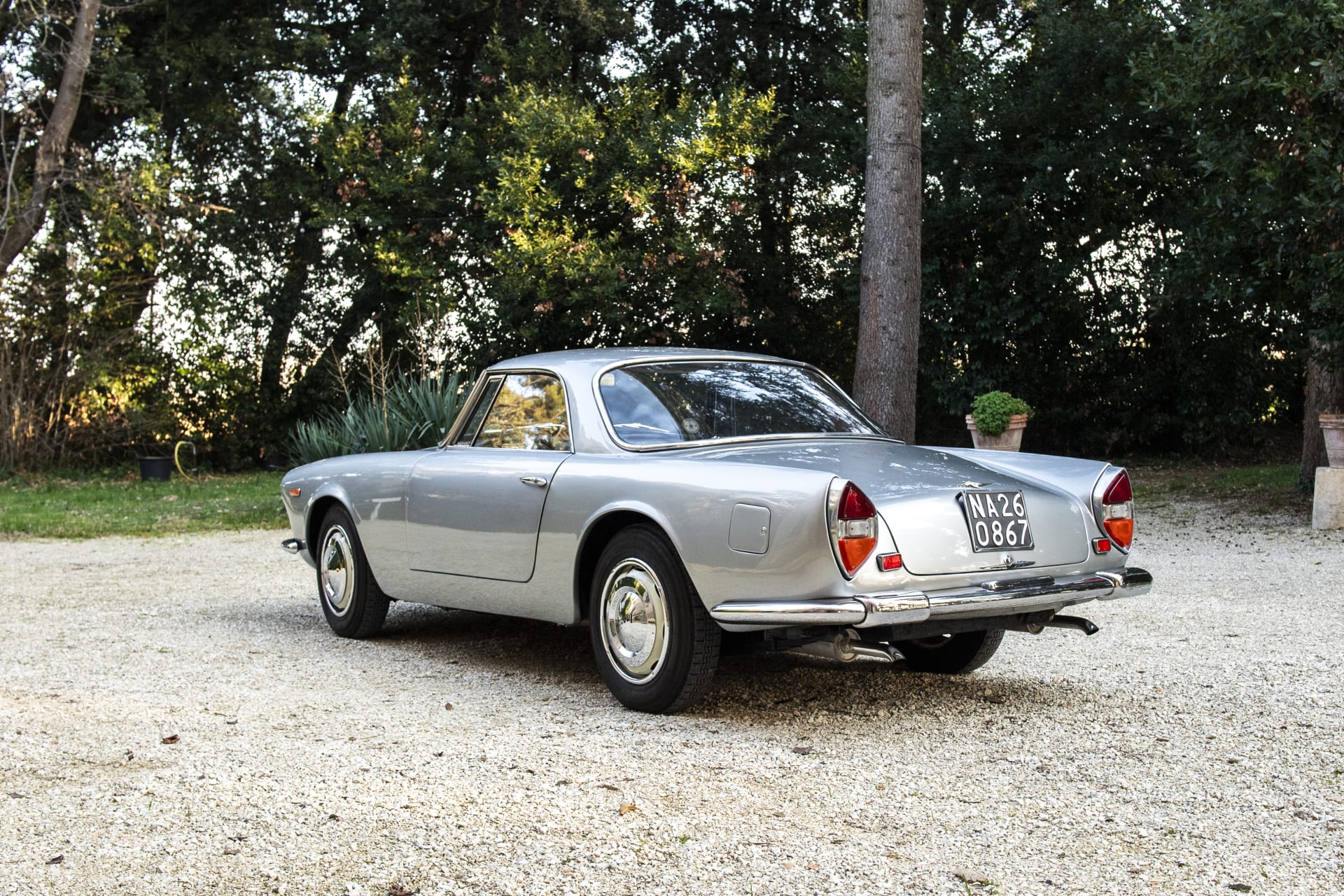
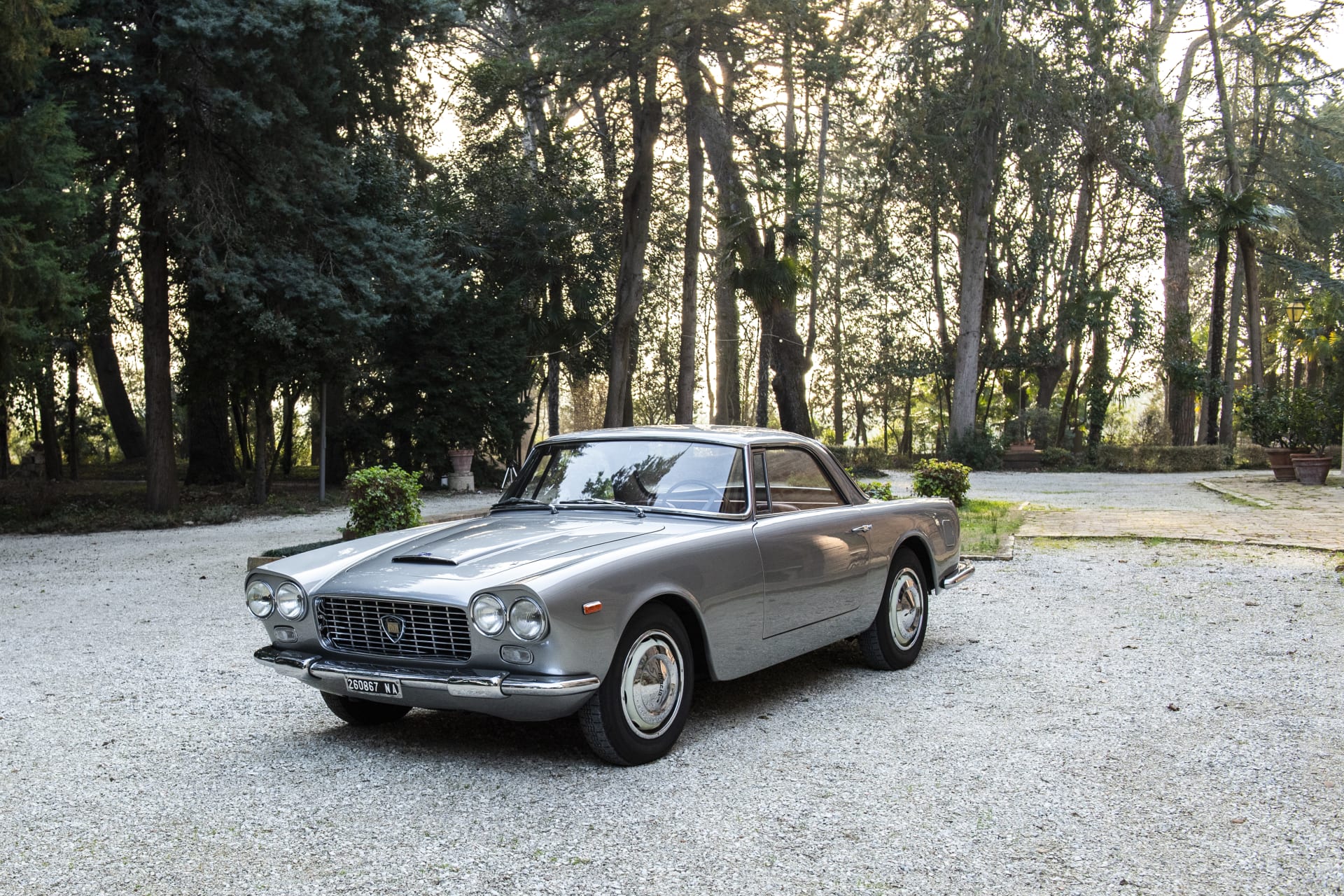
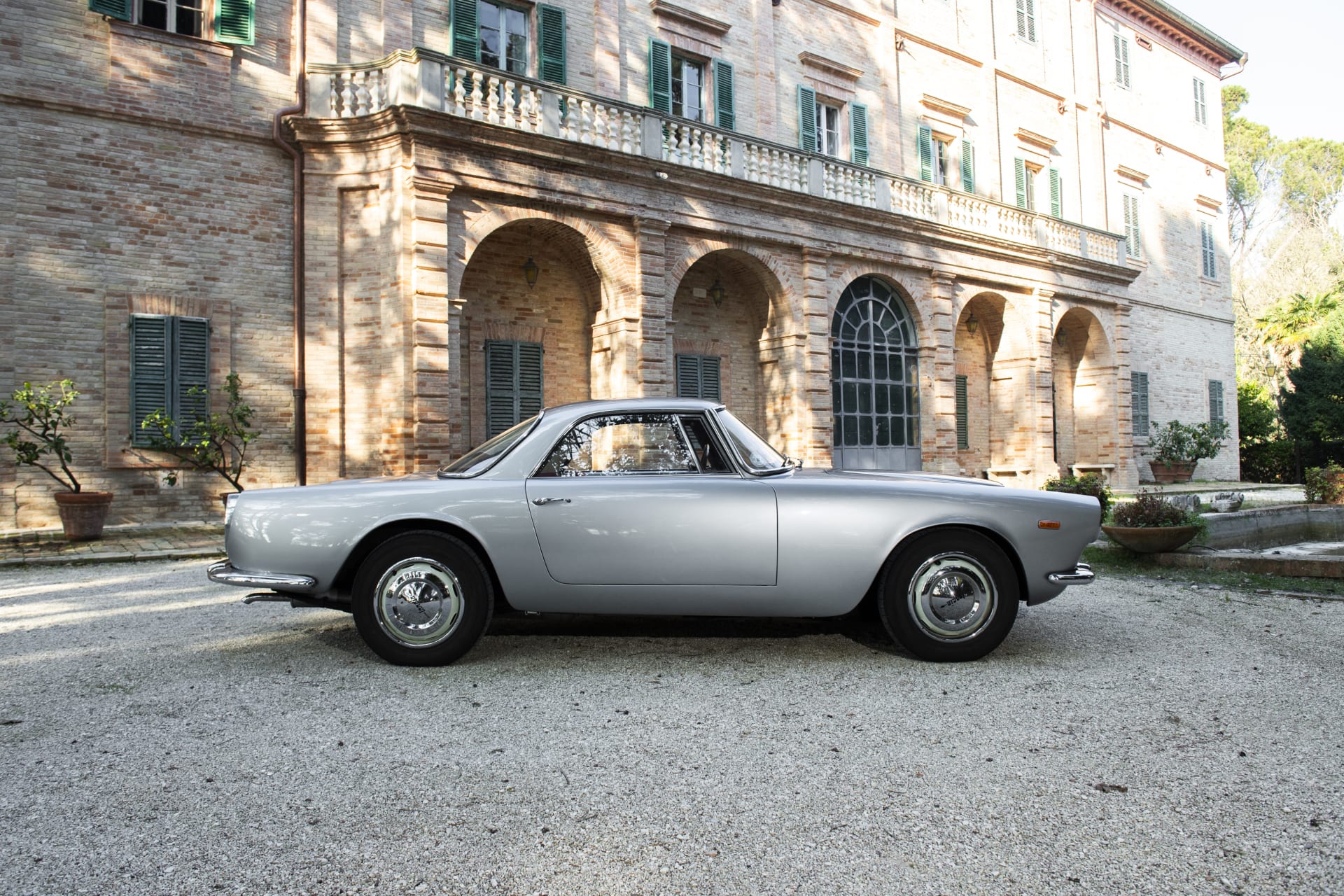
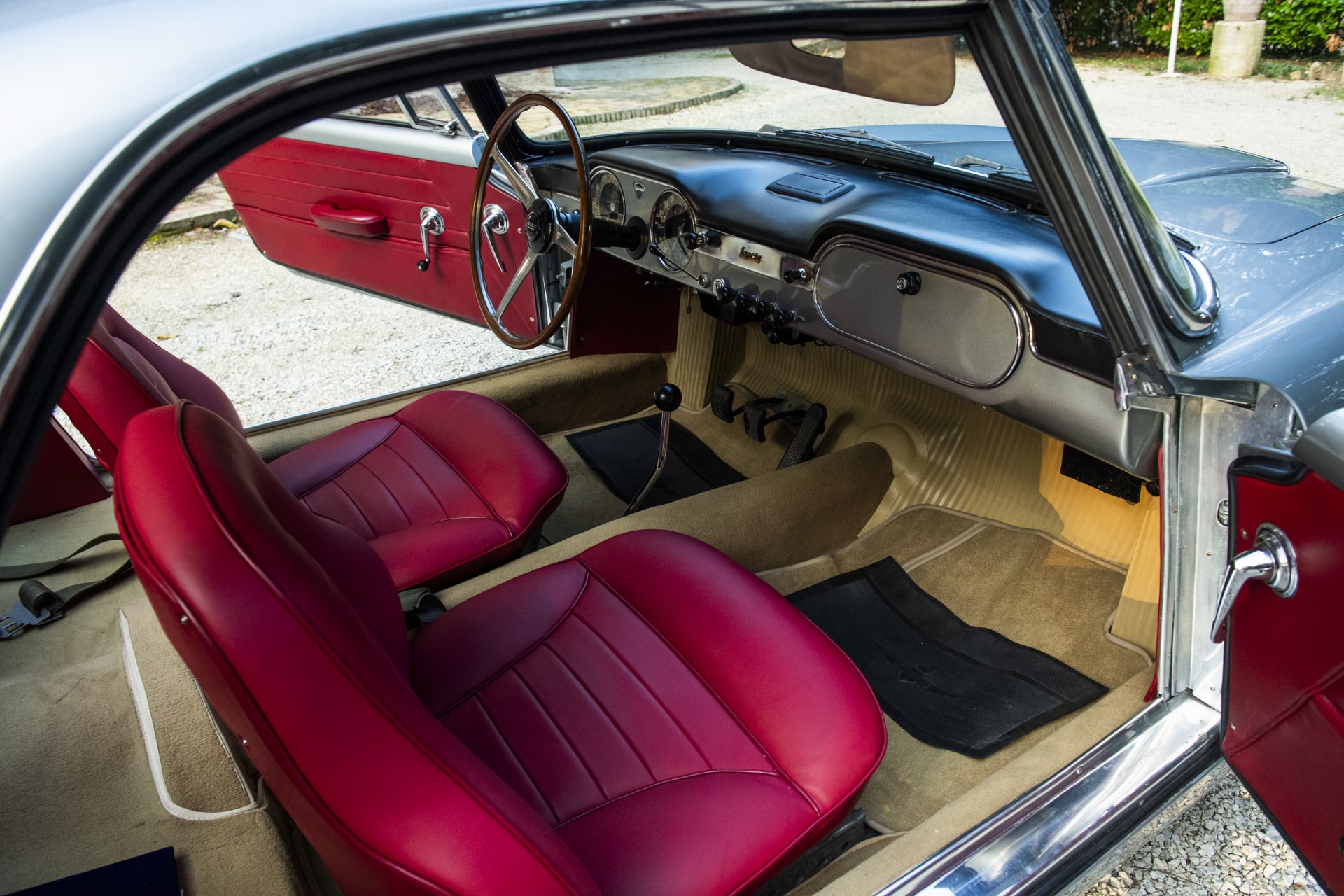
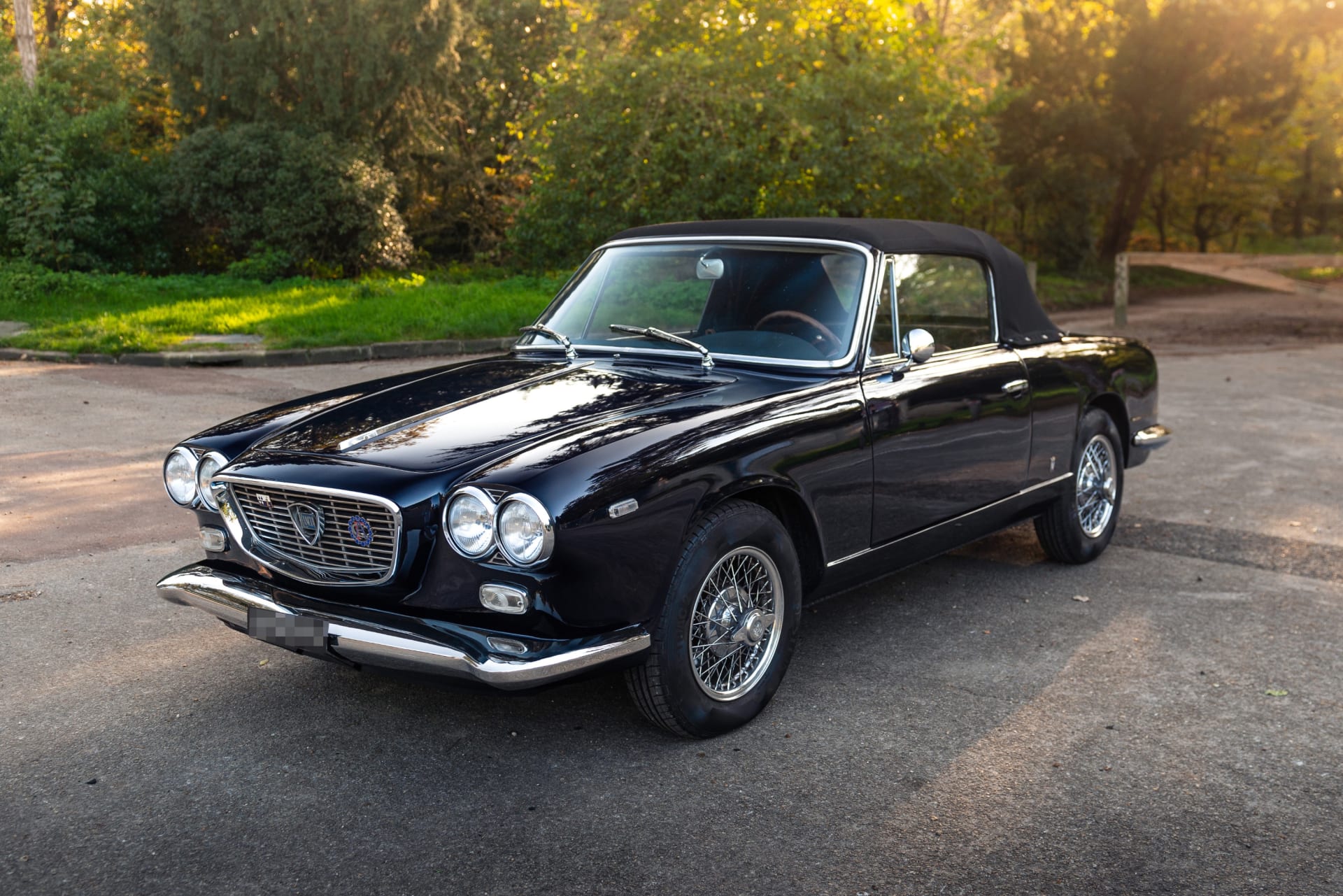
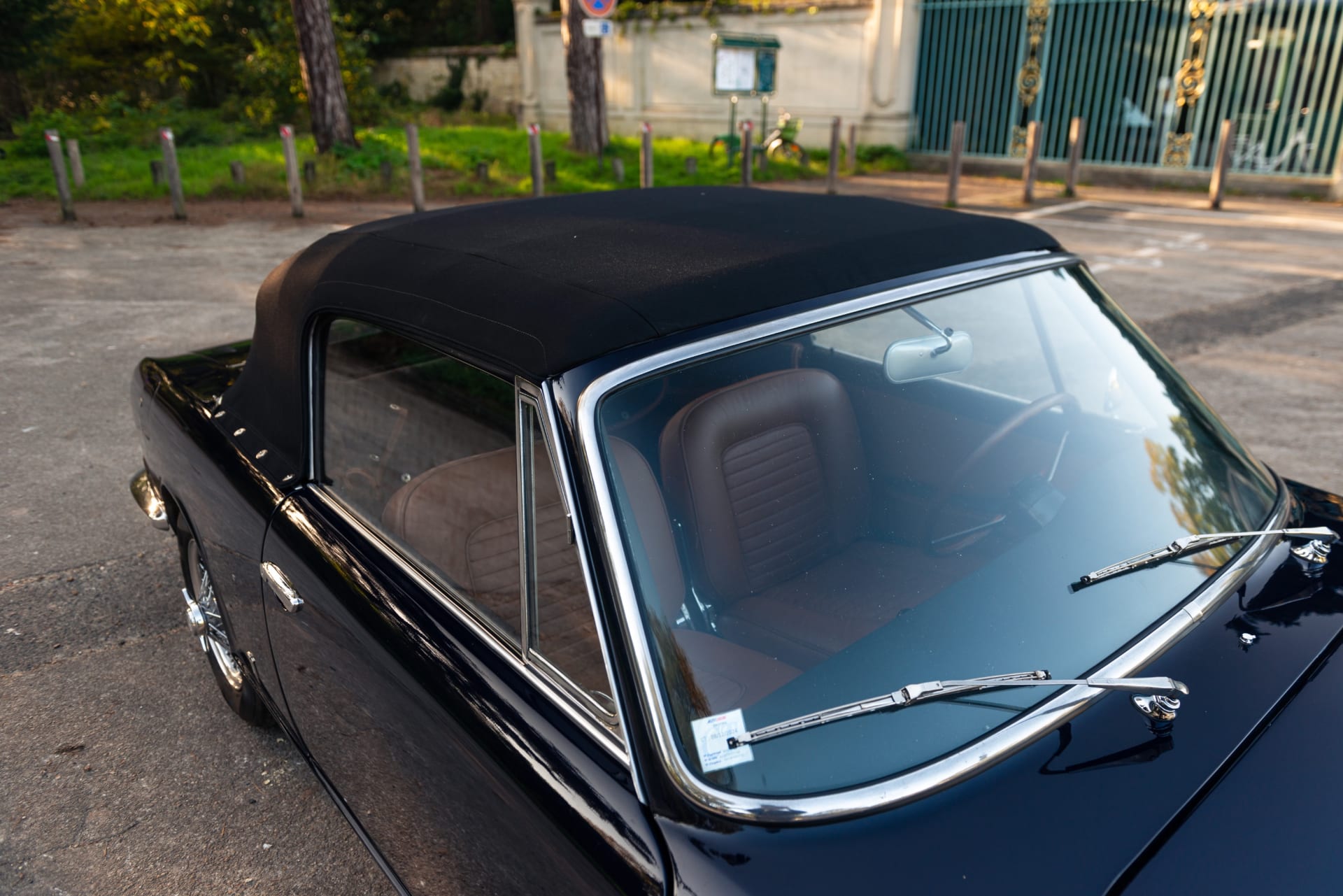
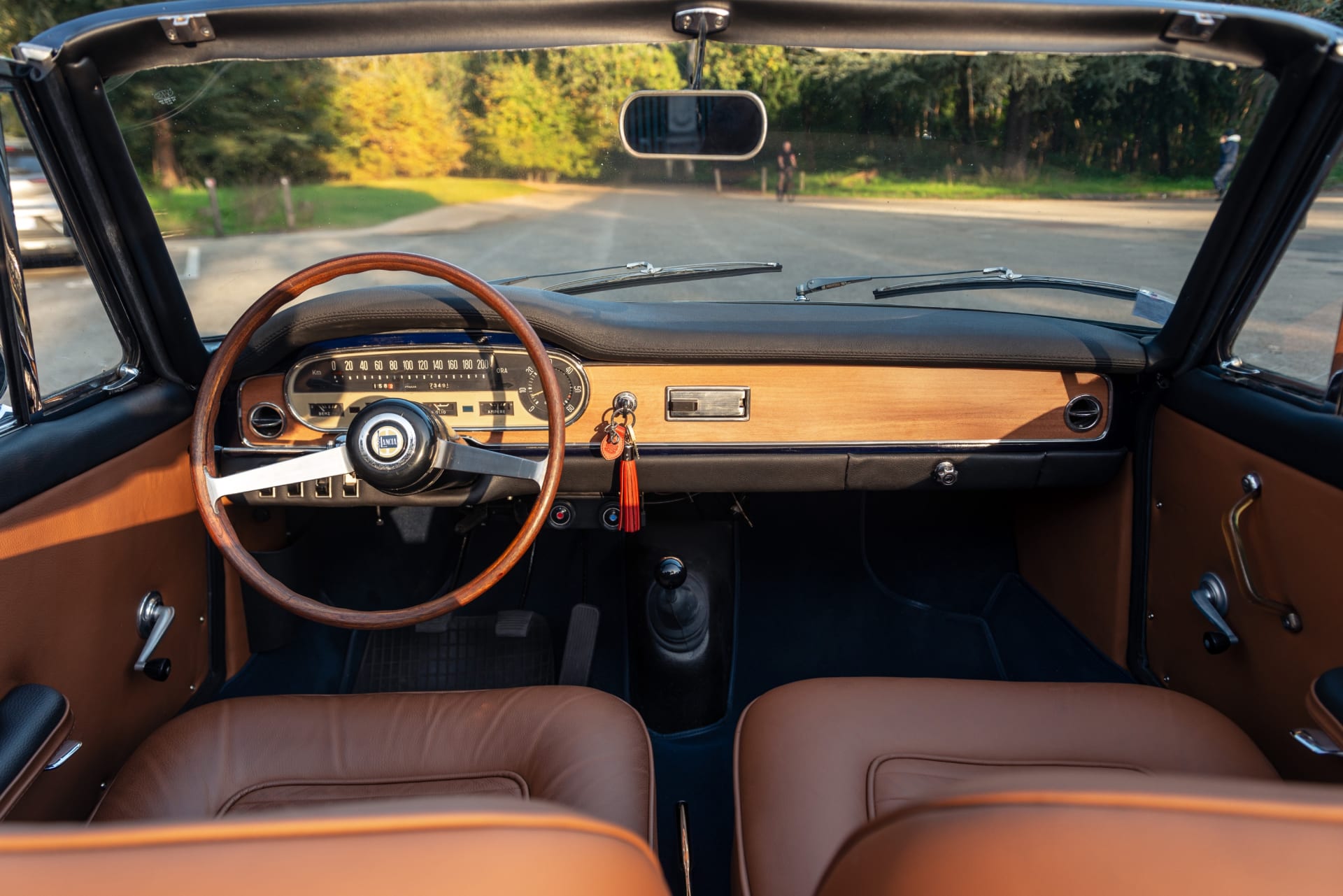
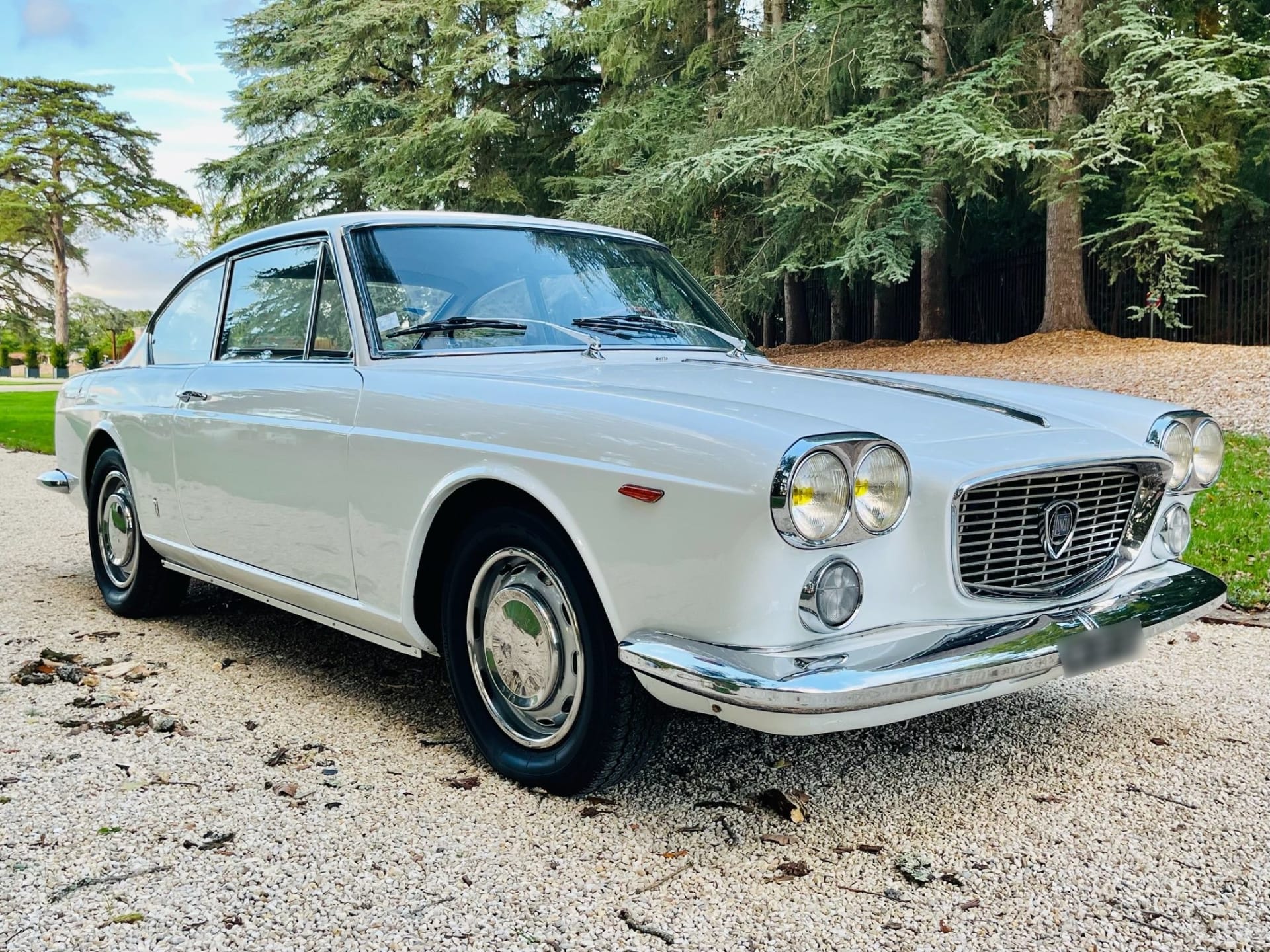
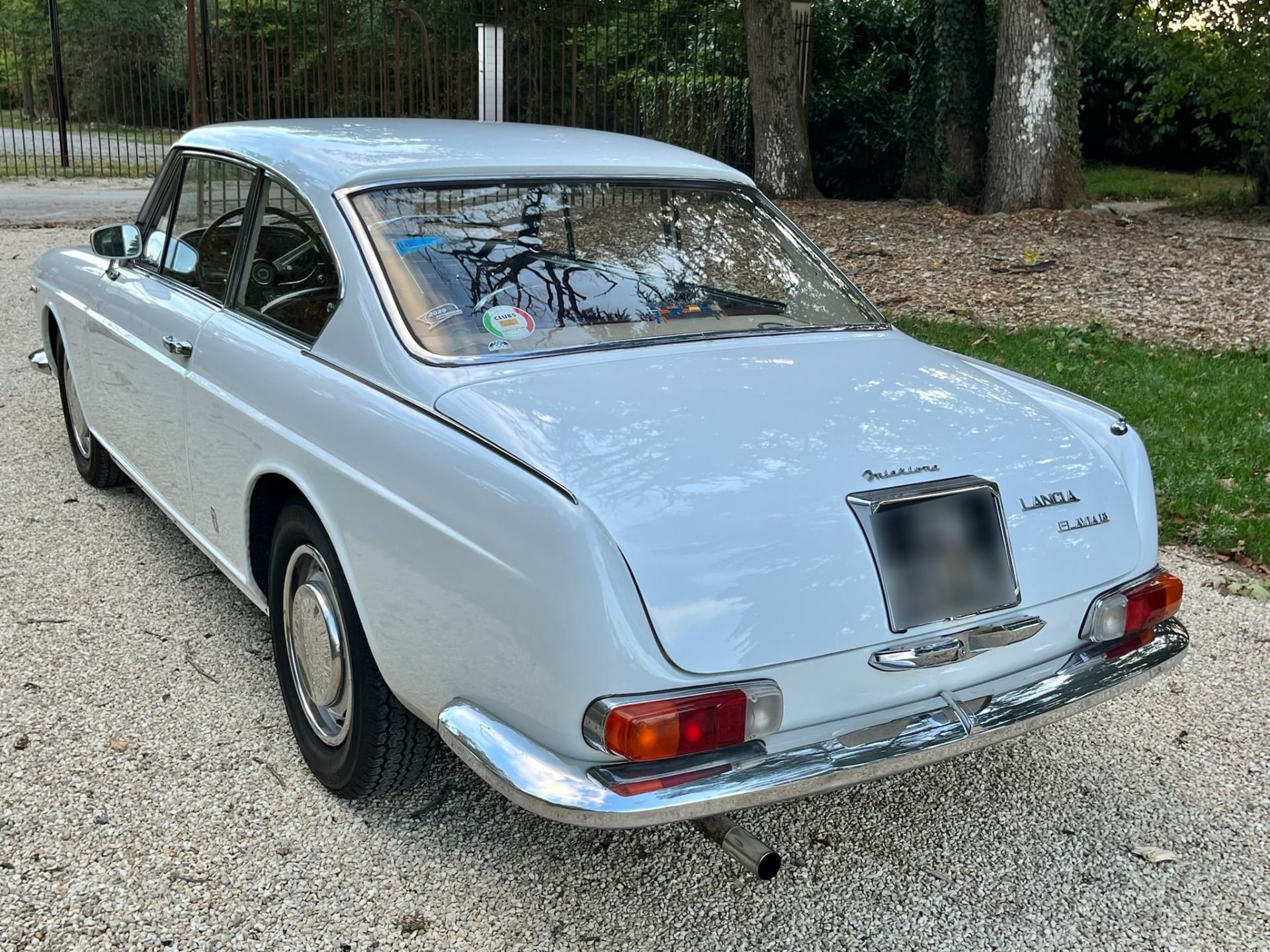
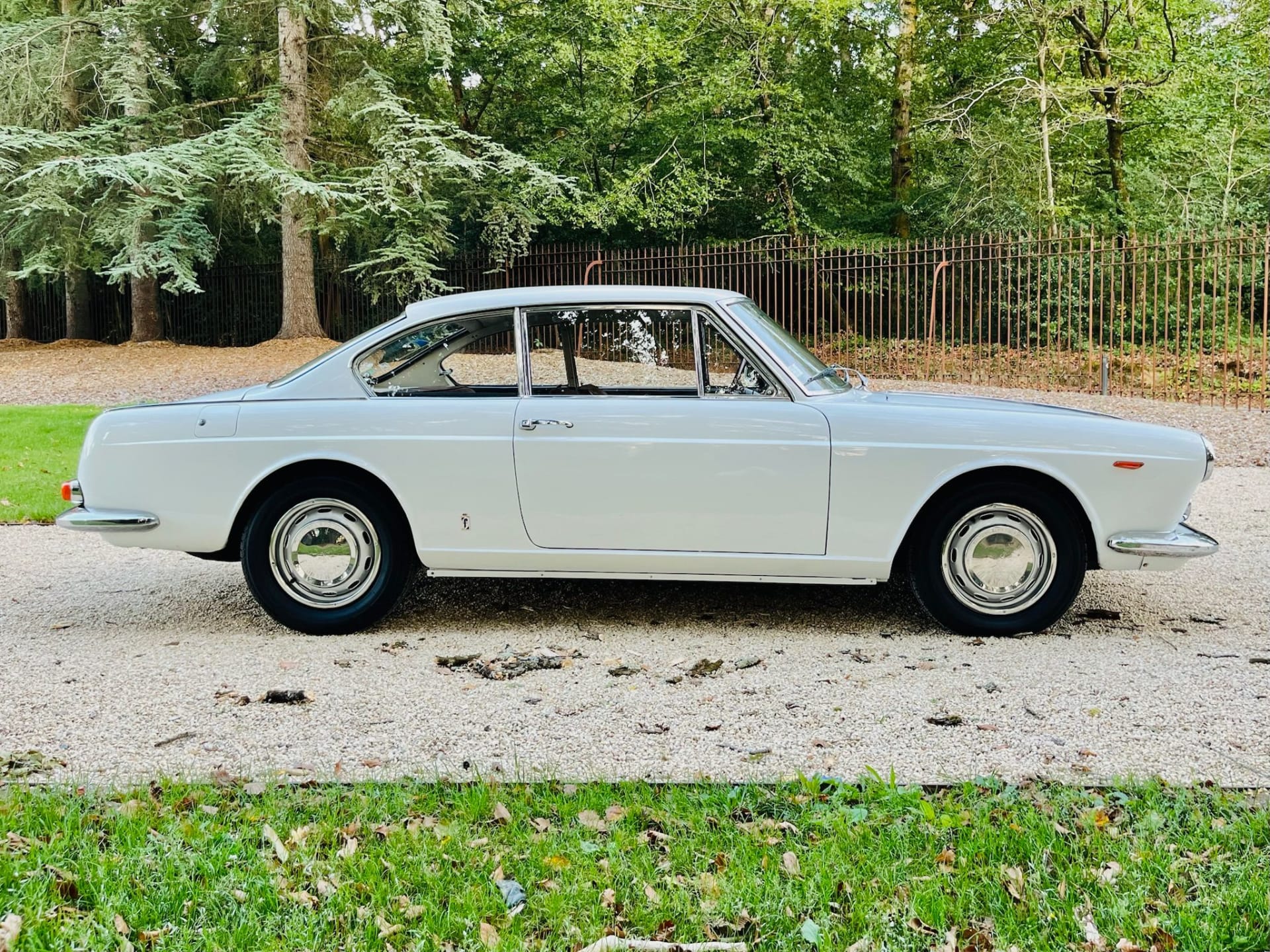
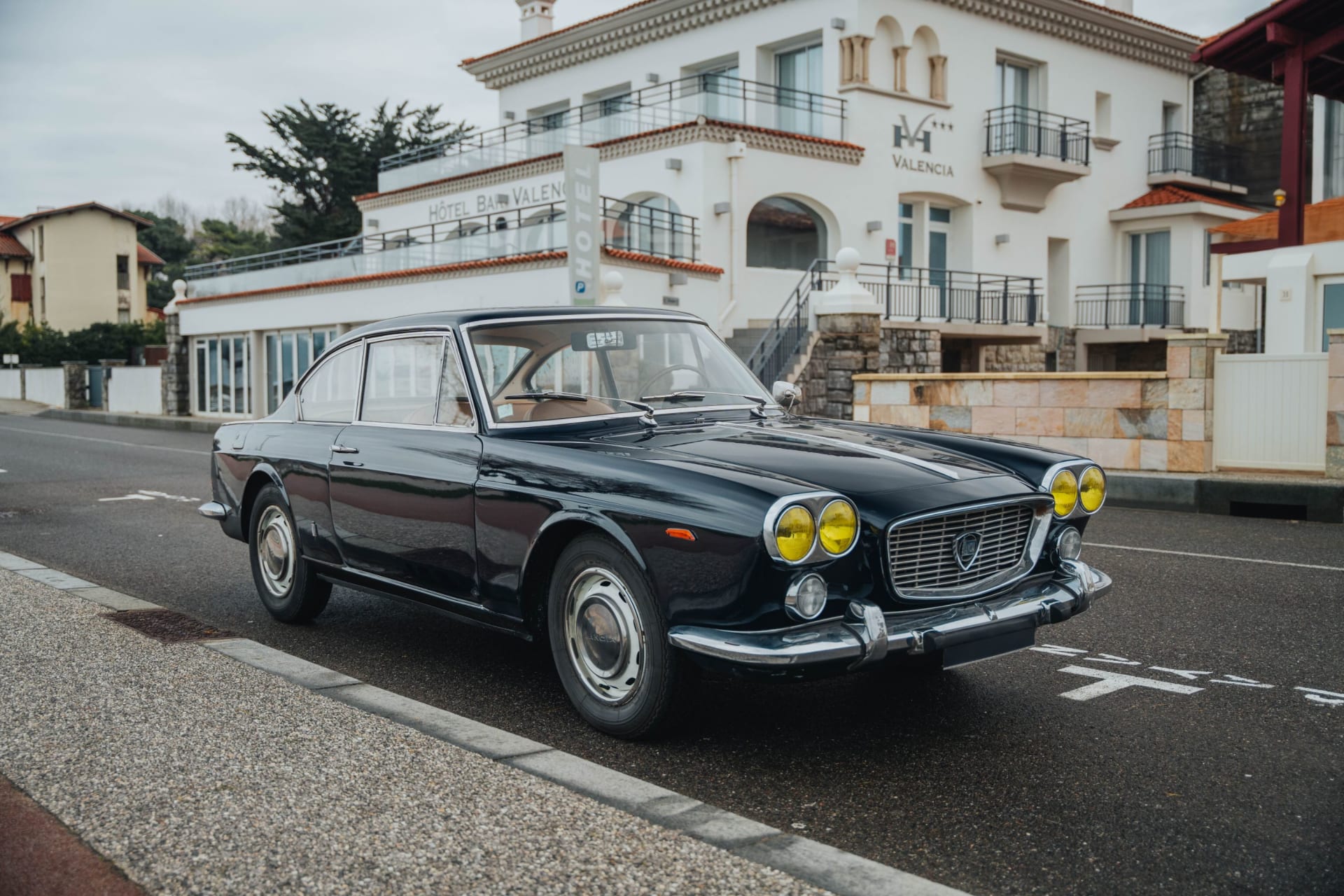
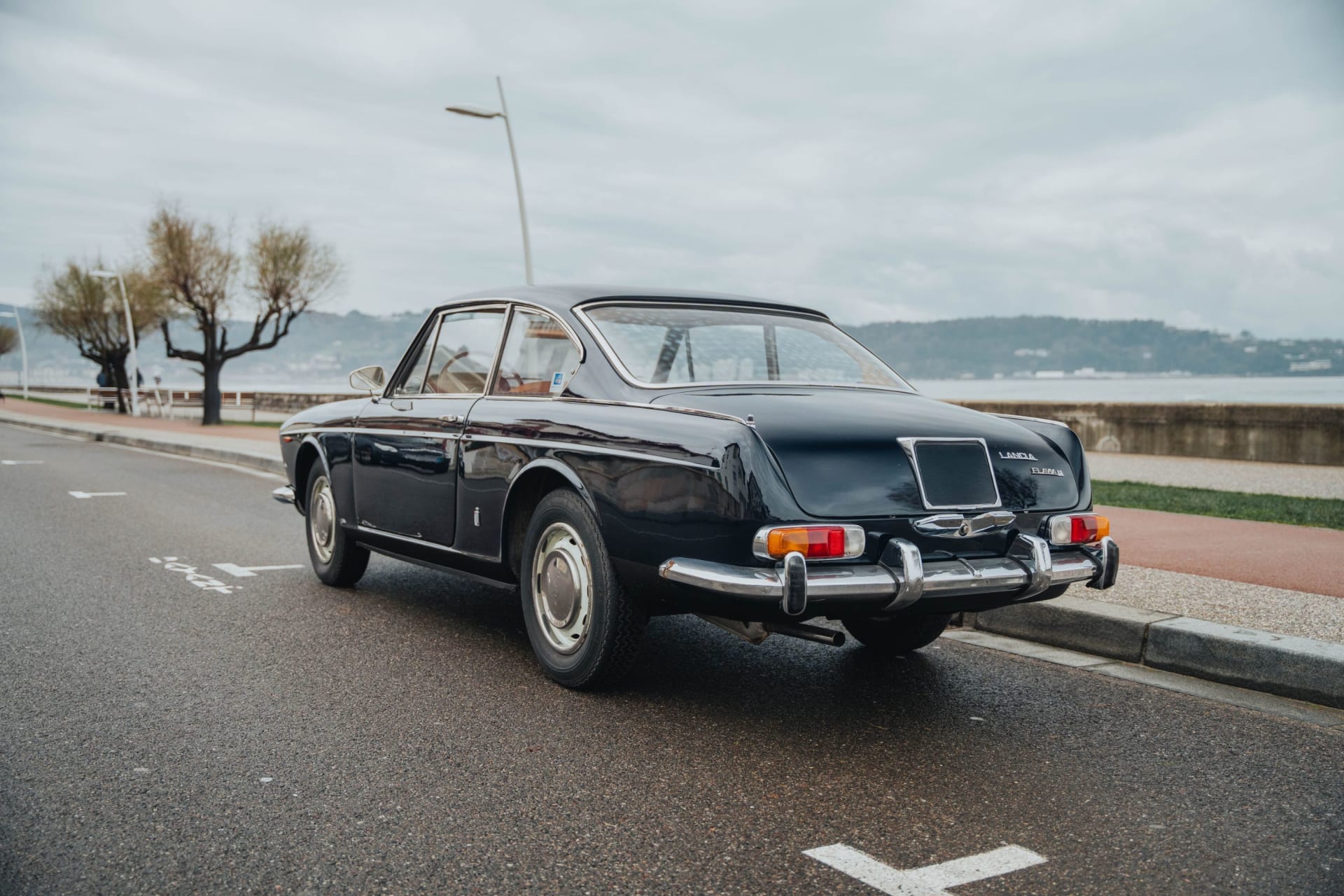
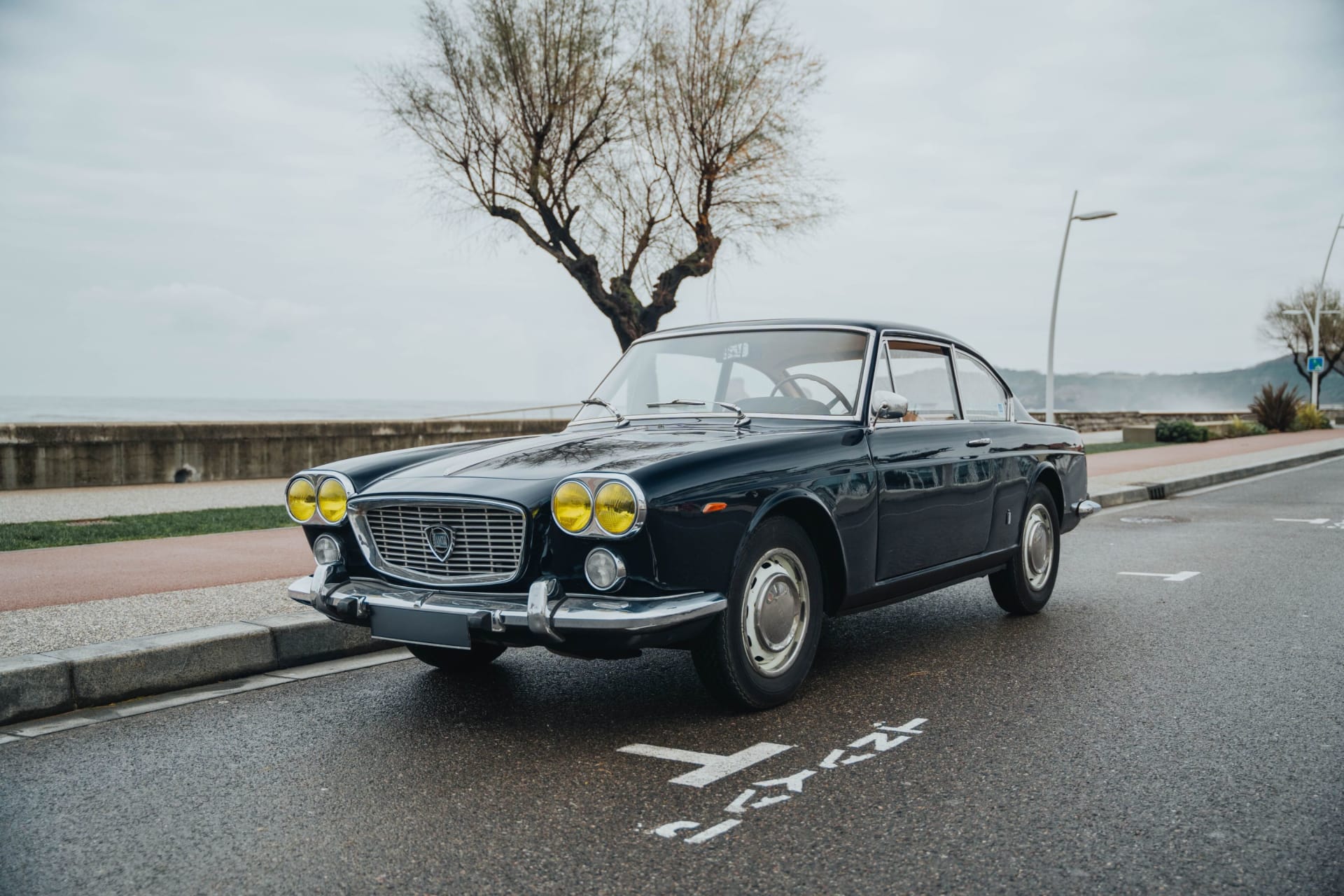
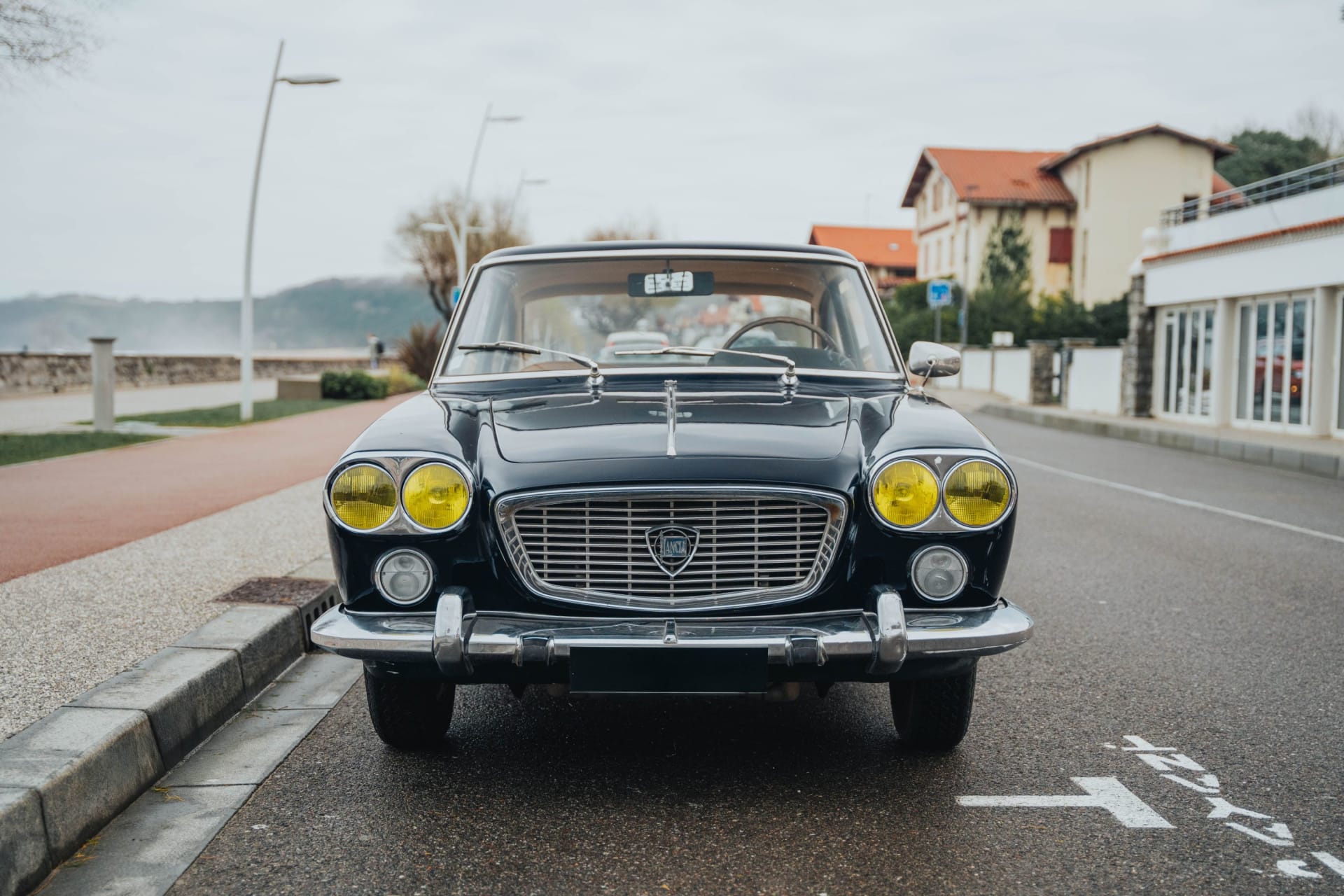
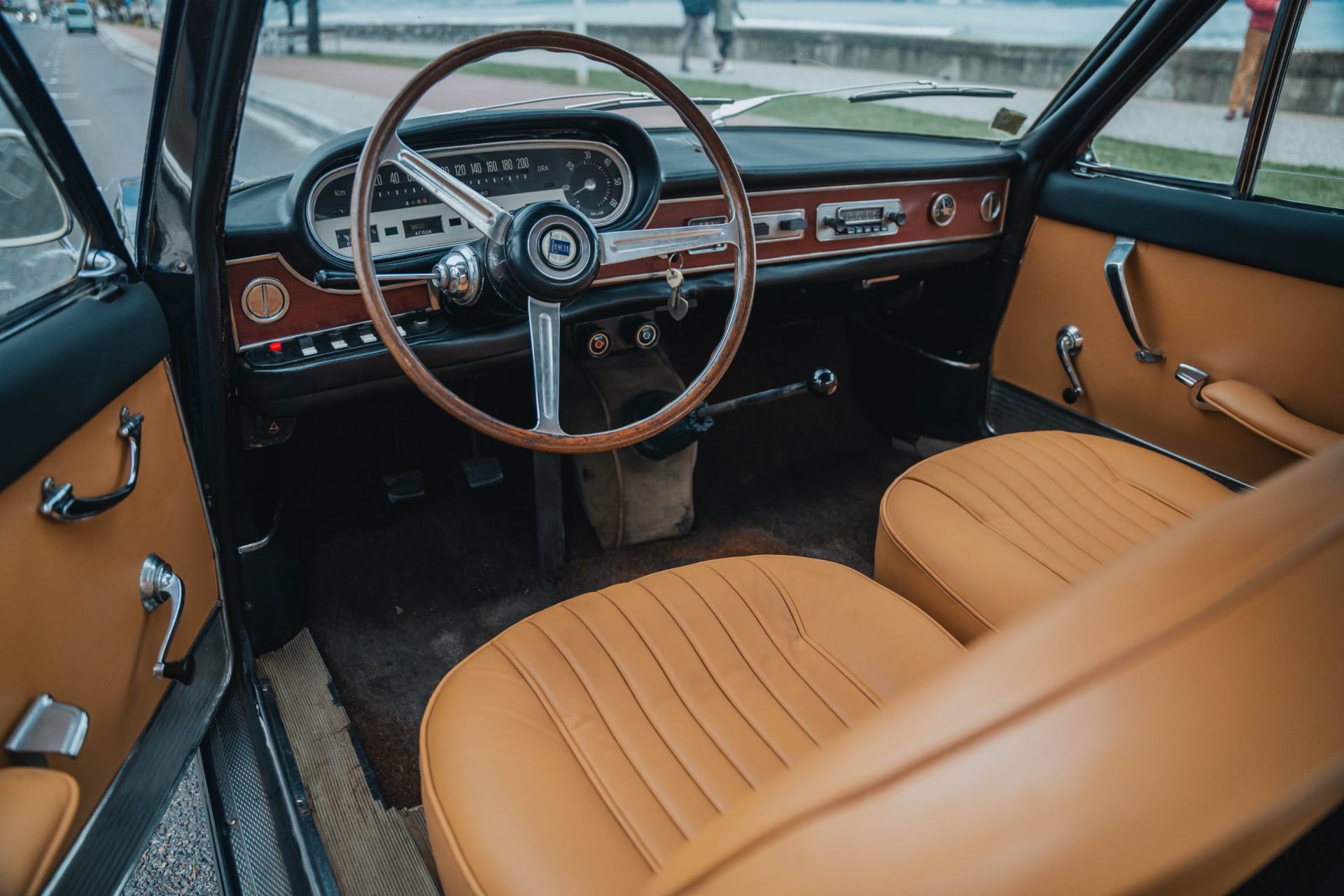
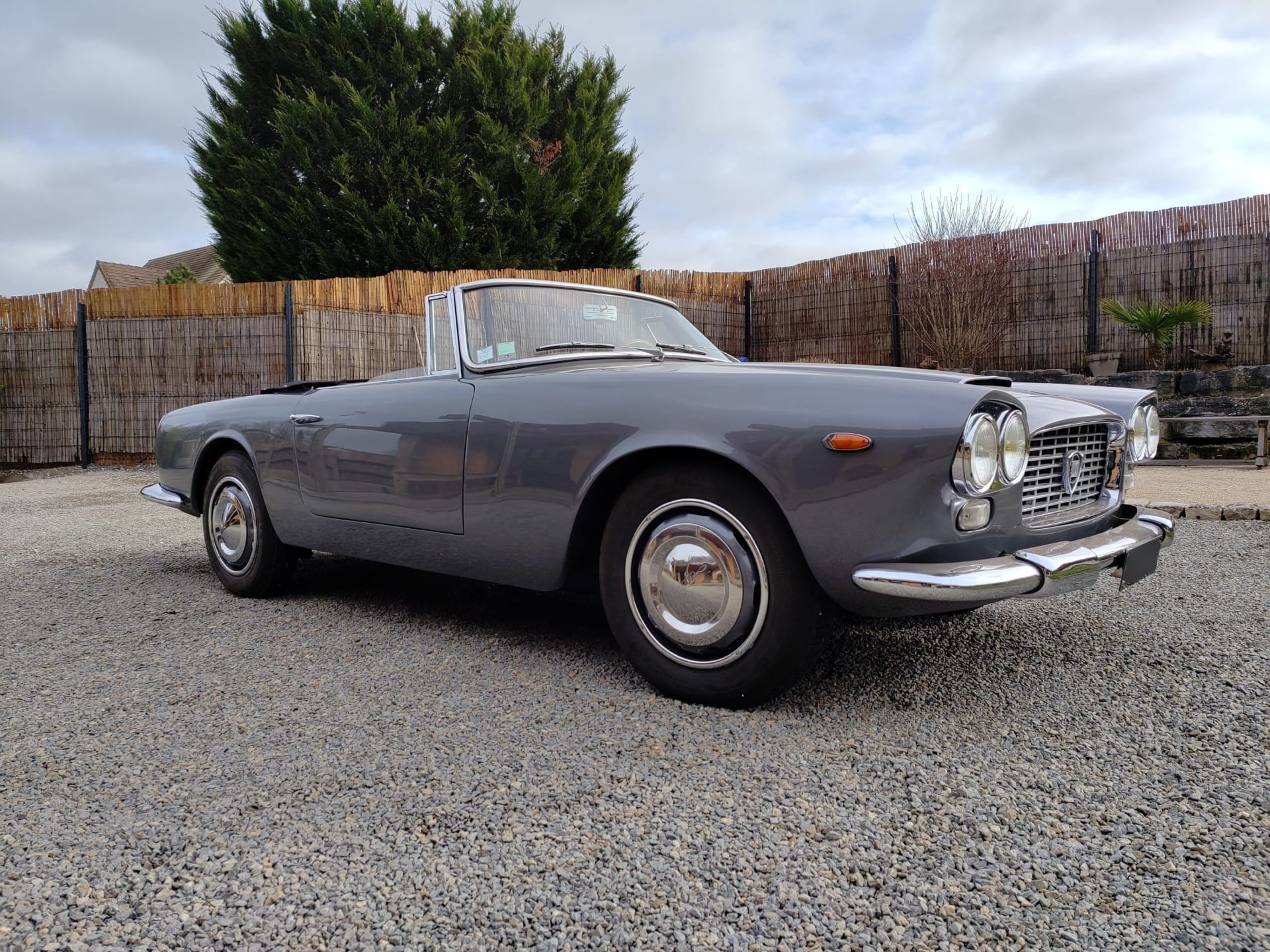
A luxury model positioned at the top of the range, the Flaminia gave rise to several variants, including the sublime coupés and convertibles bodied by Touring, which are highly sought-after today.

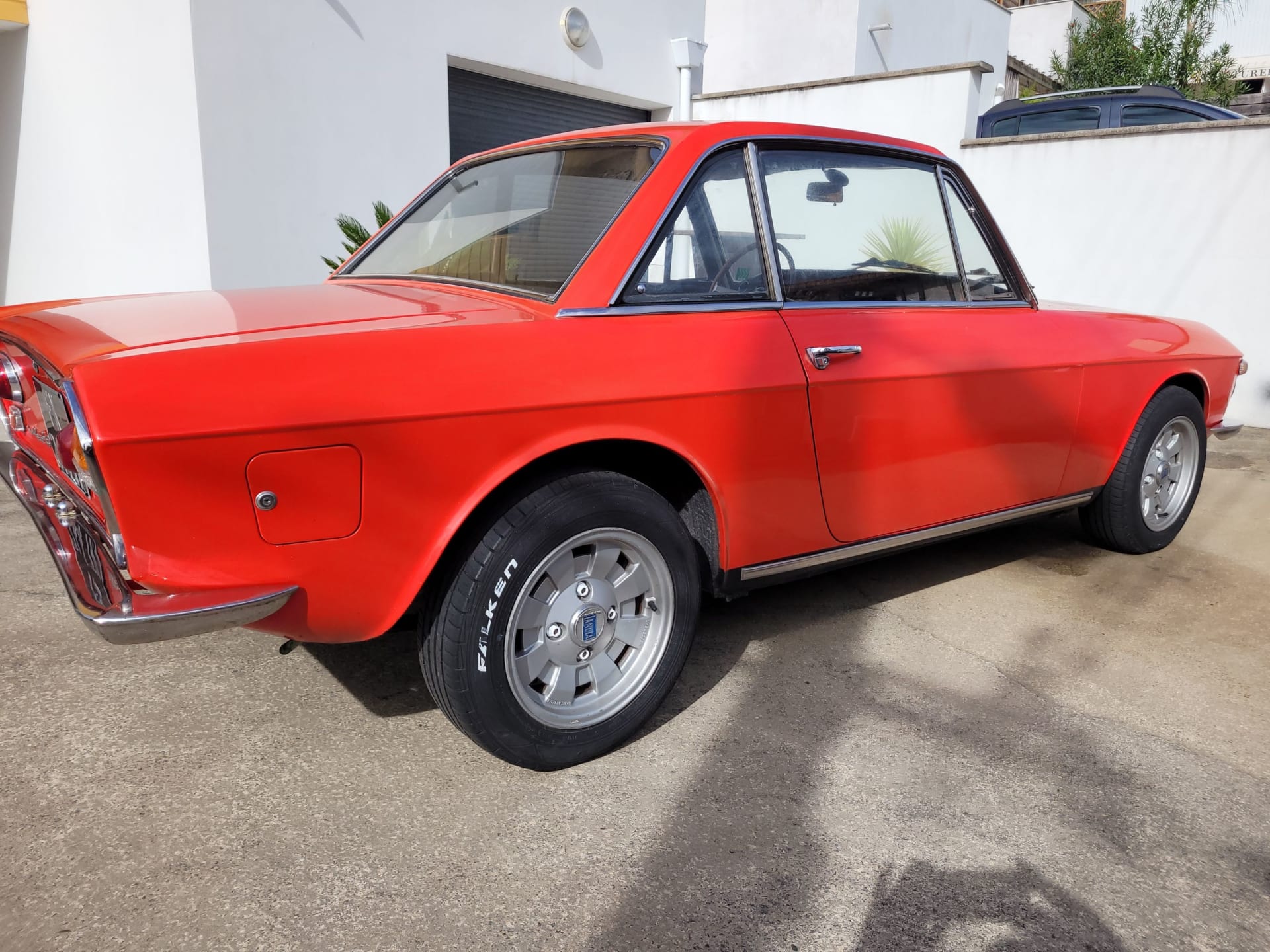
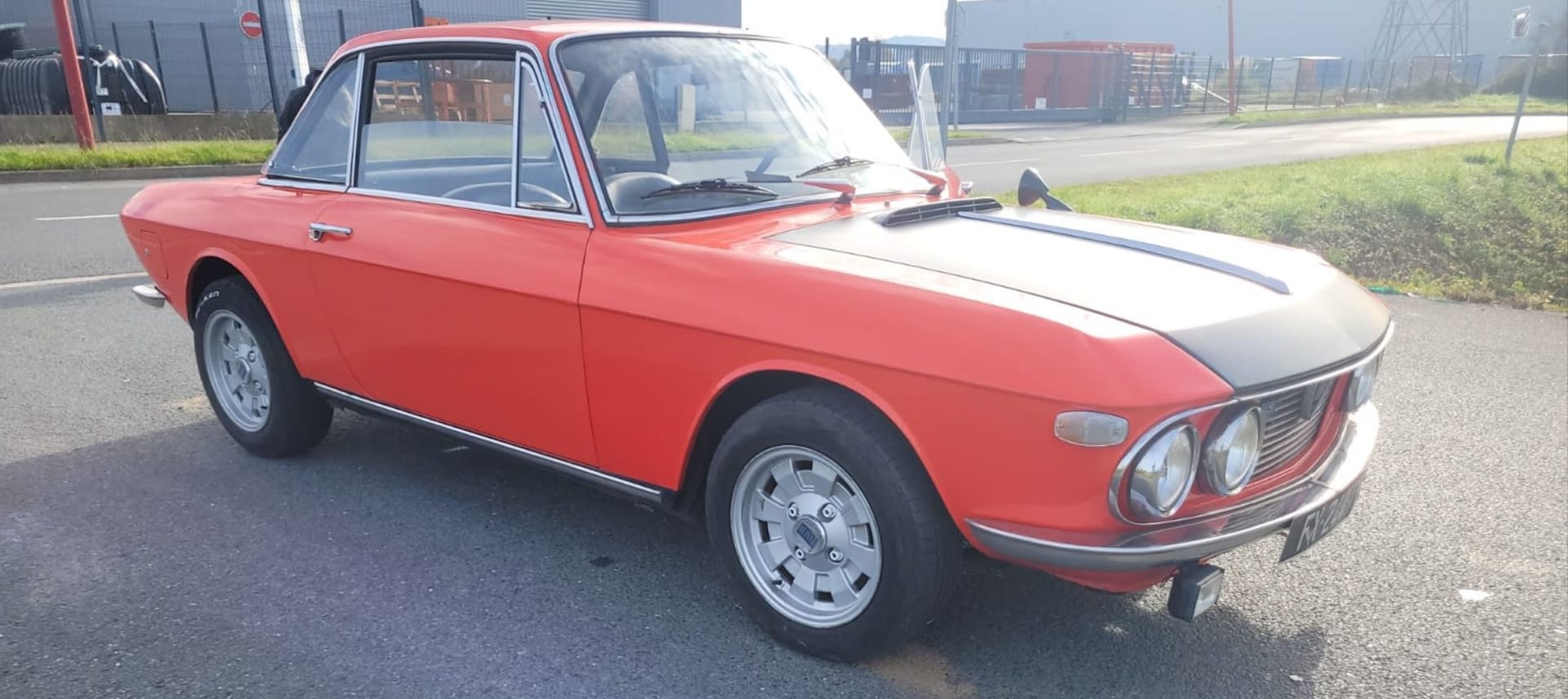
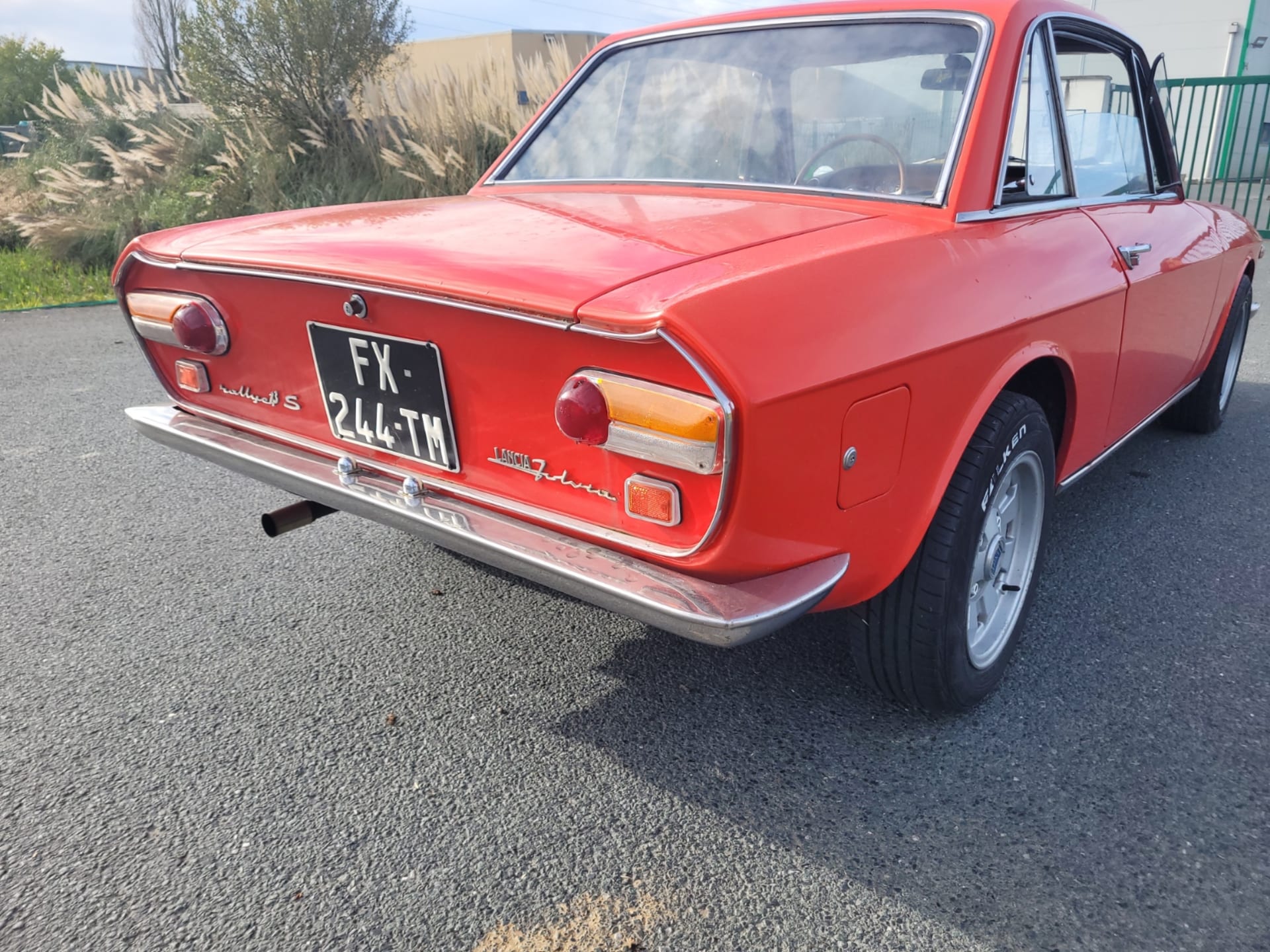
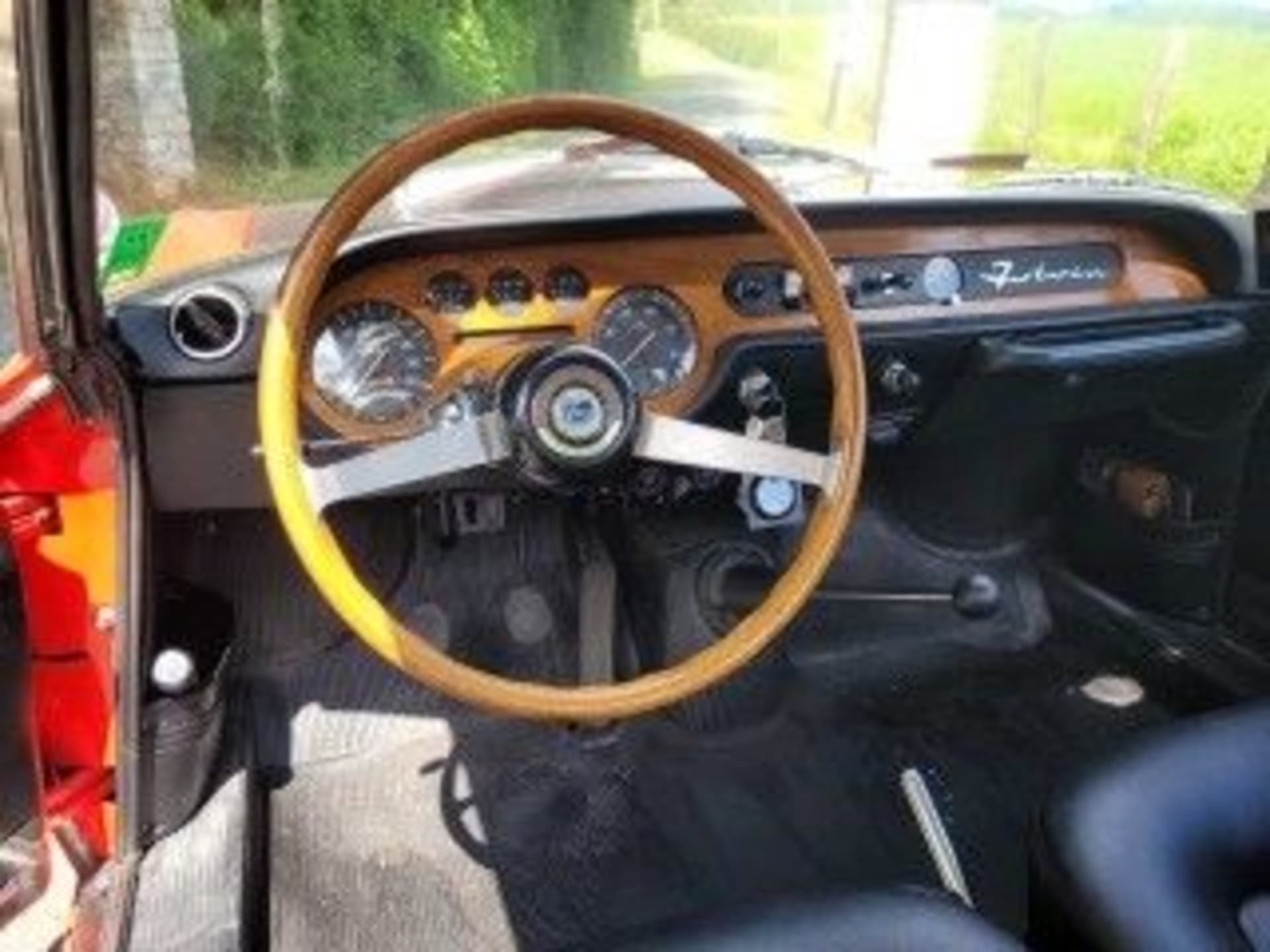
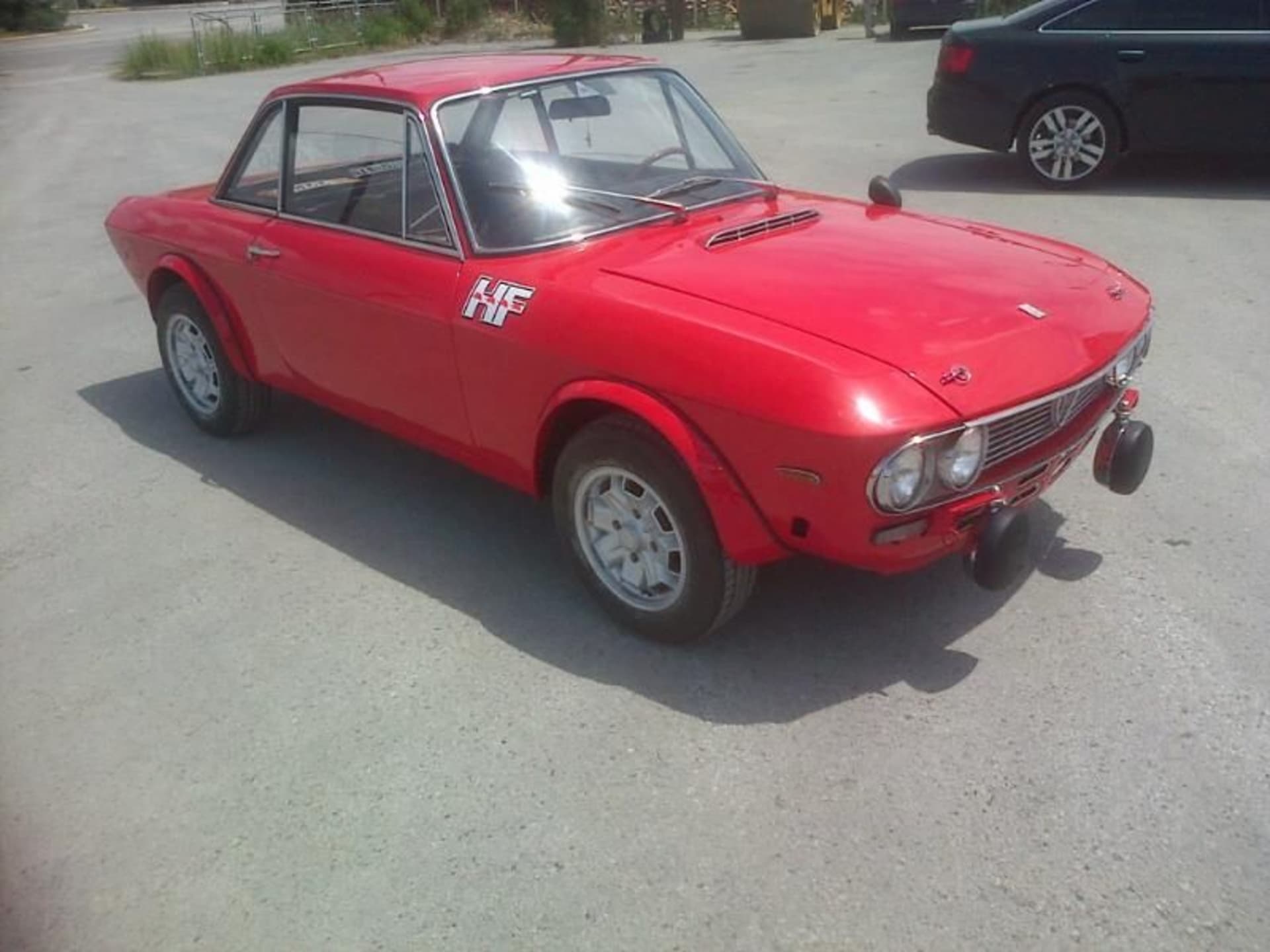
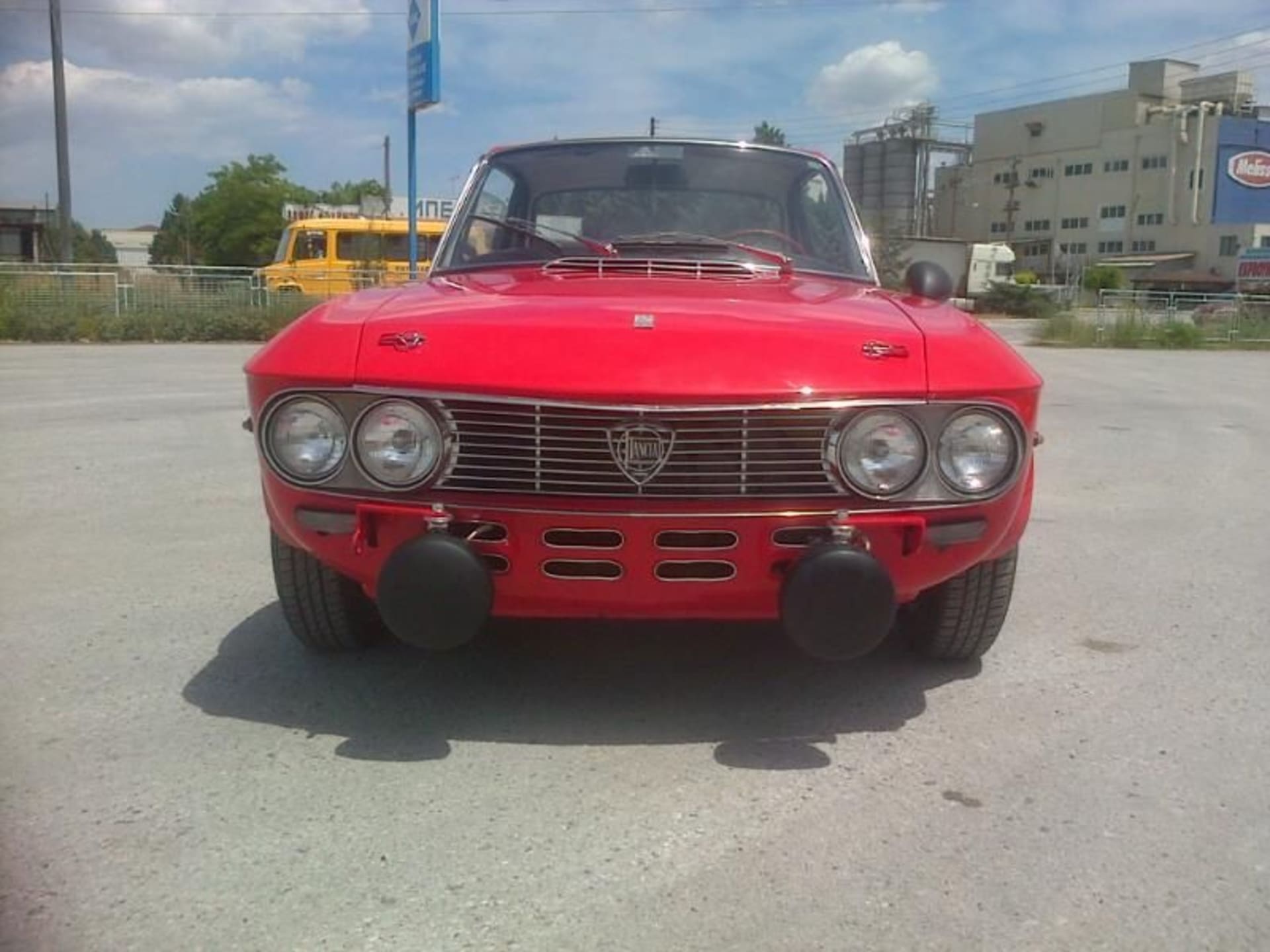
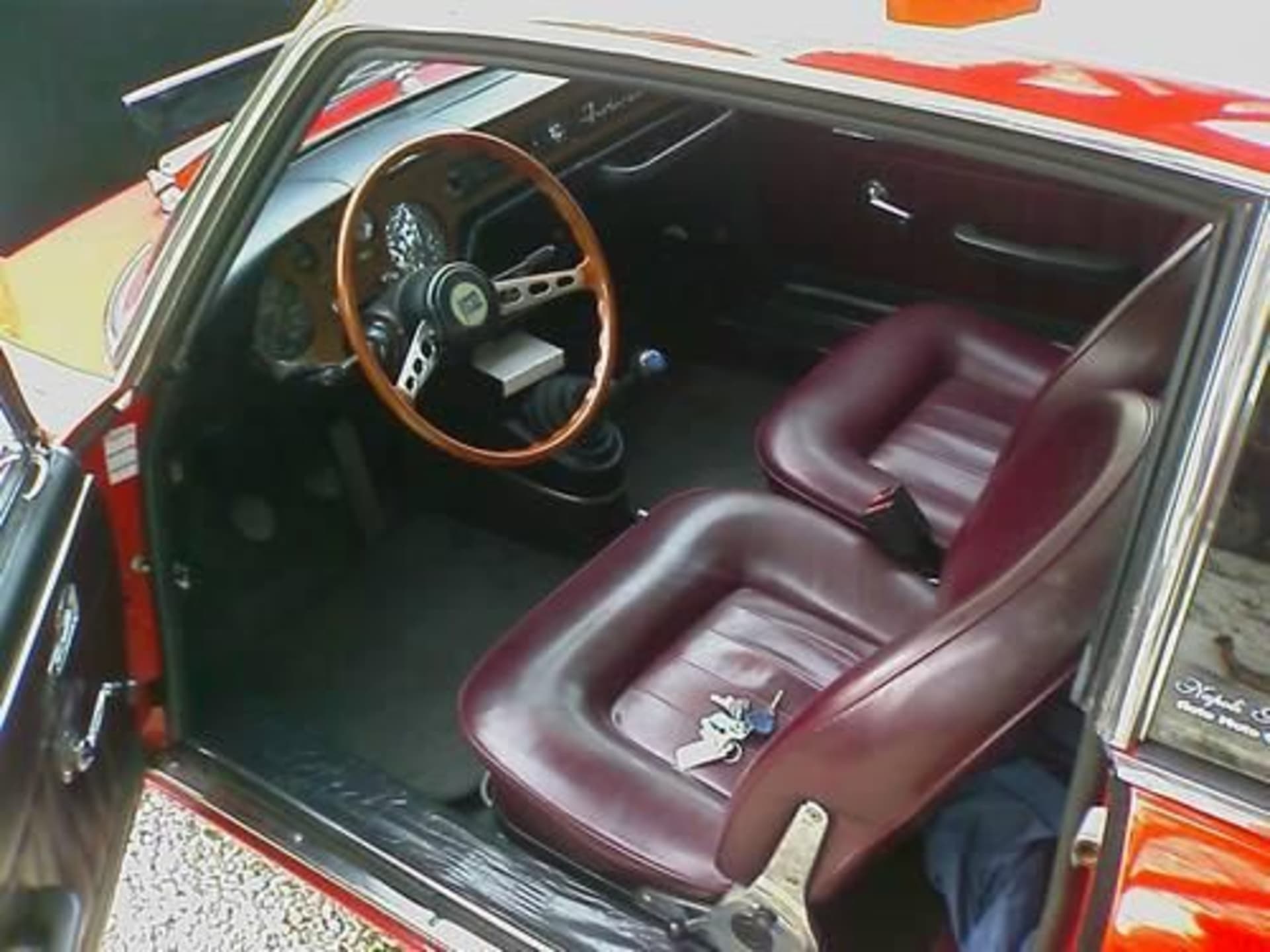
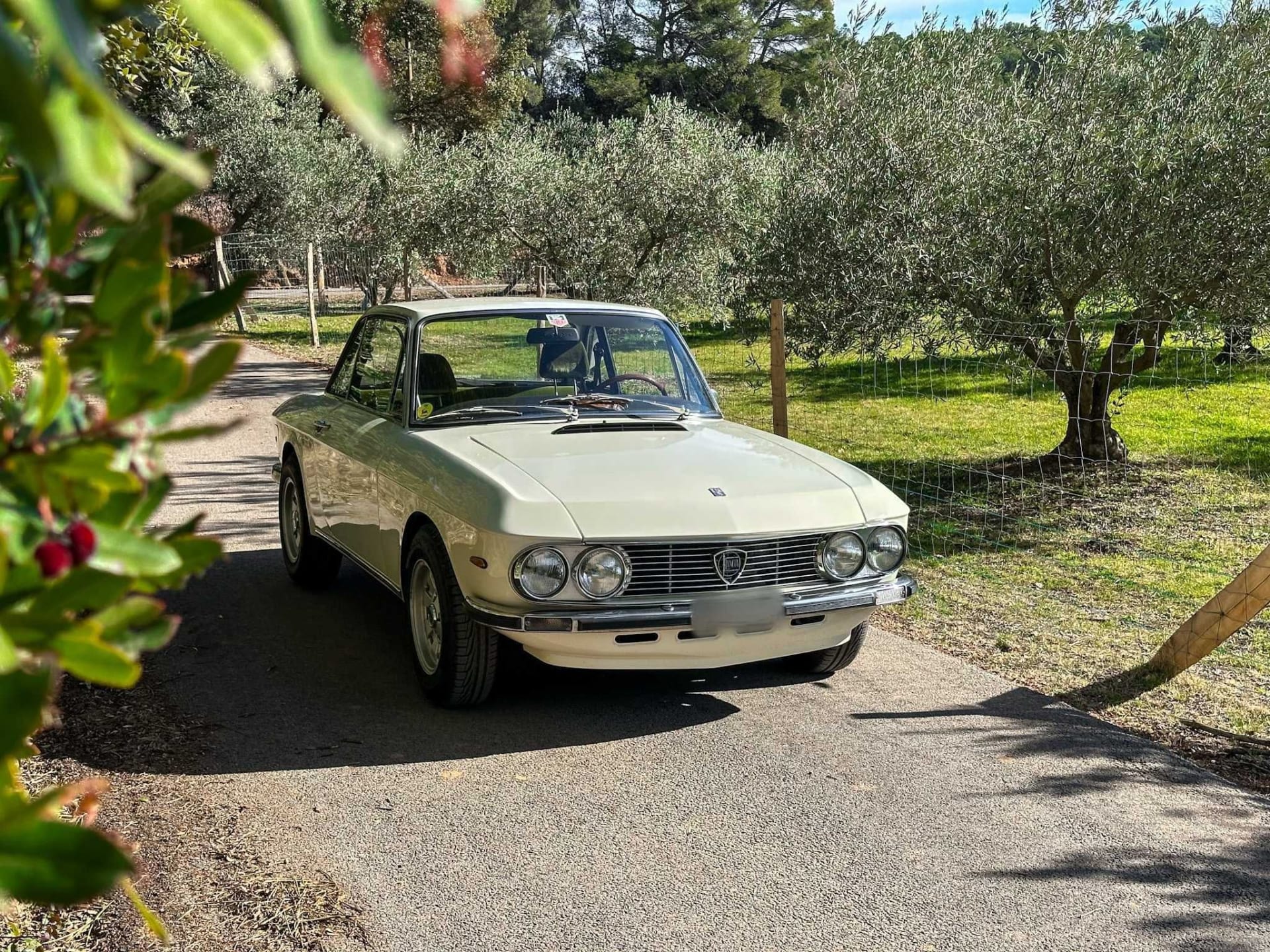
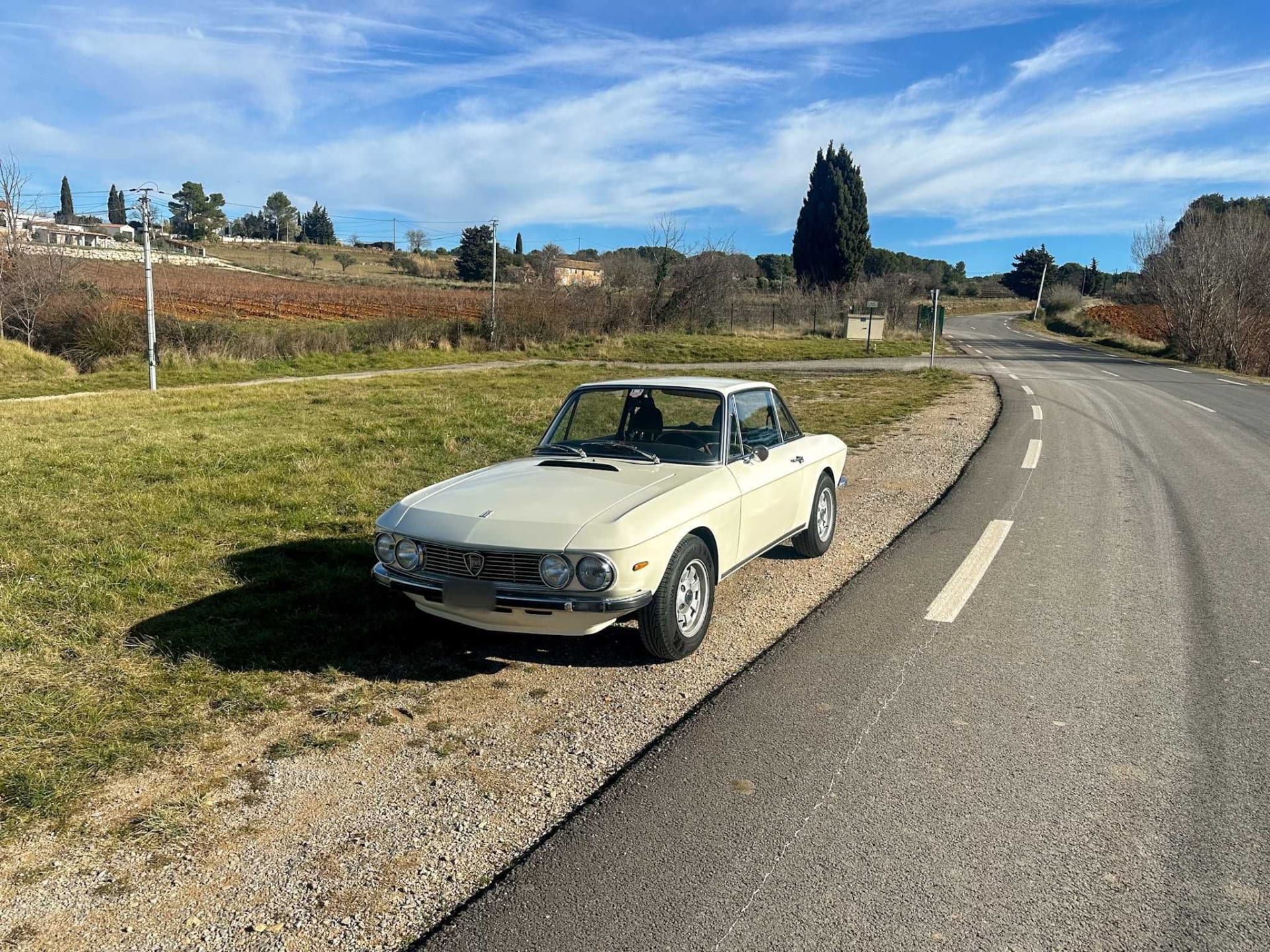
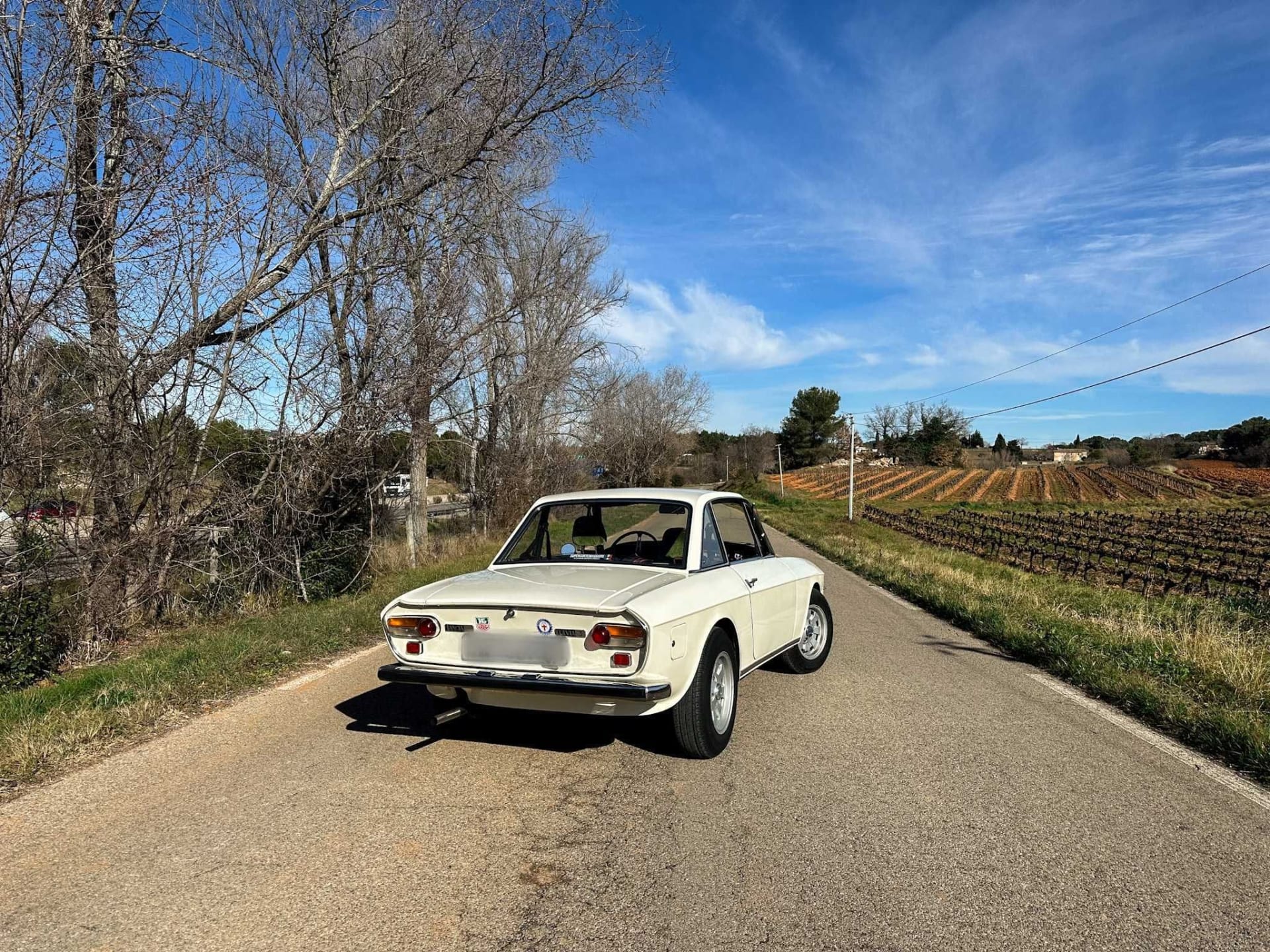
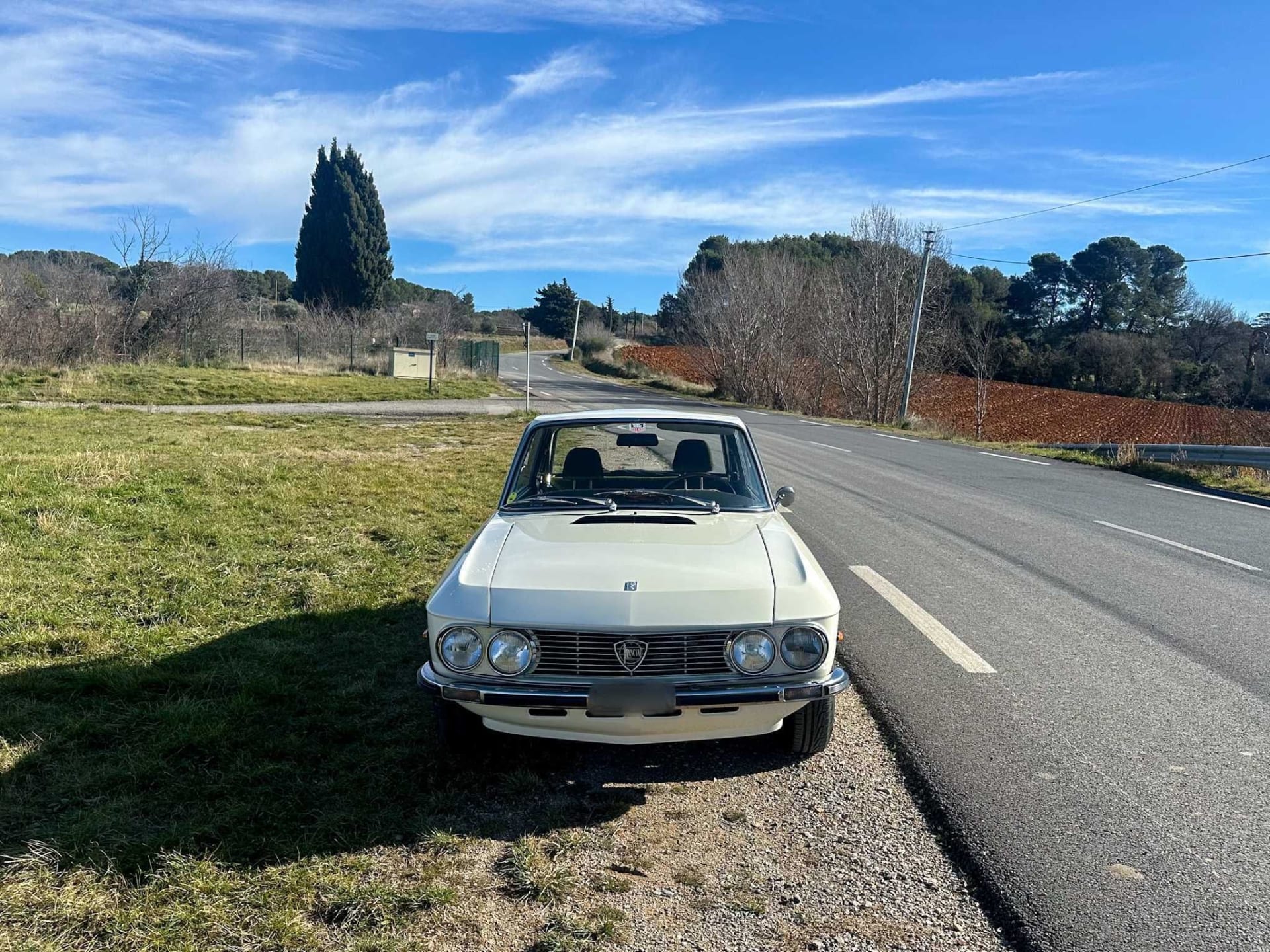
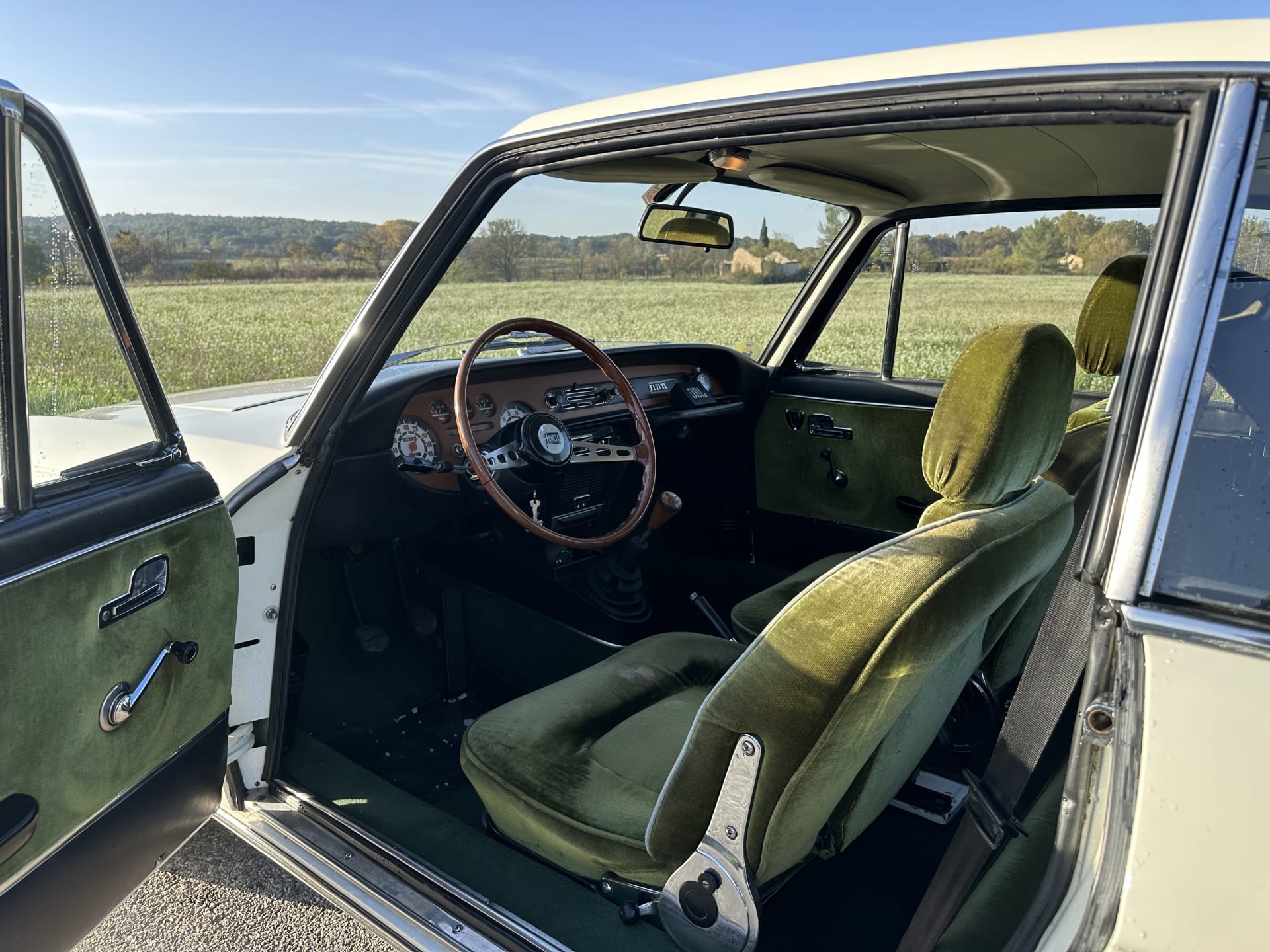
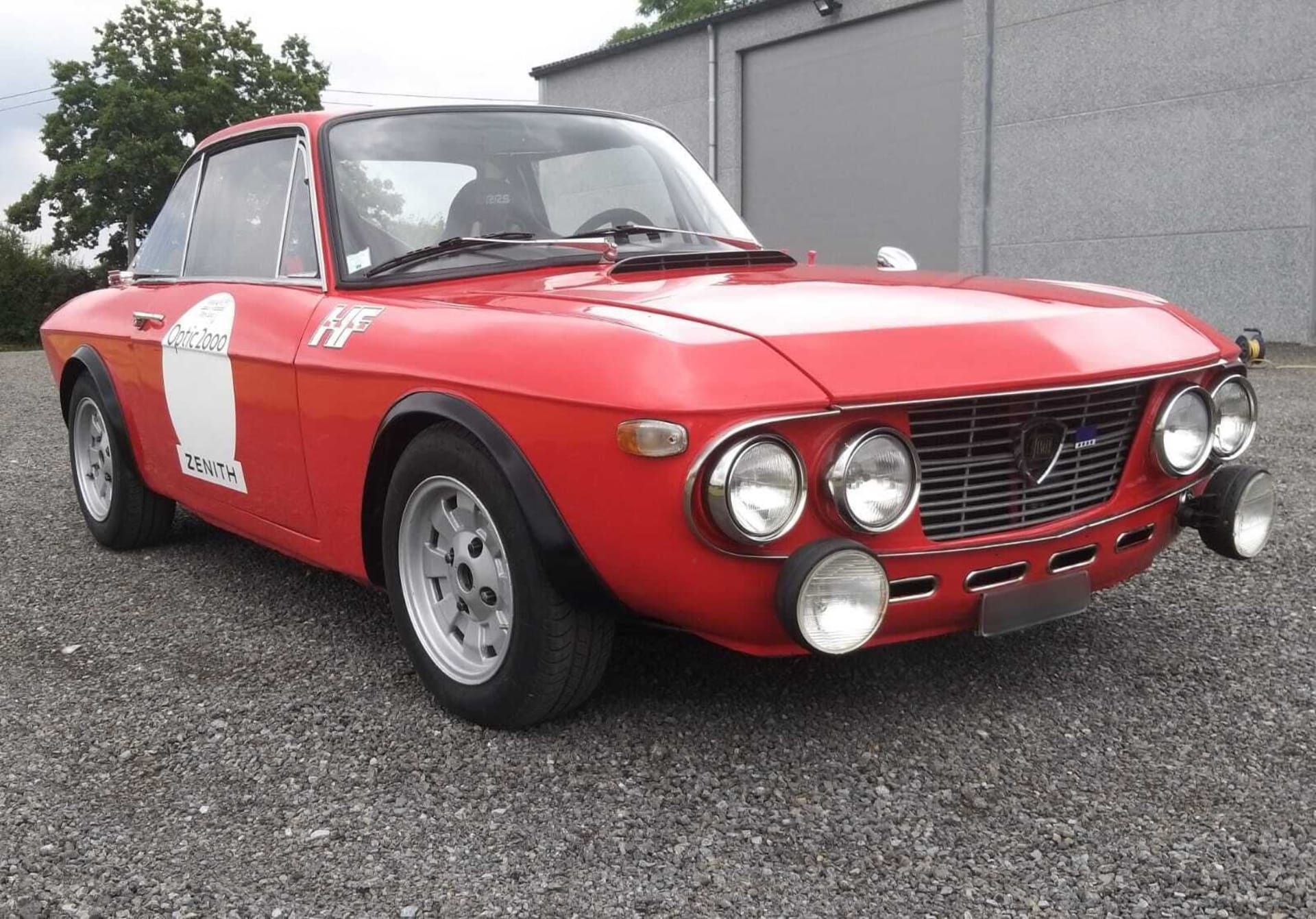
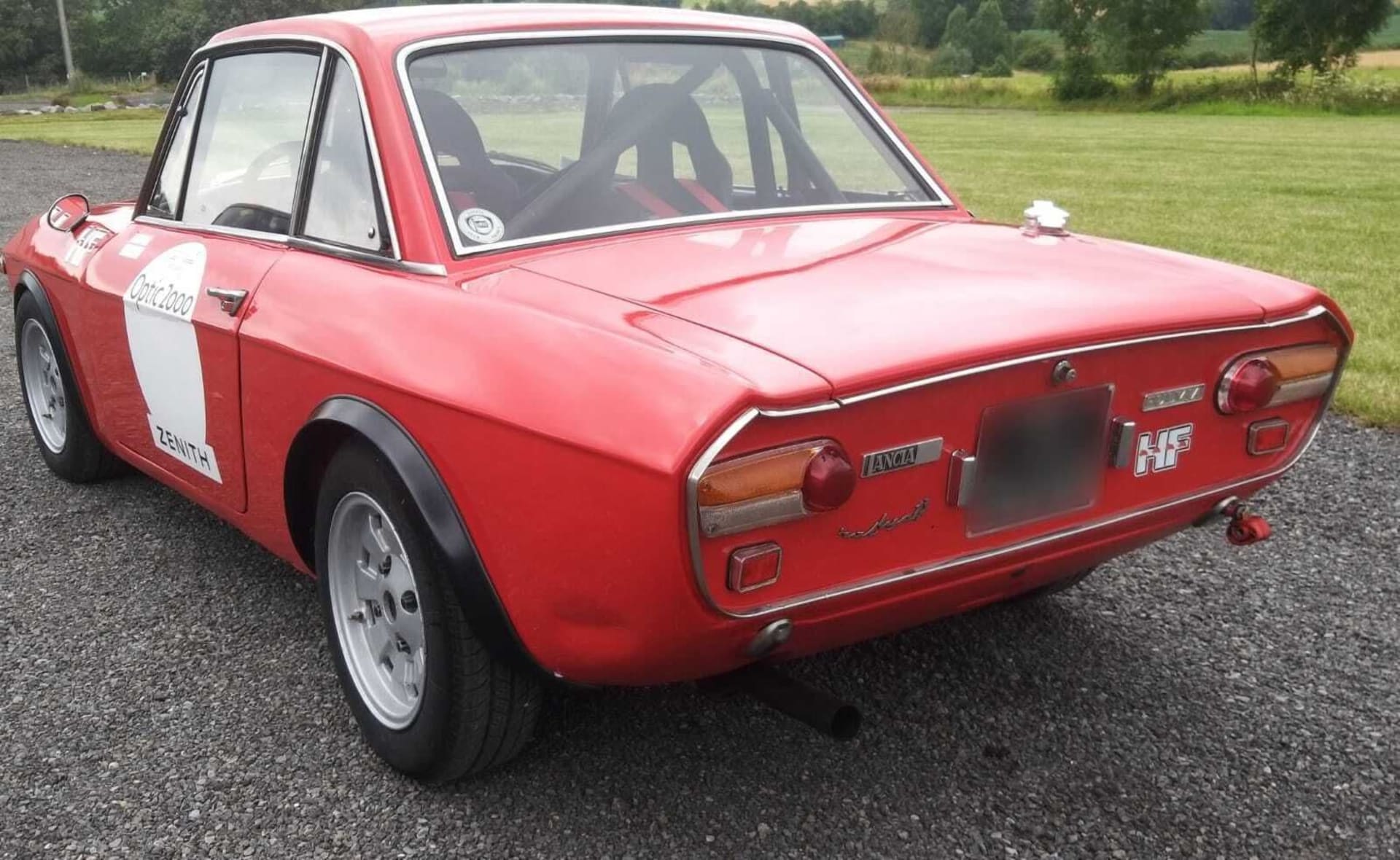
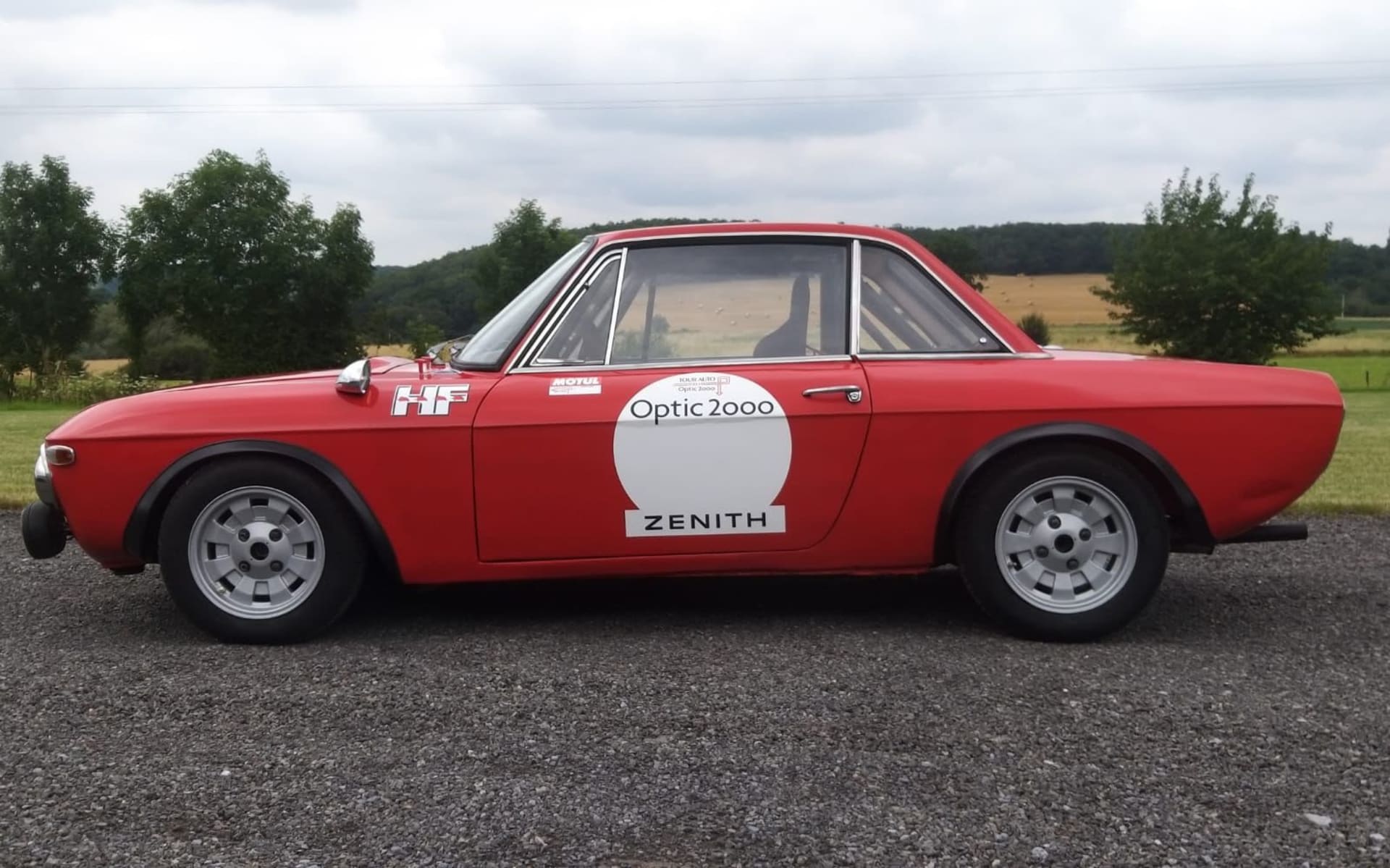
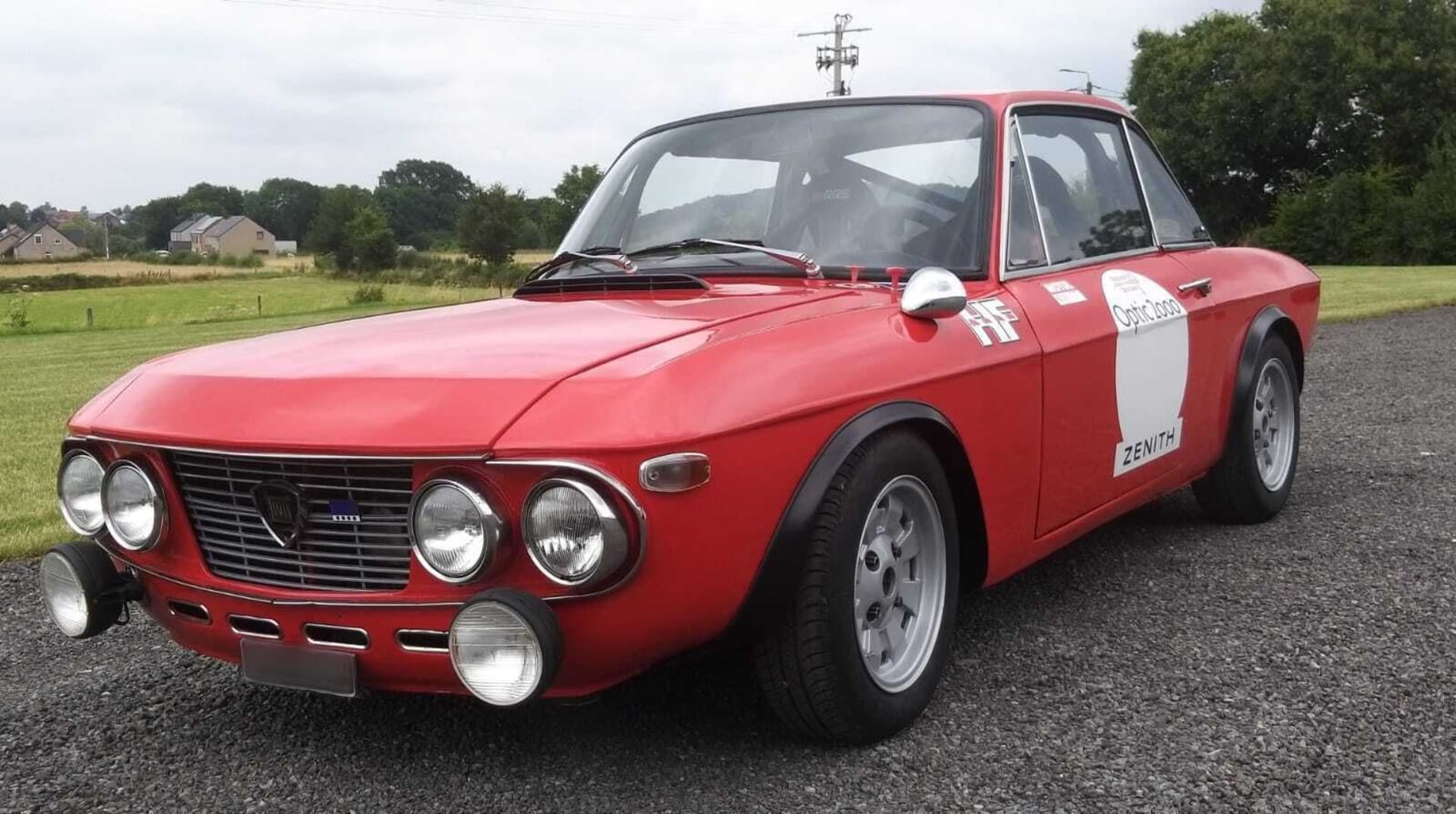
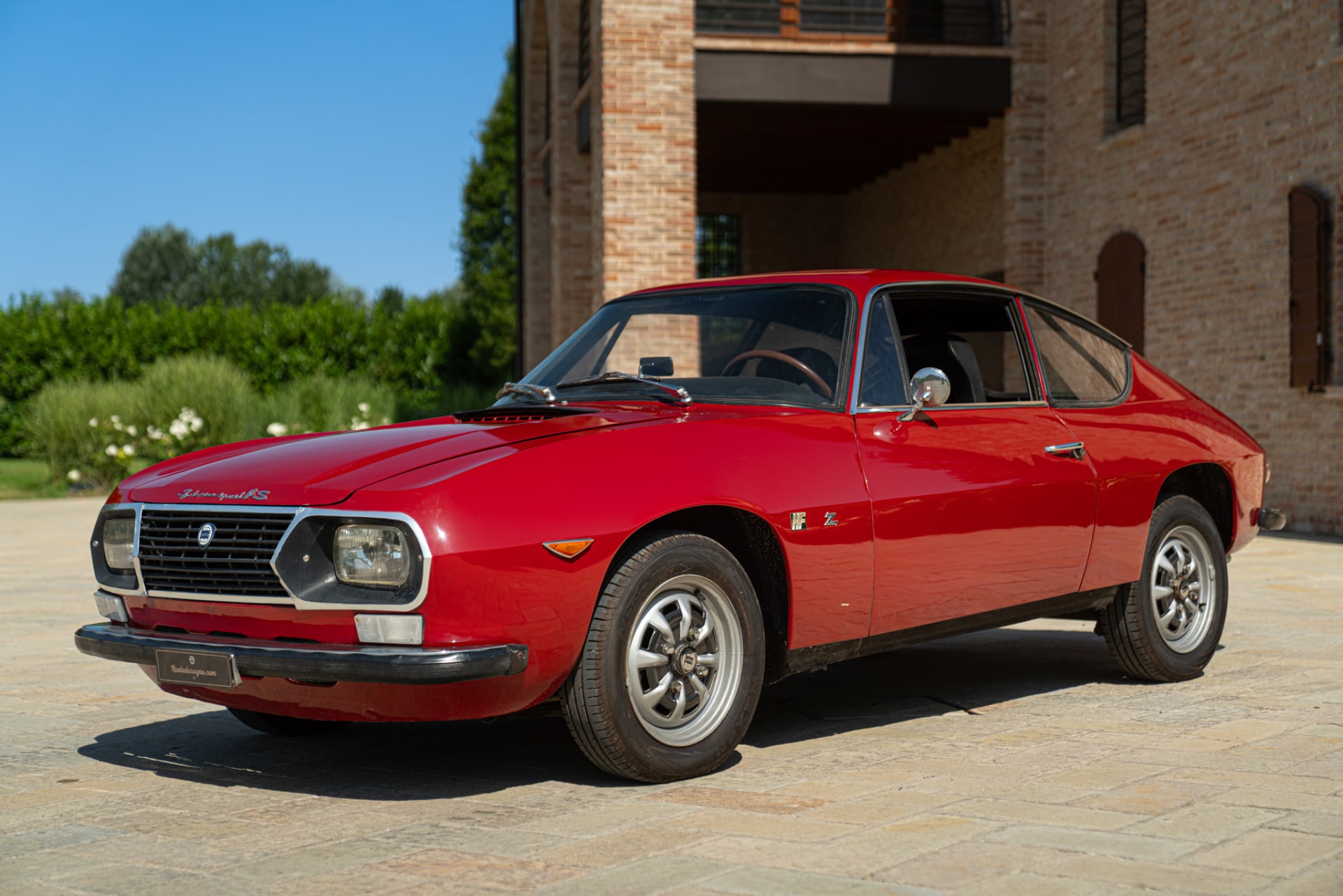
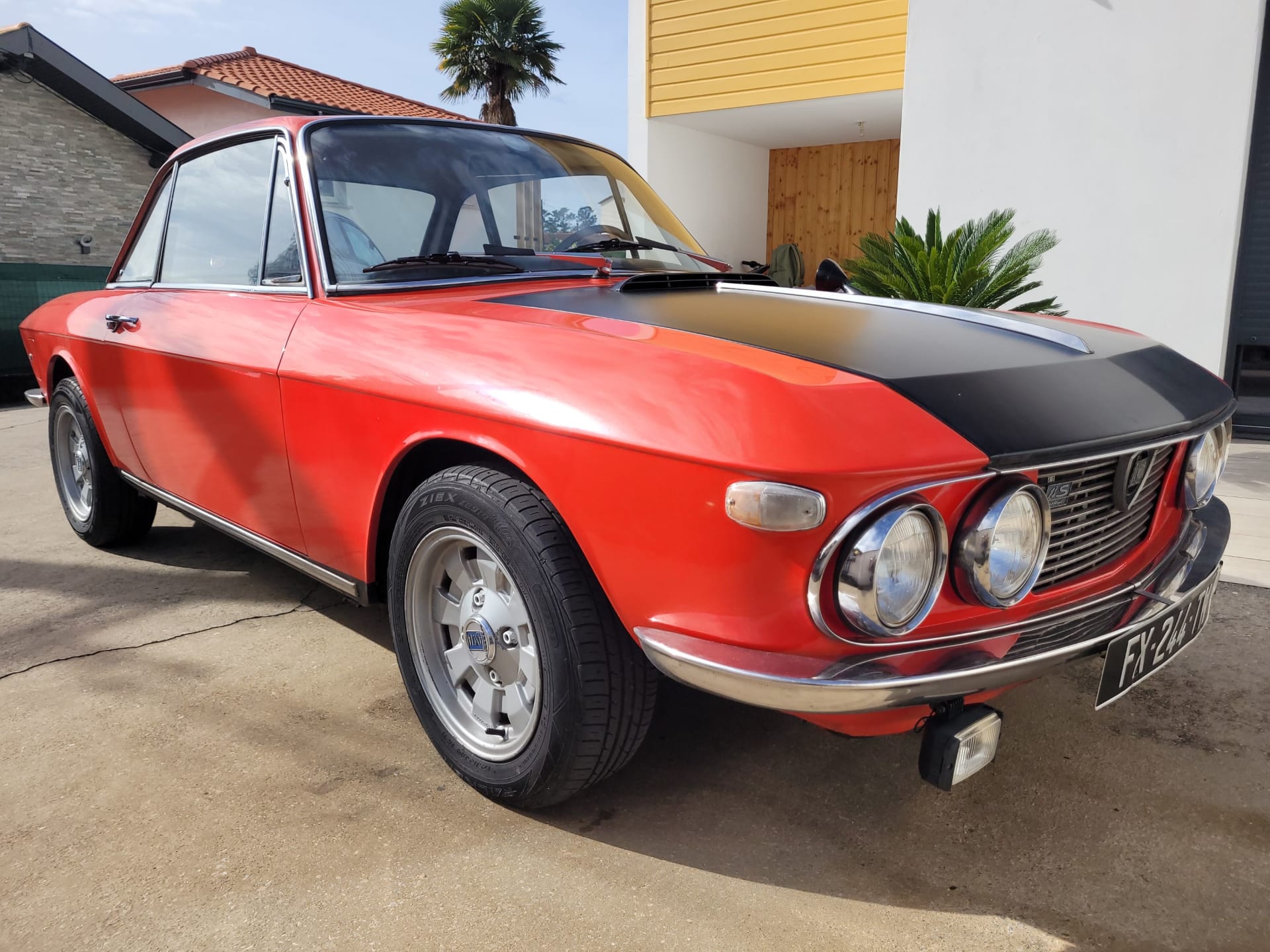
In 1963, Lancia launched the Fulvia, a front-wheel-drive car powered by an unusual V4 engine. The factory coupé achieved remarkable success in motorsport, winning the World Rally Championship in 1972.
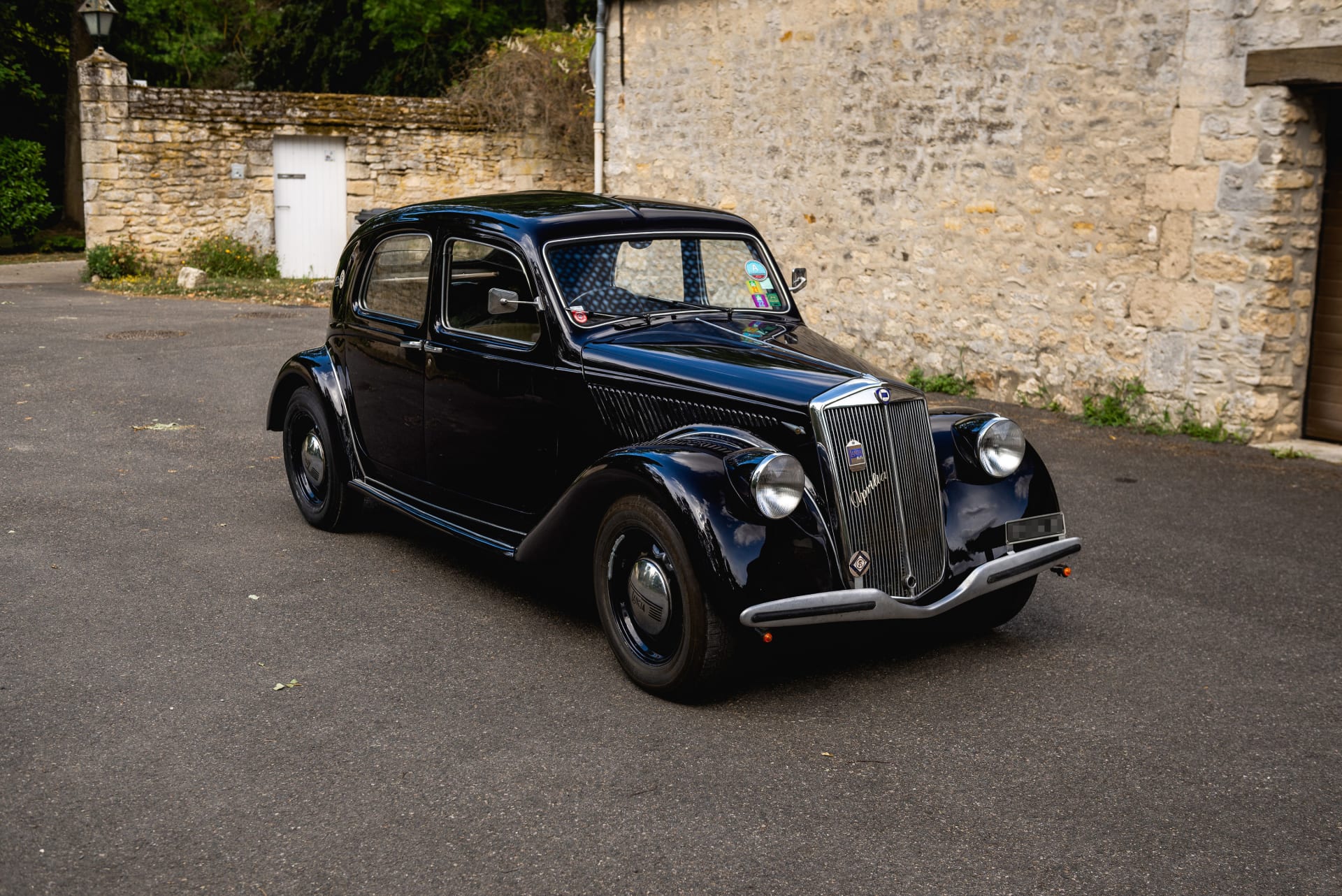
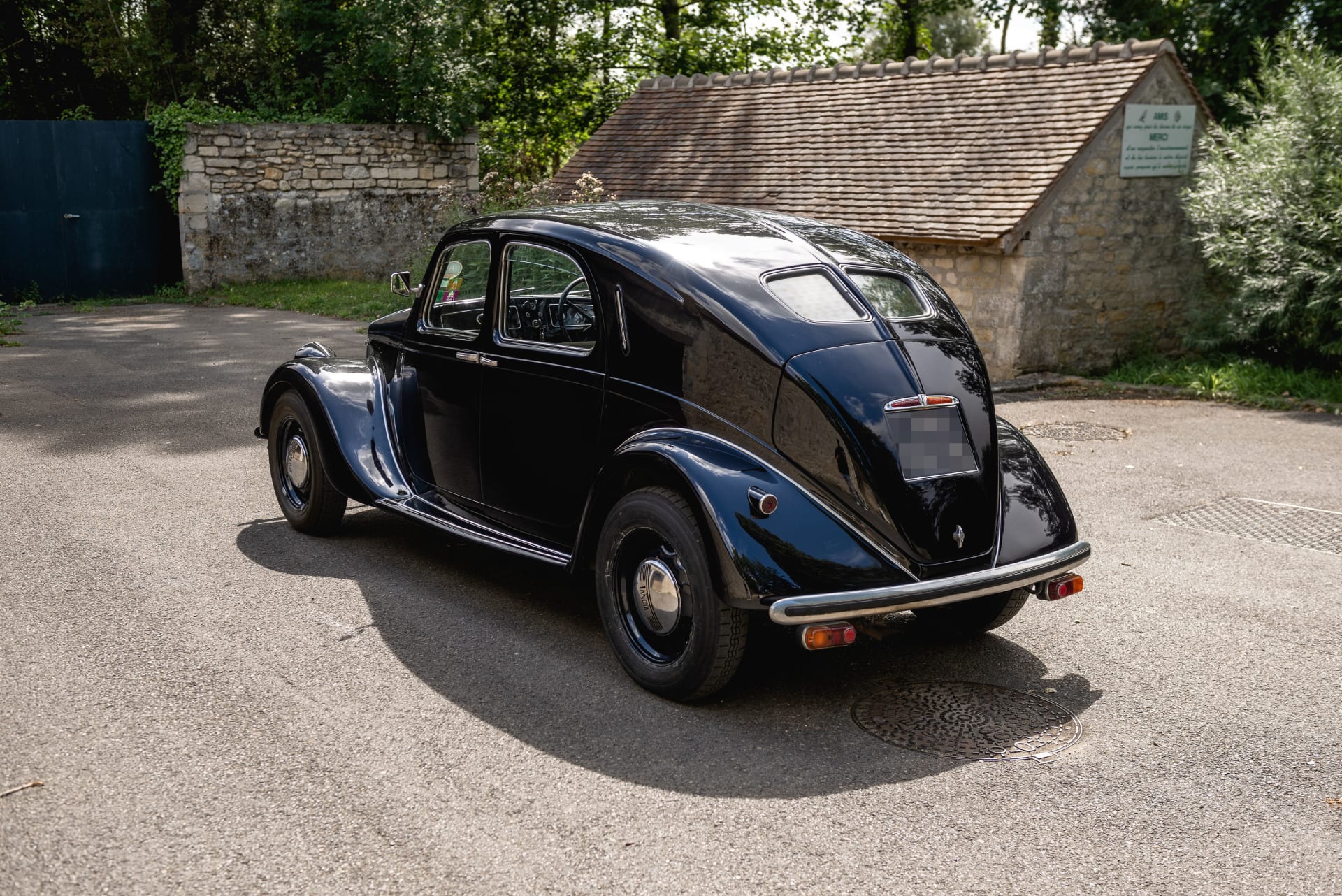
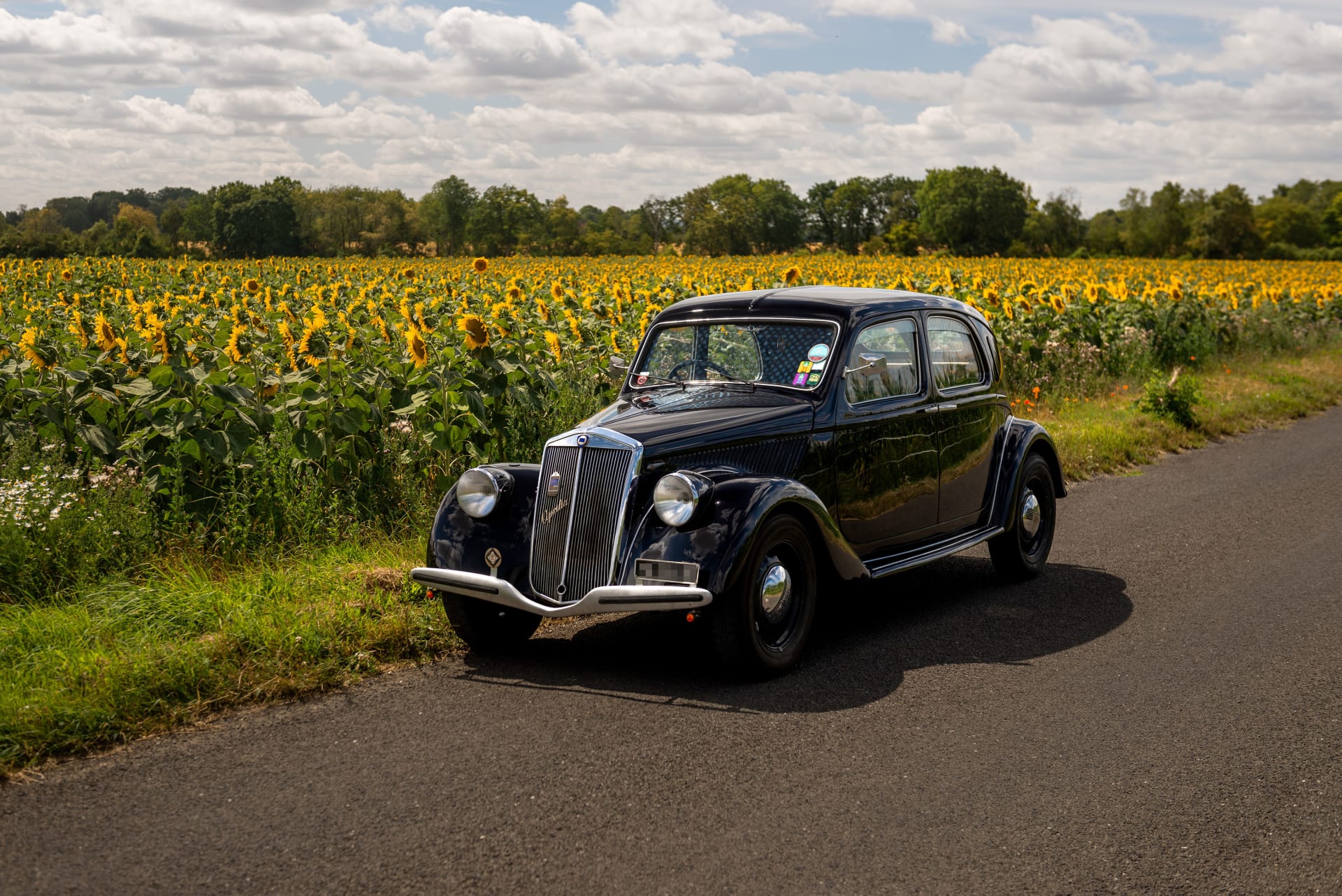
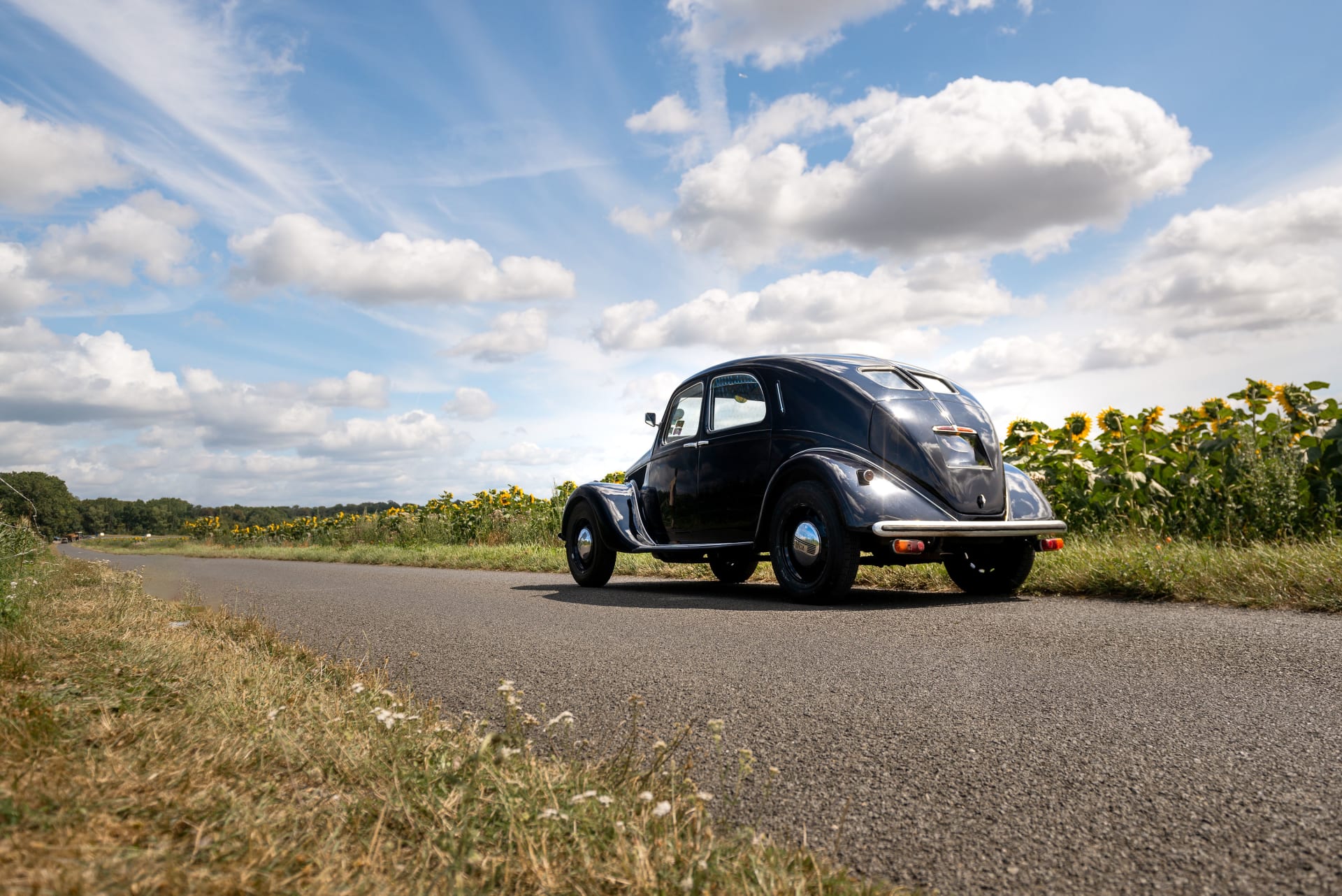
Lancia Aprilia — modèle de la marque Lancia.
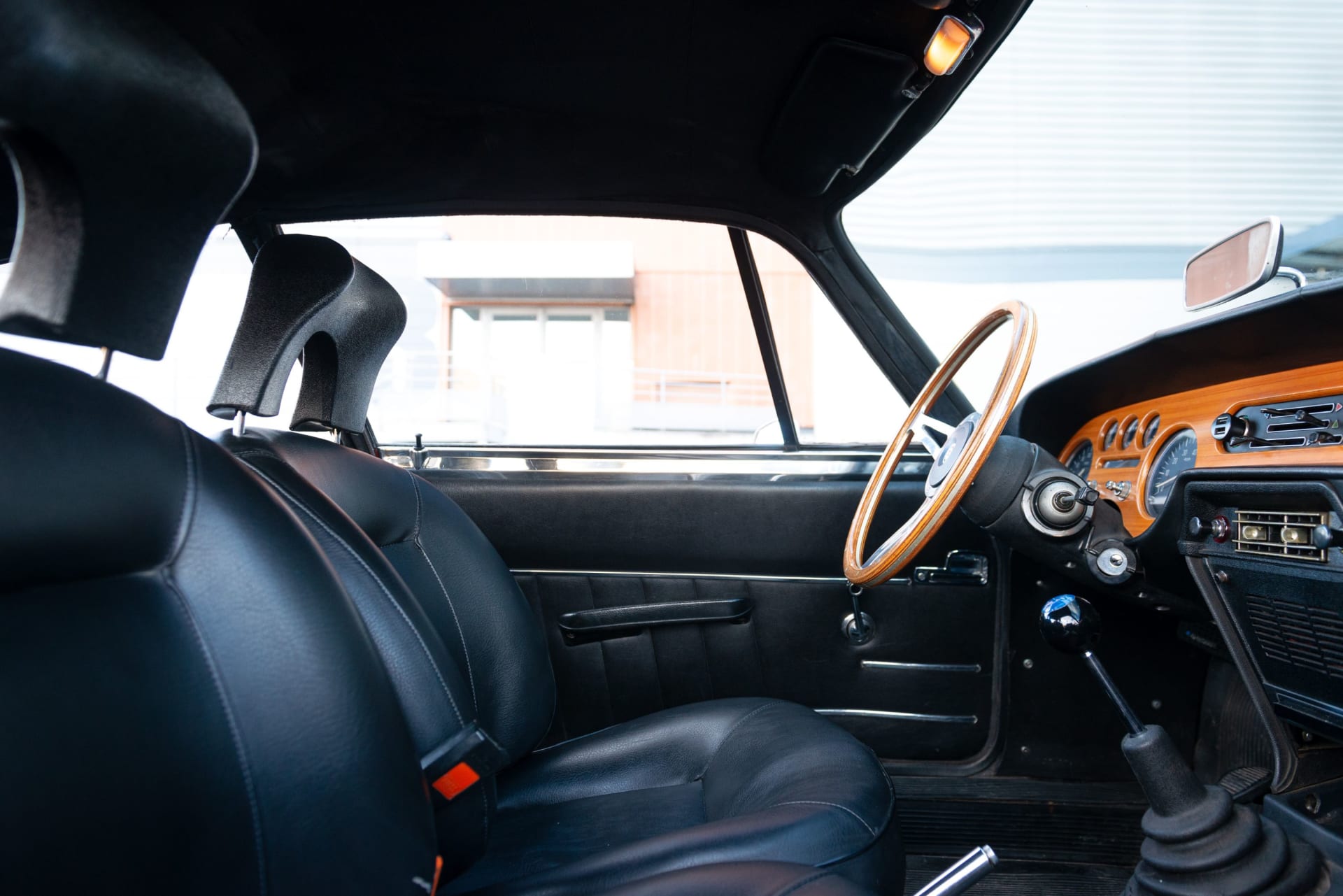
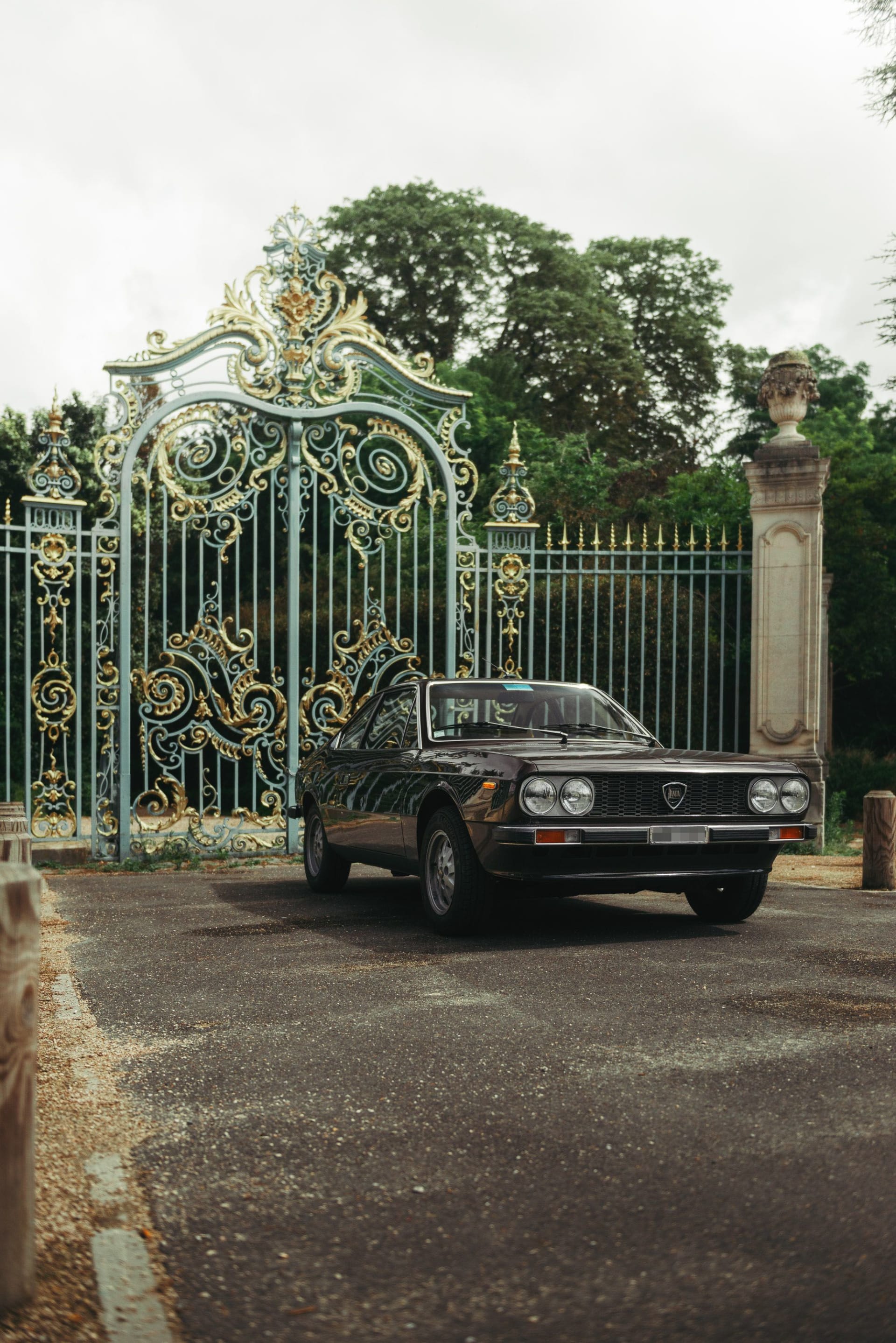
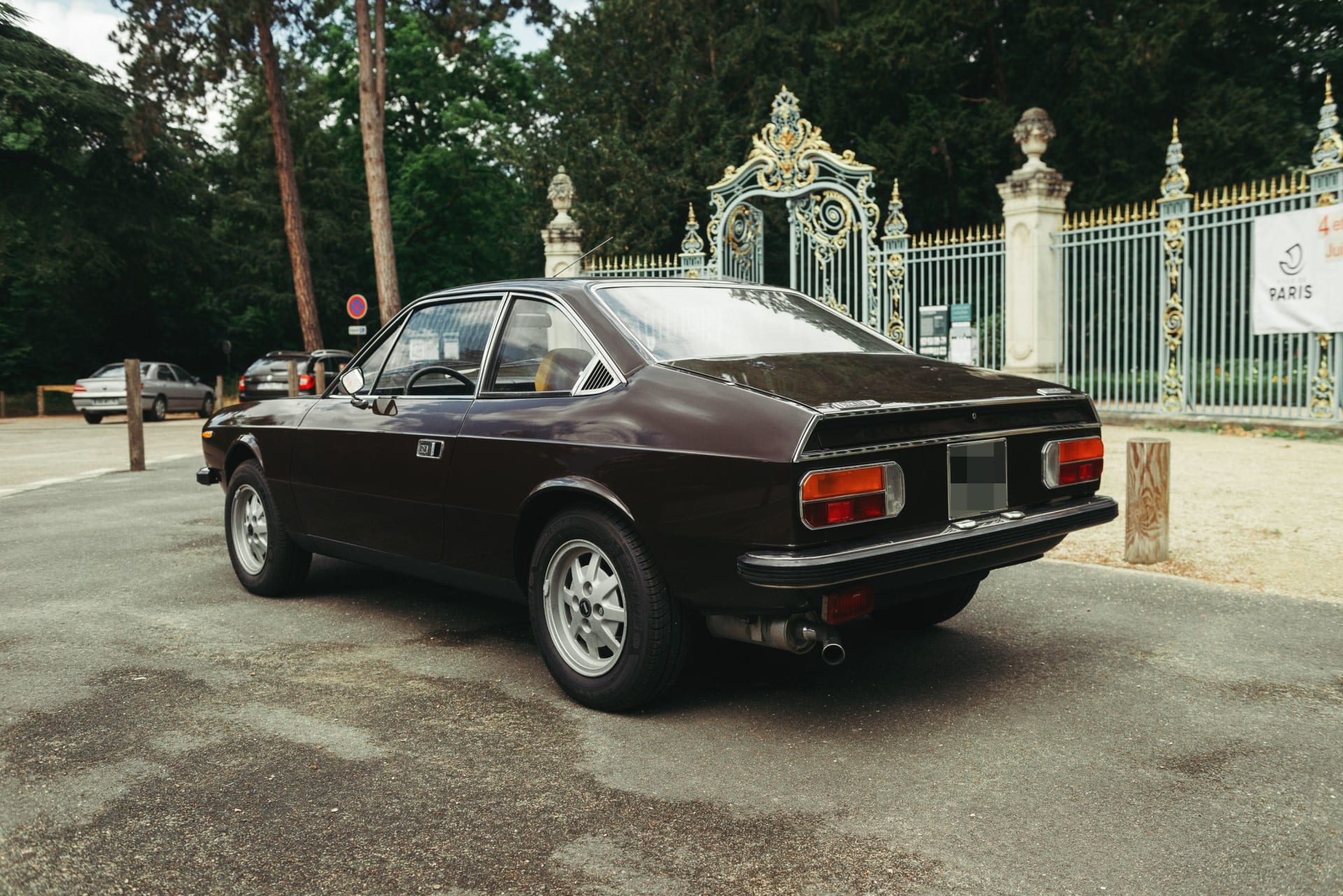
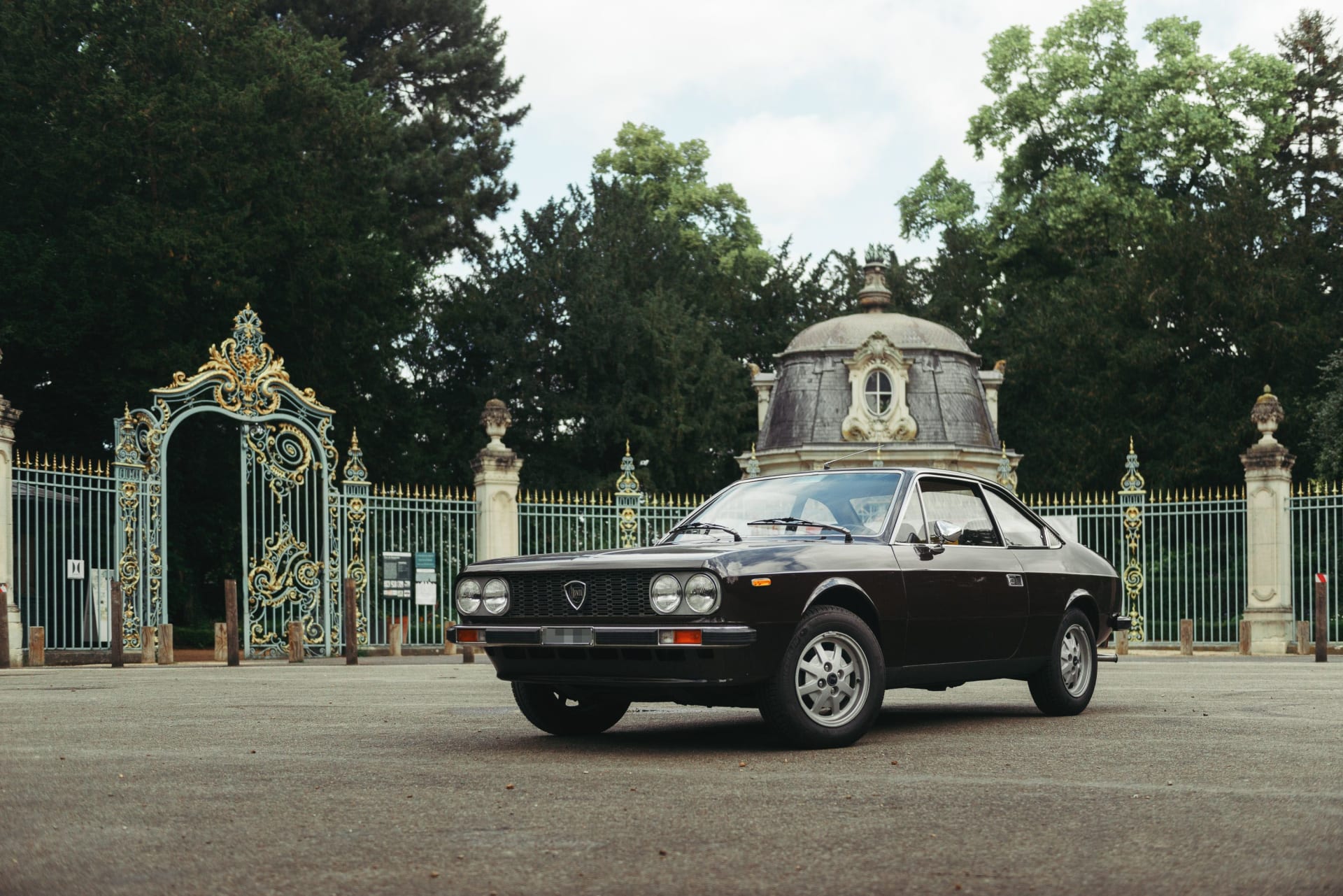
Lancia Beta 1600 — modèle de la marque Lancia.
Lancia Beta 1800 — modèle de la marque Lancia.
Lancia Beta 2000 — modèle de la marque Lancia.

Lancia Delta Hf Integrale 16v — modèle de la marque Lancia.
Lancia Delta Hf Integrale Evolution I — modèle de la marque Lancia.
Lancia Flaminia Gt — modèle de la marque Lancia.
Lancia Flaminia Gt 3c — modèle de la marque Lancia.
Lancia Flavia — modèle de la marque Lancia.
Lancia Fulvia 1.3 S — modèle de la marque Lancia.
Lancia Fulvia Rallye 1.3 — modèle de la marque Lancia.
Lancia Fulvia Rallye 1.3 S — modèle de la marque Lancia.
After about a decade of dormancy, during which Lancia released only one model—and only on the Italian market—Stellantis has decided to give the brand the resources it needs to make a comeback. This revival began with the Ypsilon city car, which will soon be followed by a crossover called the Gamma, scheduled for release in 2026.
By 1992, Lancia had won three World Endurance Championship titles in Group 5 (1979, 1980, 1981), and, more importantly, ten World Rally Championship titles starting in 1974 with the Stratos, 037, and Delta.
A talented race car driver, Vincenzo Lancia founded his own brand in 1906, when he was just twenty-five years old. Very quickly, Lancia cars distinguished themselves through their innovations, such as the 1922 Lambda, one of the first cars to feature a monocoque body and independent front suspension.
In 1969, Fiat acquired Lancia from the Pesenti family, who had owned the company since 1956. In the years that followed, Lancia was gradually integrated into the Fiat Group, with a gradual standardization of mechanical components. In 2021, the FCA Group (Fiat Chrysler Automobiles), which still owned Lancia, merged with PSA Peugeot Citroën to form the Stellantis Group.
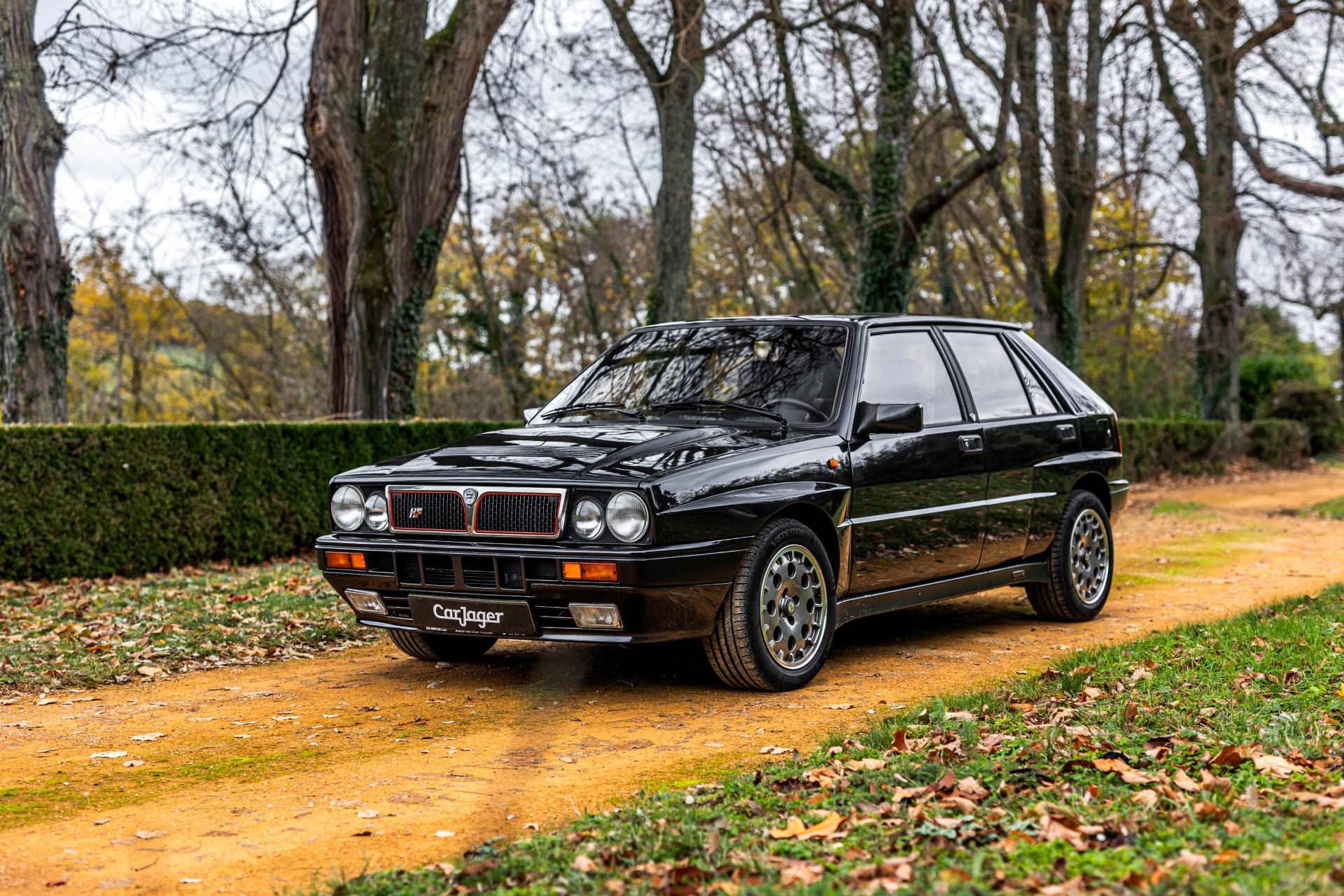
Within the Aurelia family, which debuted in 1950, the B20 coupe—designed by Ghia—and the B24 spyder—designed by Pininfarina—are particularly favored by collectors. The Flaminia coupes and convertibles—designed by Touring, Pininfarina, and Zagato—are among the stars of the auction scene. Introduced in 1965, the Fulvia coupe is also highly sought-after and boasts an enviable track record in competition. Closer to our time, the Beta Montecarlo berlinetta and the long-running Delta Integrale series are also top collector’s items, not to mention the stunning Ferrari-powered Thema 8.32 sedan.
Given the diversity of its lineup, Lancias can be found at every price point. While the price of a Thema 8.32 remains reasonable (€18,000 according to LVA), the rarest Delta Integrales have skyrocketed in value in recent years (up to €125,000). The great classics of the 1960s, such as the Flaminia with Touring or Zagato bodywork, range from €120,000 to €320,000. Youngtimer enthusiasts can, however, treat themselves for much less: a beautiful Gamma coupe can be yours for under €10,000.
Although Lancia has been around for over a century, most transactions involve vehicles built from the 1960s through the end of the 20th century. Some of the points to check are therefore specific to each era.
By taking all these precautions, you can protect yourself against potential disappointments that might arise from a hasty purchase decision.
To learn more about the different models and choose the one that best suits your needs, feel free to request a personalized search.