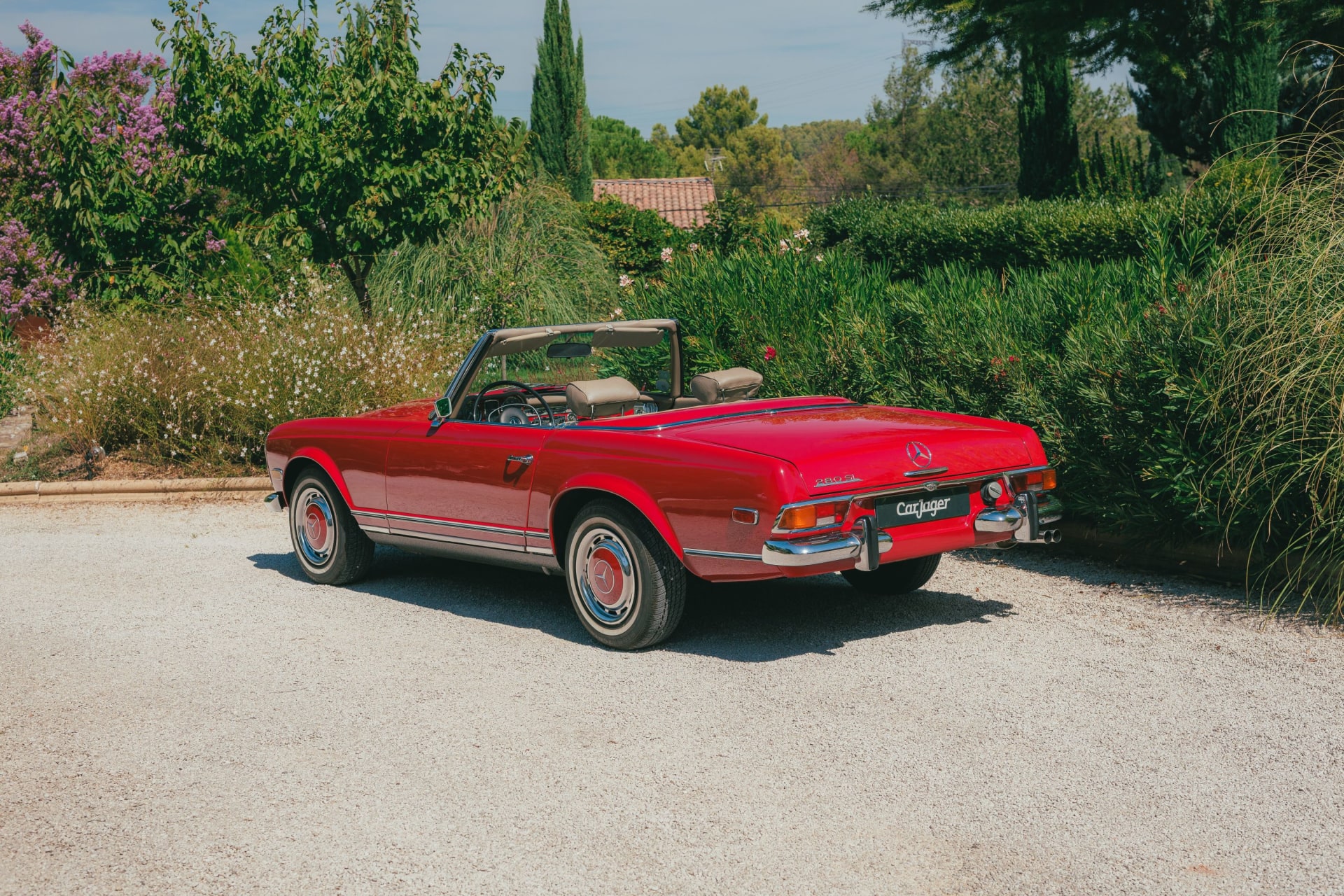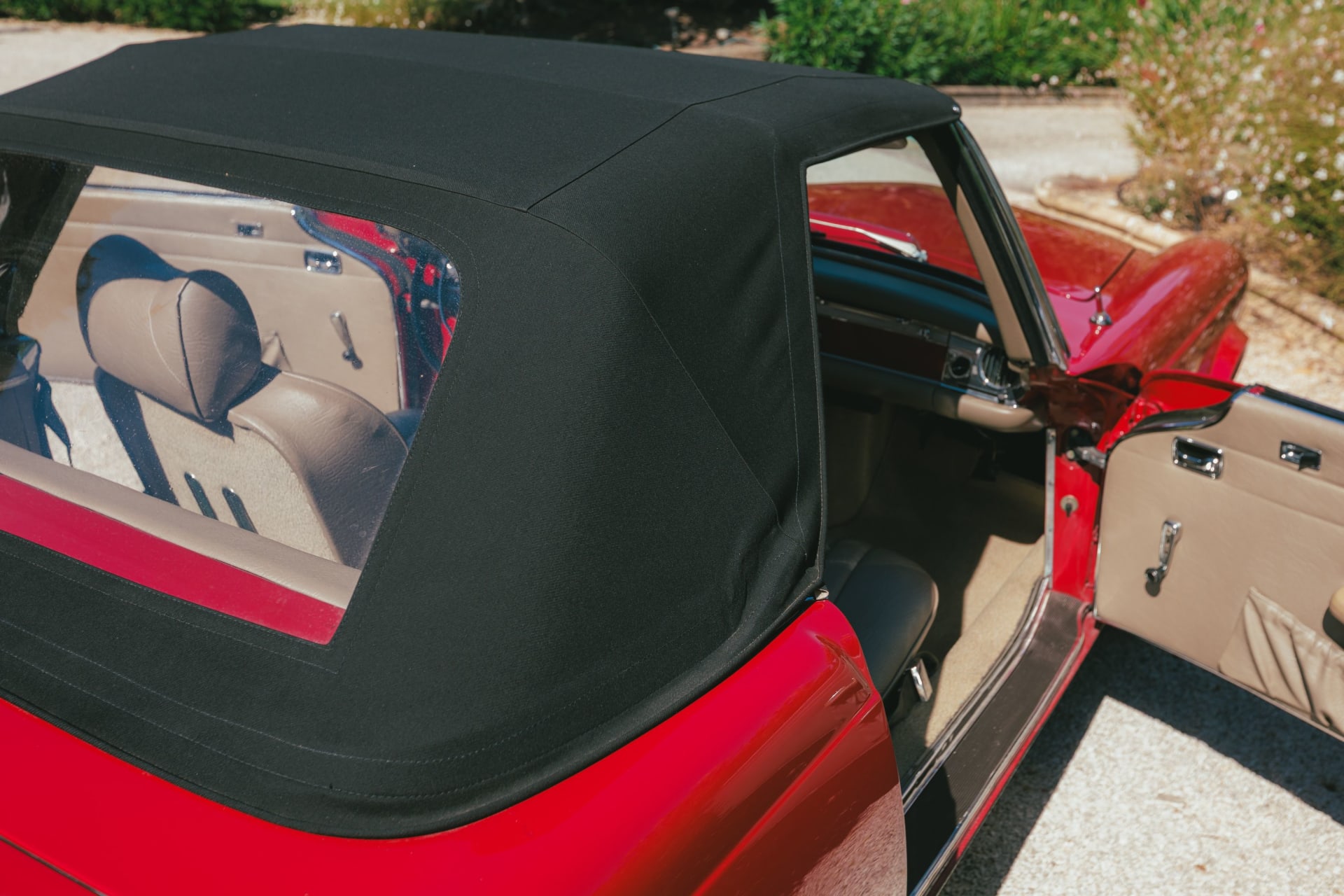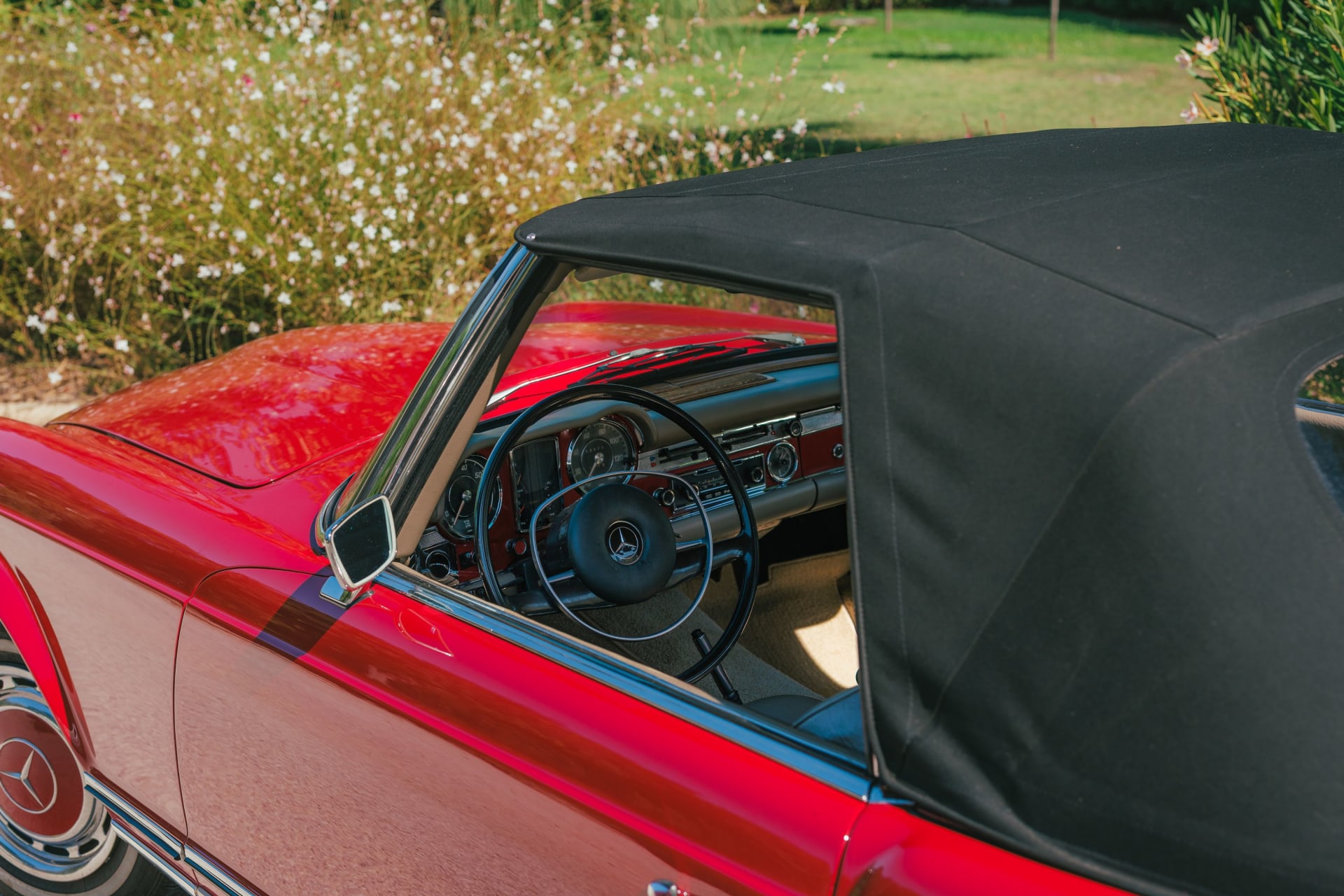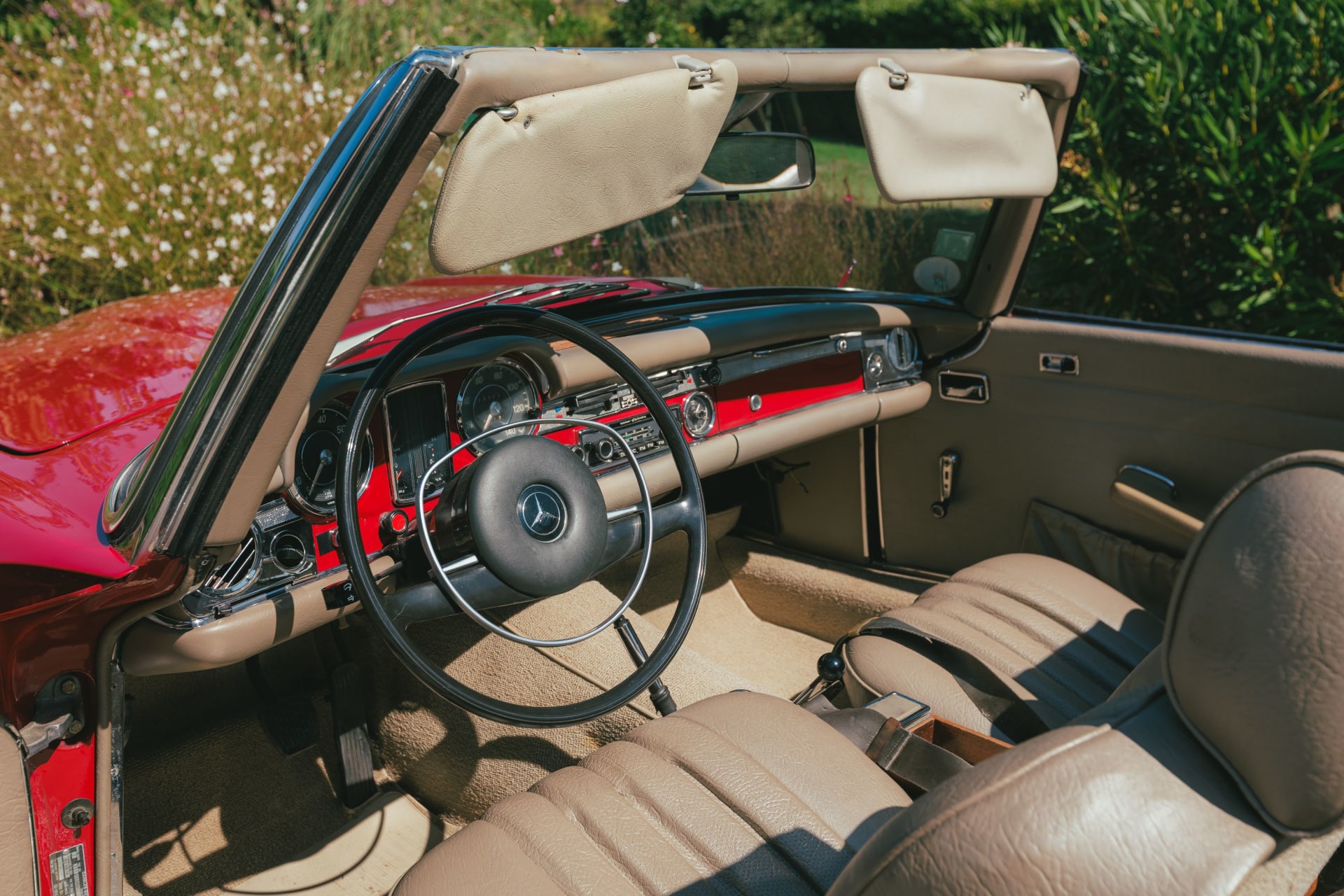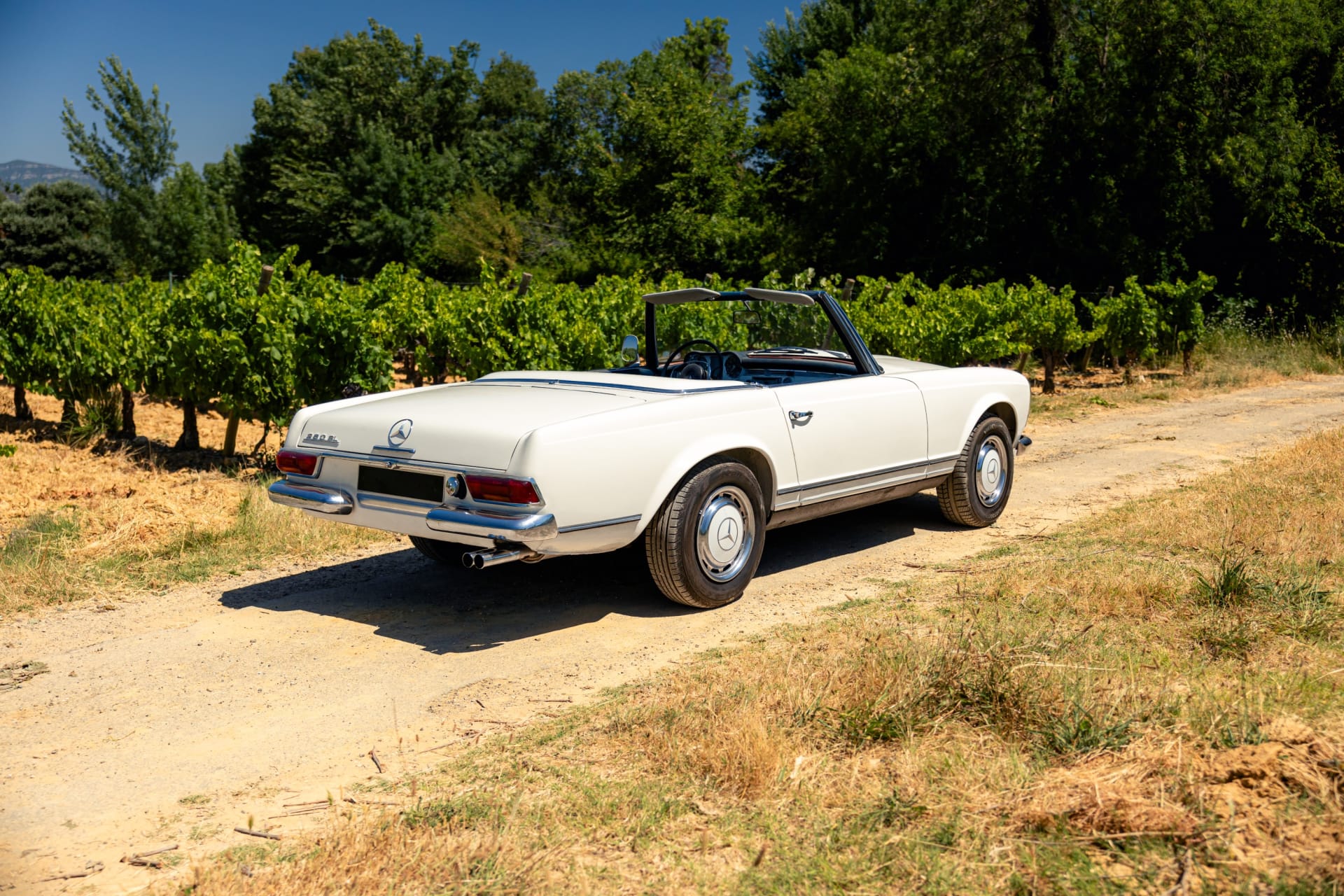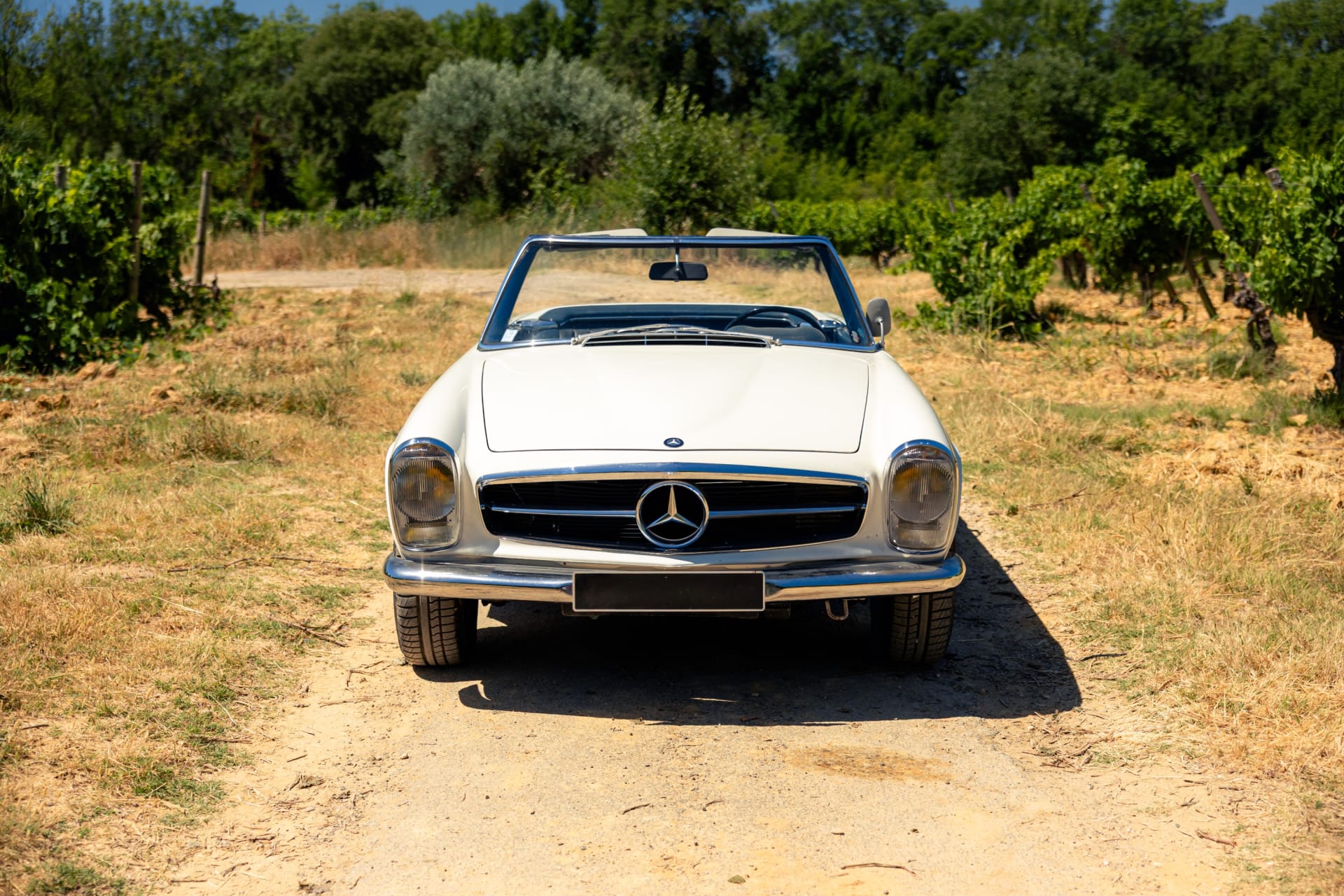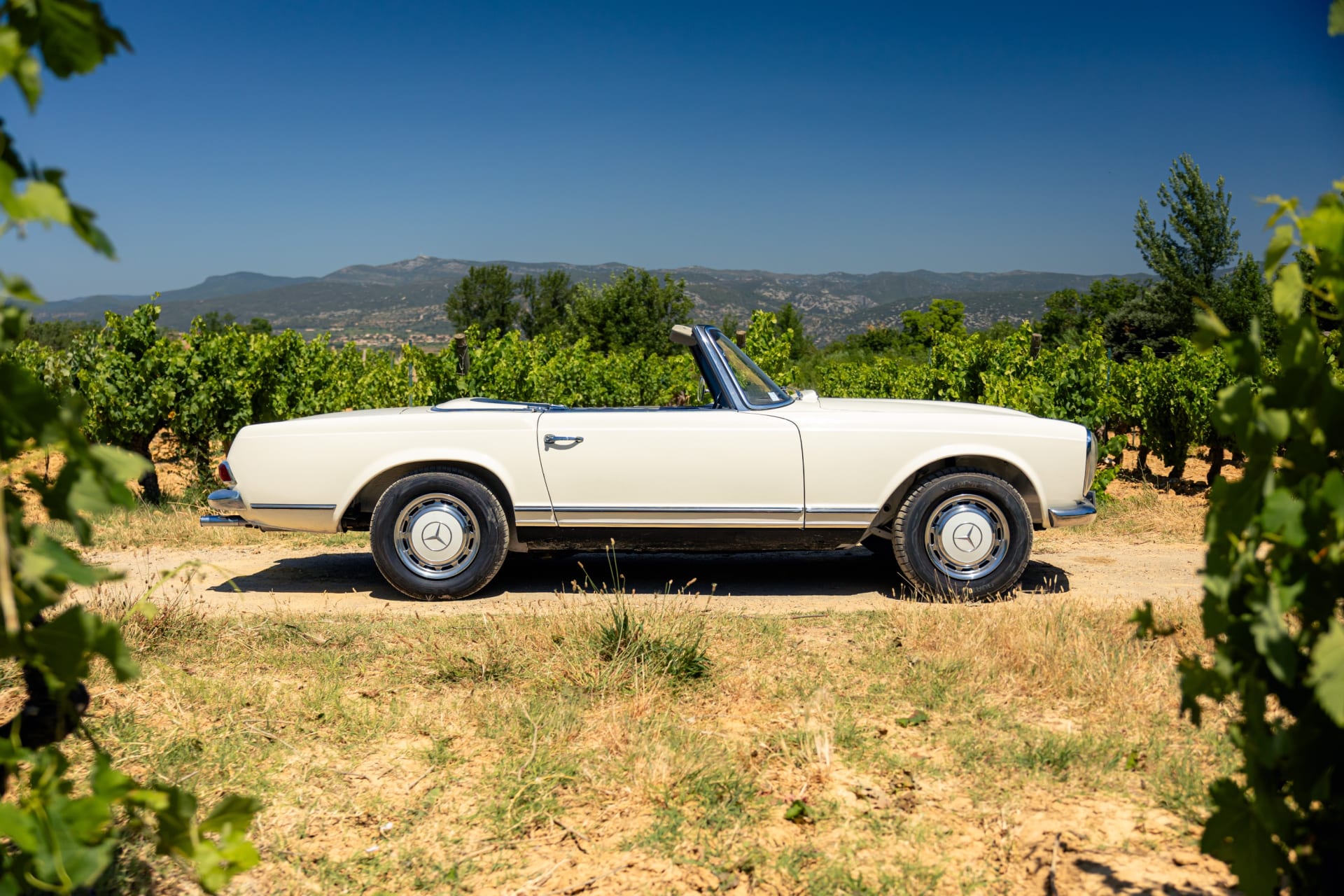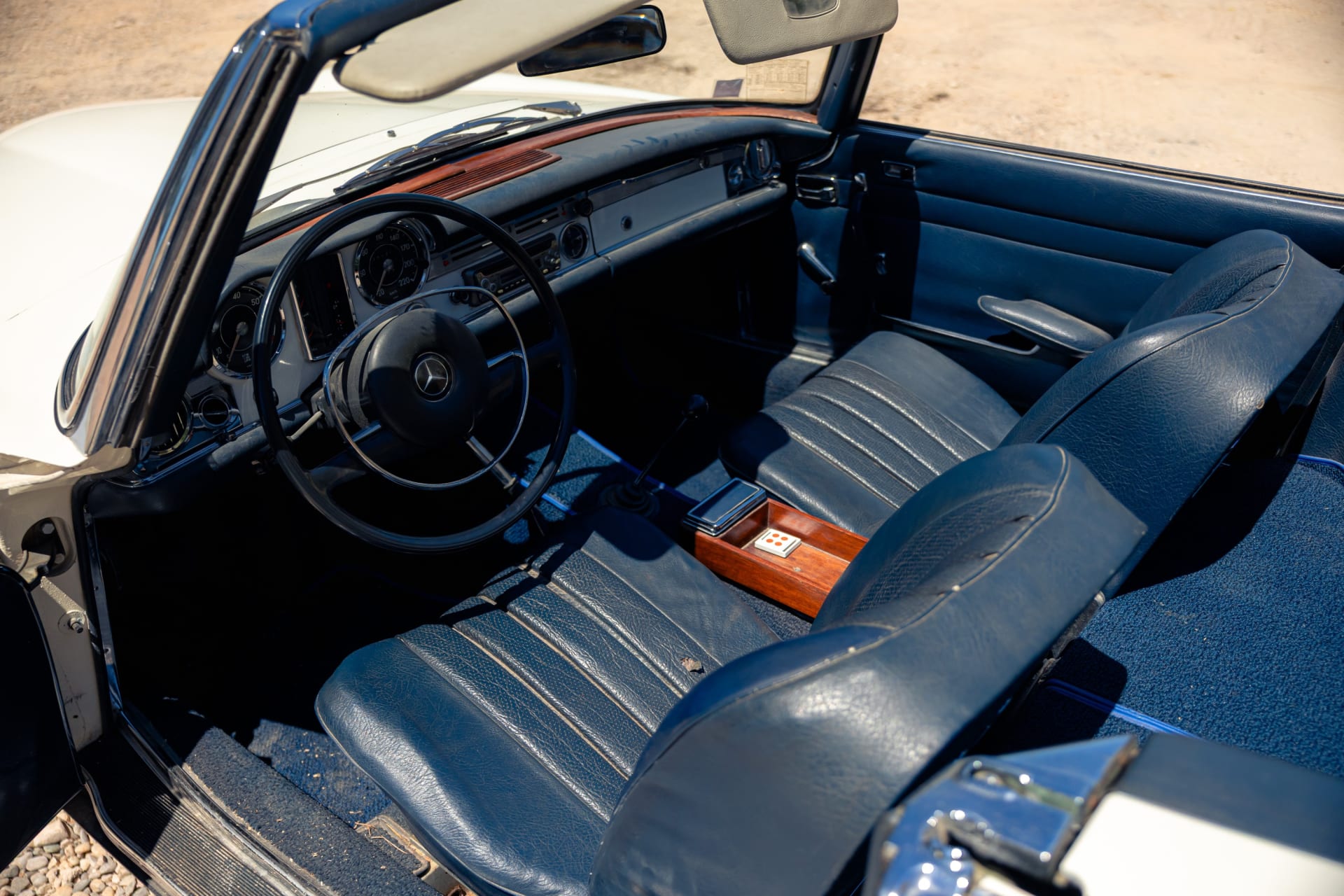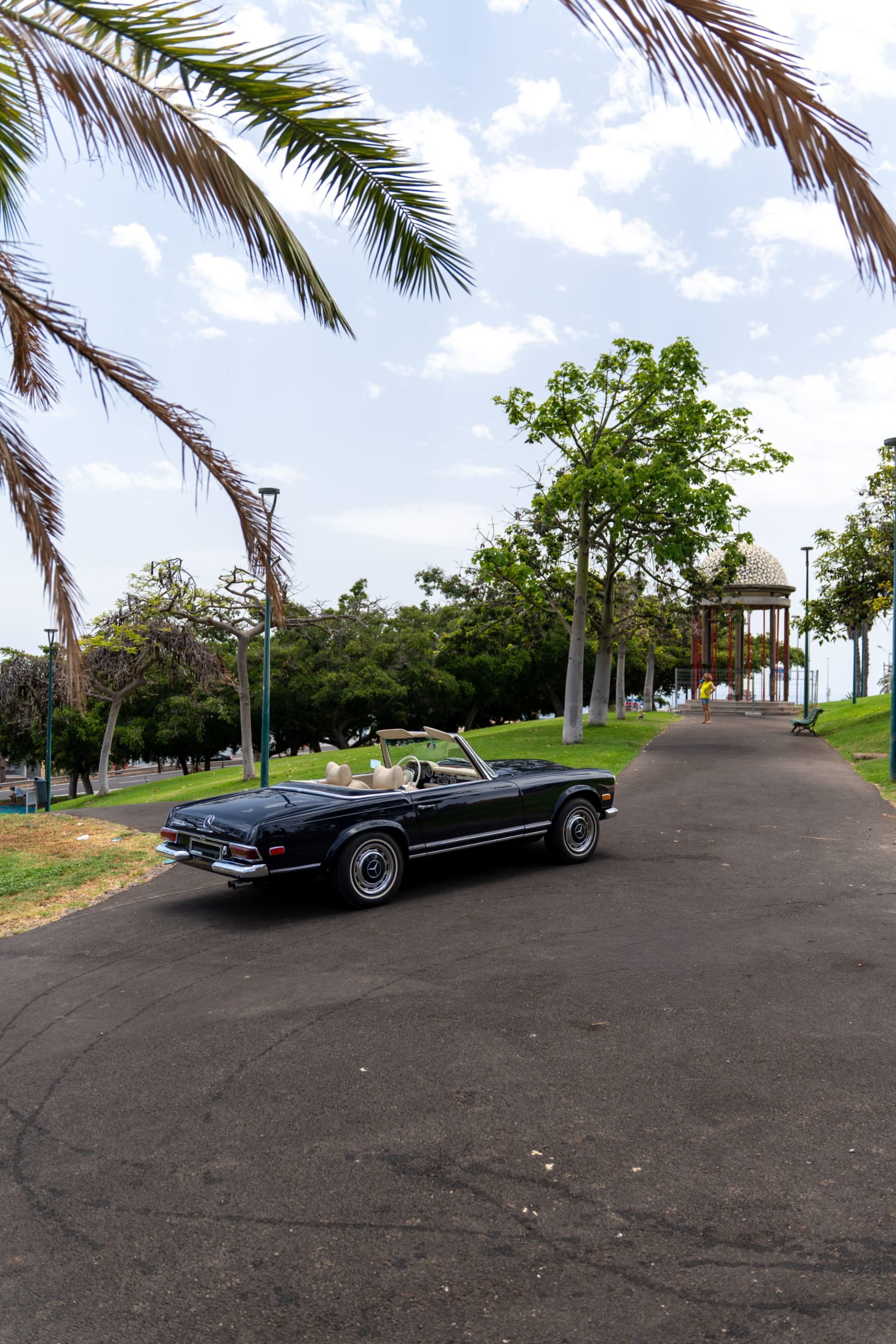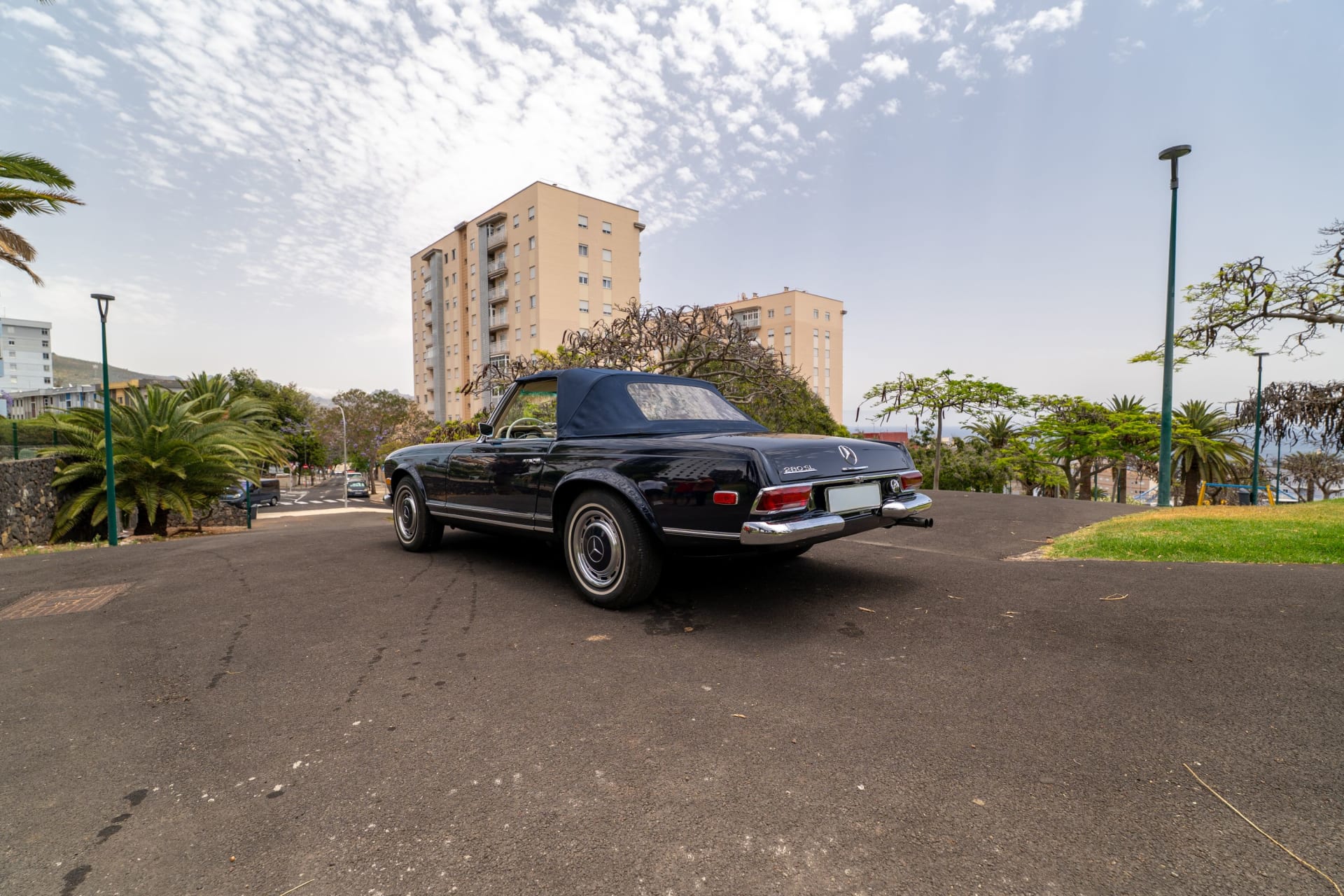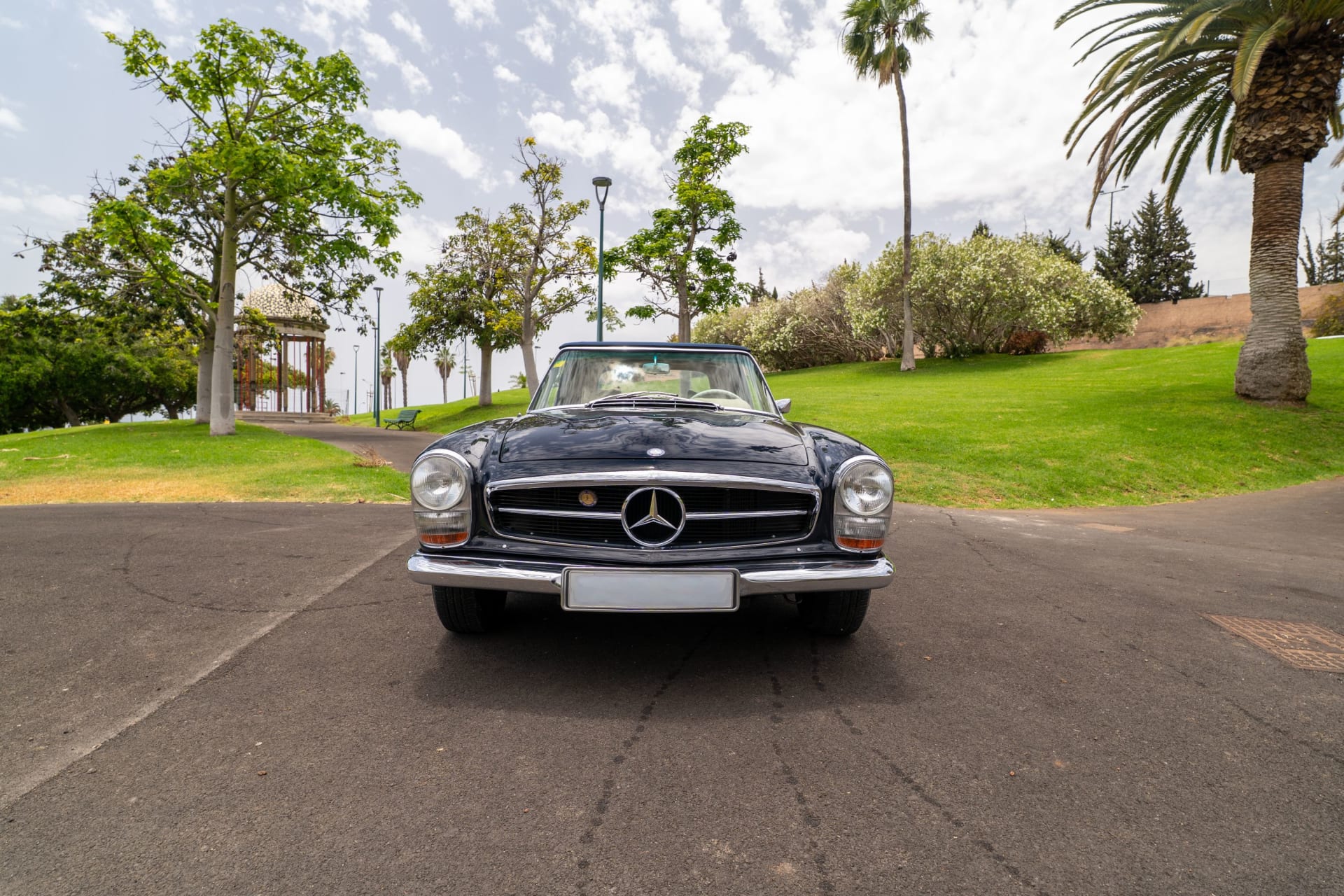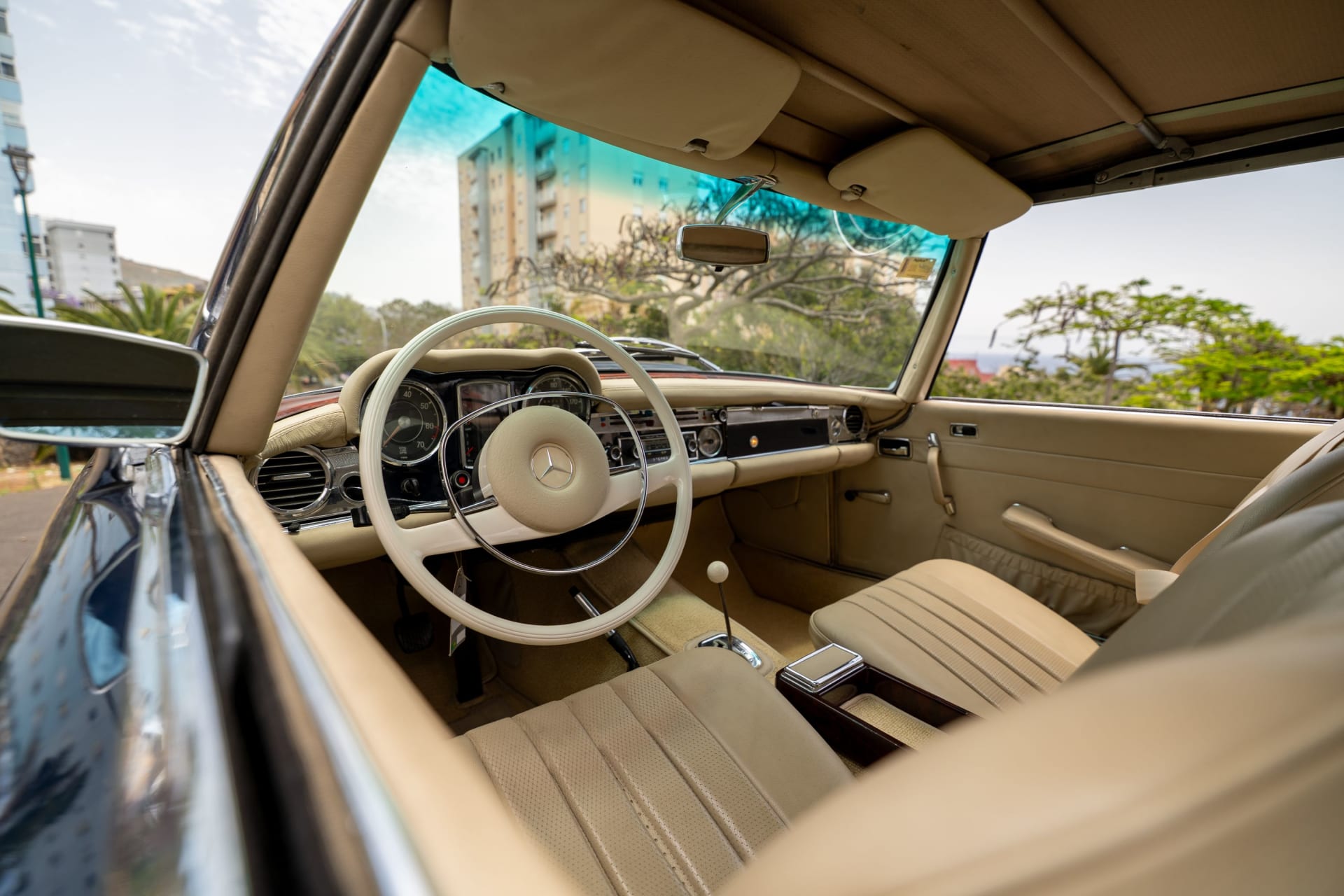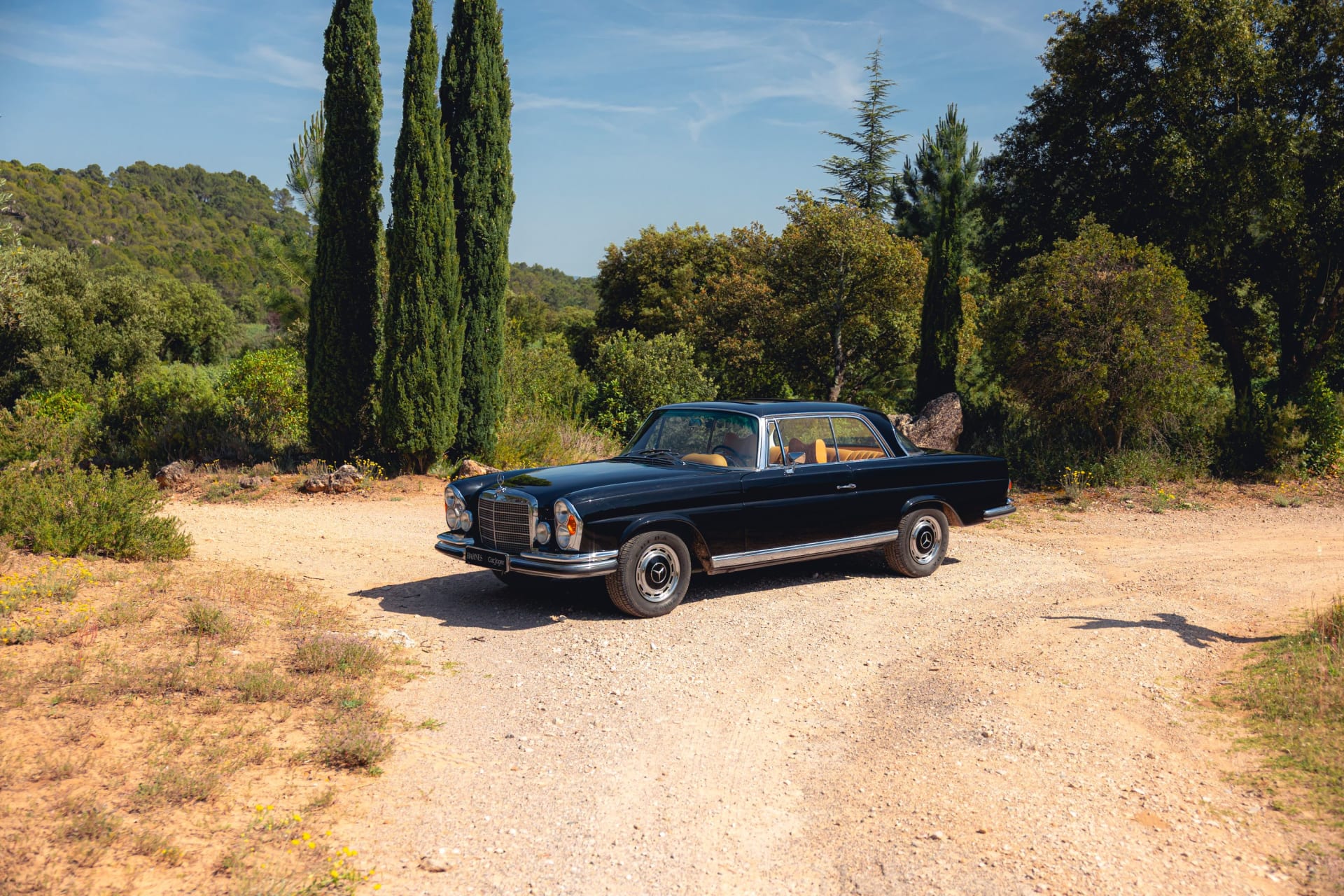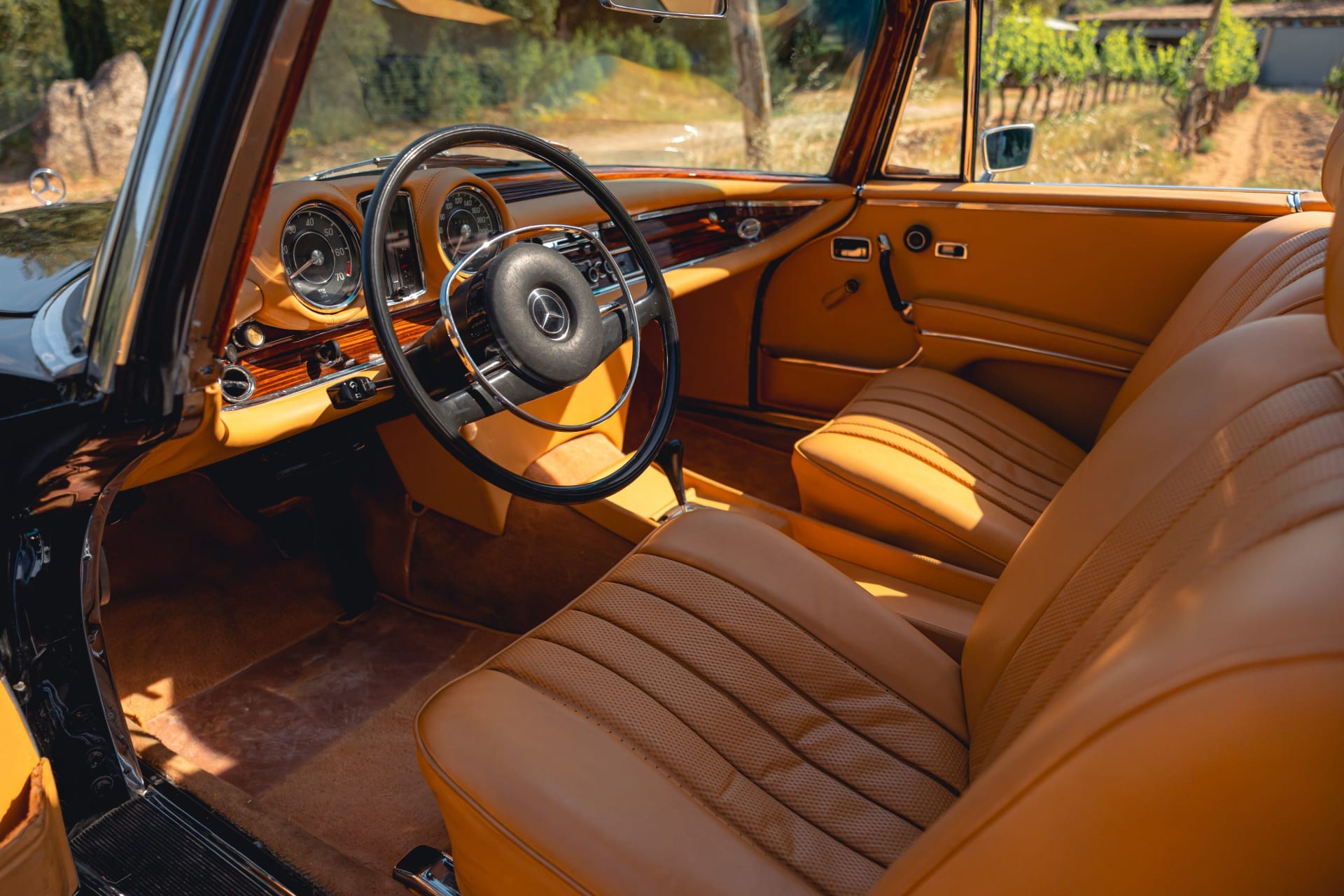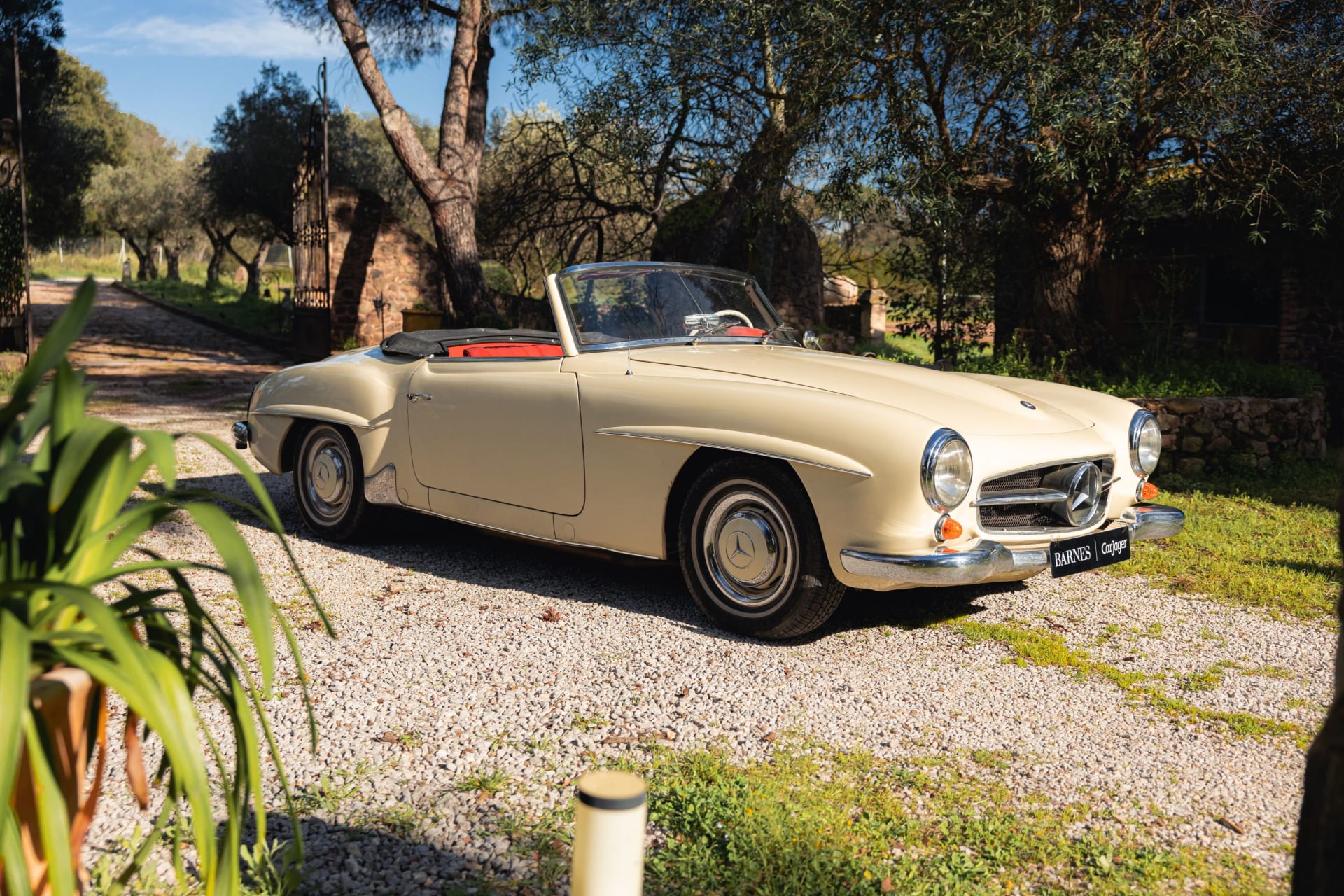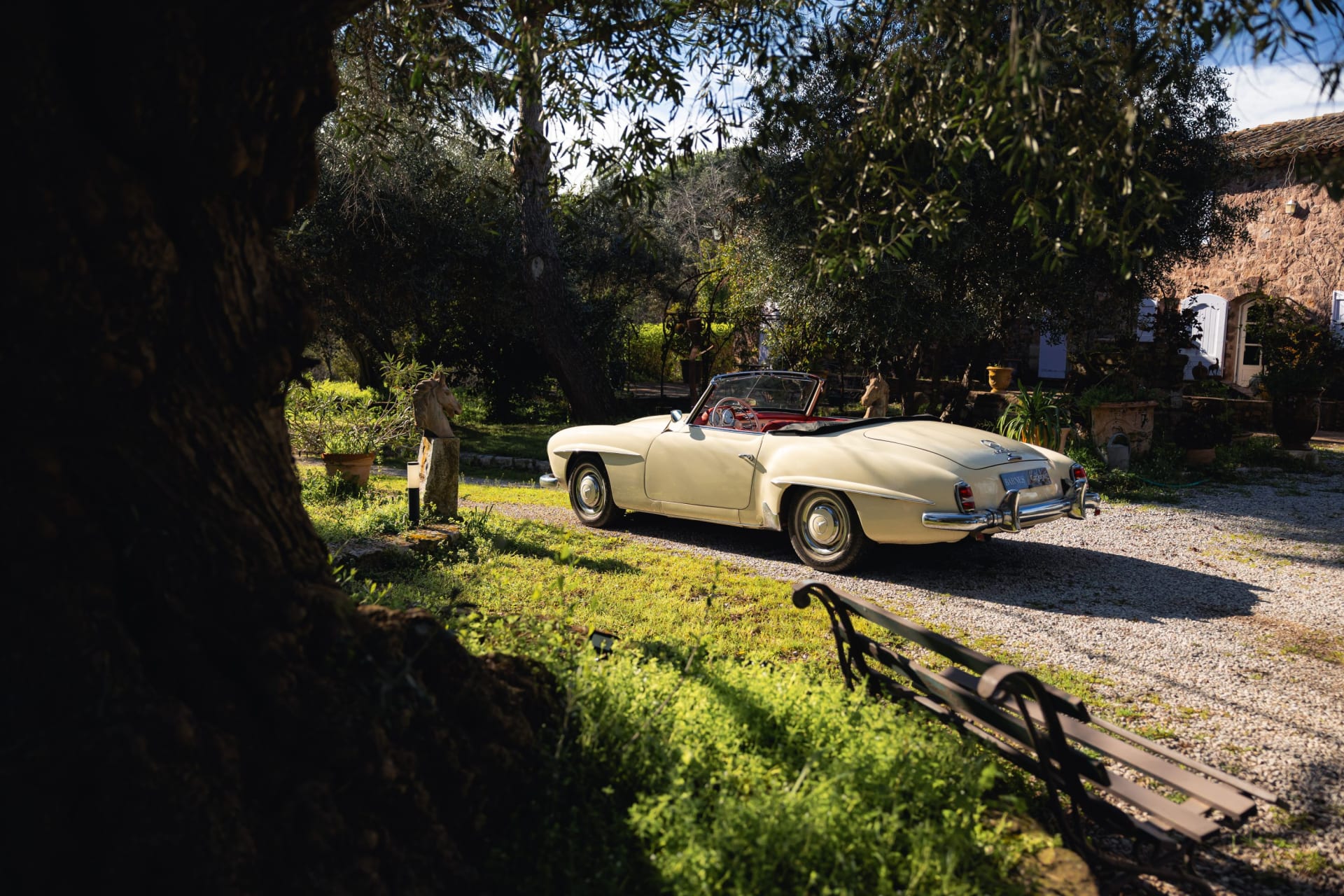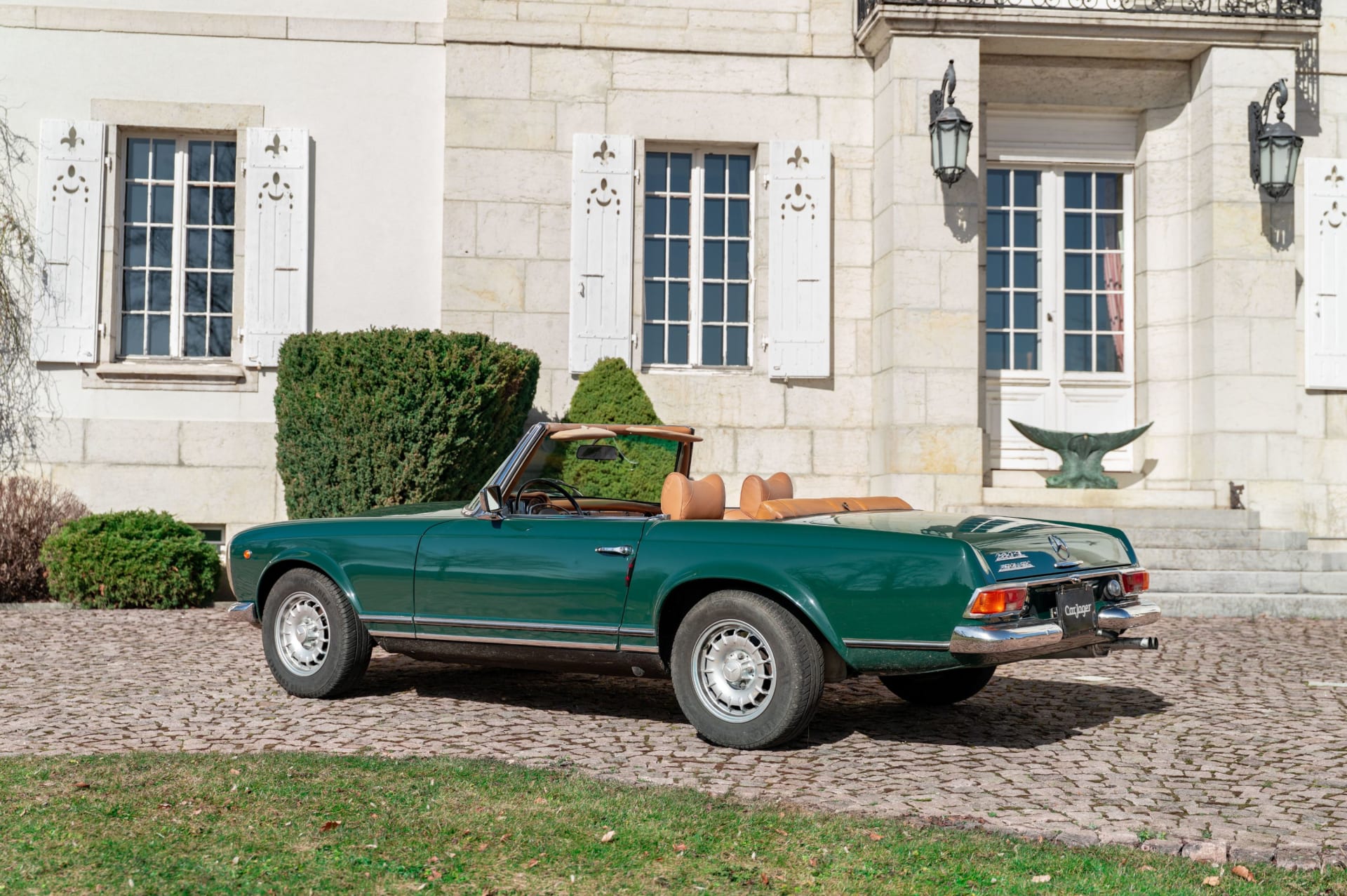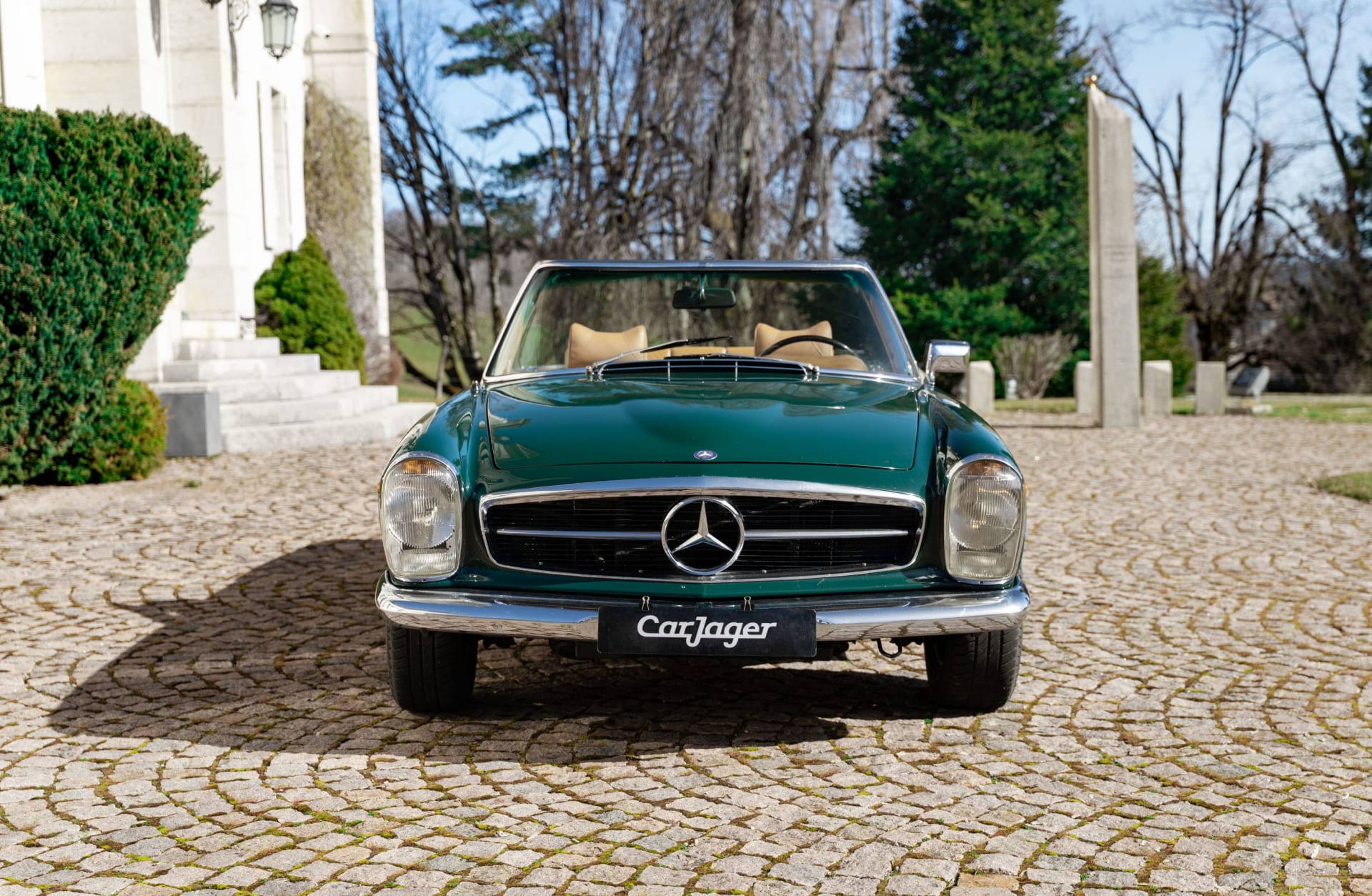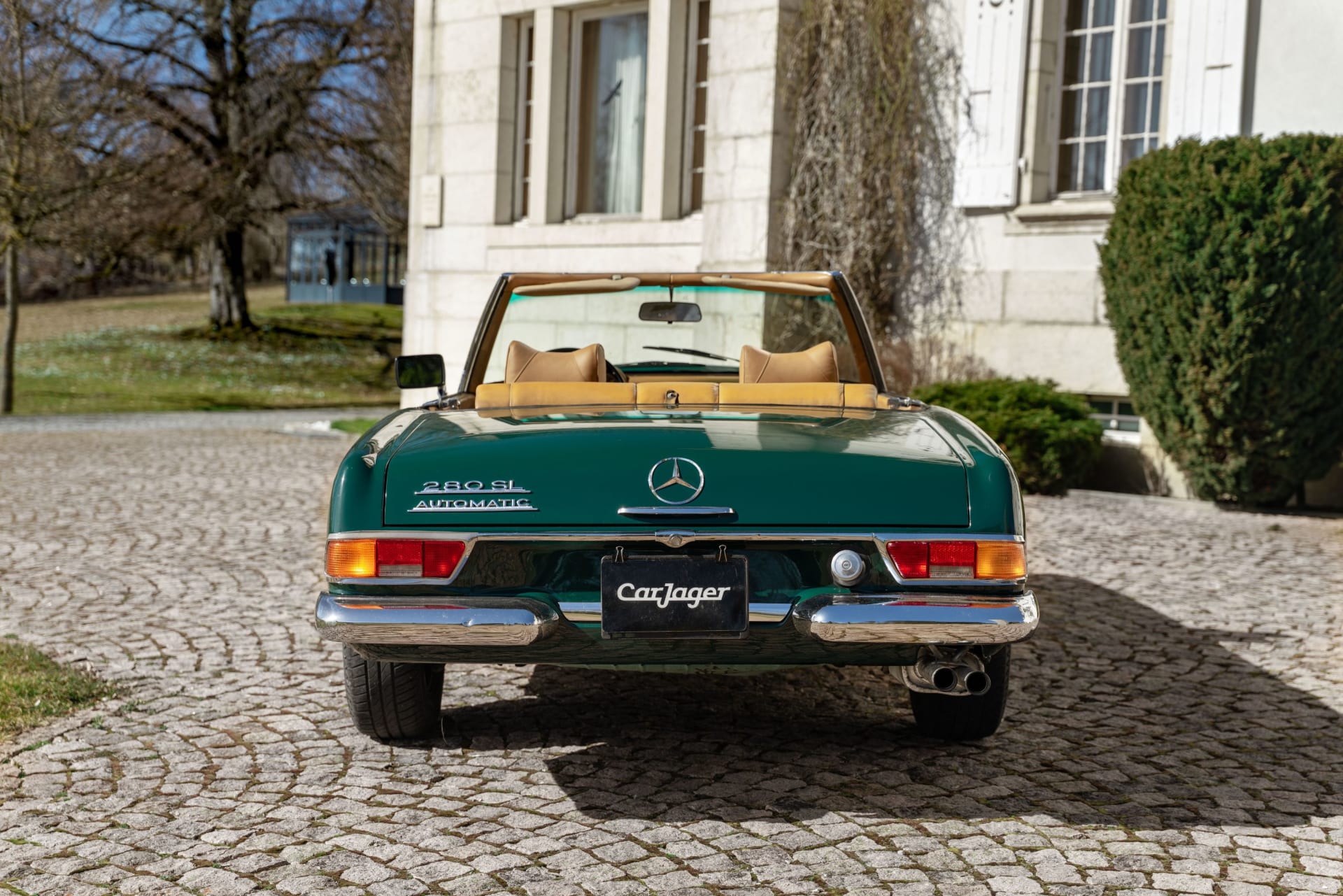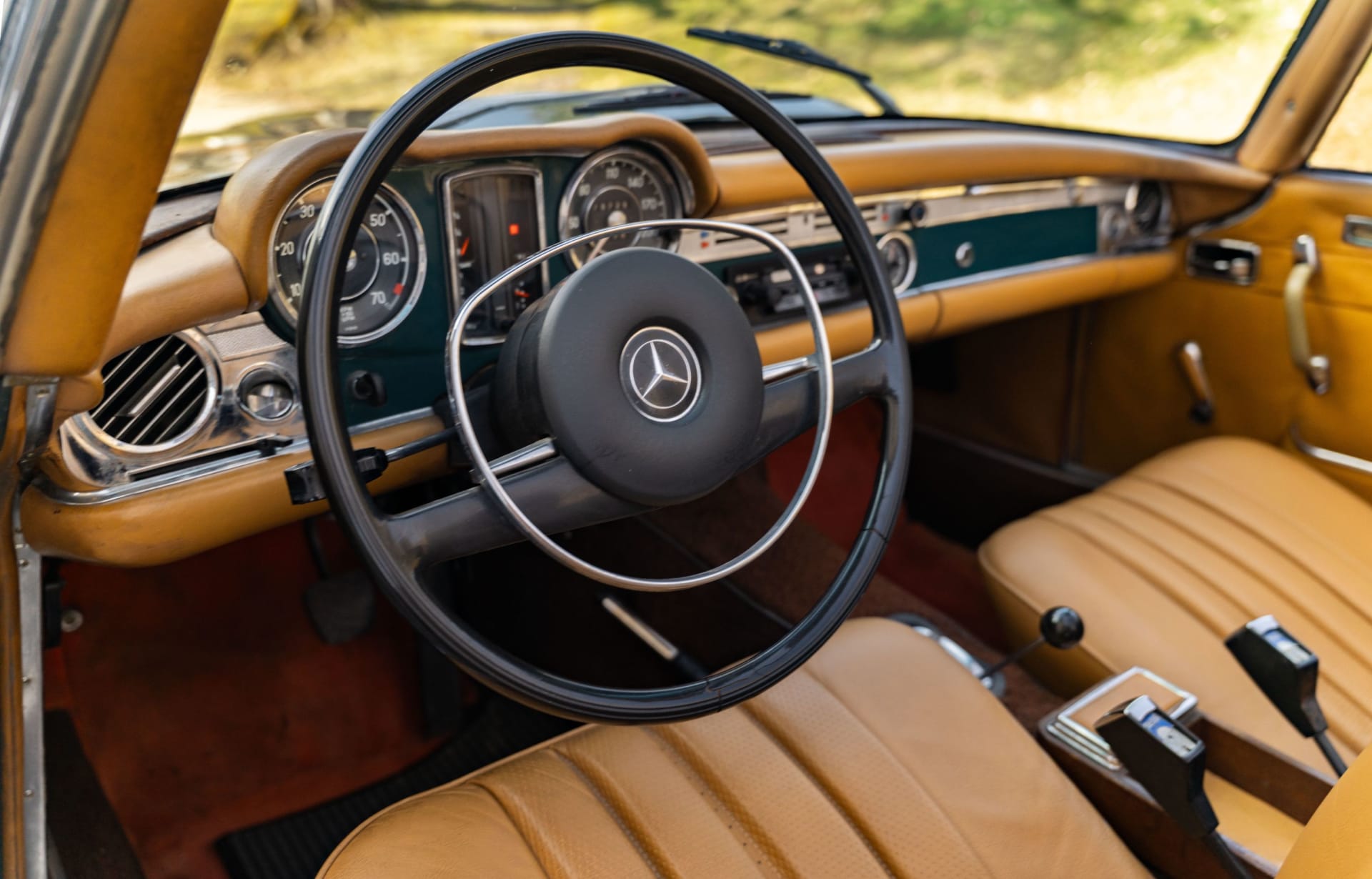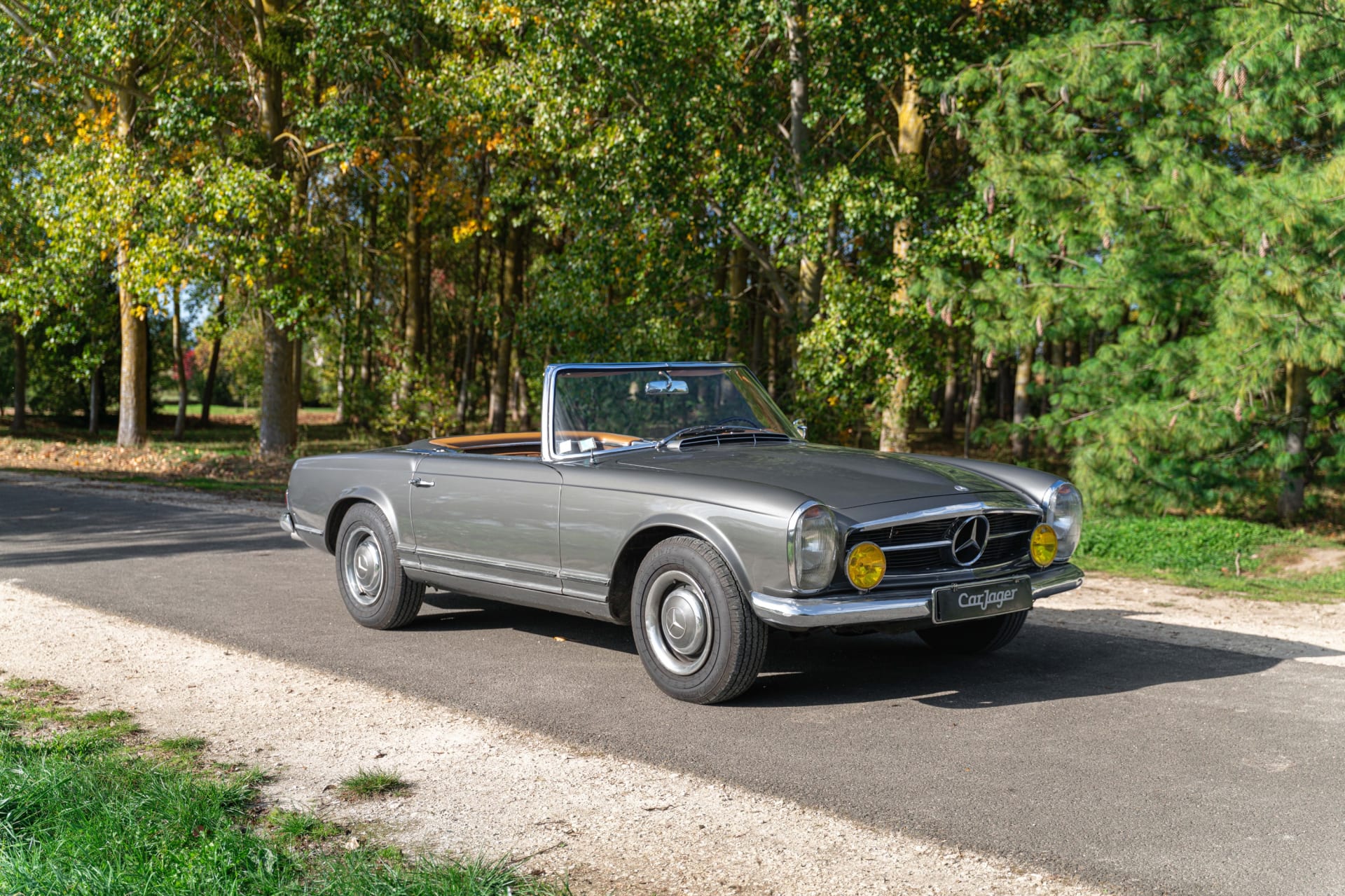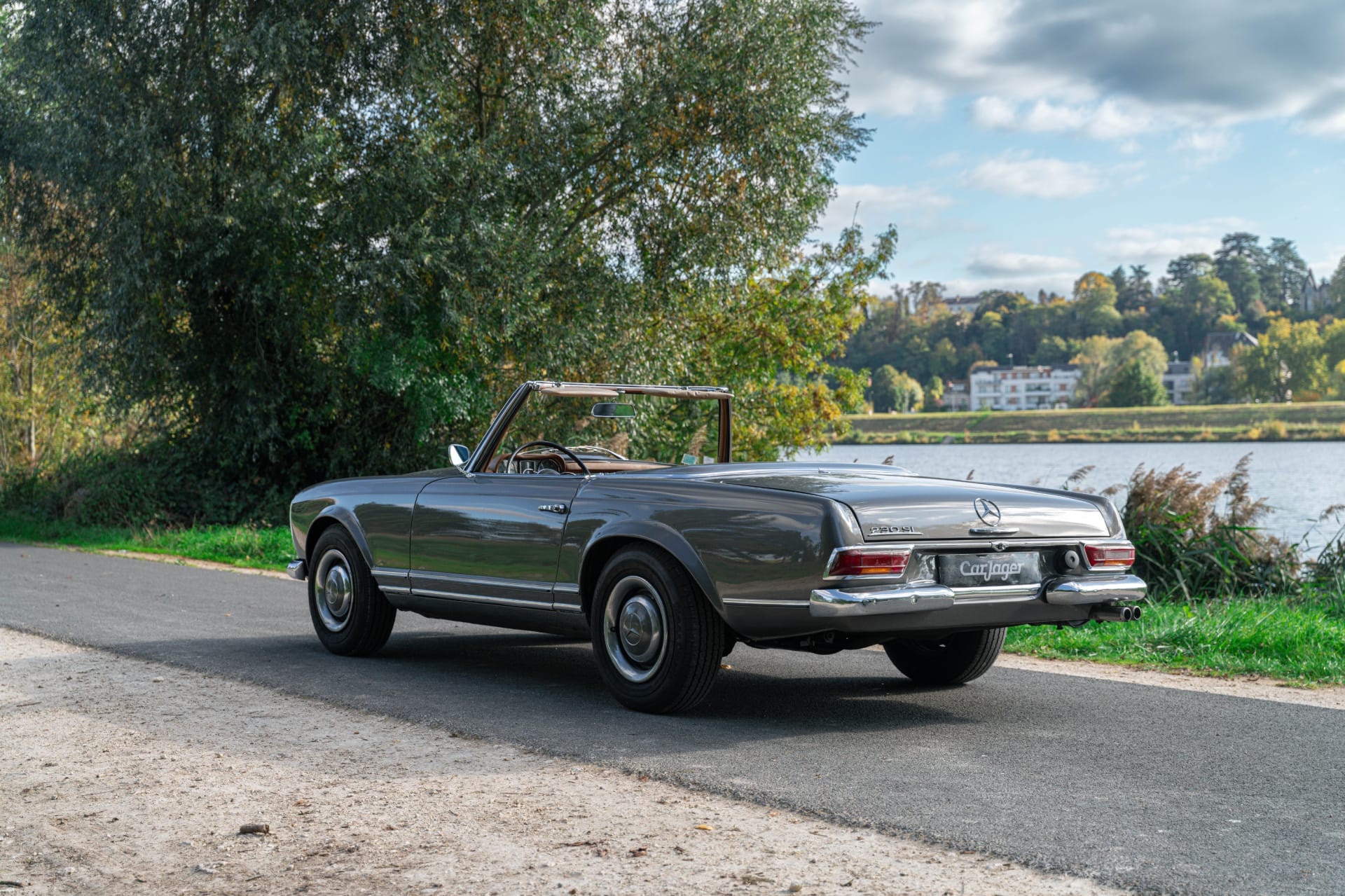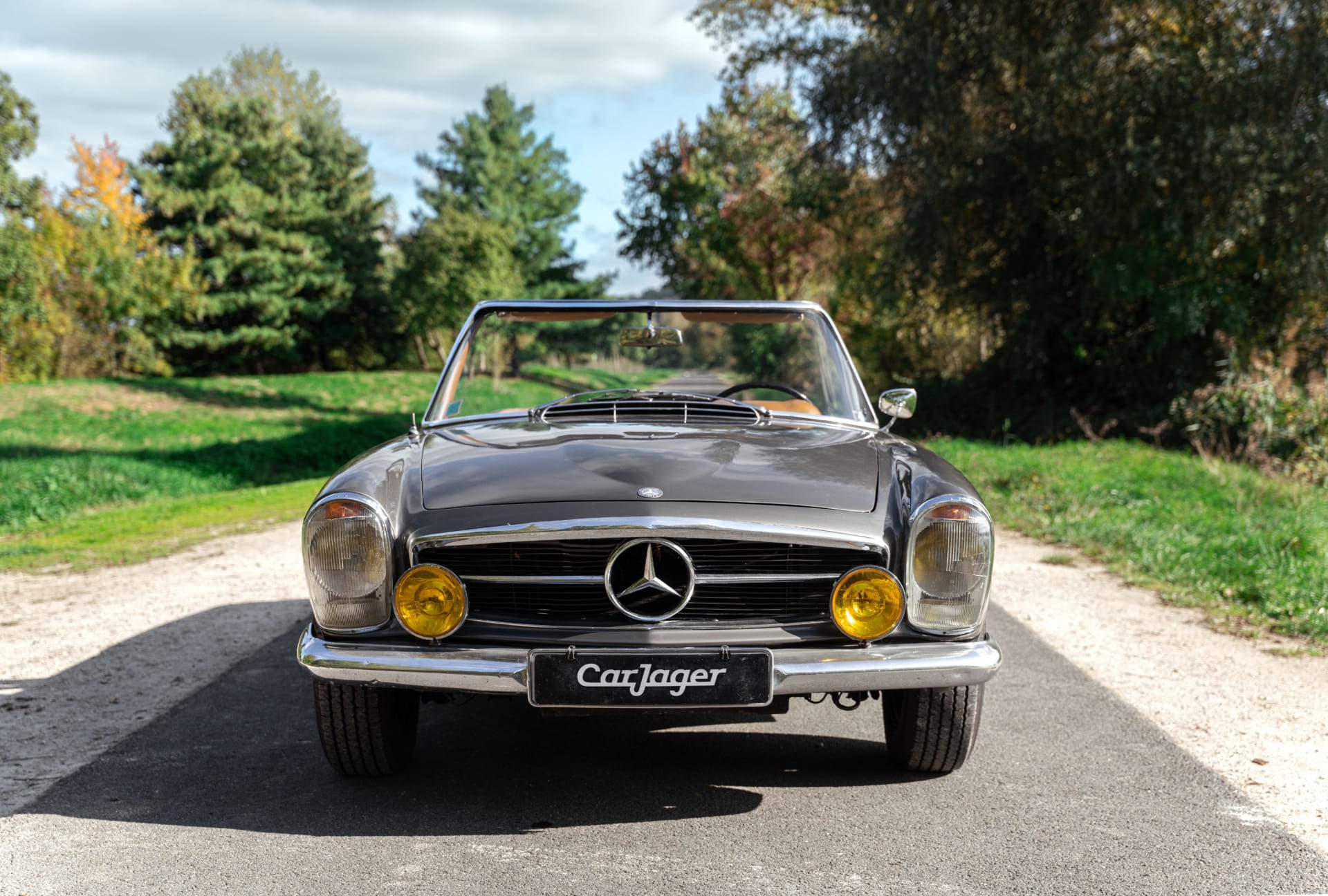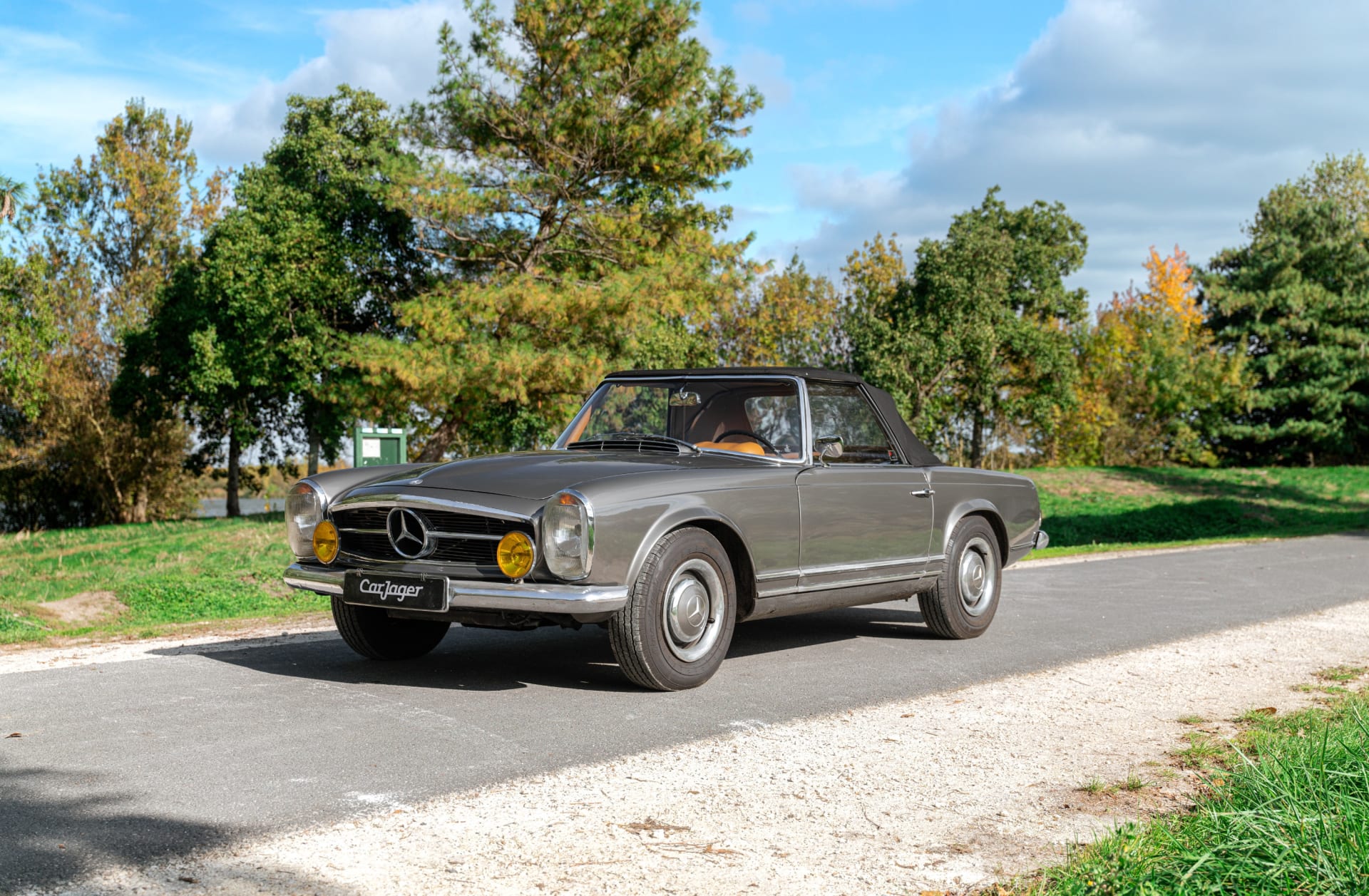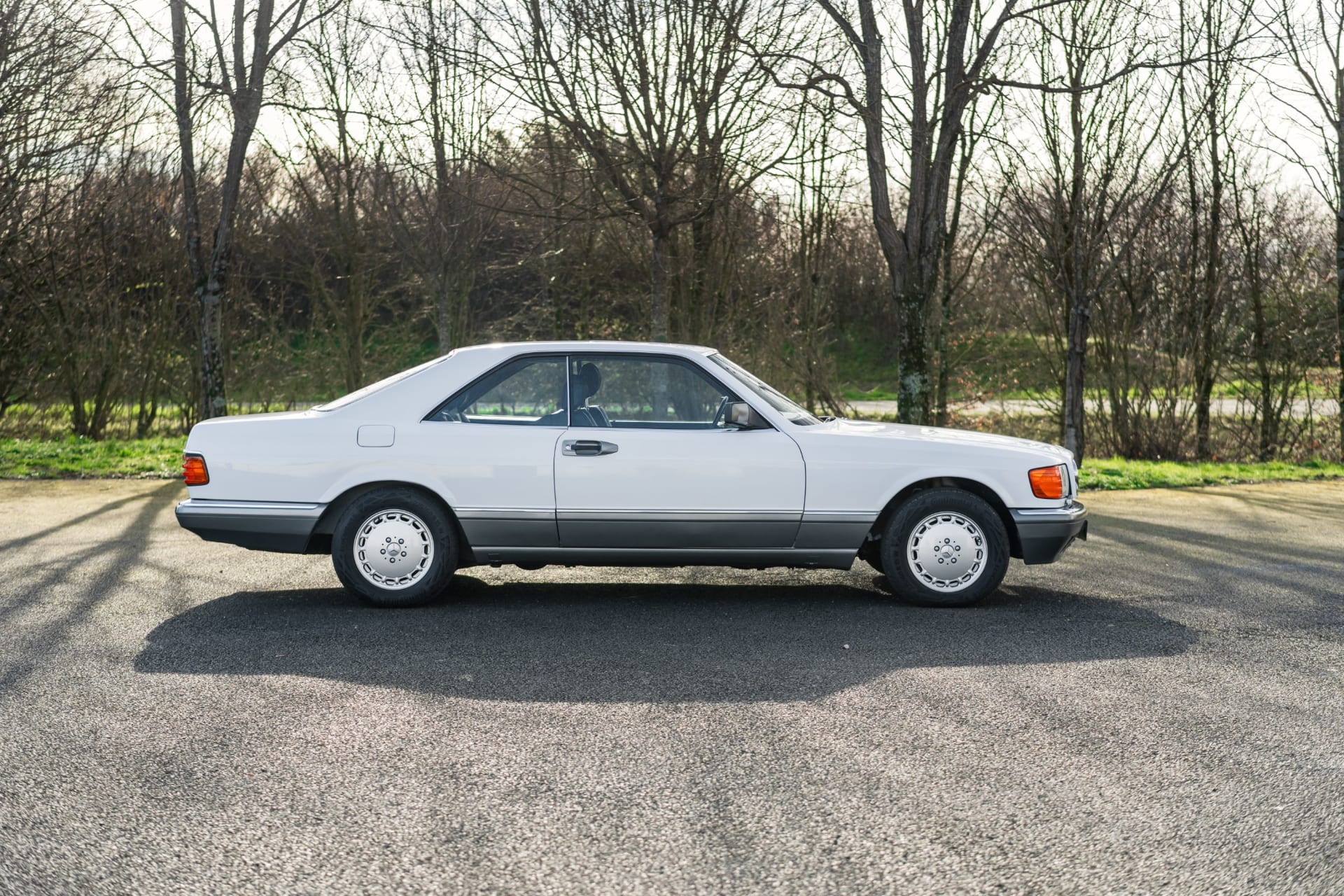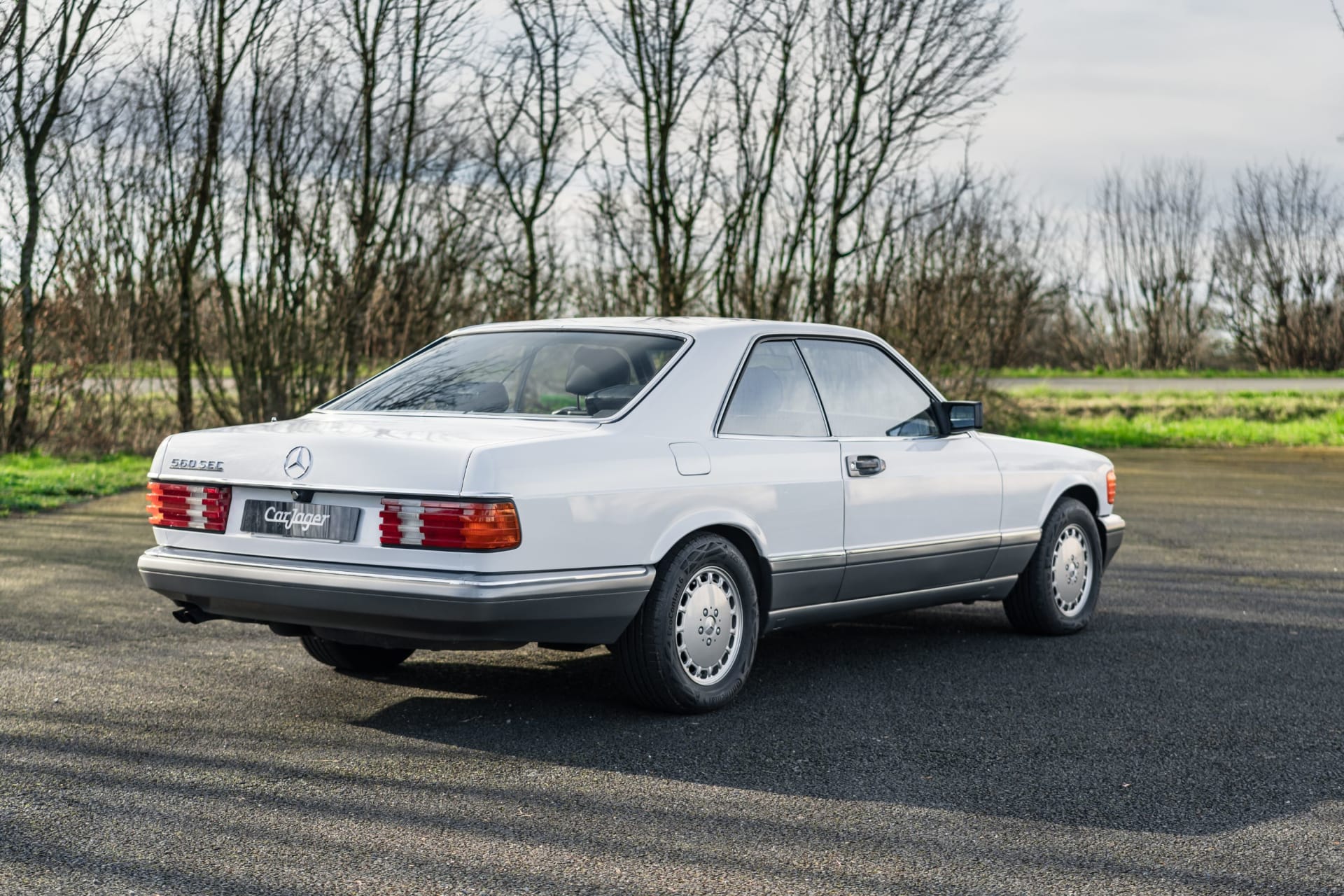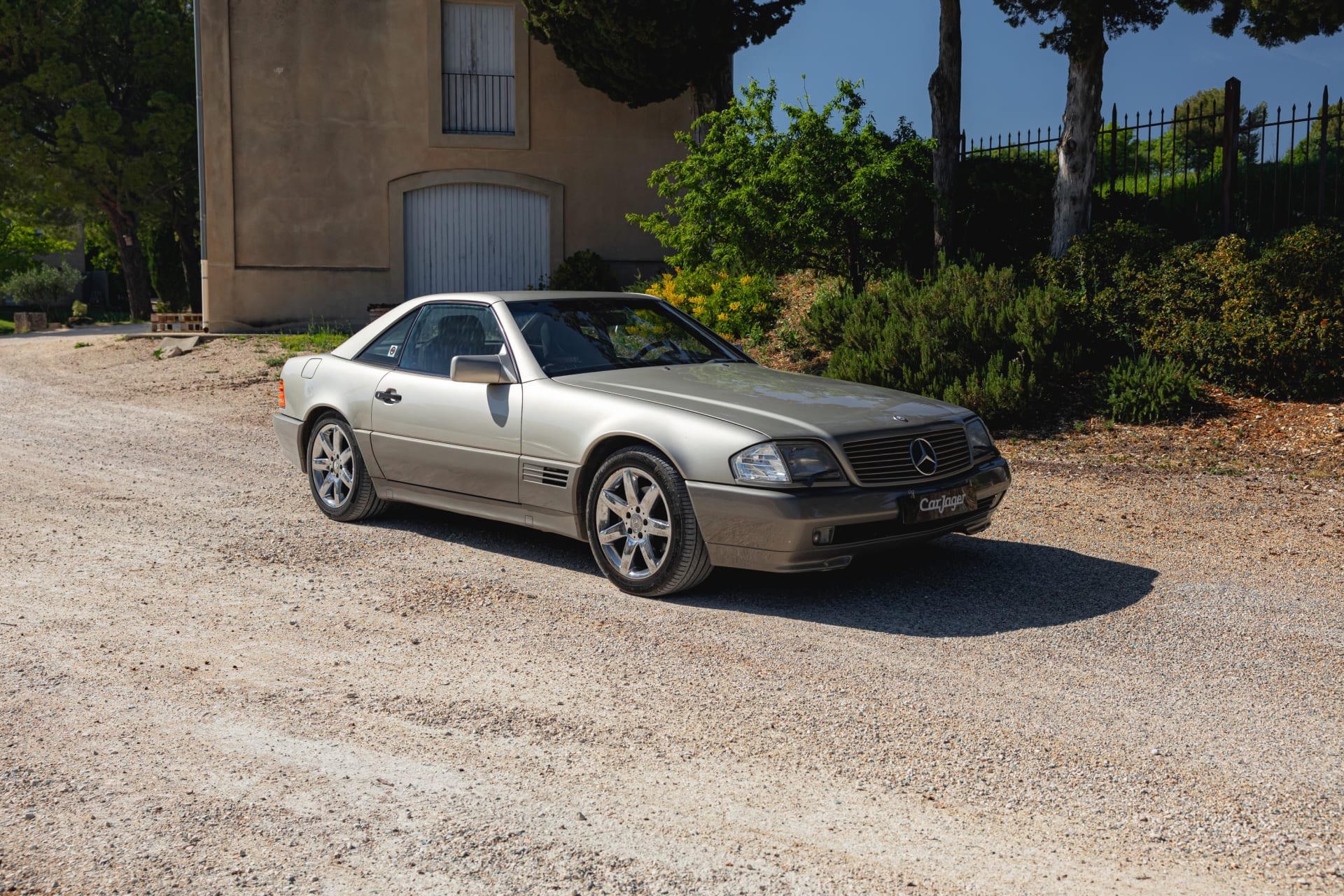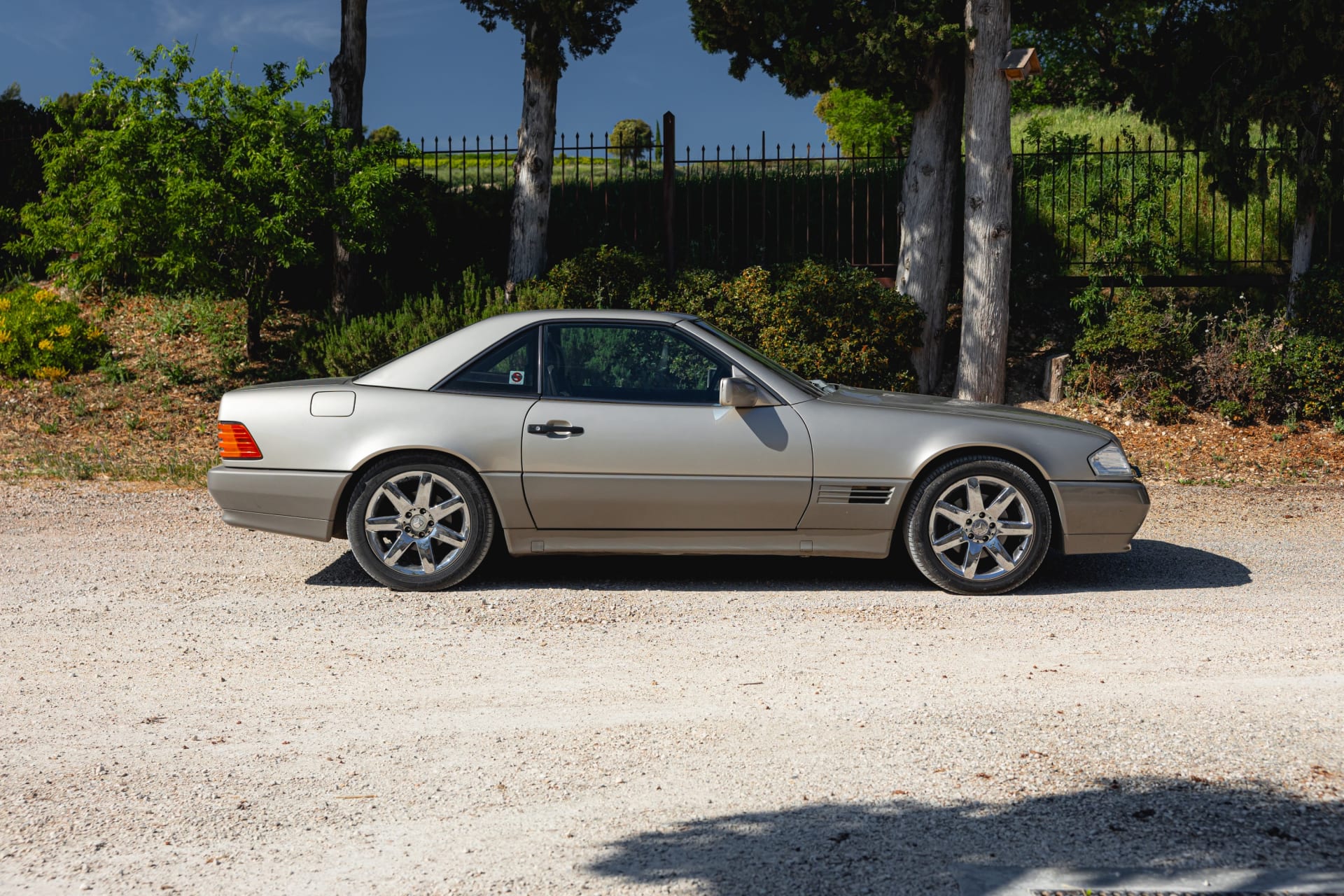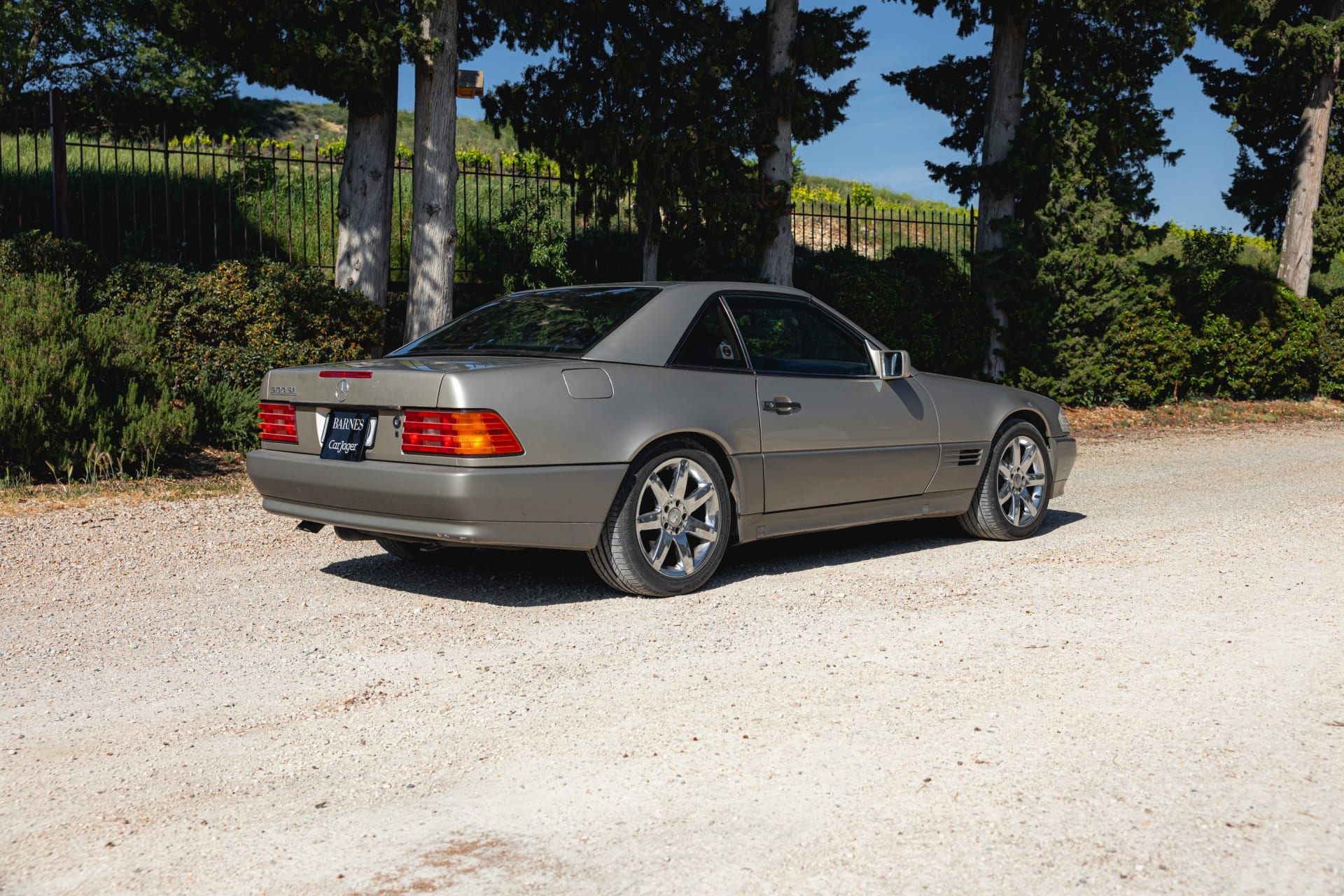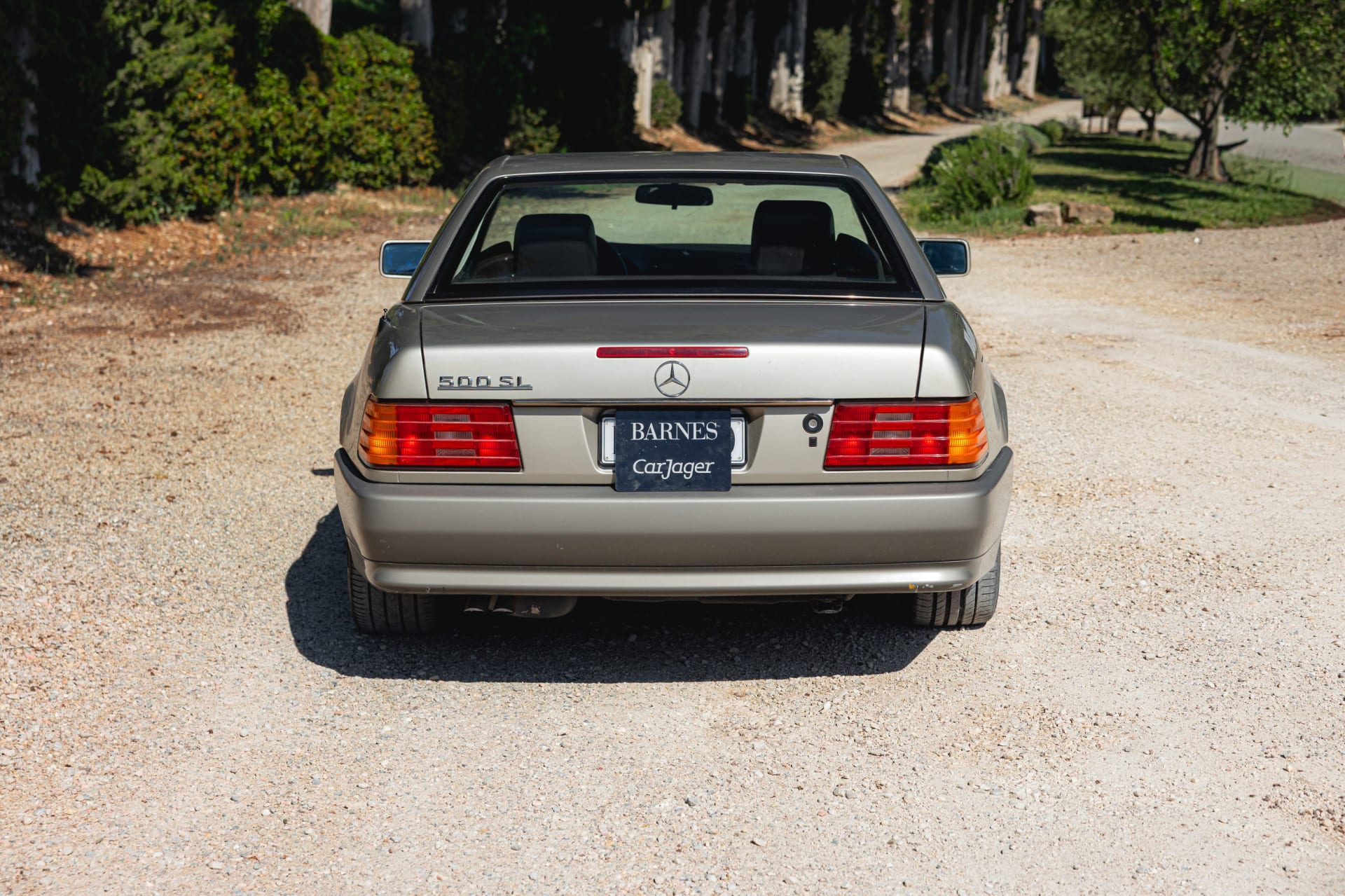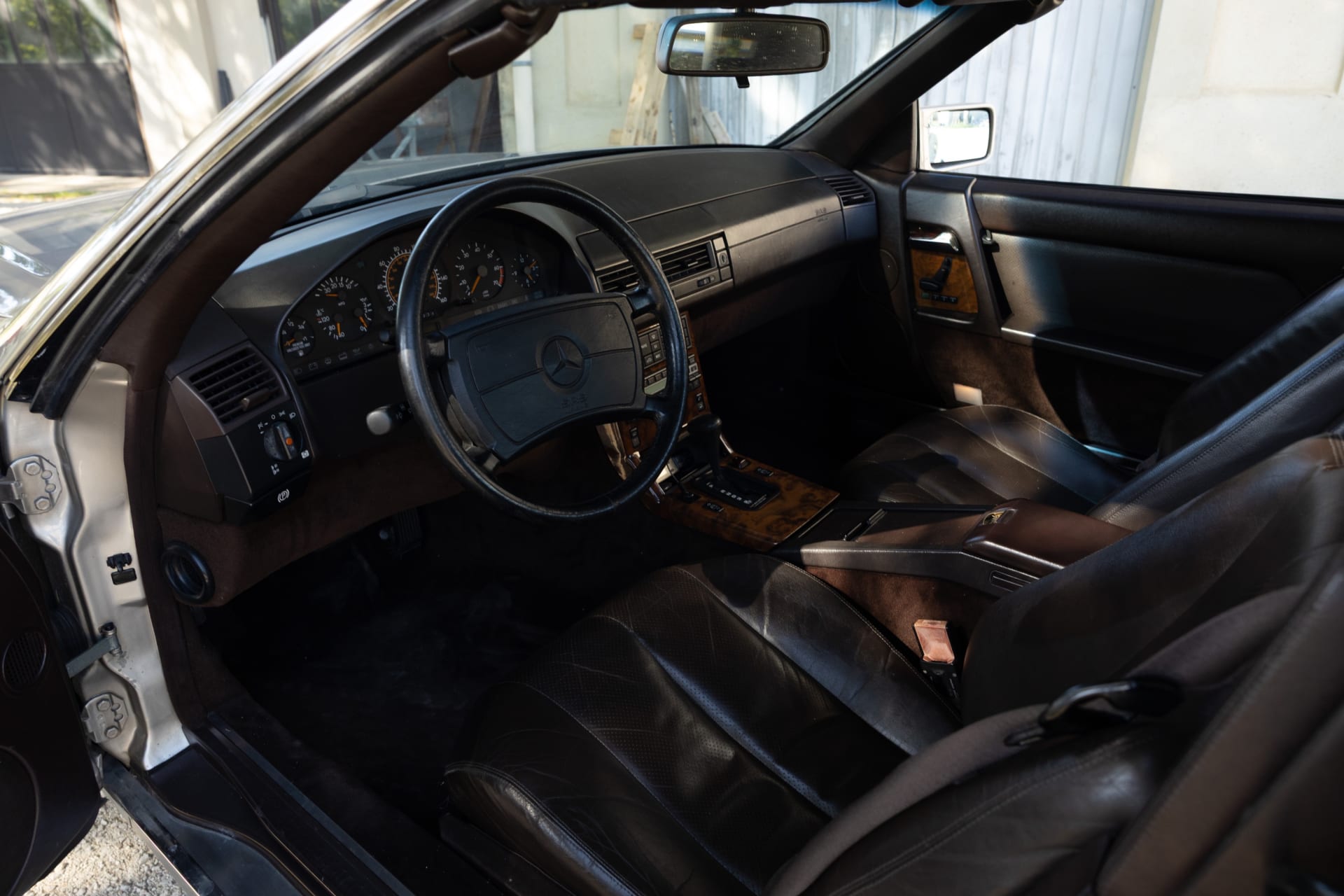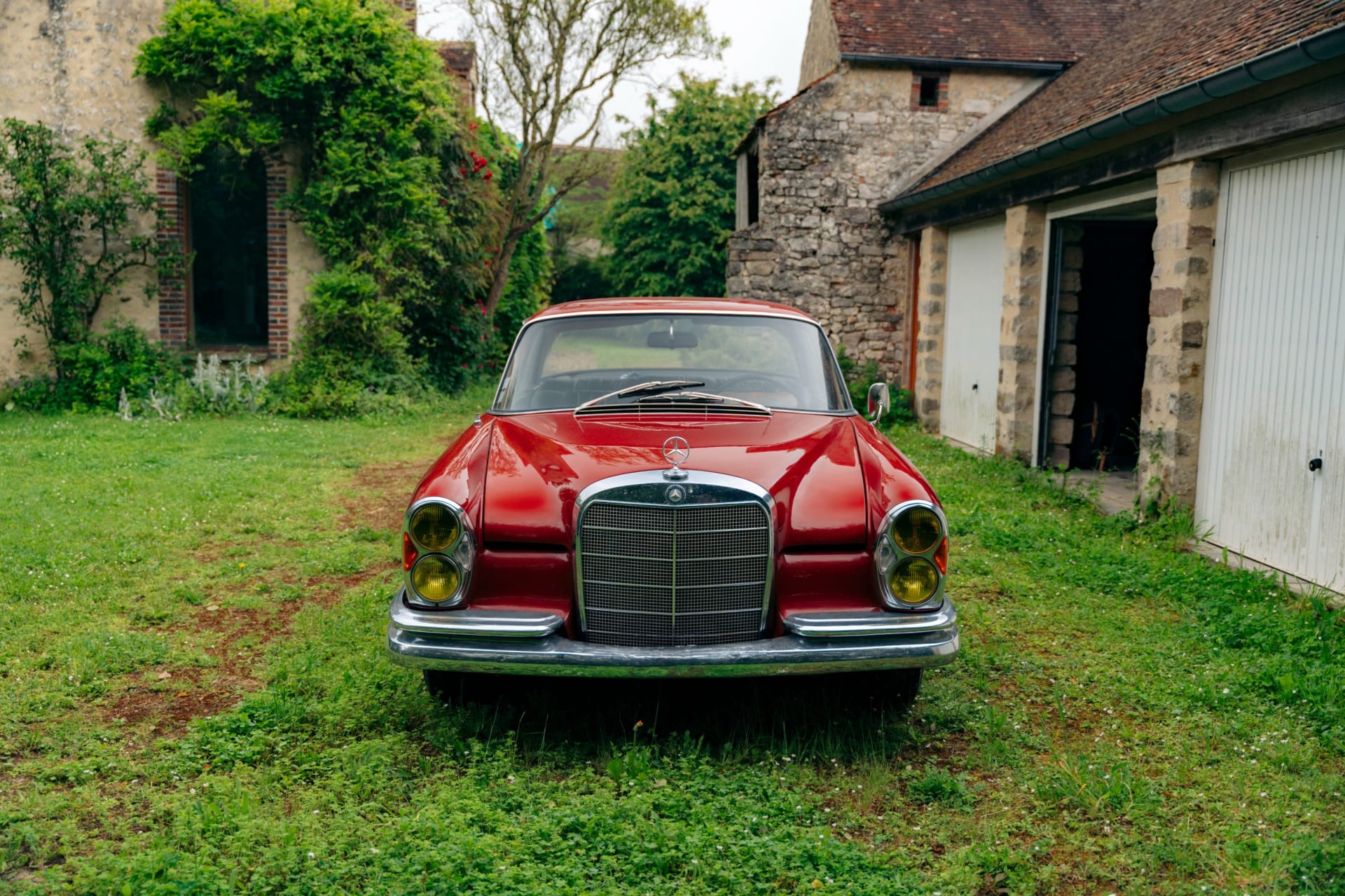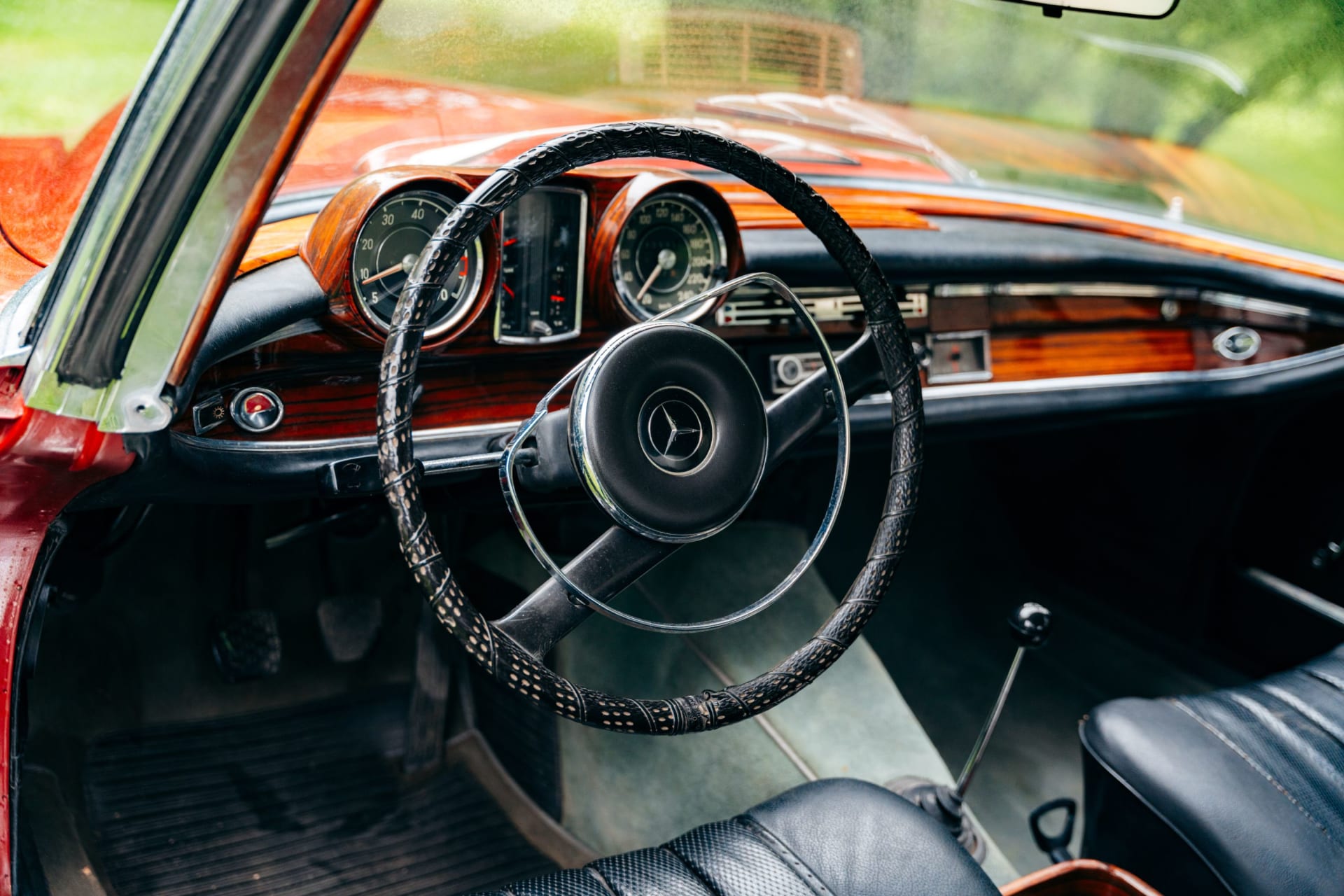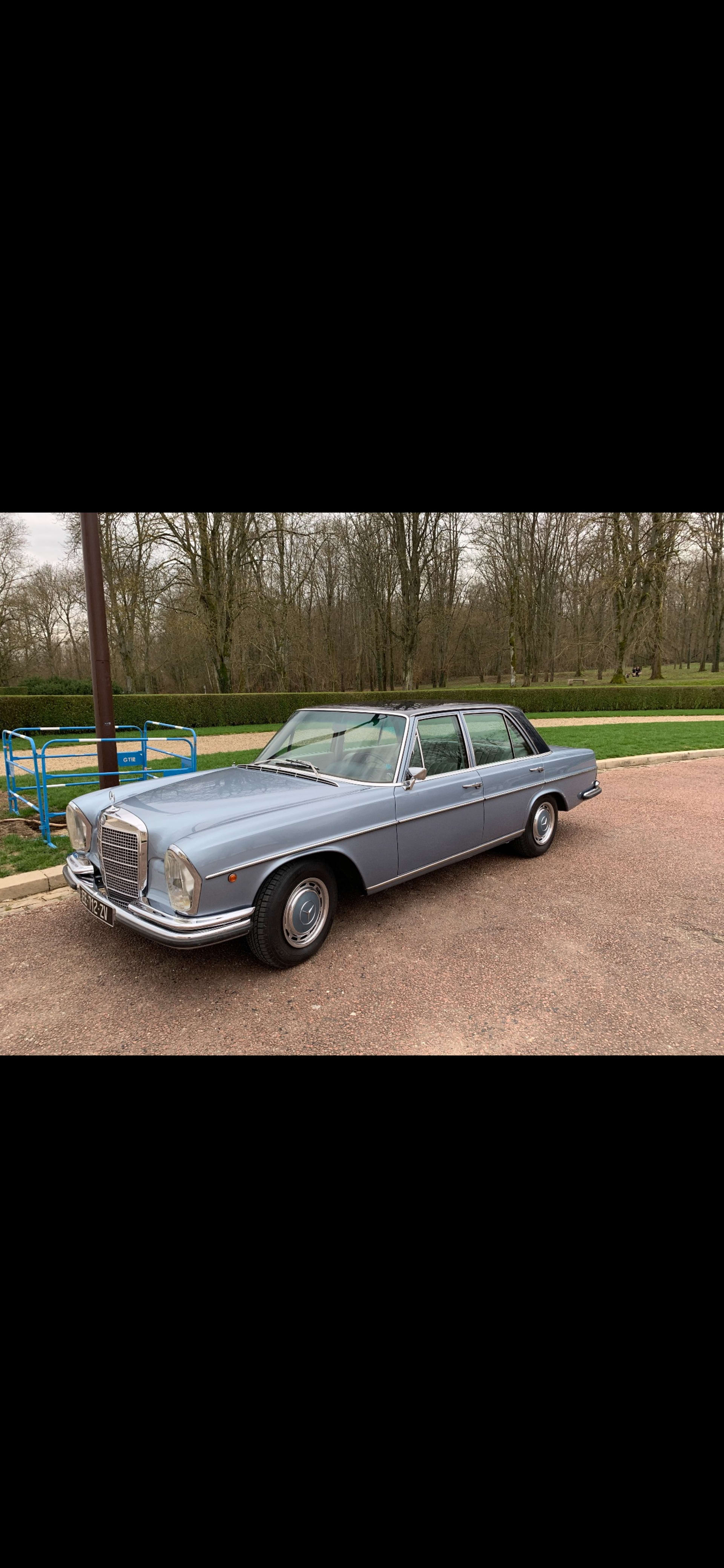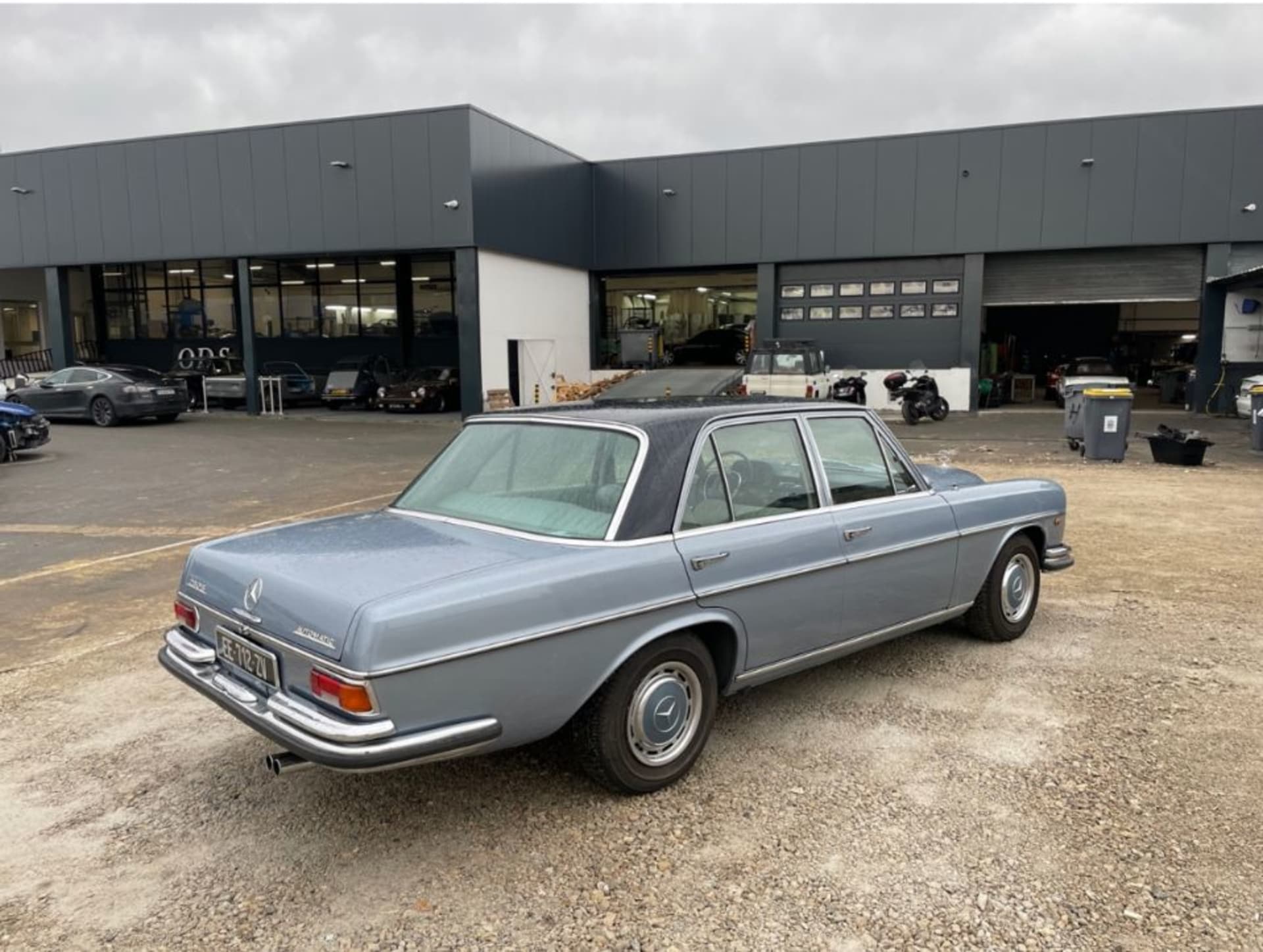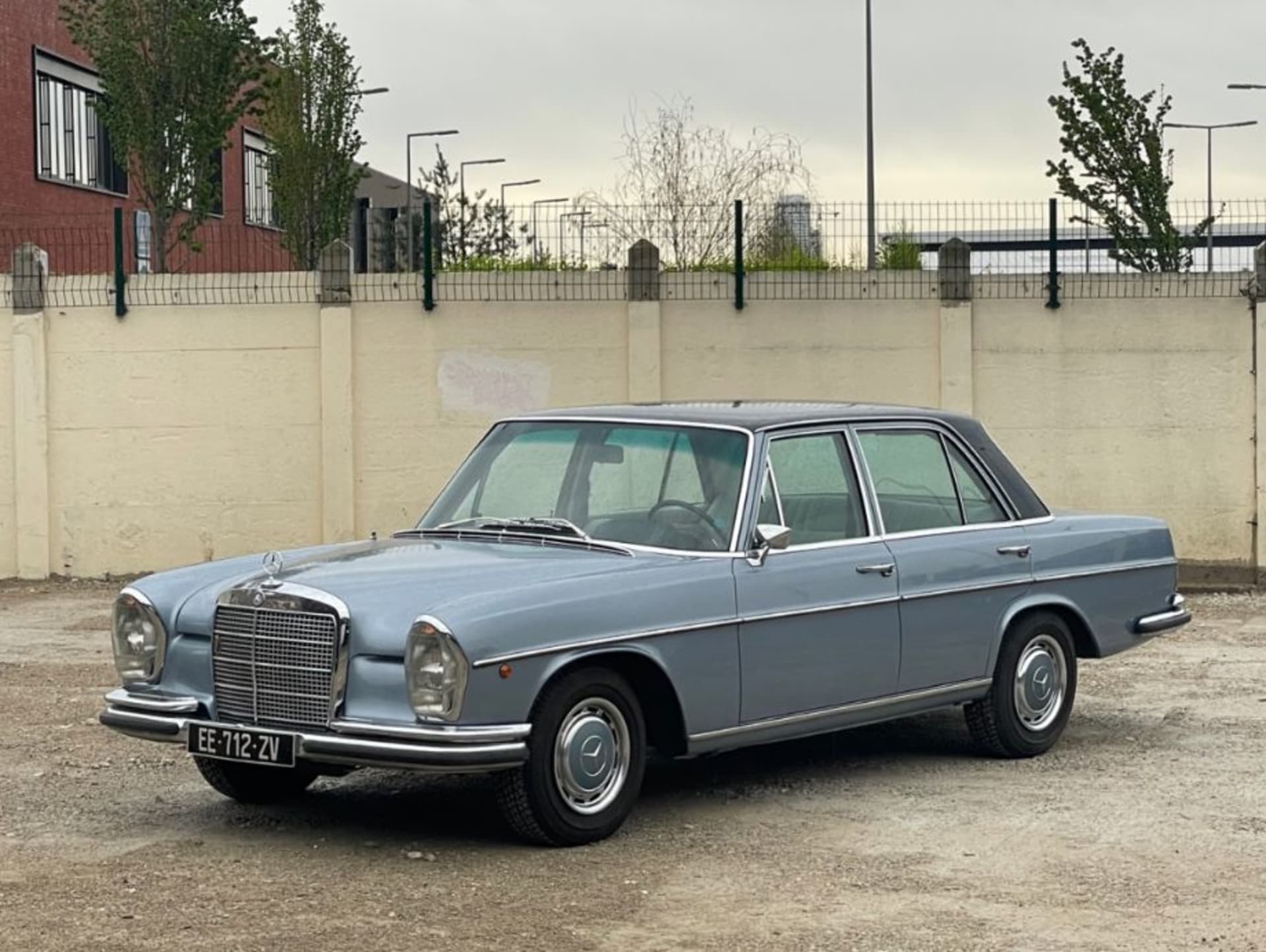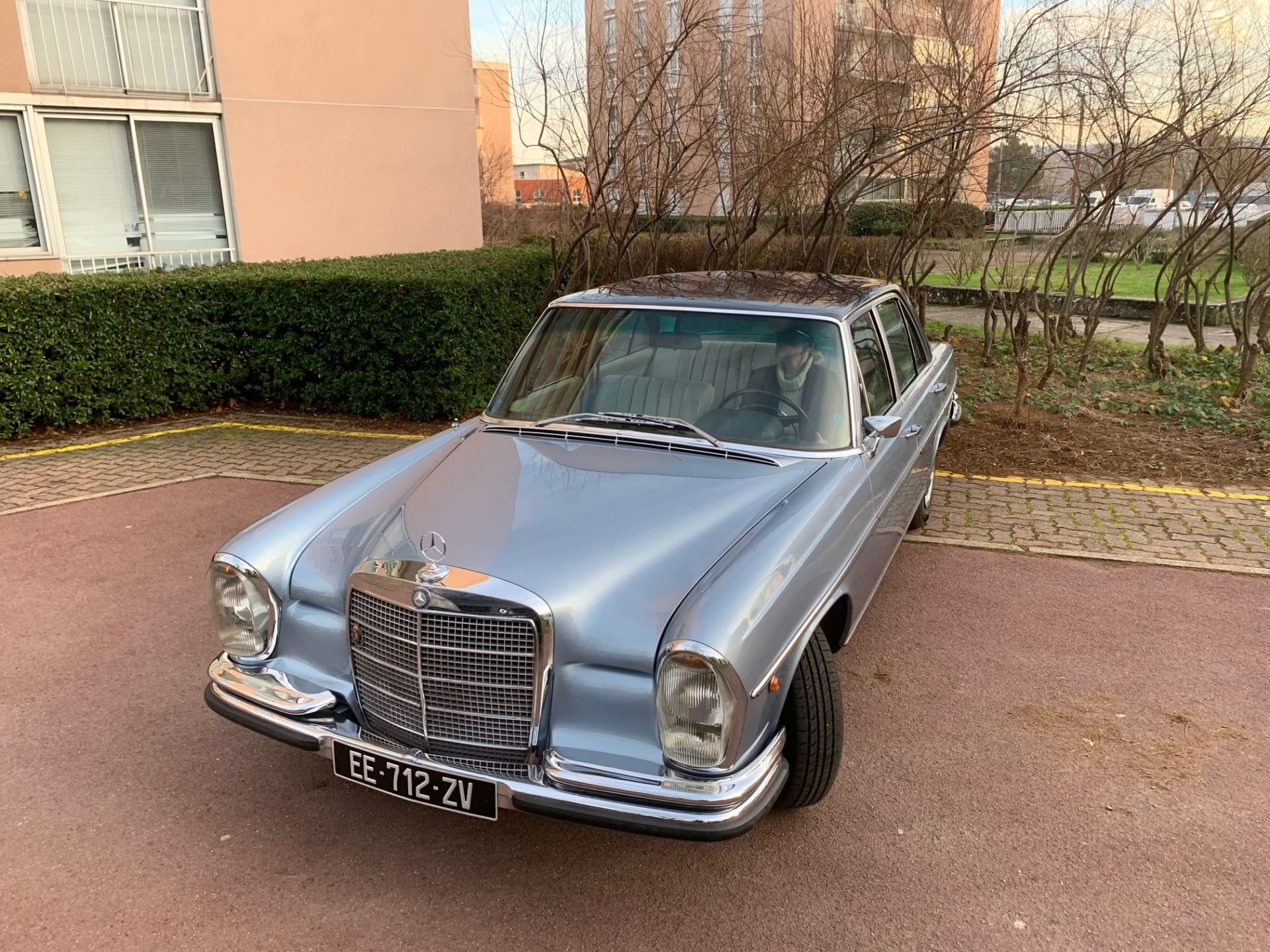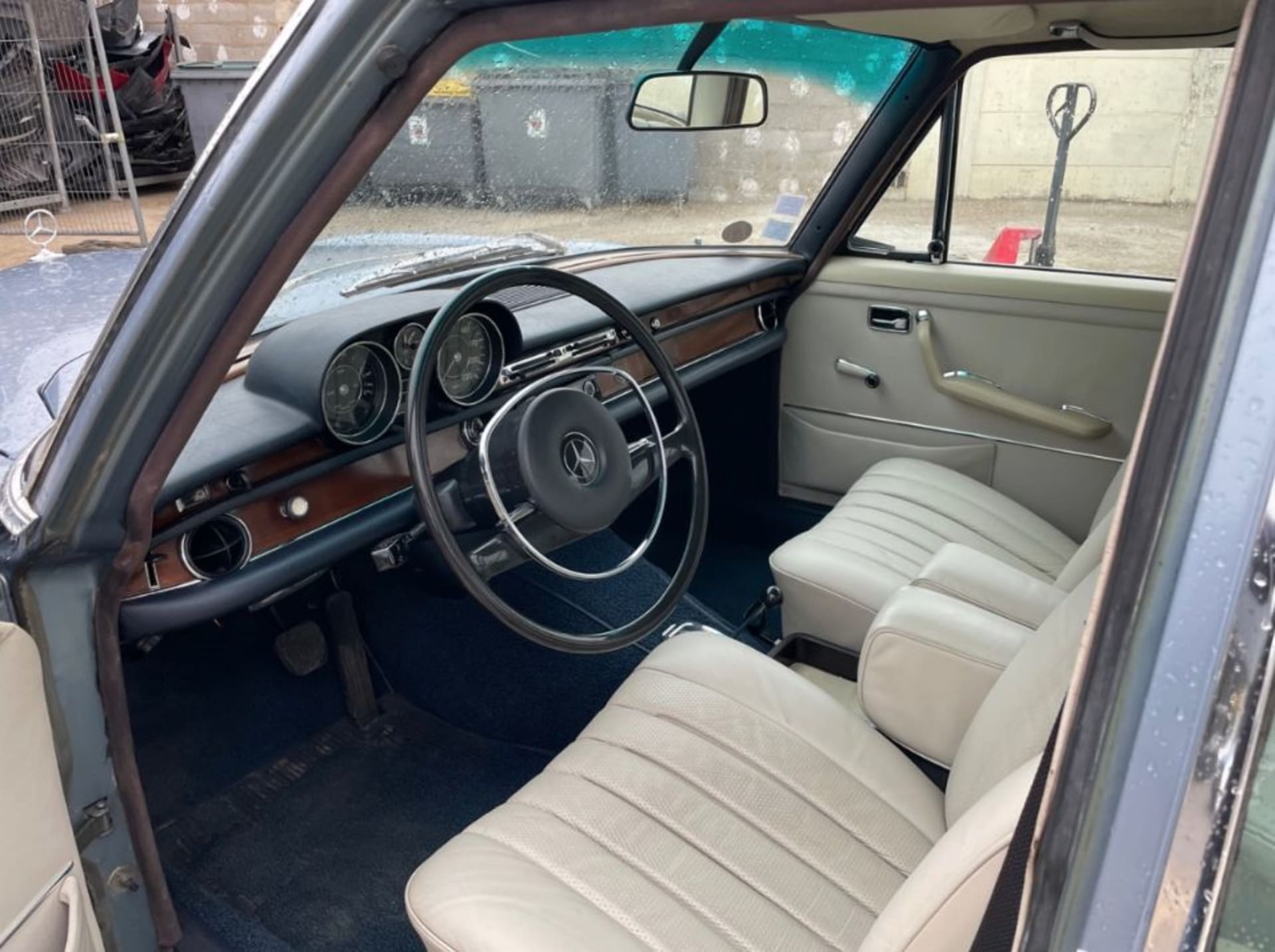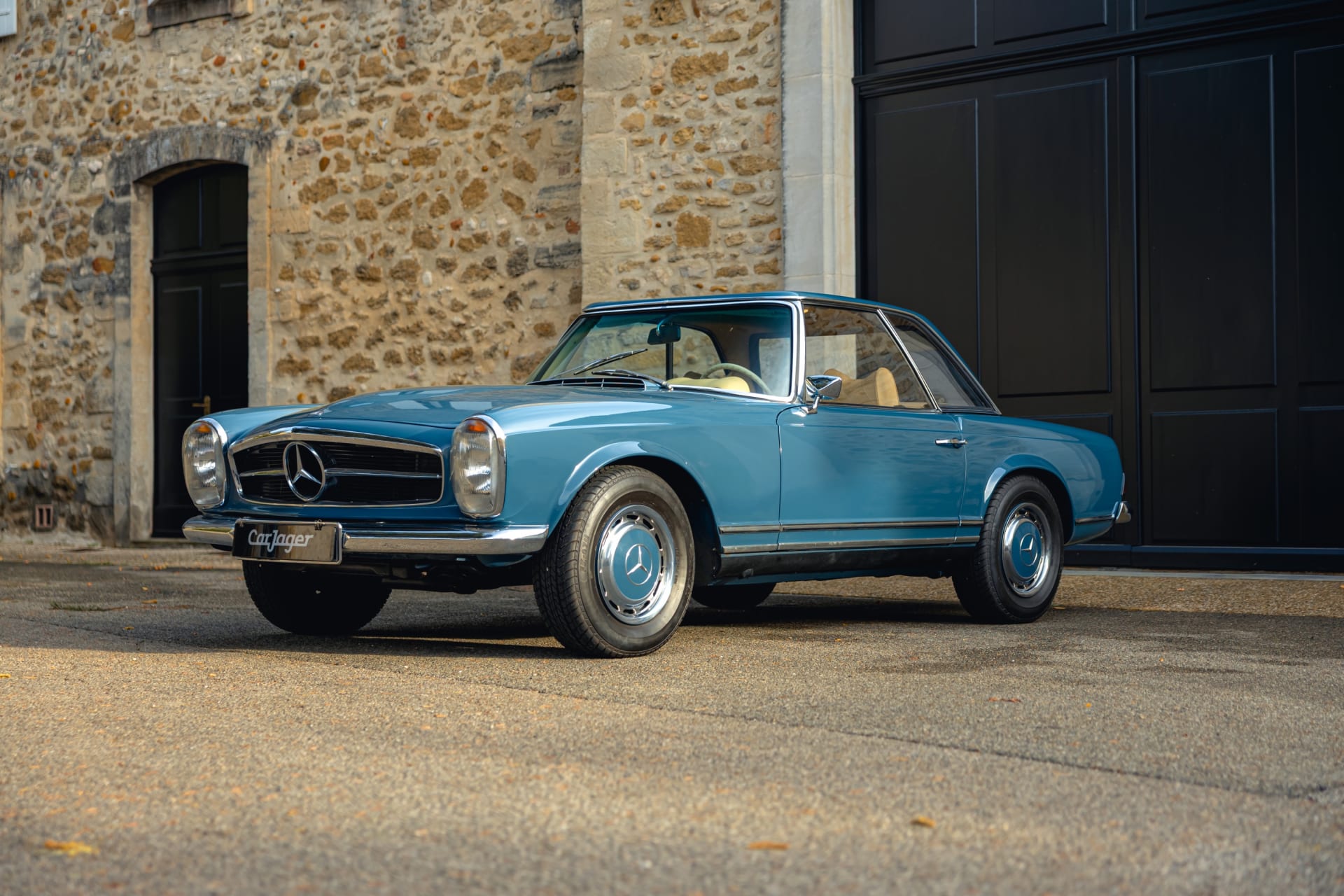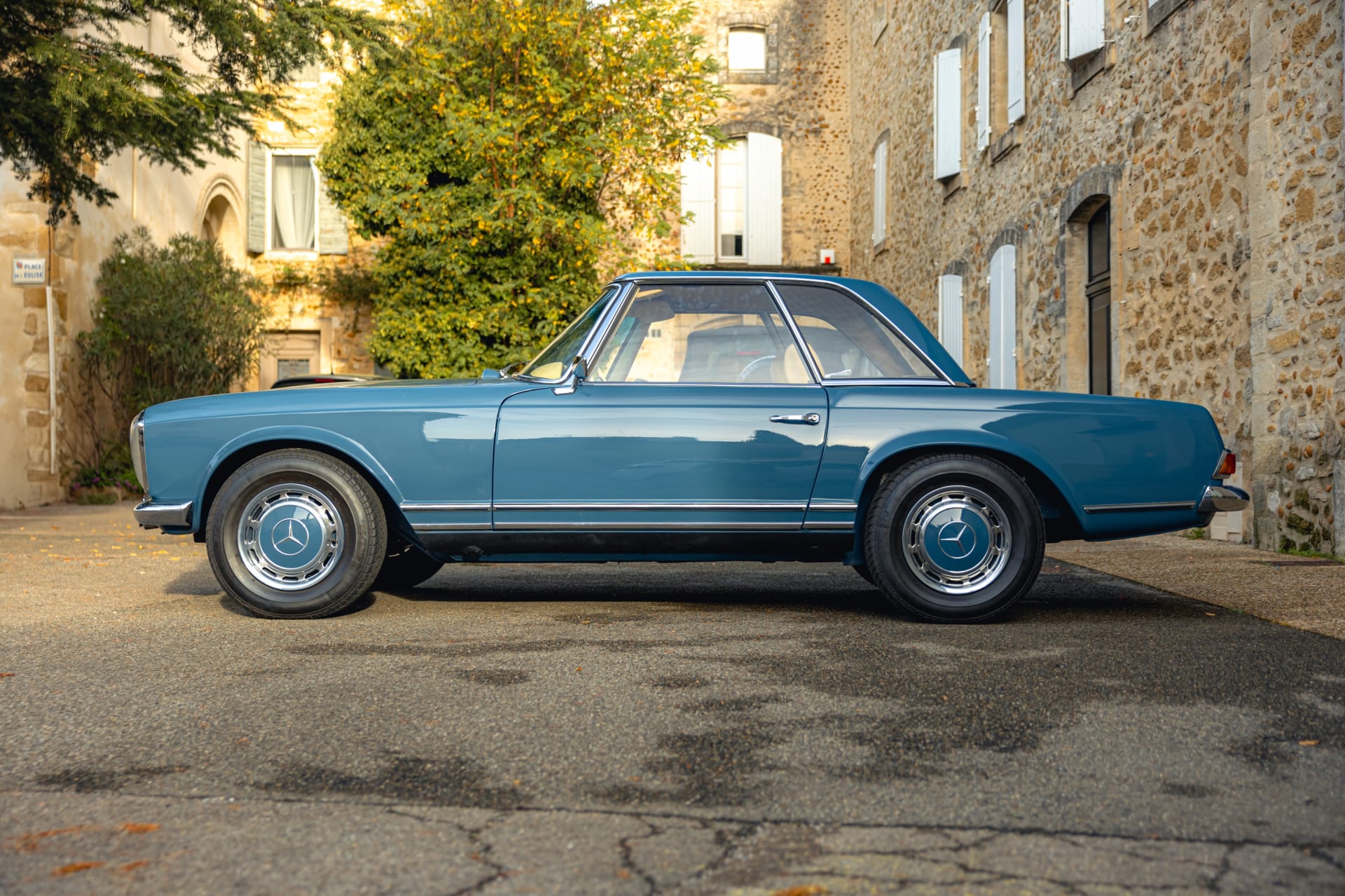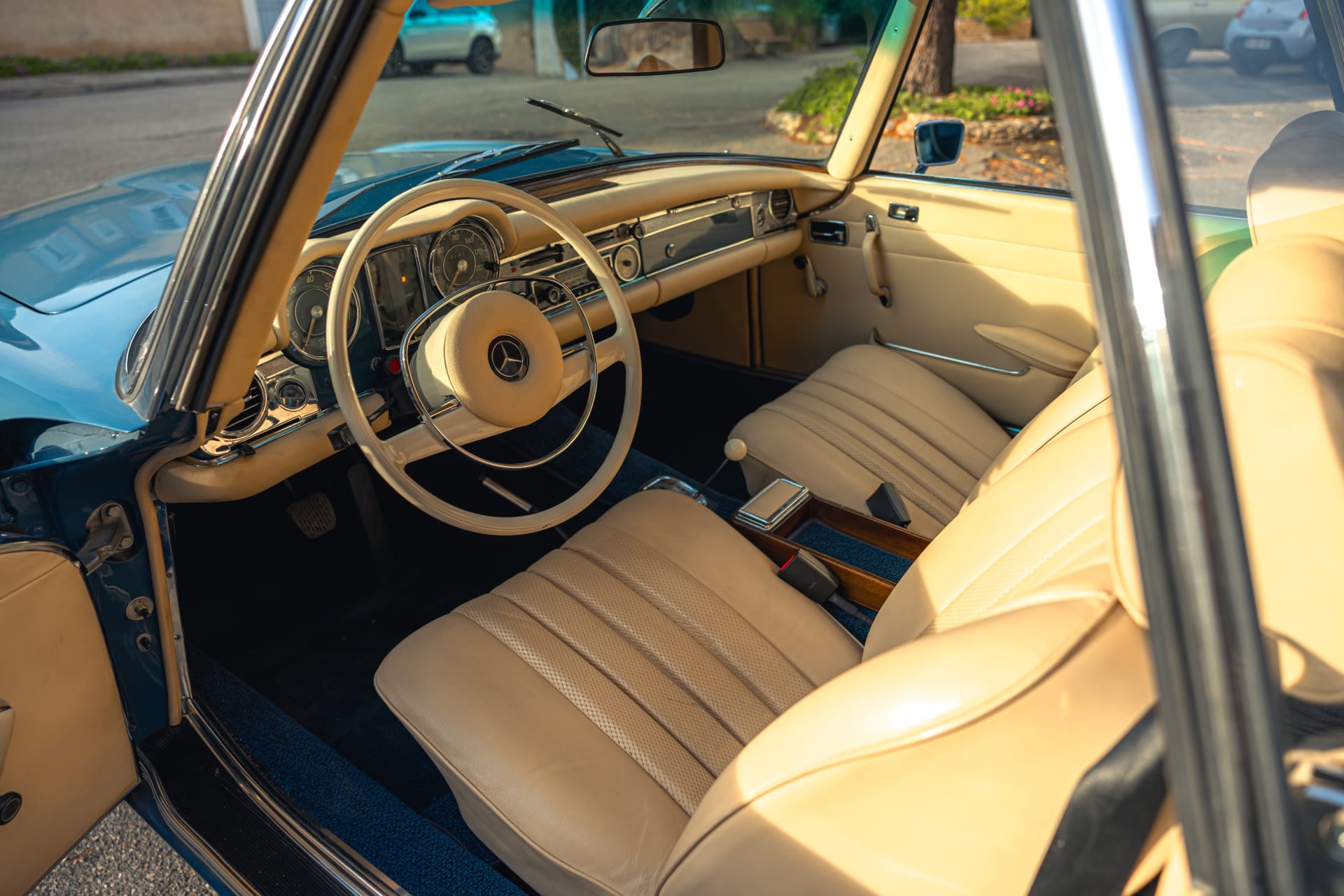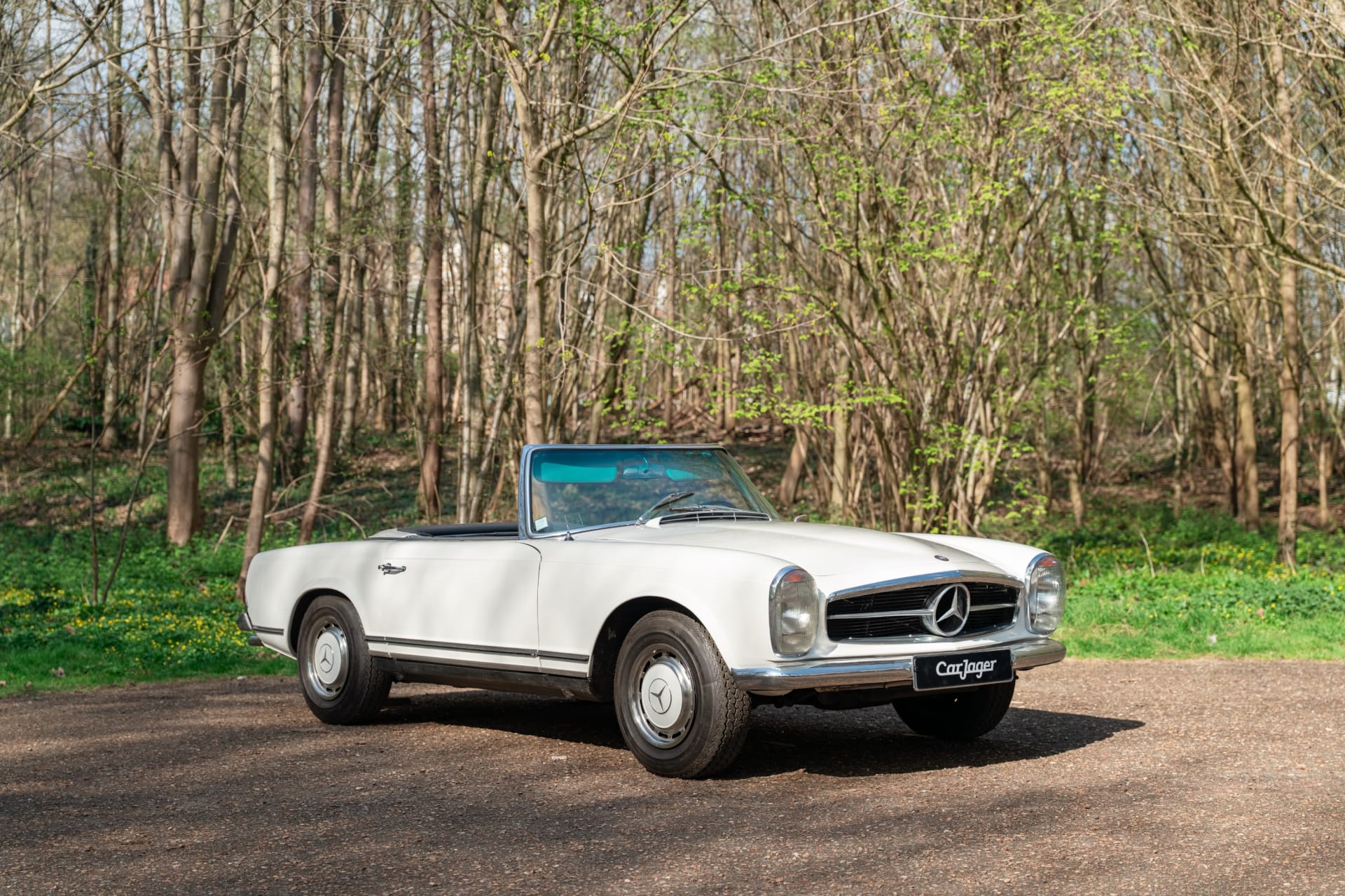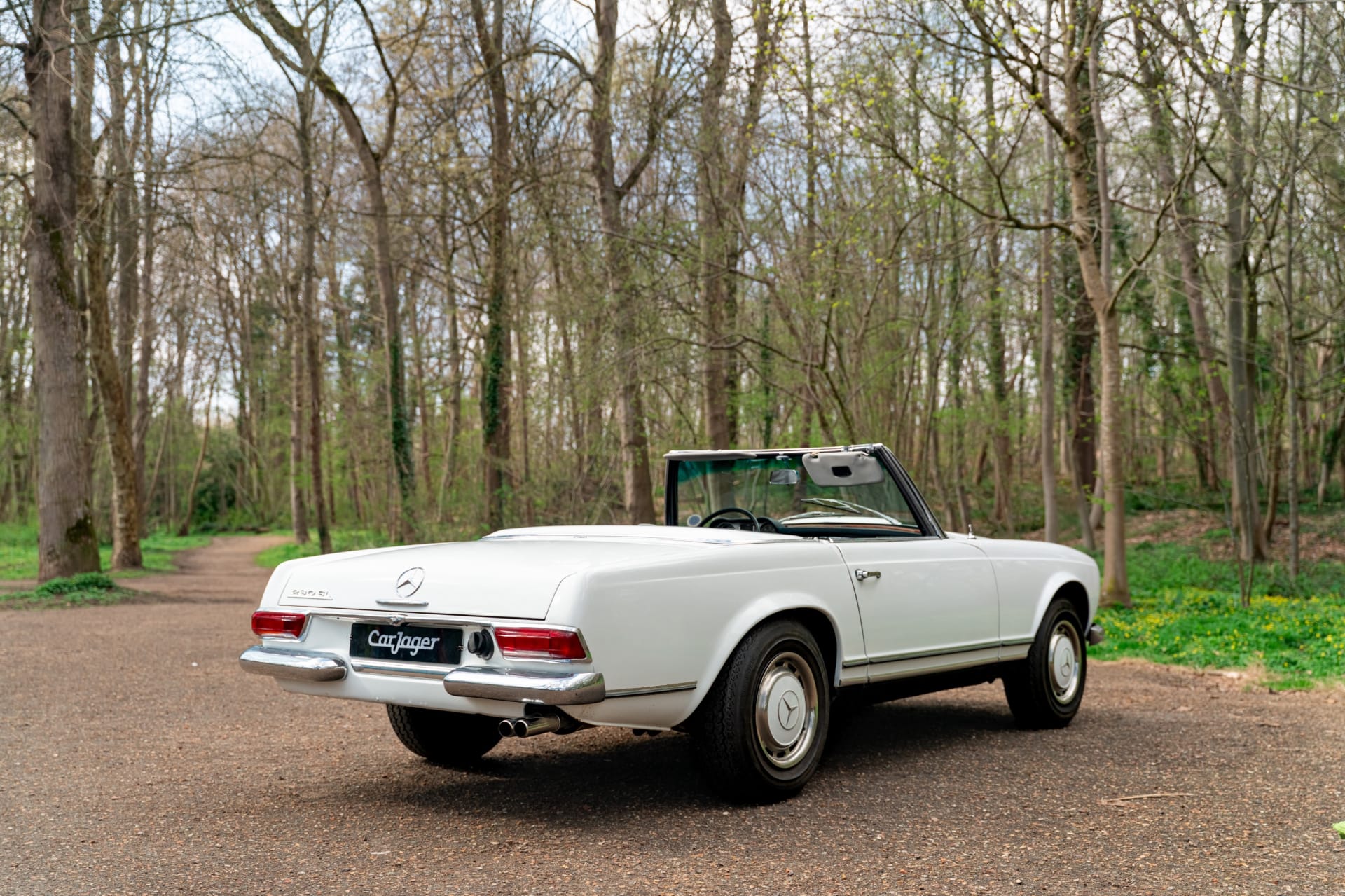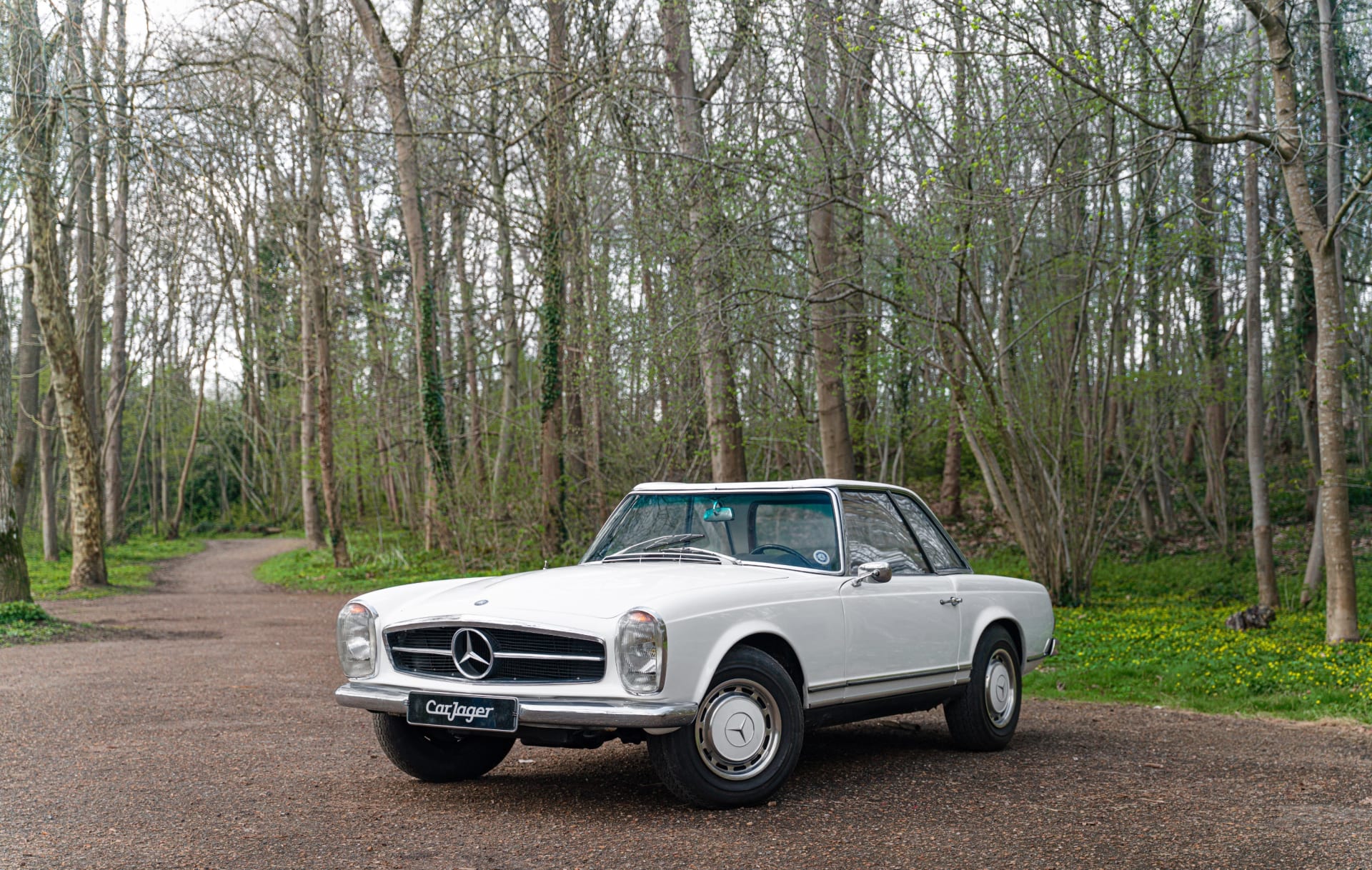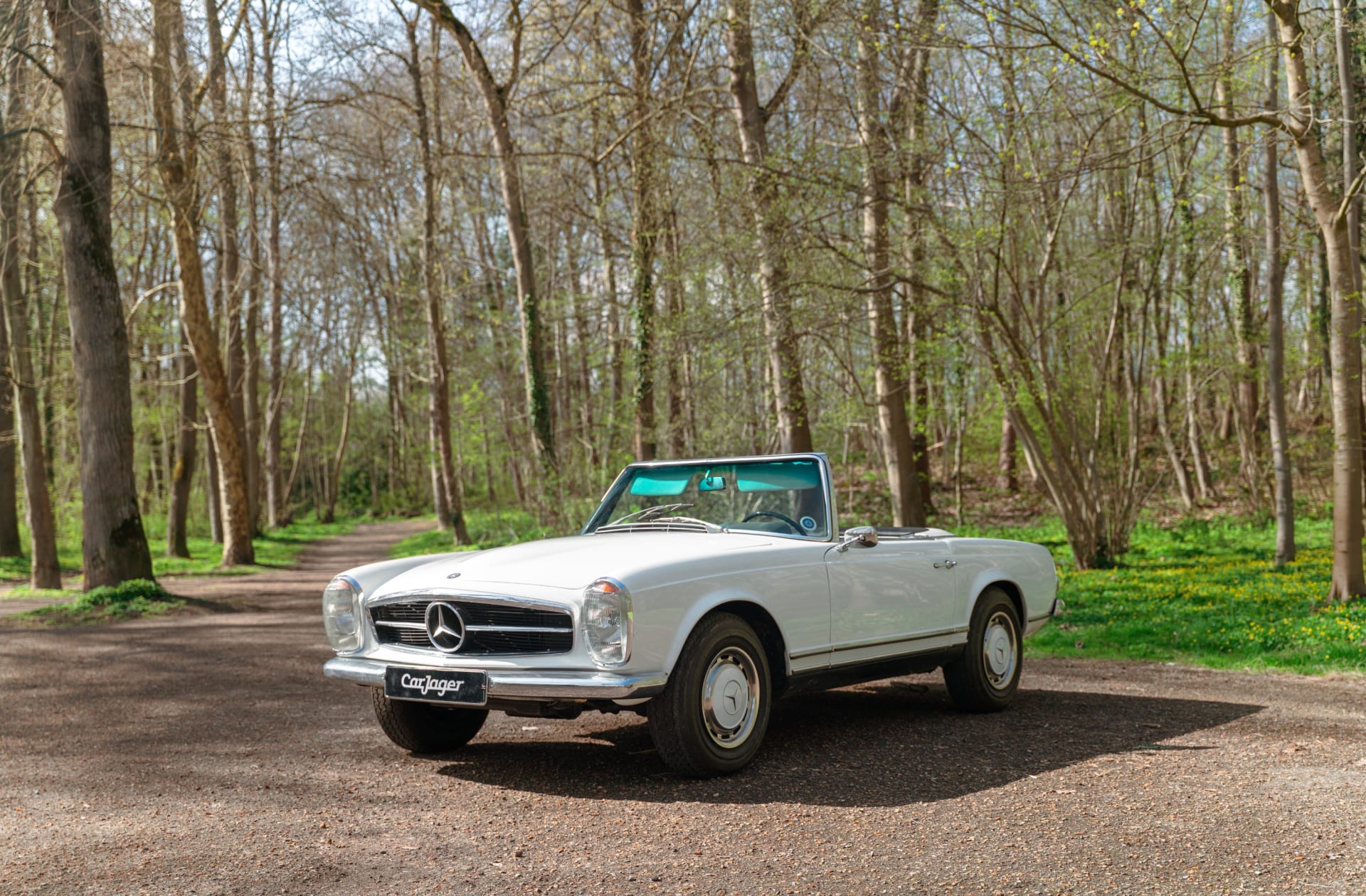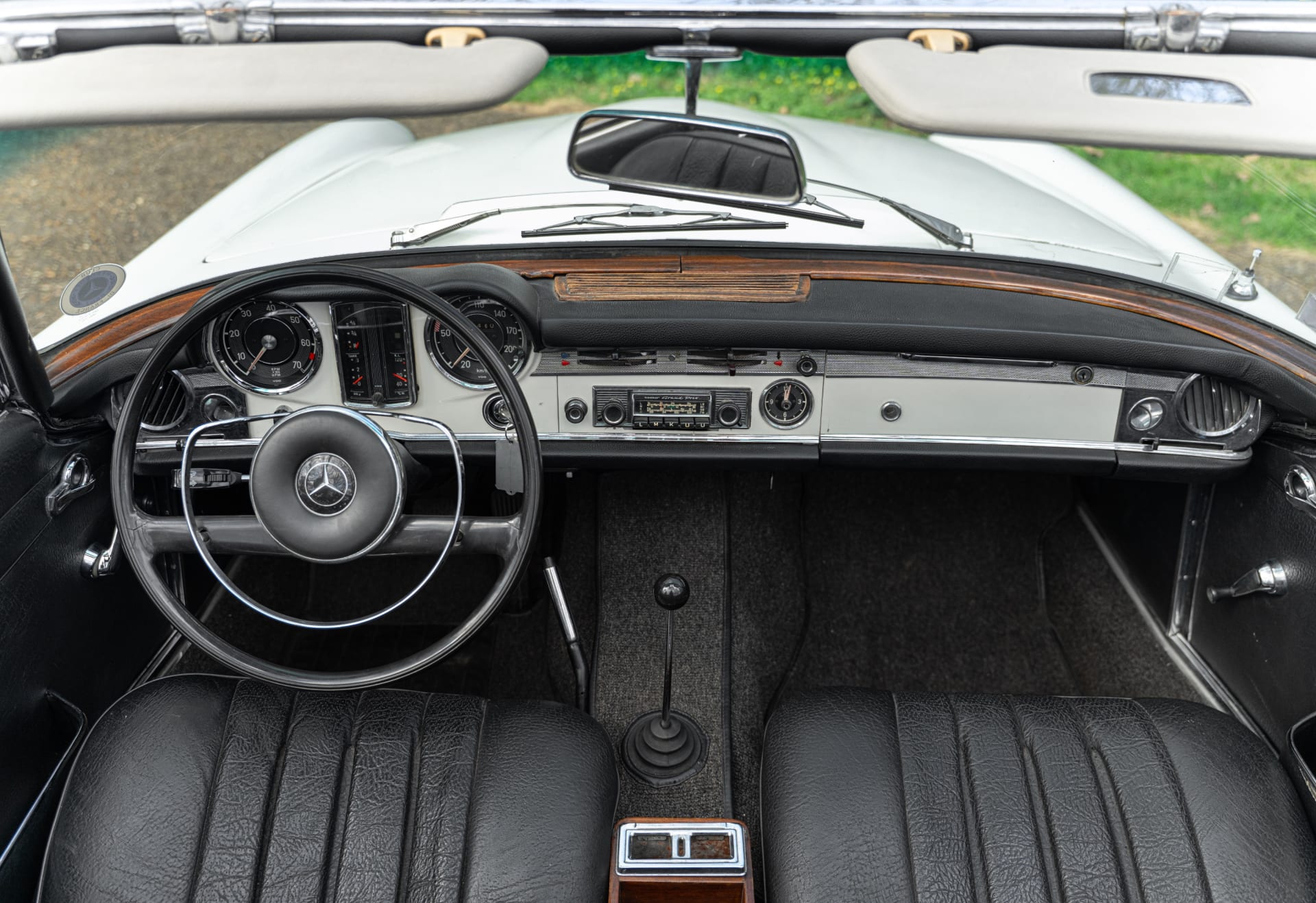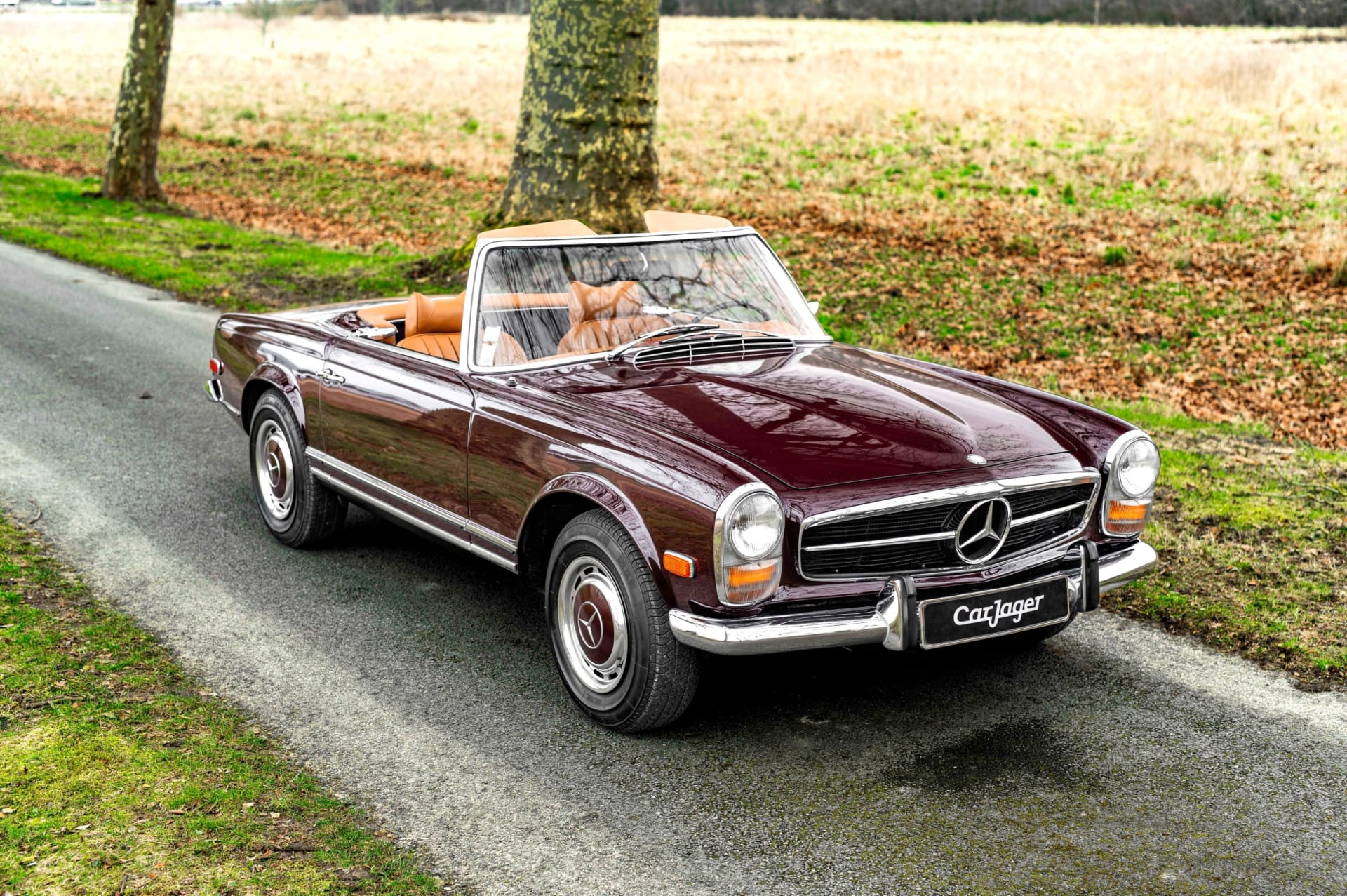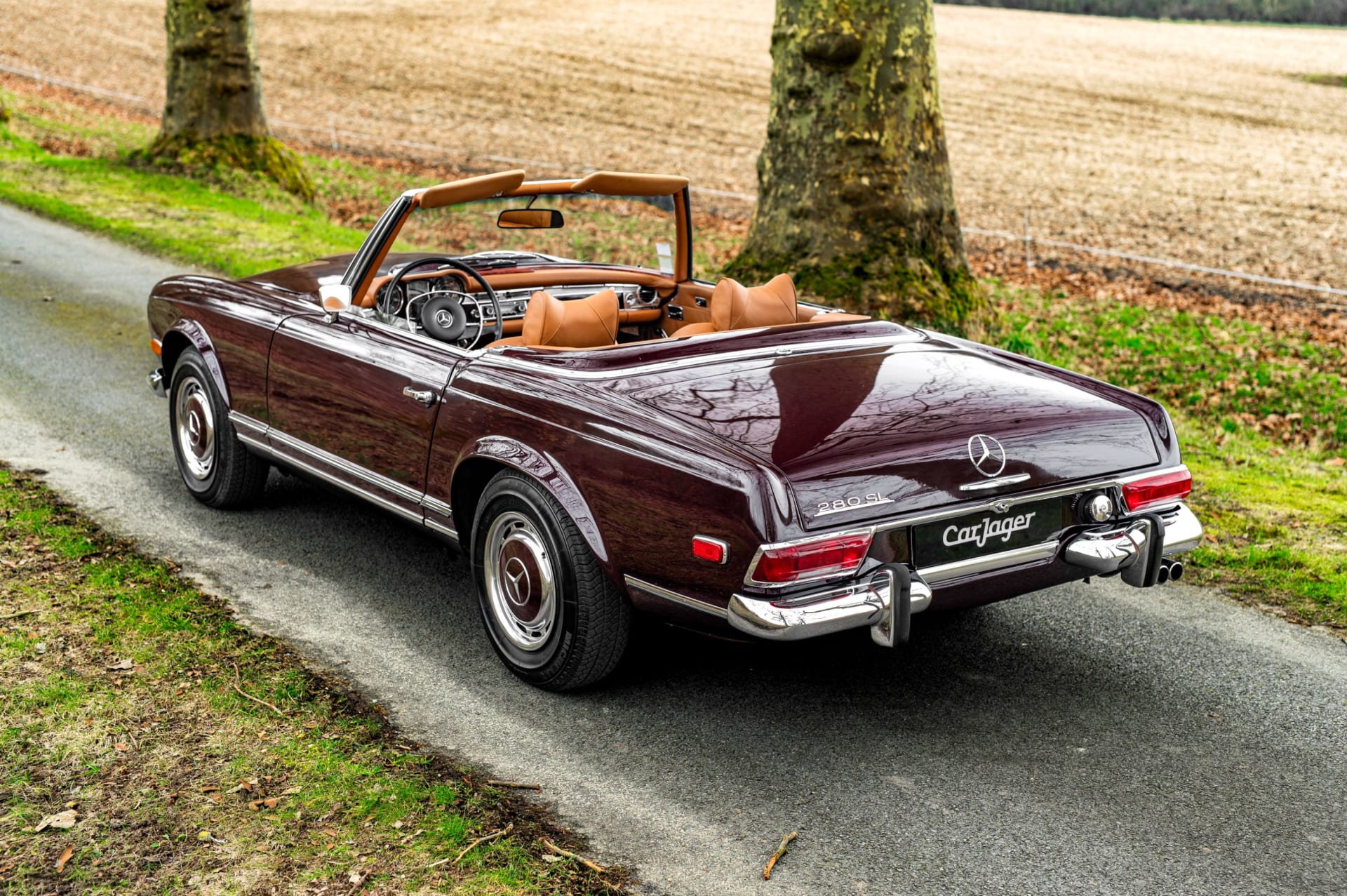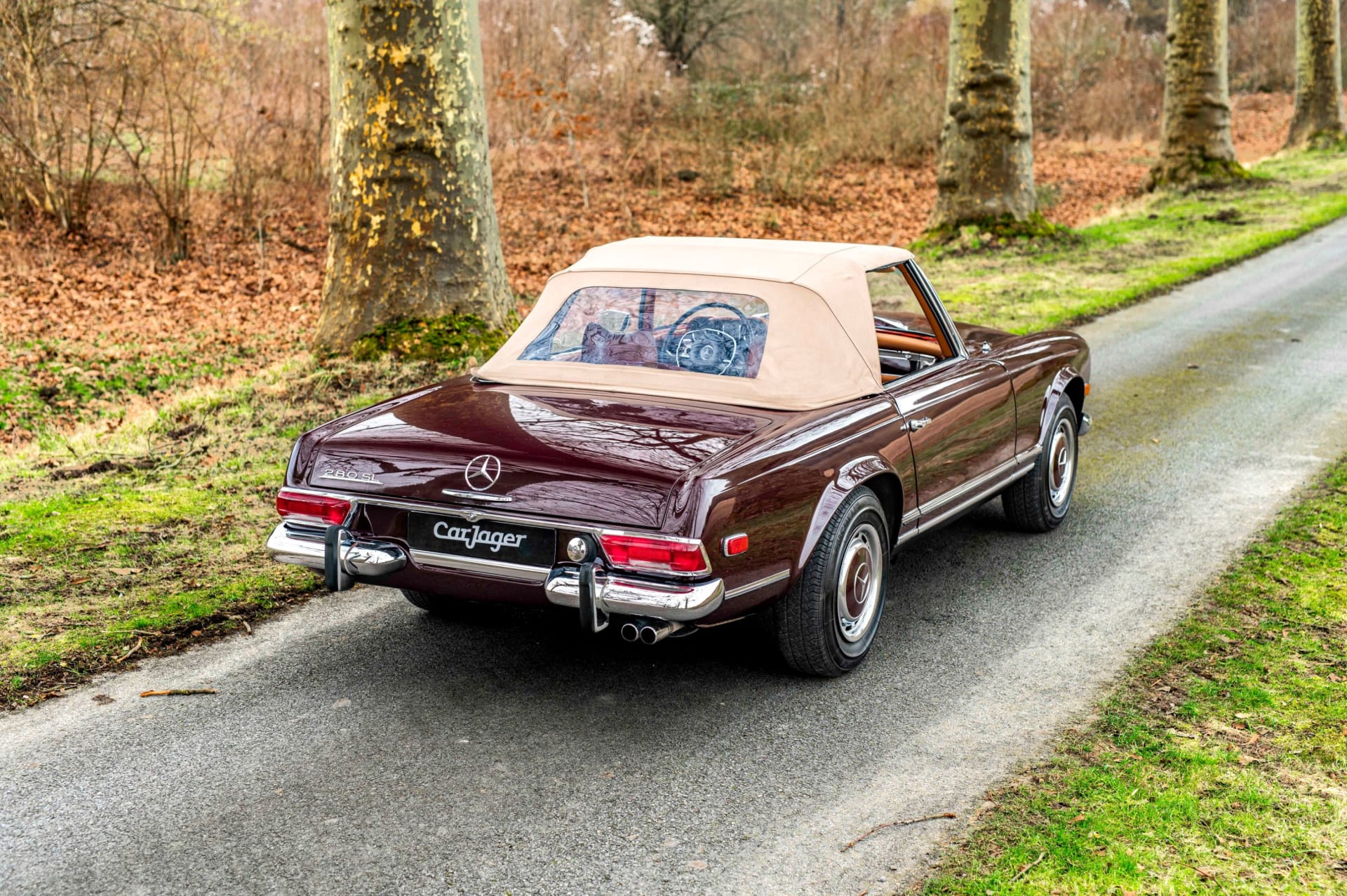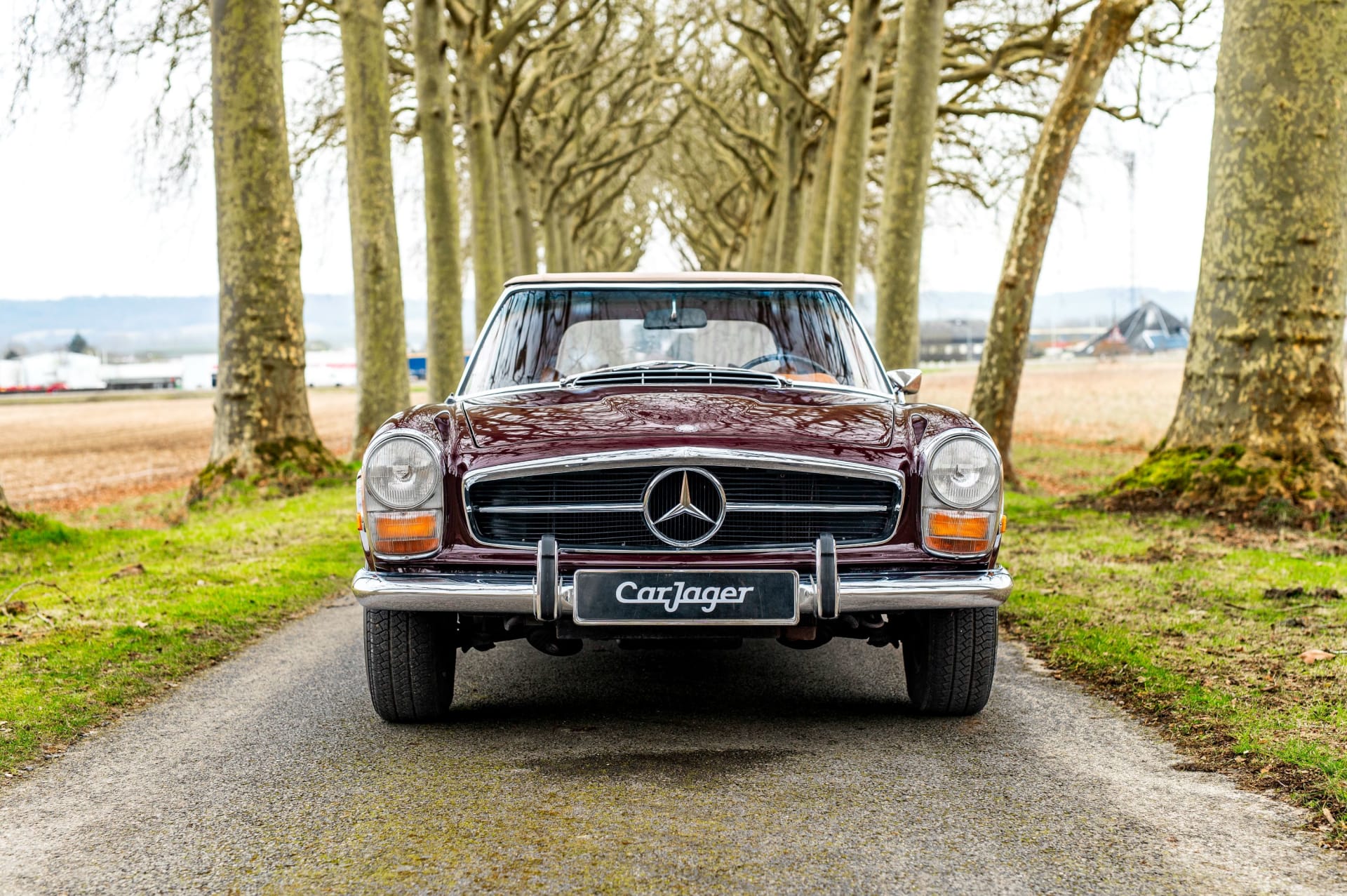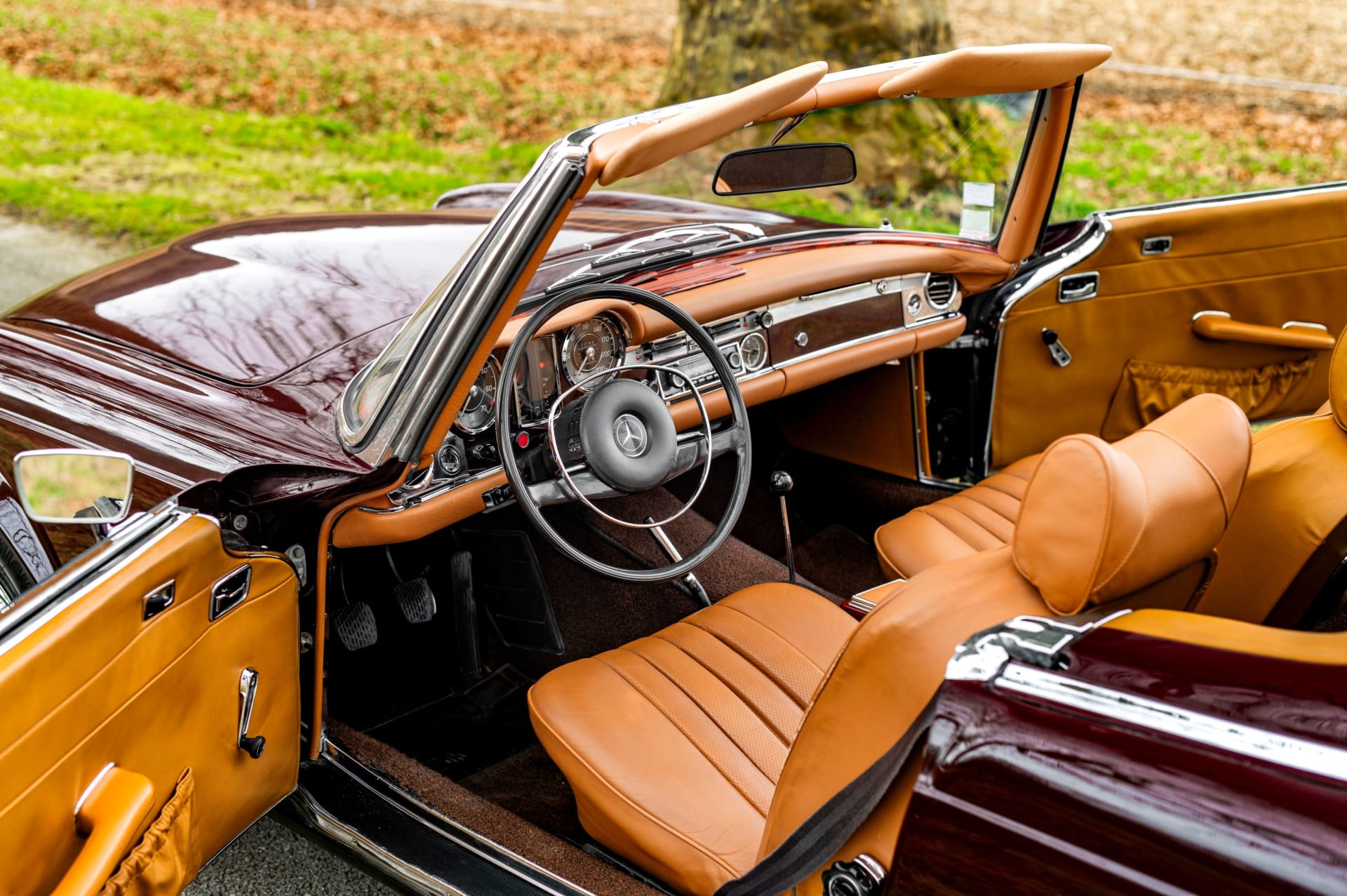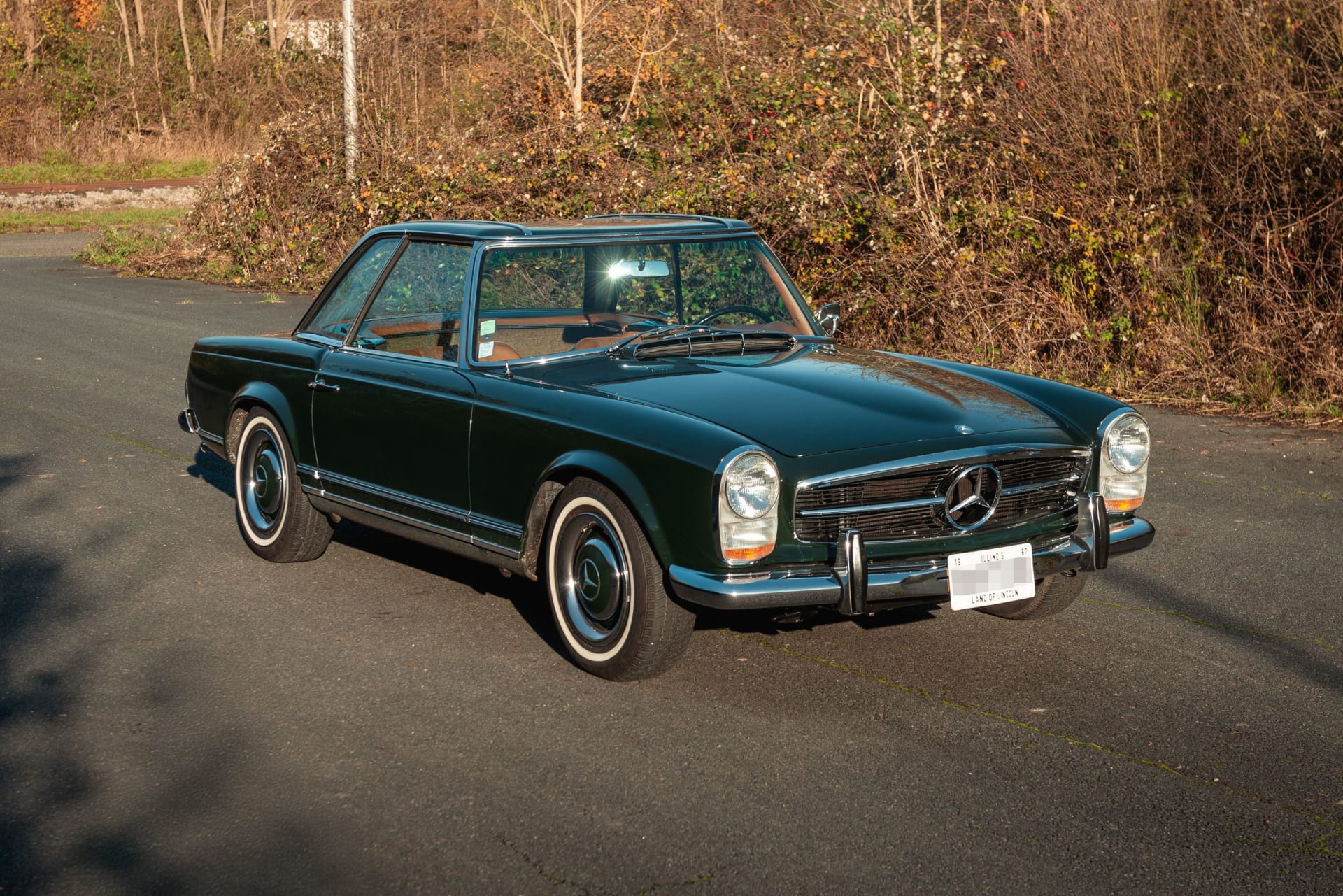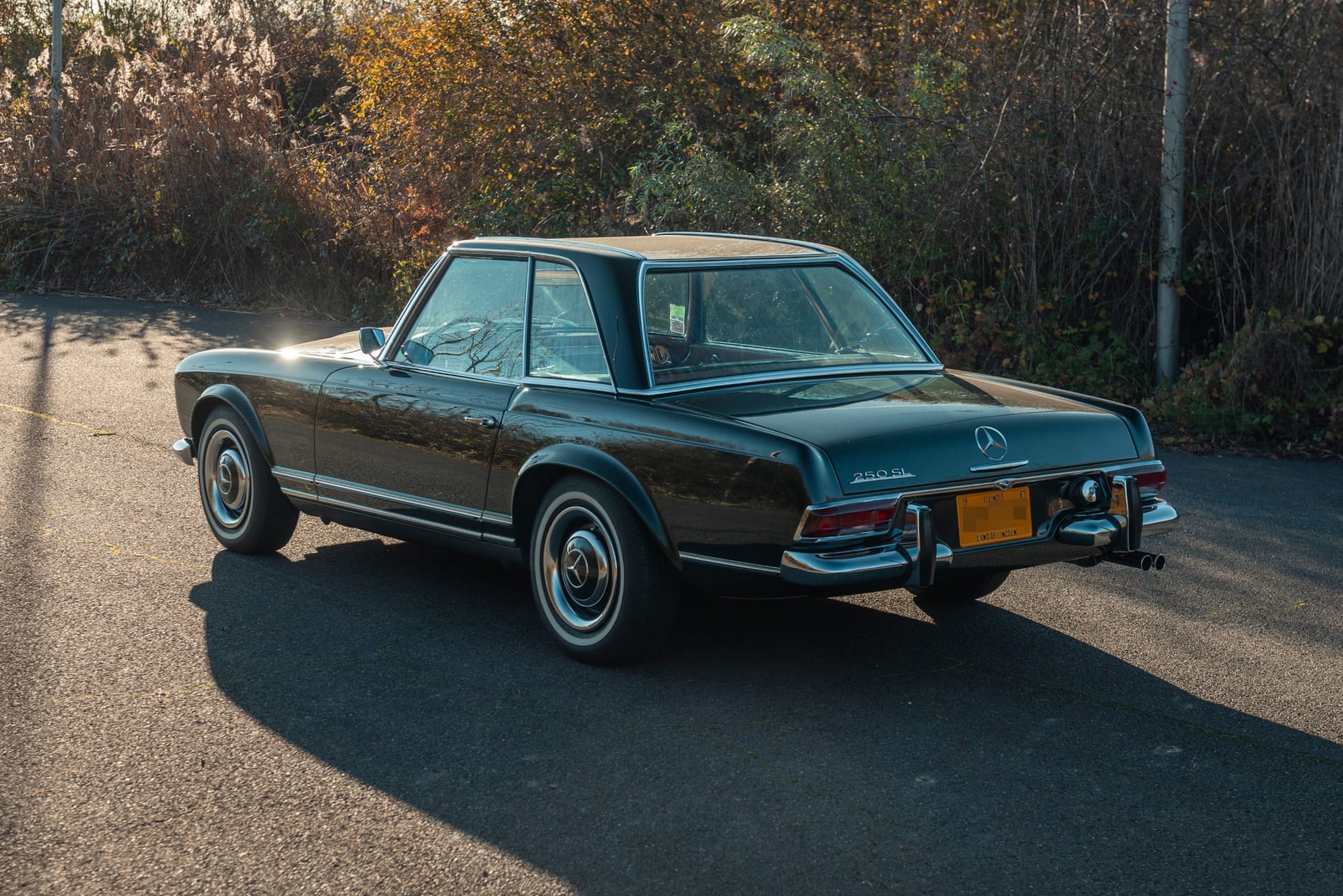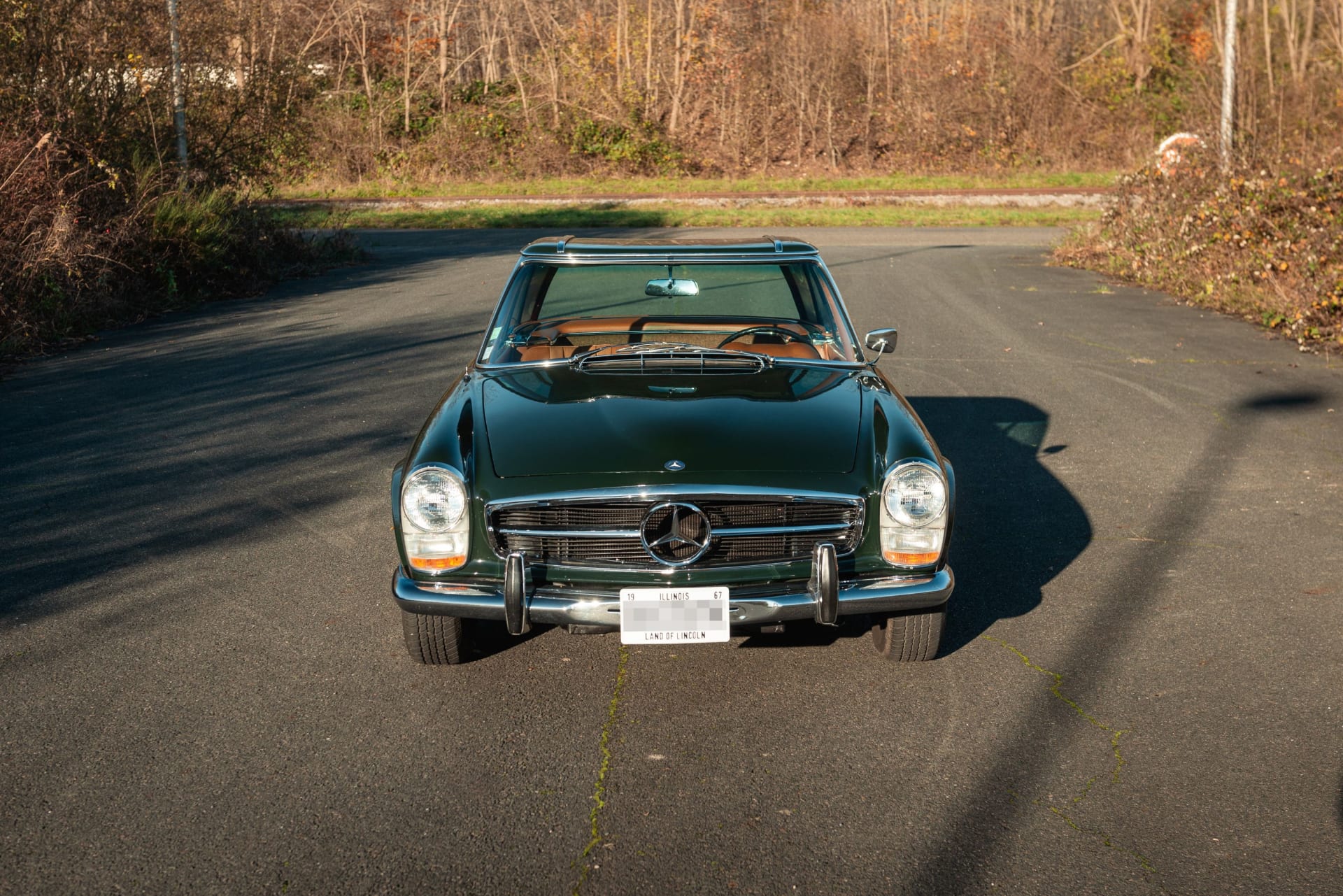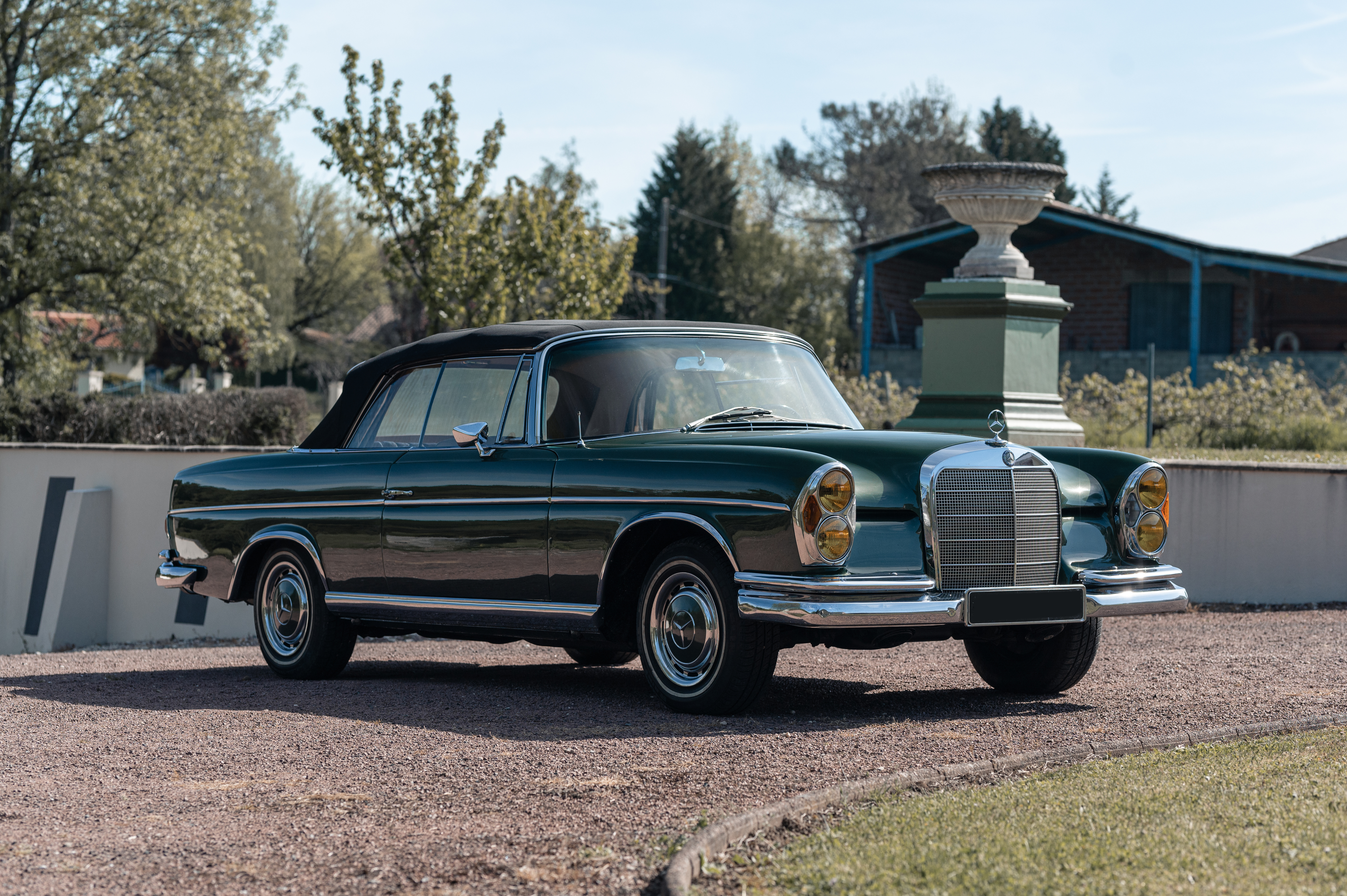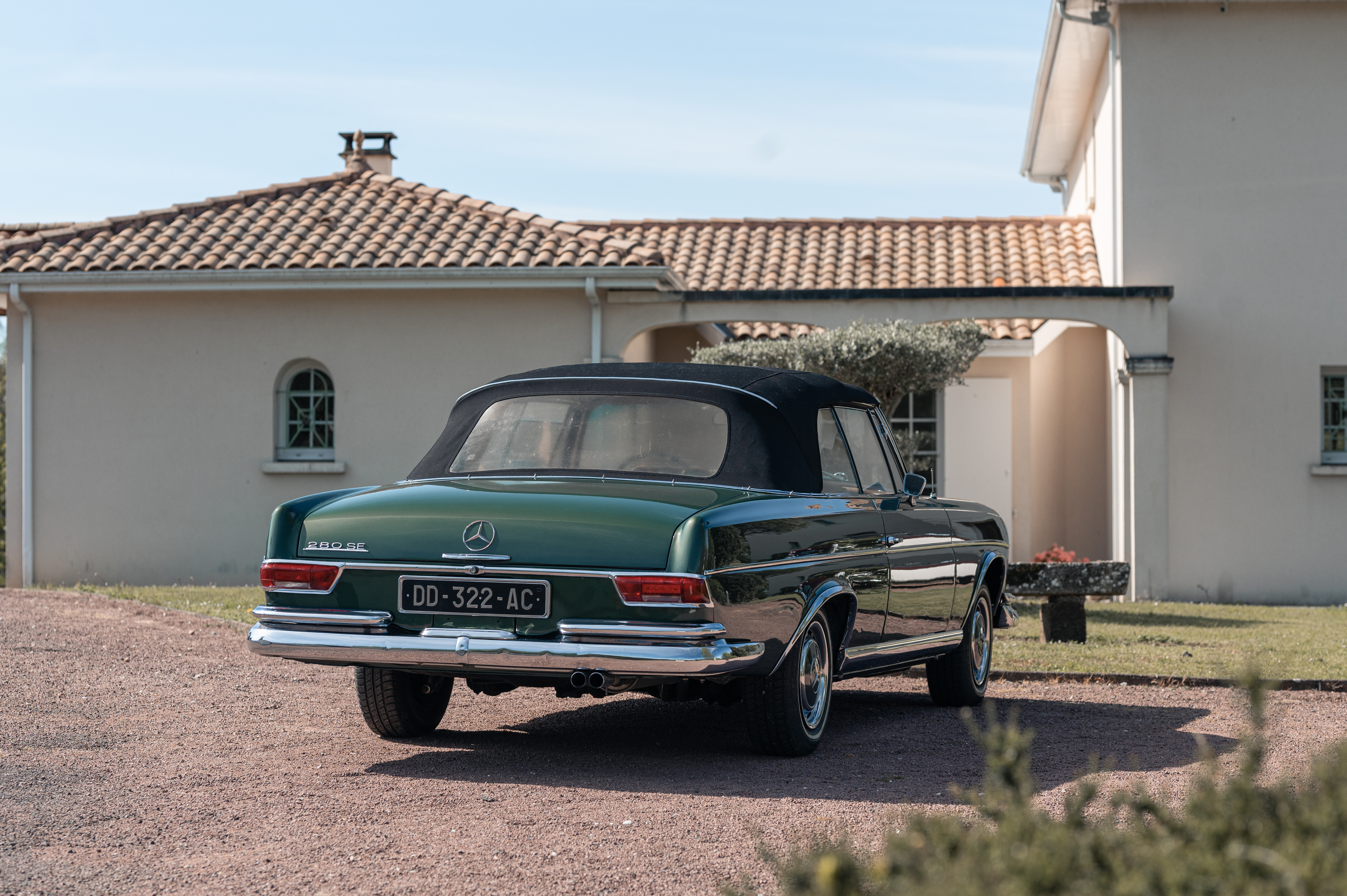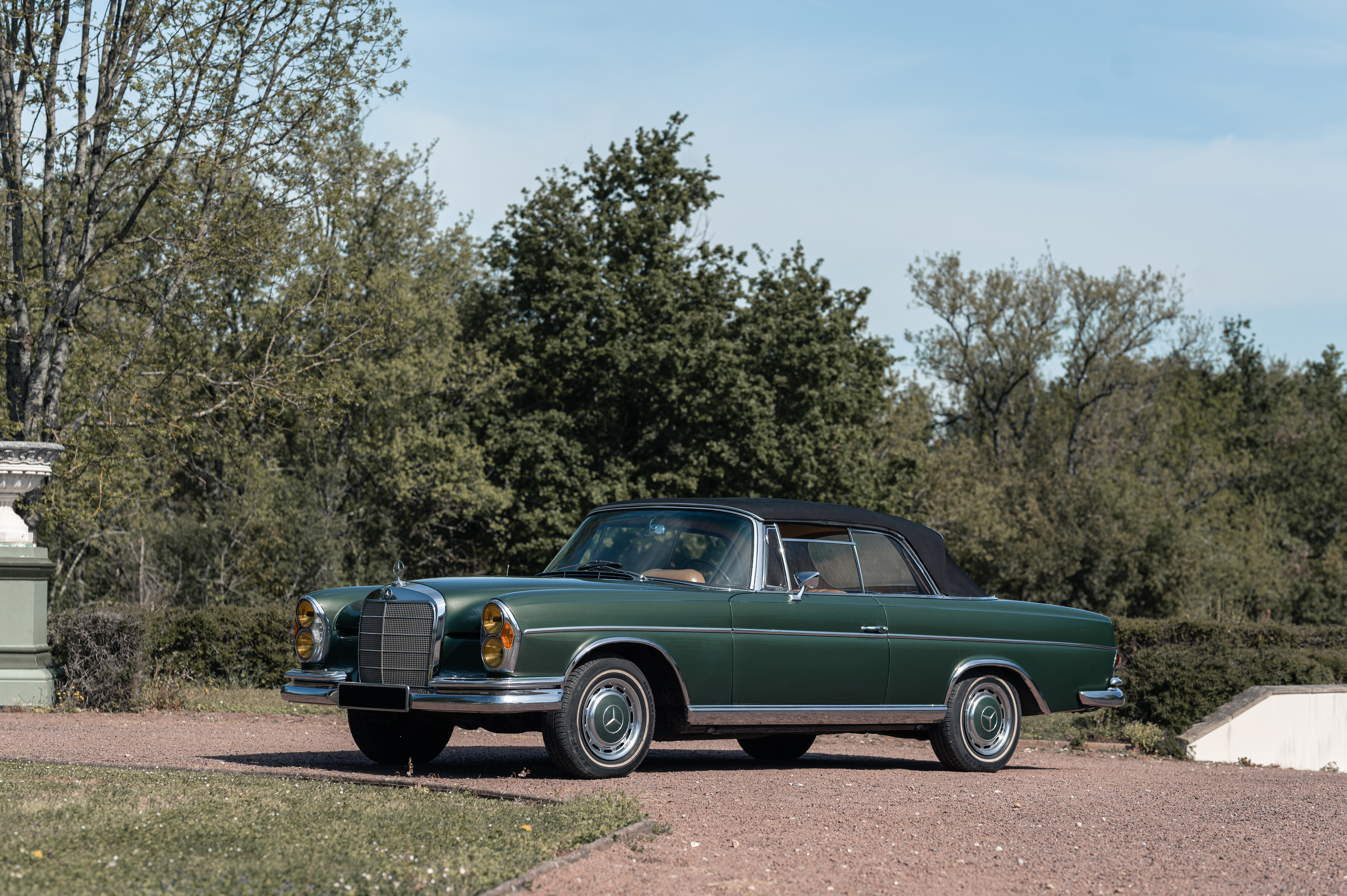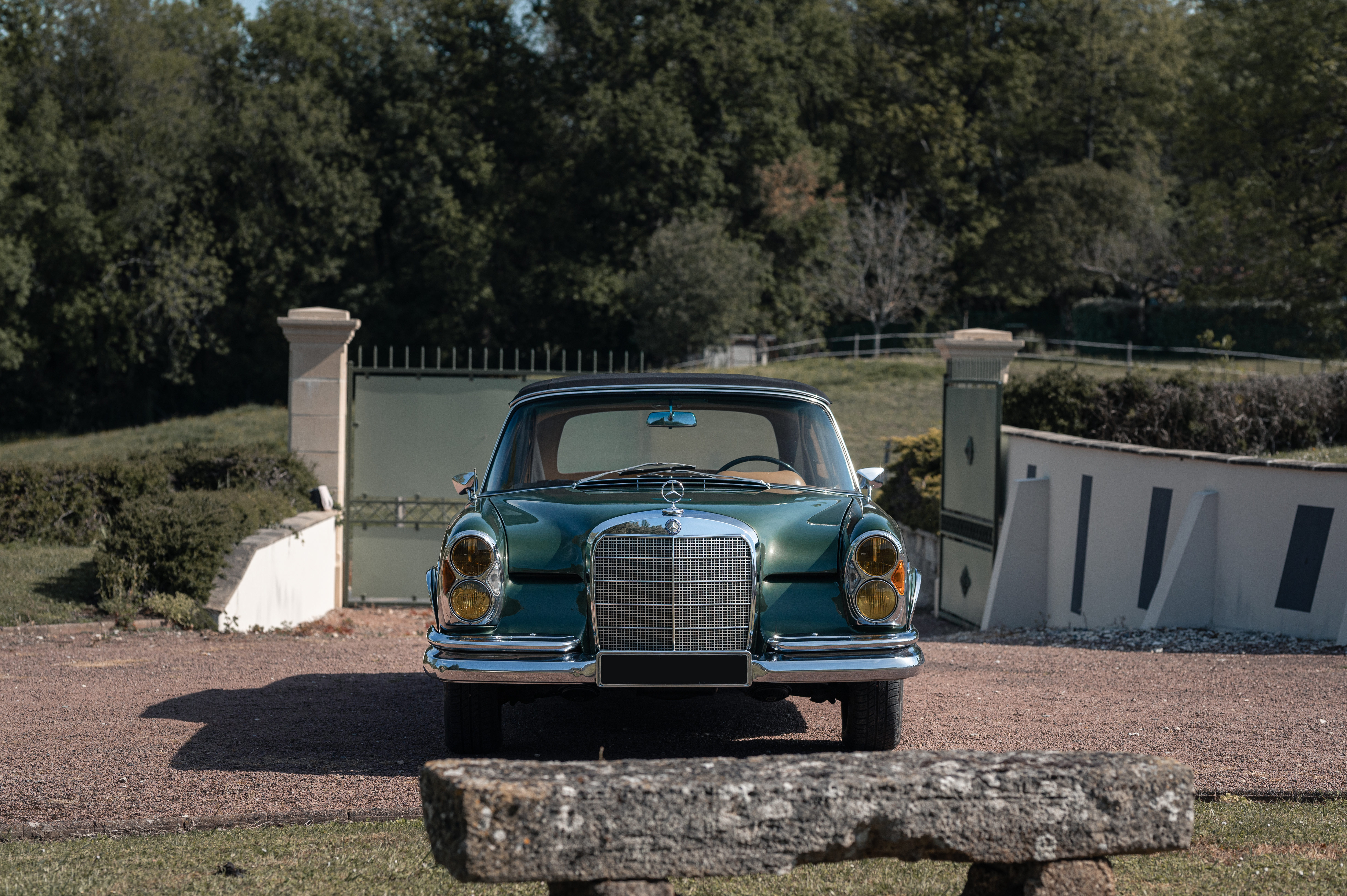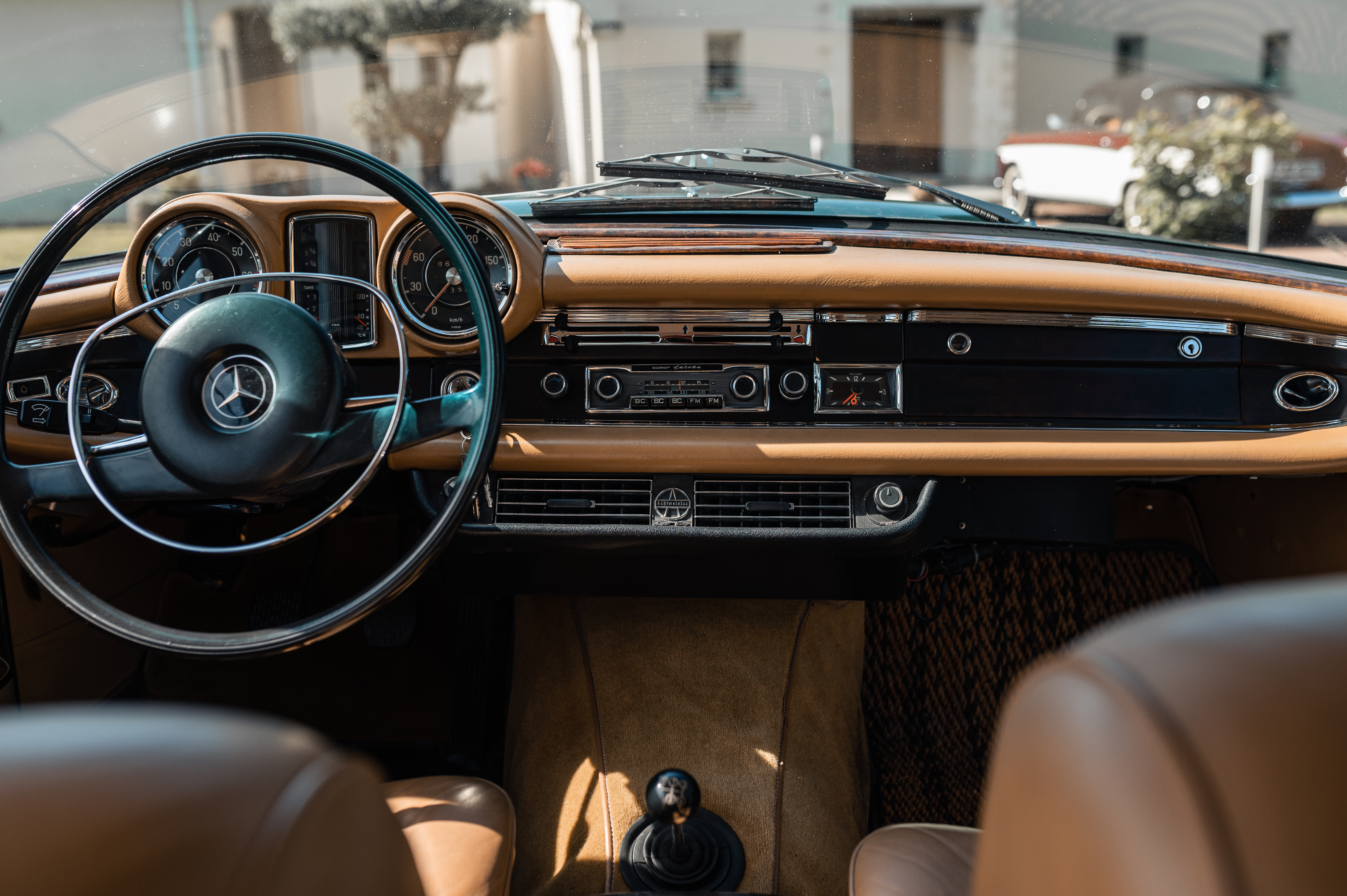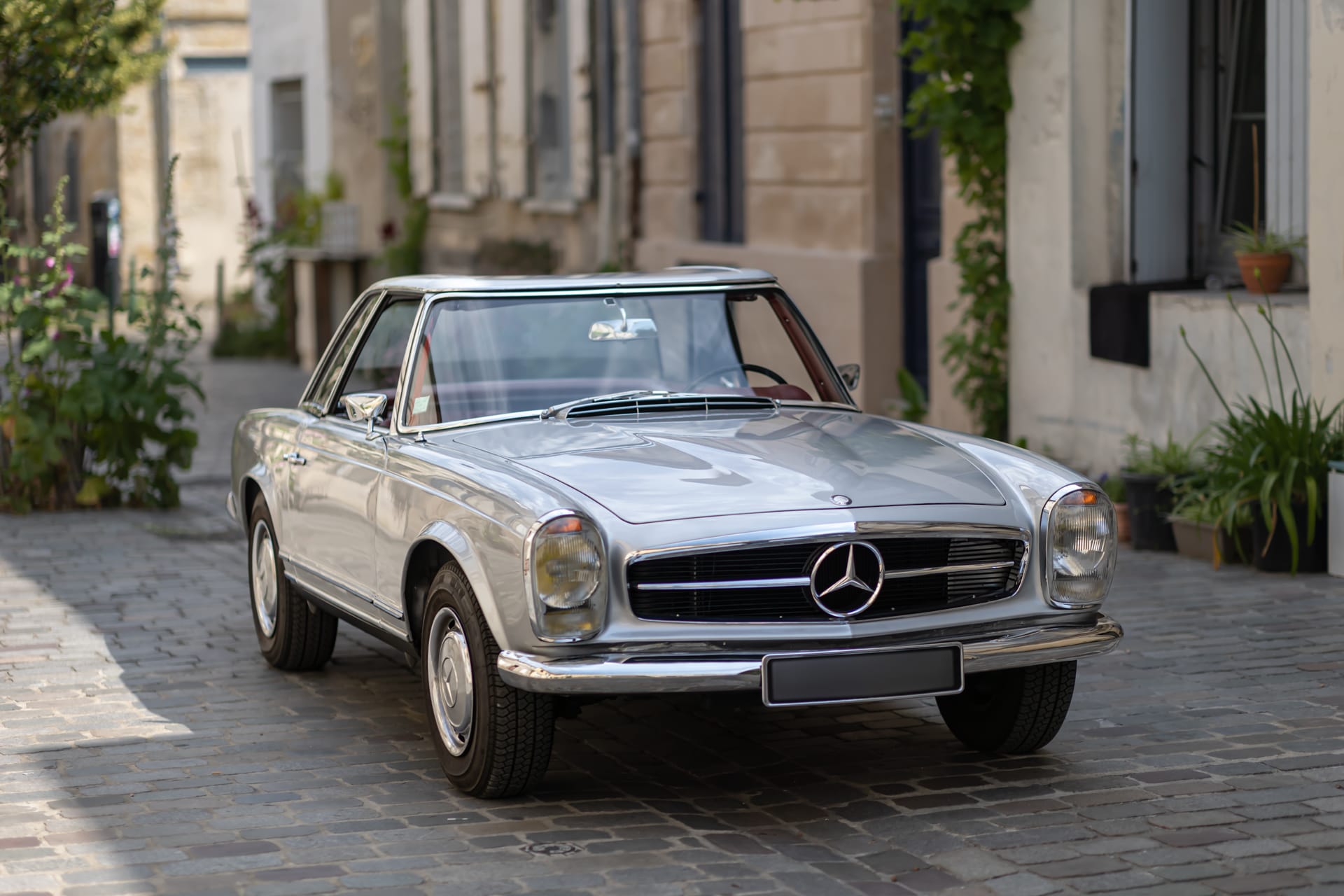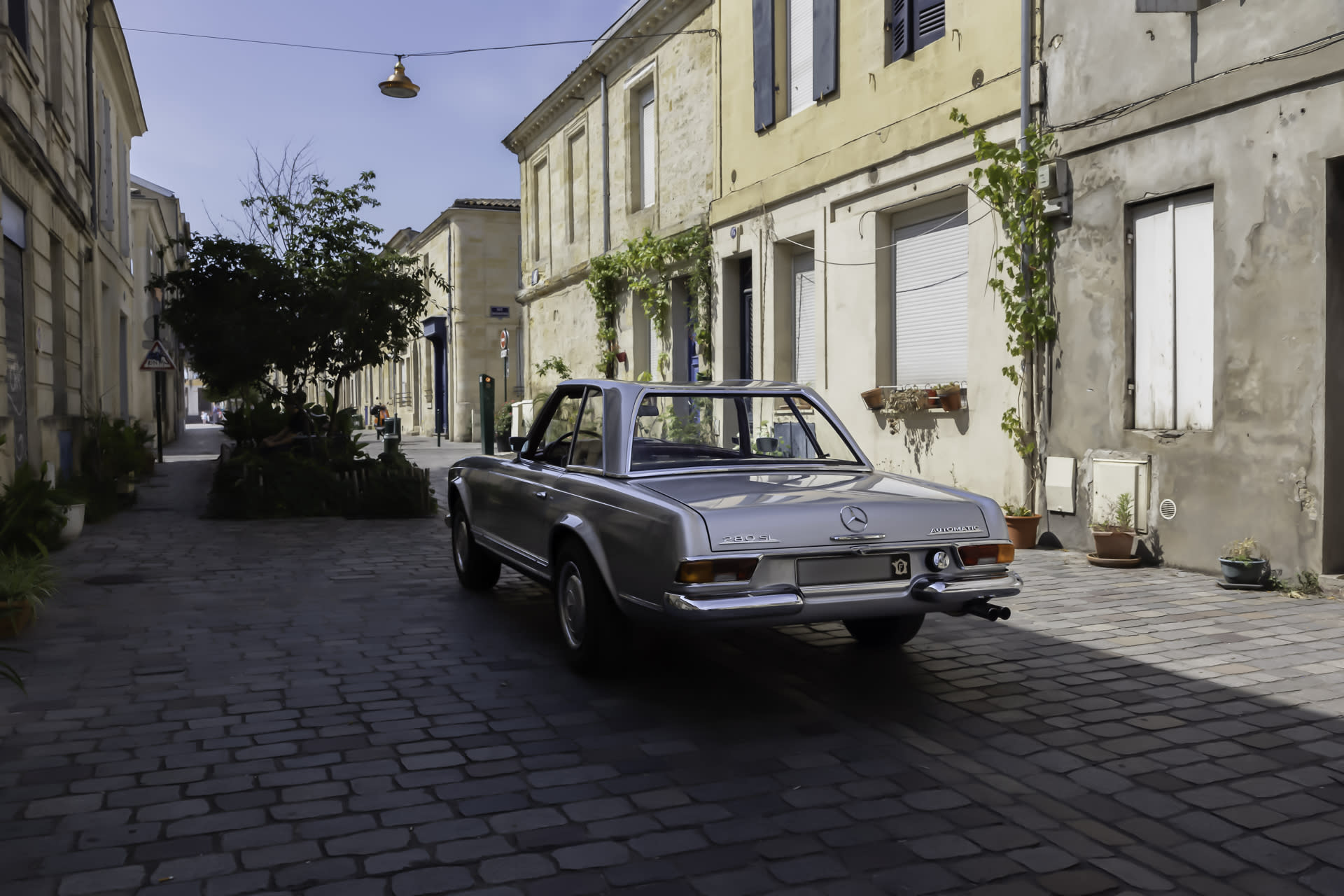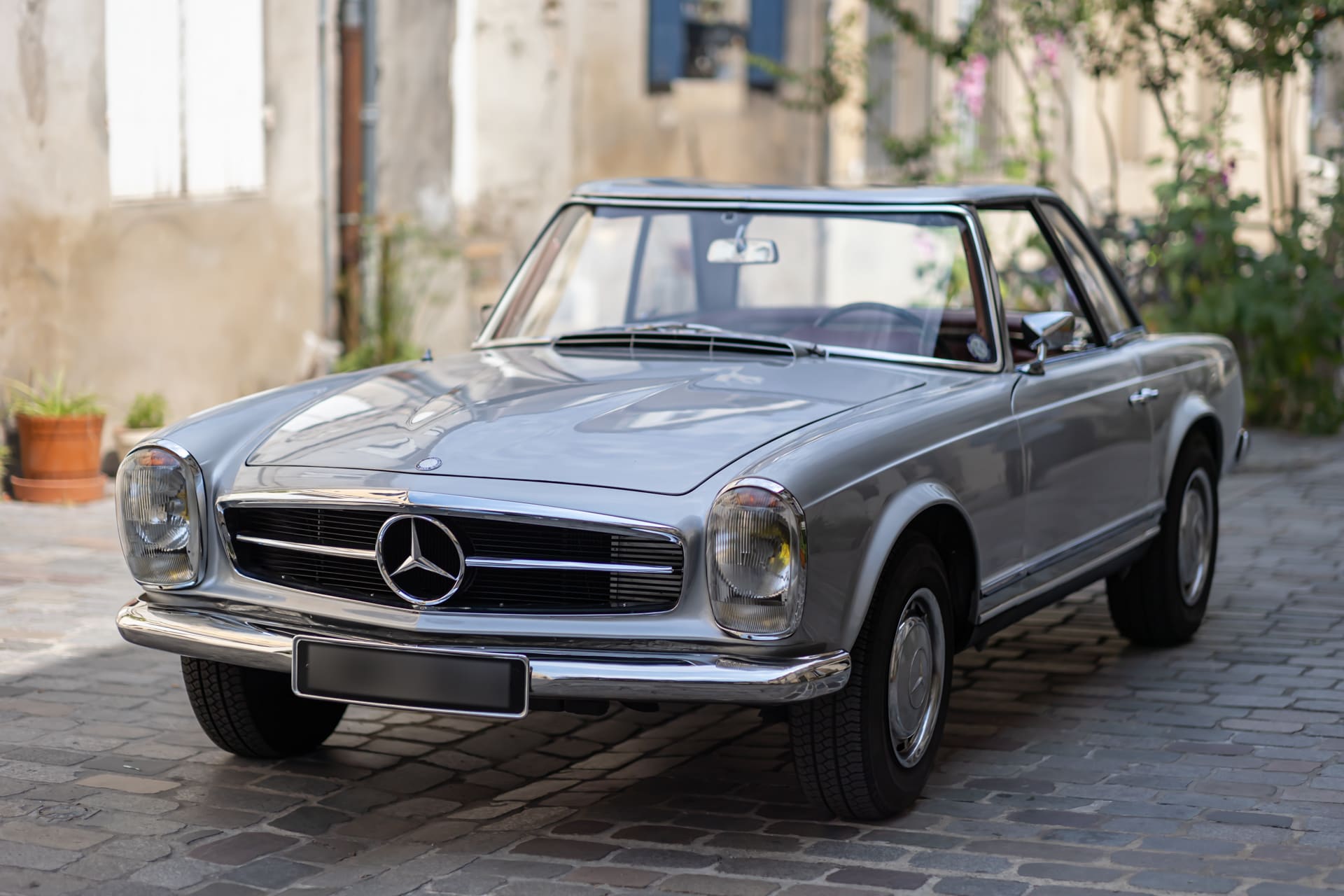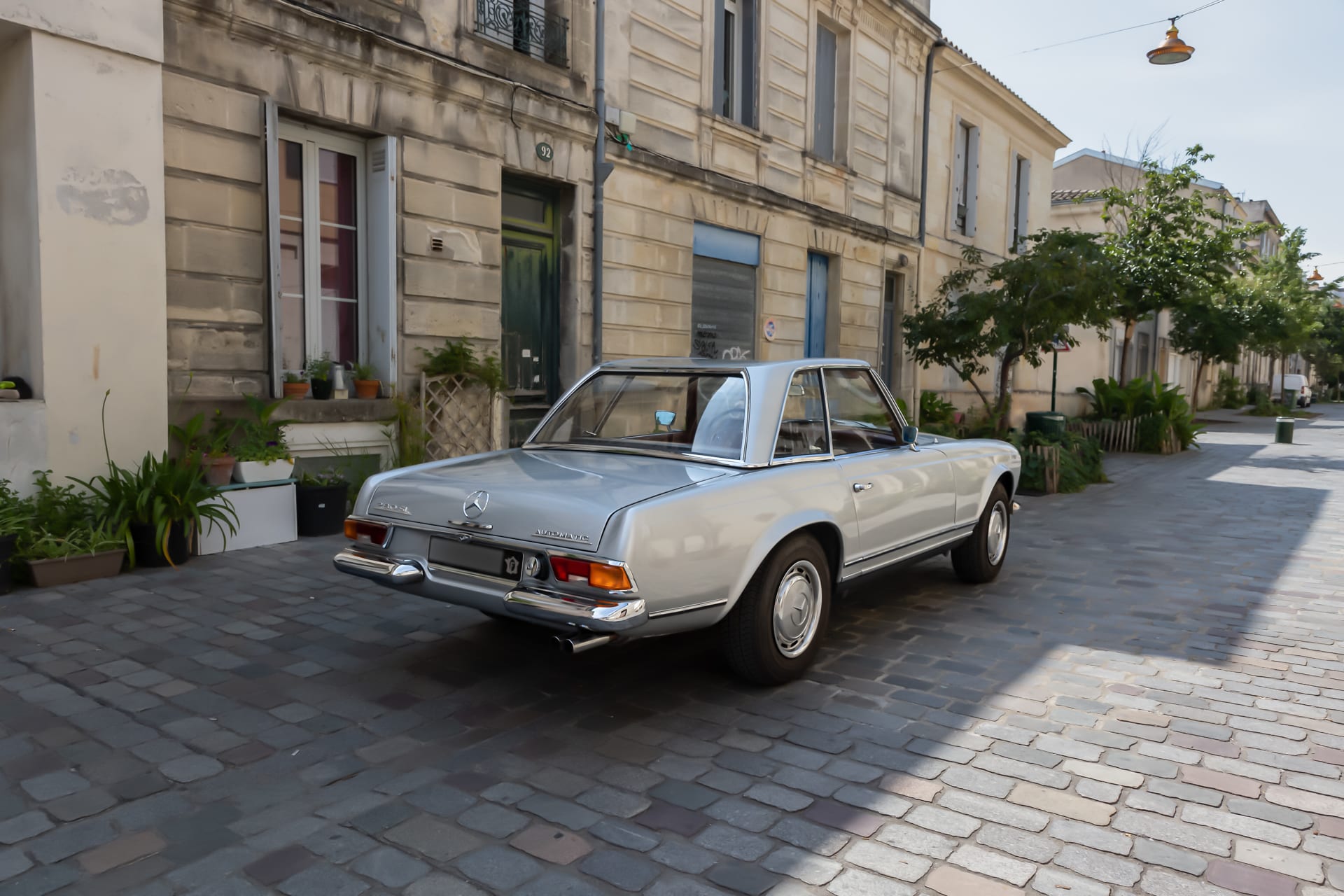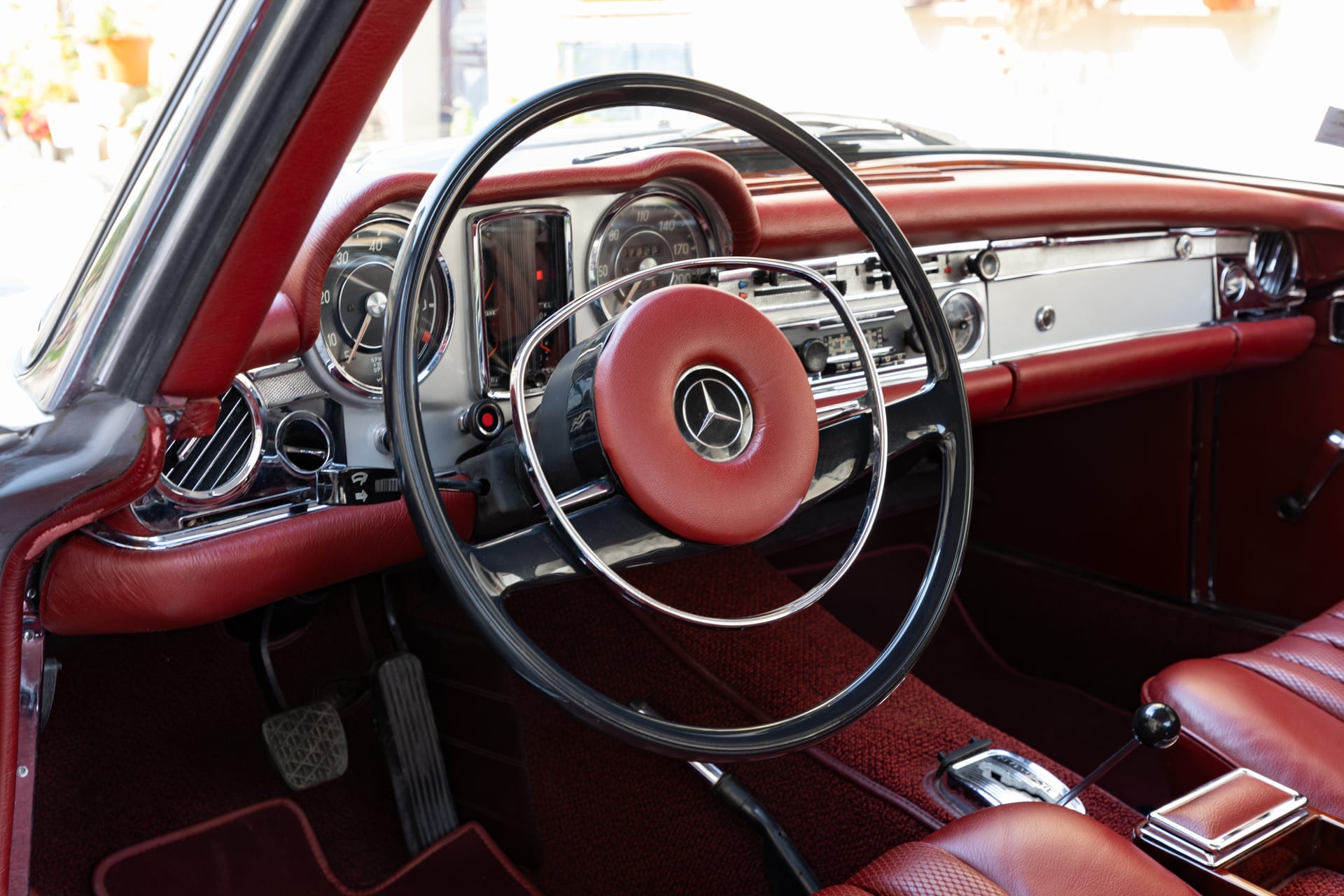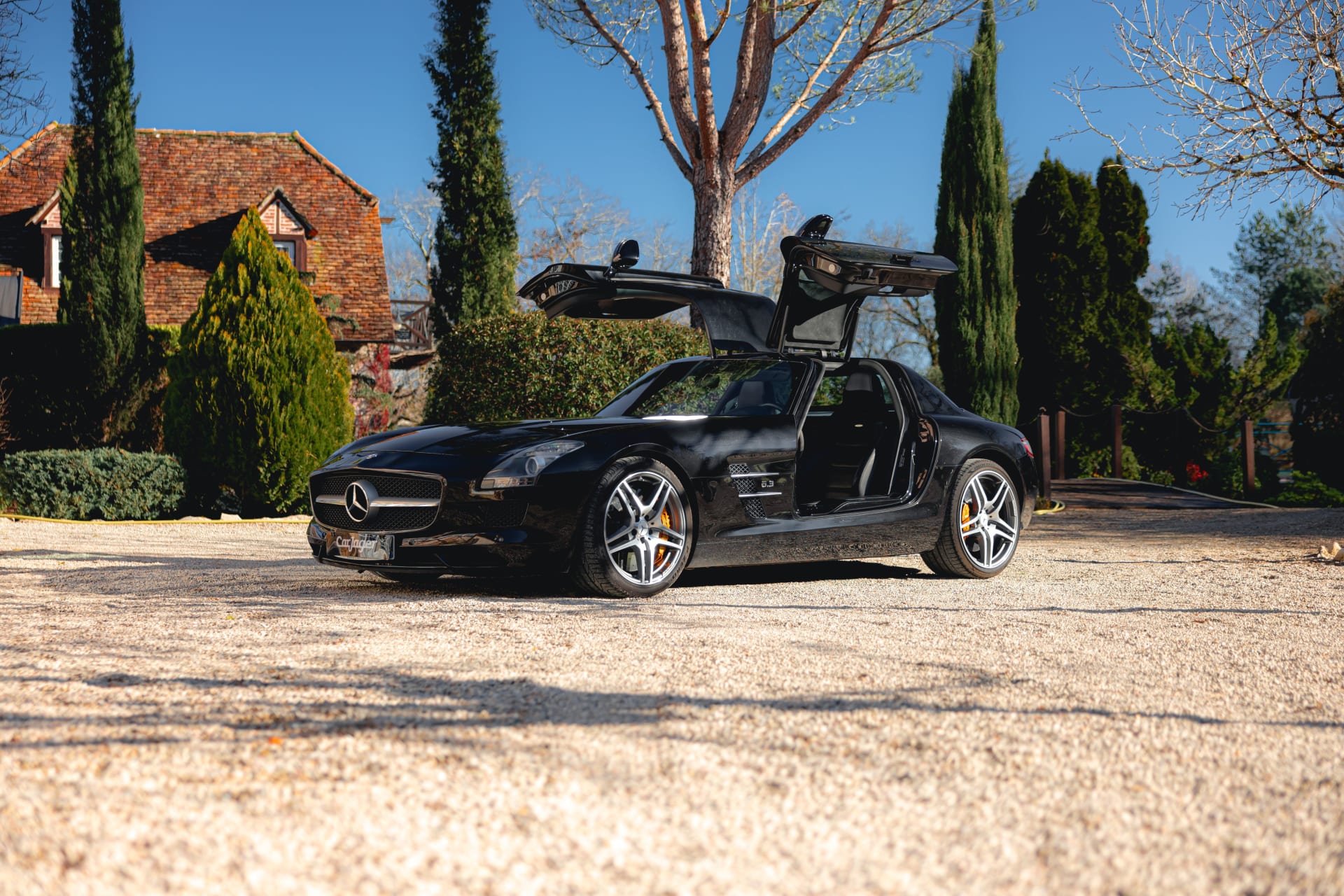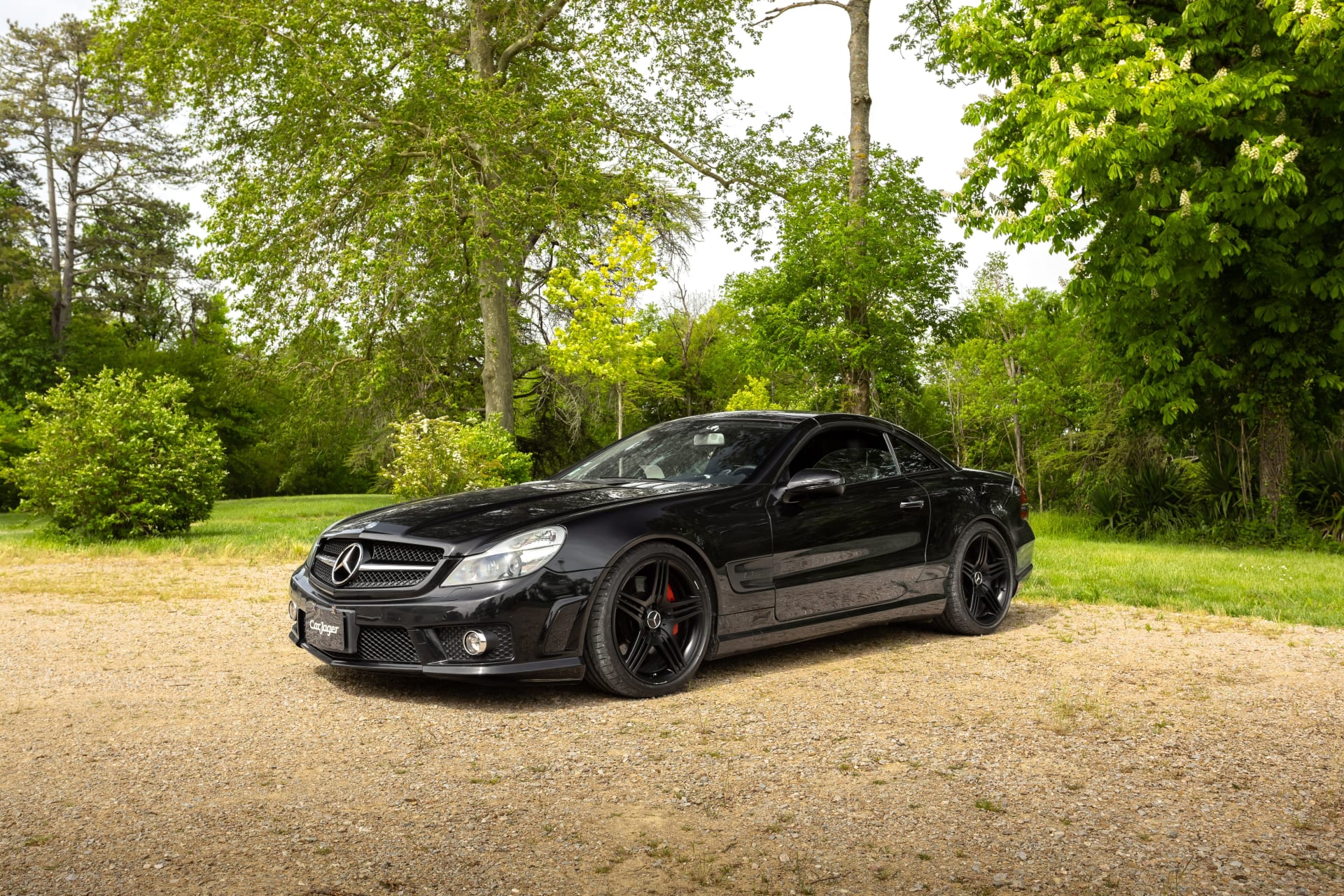
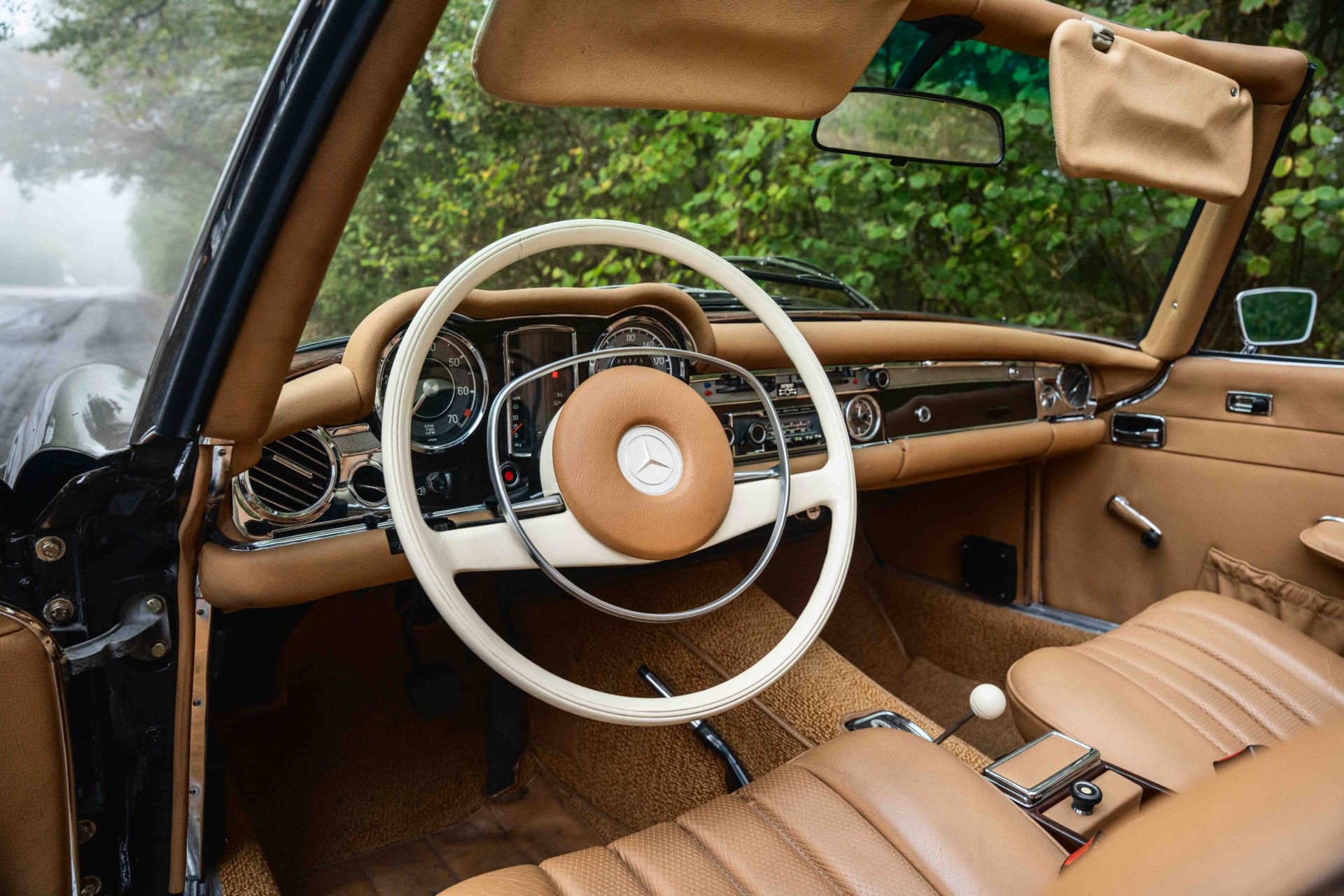

If you’re passionate about classic Mercedes, don’t hesitate to reach out to CarJager’s Car Specialists. They’ll find the Pagoda roadster, 600 limousine, or 300 SE coupé of your dreams!
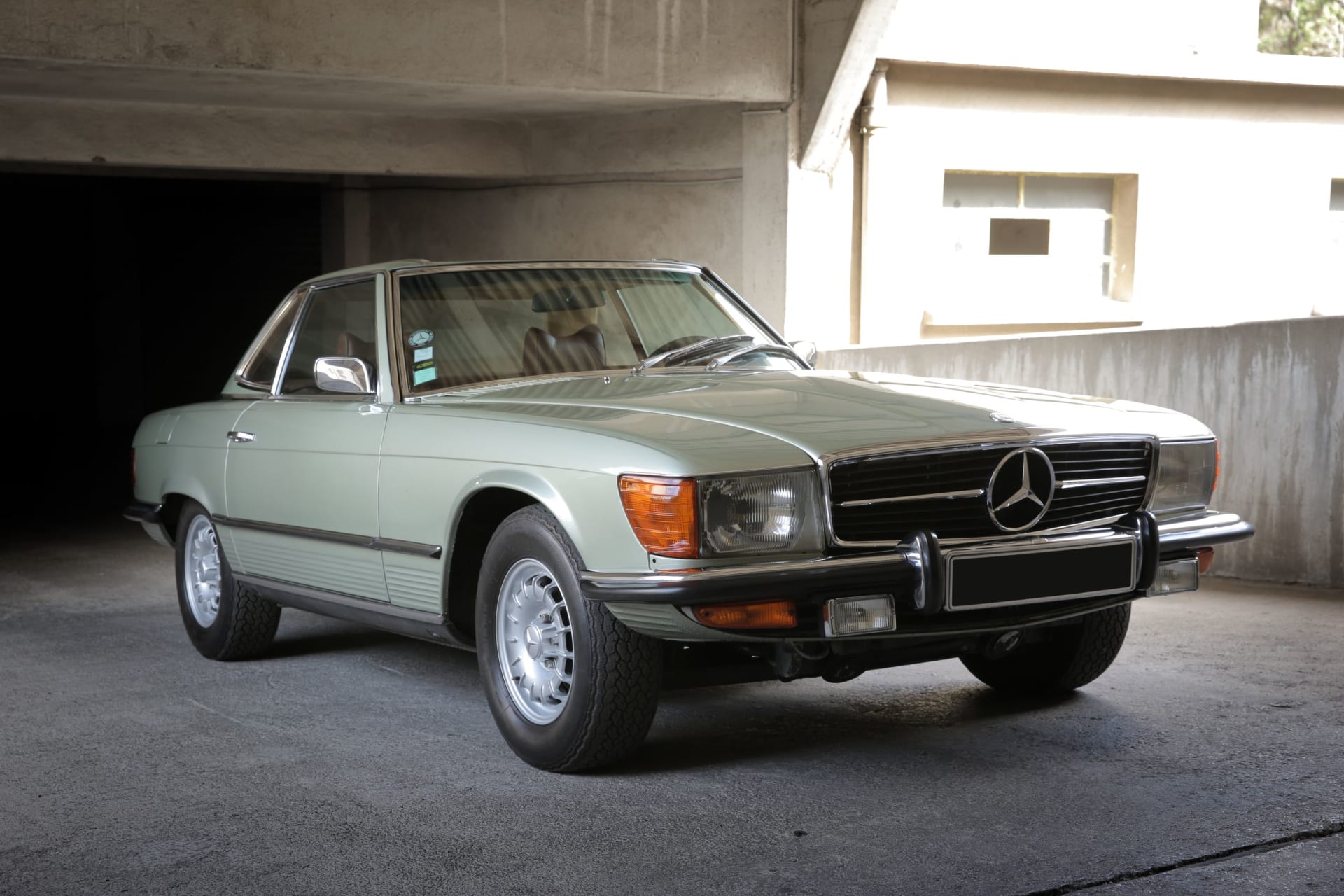
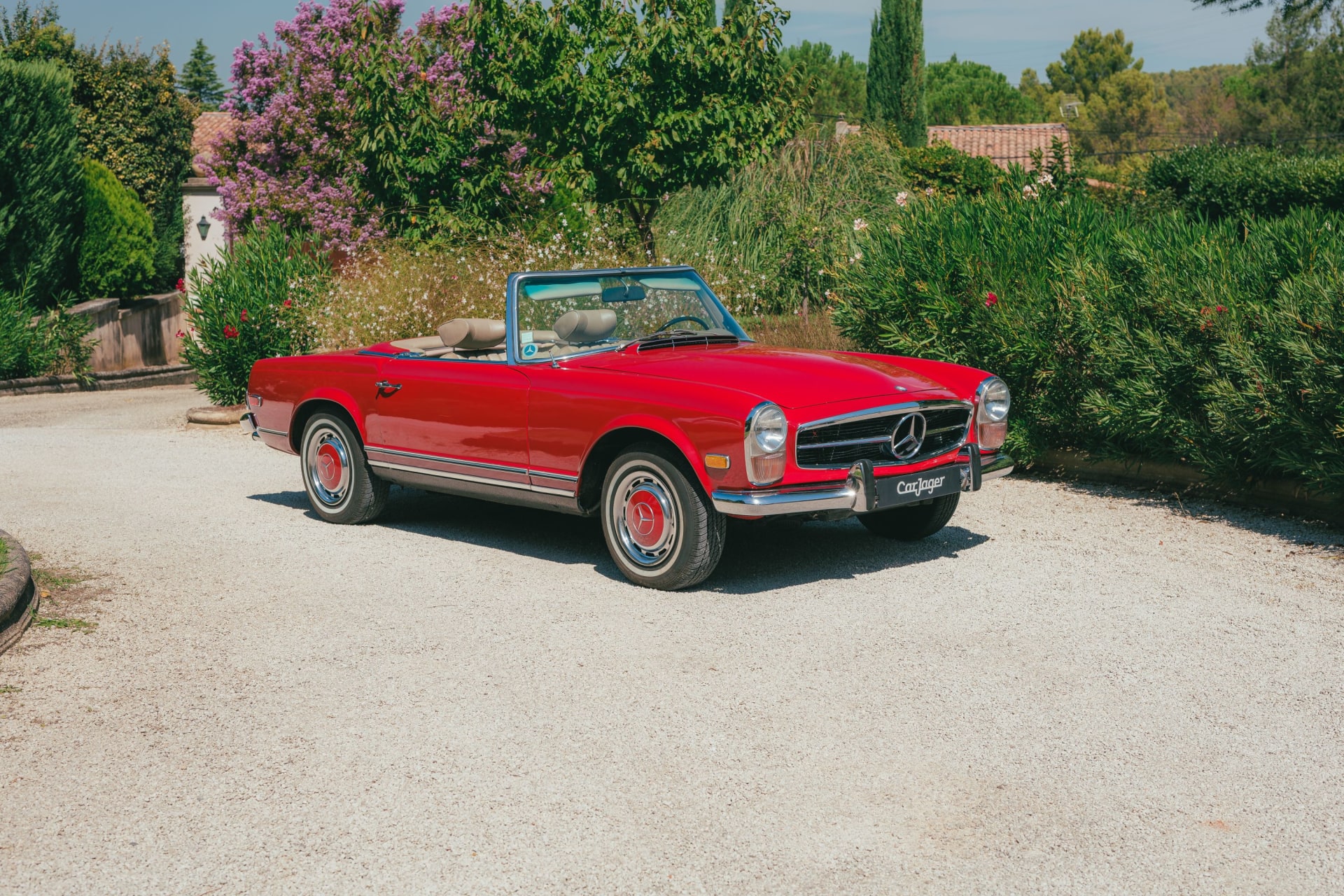
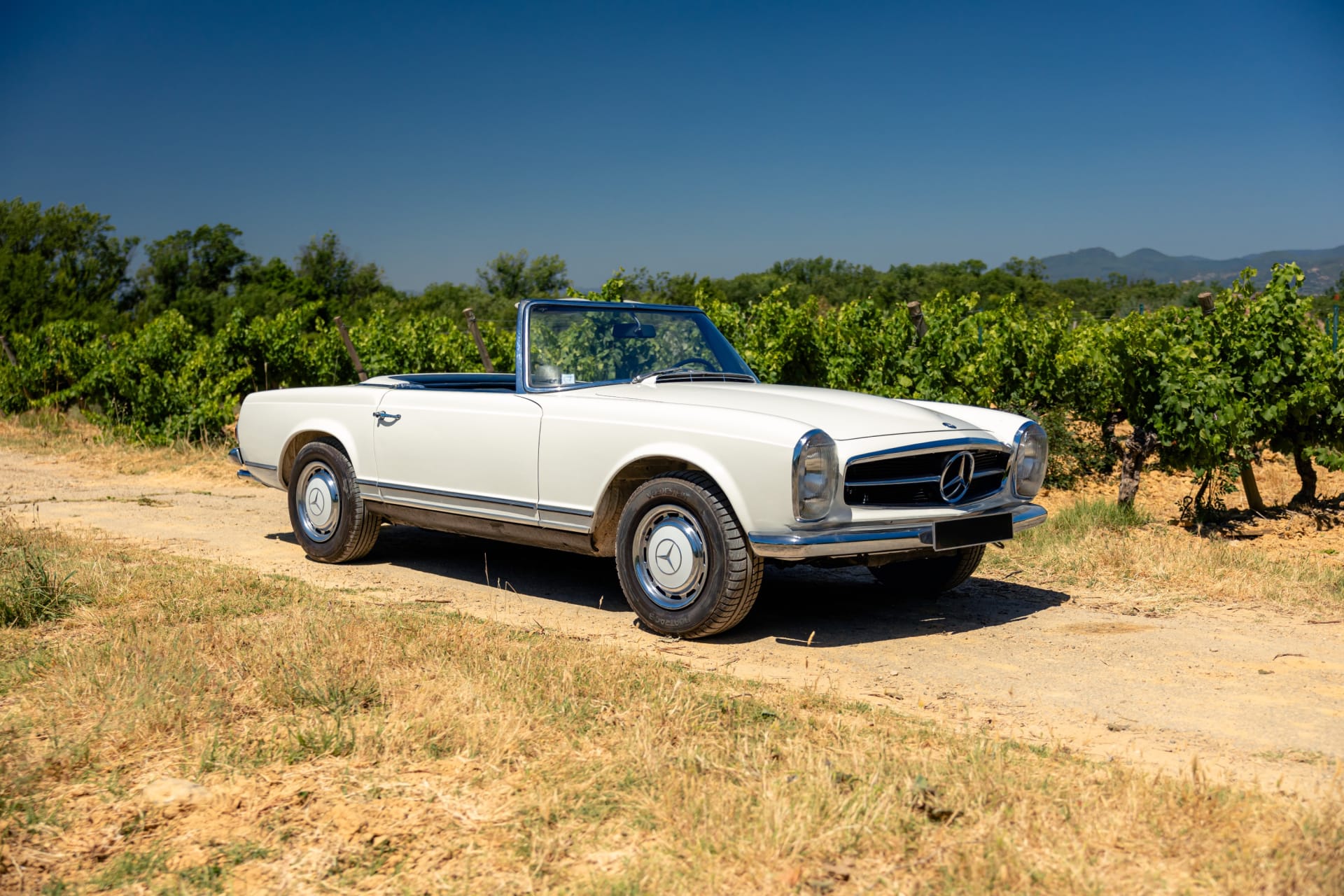
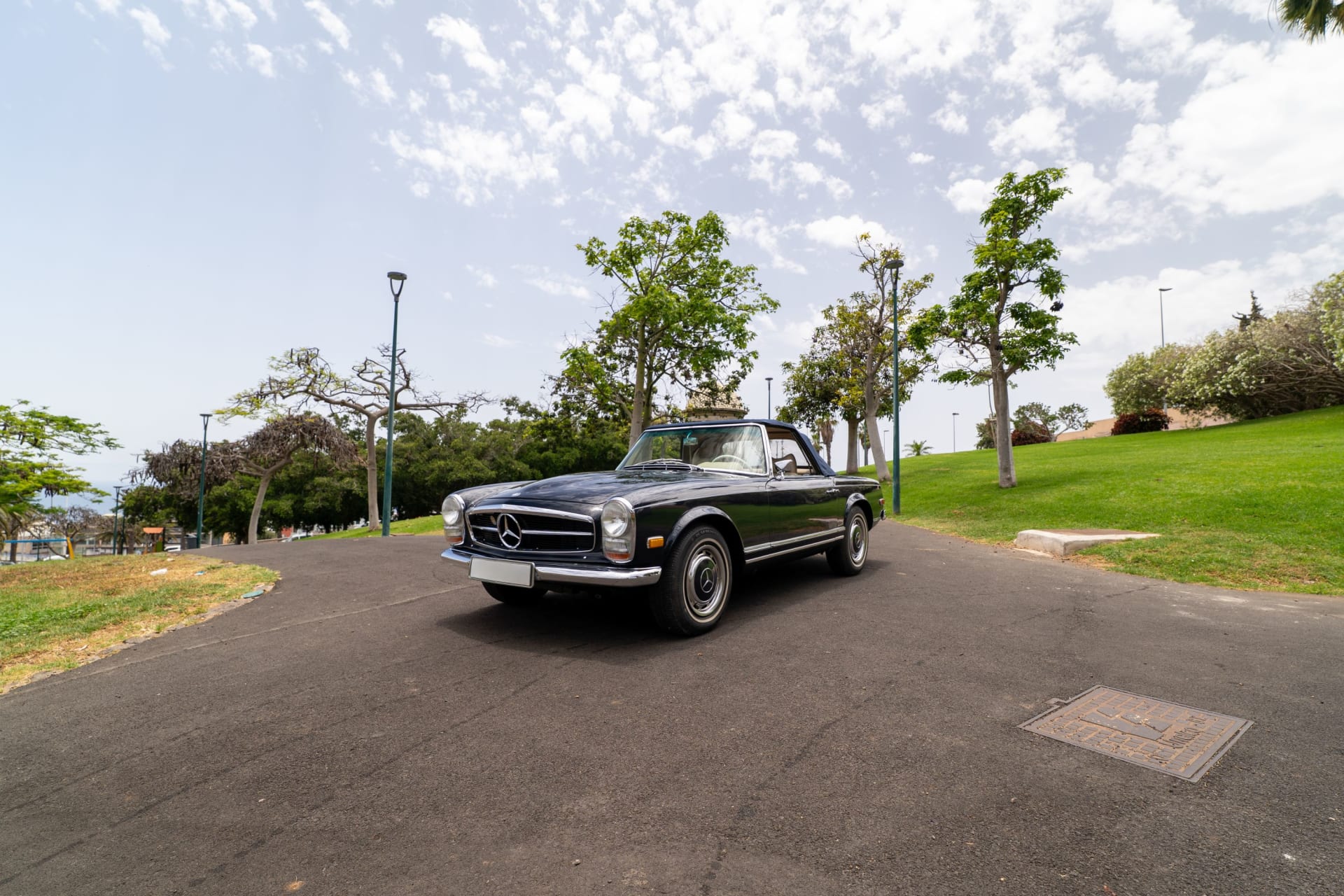
Discover our personalized search service and access our network of 32,000 enthusiasts. Start your search now, your next adventure begins here.

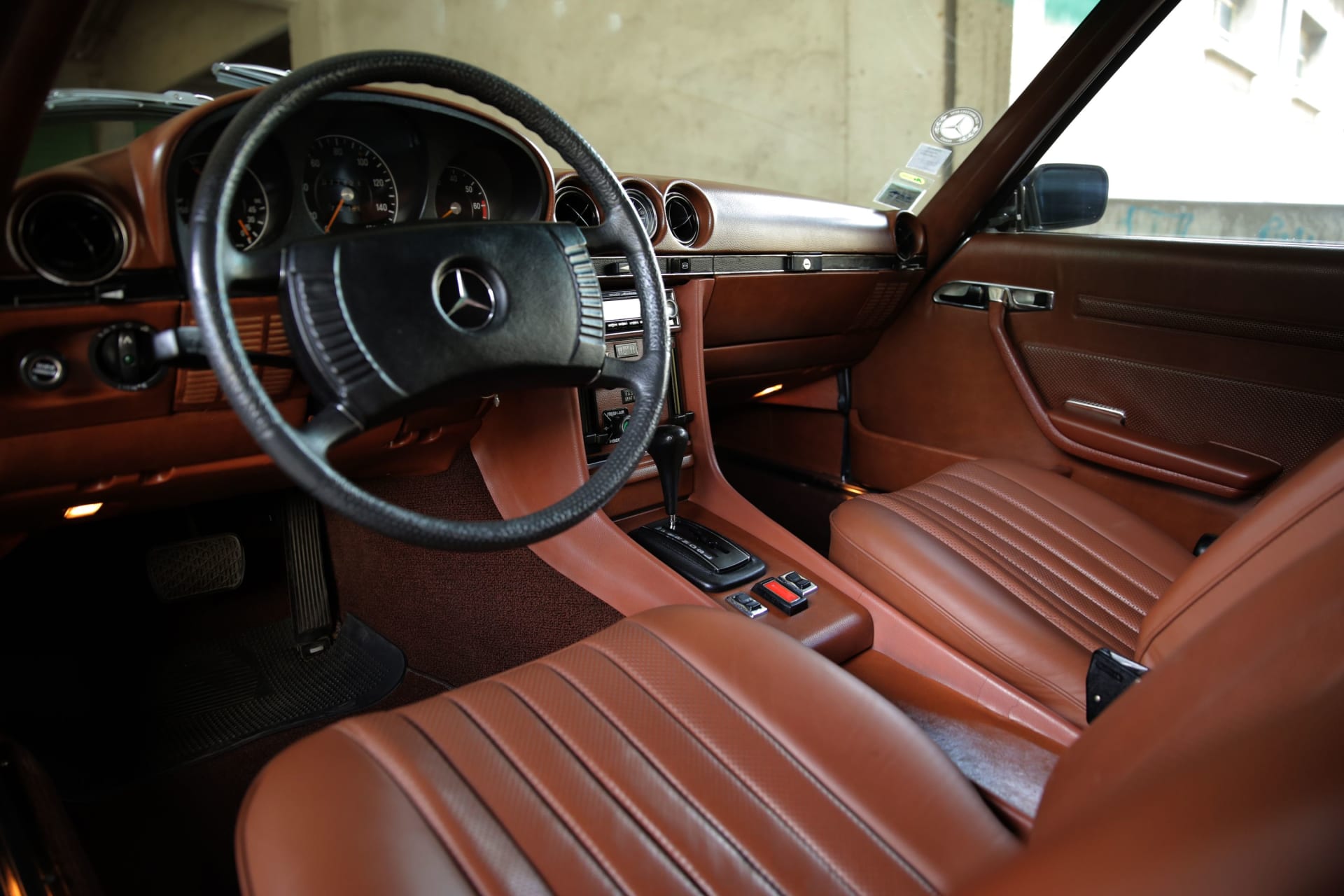
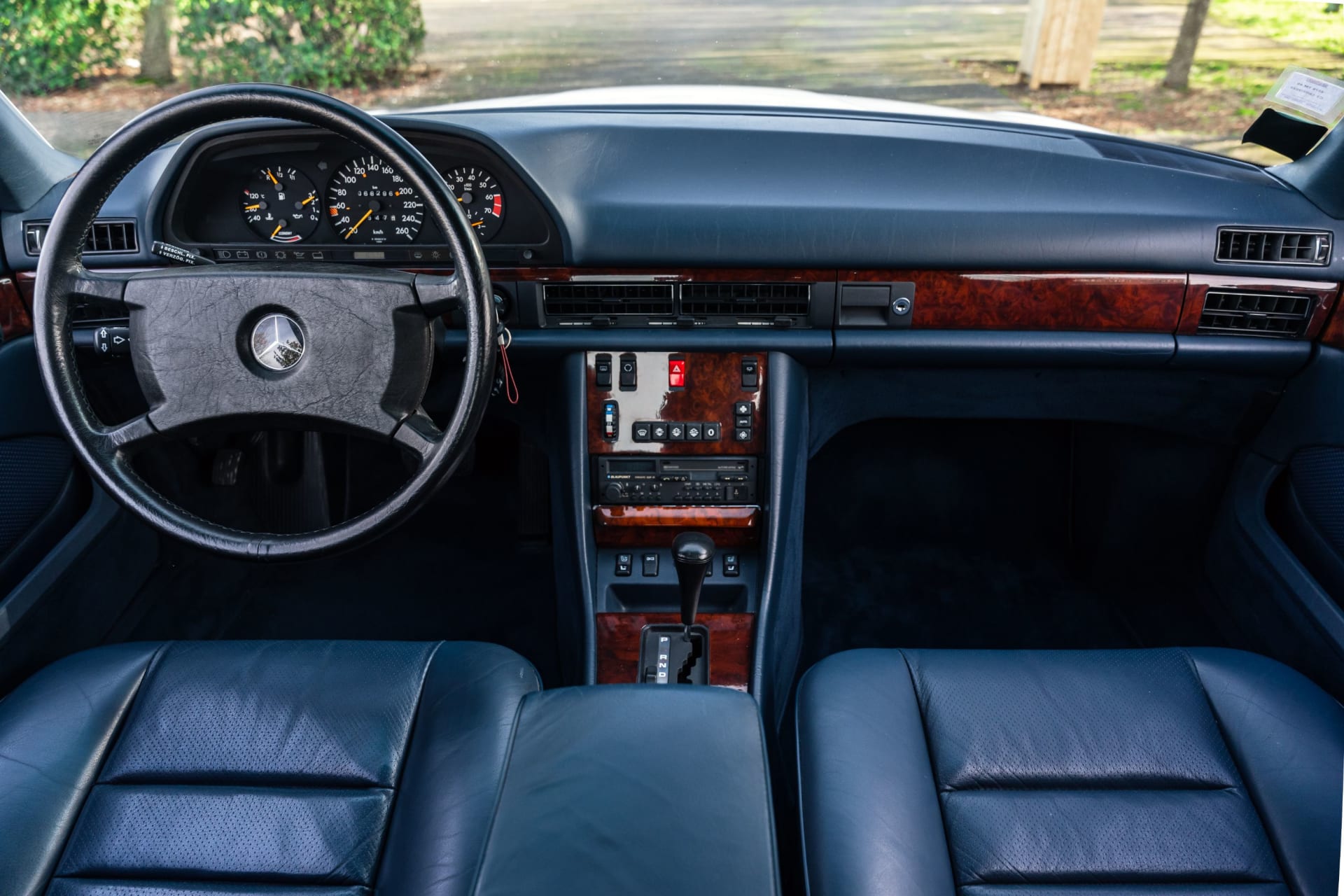
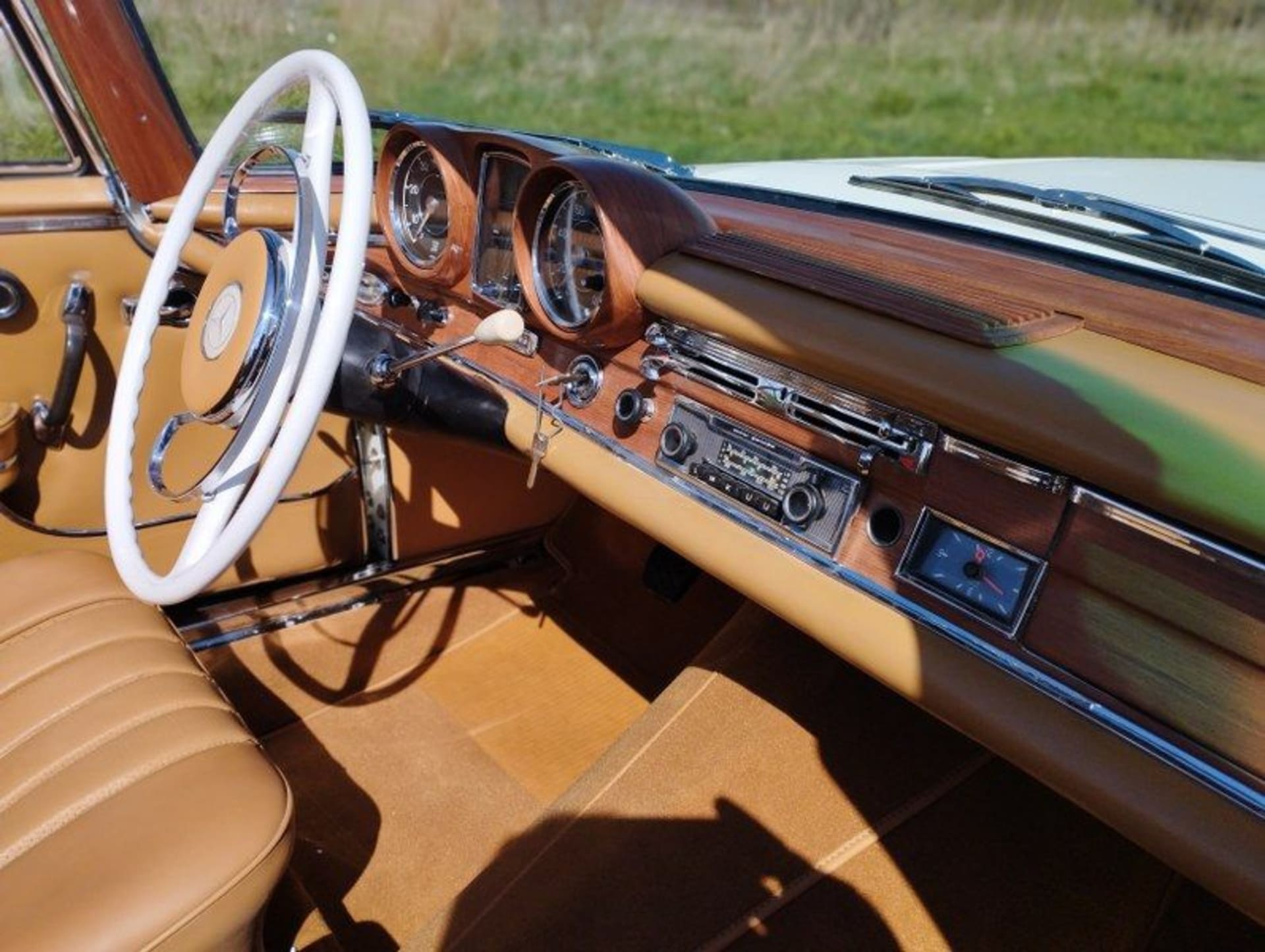
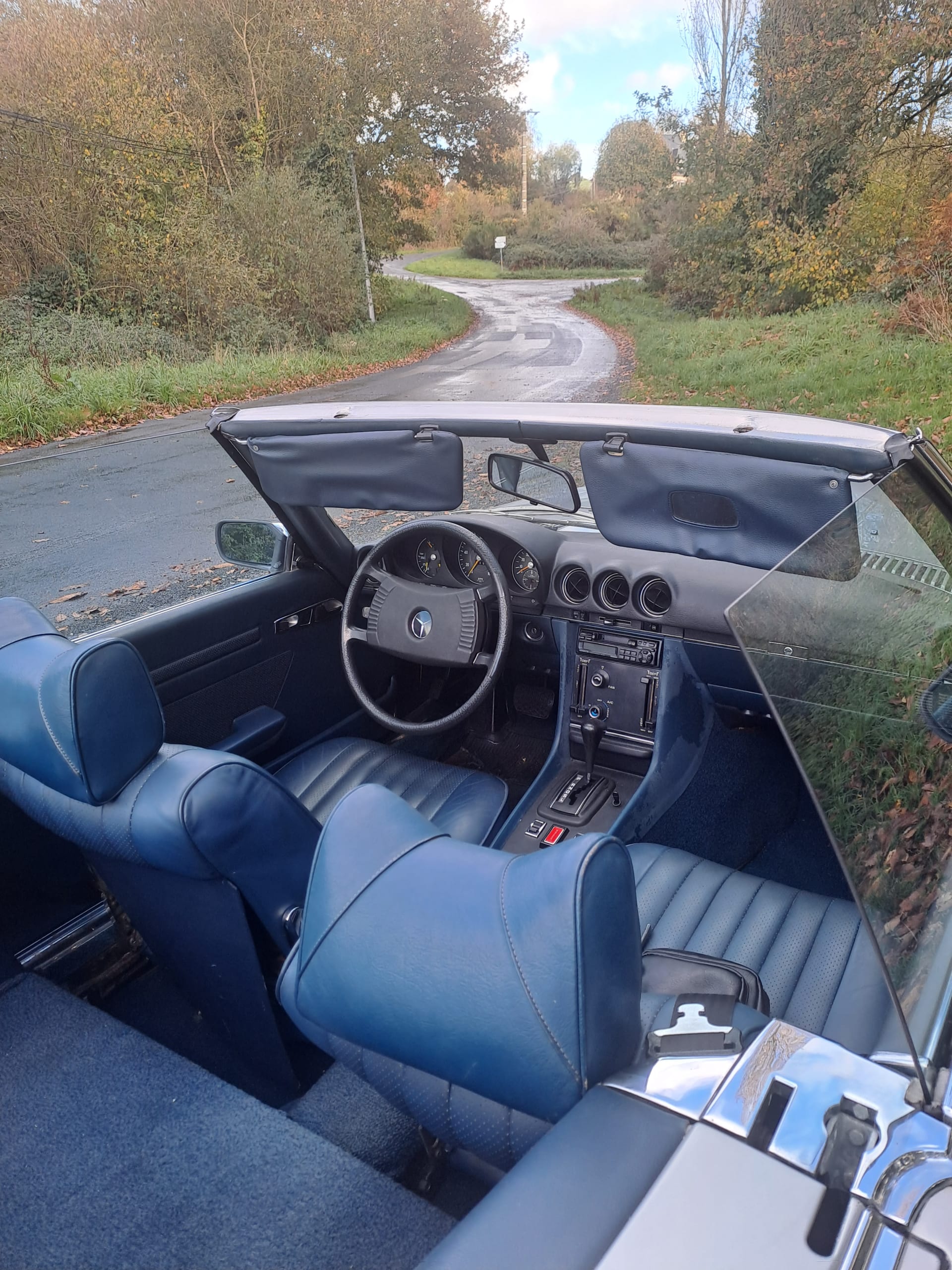
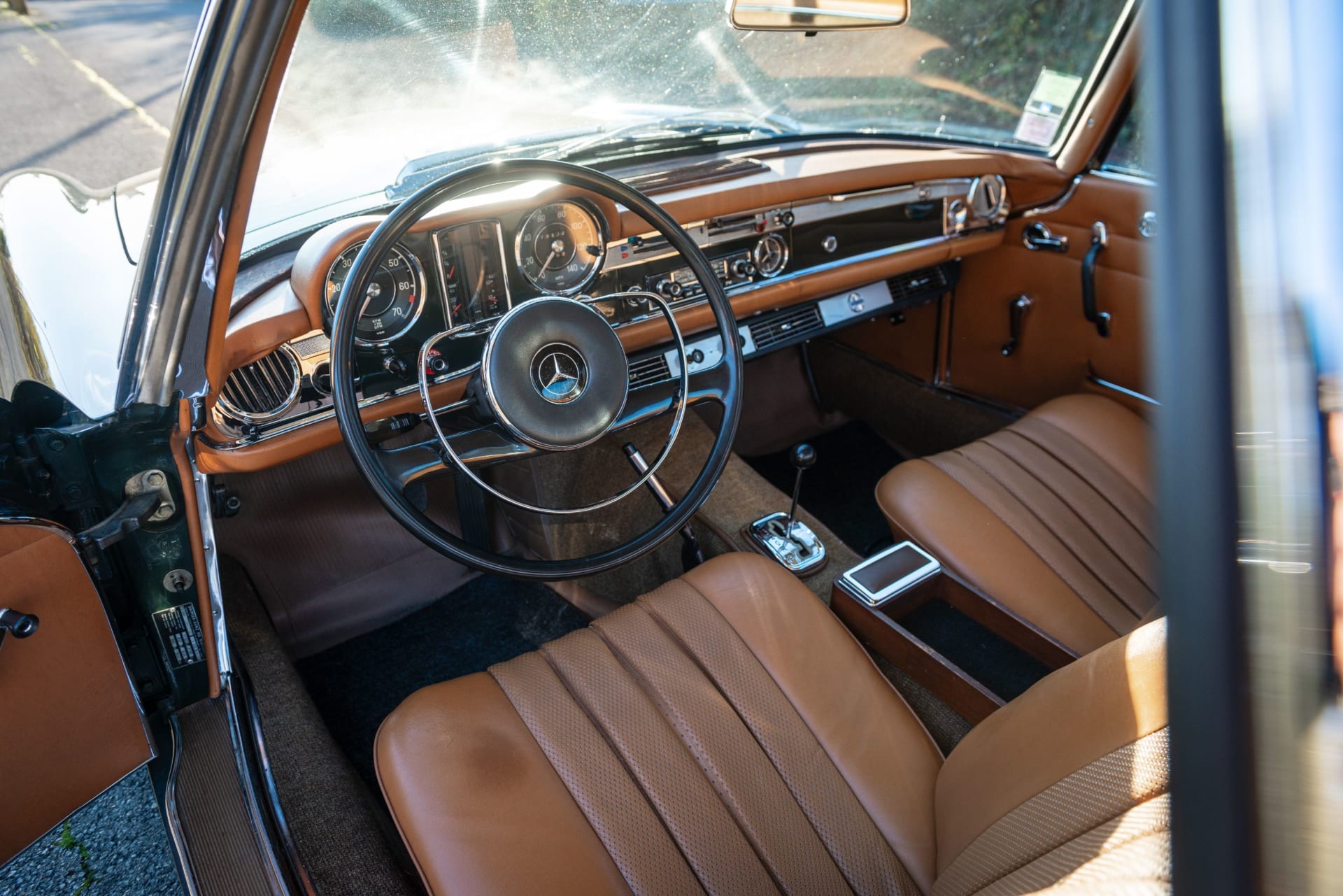
The interior of the S-Class is a true haven of well-being. The seats are enveloping and provide unmatched comfort. The screens, materials, and ambient lighting systems create a warm and refined atmosphere.
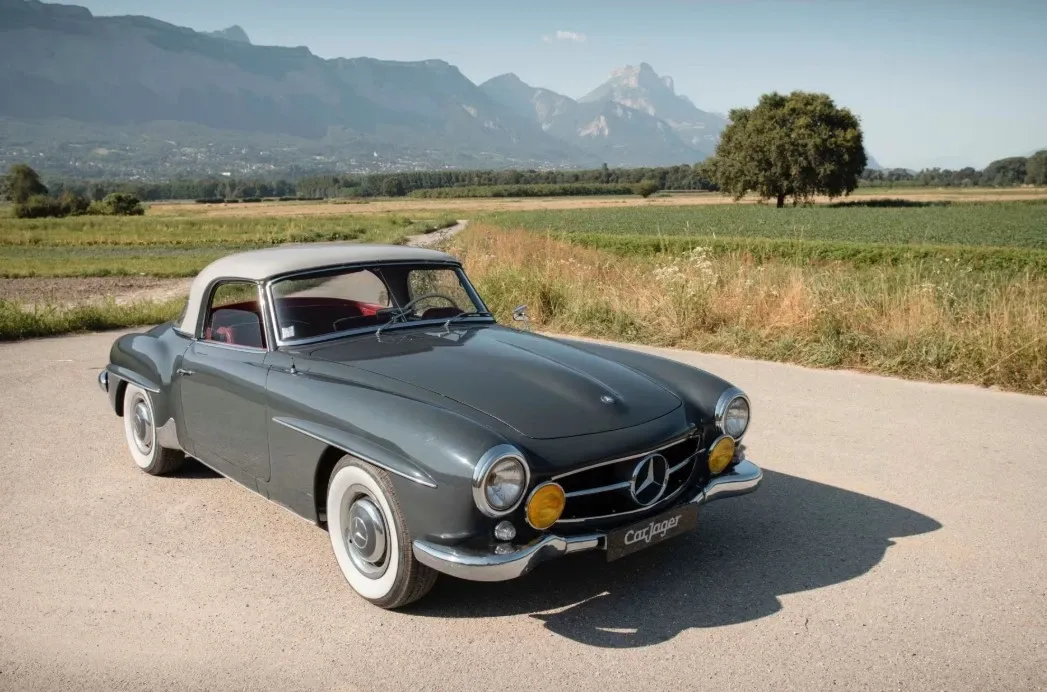
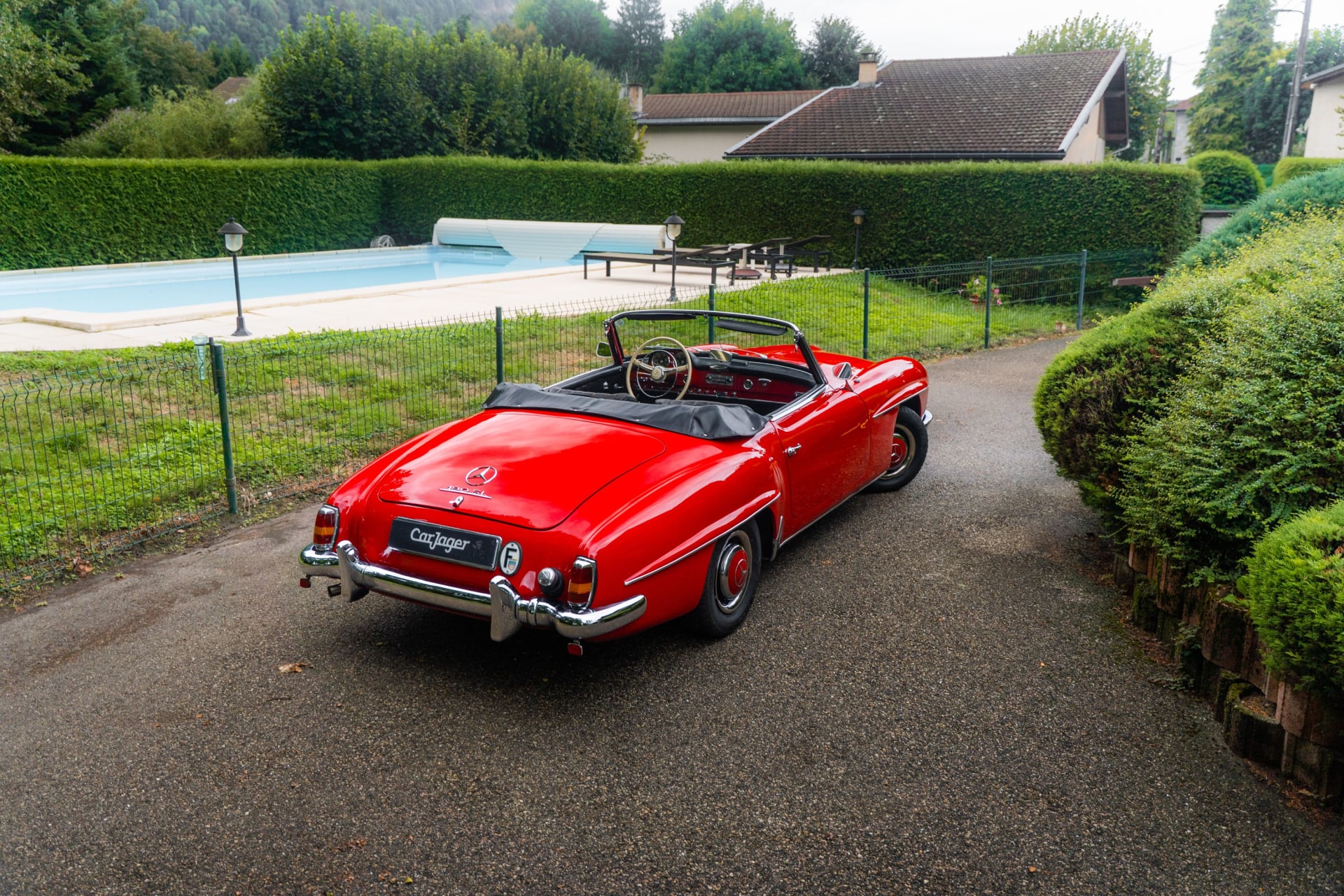
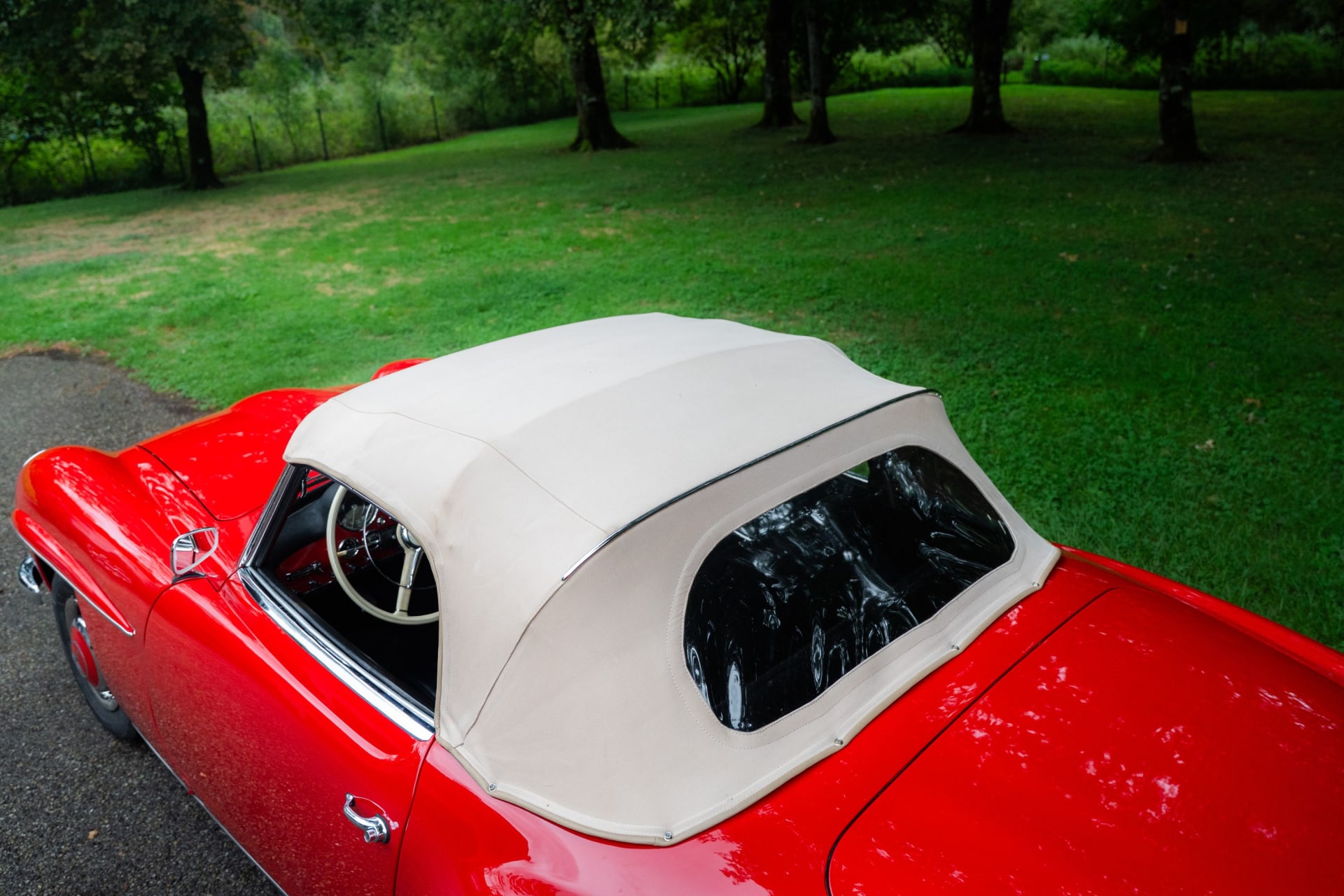
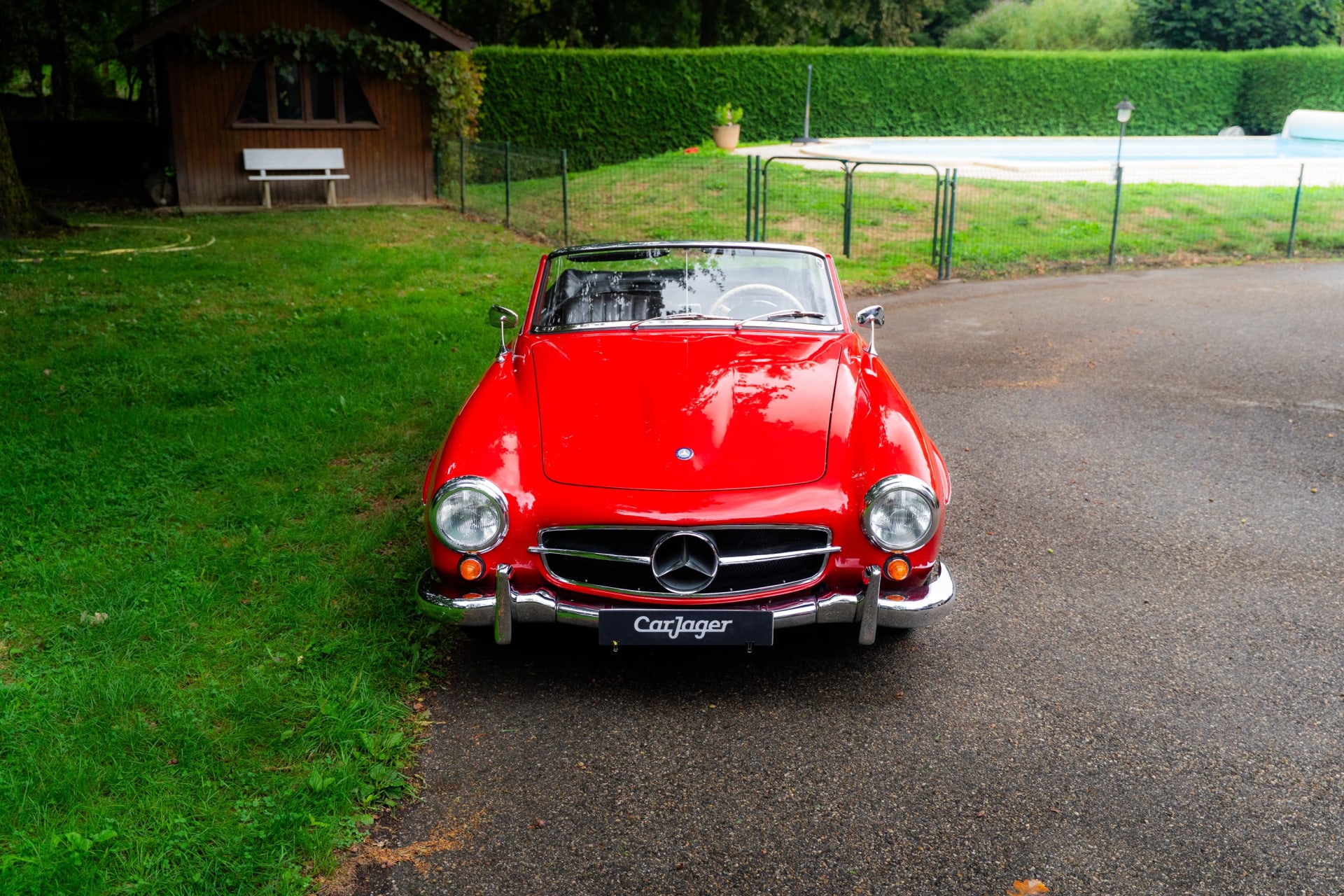
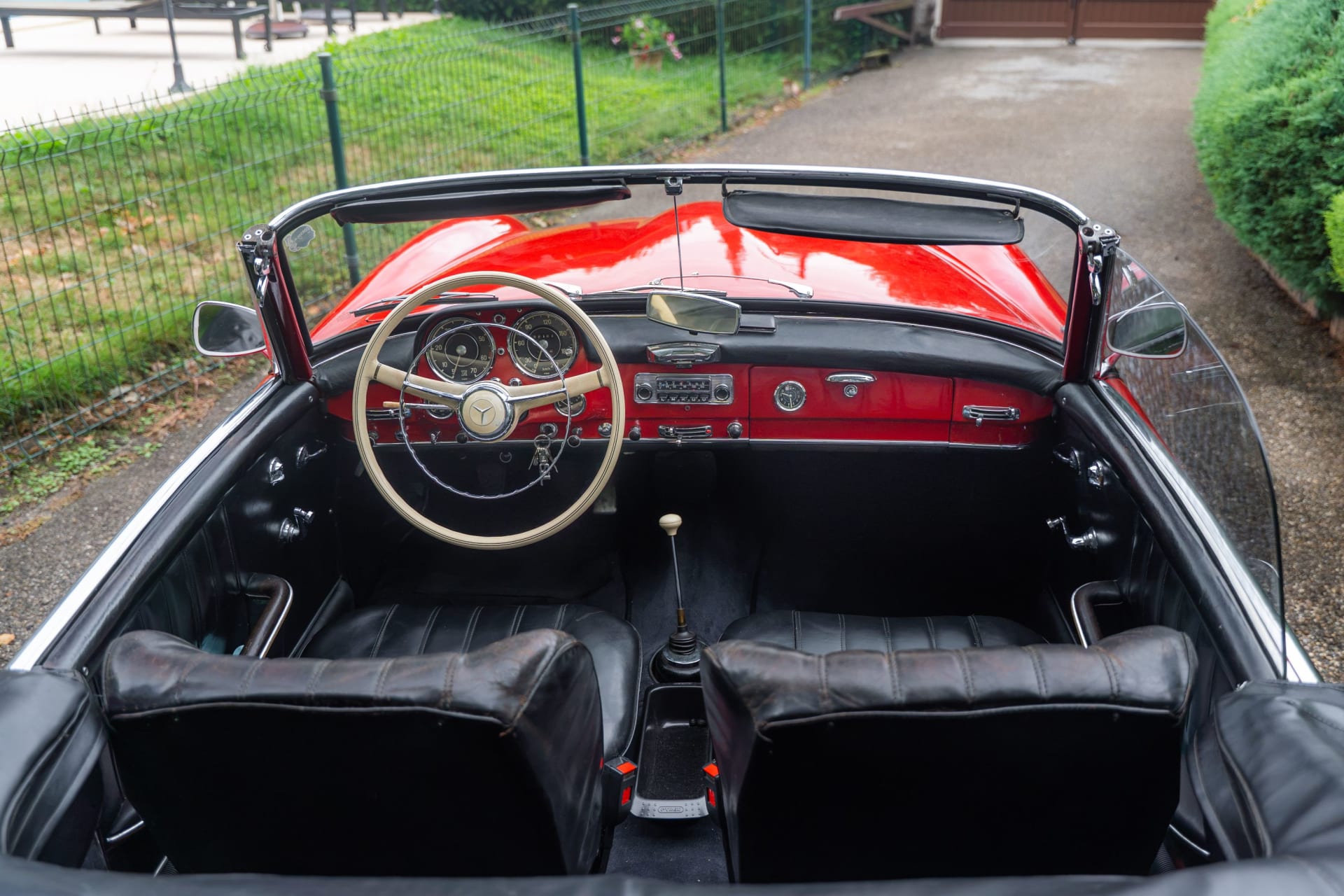
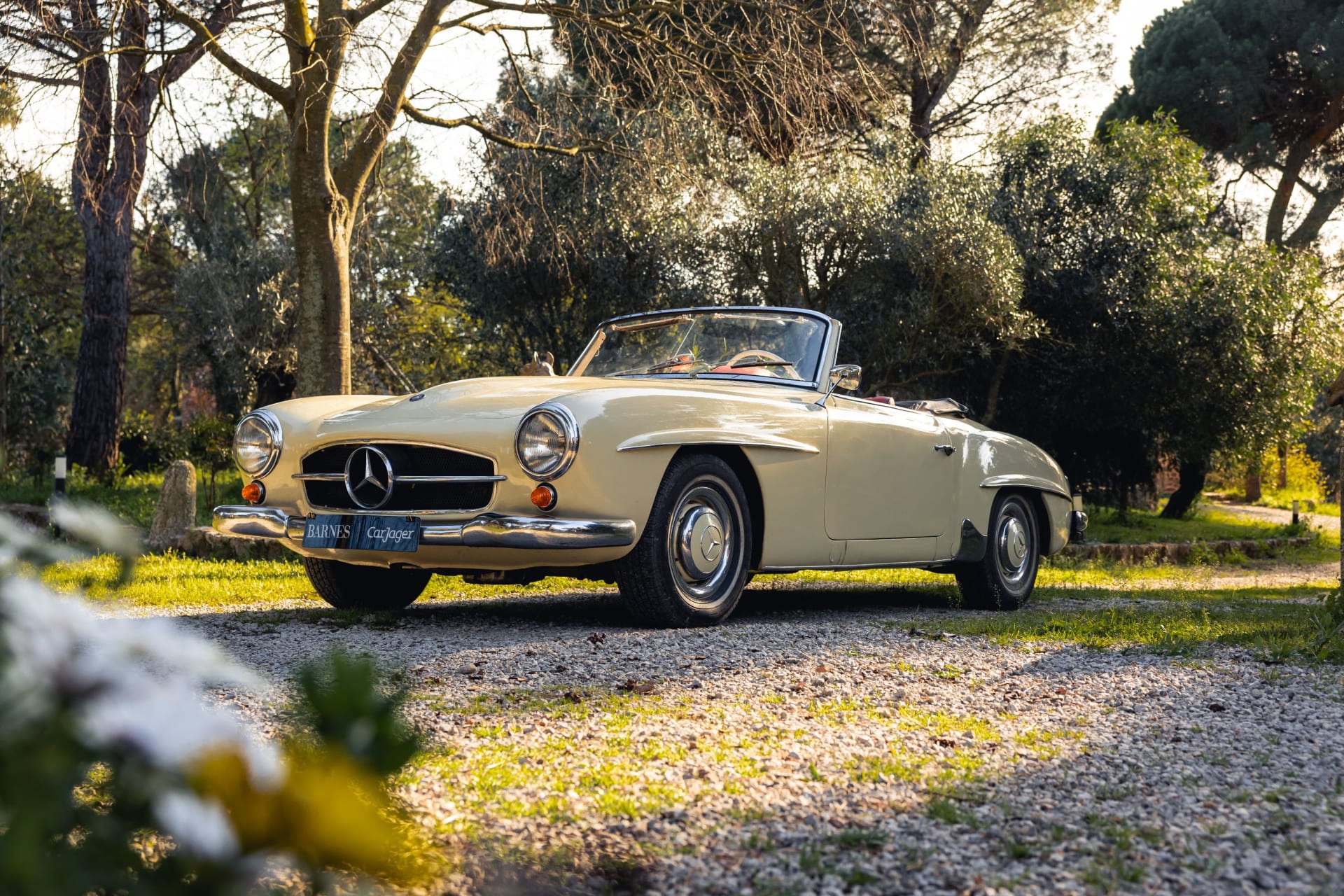
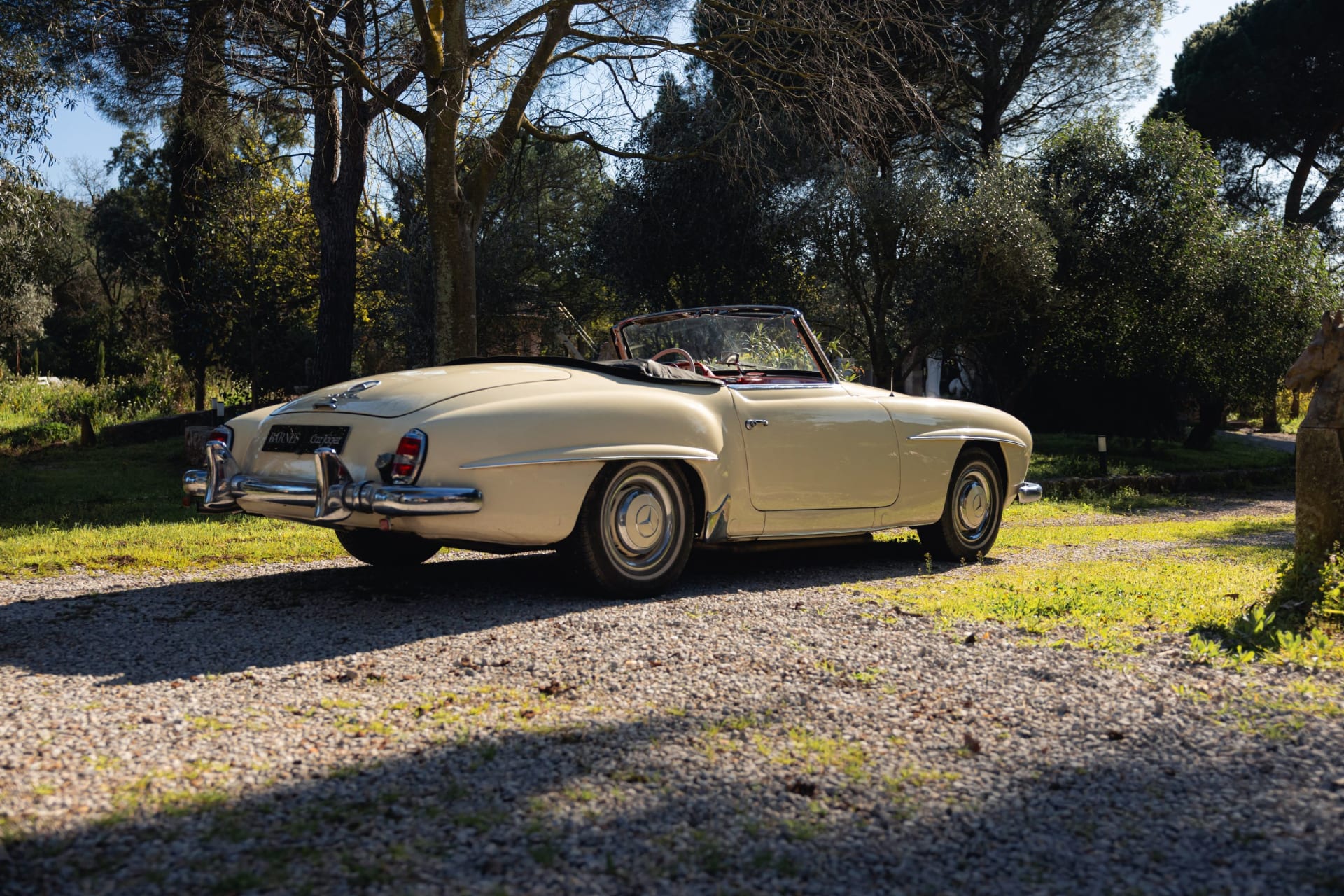
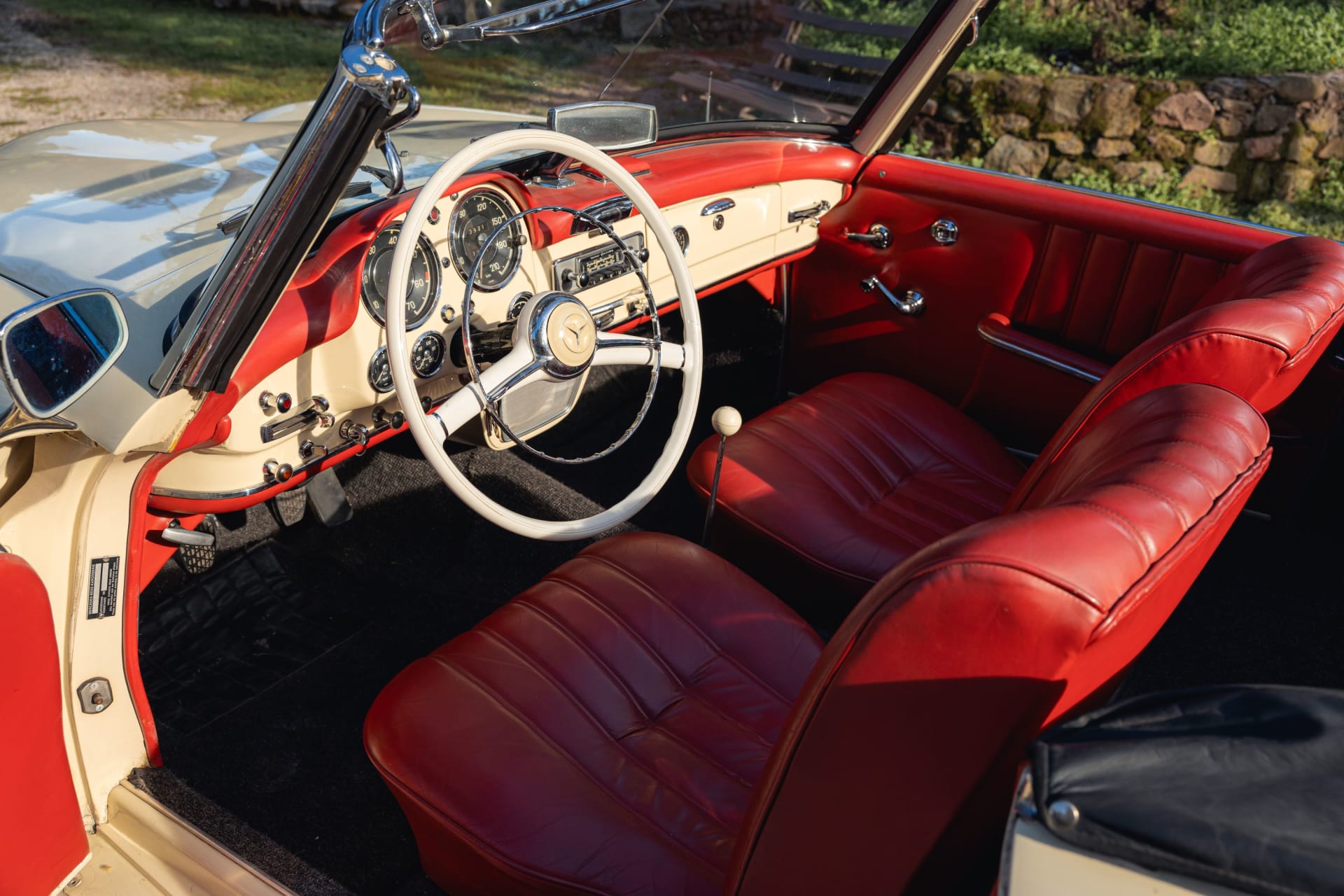
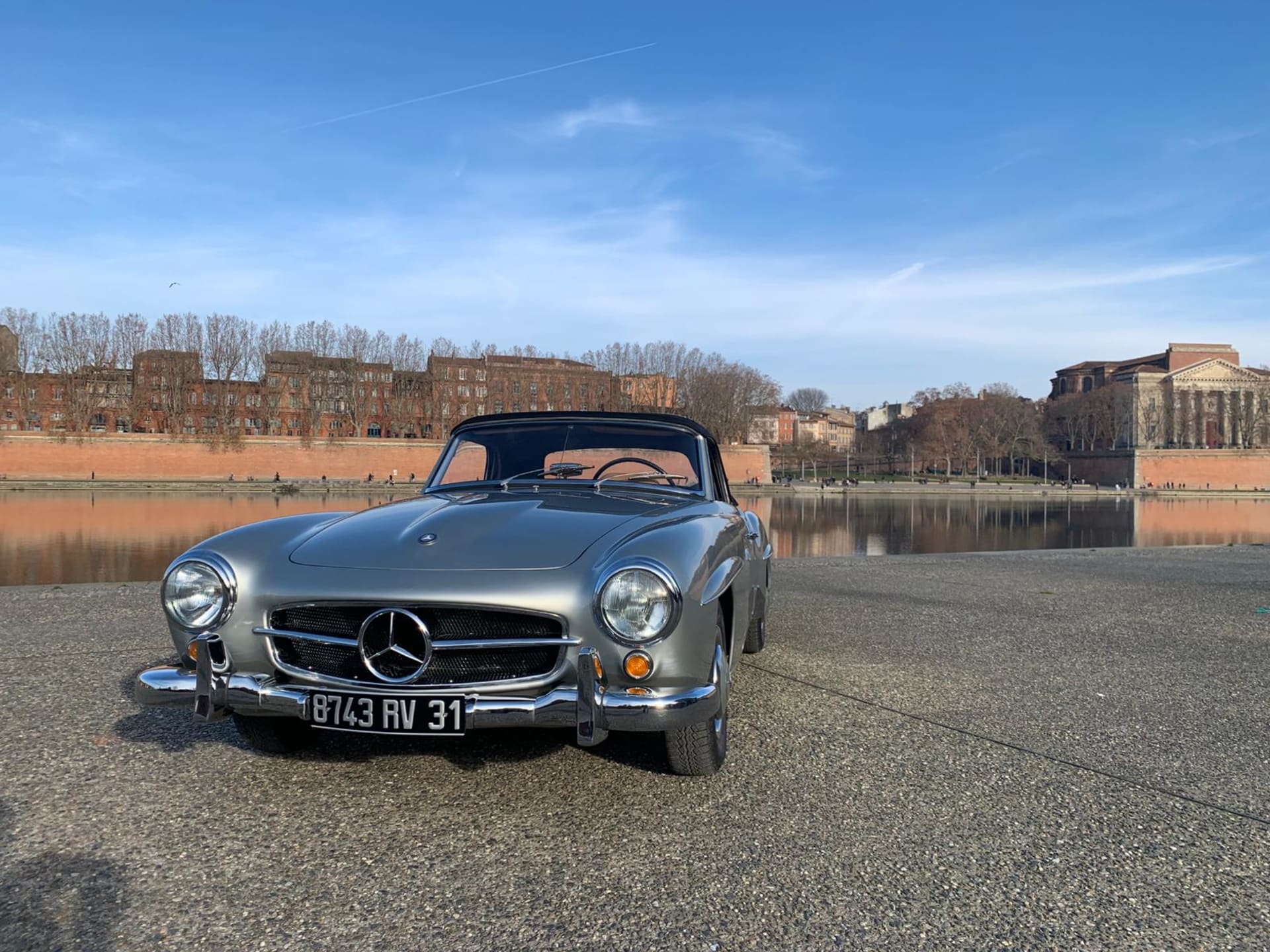
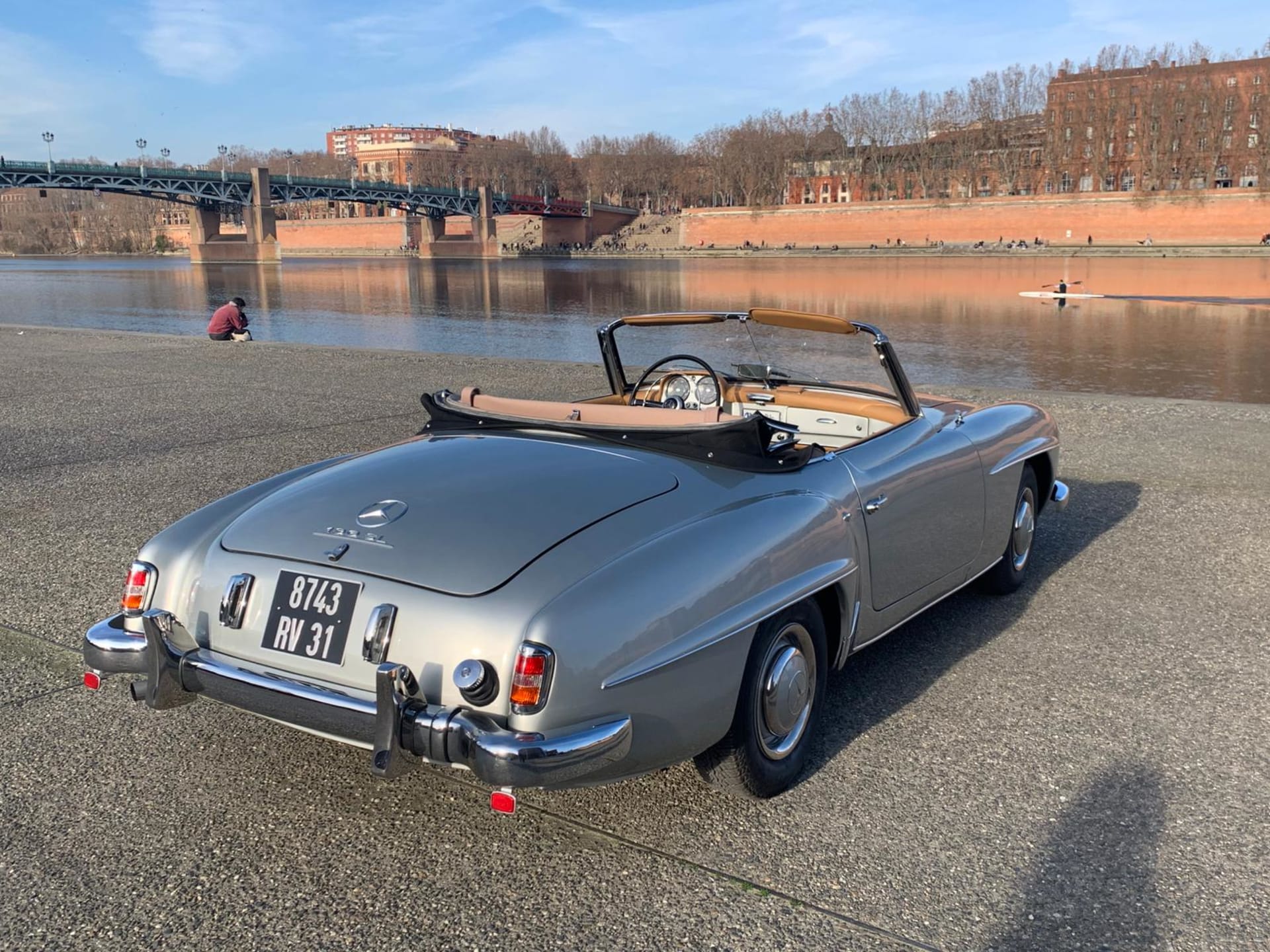
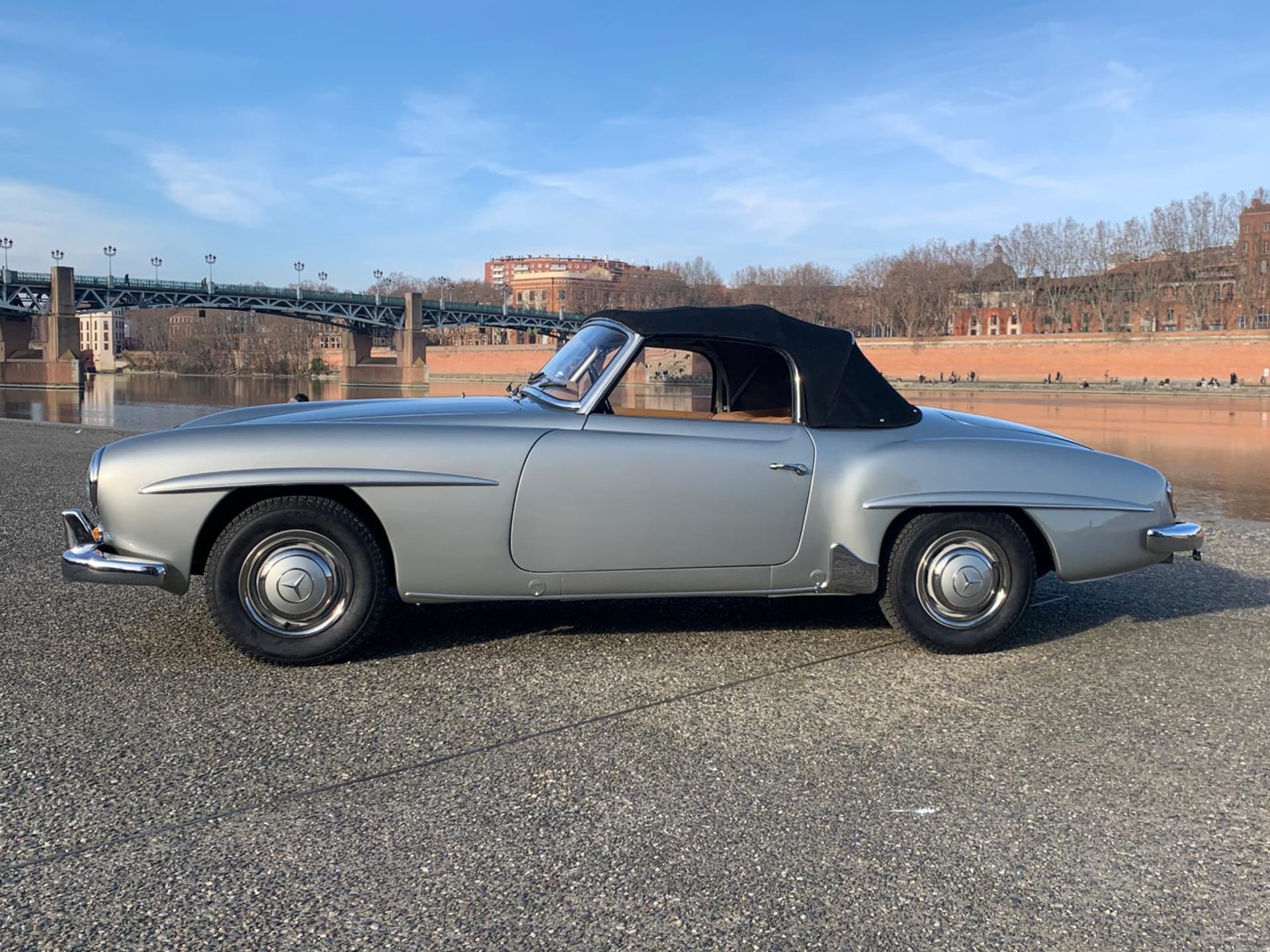
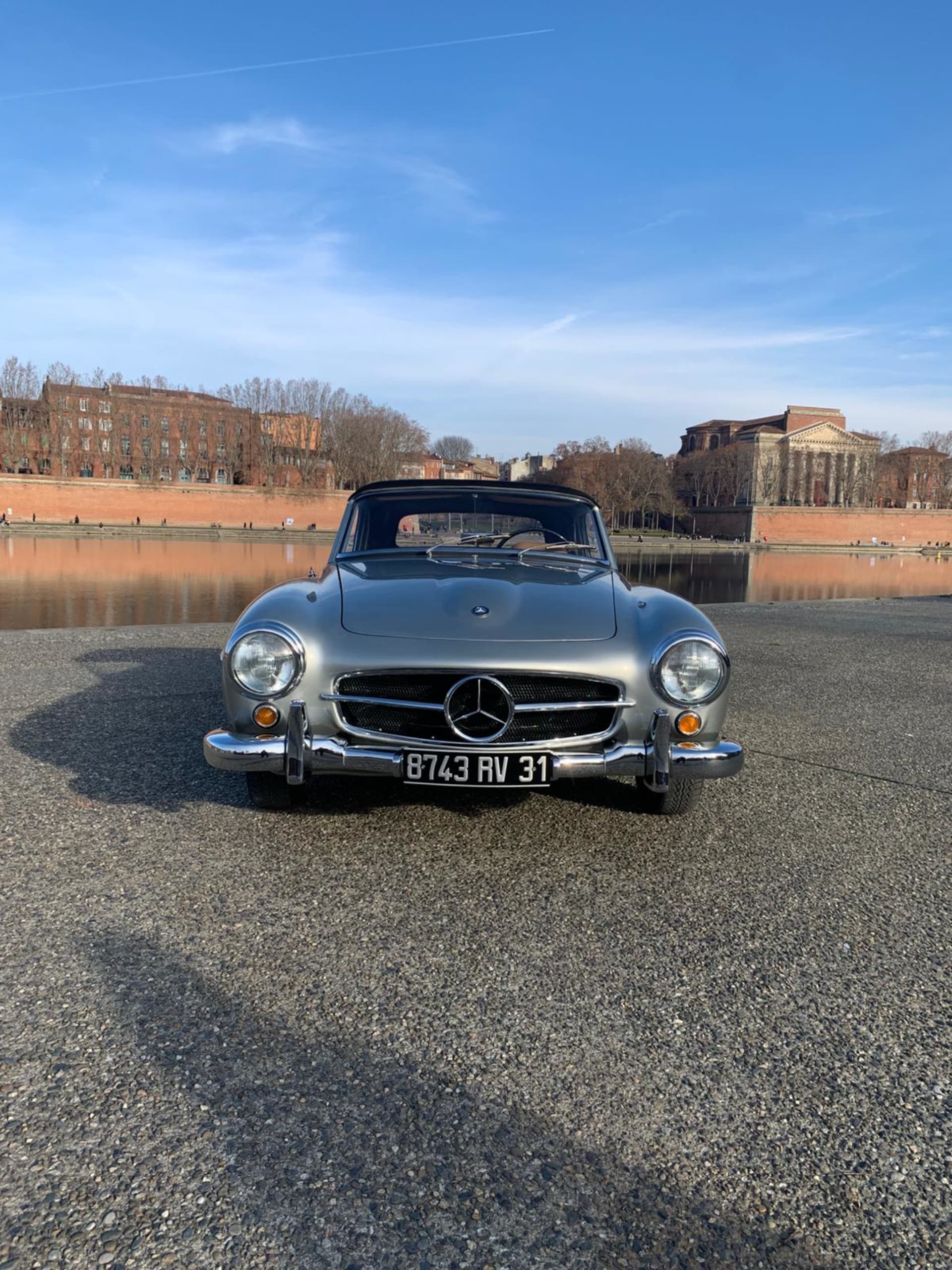
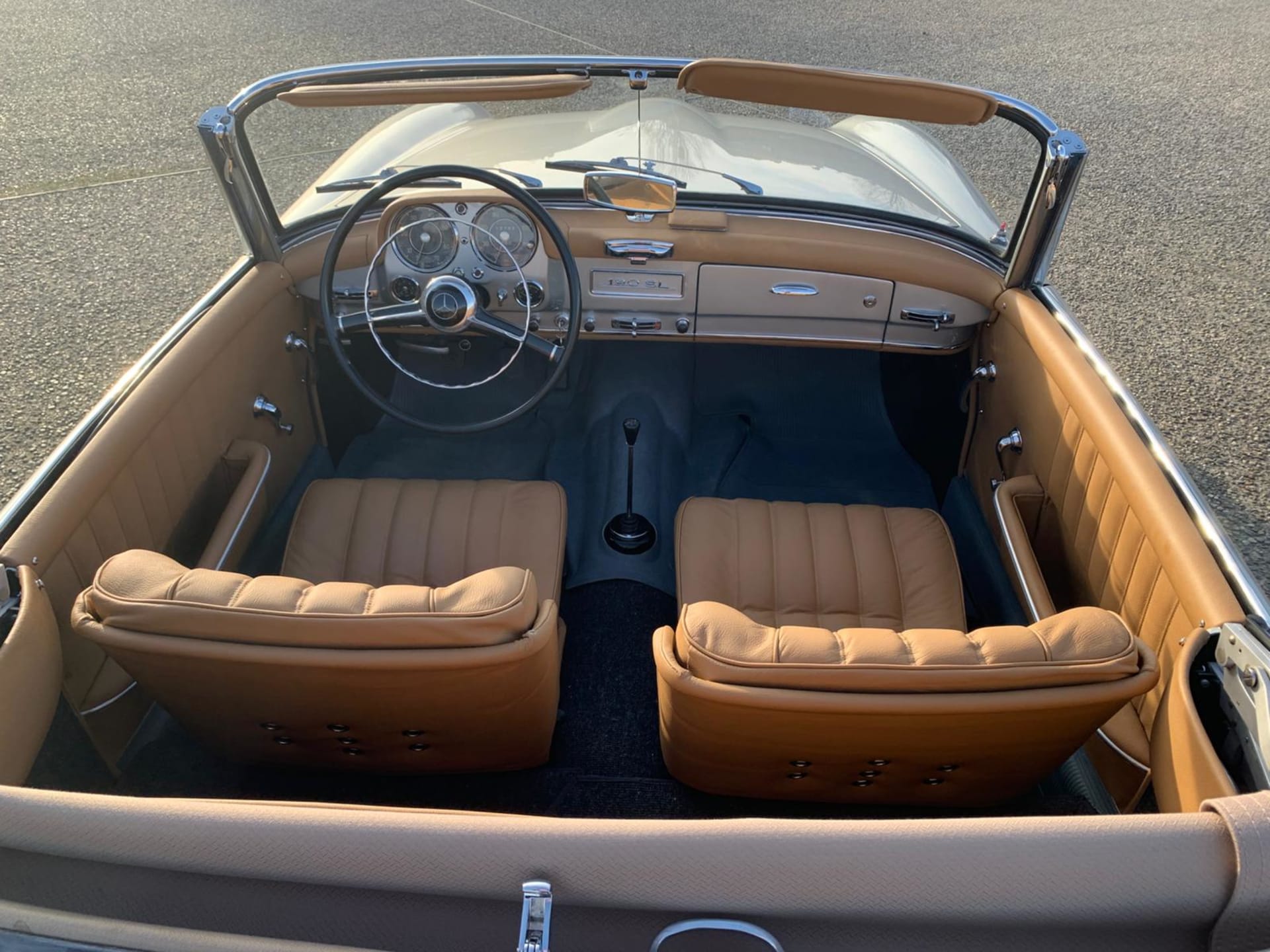
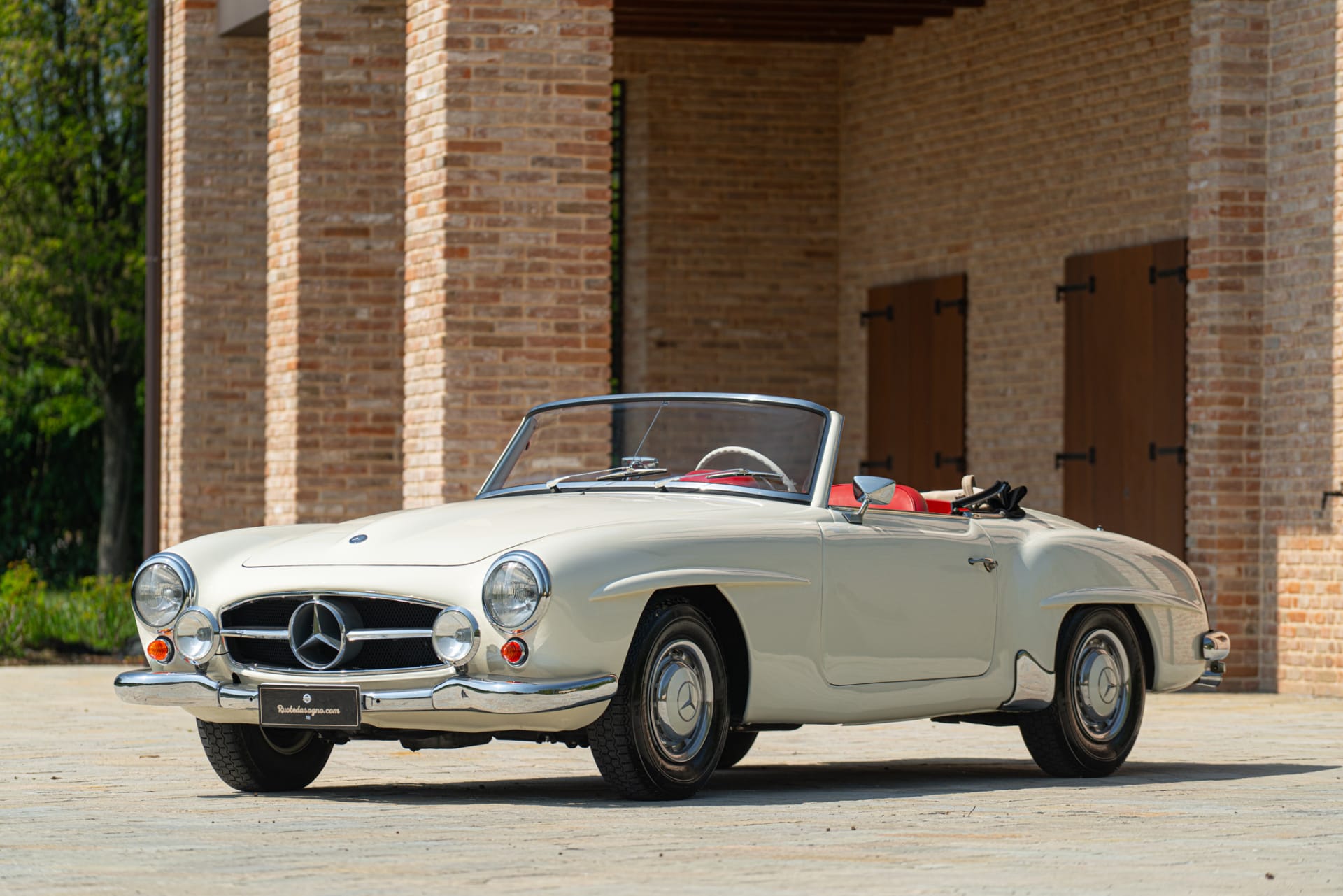
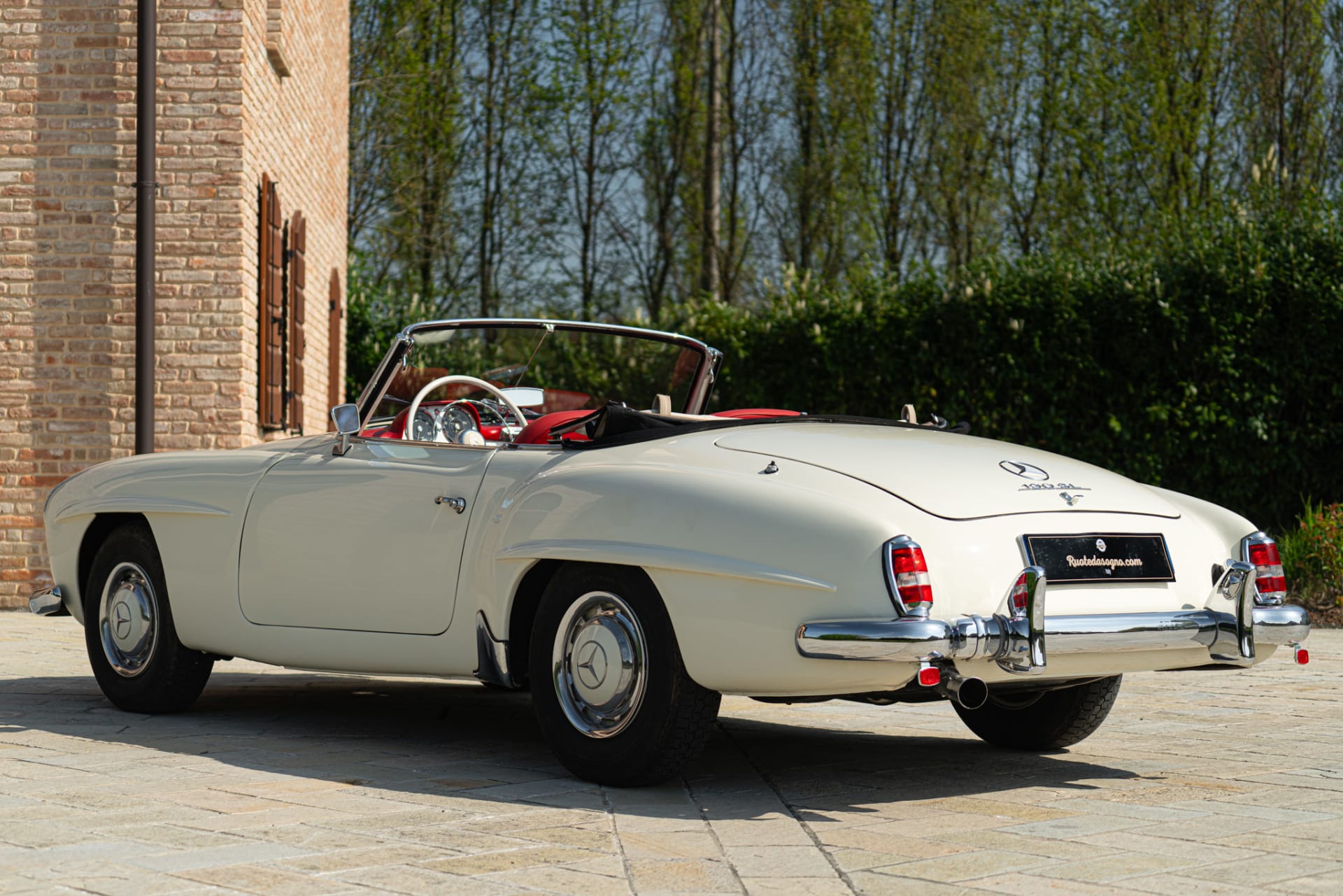
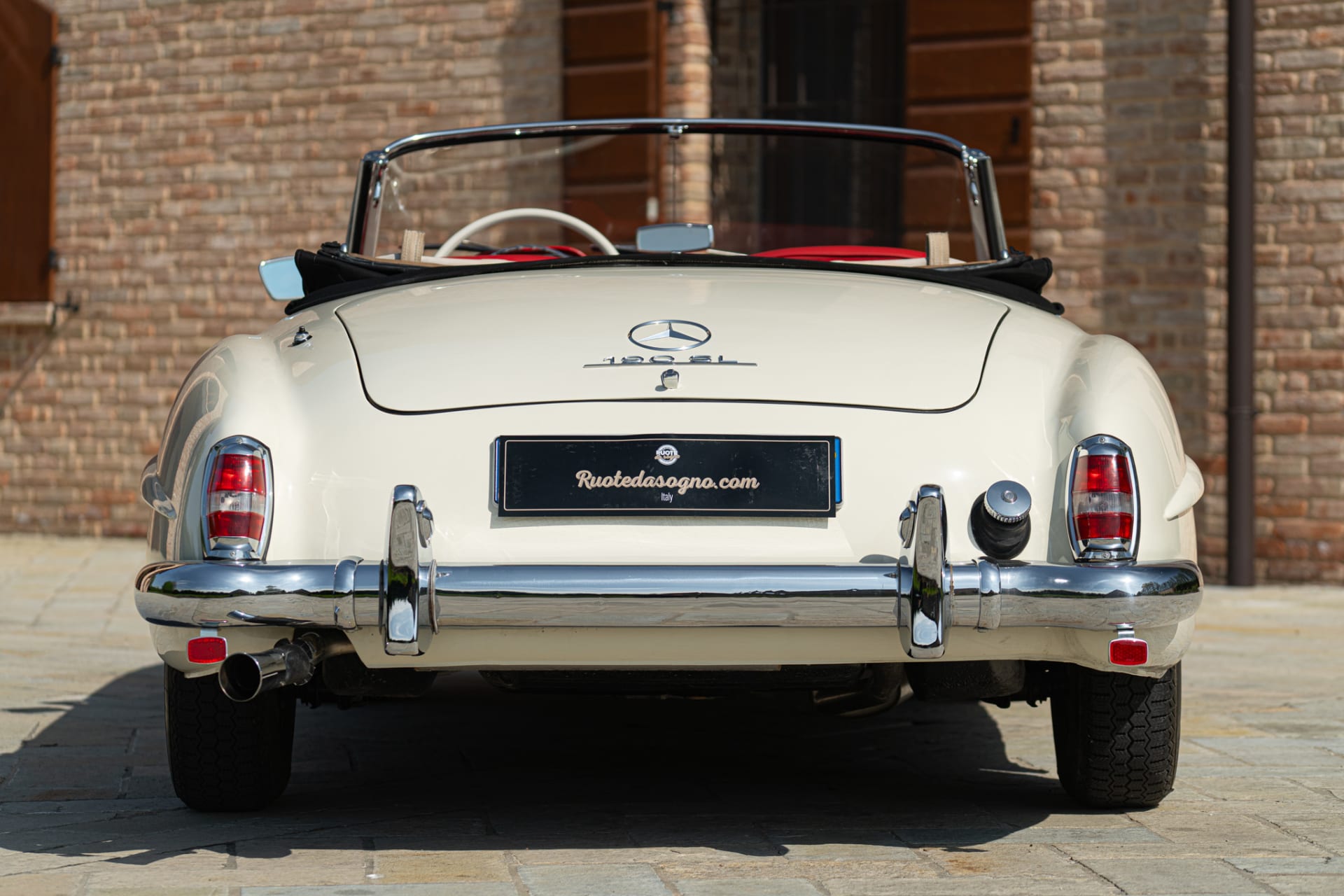
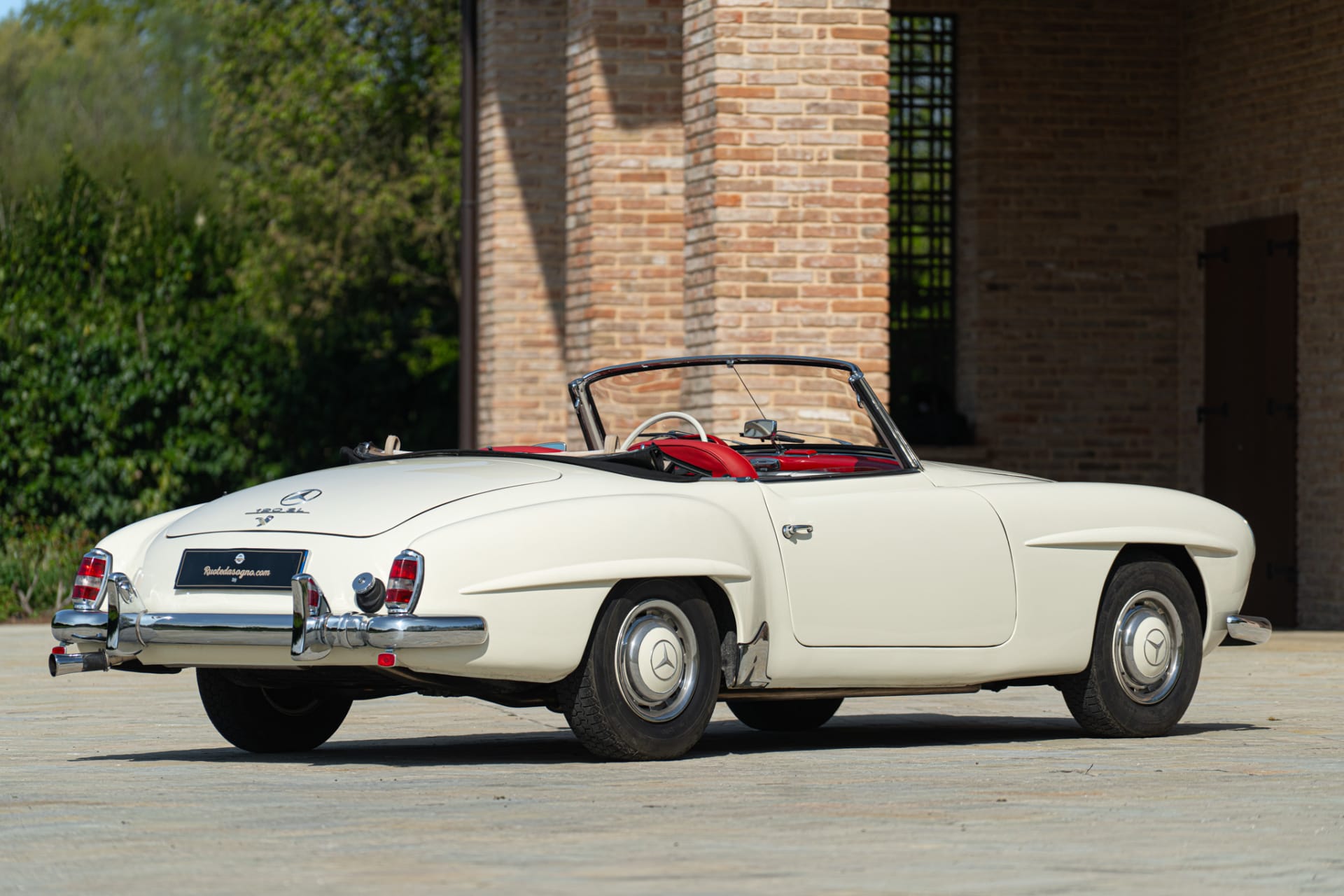
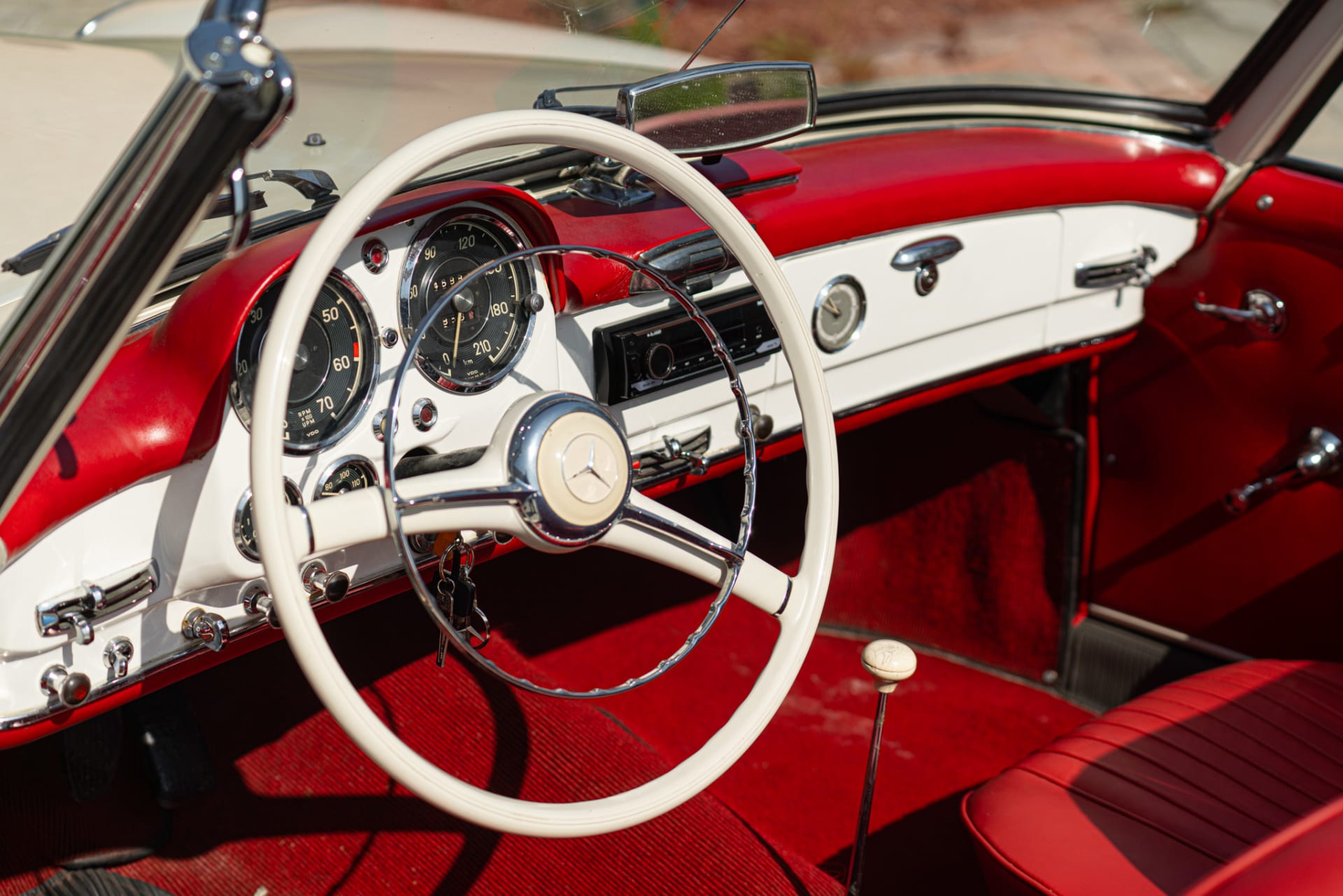
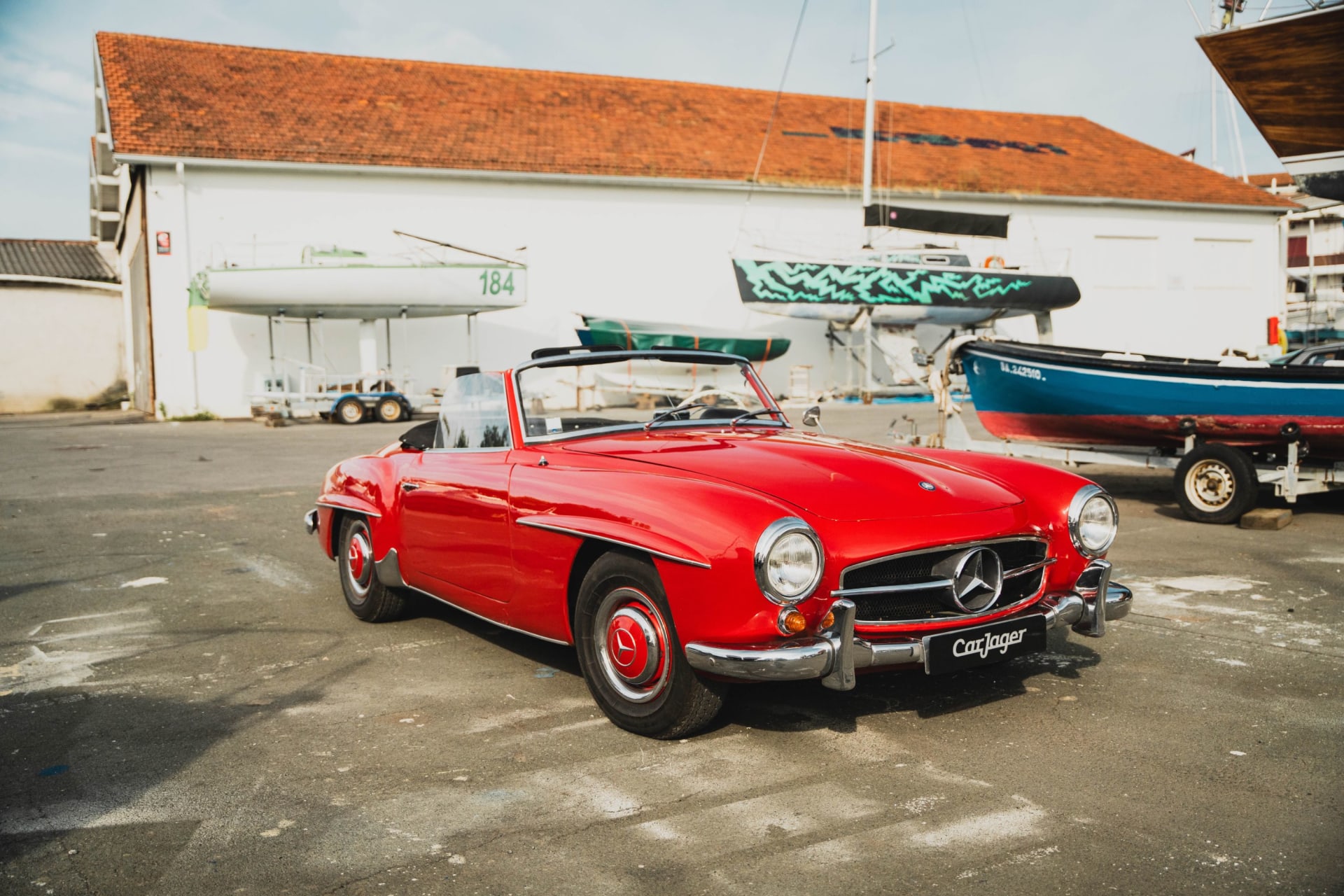
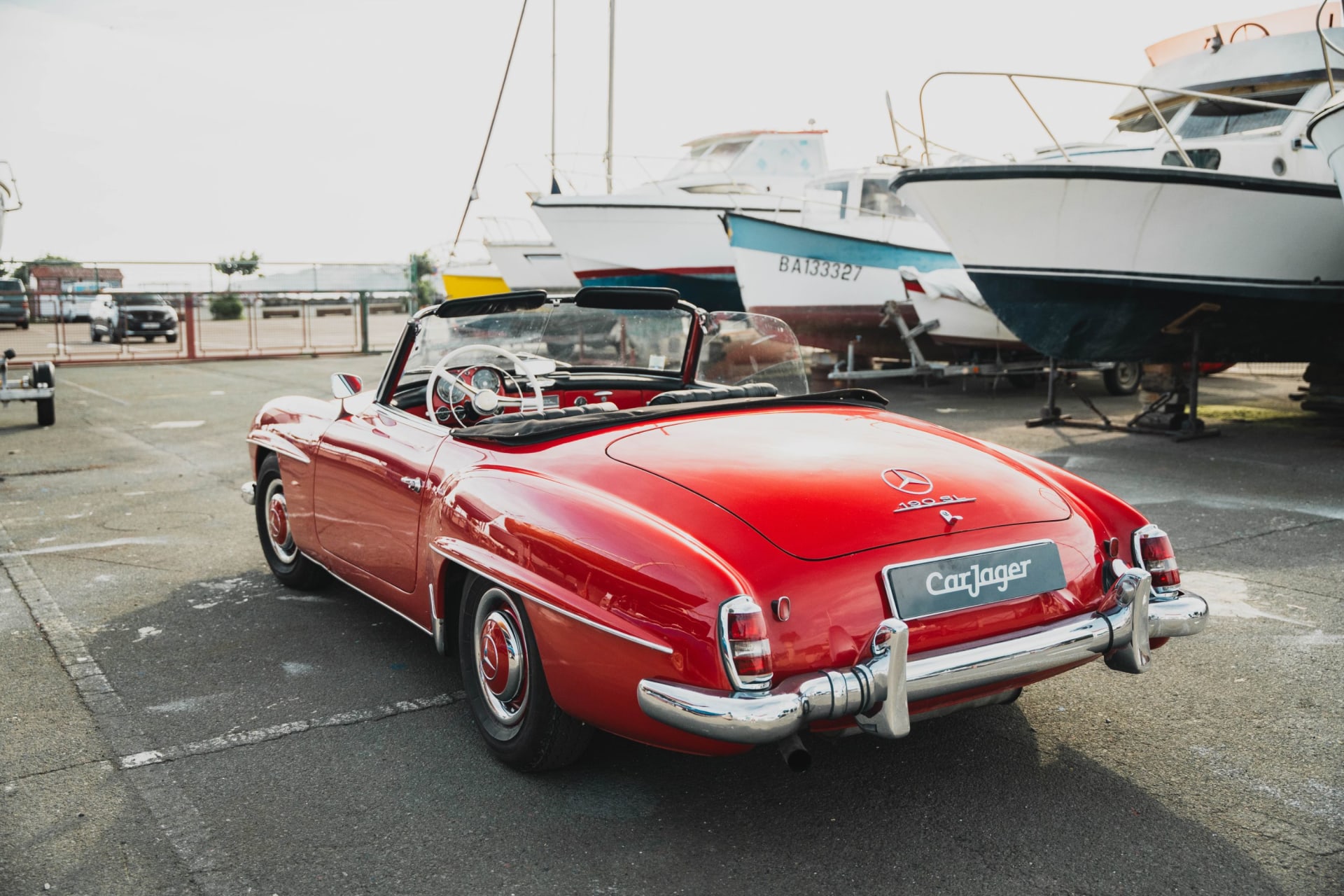
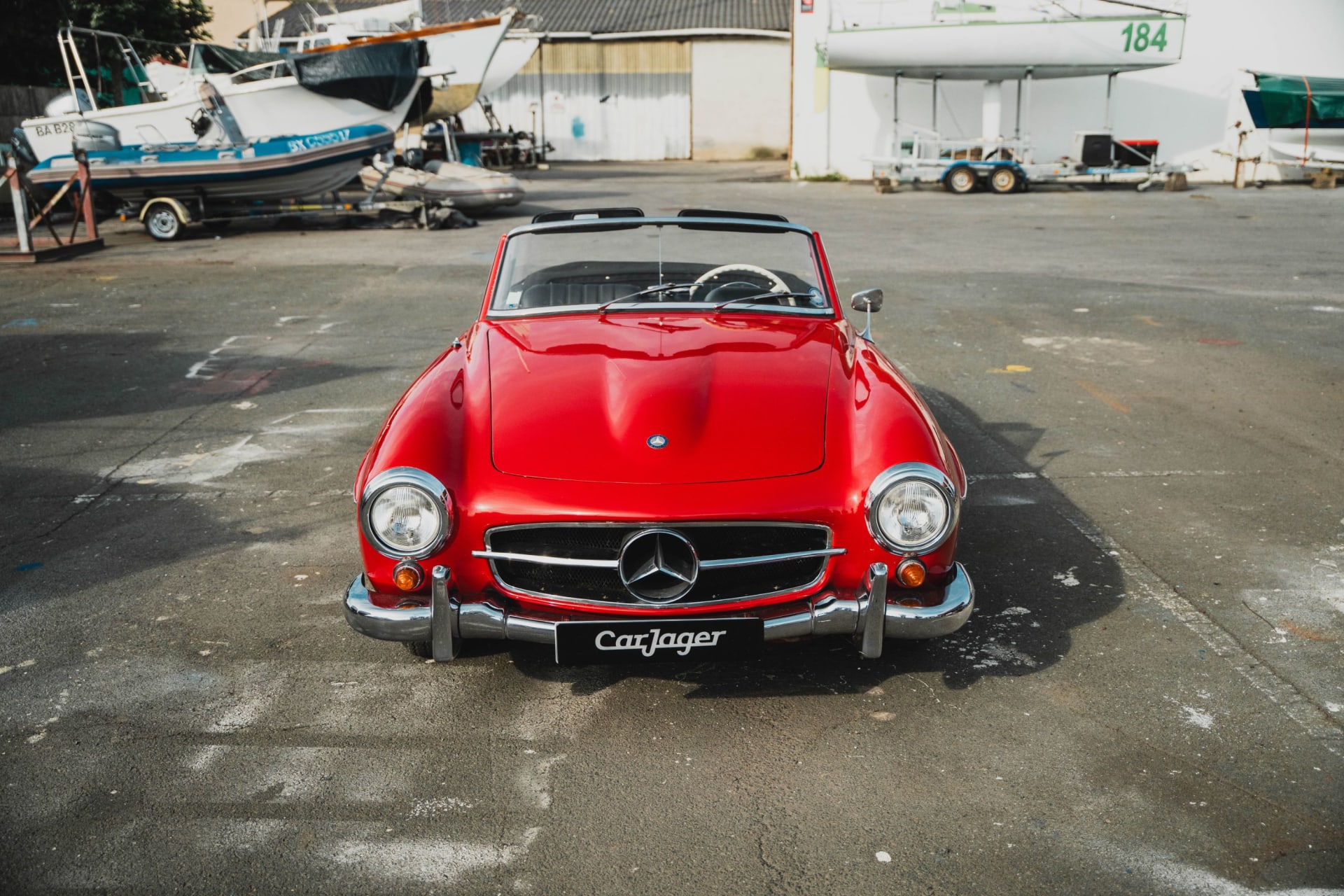
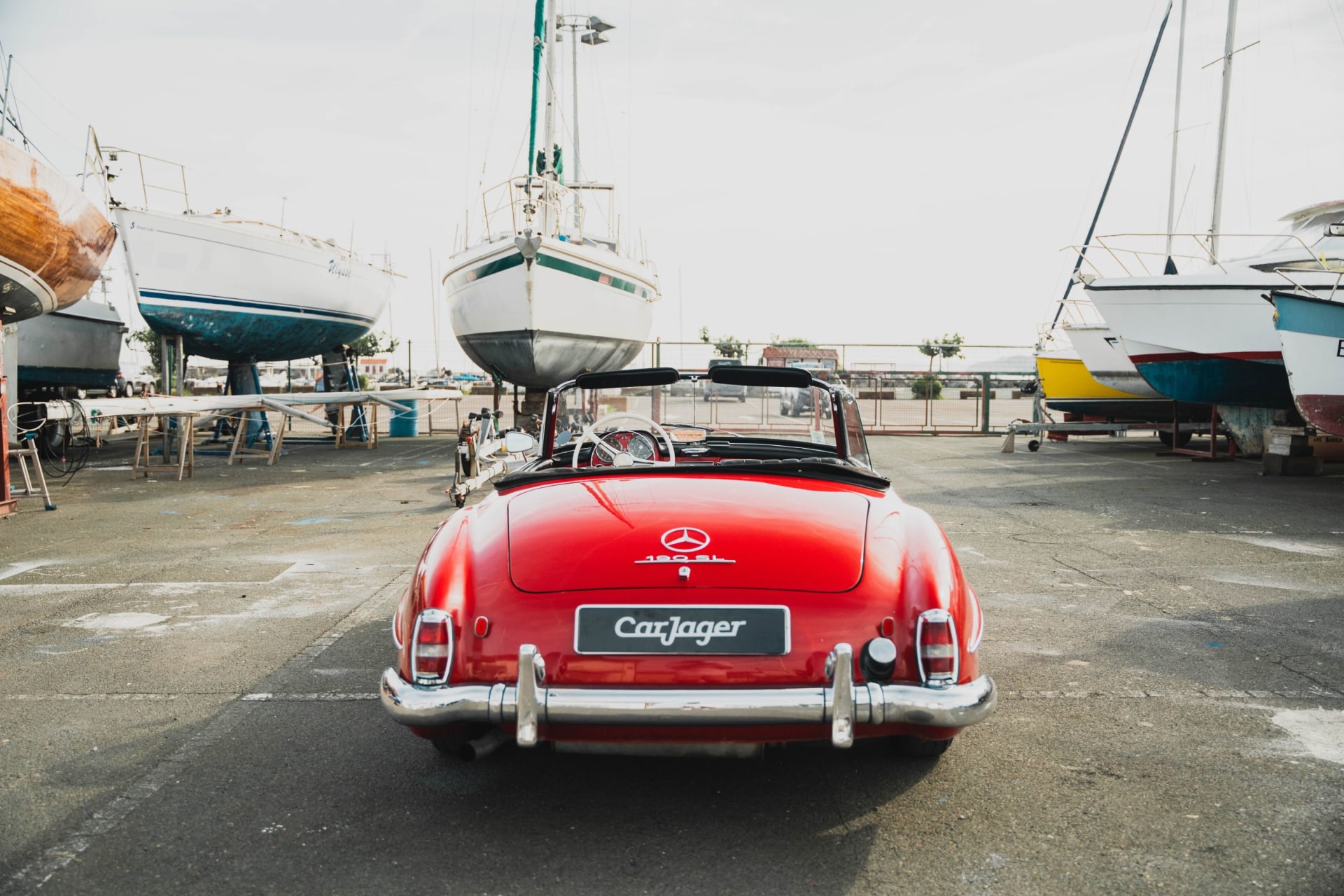
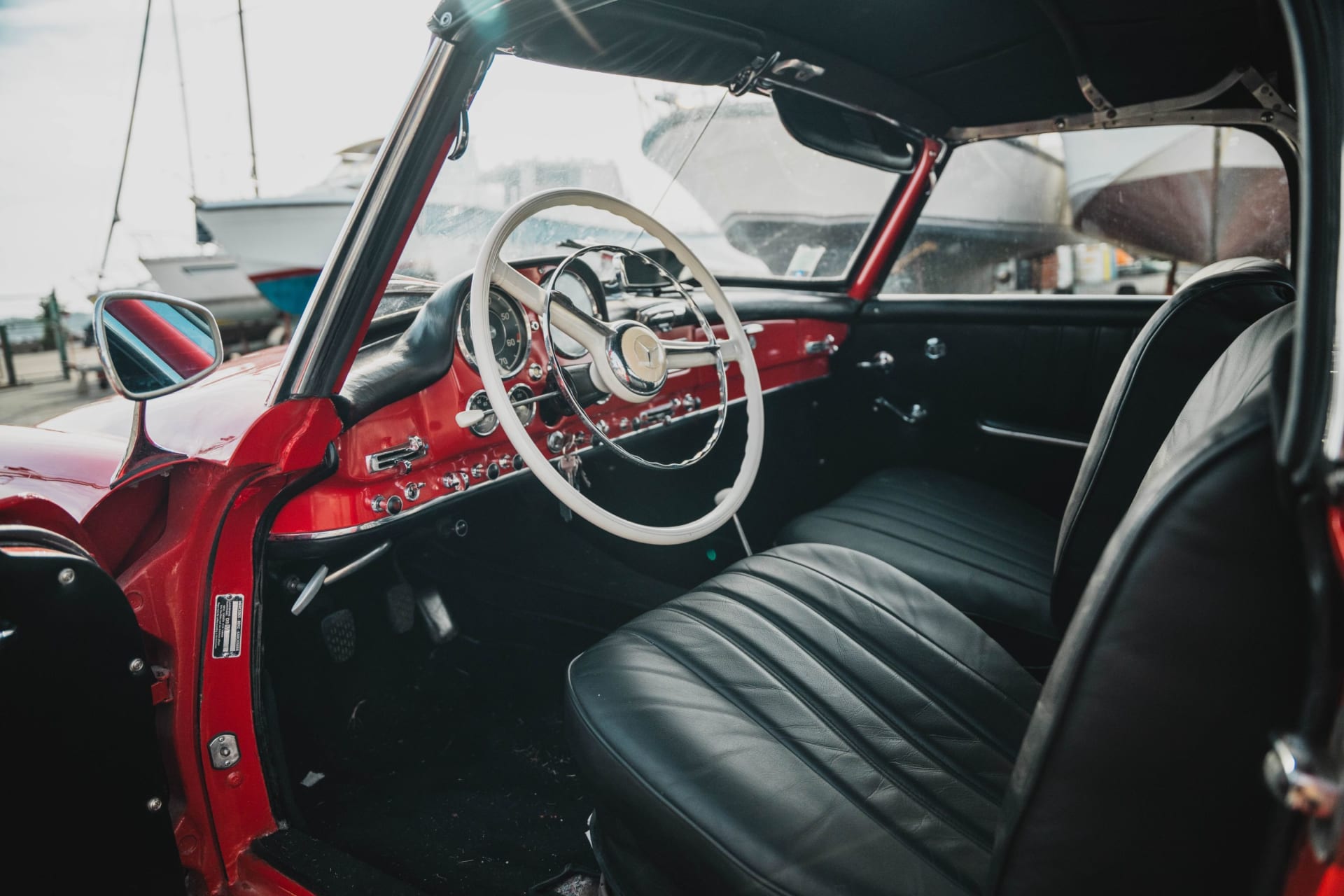
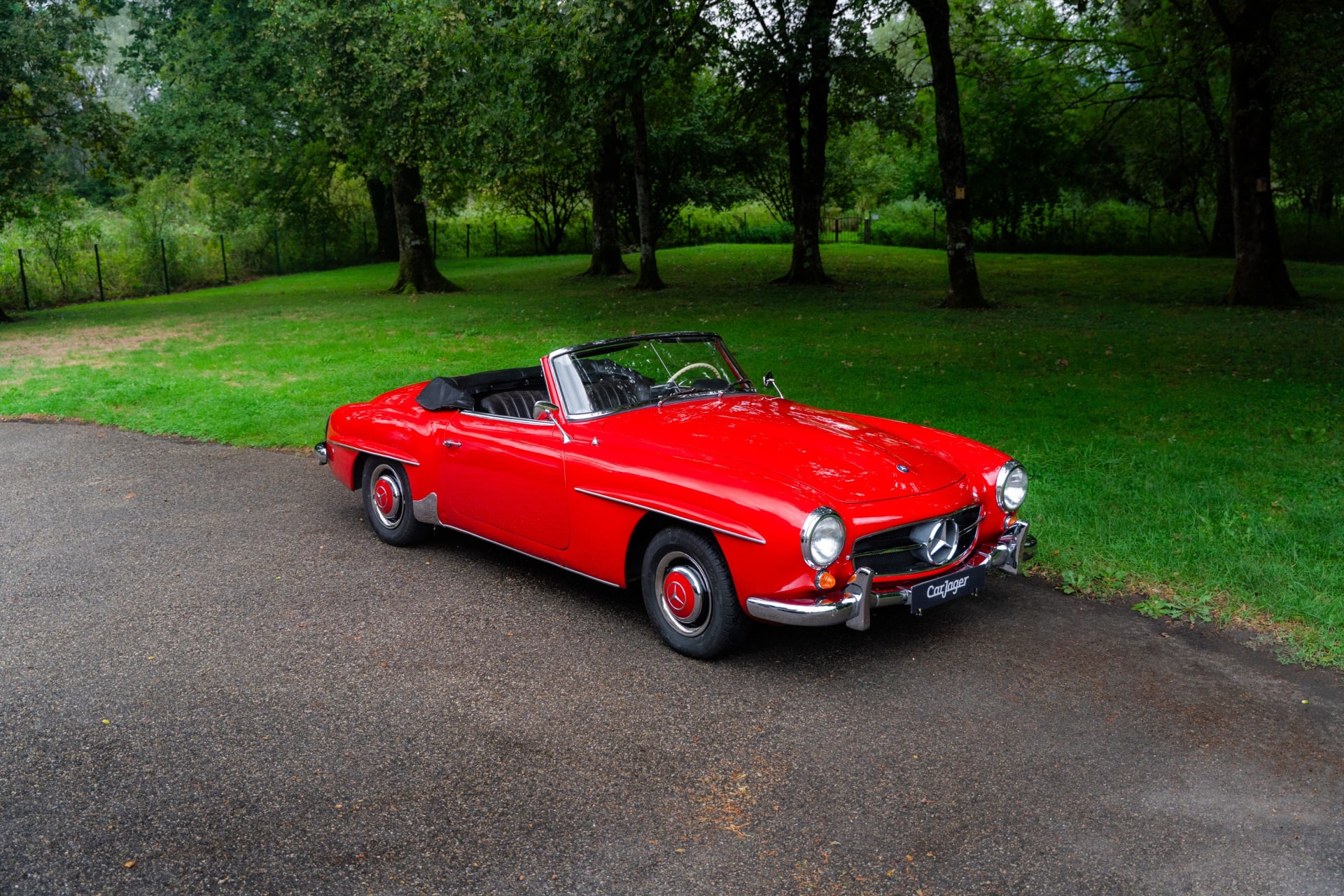
Produced from 1955 to 1963, the 190 SL roadster can be seen as a scaled-down 300 SL. Its timeless, balanced design appeals to enthusiasts who value its relaxed driving character.
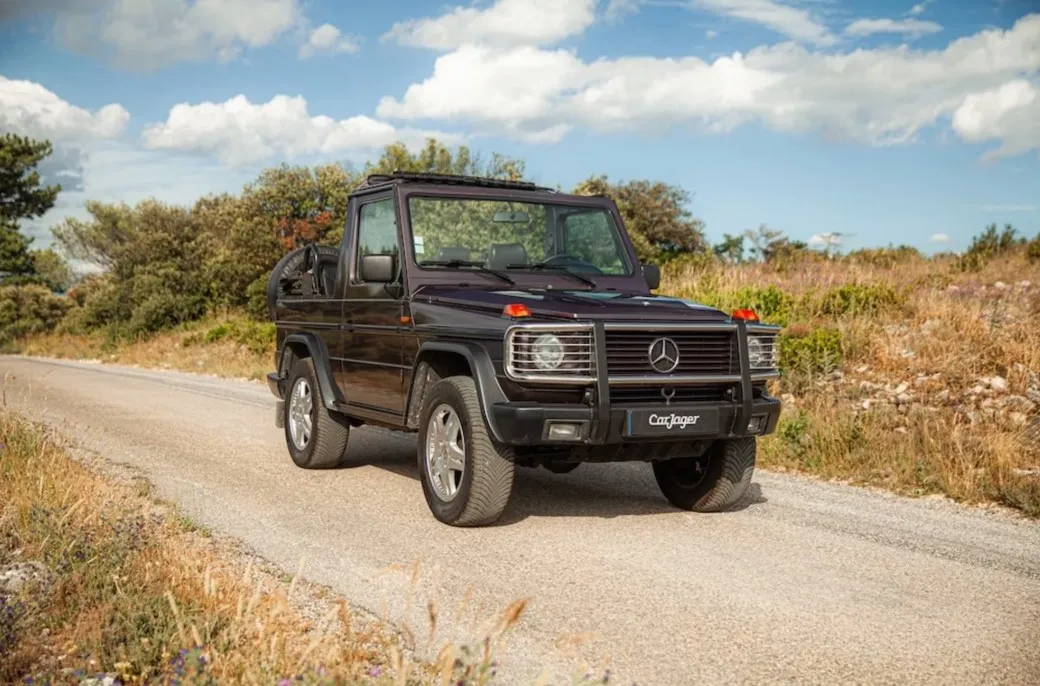
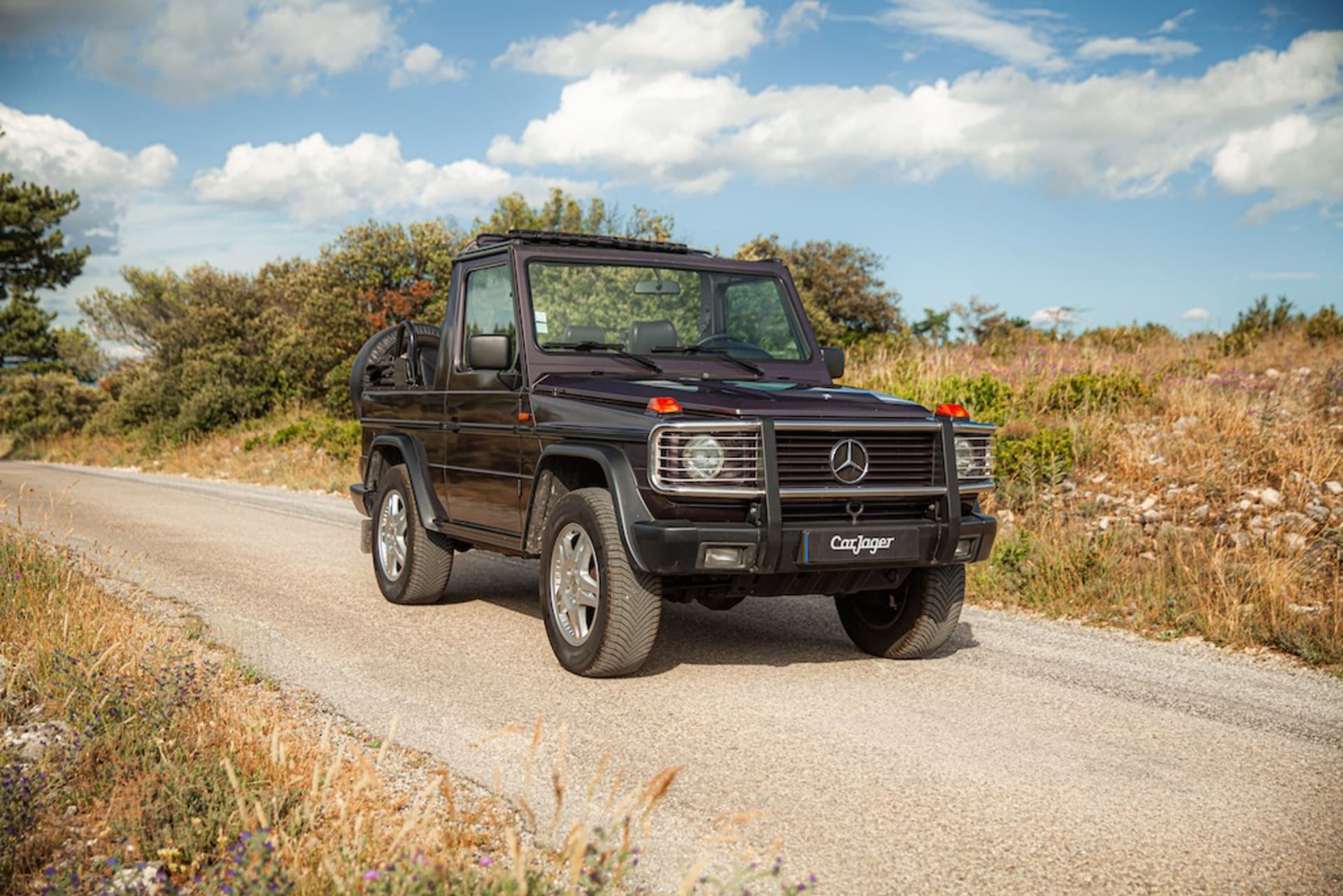
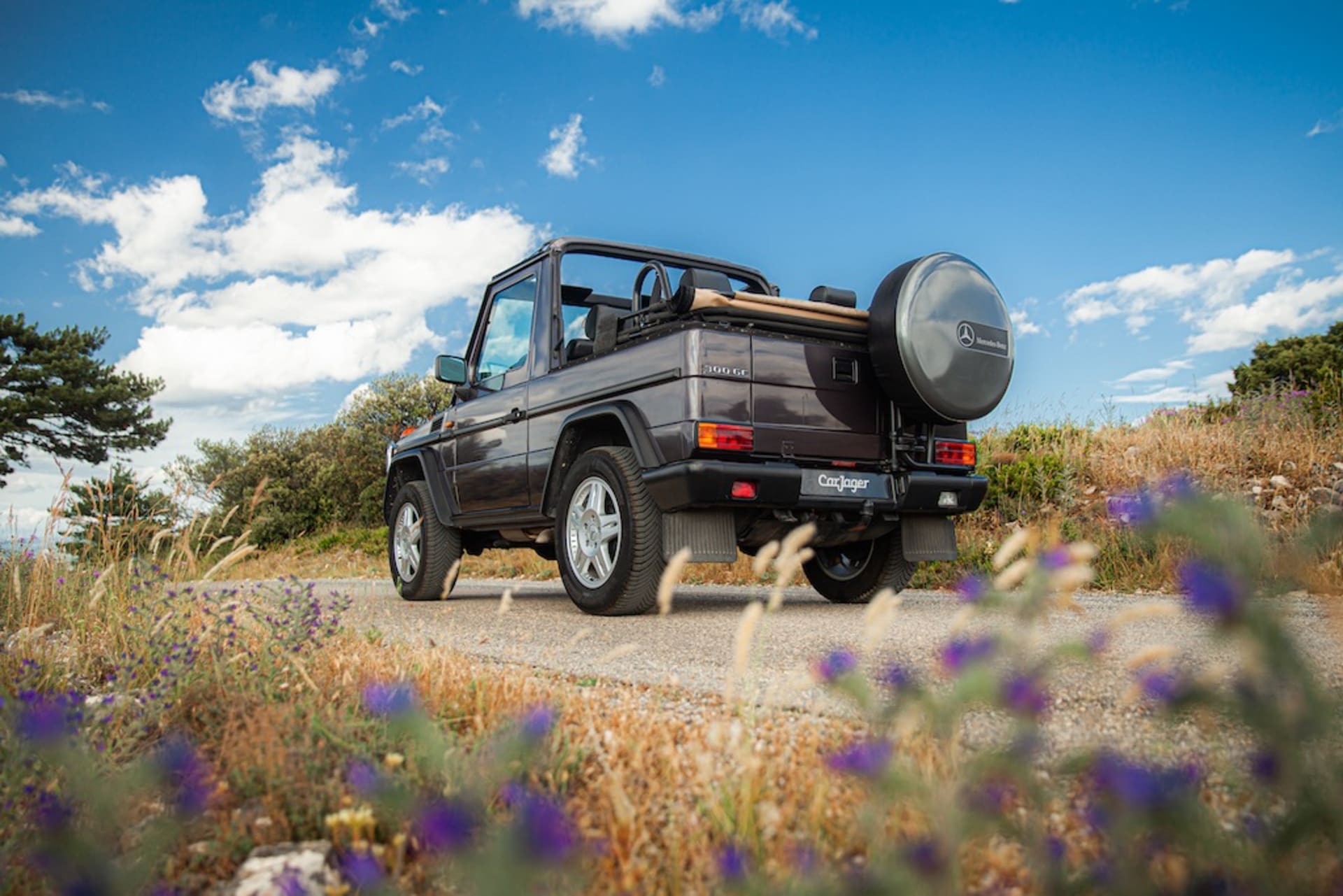
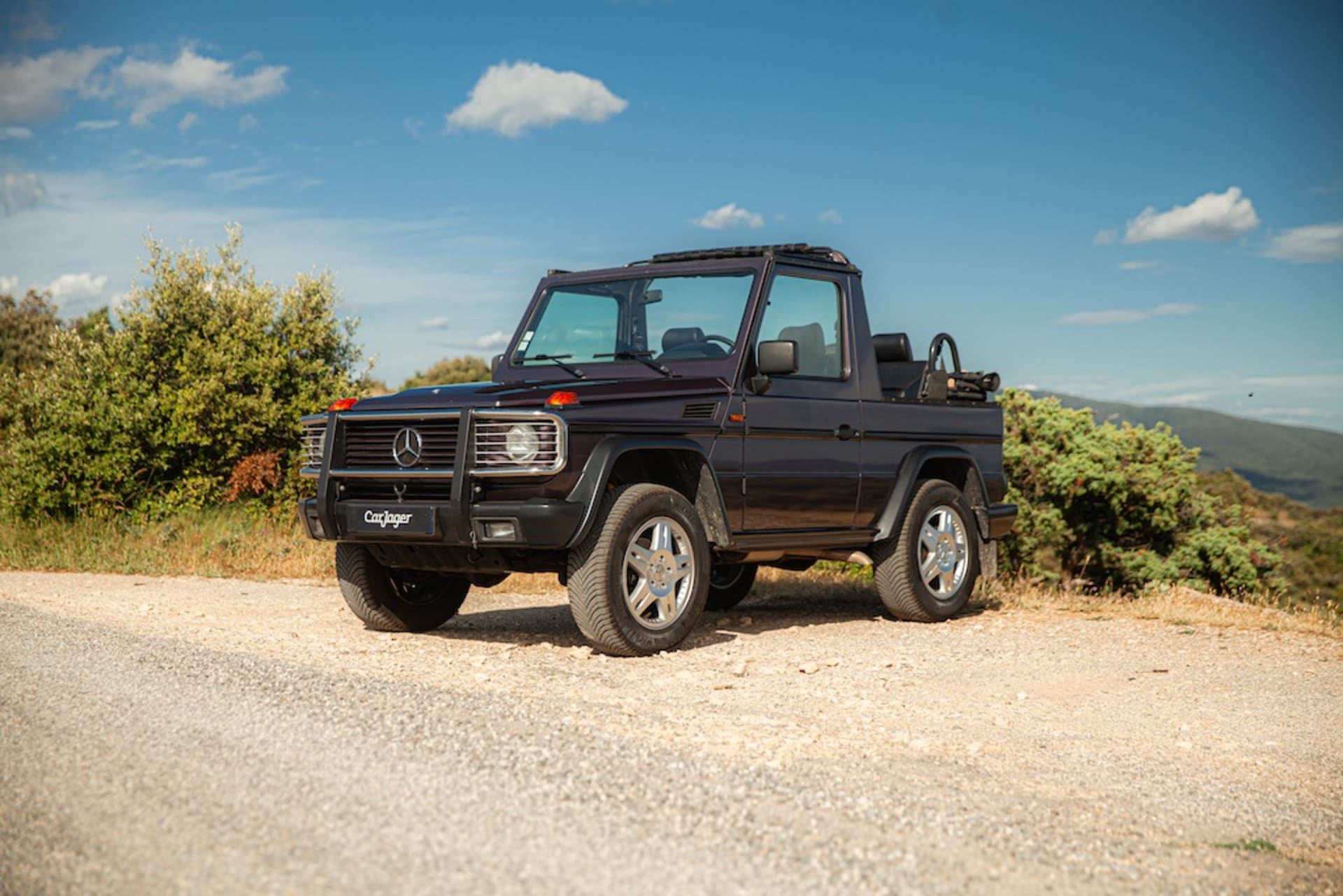
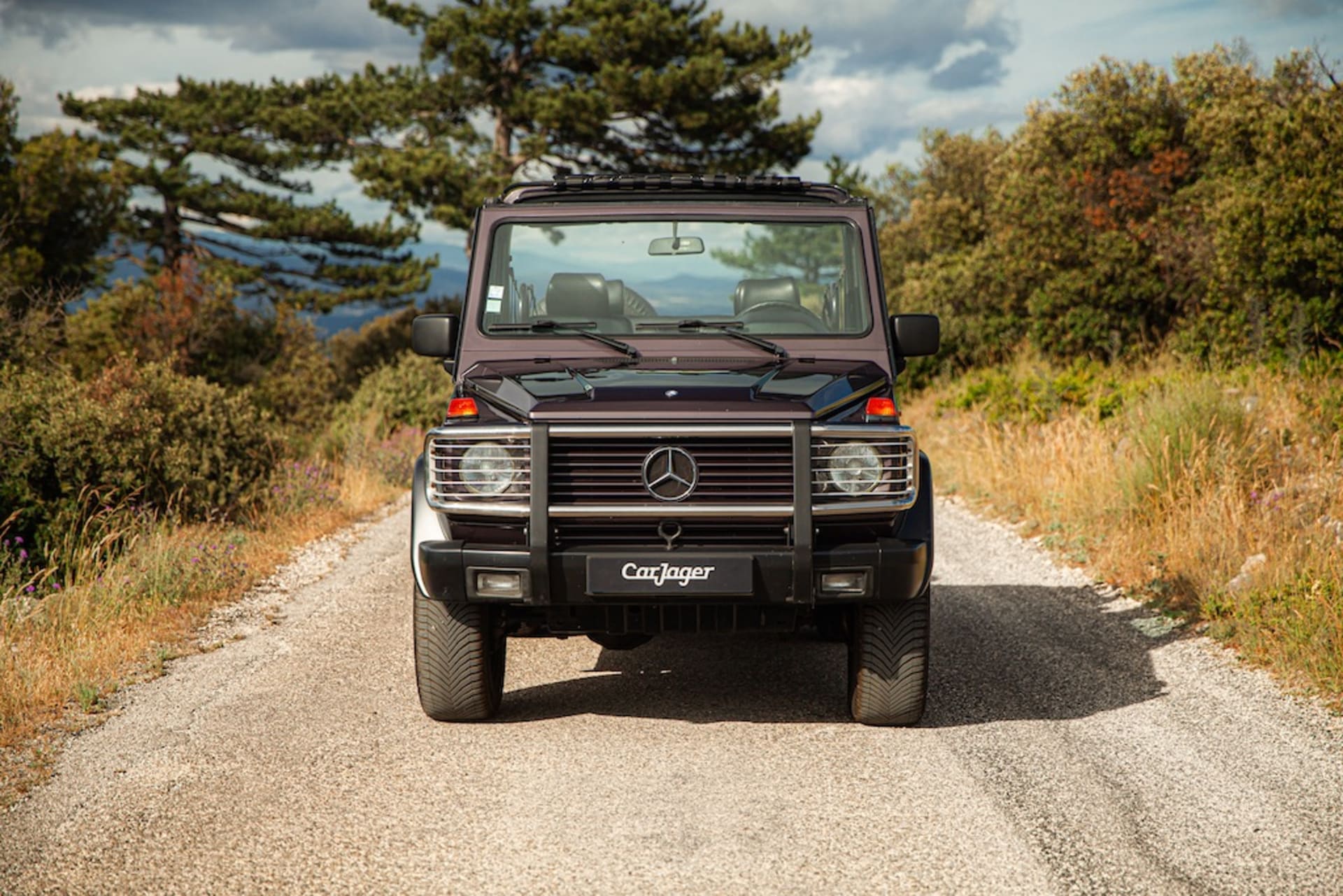
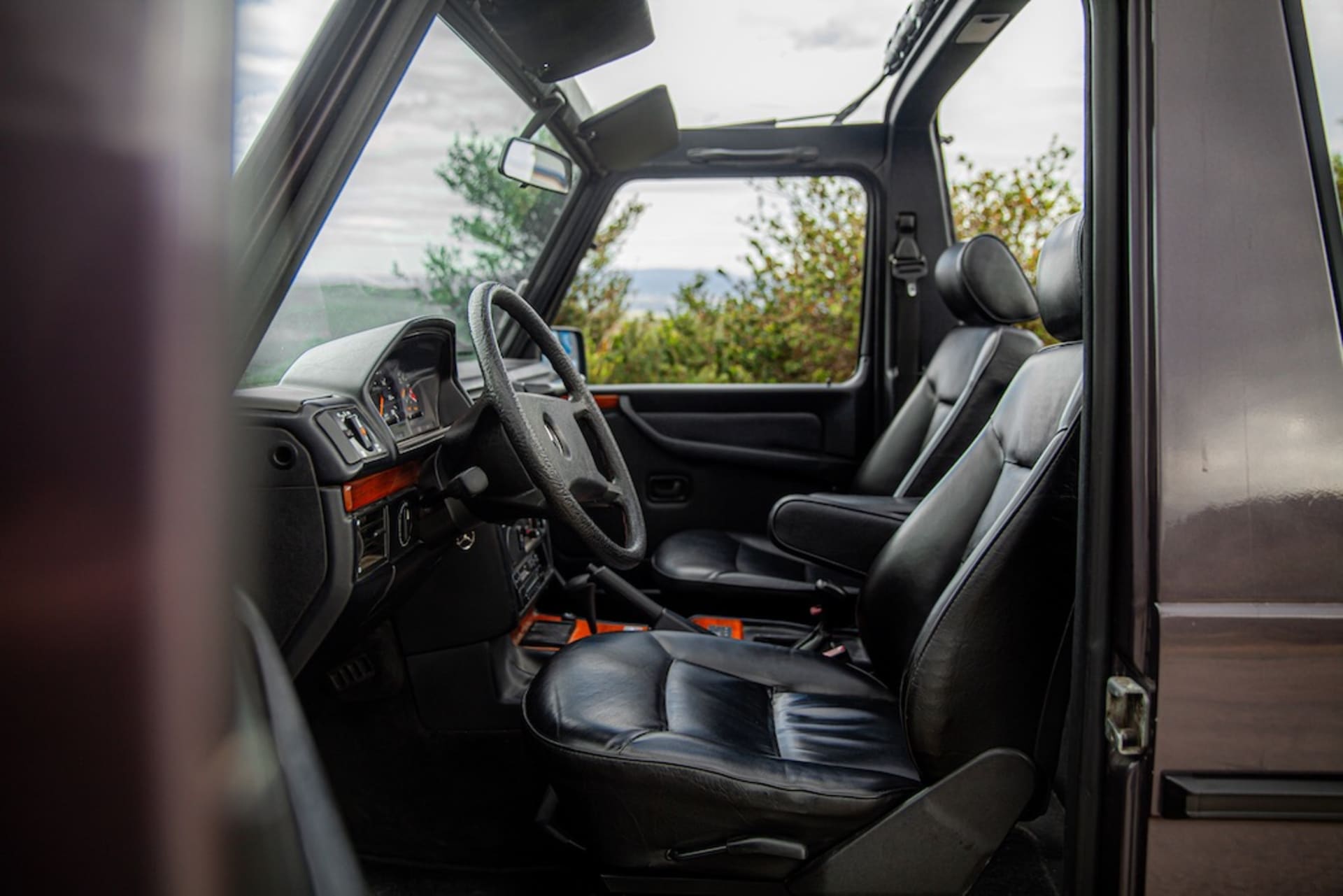
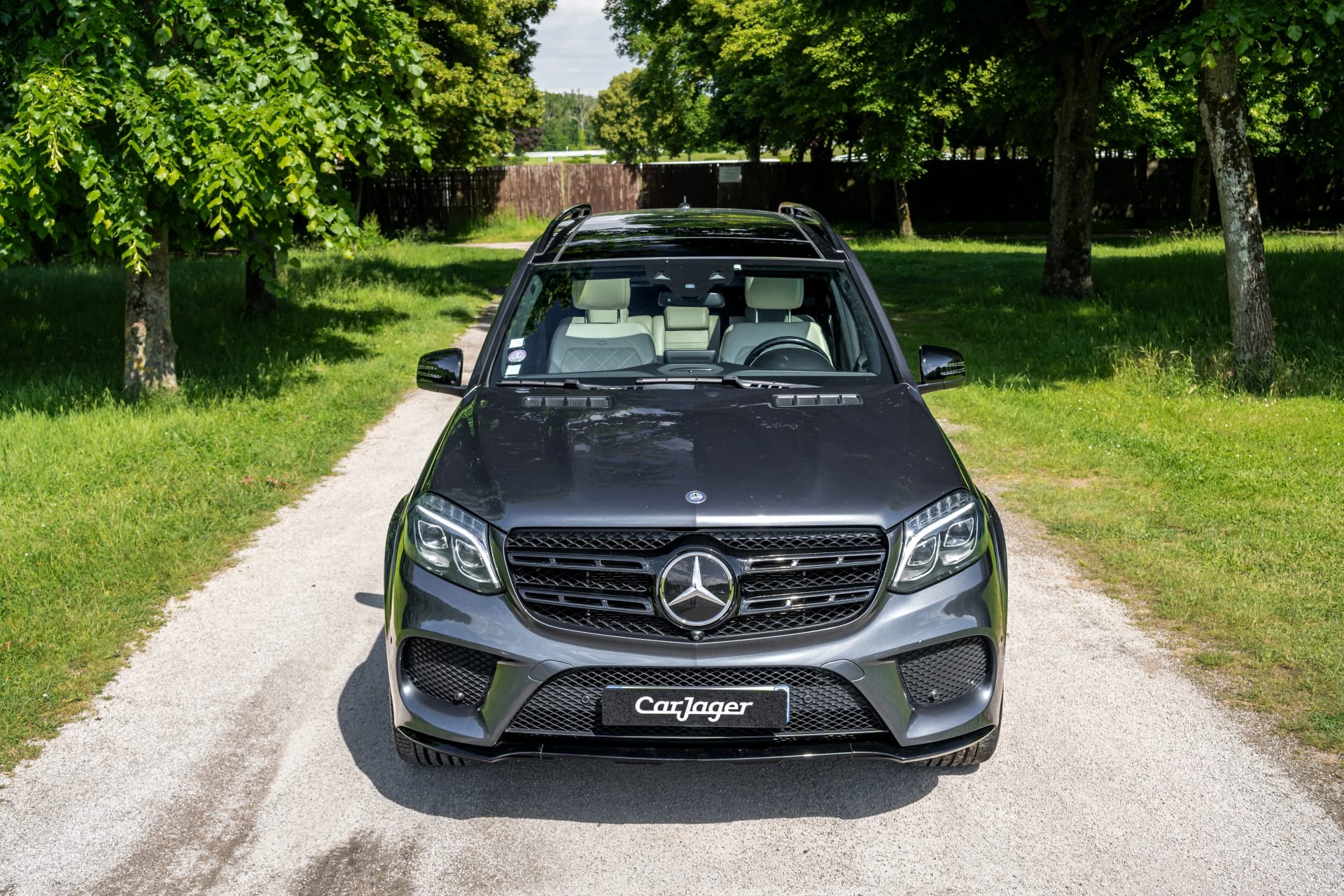
Unveiled in 1979, this legendary vehicle remained in production until 2018! Today, the AMG variants are the most sought after, but many other engine and body styles exist.
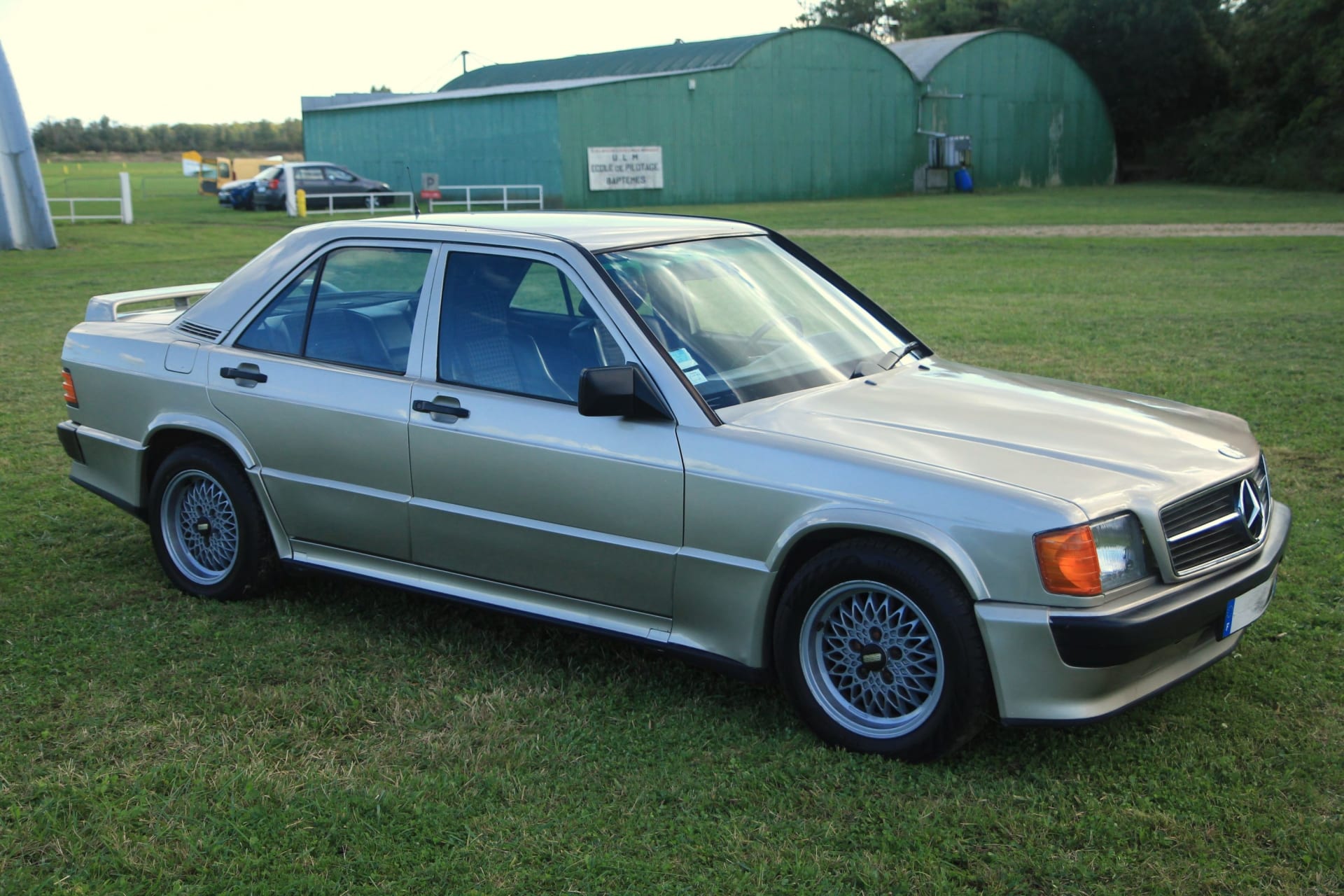
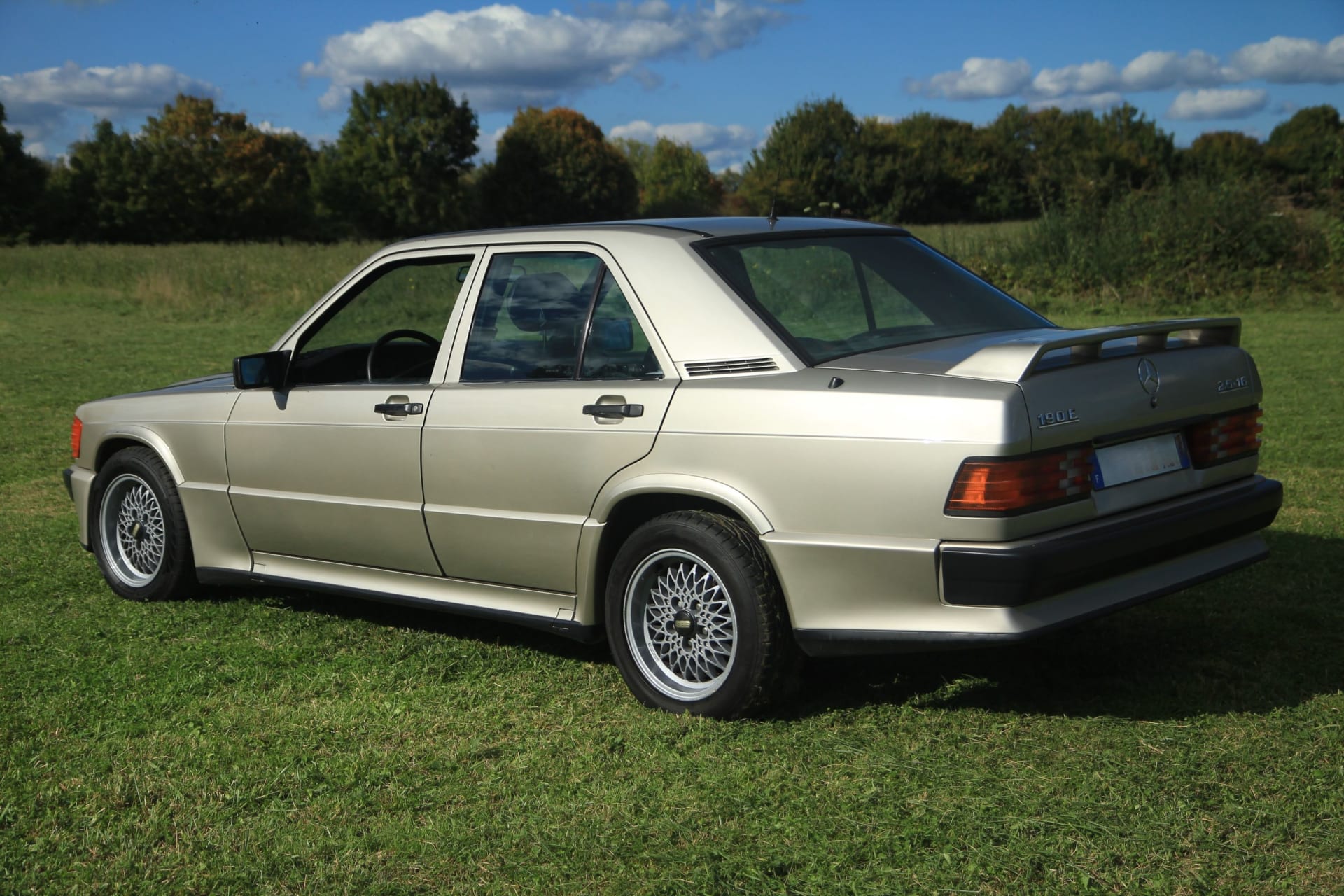
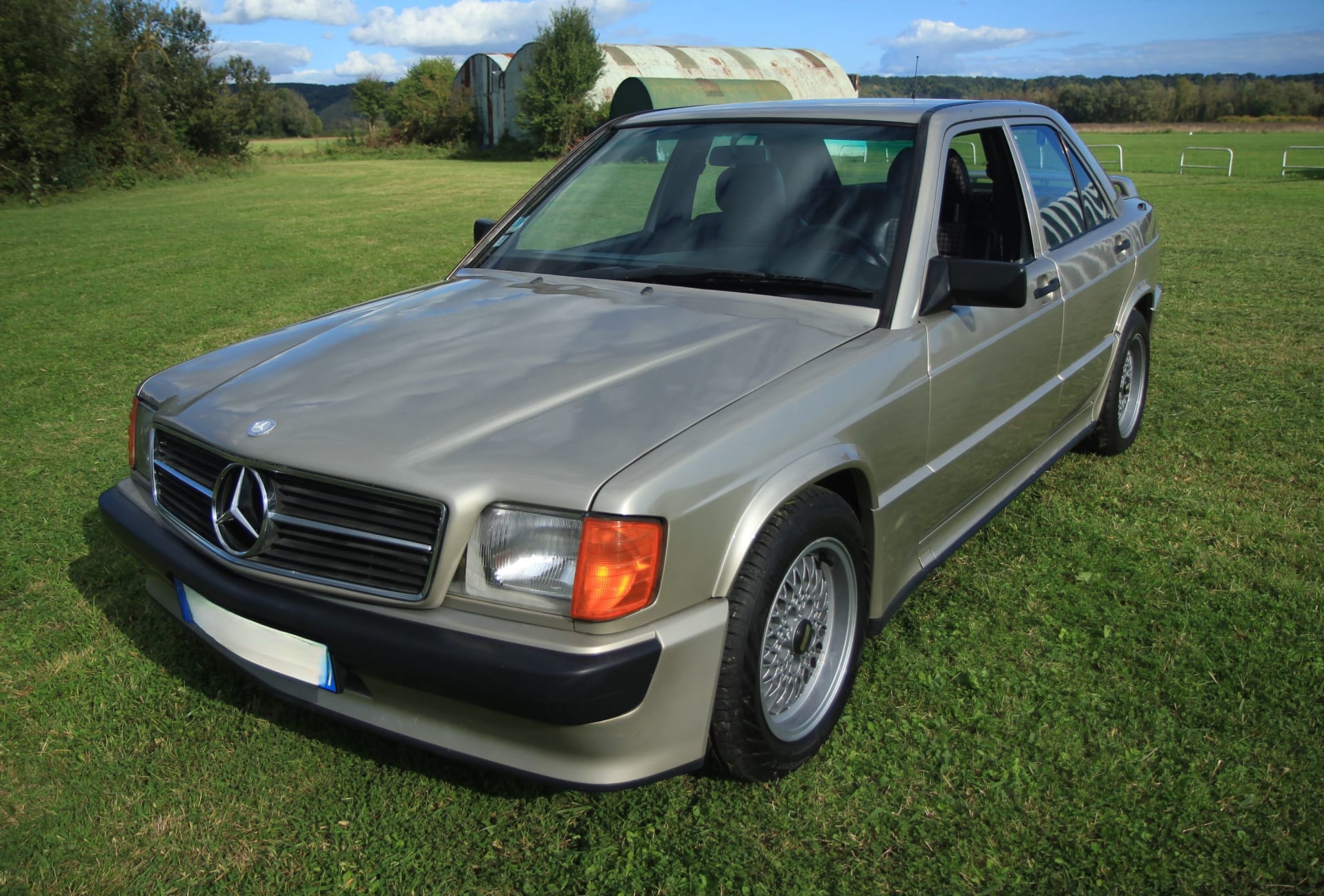
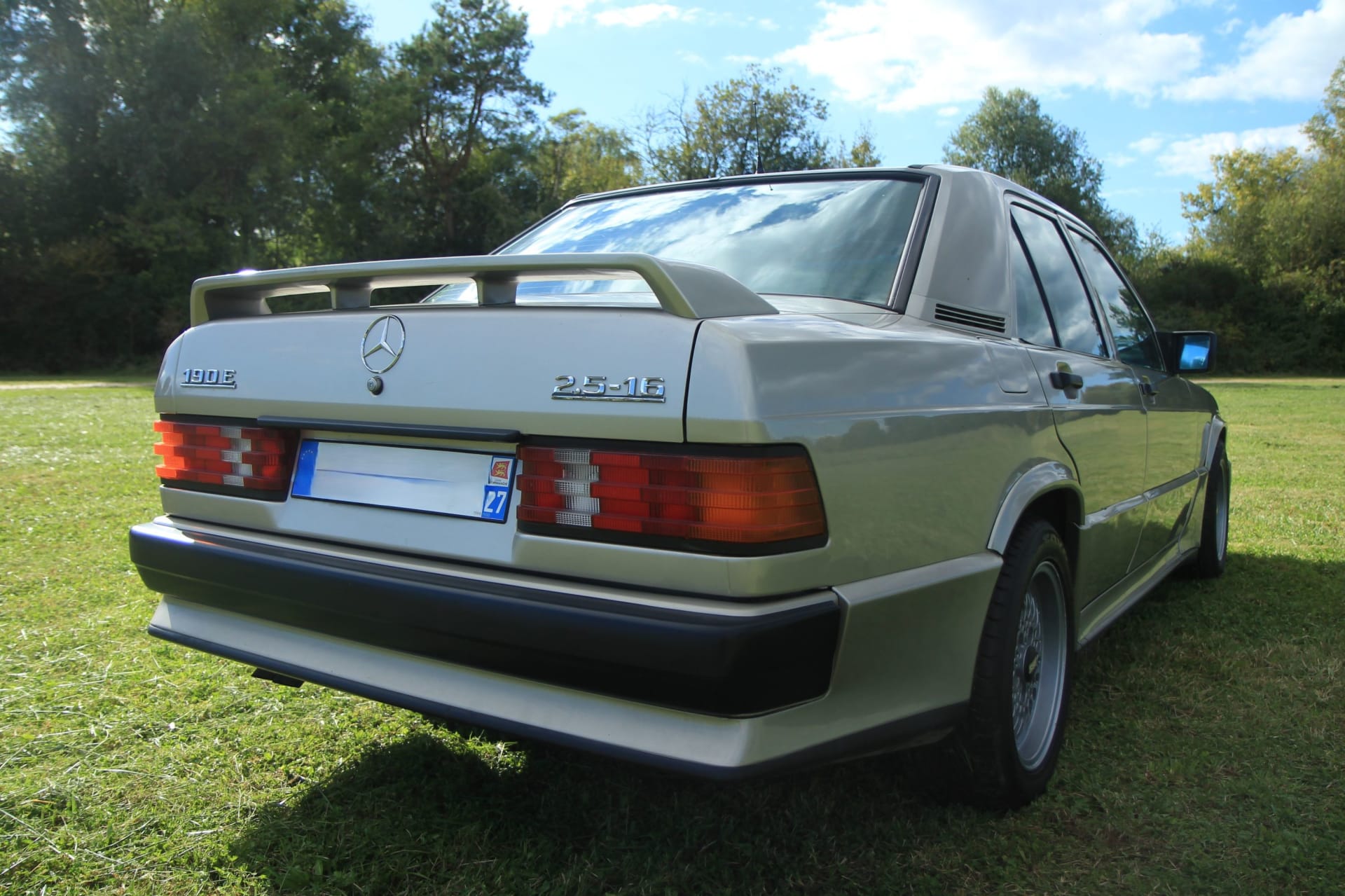
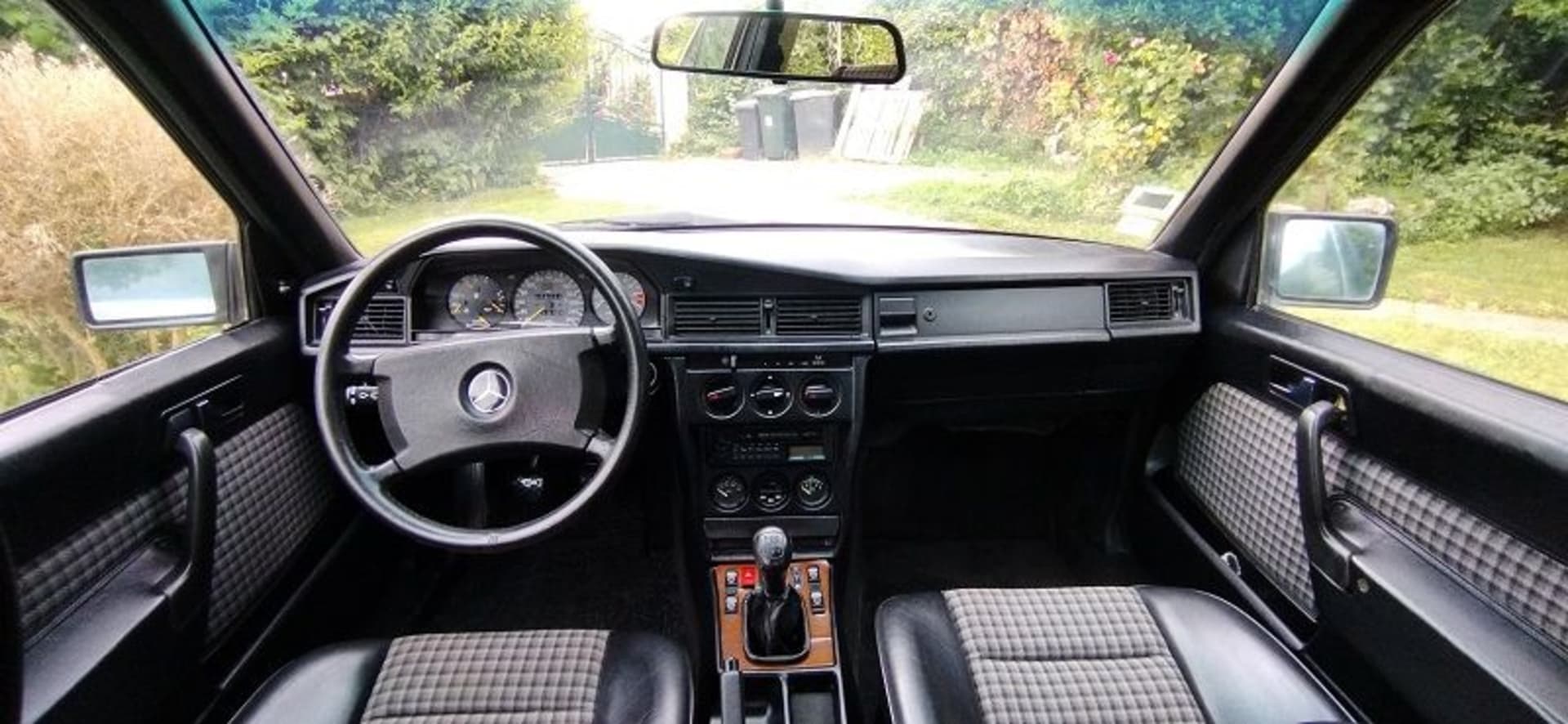
Mercedes-Benz 190 E — modèle de la marque Mercedes-Benz.
Mercedes-Benz 220 — modèle de la marque Mercedes-Benz.
Mercedes-Benz 220 Se — modèle de la marque Mercedes-Benz.
Mercedes-Benz 230 E — modèle de la marque Mercedes-Benz.
Mercedes-Benz 230 Sl — modèle de la marque Mercedes-Benz.
Mercedes-Benz 250 Sl — modèle de la marque Mercedes-Benz.
Mercedes-Benz 280 — modèle de la marque Mercedes-Benz.
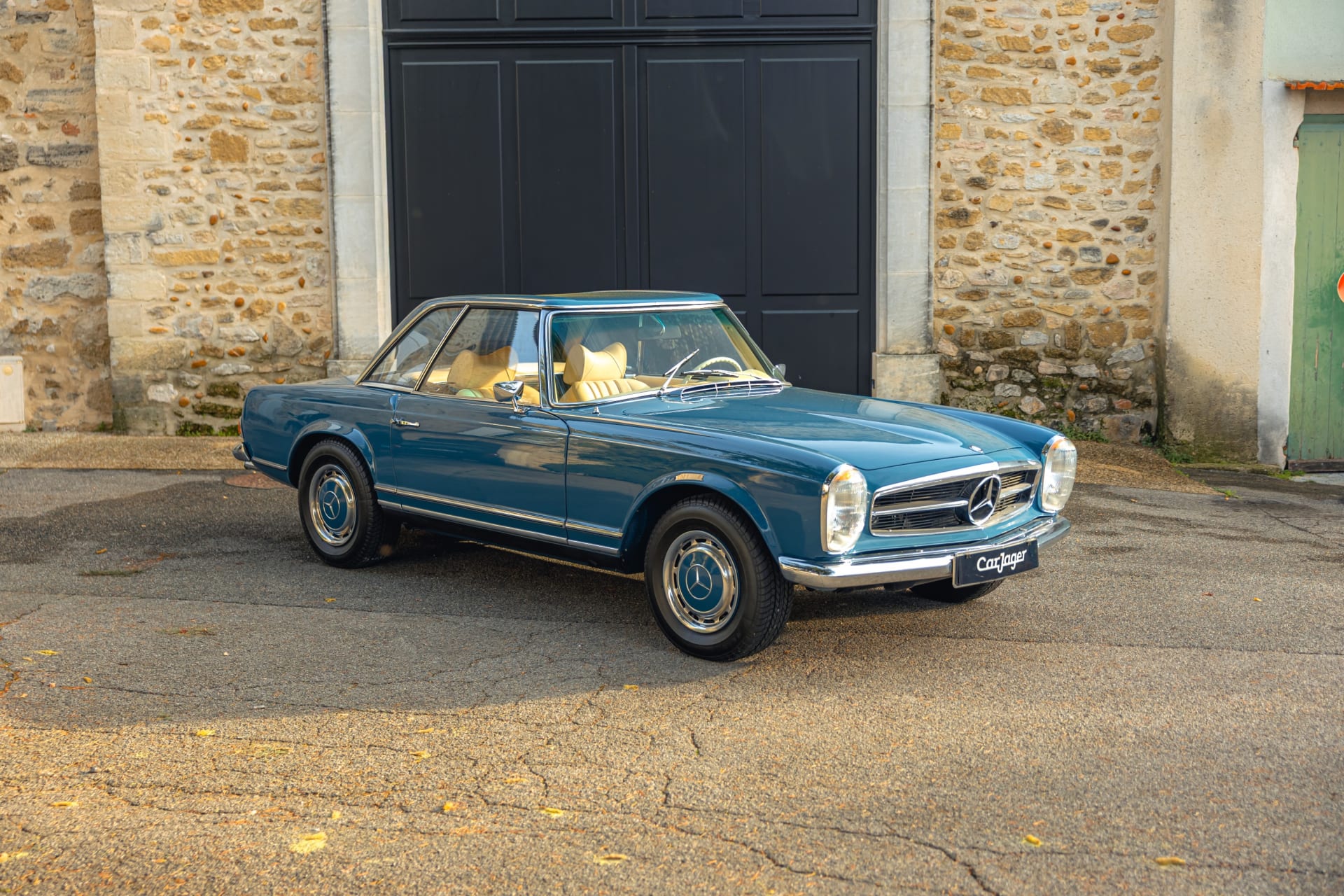
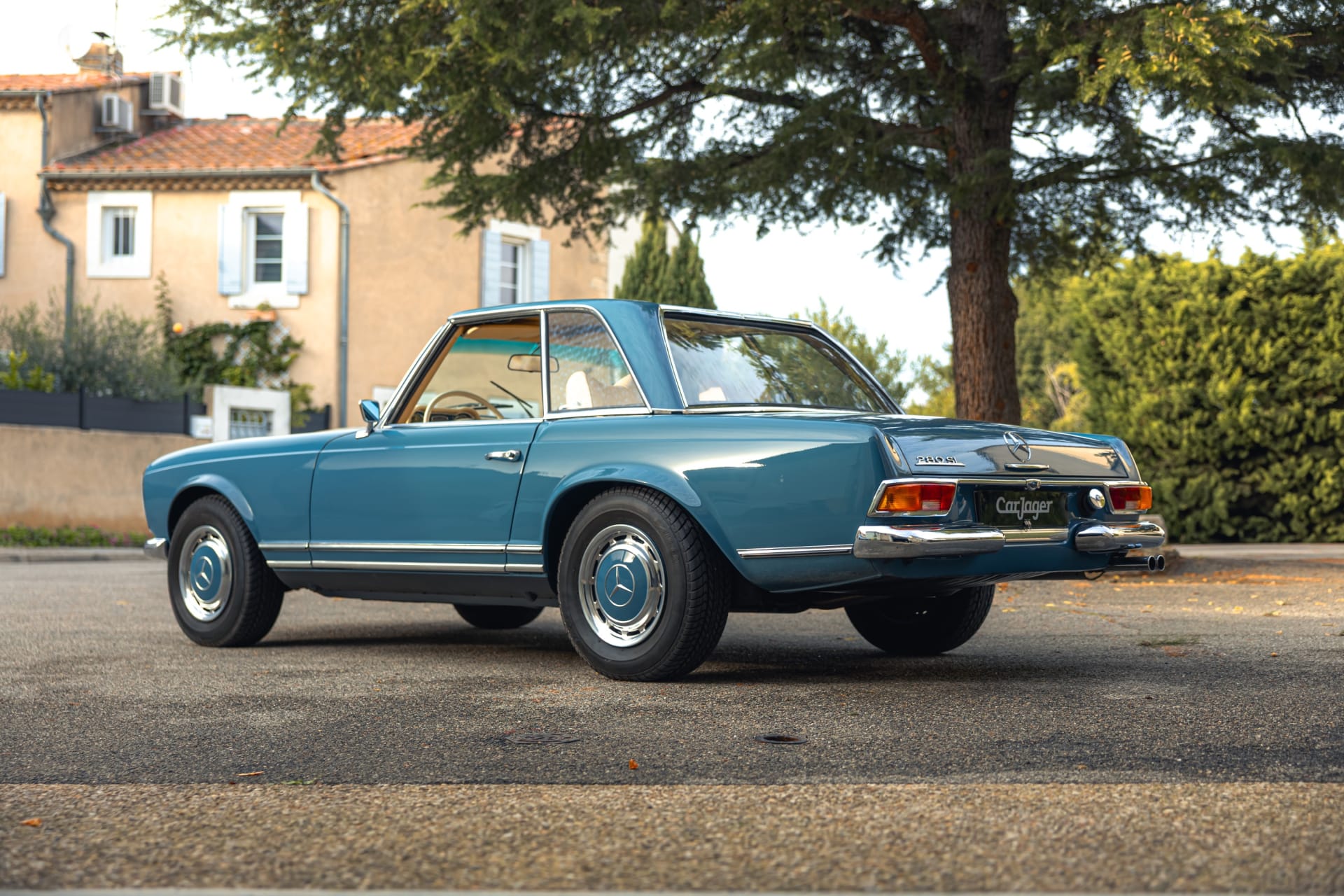
Mercedes-Benz 280 Sl — modèle de la marque Mercedes-Benz.
Mercedes-Benz 300 Sl — modèle de la marque Mercedes-Benz.
Mercedes-Benz 300 Sl-24 — modèle de la marque Mercedes-Benz.
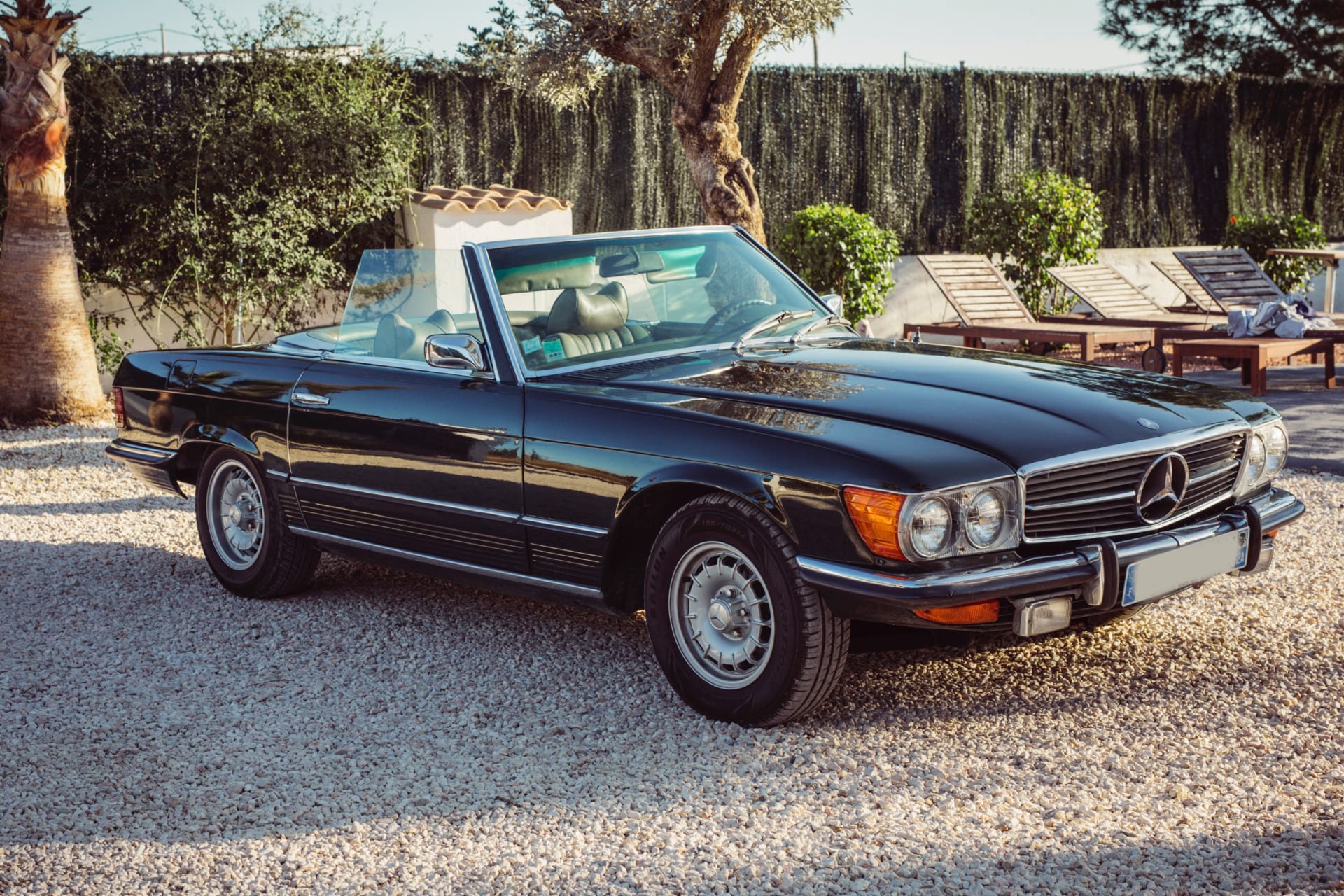
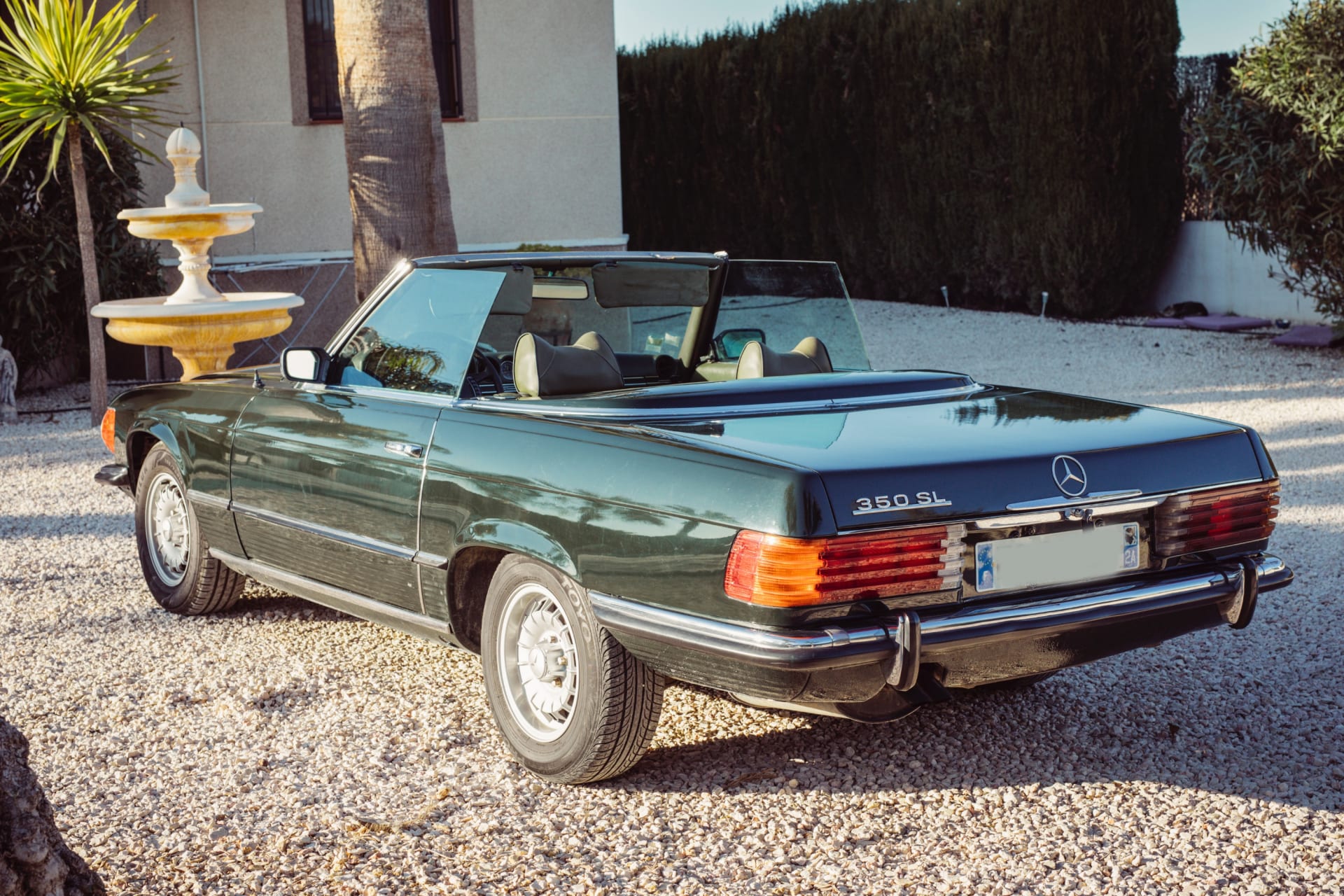
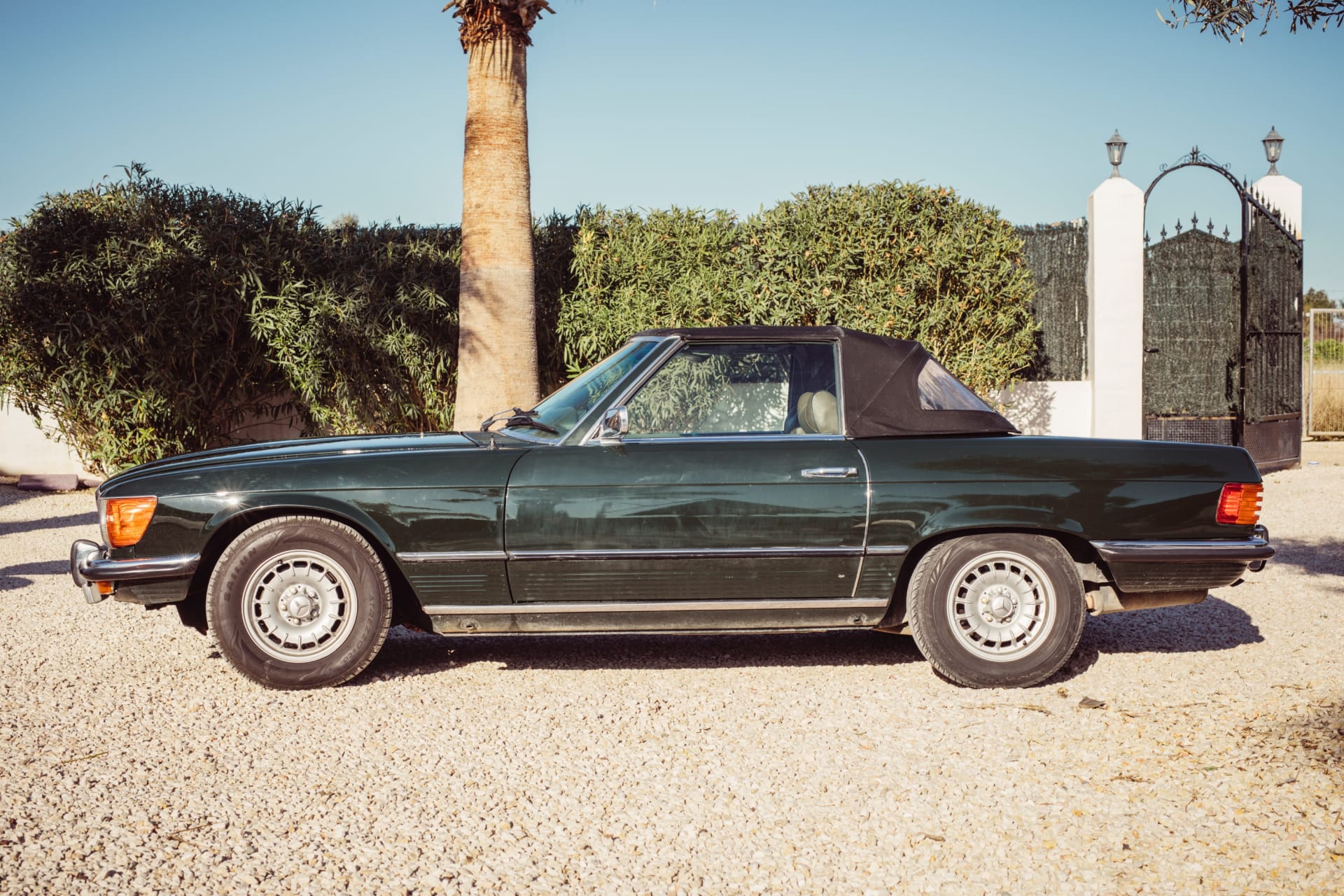
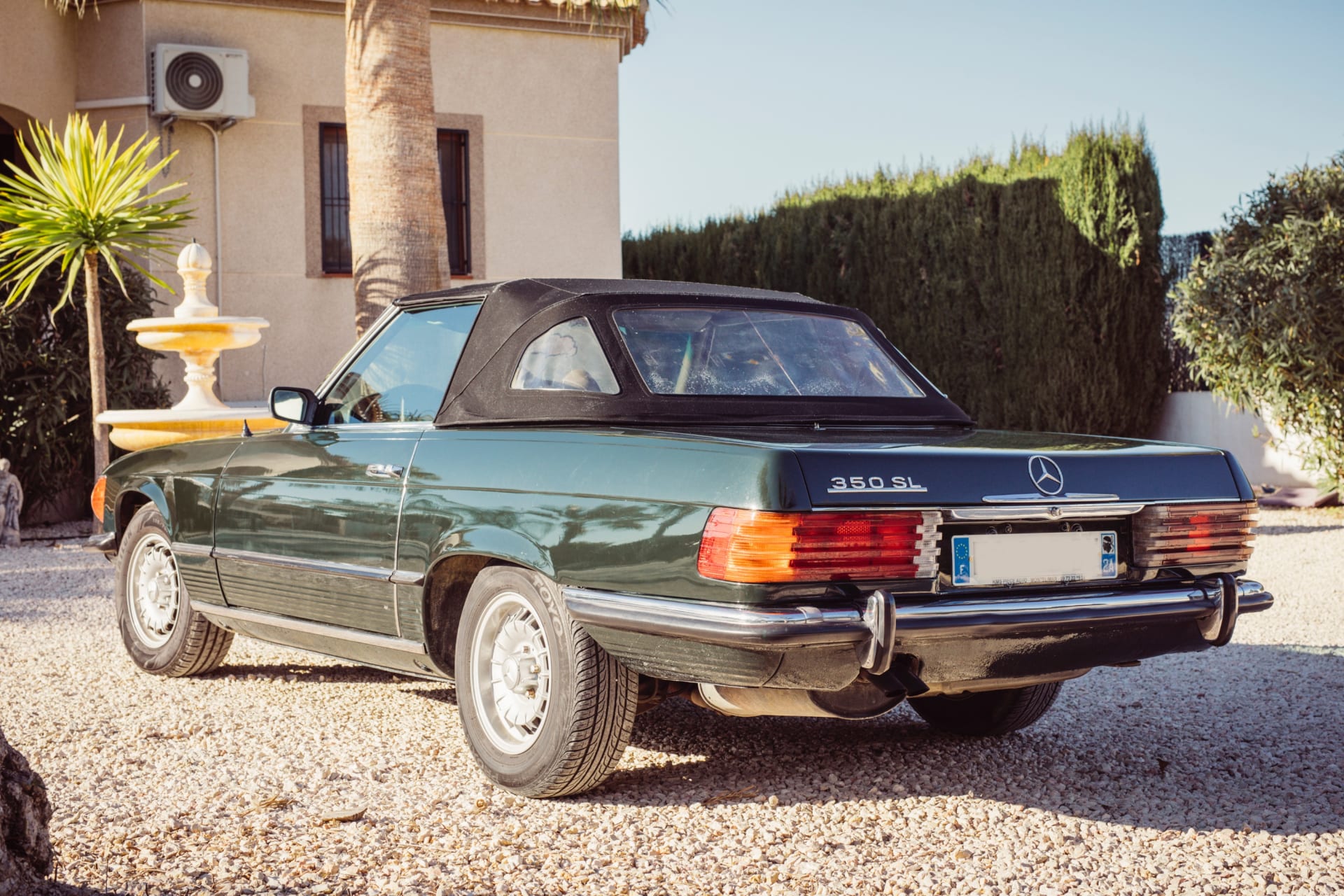
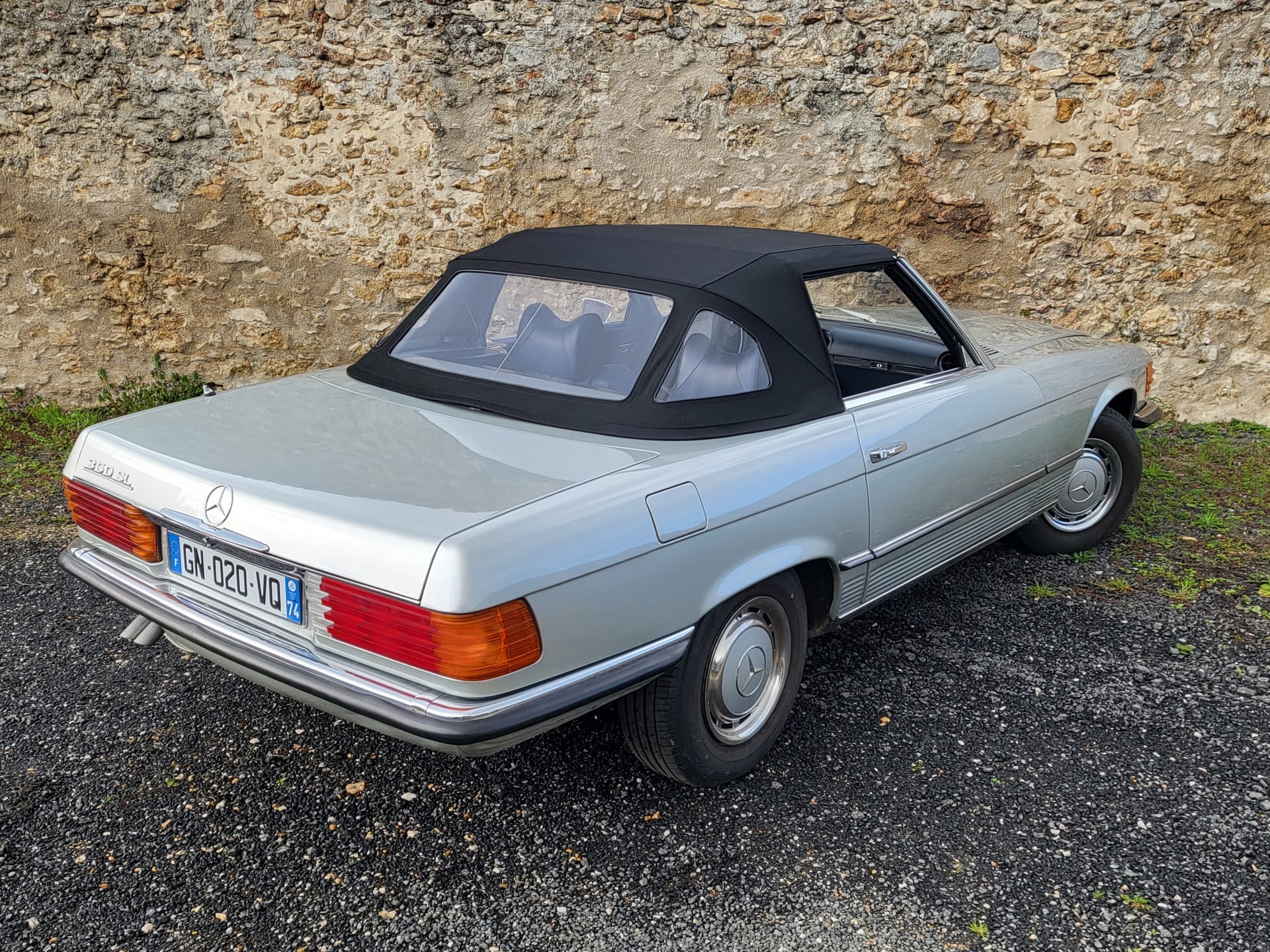
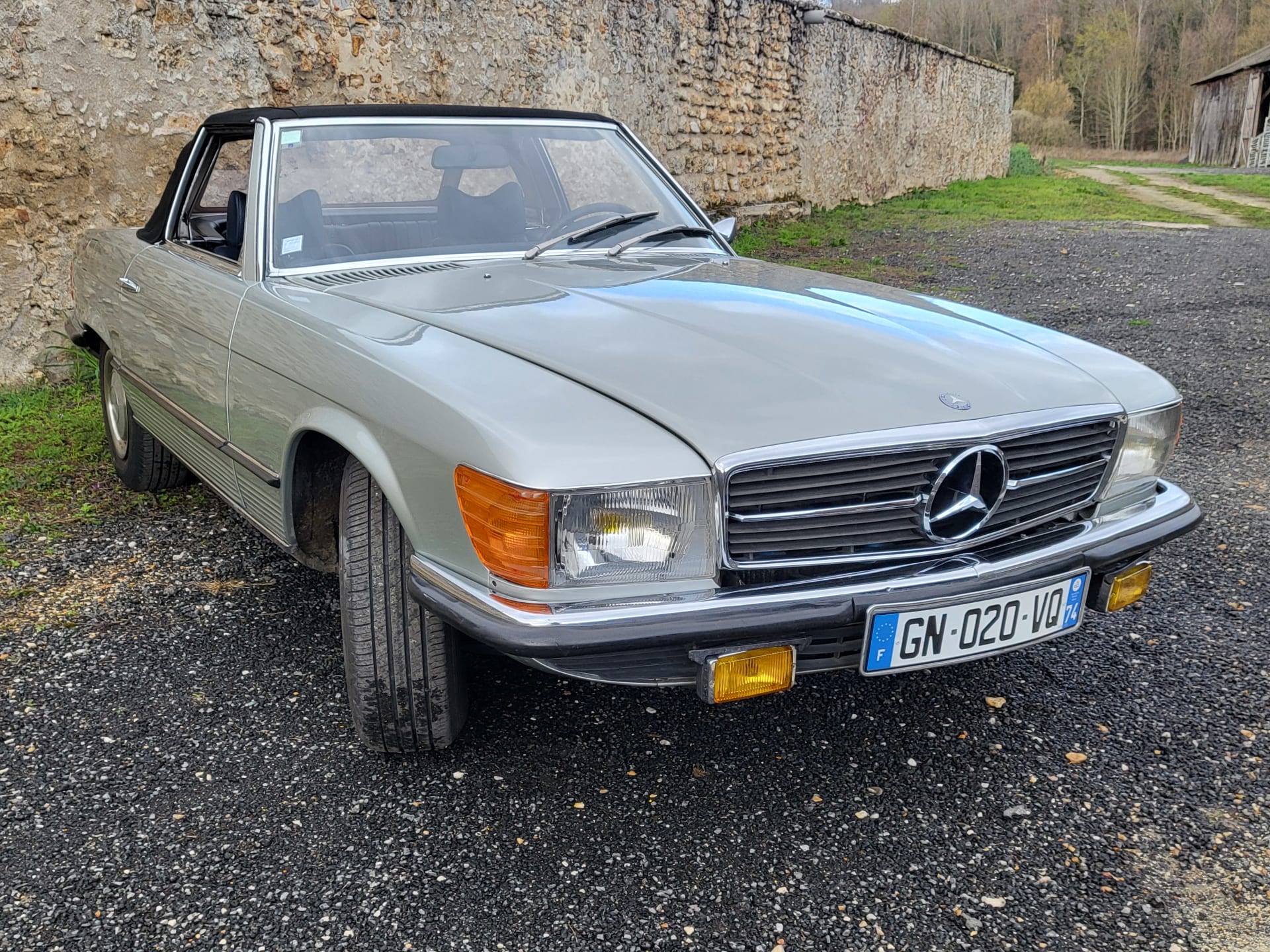
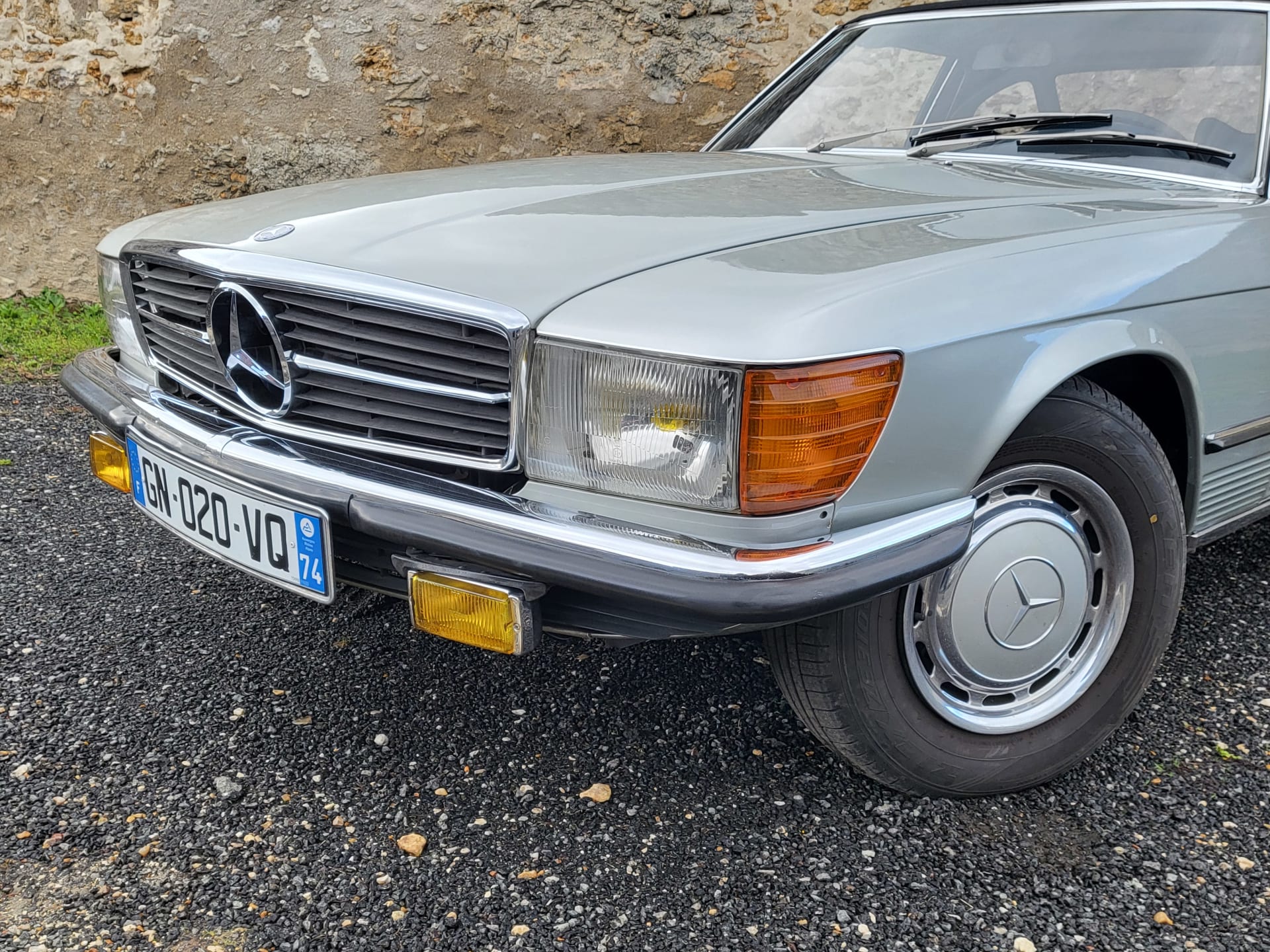
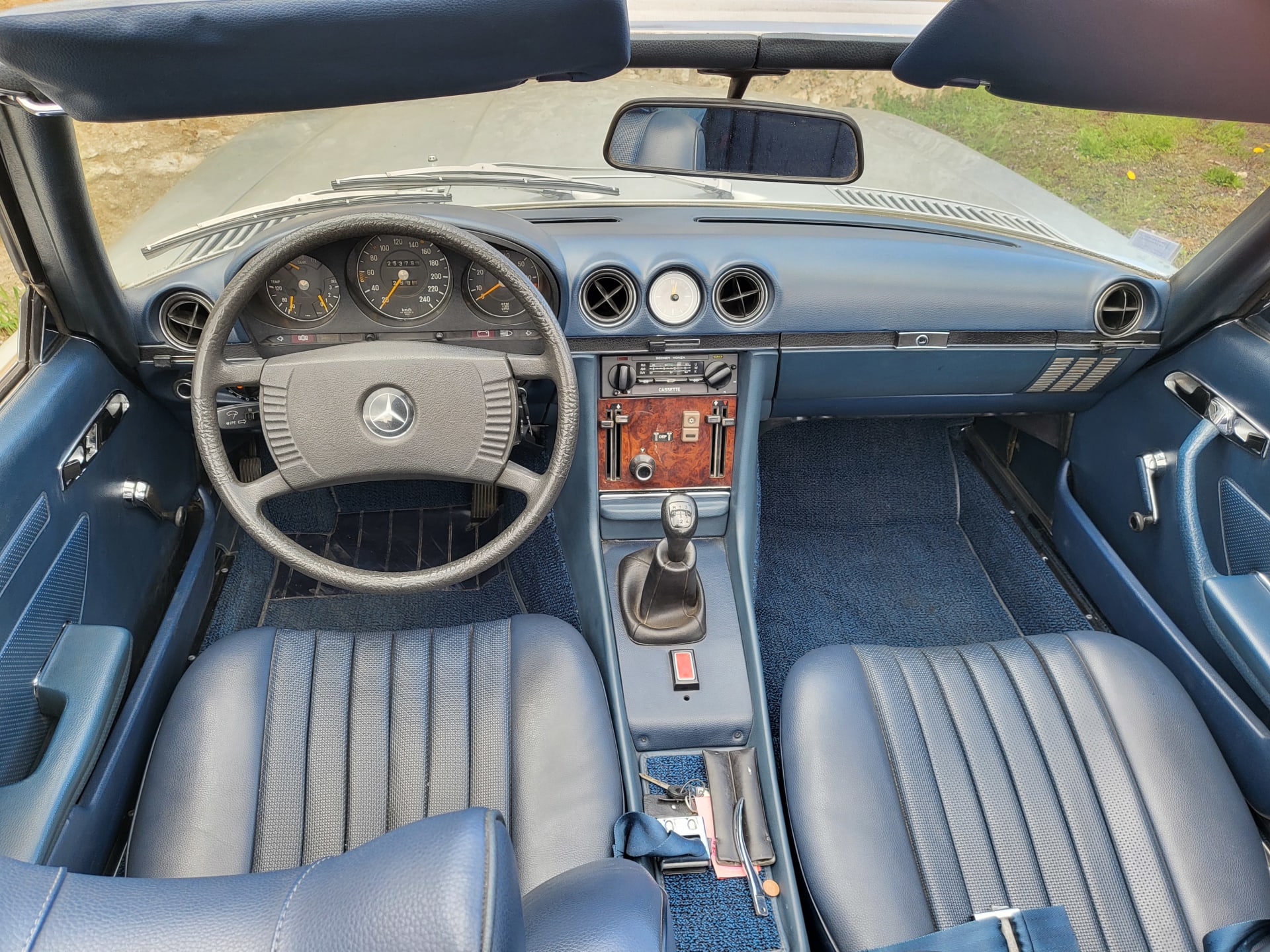
Mercedes-Benz 350 Sl — modèle de la marque Mercedes-Benz.
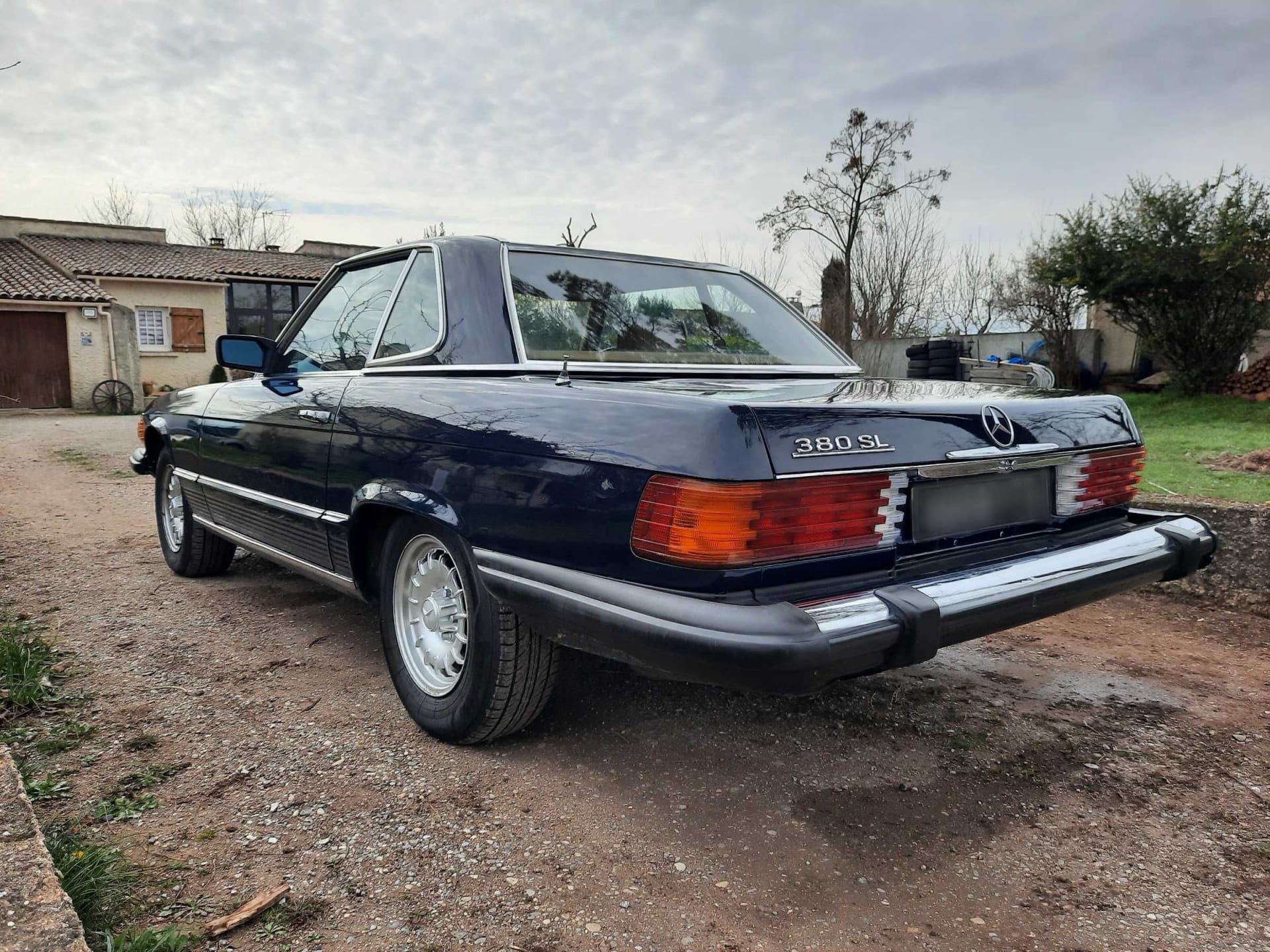
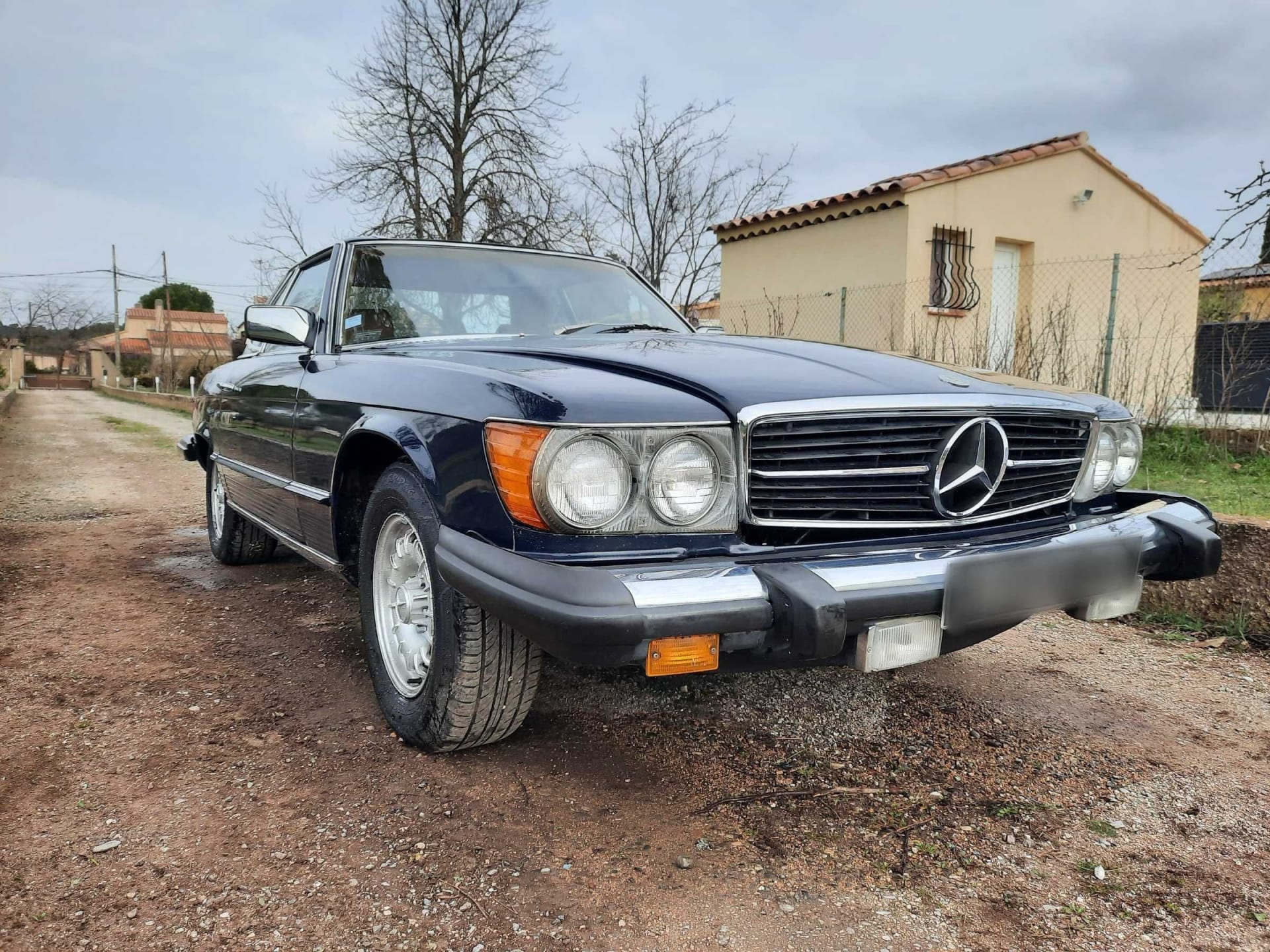
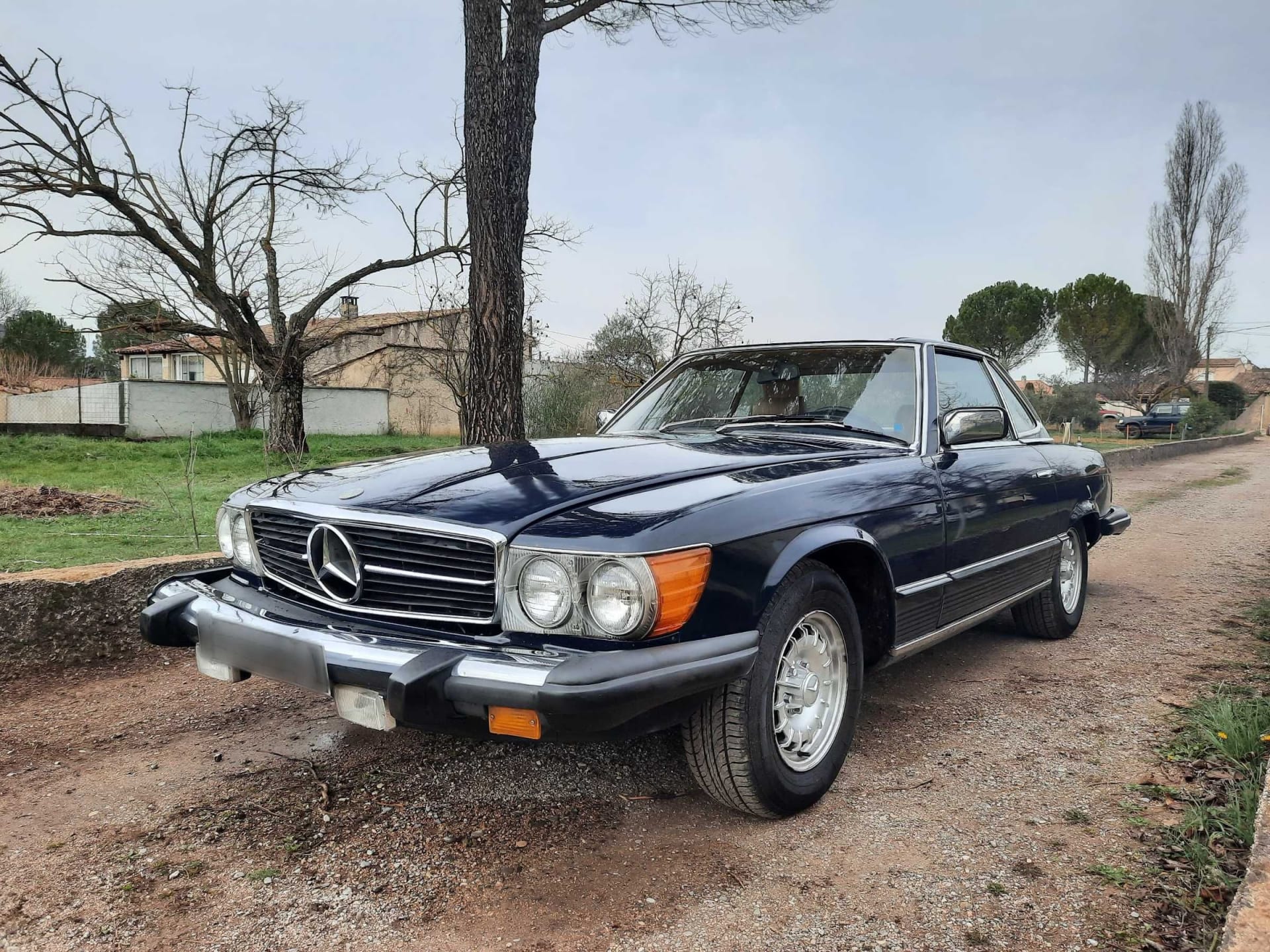
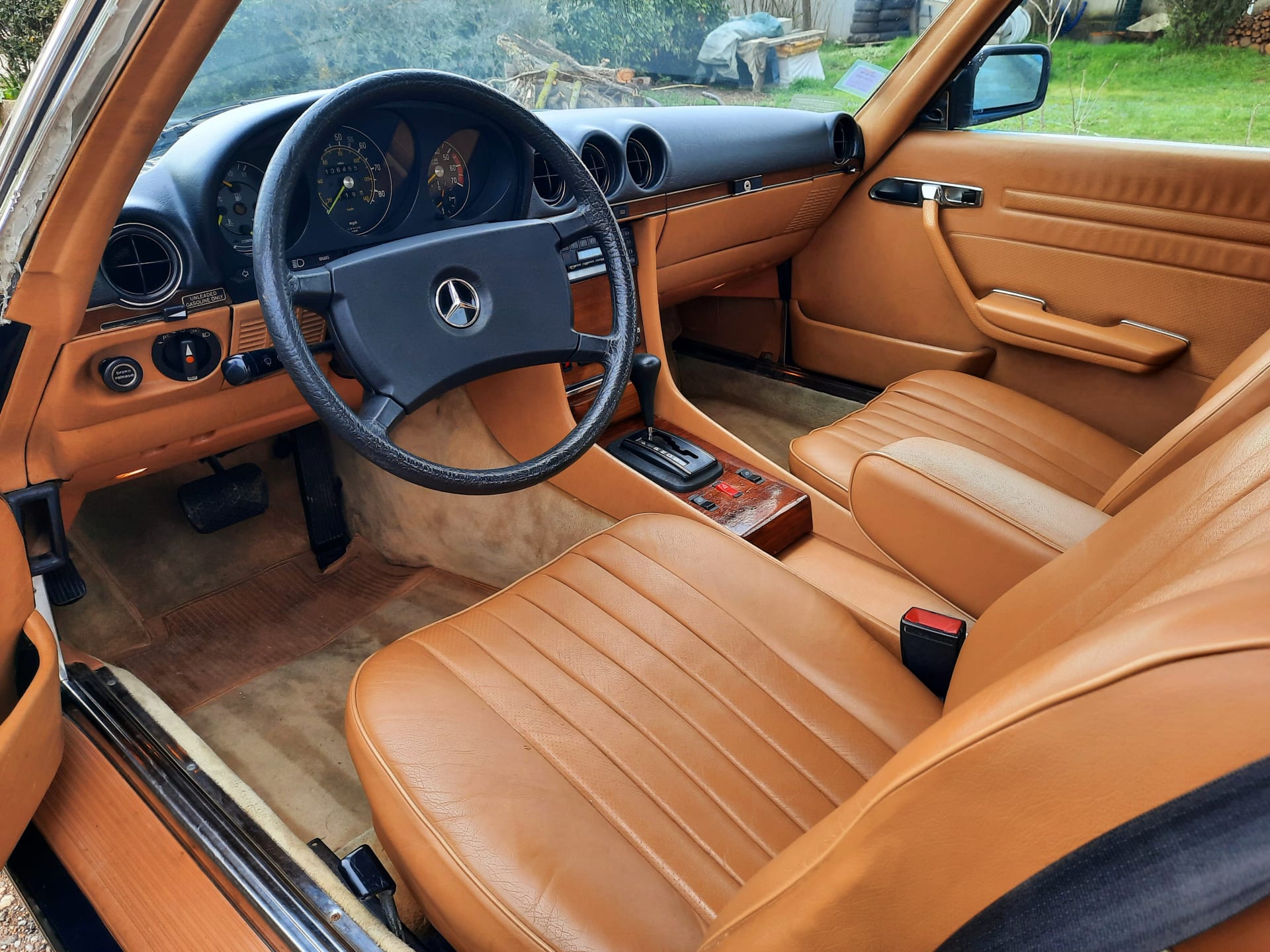
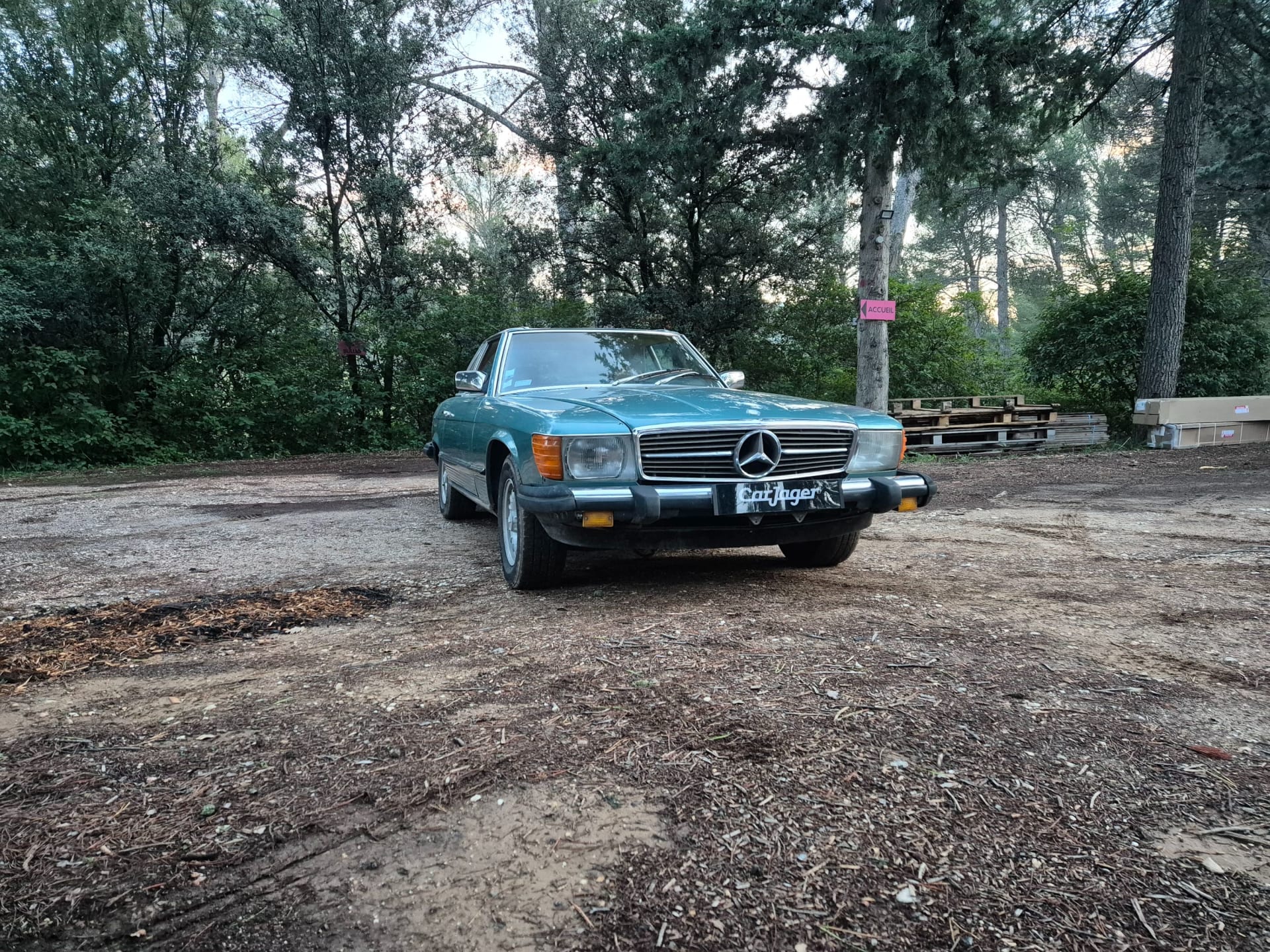
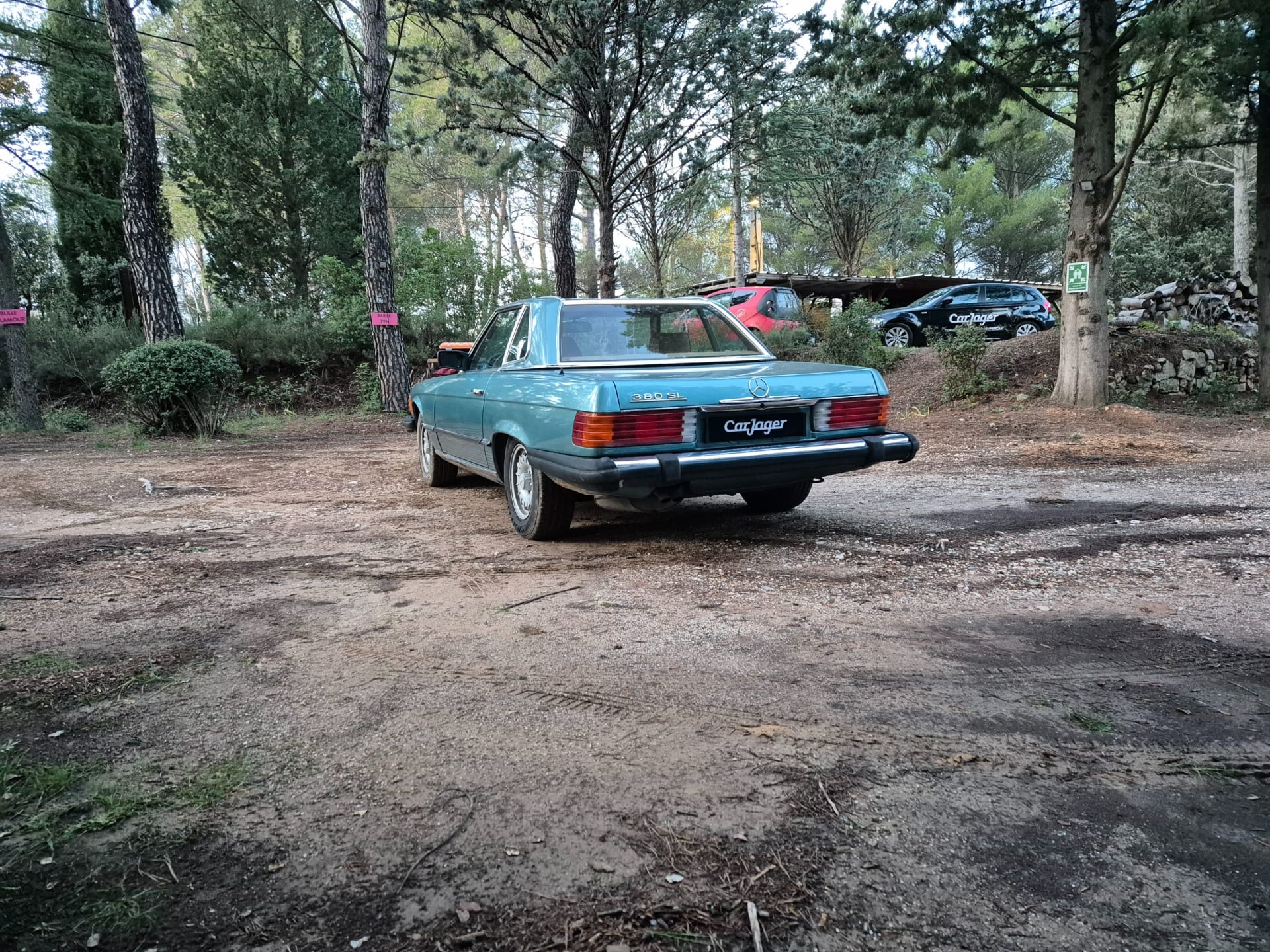
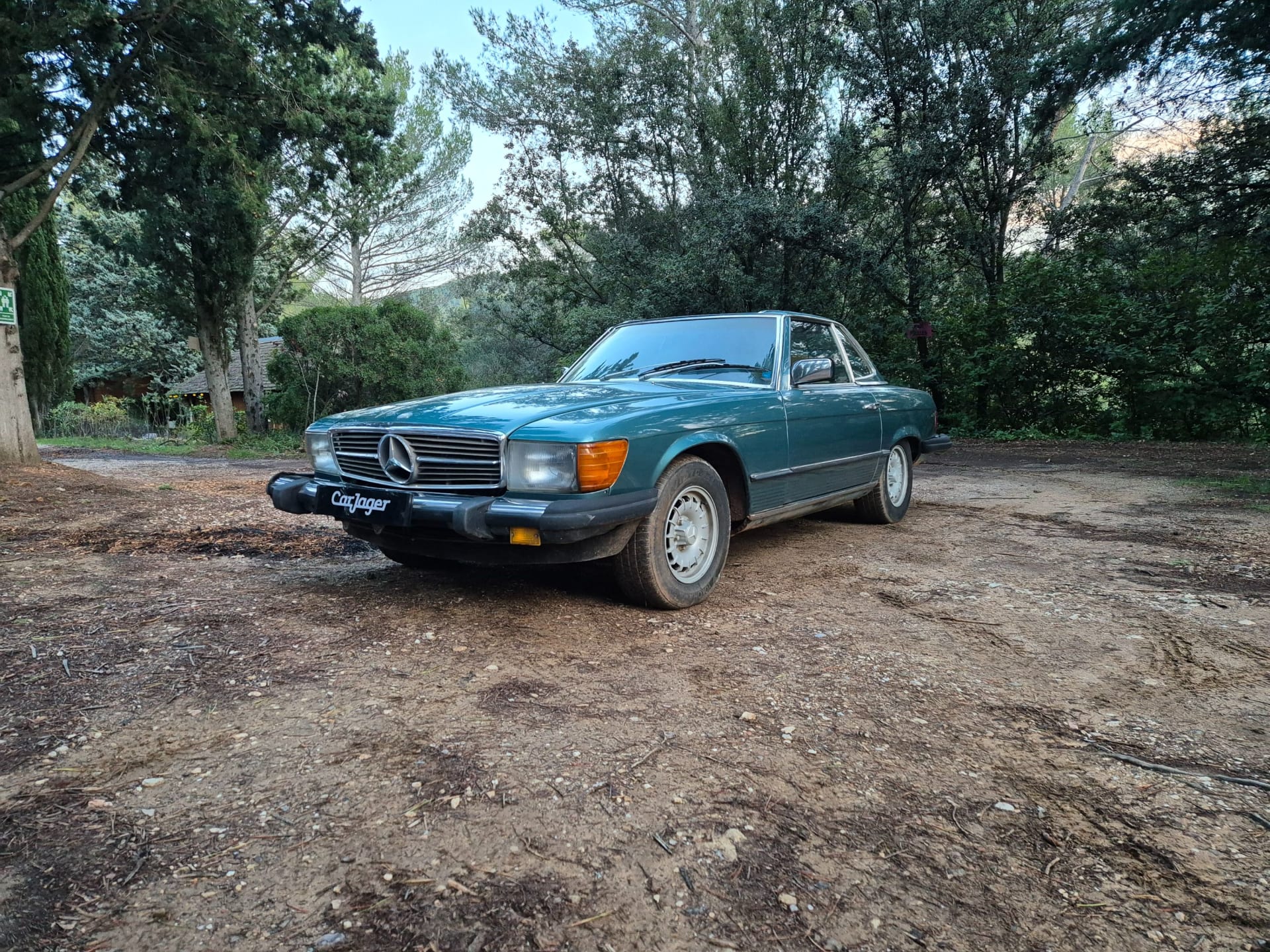
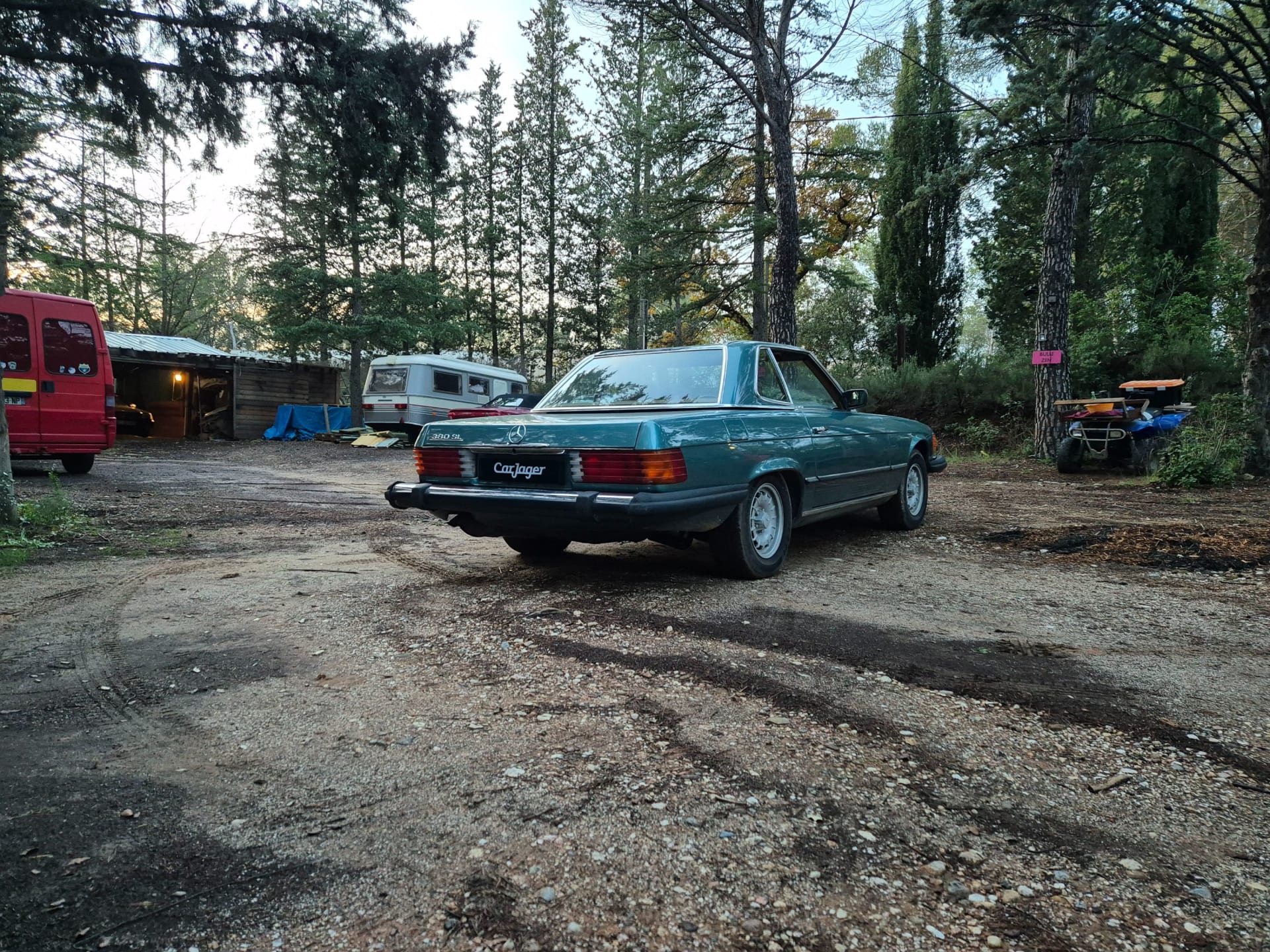
Mercedes-Benz 380 Sl — modèle de la marque Mercedes-Benz.
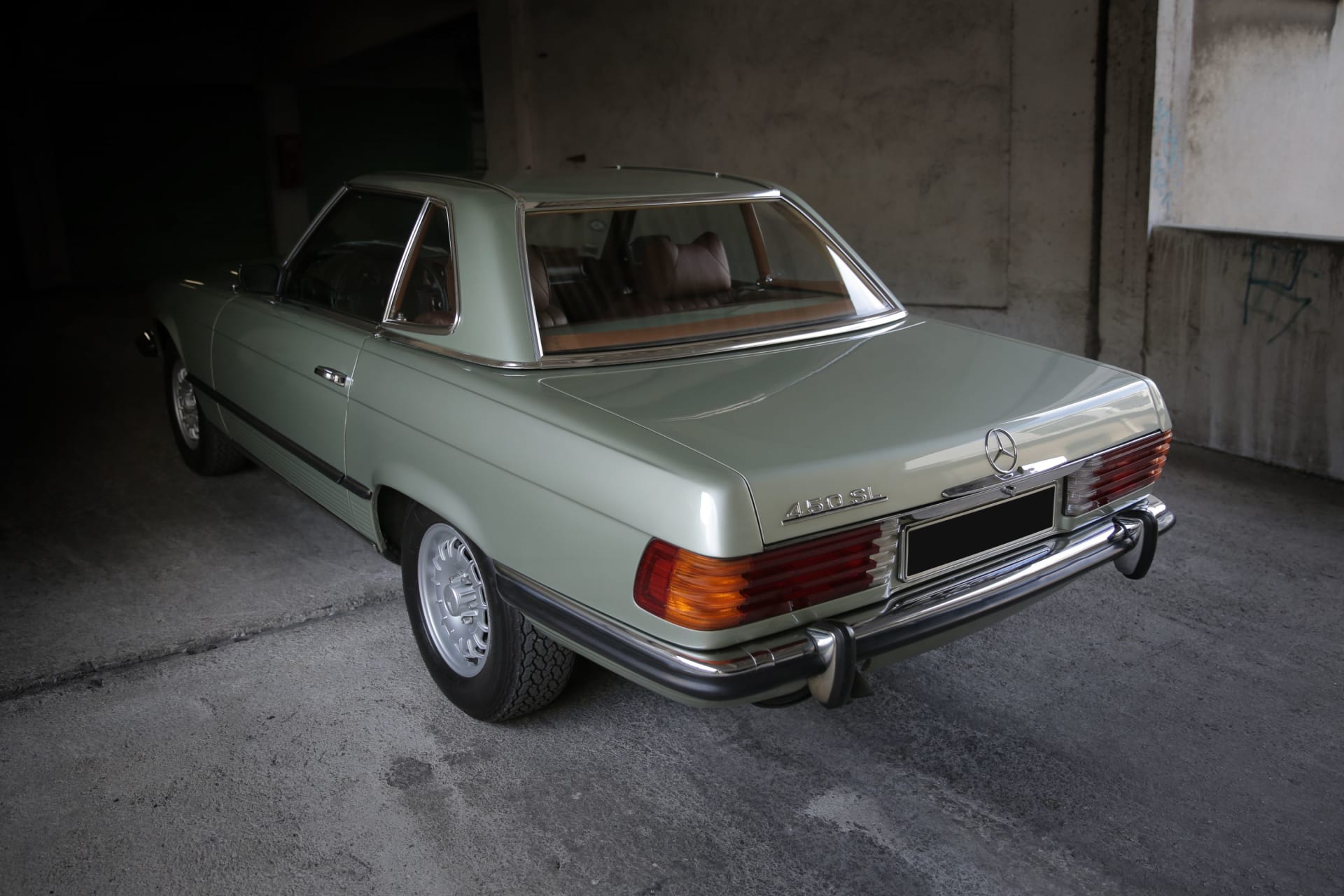
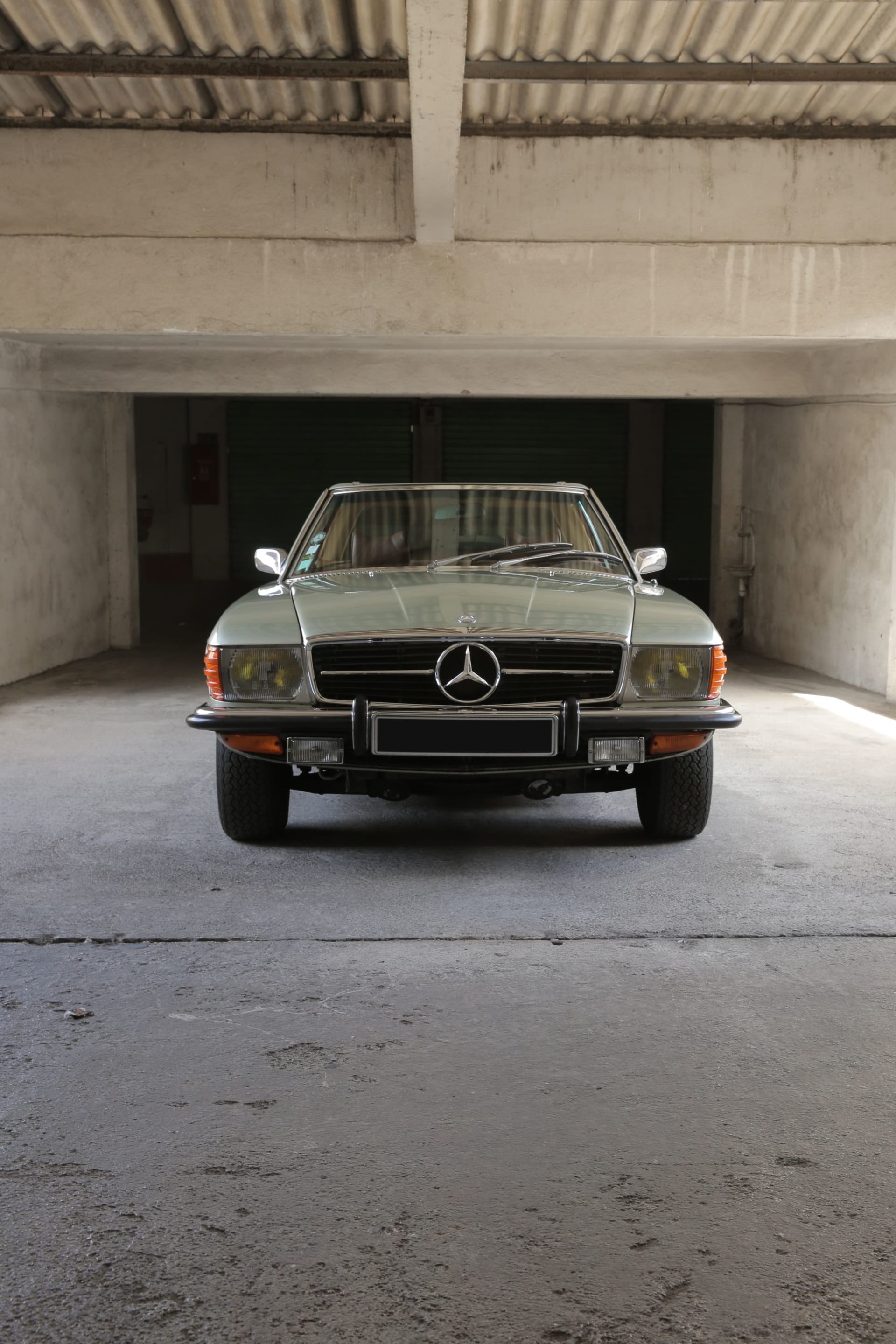
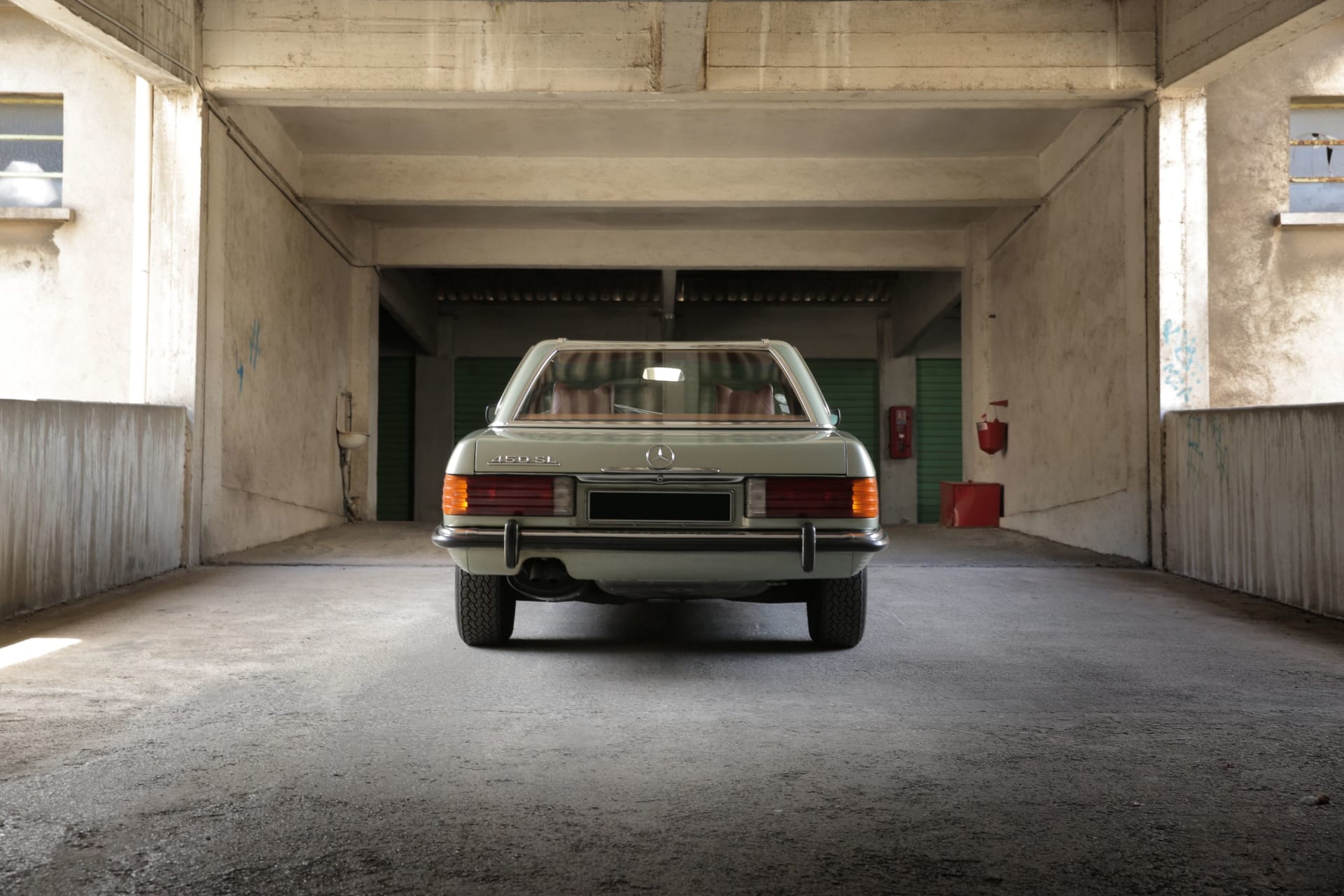
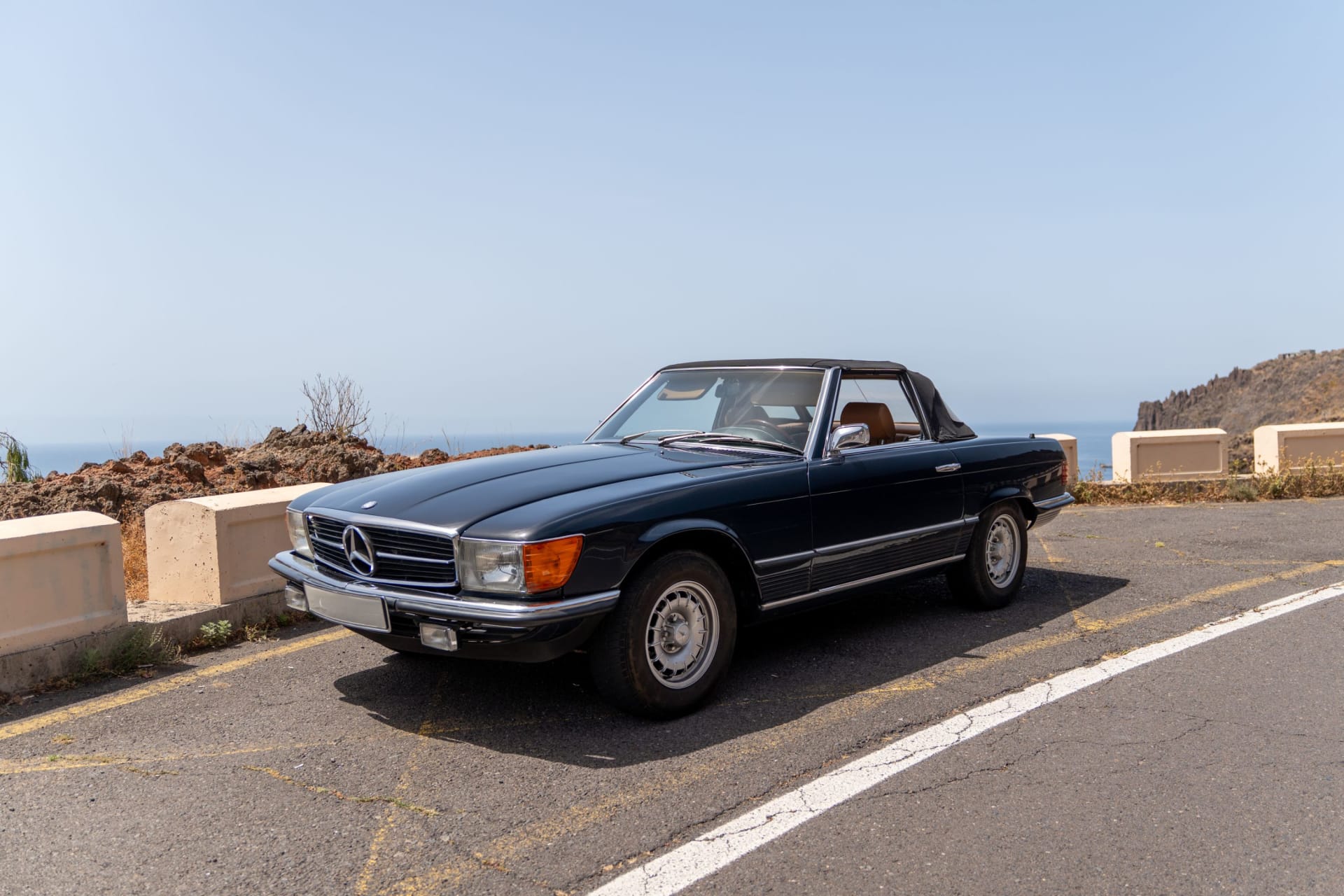
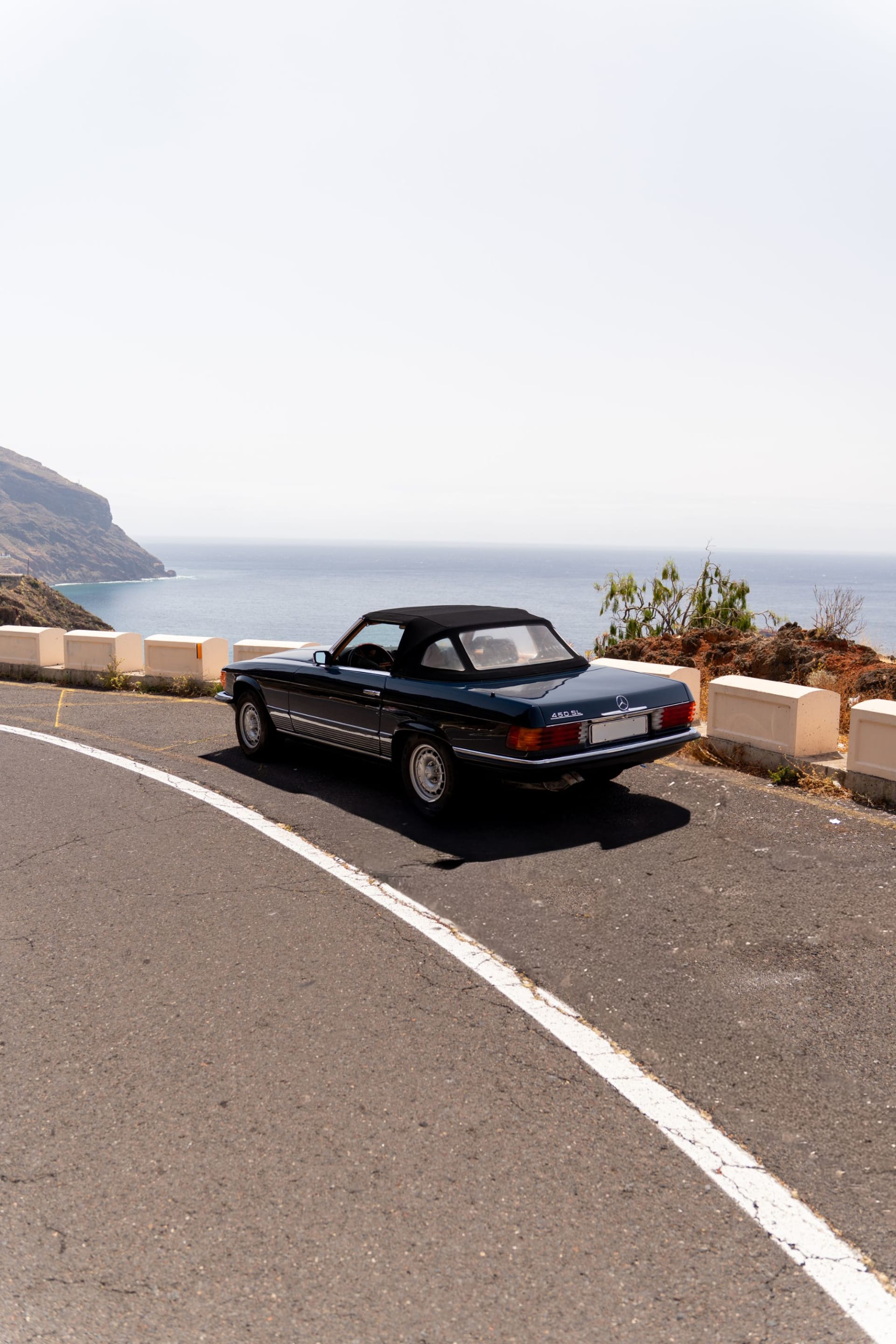
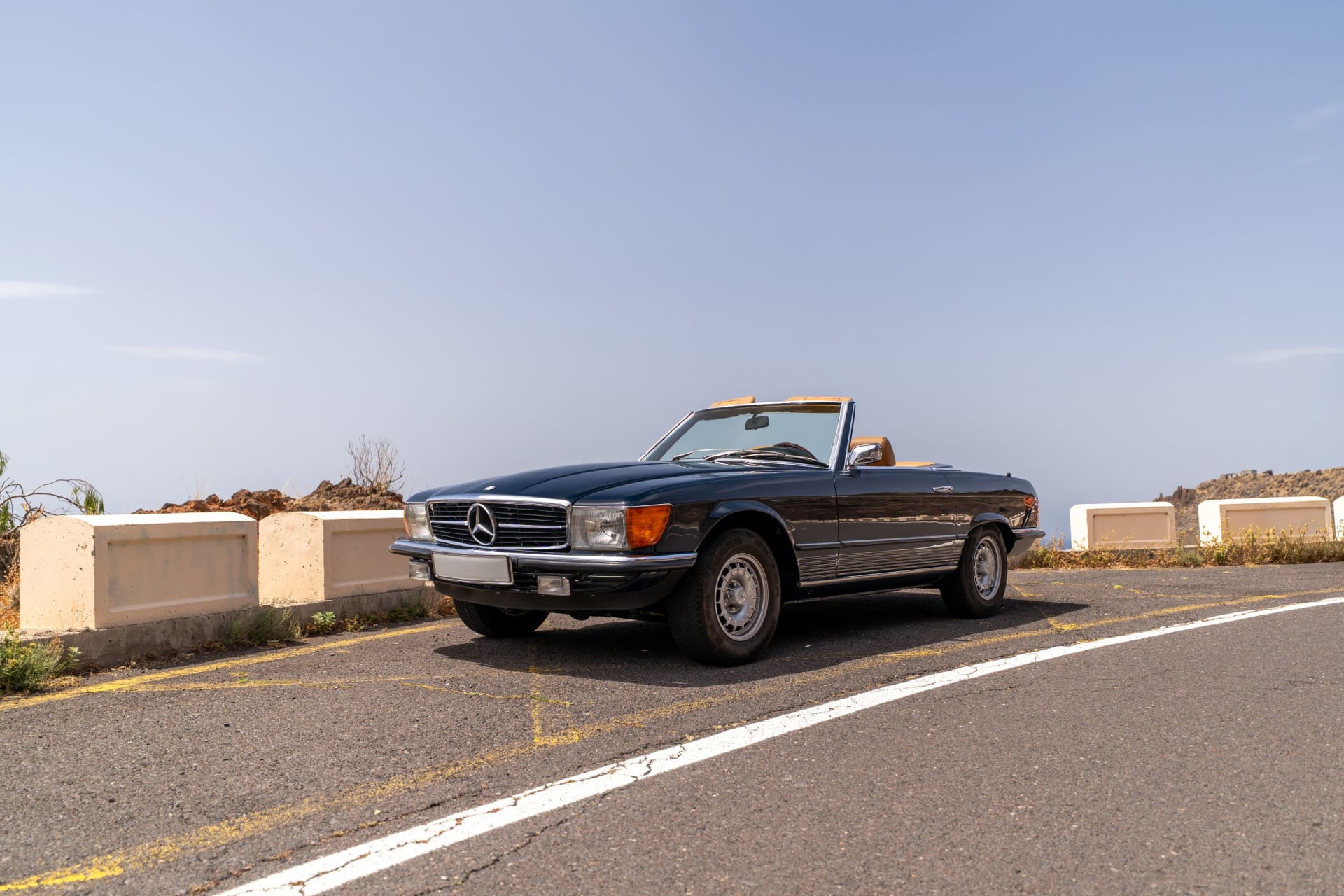
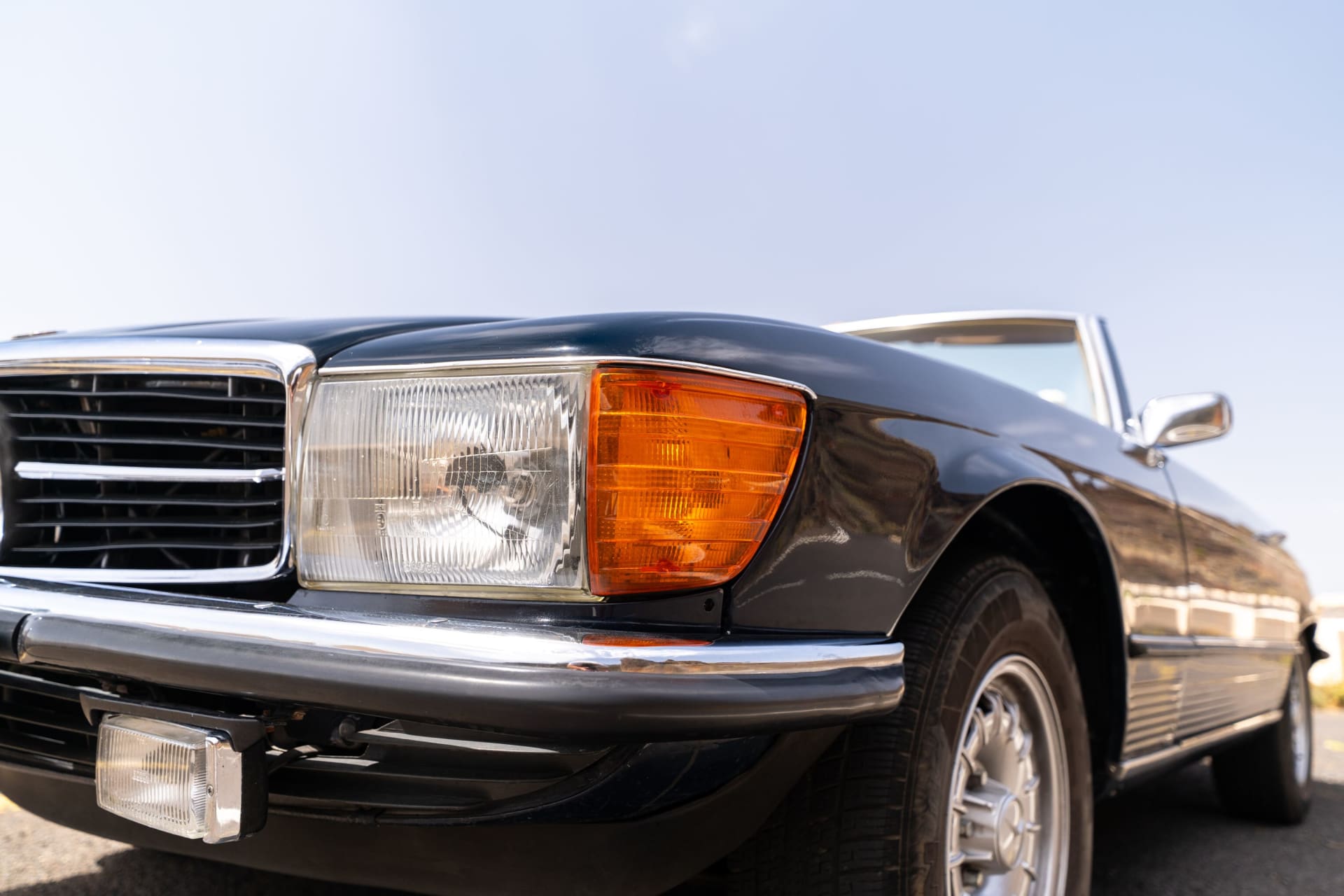
Mercedes-Benz 450 Sl — modèle de la marque Mercedes-Benz.
Mercedes-Benz 450 Slc — modèle de la marque Mercedes-Benz.
Mercedes-Benz 500 Sl — modèle de la marque Mercedes-Benz.
Mercedes-Benz 560 Sl — modèle de la marque Mercedes-Benz.
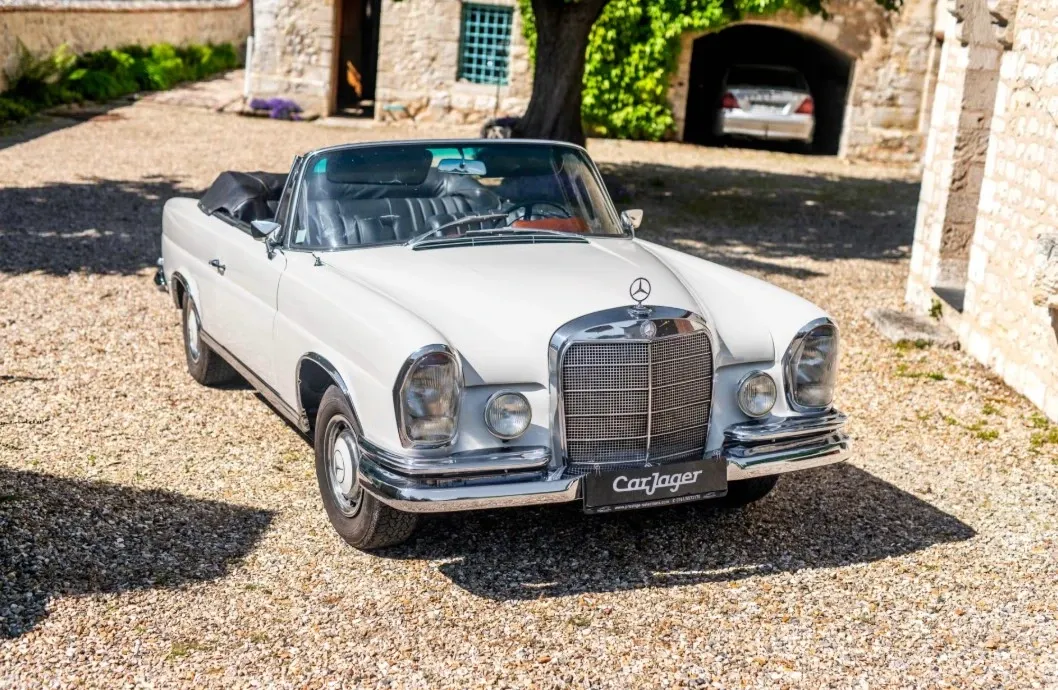
Mercedes-Benz W111 — modèle de la marque Mercedes-Benz.
Mercedes-Benz W128 — modèle de la marque Mercedes-Benz.


I used their service to sell my Mercedes-Benz. They are very competent, responsive, efficient and honest. I will use their service again for my next sale.
While the Mercedes lineup has expanded considerably over the past twenty-five years or so, with the introduction of compact cars and minivans, the Stuttgart-based automaker has nevertheless always upheld certain traditions. As a result, SL roadsters—particularly their AMG variants—are prime collector’s items, as are most of the other models crafted by the engineers in Affalterbach. Among used Mercedes-AMG models, the rare “Black Series” versions attract particular interest from collectors; the same can be said of the brand’s sportiest coupes and roadsters, such as the SLS AMG or the AMG GT.
The engineering and build quality of classic Mercedes models are no myth, and the brand has built part of its prestige on the reliability of its vehicles—a quality appreciated by the many taxi drivers who, for decades, have logged millions of miles behind the wheel of the brand’s diesel sedans, as well as by drivers of convertibles and roadsters, who are happy to be able to count, day after day, on the mechanical reliability of their cars. However, “reliable” does not mean “indestructible,” and, as with any other brand, maintaining proper functioning depends above all on the quality of maintenance. Moreover, since perfection is not of this world, certain Mercedes engines have revealed weaknesses (we are thinking, for example, of the M129 six-cylinder, fitted in the short-lived 250 SL, among others), while others, such as the monumental M100 V8 powering the 300 SEL 6.3 sedan, will require a considerable budget in the event of restoration.
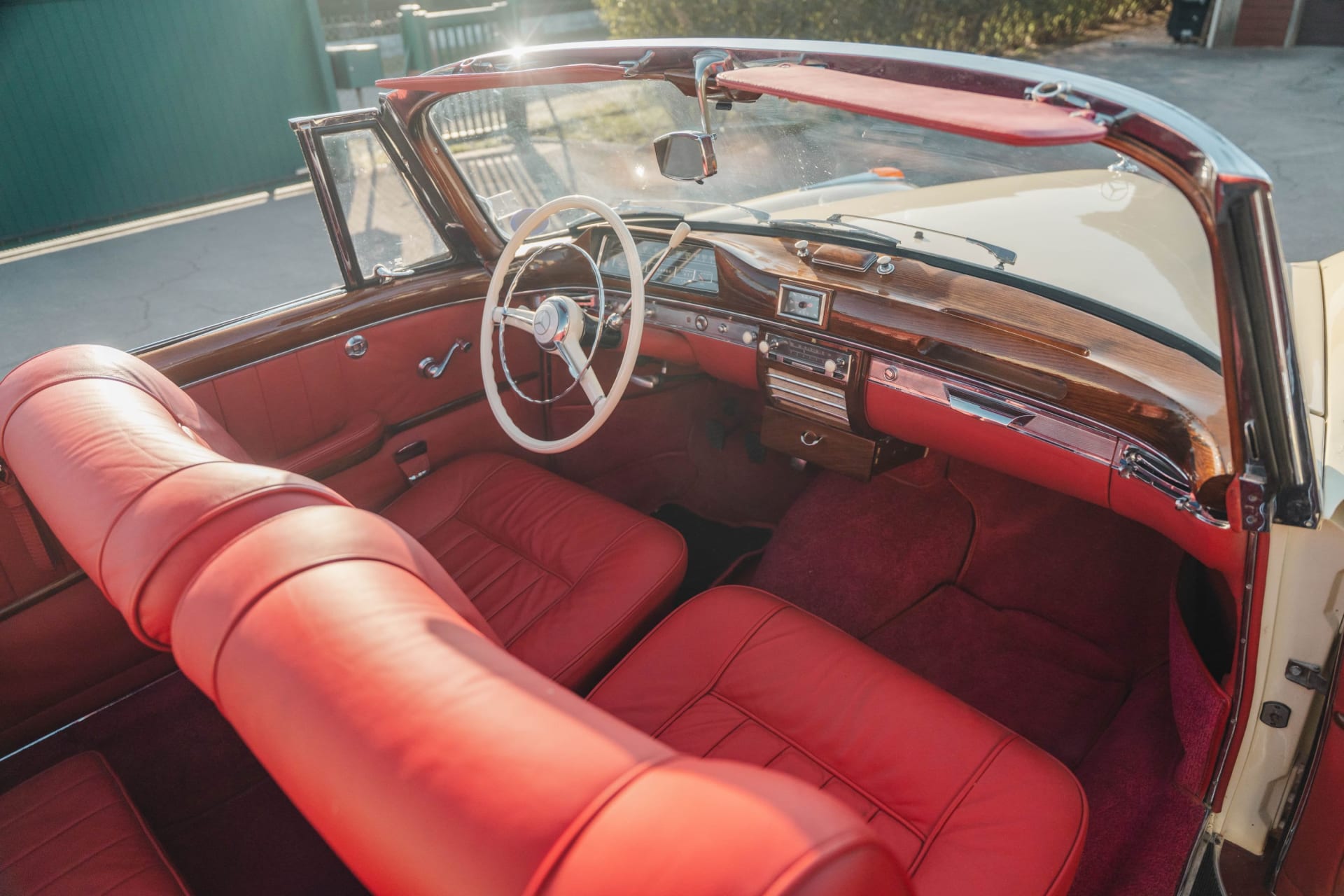
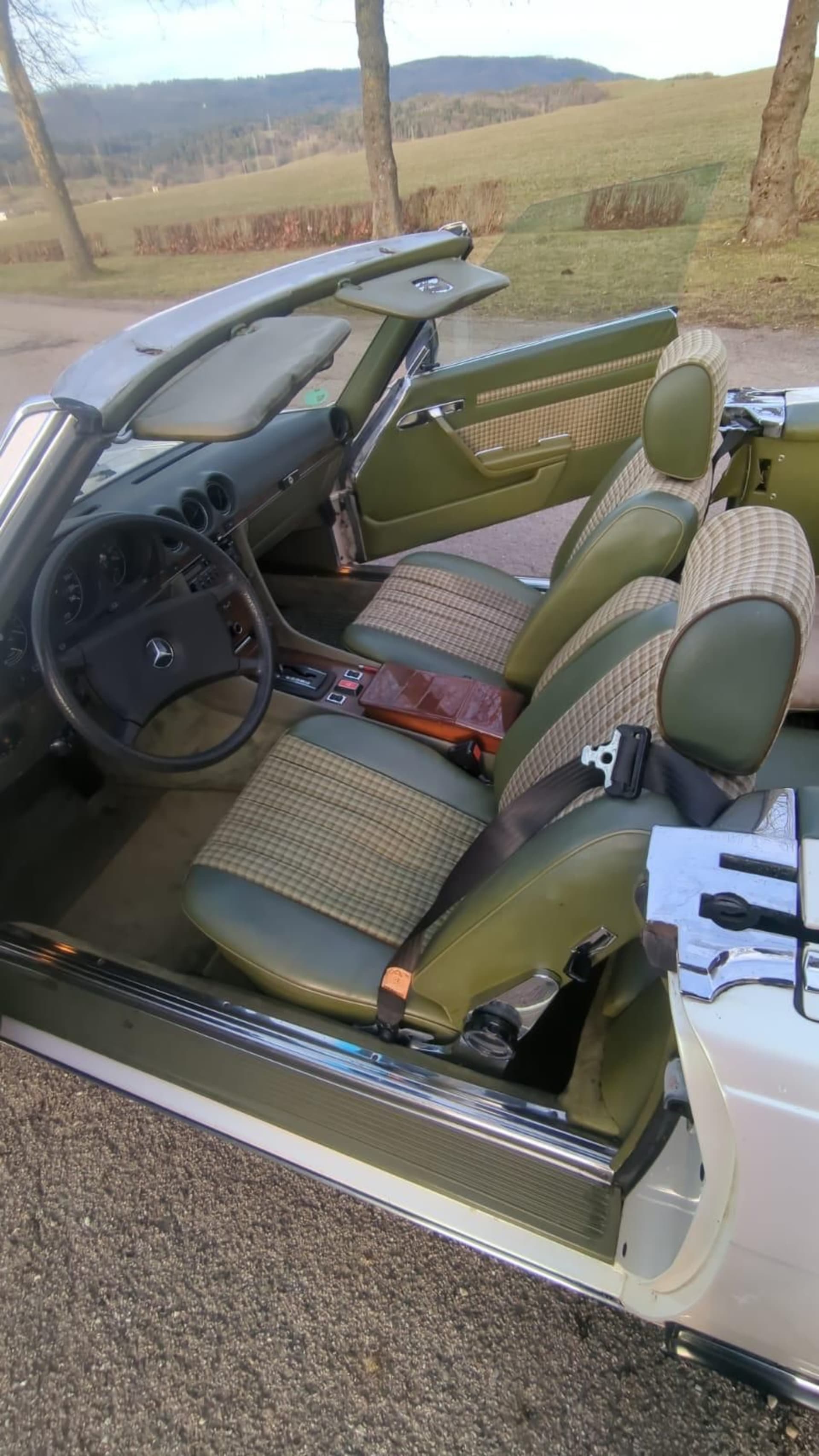
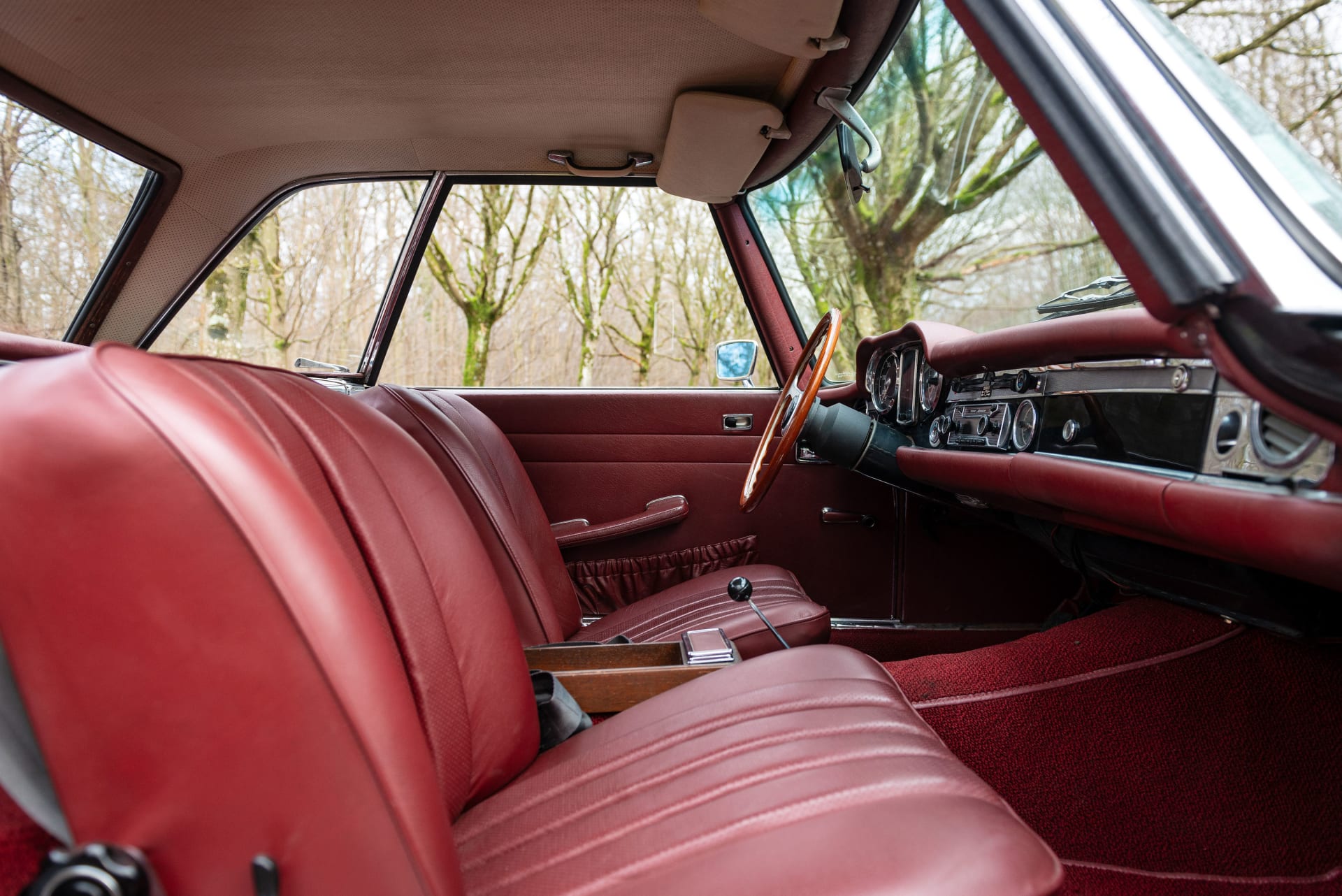
Designed and built with the meticulous care that has earned them their reputation, Mercedes vehicles—including even the most basic models, such as diesel sedans—demonstrate above-average durability. However, their exceptional sturdiness may have led some owners to neglect their cars’ maintenance, which explains the poor condition of certain vehicles. In this regard, it is clearly preferable to choose a car in excellent working condition—whether in terms of its mechanics or its accessories—and one that retains all its trim (chrome, hubcaps, wood trim, etc.). Because a car in average condition, while it may represent some savings at the time of purchase, will ultimately cost you much more in various repairs, spare parts, or the restoration of the bodywork, woodwork, or leather, which can prove to be very expensive… This is why the best-preserved examples—those with very low mileage or that have undergone a restoration carried out to the highest standards—are often offered at prices well above market value, particularly in Germany.
First of all—and this is a fundamental rule, regardless of the age or make of the model you’re interested in—you need to verify the vehicle’s registration status. Is the registration certificate in order? Is there any administrative objection against the car? If it is an import, has the VAT been paid, and can the seller provide a tax clearance certificate? Don’t hesitate to consult specialized websites, such as Histovec, for example, to trace the car’s history. The vehicle’s condition must match the description provided by the seller; if the car is not a “matching numbers” vehicle (i.e., it no longer has its original engine and/or transmission), or if significant modifications have been made—such as engine tuning or a paint job different from the original—these must be clearly disclosed. Ideally, have the car placed on a lift so you can thoroughly inspect the undercarriage at your leisure; it’s best to have an expert or someone knowledgeable about the model accompany you. A proper maintenance record (service log but especially invoices) is also essential, as it helps you gauge the quality and frequency of the care the car has received. Finally, a test drive (ideally about 20 kilometers) is essential. This is your chance to assess the vehicle’s handling, the engine and transmission’s response and noise levels, and the proper functioning of all equipment and accessories. If the seller refuses, it’s best to walk away. Of course, all of the advice listed above becomes unnecessary if you choose to use CarJager’s services, whose mission is precisely to give you complete peace of mind when choosing your future classic Mercedes!
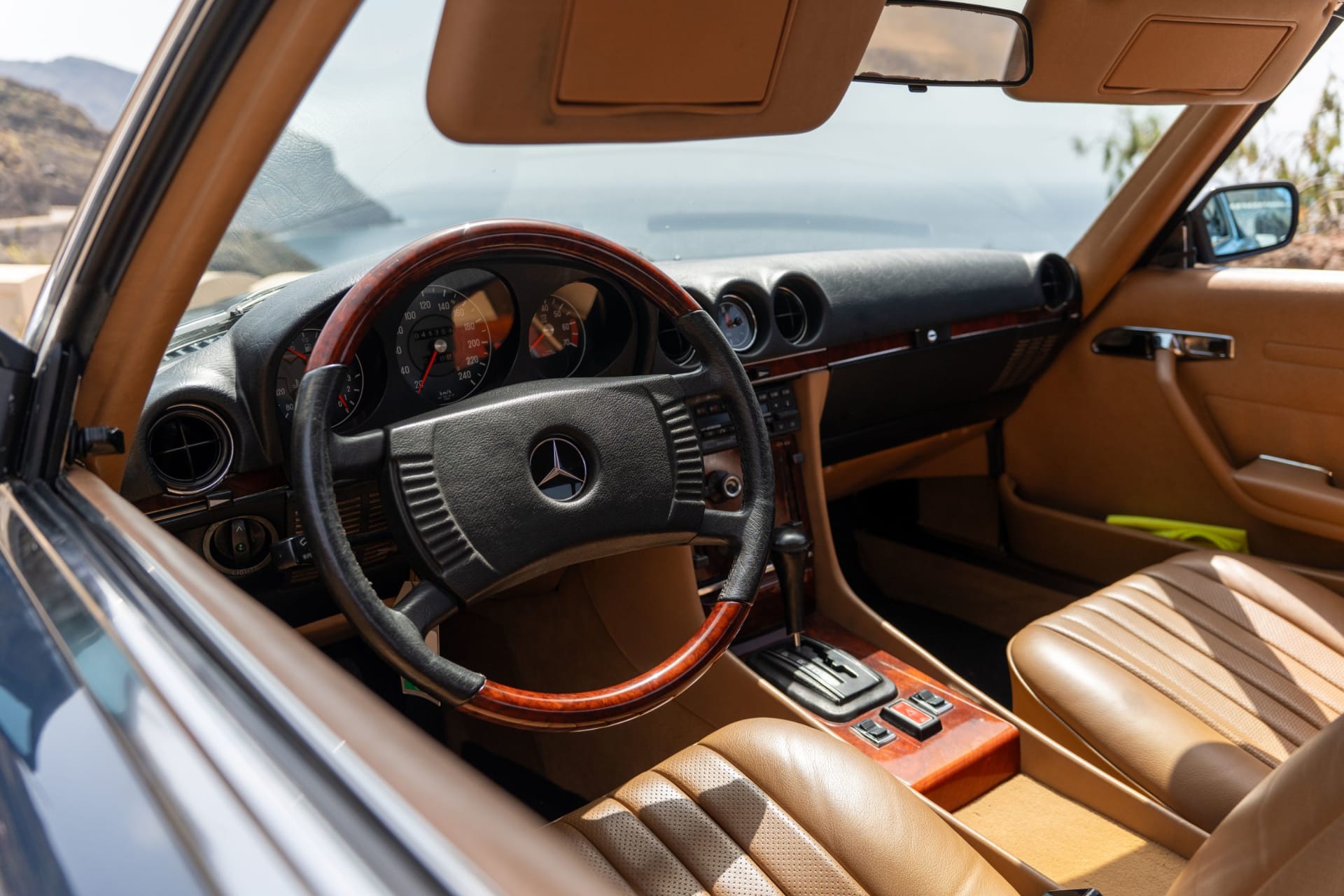
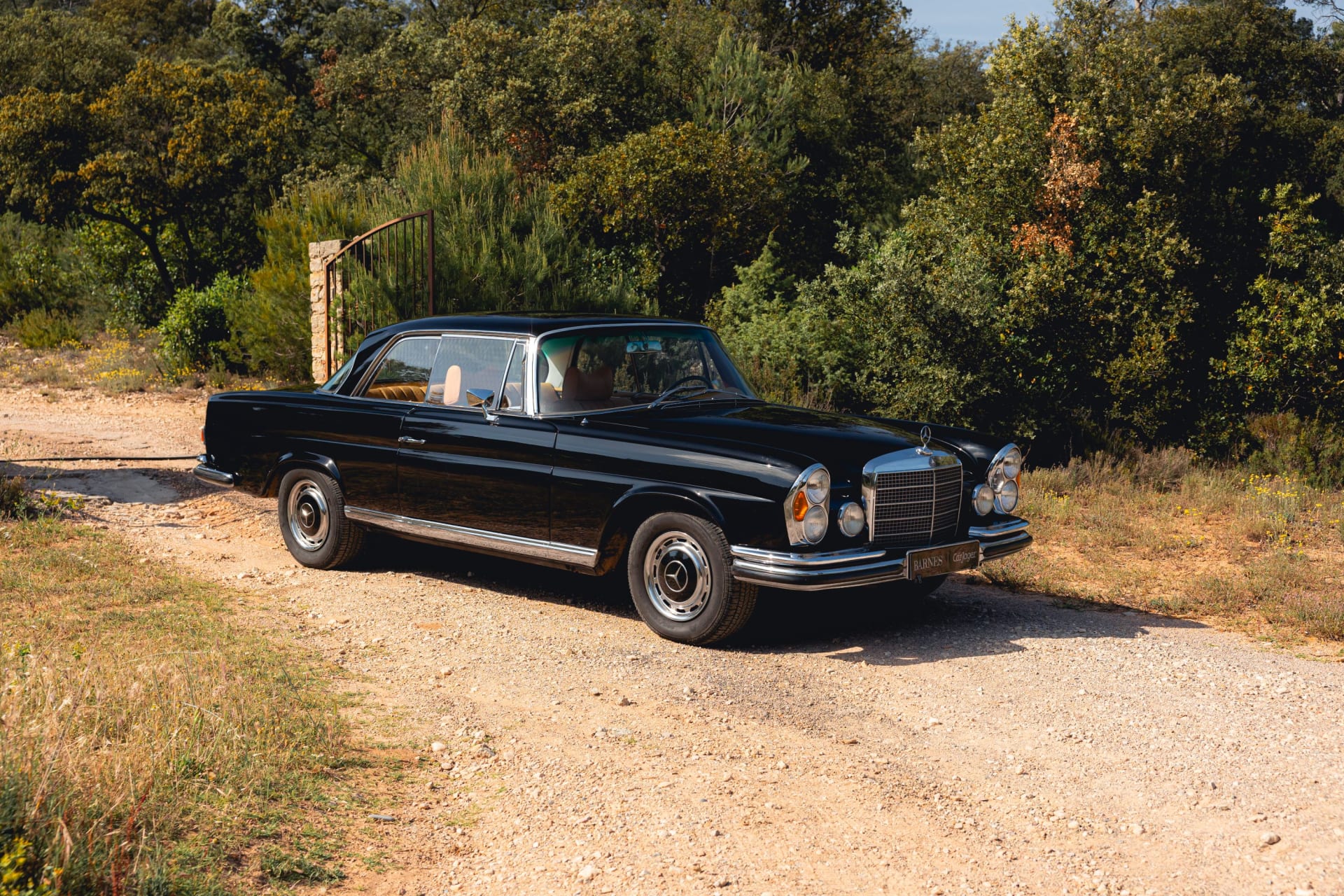
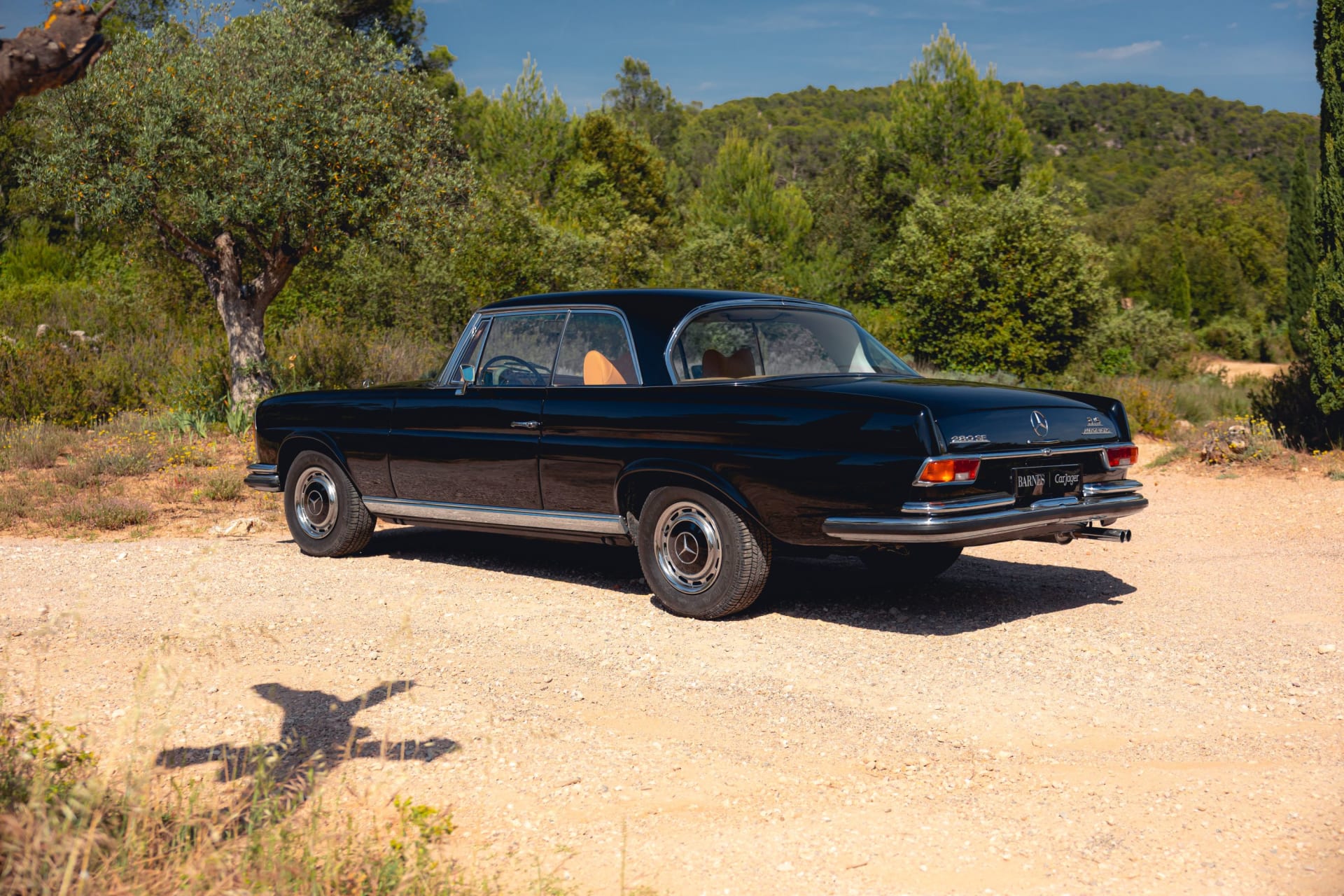
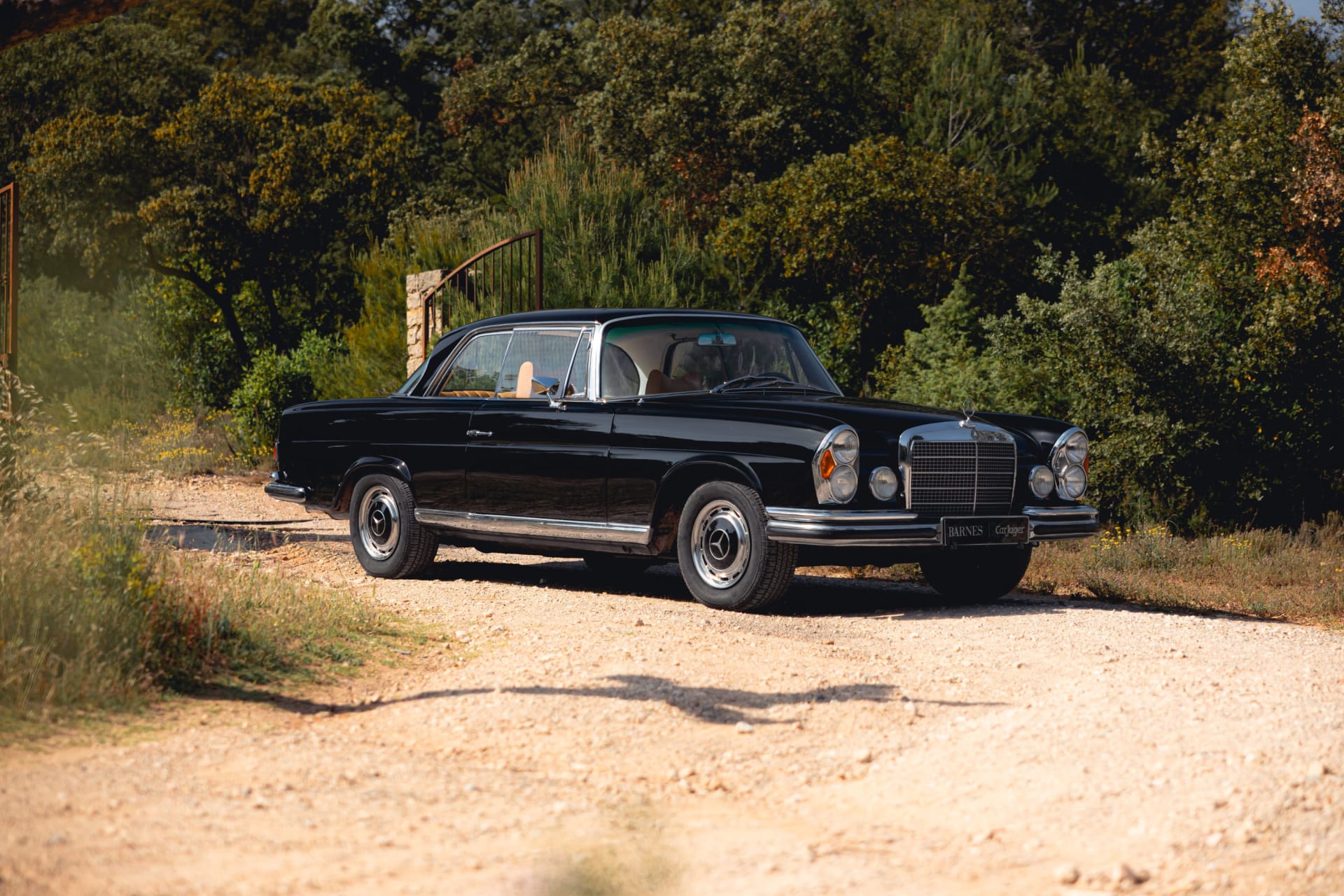
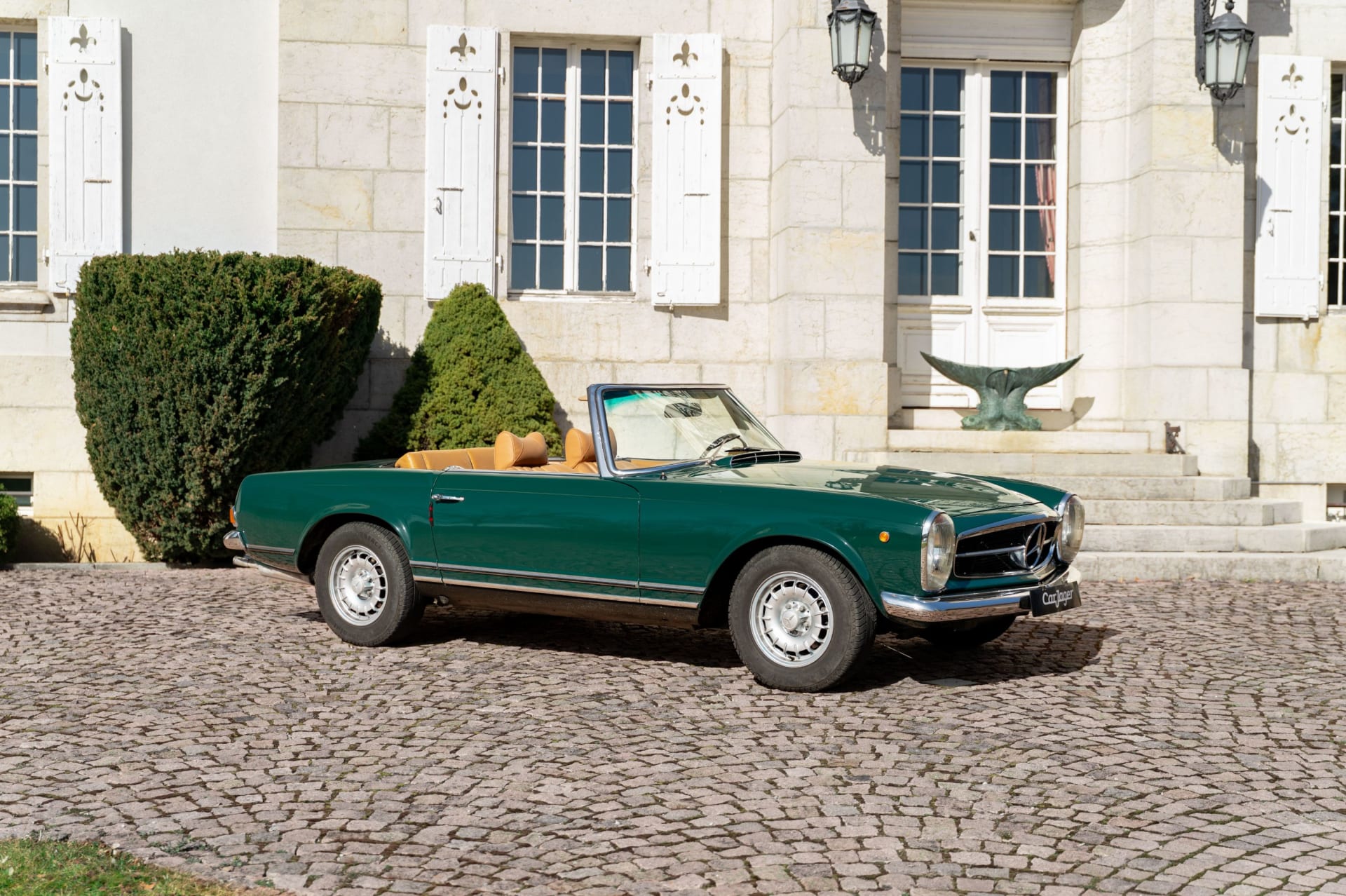
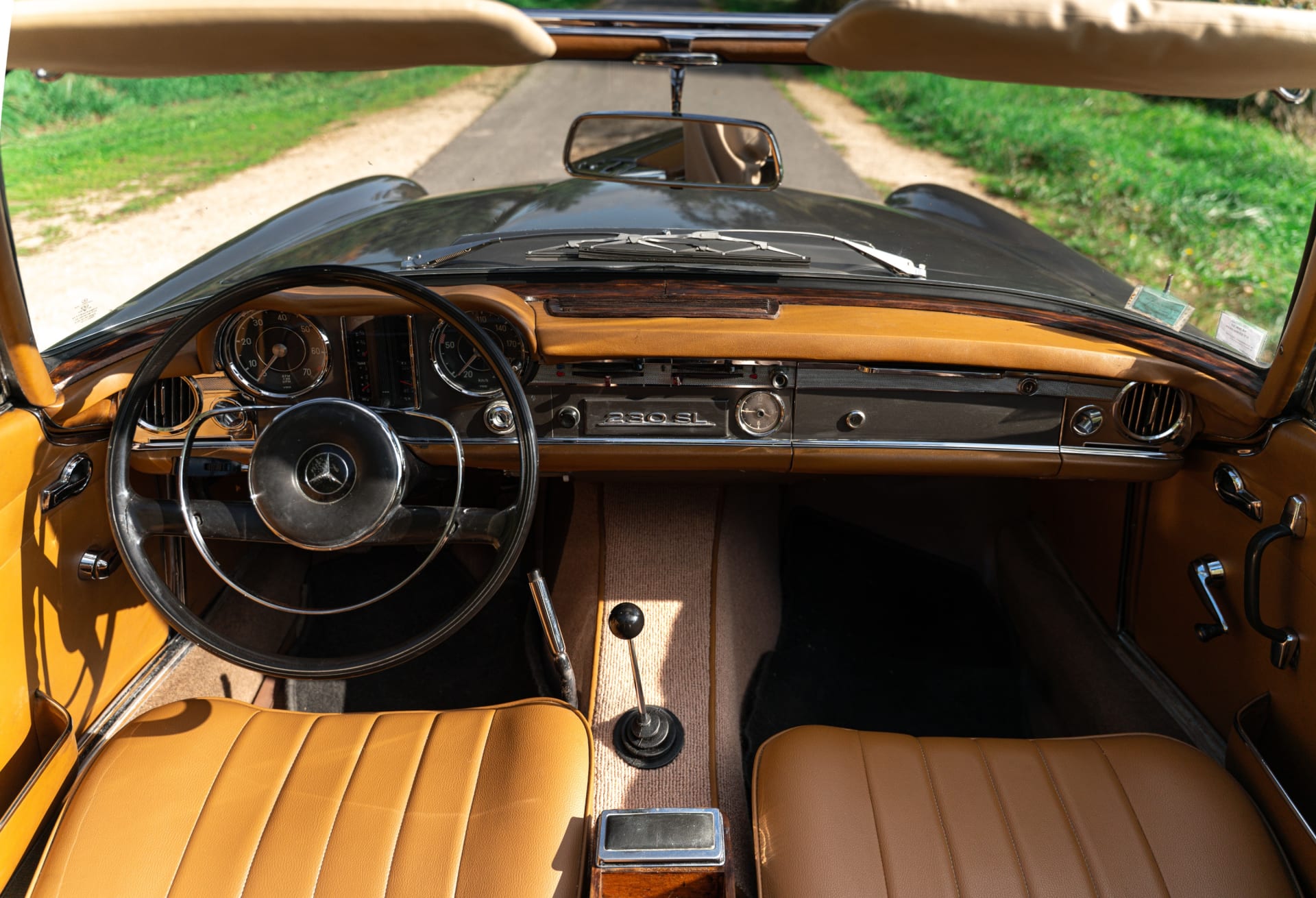
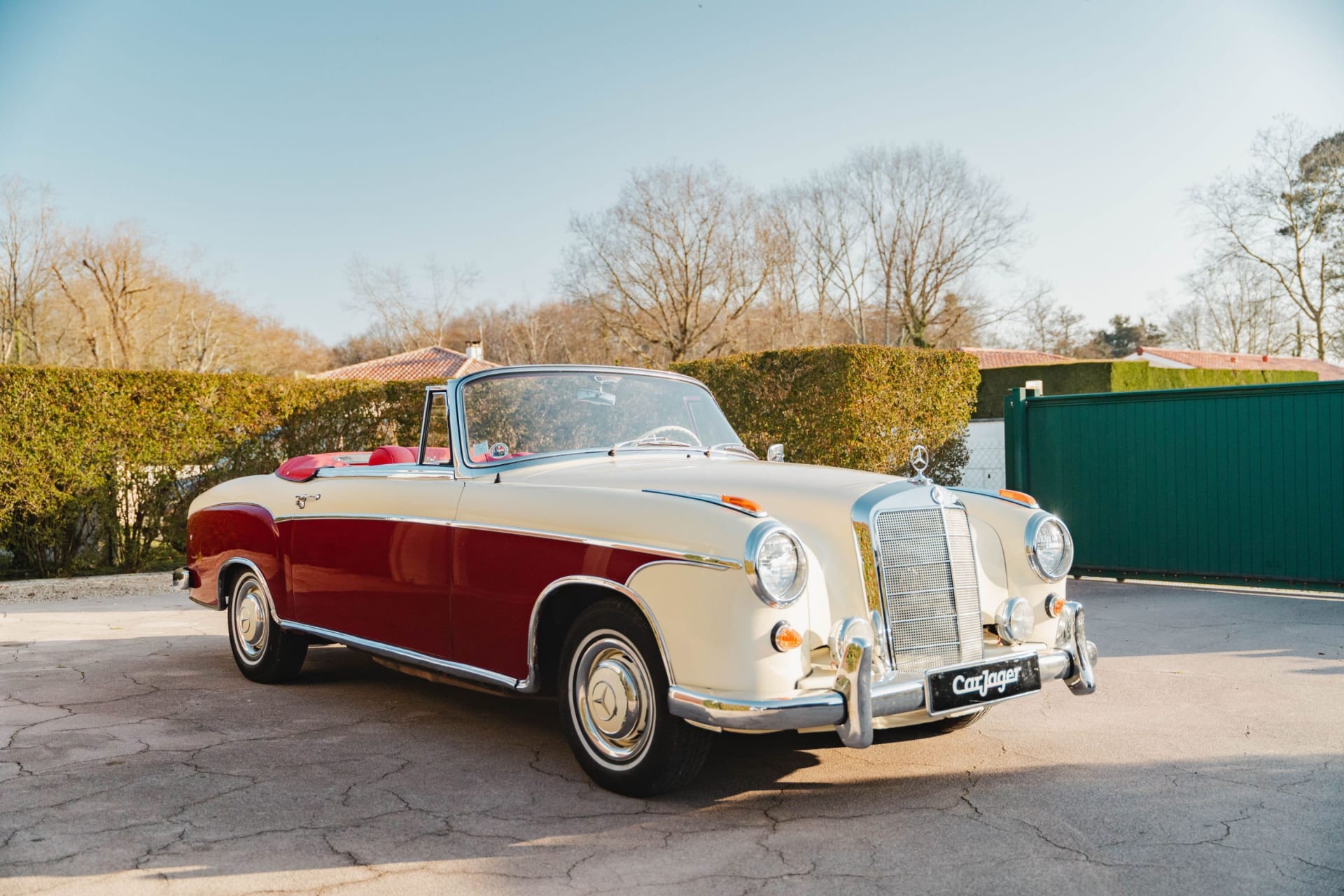
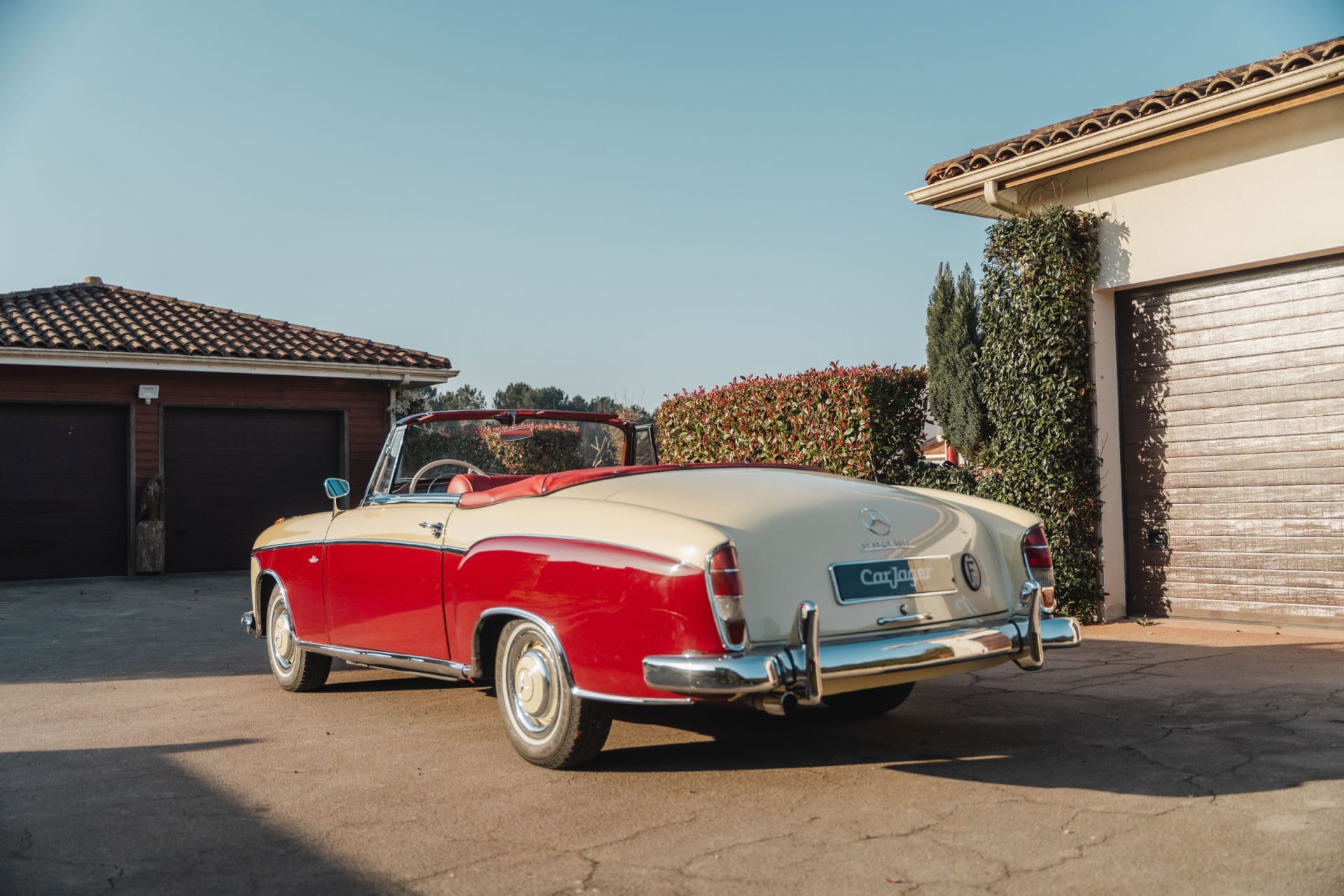
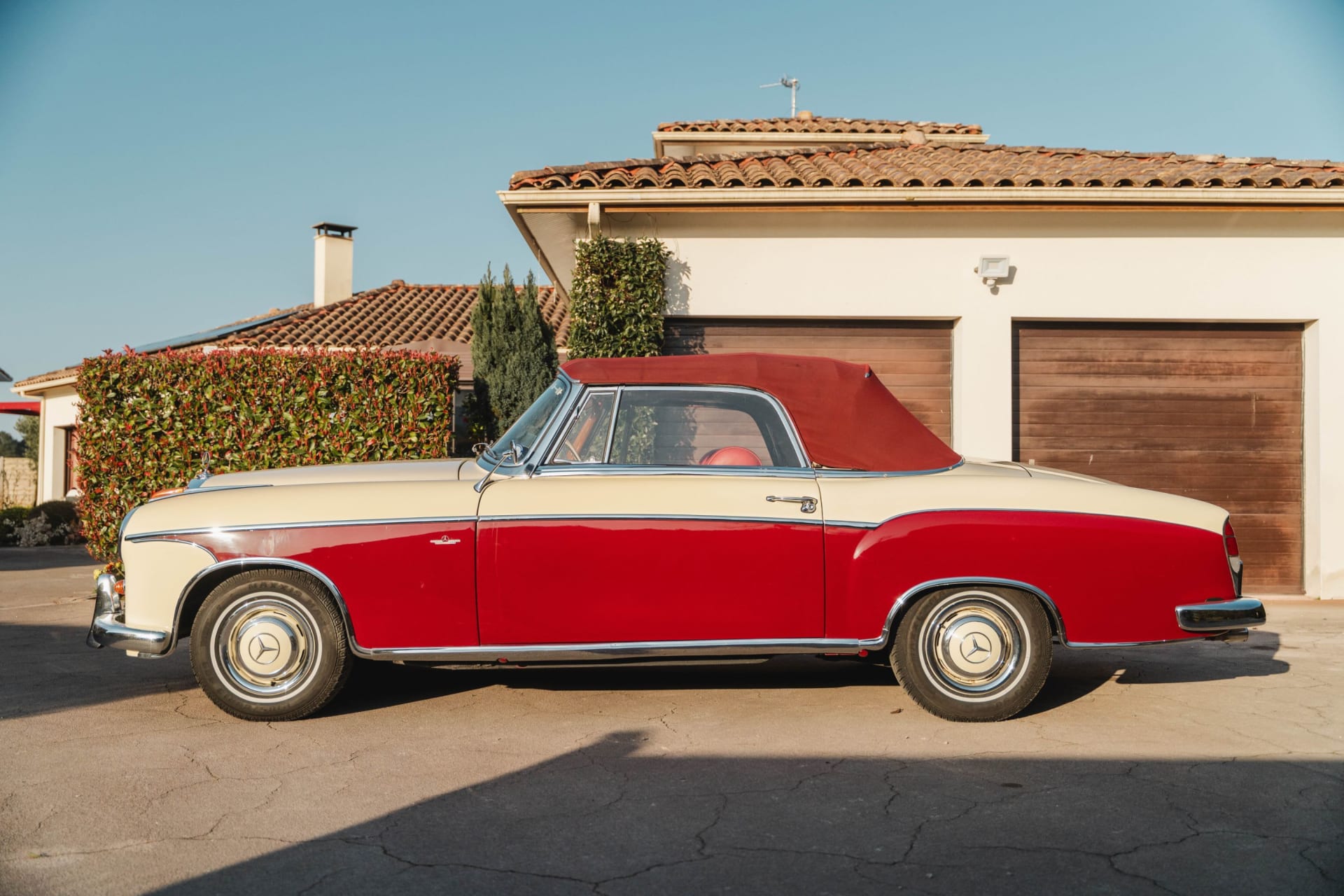
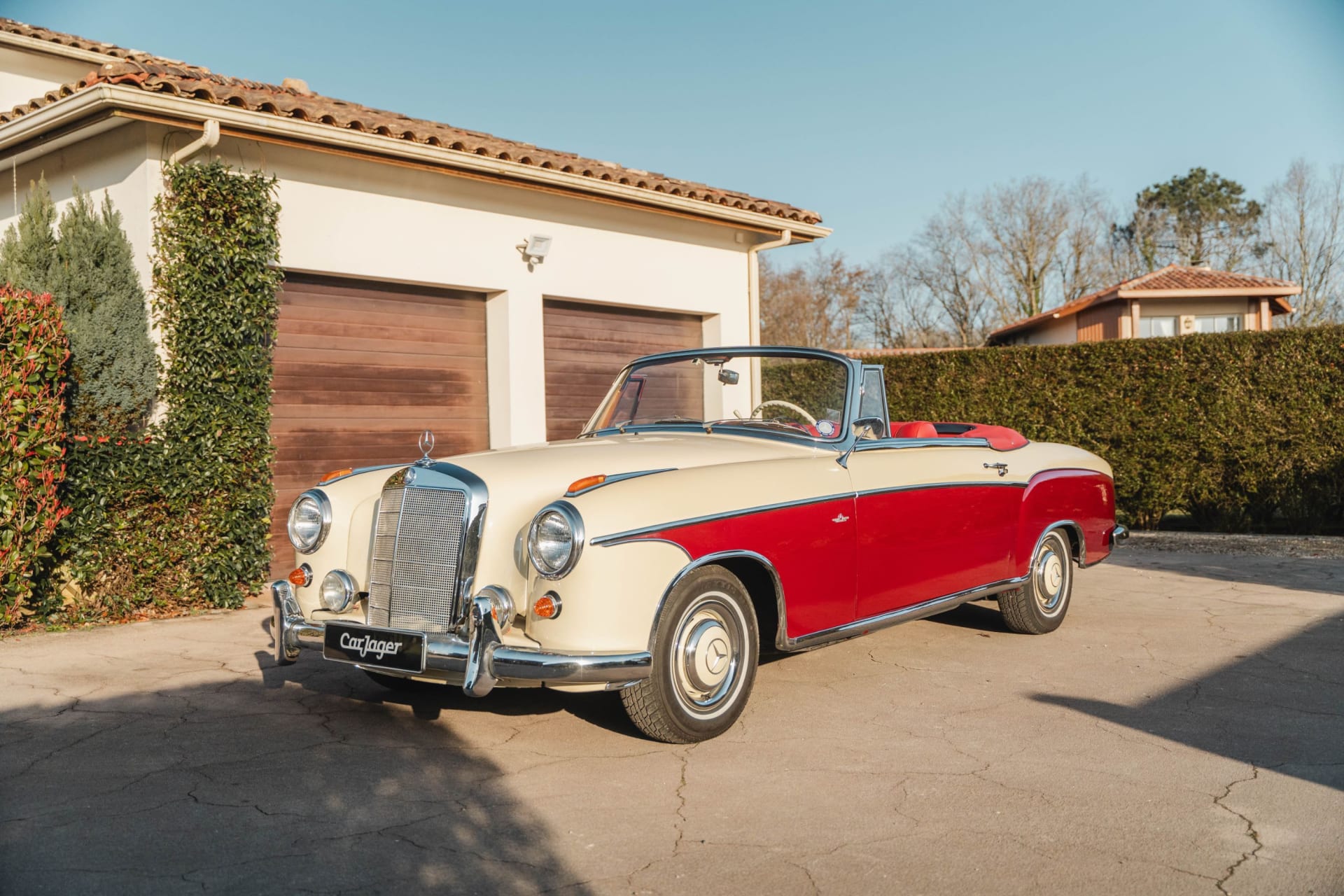
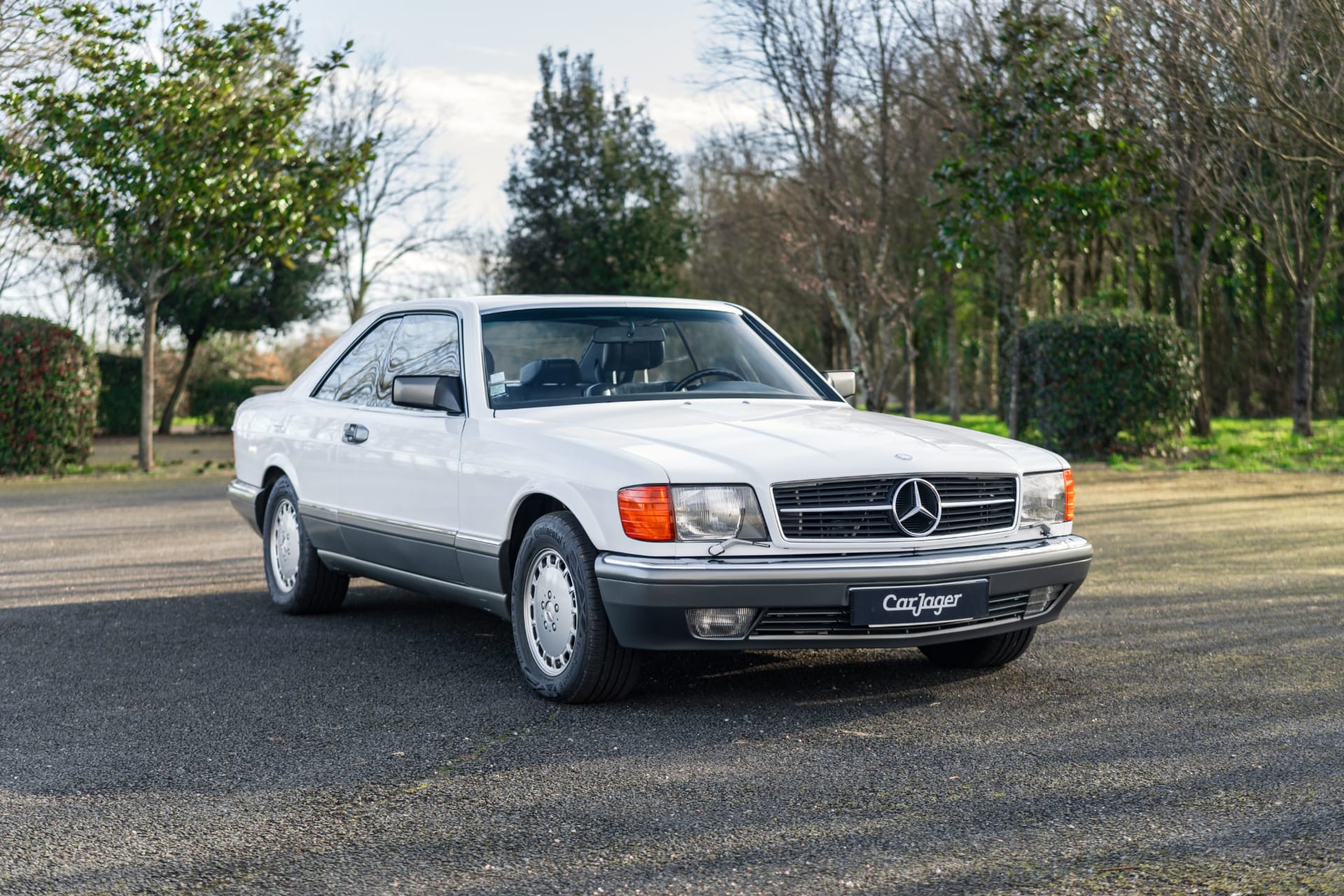
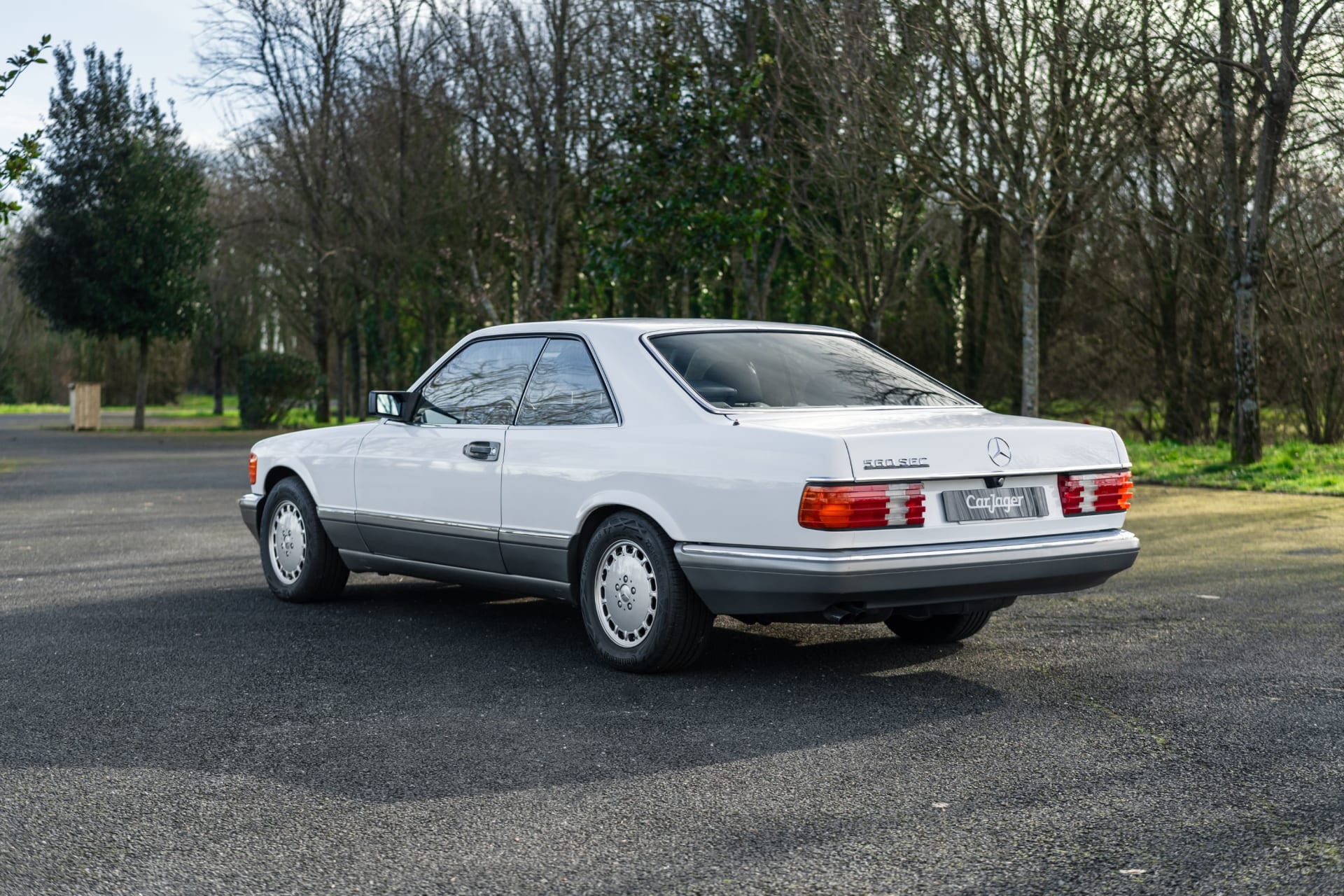
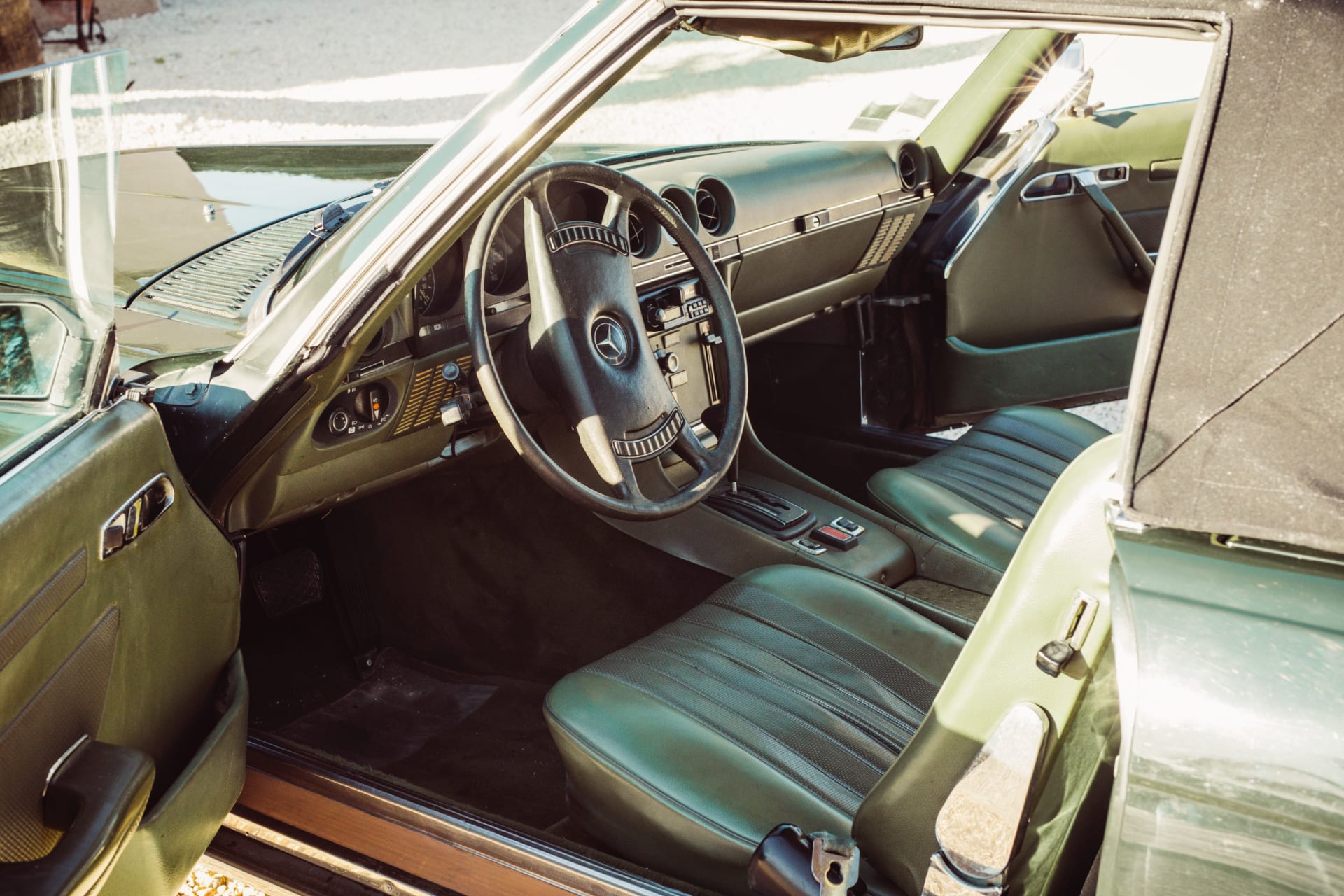
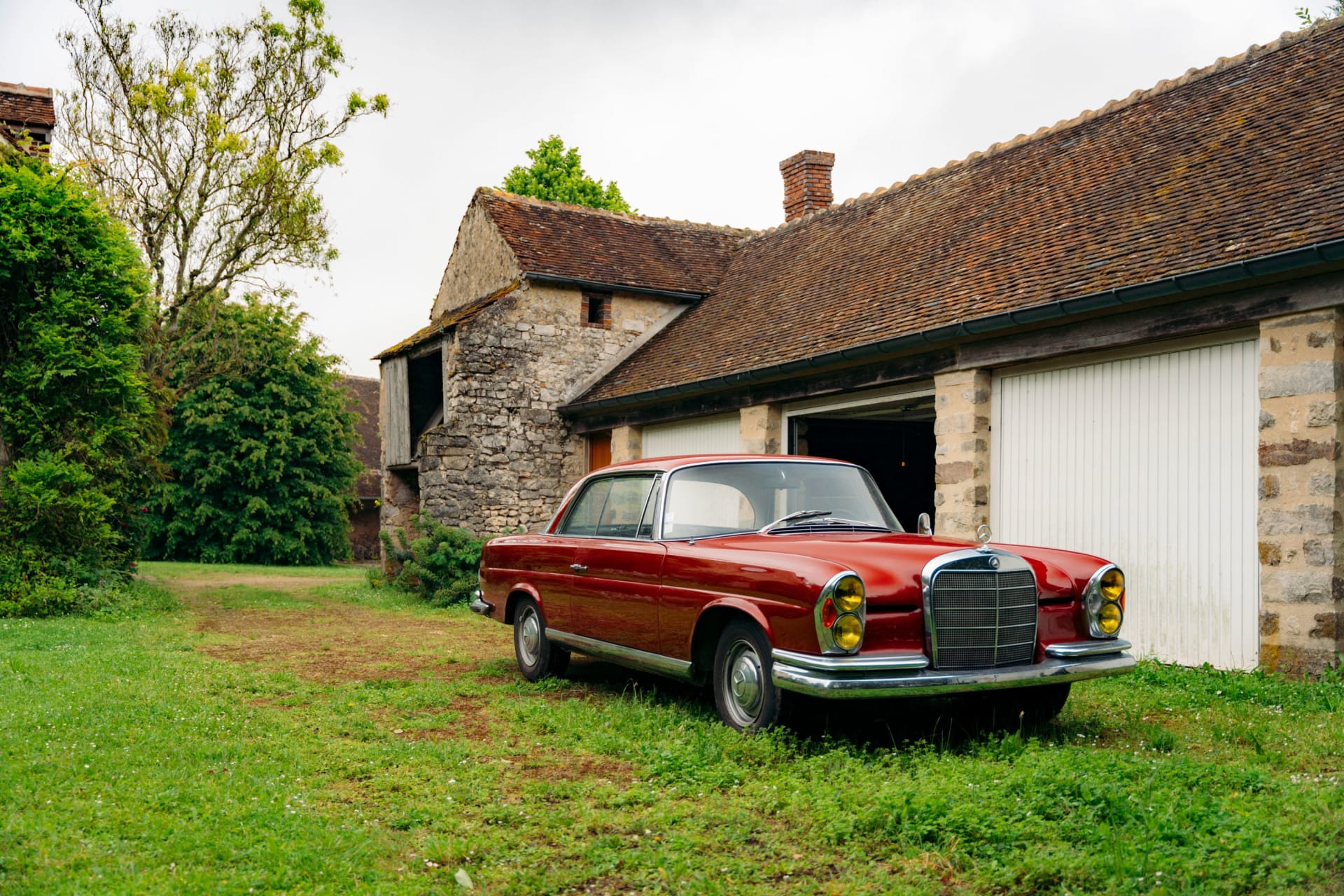
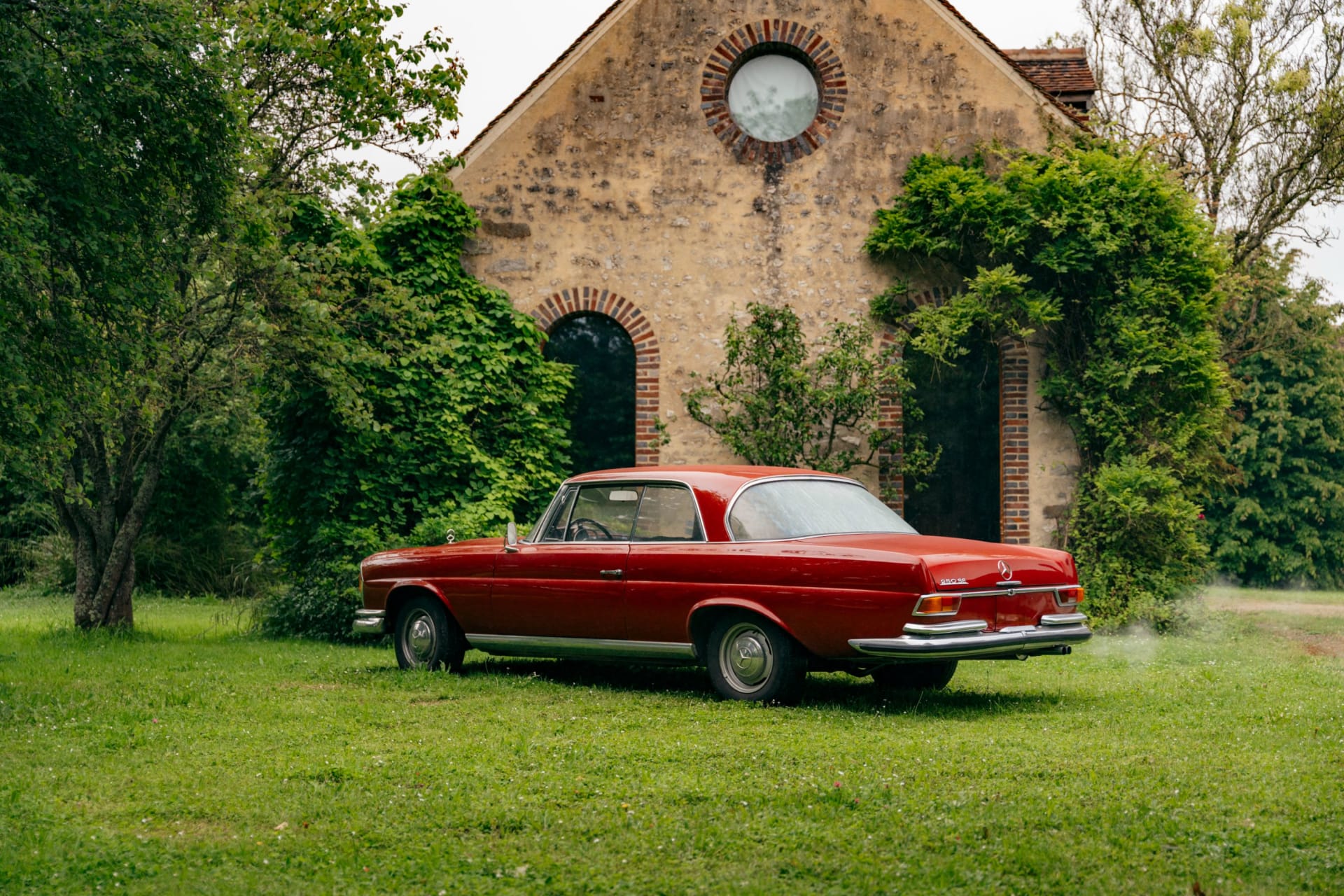
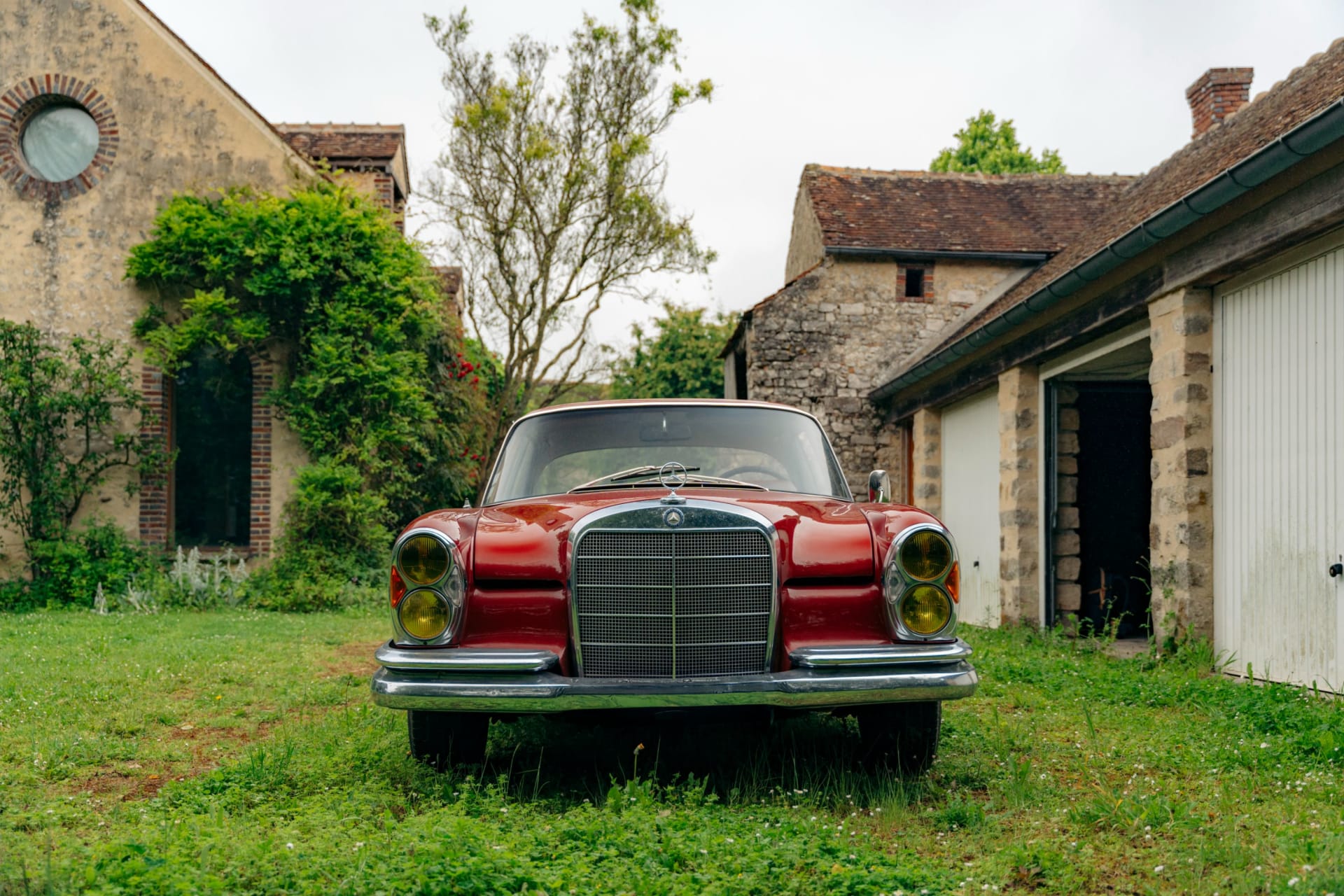
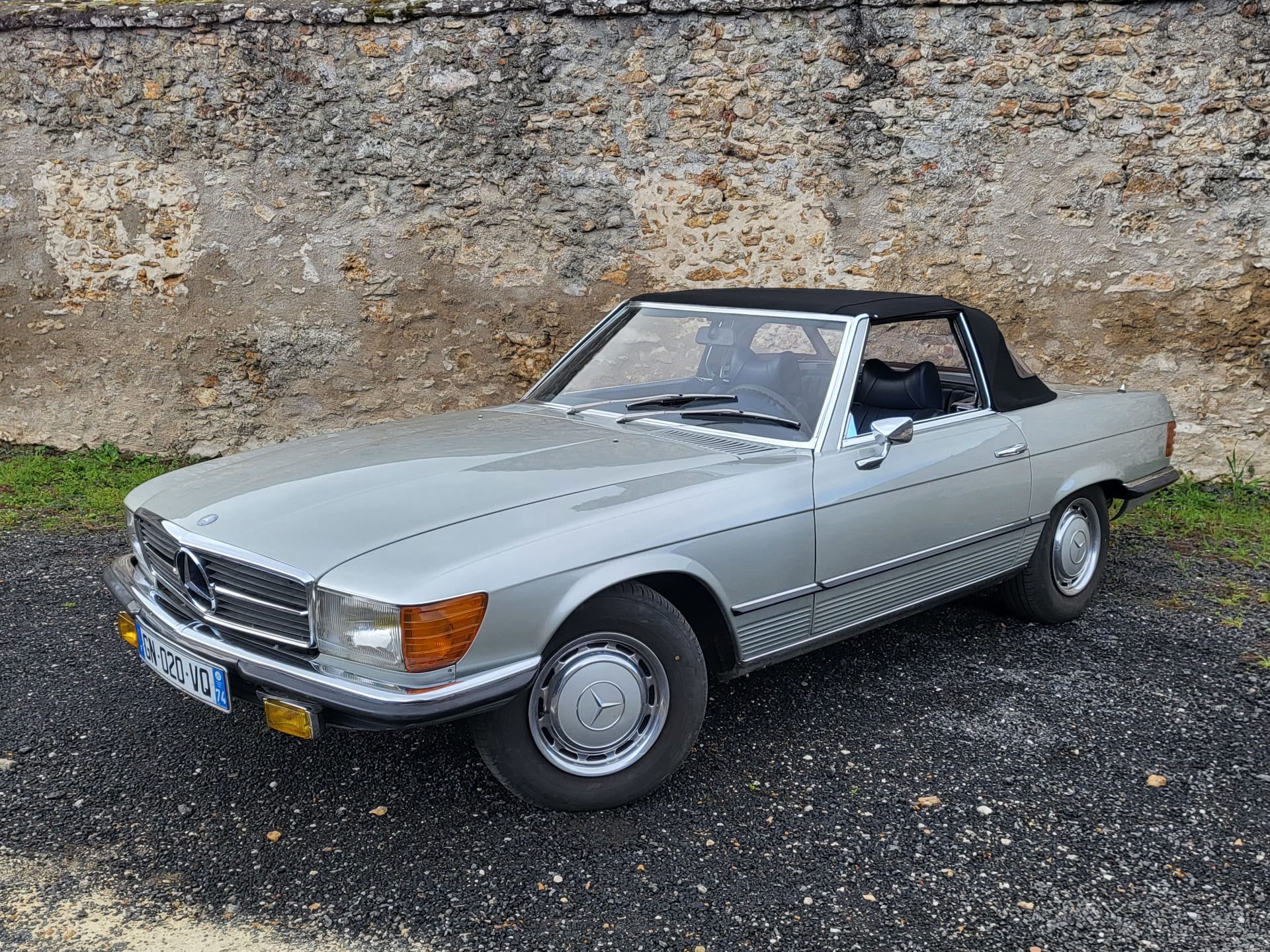
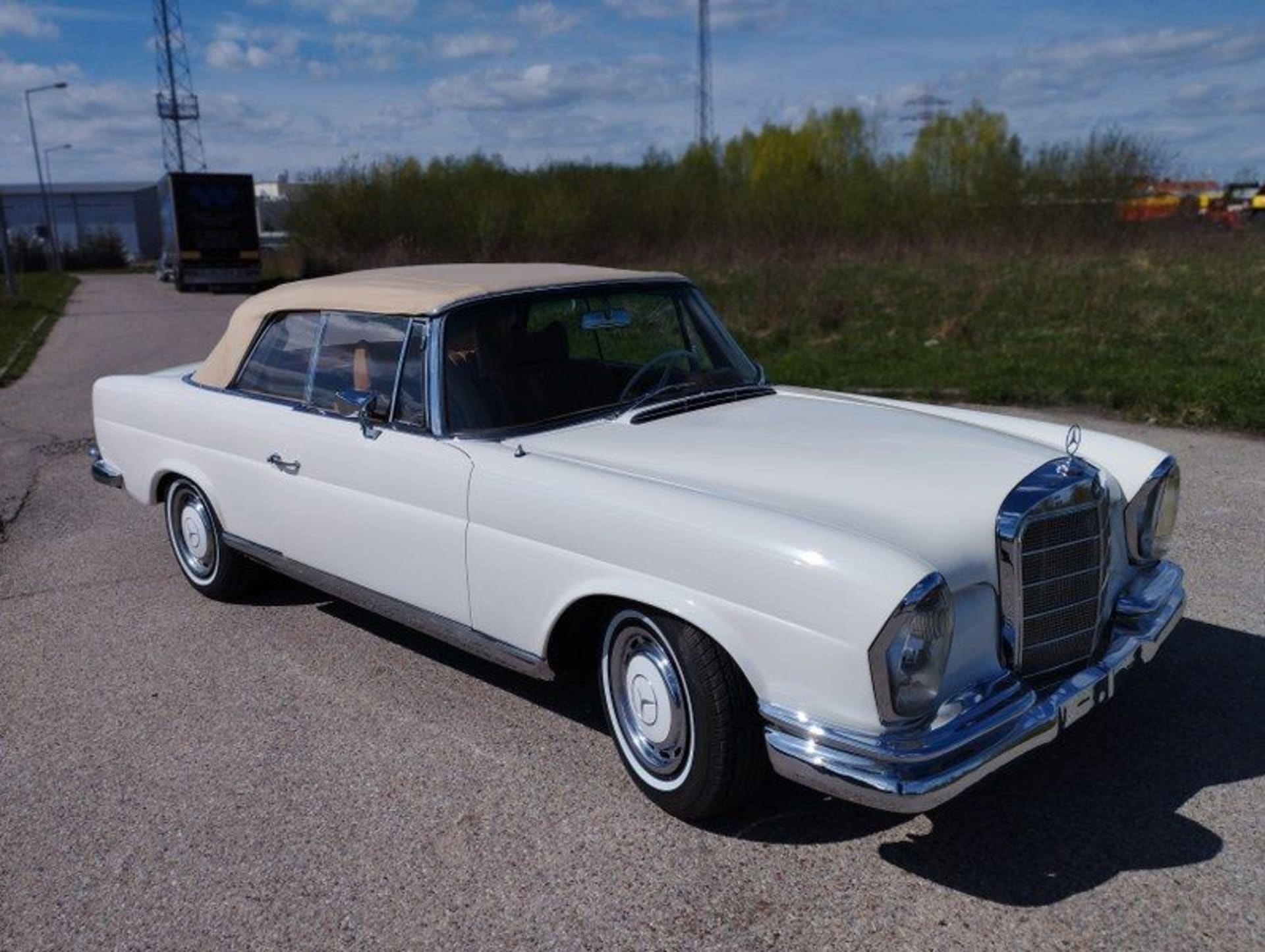
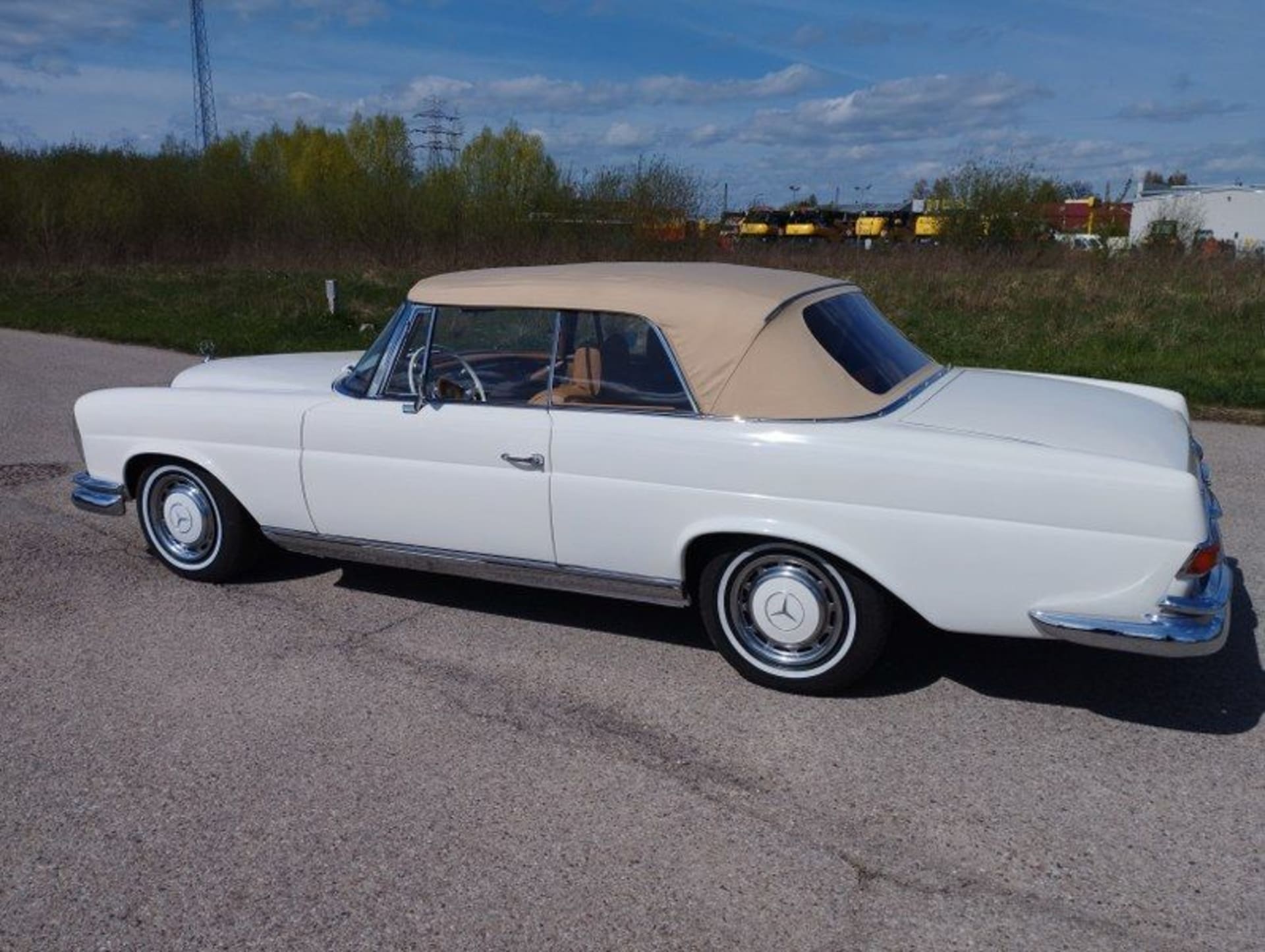
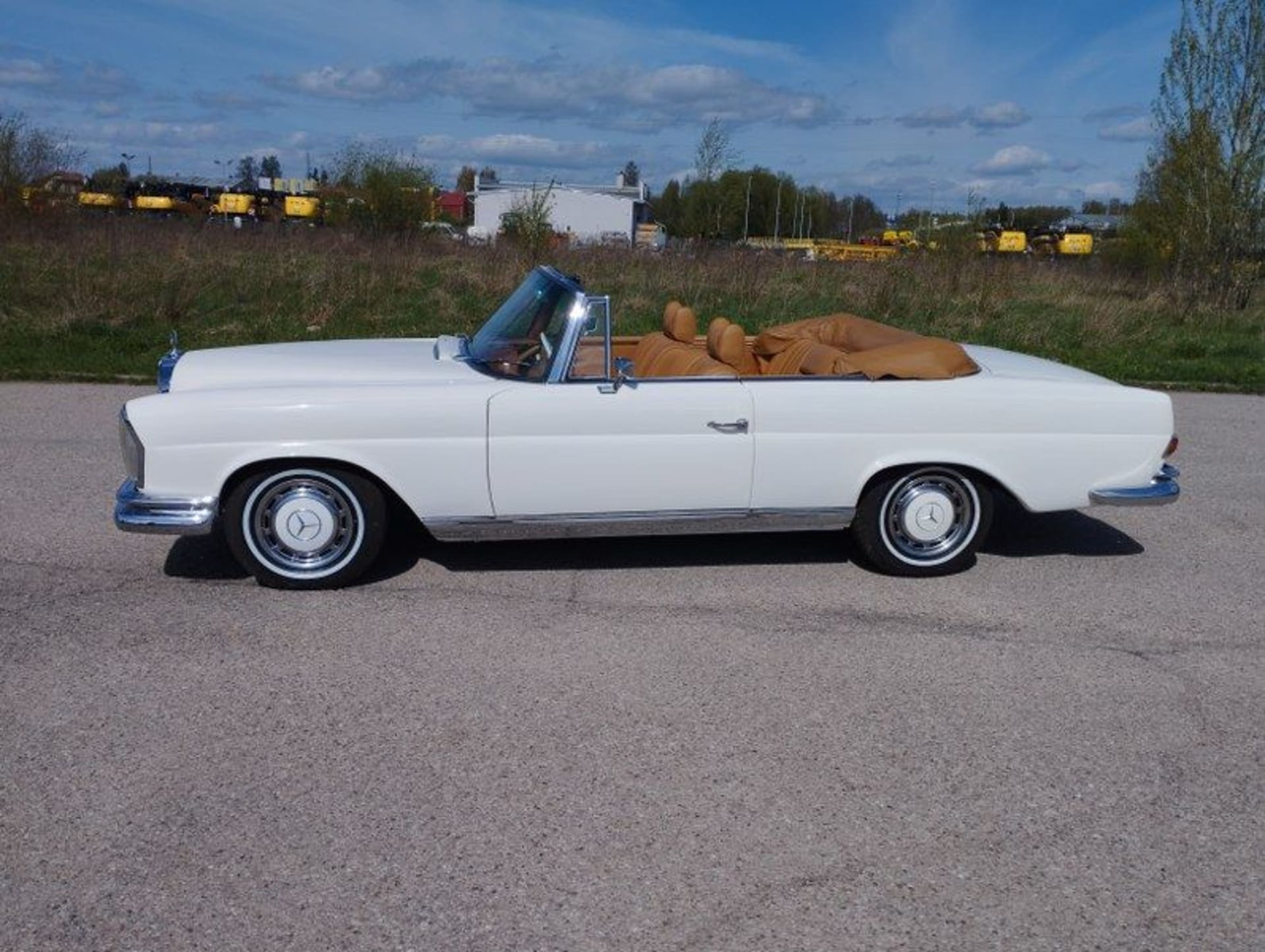
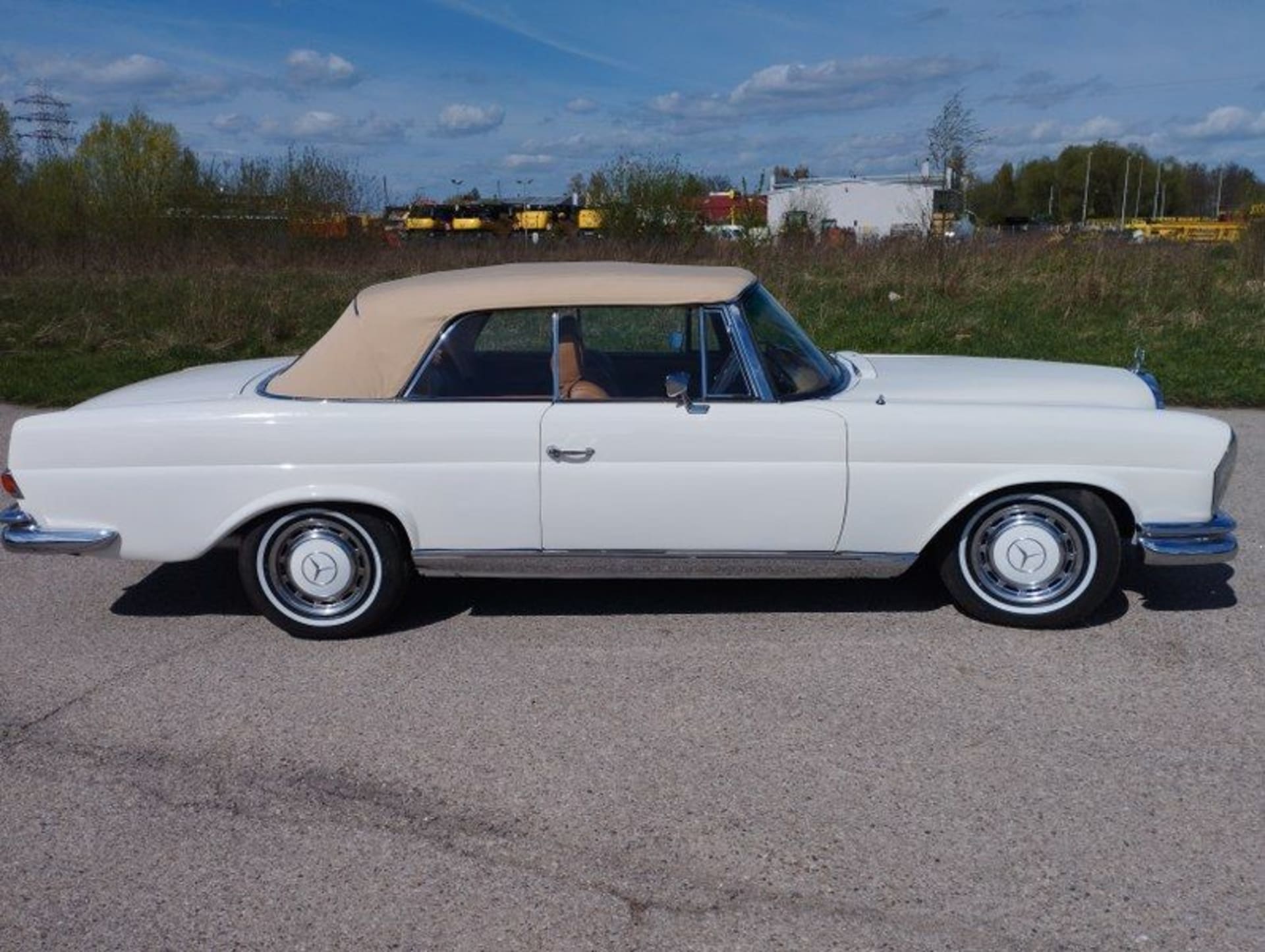
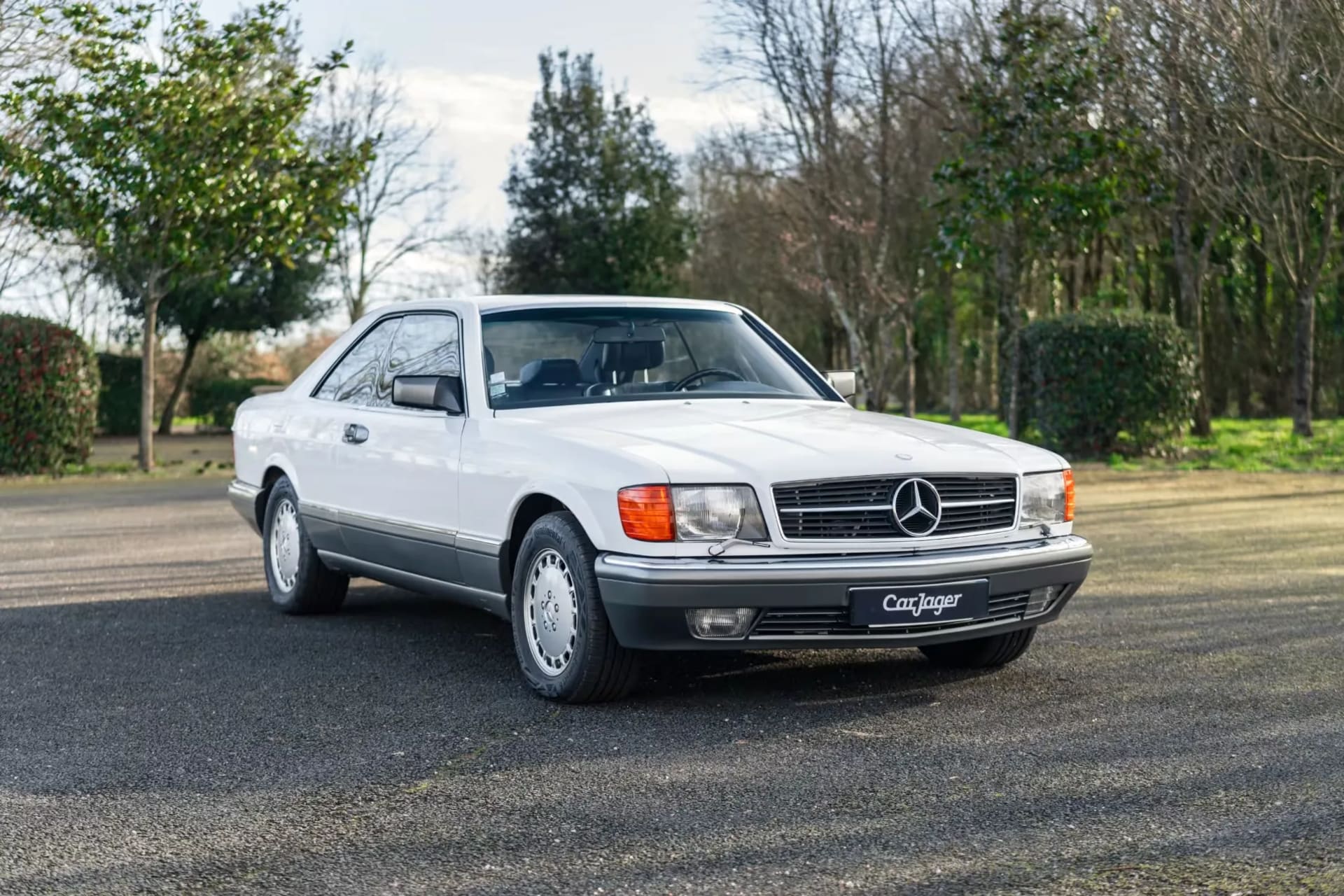
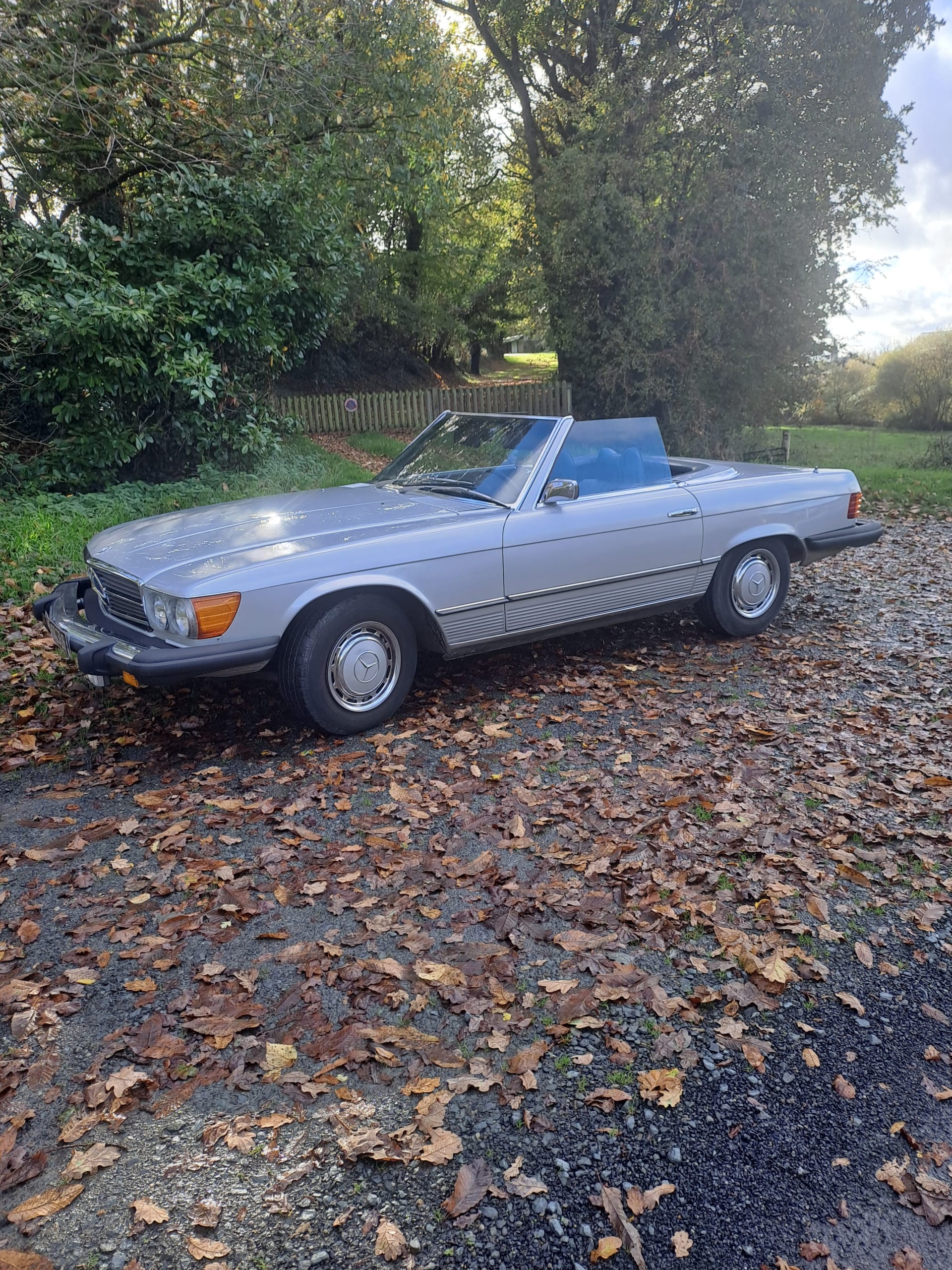
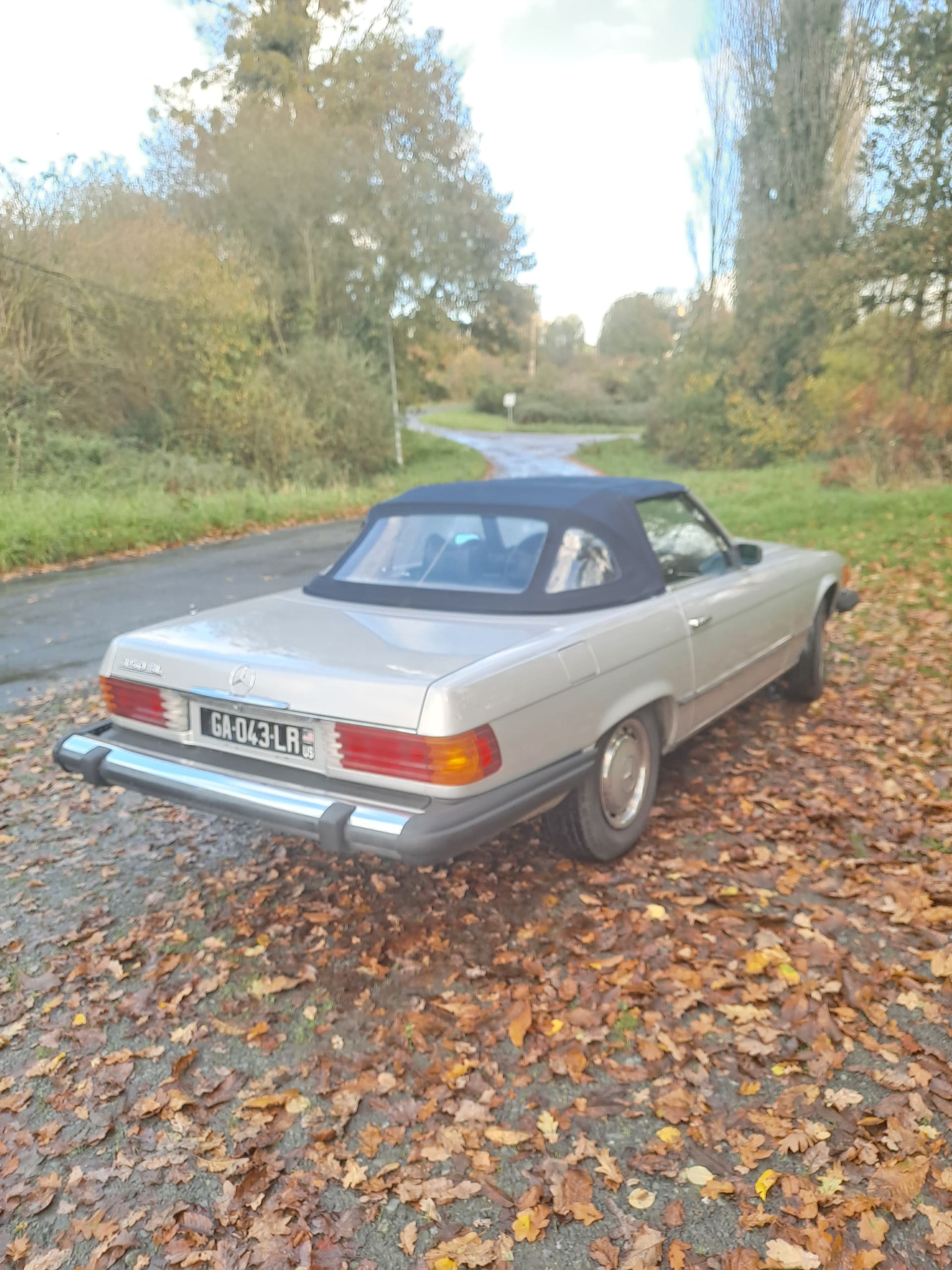
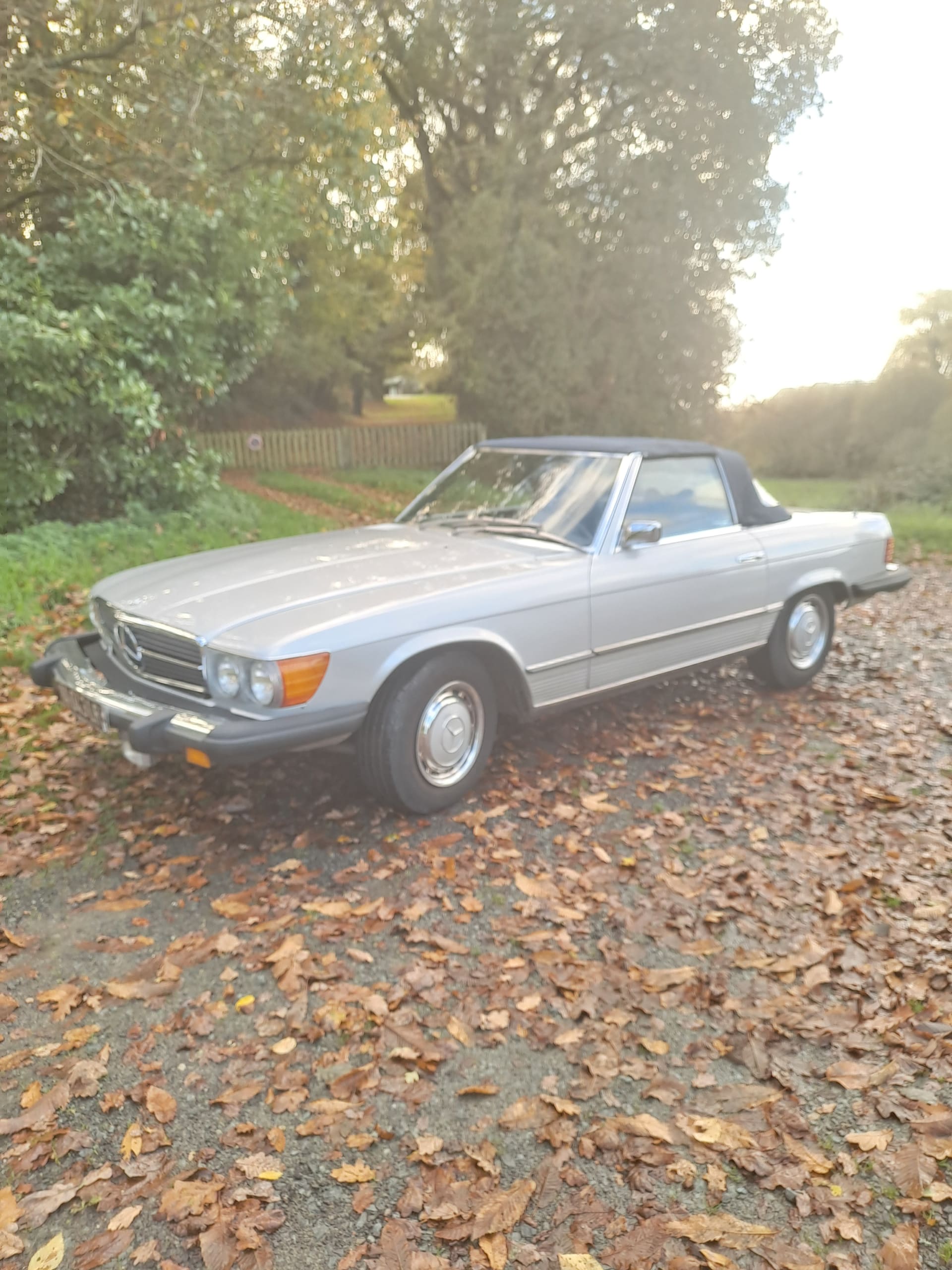
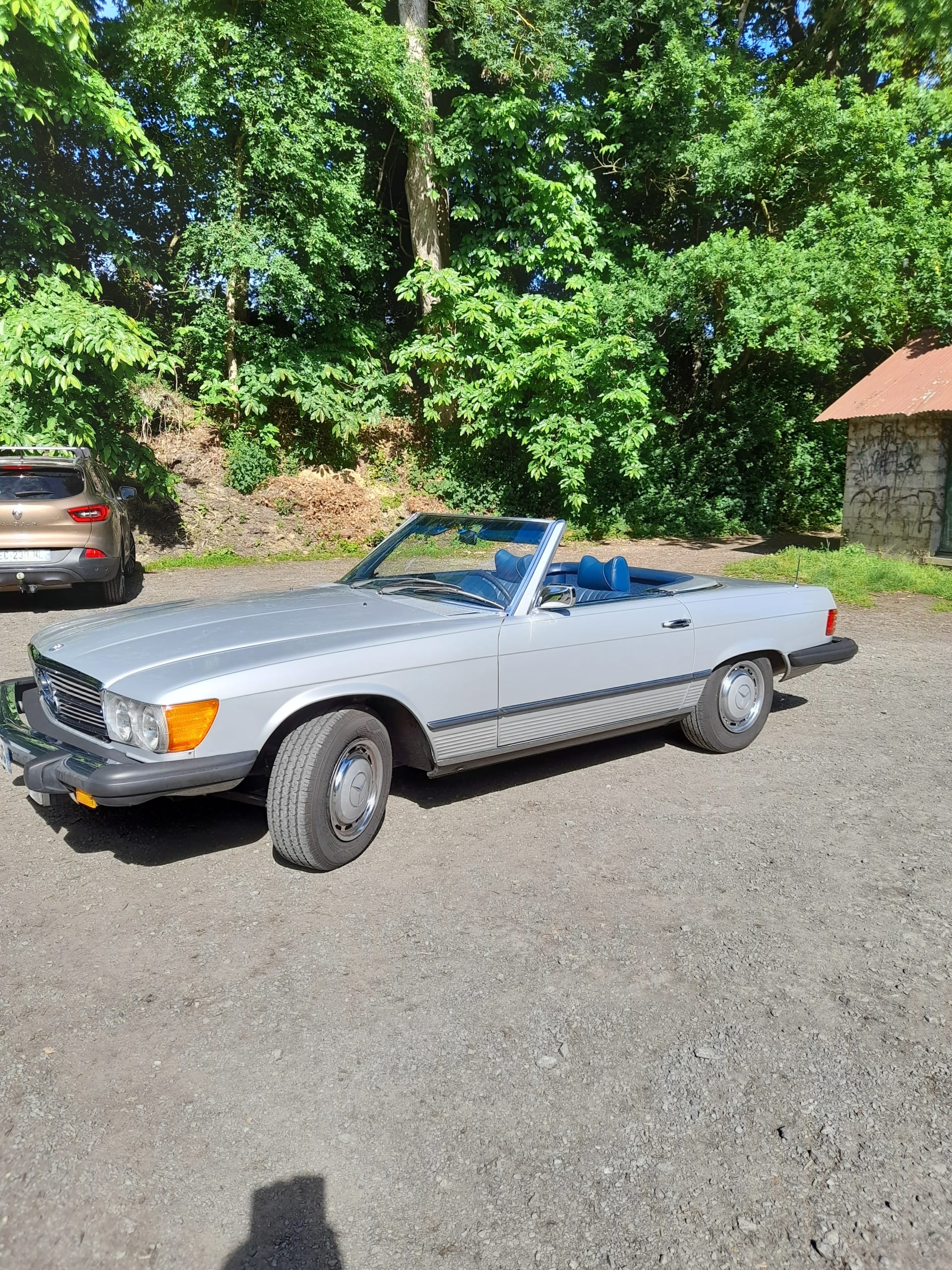
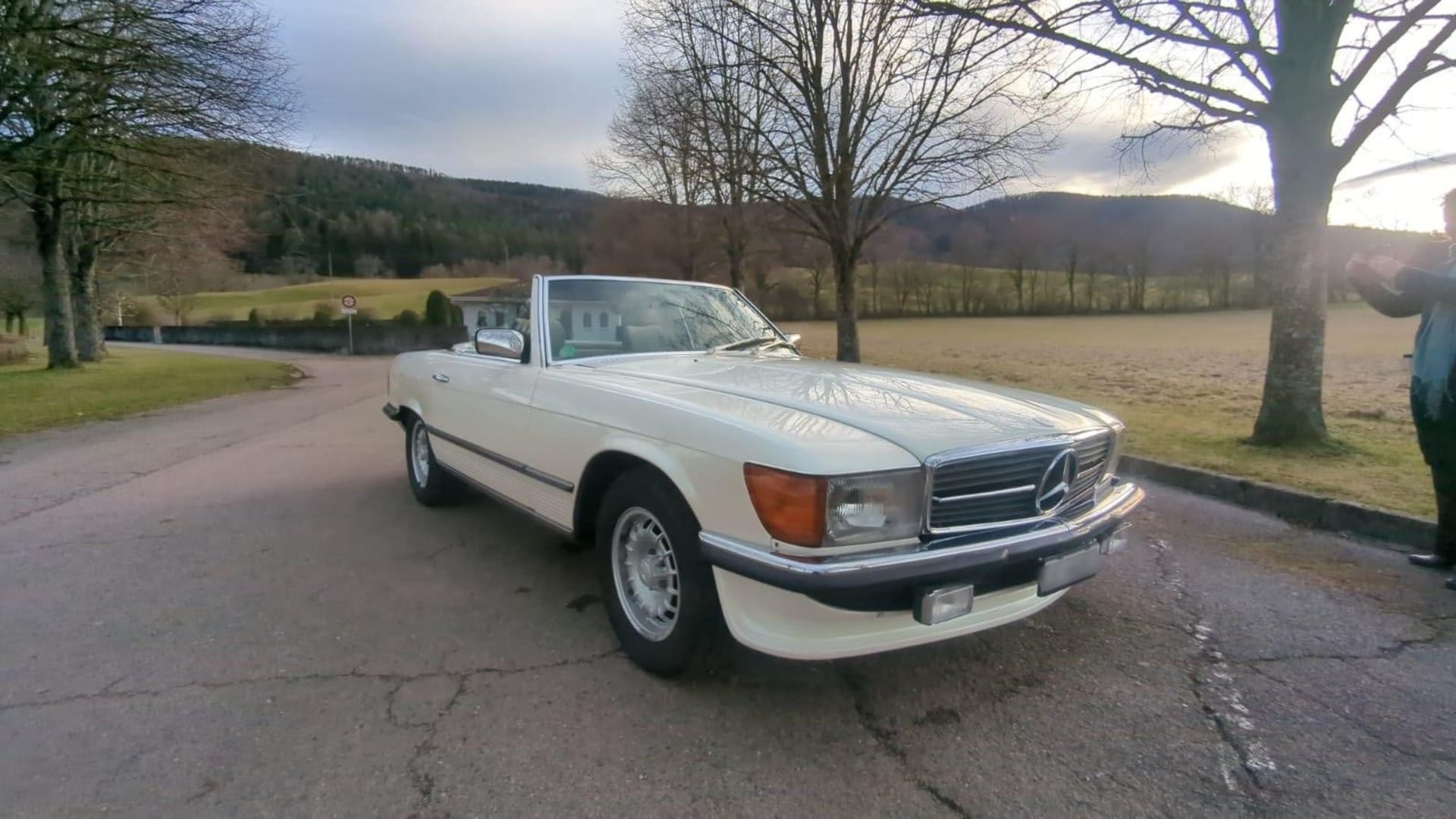
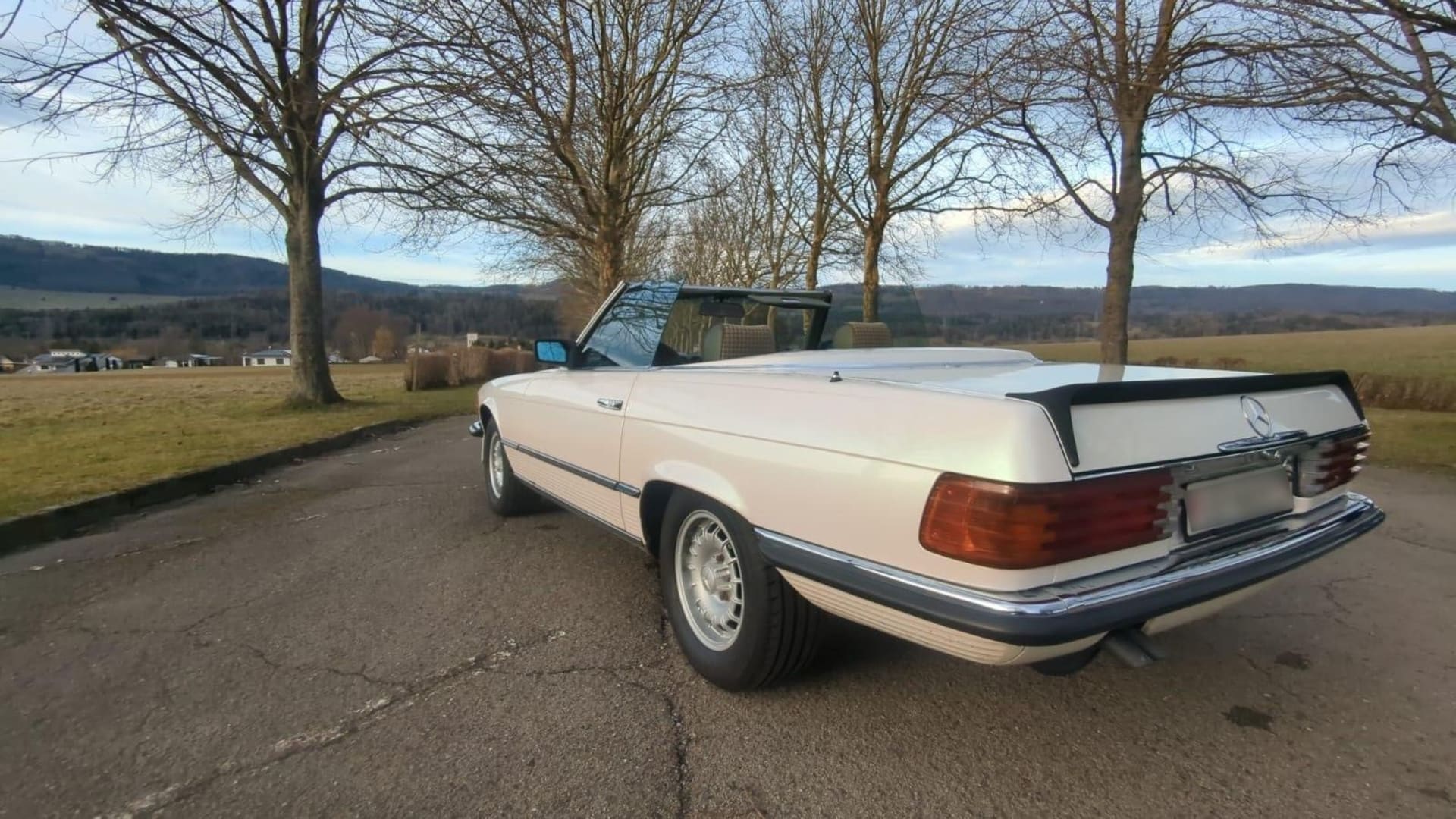
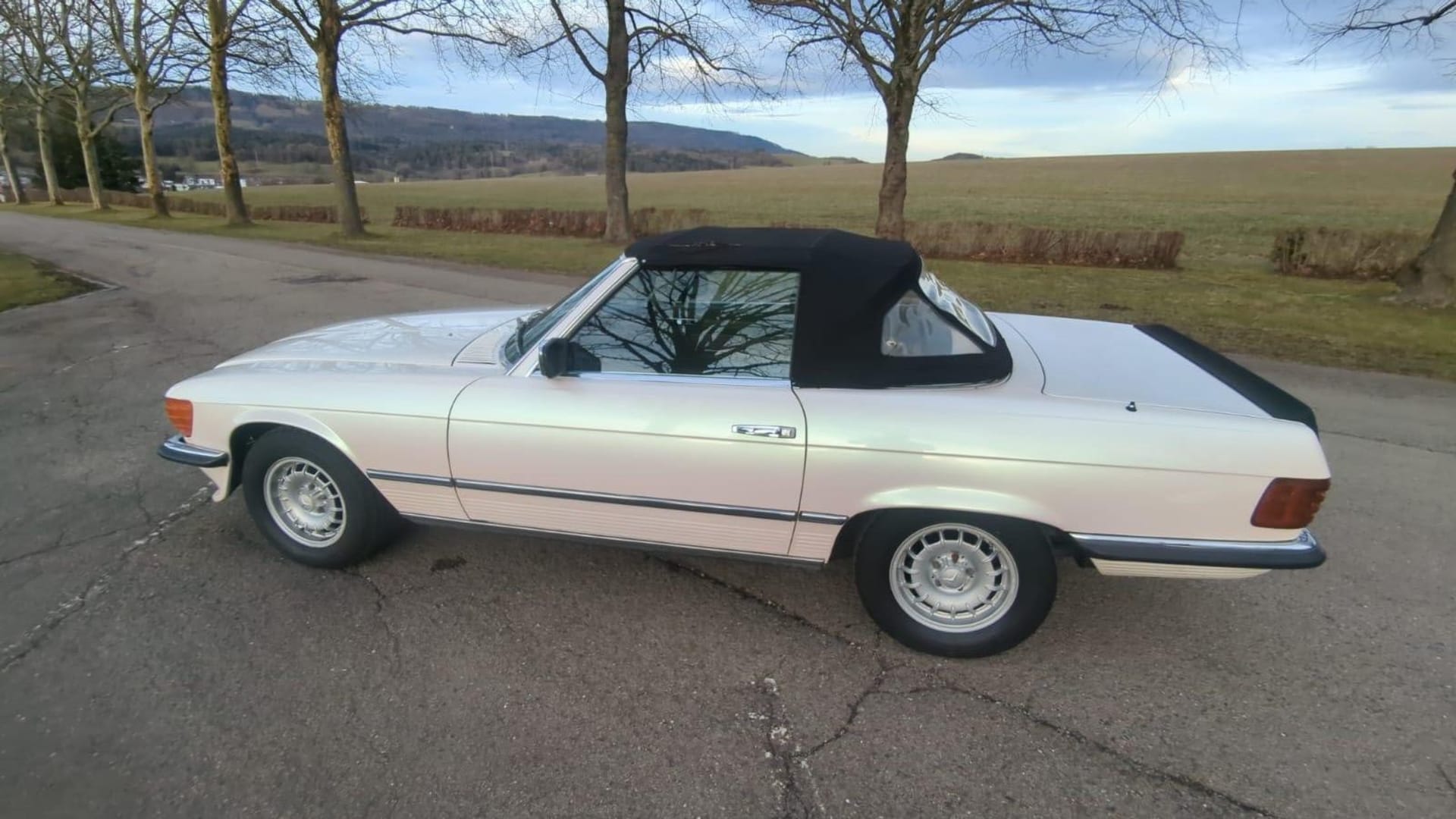
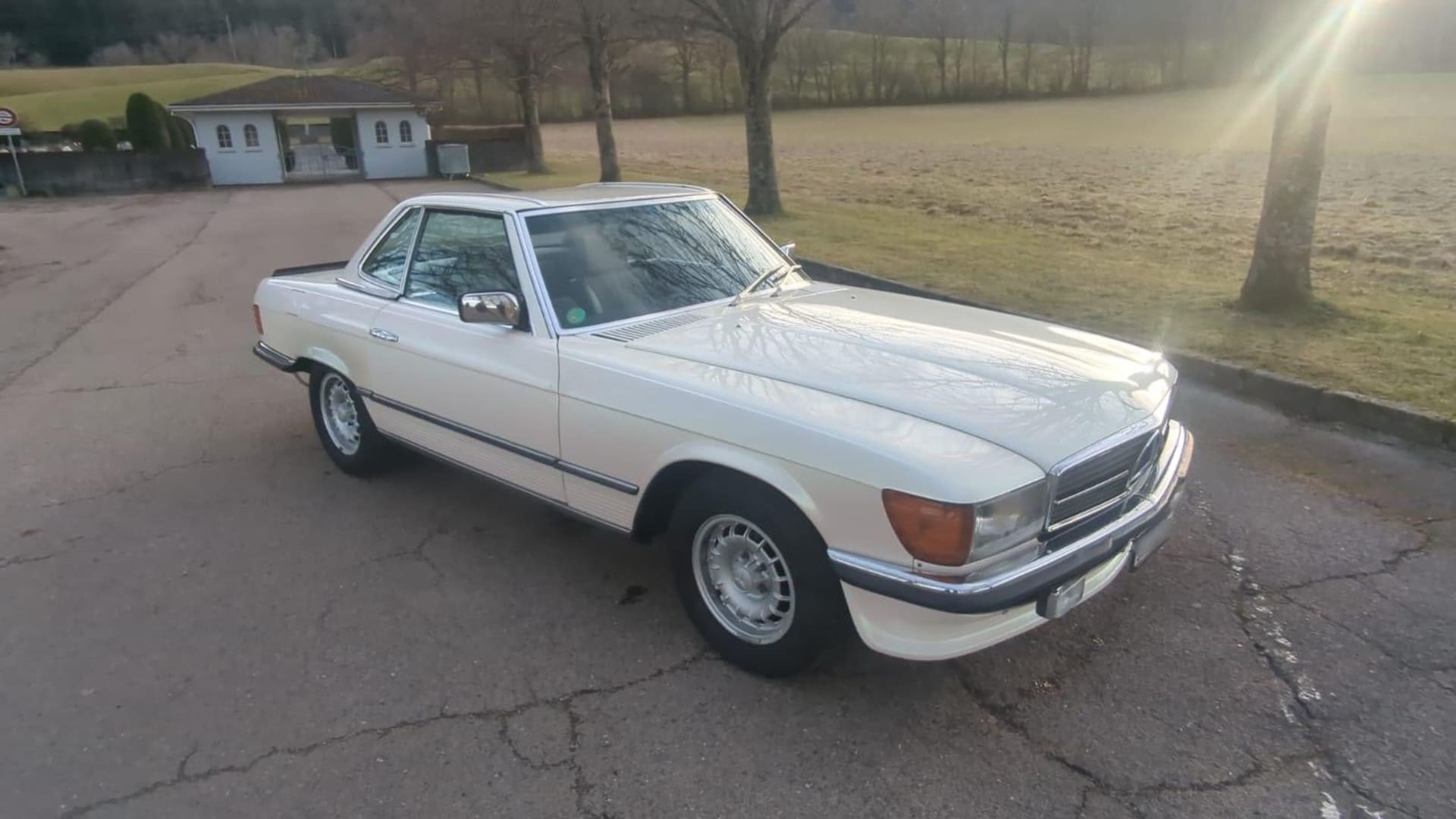
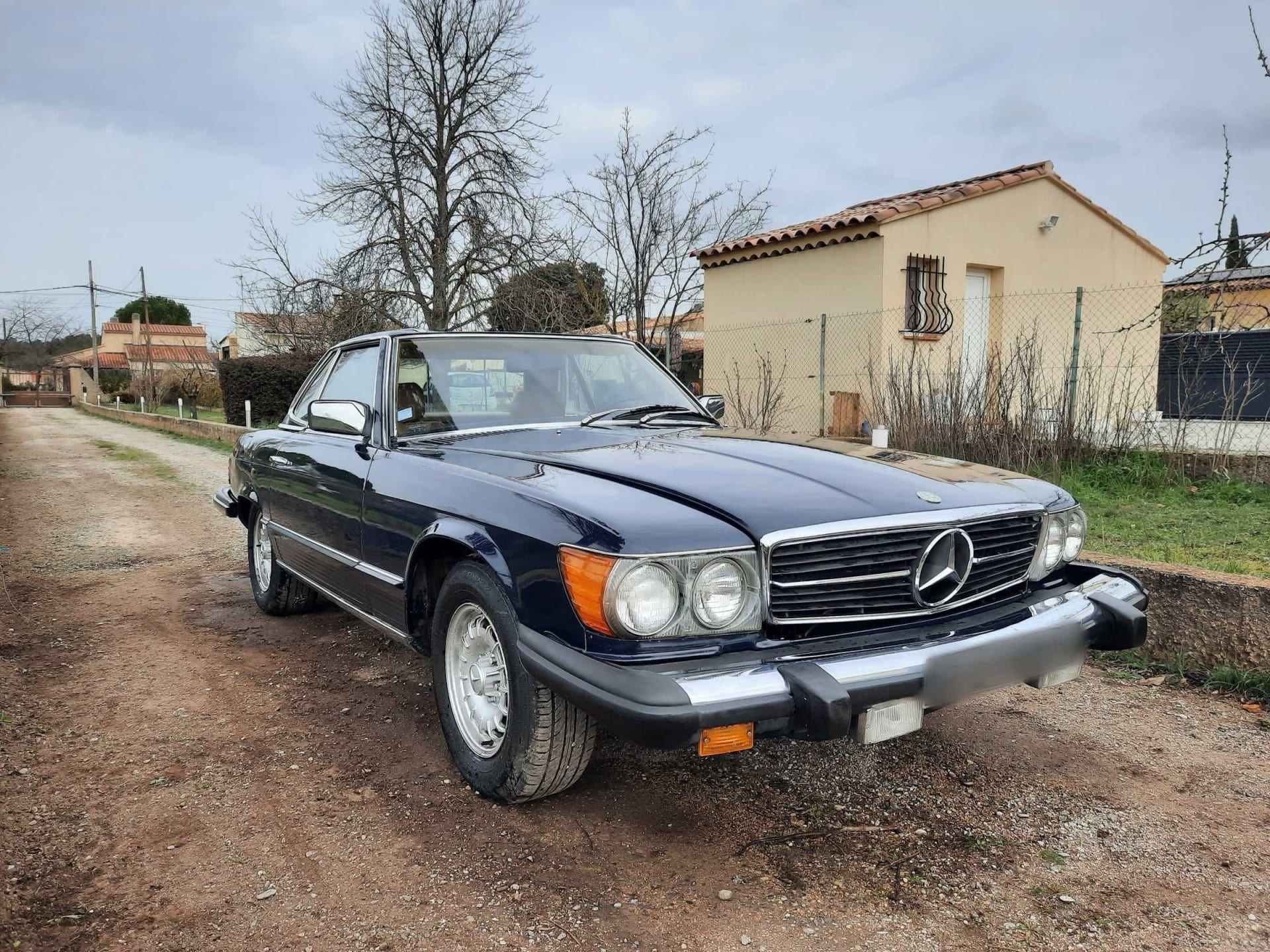
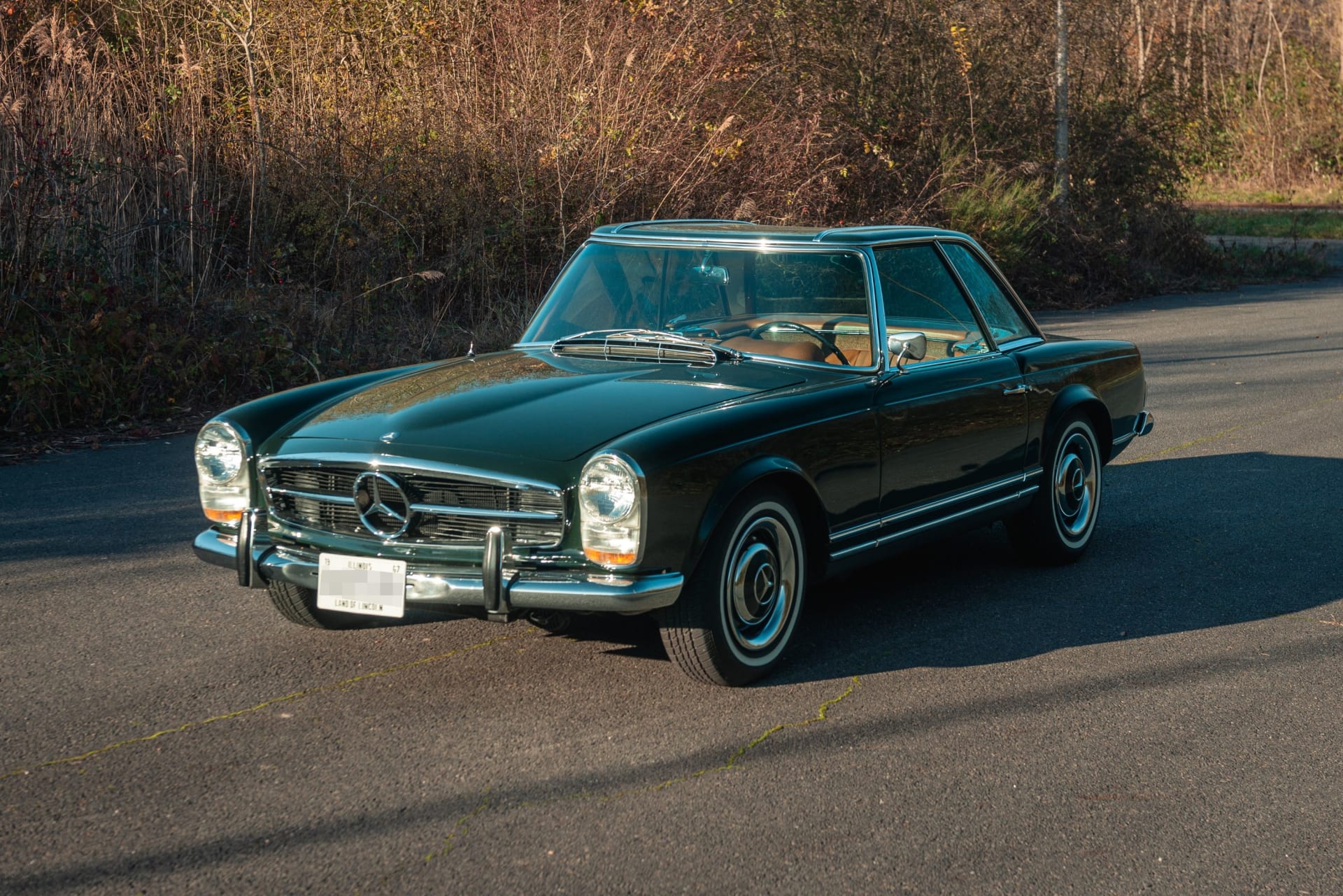
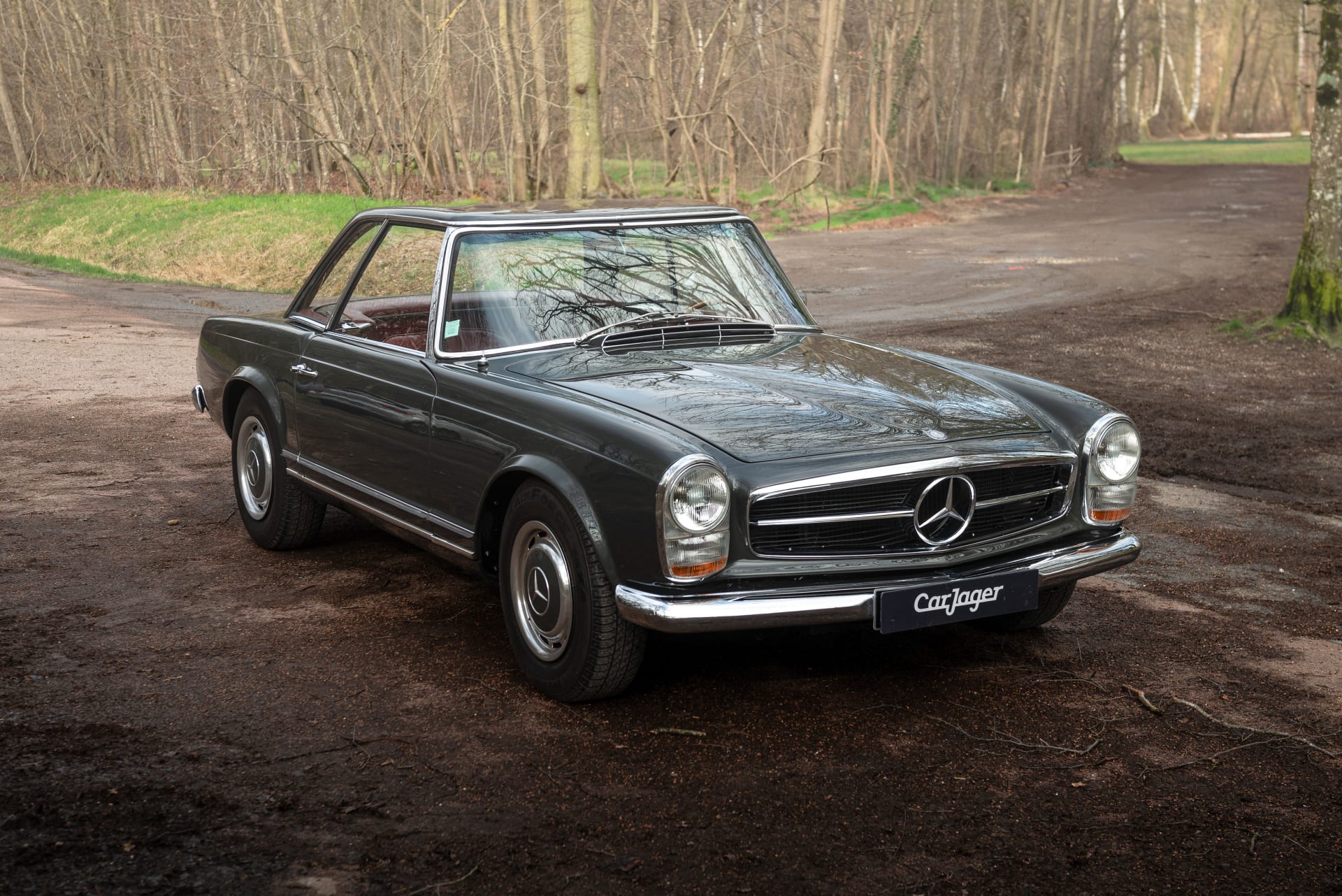
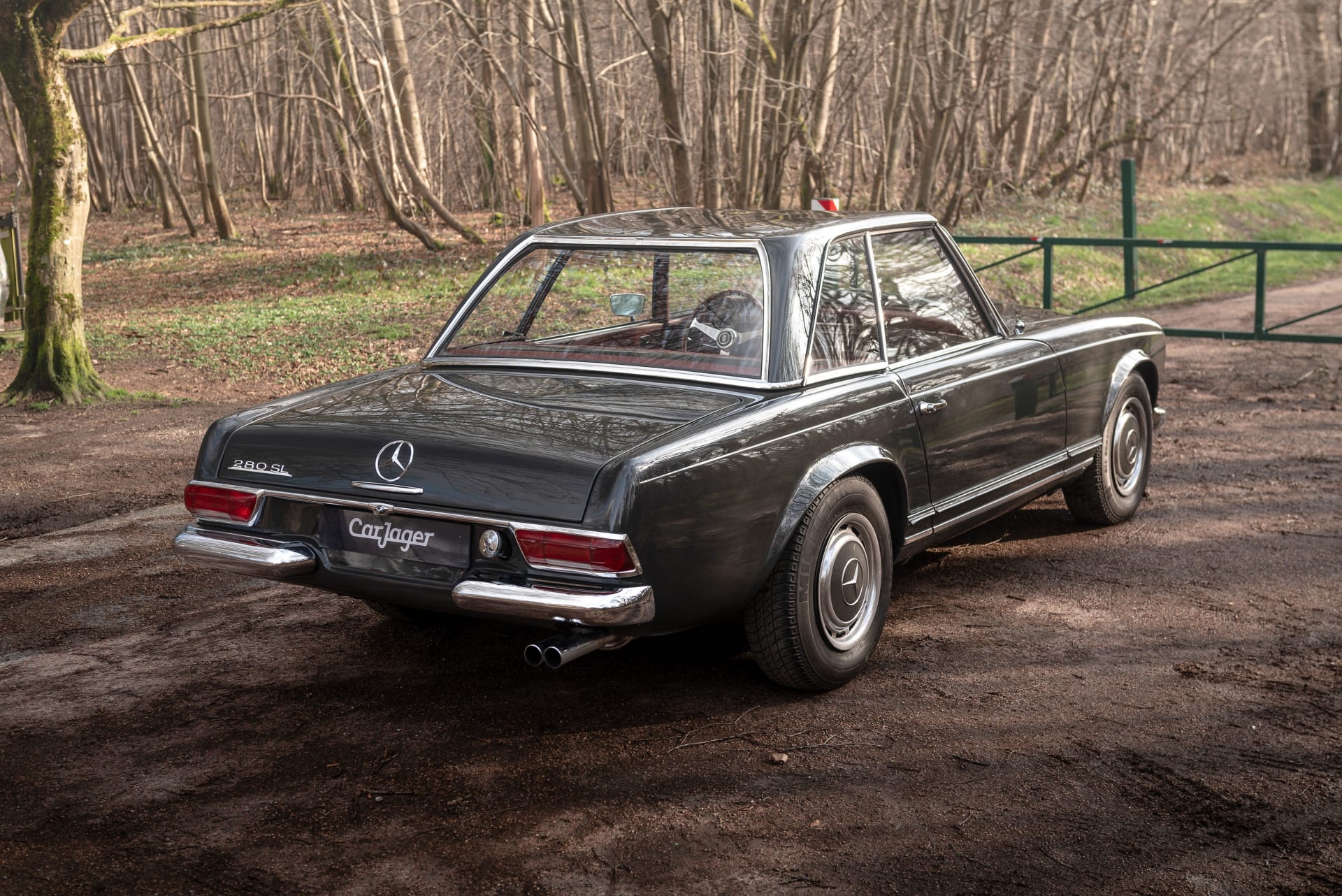
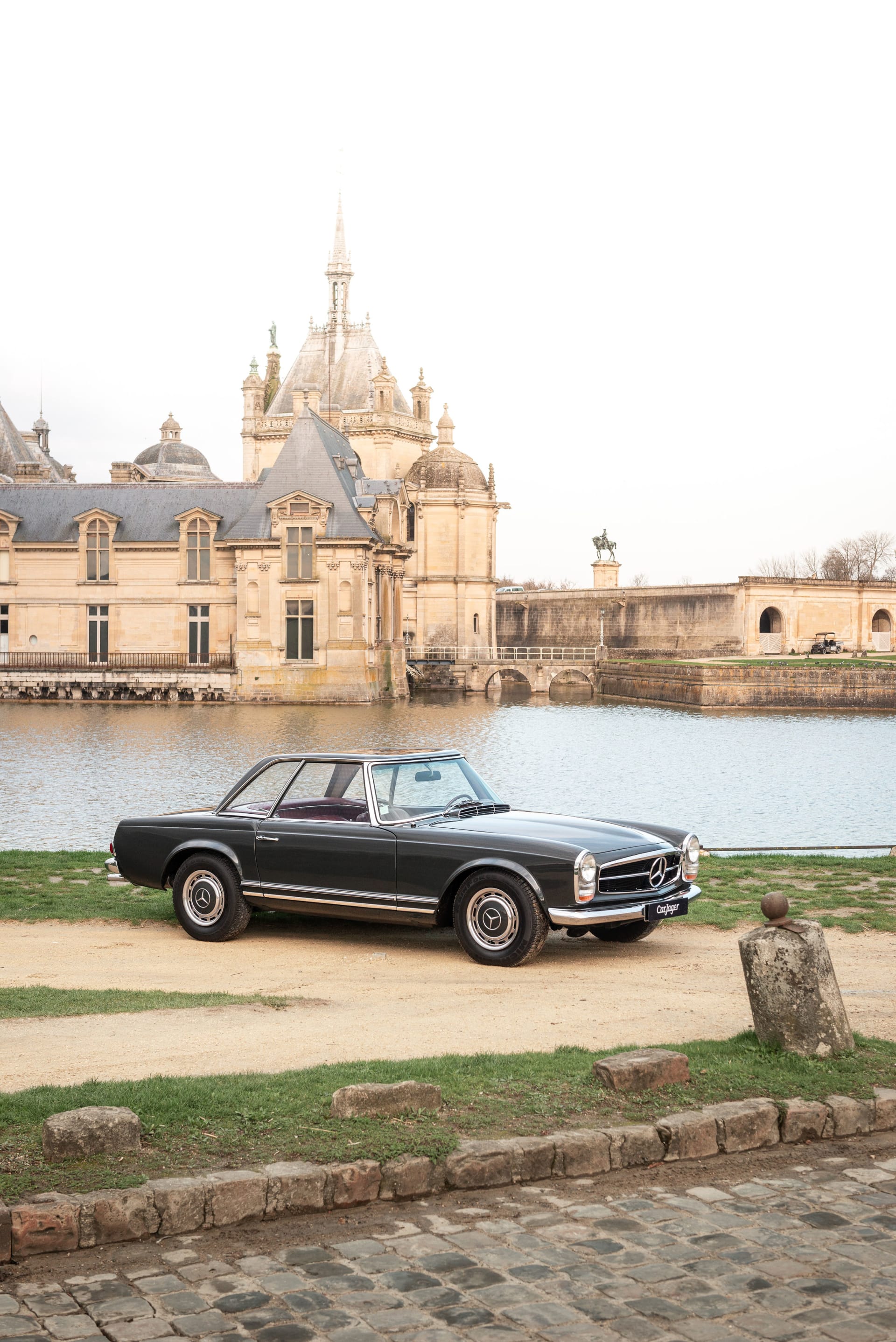
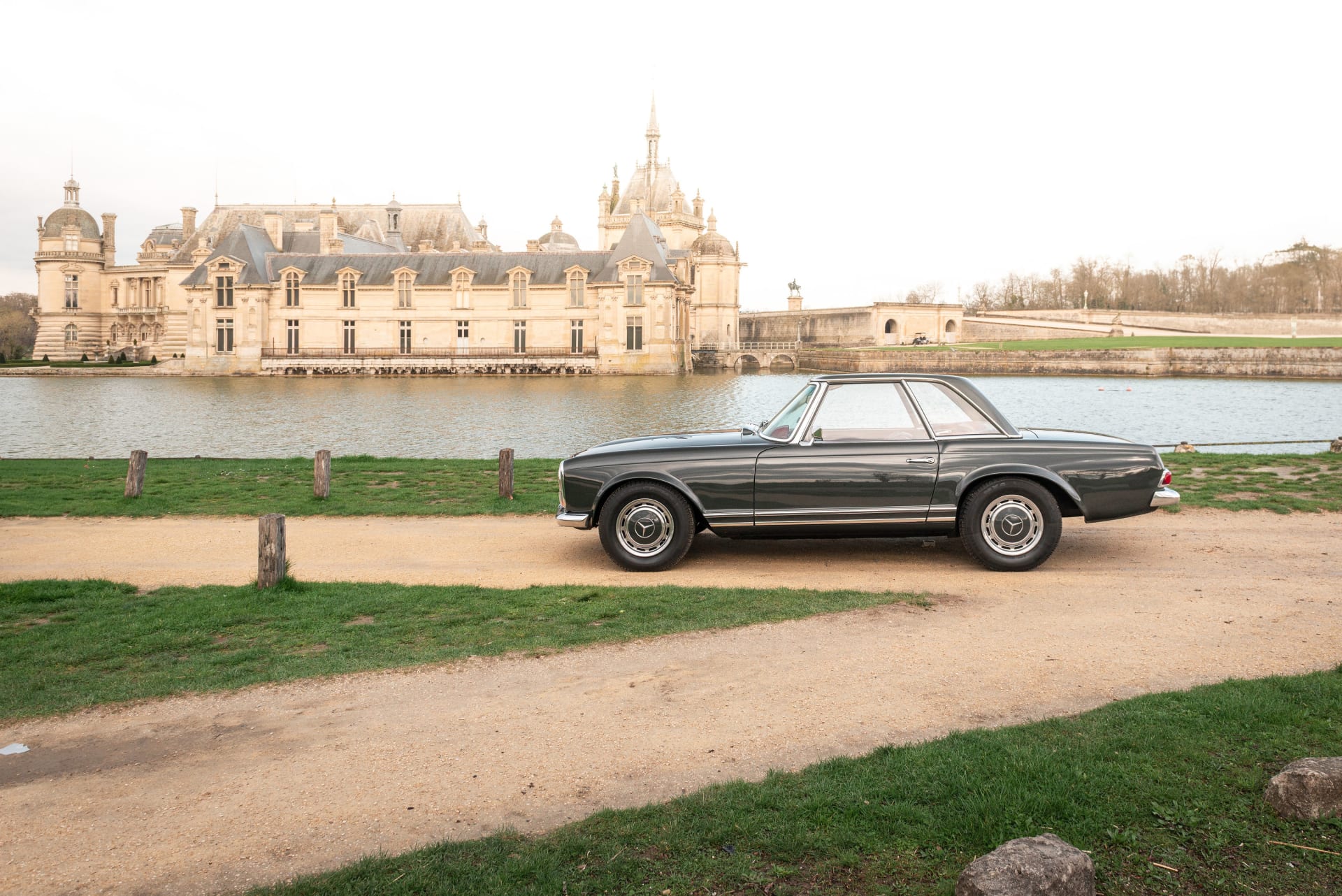
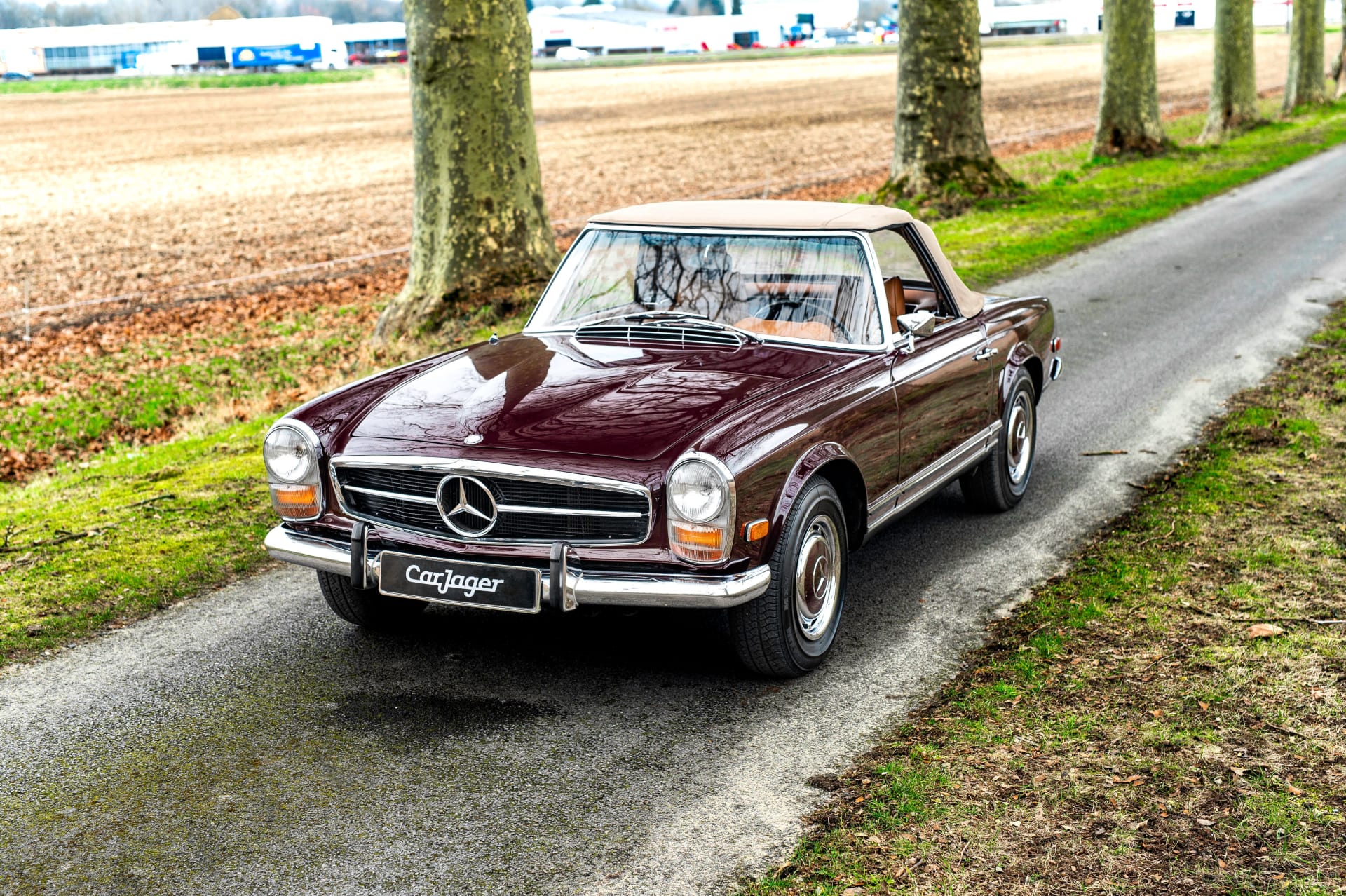
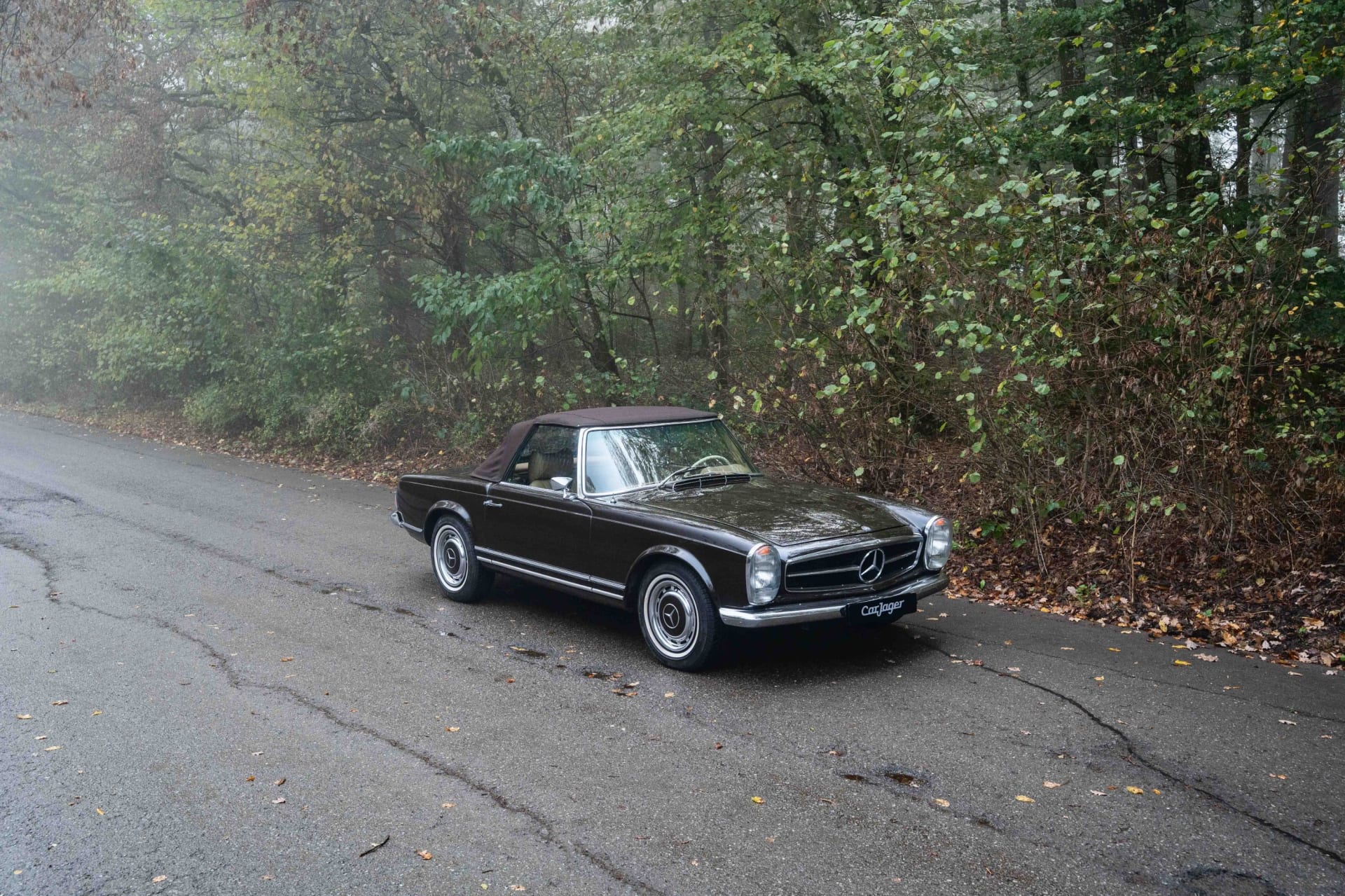
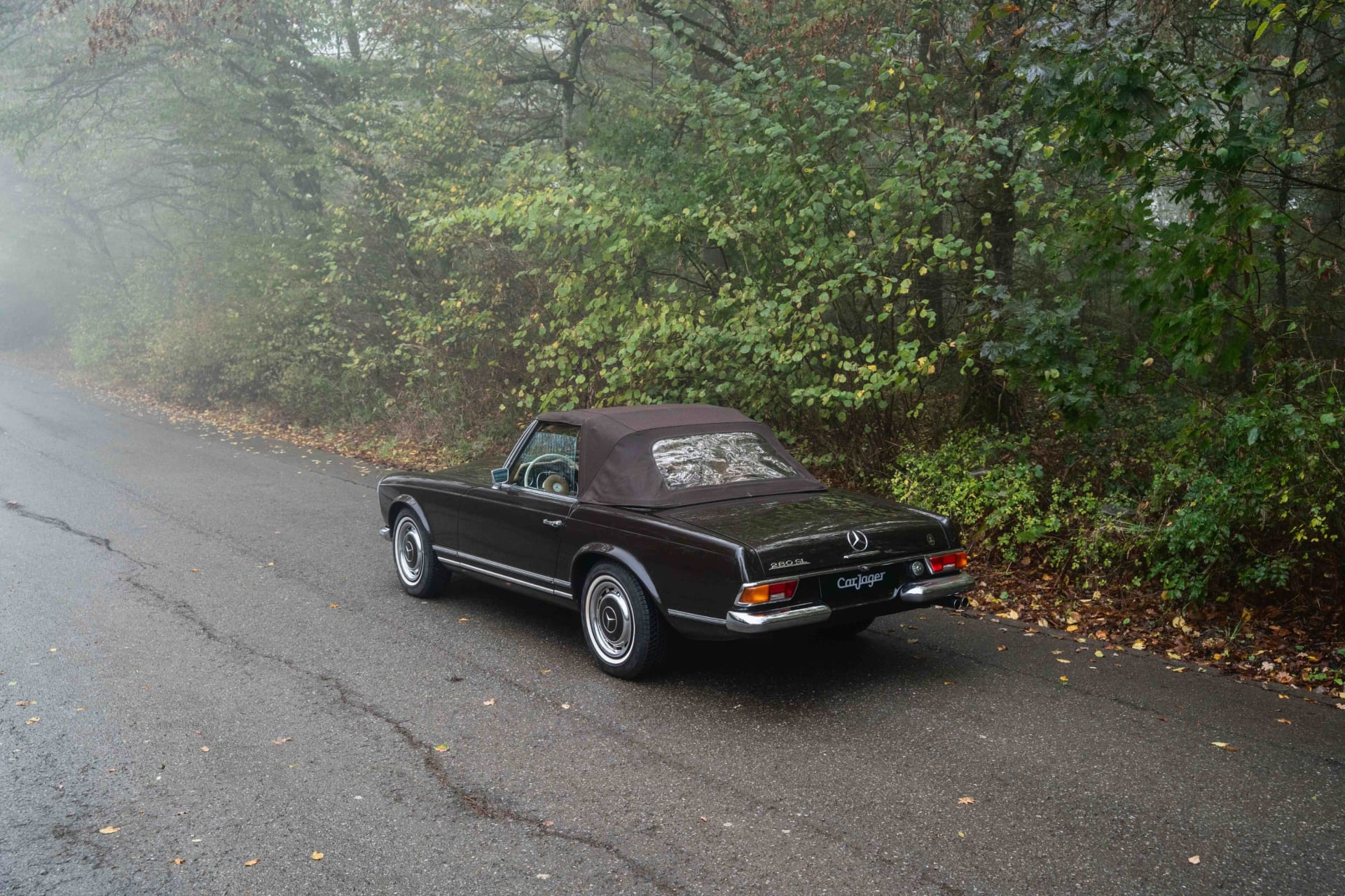
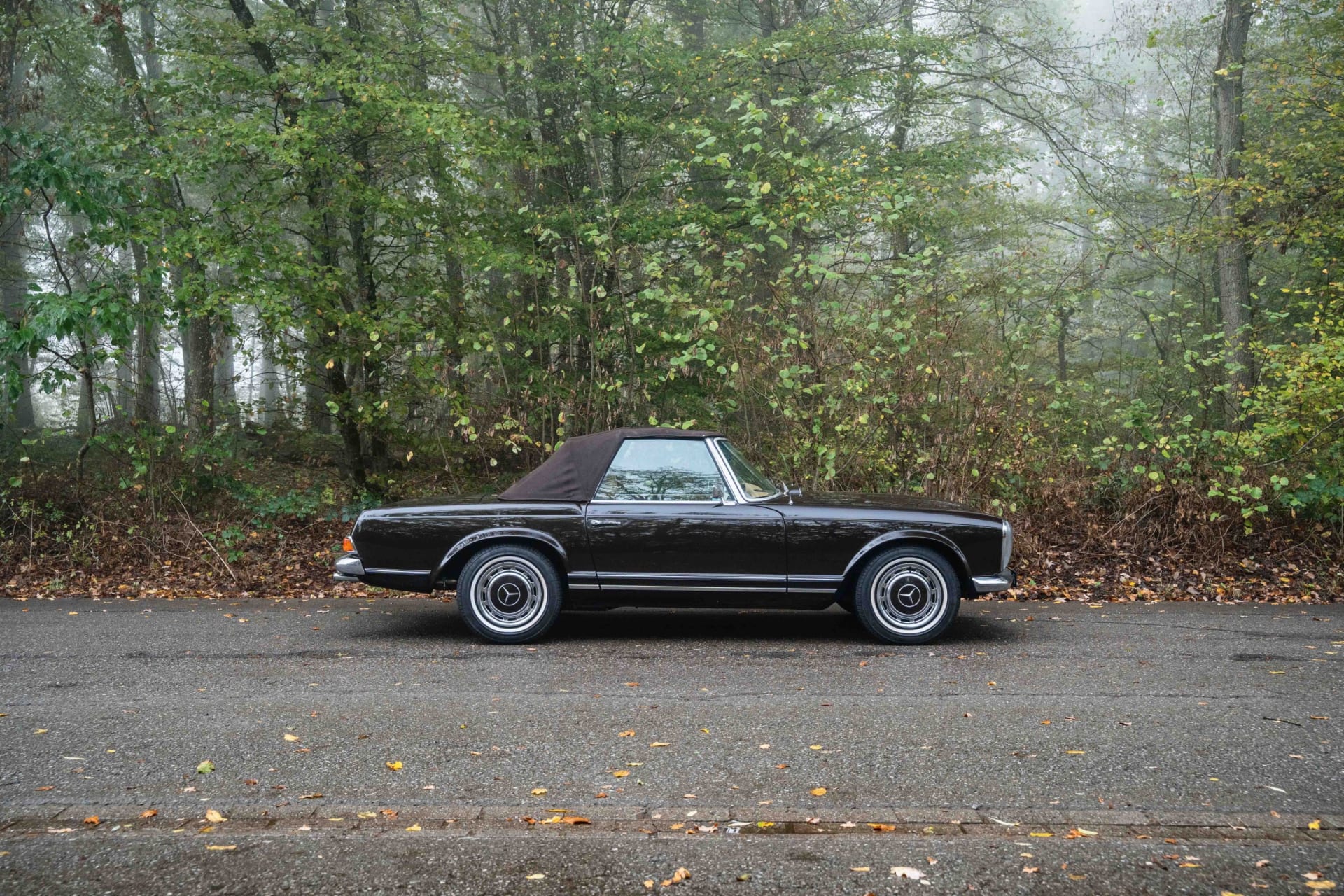
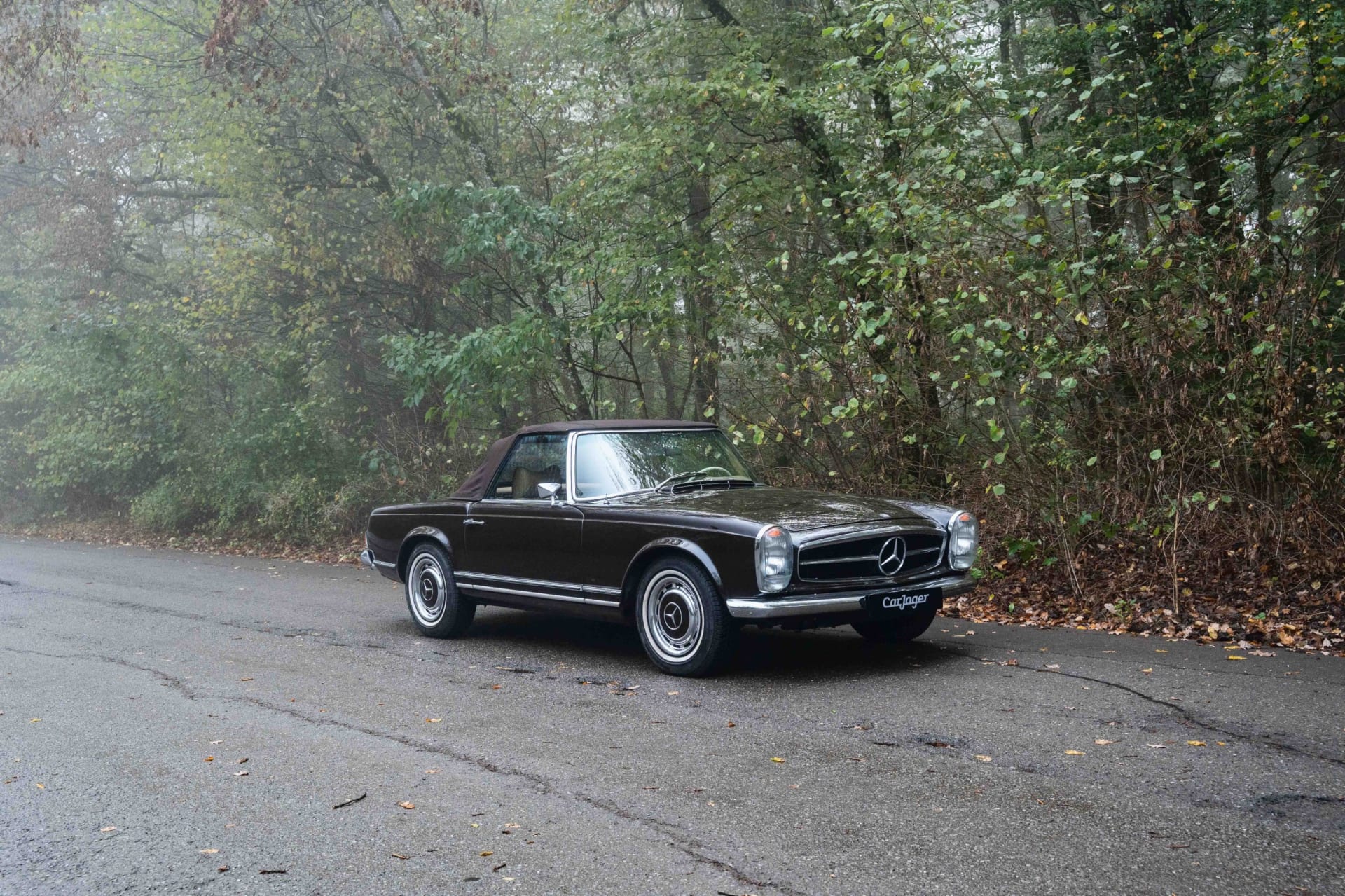
The Mercedes lineup has always been highly diverse, featuring everything from sedans and station wagons to SUVs, limousines, coupes, convertibles, and roadsters. Among collectors, it is of course these last three body styles that attract the most interest. The large family of SL roadsters, launched in 1955 by the 190 SL, has endured to this day and includes several iconic models, such as, of course, the first 300 SL, the so-called [“Pagoda”] series(https://www.carjager.com/blog/article/mercedes-benz-sl-pagode-bracquage-a-lallemande.html), and the R107, produced over an eighteen-year period and currently enjoying a surge in popularity. Large four-seat convertibles are by no means left out, however, such as the W111/W112 series, whose V8-powered variants are now valued higher than a Rolls-Royce Corniche. While slightly less sought-after than convertibles, the star-badged coupes nevertheless retain their fans and are also part of a long tradition. Let’s not forget the first T-series station wagons (1977–1985), whose class and proverbial sturdiness are attracting more and more collectors. Finally, the company’s very first four-wheel-drive vehicle, the G-Class introduced in 1979, is now highly sought after, particularly in its most powerful variants, equipped with six-, eight-, or twelve-cylinder engines.