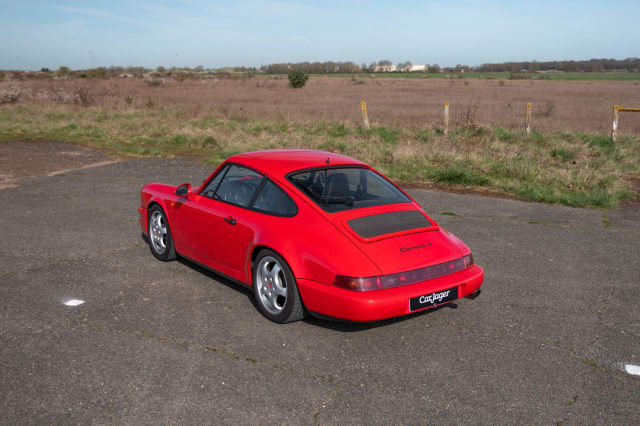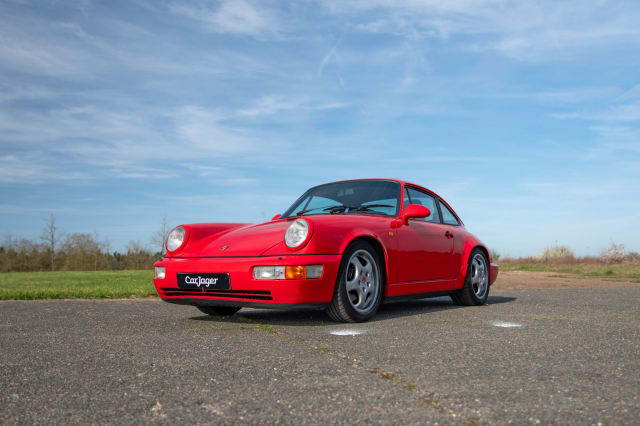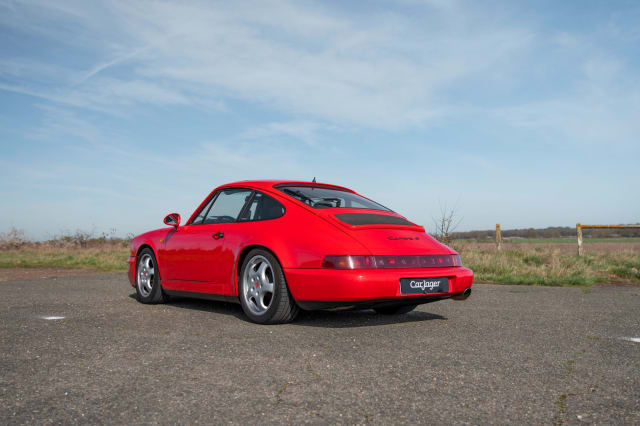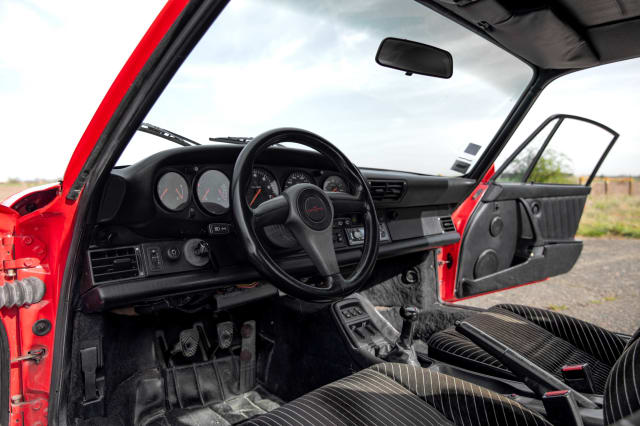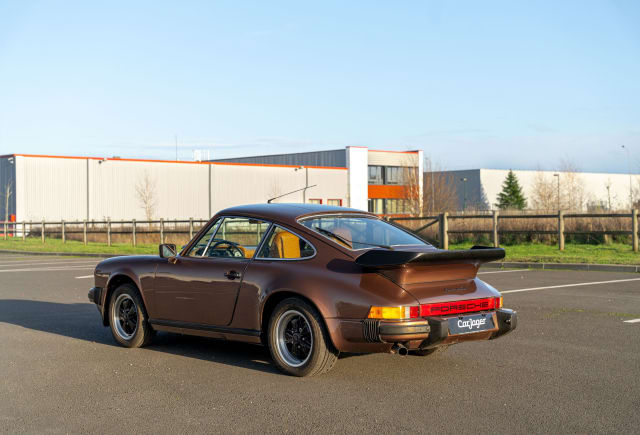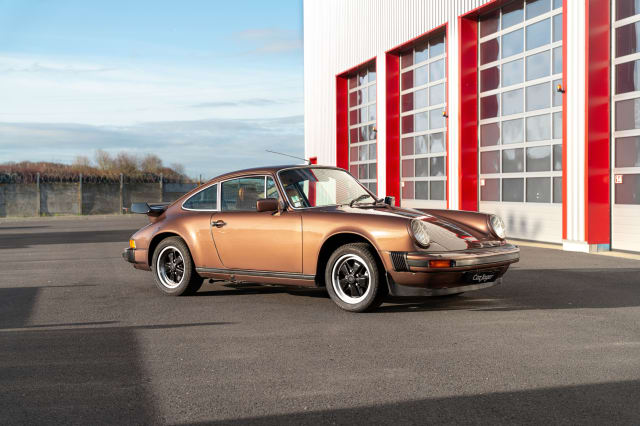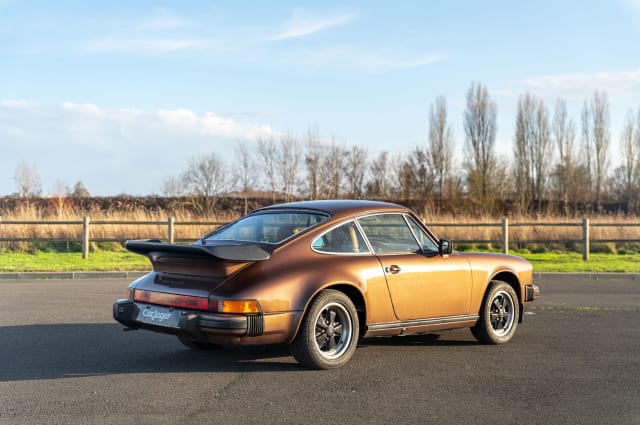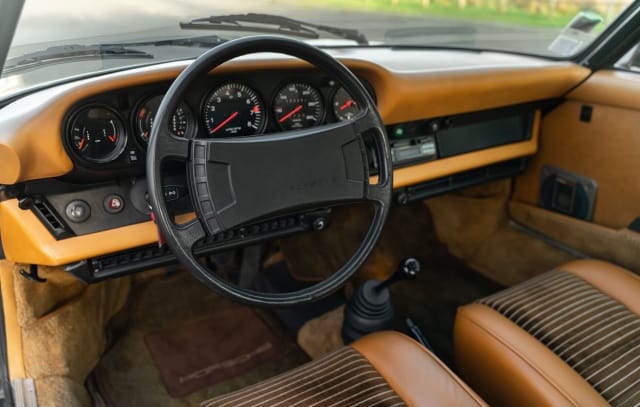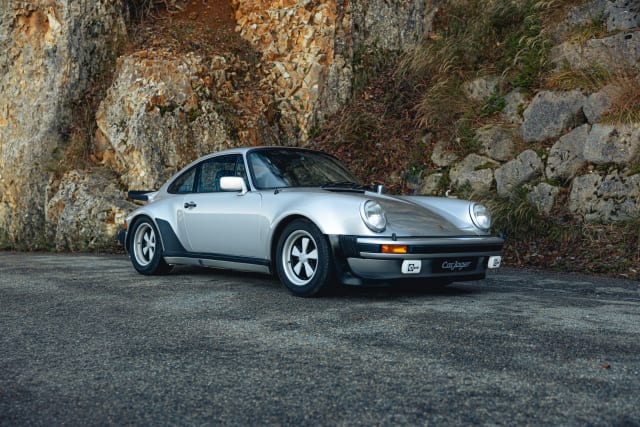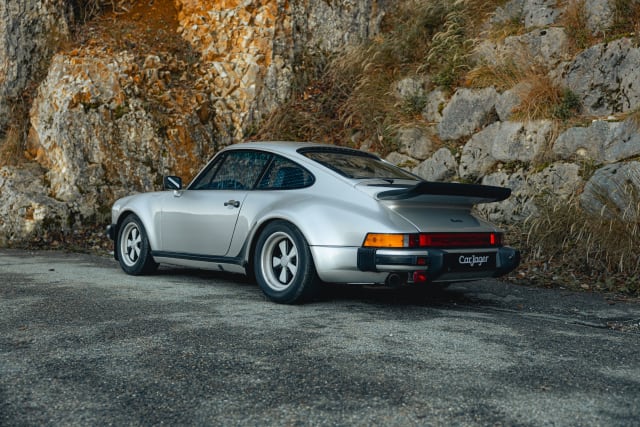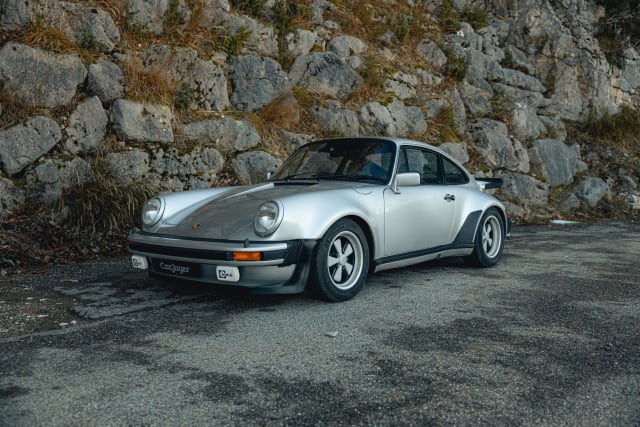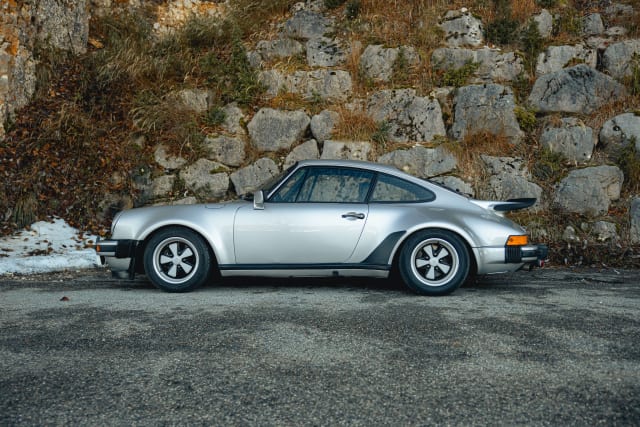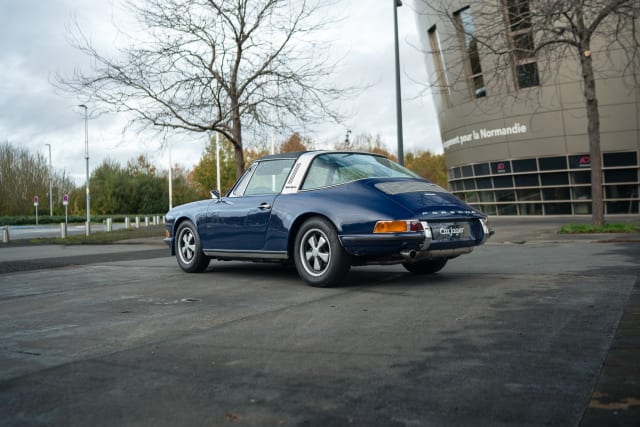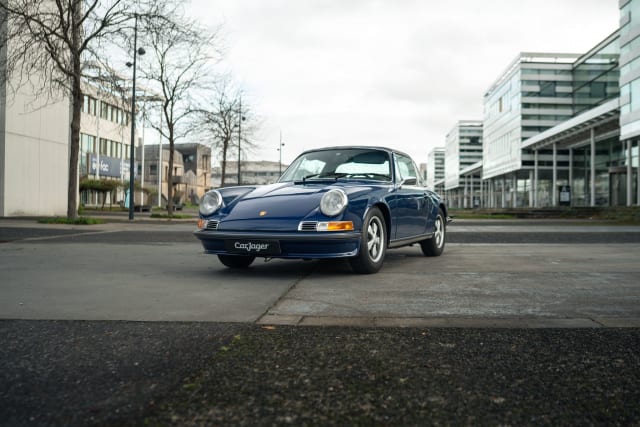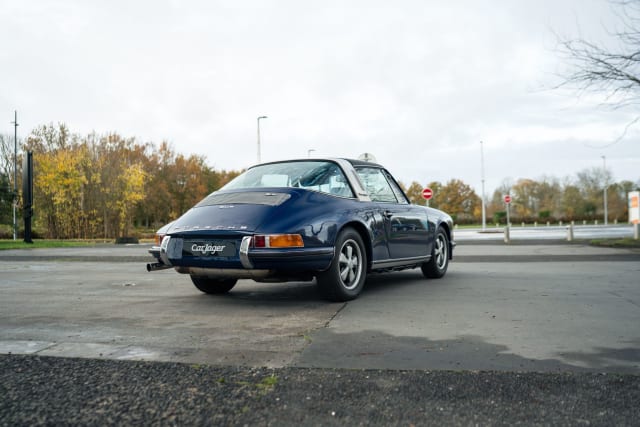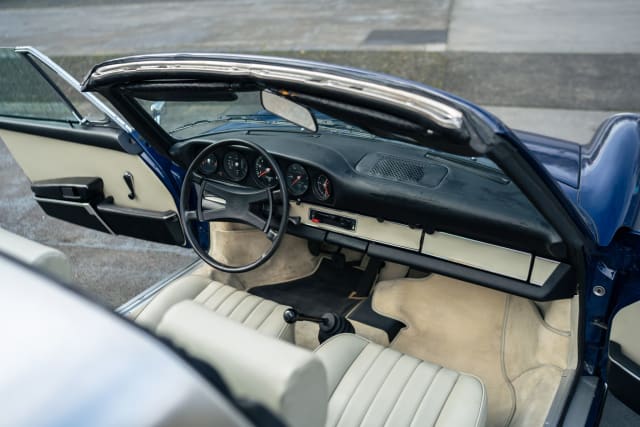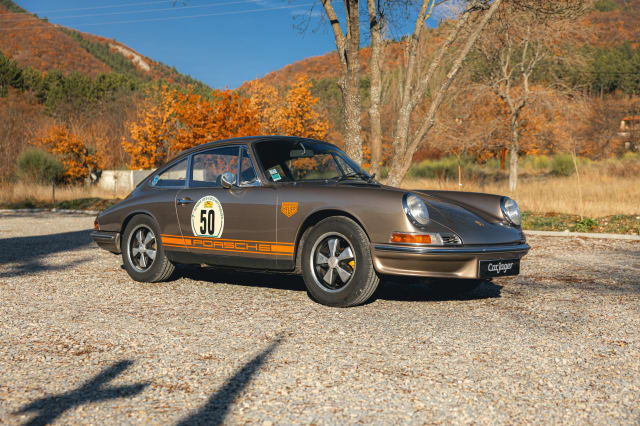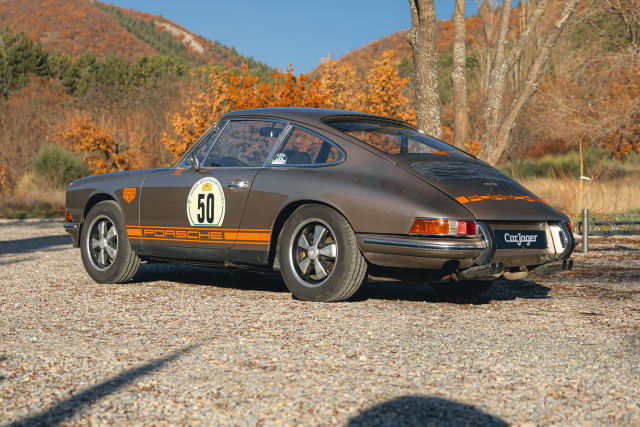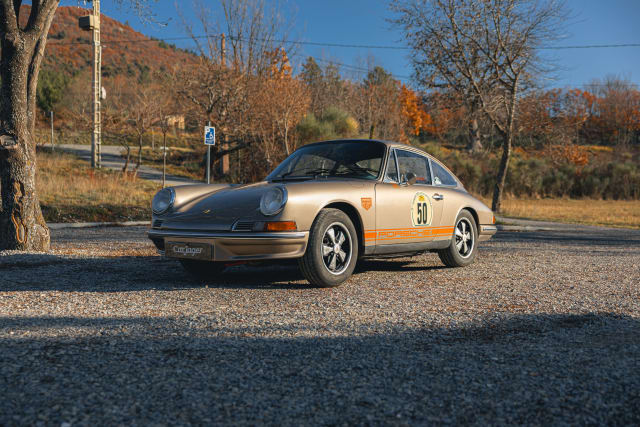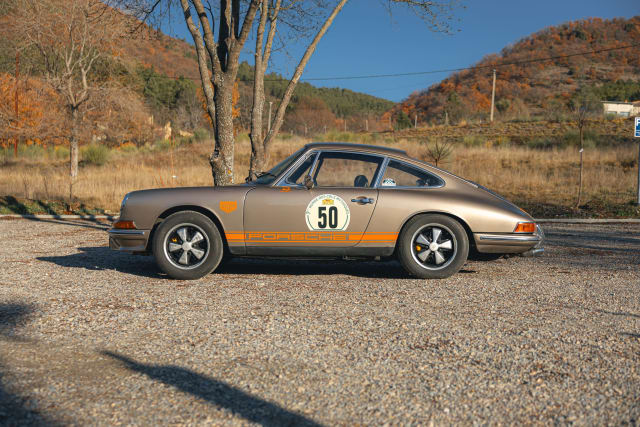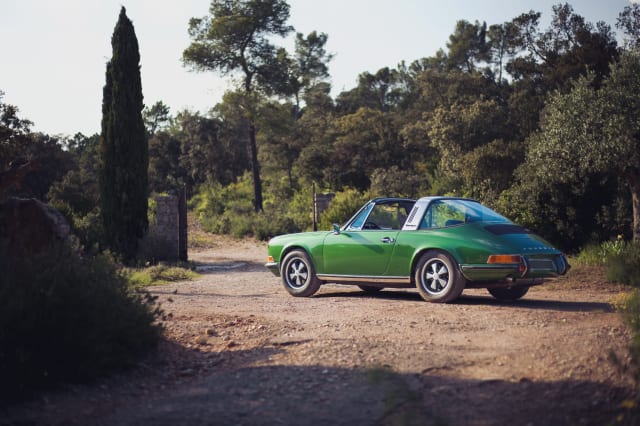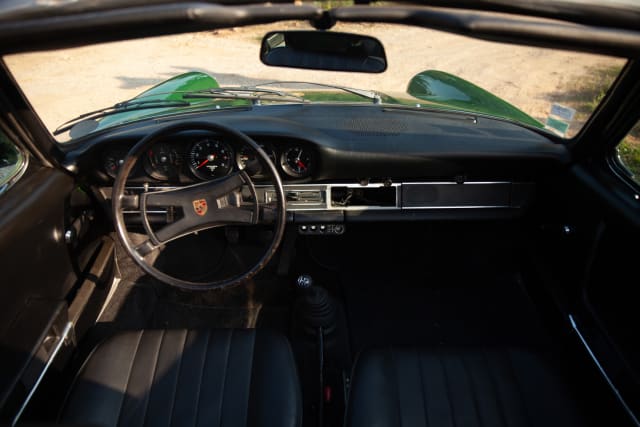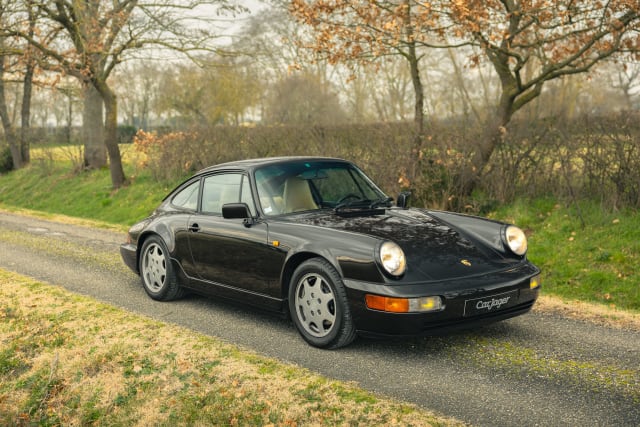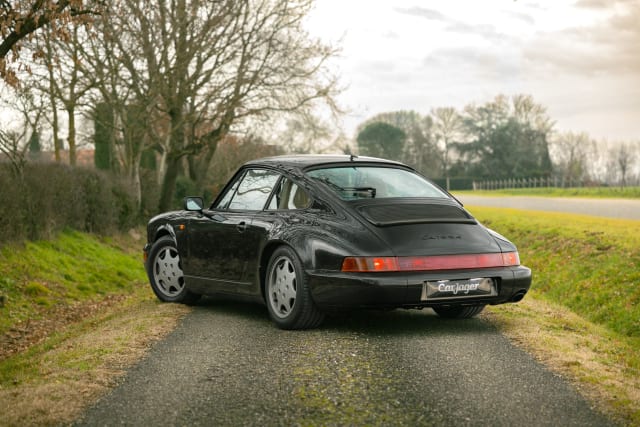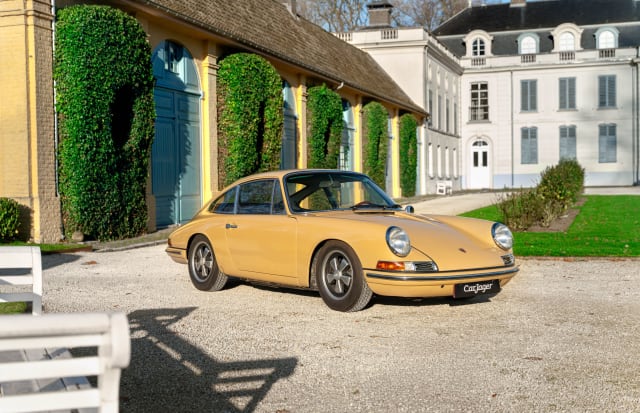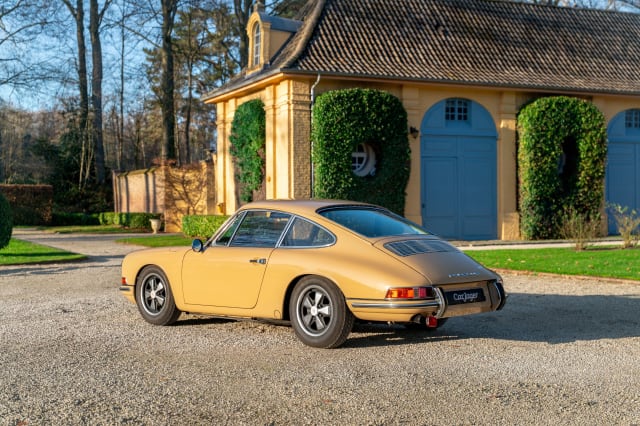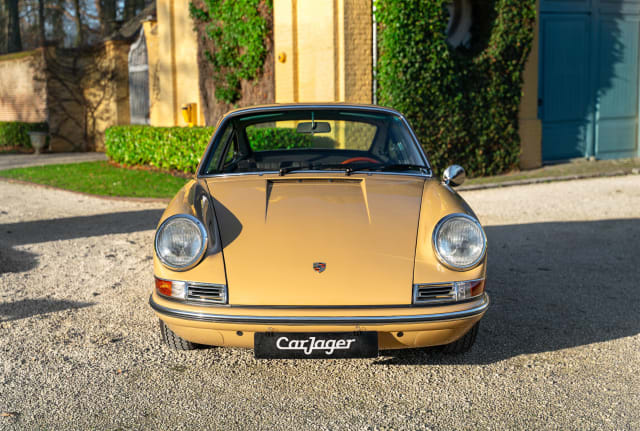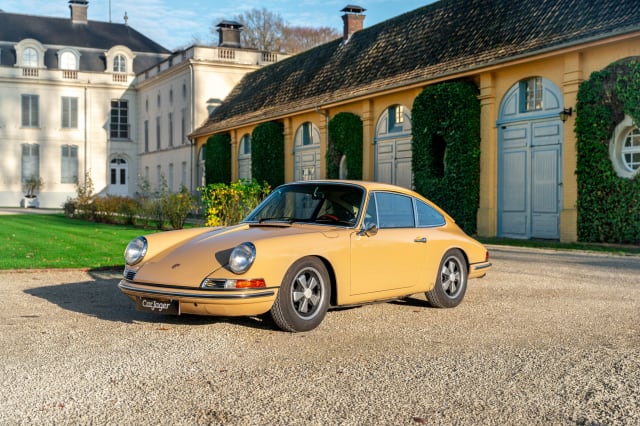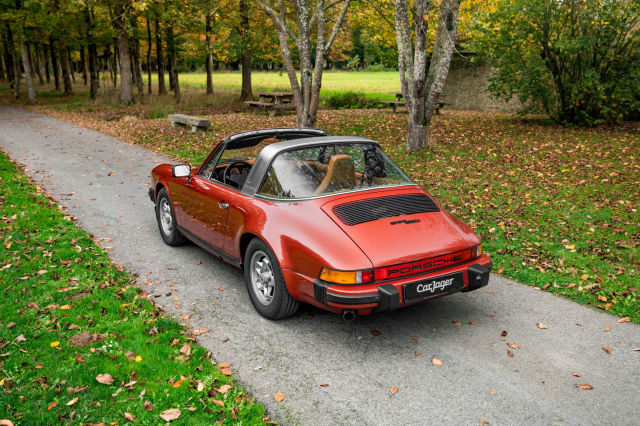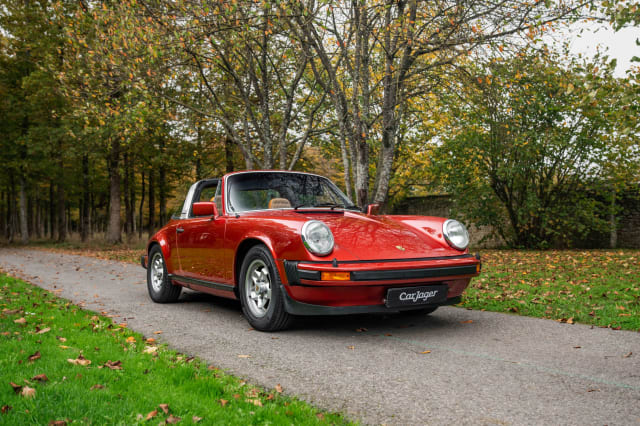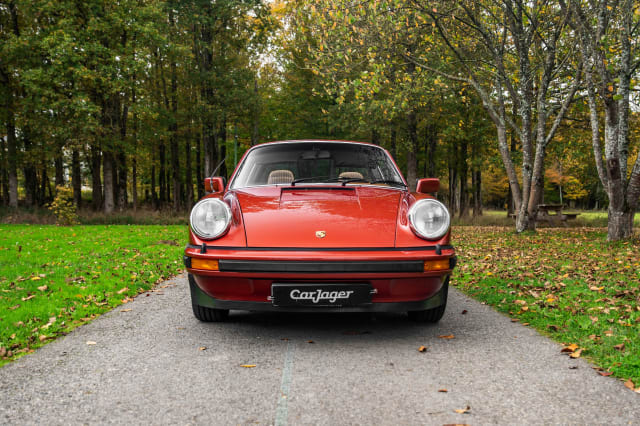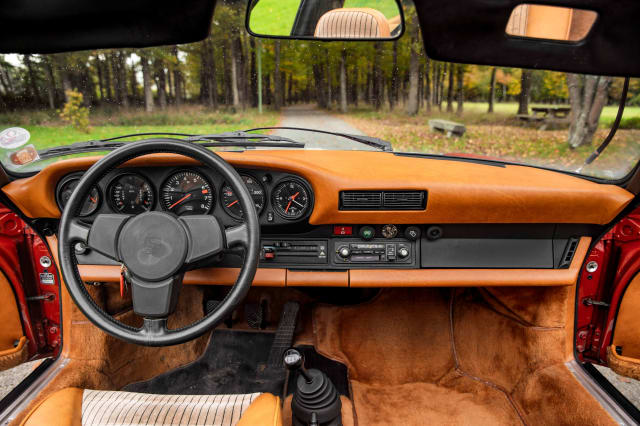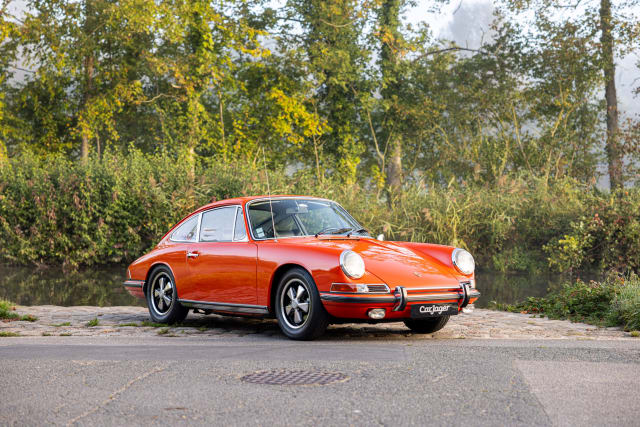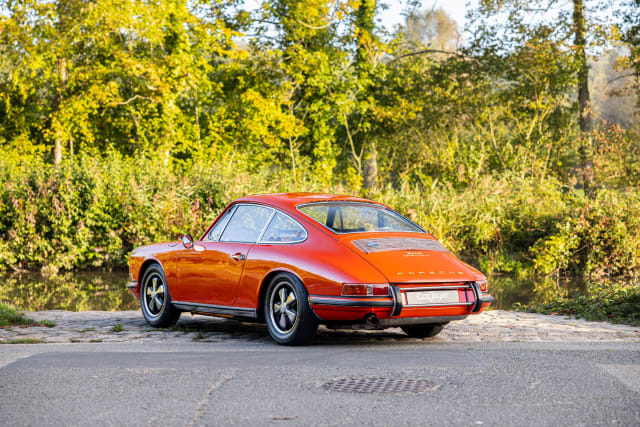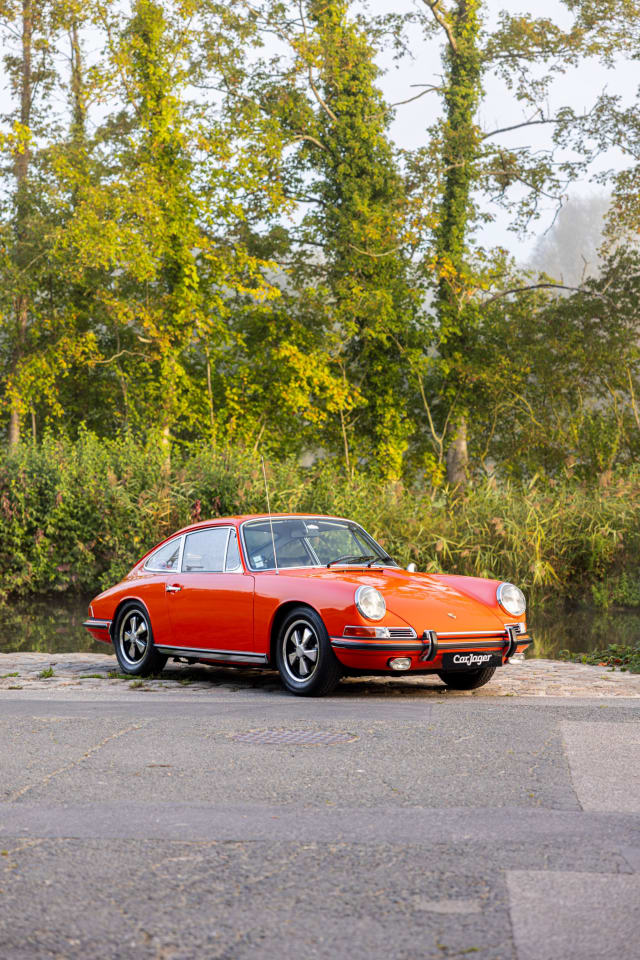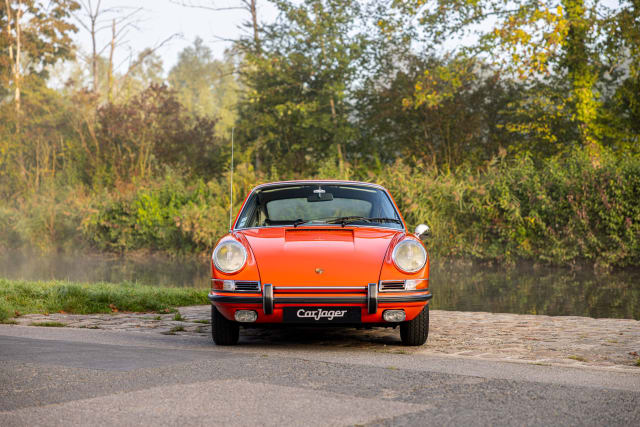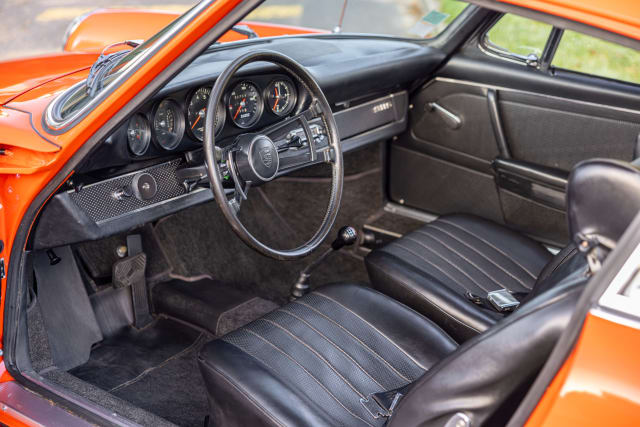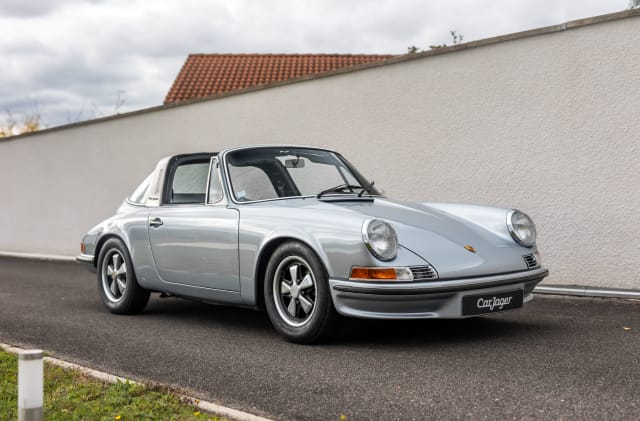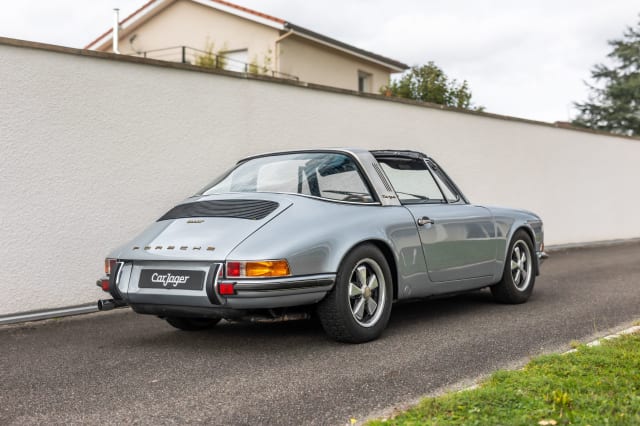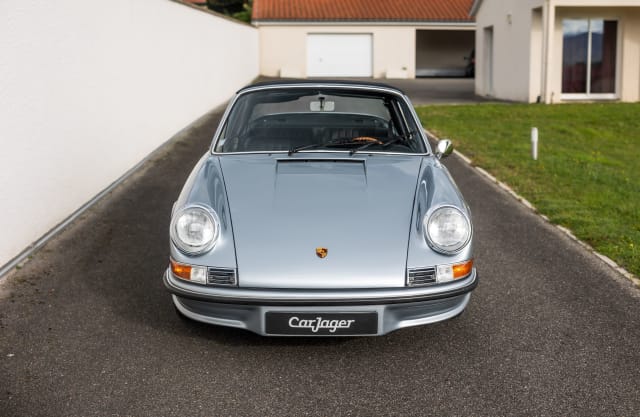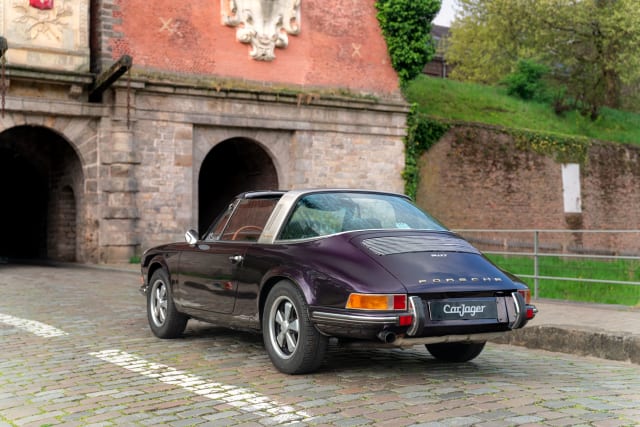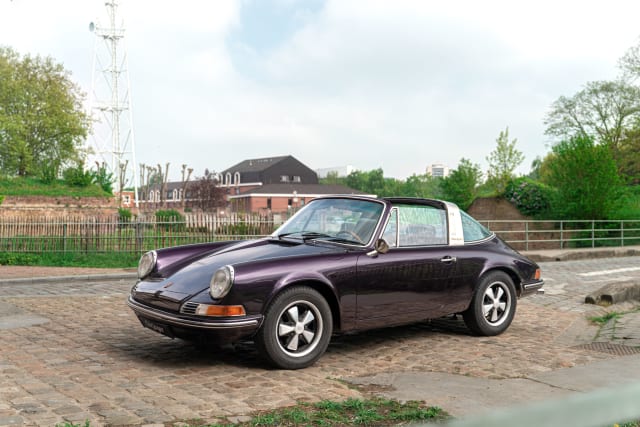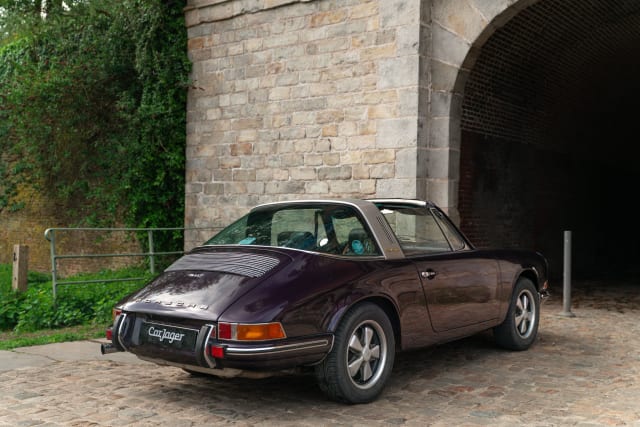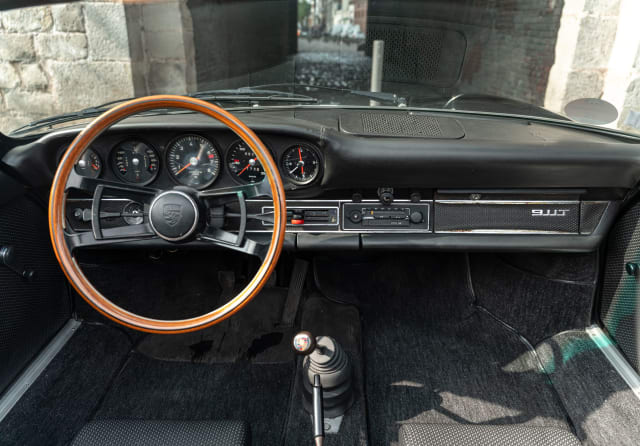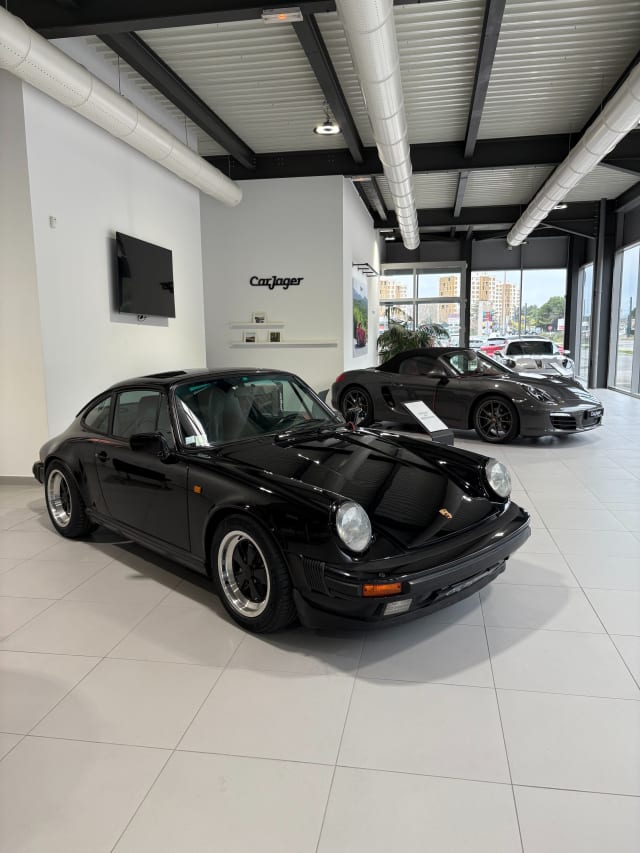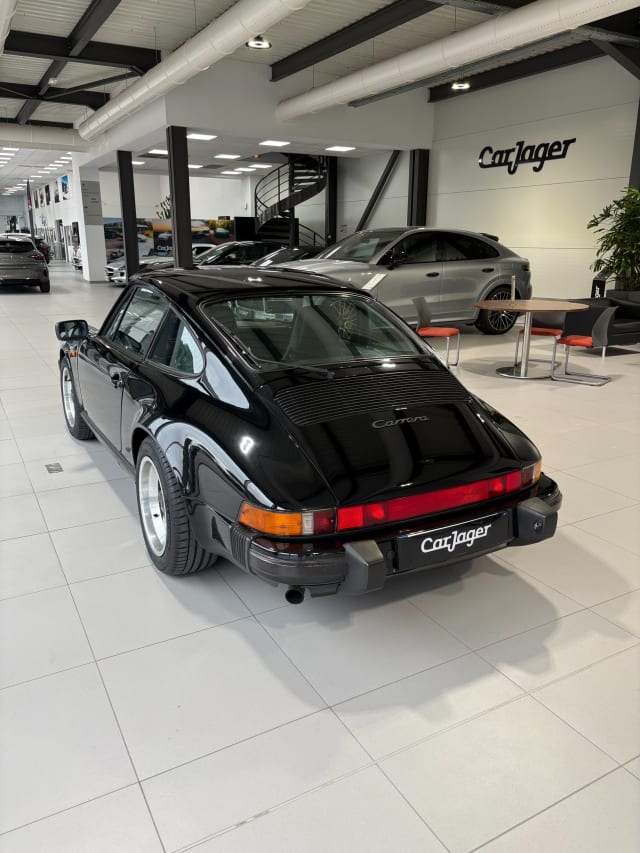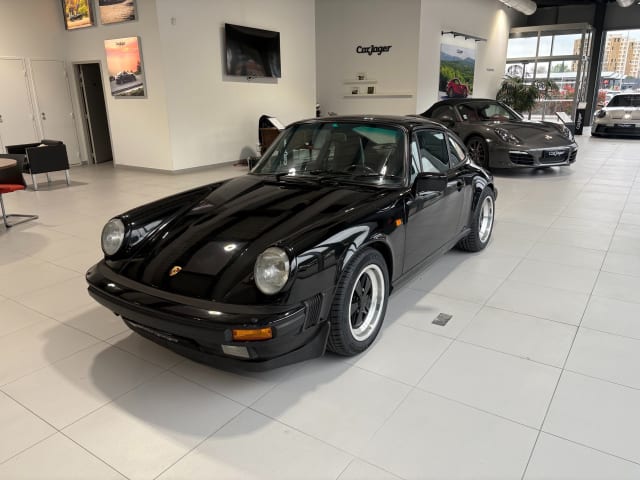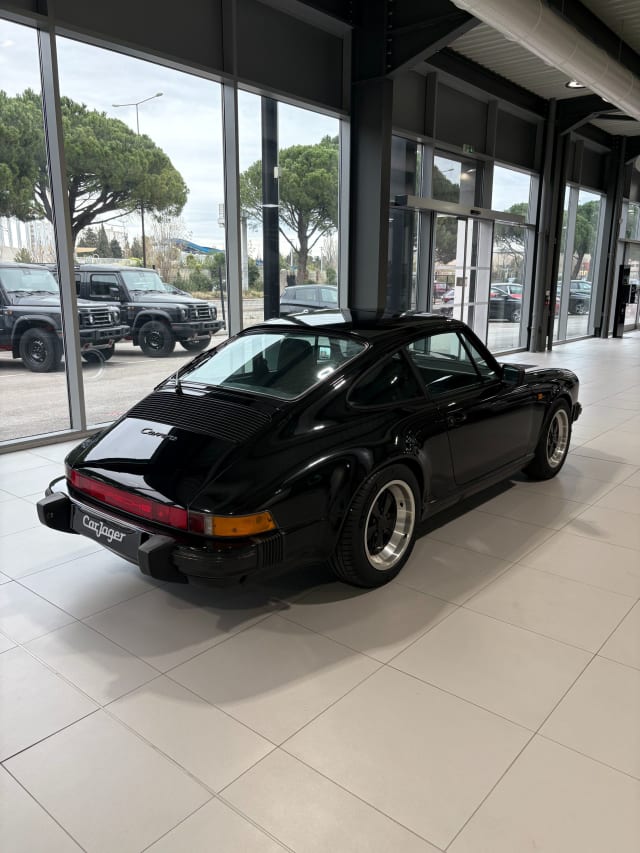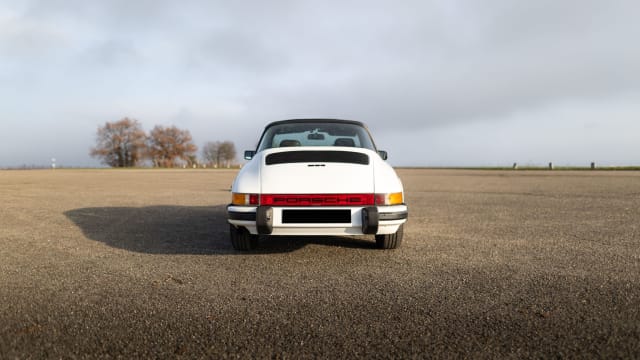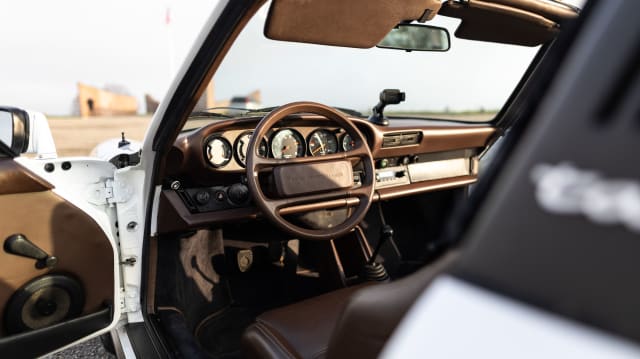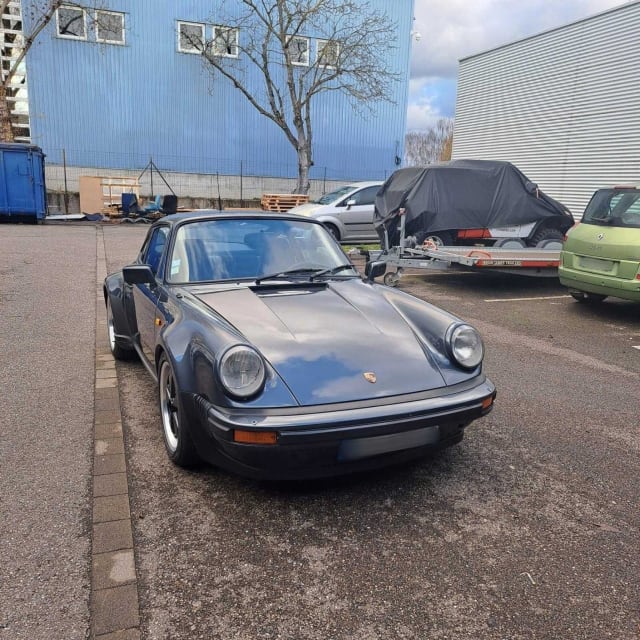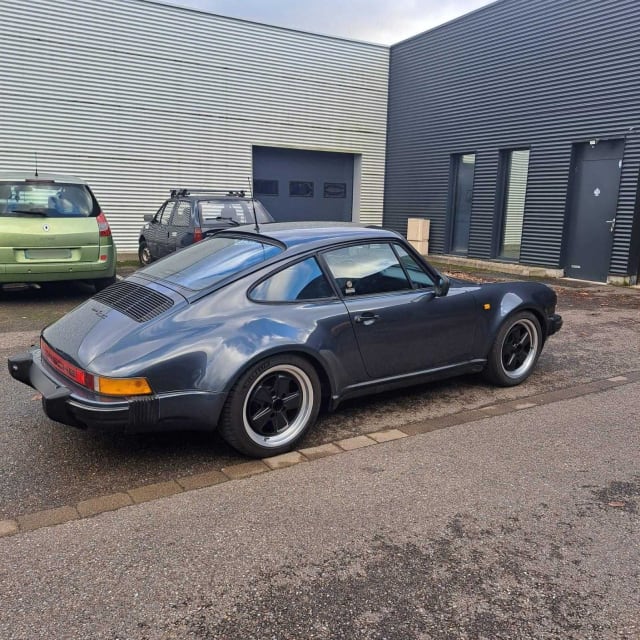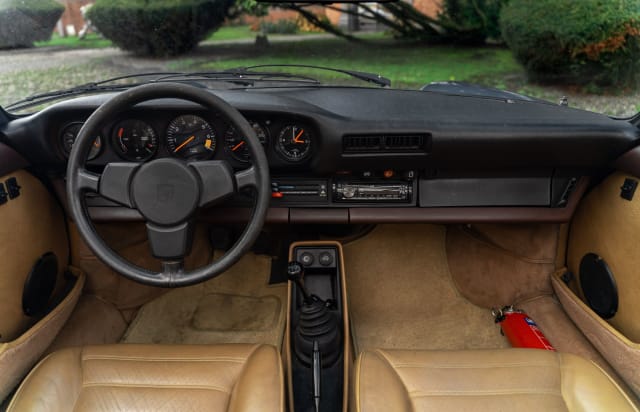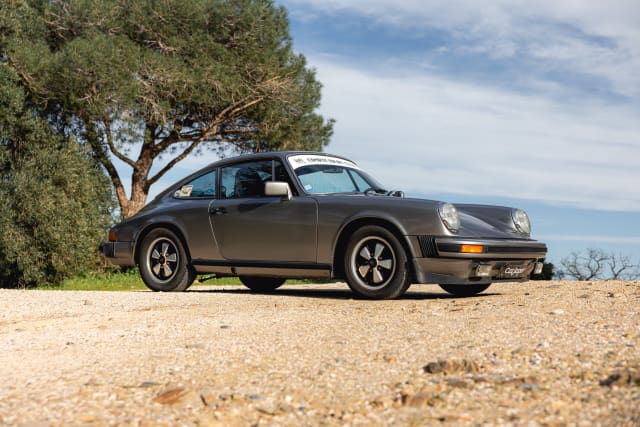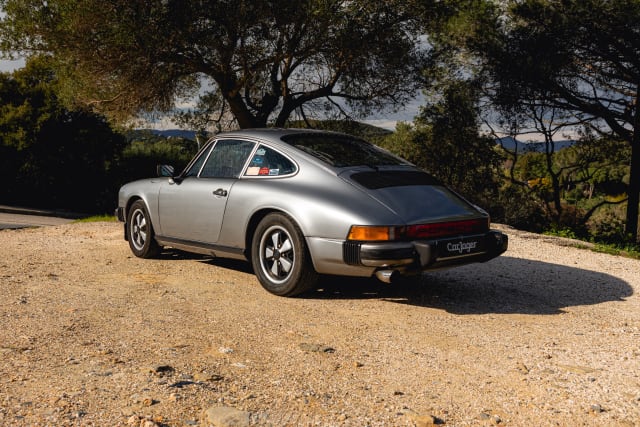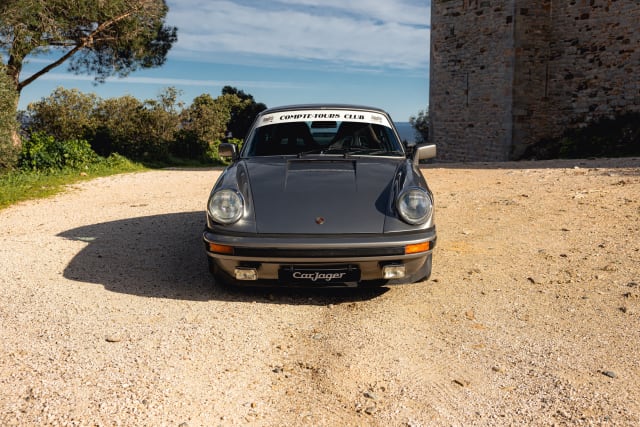
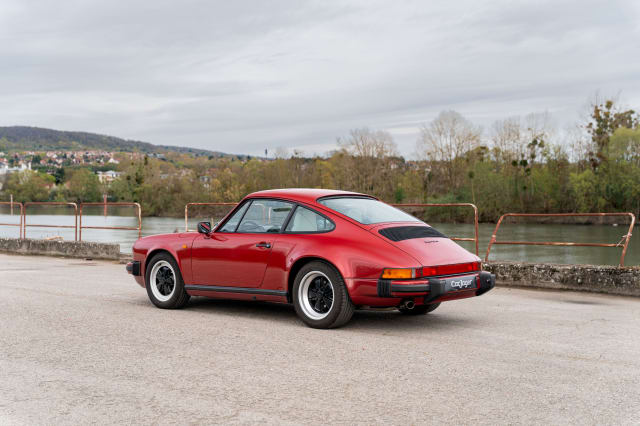
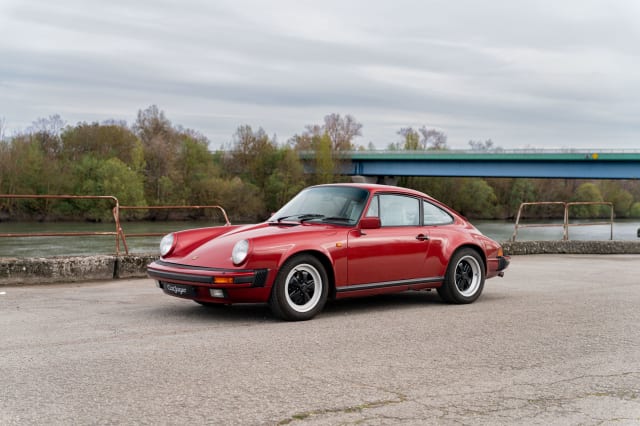
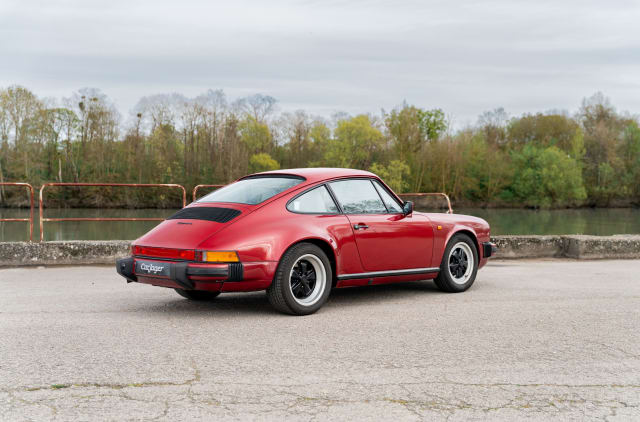
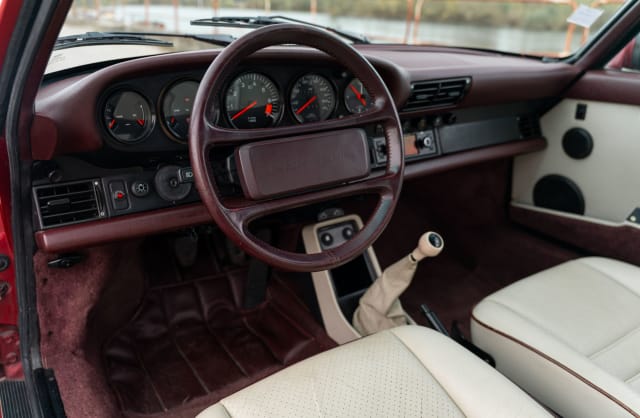

Find Your Classic Porsche 356, 911, or rare models… With CarJager, explore the brand’s iconic cars. Our Car Specialists make your dreams come true!
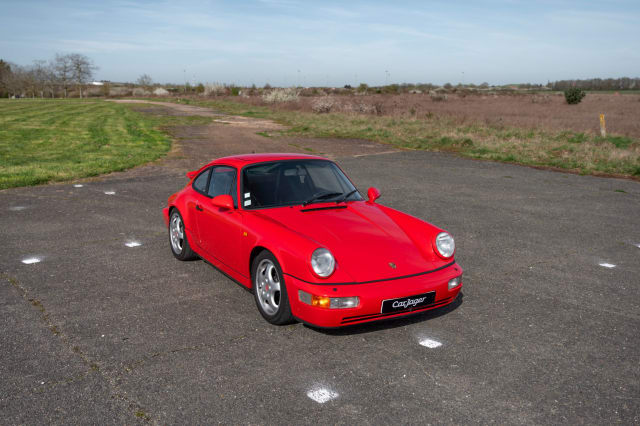
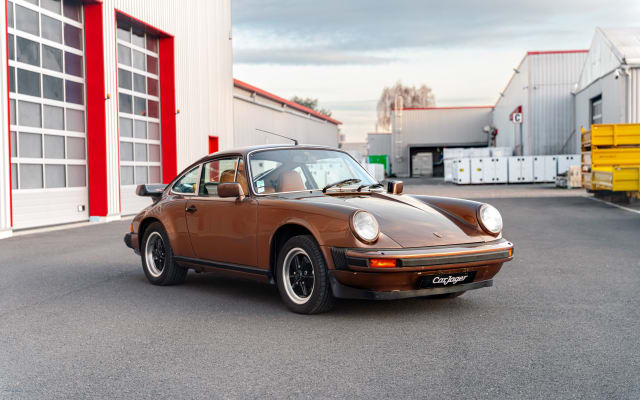
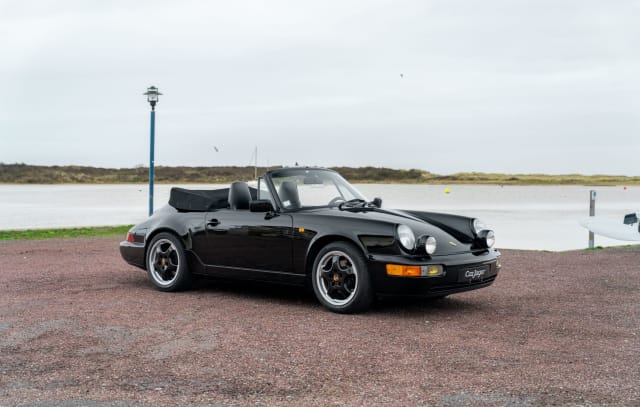
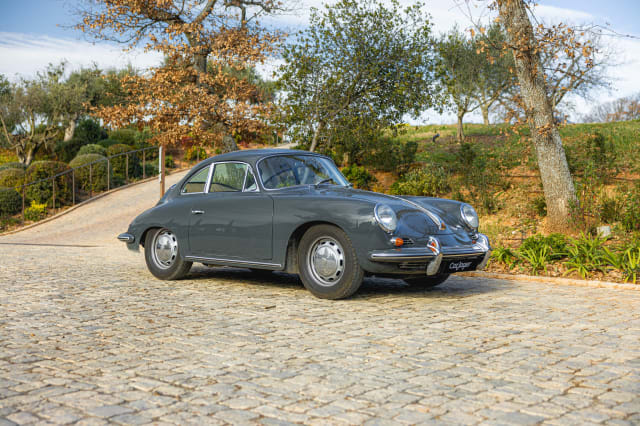
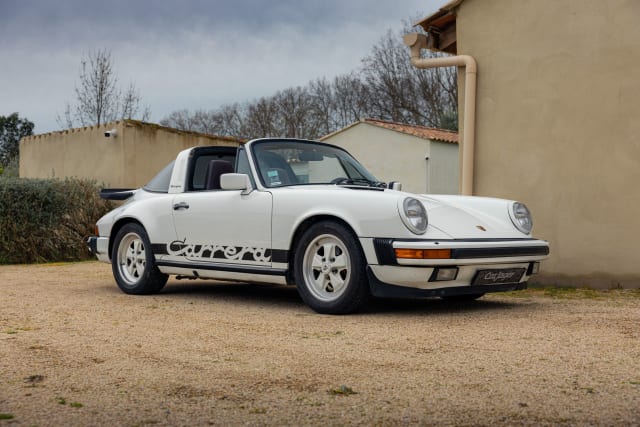
Discover our personalized search service and access our network of 32,000 enthusiasts. Start your search now, your next adventure begins here.
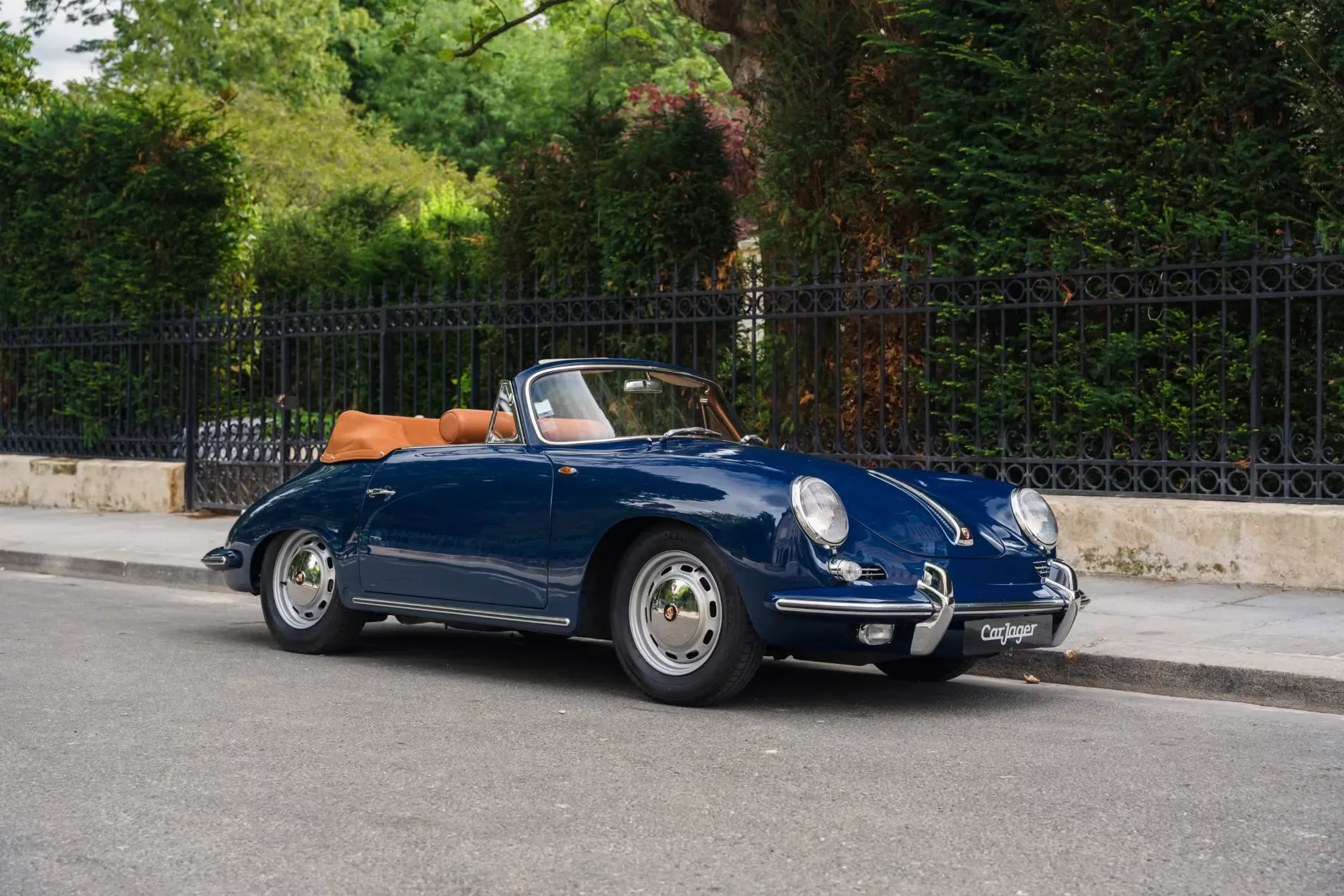
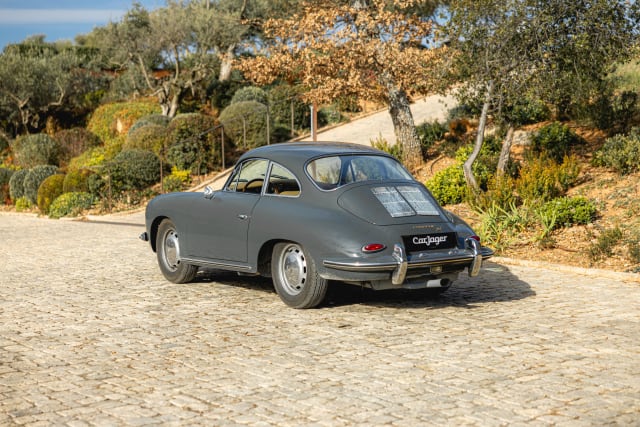
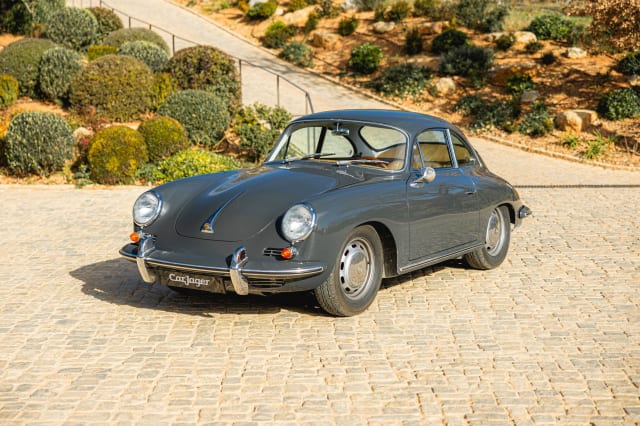
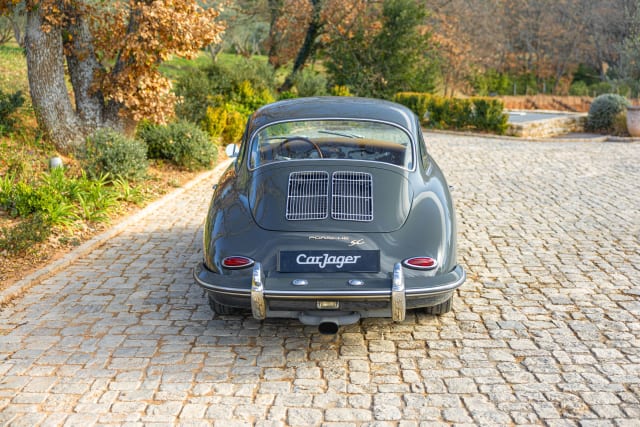
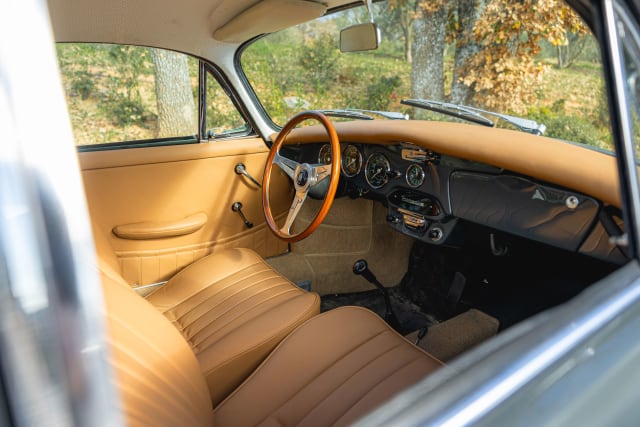
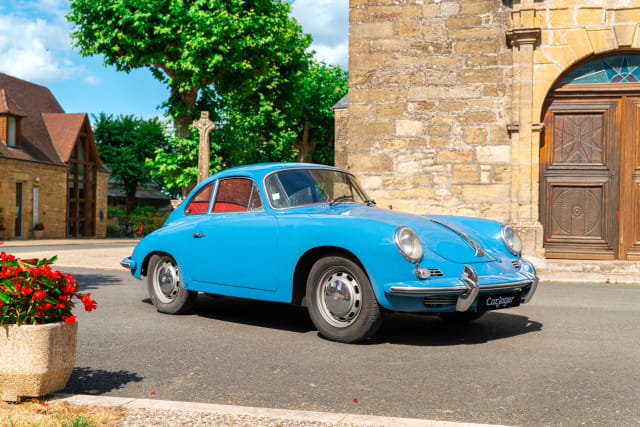
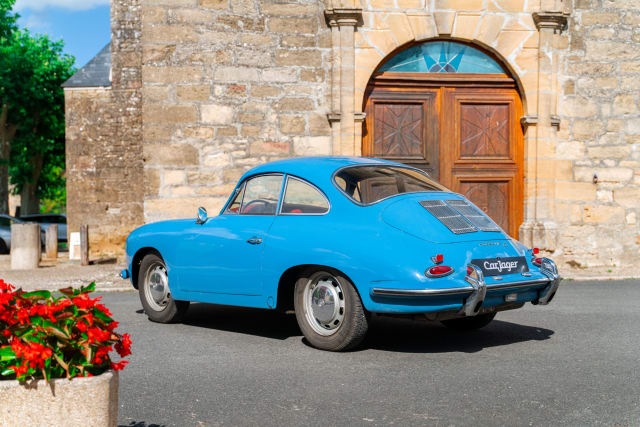
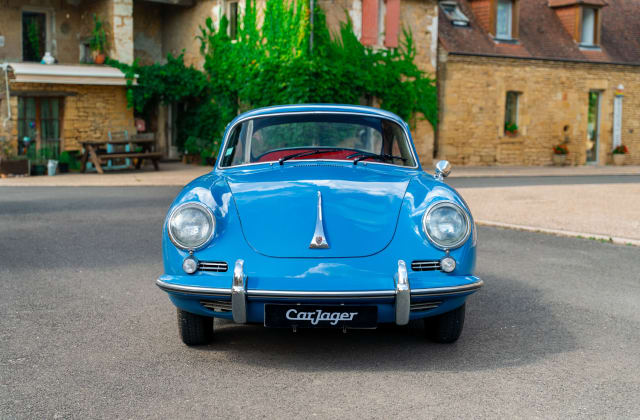
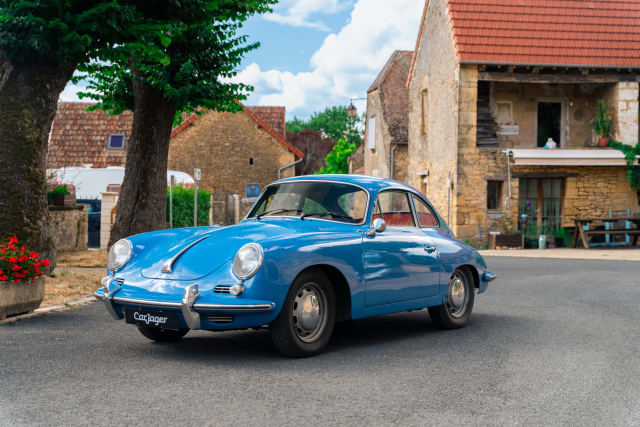
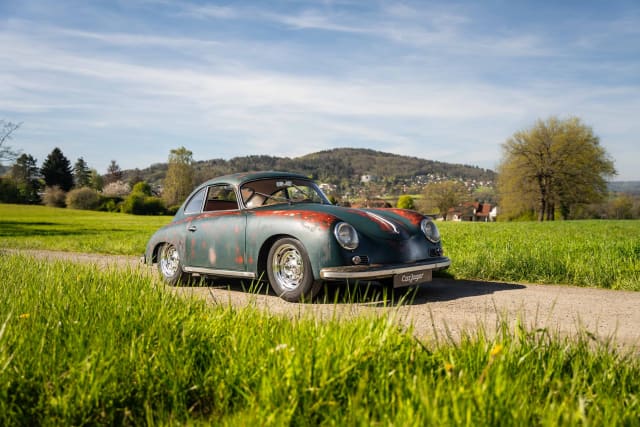
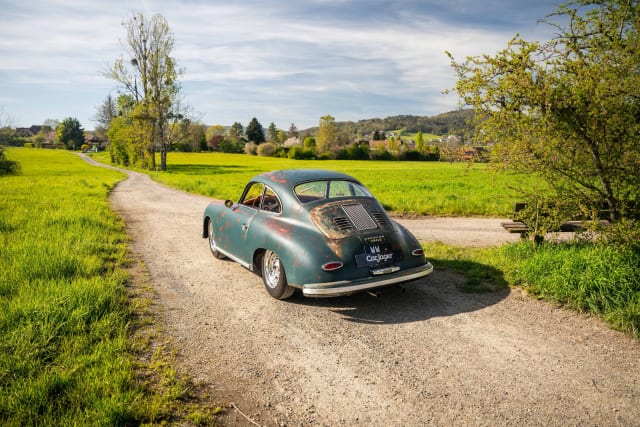
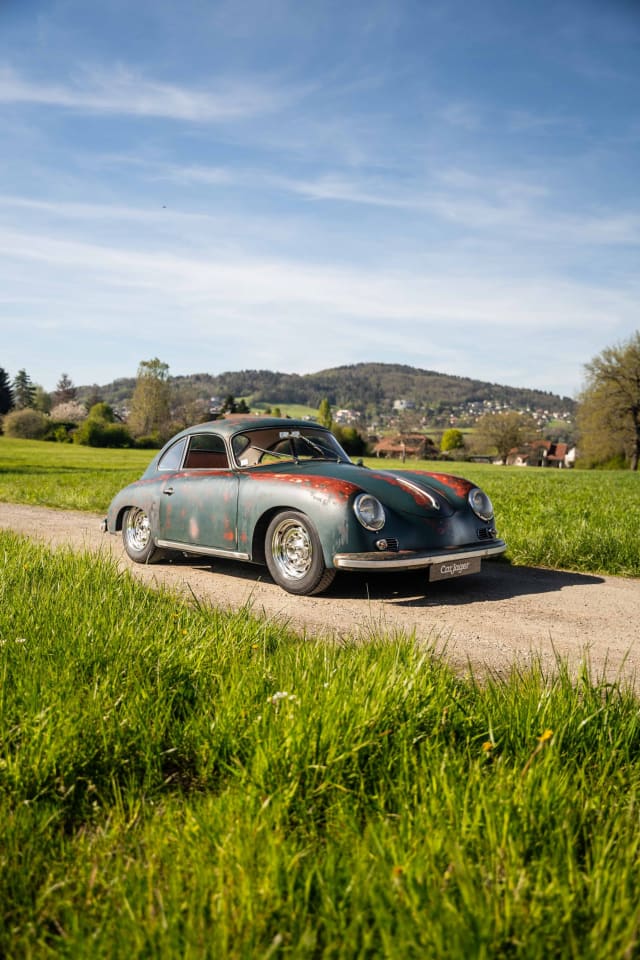
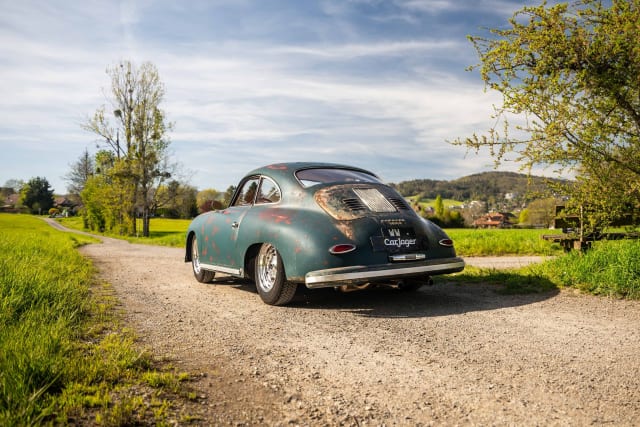
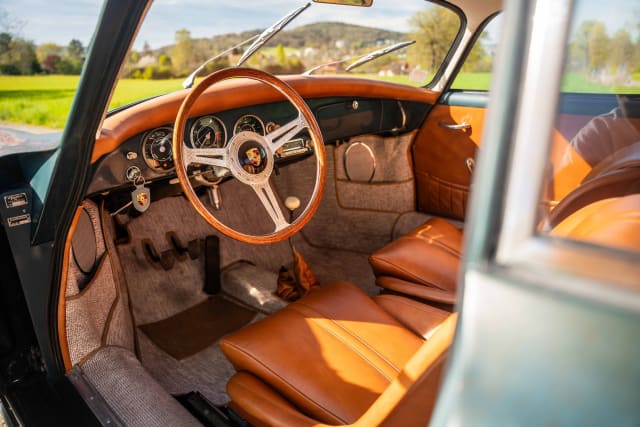
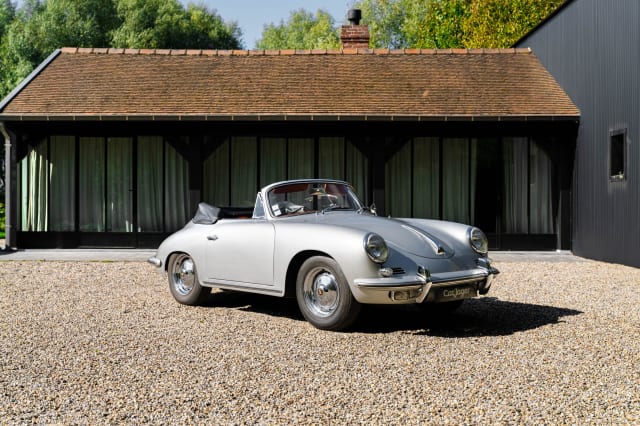
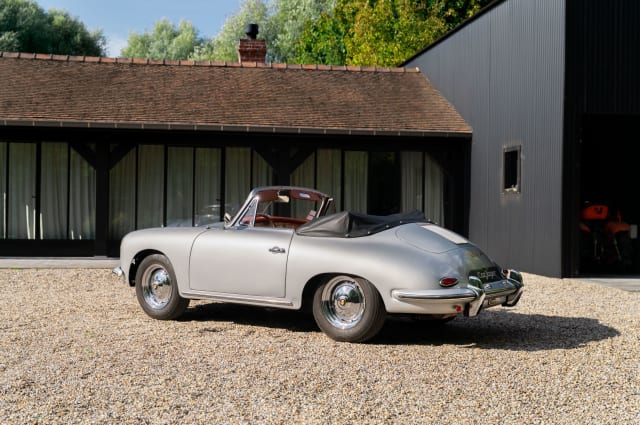
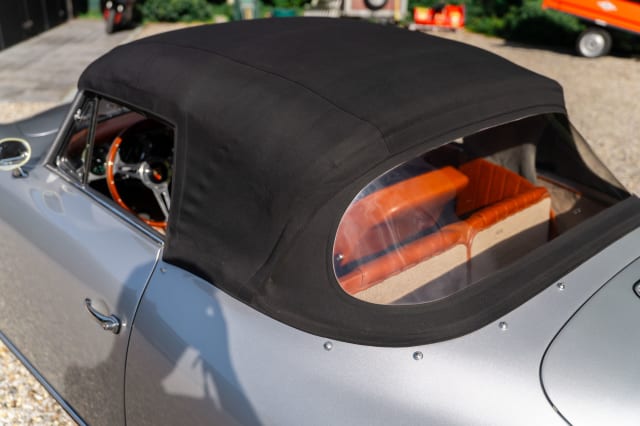
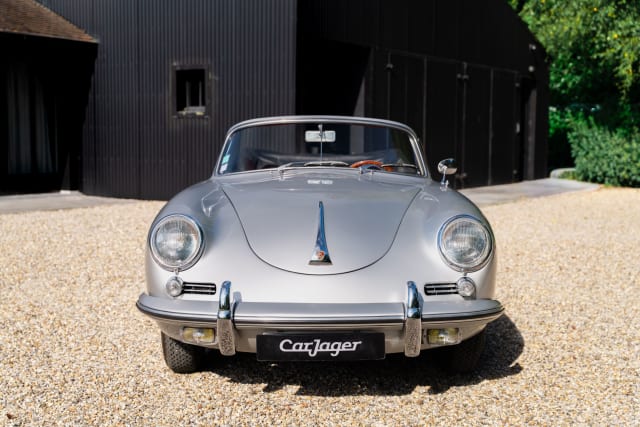
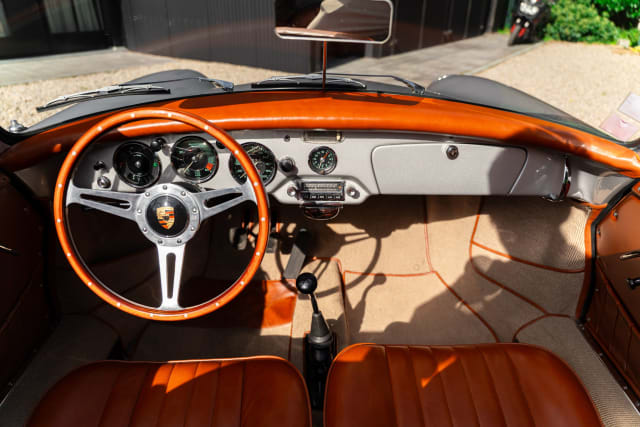
Launched in 1948, the 356 was the very first Porsche. This small sports car, powered by the famous air-cooled flat-four, grew from 40 to 130 hp over 17 years of production.
Porsche 912 — modèle de la marque Porsche.
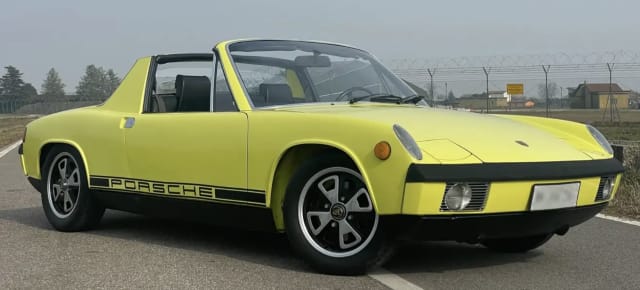
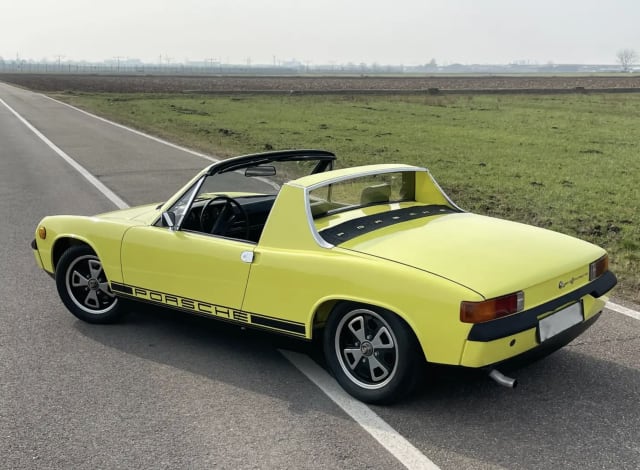
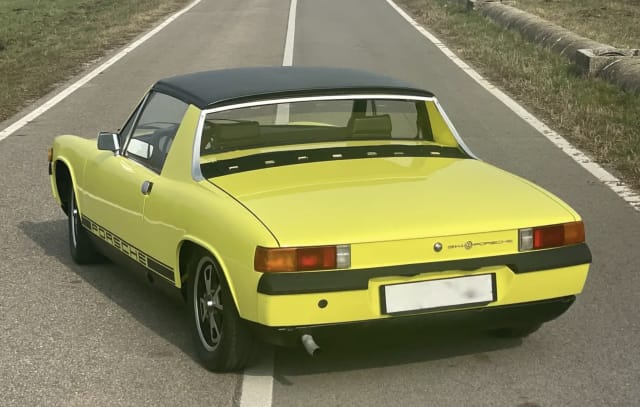
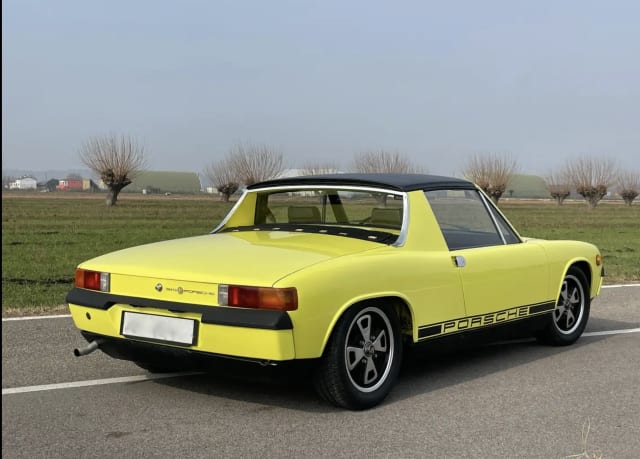
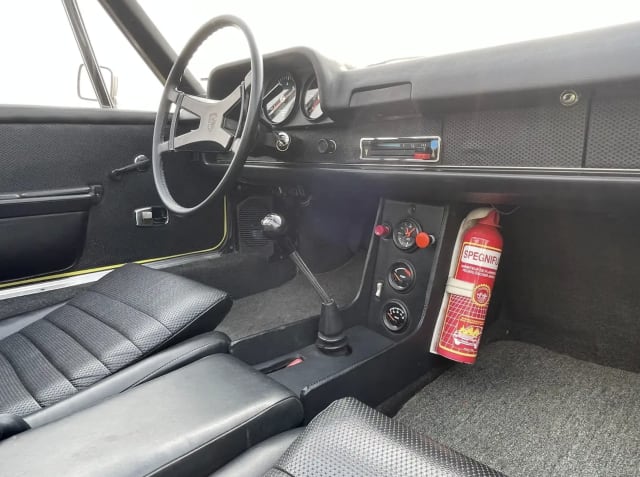
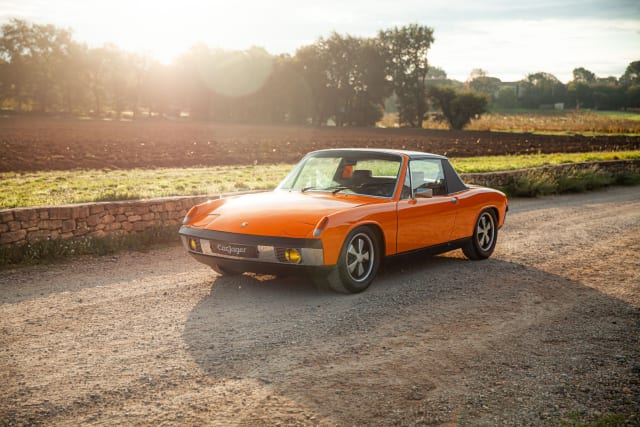
Porsche 914-4 — modèle de la marque Porsche.
Porsche 914-6 — modèle de la marque Porsche.
Porsche 924 — modèle de la marque Porsche.
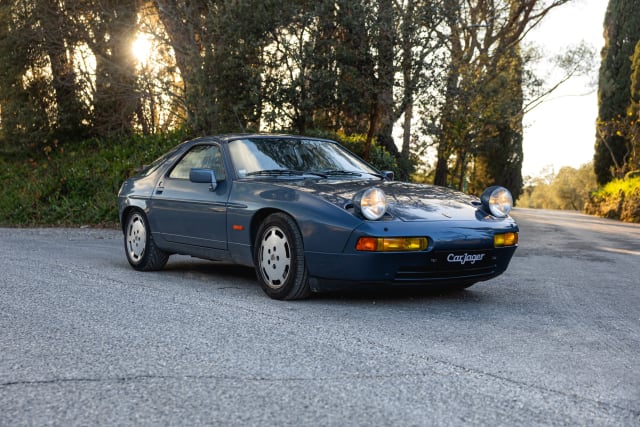
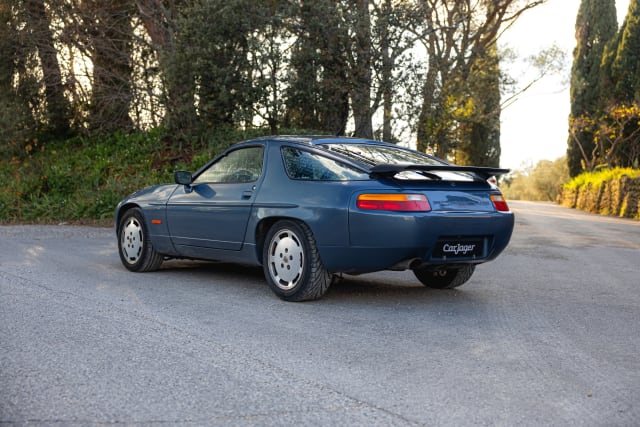
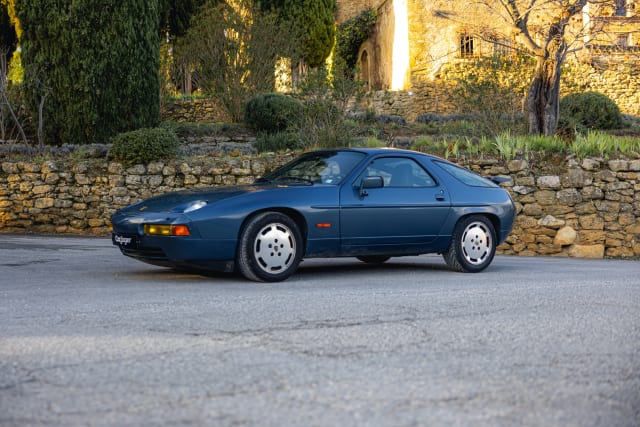
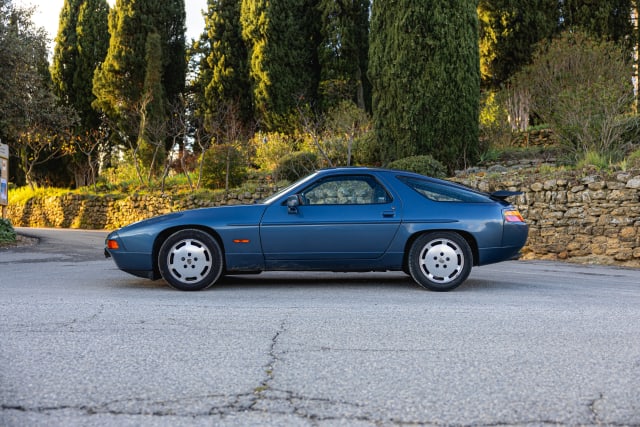
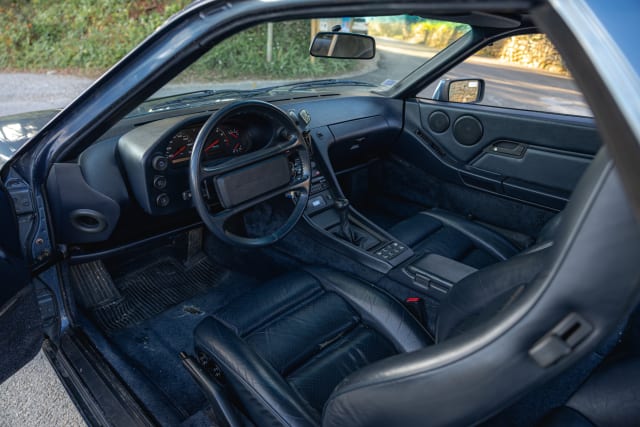
Porsche 928 — modèle de la marque Porsche.
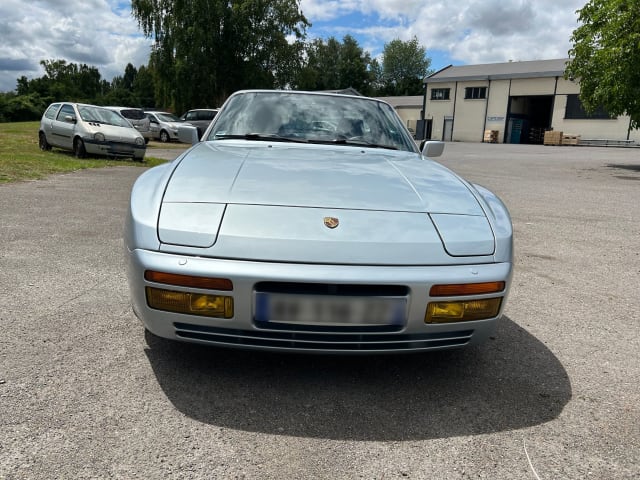
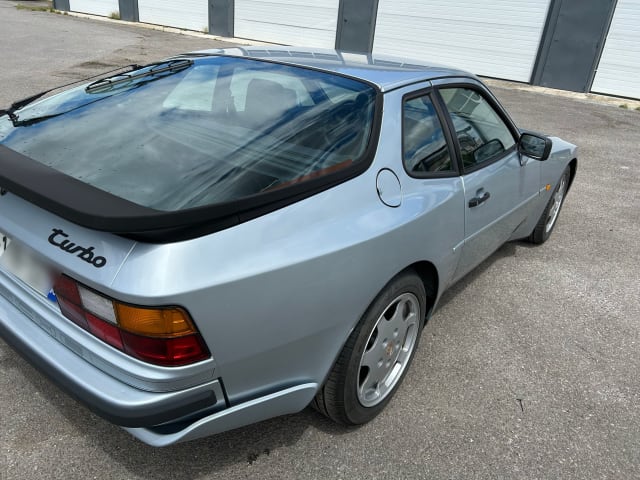
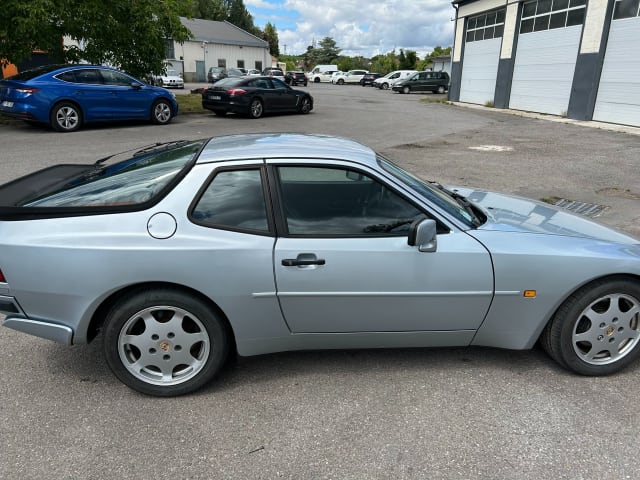
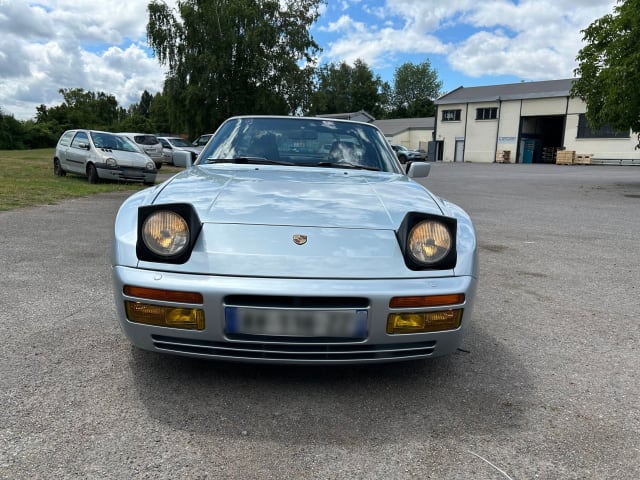
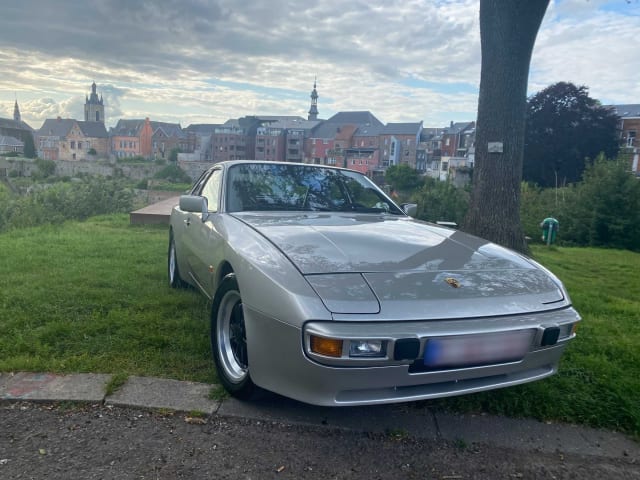
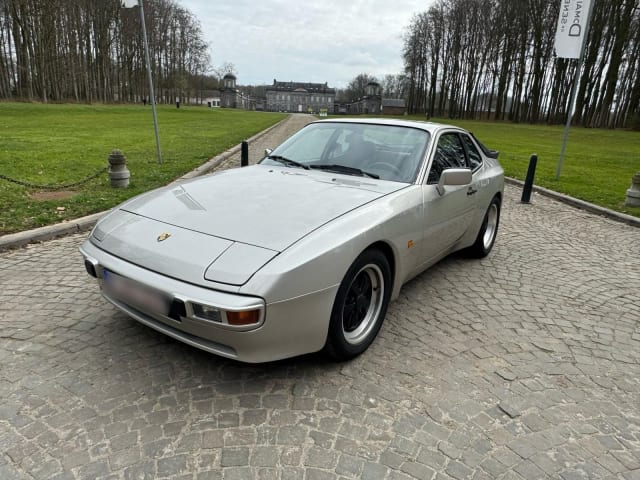
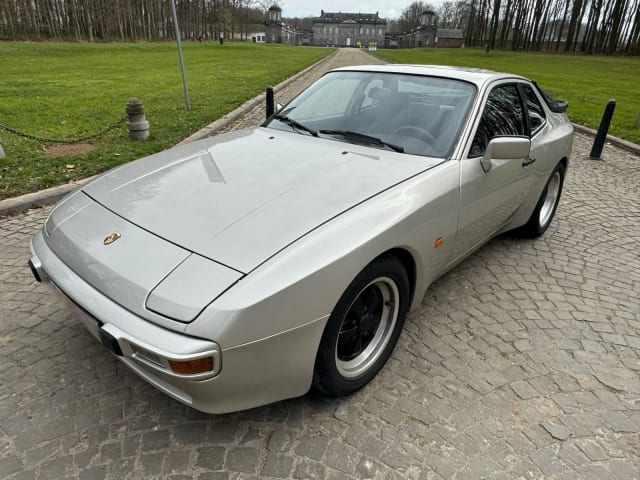
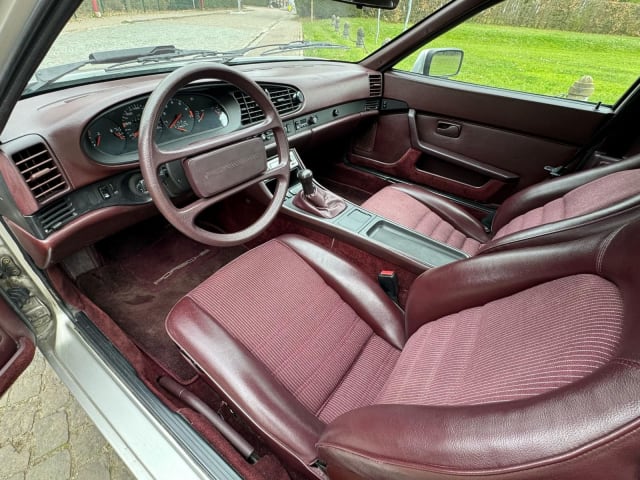
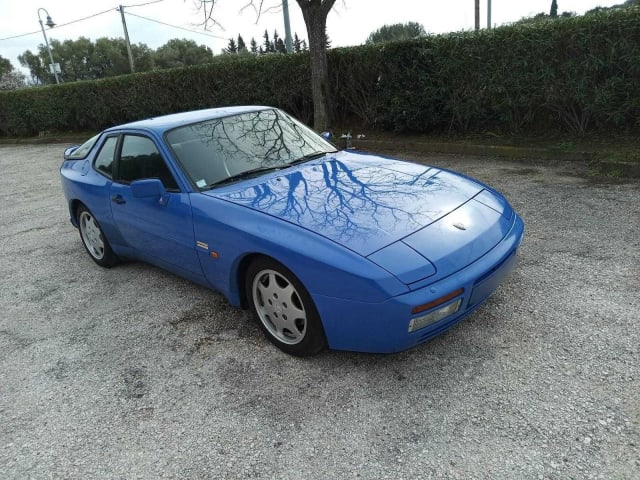
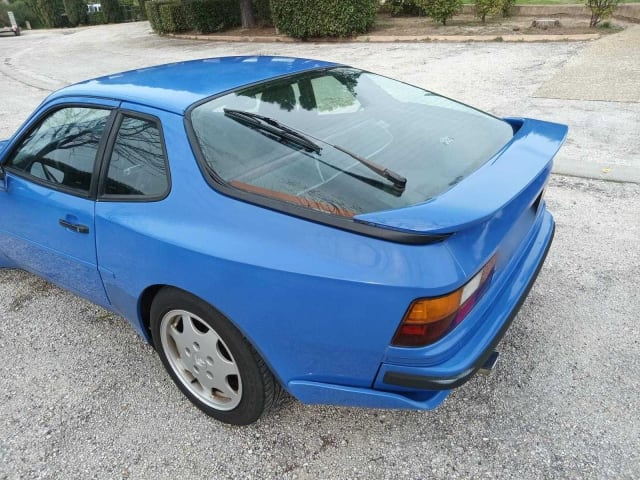
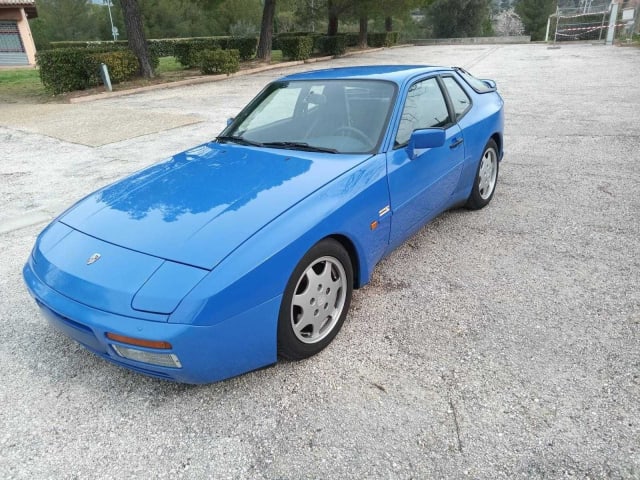
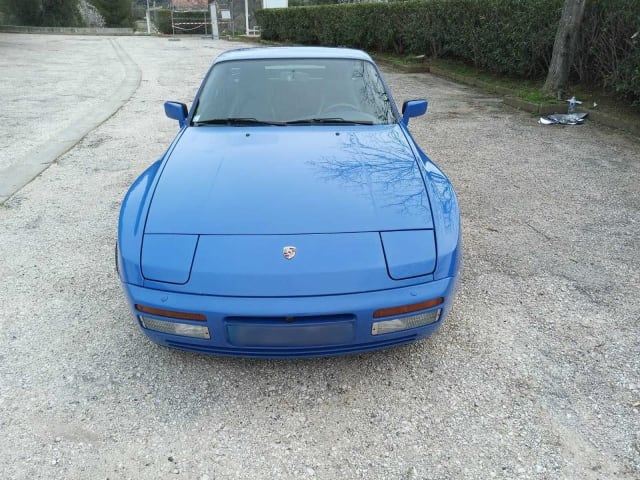
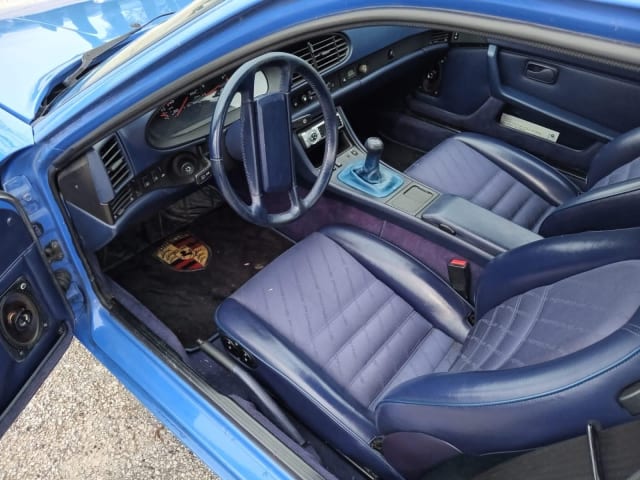
Porsche 944 — modèle de la marque Porsche.
Porsche 968 — modèle de la marque Porsche.


Jonathan Darmon, very professional and attentive. A wonderful experience with CarJager. I bought a car that was exactly as described in their advert. No surprises with CarJager. I highly recommend them.
In this case, it all depends on the vehicle’s age. Porsches that are fifteen years old or older are not subject to the new penalty tax on used vehicles—which will take effect on January 1, 2026, for vehicles registered in France. However, models classified as classic cars may, under certain conditions, be subject to capital gains tax (for more information, we recommend reading our detailed article). Please note, however, that if you are considering importing a Porsche from Germany—a country where the supply is certainly abundant—these cars are subject to a specific penalty tax of up to 15,000 euros.
From the very beginning, Porsche’s reputation was built not only on the concept of performance, but also on the build quality and reliability of its models—qualities that were evident from the very first 356. These characteristics have endured to this day, and most Porsches, if properly maintained, demonstrate superior robustness and longevity compared to other Italian or British sports cars (we won’t name names…), and even to many mainstream models. The quality of Porsche’s engineering—the company established its own design office in 1971, one so renowned that other brands frequently call upon its services—and the manufacturer’s capacity for innovation, drawing on decades of experience and creativity, are universally recognized and undeniably constitute one of its defining characteristics.
First and foremost—and as with the purchase of any car, regardless of its age—you should carefully check the vehicle’s registration status. Is the registration certificate in order? Is there any administrative objection against the car? If it is an imported vehicle, has the VAT been paid, and can the seller provide a tax clearance certificate? Don’t hesitate to consult specialized websites, such as Histovec, for example, to trace the car’s history.
You should also pay close attention to the vehicle’s condition. It must, of course, match the seller’s description, and if any technical and/or cosmetic modifications have been made—such as engine tuning or a paint job different from the original—these must be clearly disclosed. If possible, have the car placed on a lift so you can thoroughly inspect the undercarriage at your leisure, ideally with the assistance of an expert or someone knowledgeable about the model. The presence of a proper maintenance record (service book, but especially invoices) is also essential, as it helps you gauge the quality and frequency of the care the car has received.
Similarly, starting with the Boxster 986 and 911 Type 996 models, Porsche centers can provide you with a Piwis report, which includes the vehicle’s hour meter—useful for verifying the consistency of the reported mileage—as well as a detection of any instances of over-revving that may have occurred during the car’s lifetime. Porsche France can also provide you with a certificate of authenticity and/or a certificate of conformity to factory specifications.
Finally, a test drive (ideally about 20 kilometers) is essential, even though you obviously won’t be able to push the car to its performance limits. This is the time to assess the vehicle’s handling, the engine and transmission’s responses and noises, and the proper functioning of all equipment and accessories.
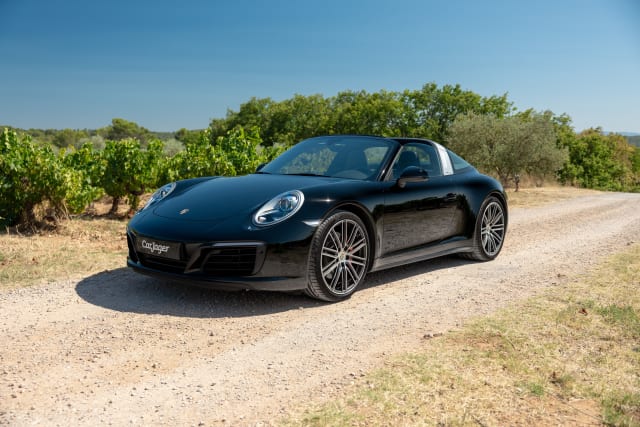
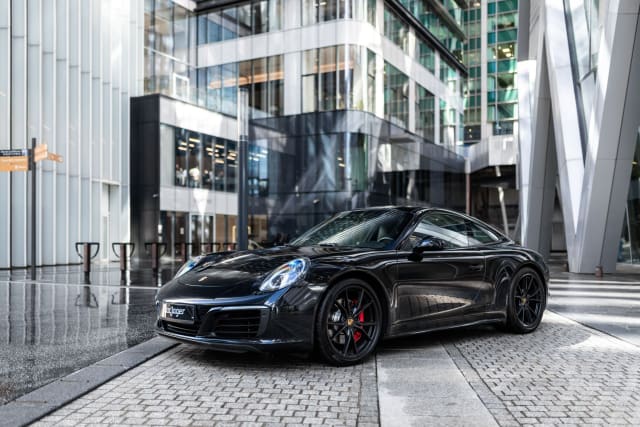
If we focus on the past ten years, the 911 and Boxster/Cayman lineups include several top-of-the-line models and limited editions that may already be considered true collector’s items. Examples include the 2015 Boxster 981 Spyder, the Cayman 718 GT4 RS, the 991 R, the 991 GT2 RS, and the 992 Dakar. These cars, sometimes produced in limited numbers—such as the 991 Speedster or the 992 Sport Classic—are already being preserved by discerning connoisseurs, and there is no doubt that these exceptional variants will be the most sought-after in the years to come.
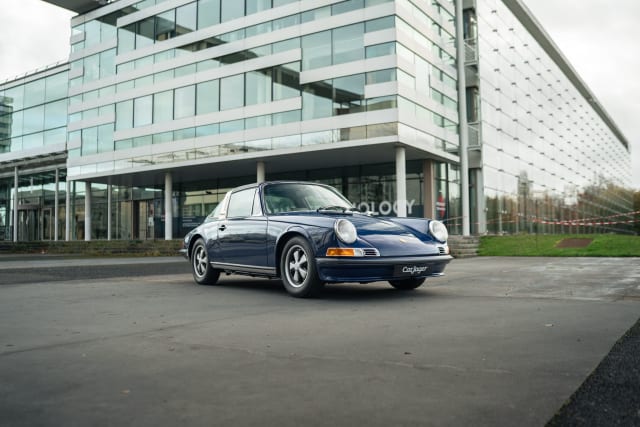
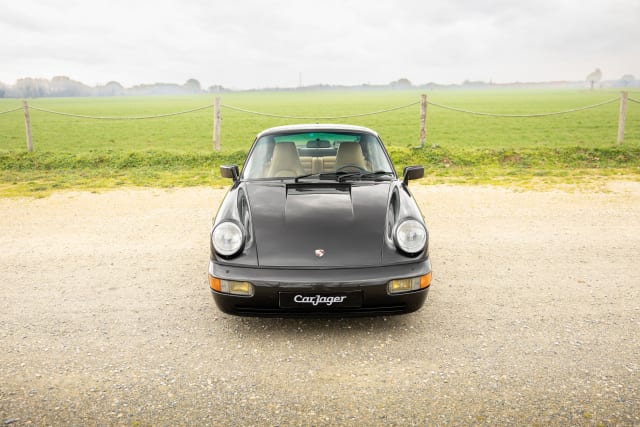
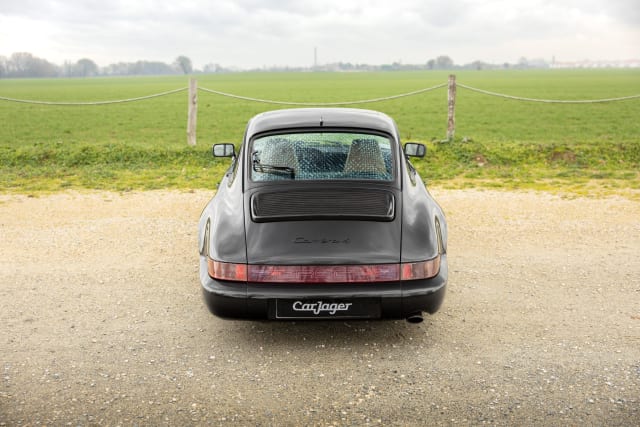
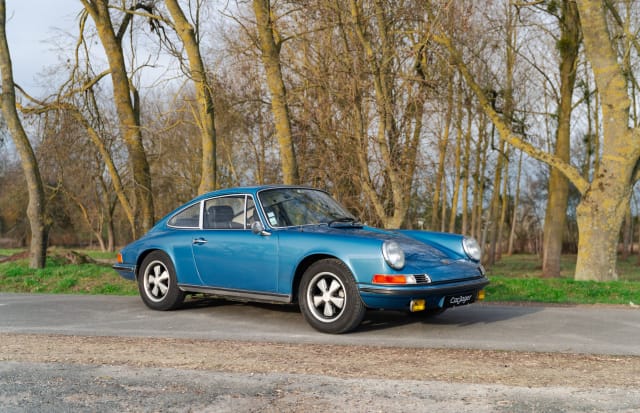
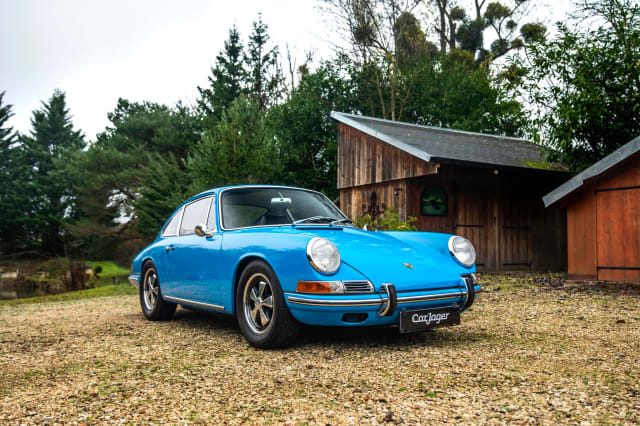
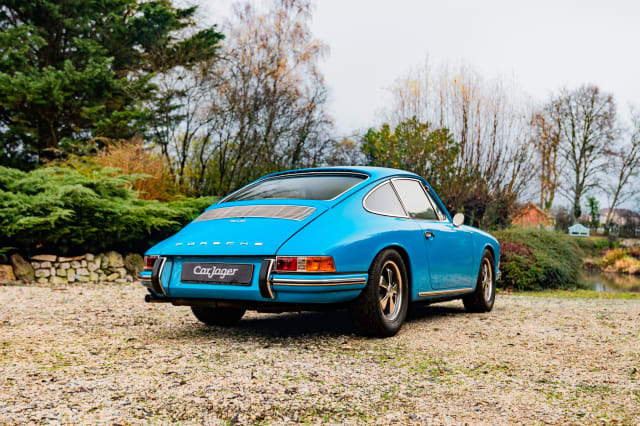
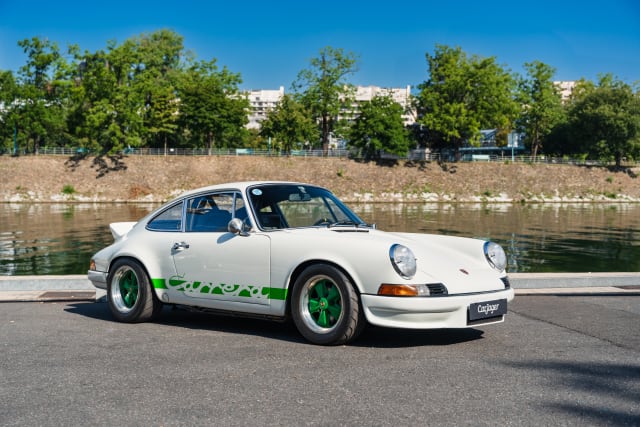
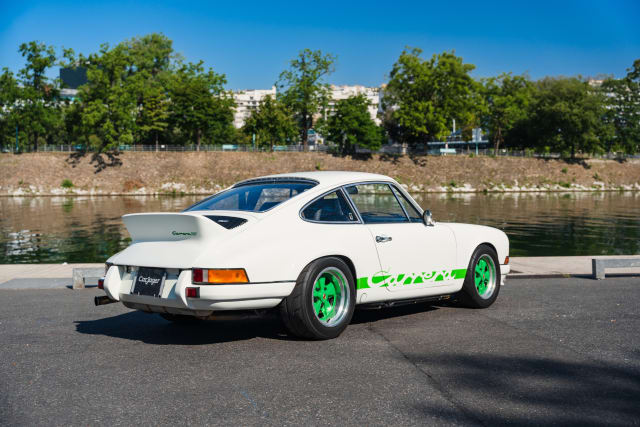
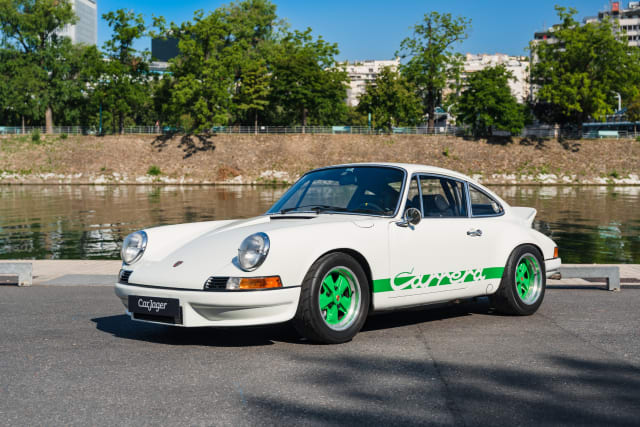
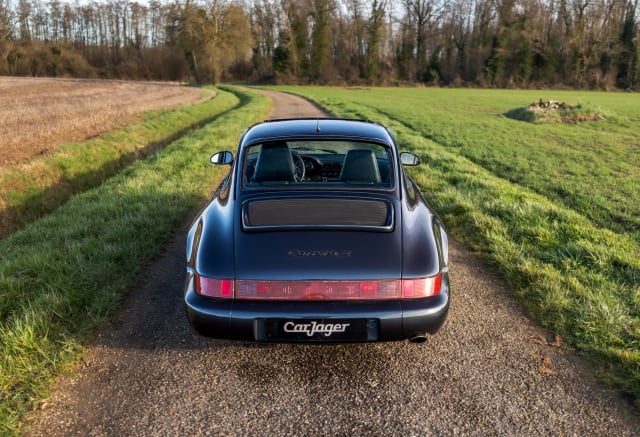
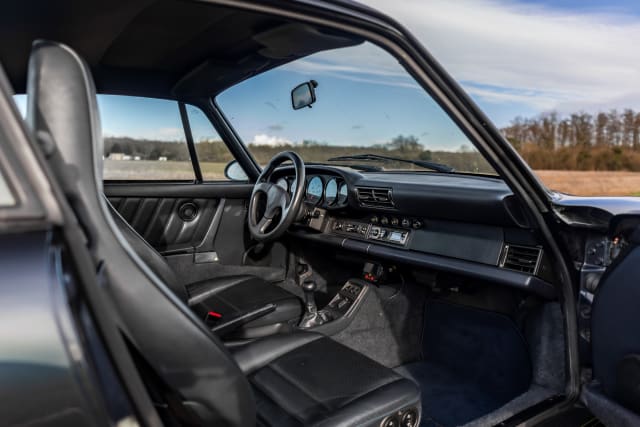
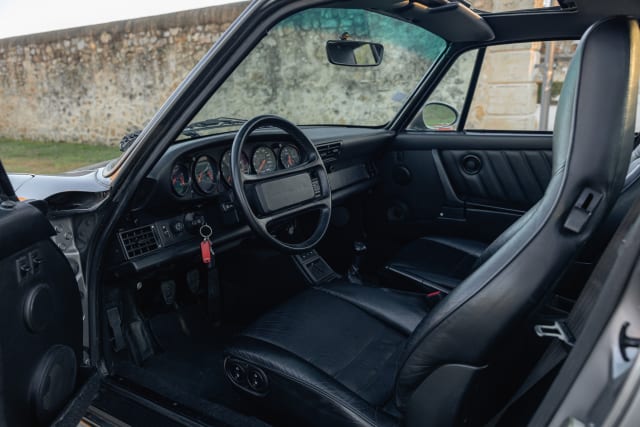
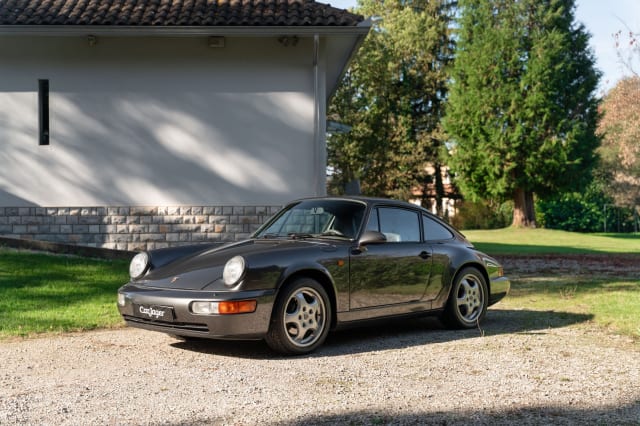
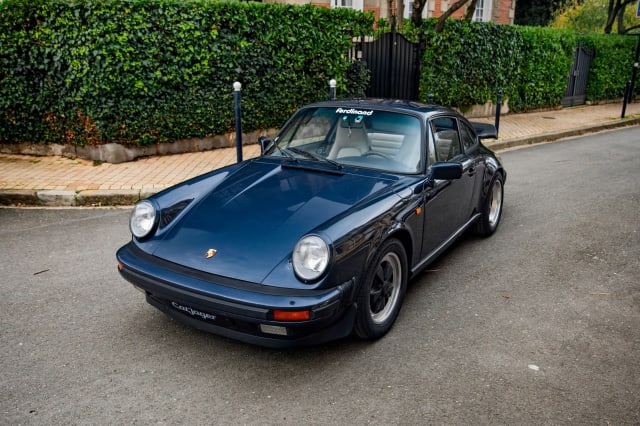
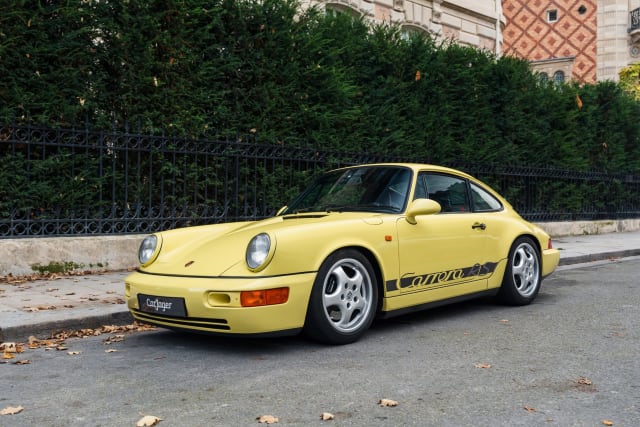
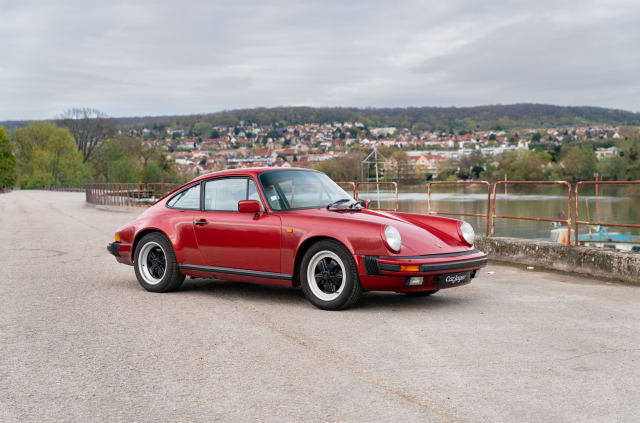
As might be expected, the 911 takes the lion’s share in this regard. The model’s exceptional longevity—it has been in the brand’s lineup for 61 years!—its numerous variants, some of which have become legendary (the 1973 Carrera RS or the 930, for example), its impressive racing record, and the breadth of its range allow it to meet the expectations of a very large number of collectors. Aesthetes are captivated by the living legend that the 911 embodies; driving enthusiasts seek above all the versatility of a car equally at home on the daily commute as it is on the racetrack on weekends; while die-hard purists swear by the flat-six engine, which must be mounted in a rear-overhang configuration. This phenomenon, unique in the collector’s world, should not, however, overshadow other Porsches that are equally worthy of interest; while the 356 retain their devotees, the “PMA” (front-engine Porsches)—924, 944, 968, 928—are enjoying a resurgence in popularity among youngtimer enthusiasts.
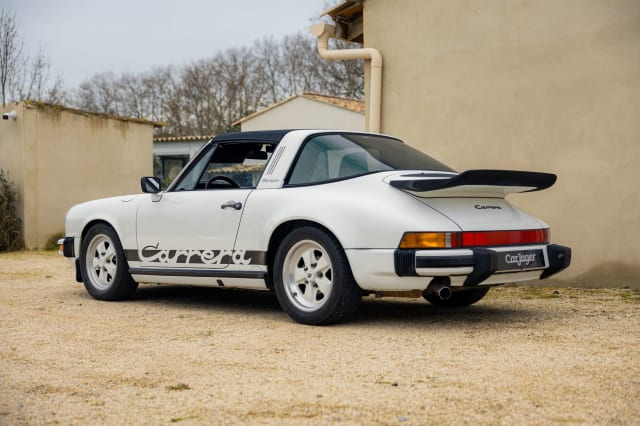
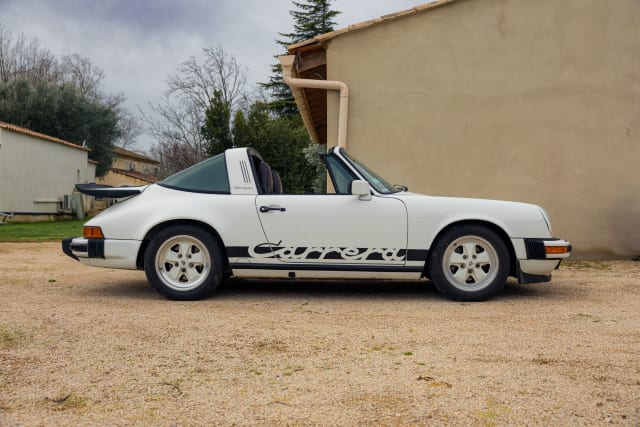
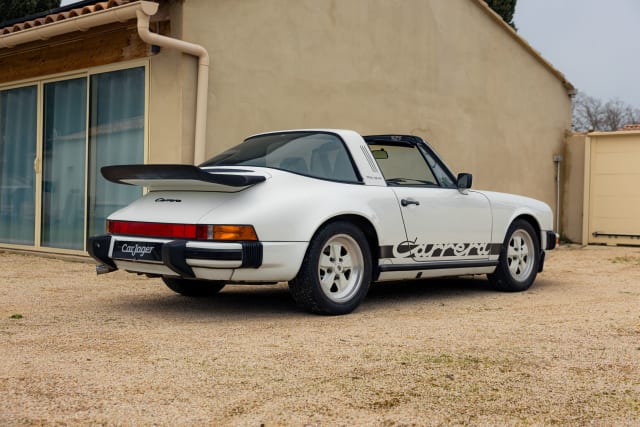
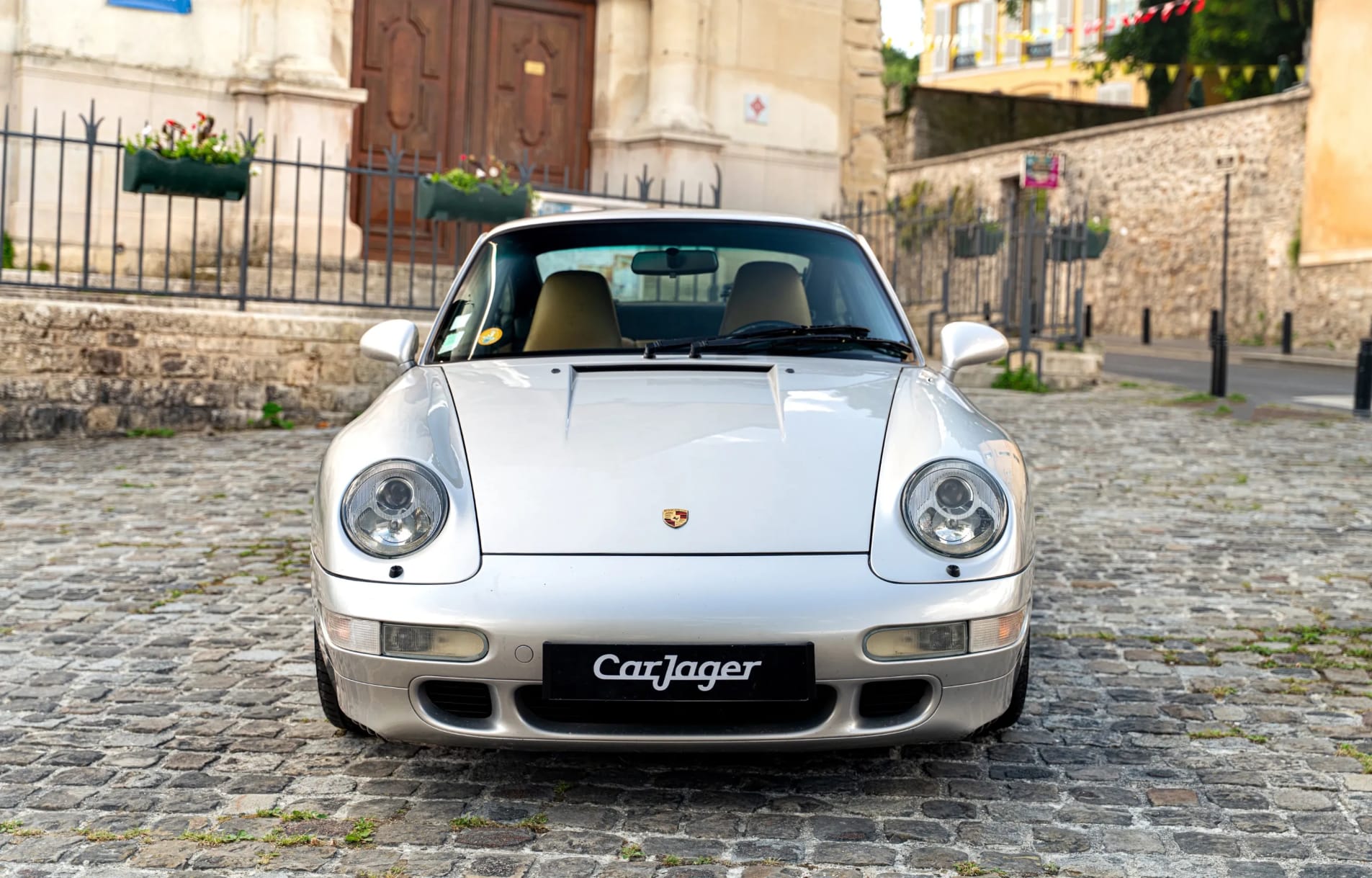
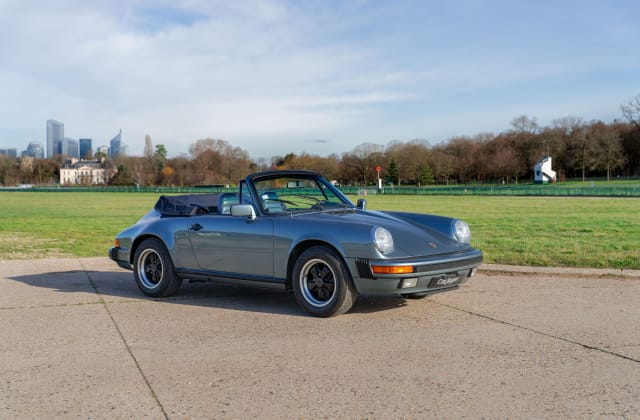
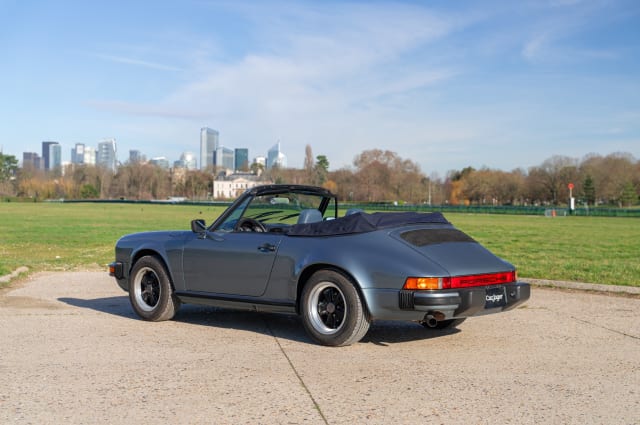
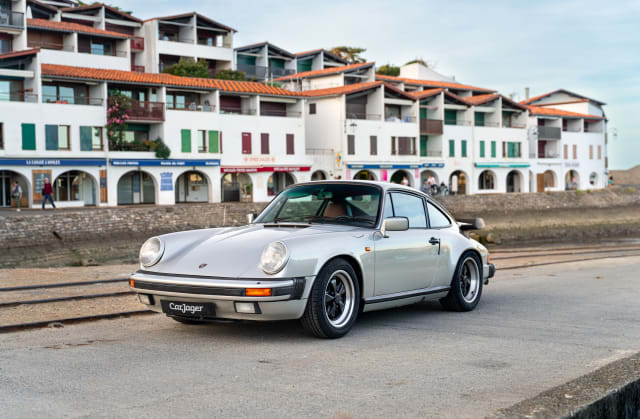
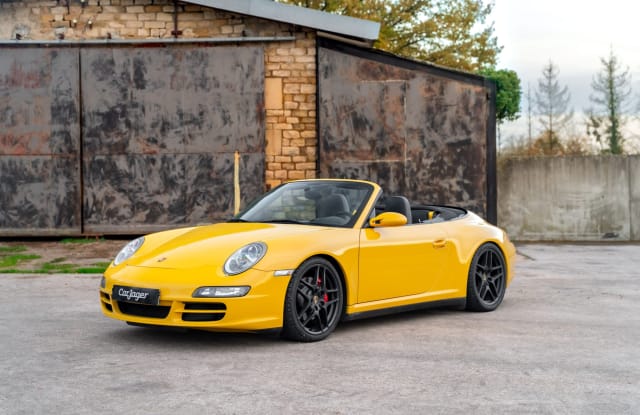
As with any classic car, the market is driven by trends that are often subjective and based on fads. For example, it’s interesting to note that some forty years ago, the entire automotive press considered the Porsche 911 Carrera 3.2 to be outclassed in every respect by the 944 Turbo. Yet today, the Carrera is worth twice as much as the 944! The Porsche legend remains inextricably linked to the 911, the only rear-engine sports car still in production—even though it now accounts for just 15% of the brand’s sales volume. Historical significance also plays a significant role in a Porsche’s value: the 996, the first liquid-cooled 911—which earned it plenty of criticism—is thus valued significantly less than its predecessor, the 993, which is, conversely, revered as the last air-cooled generation. Of course, more practical considerations can also come into play: the early 997s, reputed to be less reliable, are thus less sought-after than the model’s Phase 2. Furthermore, the rarity of certain versions (the 964 Speedster, 993 GT, and 997 Sport Classic, for example) consistently drives strong demand and, consequently, high prices. The concept of matching numbers (meaning that the car you desire has its original engine and transmission) is also crucial, as is, generally speaking, the model’s original condition. Finally, economic conditions can similarly impact the market: over the past three years, we have seen a decline in the value of certain models due to a wait-and-see attitude among a large number of collectors.