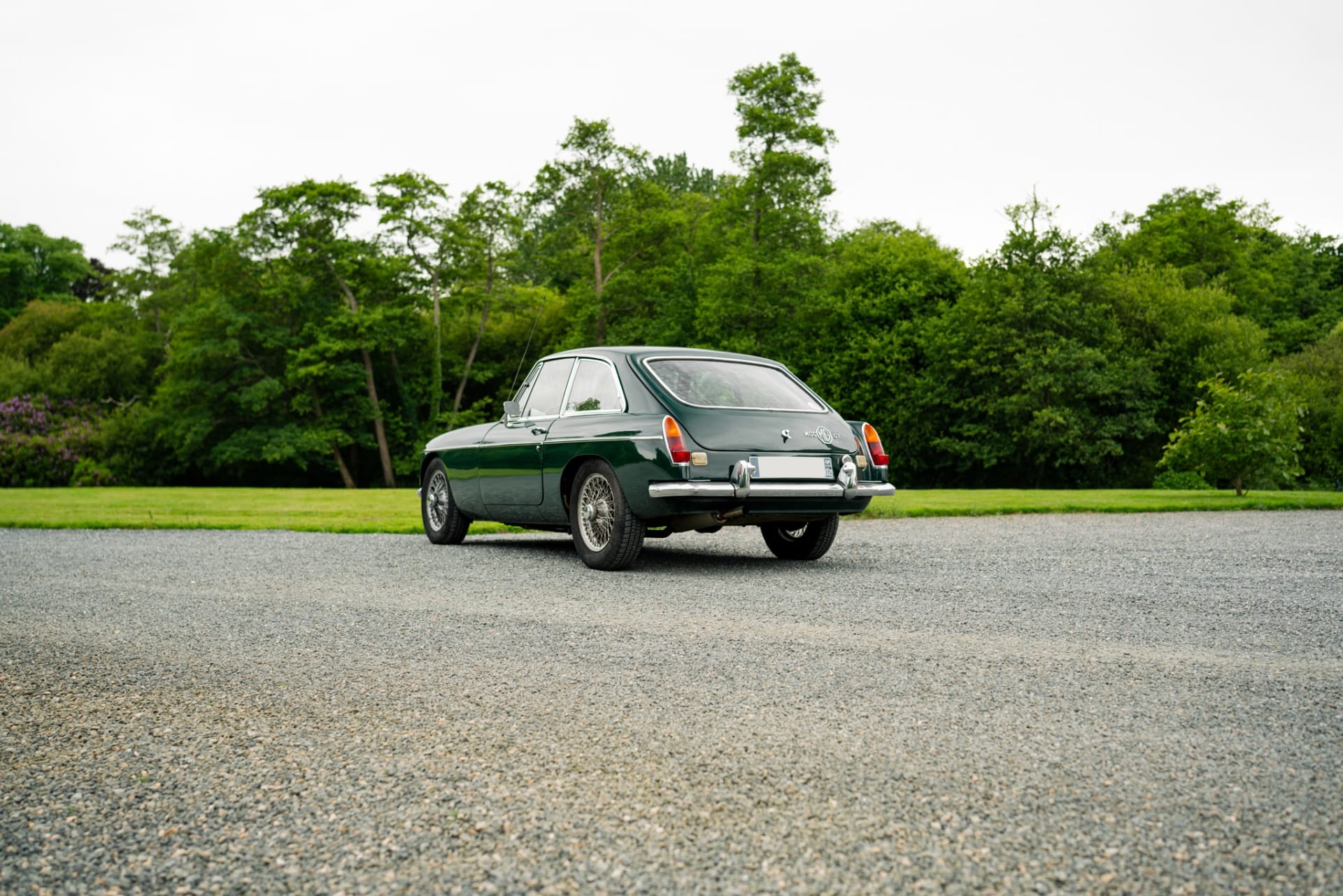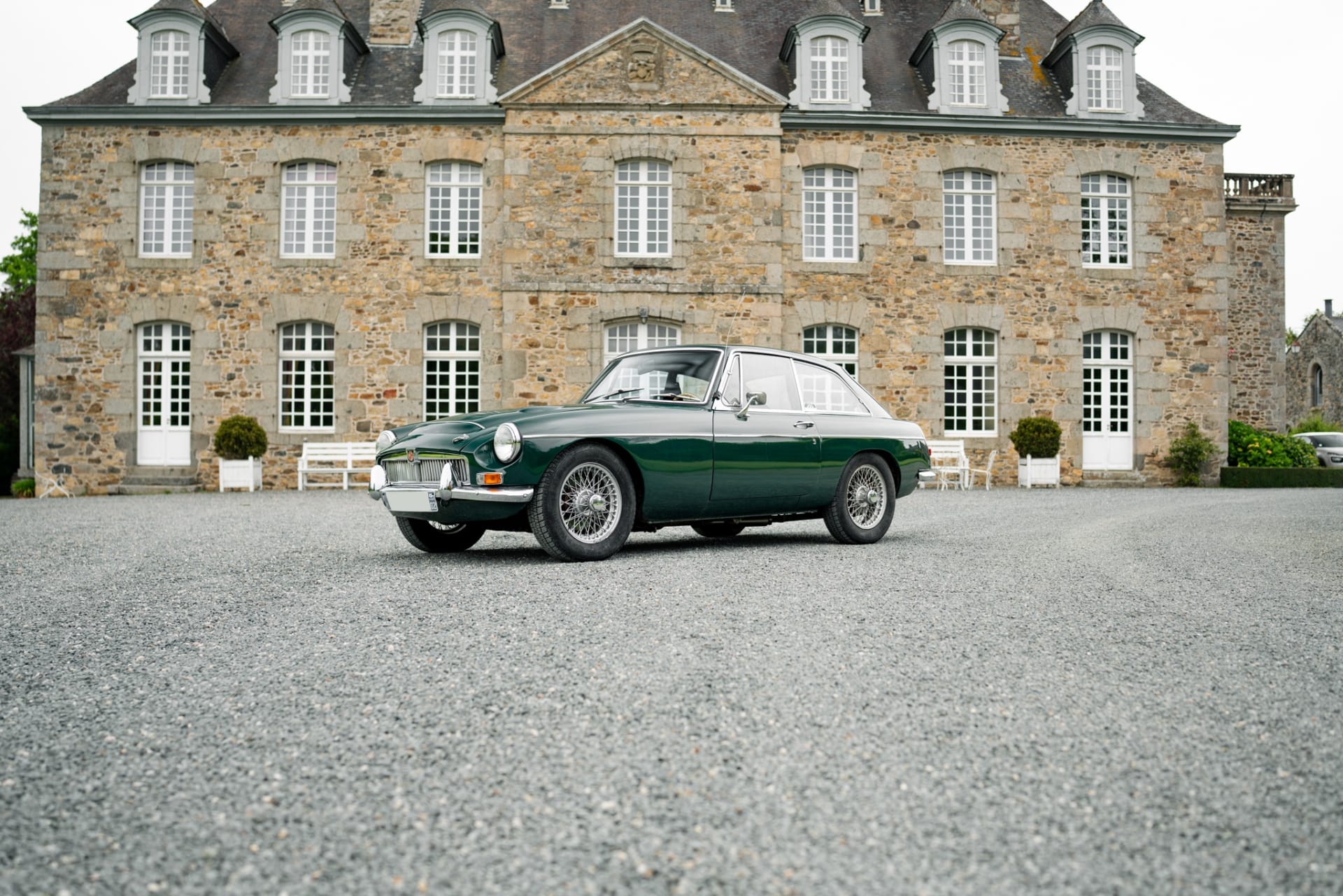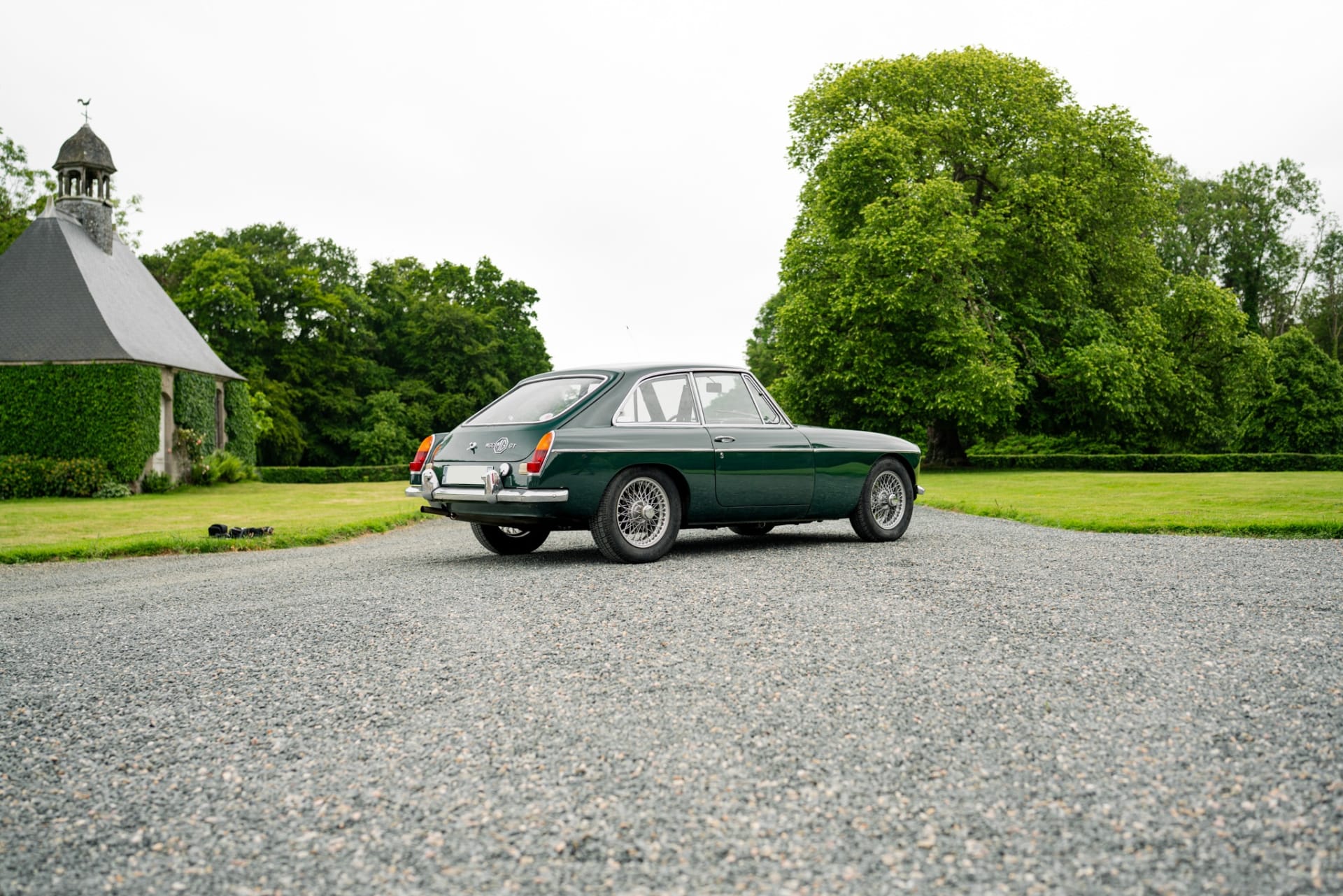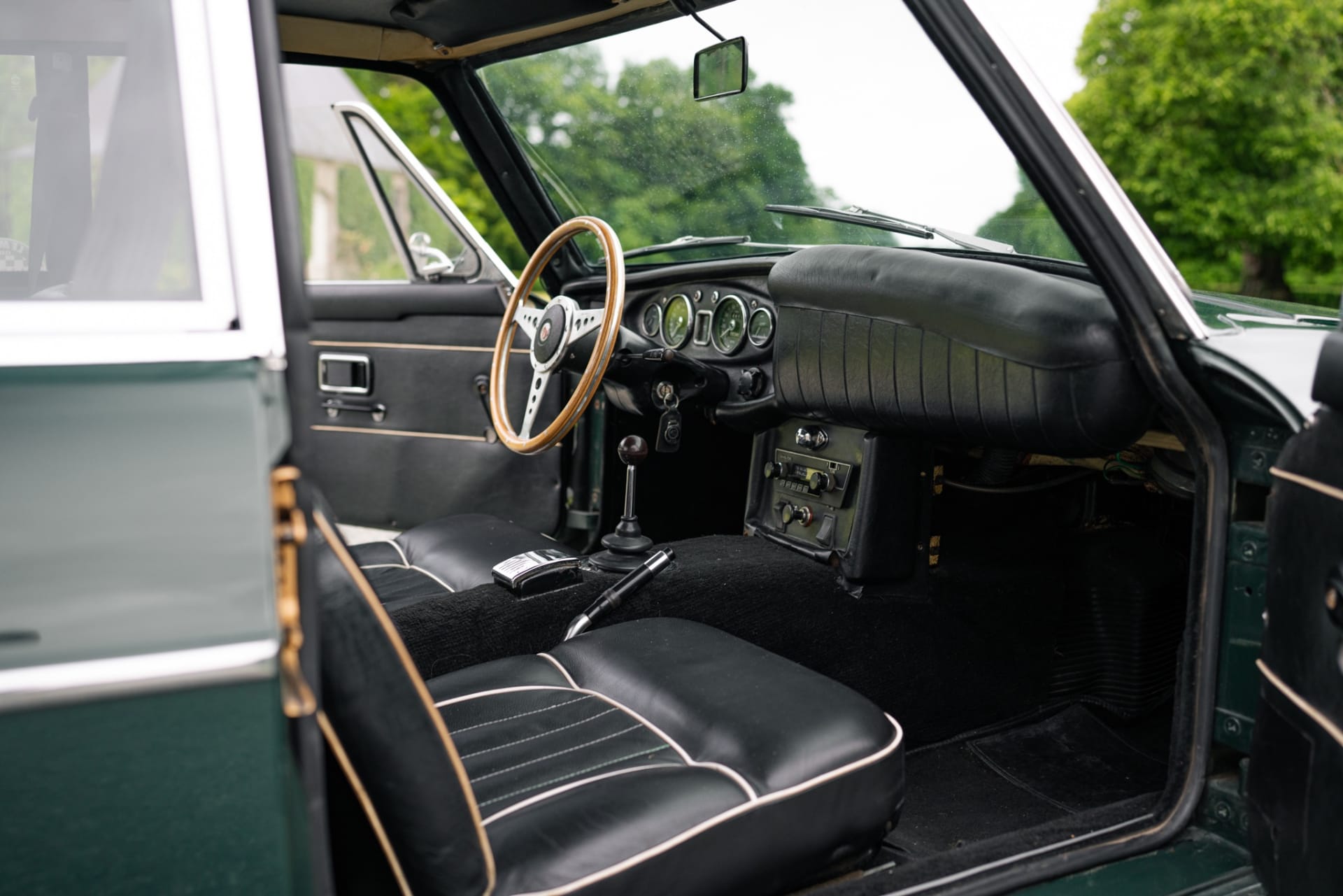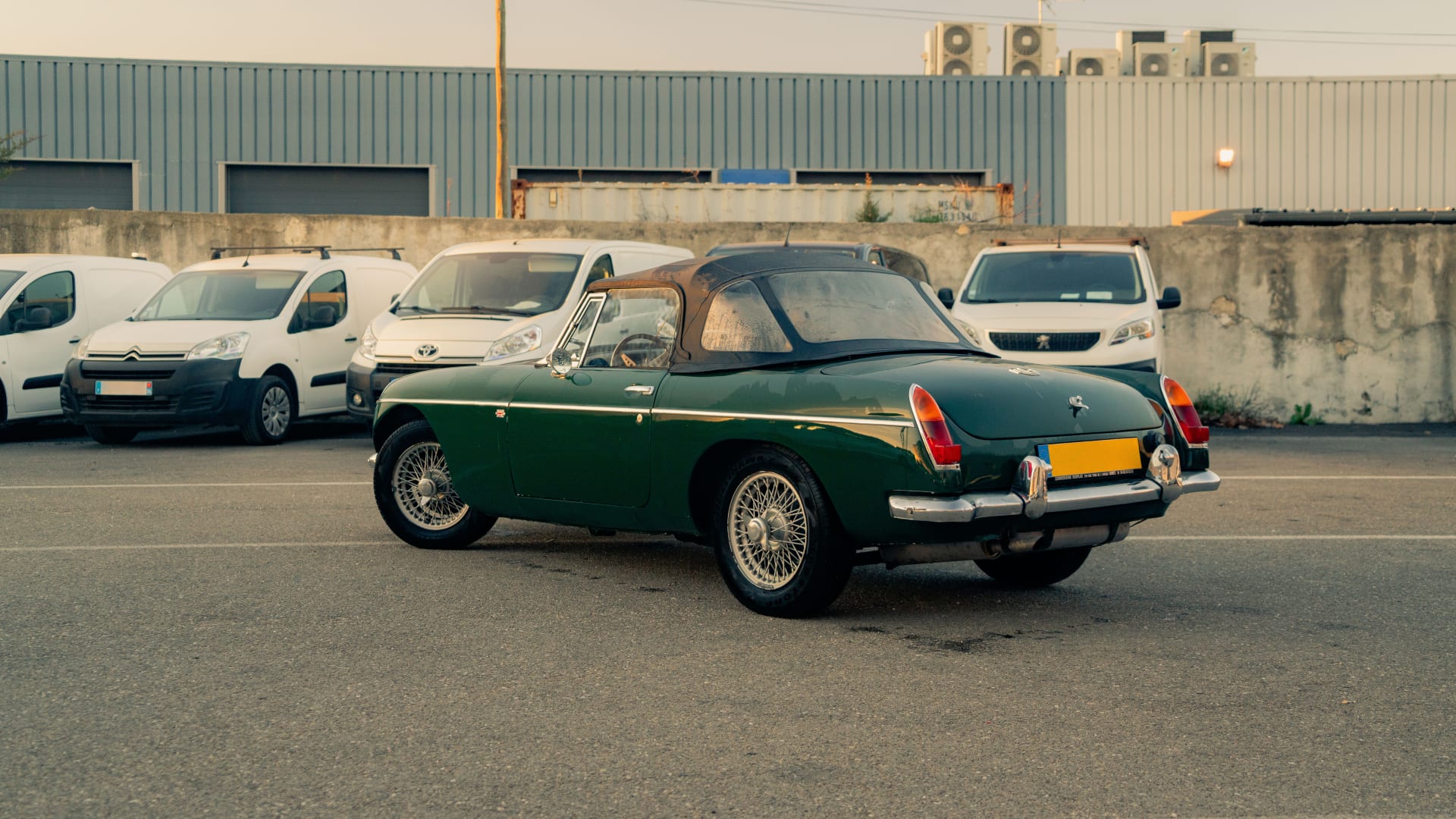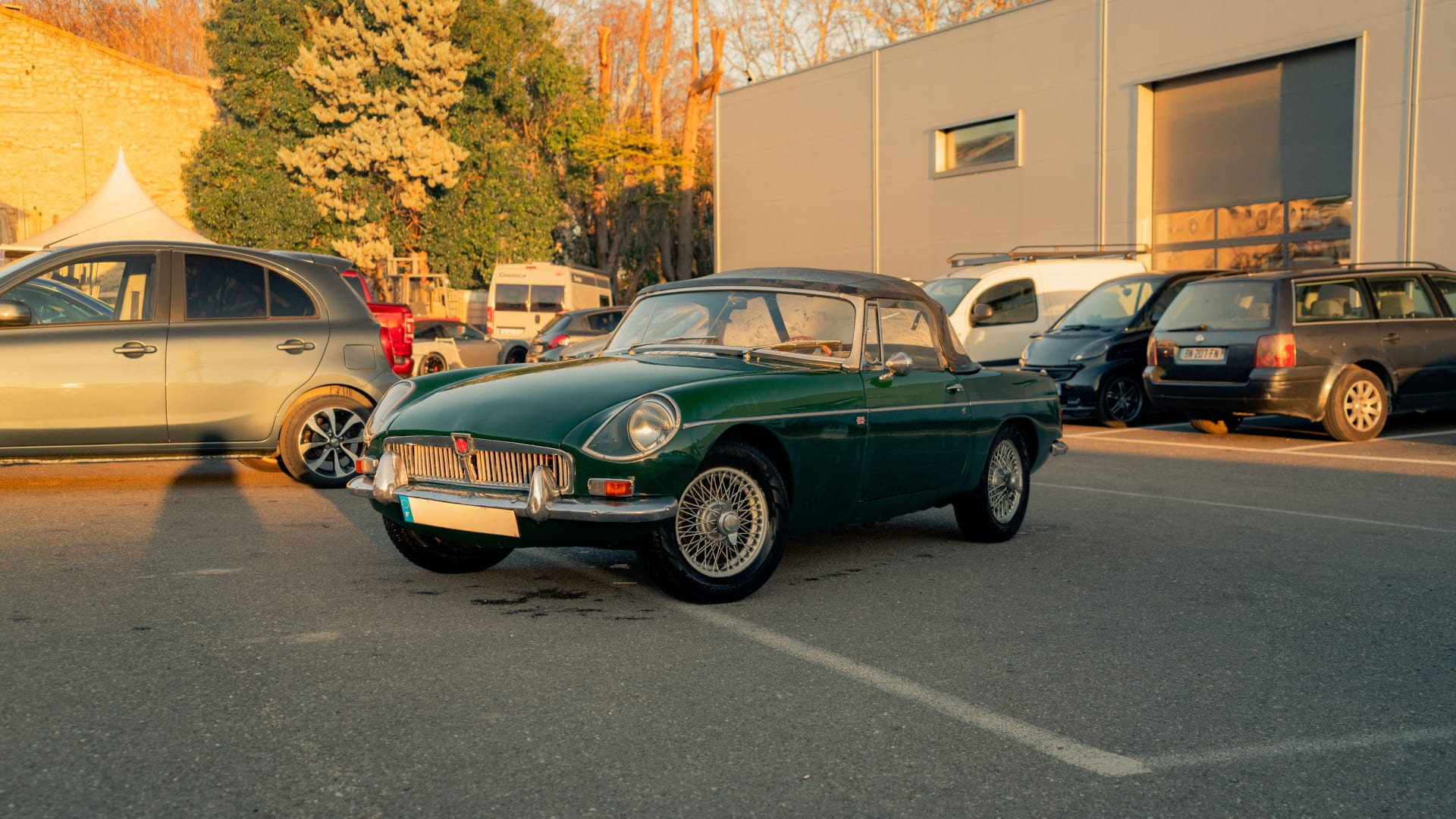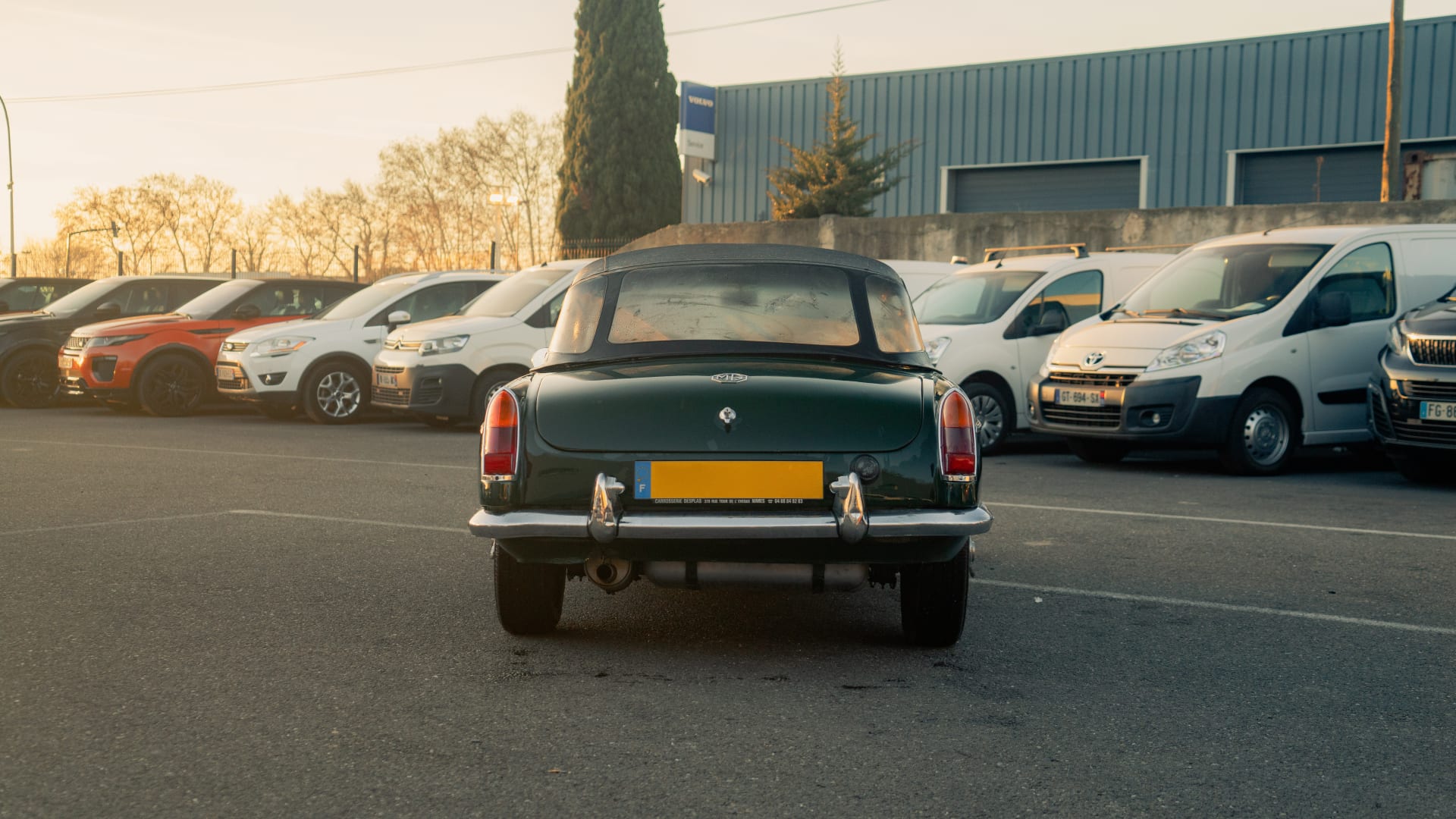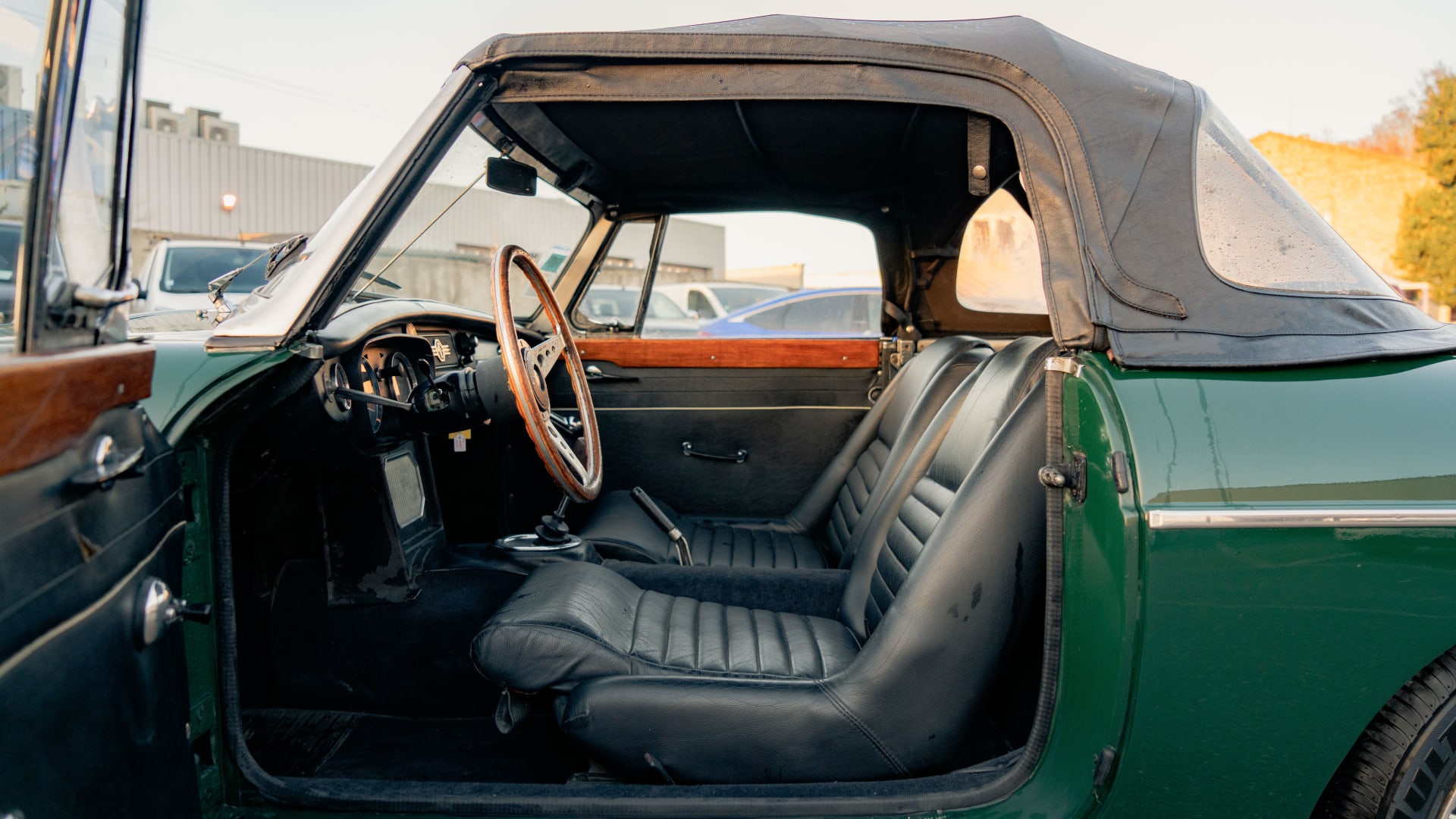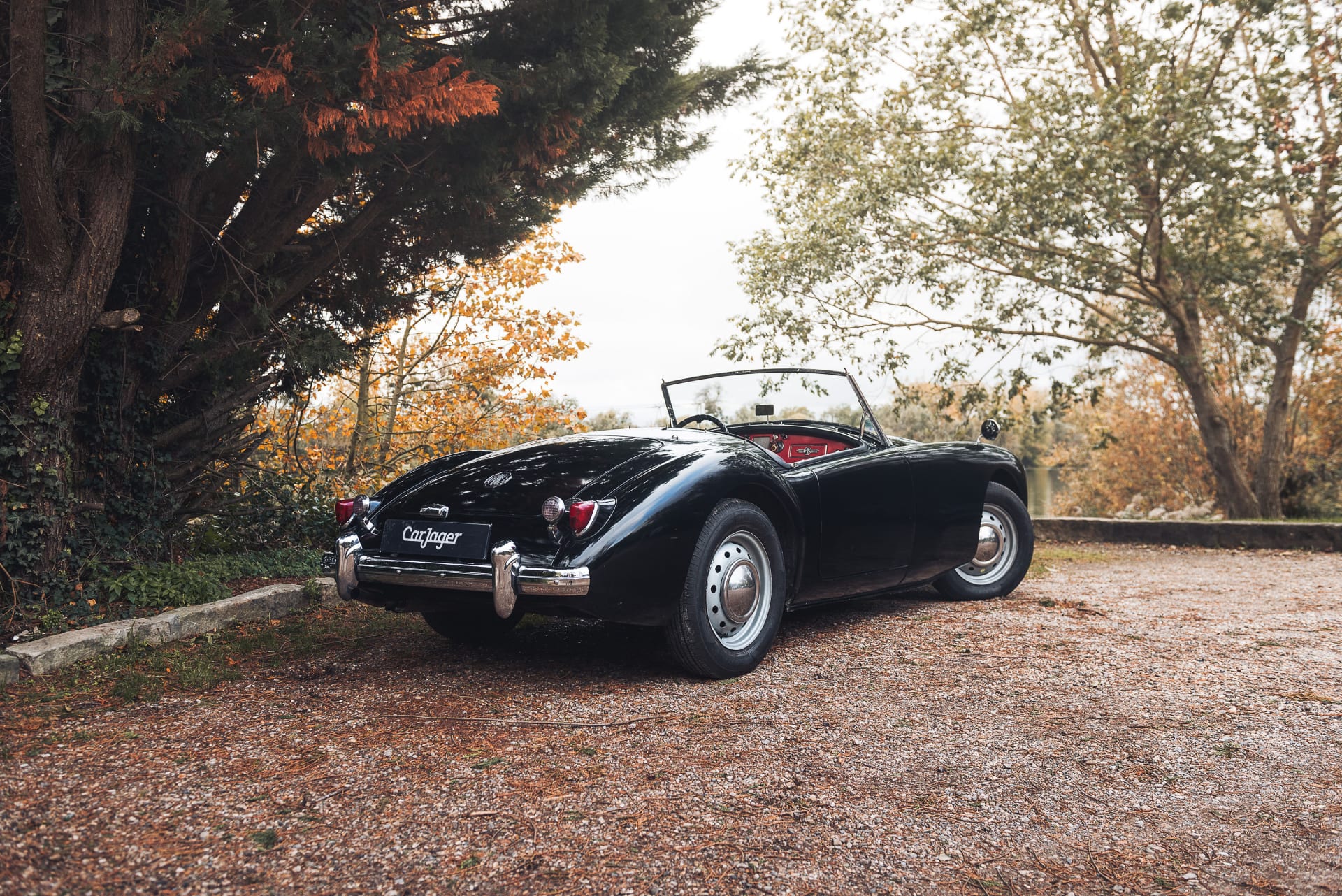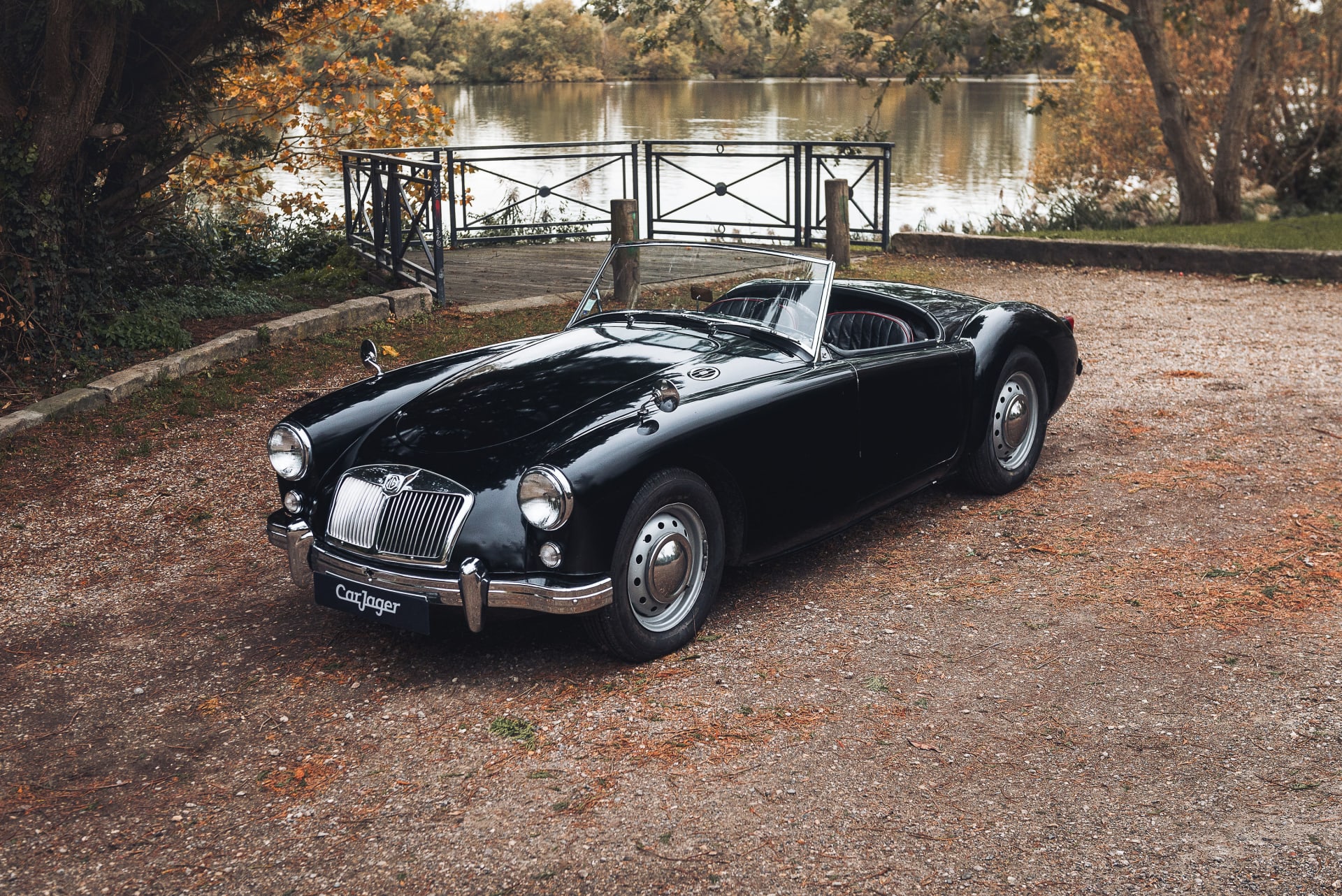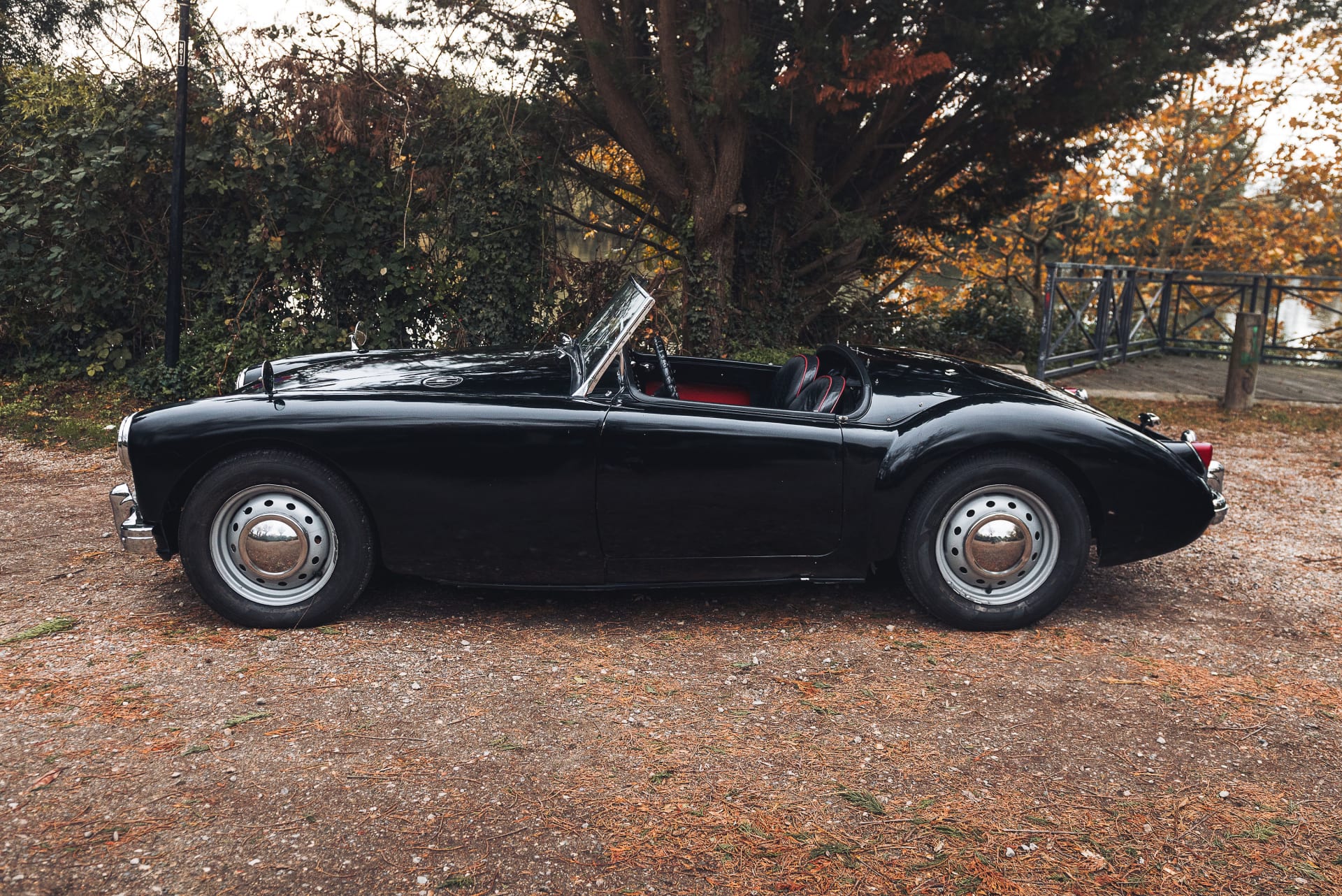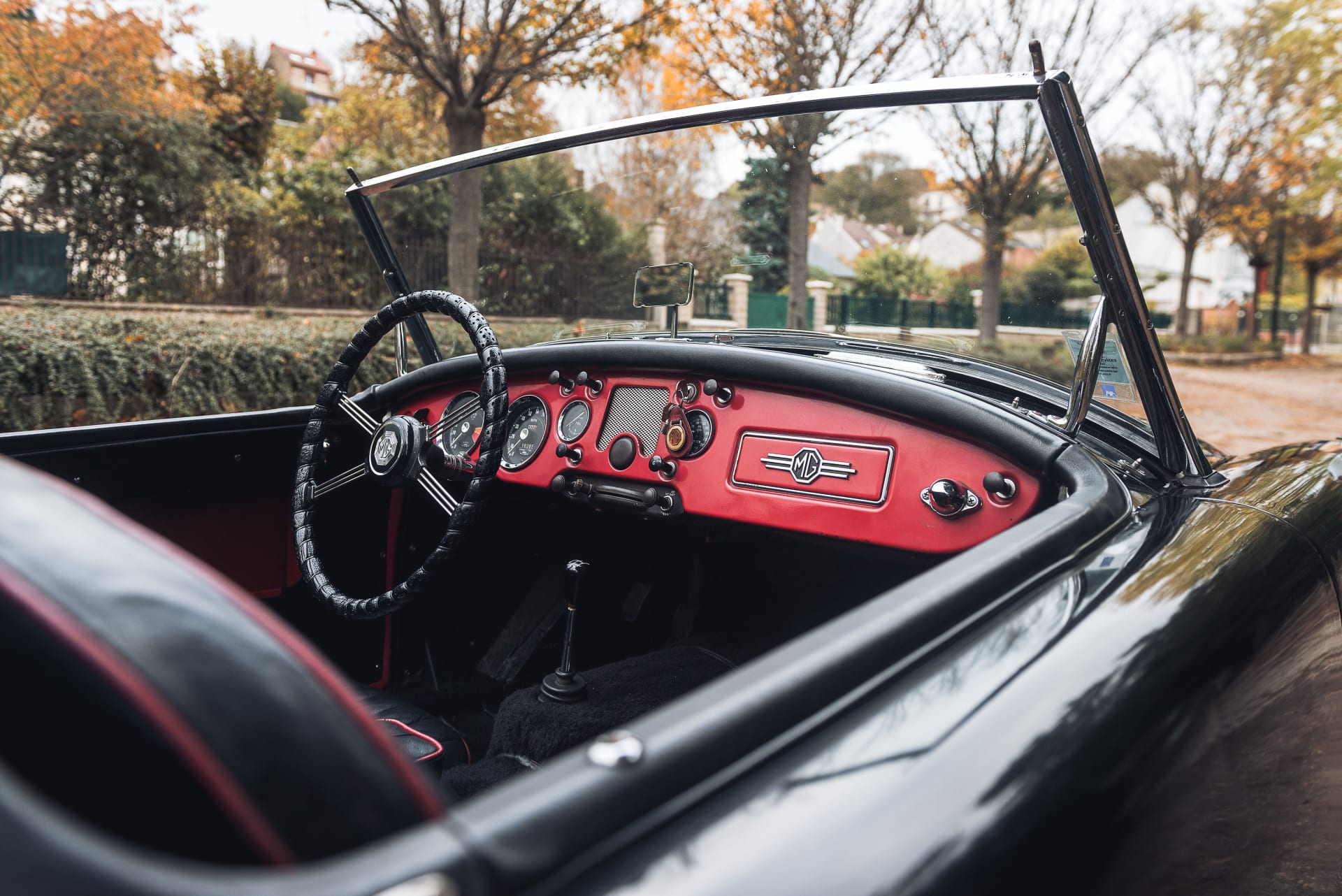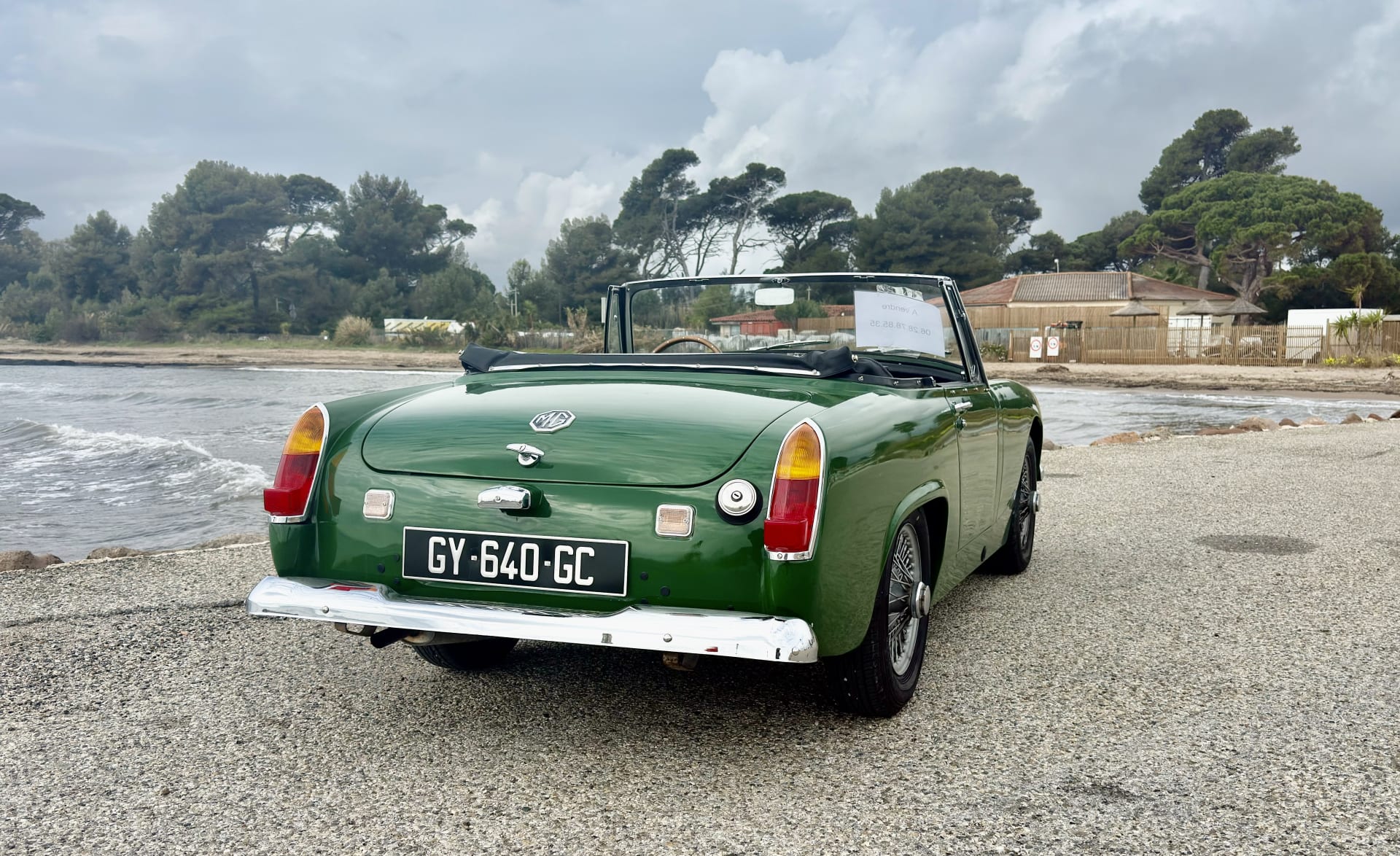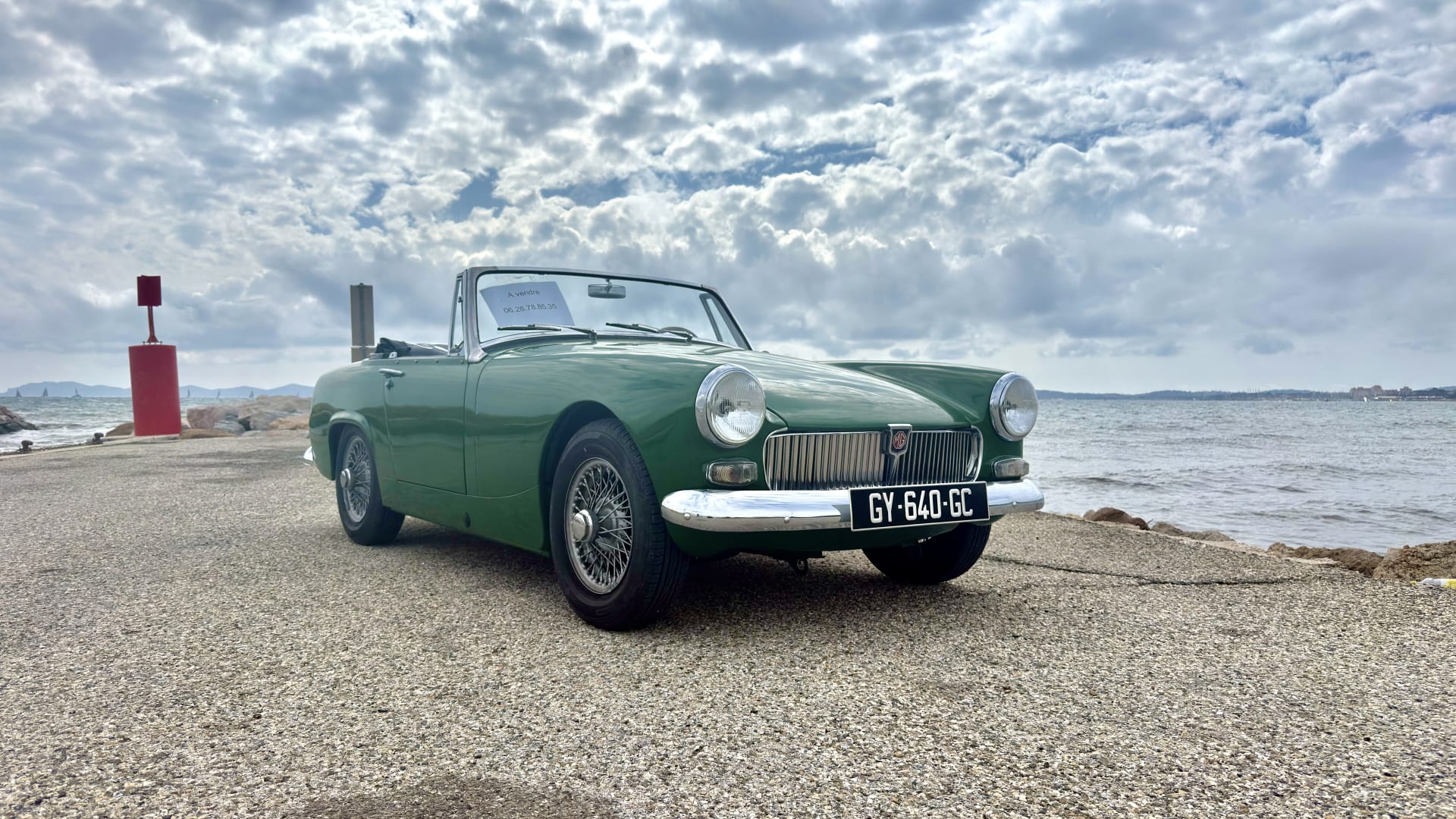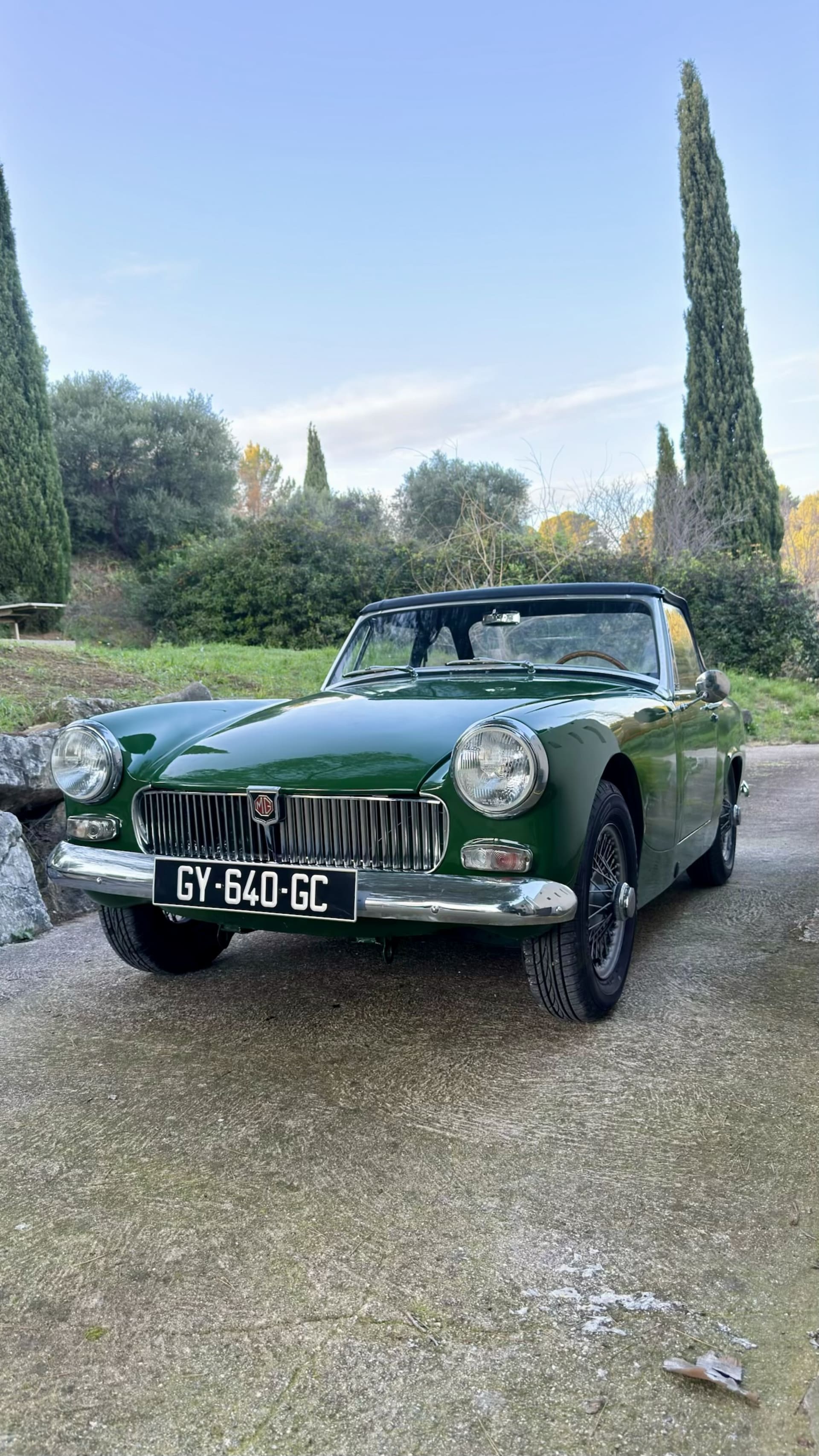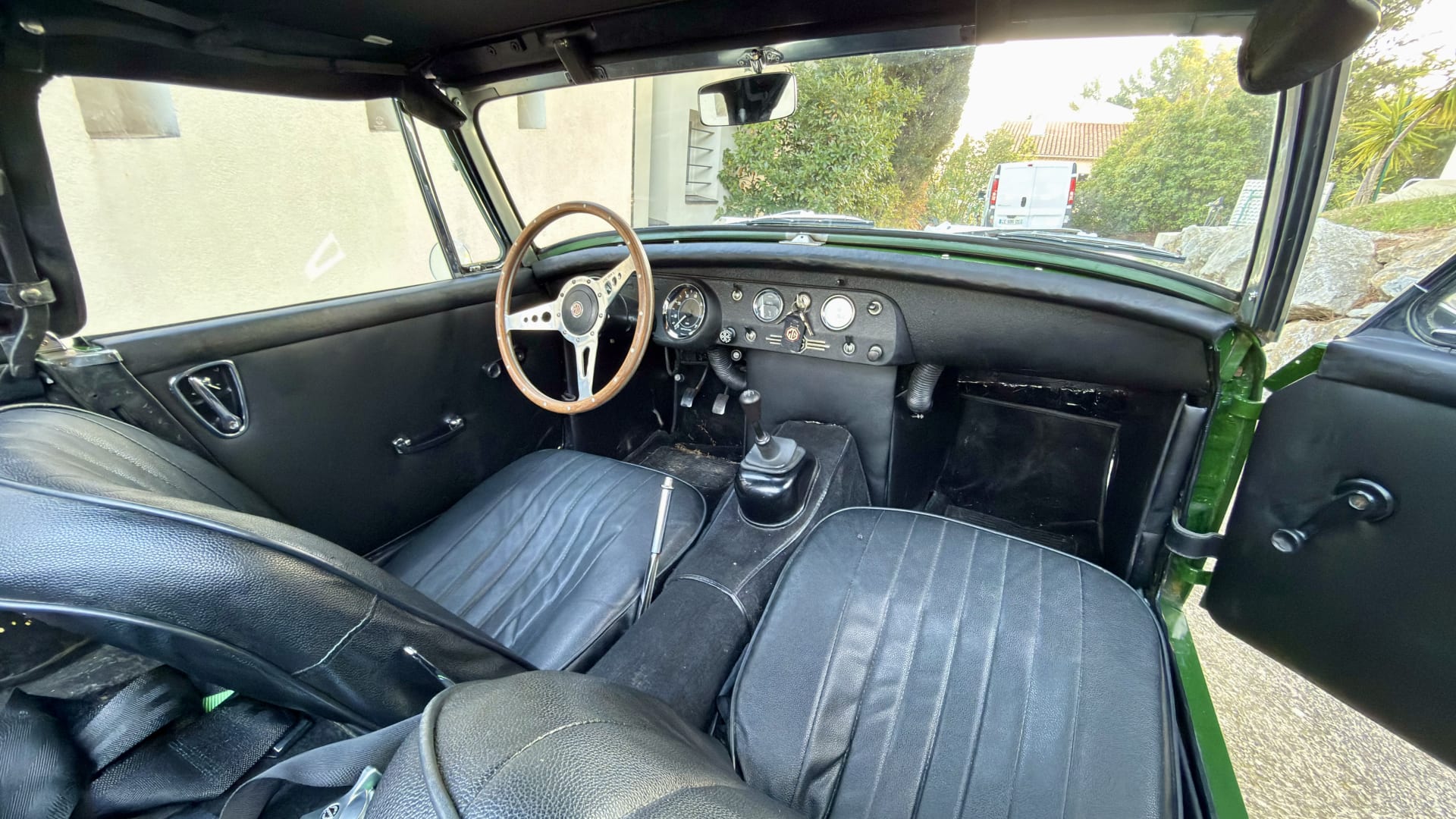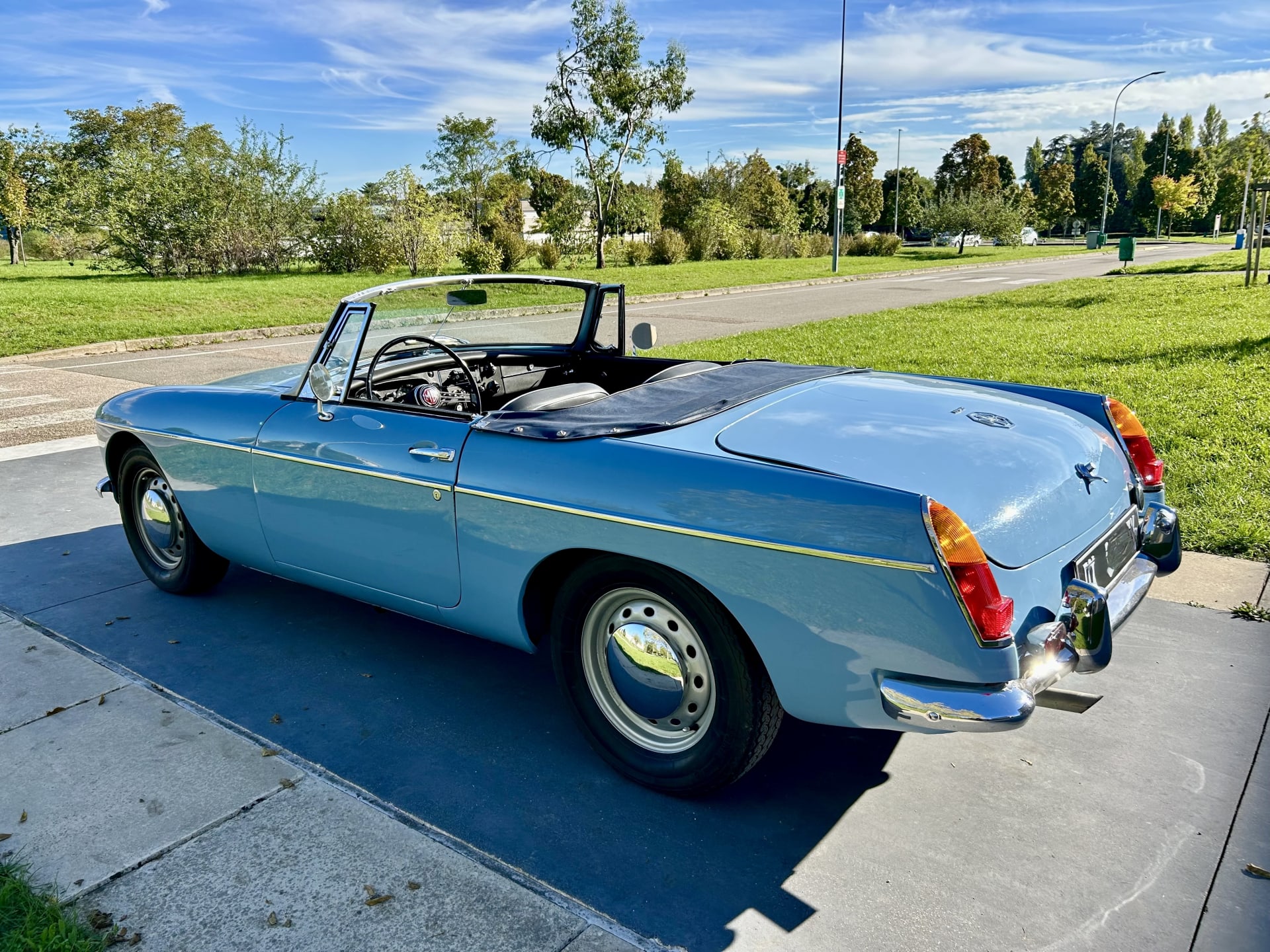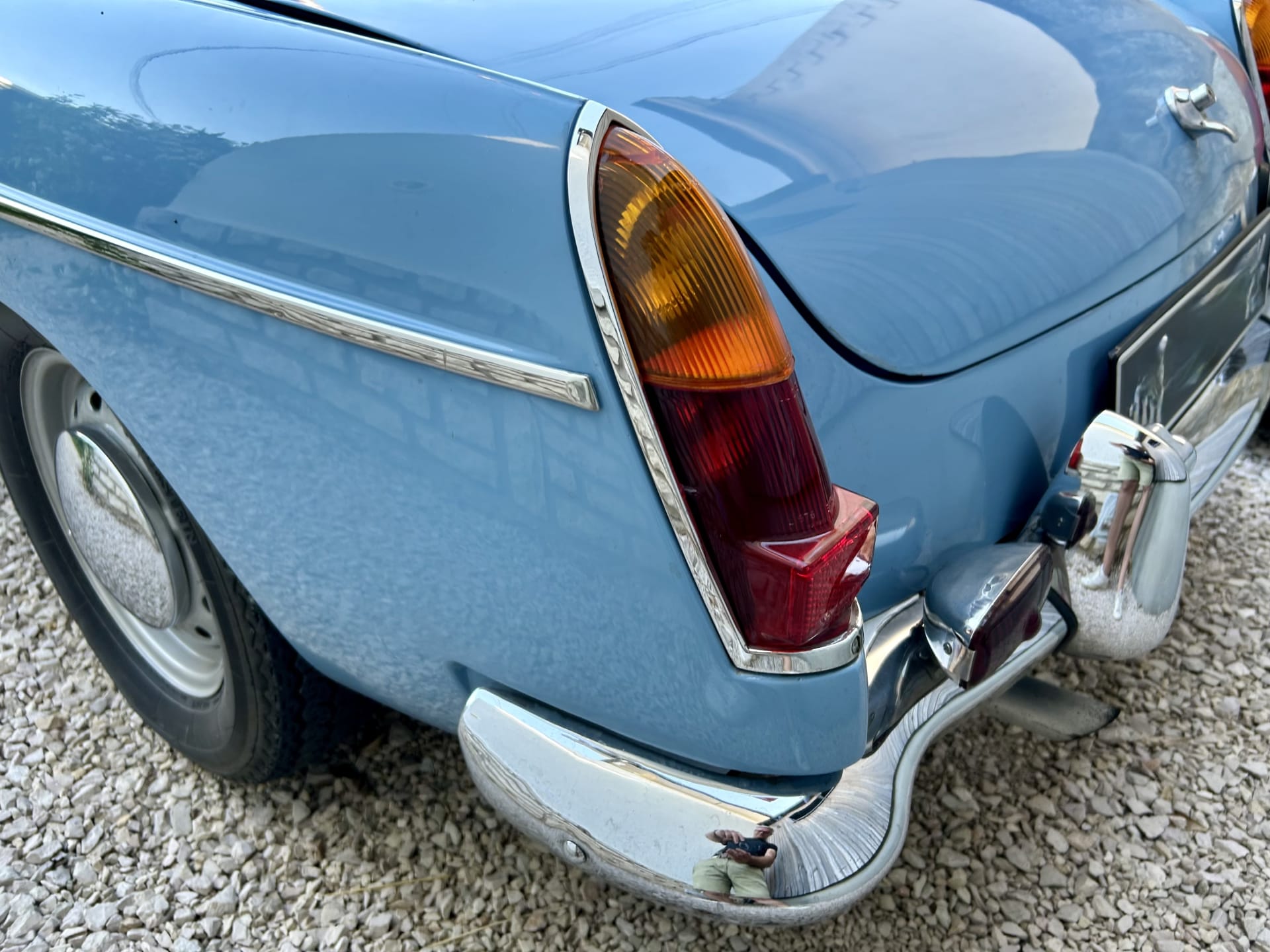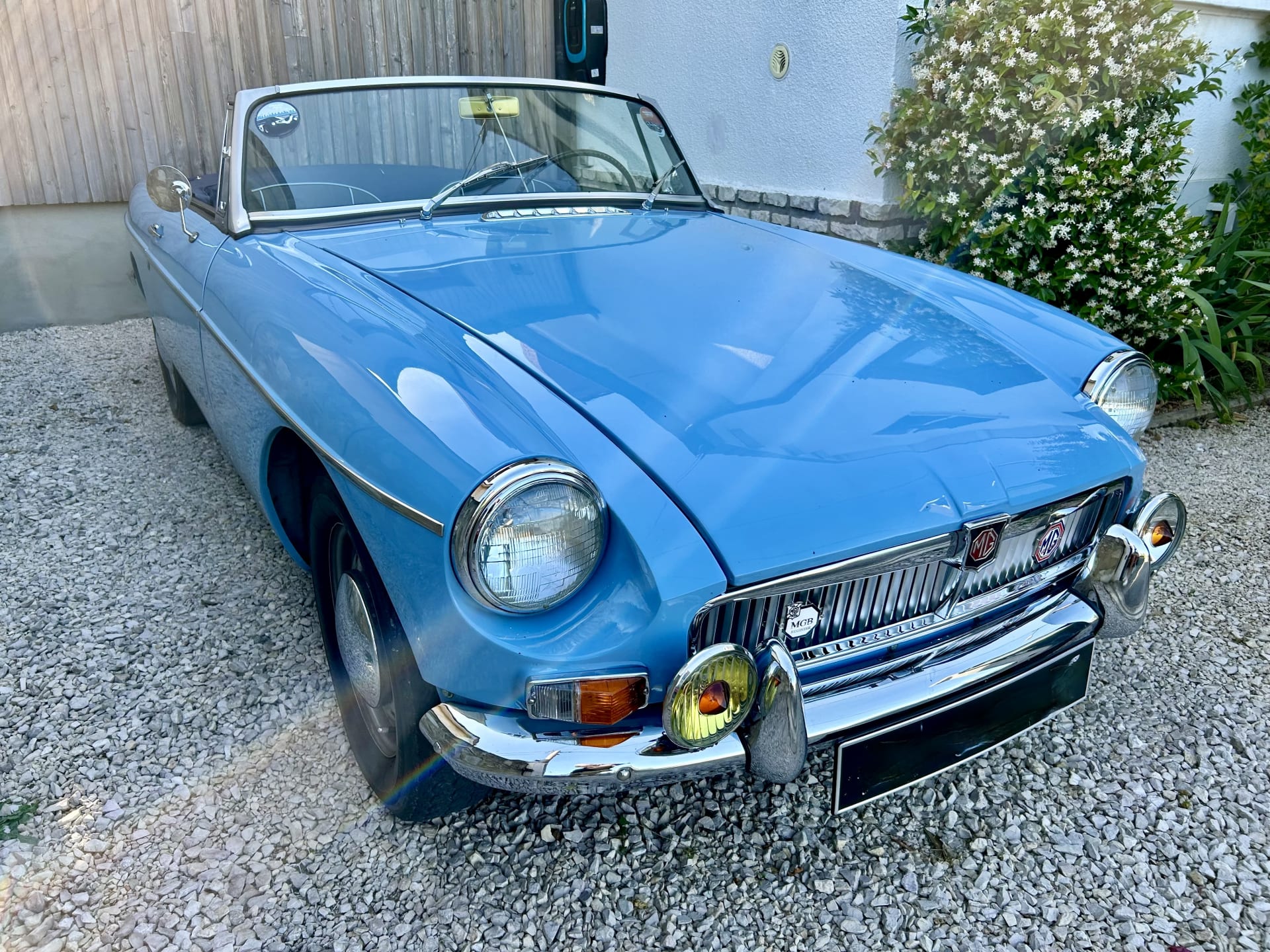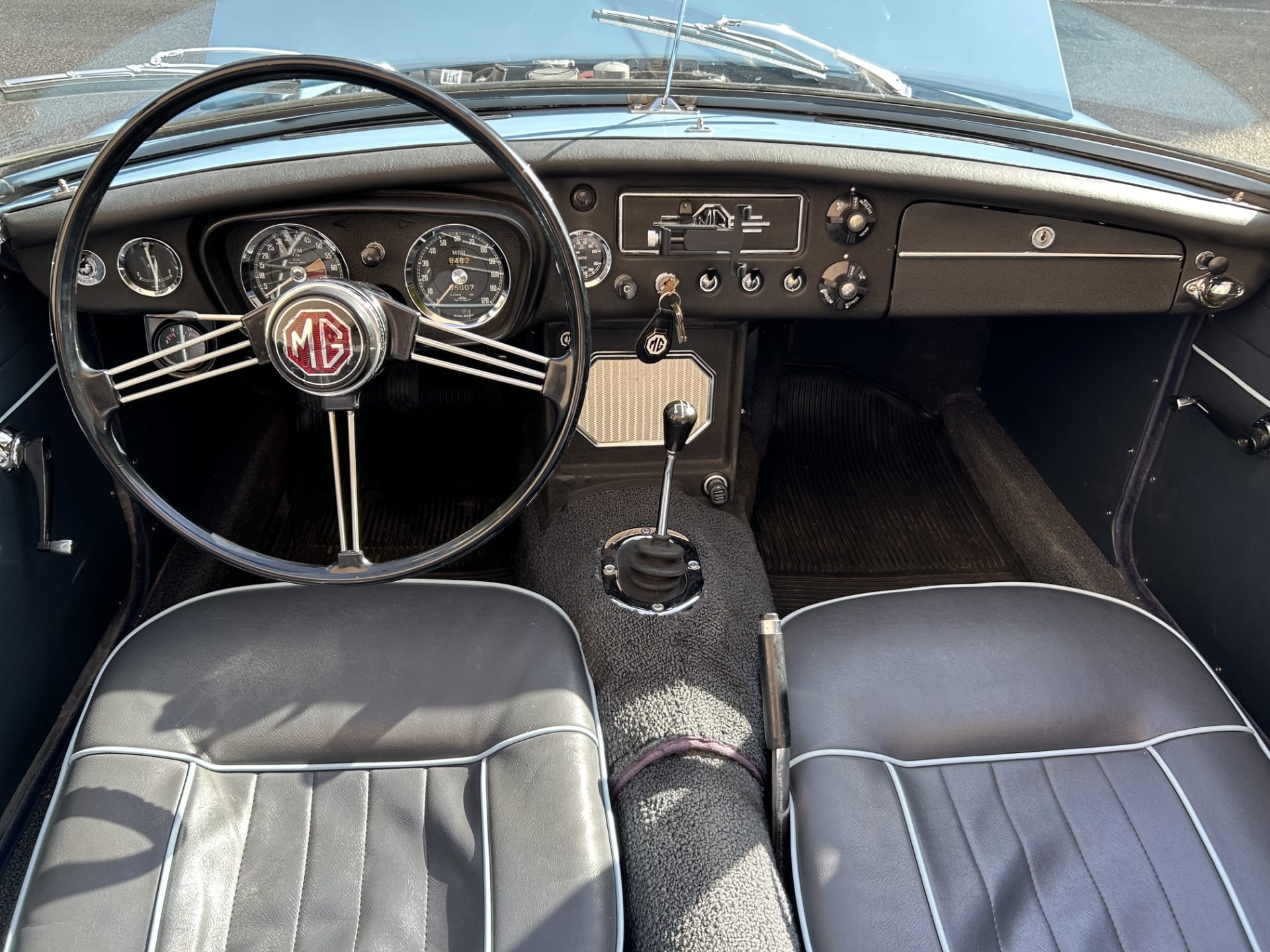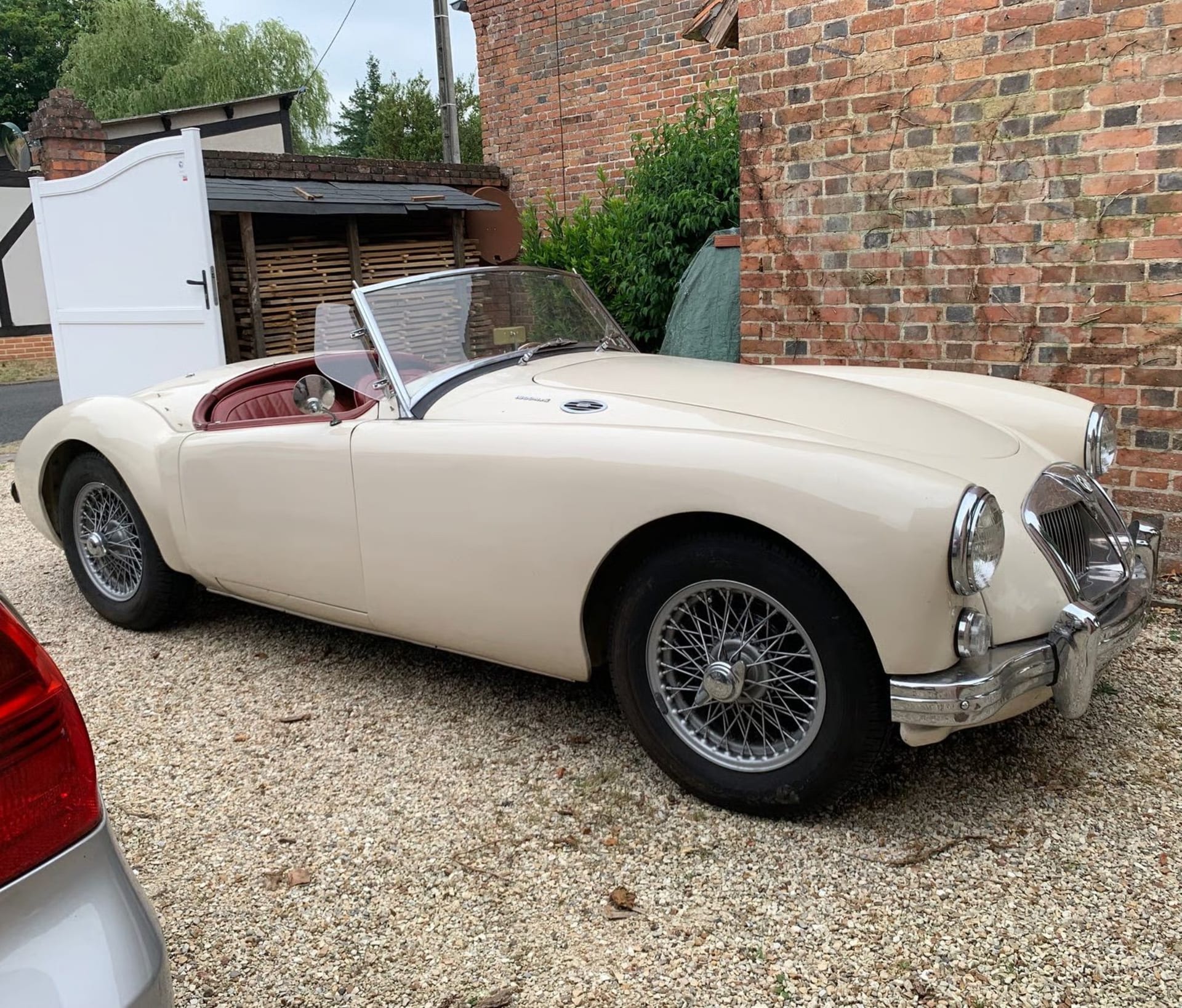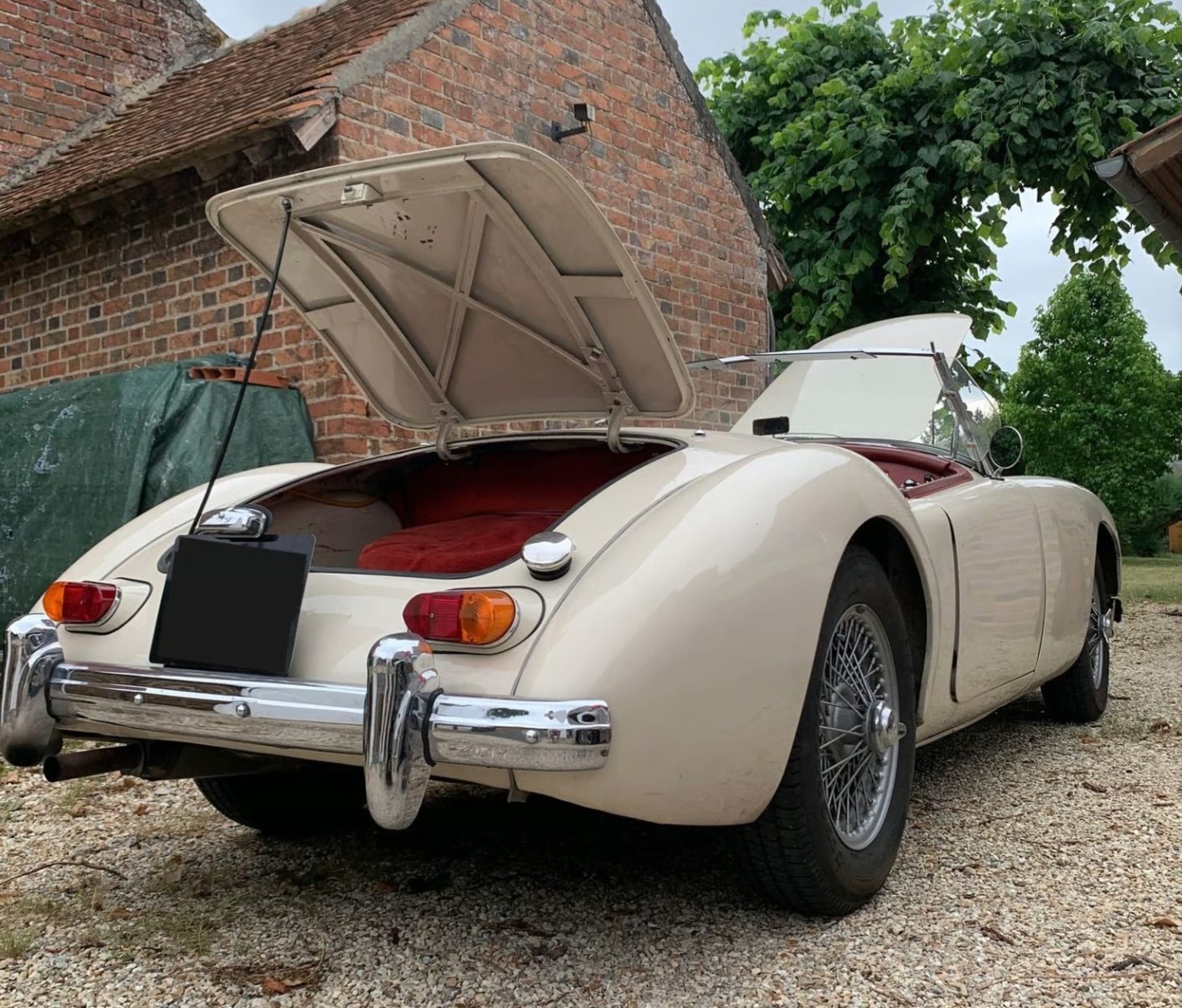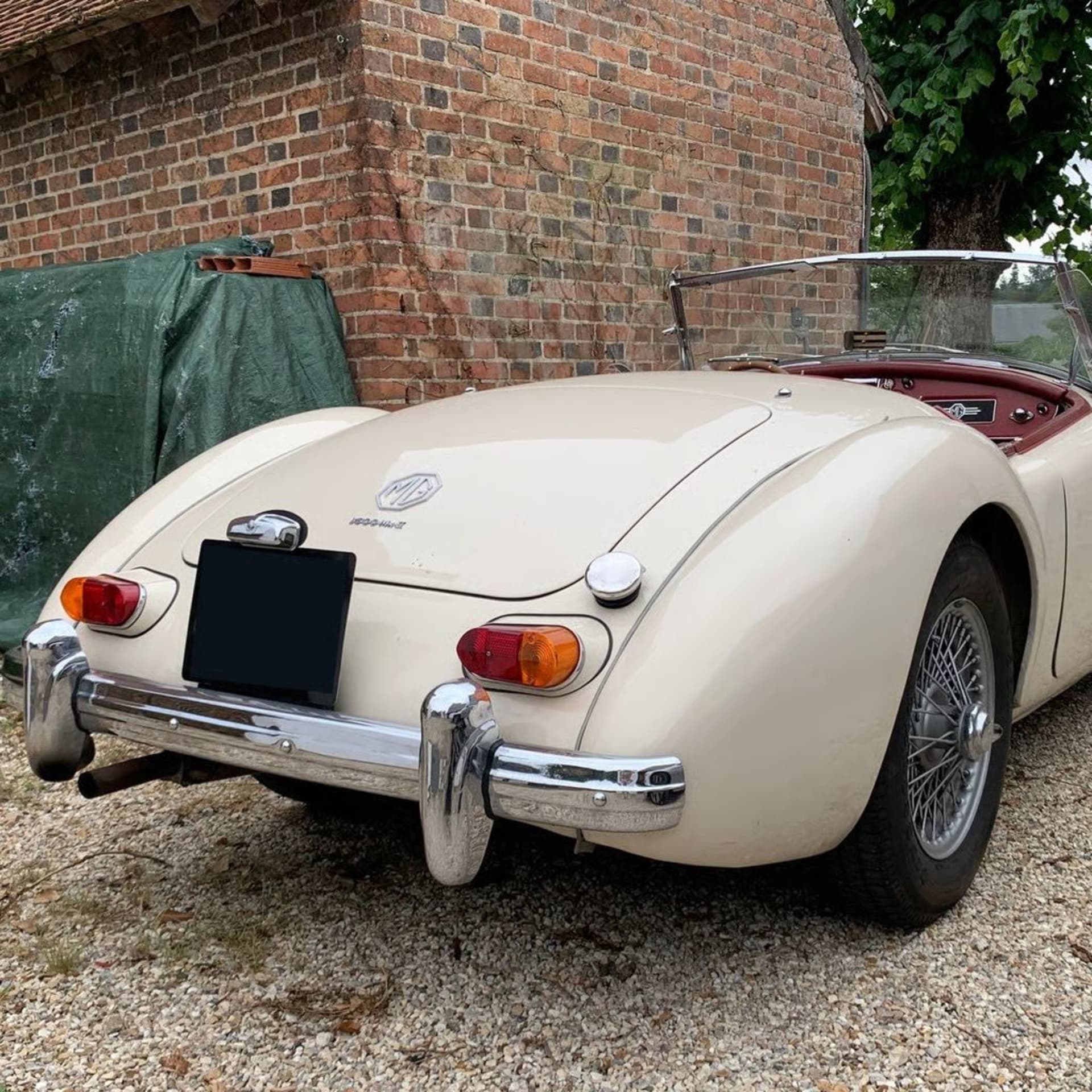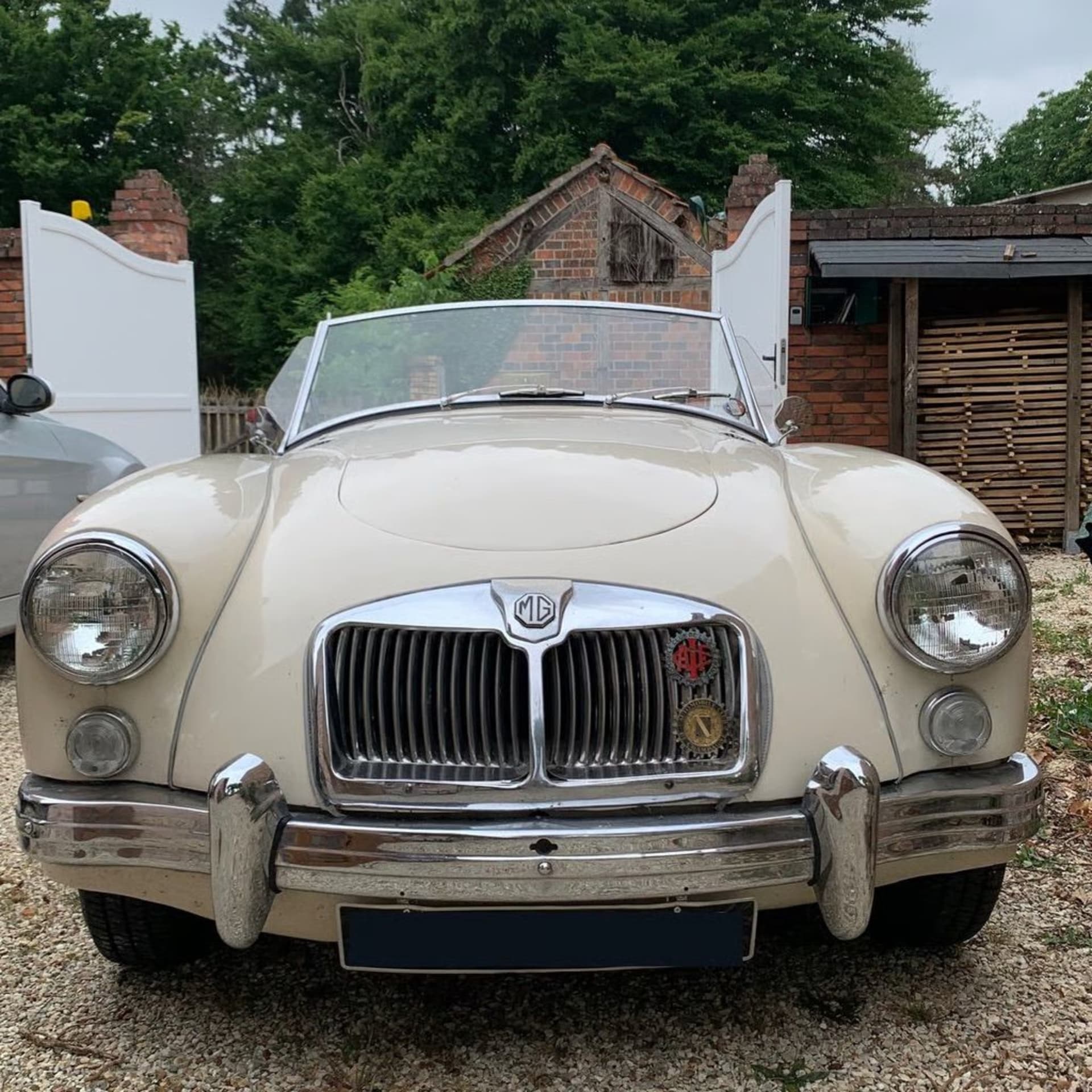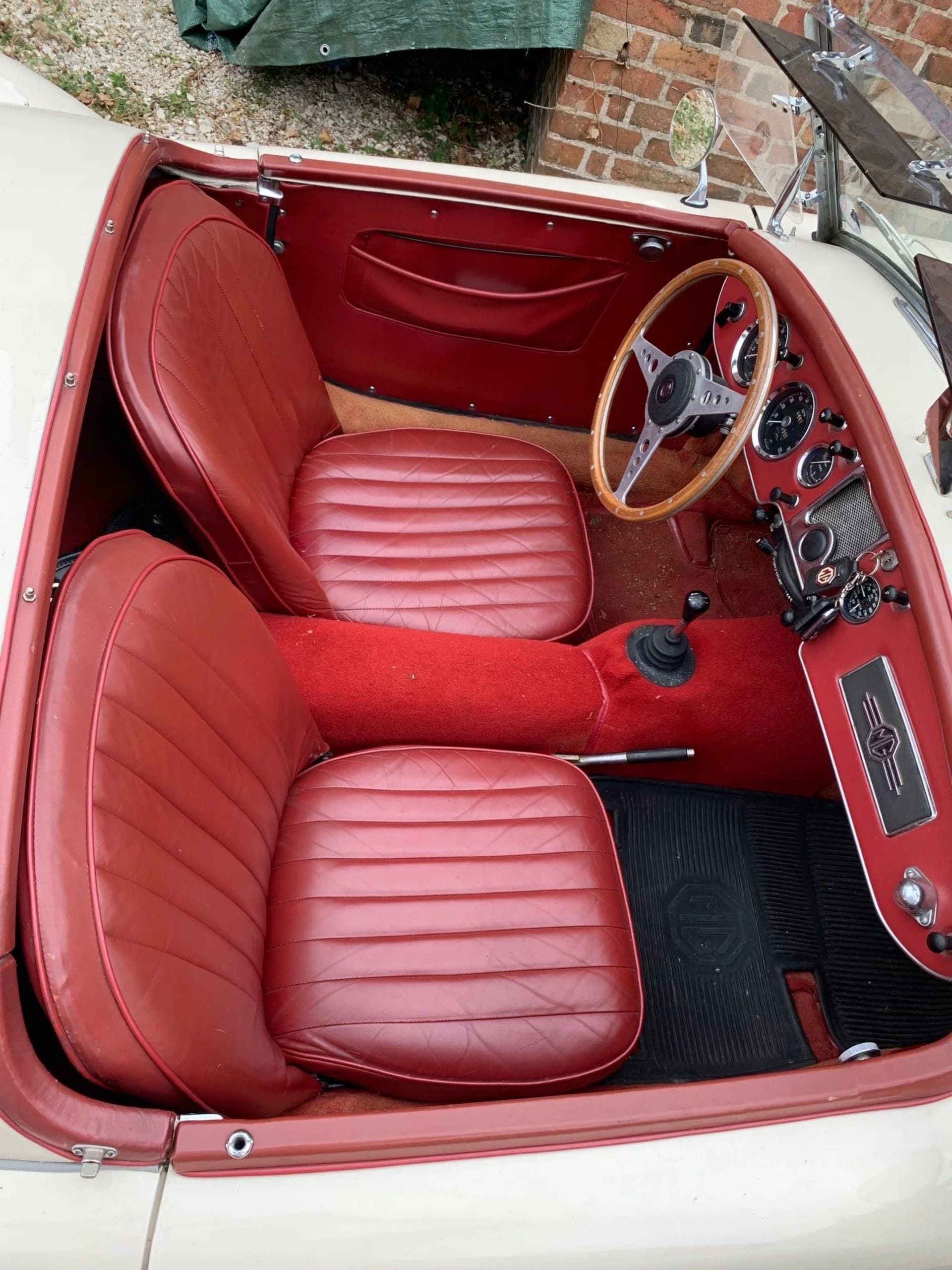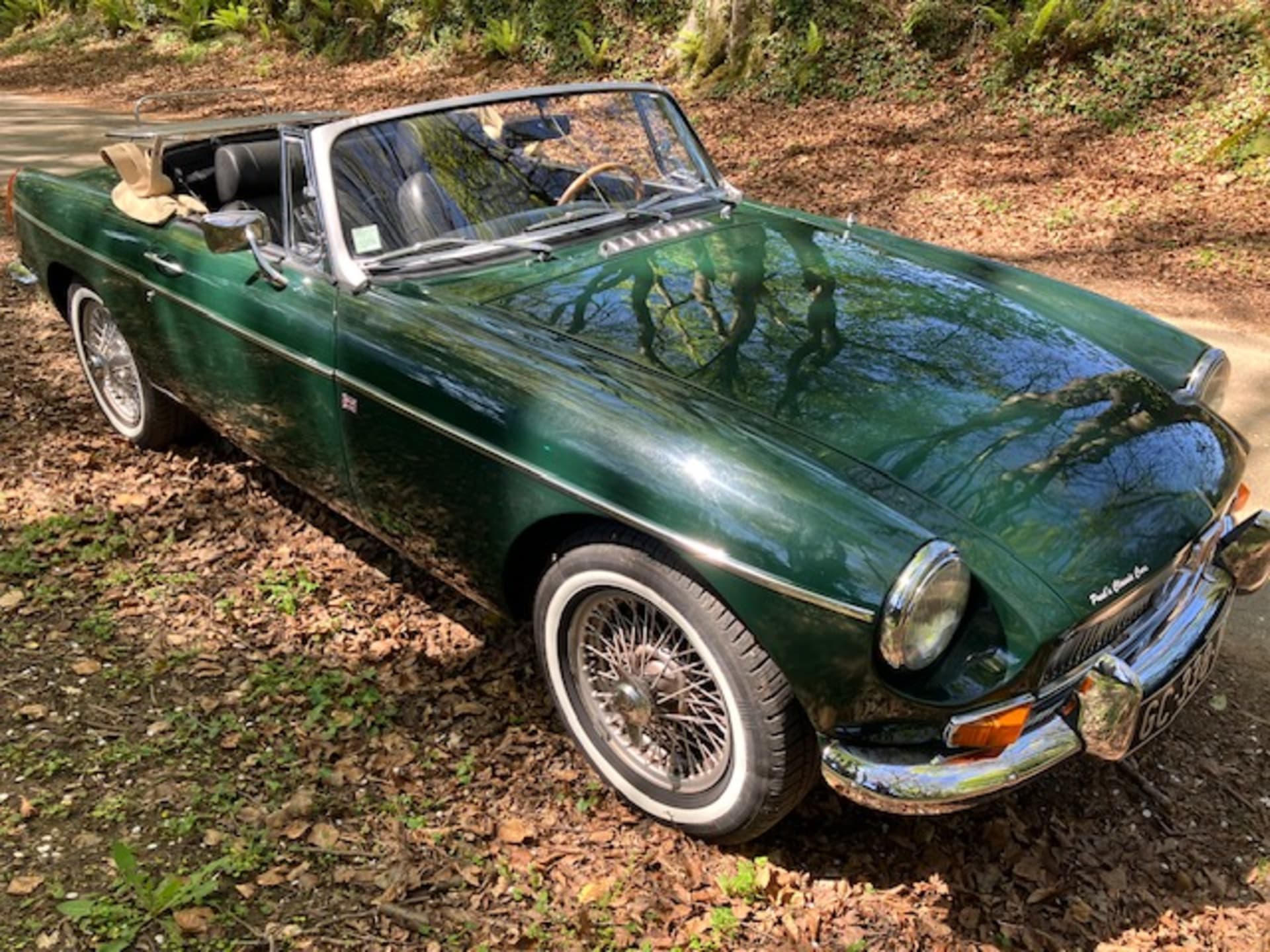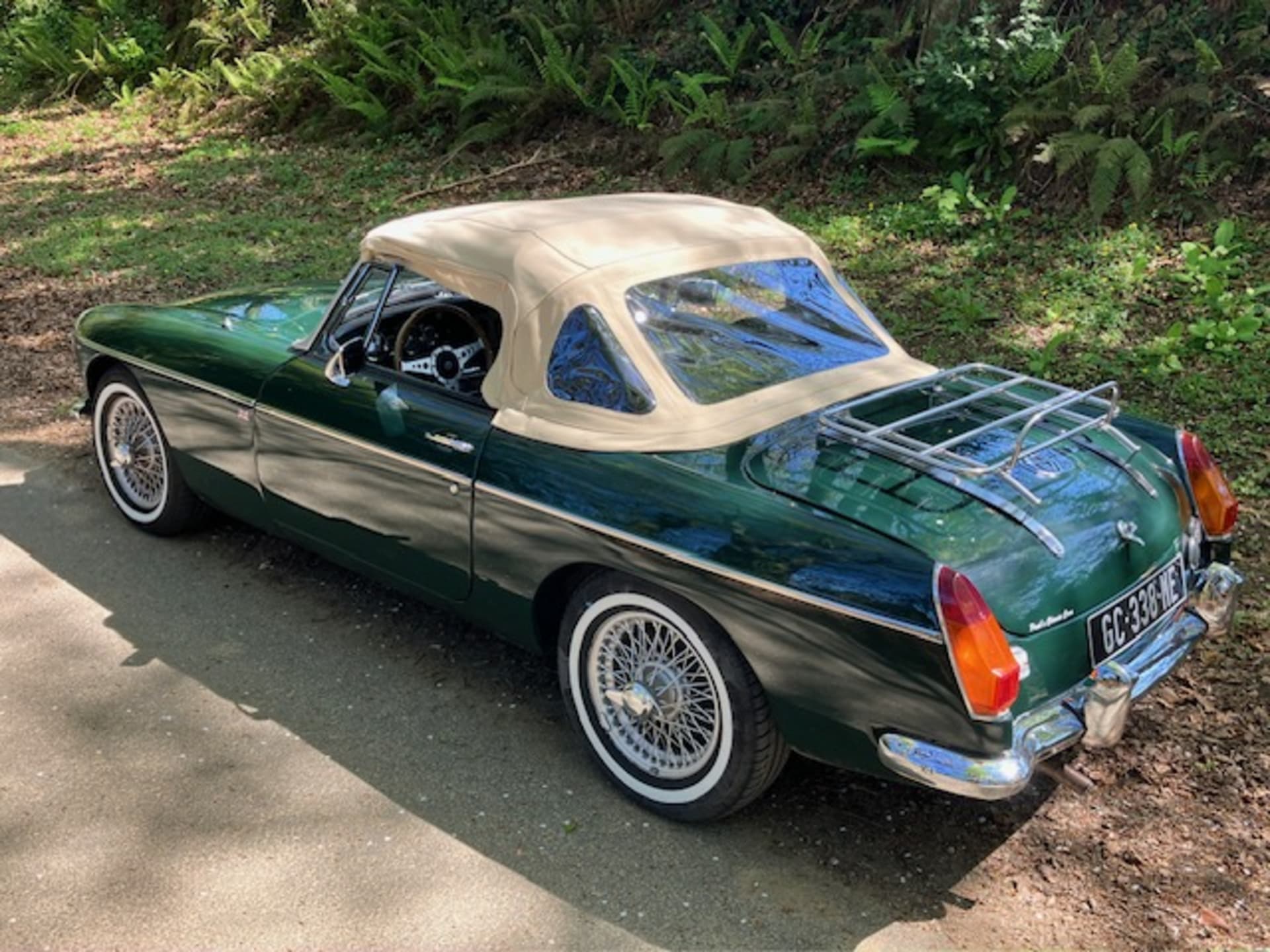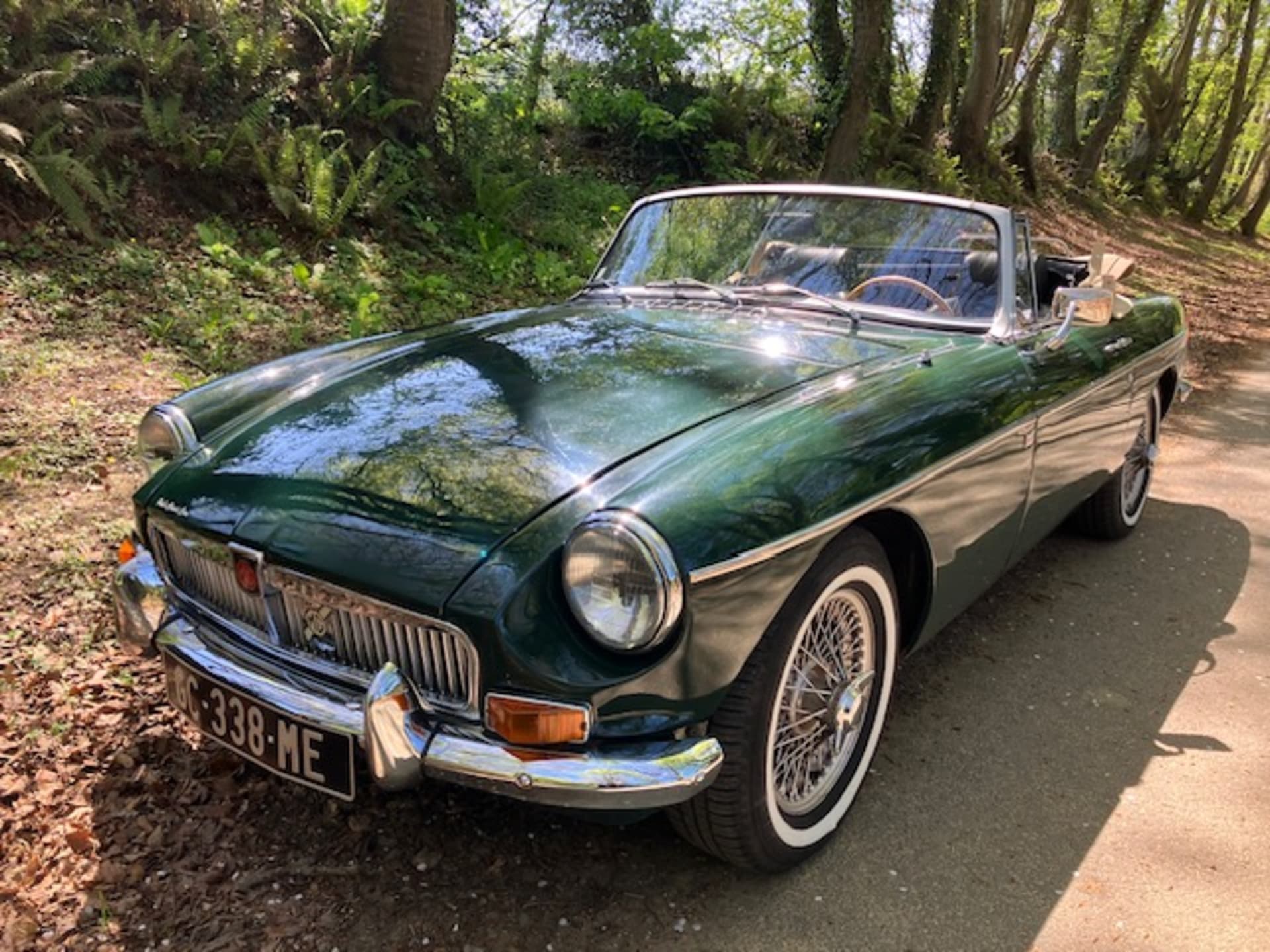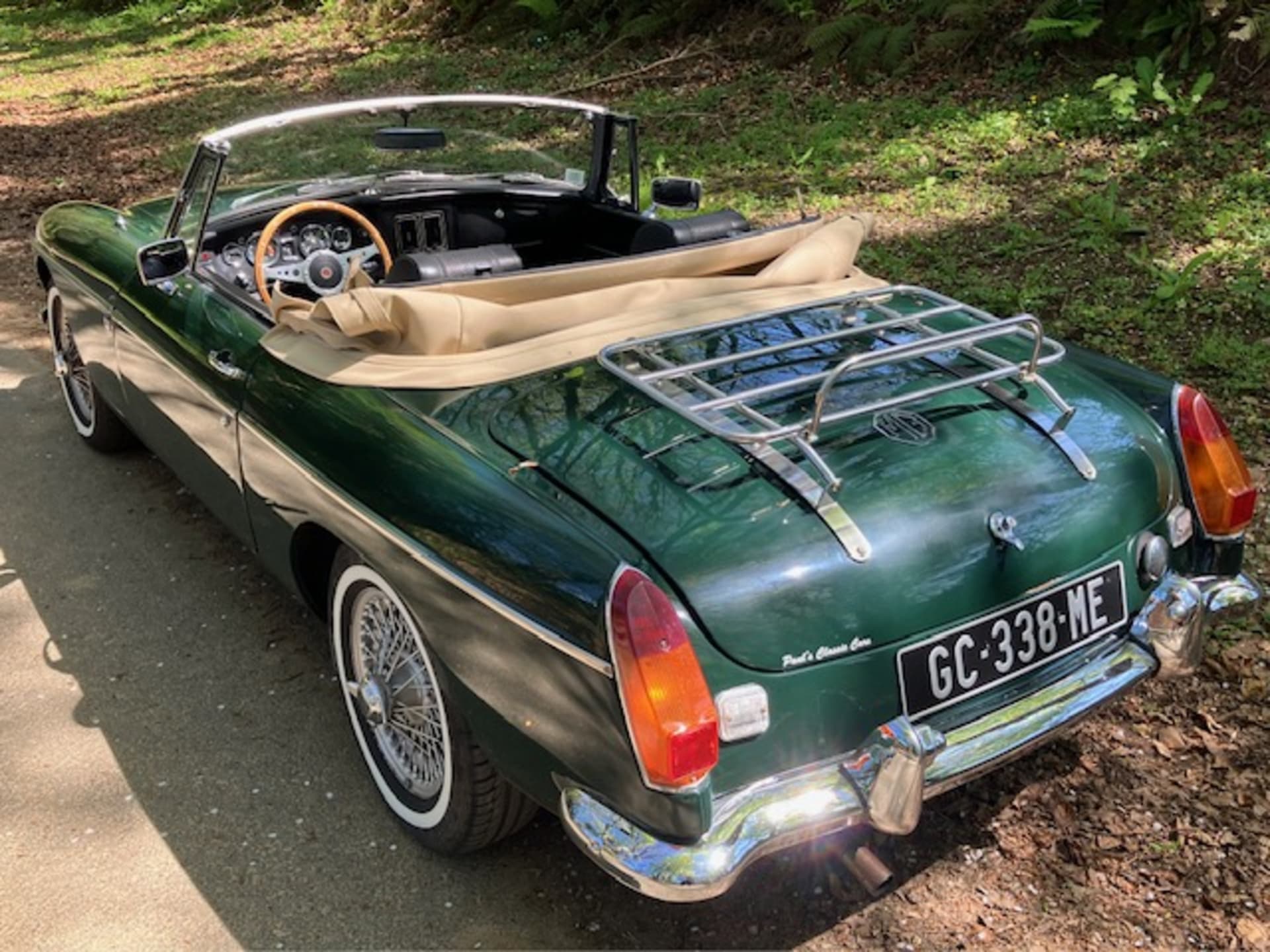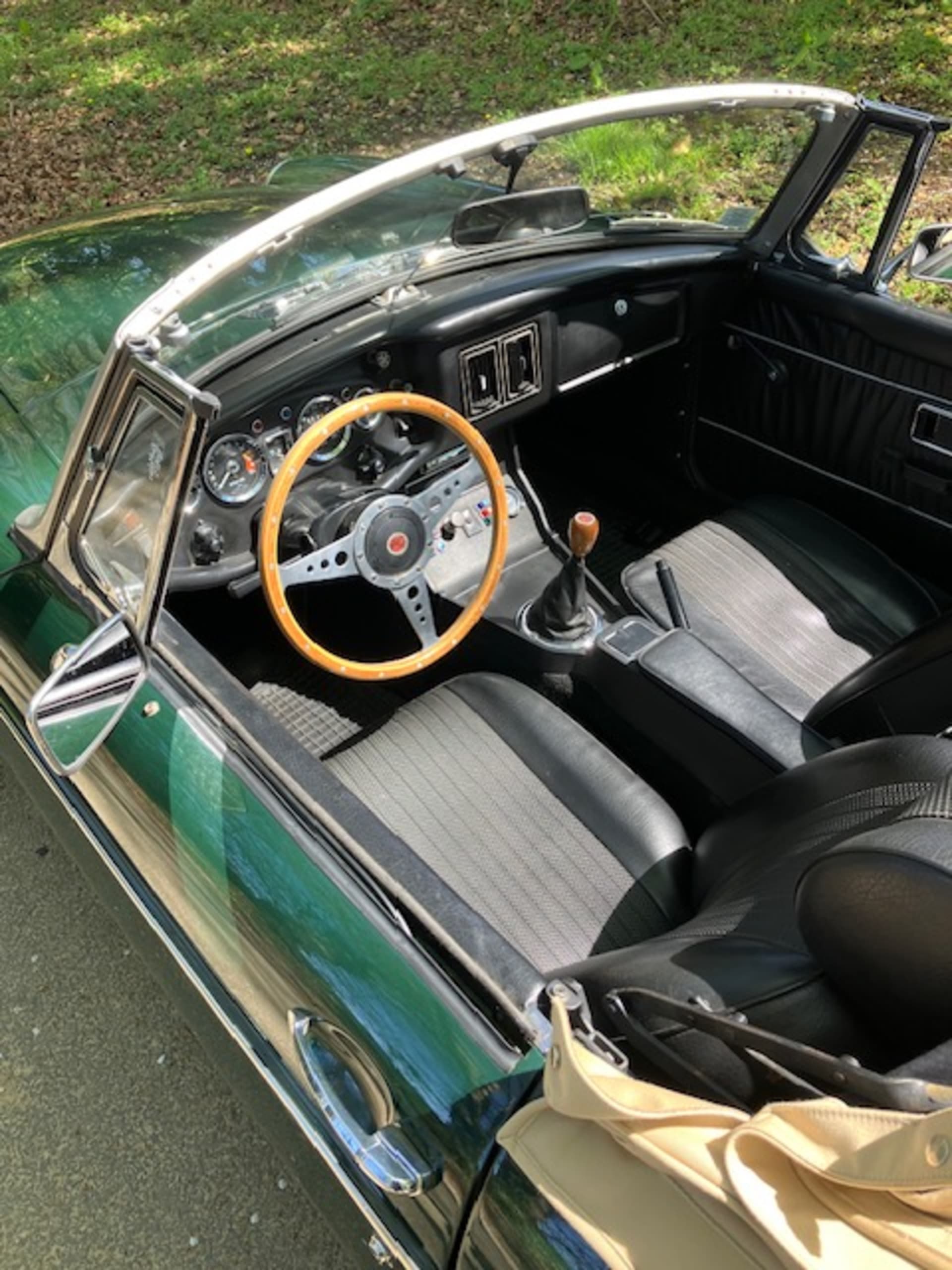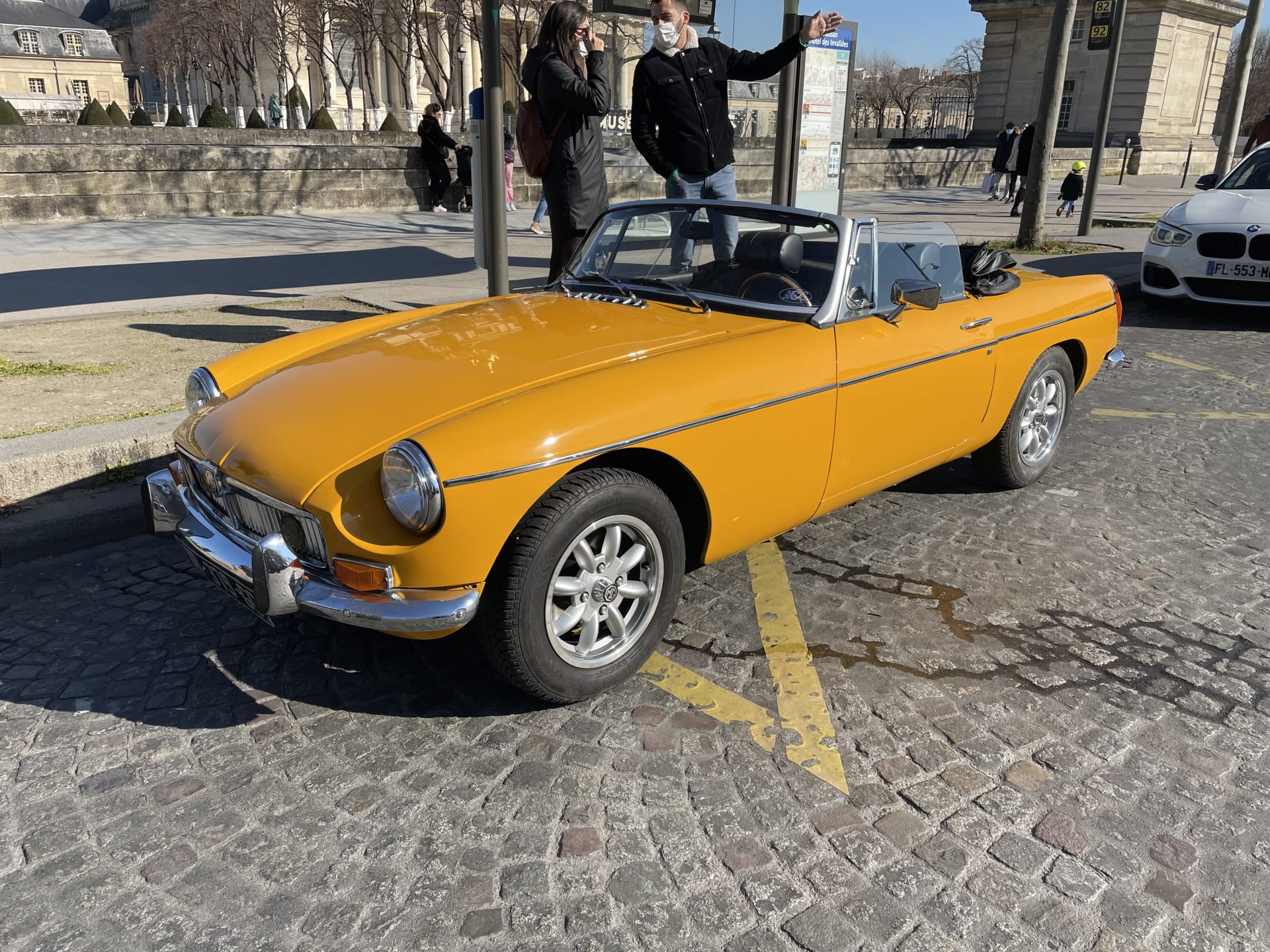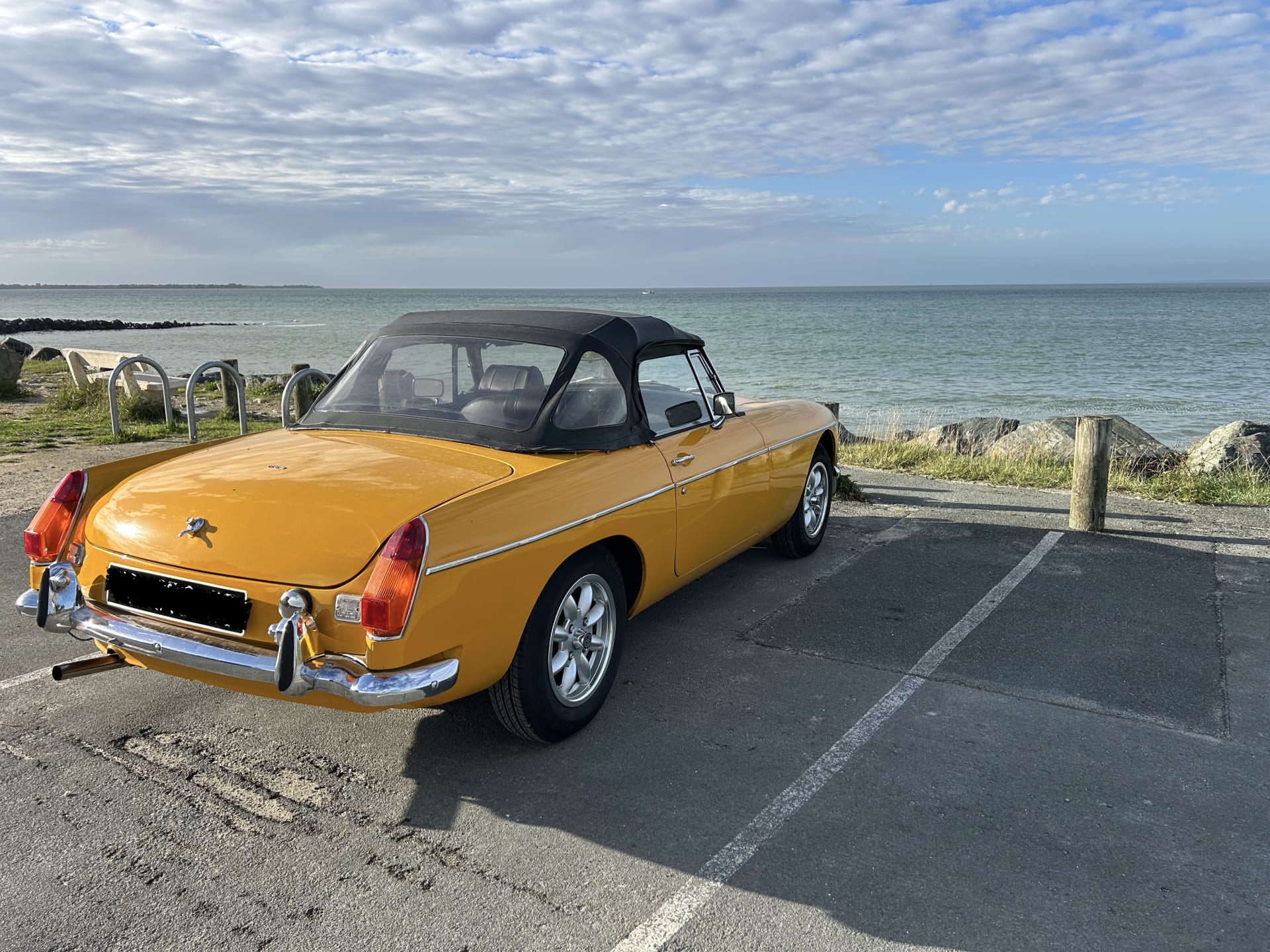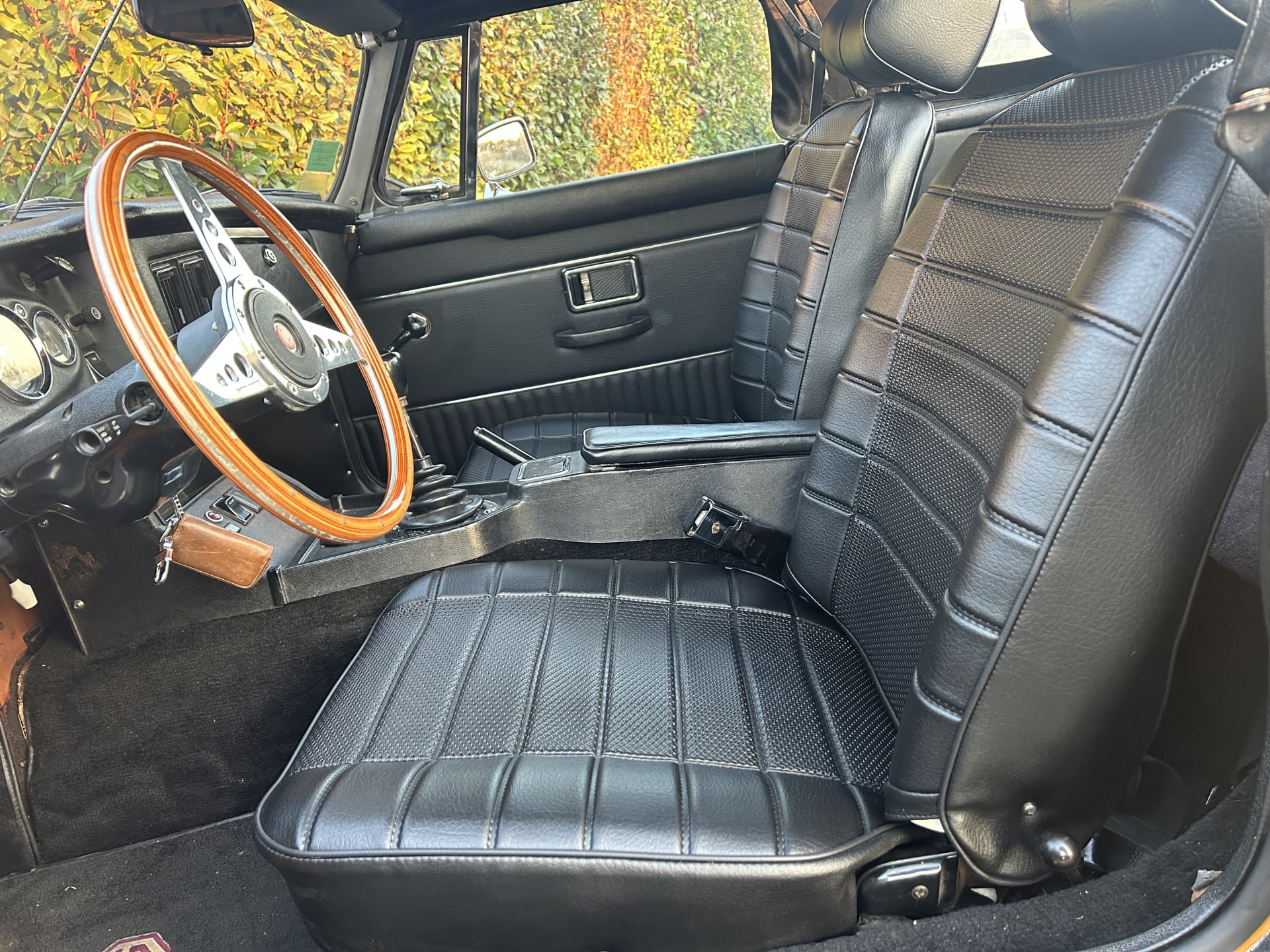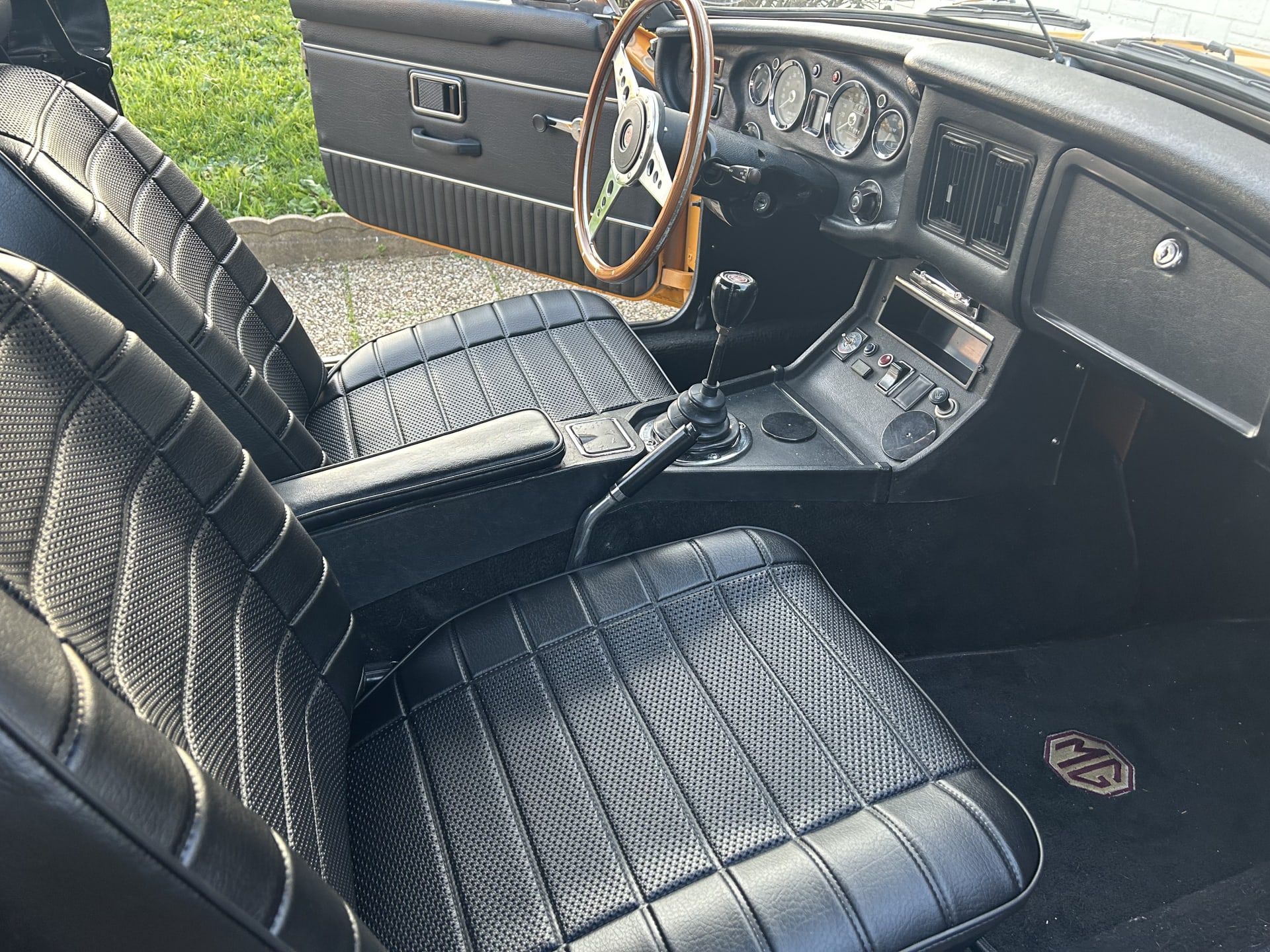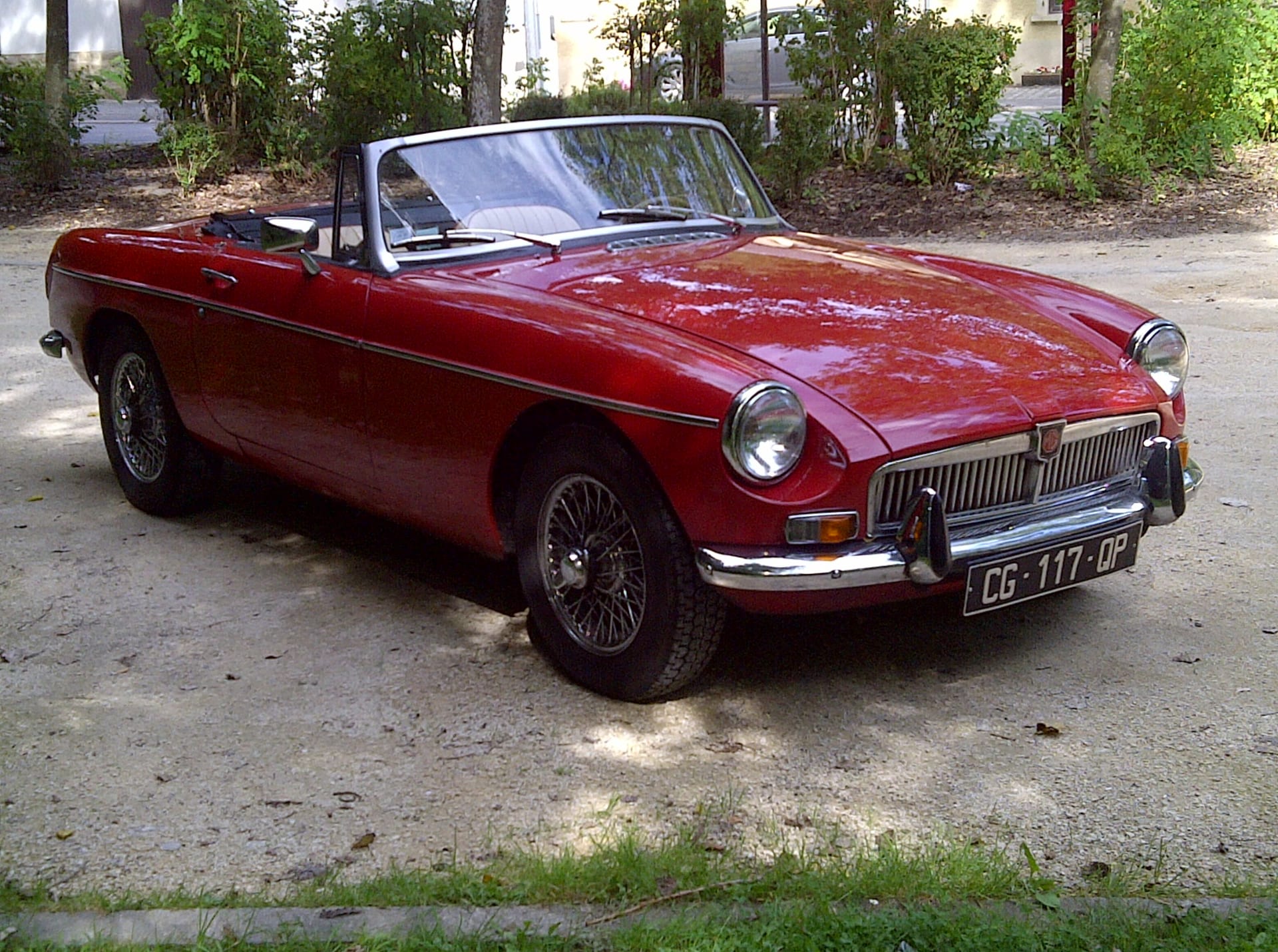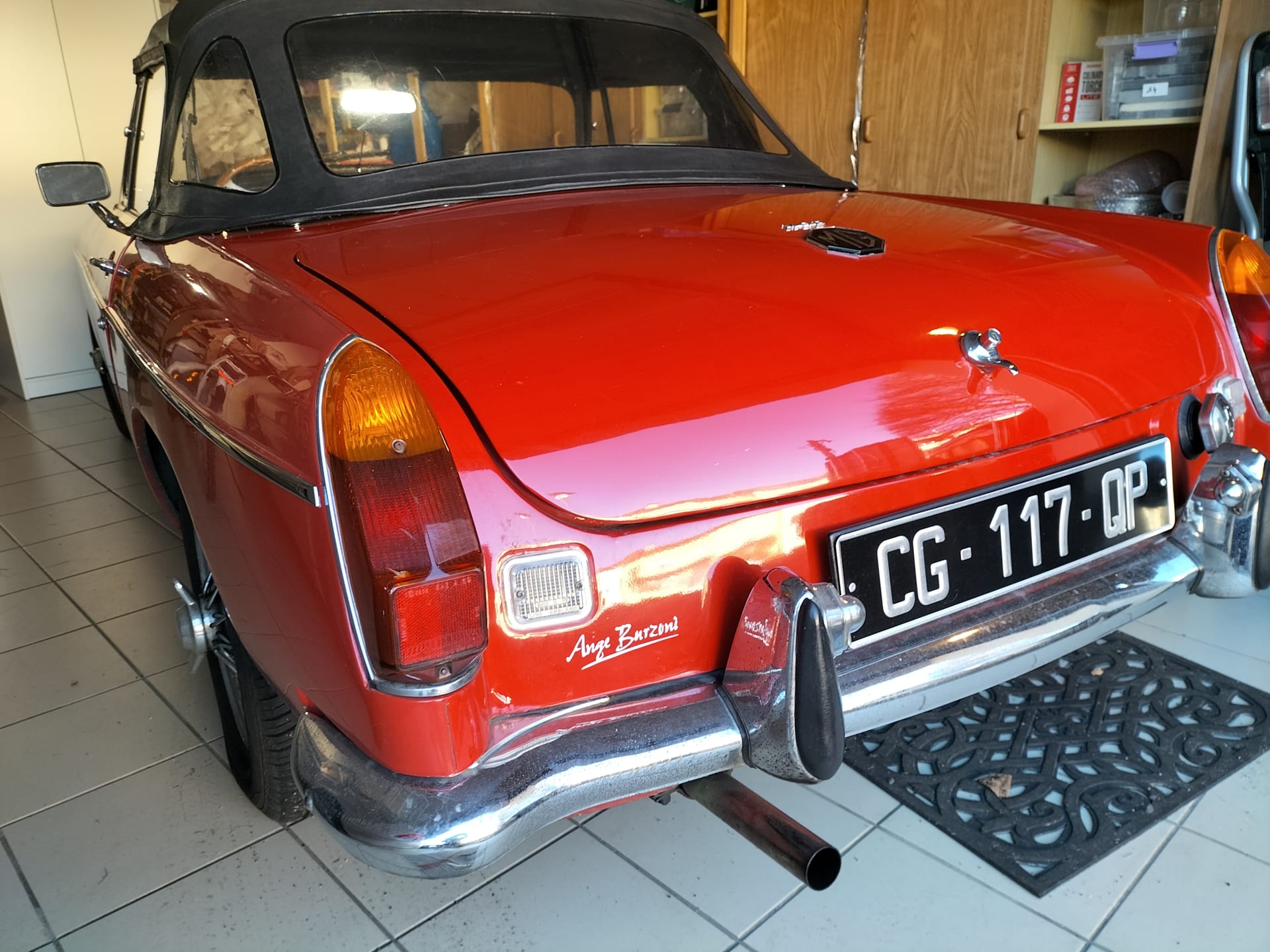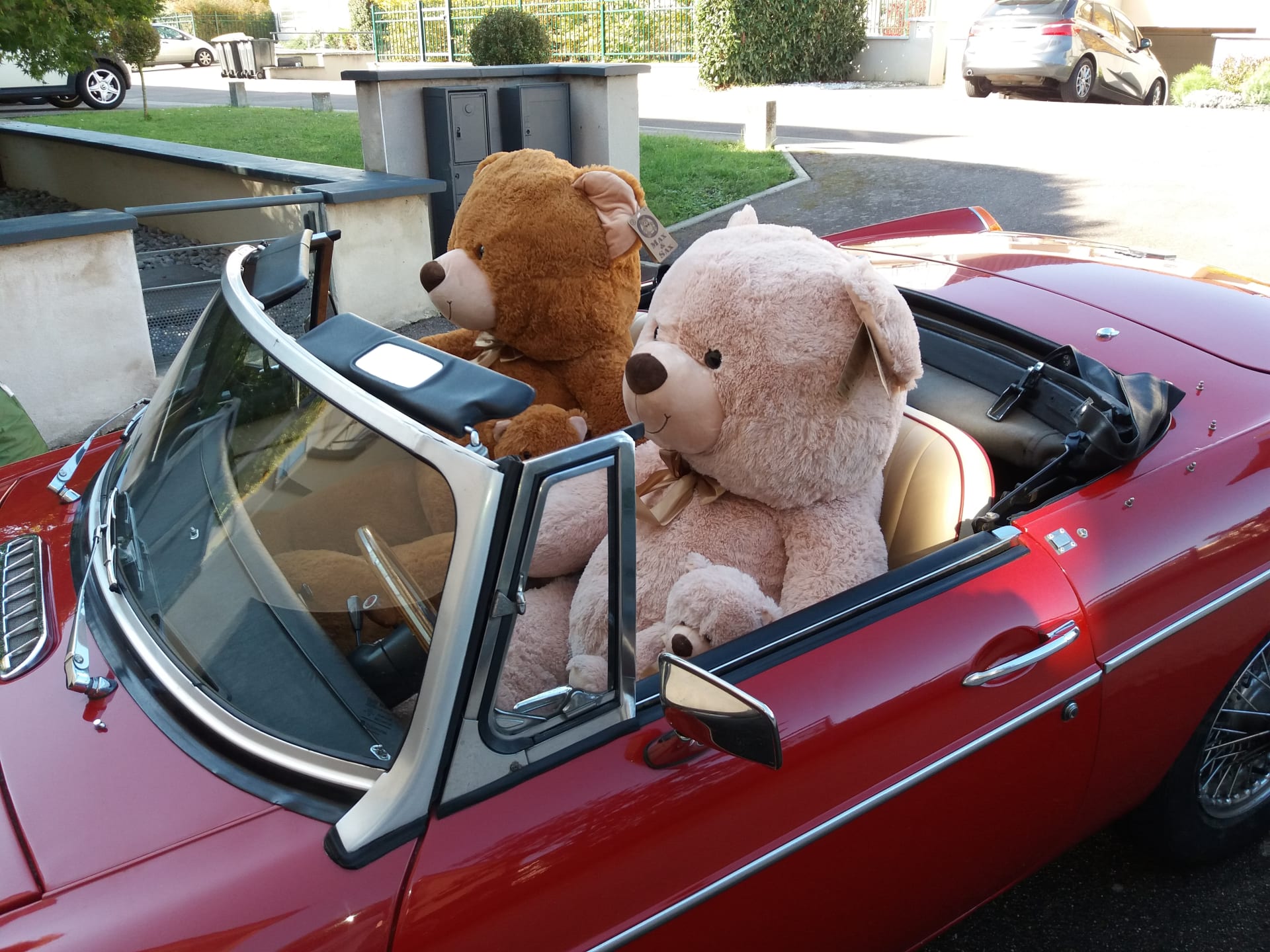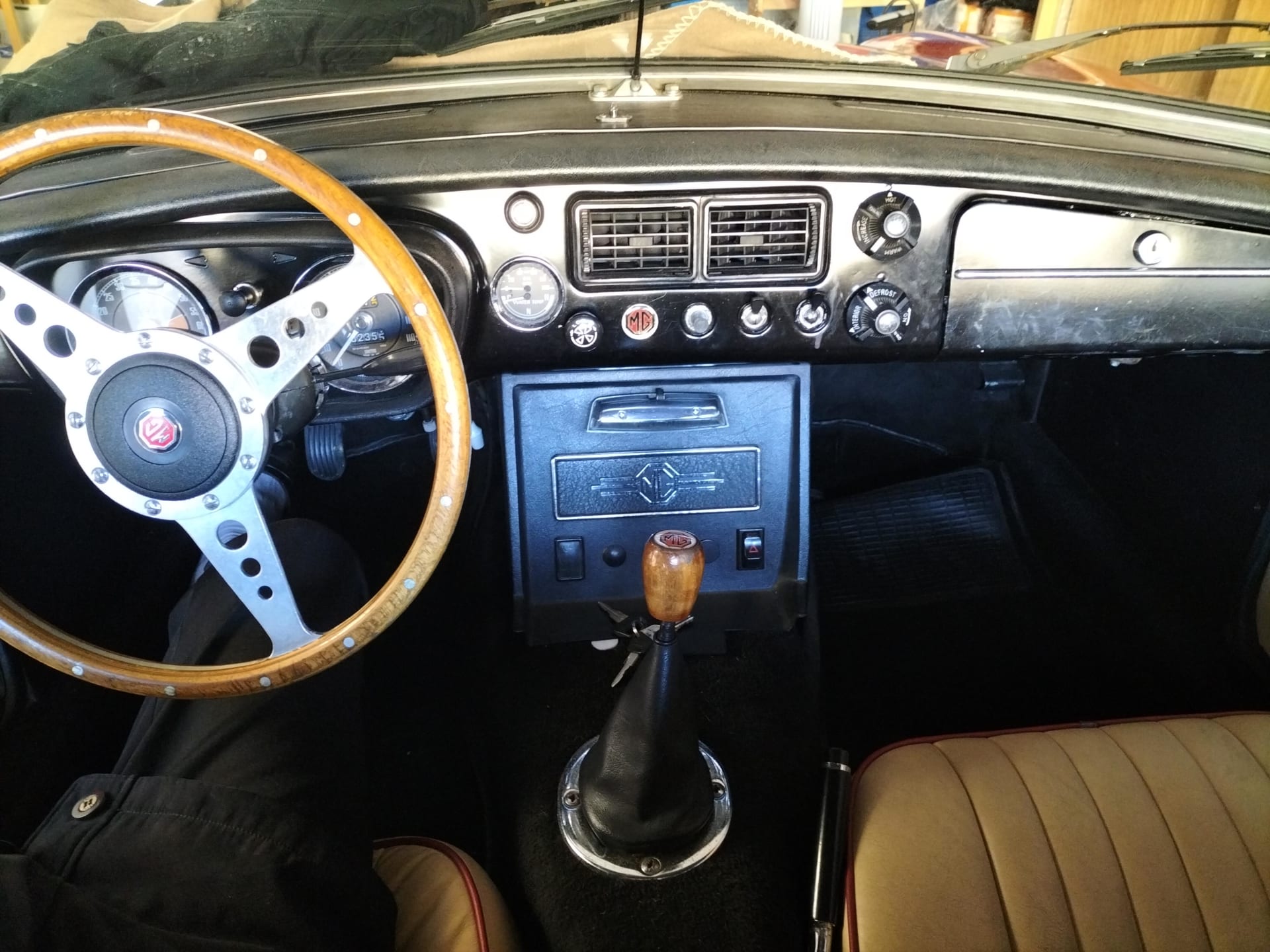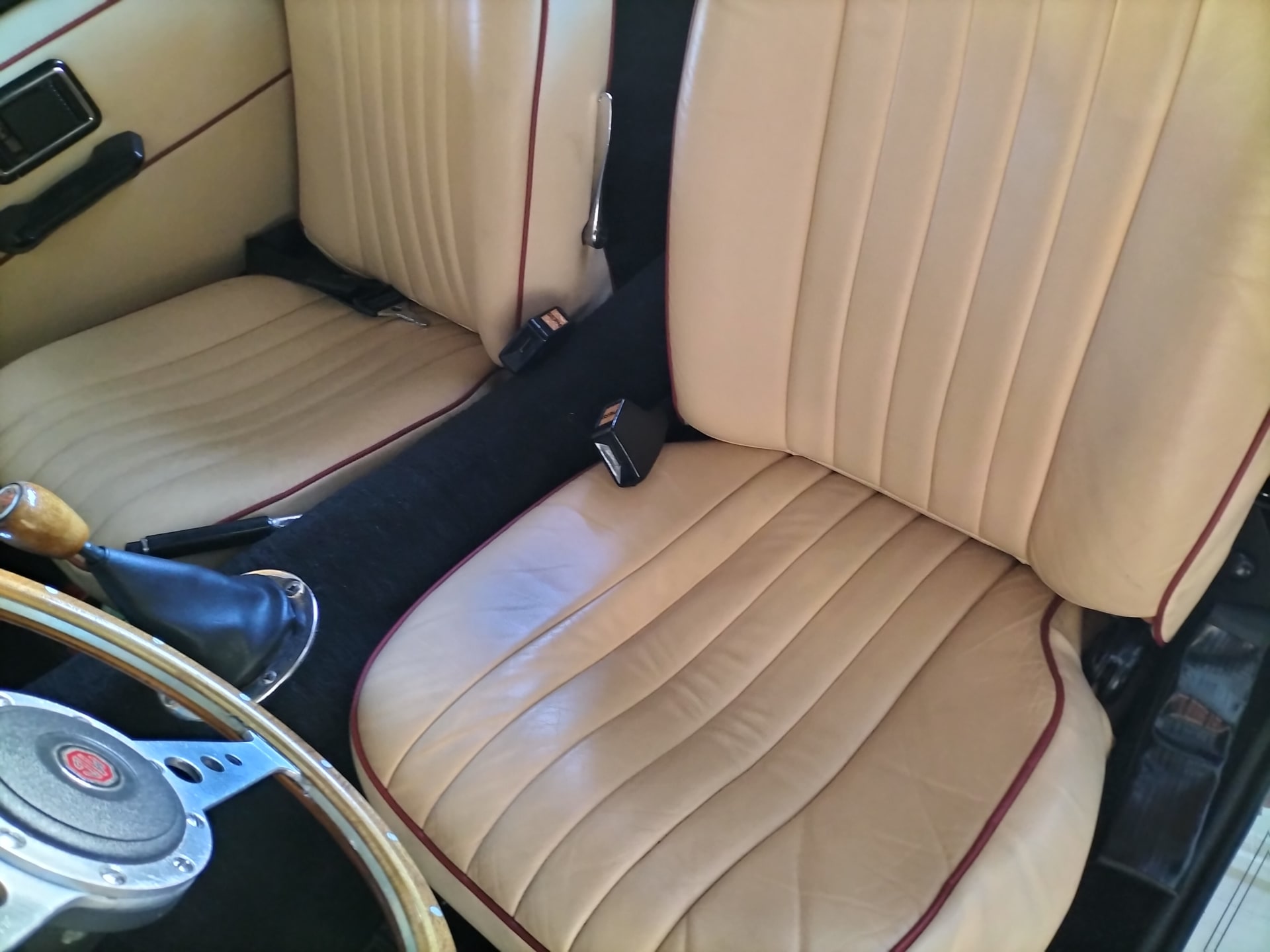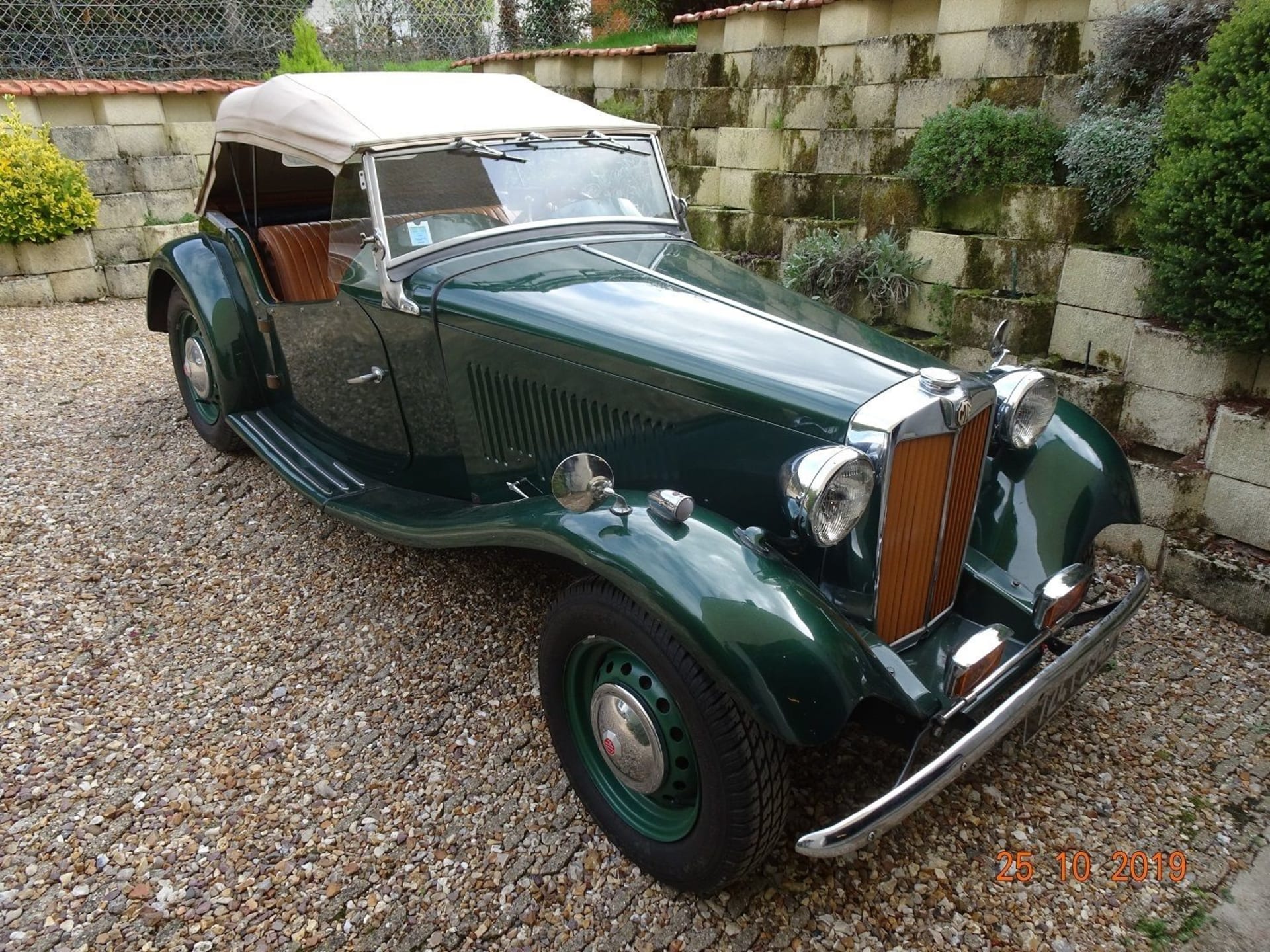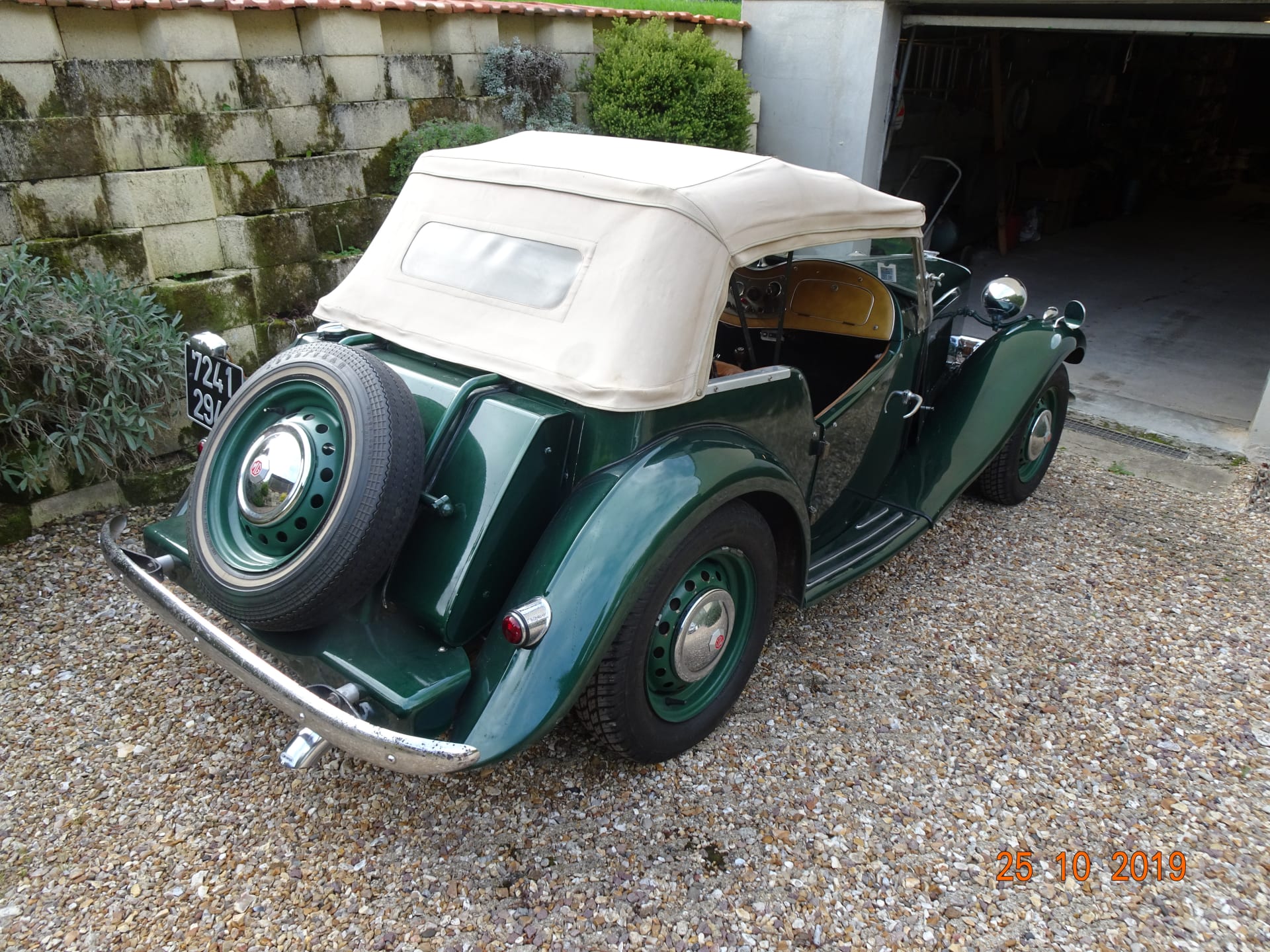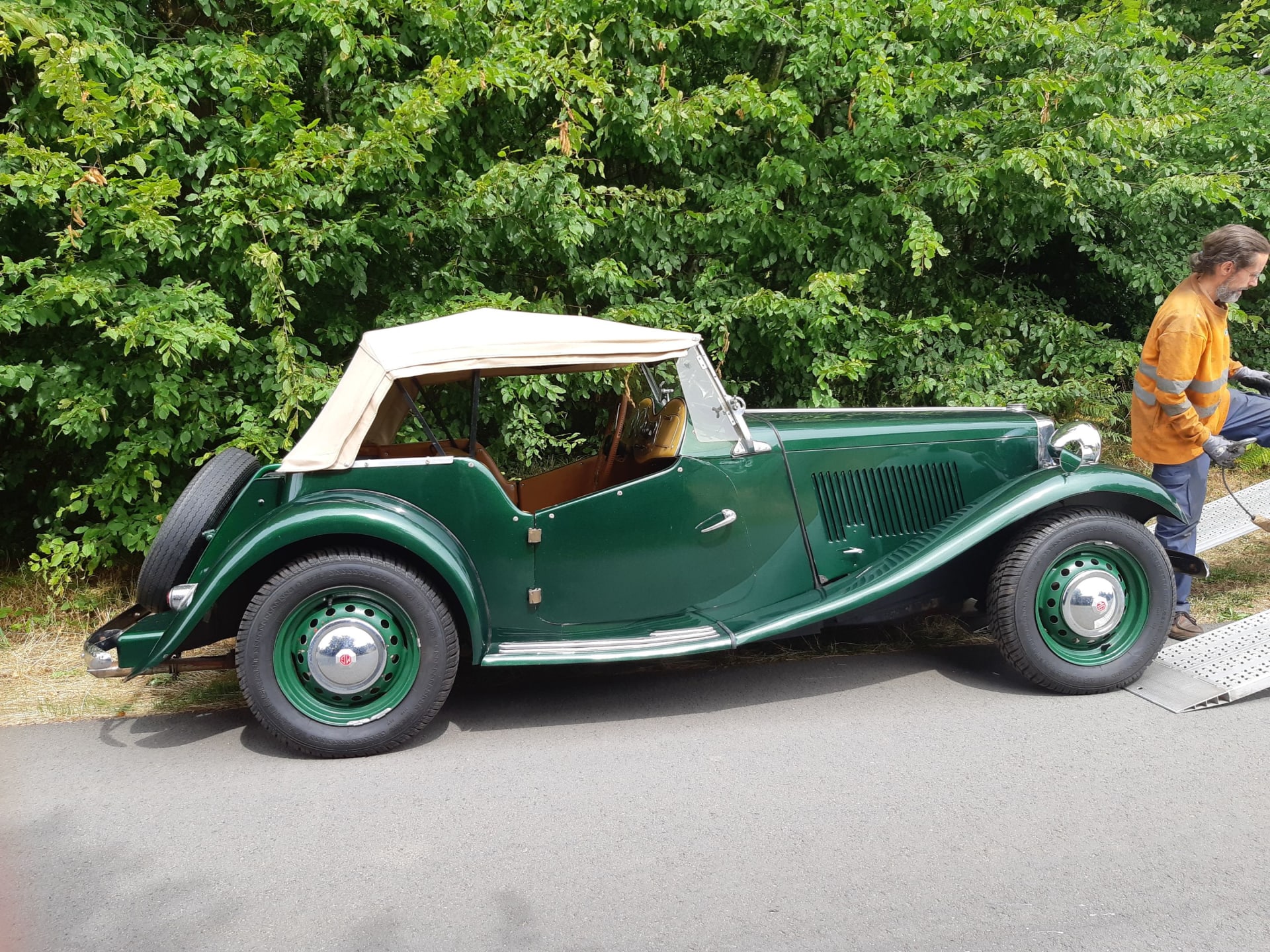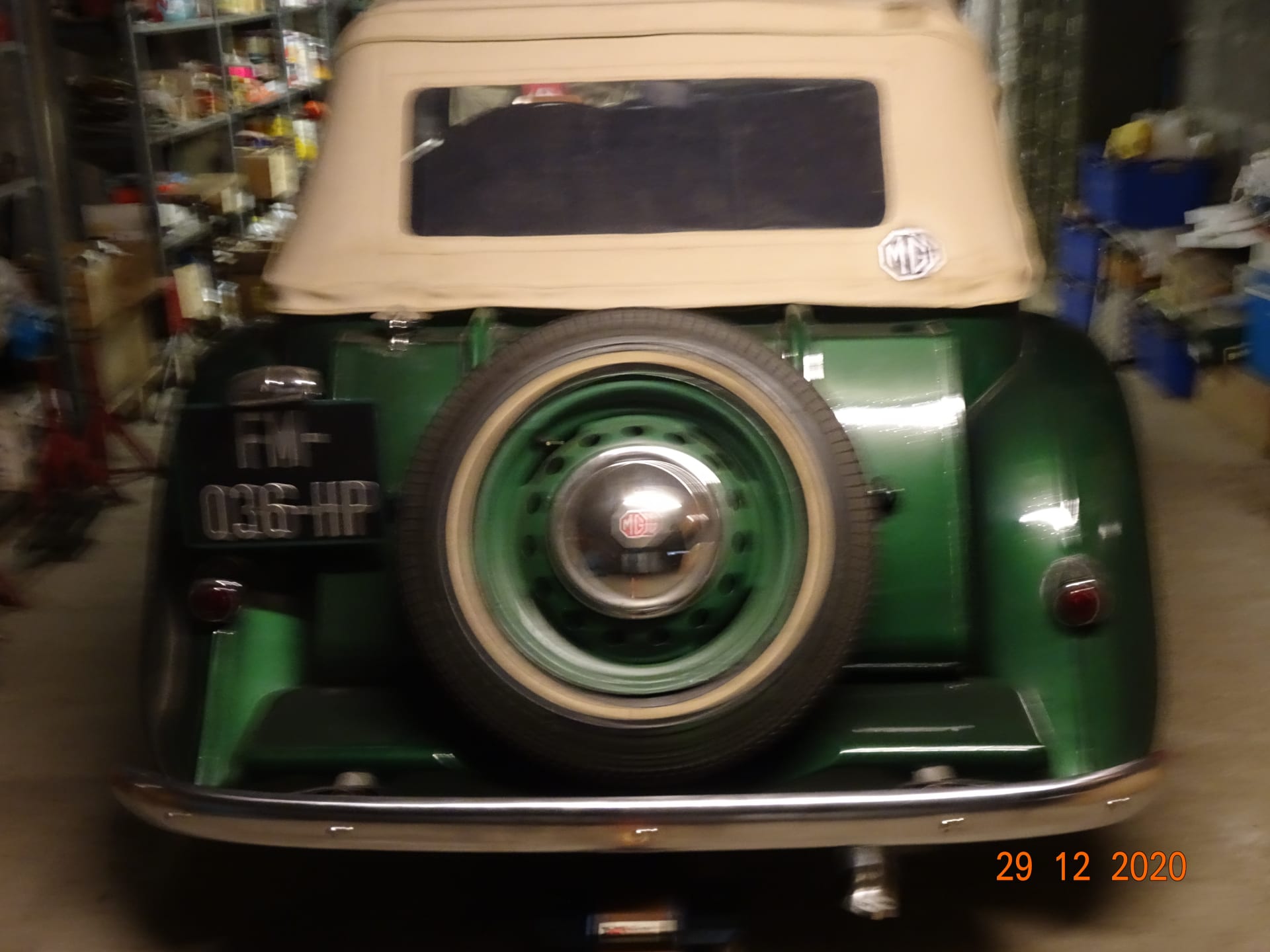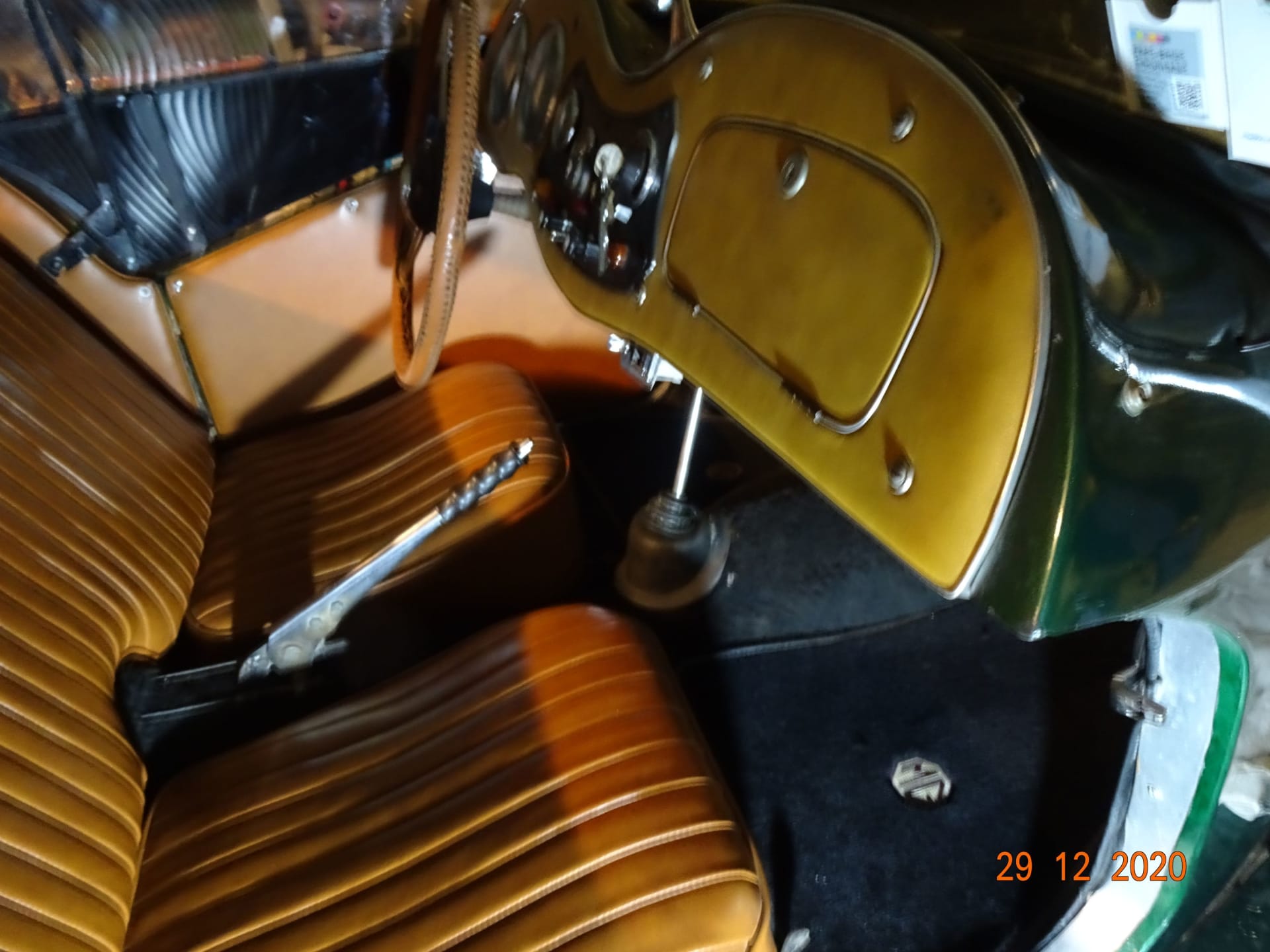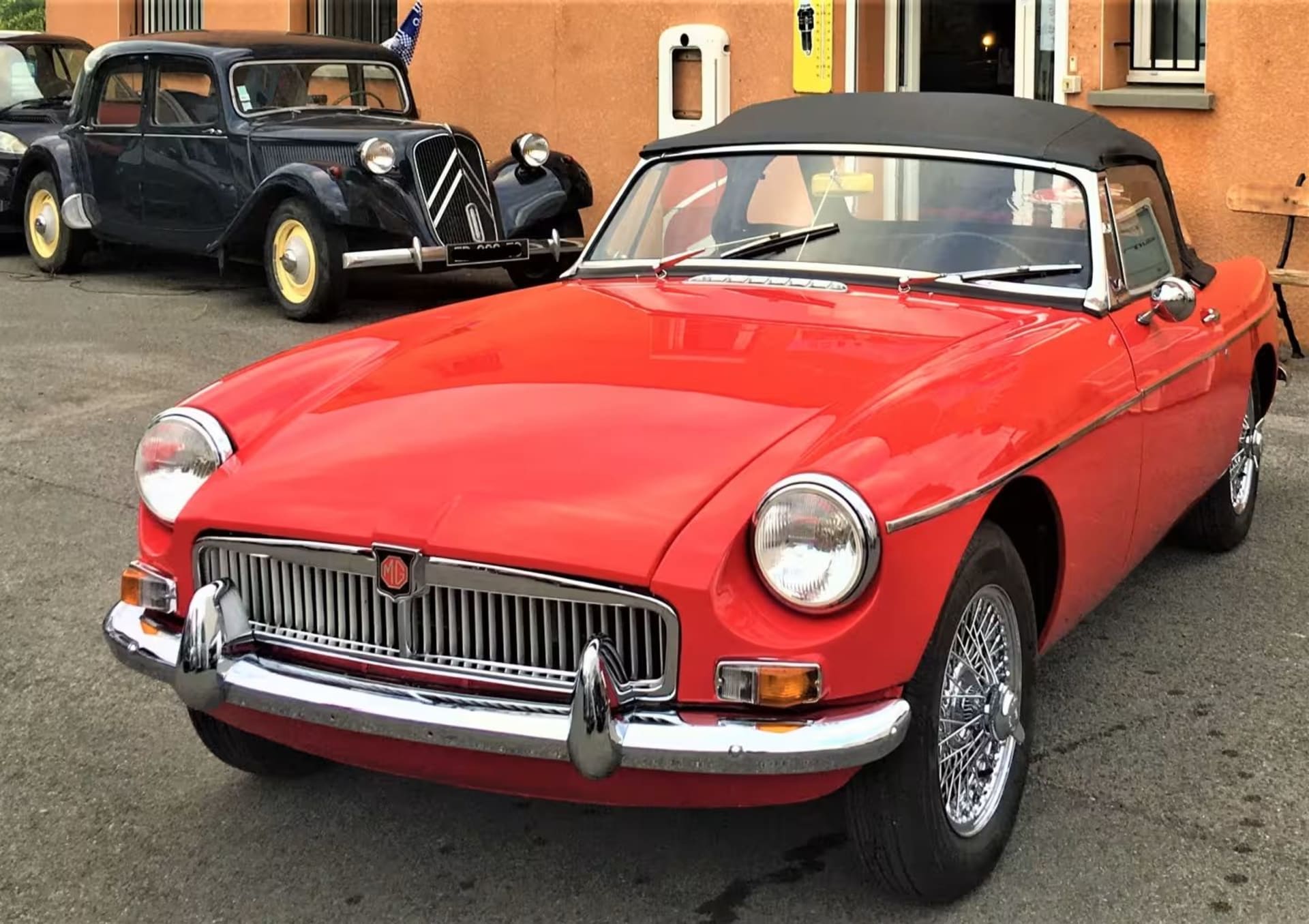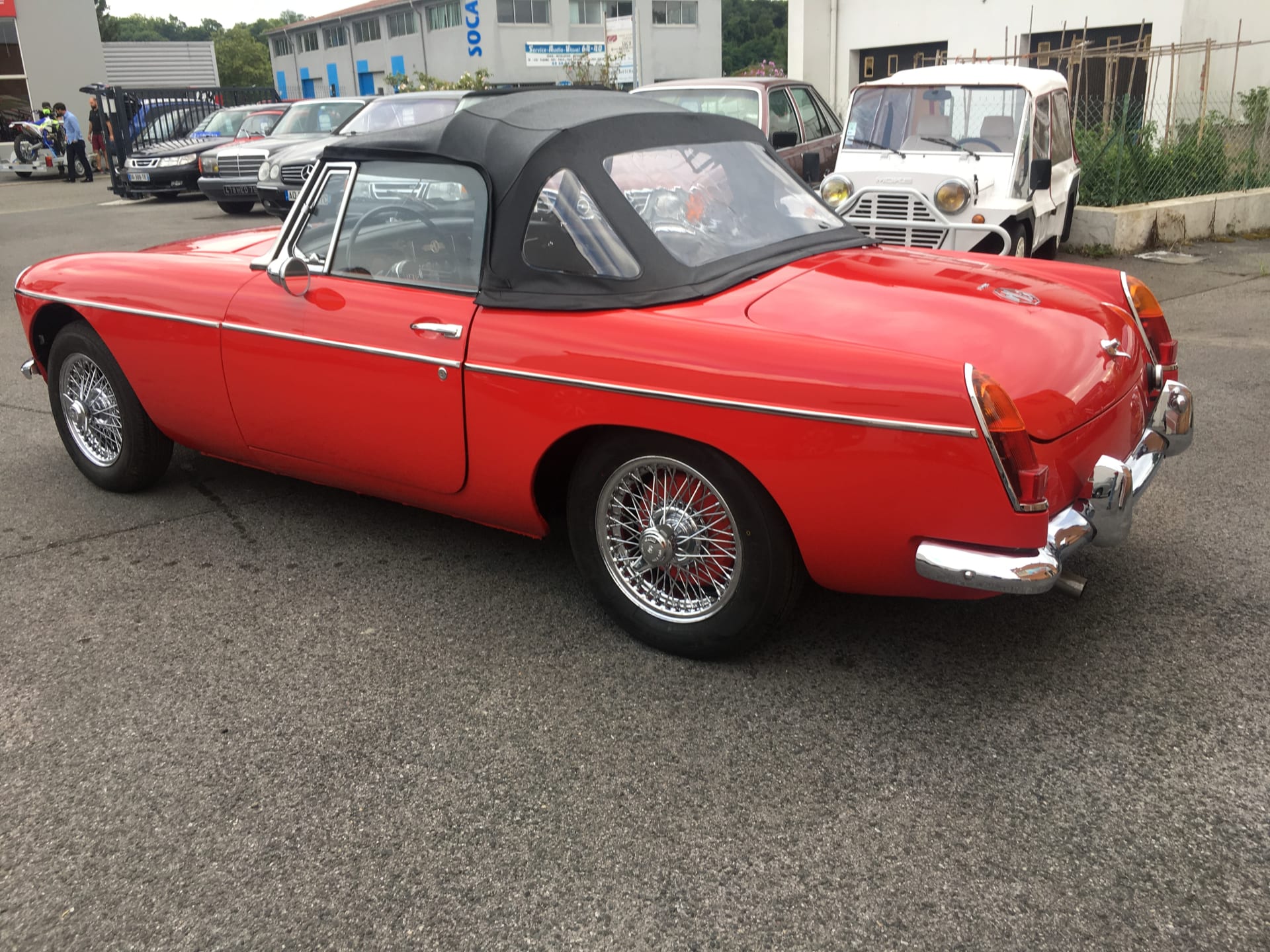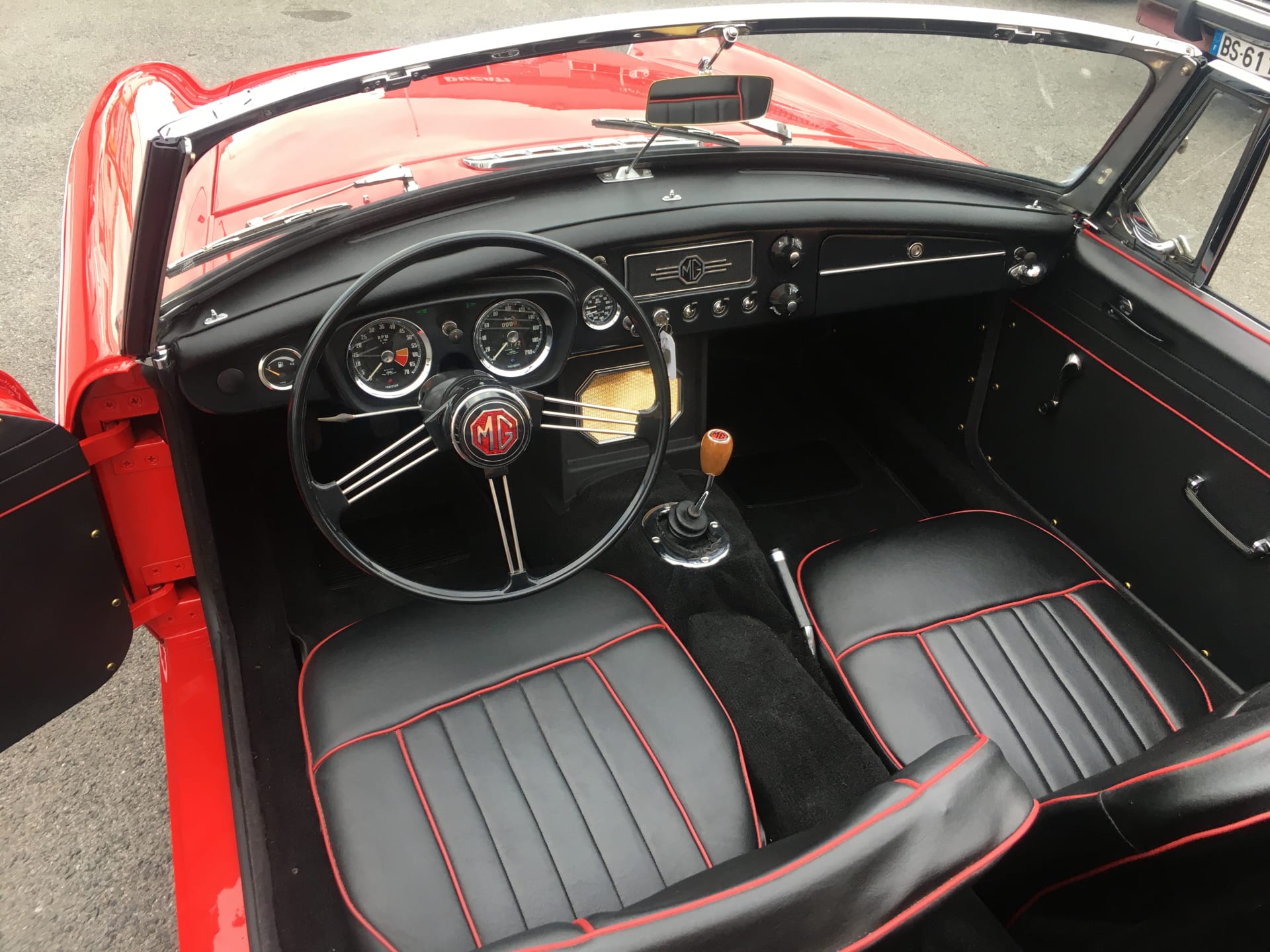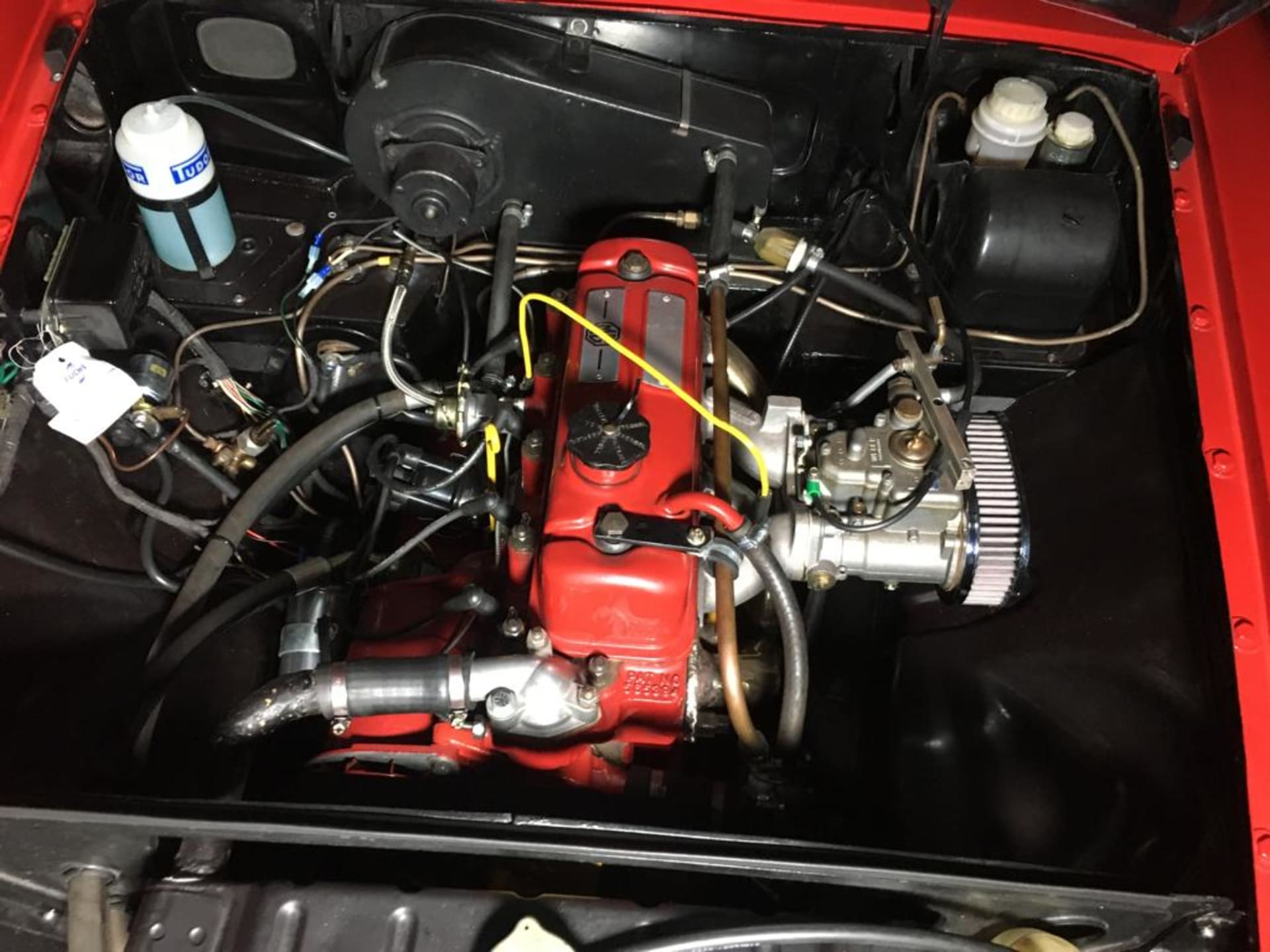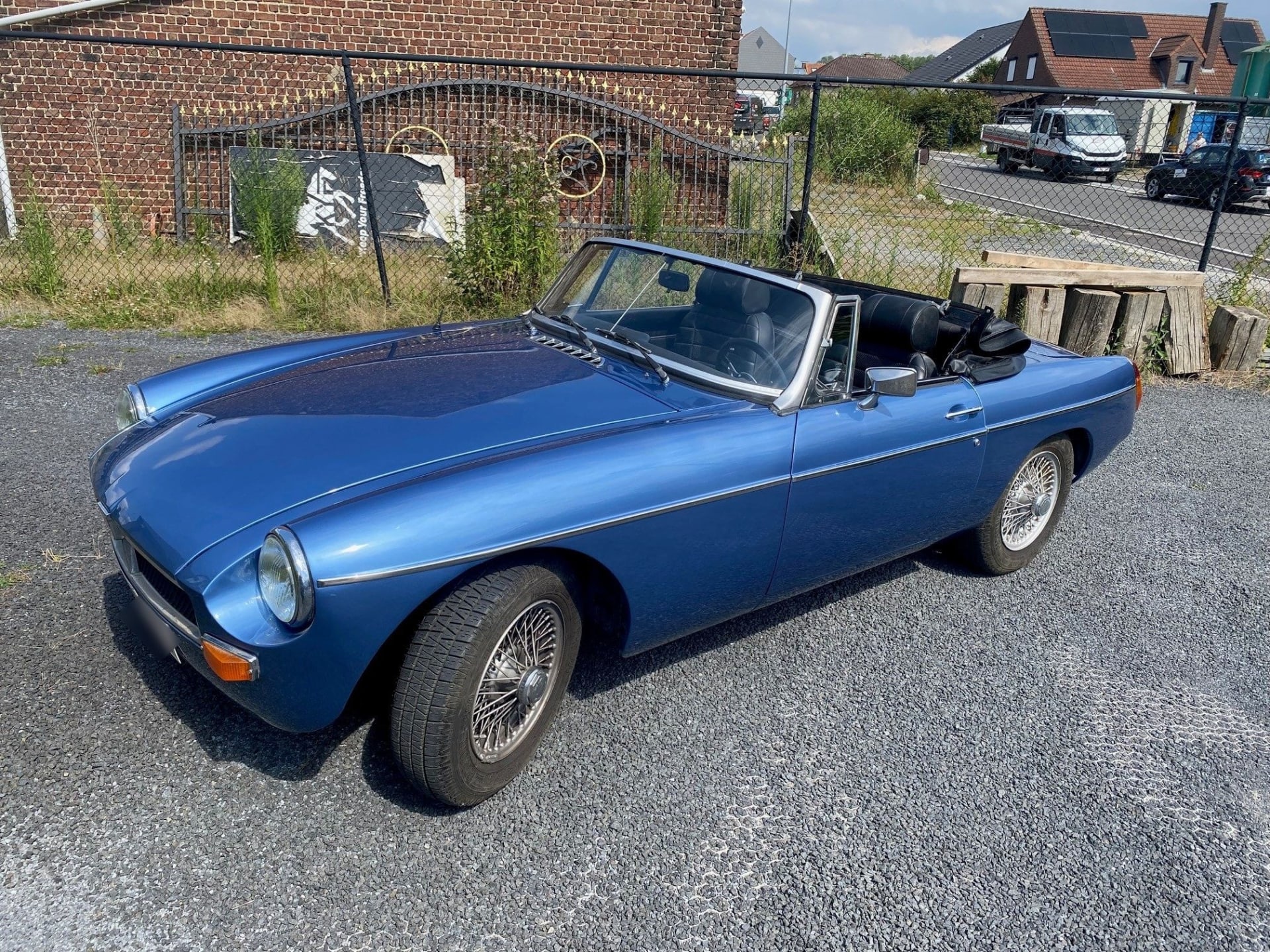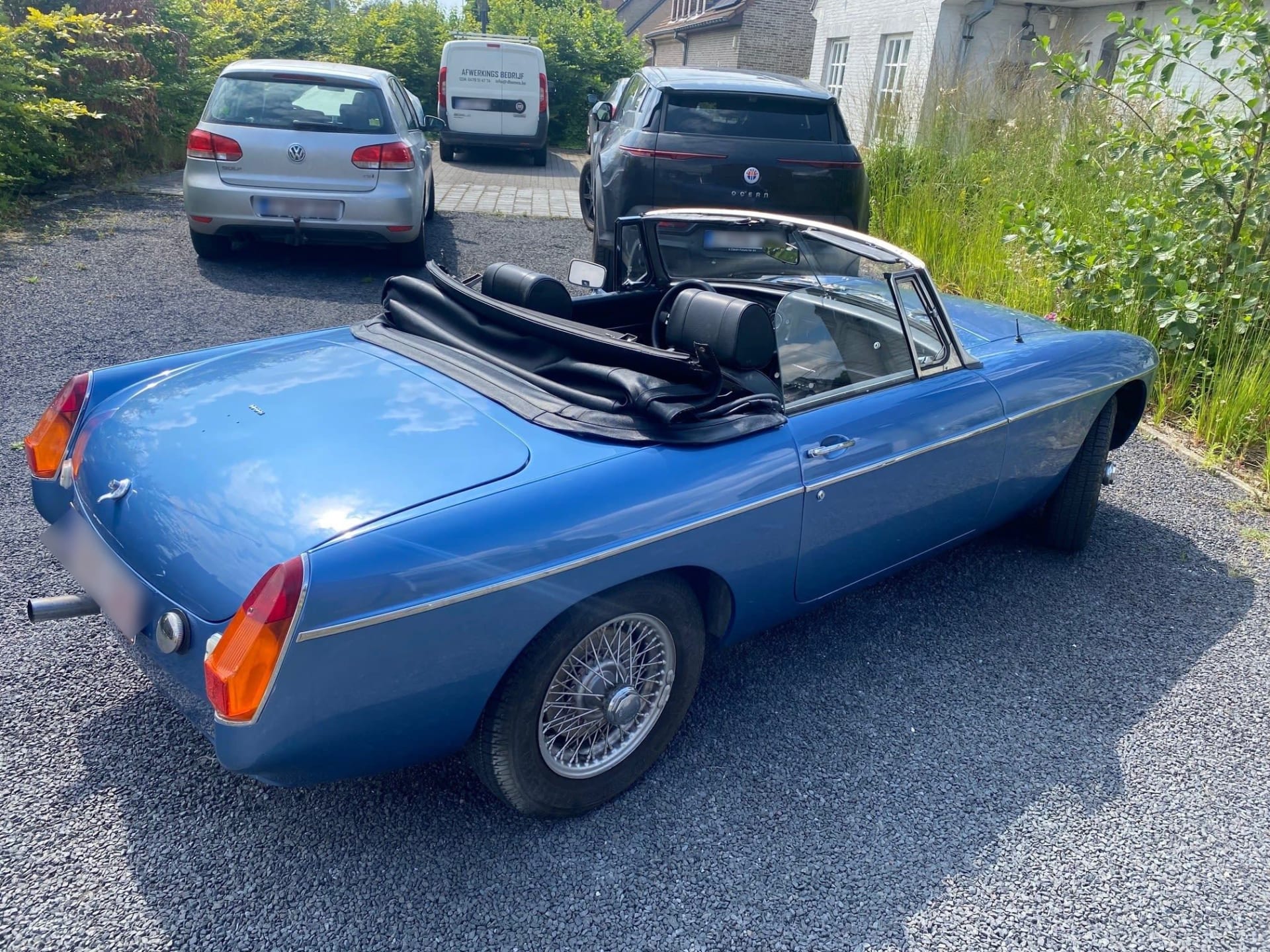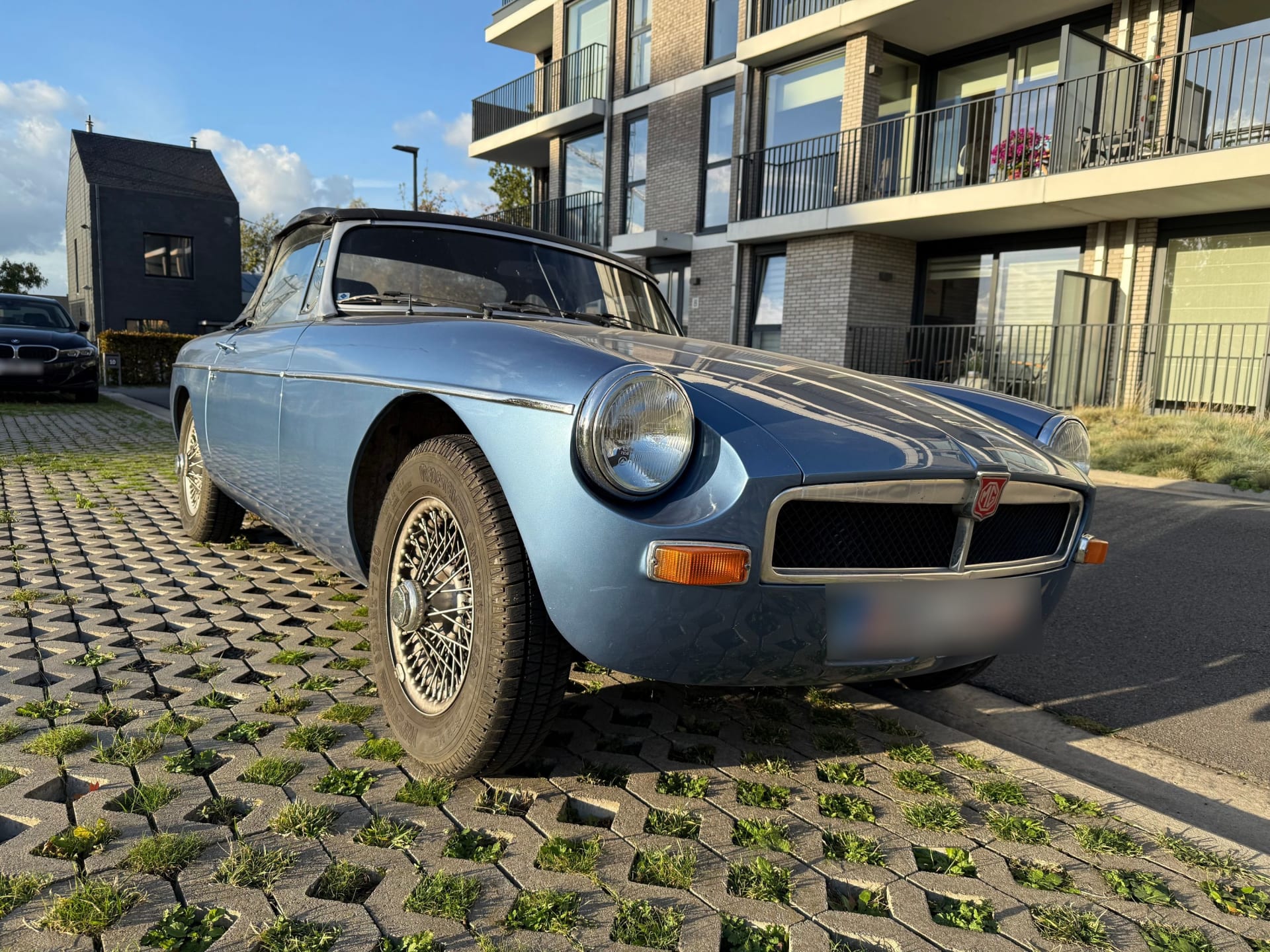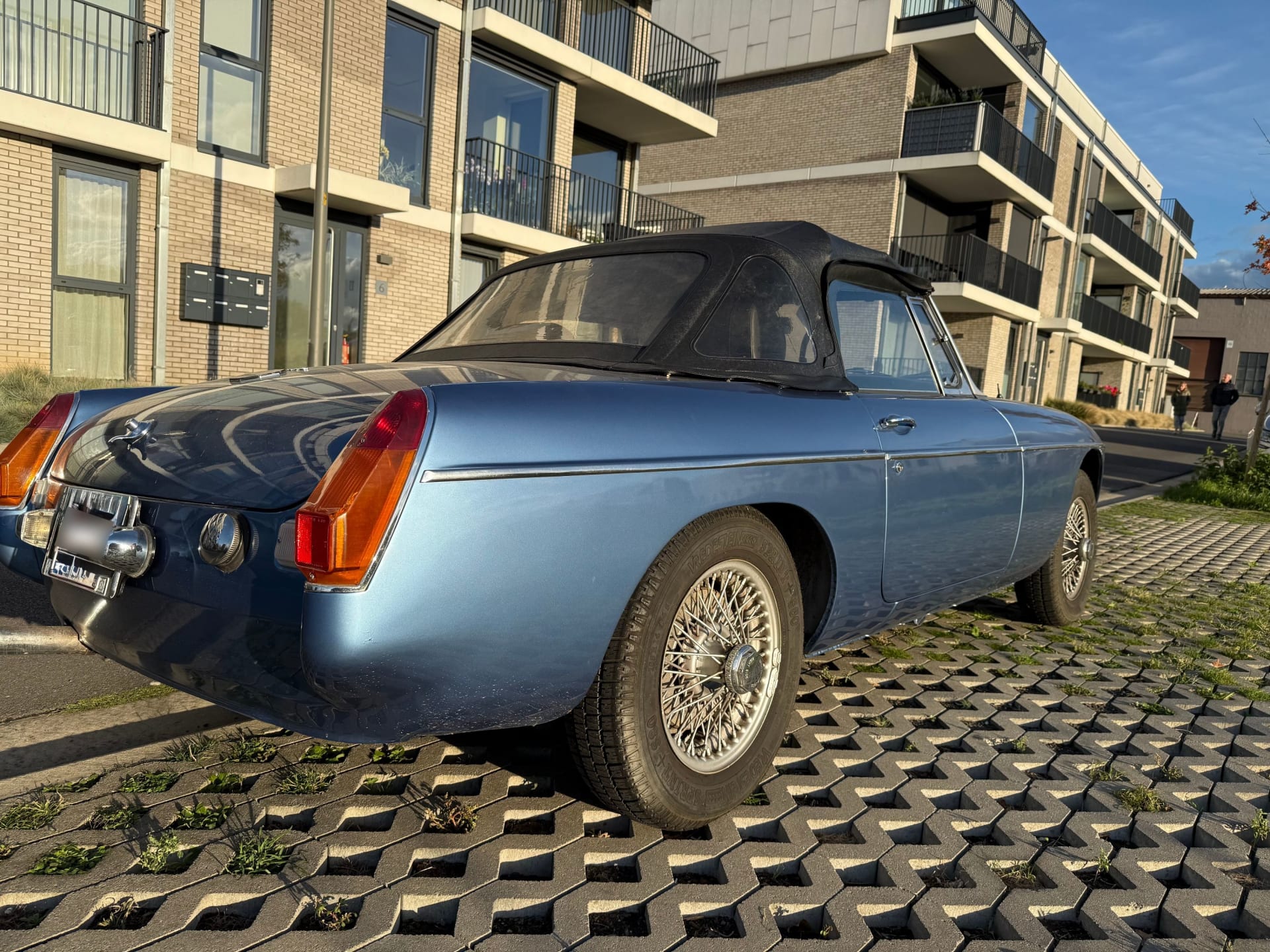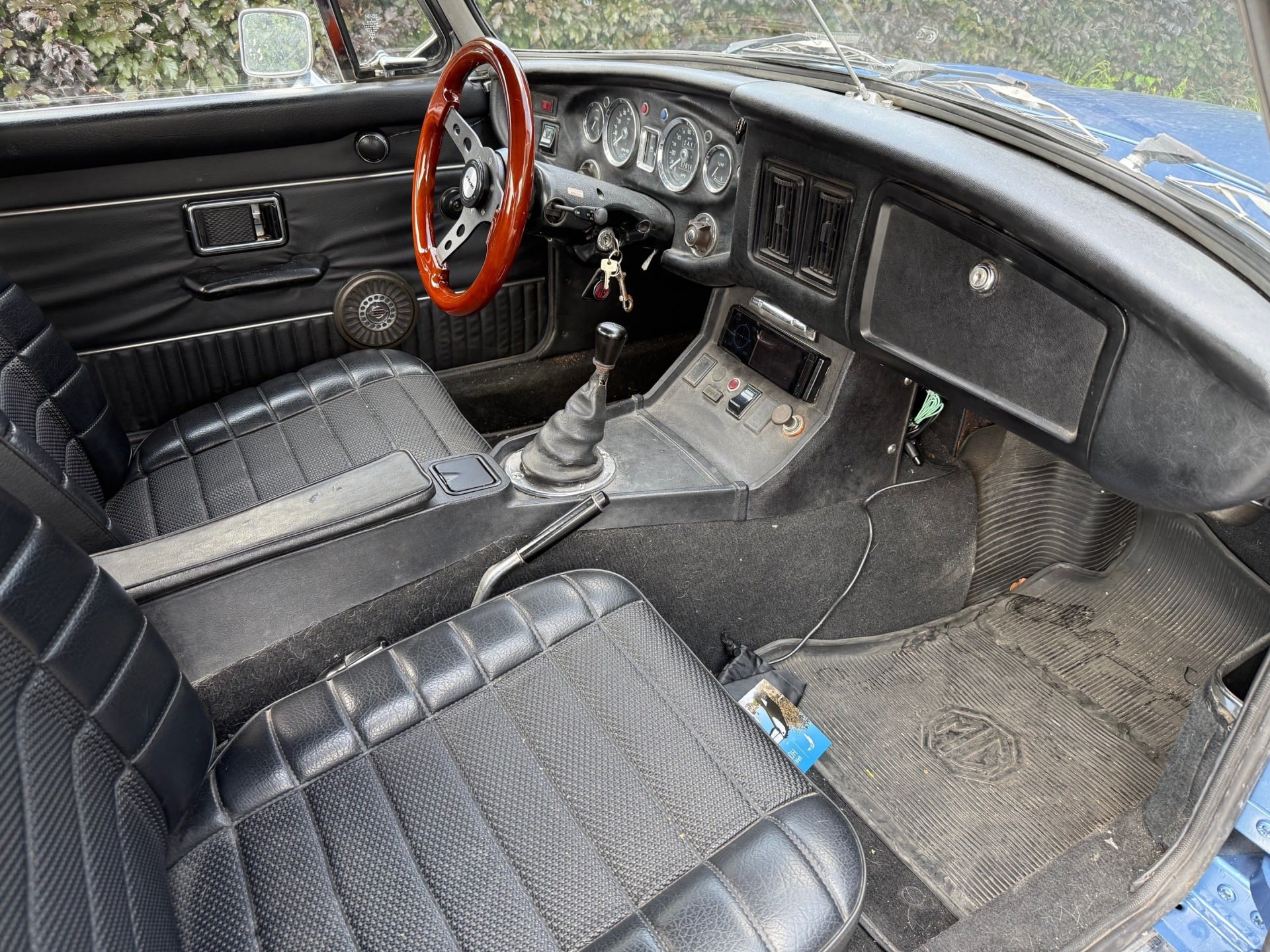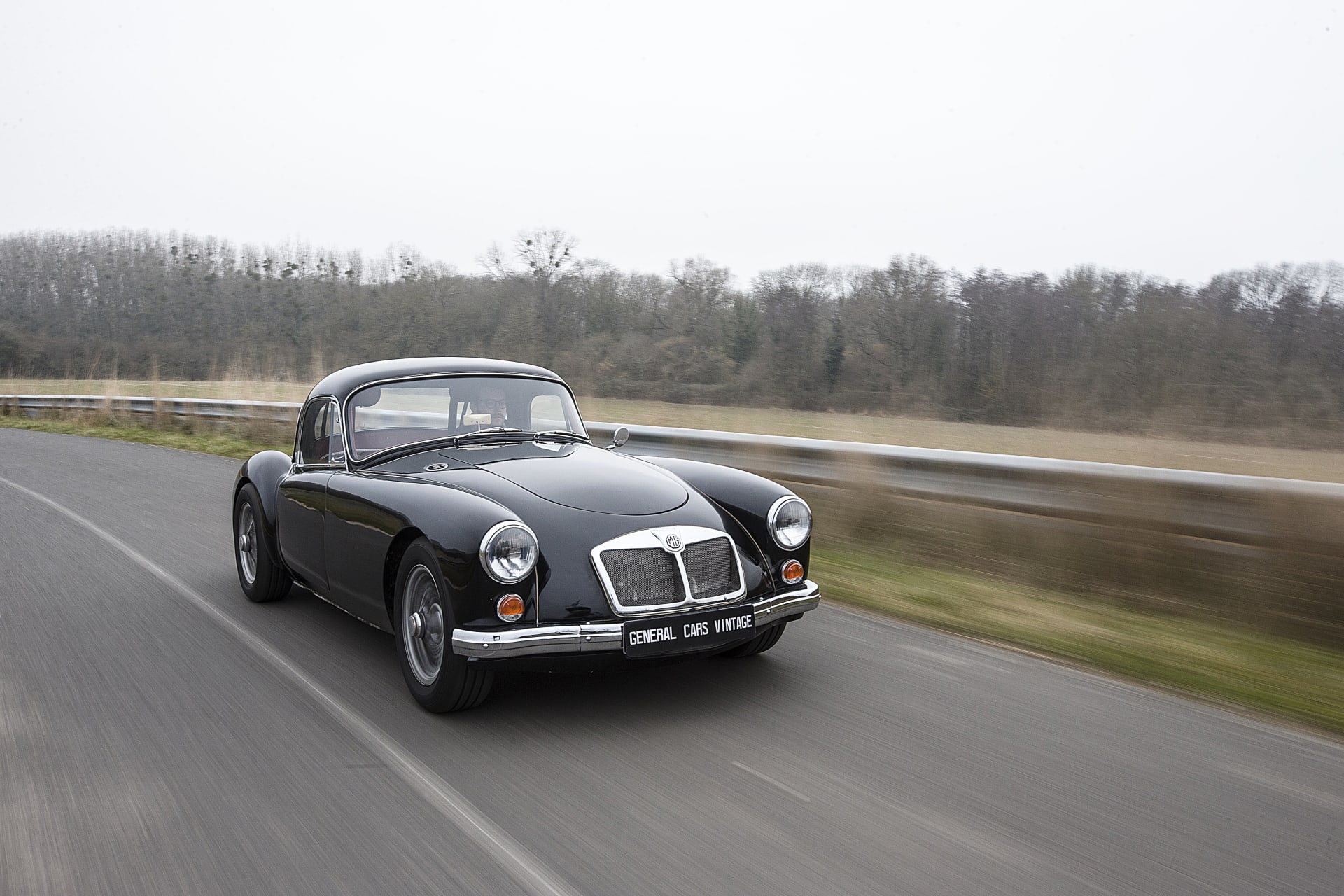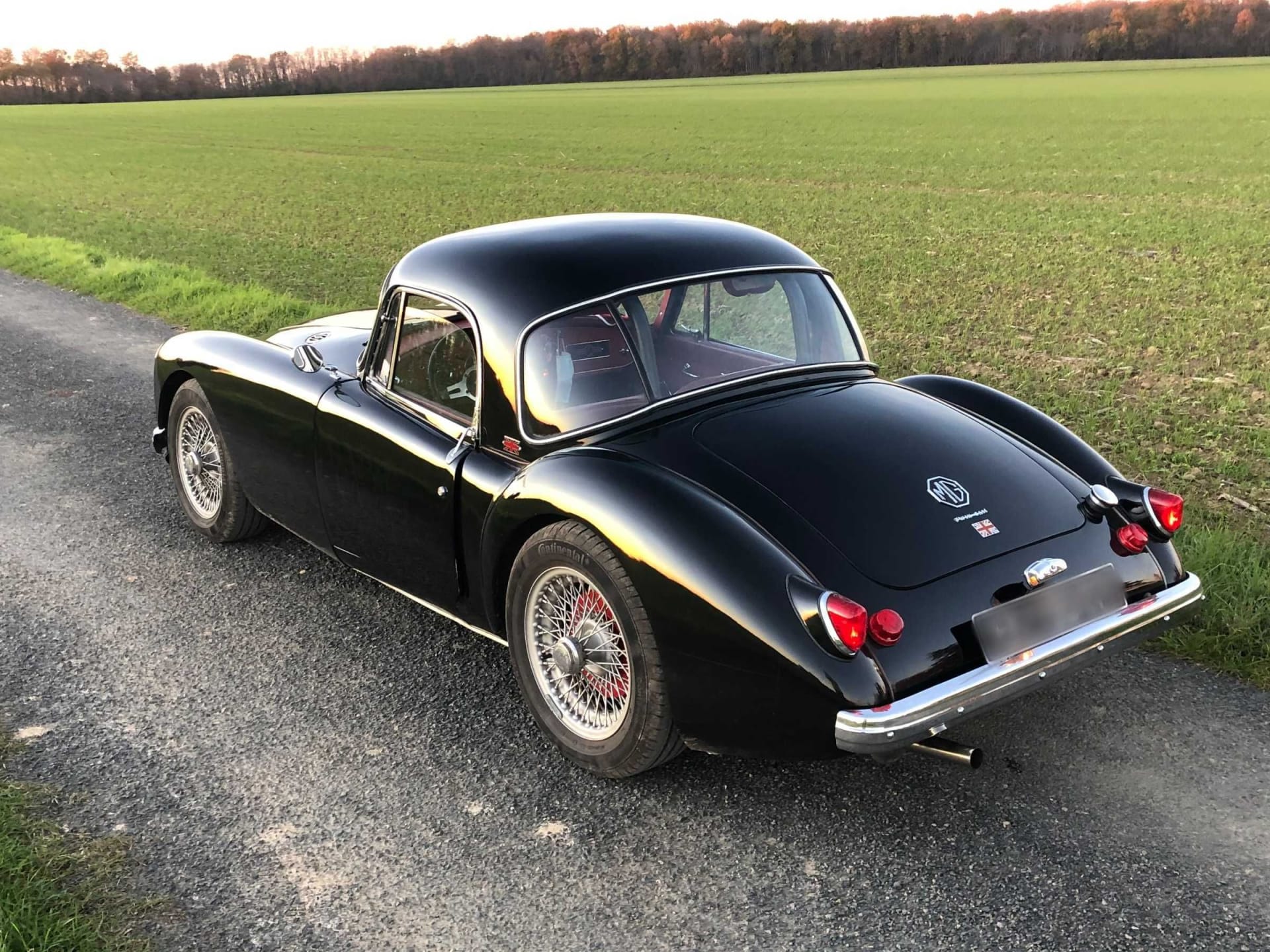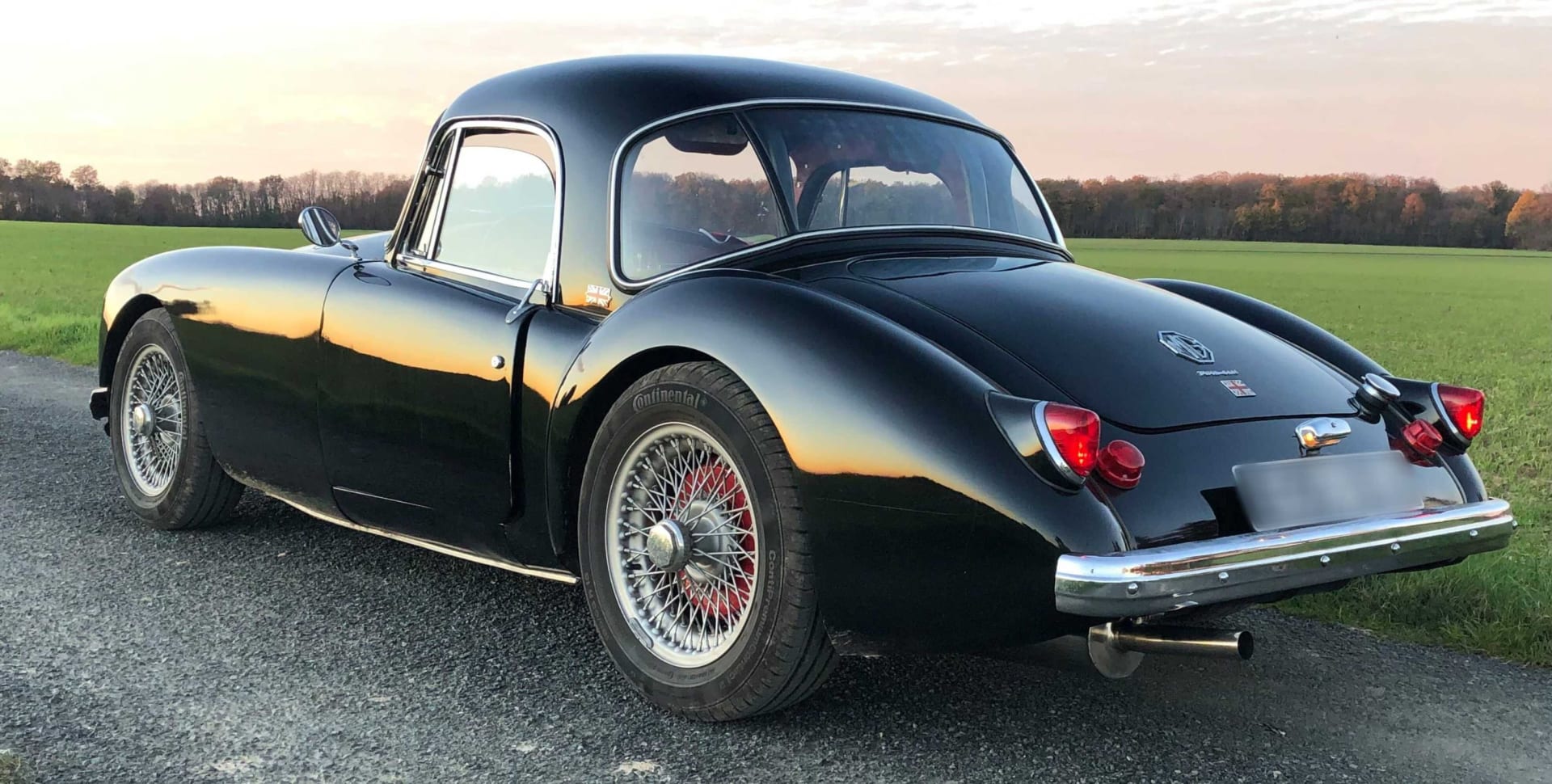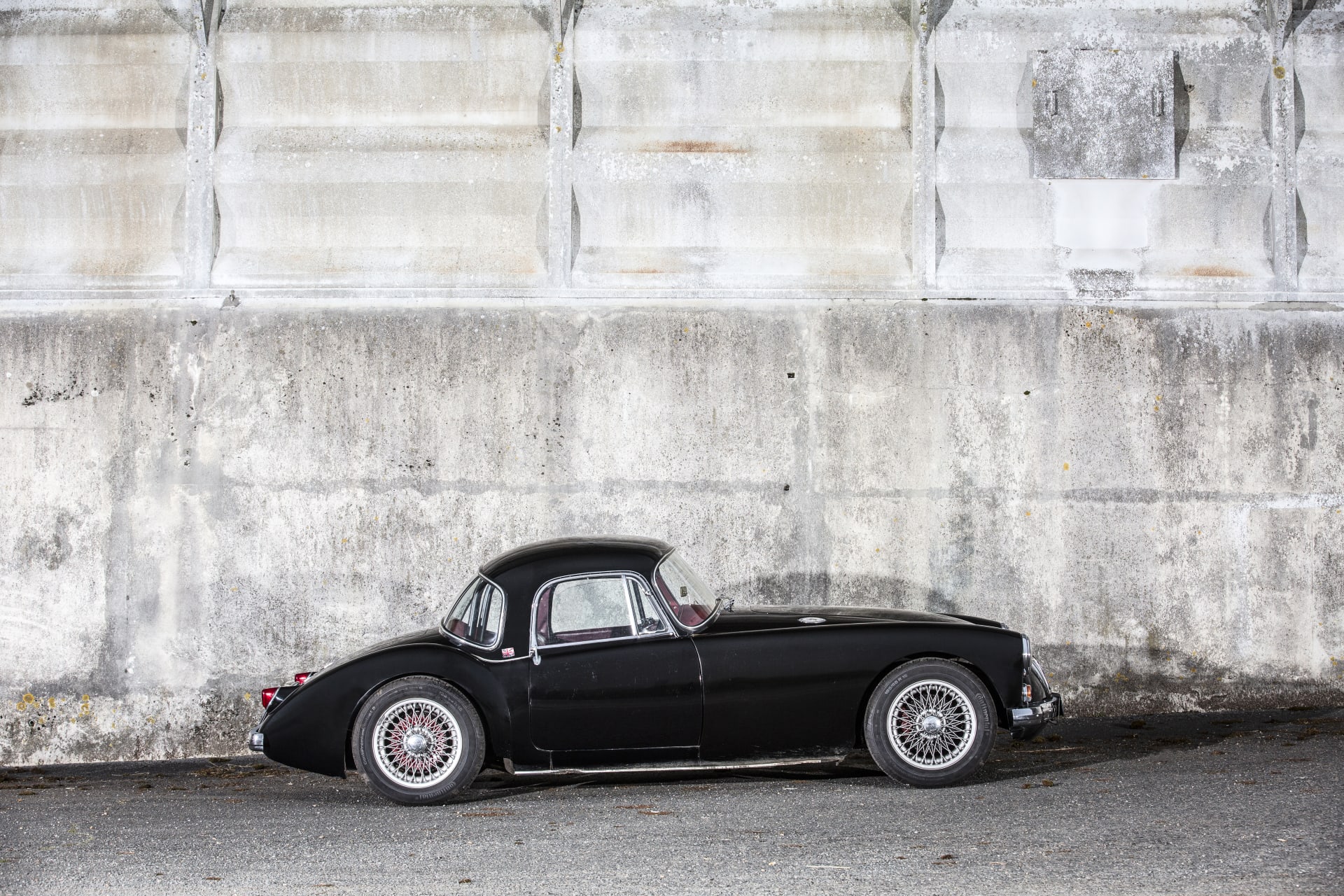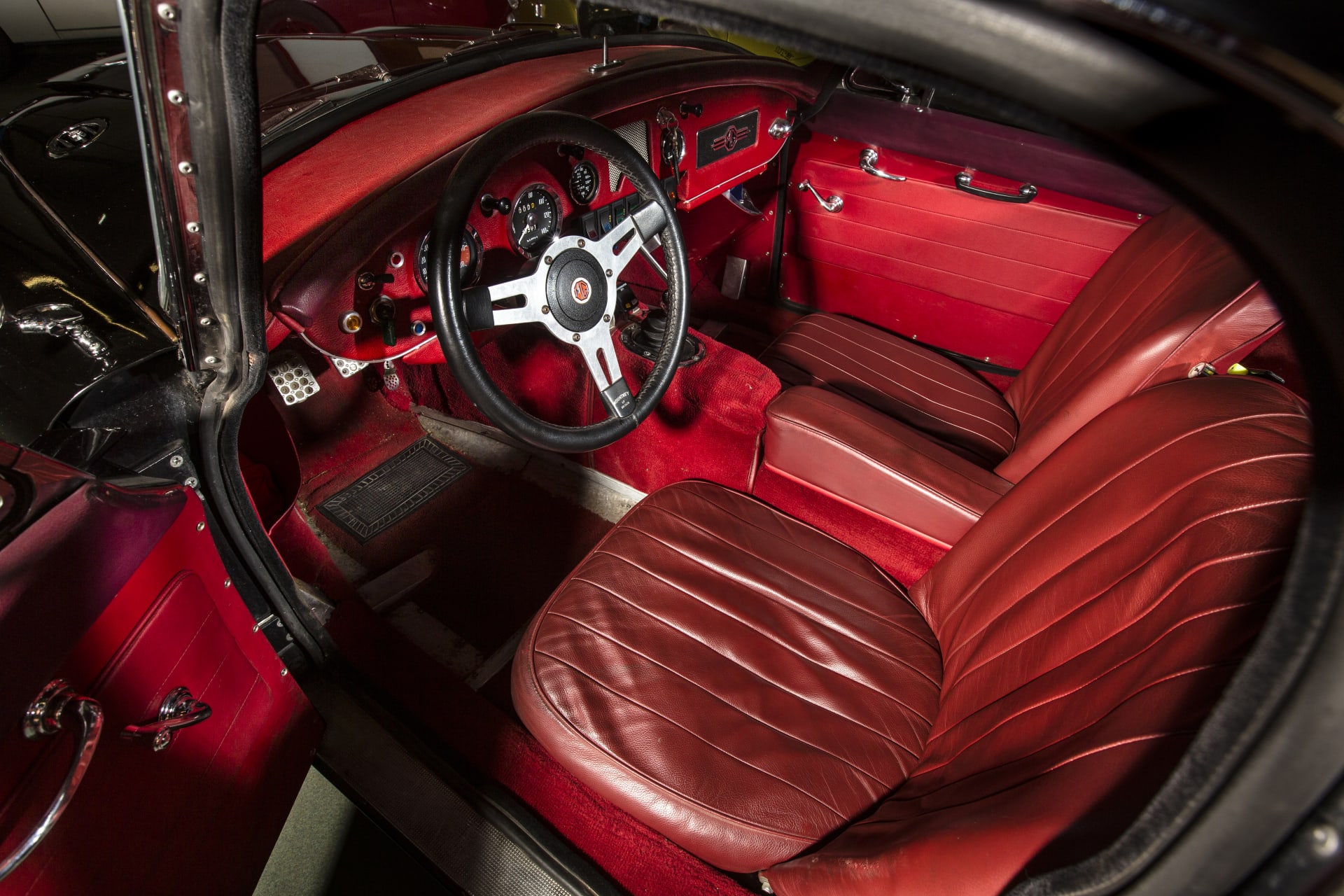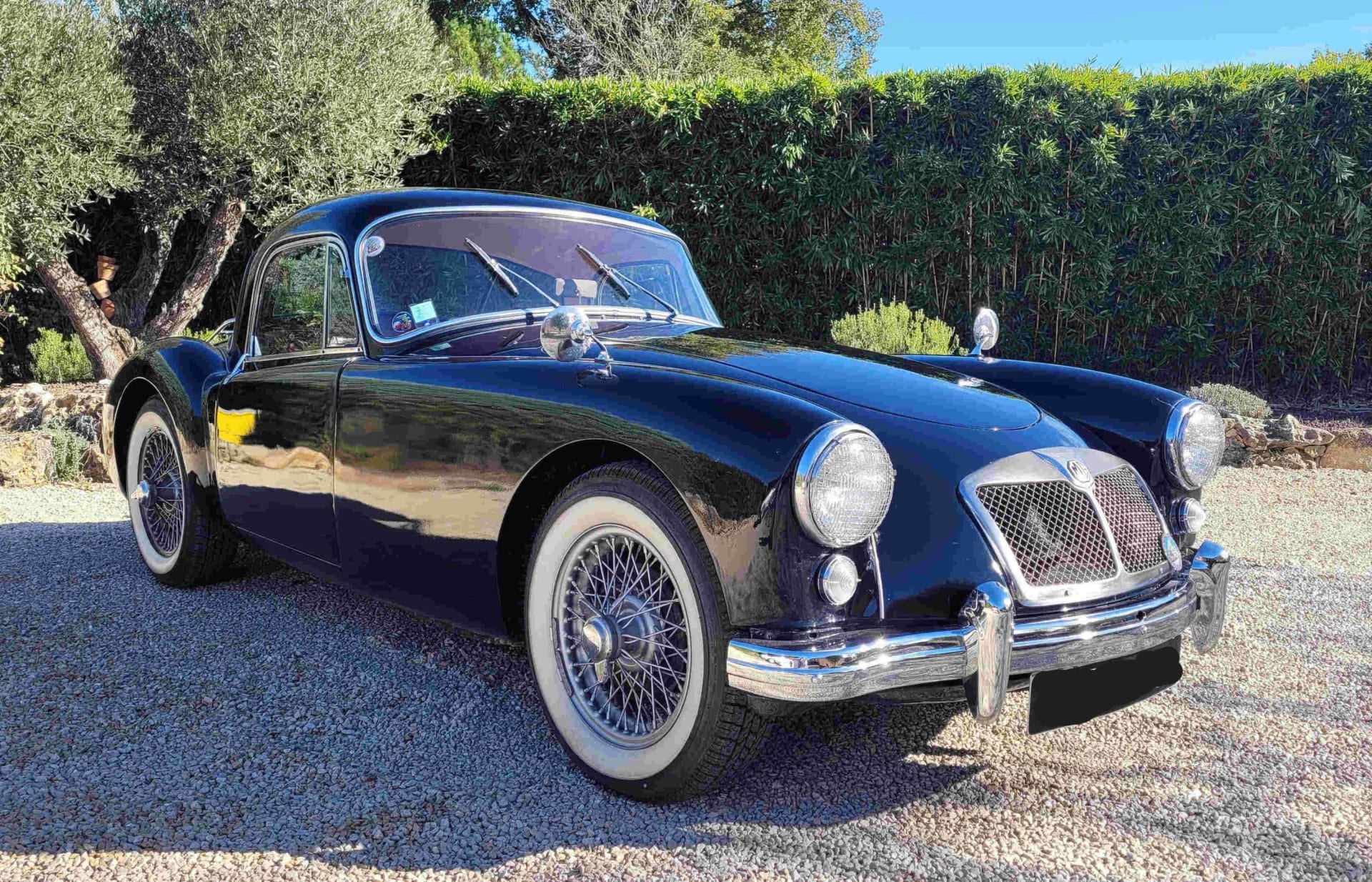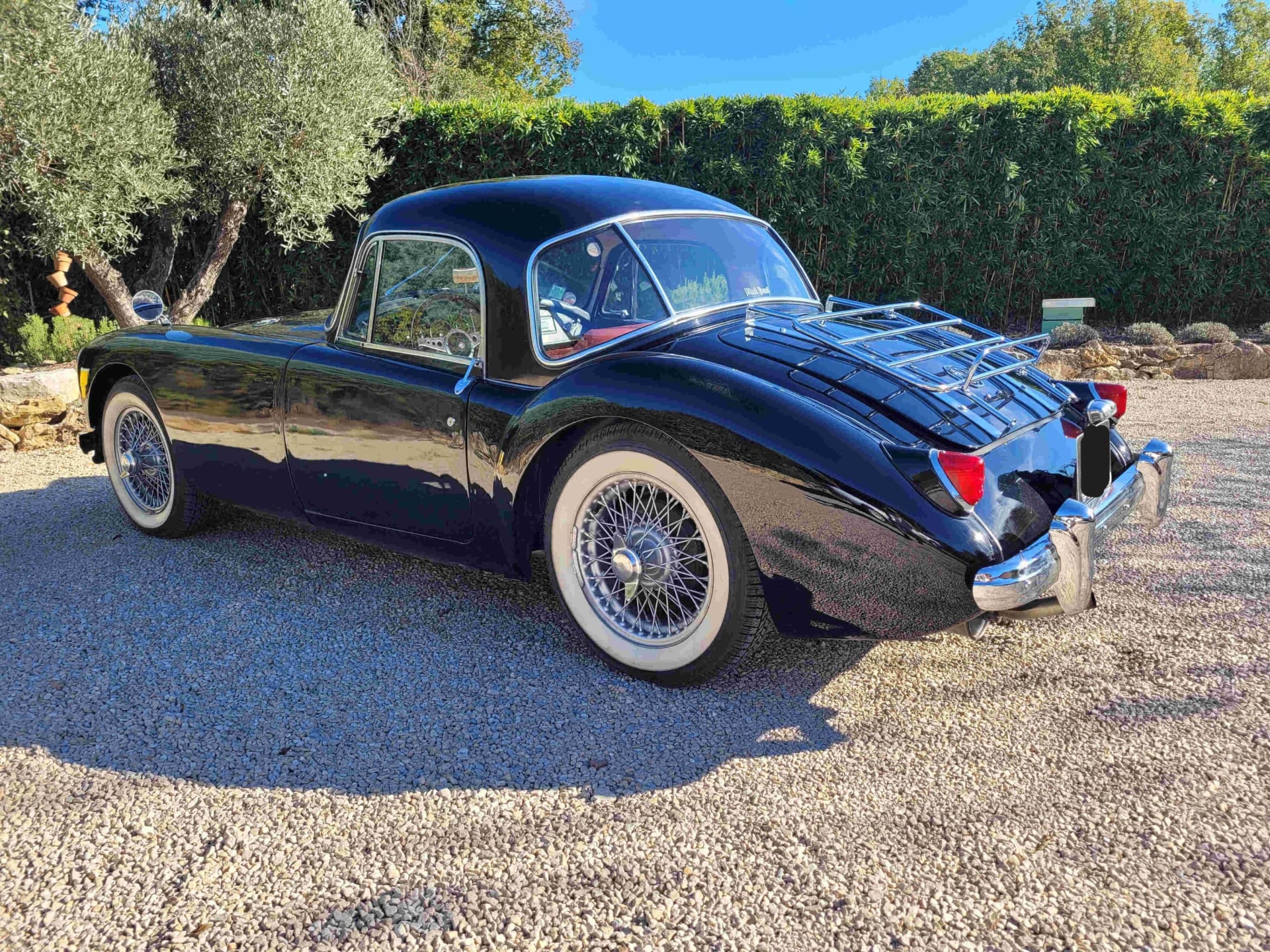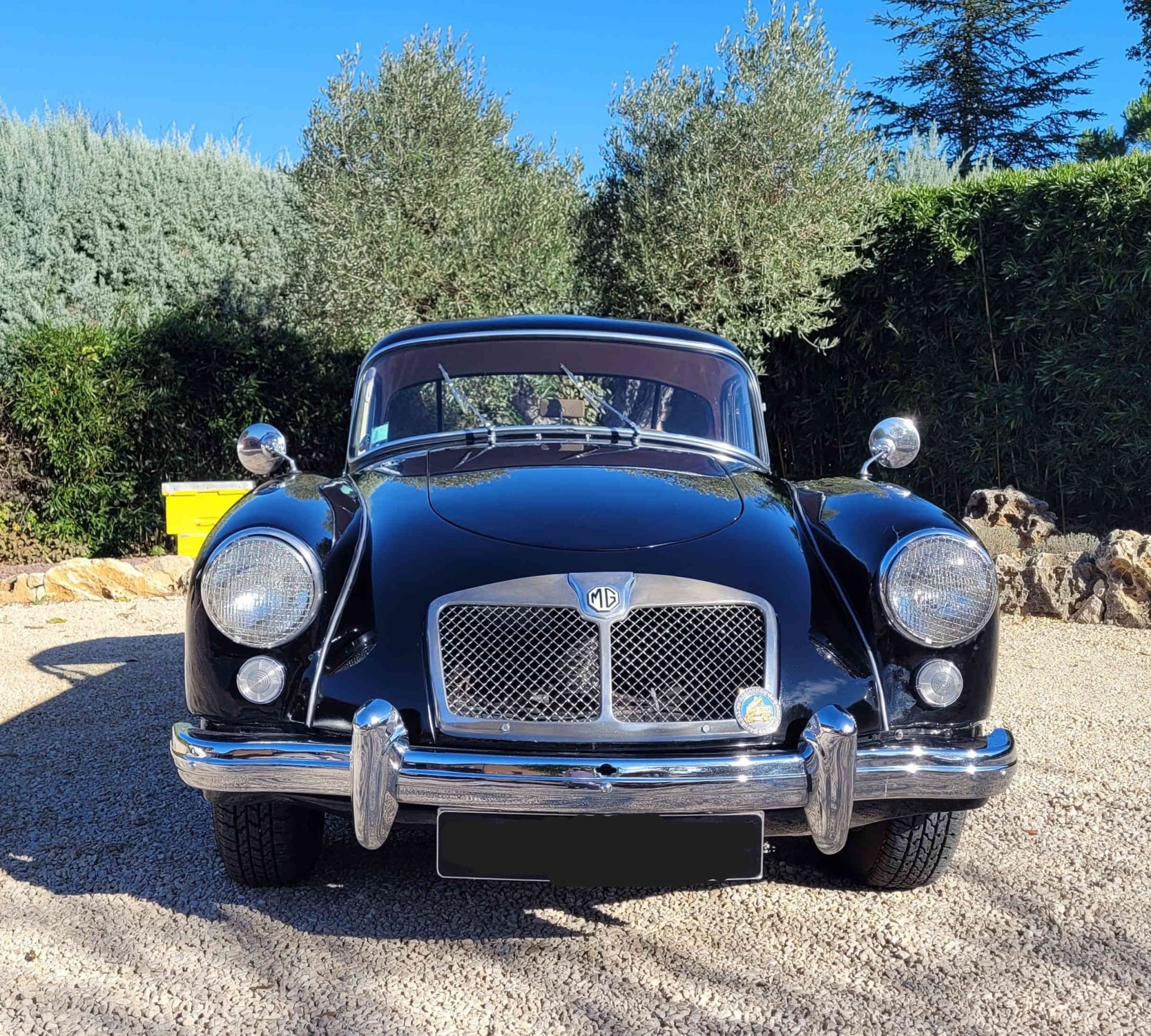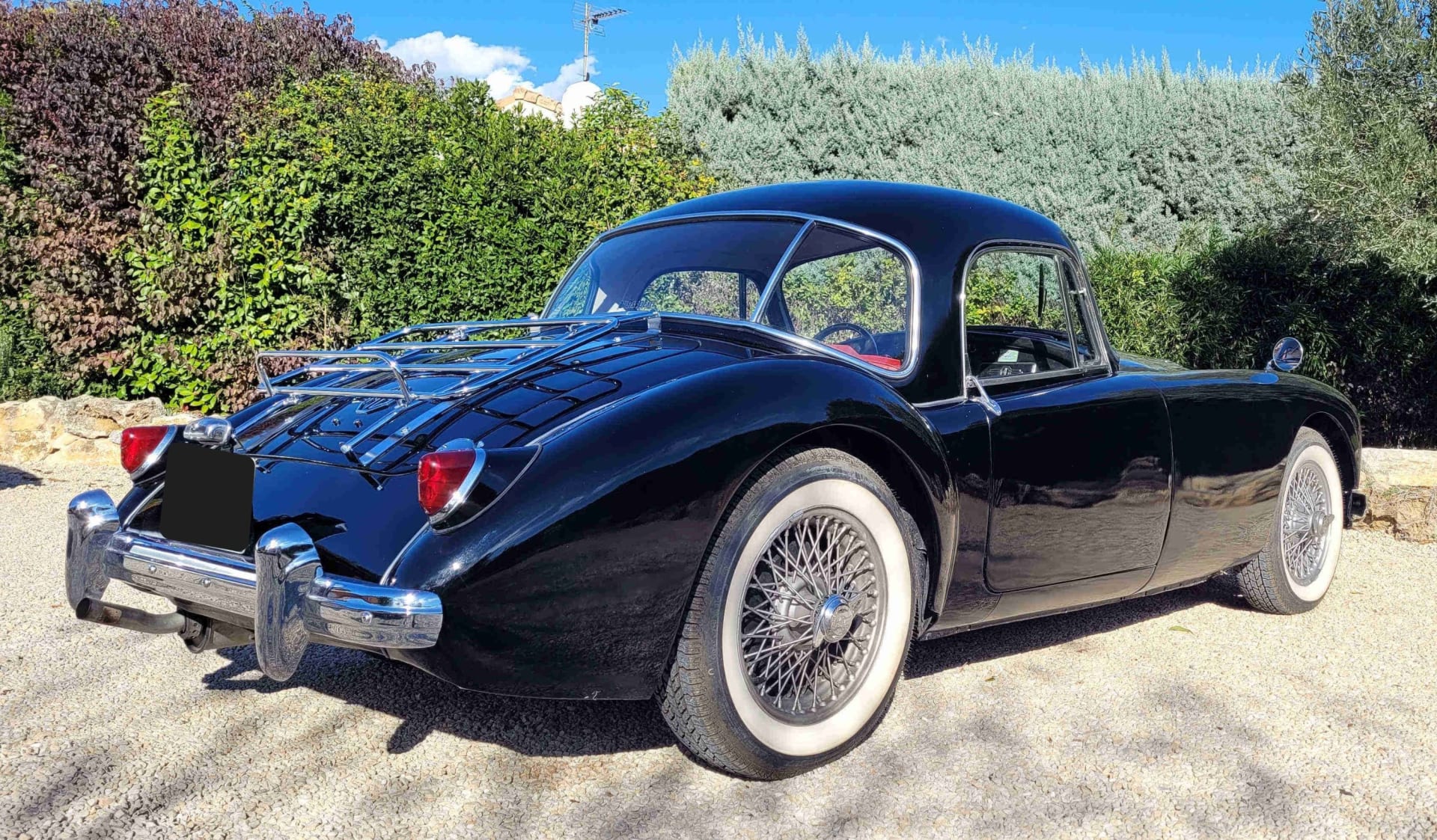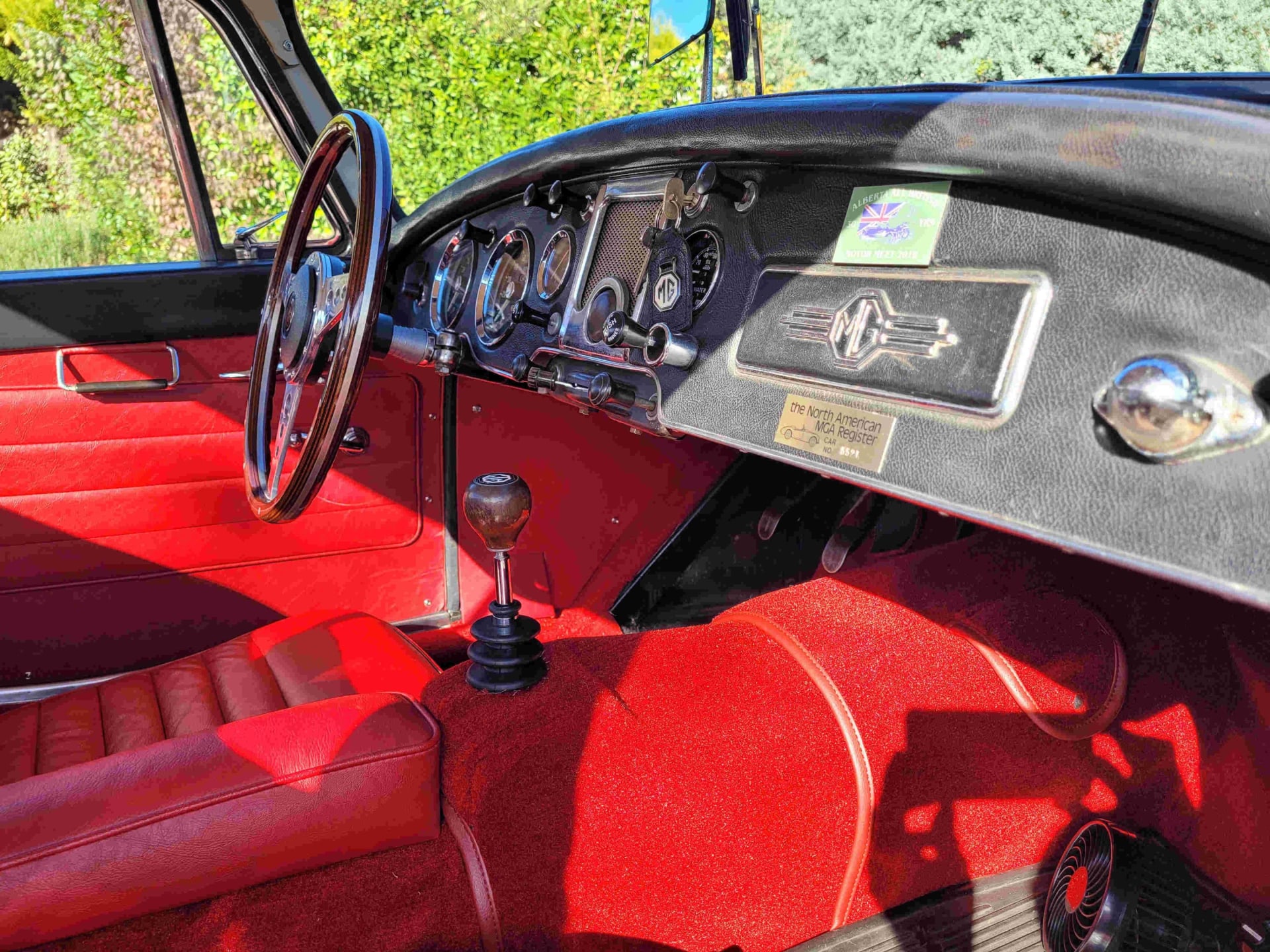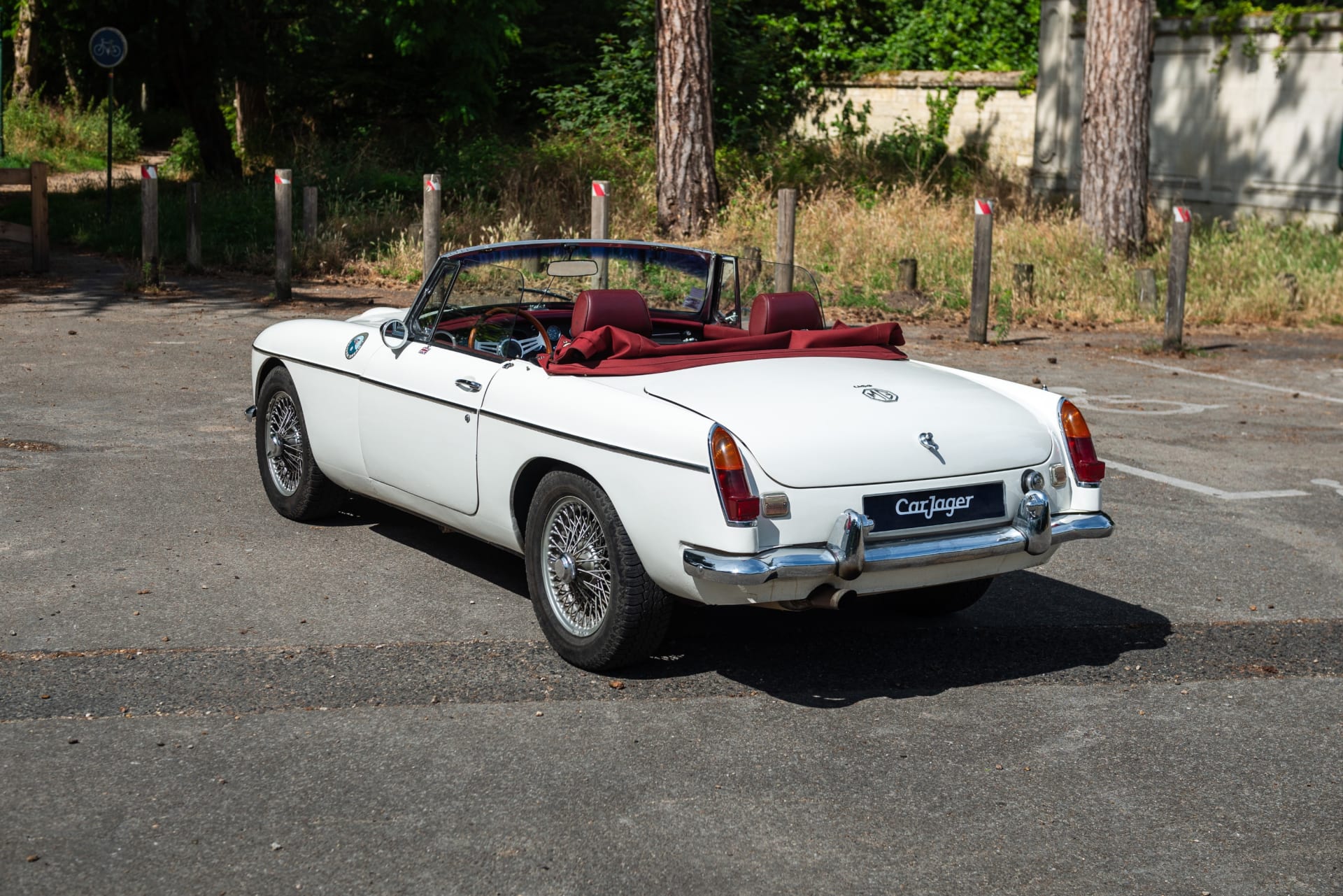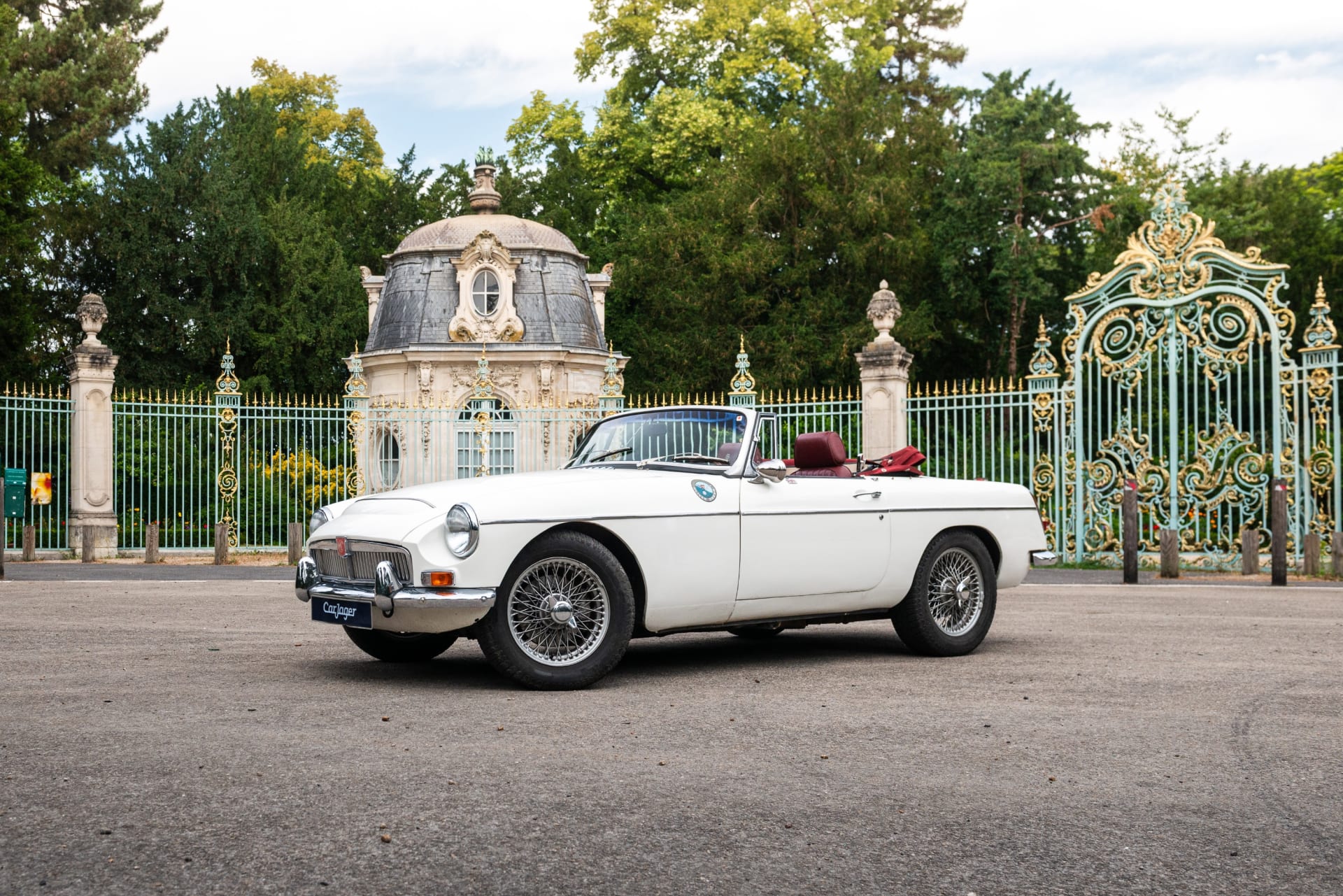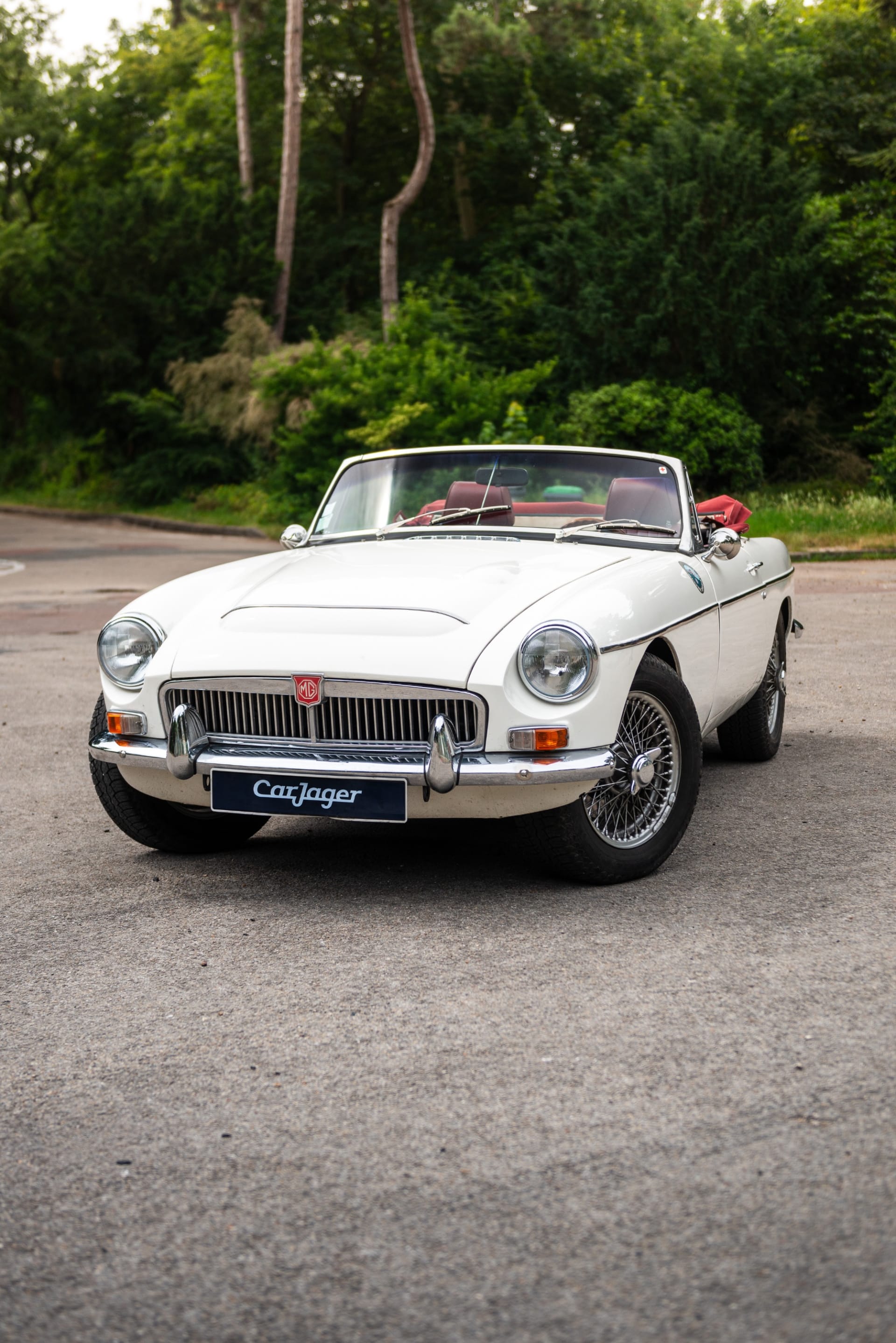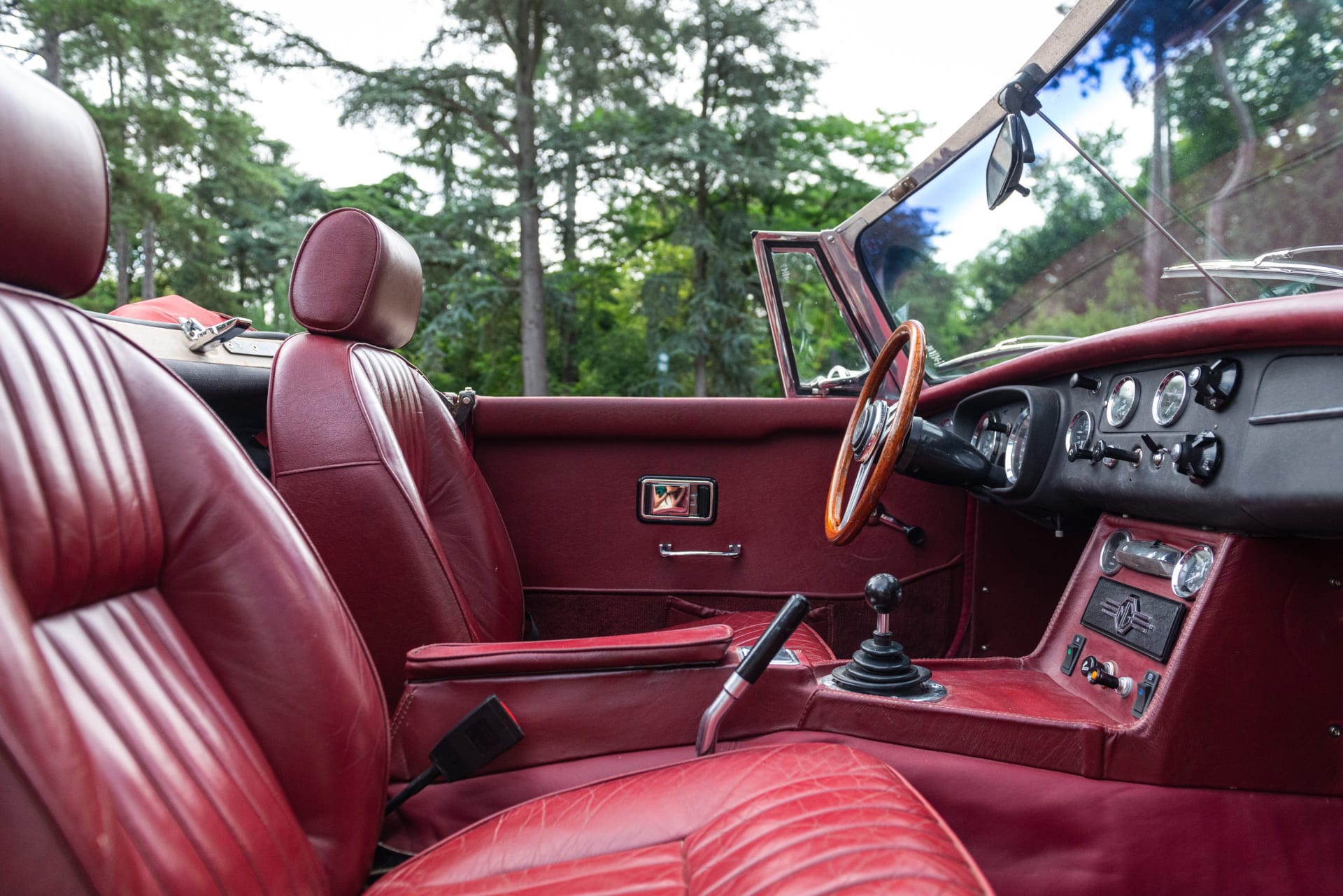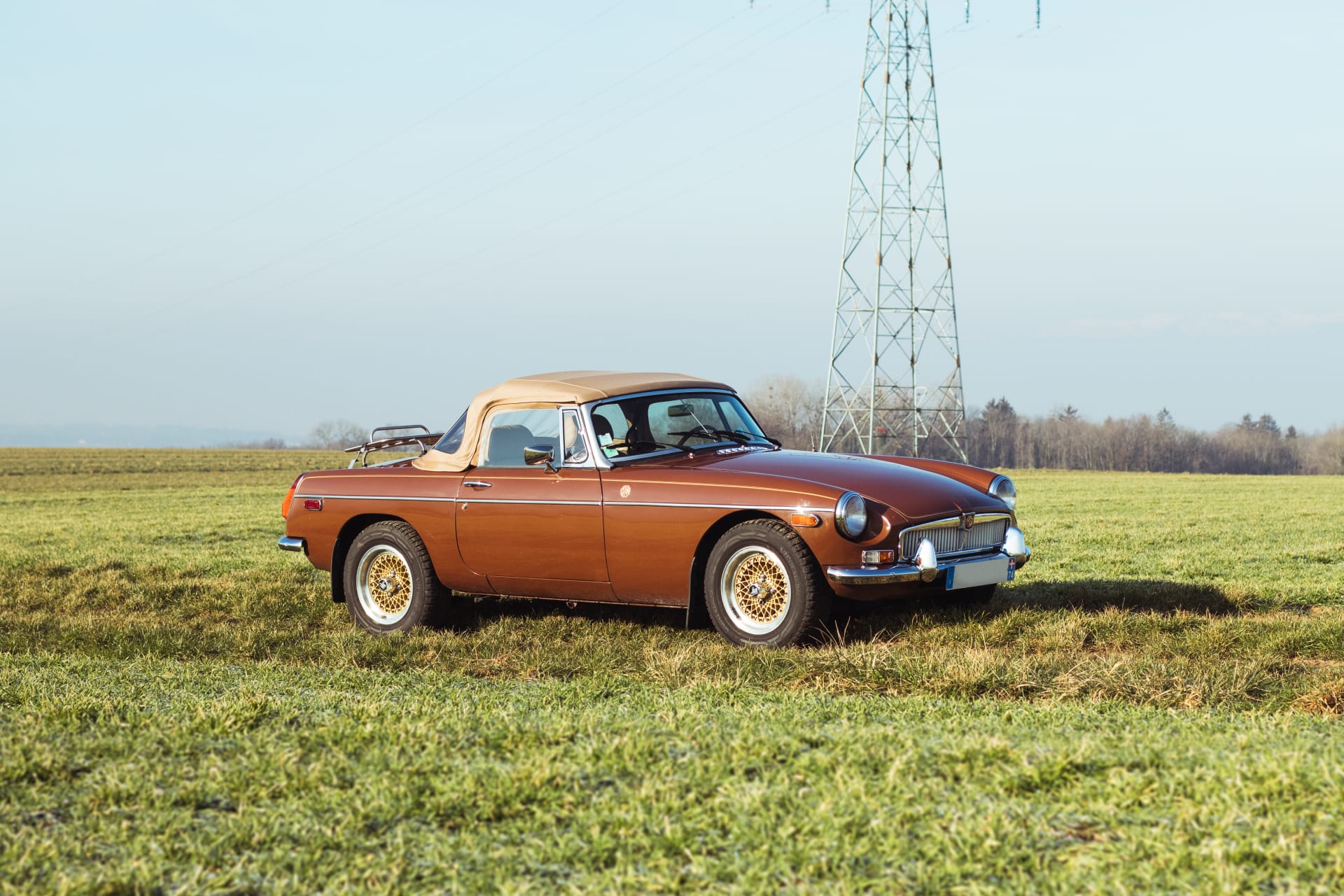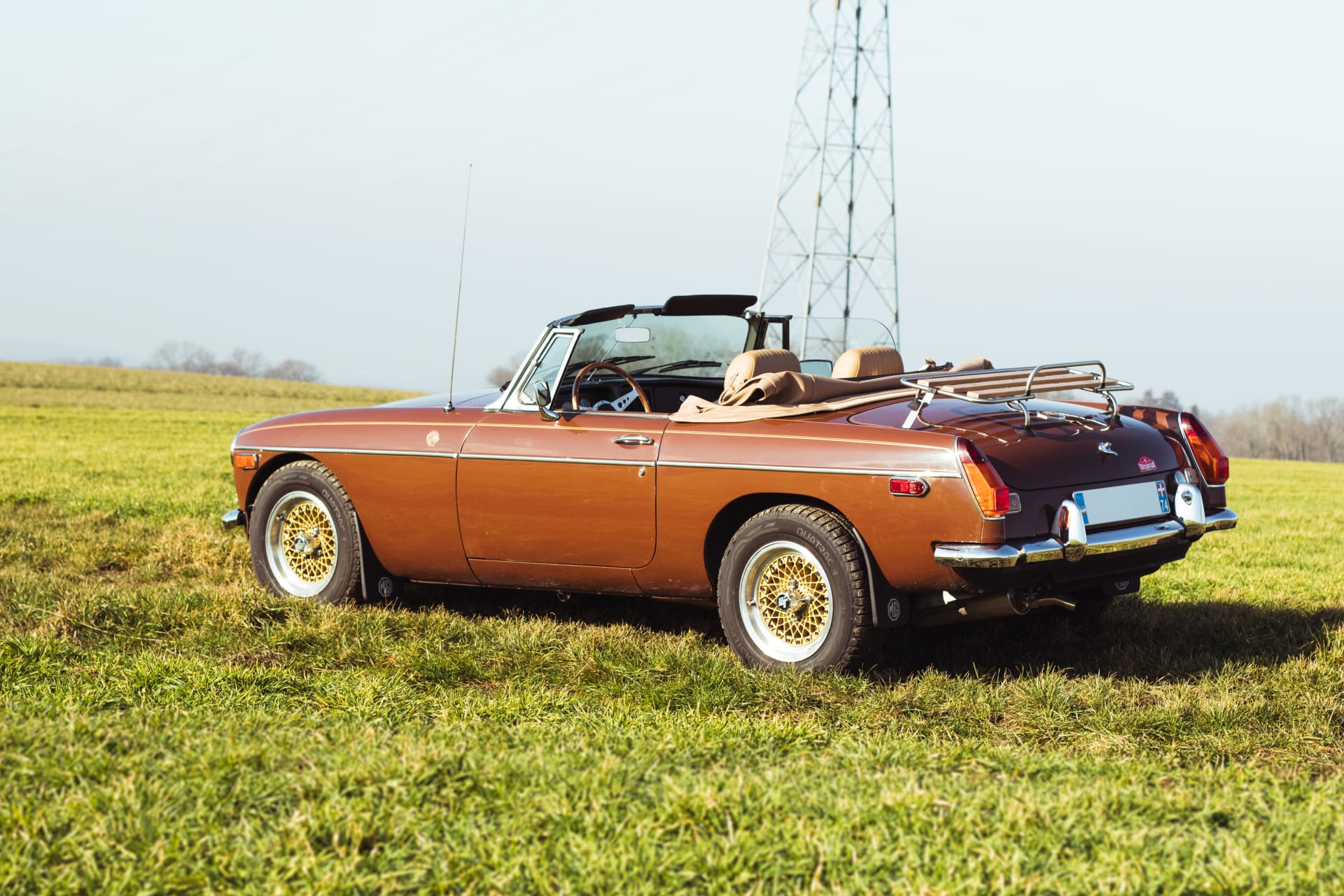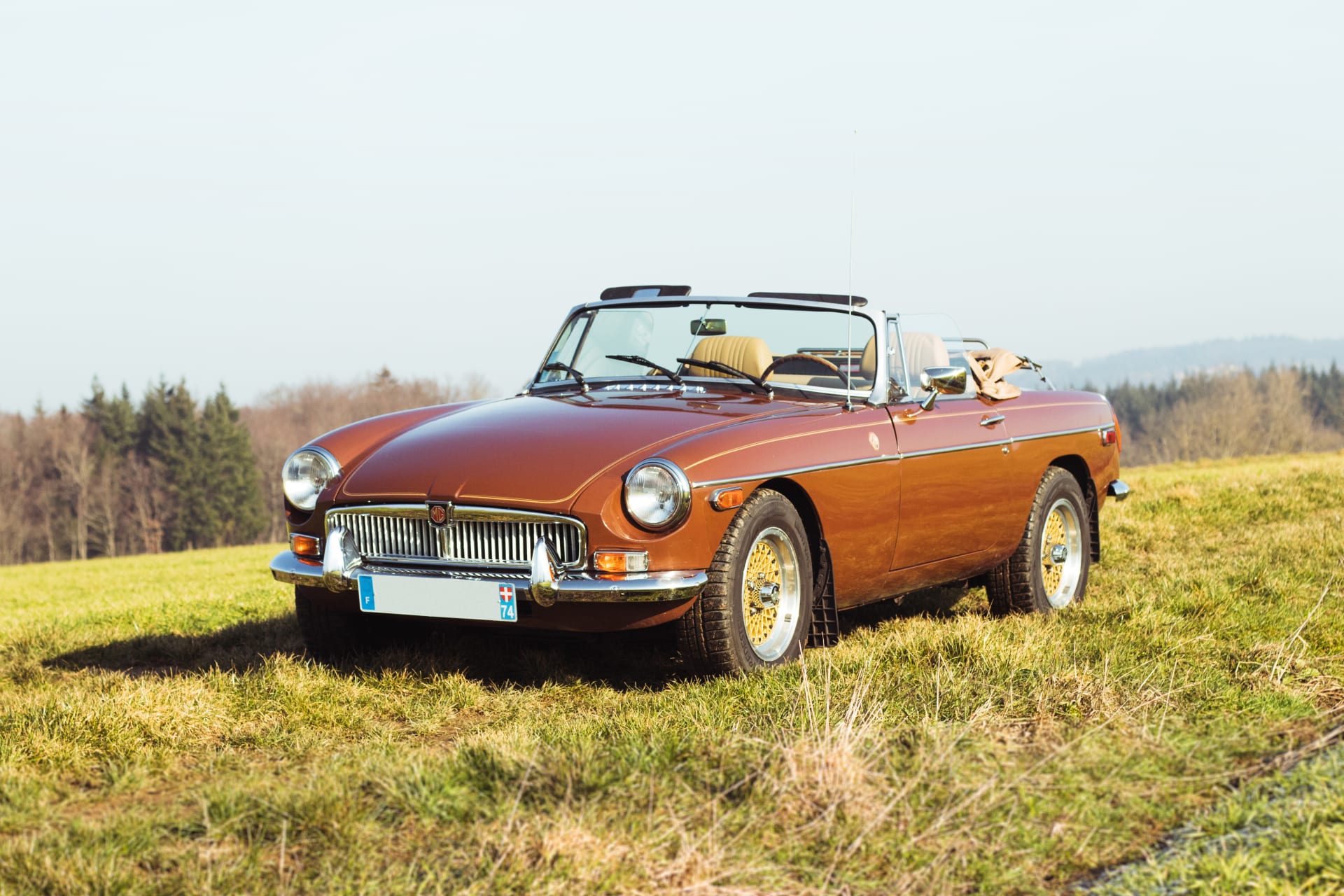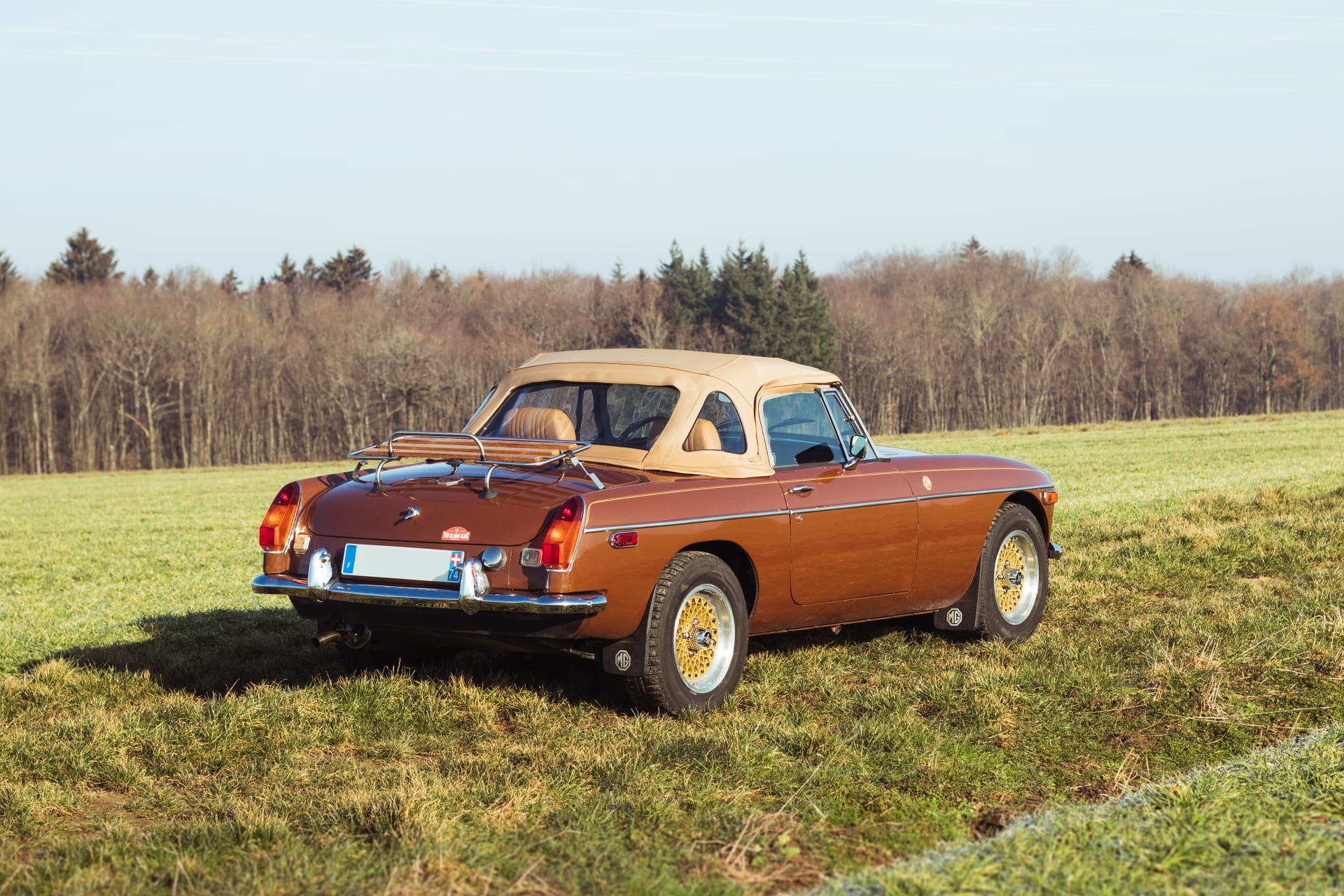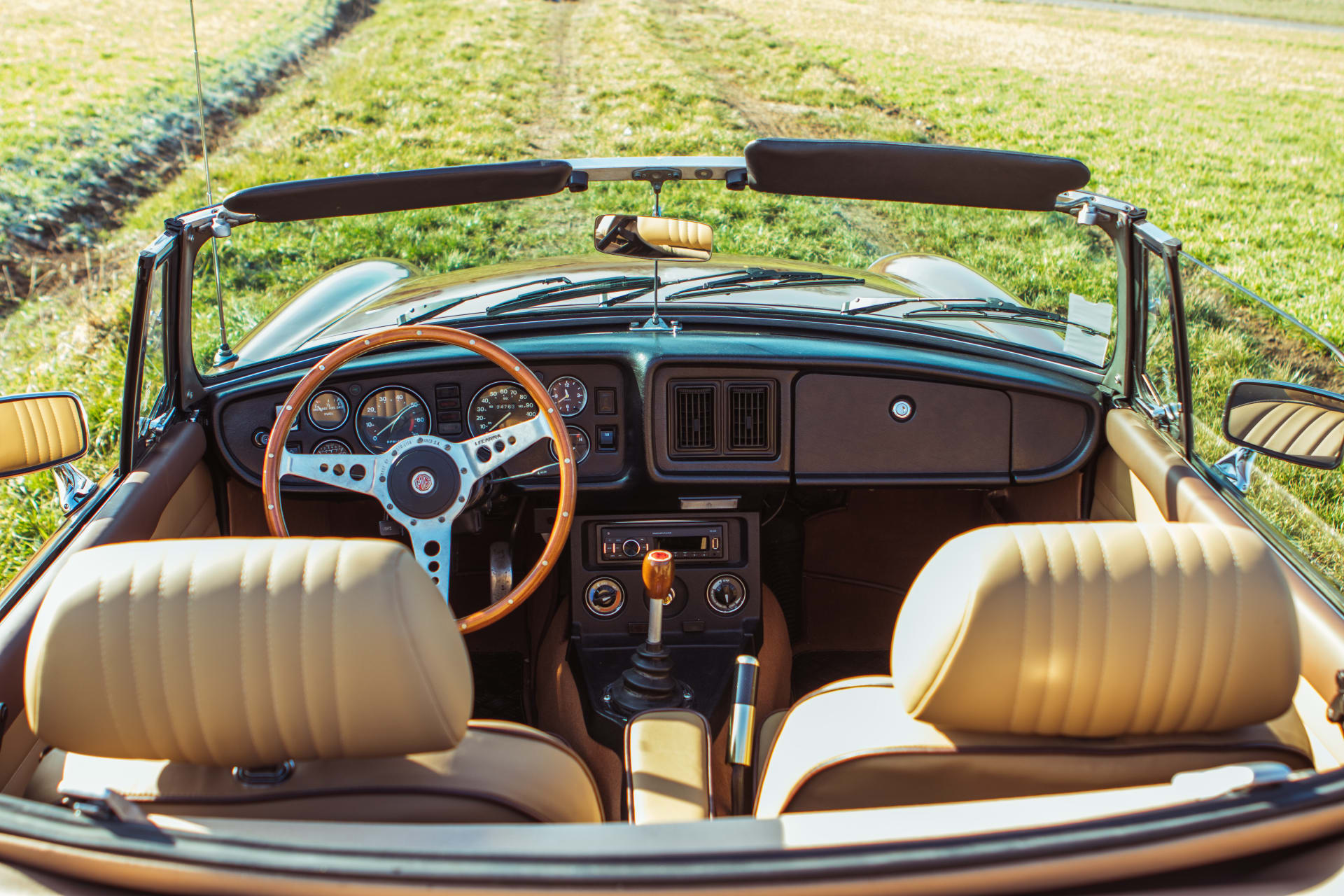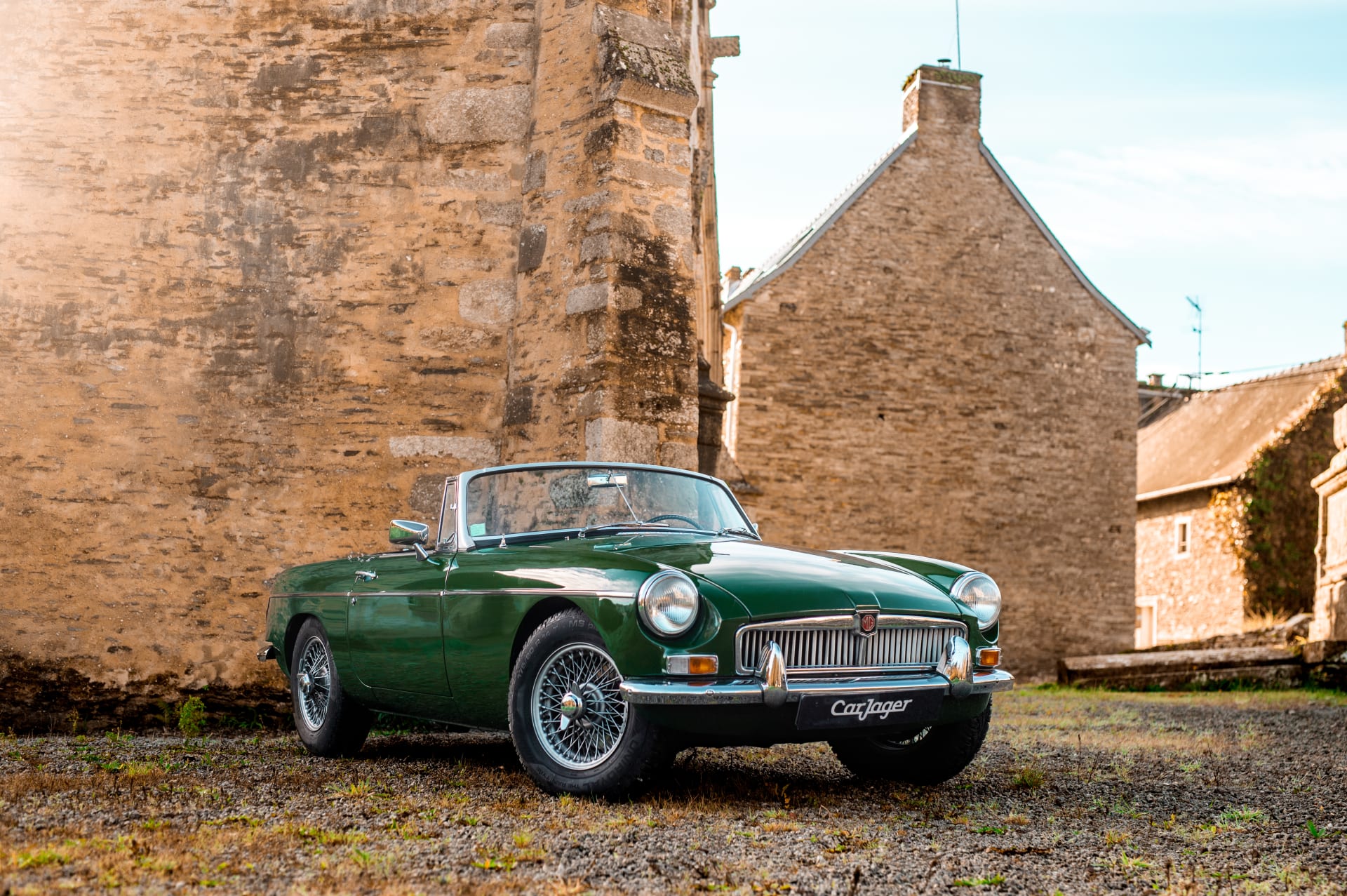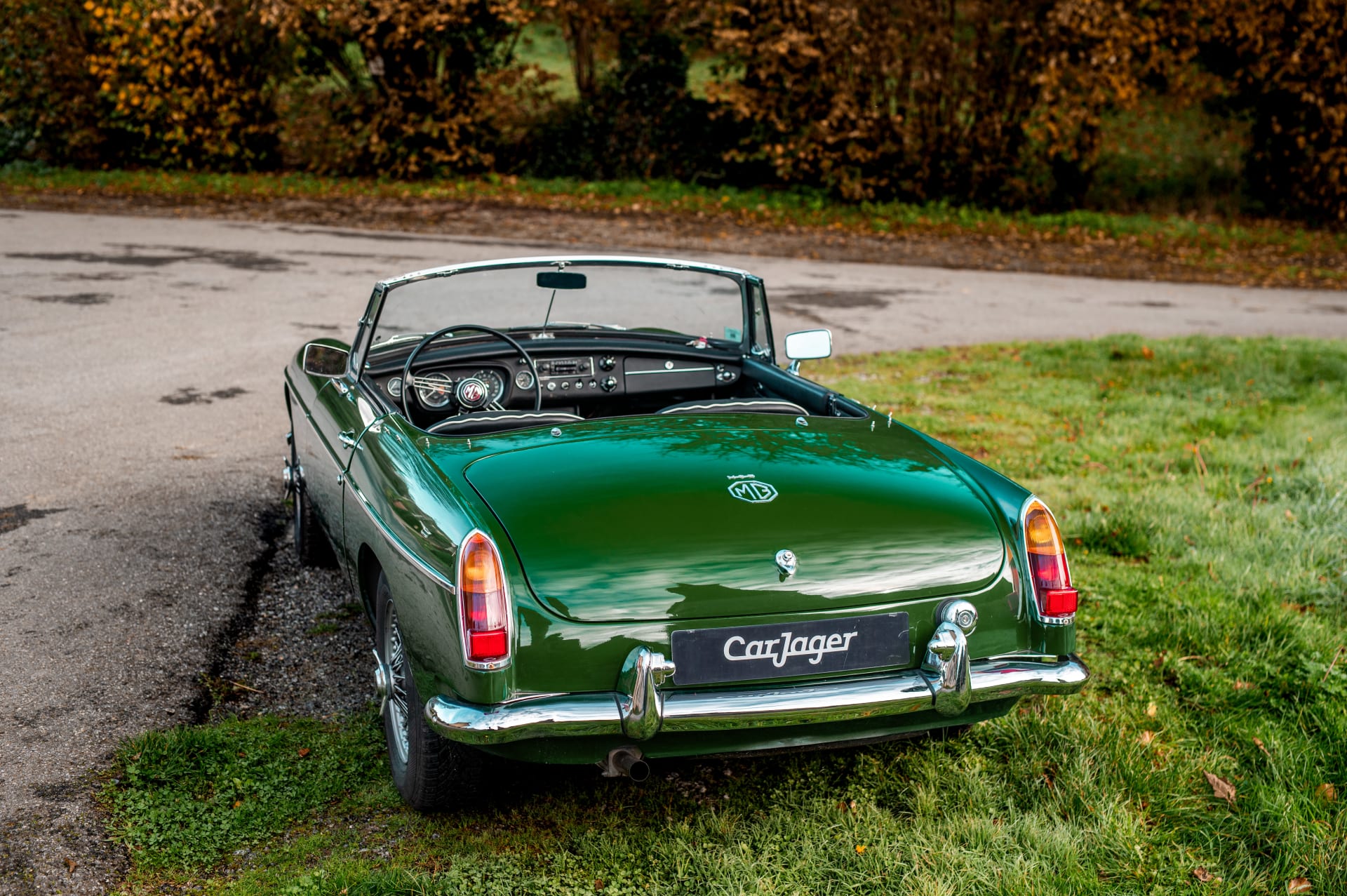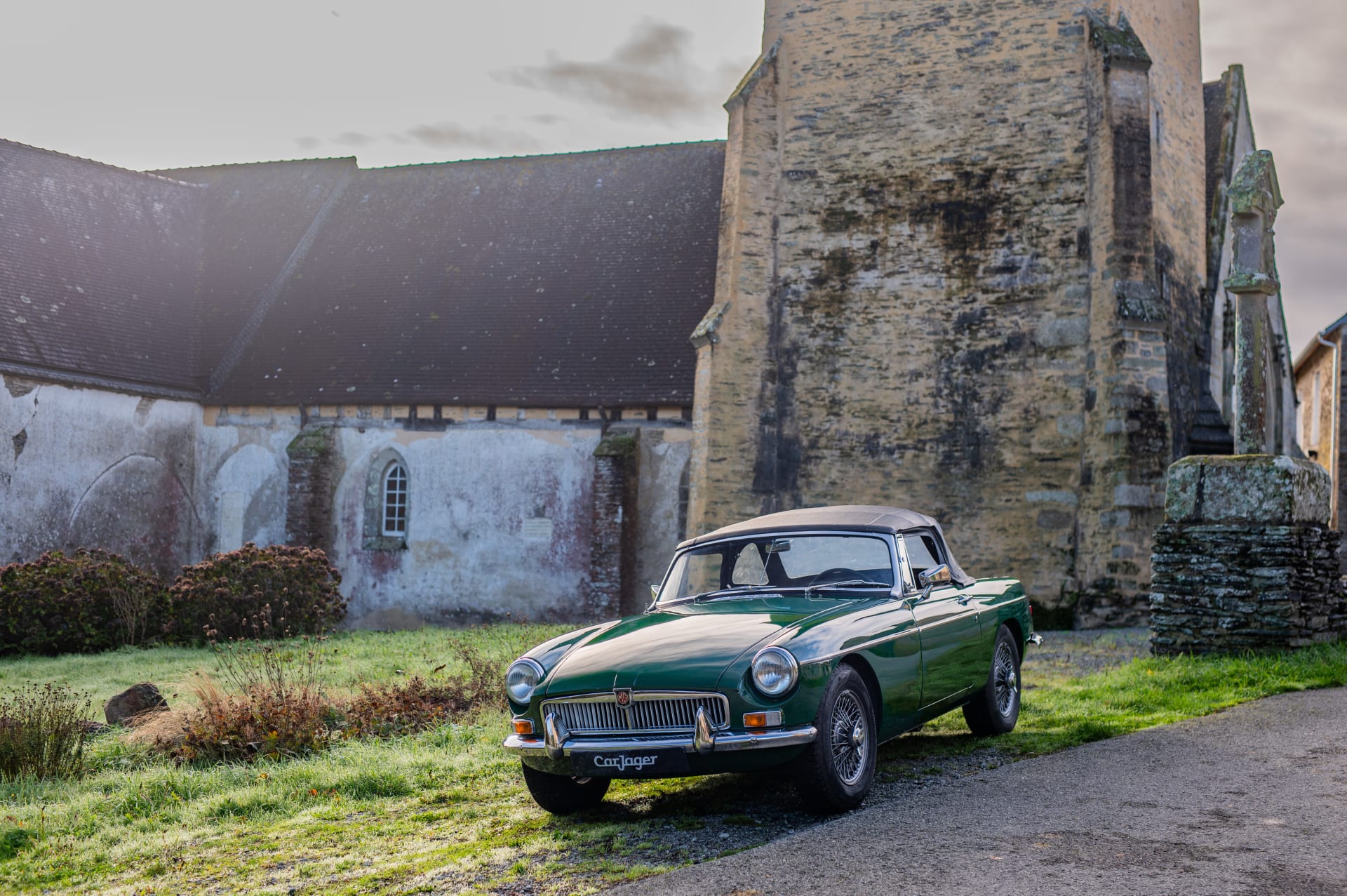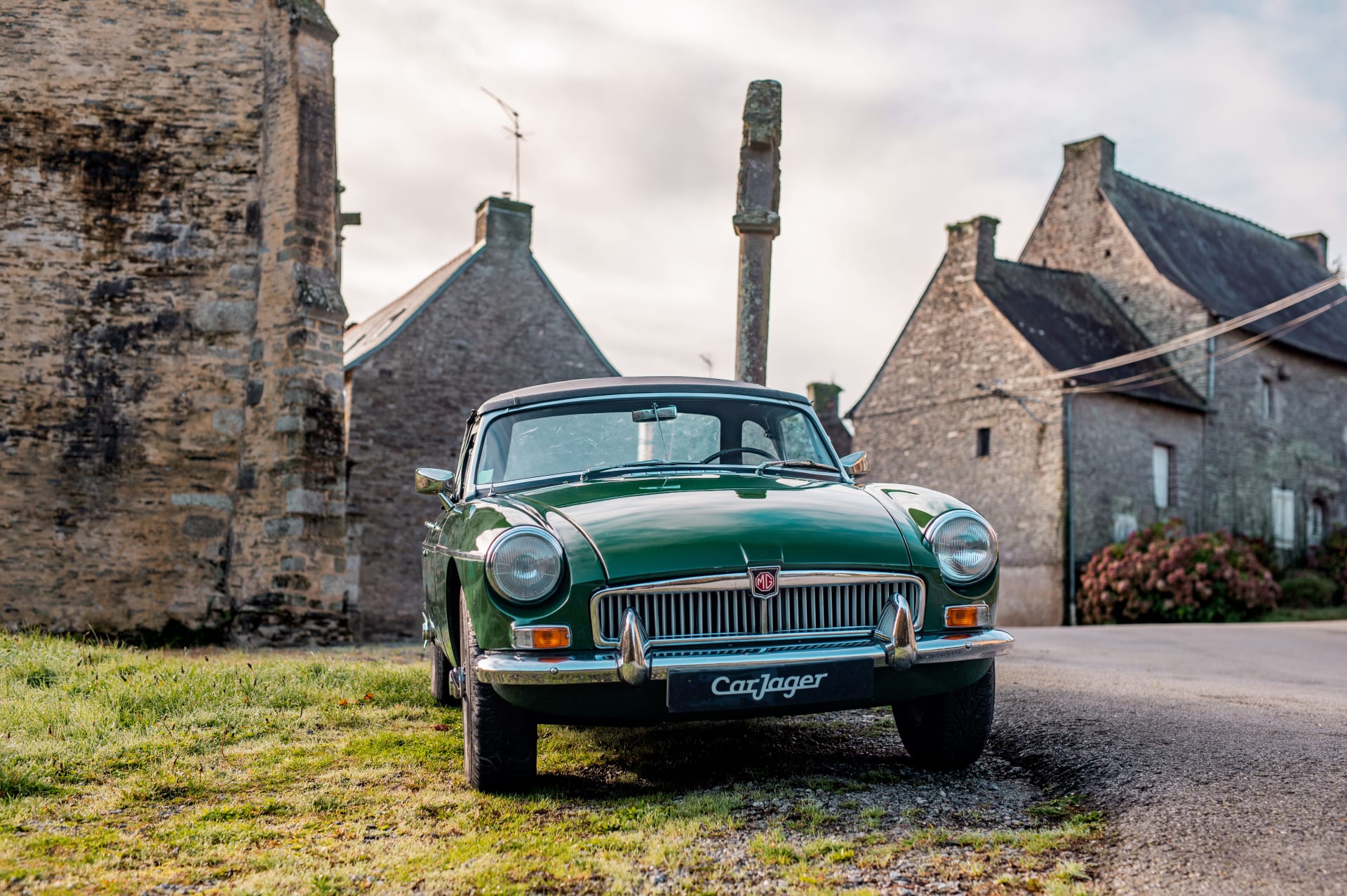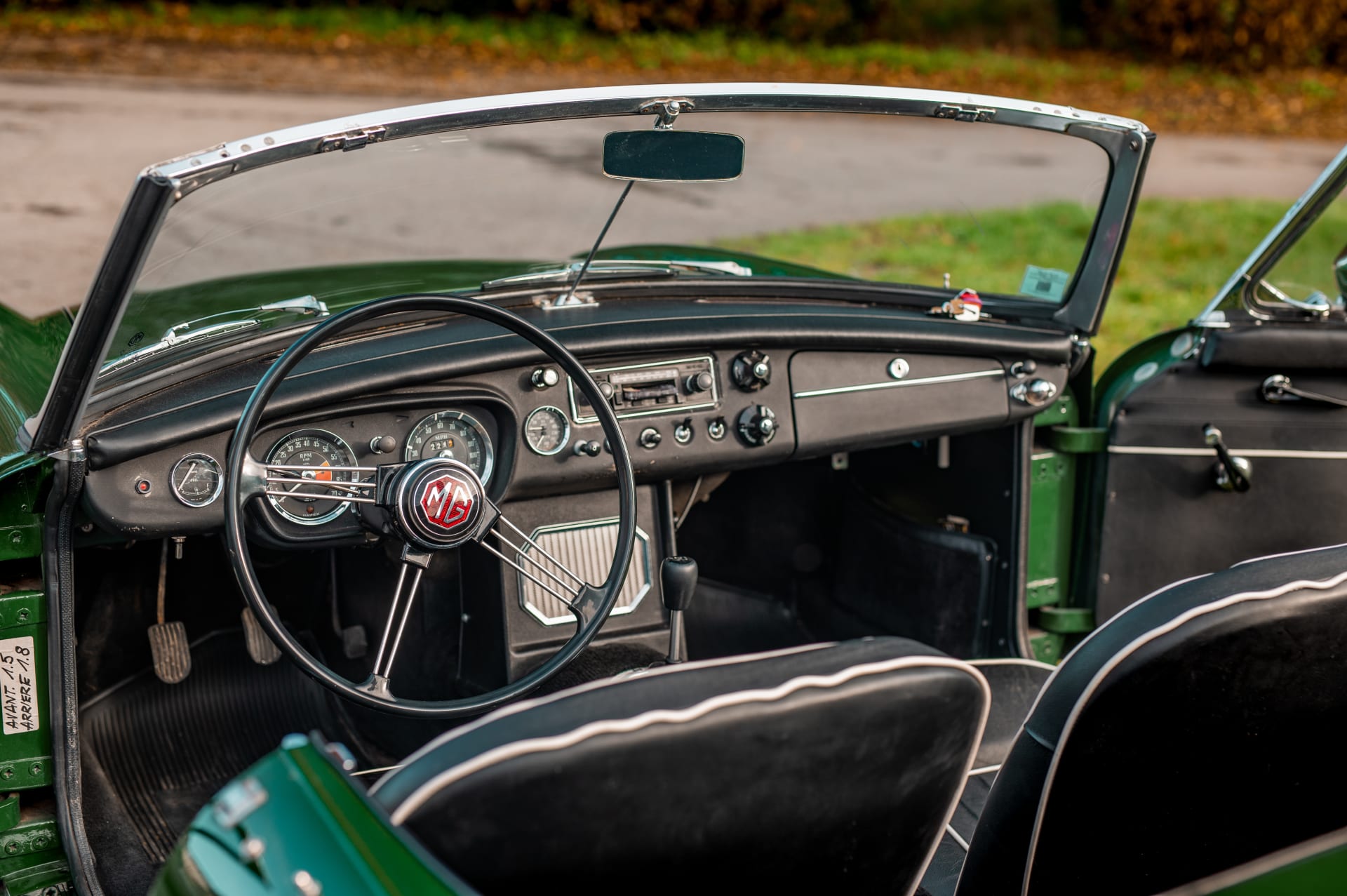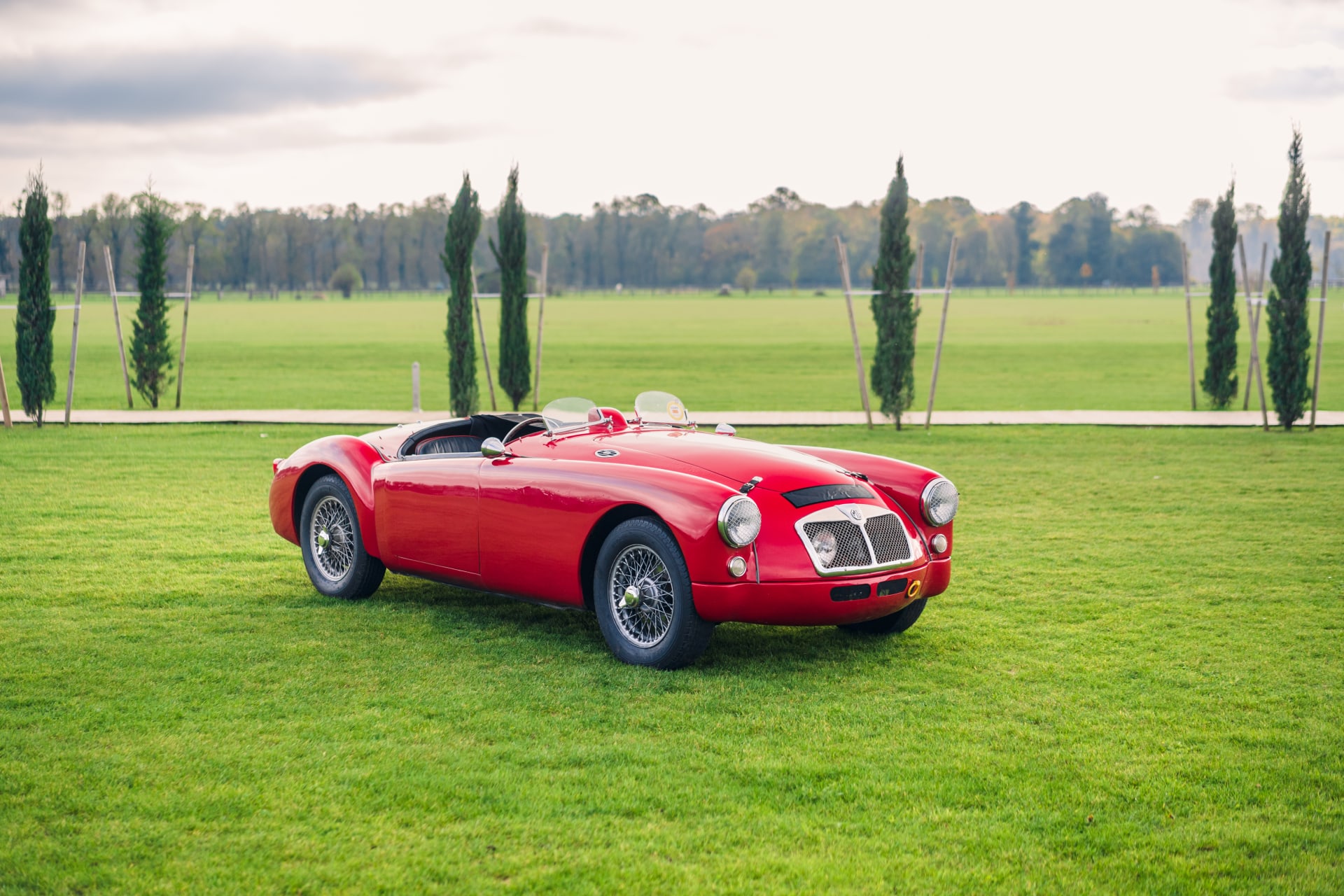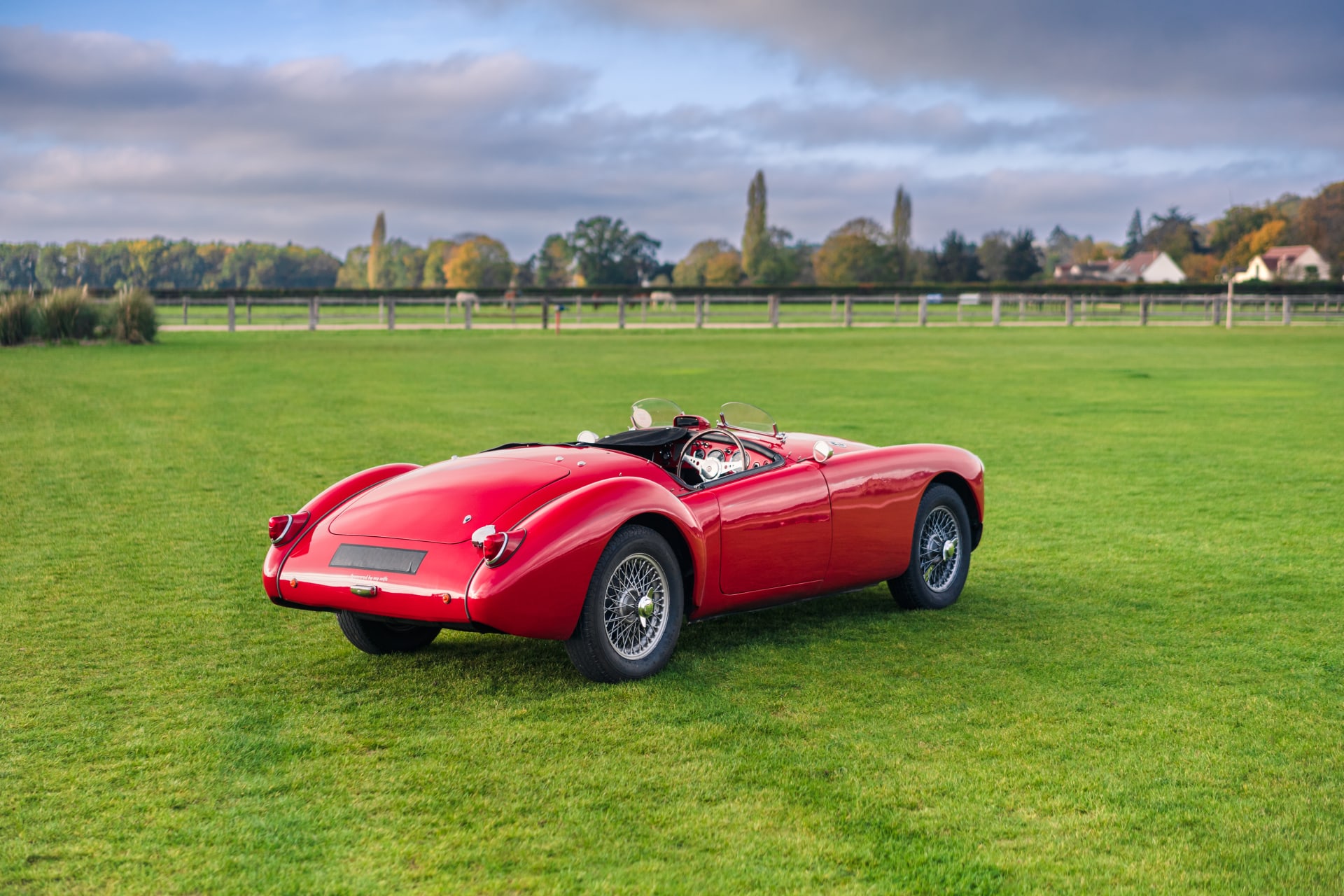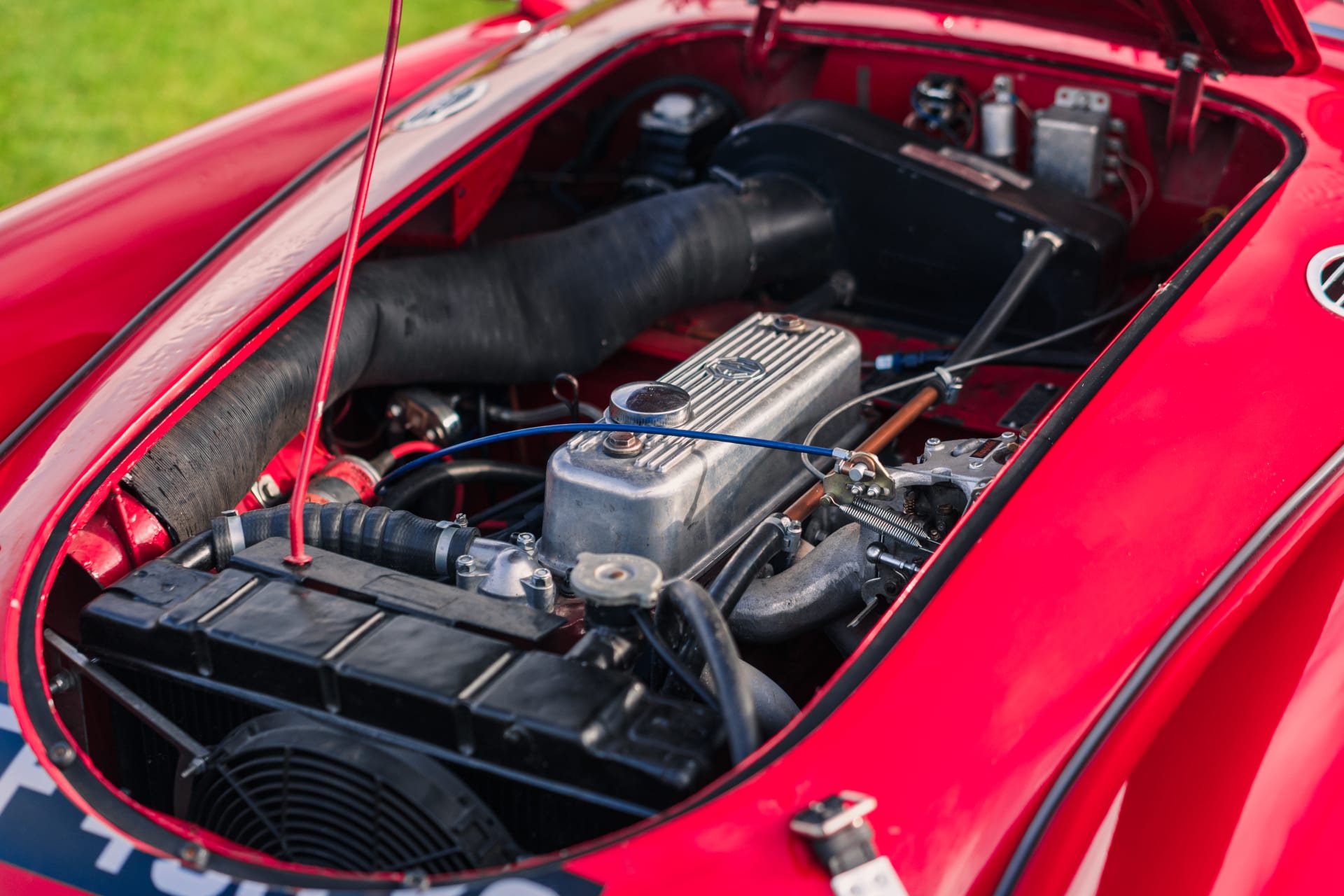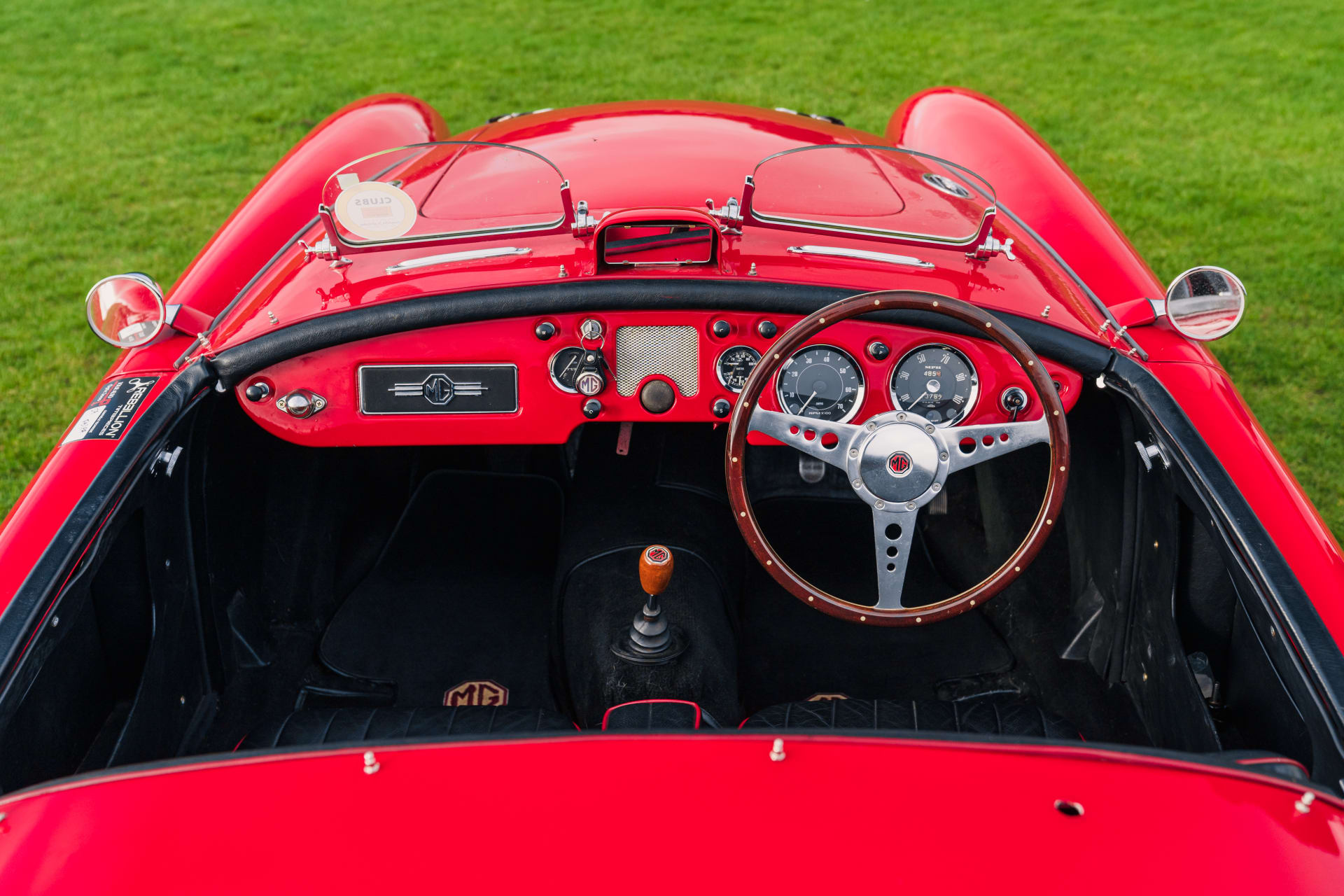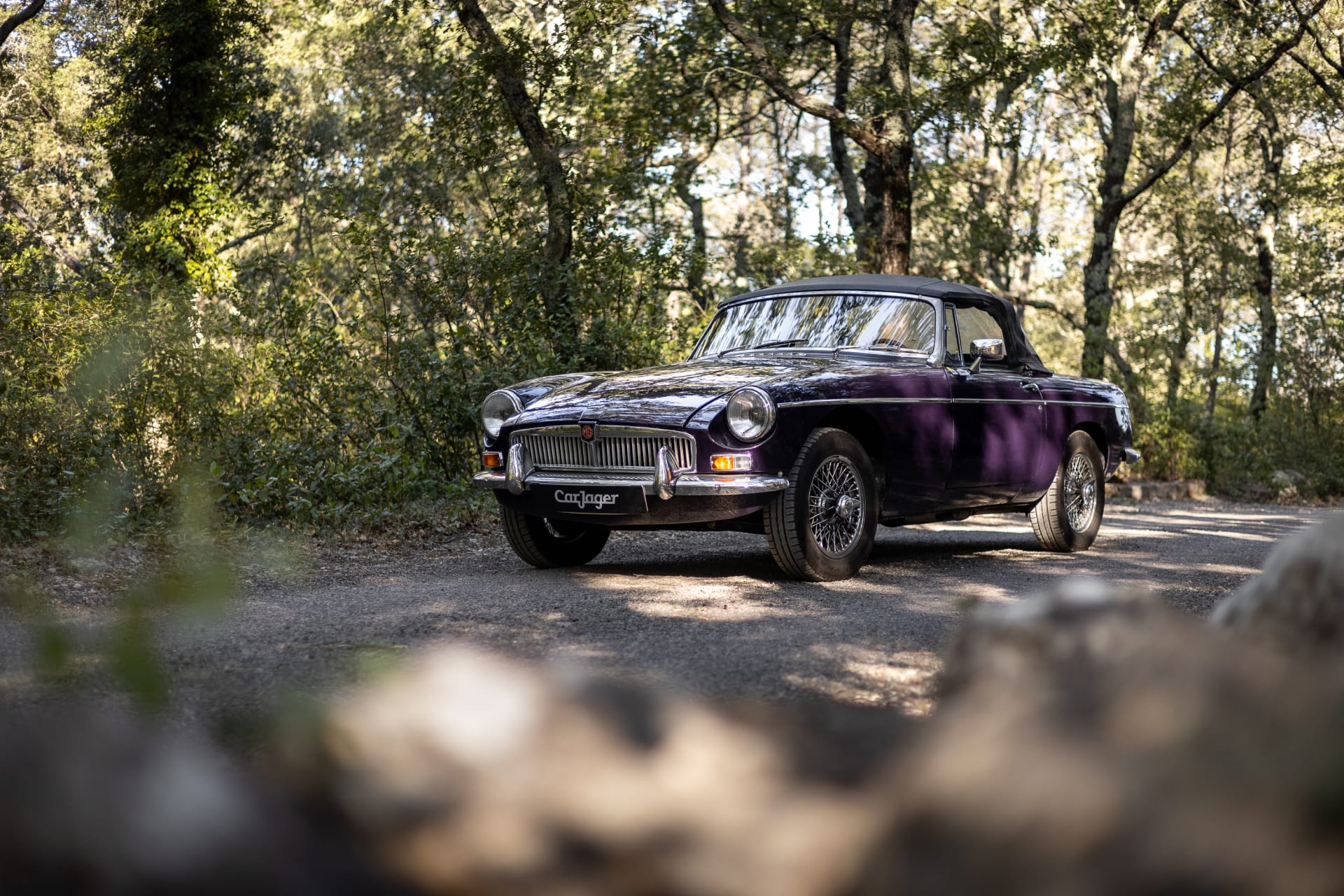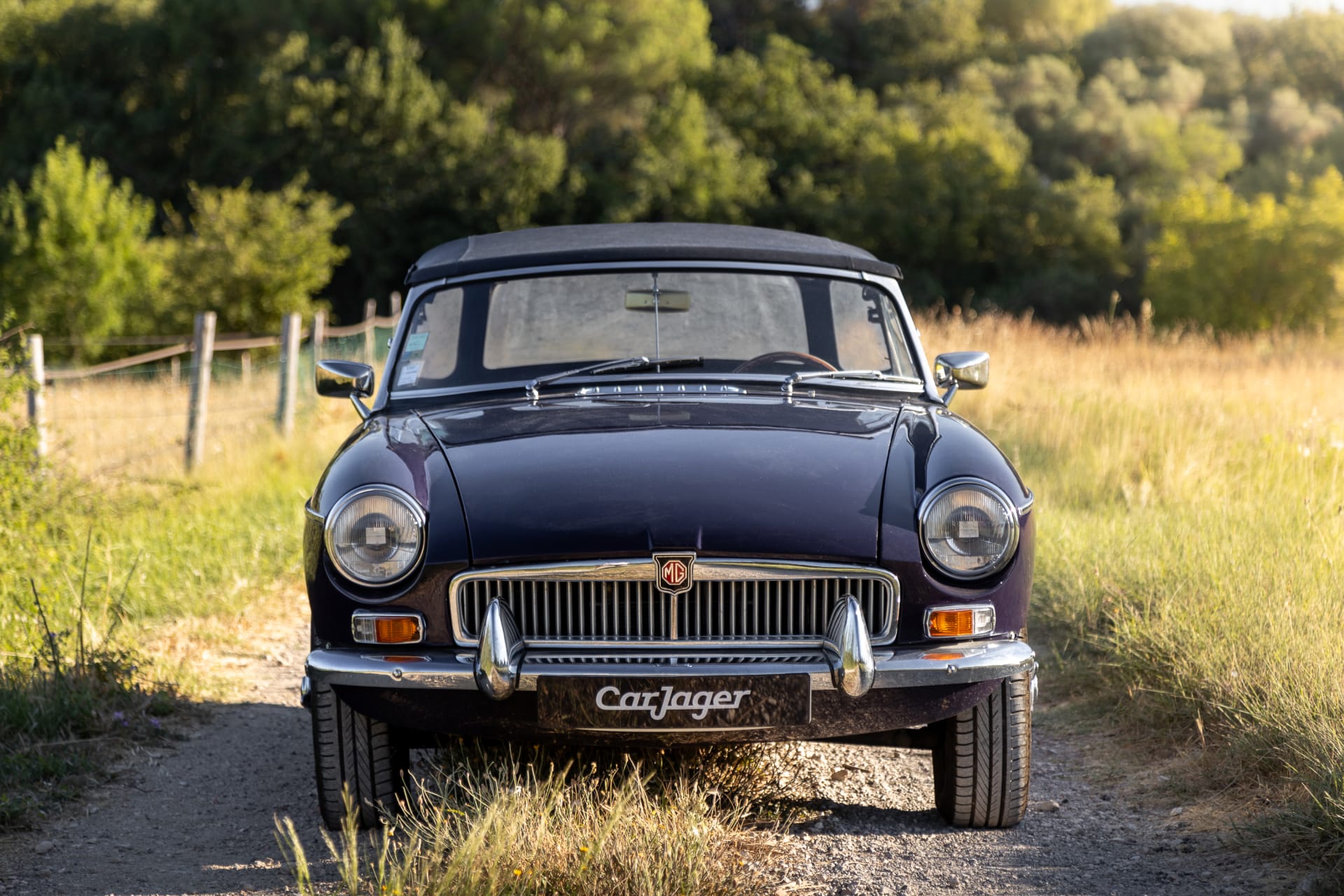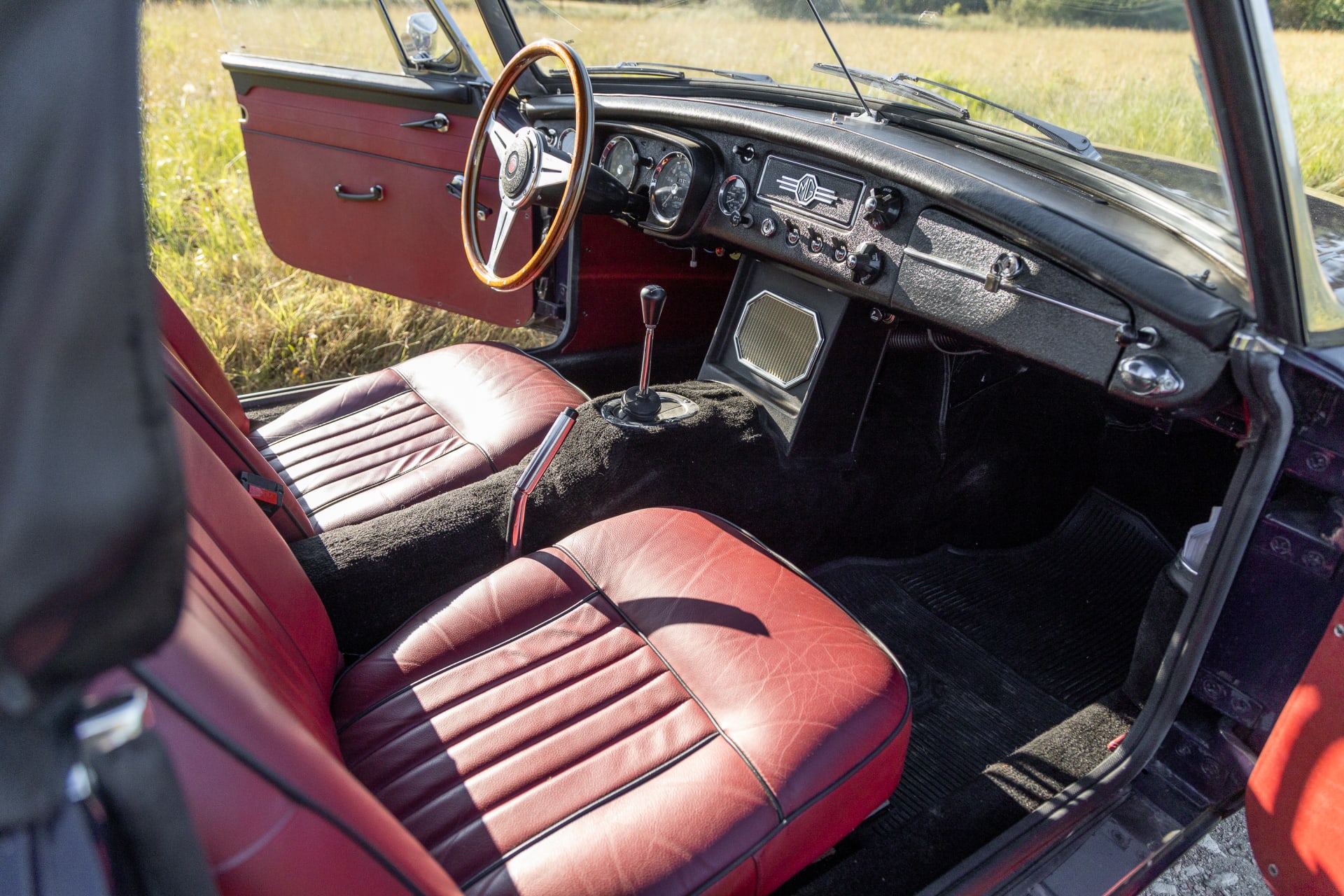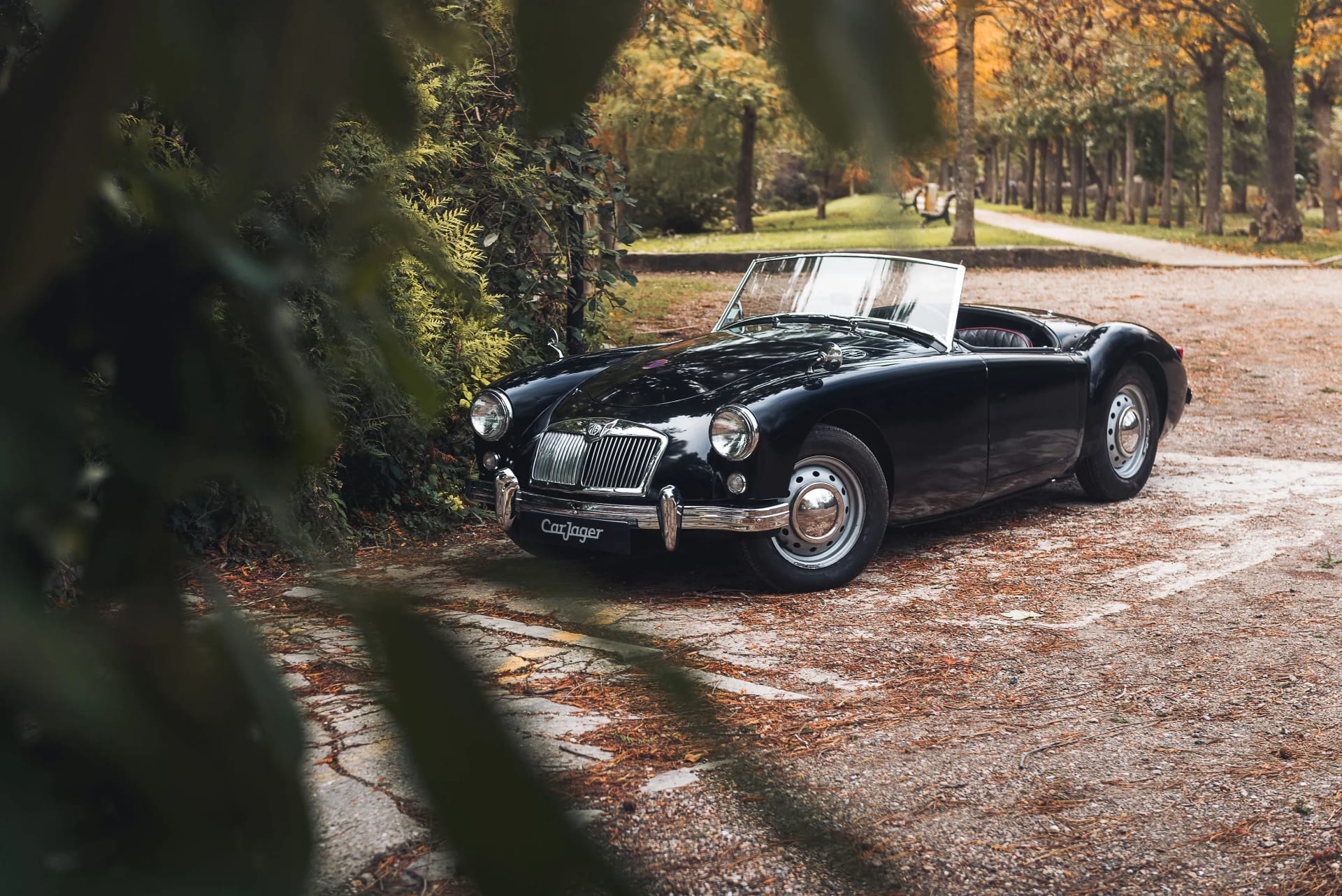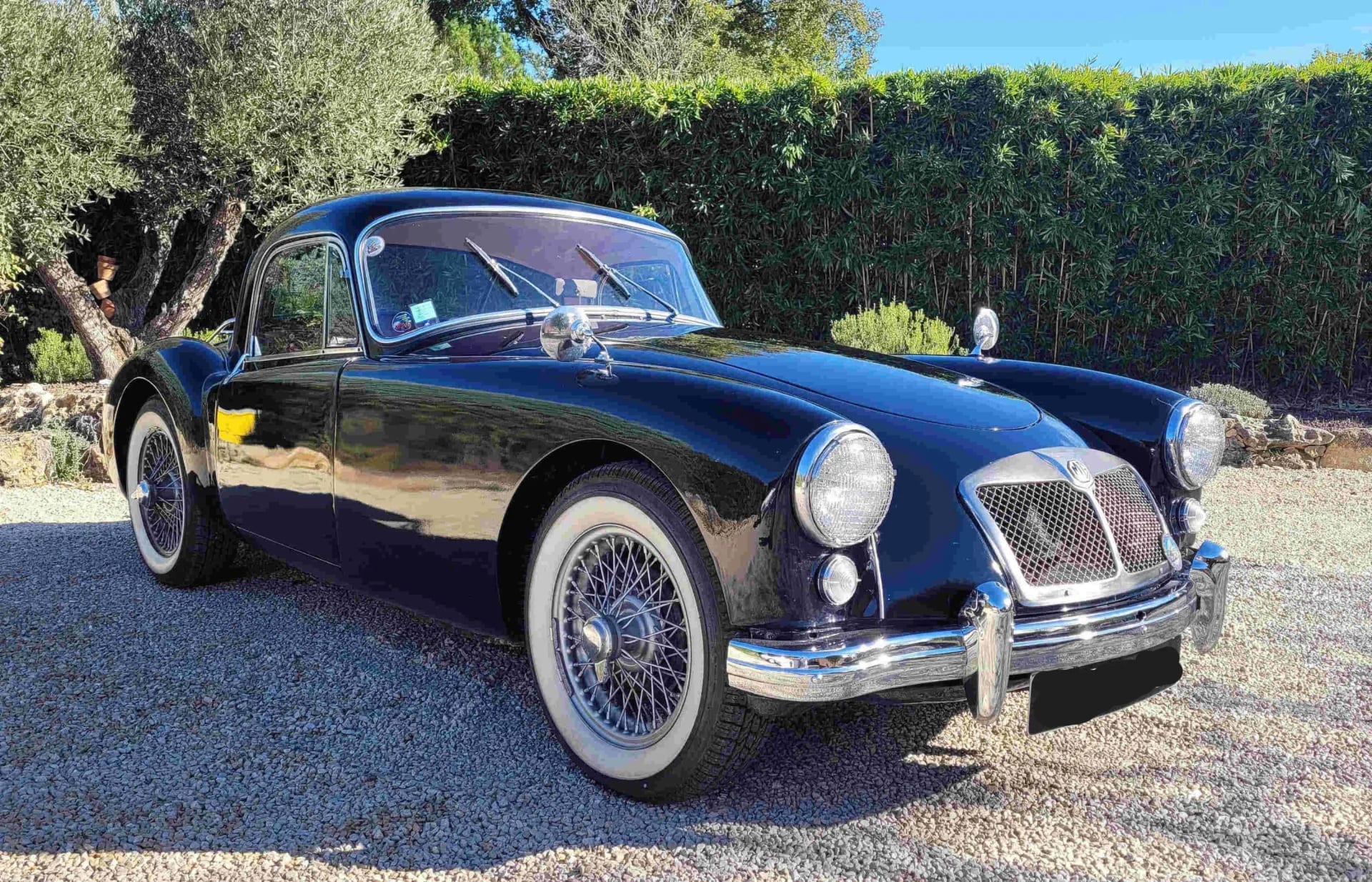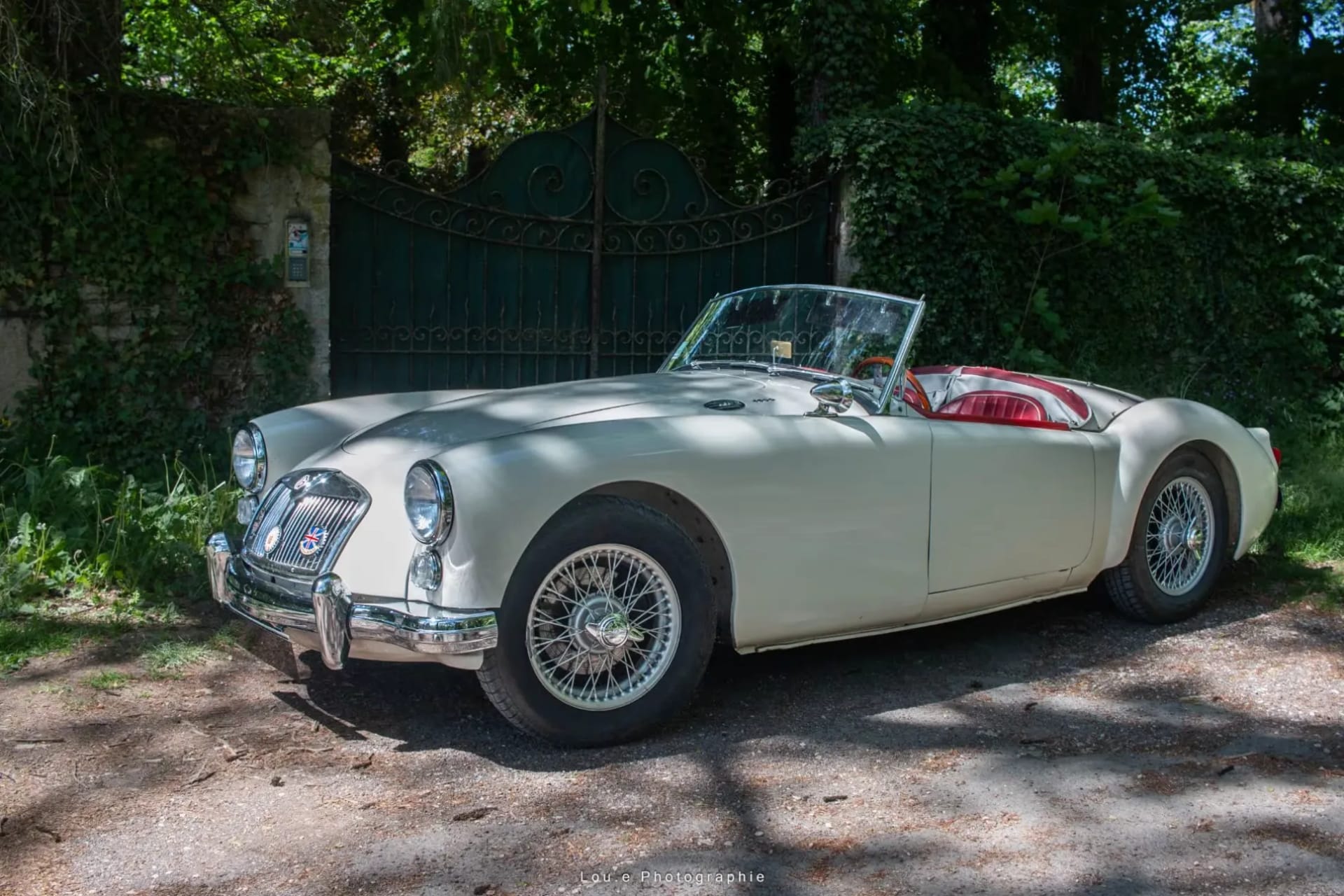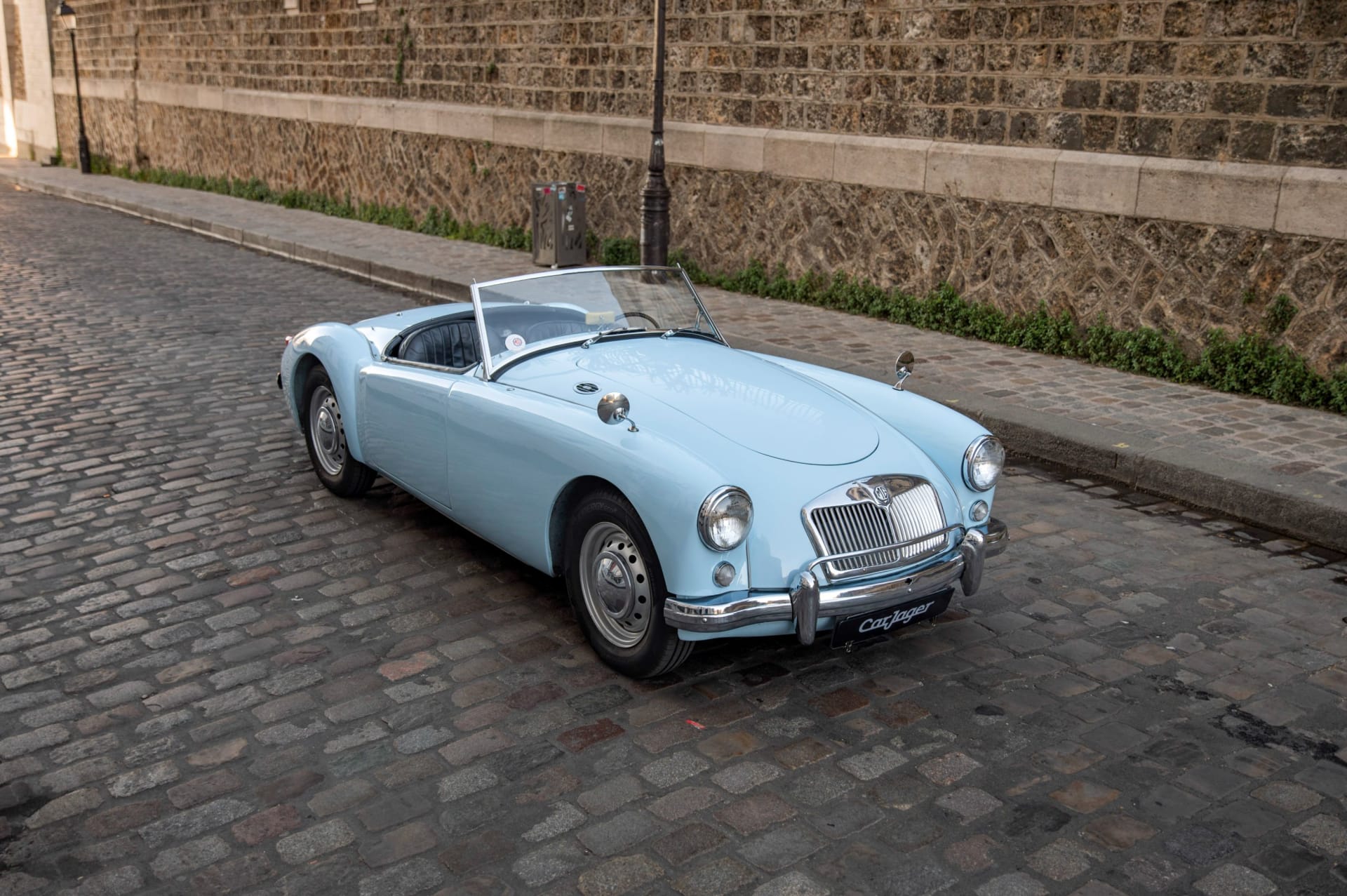
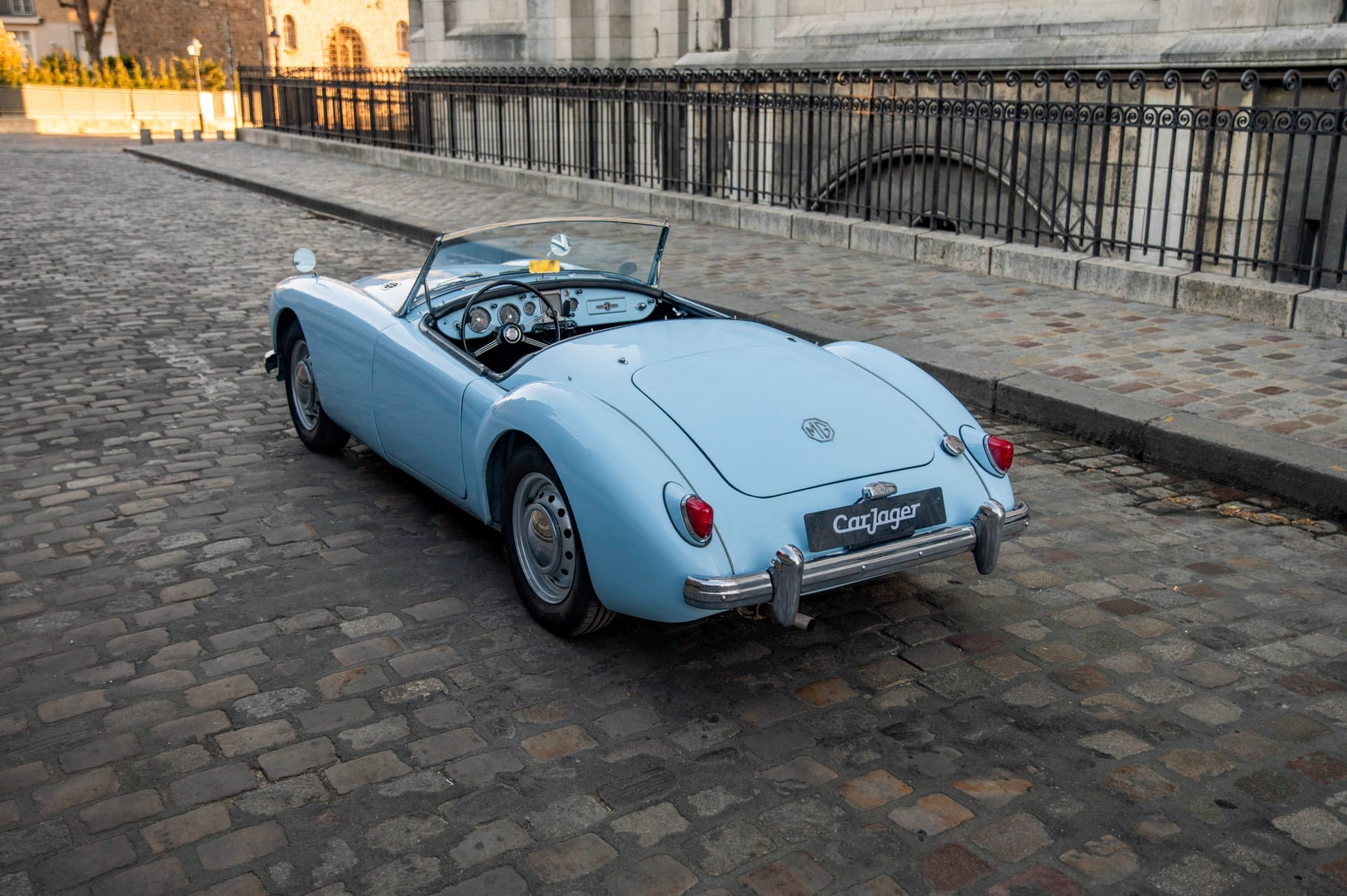
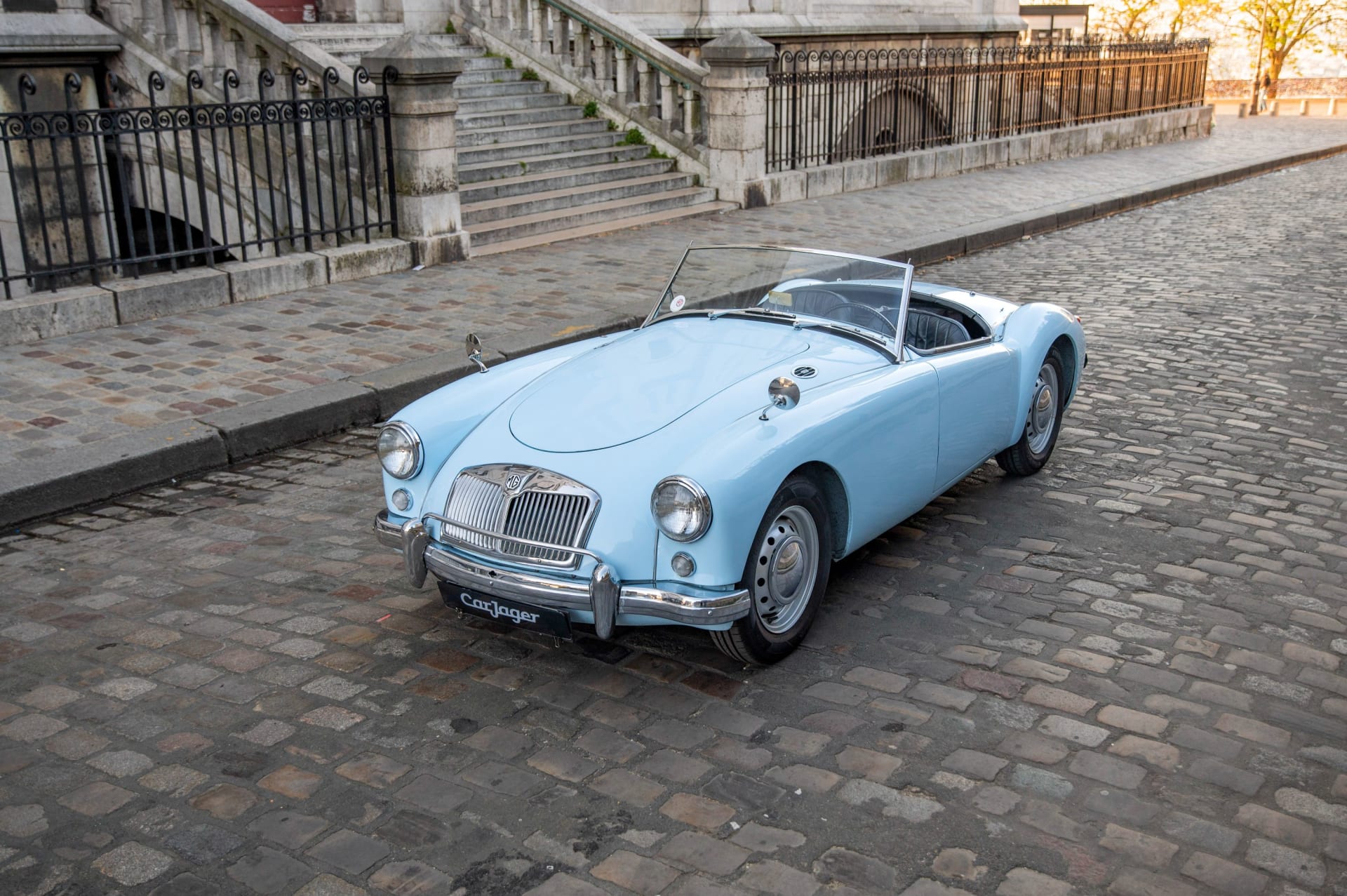
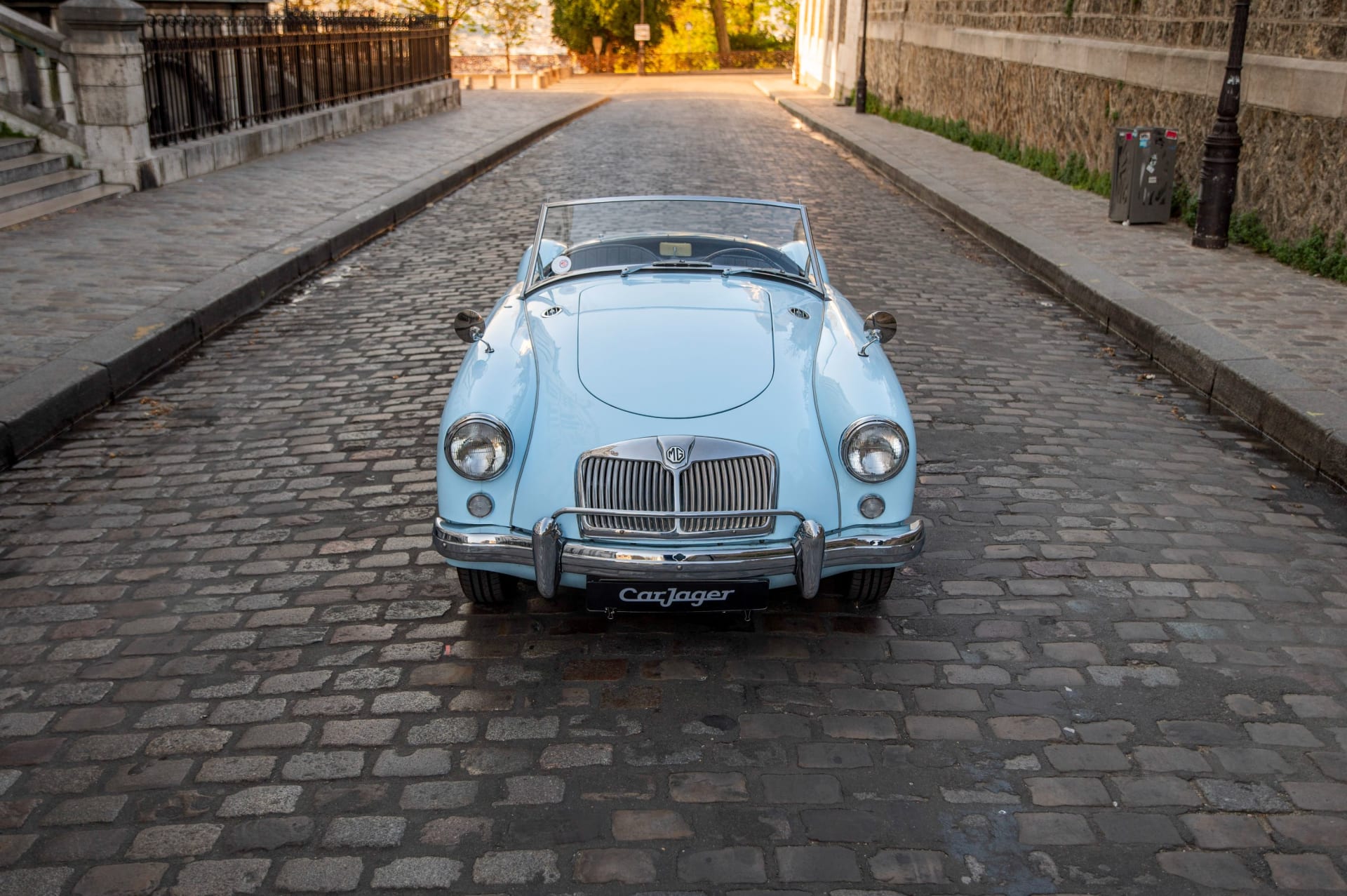
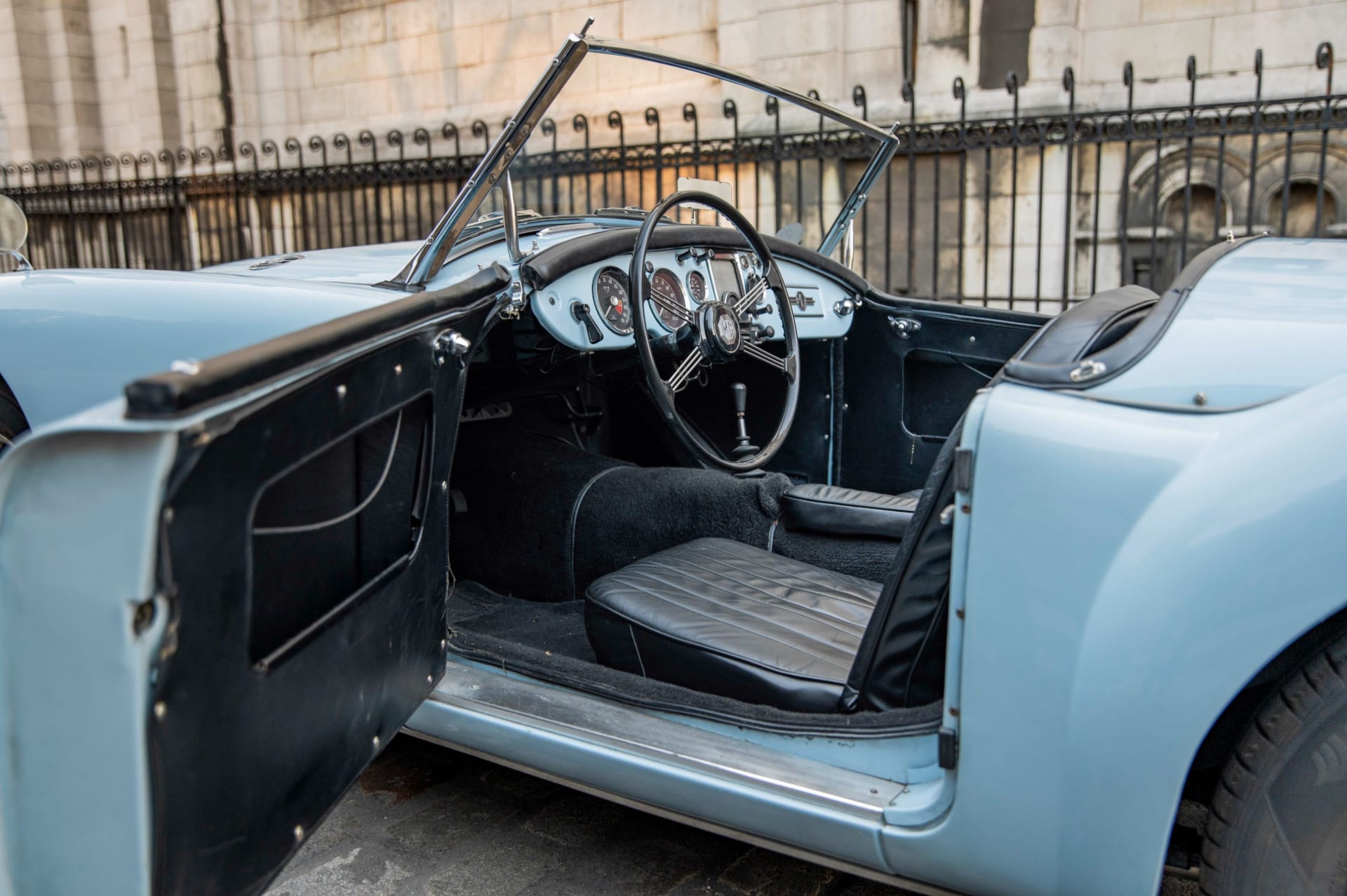
Mg A 1500 1958 / Manual
25 500 €

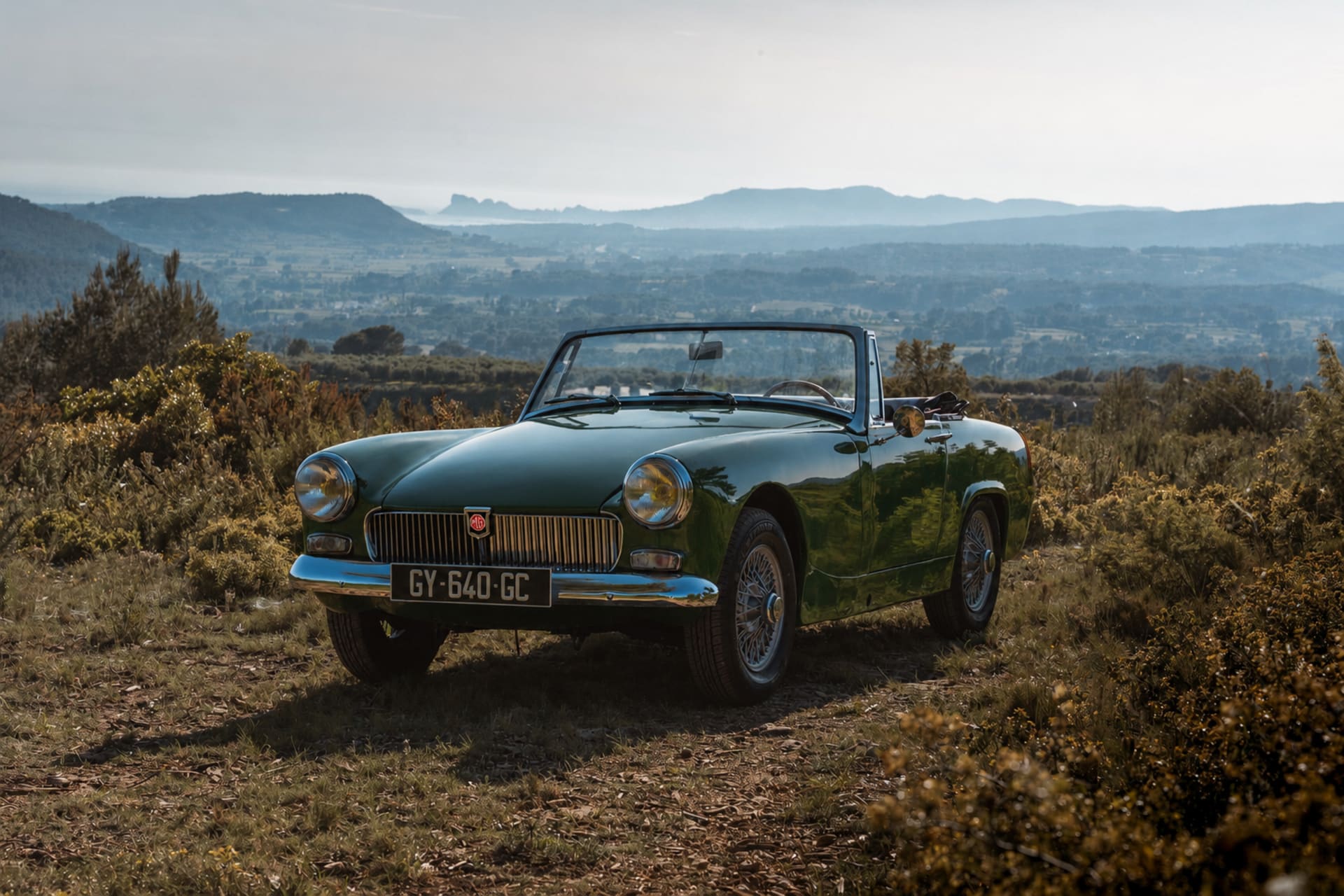
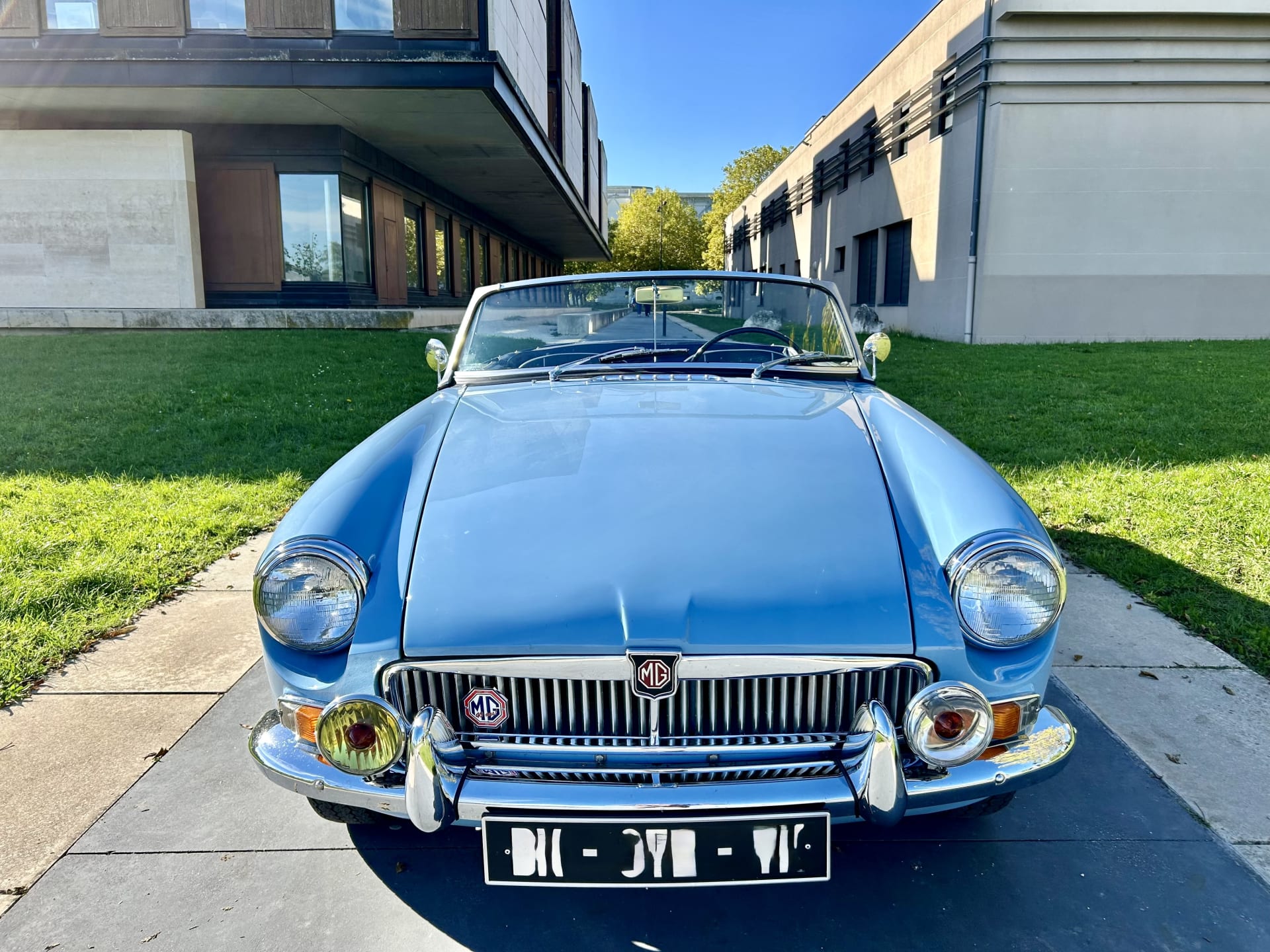
Ready to relive the classic MG legend? From the timeless charm of the MGB to the modern spirit of the Cyberster, CarJager guides you. Discover MGs carefully selected by our Car Specialists.
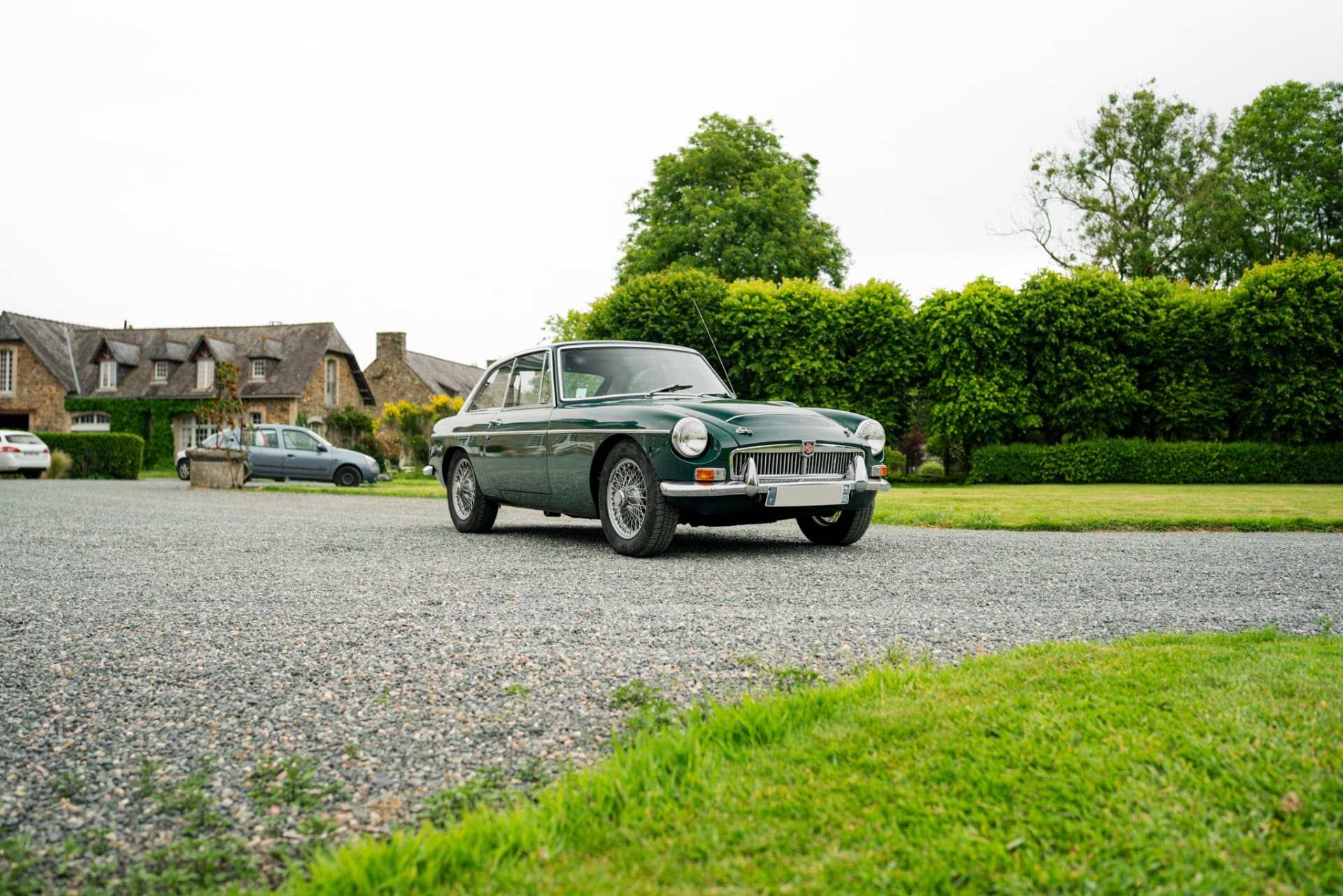
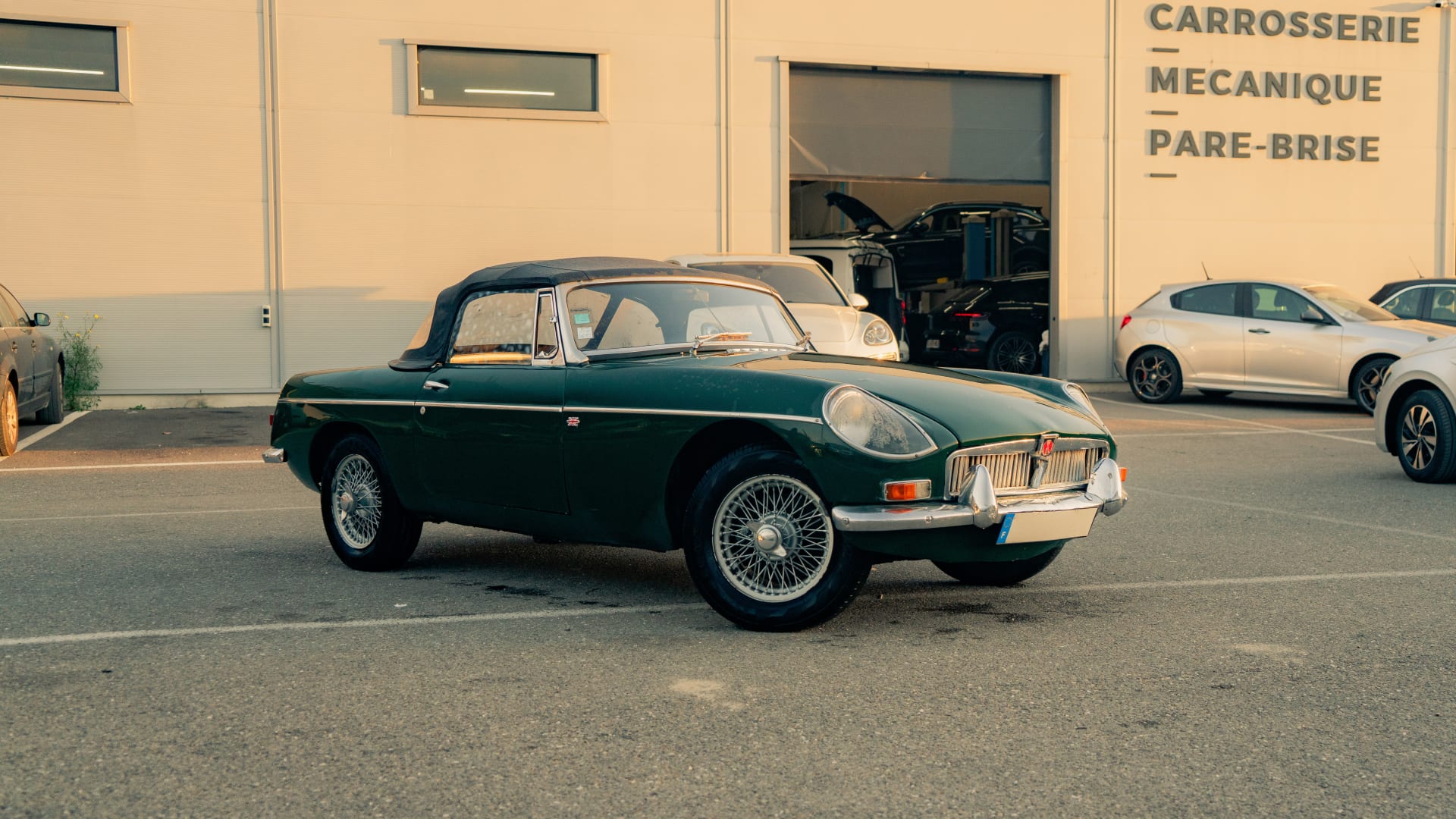
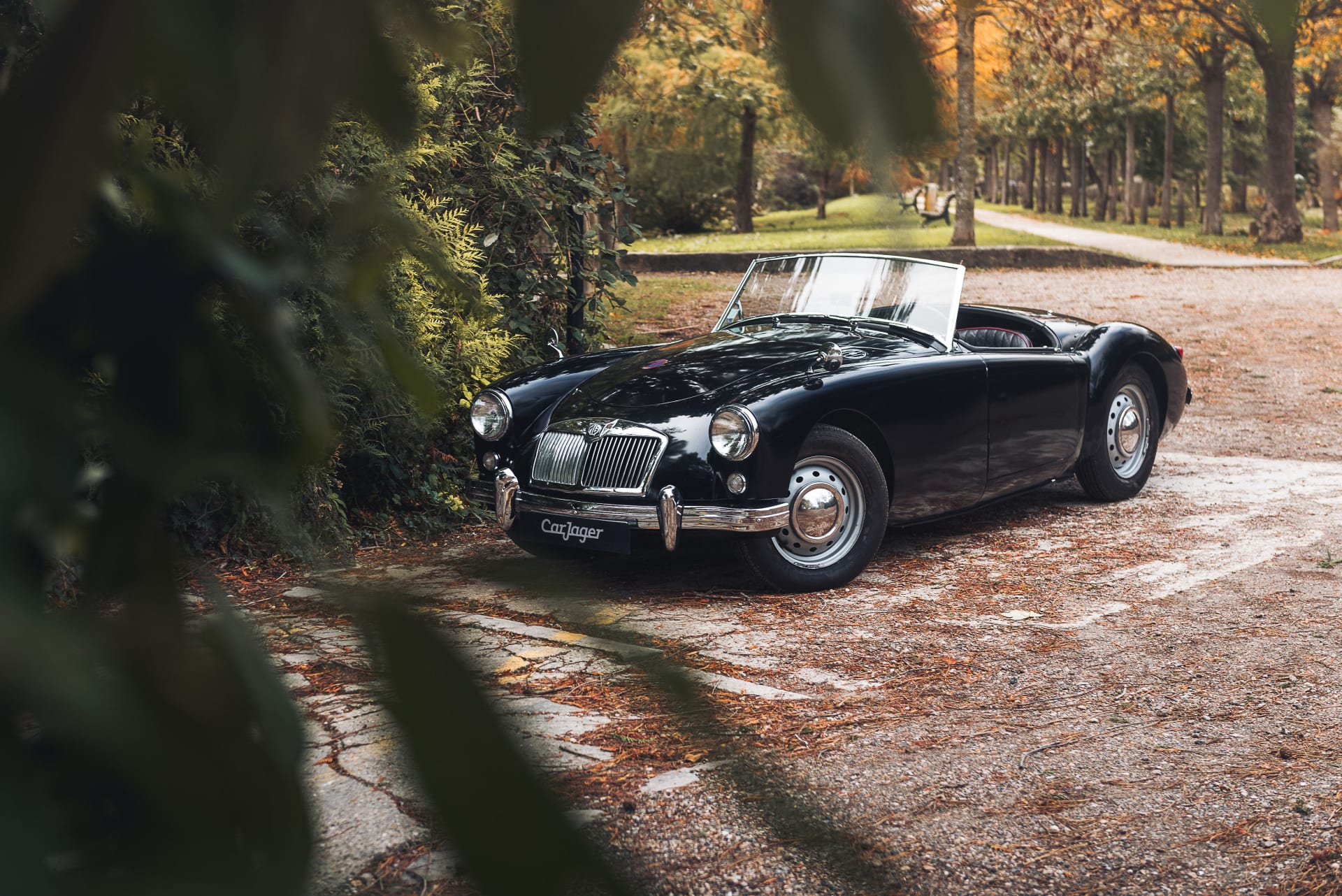
Discover our personalized search service and access our network of 32,000 enthusiasts. Start your search now, your next adventure begins here.
MG A — modèle de la marque MG.
MG B — modèle de la marque MG.
MG B Gt — modèle de la marque MG.
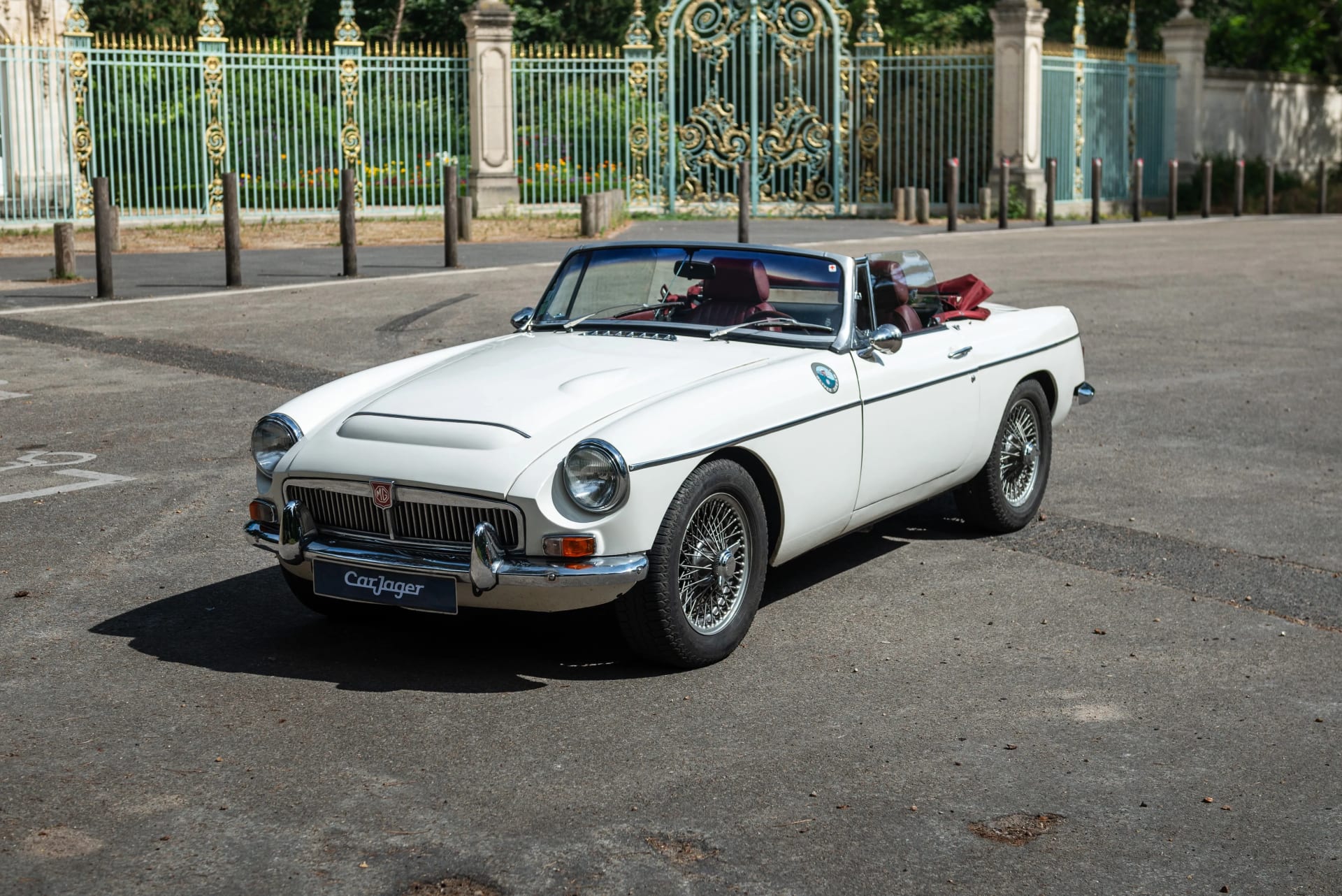
MG C — modèle de la marque MG.

MG Midget — modèle de la marque MG.
MG Midget Tc — modèle de la marque MG.
MG Midget Td — modèle de la marque MG.
MG Midget Tf — modèle de la marque MG.


Very satisfied with their mediation in the purchase of an MGA. Vehicle as described, attentive to my requests and quick to issue the registration document.
With more than 500,000 units produced between 1962 and 1980, the MGB remained for many years not only the best-selling MG, but also the most-produced roadster in automotive history, across all brands. It wasn’t until the introduction of the Mazda MX-5 in 1989 that this record was broken.
From its very beginnings, MG focused primarily on designing lightweight roadsters, all geared toward driving pleasure. The true sports enthusiasts for whom MGs were intended most often drove with the top down, regardless of the weather. After the war, the concept gradually became more refined, starting with the launch of the MGA.
In 1924, engineer Cecil Kimber, an employee of Morris Garages—a subsidiary of the Nuffield Group—began developing sports cars with custom bodywork based on Morris models. In 1928, the company changed its name to officially become The M.G. Car Company, while remaining under Morris’s control.
According to LVA, the value of the MG most popular among collectors, the MGB, ranges from €10,000 for a 1970s coupe with American-style bumpers (known as "rubber bumpers") to €24,000 for early roadsters with chrome bumpers. MGAs are more expensive: expect to pay up to €45,000 for a rare Twin Cam roadster. Finally, Midgets from the 1960s, as well as the modern MGF and TF models, remain under €10,000.
Fans of pre-war roadsters are primarily interested in the T-type models (TA, TB, TC, TD, and TF), which remained in production until 1955. While the MGA continues to attract a connoisseur’s audience, the MGB’s immense popularity has never waned since it entered the collector’s market, with purists favoring models produced up to 1974, which are characterized by their chrome bumpers and their still very vintage interior.
Since MGs generally use simple, mass-produced mechanical components that are easy to maintain, they aren’t particularly finicky in that regard. However, this shouldn’t stop you from performing some basic checks.
By taking all these precautions, you’ll avoid any potential disappointments that might result from a hasty purchase decision.
To learn more about the different models and choose the one that best suits your needs, feel free to request a custom search.
Since its inception, MG has had several owners throughout its particularly turbulent history. Owned by the Nuffield Group until 1952, the company then became part of the BMC (British Motor Corporation) group following a merger with Austin. The group became British Leyland in 1968, then Austin Rover in 1983, before being renamed the Rover Group and later MG Rover. After the latter’s bankruptcy in 2005, the MG name was acquired by the Chinese group SAIC in 2007. Since then, the brand has completely changed its approach and now focuses on compact cars and hybrid and electric SUVs.