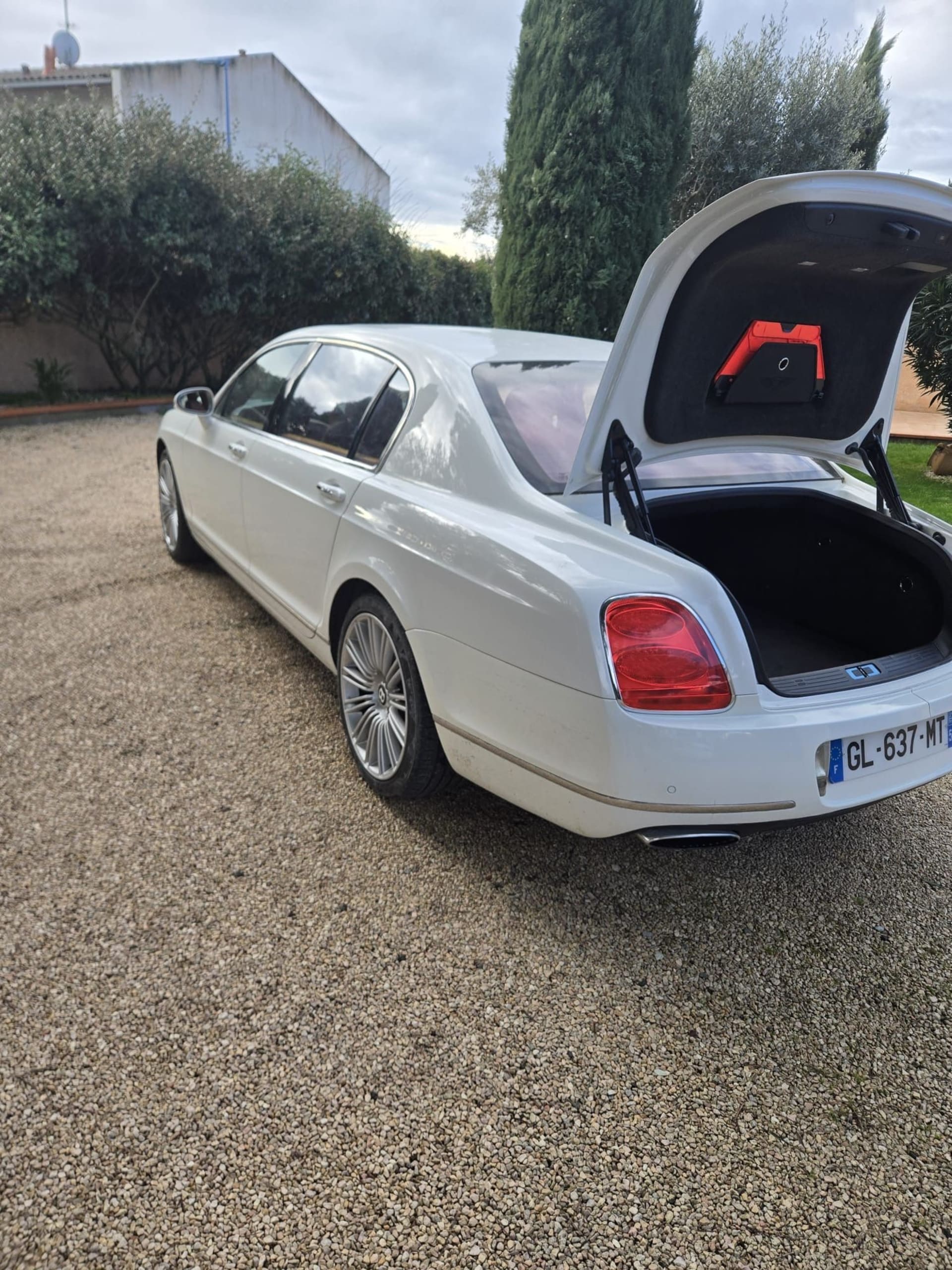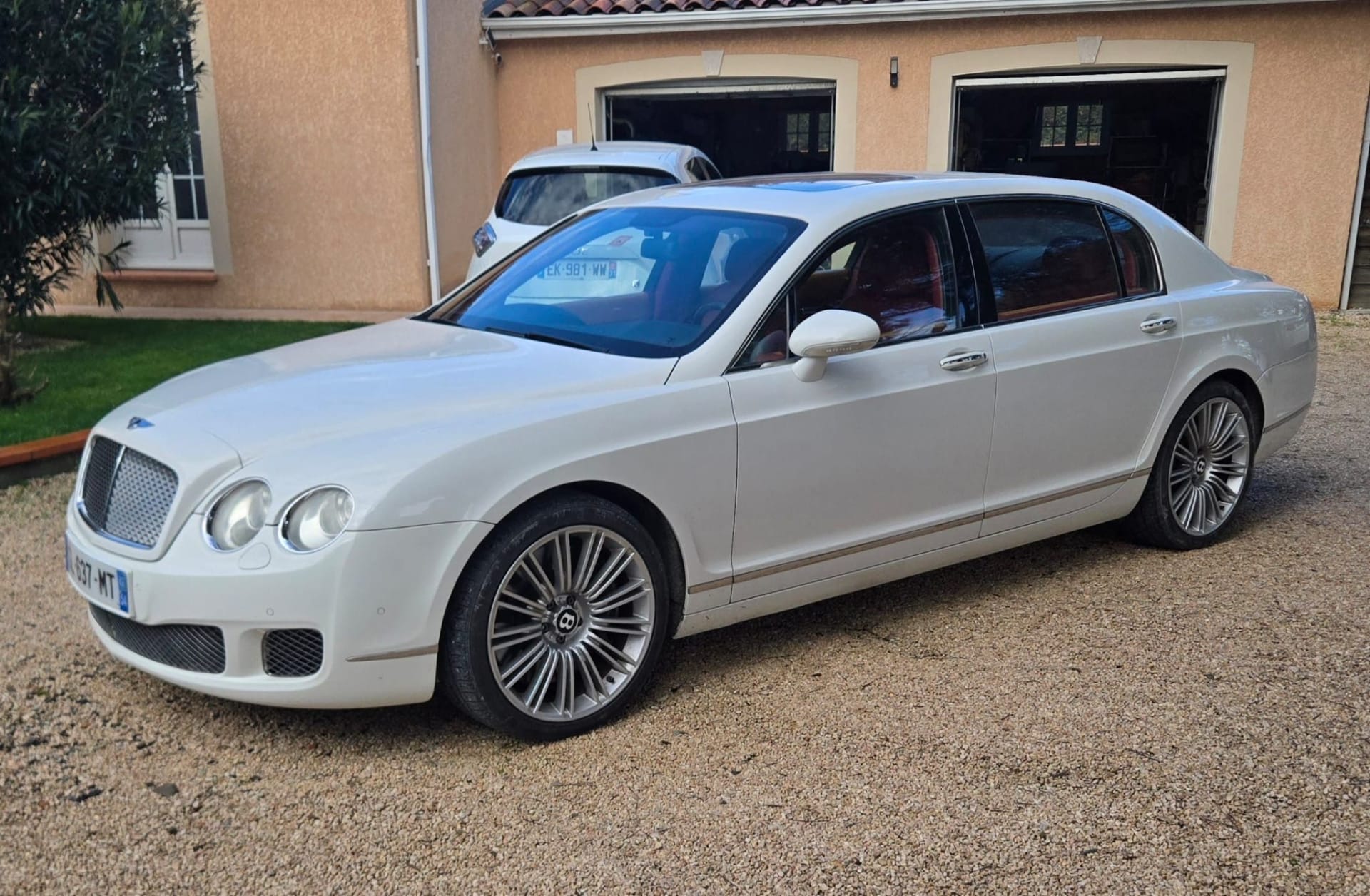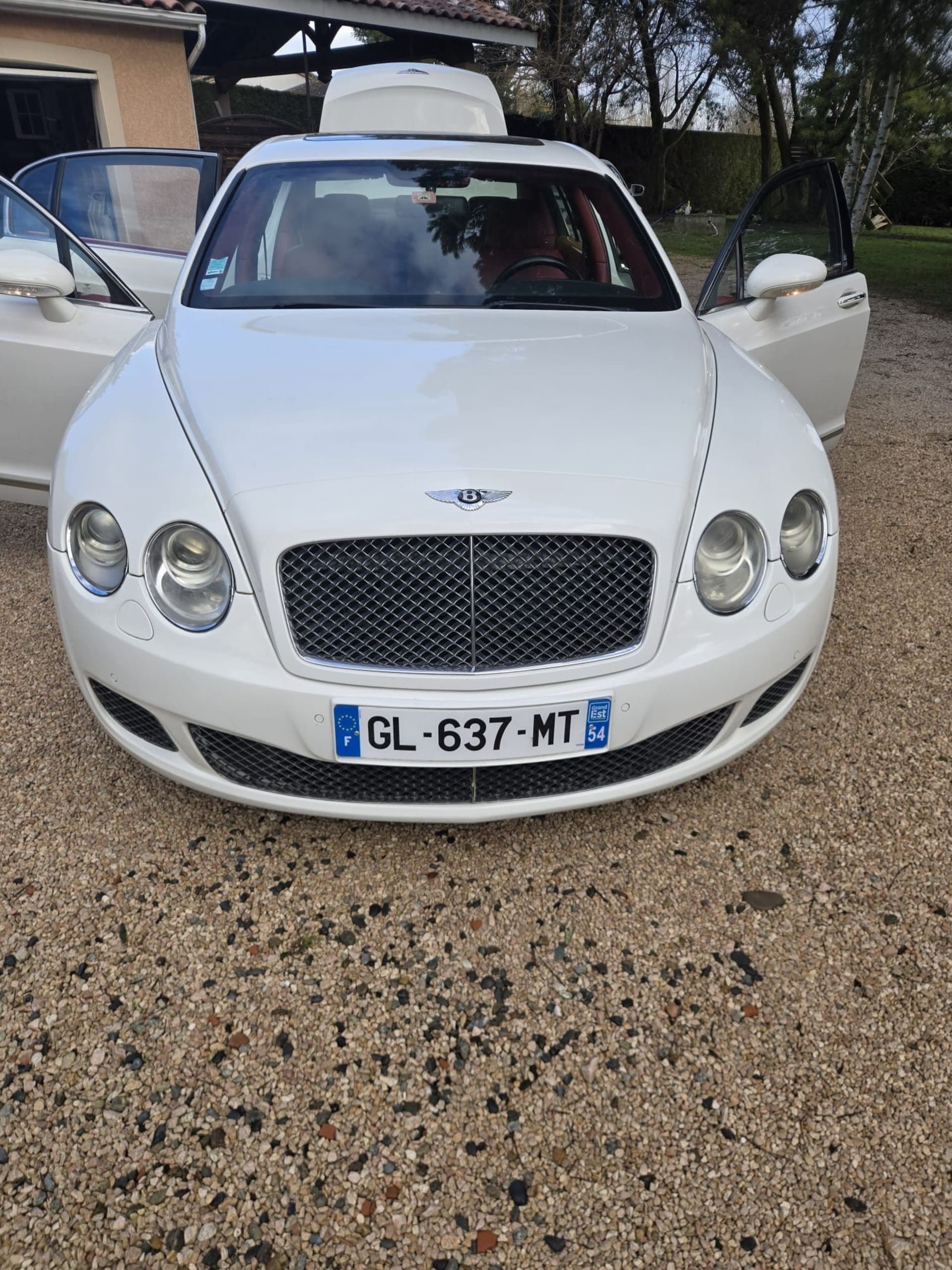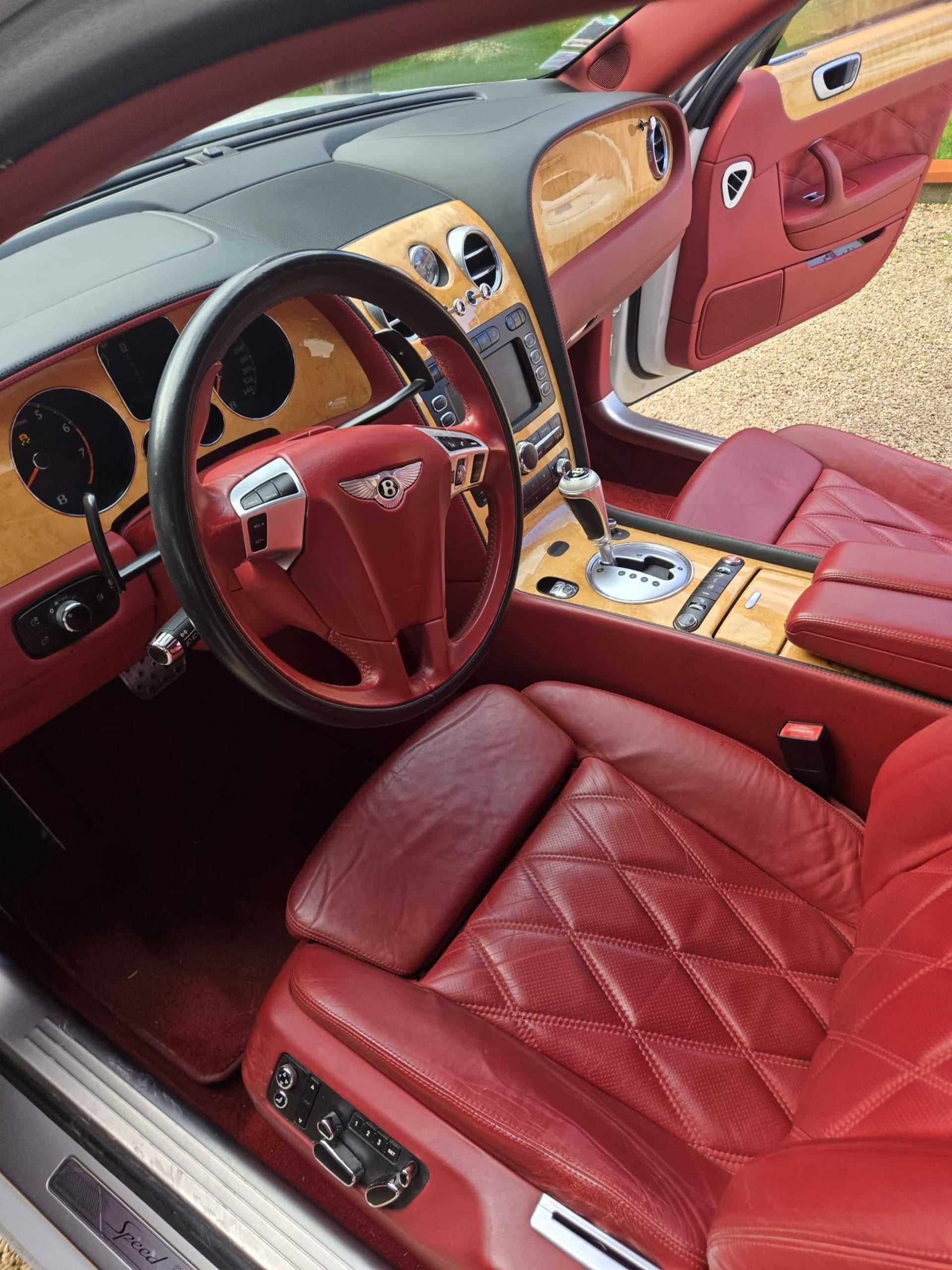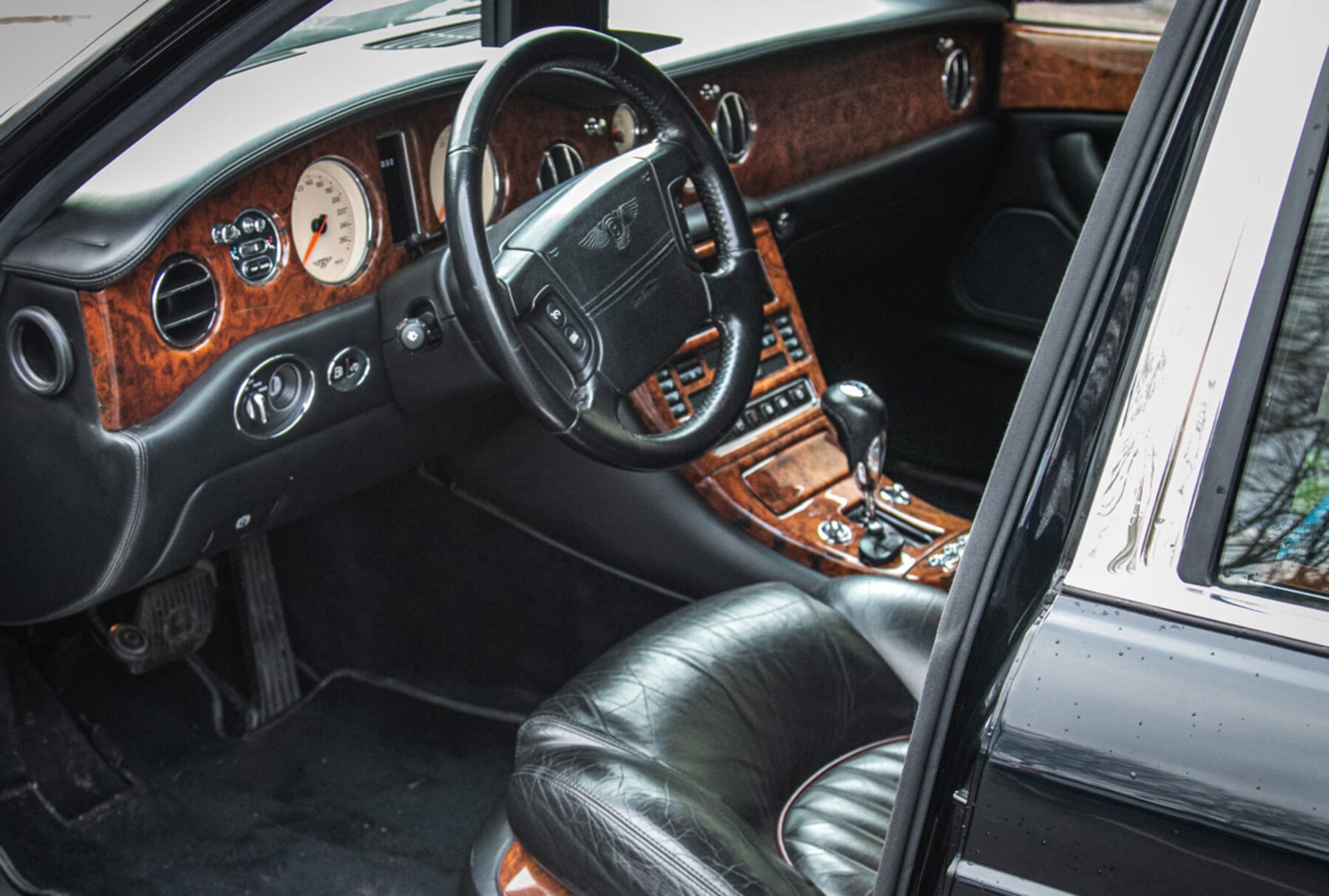
BENTLEY for sale
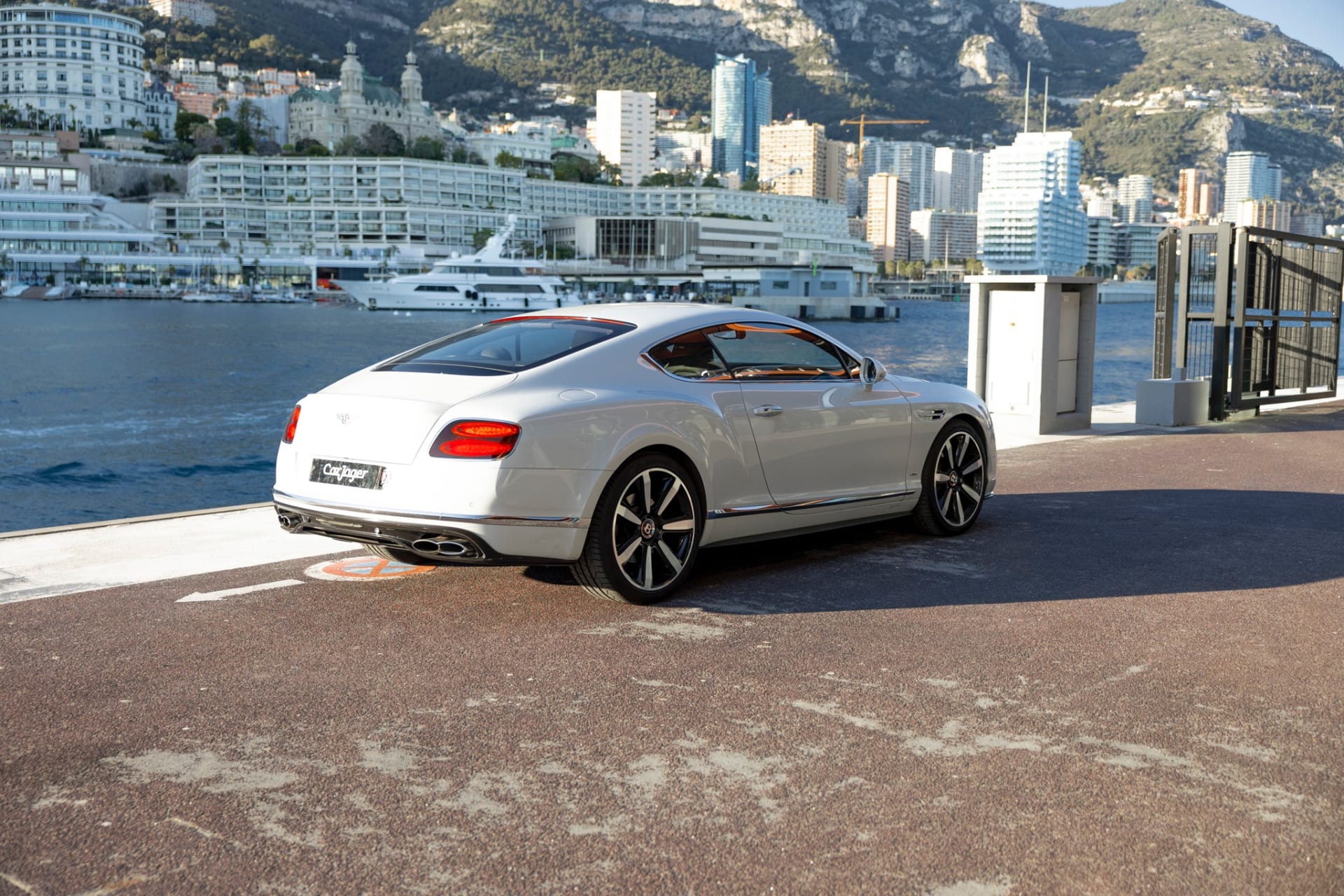
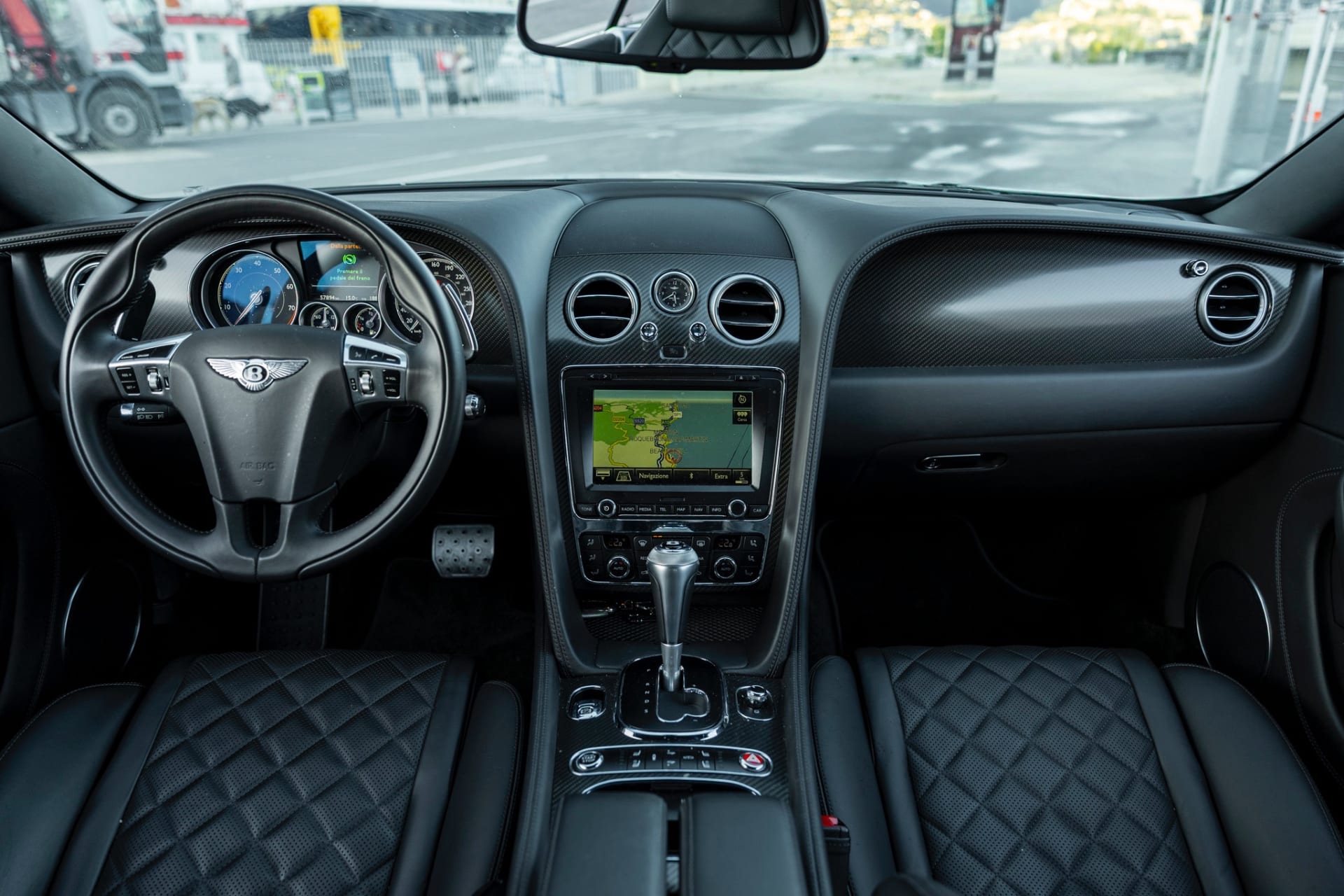
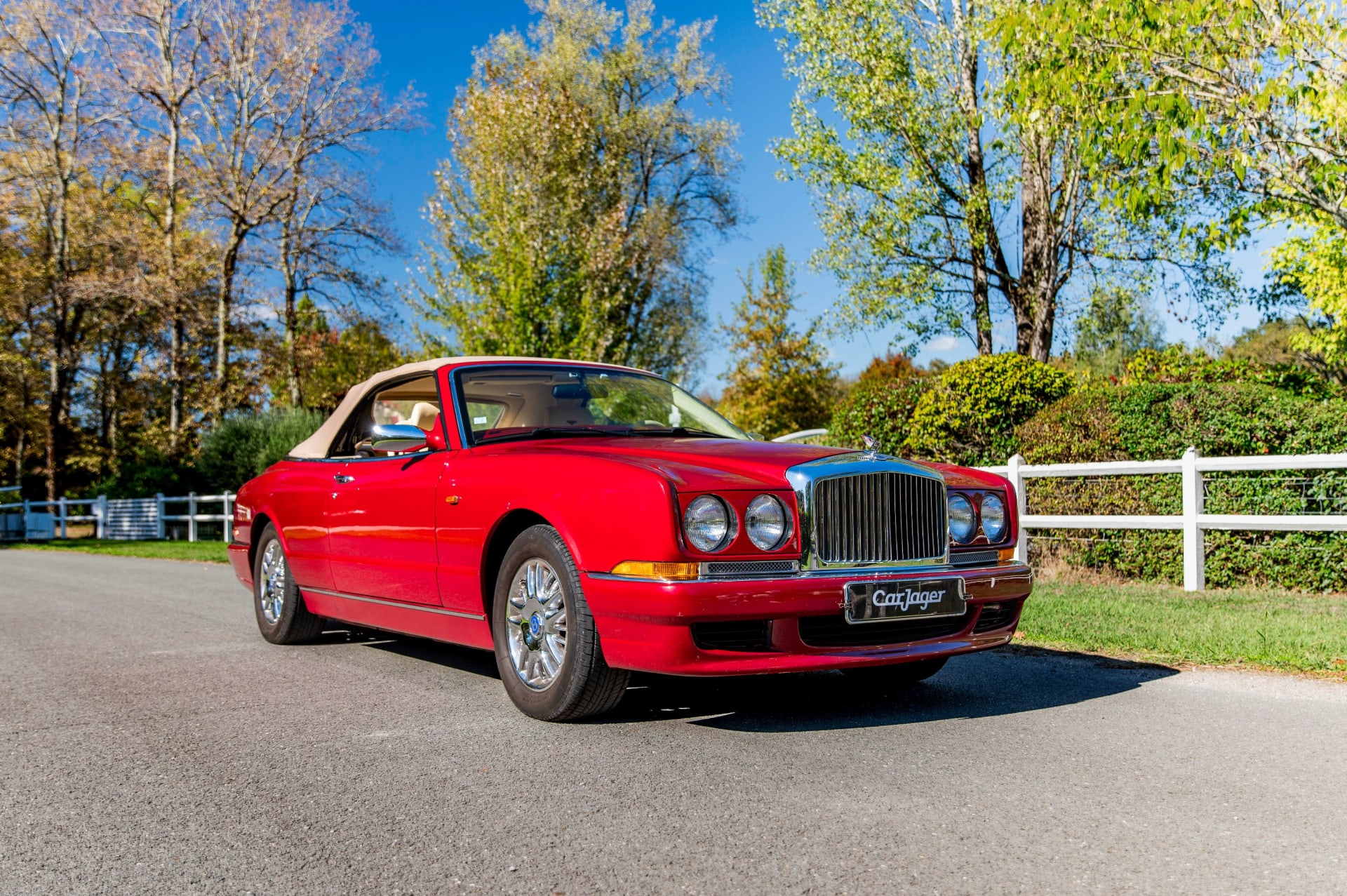
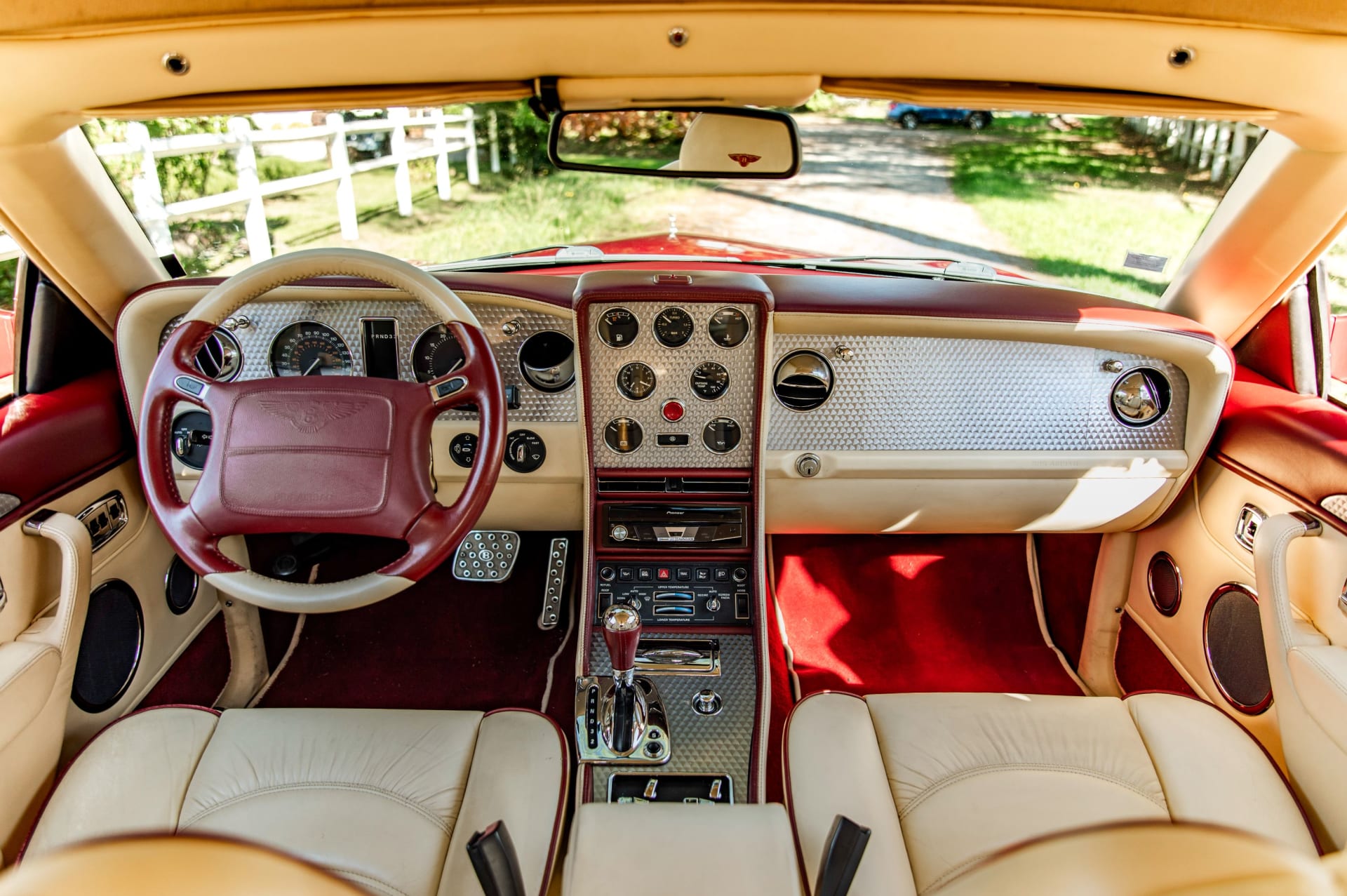
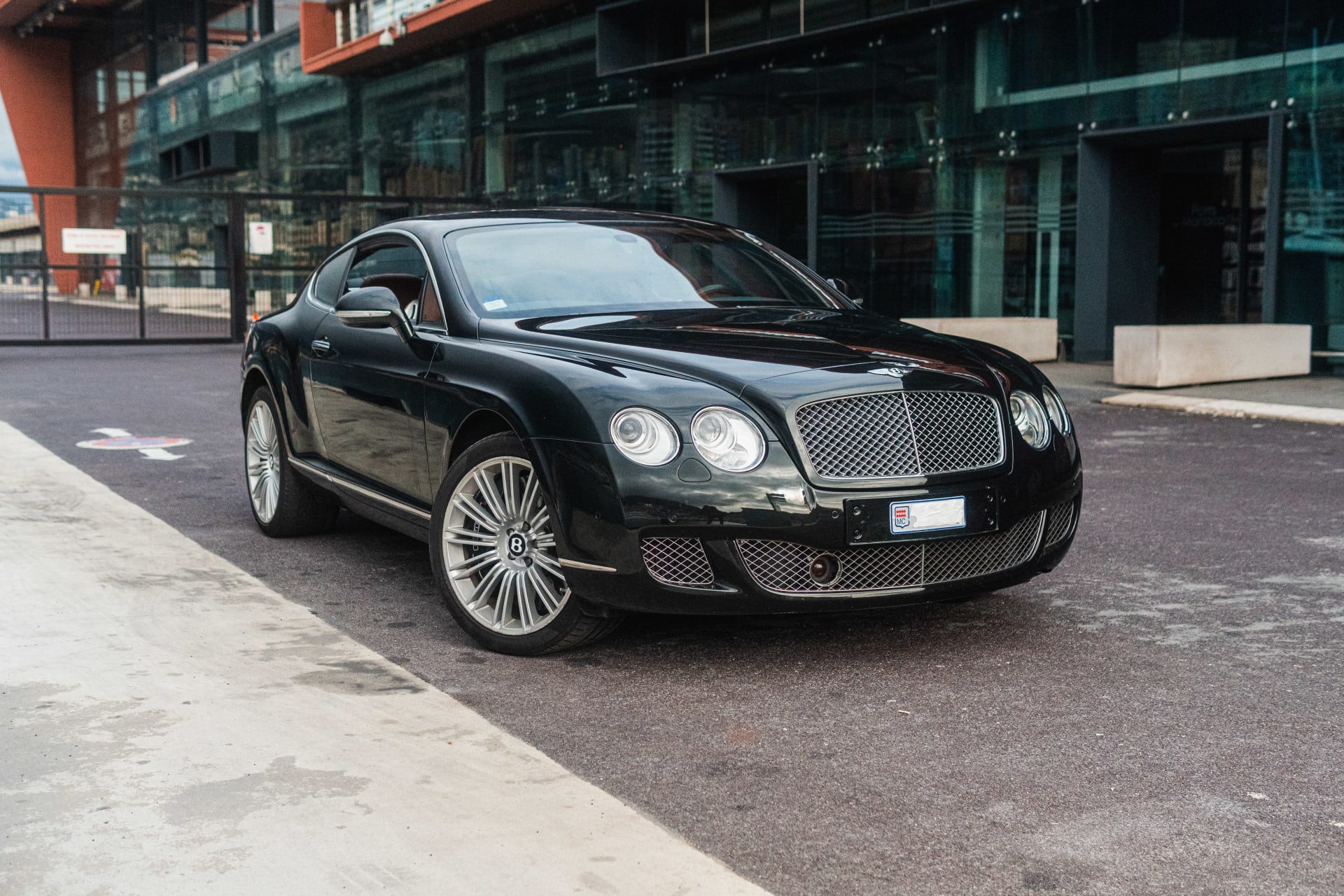
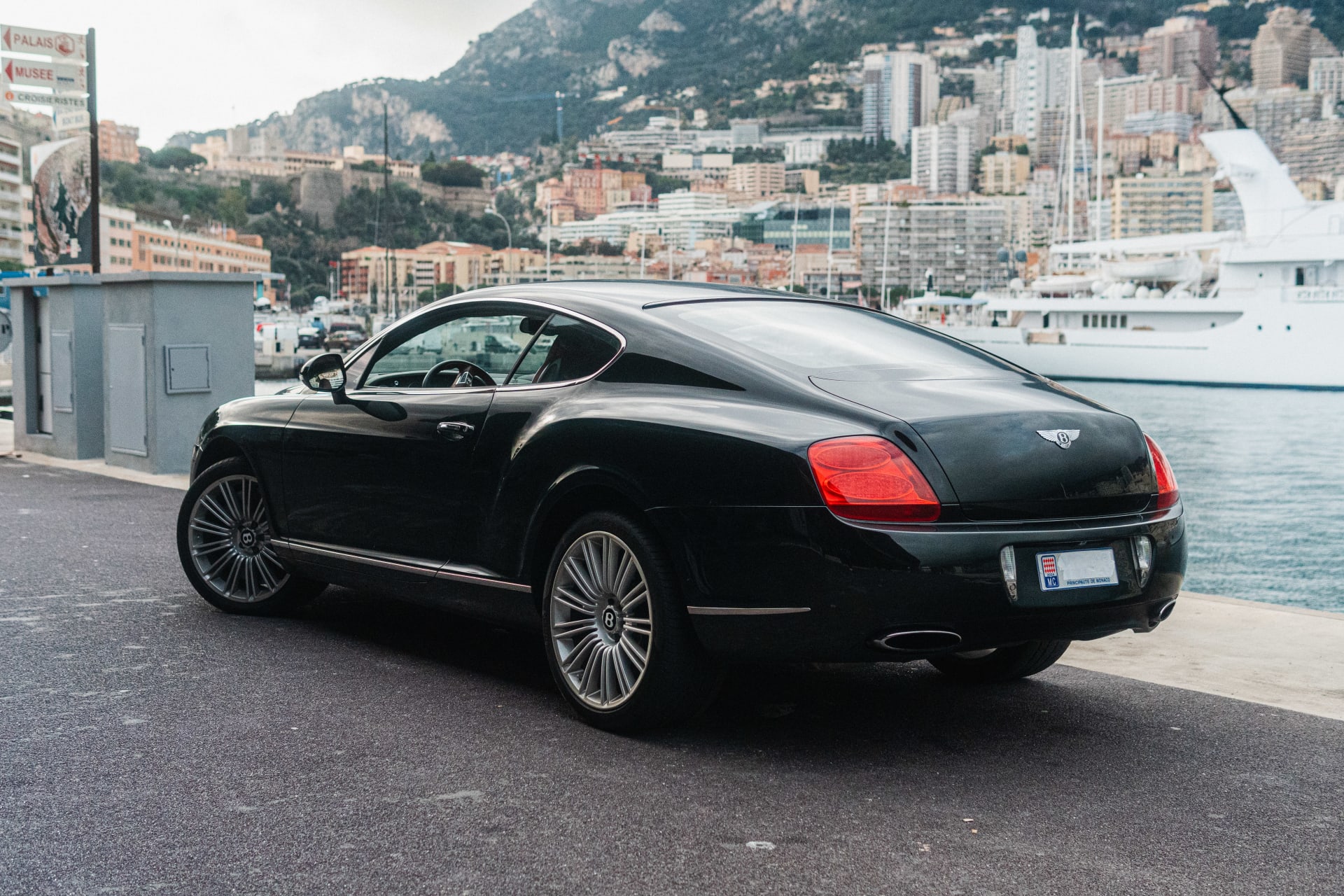
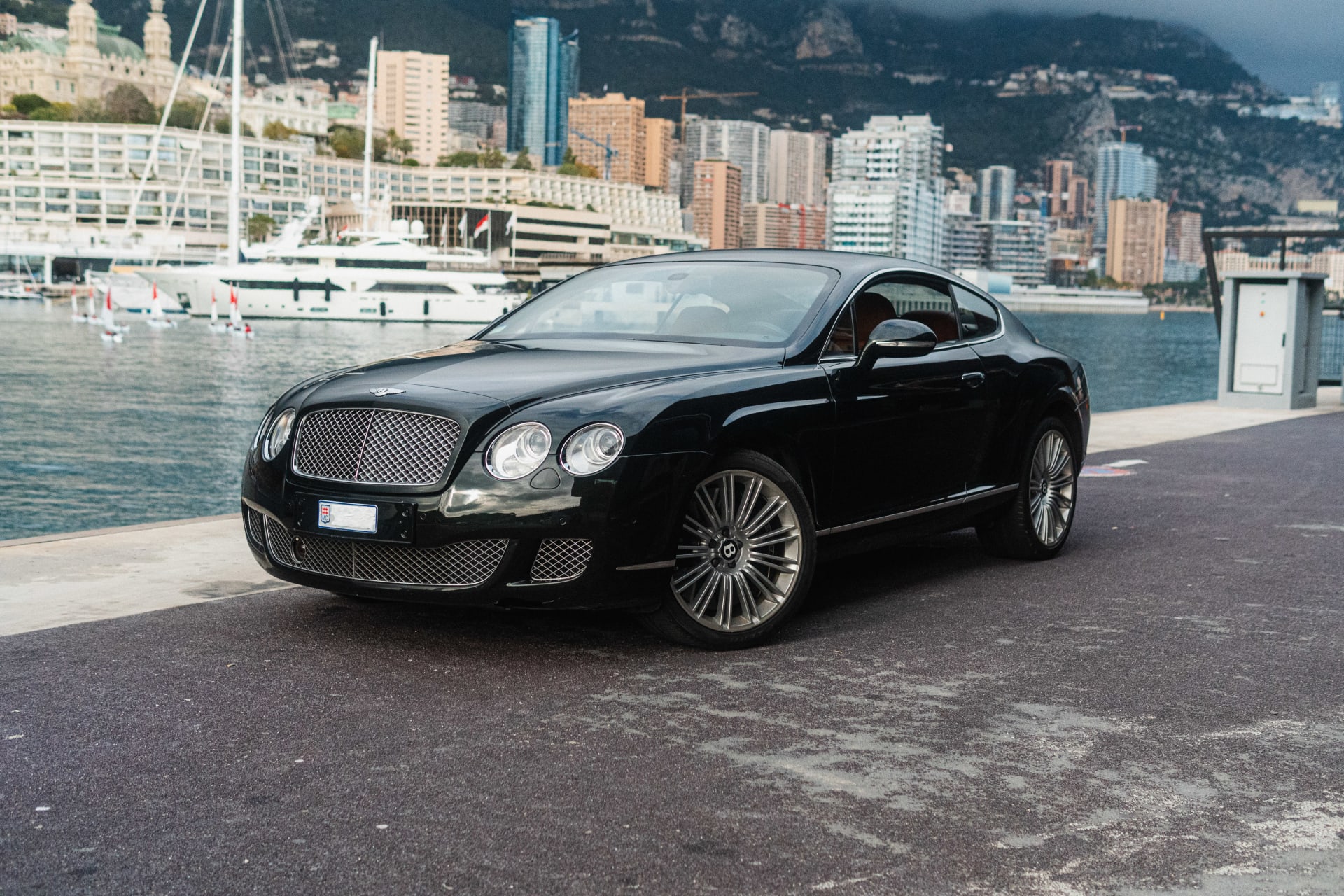
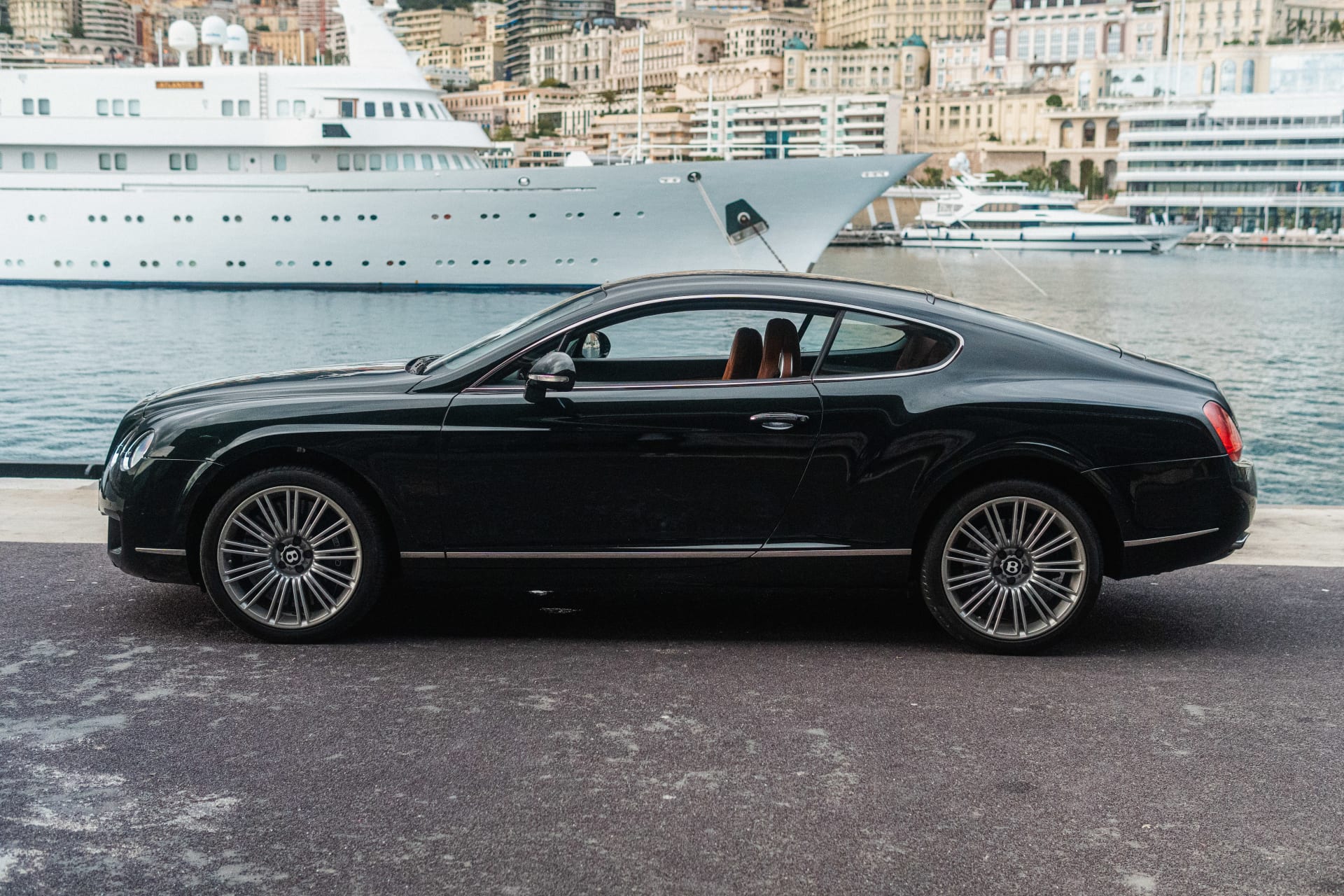
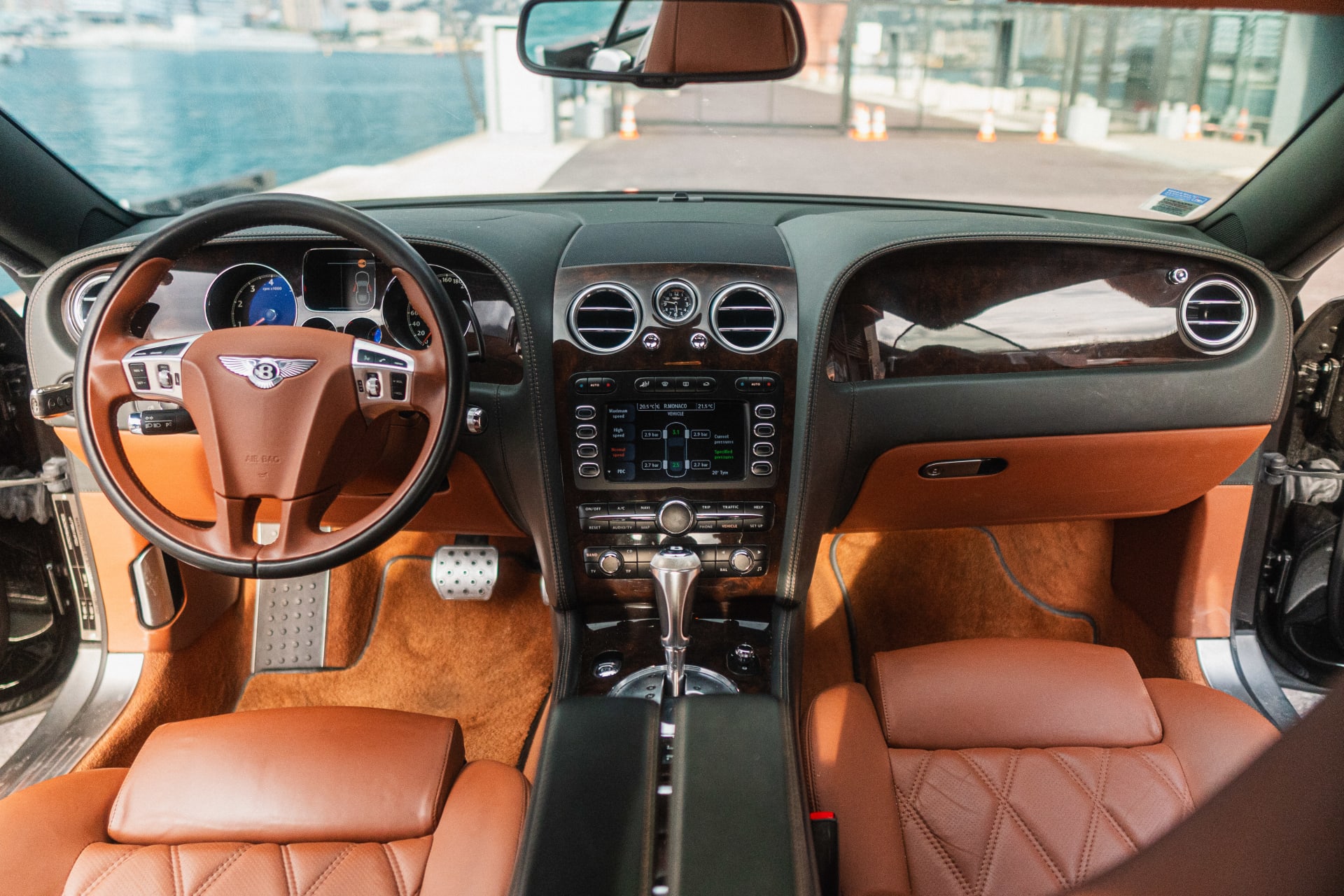
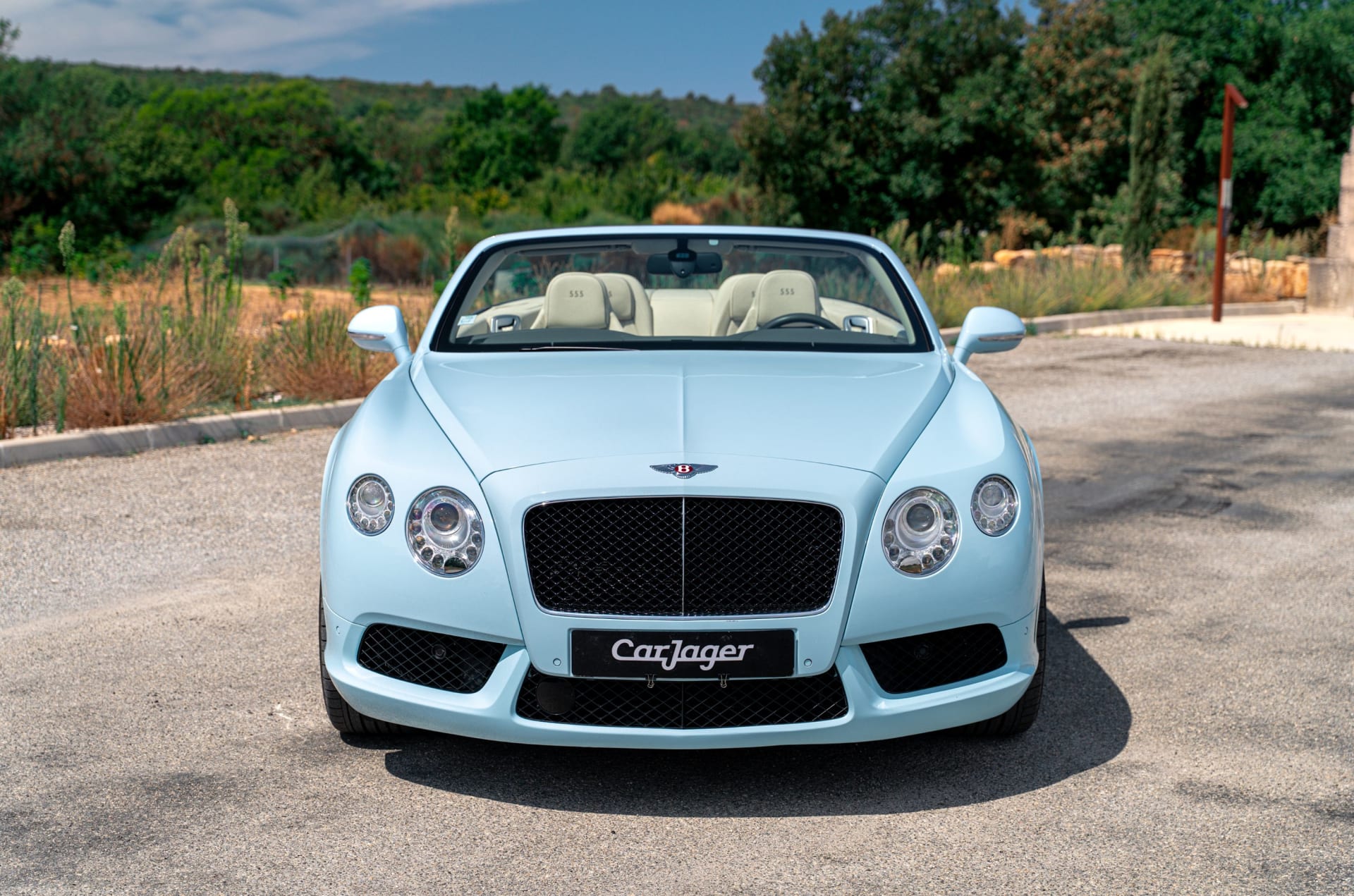
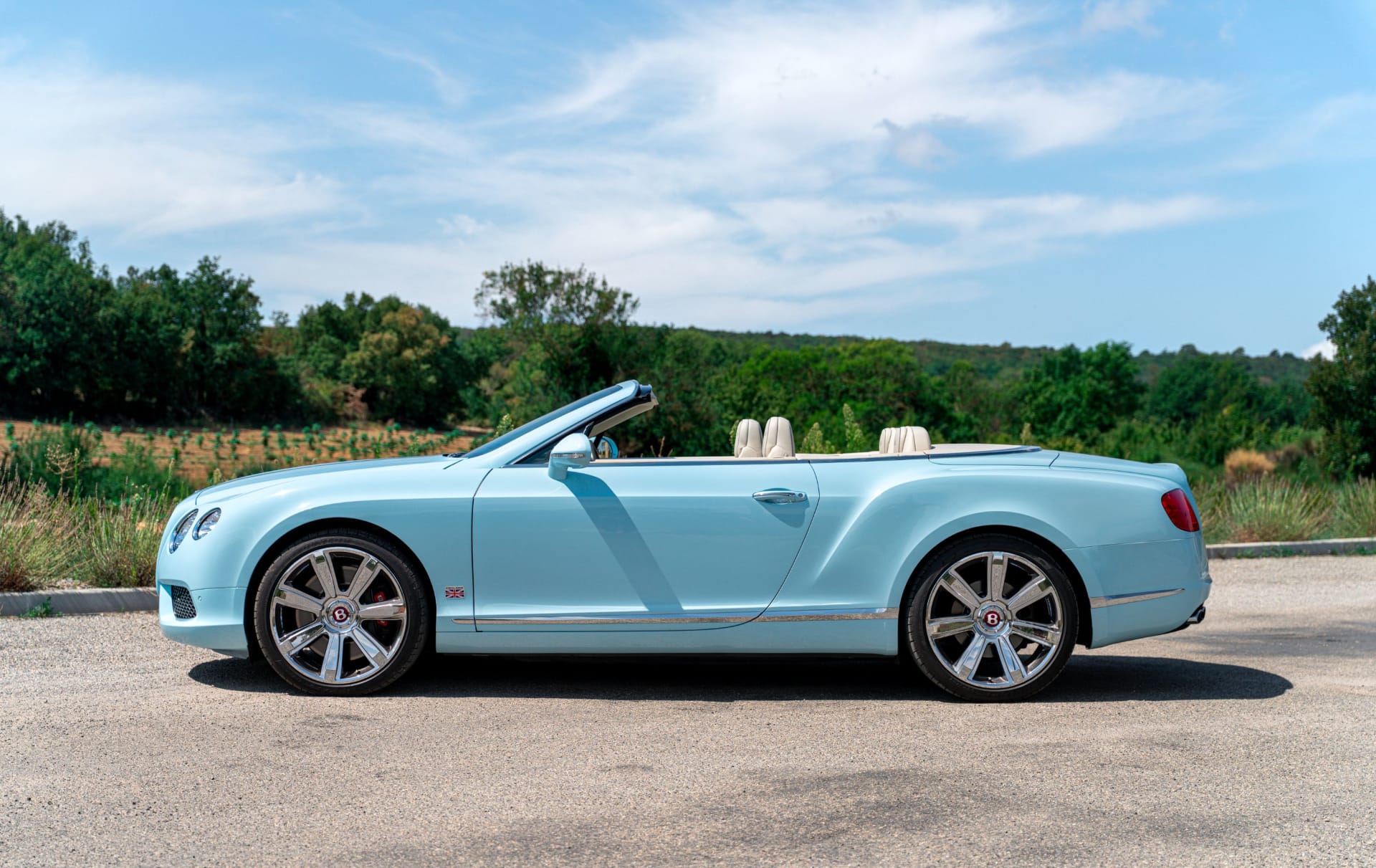
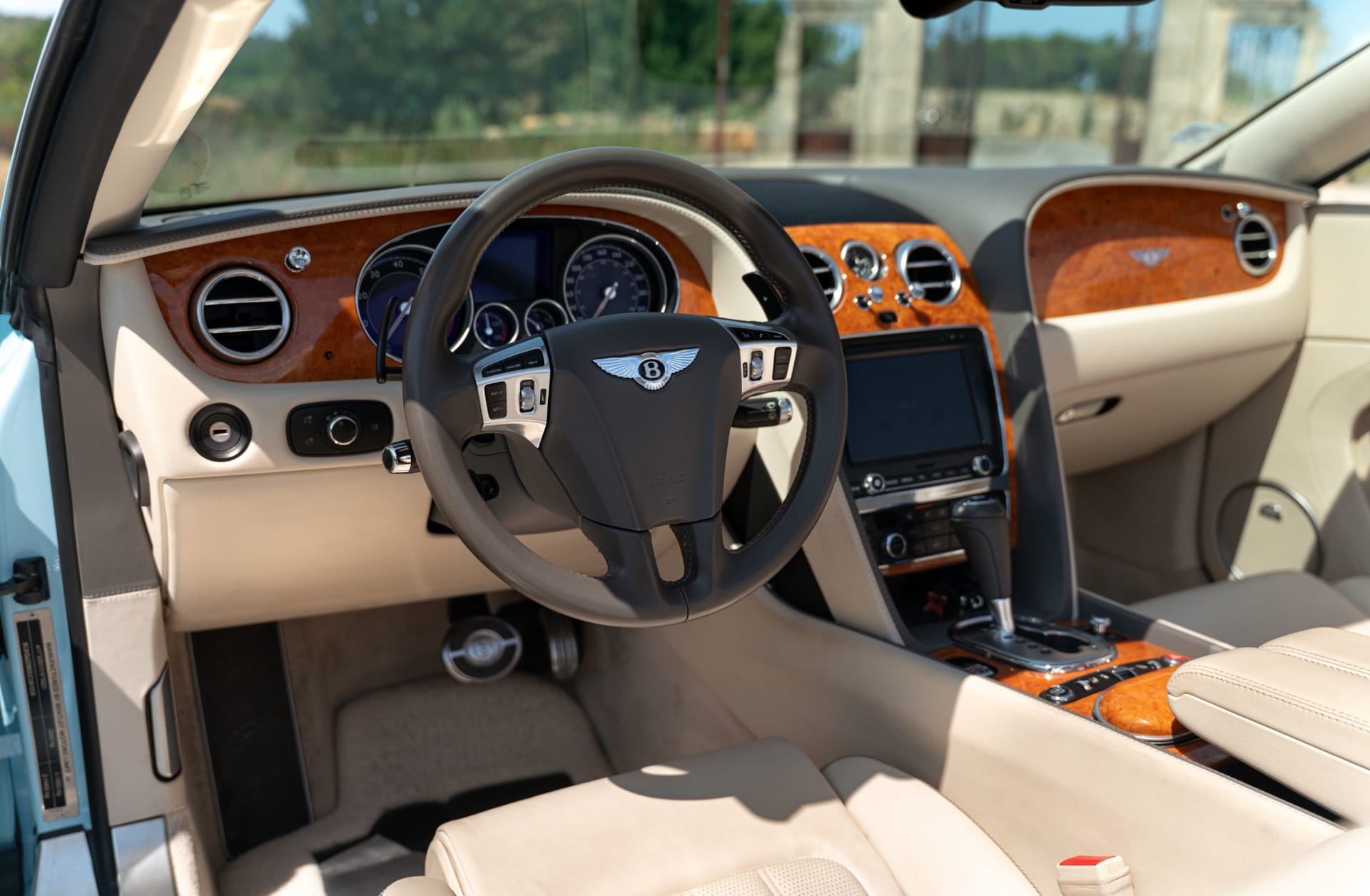
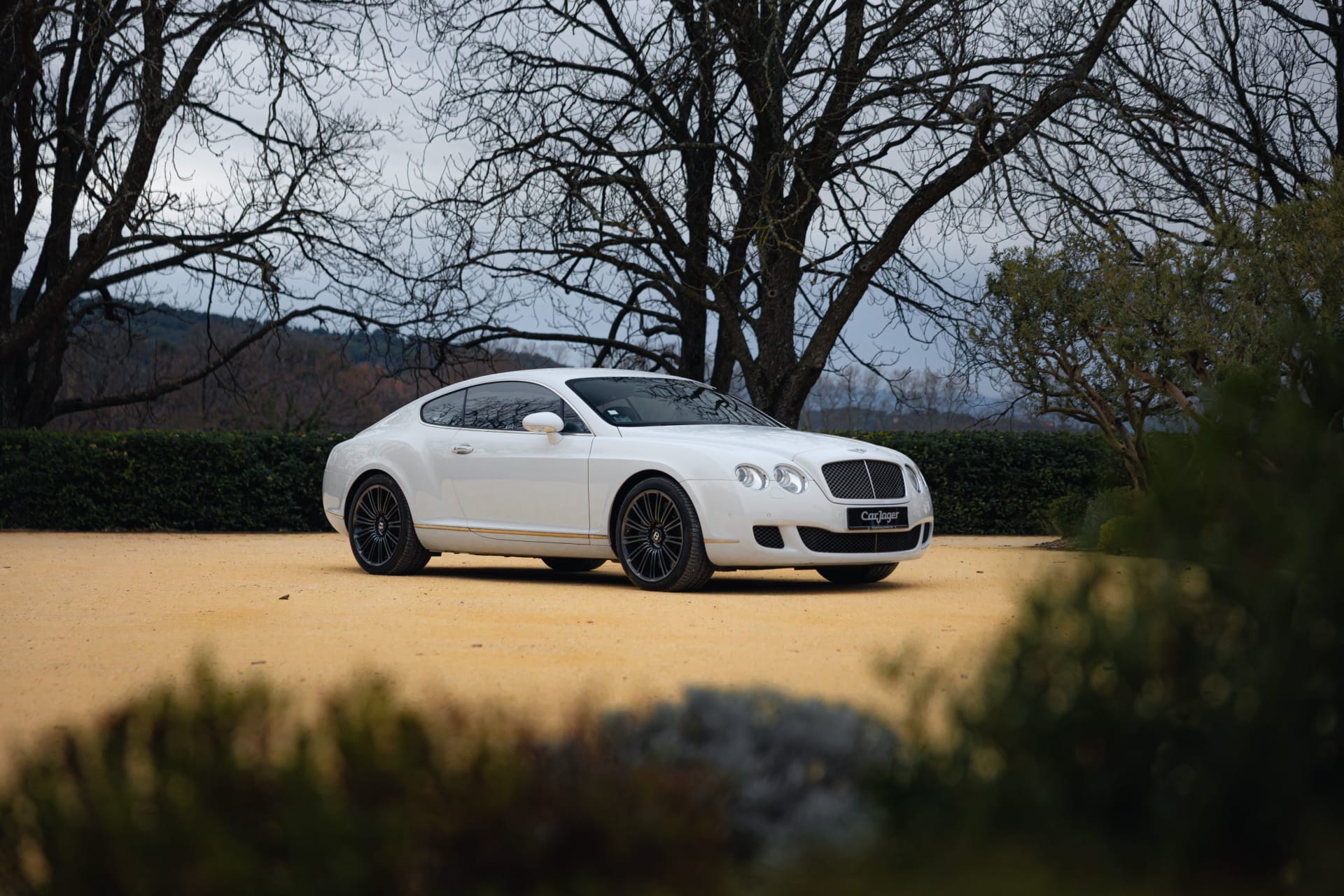
Ready to experience the world of Bentley? From the timeless luxury of the Continental GT to the refined elegance of the Bentayga, CarJager is here to guide you. Discover Bentleys carefully selected by our Car Specialists.

Discover our personalized search service and access our network of 32,000 enthusiasts. Start your search now, your next adventure begins here.
Bentley Brand History

The First Bentleys: A Passion for Performance
In 1919, in London, engineer Walter Owen Bentley—known to all simply as W.O.—founded the company that would bear his name. In the wake of the First World War, the automobile was on the cusp of rapid development across Europe. While car ownership was beginning to spread, thanks to brands like Austin and Morris in Britain, Bentley’s ambitions were aimed squarely at the elite.
From the outset, the first Bentleys were high-performance, sophisticated machines designed for racing. Bentley pioneered the development of its own engines, featuring four-valve-per-cylinder heads—an extraordinary innovation over a century ago! The efforts of the small team led by W.O. quickly paid off: between 1924 and 1930, Bentley won the 24 Hours of Le Mans five times—the most prestigious race in the world.
Unfortunately, while W.O. was a brilliant engineer, he lacked the business acumen needed to secure the company’s finances. As early as 1927, control of the firm passed to gentleman driver Woolf Barnato, who cemented his place in Bentley legend by famously beating the “Blue Train” in a race across France, driving a Bentley Speed Six uniquely bodied by Gurney-Nutting. Sadly, the 1929 crash spelled the end of Bentley’s independence, and after financial collapse, the marque was acquired by Rolls-Royce in 1931.

Bentleys in the Rolls-Royce Era
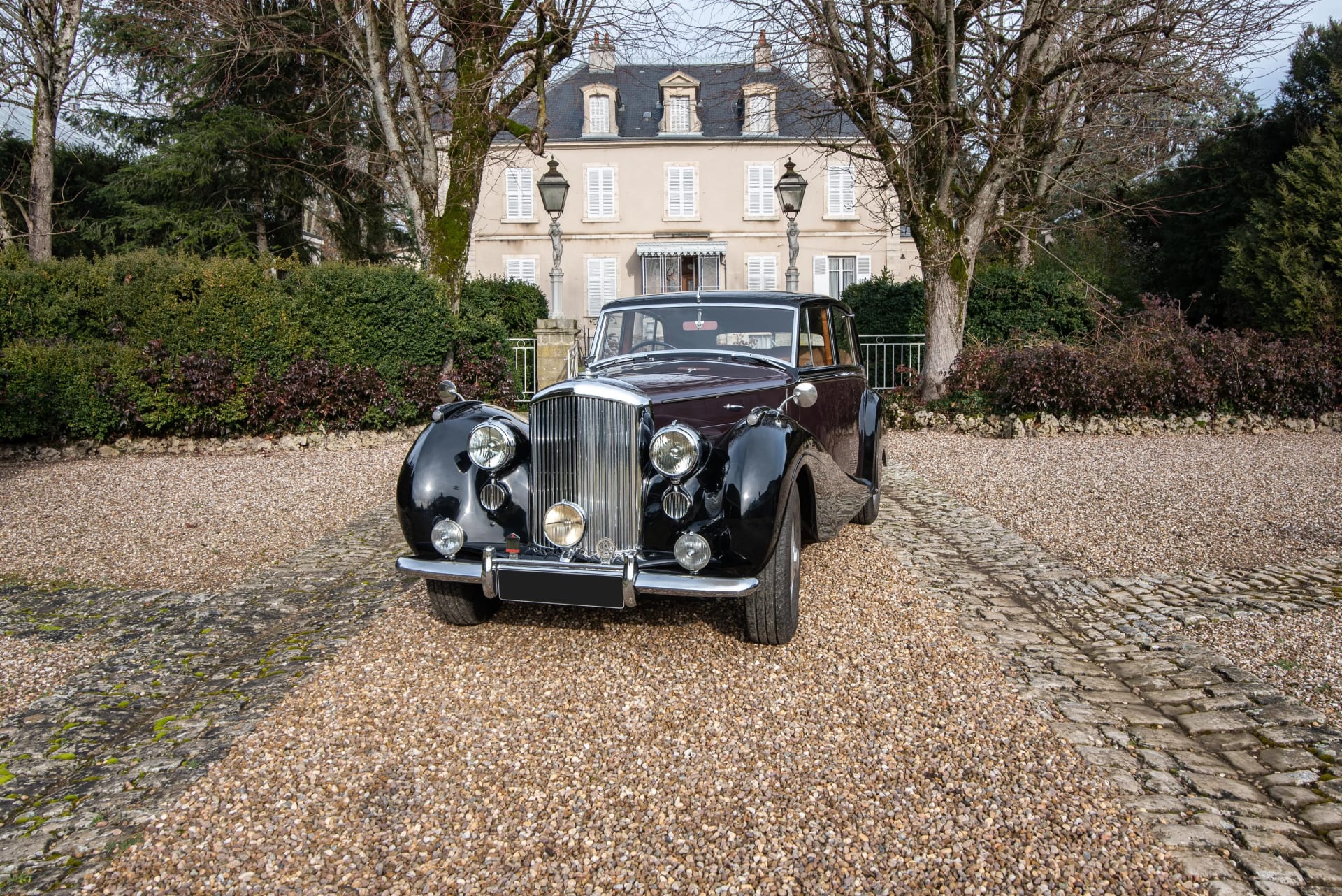
In the eight years between Bentley’s acquisition by Rolls-Royce and the onset of World War II, major changes reshaped the brand. Bentley’s London workshops were shuttered, and production was relocated to Rolls-Royce’s factory in Derby. Bentley’s original engines were phased out in favor of Rolls-Royce powerplants, and the two brands began sharing standardized chassis. By the time production resumed after the war, the integration was complete: under a fully assumed badge-engineering strategy, the Bentley Mark VI and the Rolls-Royce Silver Dawn emerged as near-identical twins—a trend that continued with successive models (Silver Cloud and Bentley S-Type, then Silver Shadow and Bentley T).
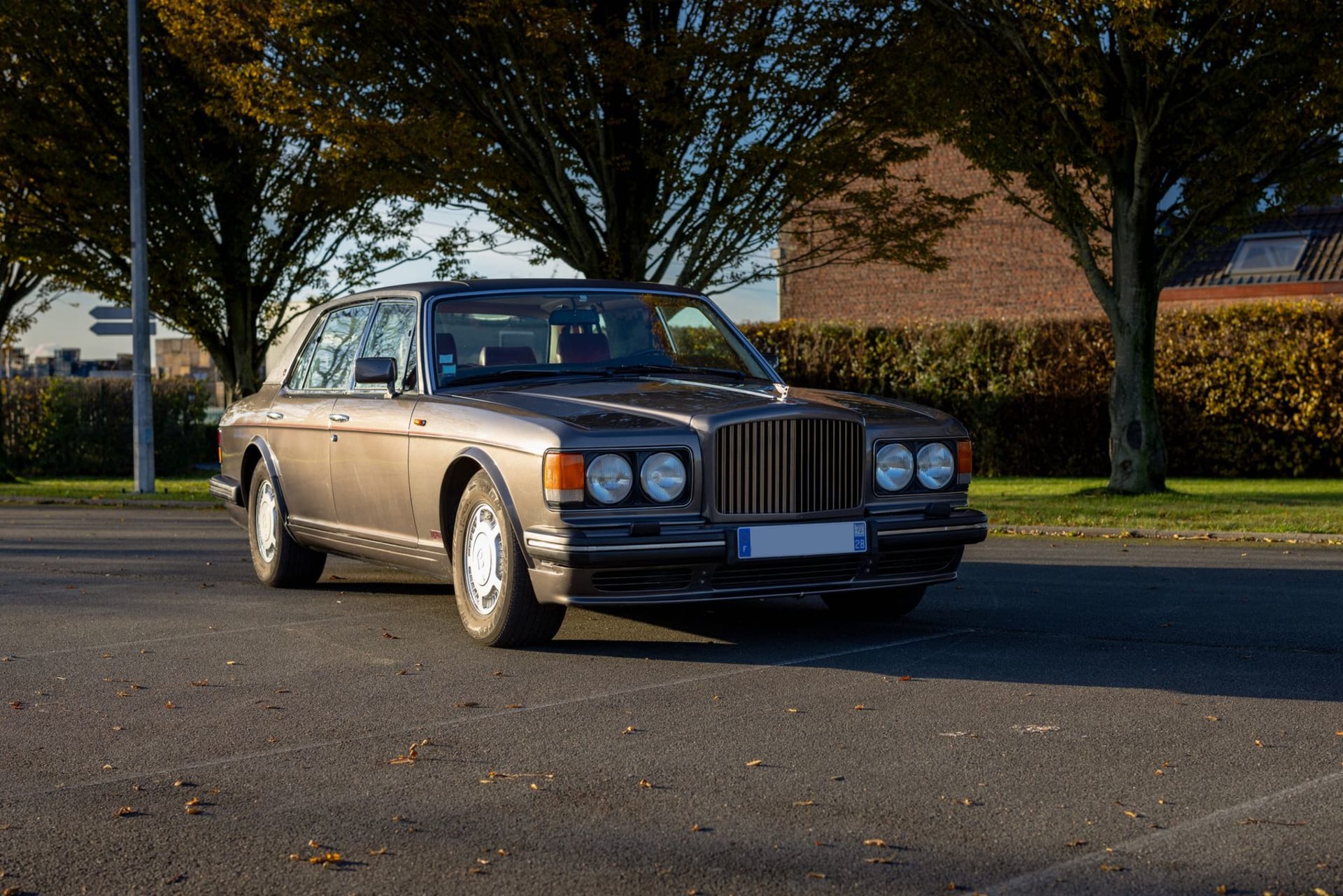
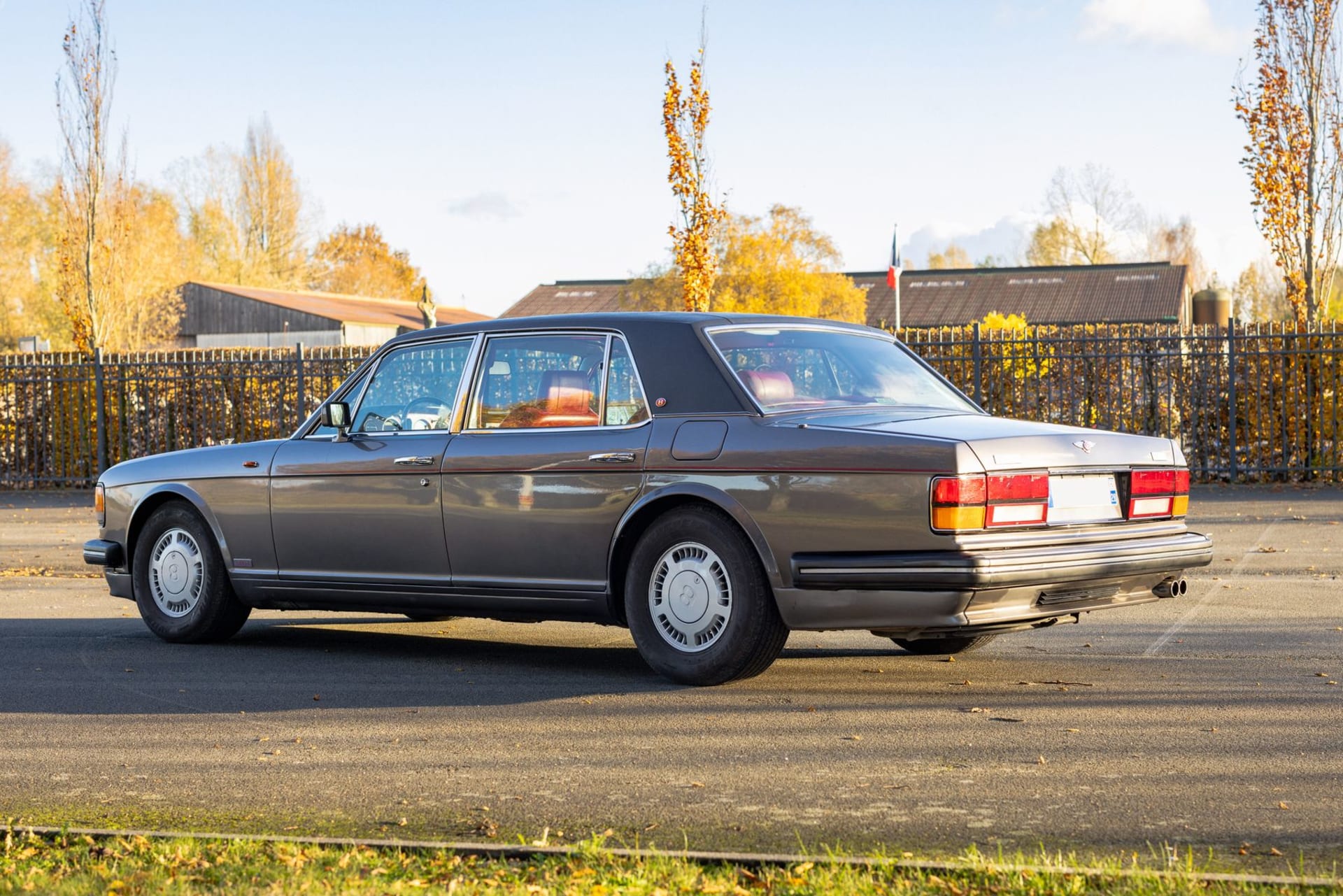
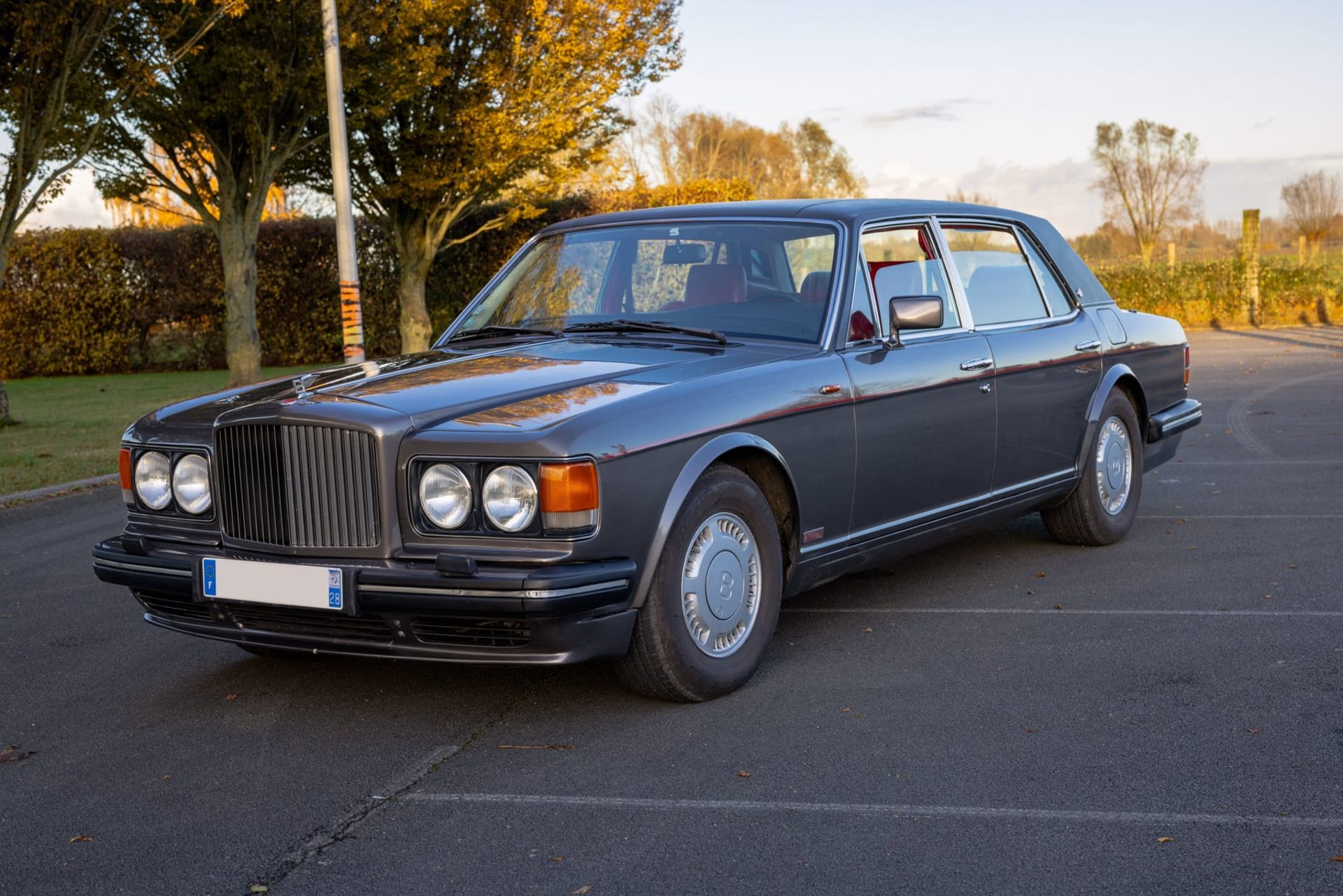
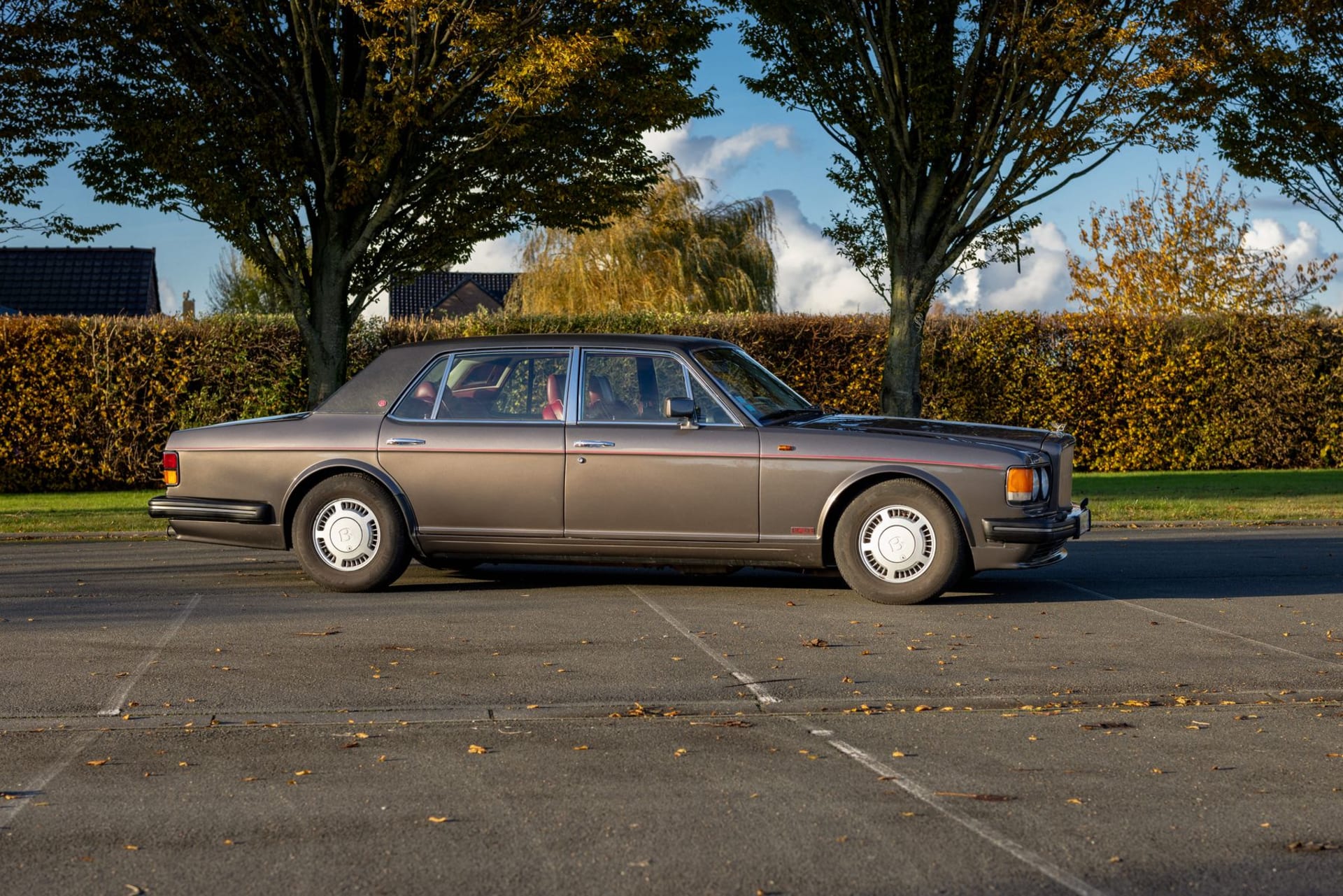
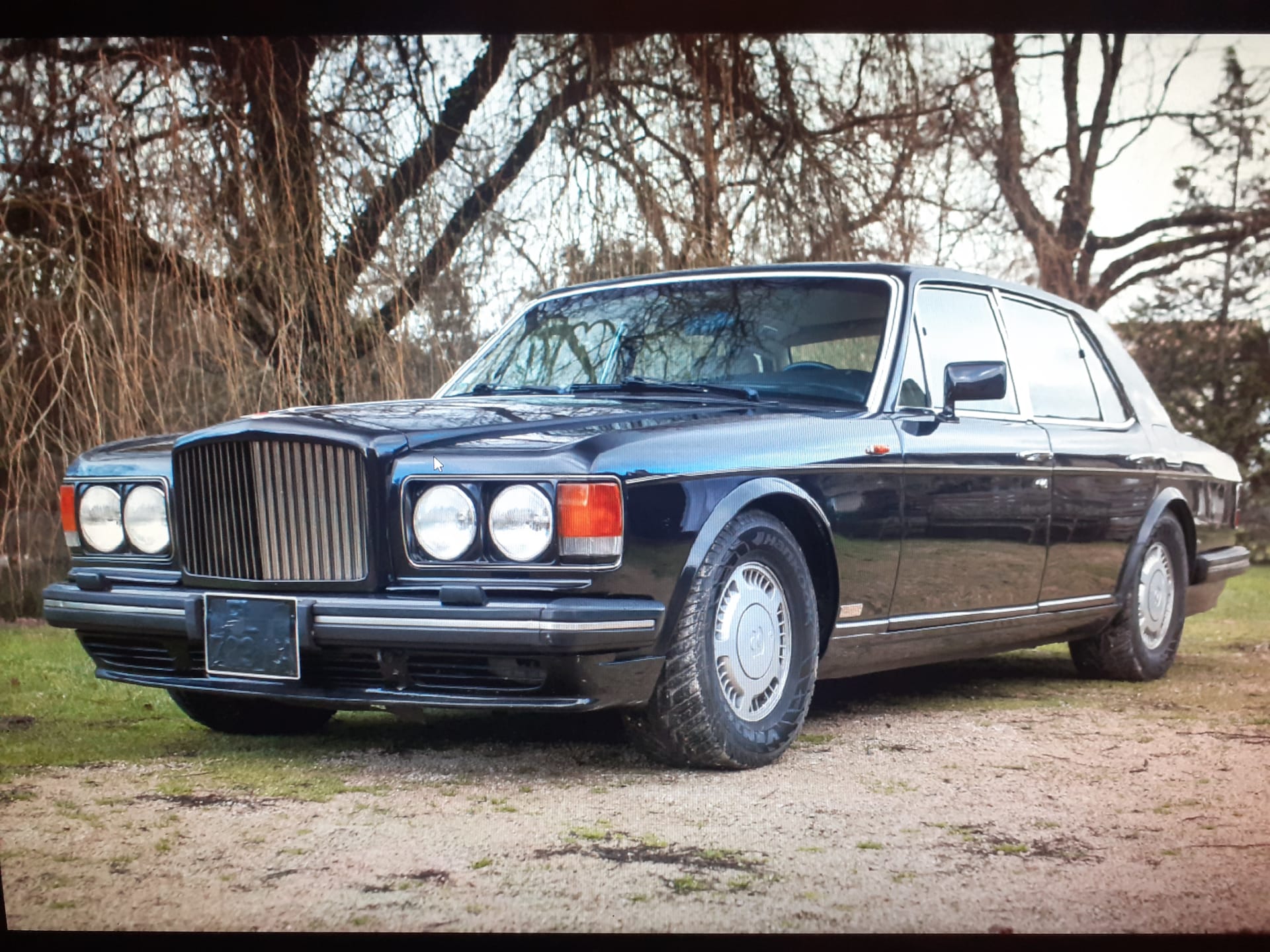
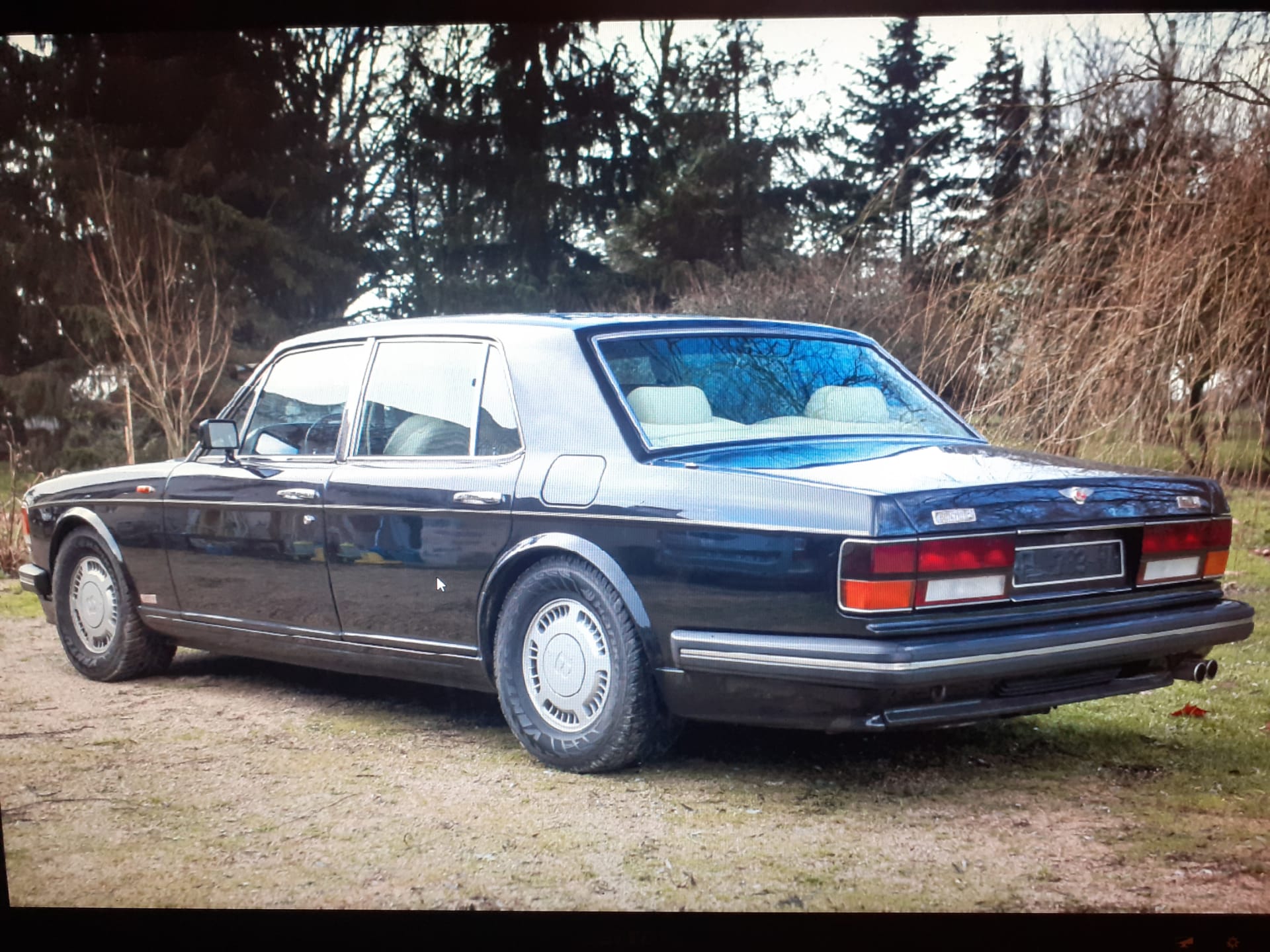
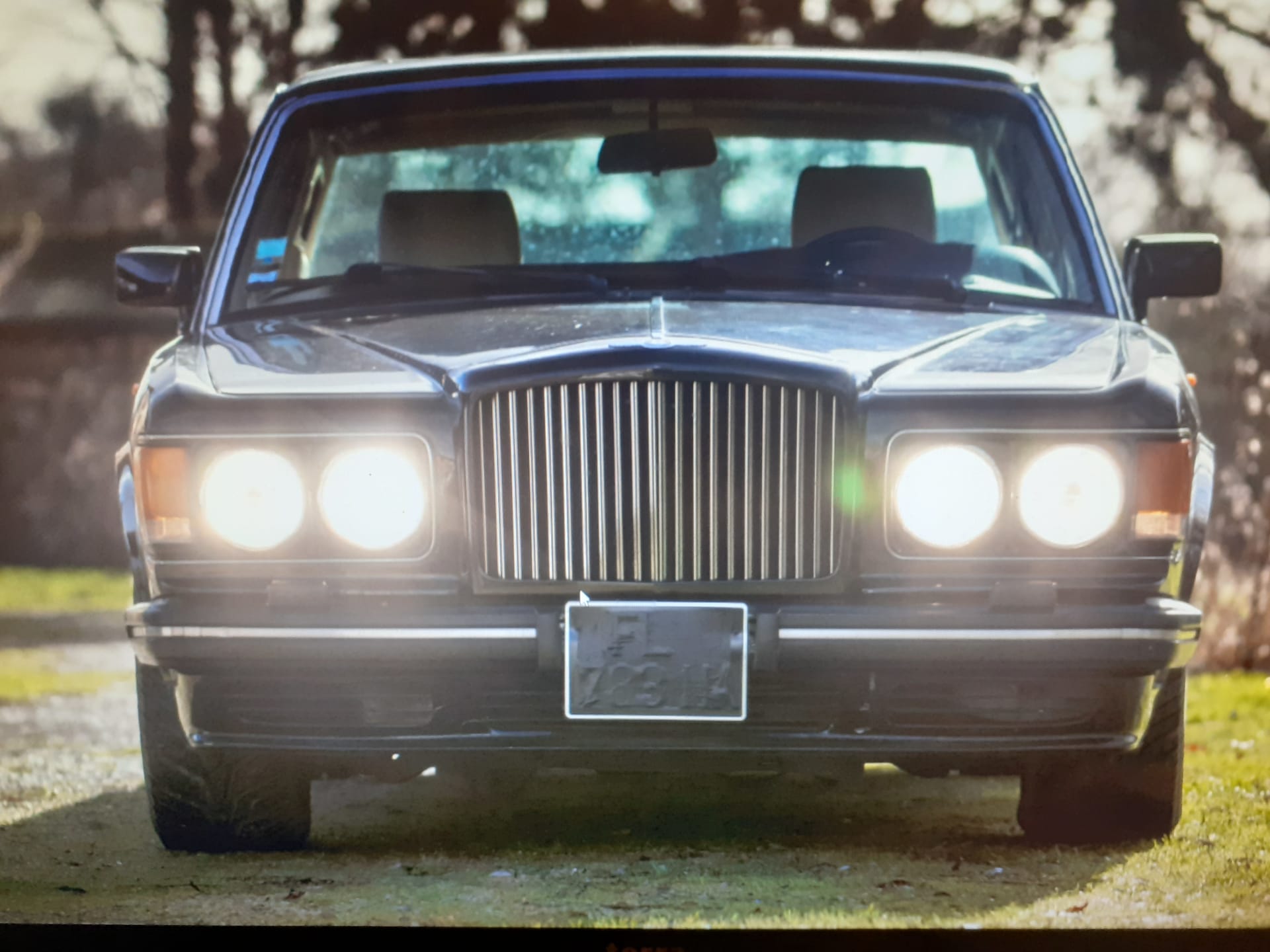
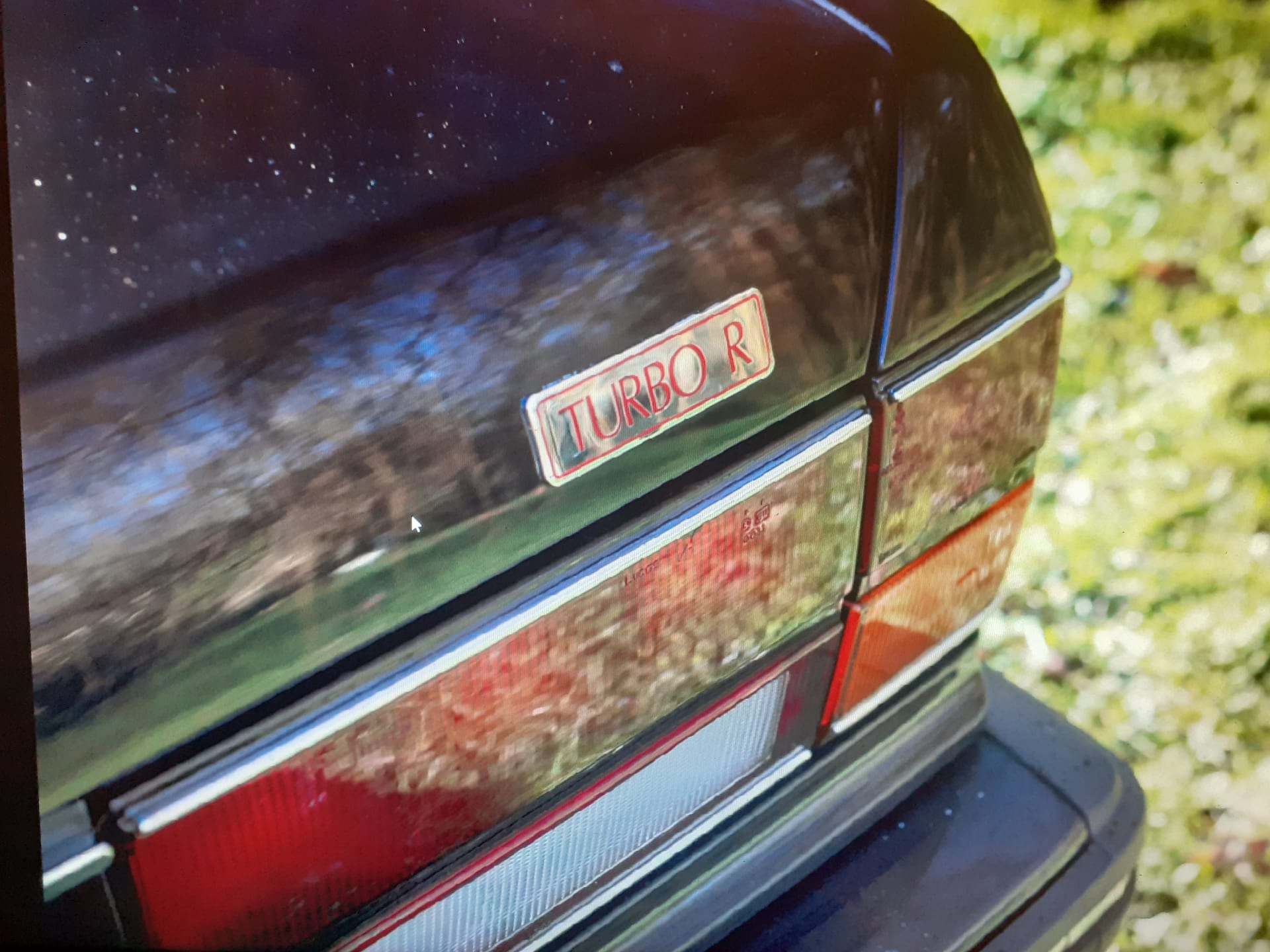
Only the highly exclusive Bentley Continentals, introduced in 1952, managed to escape this identity blending—standing apart from the Rolls-Royce lineup for an entire decade. It wasn’t until the mid-1980s that Bentley began to rediscover its sporting roots with the launch of the Turbo R, which offered significantly more power than the Rolls-Royce Silver Spirit and featured upgraded suspension for improved handling.
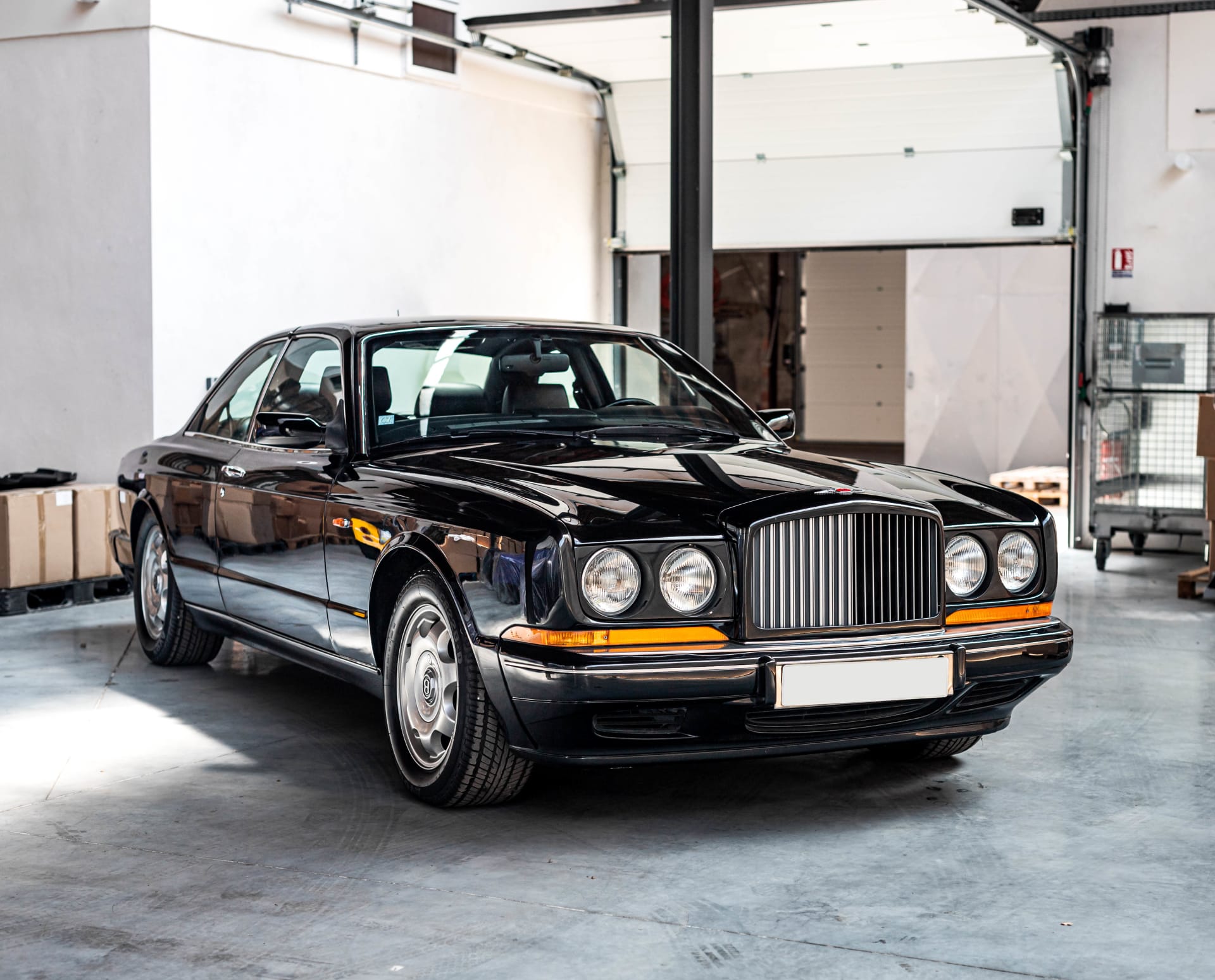
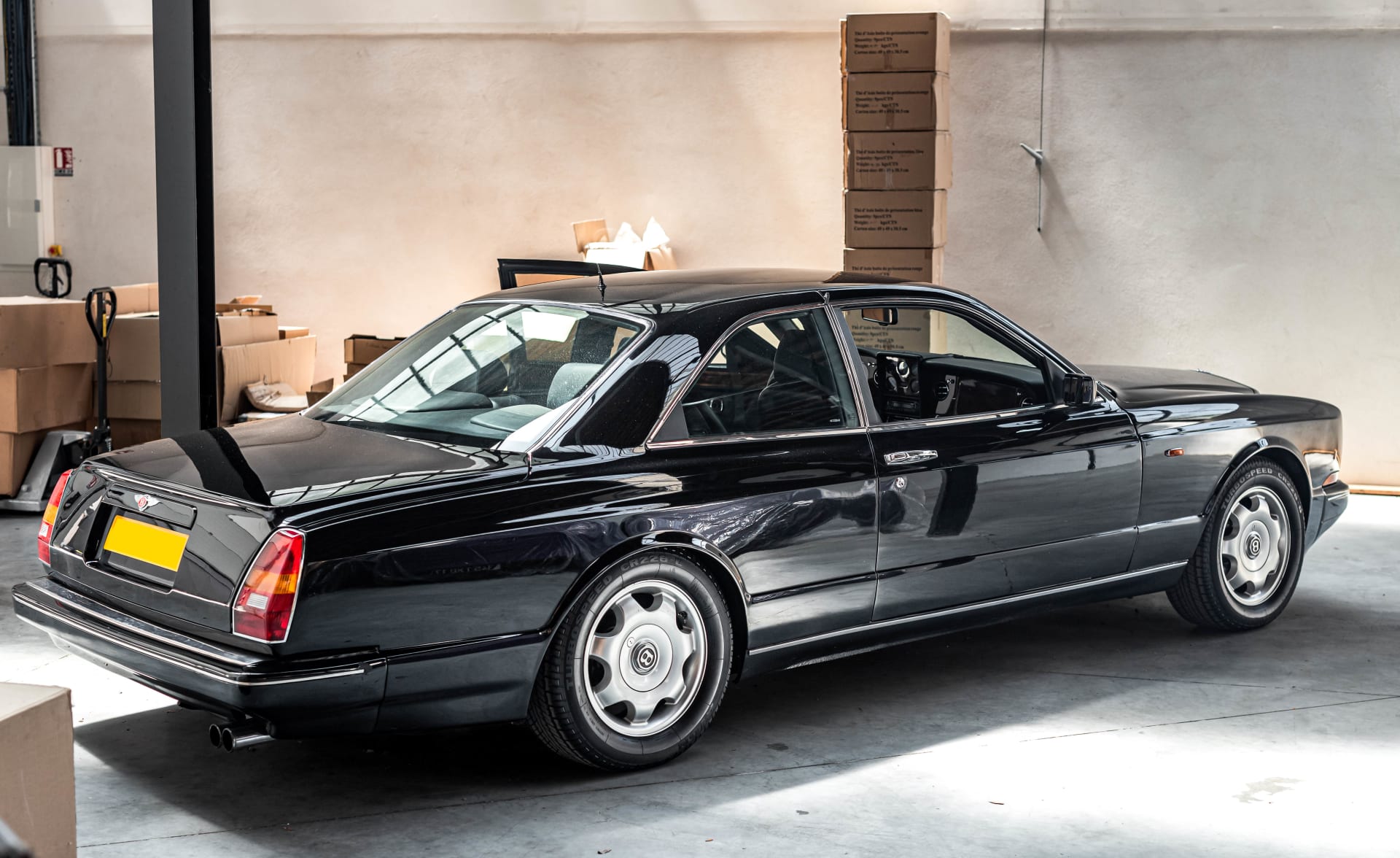
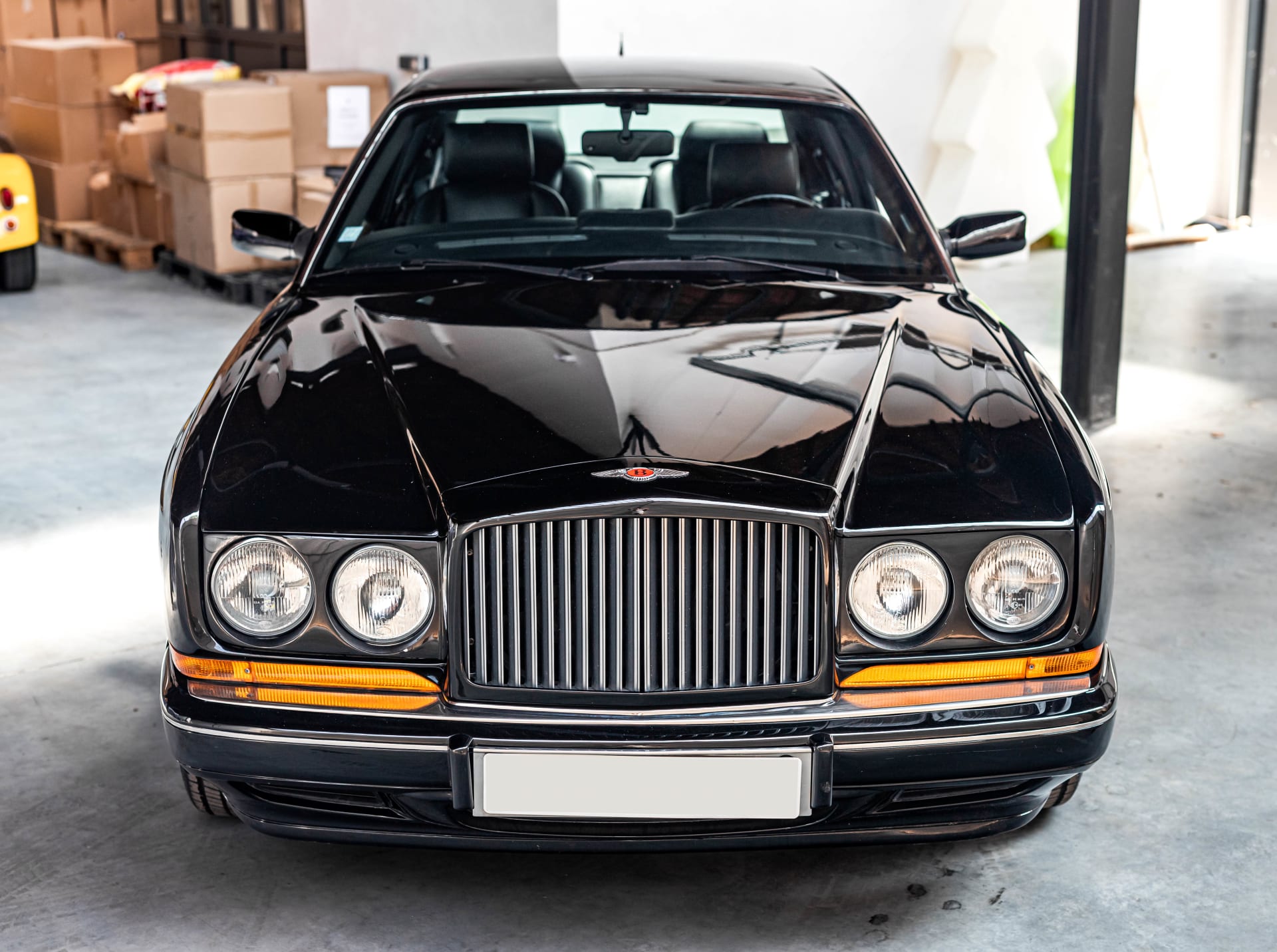
The Turbo R became the first Bentley in decades that was genuinely rewarding to drive. It laid the foundation for the 1991 Continental R coupé, a grand tourer whose power output steadily increased—reaching 426 hp in its final versions, sold up to 2002. Still, despite these efforts, the Rolls-Royce–Bentley group struggled with limited production volumes and insufficient financial strength, leaving it unable to compete with German automakers on equal footing in terms of profitability and innovation.

With Volkswagen, a New Dimension for Bentley
Owned by the aerospace group Vickers since 1980, the company was sold eighteen years later in an unexpected transaction that pitted two German automotive giants against each other: while Volkswagen won the bid by acquiring the Bentley name and factory, its rival BMW asserted its exclusive rights to the Rolls-Royce name, resulting—against all odds—in the separation of the two brands, 67 years after their merger.
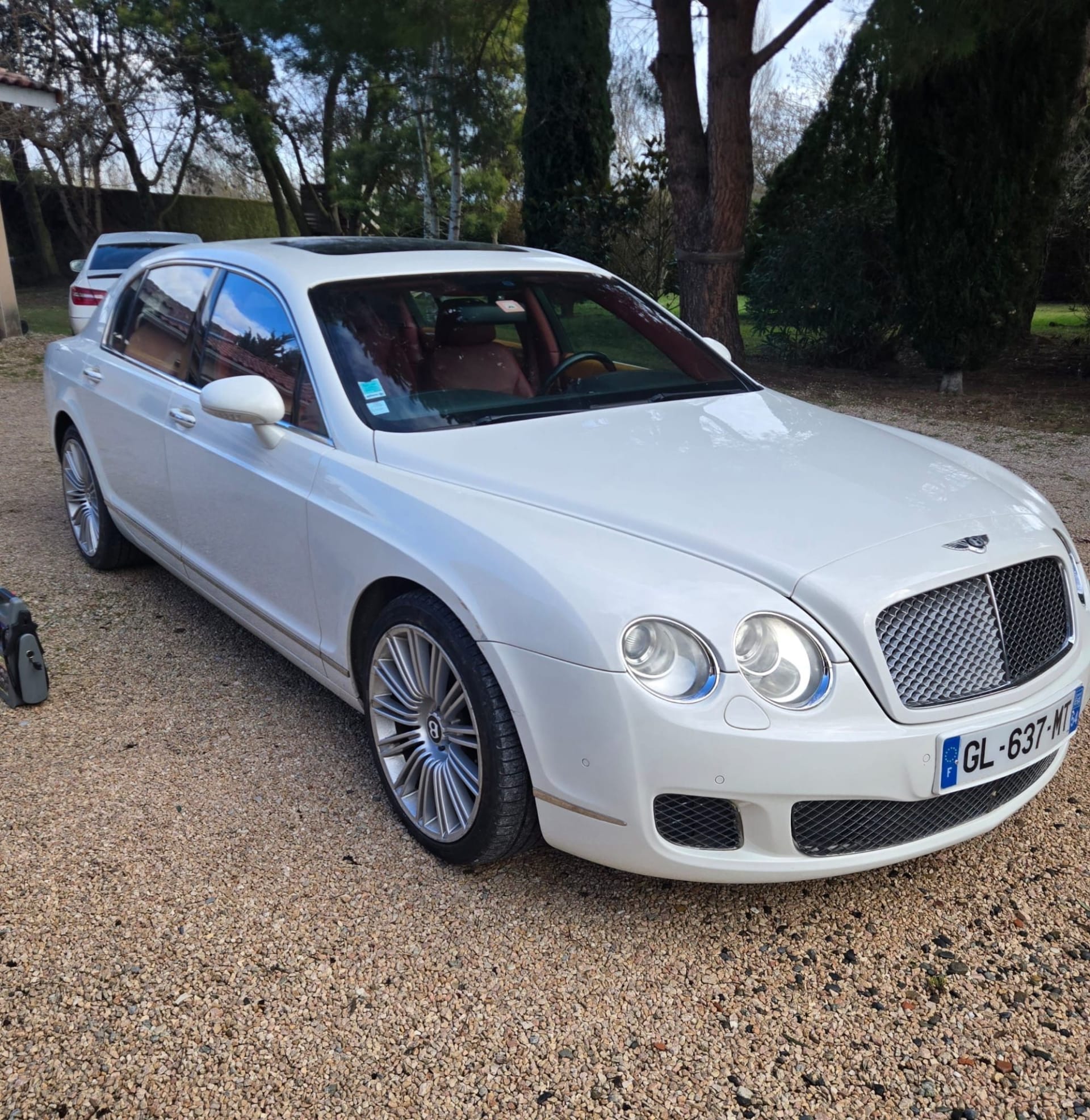
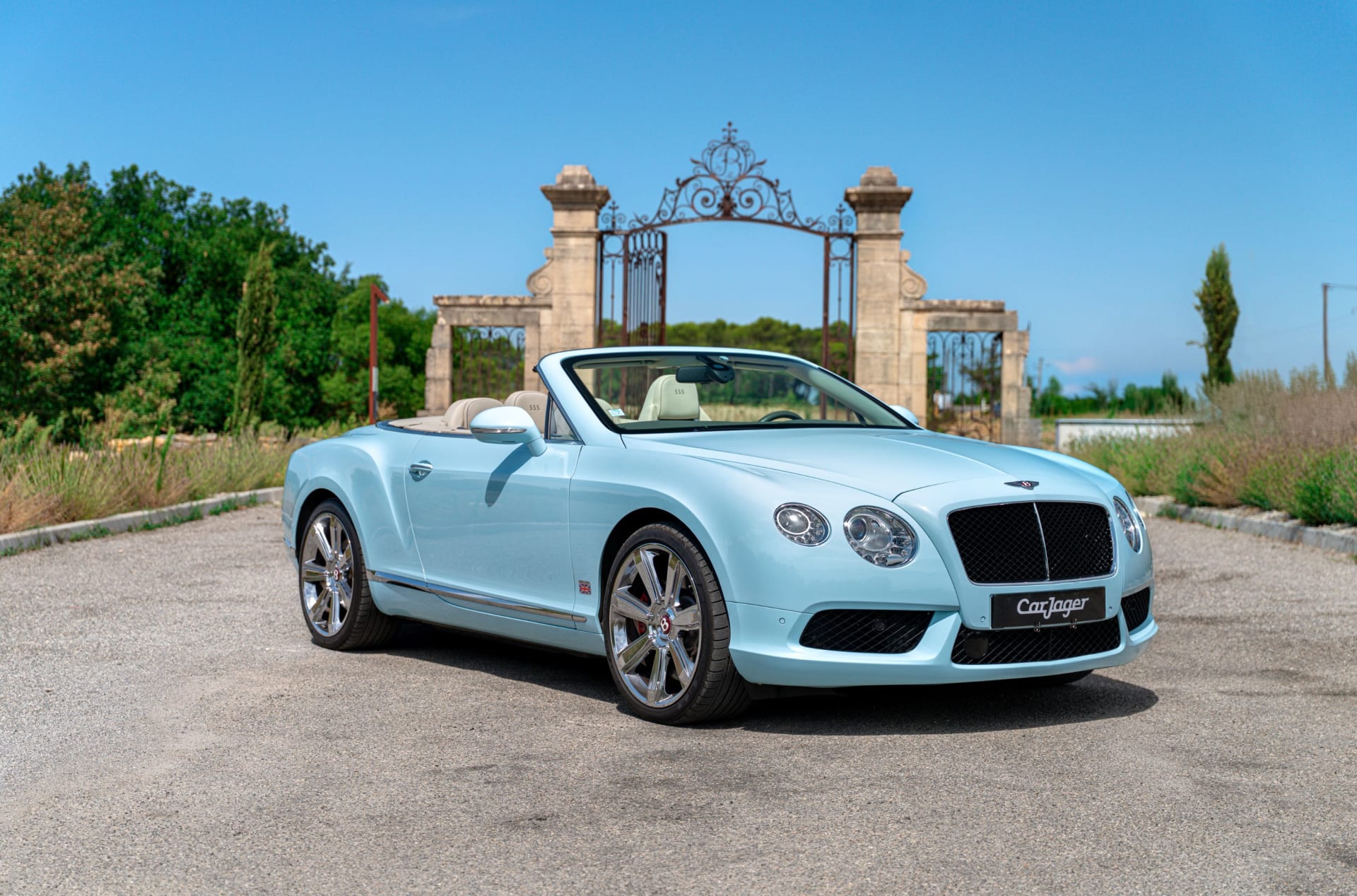
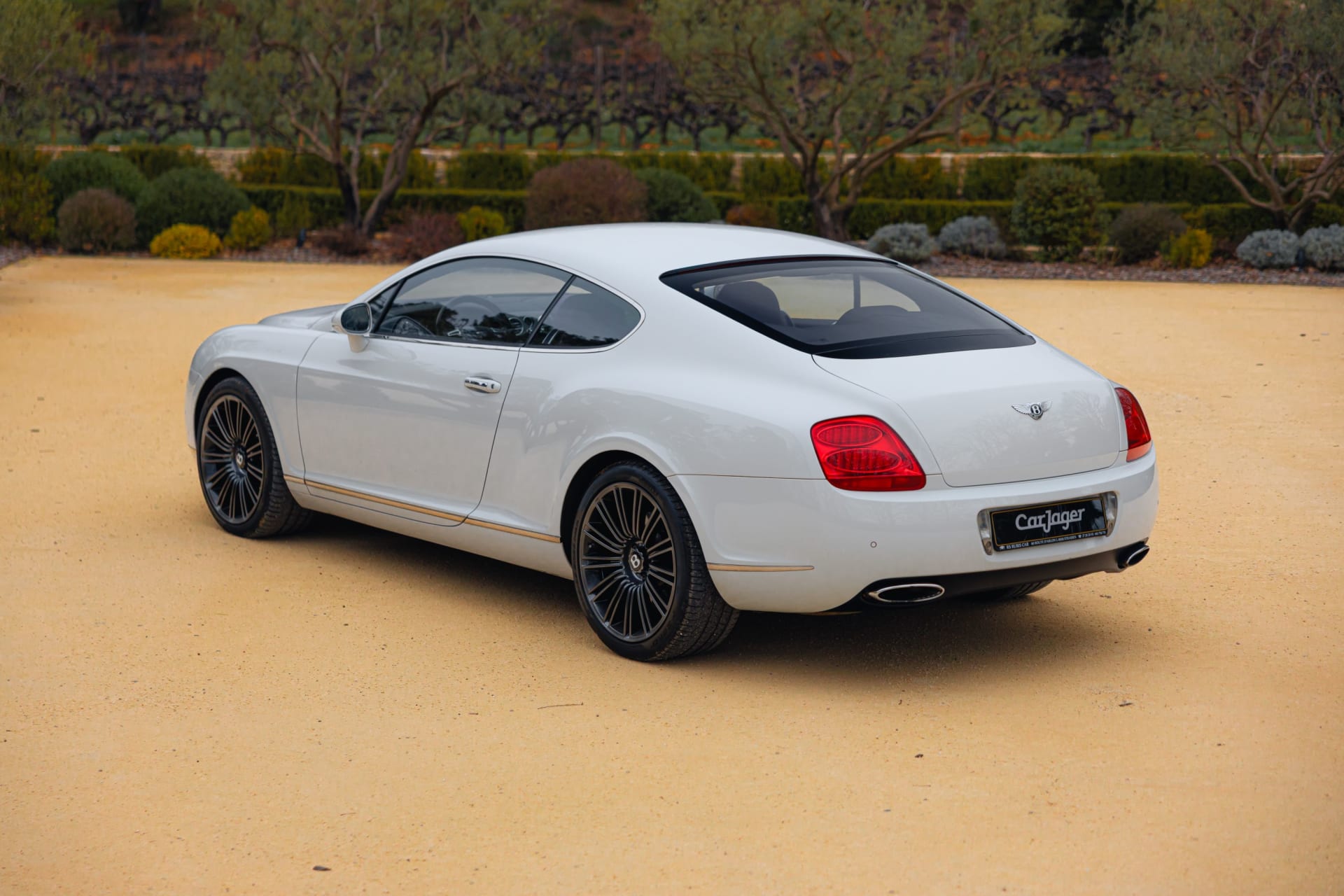
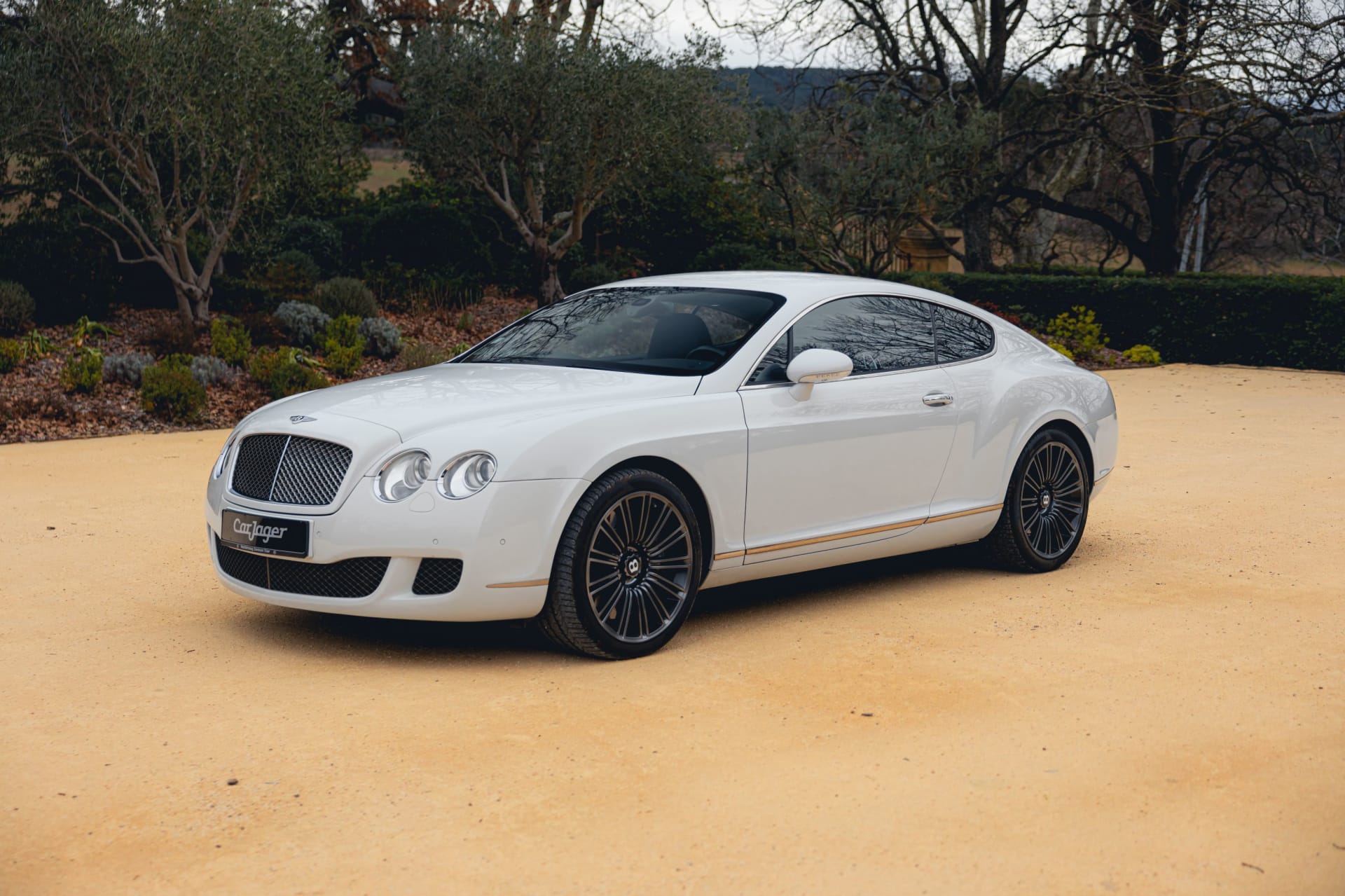
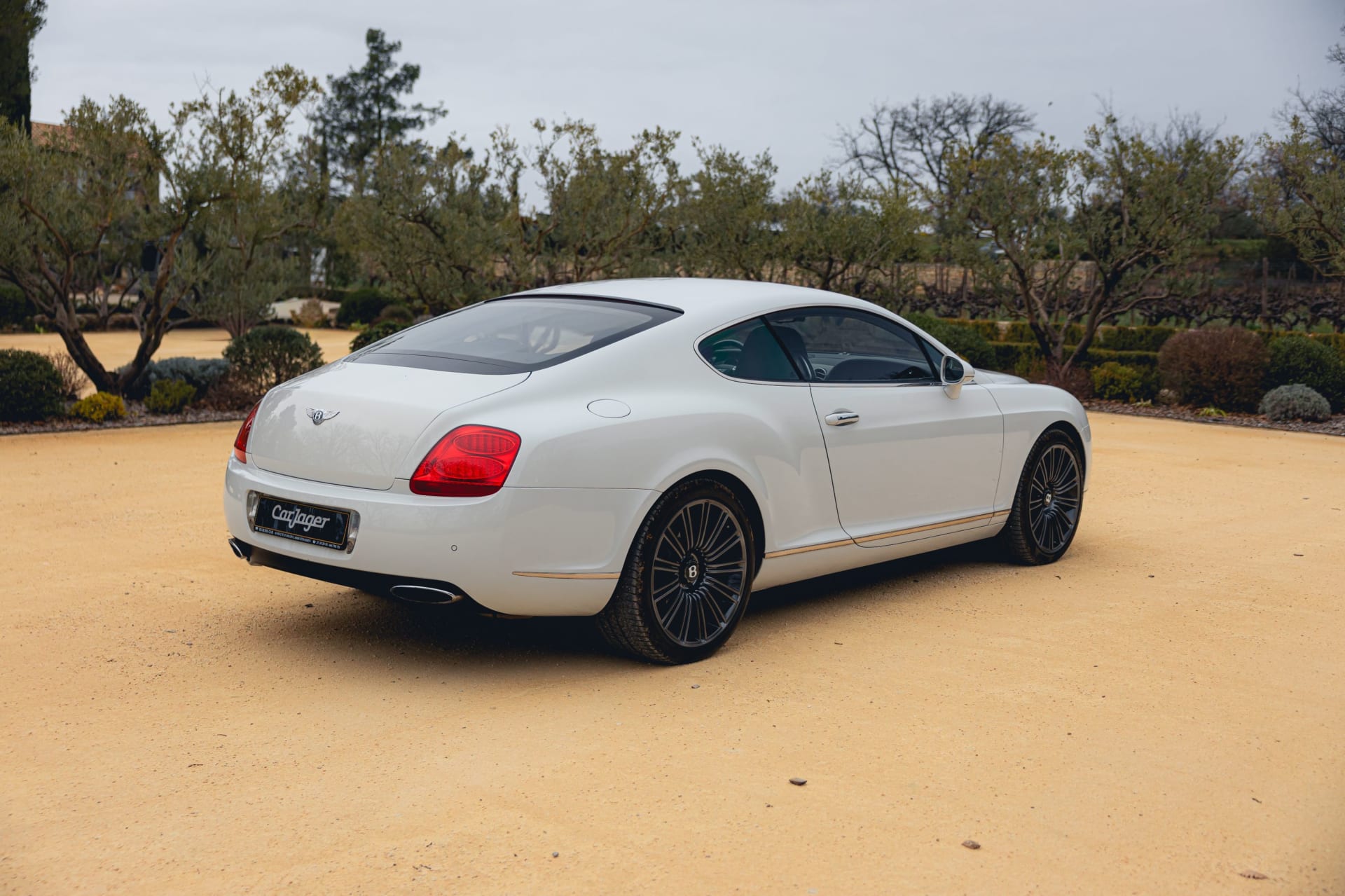
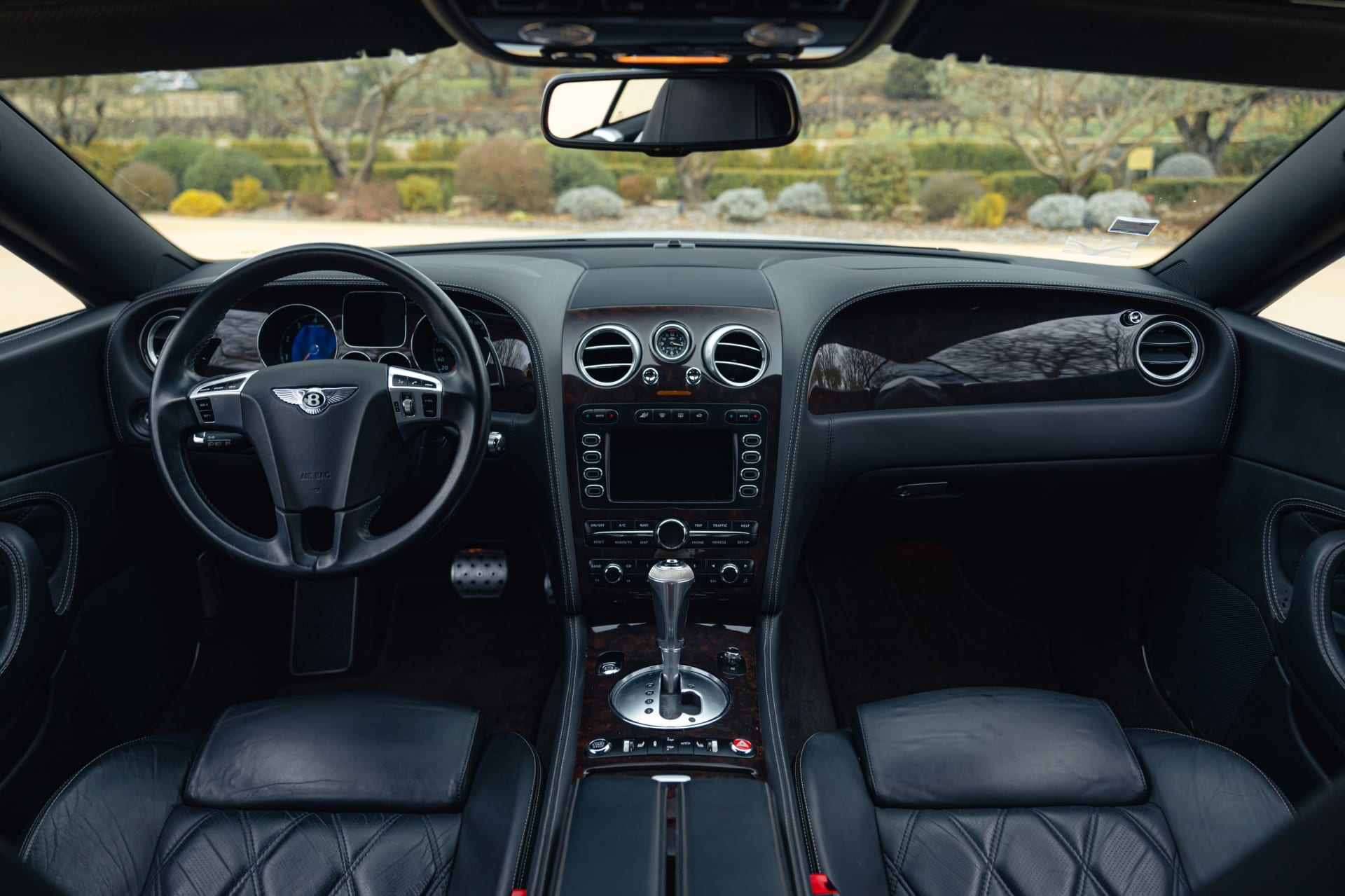
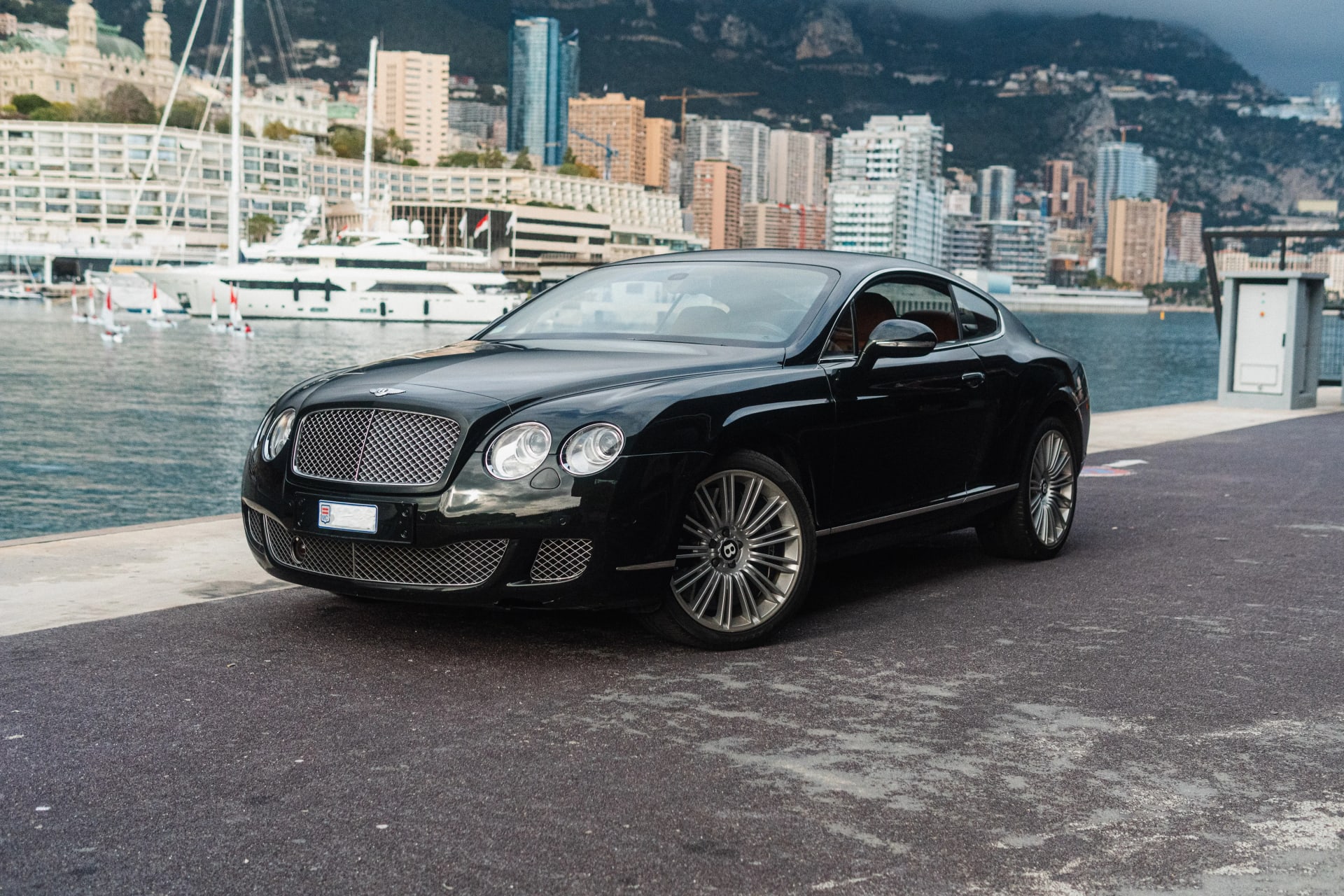
BMW then built a brand-new plant in Goodwood, while VW committed to modernizing the Crewe facilities, where Bentley and Rolls-Royce cars had been produced since 1946. Bentley subsequently expanded its lineup downward with the launch, in 2003, of the Continental GT, developed on a platform shared with the Volkswagen Phaeton, and also powered by the fabulous W12 engine.
The new Continental enabled Bentley to reach a new customer base, and production volumes rose significantly, from two thousand to over eight thousand cars per year. Since then, the Bentley lineup has expanded to include the Flying Spur sedan and the Bentayga SUV; benefiting from the Volkswagen Group’s technical and industrial synergies, the British marque is now firmly preparing to embrace electrification!

Sell your BENTLEY under the best conditions?
Sell my BentleyThey trust us
F.A.Q. Frequently asked questions before buying a Bentley
Which Bentleys are the most iconic?
In the eyes of collectors of pre-war models, the Bentley Speed Six and the monumental 8-Litre are the most coveted cars. Subsequently, the most sought-after Bentleys are the Continentals produced from 1952 to 1965 – truly exceptional cars, handcrafted and built in very small numbers; we are thinking in particular of the iconic Continental Flying Spur saloon based on the Bentley S. In the contemporary period, the Continental GT coupés equipped with the powerful VW-sourced twin-turbo W12 engine are already collectors' items worthy of interest.
Who owns Bentley?
In 1998, when the Vickers Group put Rolls-Royce and Bentley up for sale, the Volkswagen Group acquired the latter along with the historic Crewe factory, while BMW bought the Rolls-Royce brand. After 67 years of shared history, the two companies became rivals once again and have not shared any components since then.
When did the Bentley company come into existence?
Walter Owen Bentley created the brand bearing his name in 1919, in London. His goal was to develop powerful, fast, impressive cars ("the fastest trucks in the world," according to Ettore Bugatti) that were as capable of excelling in racing (five victories at the 24 Hours of Le Mans between 1924 and 1930) as they were of satisfying the expectations of sporty drivers from the British aristocracy. The company was bought by Rolls-Royce in 1931.
What should you check before buying a Bentley?
Like any exceptional model, a Bentley must undergo mandatory and thorough checks. These are complex cars that cannot tolerate any approximation when it comes to maintenance and repairs.
- Vehicle history: check that the service log is complete and that all work has been carried out by competent workshops or within the manufacturer's official network.
- General condition and specific inspections: a thorough inspection by a brand specialist may be necessary, particularly for models manufactured before 1998.
- Fuel consumption: with powerful engines and above-average displacement, Bentleys have significant fuel consumption. This is something to consider before you commit!
- Maintenance and repair costs: Bentleys are rare cars, designed and built without compromise. Maintenance and repairs on these cars must be carried out by recognised professionals or within the brand's network, which means you need to set aside a suitable budget.
- Reliability and risk factors: until 1965, post-war Bentleys did not pose any particular problems as long as they were carefully maintained in accordance with the manufacturer's recommendations. Models produced after this date (T-Series, Mulsanne, Turbo R) are more technically complex and require special attention, particularly with regard to the hydraulic system.
By taking all these precautions, you can protect yourself against any disappointments that may arise from a hasty purchase decision.
To find out more about the different models and choose the one that best suits your profile, please do not hesitate to request a Custom Search.
Which Bentleys should be prioritised for collection?
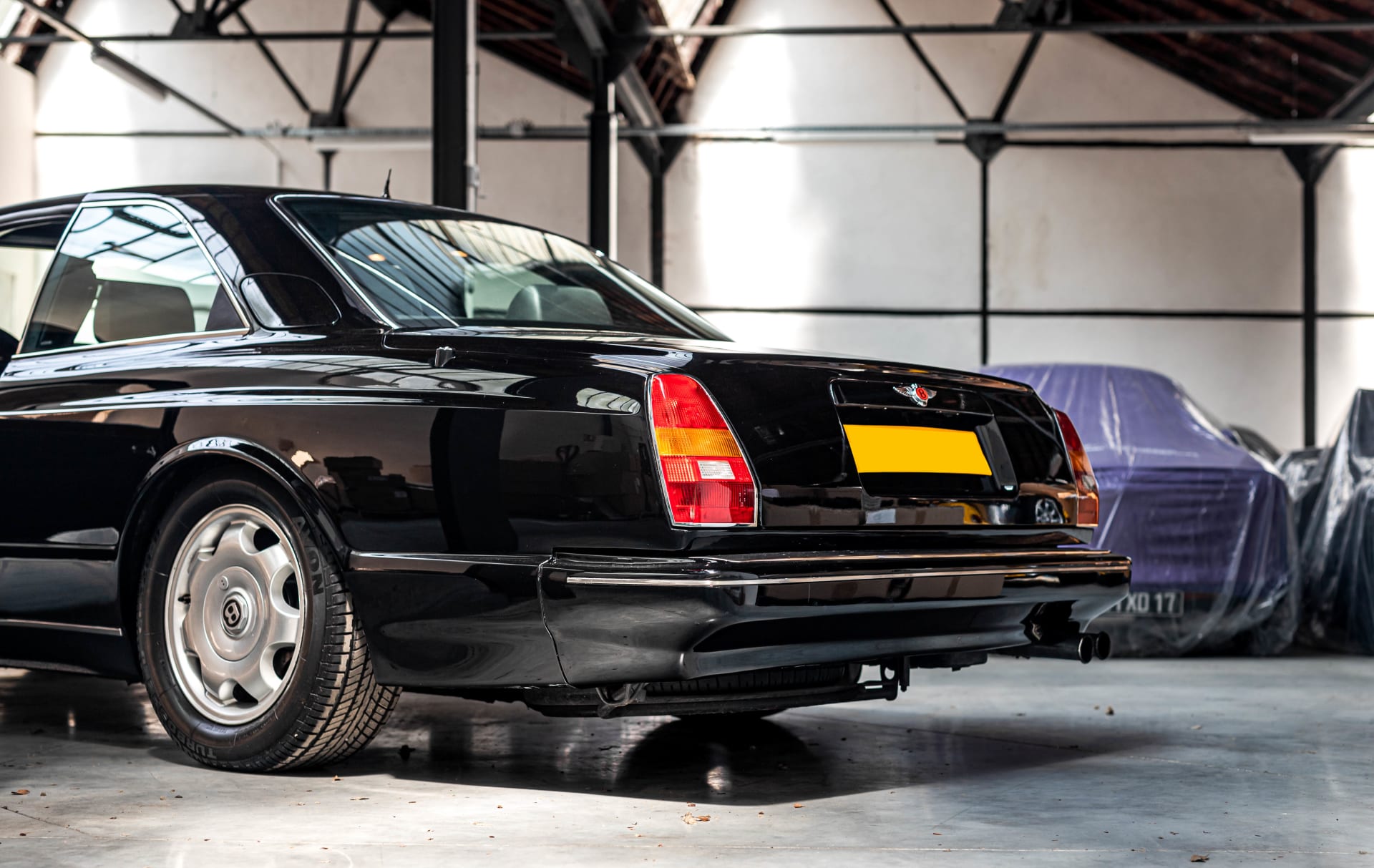
Still built on a separate chassis, the very first Continental Type R is undoubtedly the archetype of the luxurious grand touring coupé of the immediate post-war period. The subsequent models, featuring the brand's famous V8 engine from 1959 onwards, also have their fans – particularly the coupés and convertibles designed by Mulliner Park Ward in the "pontoon" style. Closer to home, the Bentley Corniche, equivalent to the eponymous Rolls-Royce but much rarer, can appeal to the most elite enthusiasts.
What are the current Bentley models?
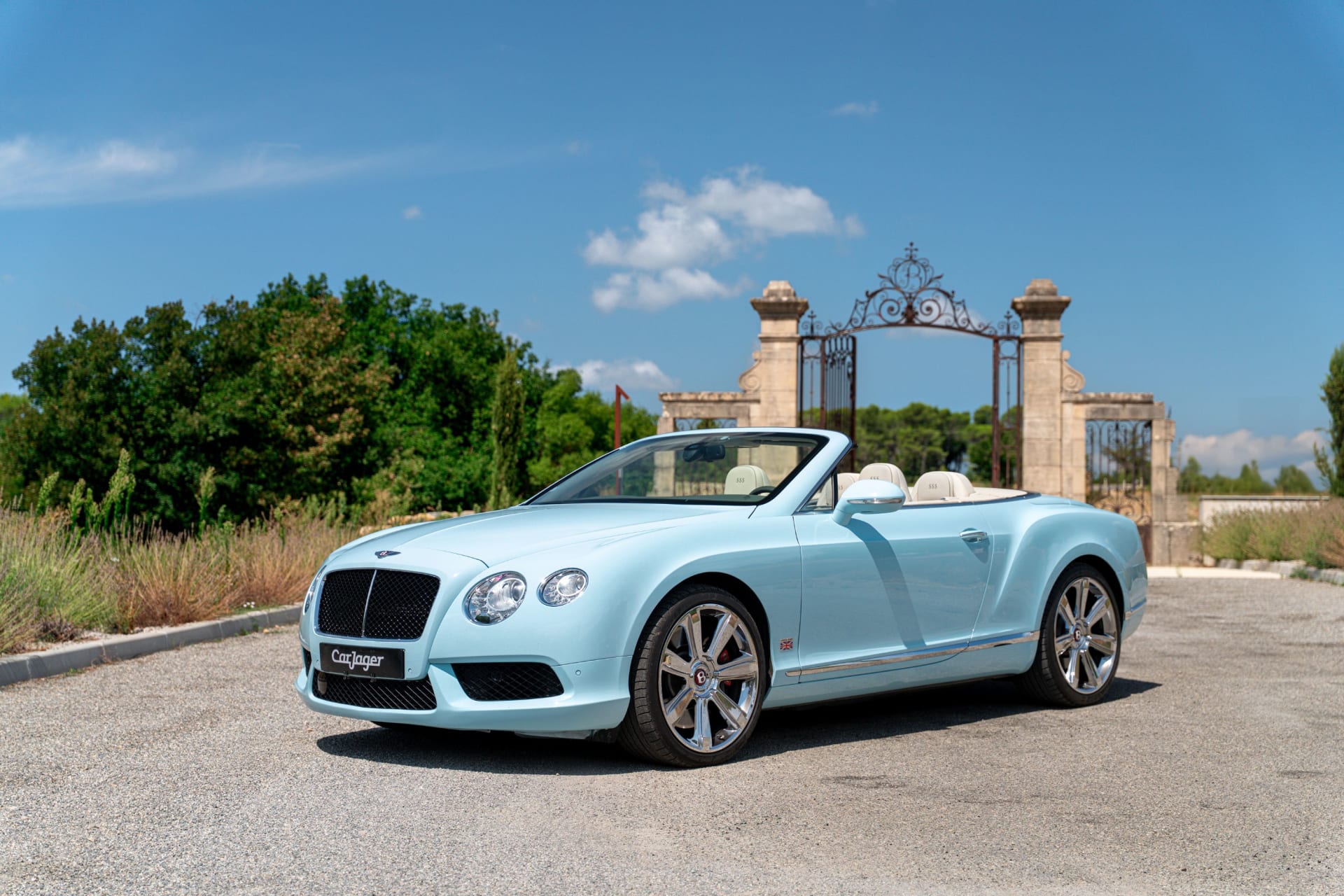
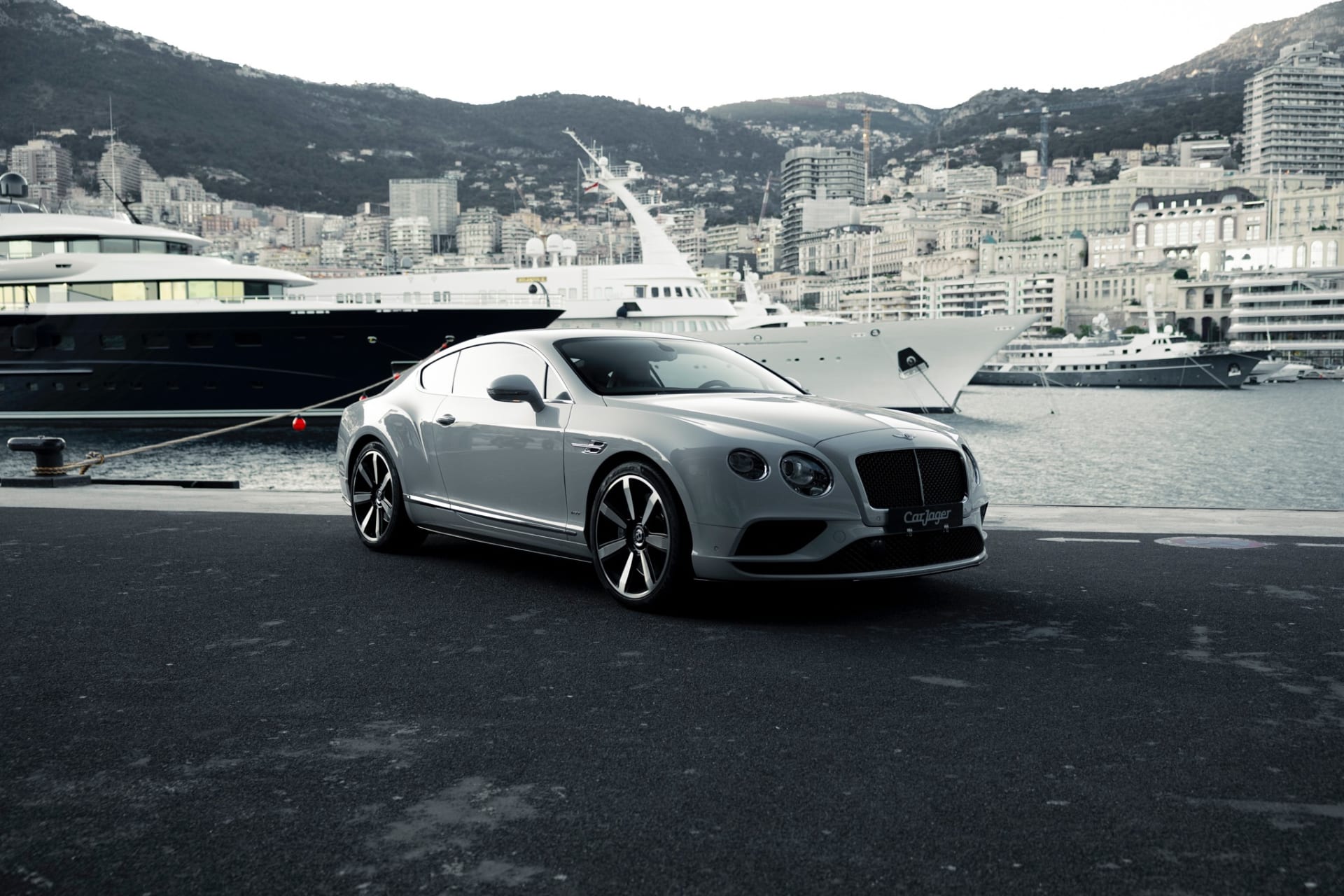
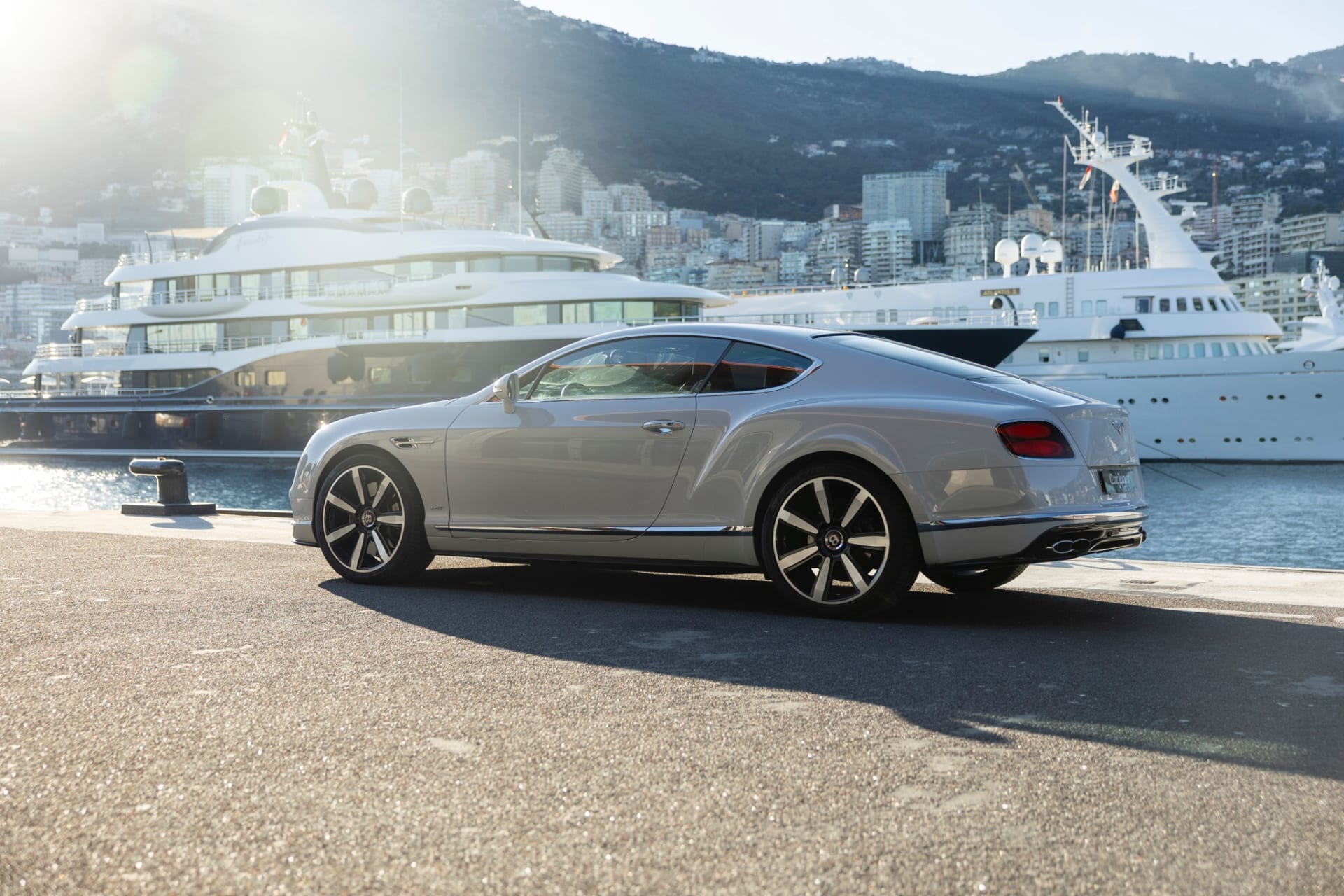
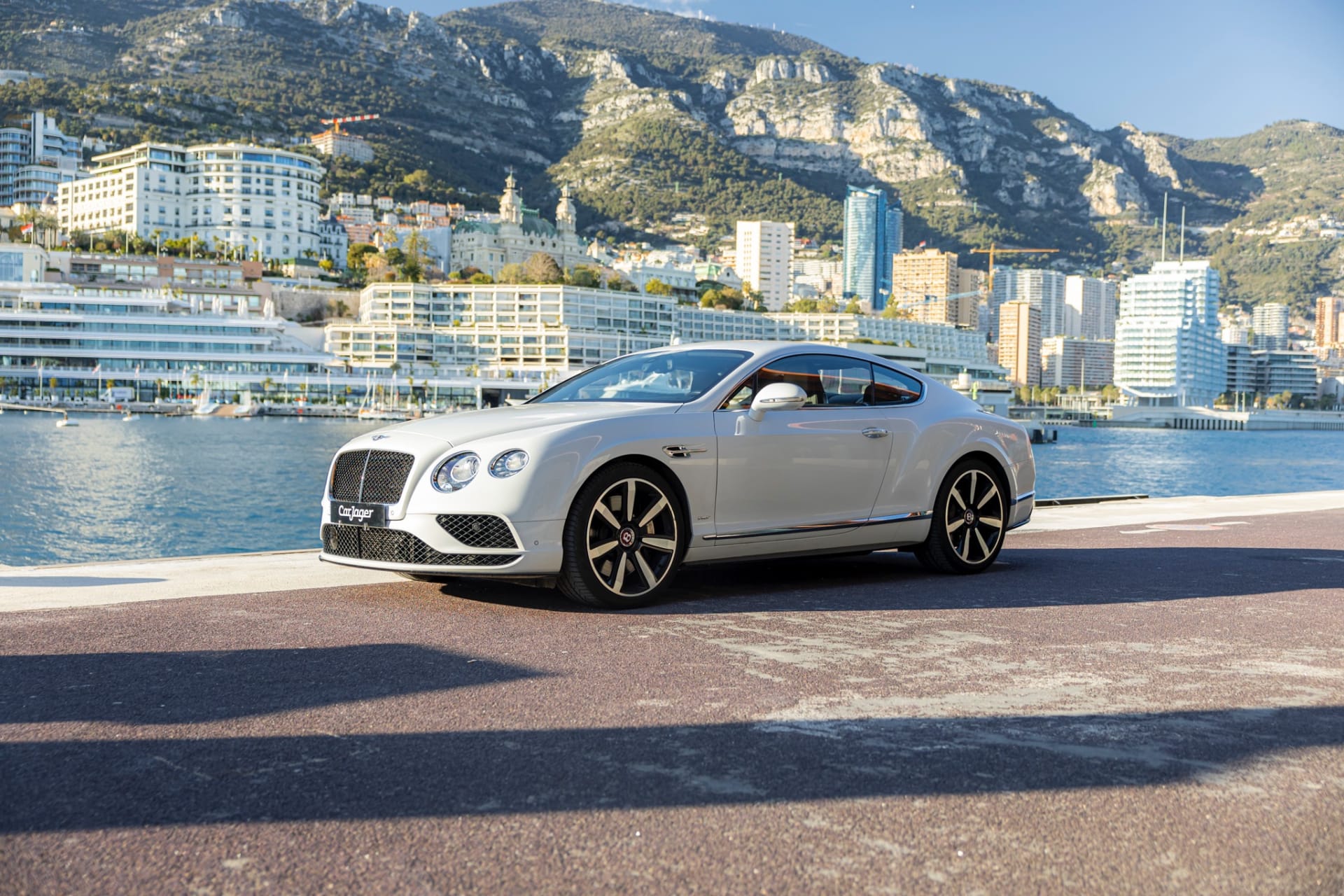
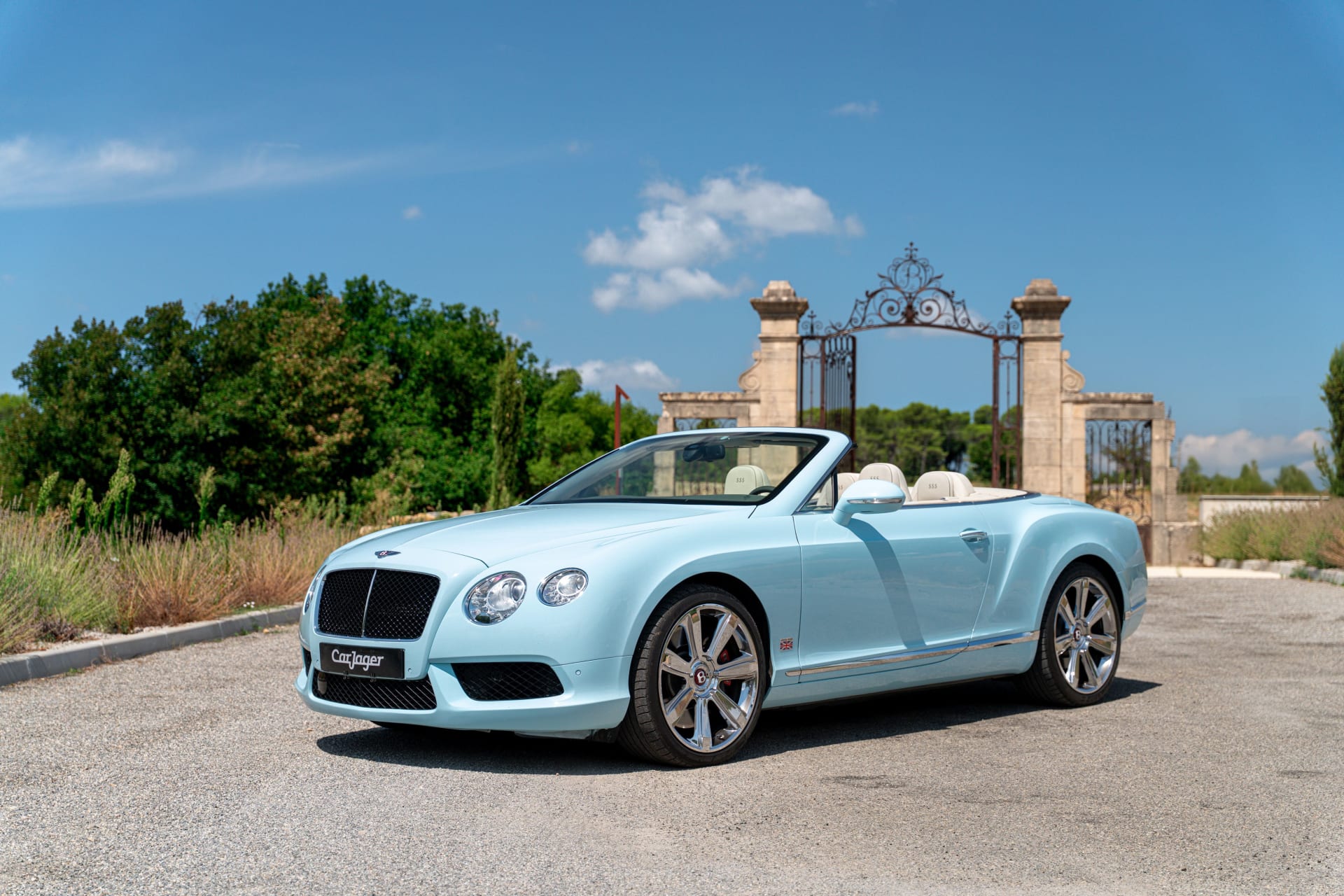
The Bentley range currently consists of three models: the Continental GT, available as a saloon and convertible, the Flying Spur saloon and the Bentayga SUV. These cars are powered either by a hybrid system coupled with a V6 engine or a supercharged V8 engine in the more powerful variants, known as Speed. According to the manufacturer, the very first electric Bentley is expected to make its debut in 2026.
How much does a vintage Bentley cost?
It all depends on the era. While pre-war 8-Litre models and the 1952 Type R Continental can fetch over €1 million, you can drive away in an Eight saloon from the 1980s for as little as €14,000. Between these two extremes, the sumptuous Continental coupés and convertibles from the 1960s range from €180,000 to €300,000. Closer to home, the first W12-powered Continental GT coupés are available from €25,000.
Which Bentley is the most powerful?
The most powerful Bentley is the current Continental GT, launched in 2024. Its hybrid powertrain, comprising a 4-litre twin-turbo V8 engine and an electric motor housed in the gearbox, develops 782 horsepower. The car is capable of reaching a top speed of 335 km/h.