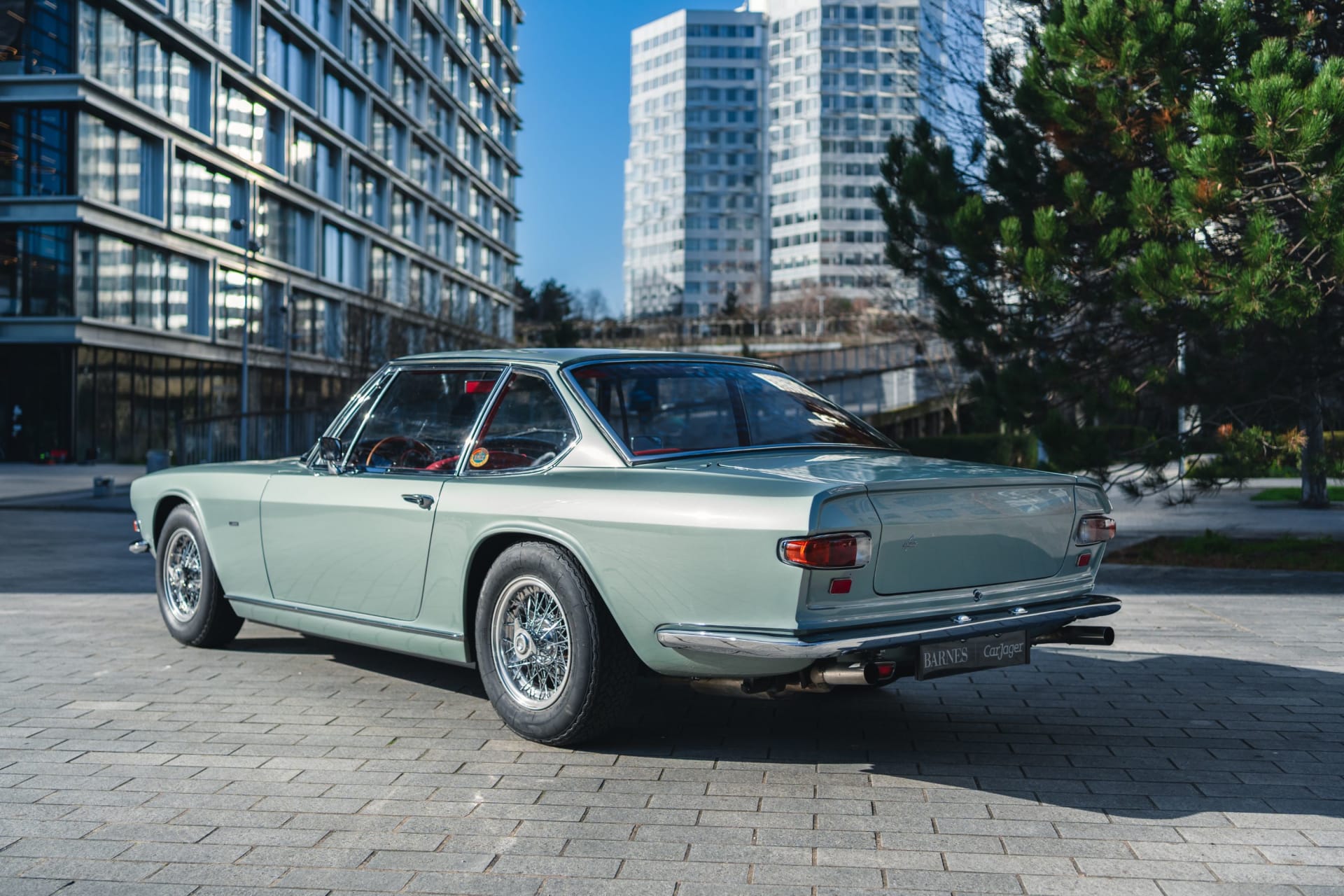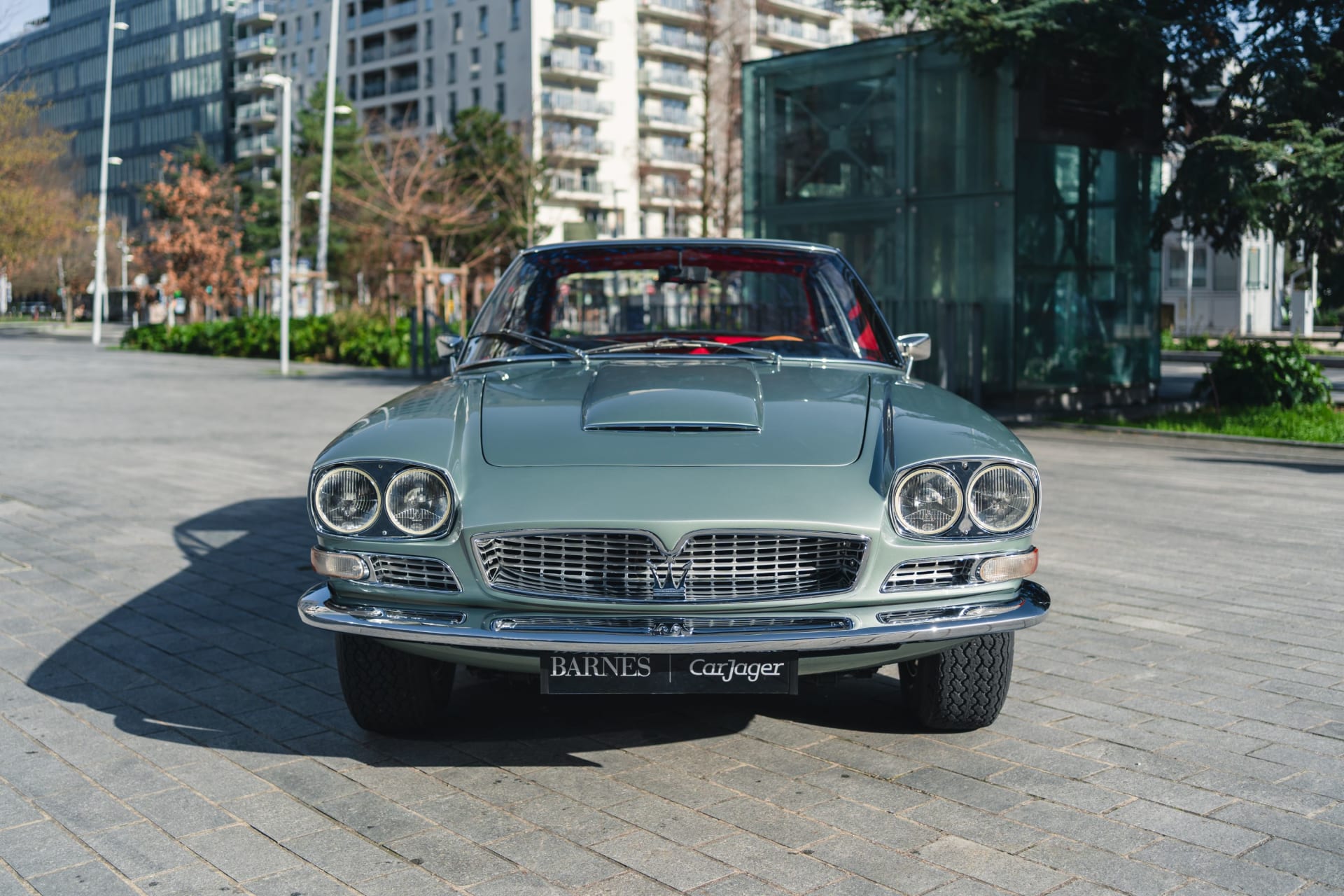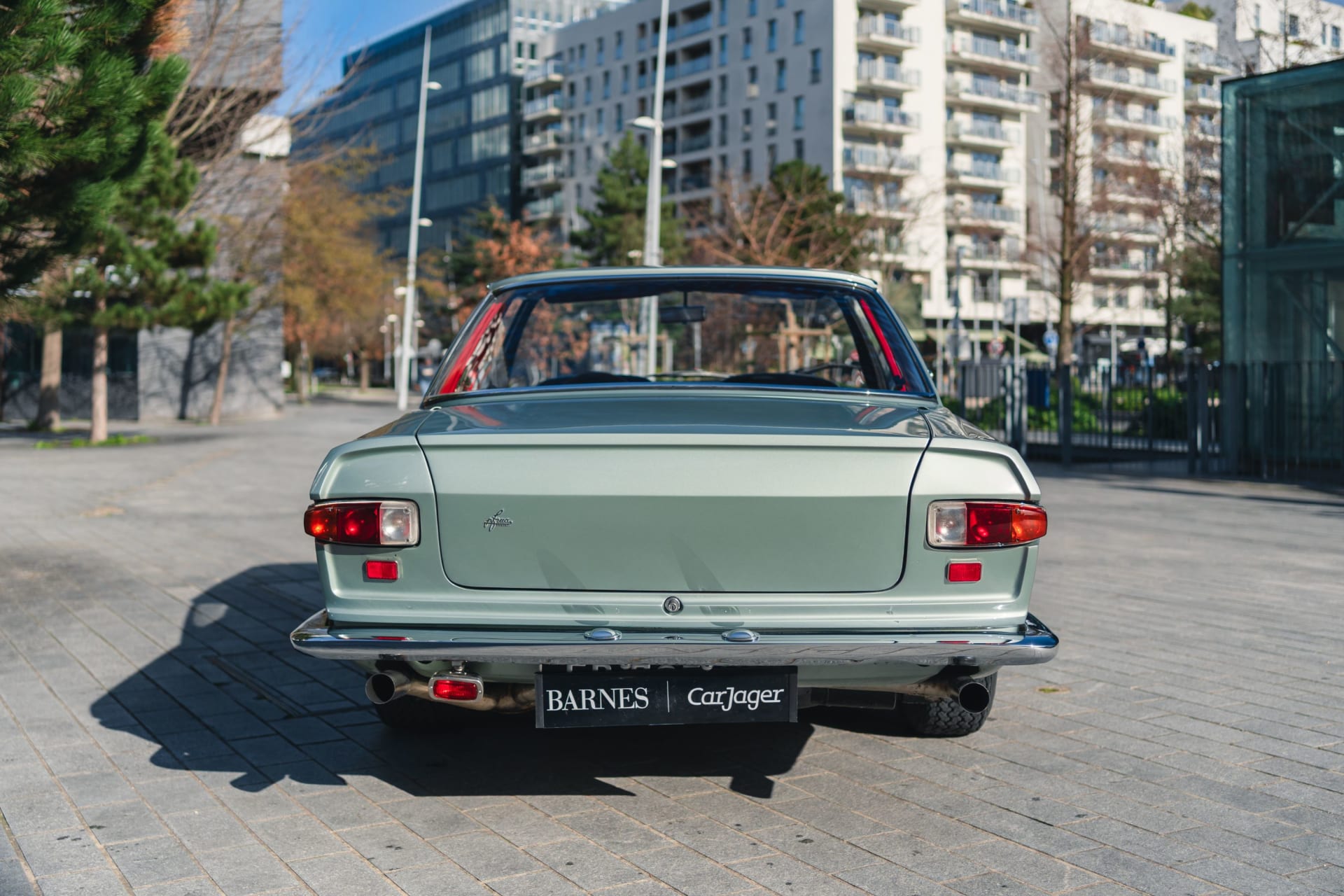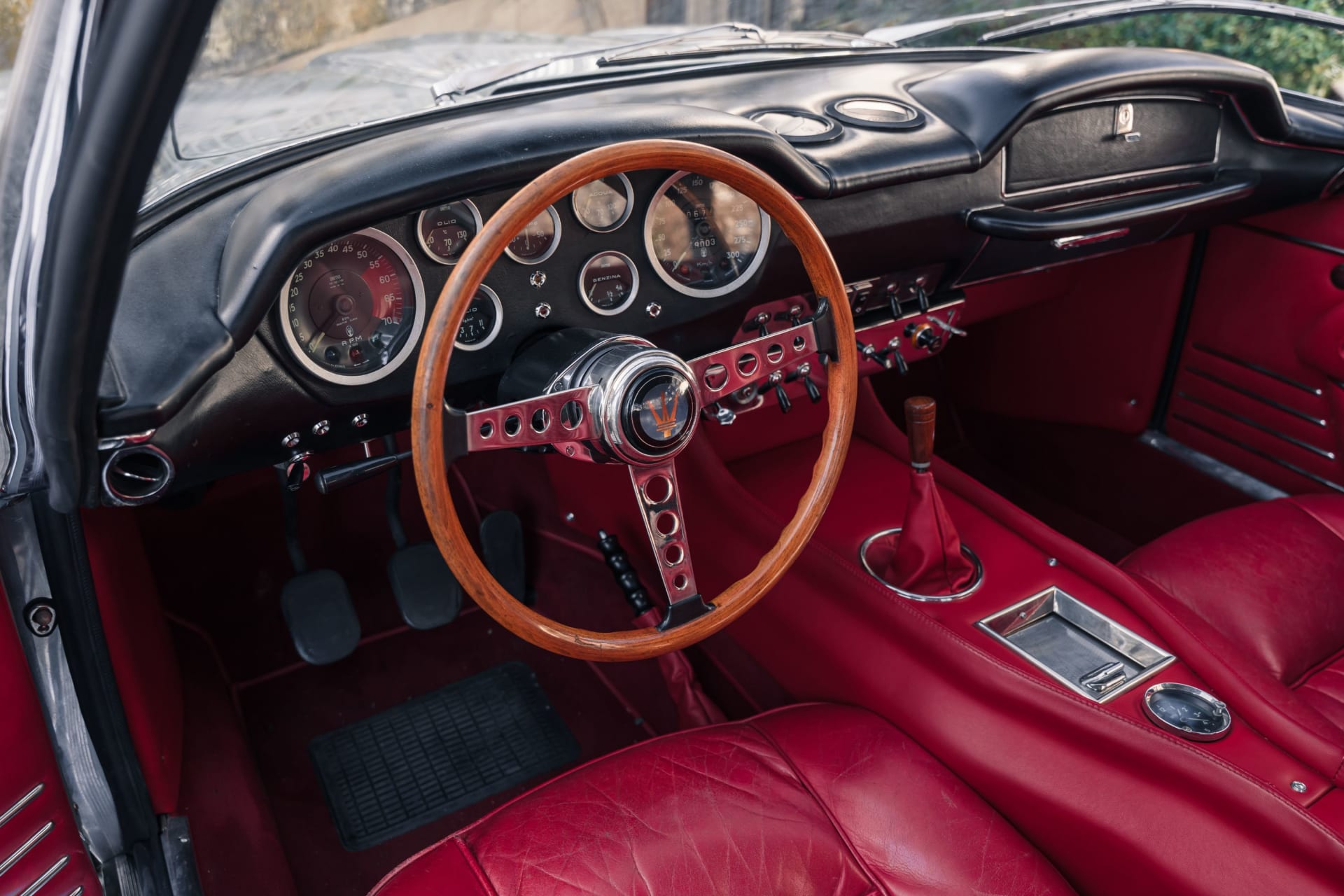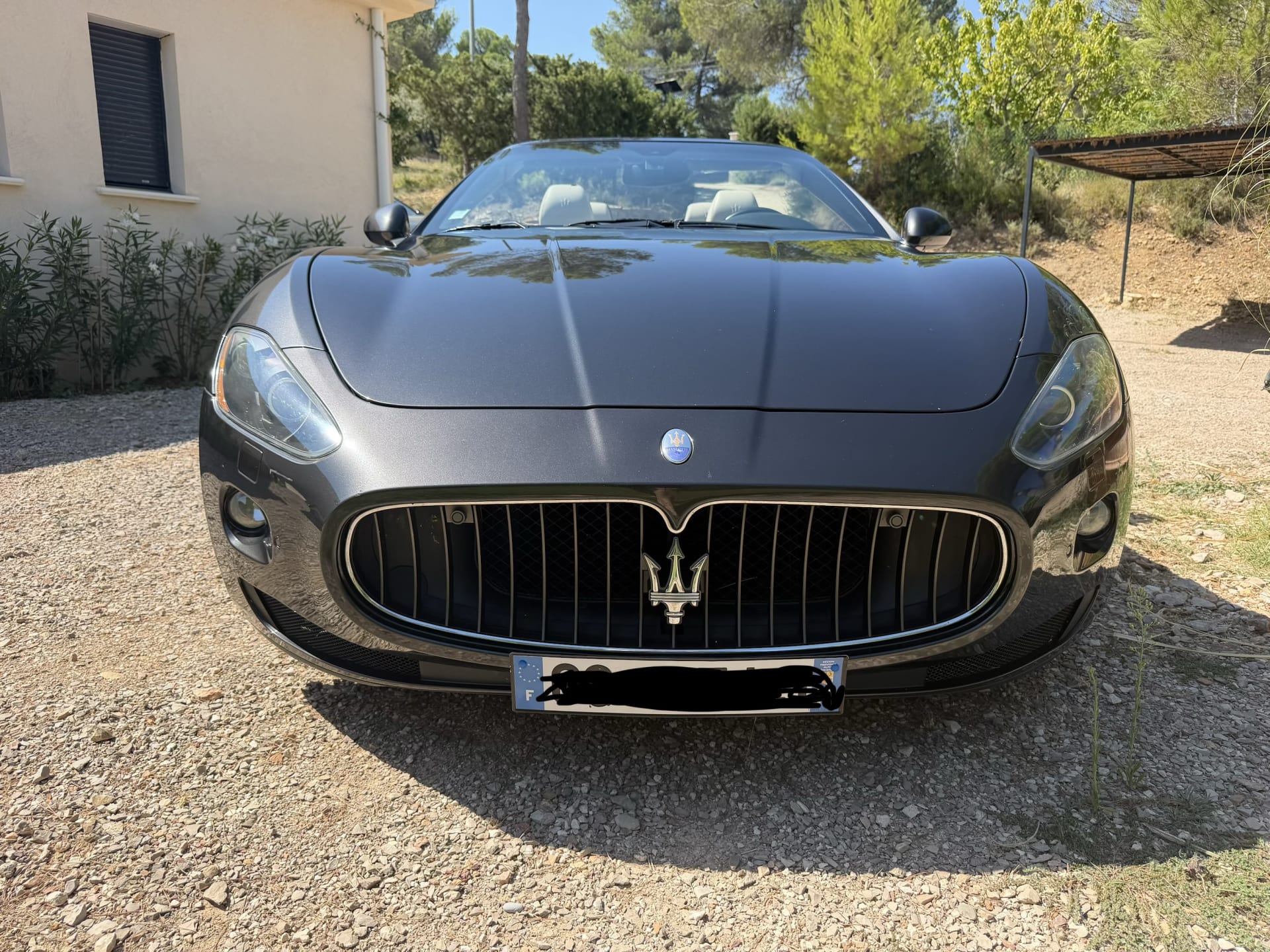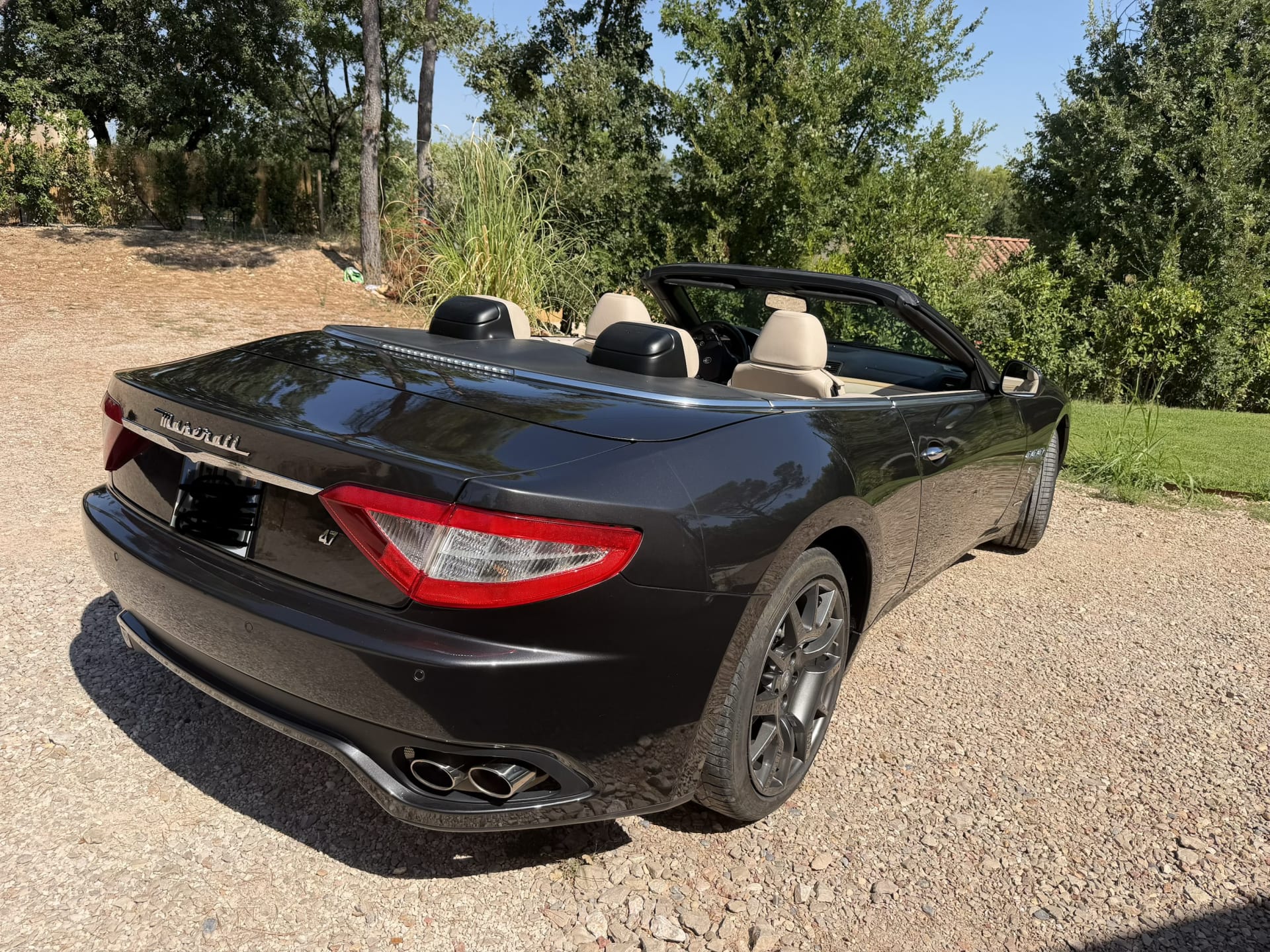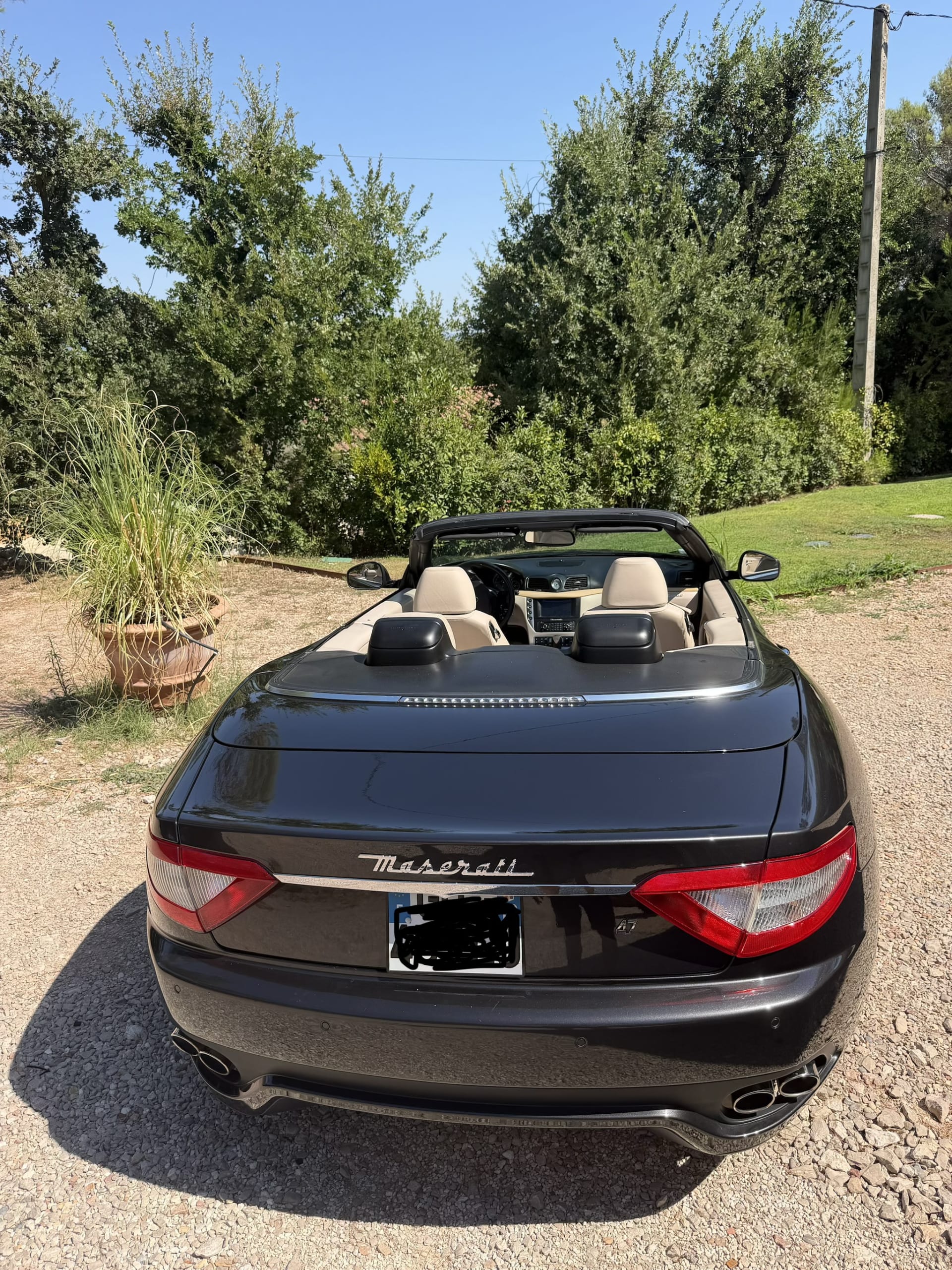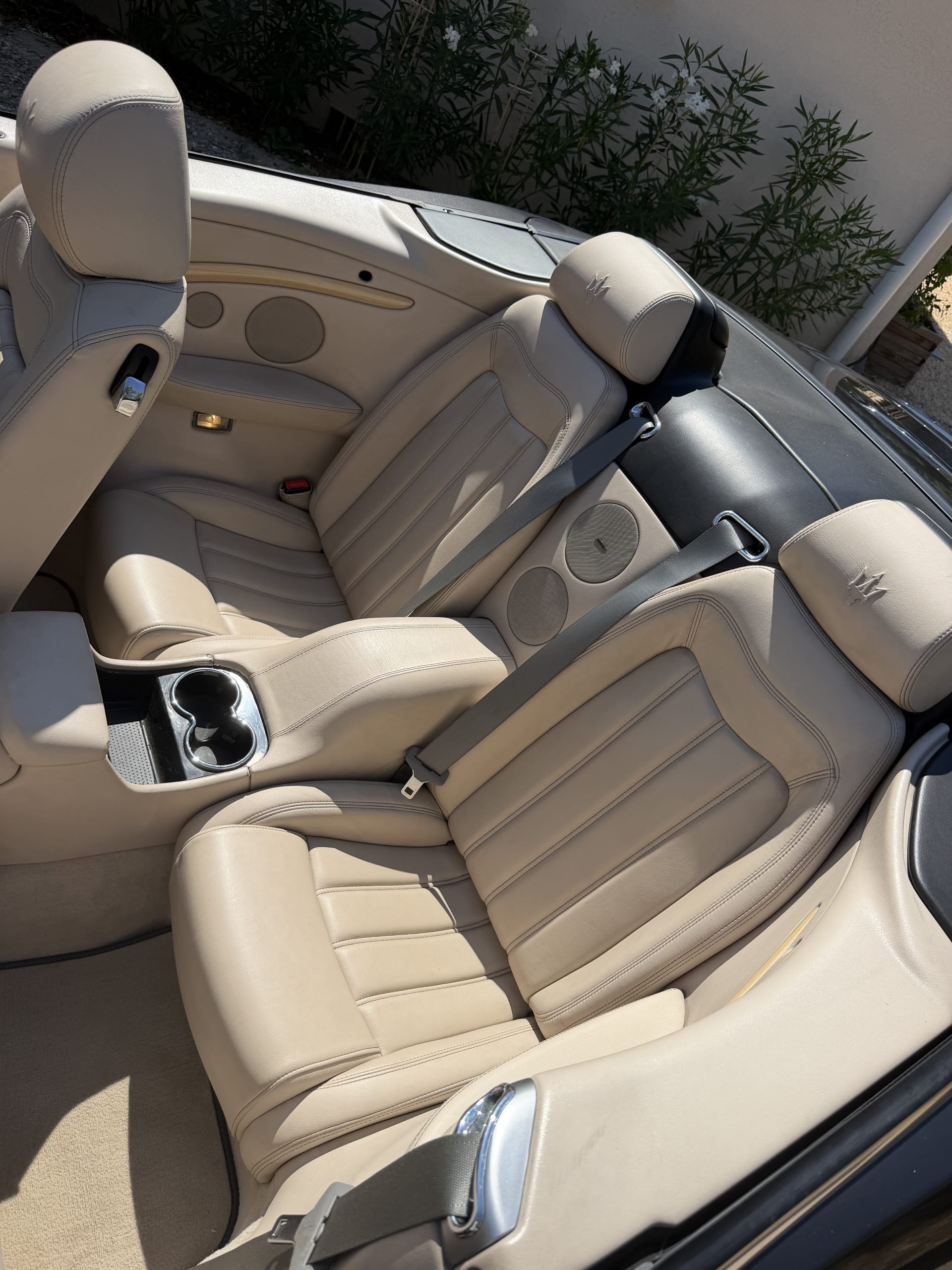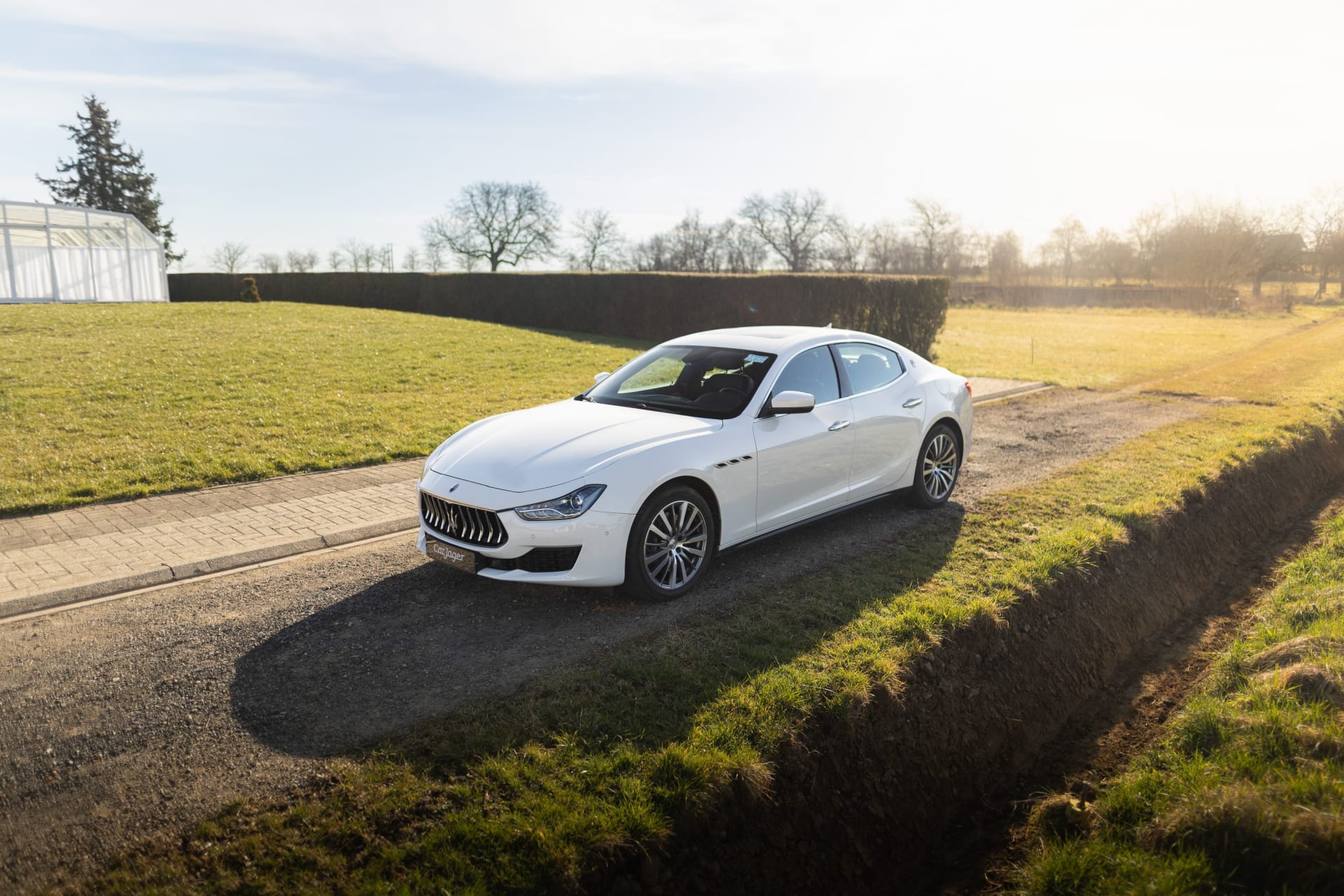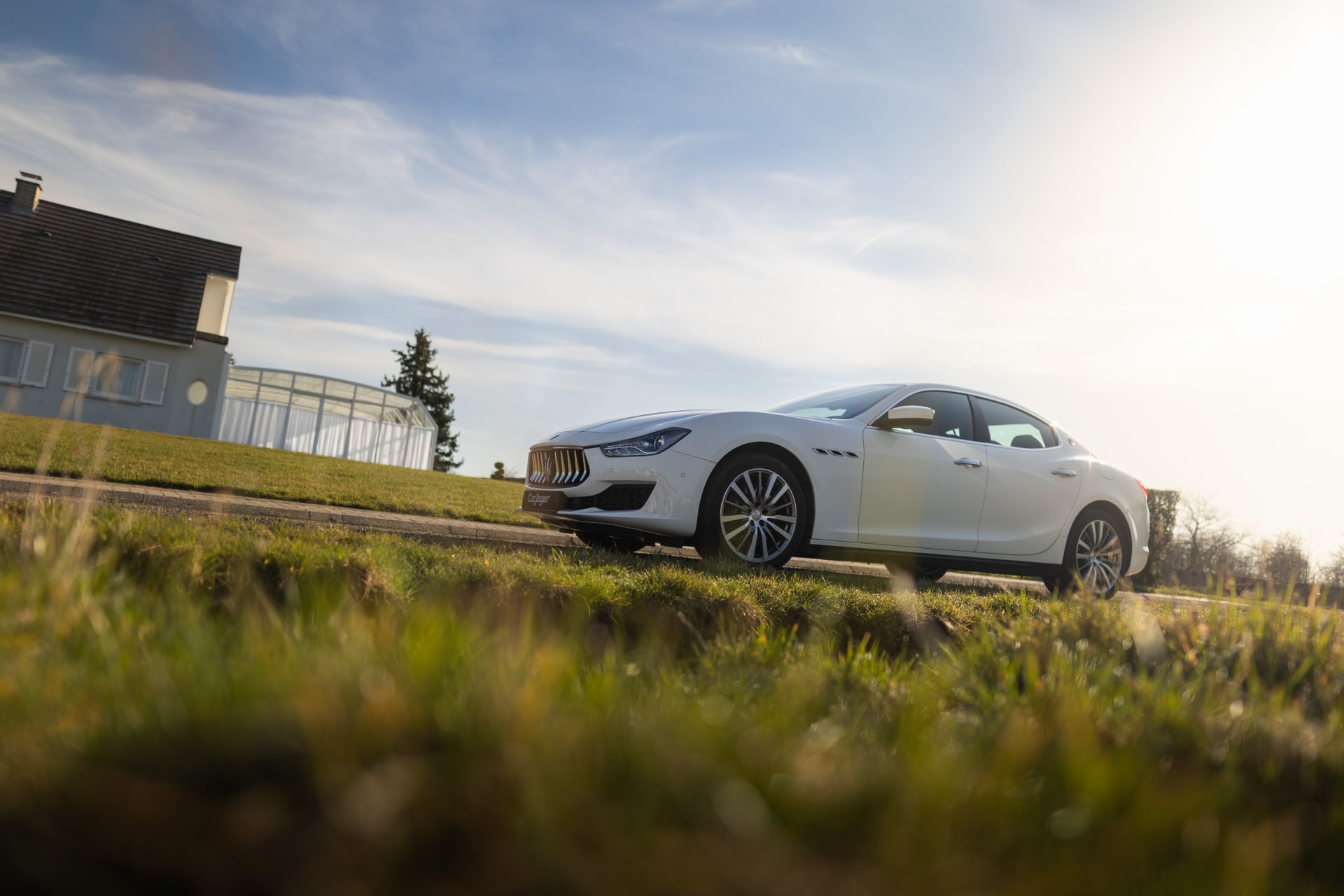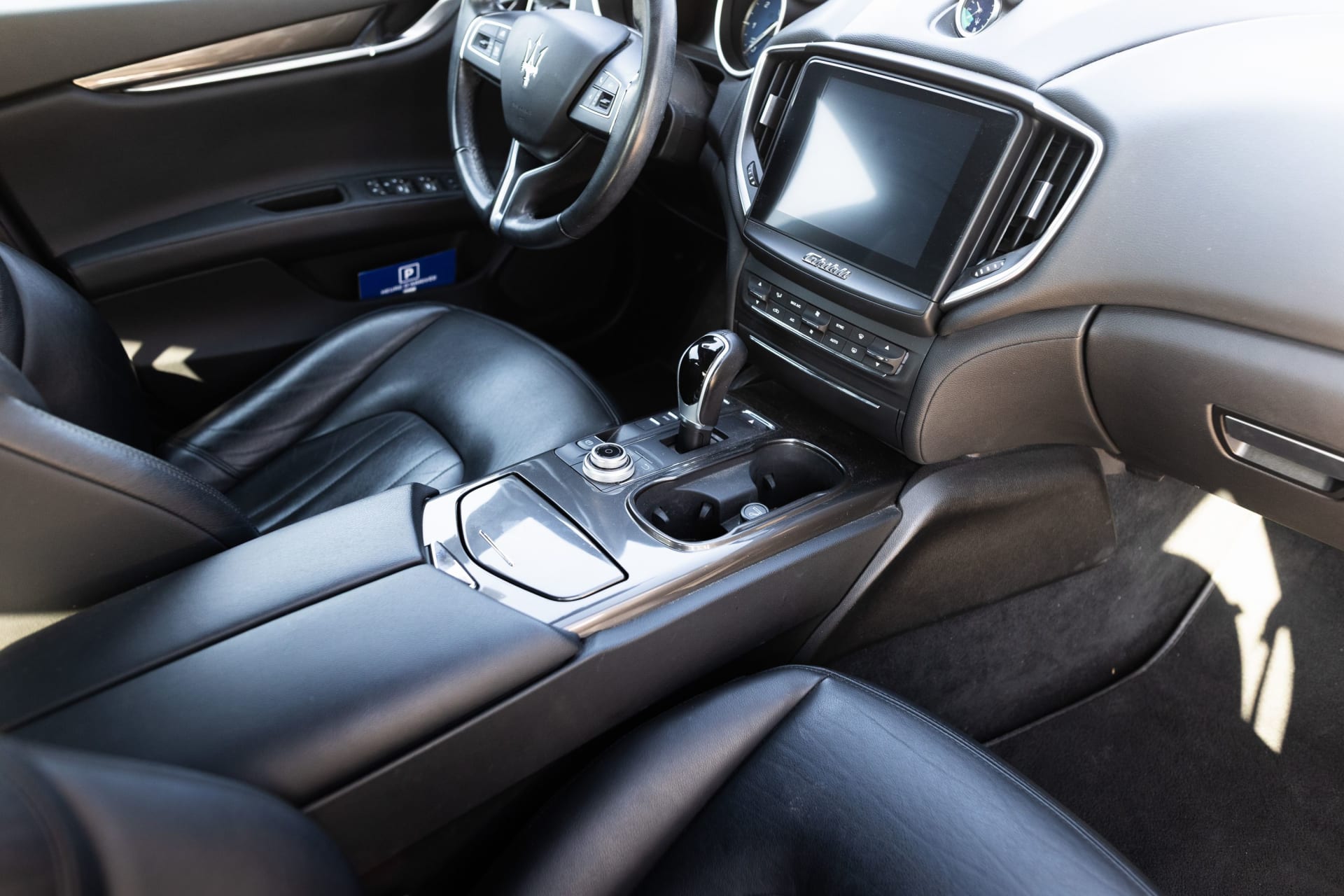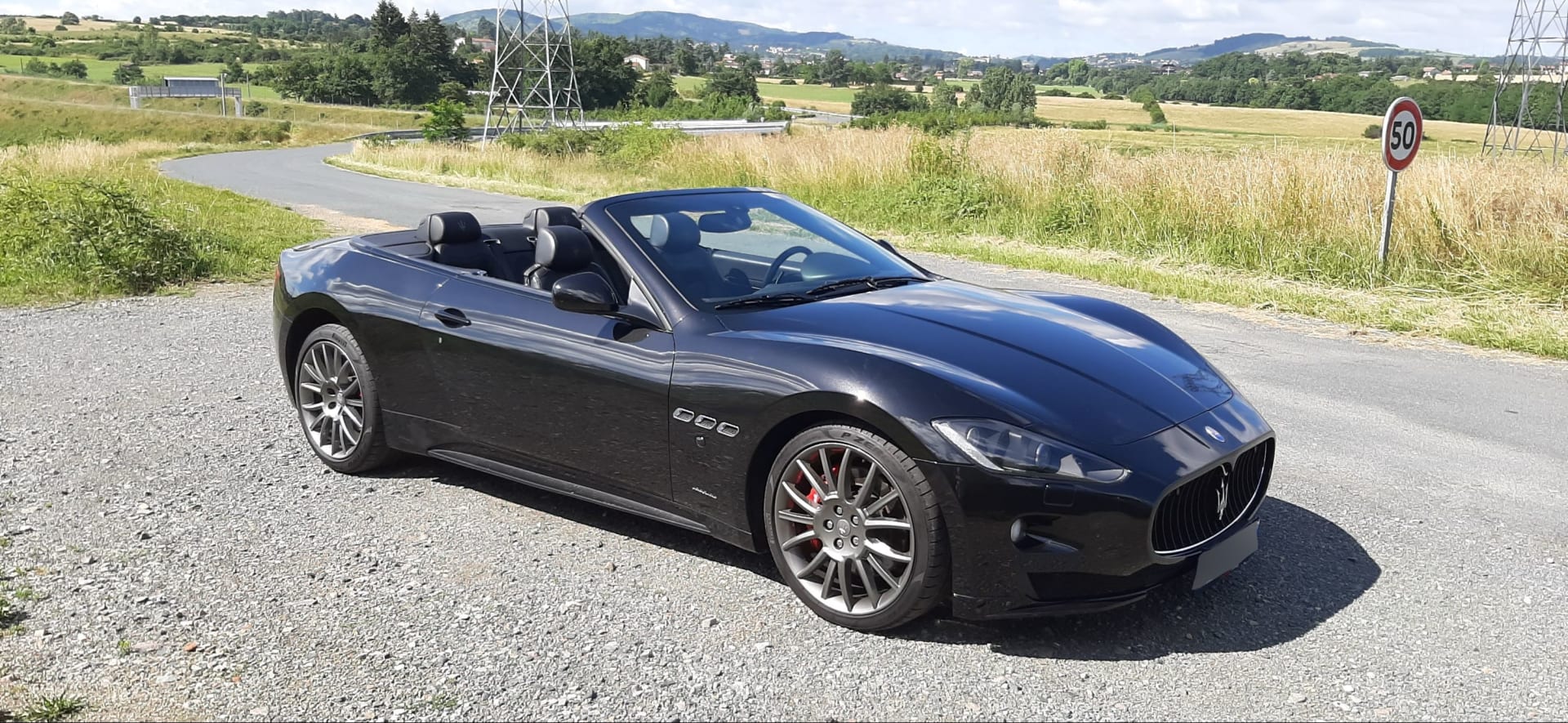
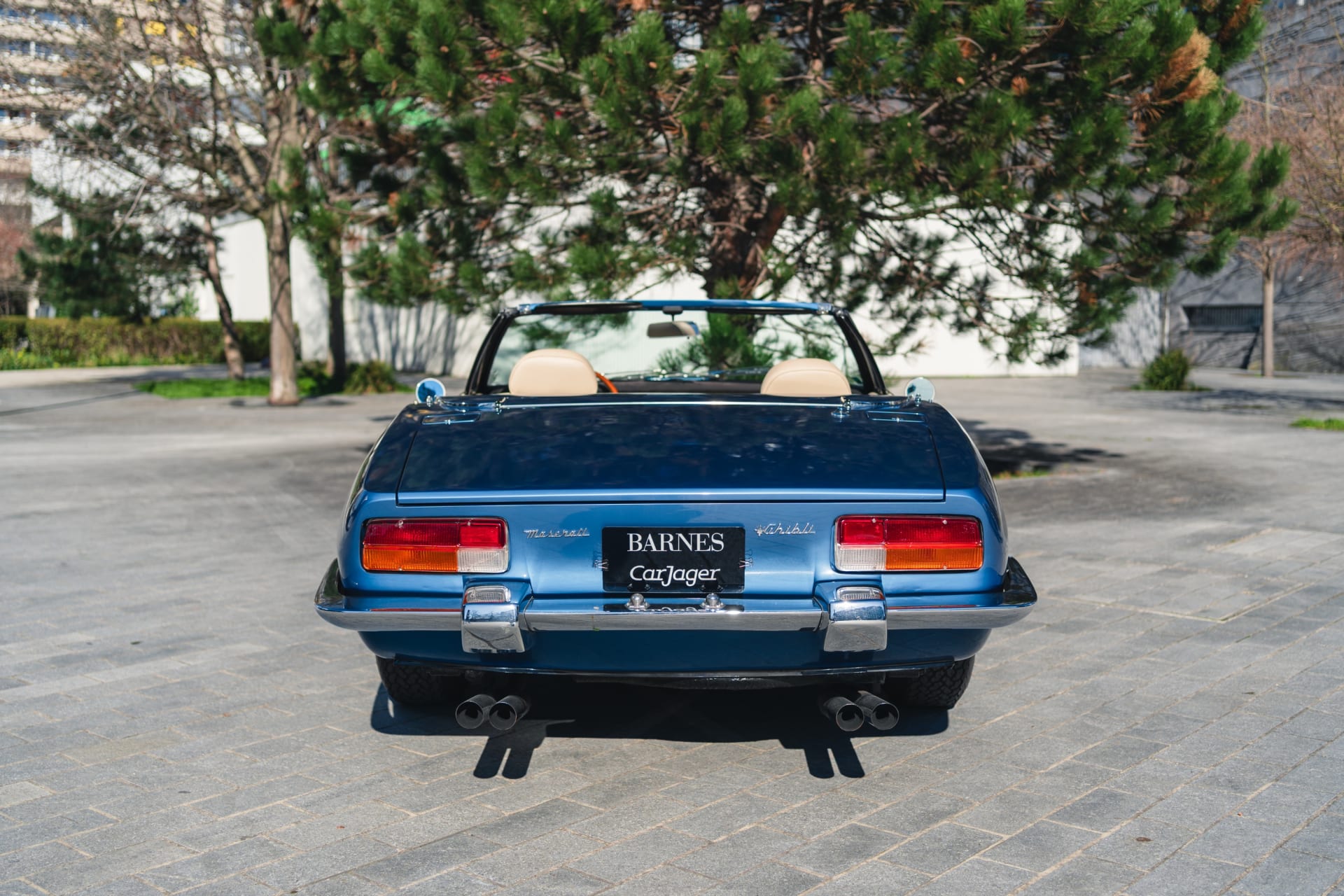
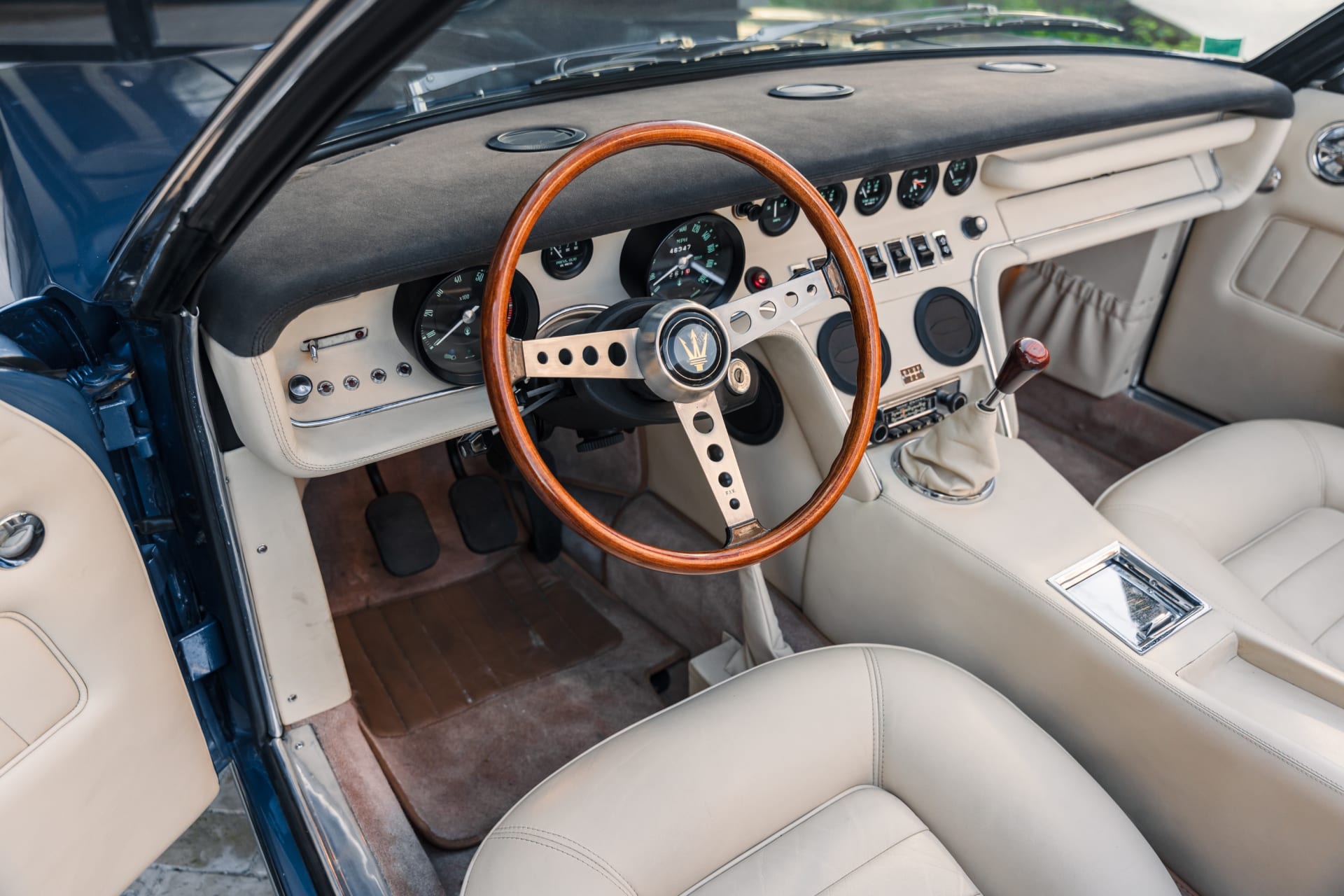
MASERATI
for sale
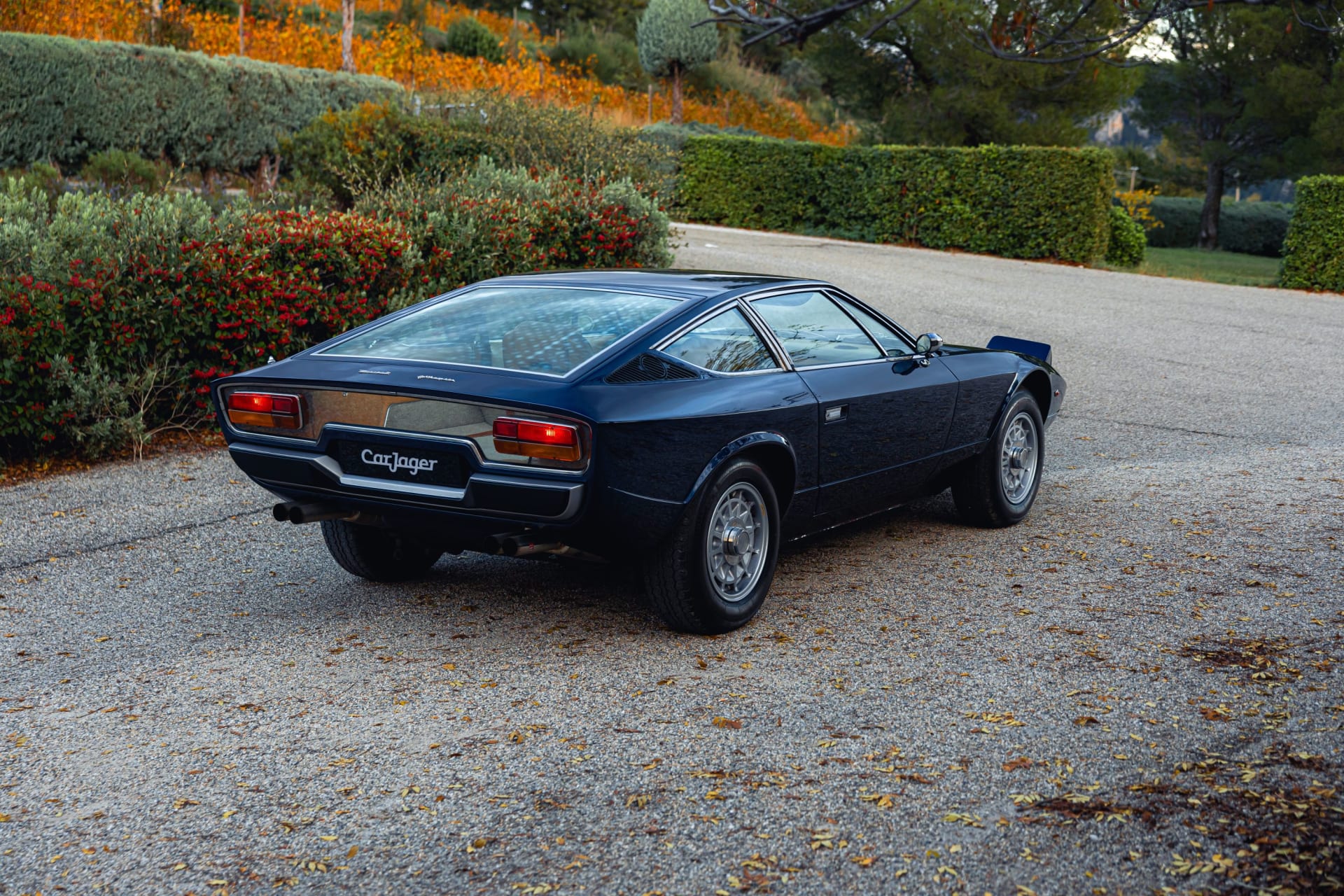
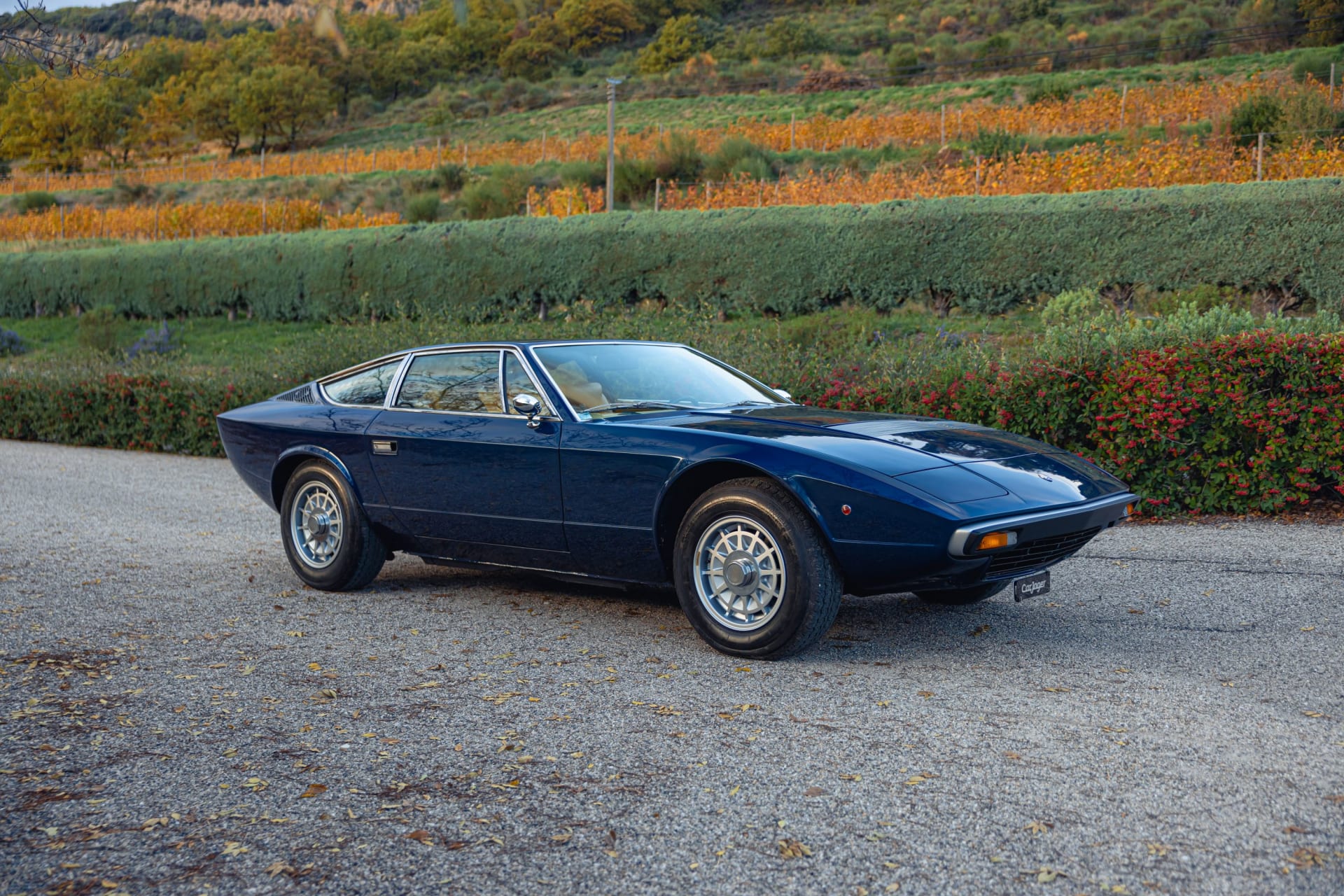
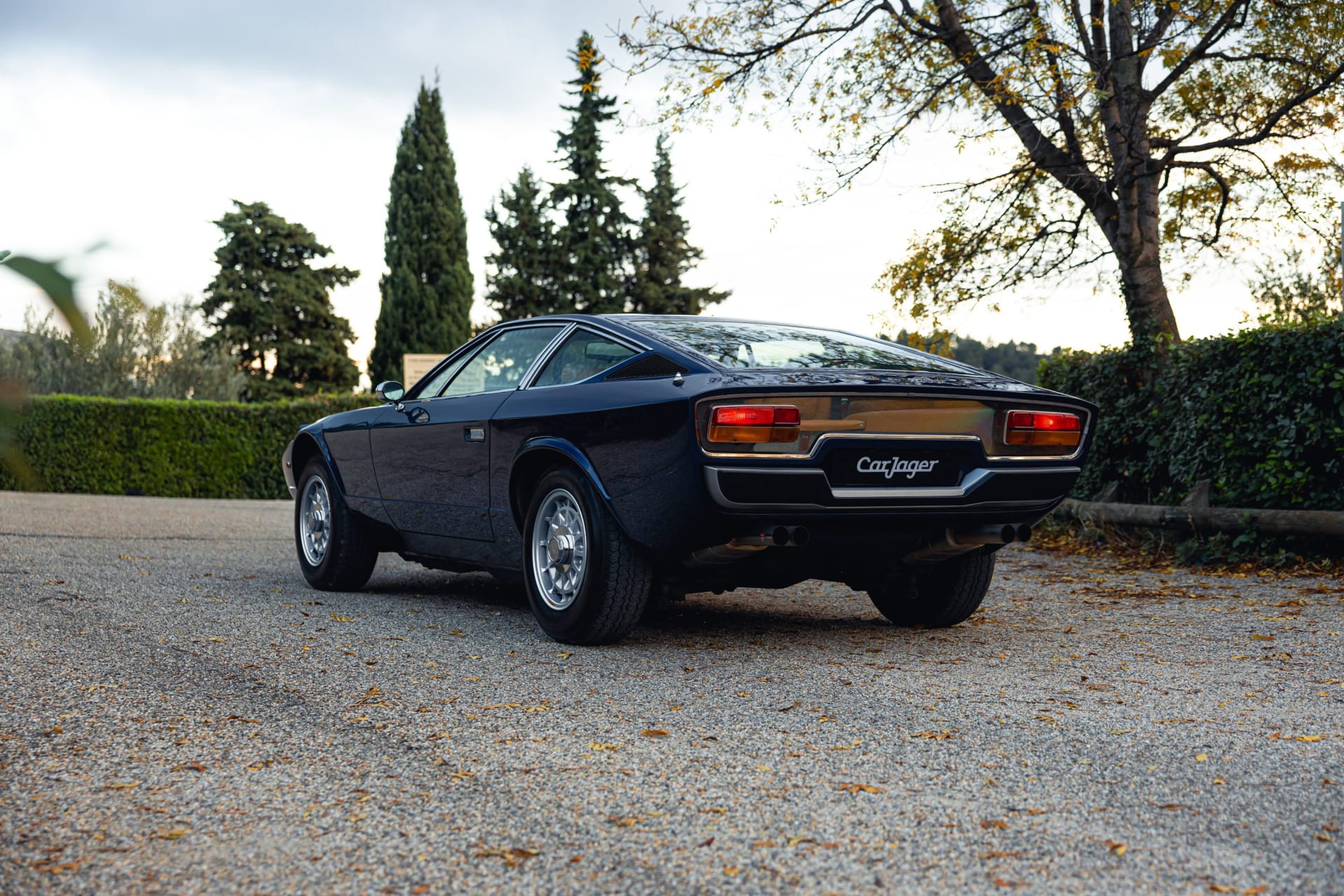
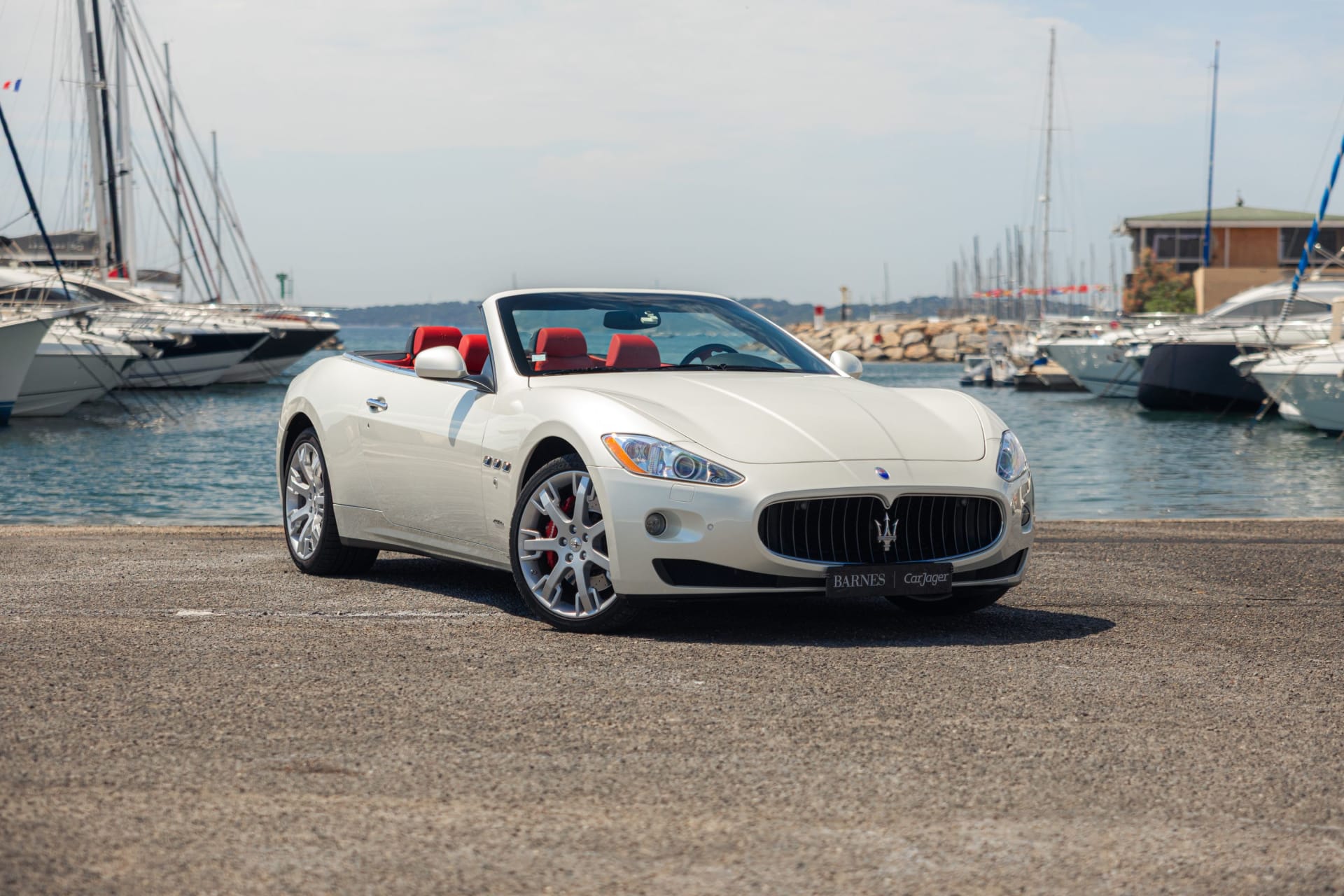
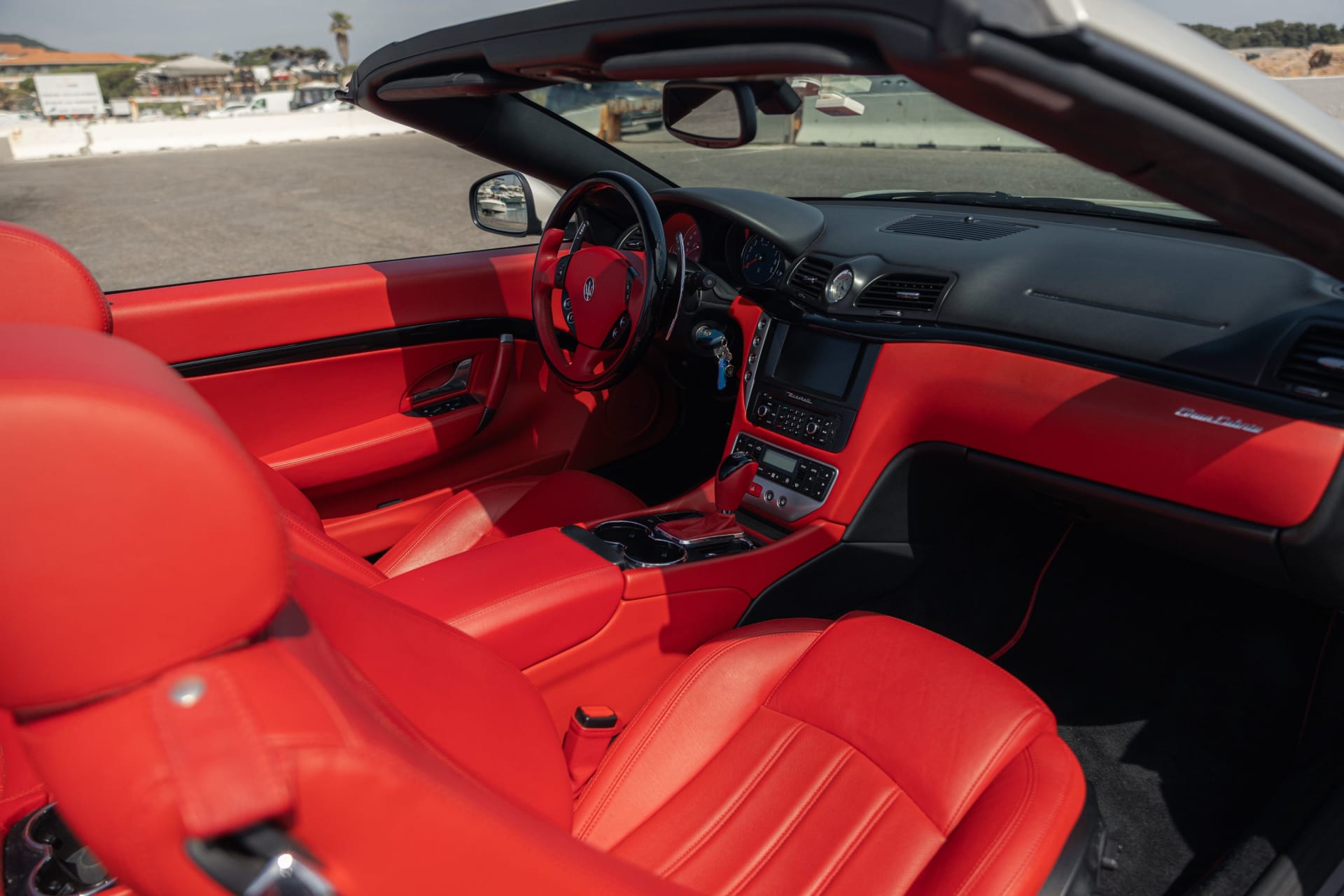
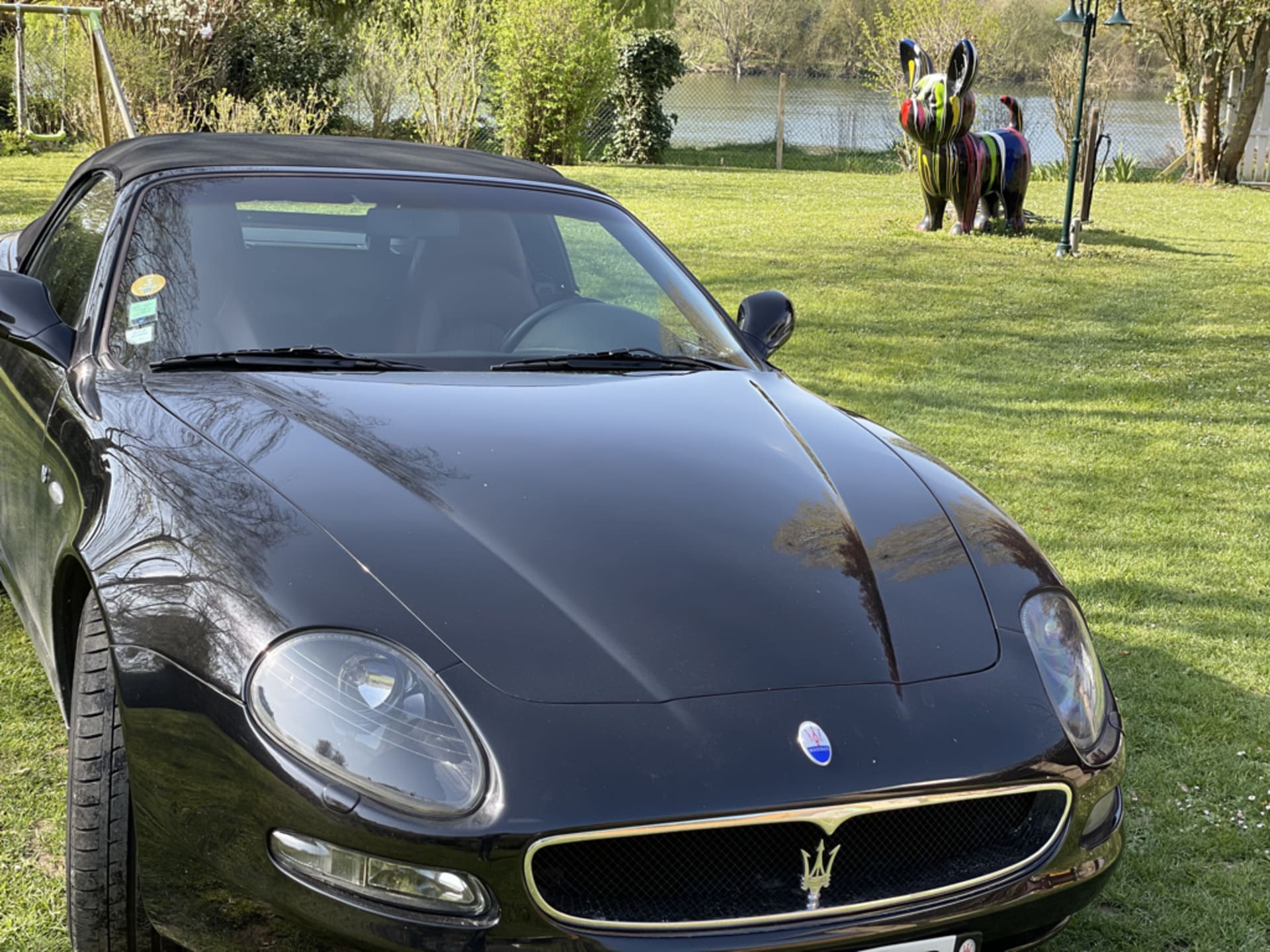
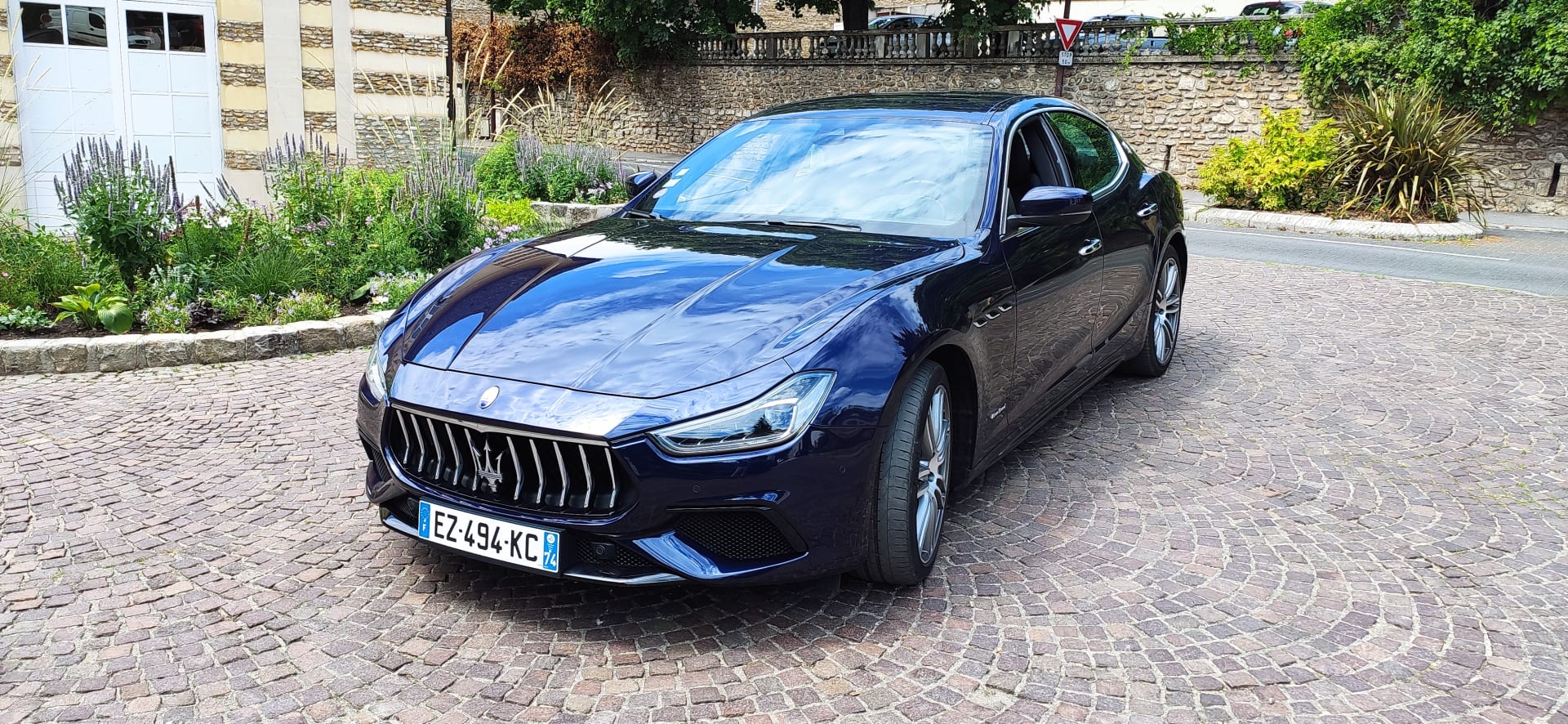
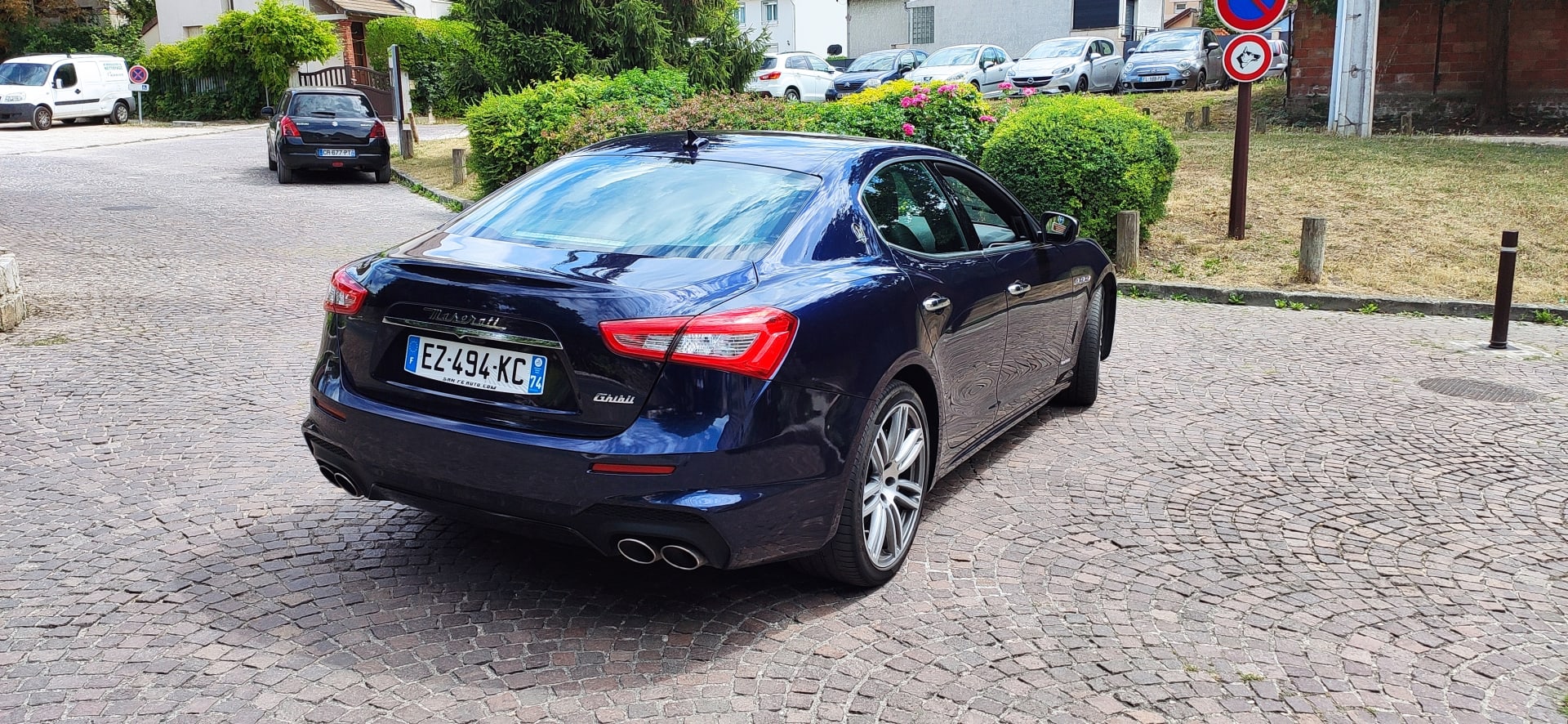
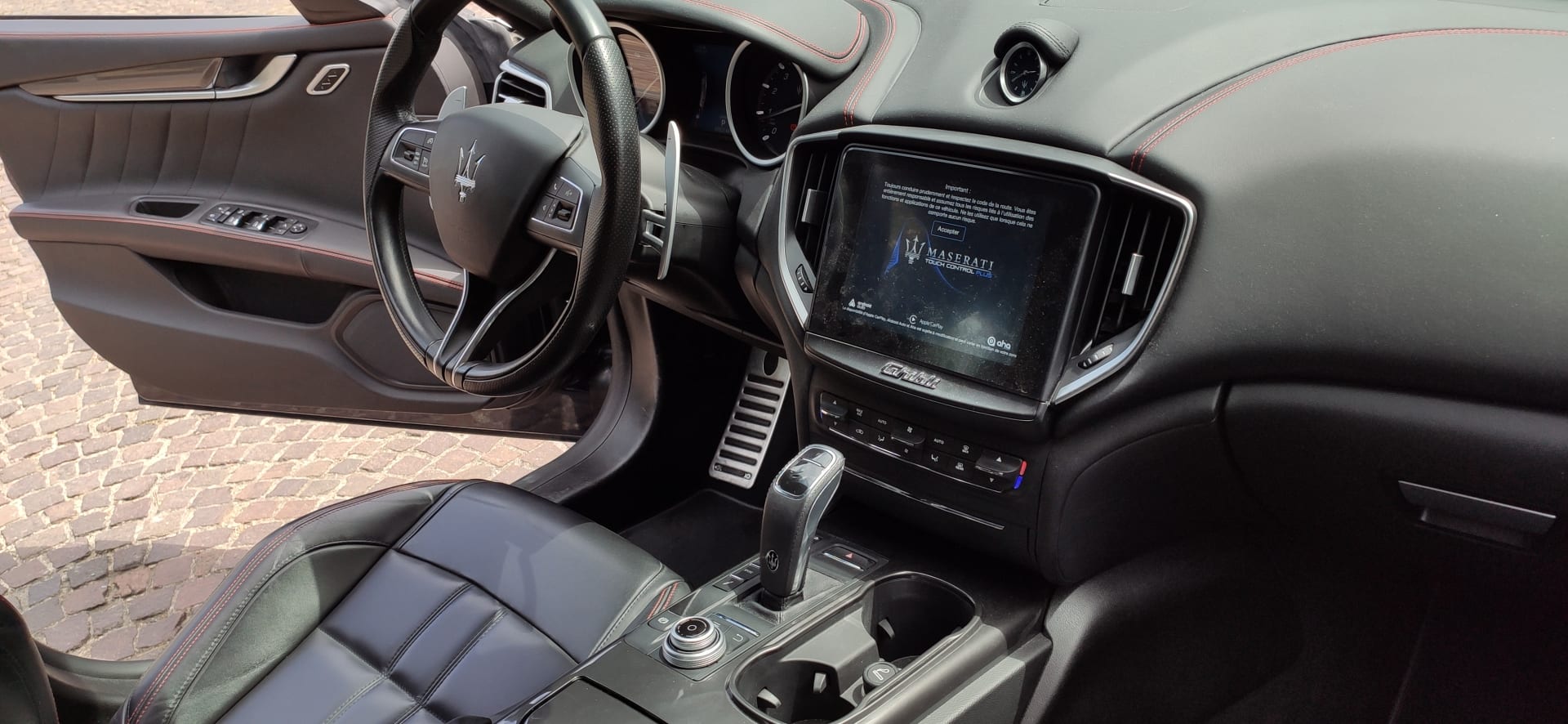
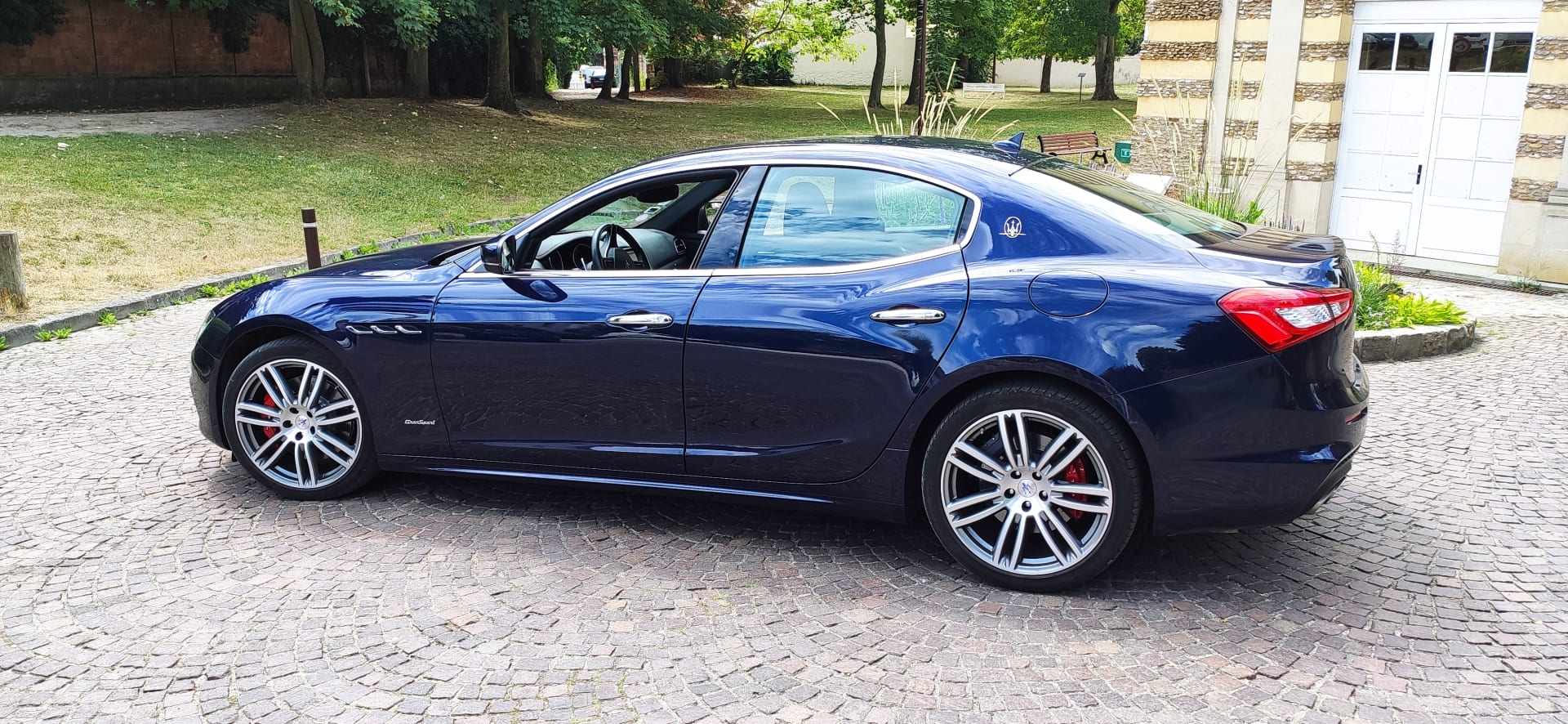
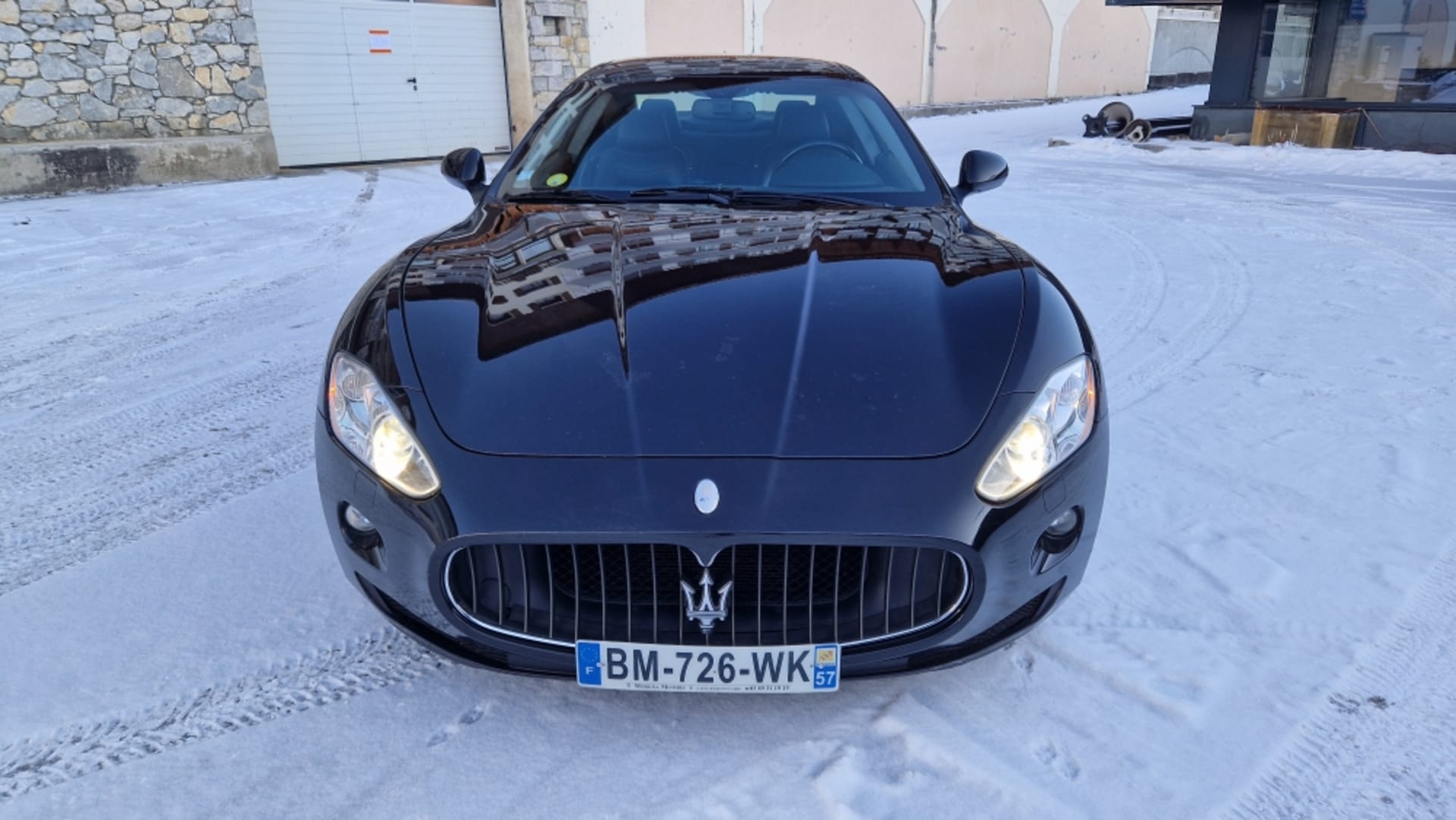
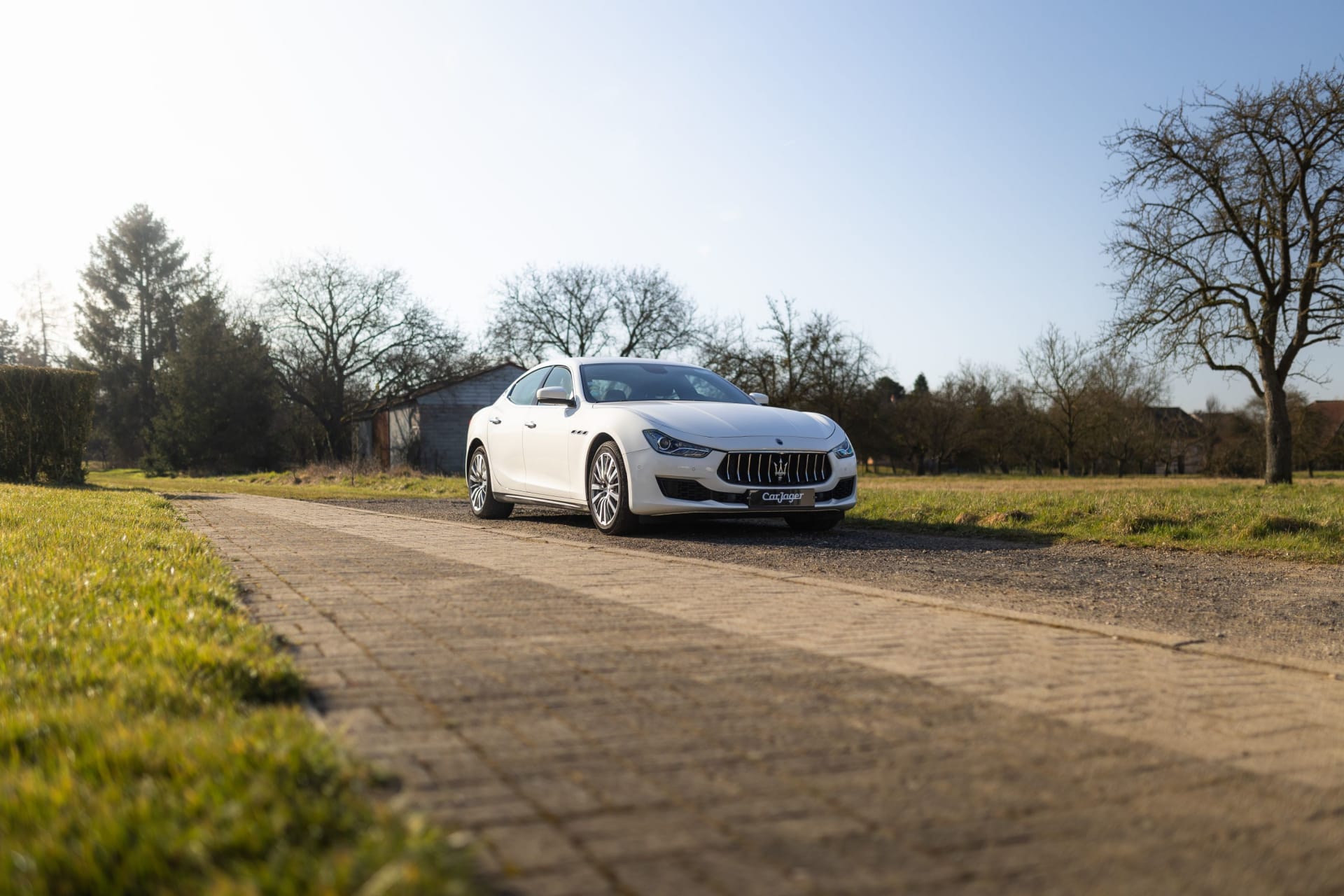
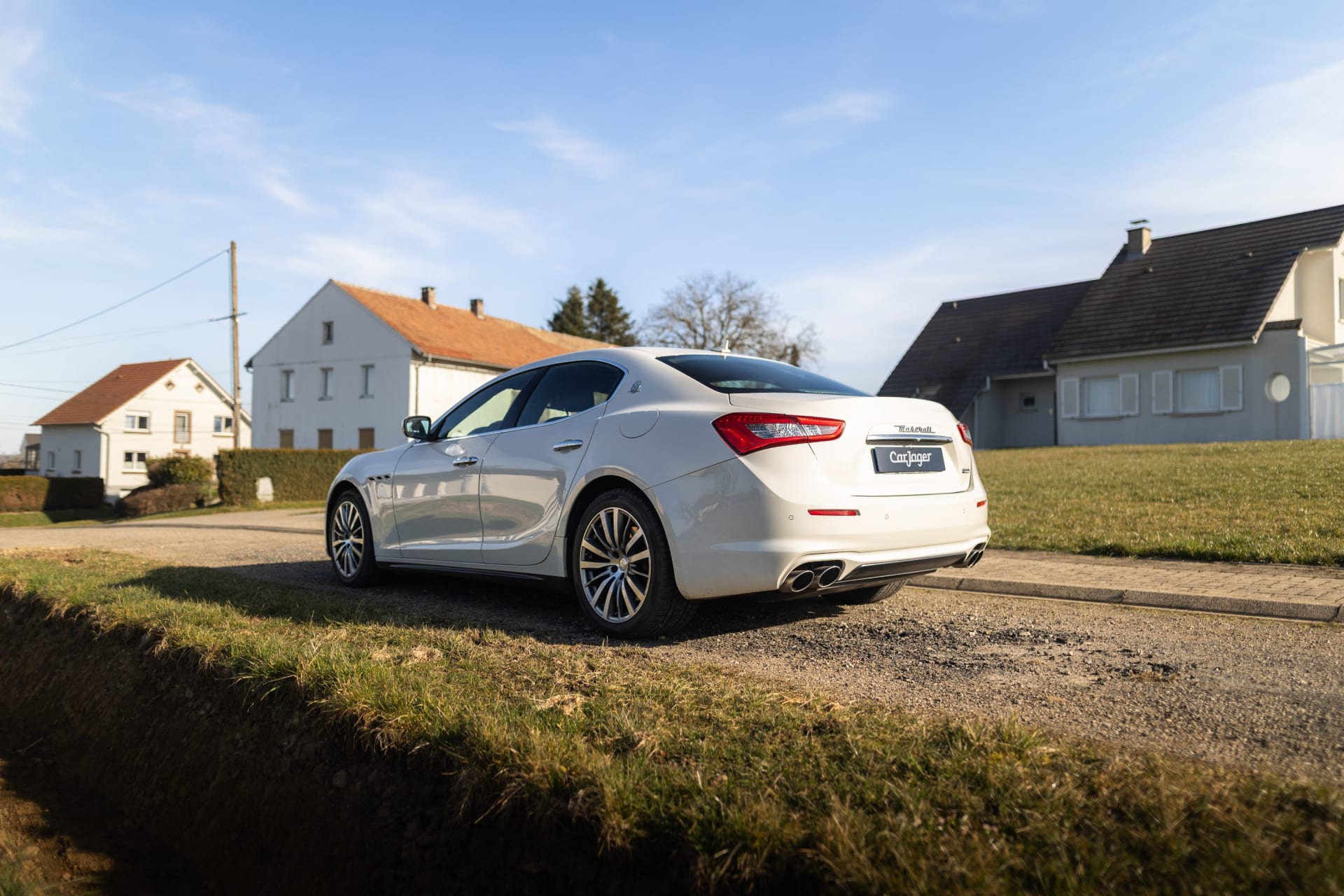
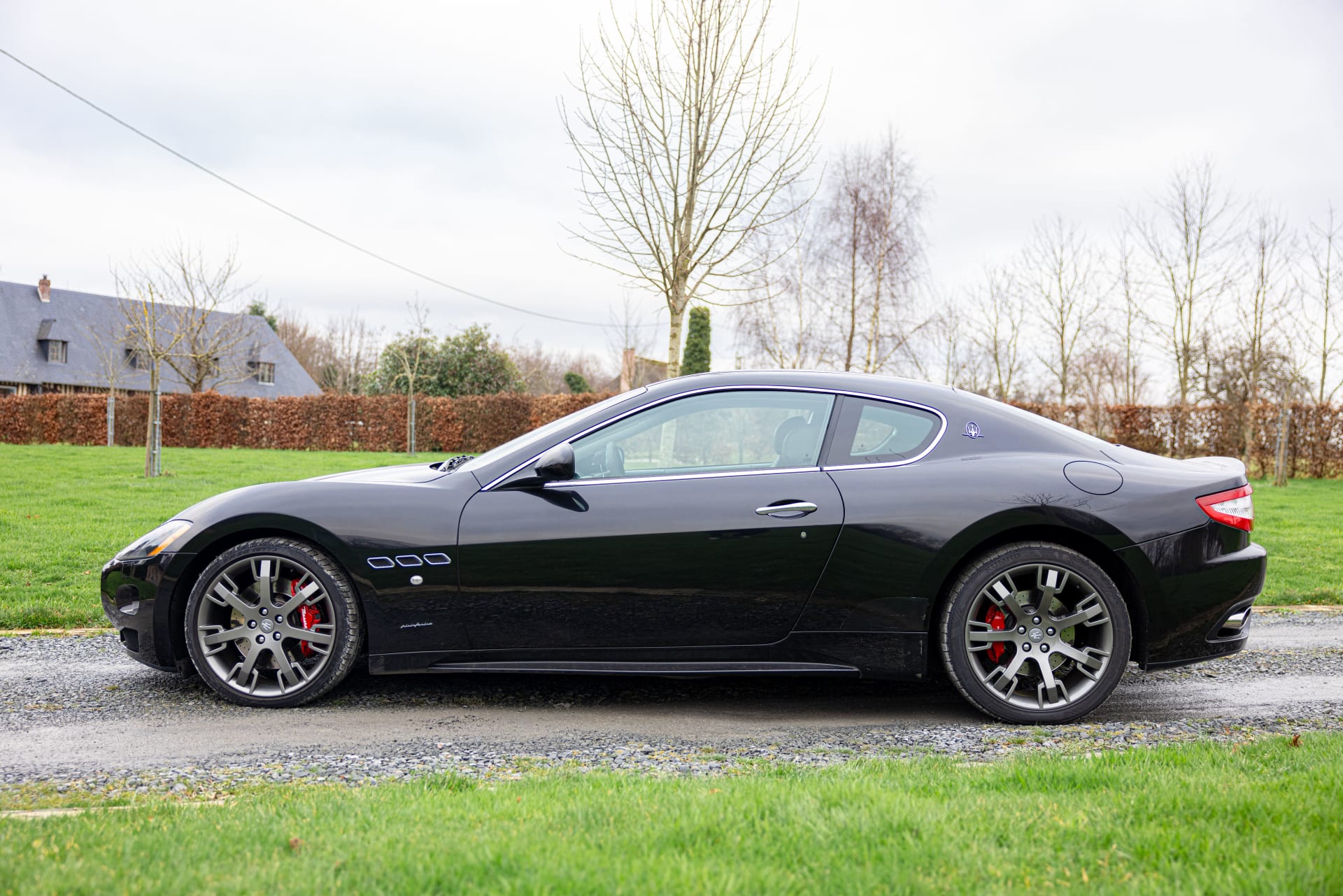
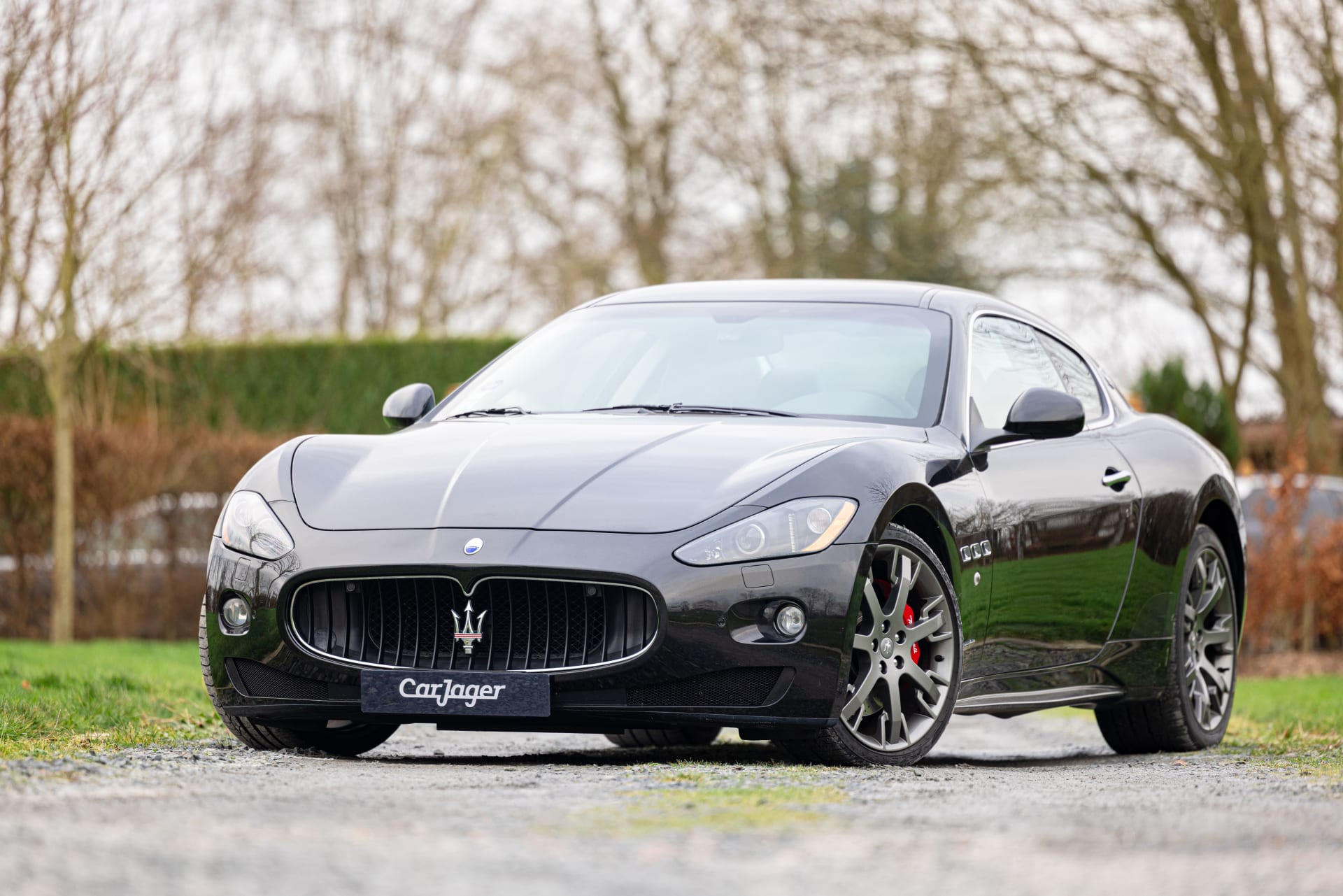
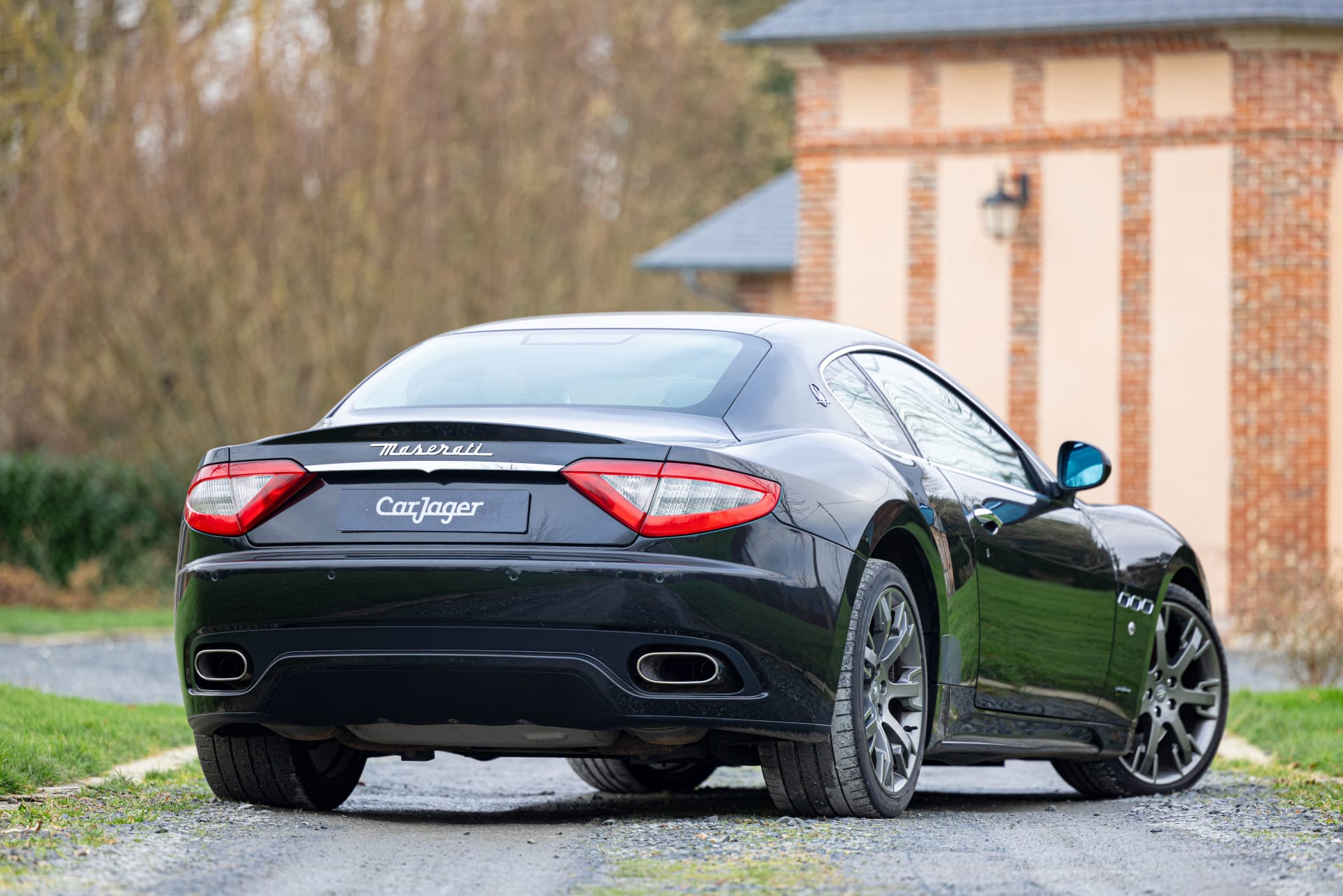
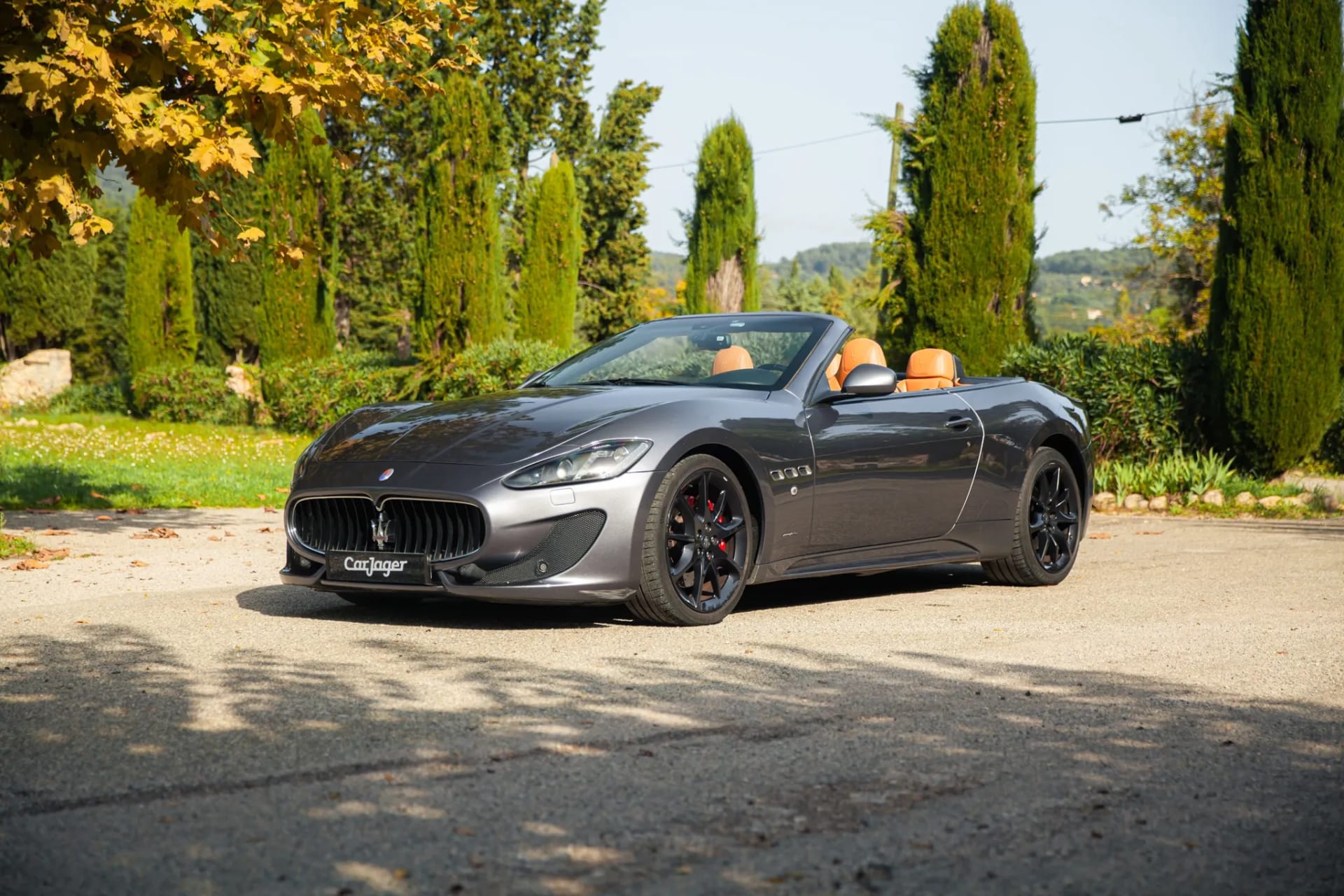
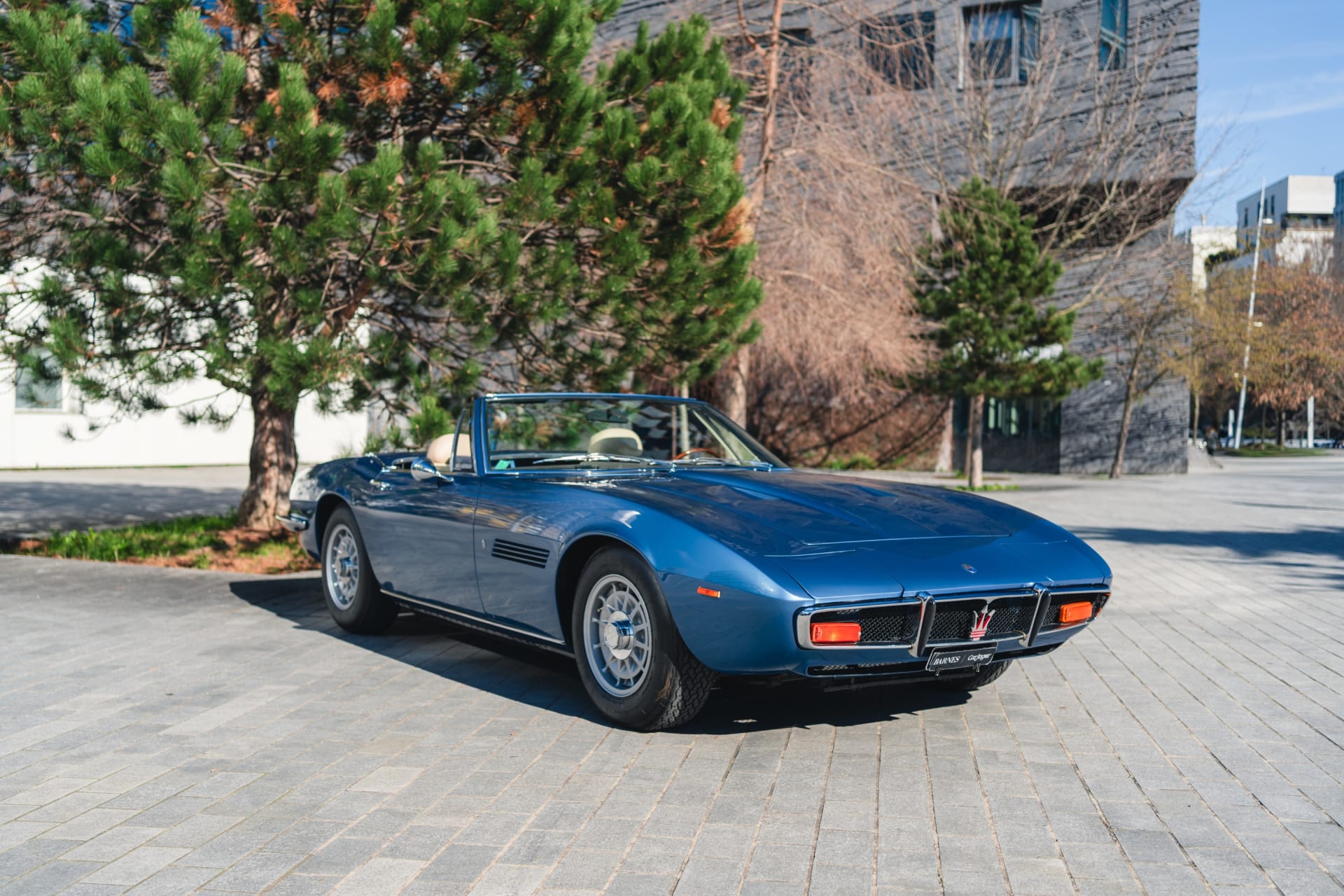
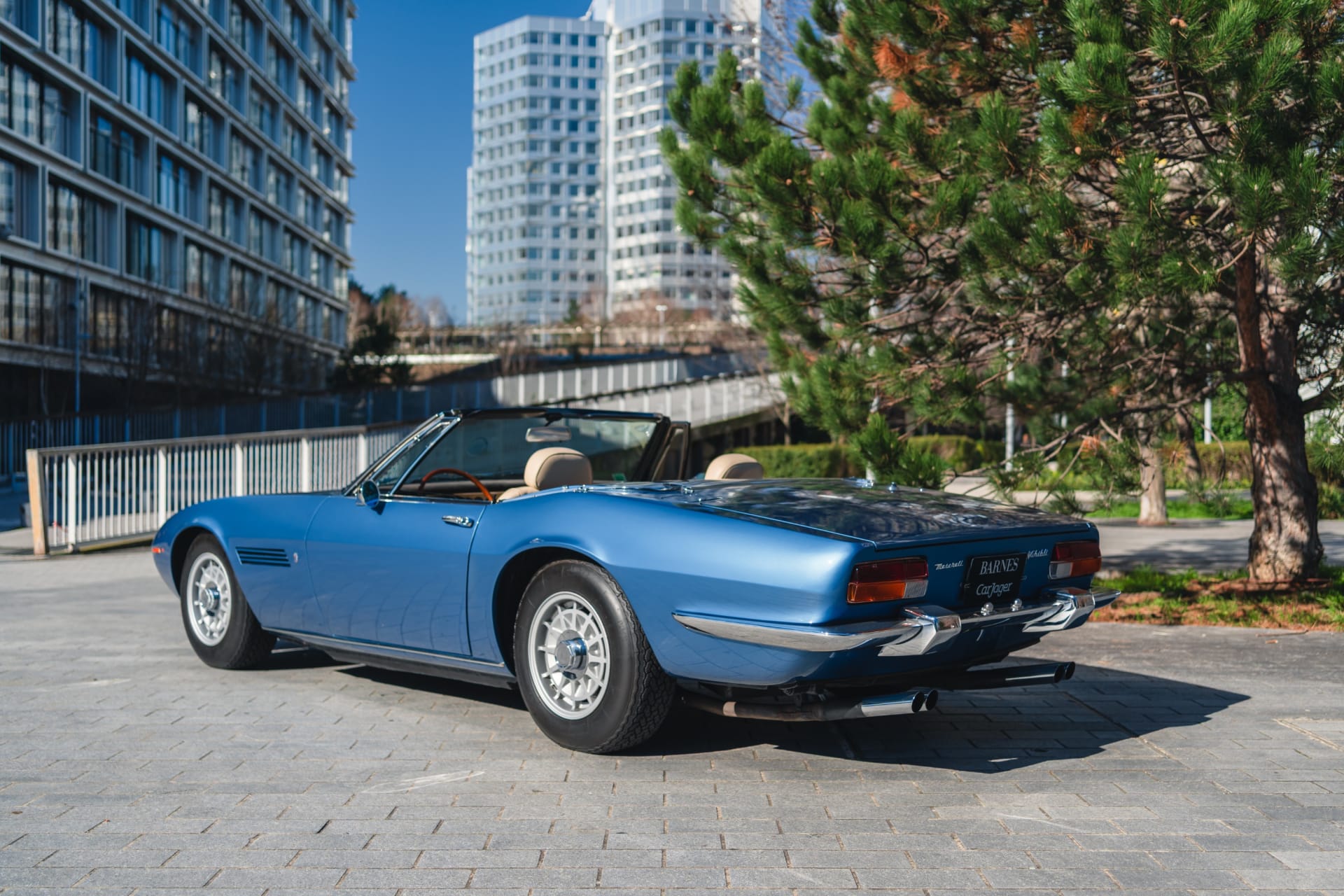
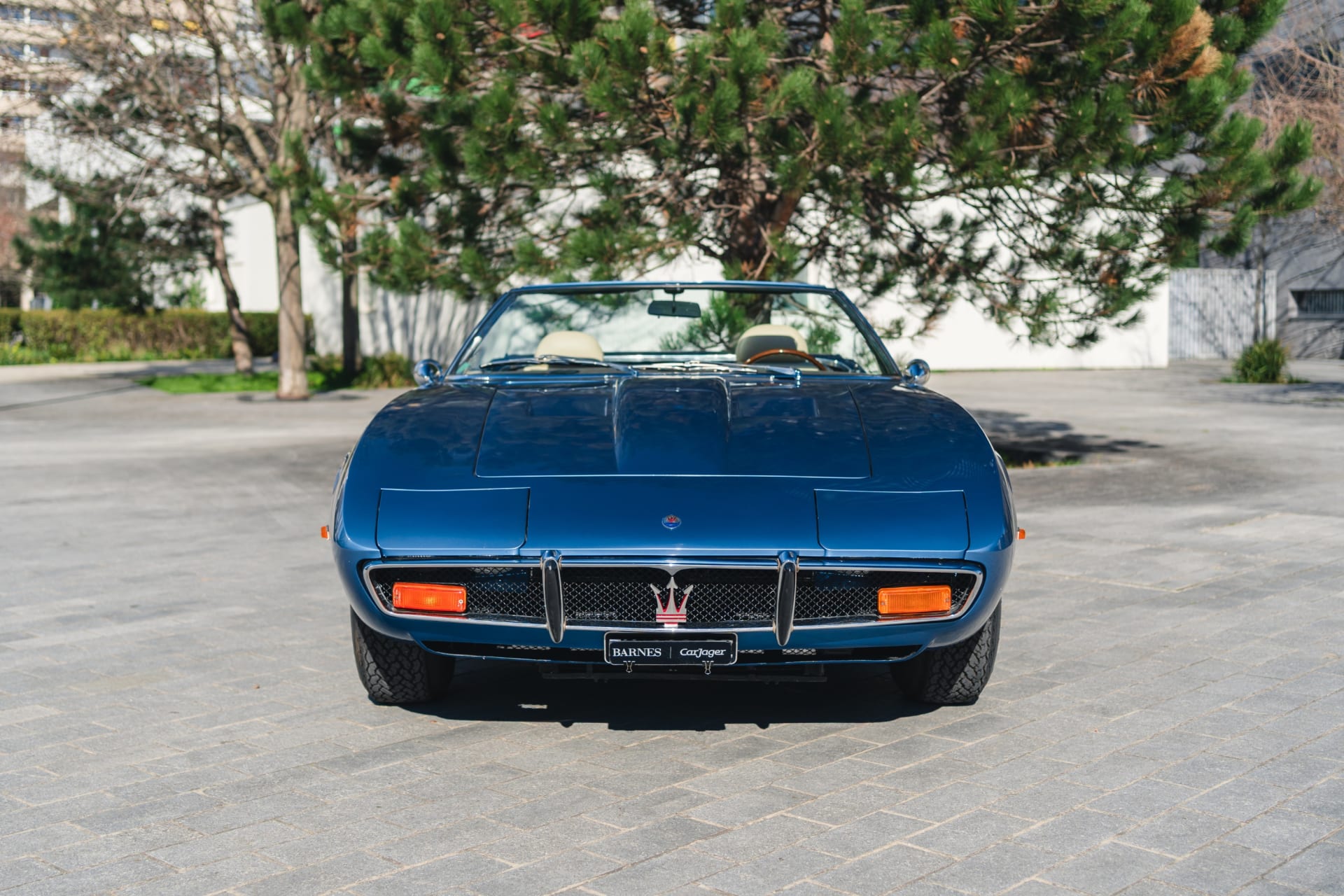
Whether you're tempted by a Bora, a Biturbo, or a more contemporary MC20, CarJager's Car Specialists will help you find the Maserati of your dreams!
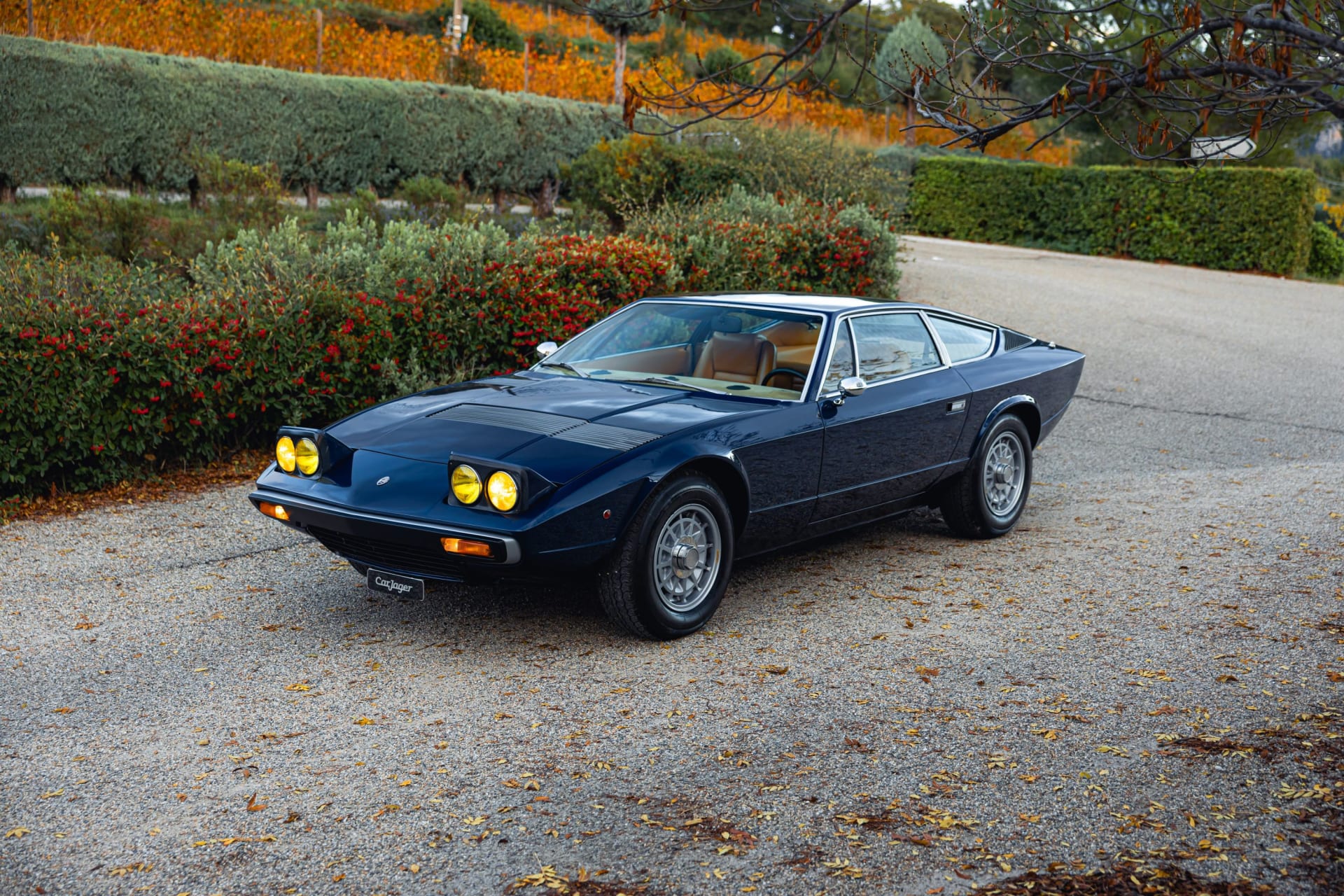
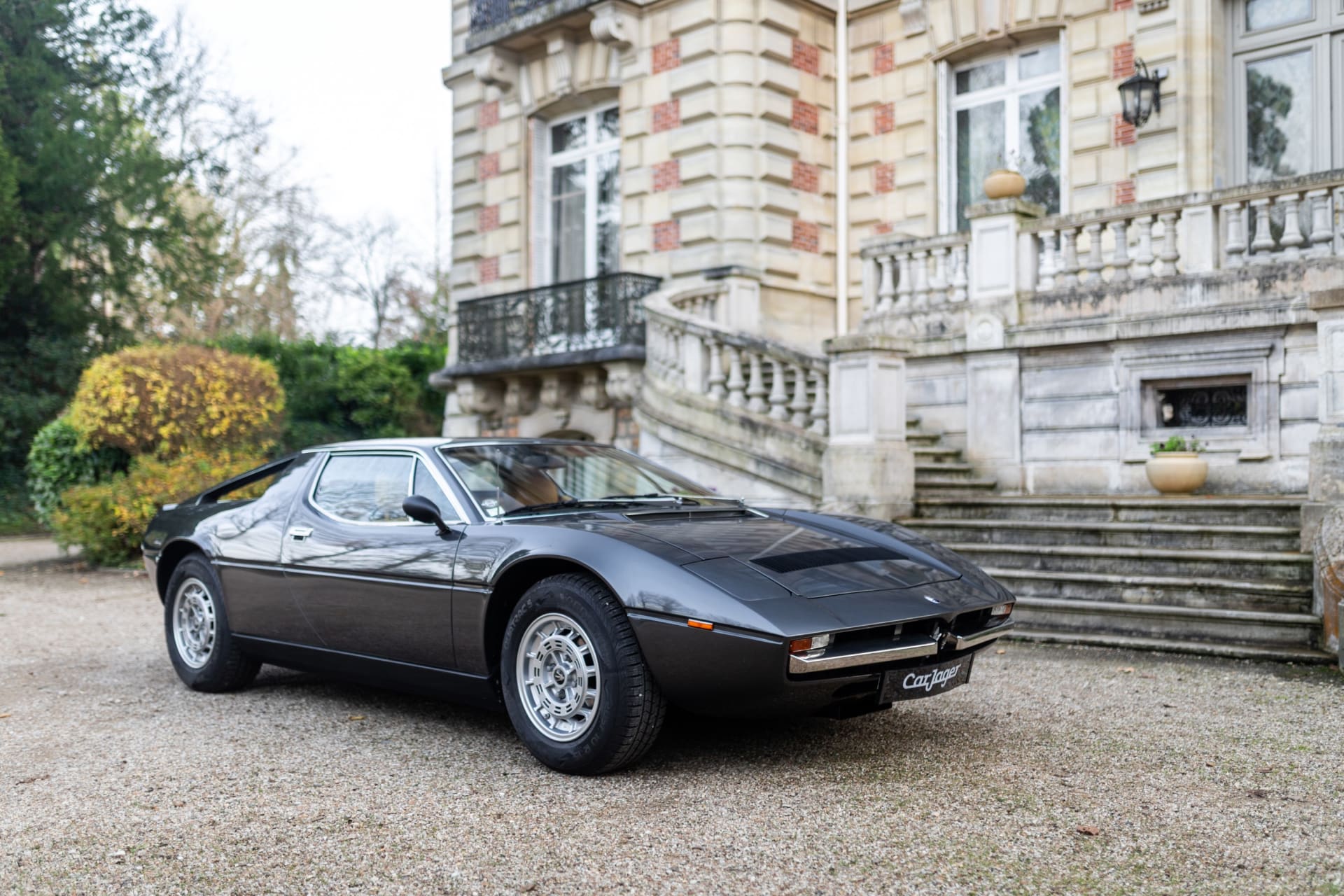
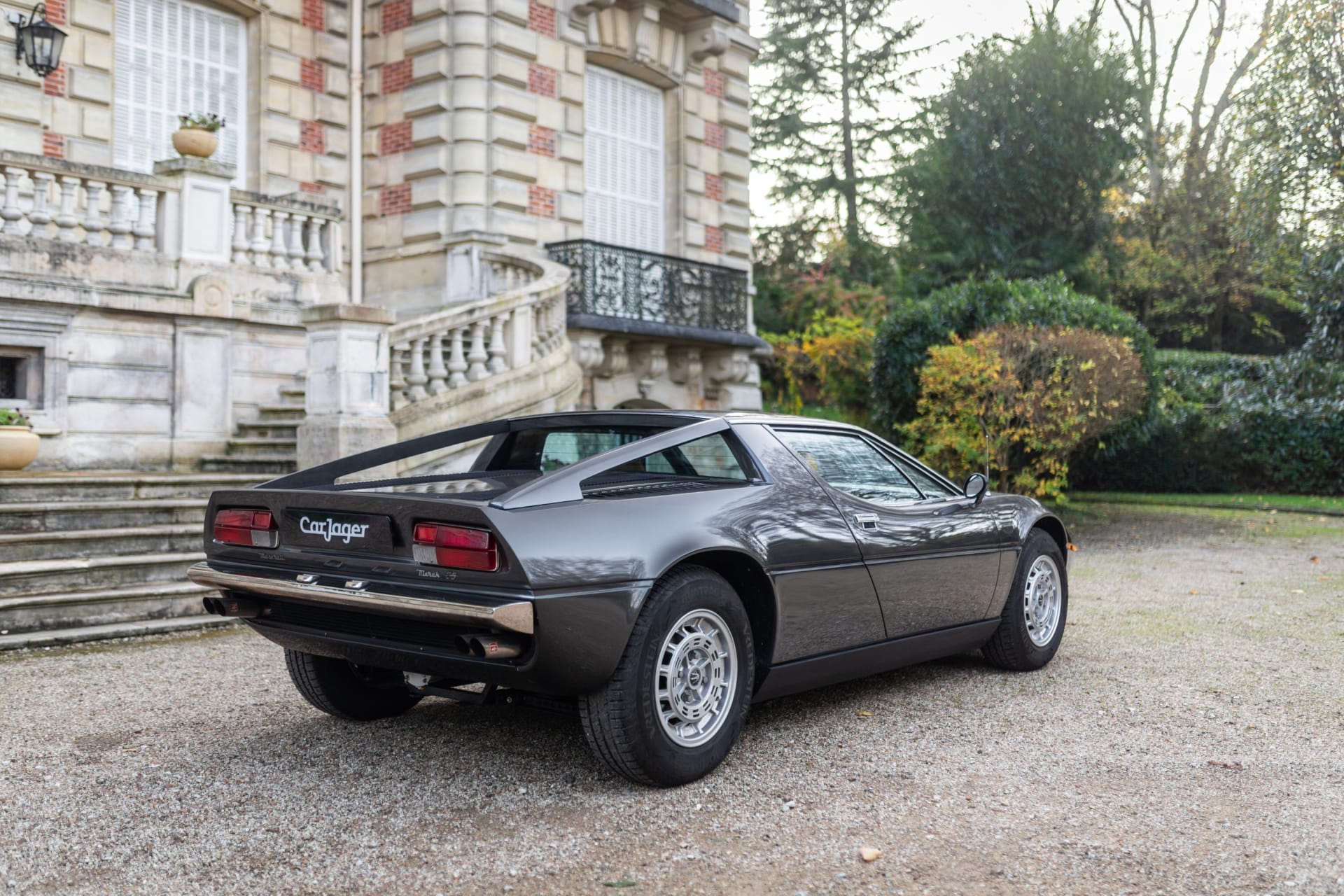
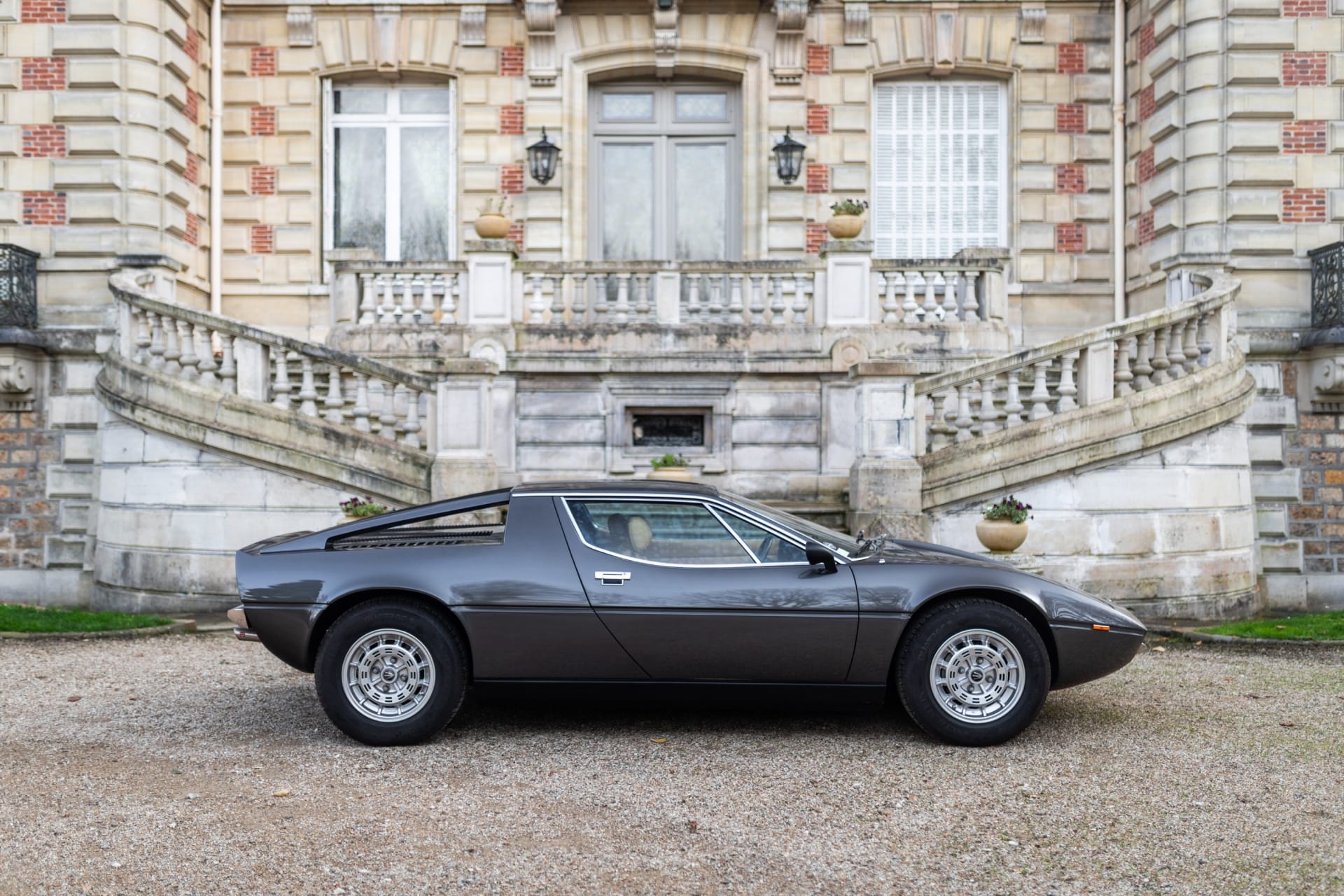
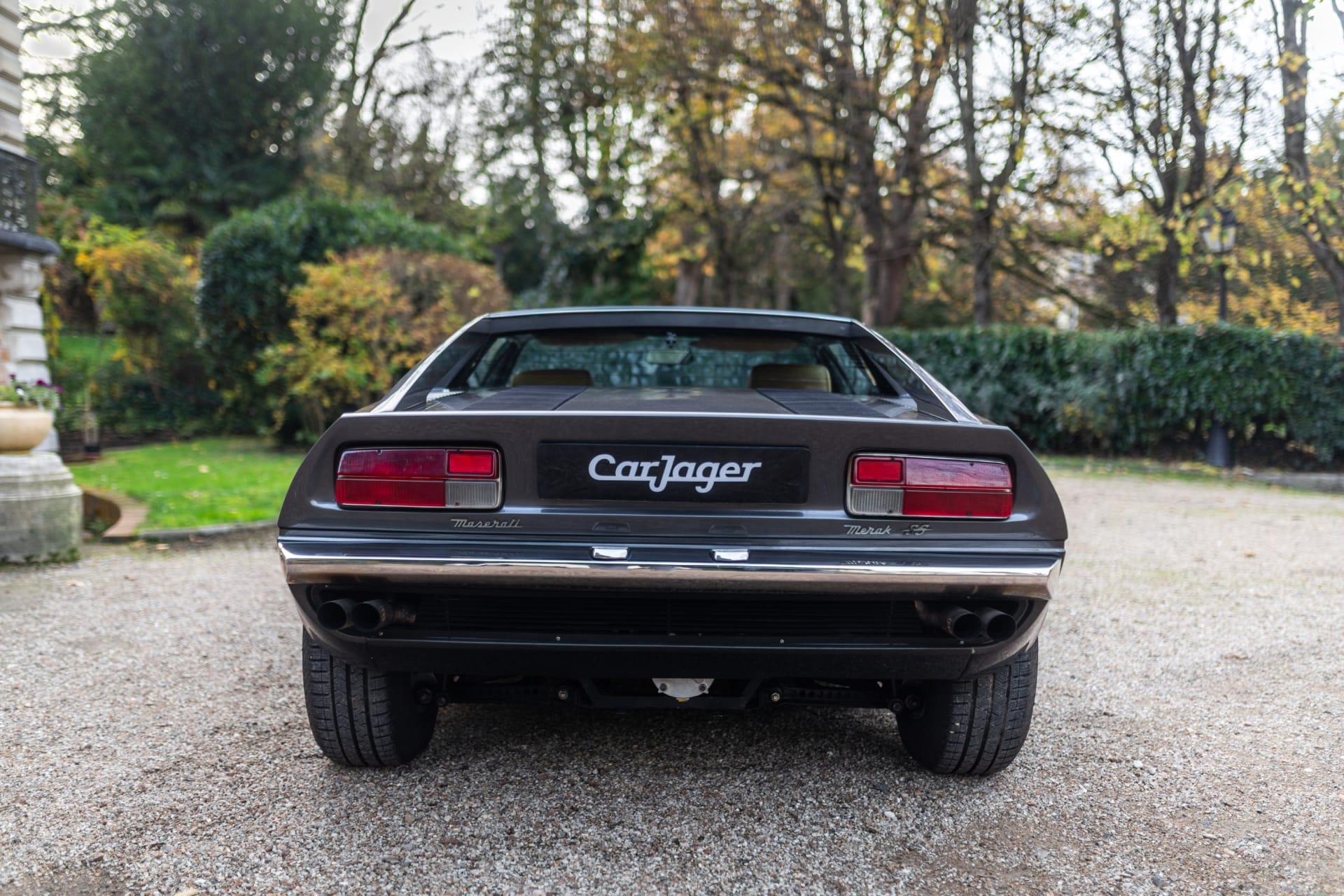
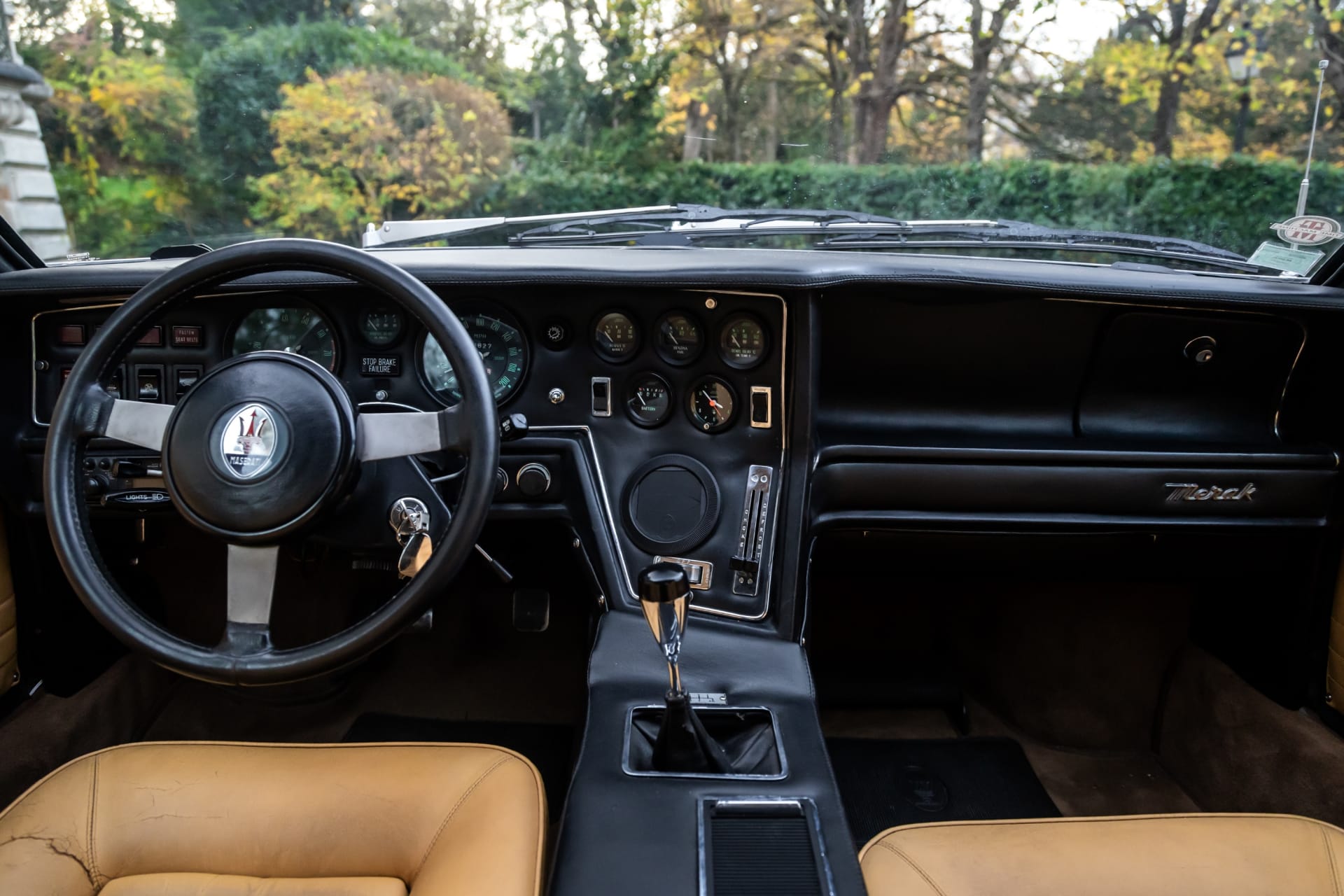
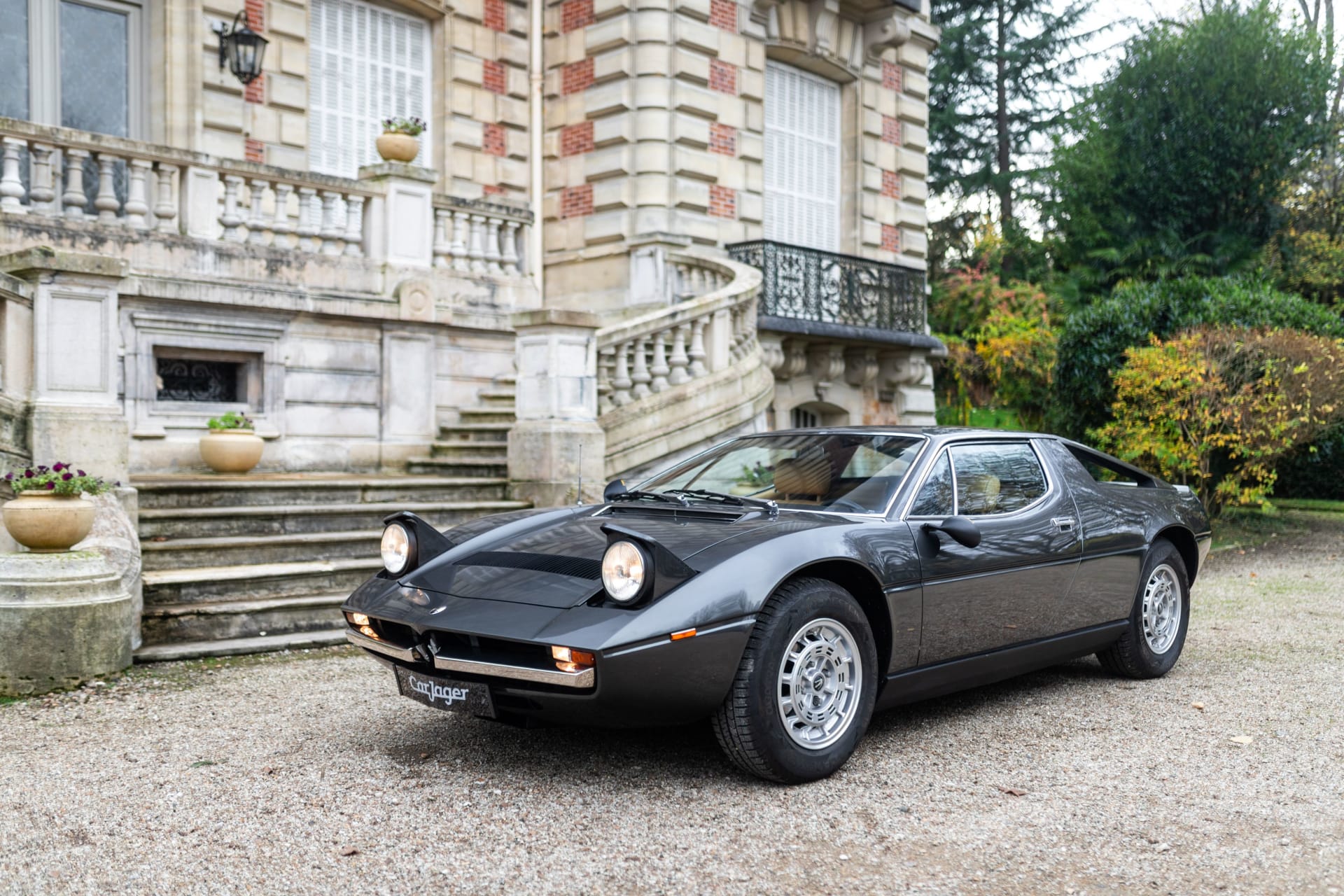
Maserati Merak 1977 / Manual
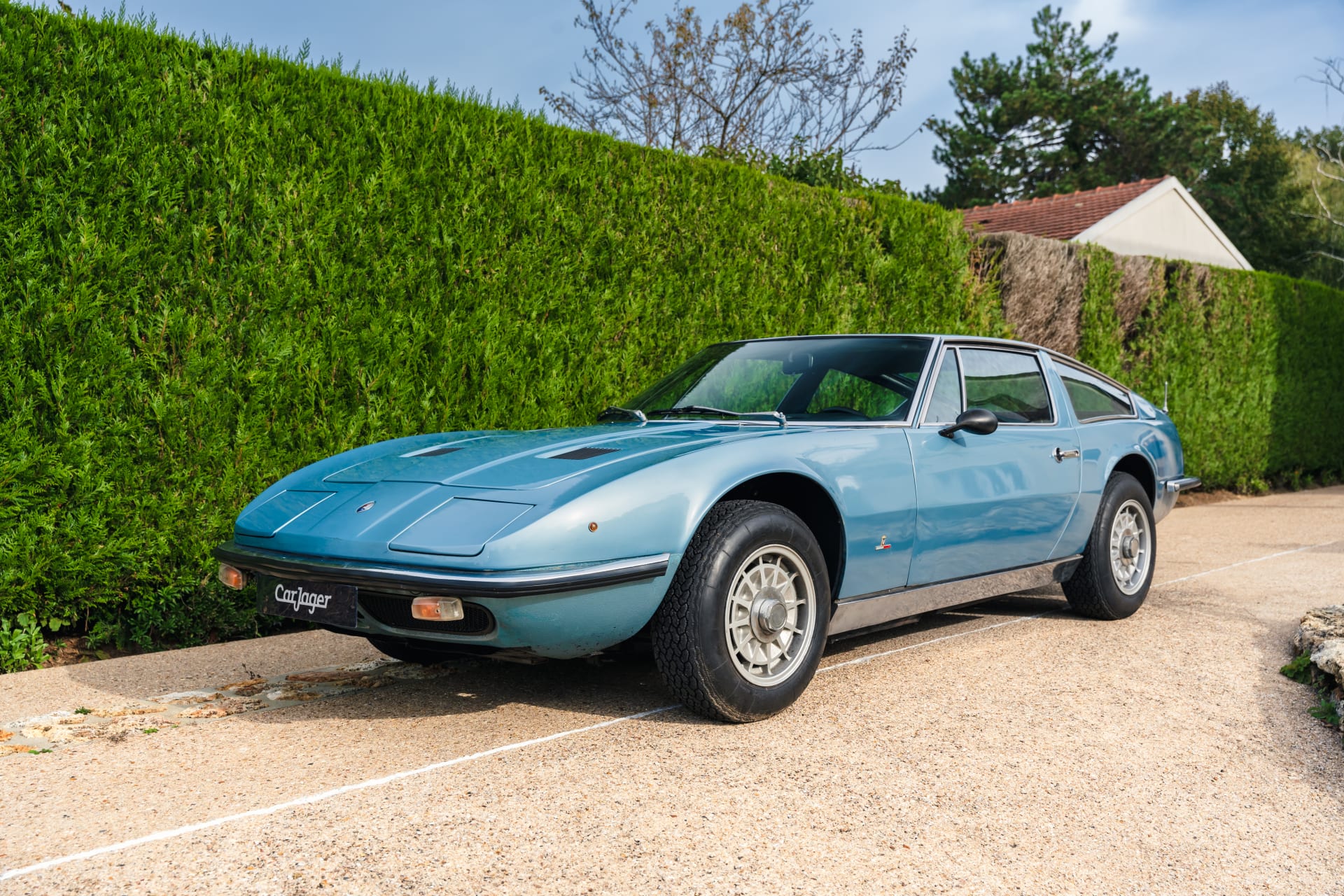
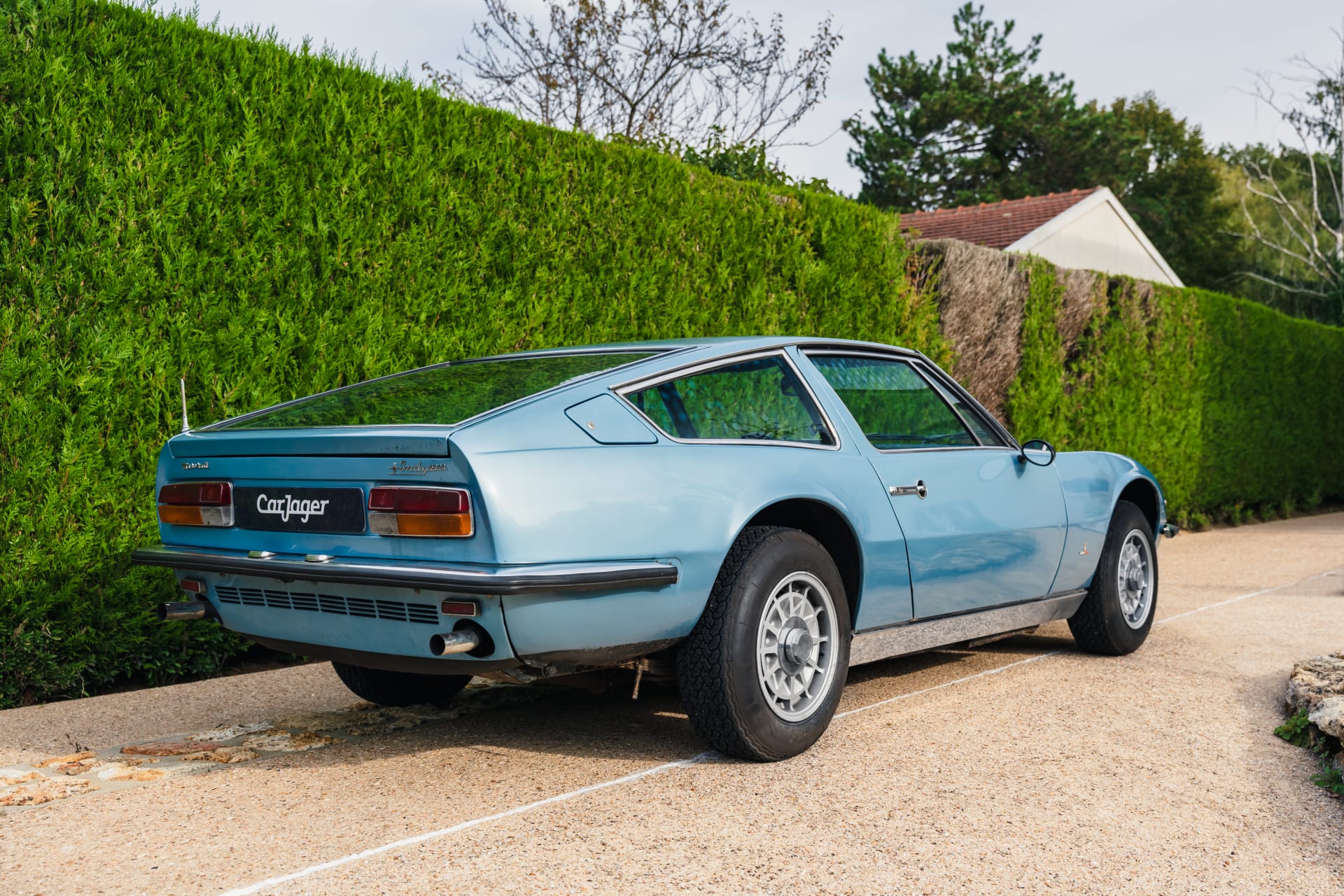
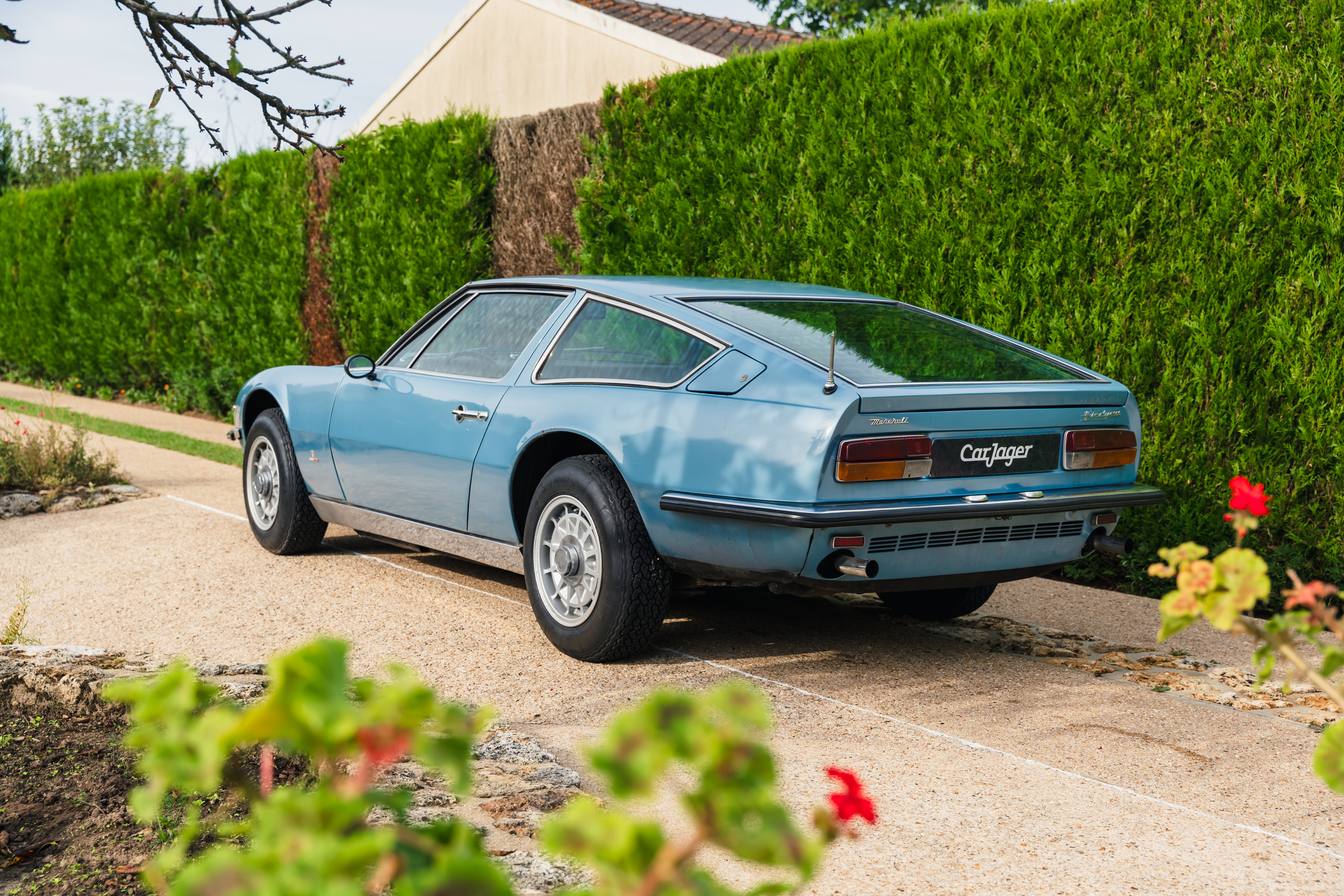
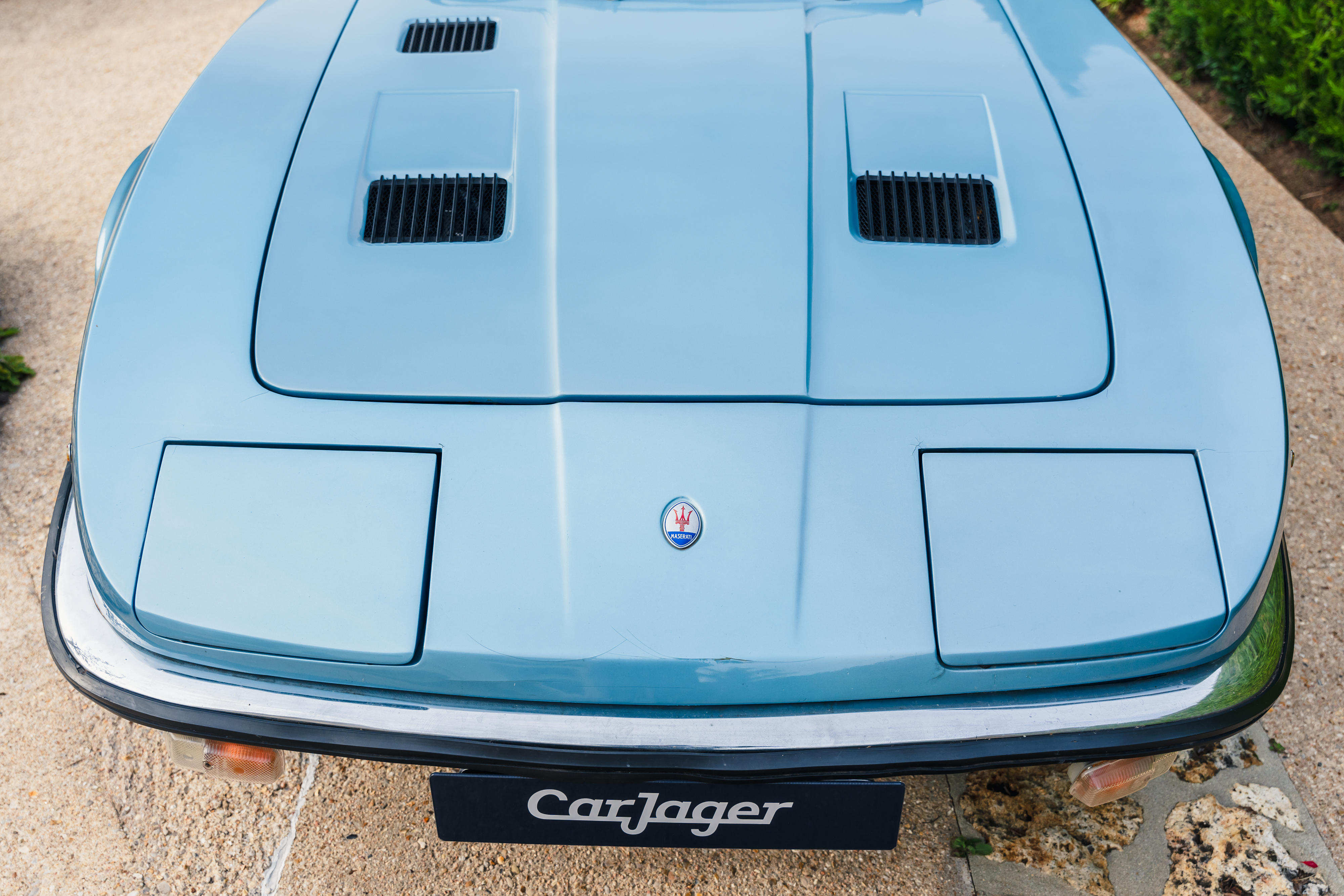
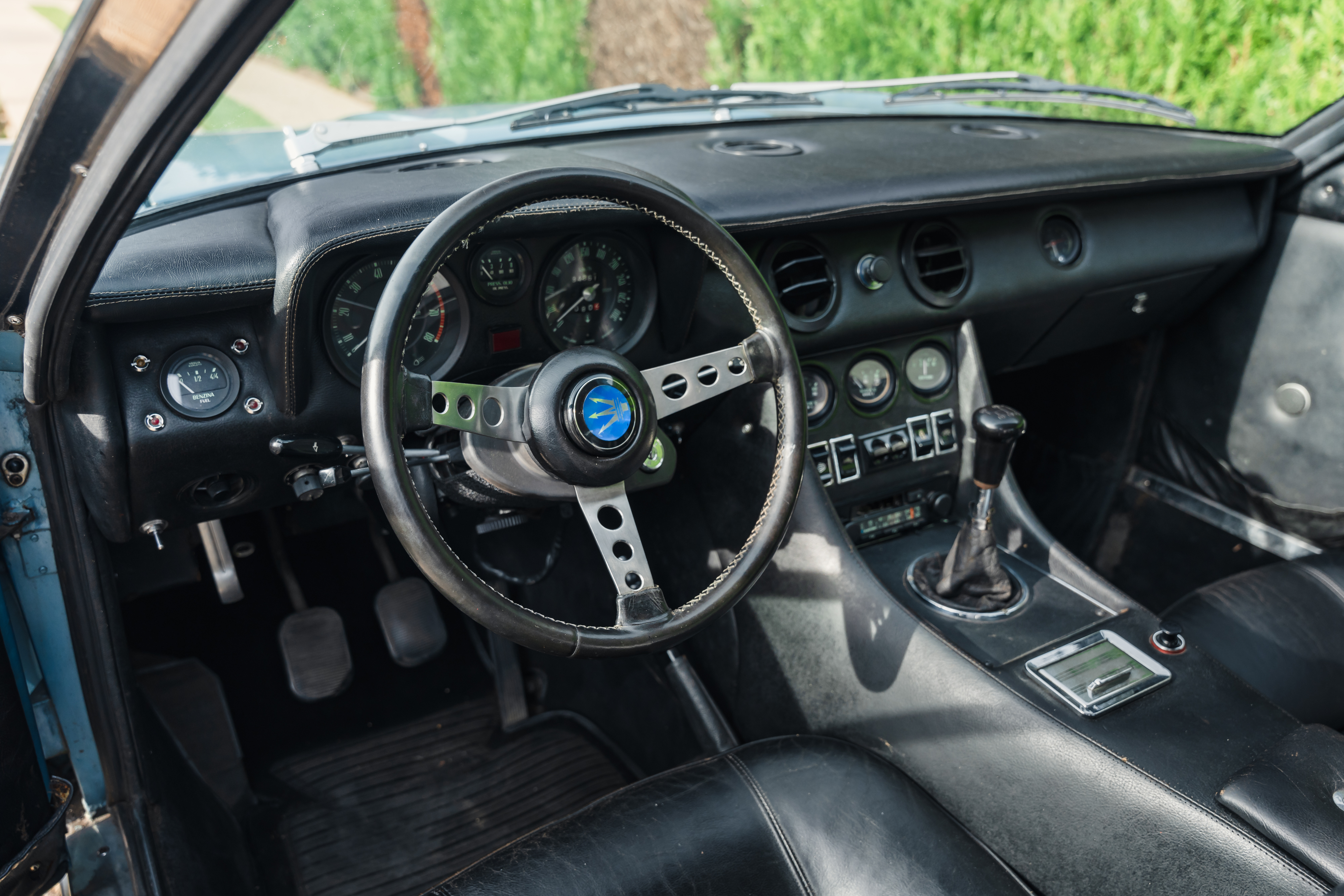
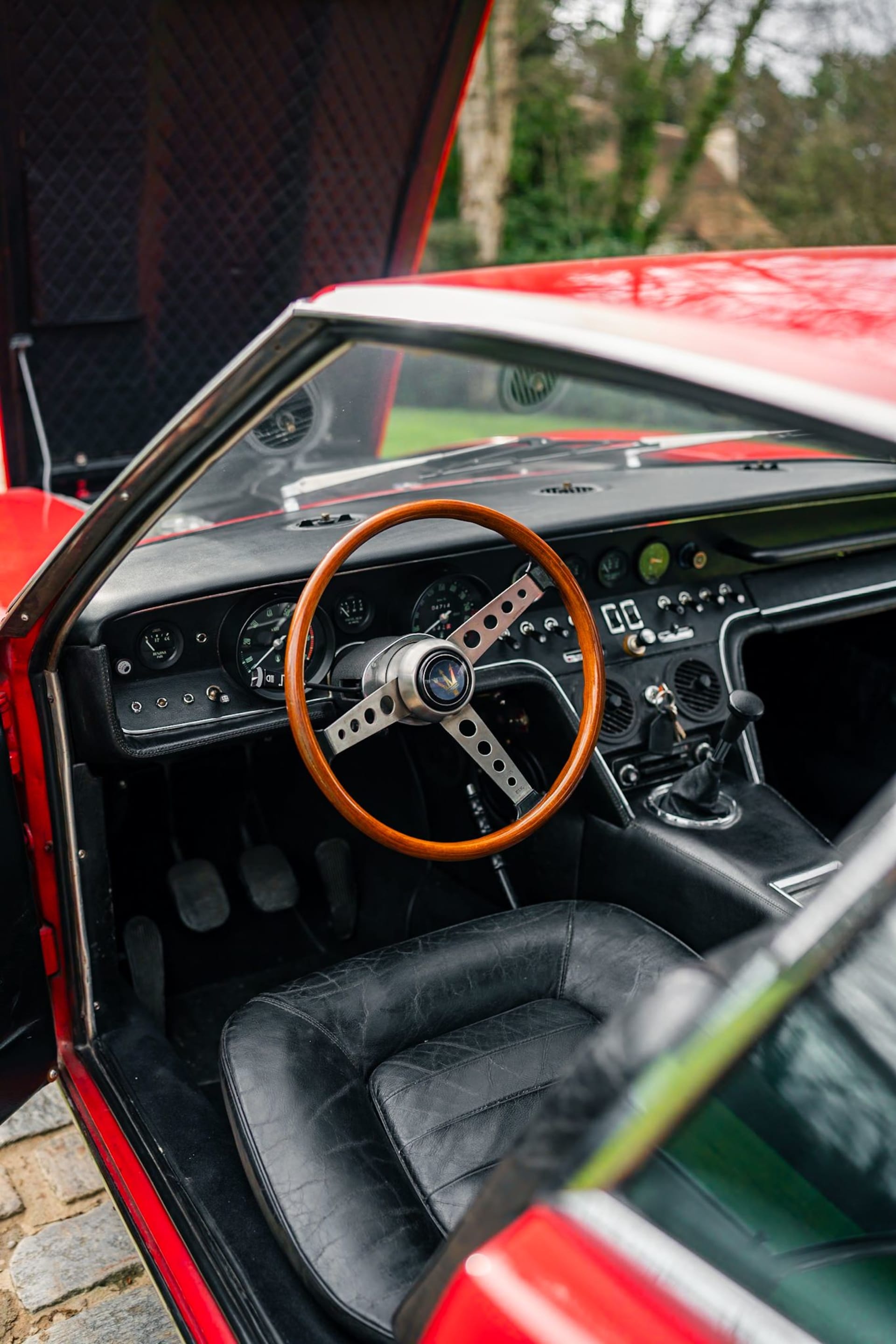
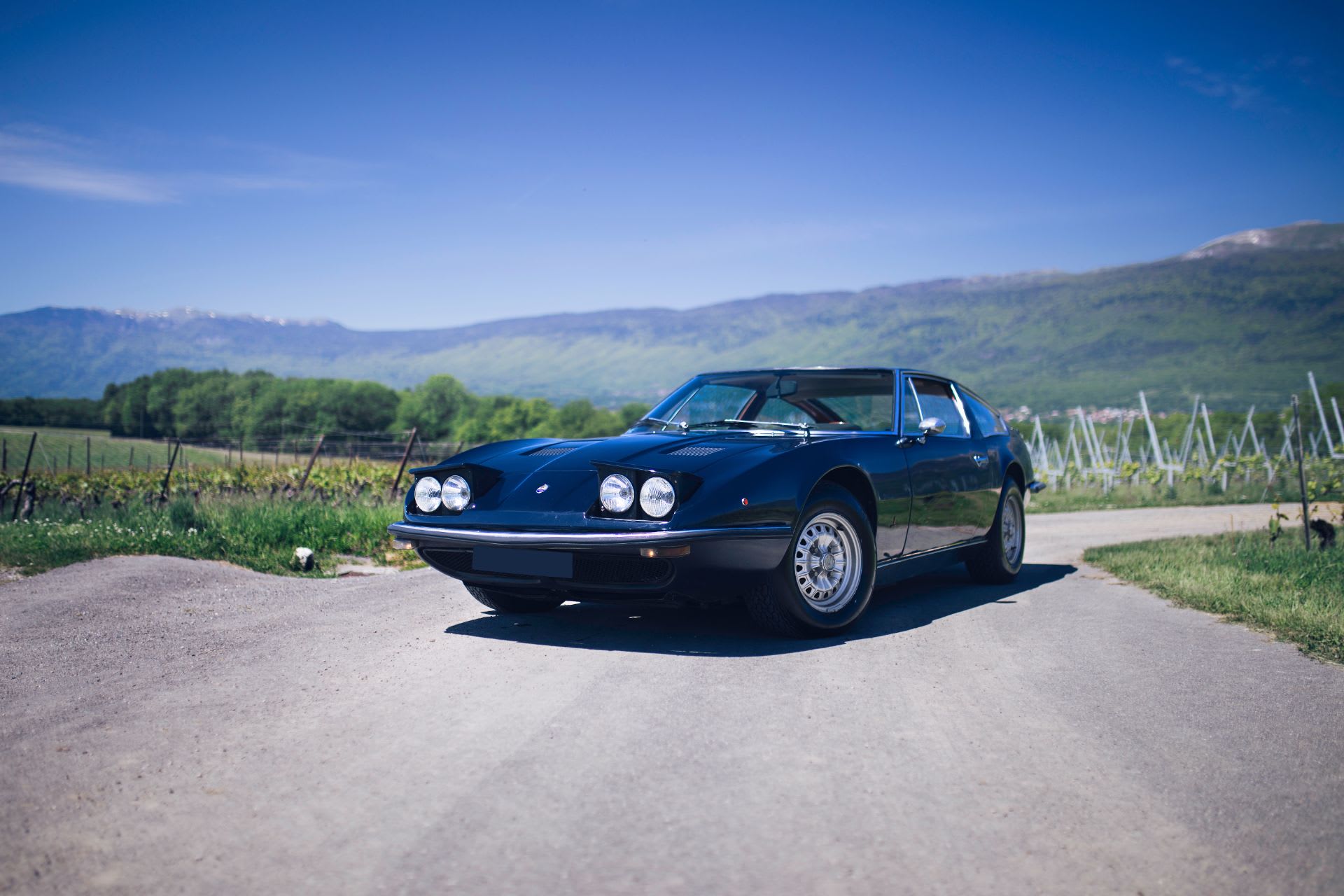
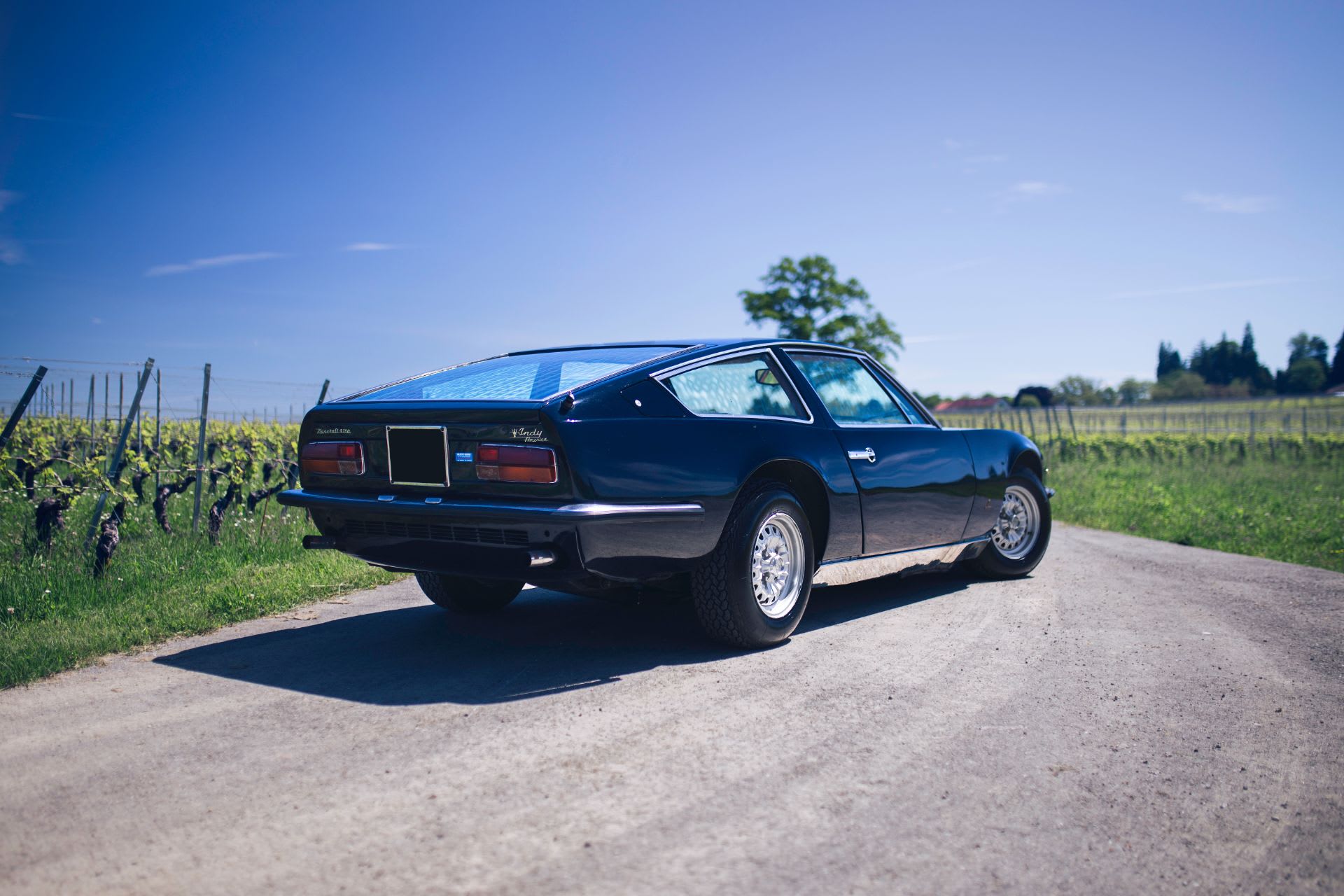
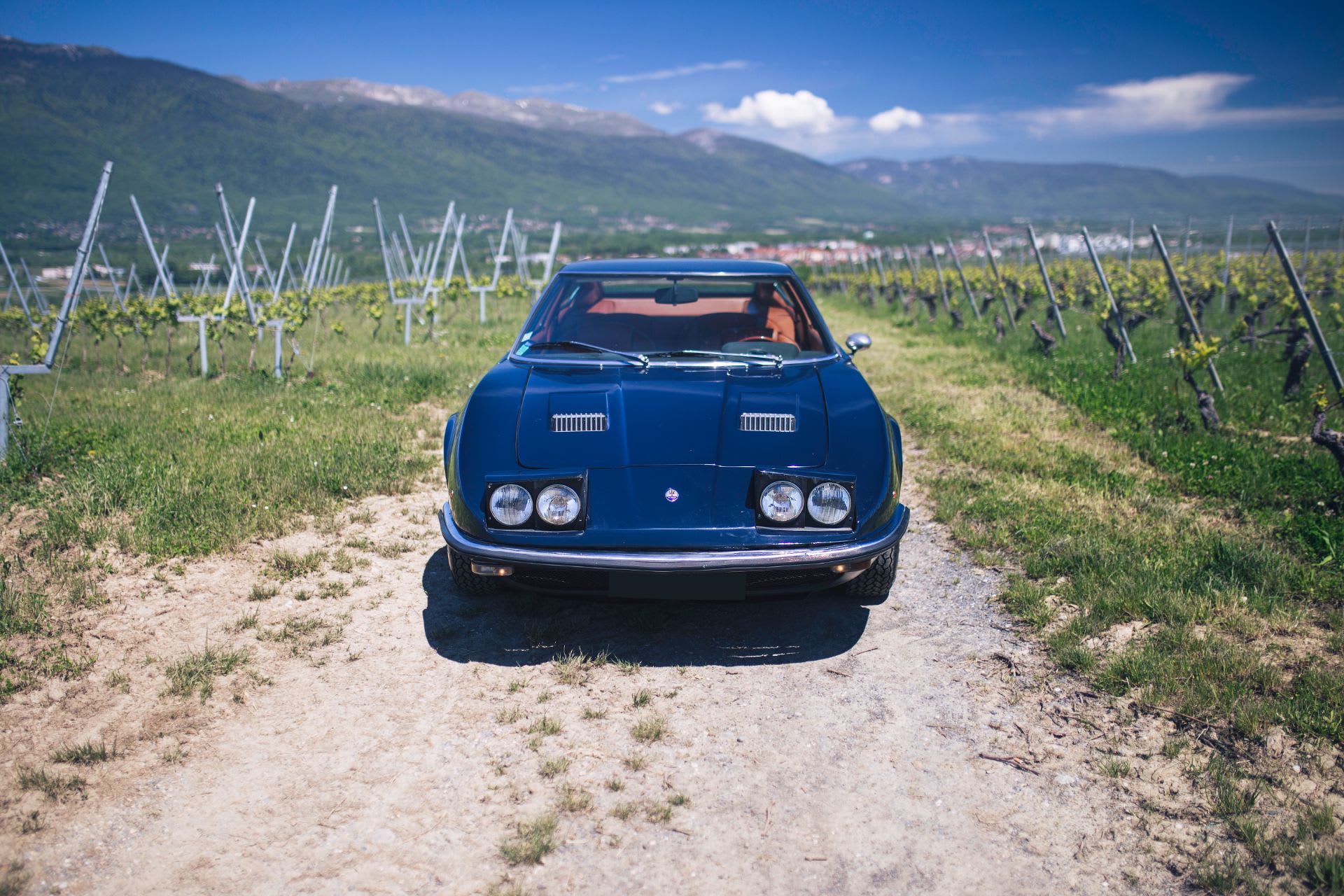
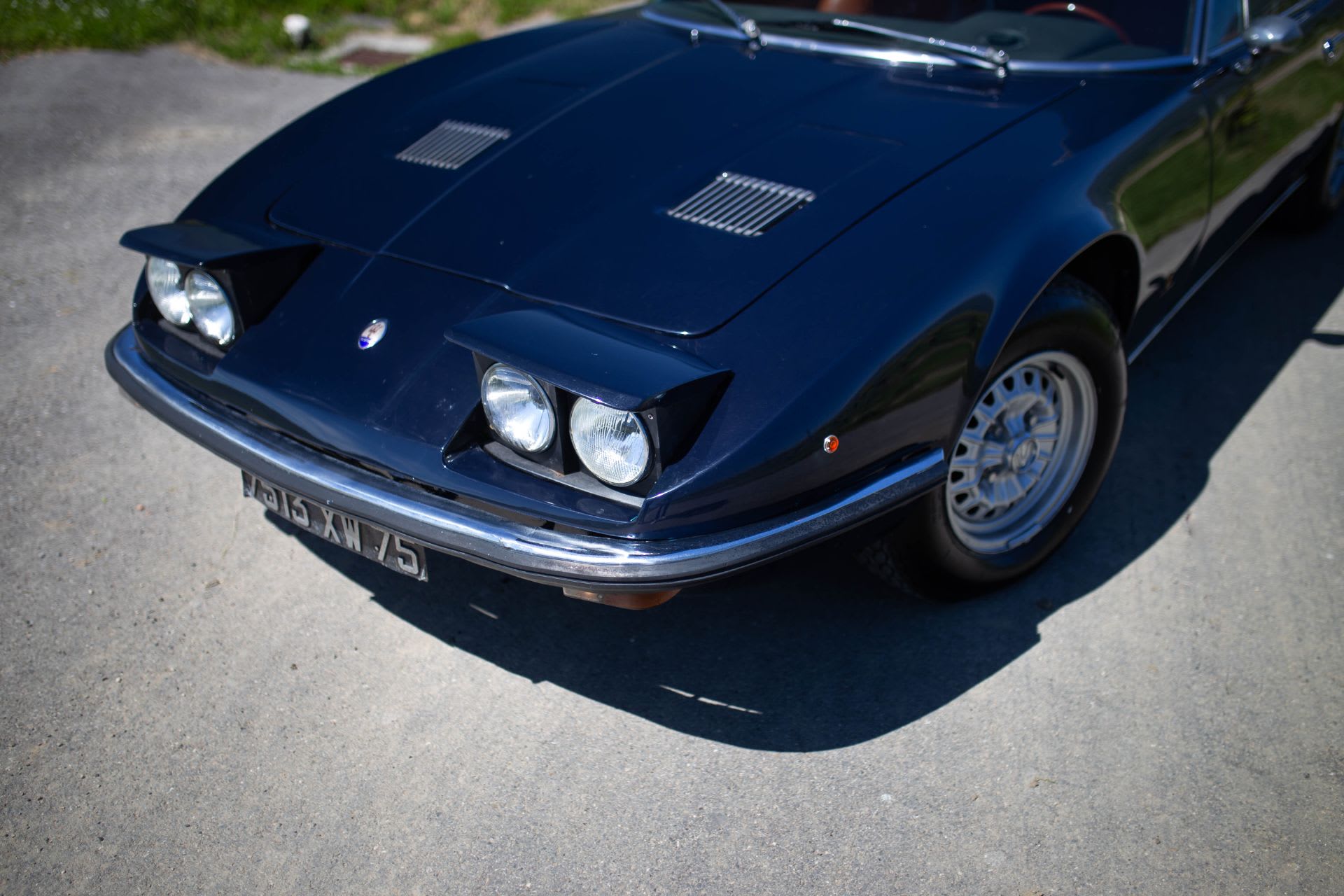
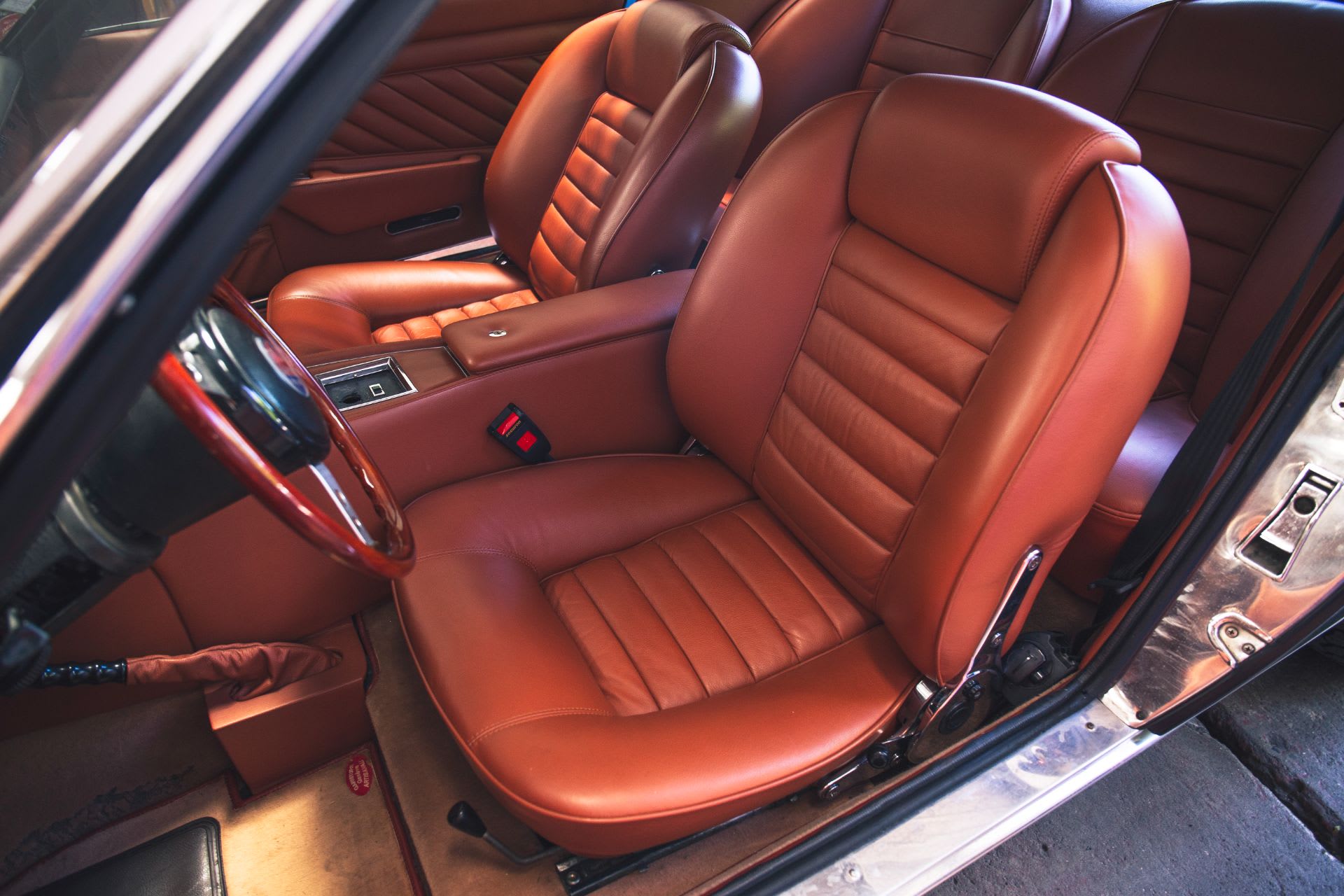
Maserati Indy 4.9 1973 / Manual
Start acustomized search
Maserati Levante Q4 Diesel 2020 / Automatic / 150,000 km


Discover our personalized search service and access our network of 32,000 enthusiasts. Start your search now, your next adventure begins here.

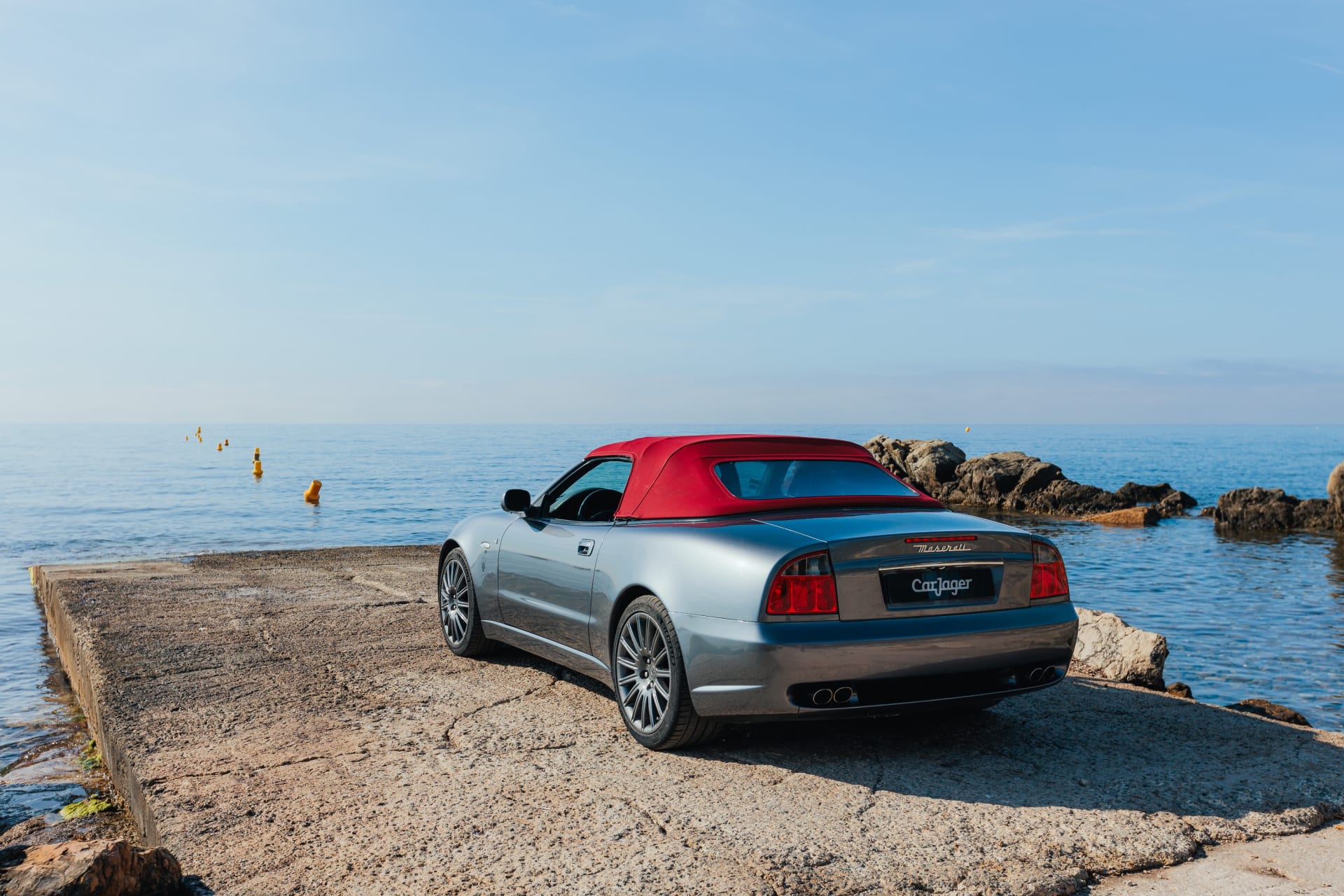
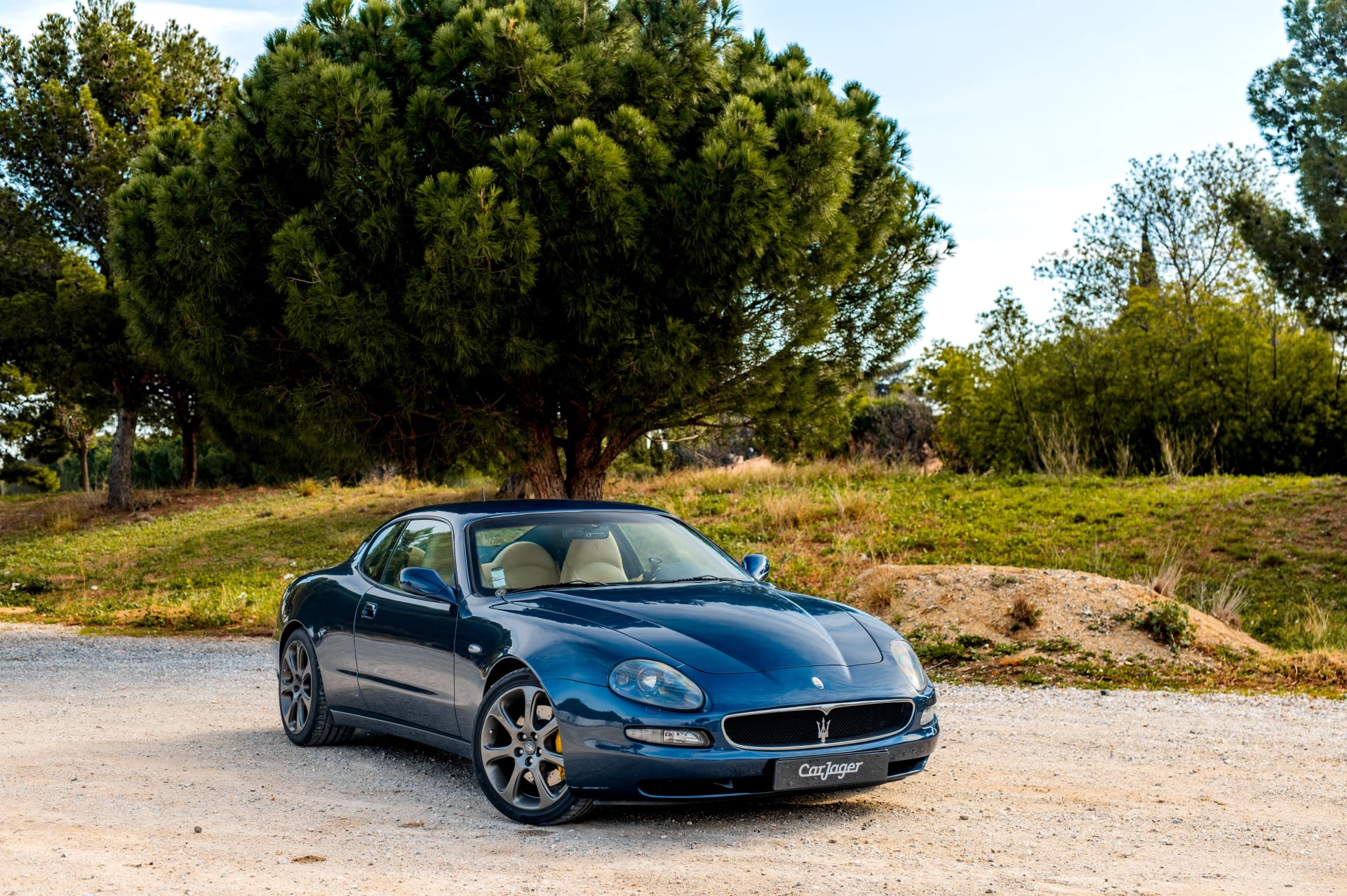
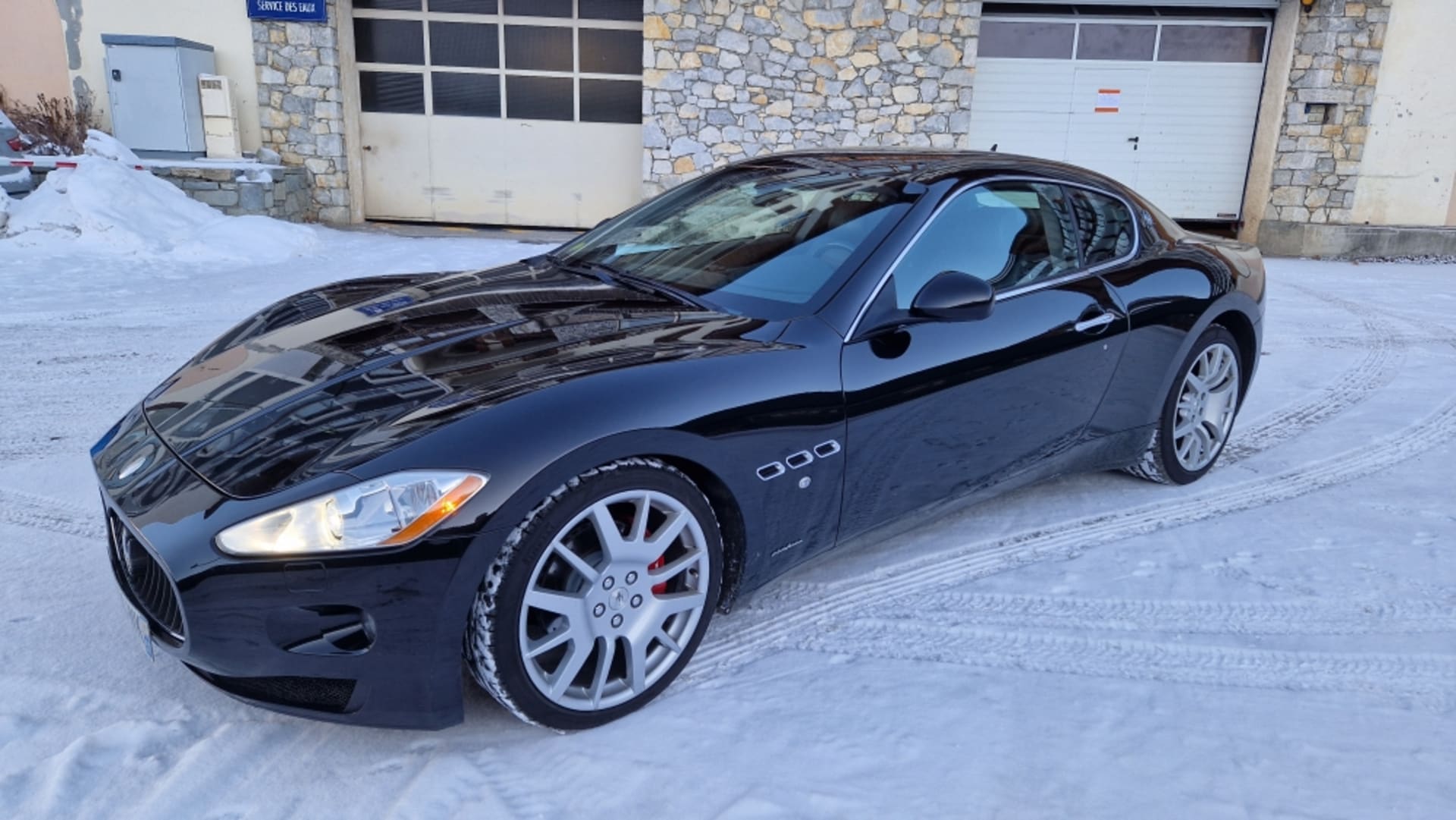
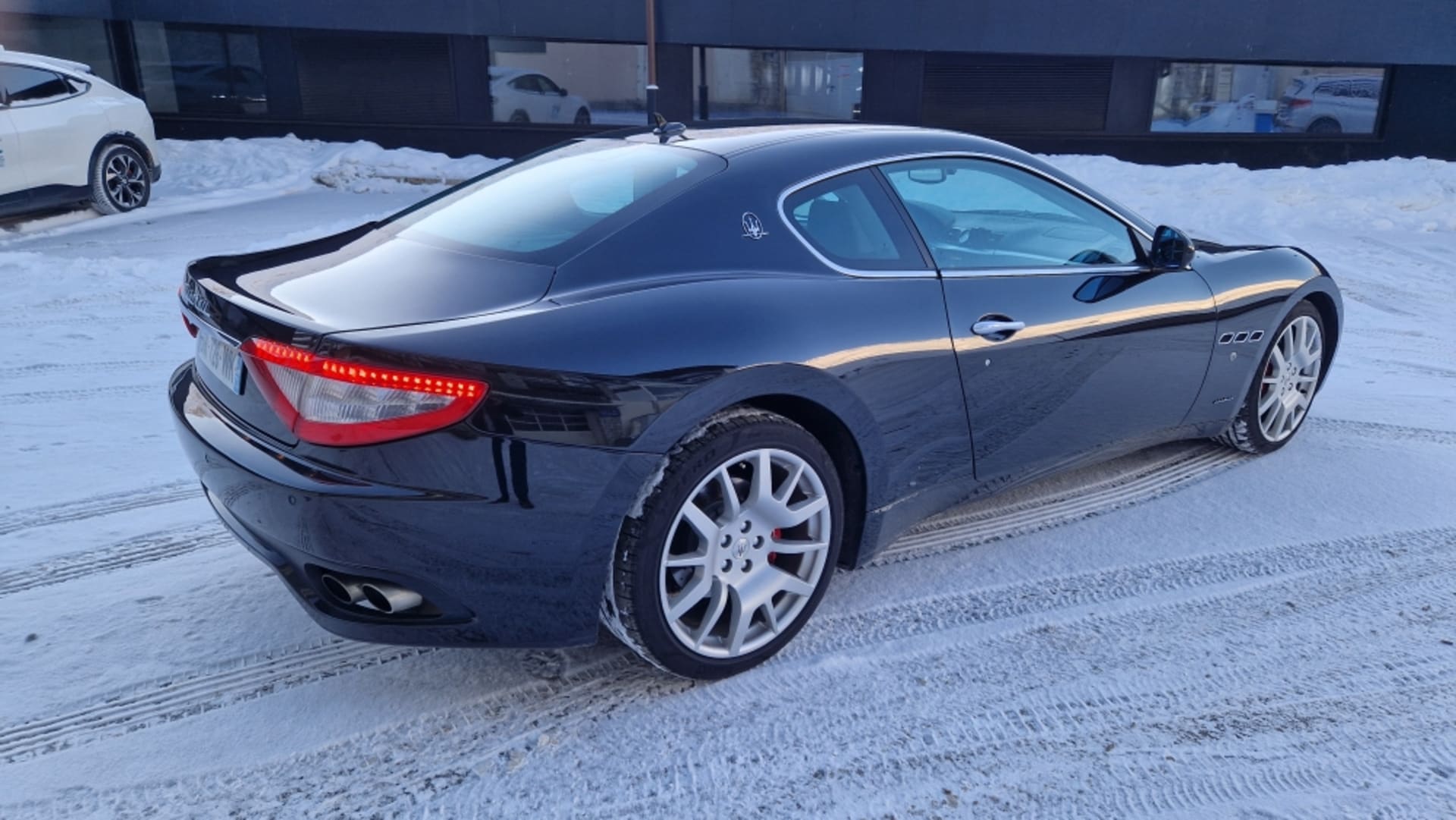
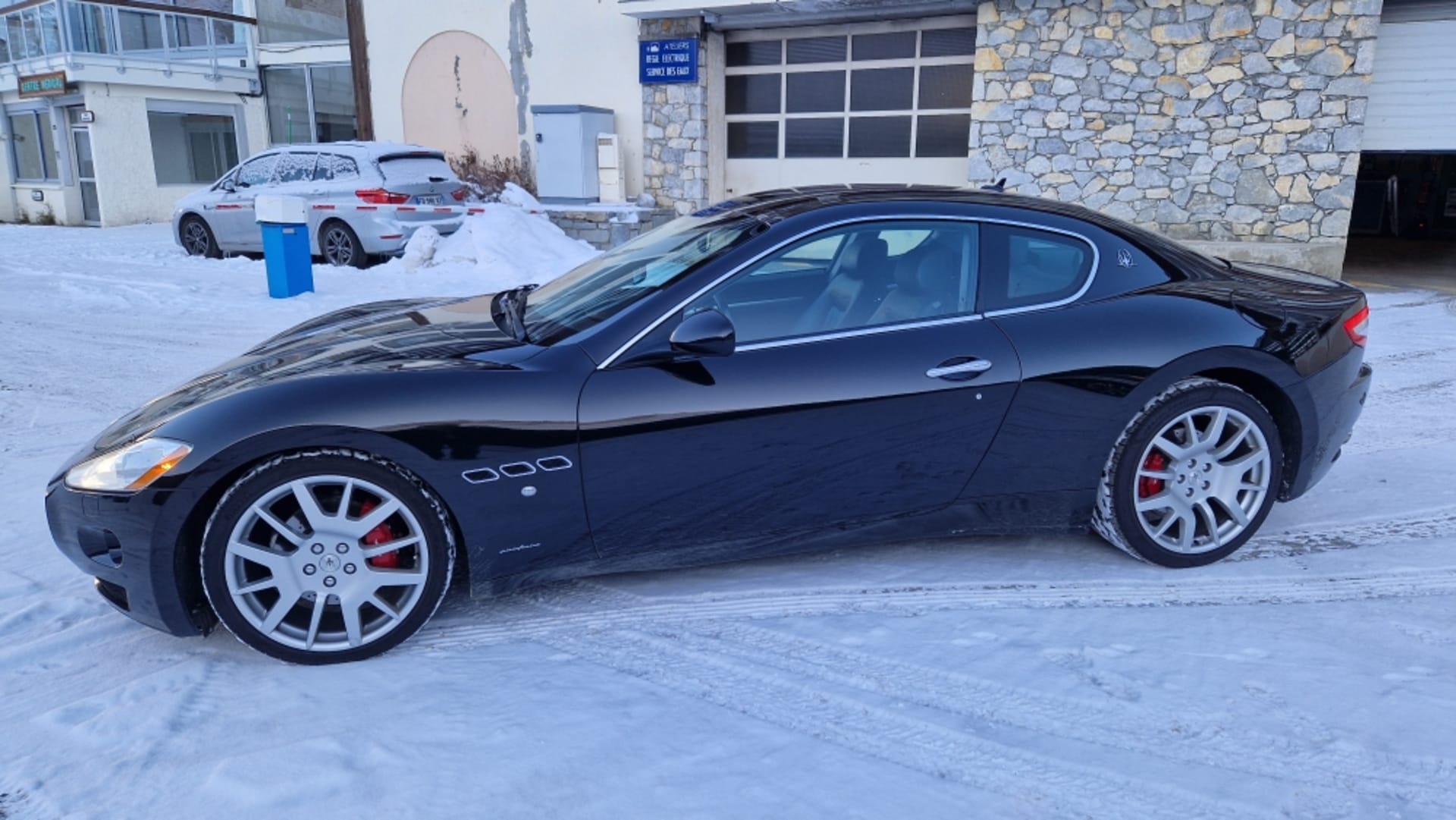
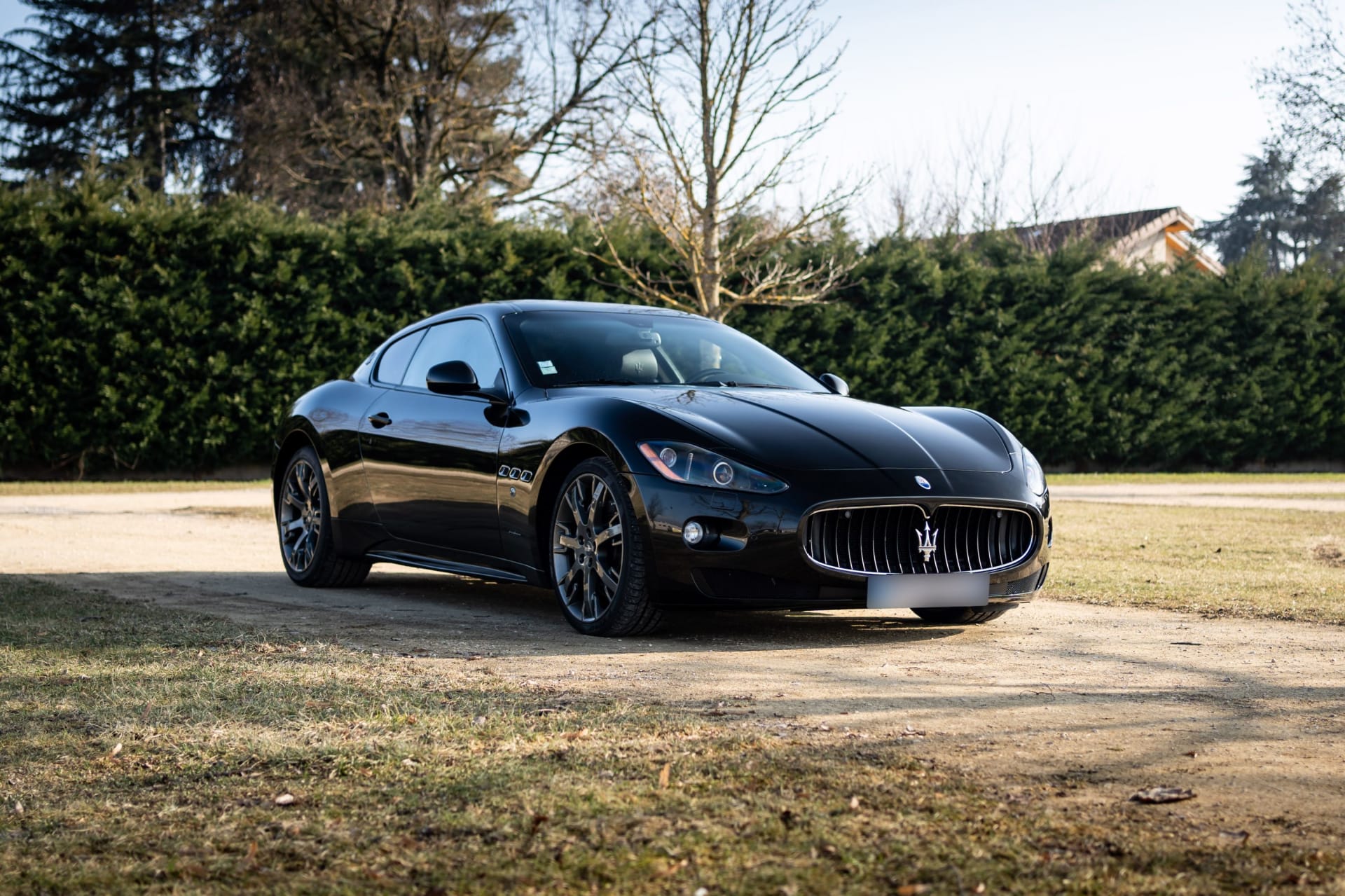
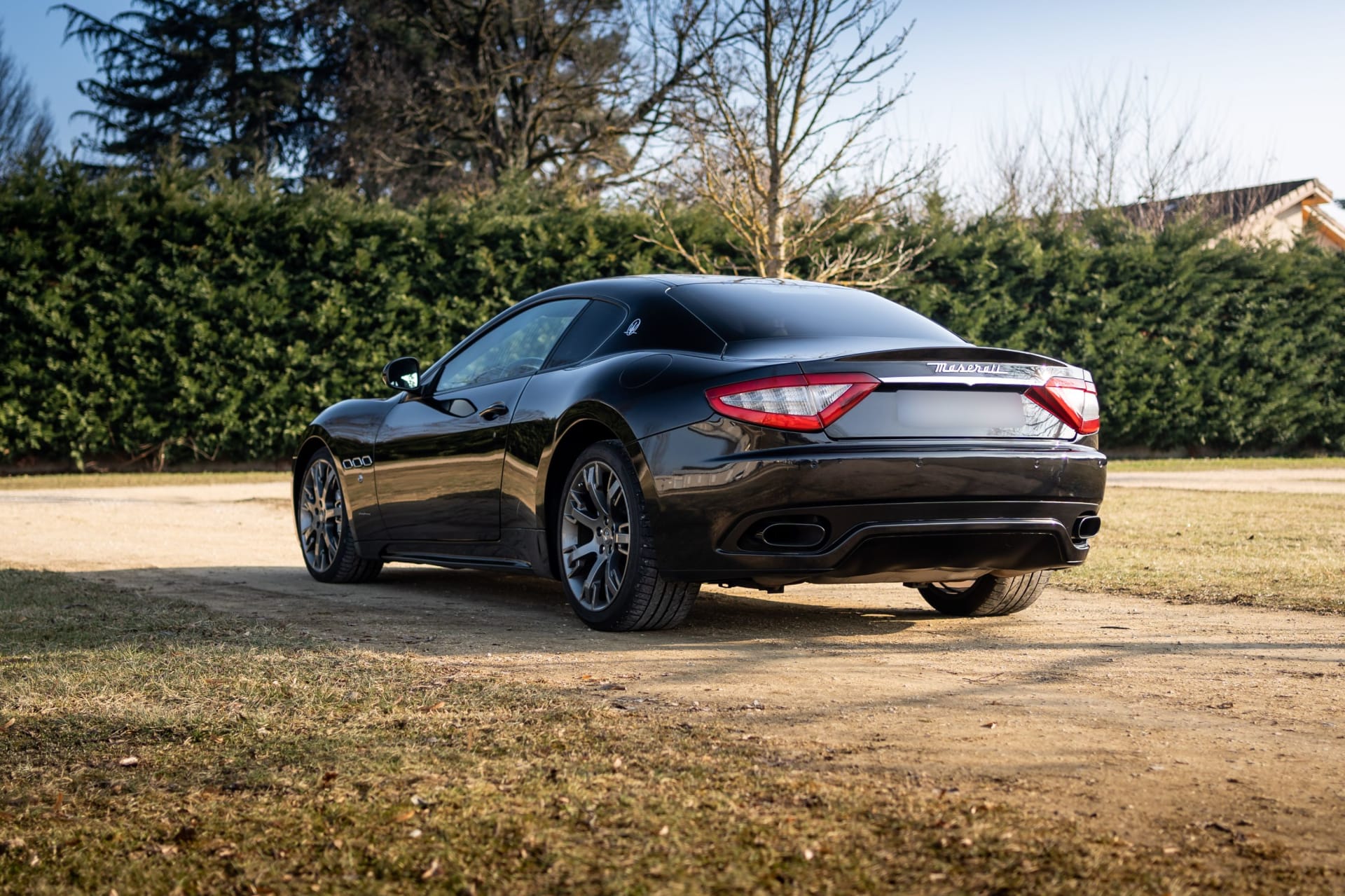
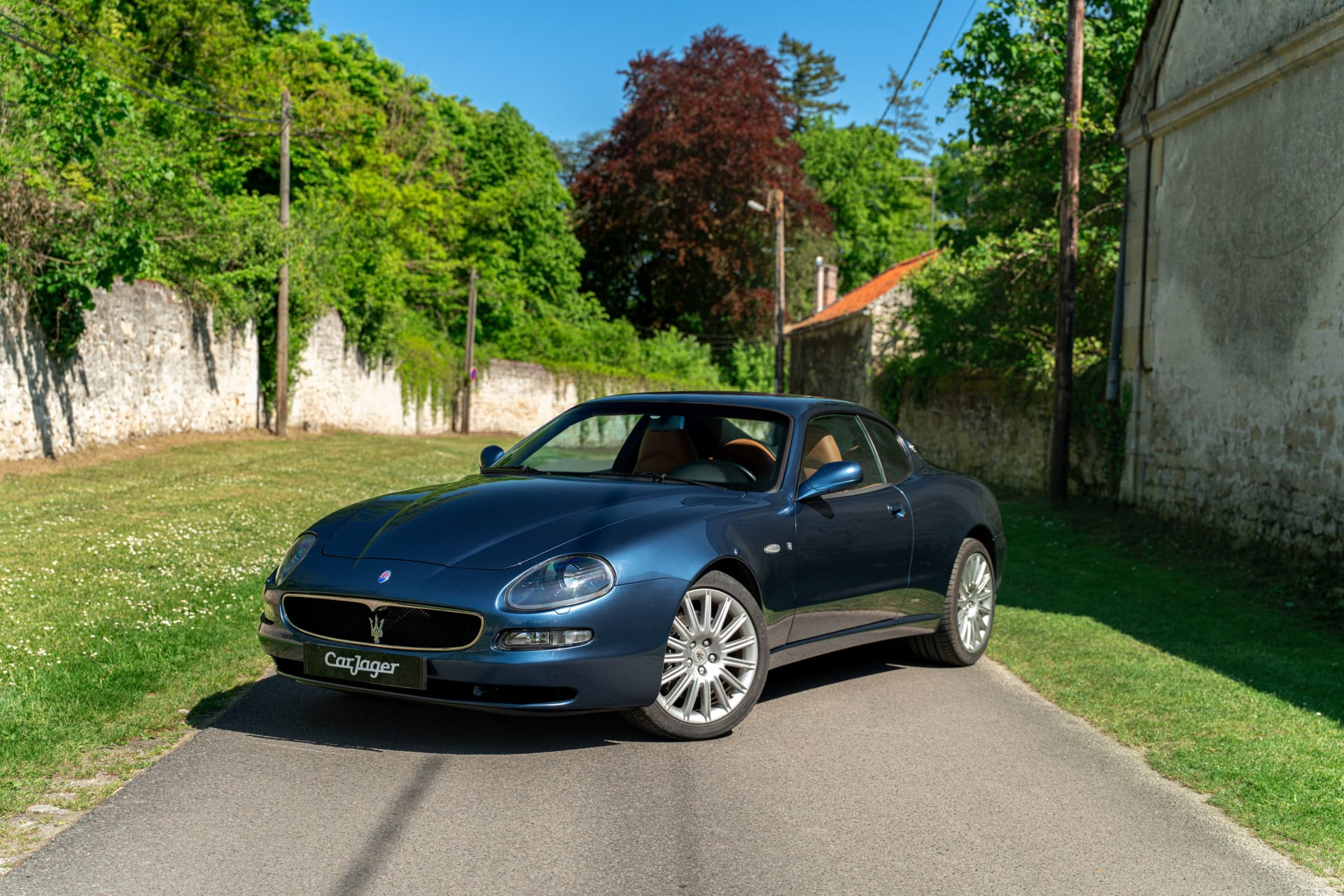
Maserati 4200 GT
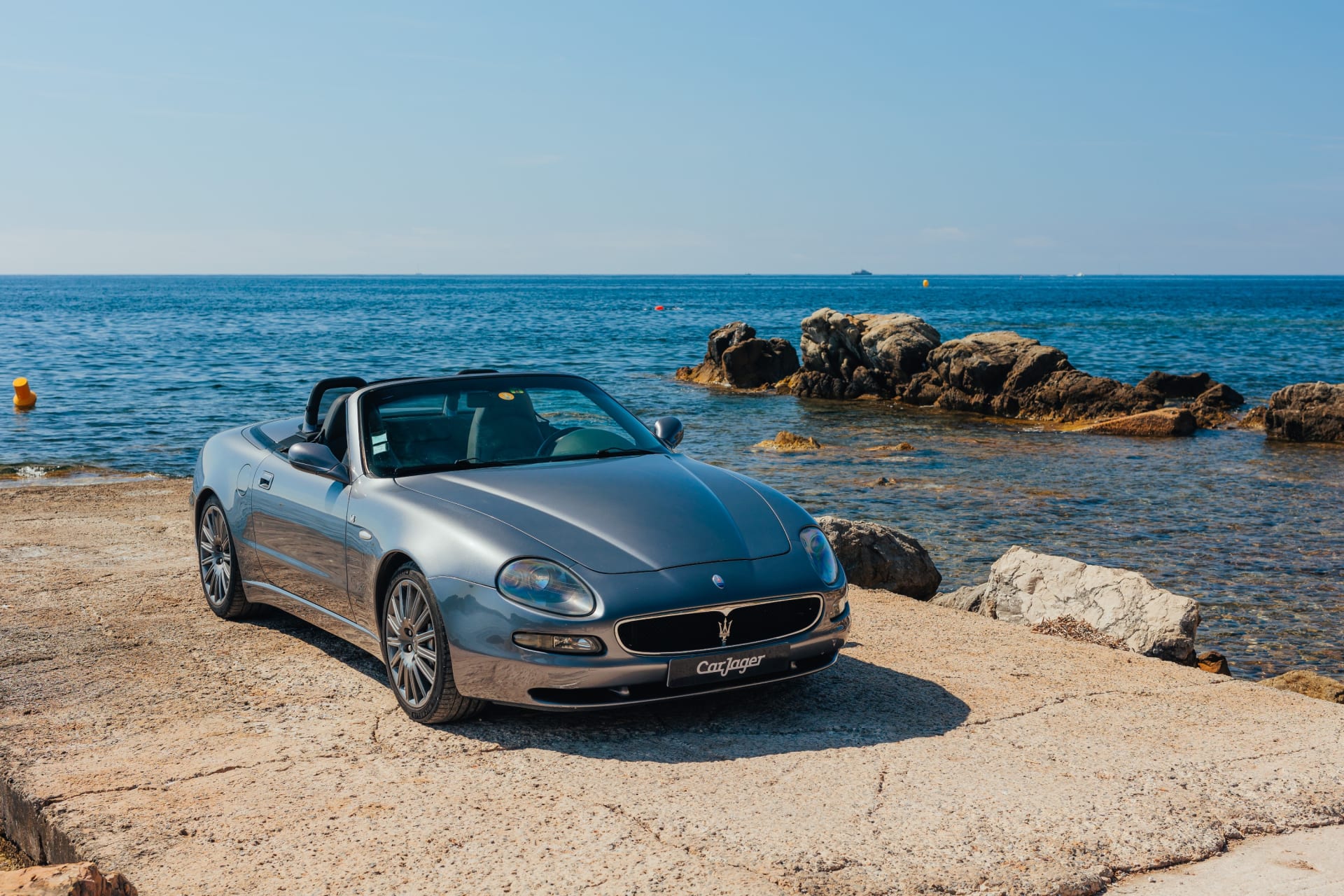
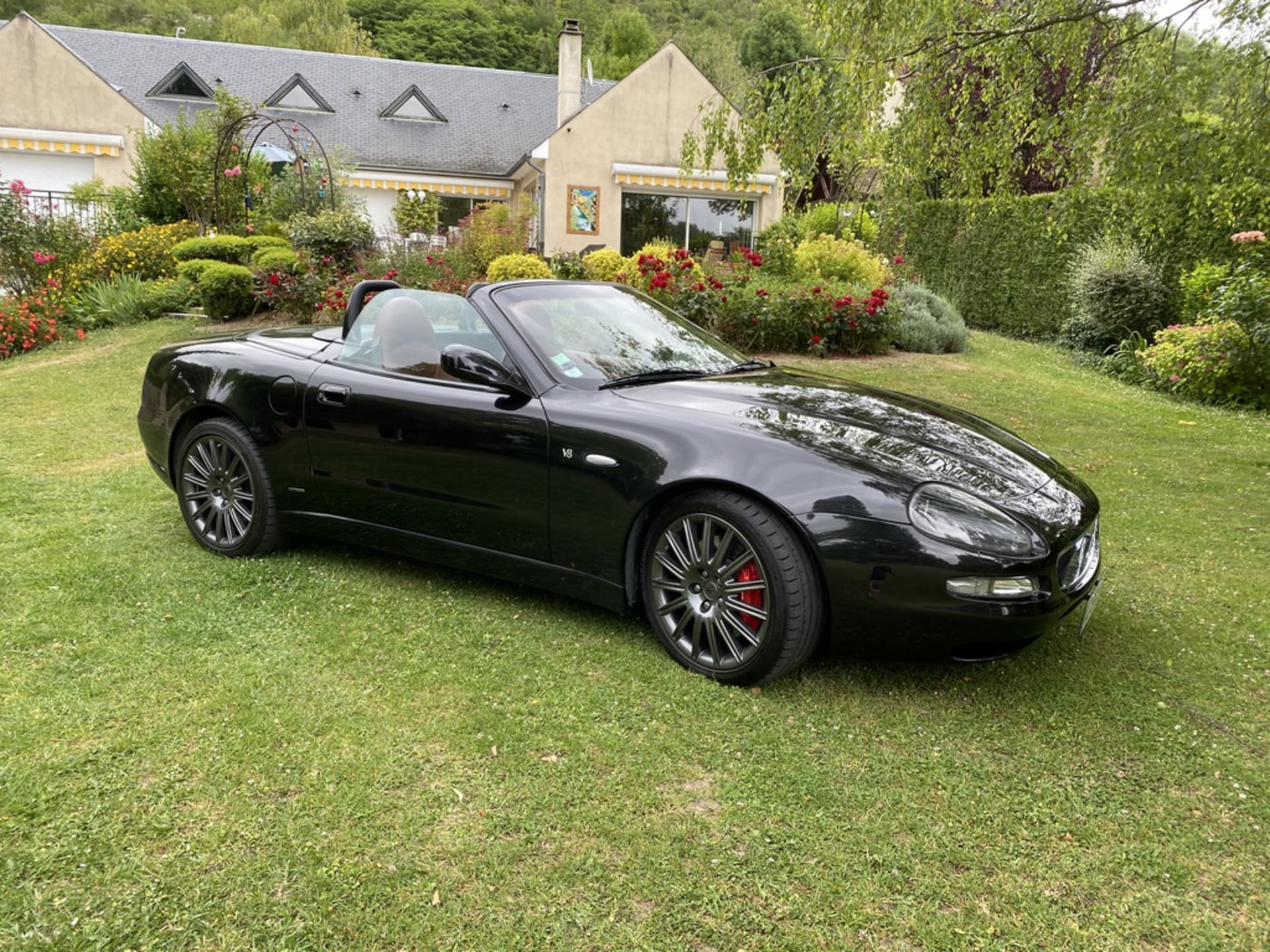
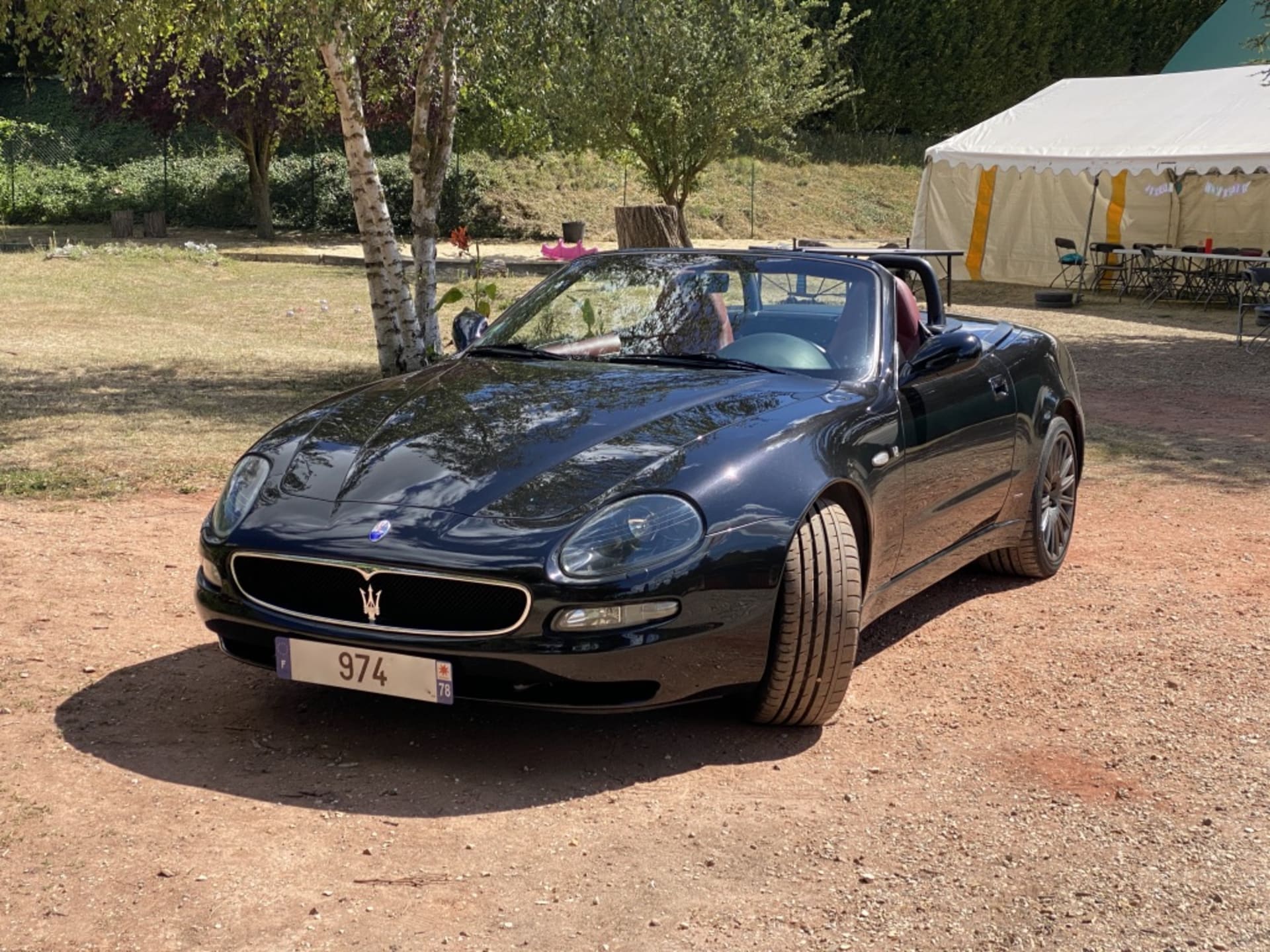
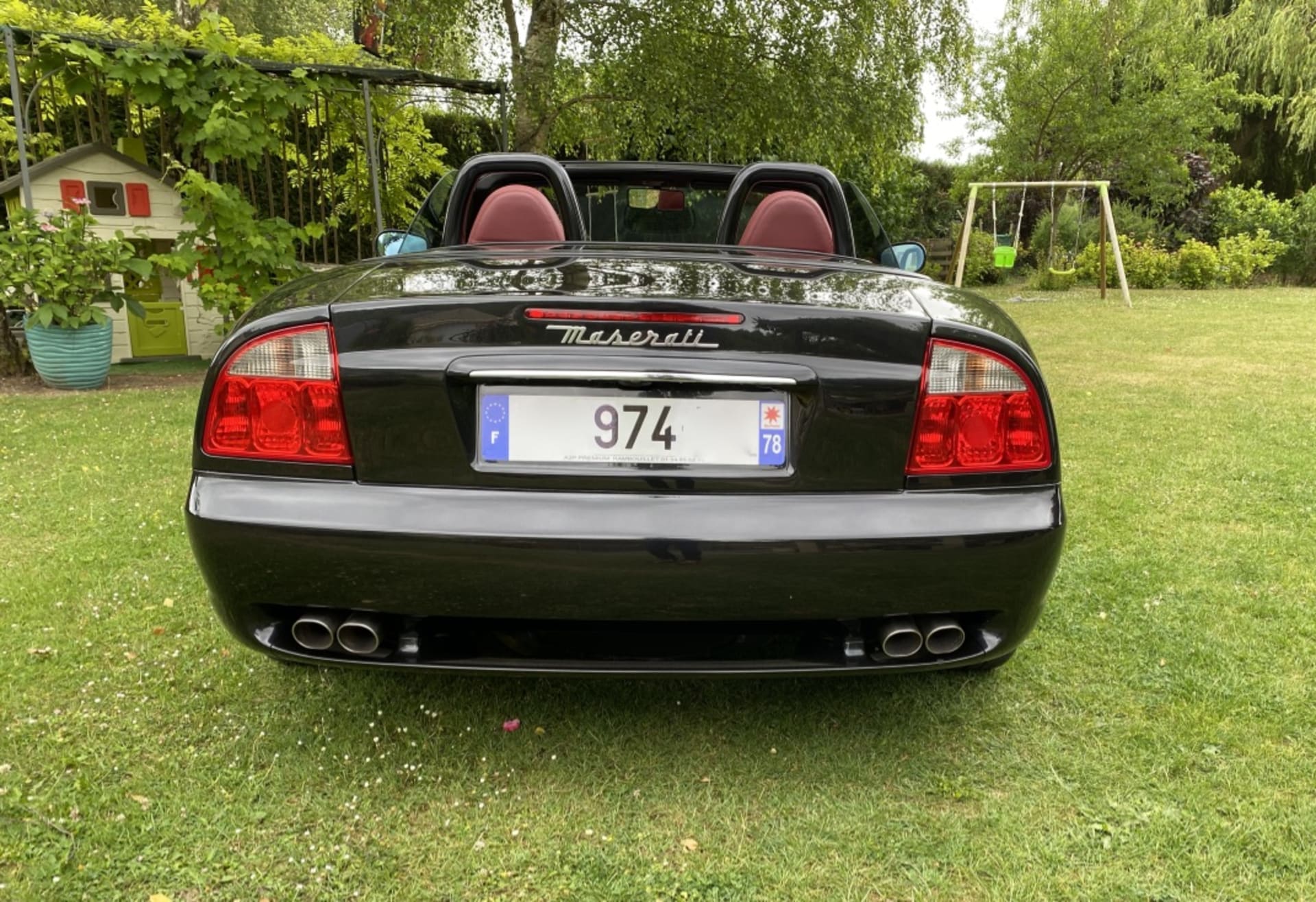
Based on the 1998 3200 GT, the 4200 was introduced four years later. The main evolution: the car swapped the supercharged Maserati V8 for a naturally aspirated Ferrari V8.

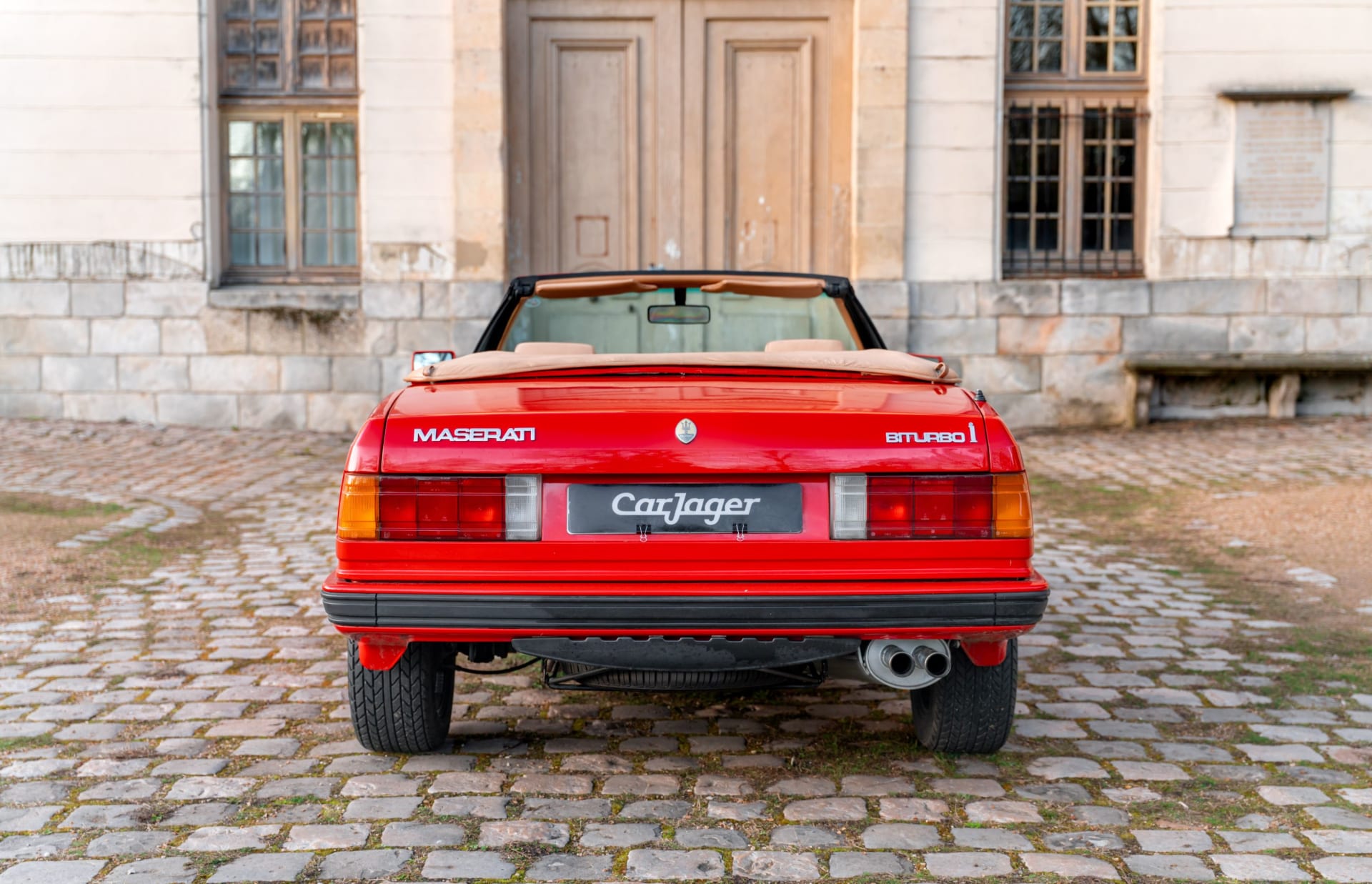
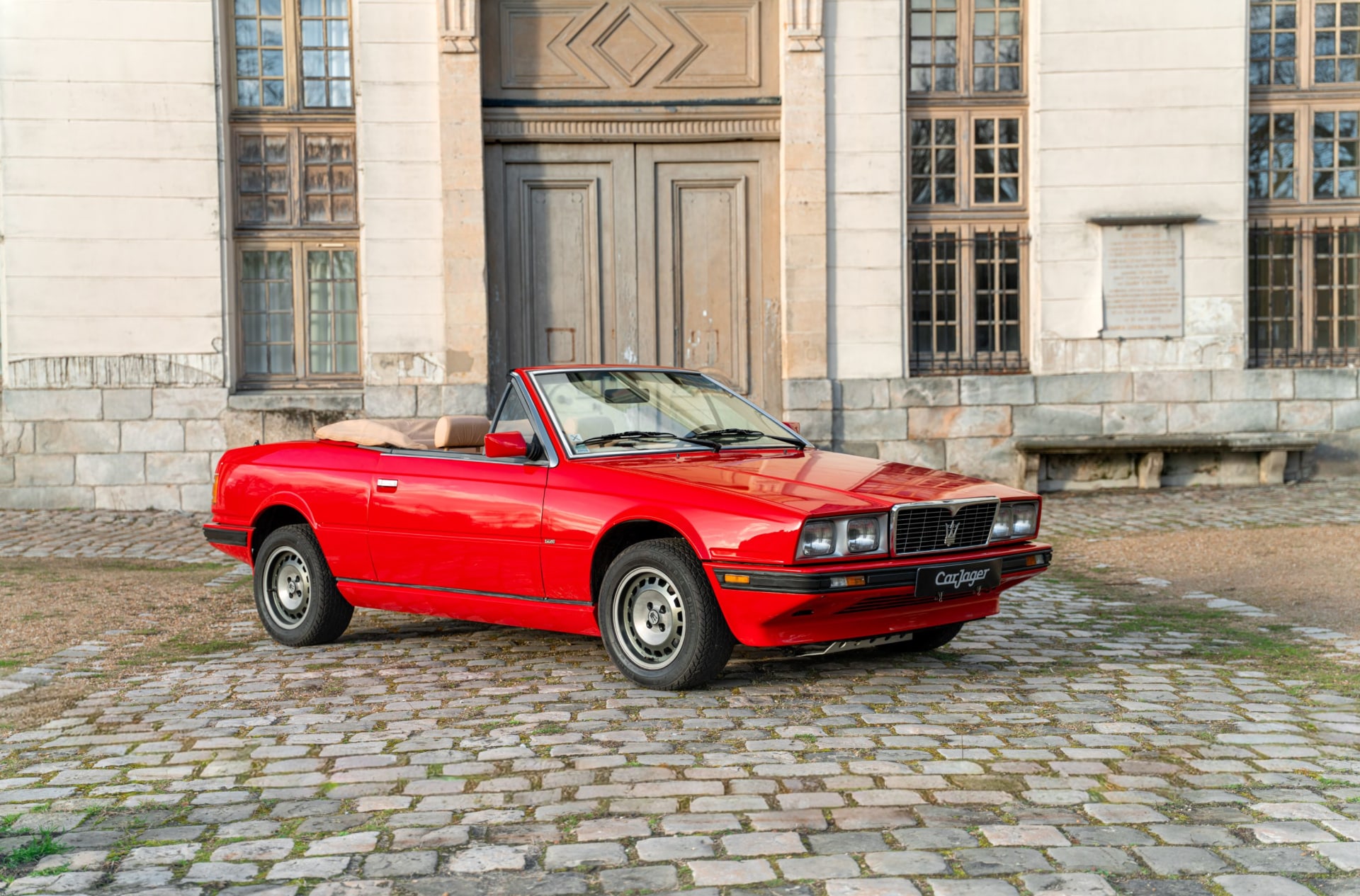
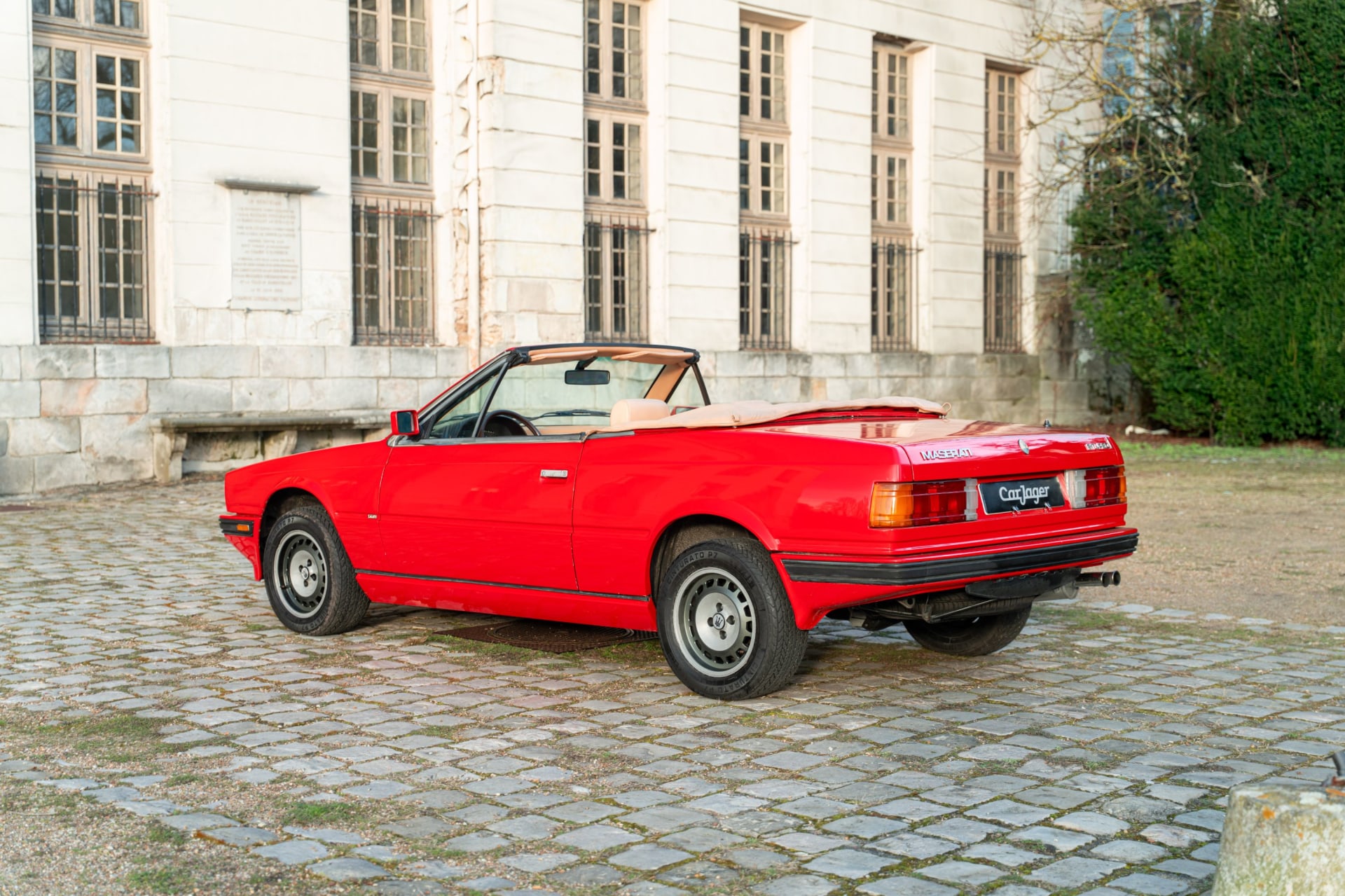
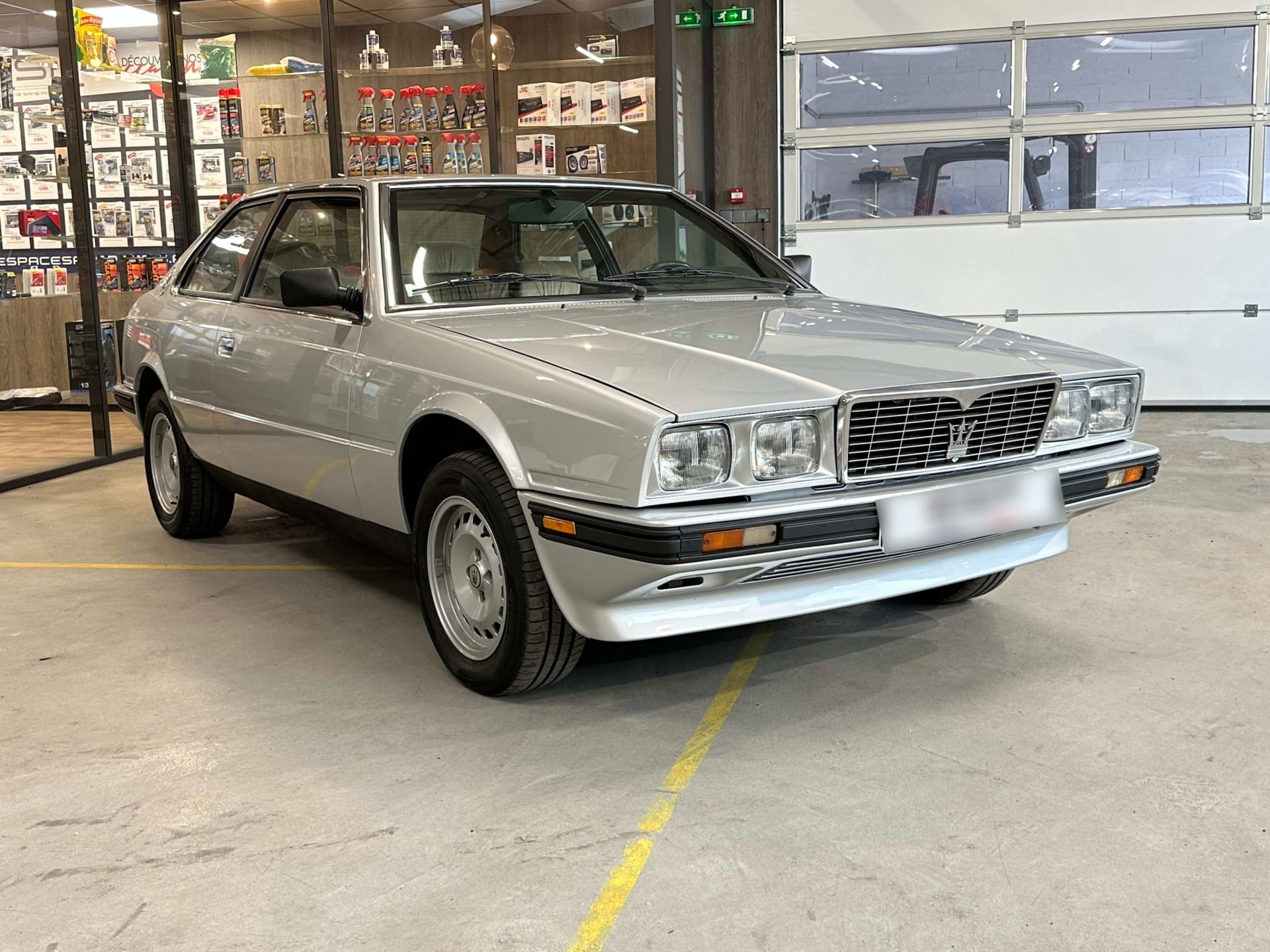
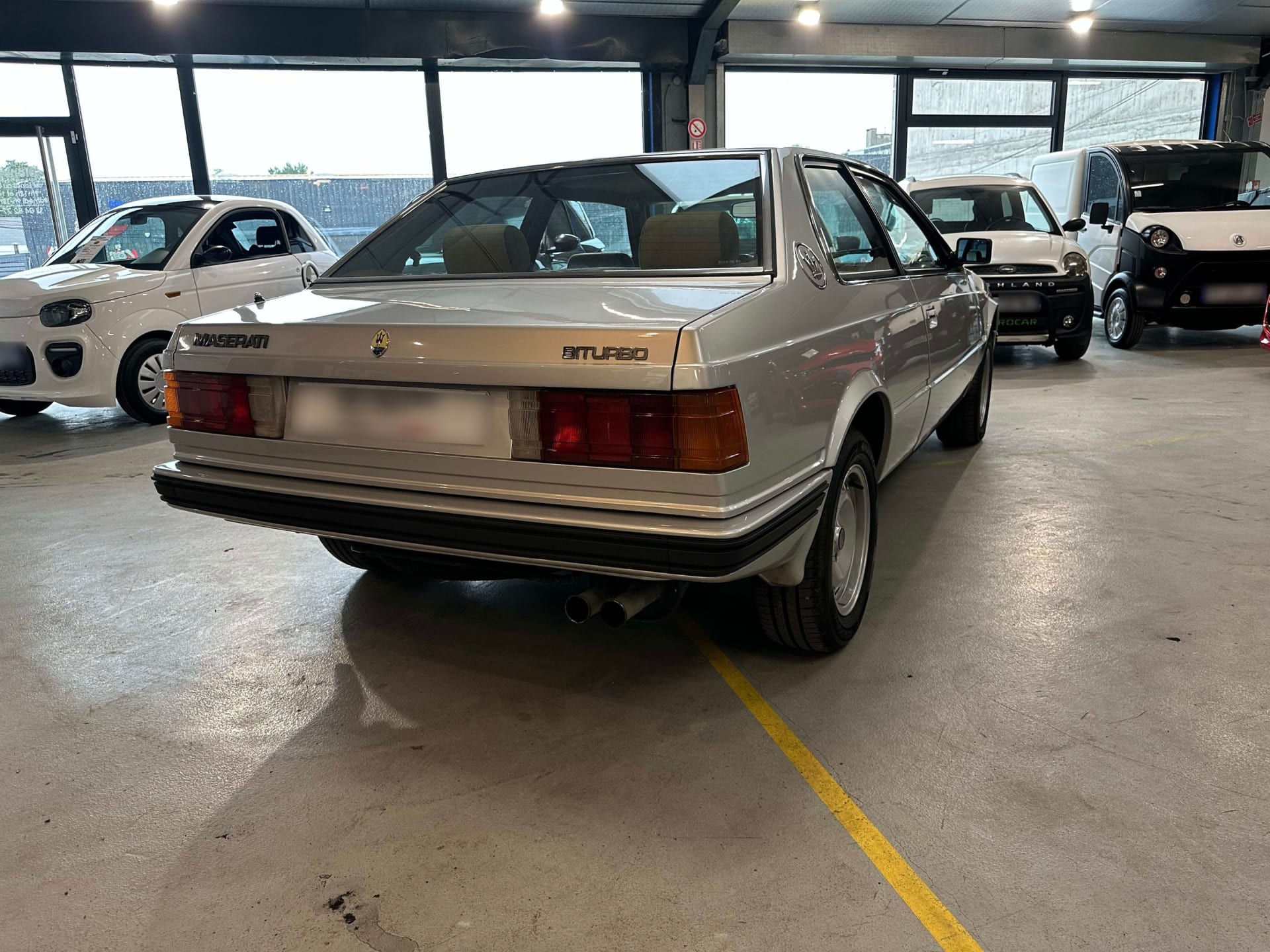
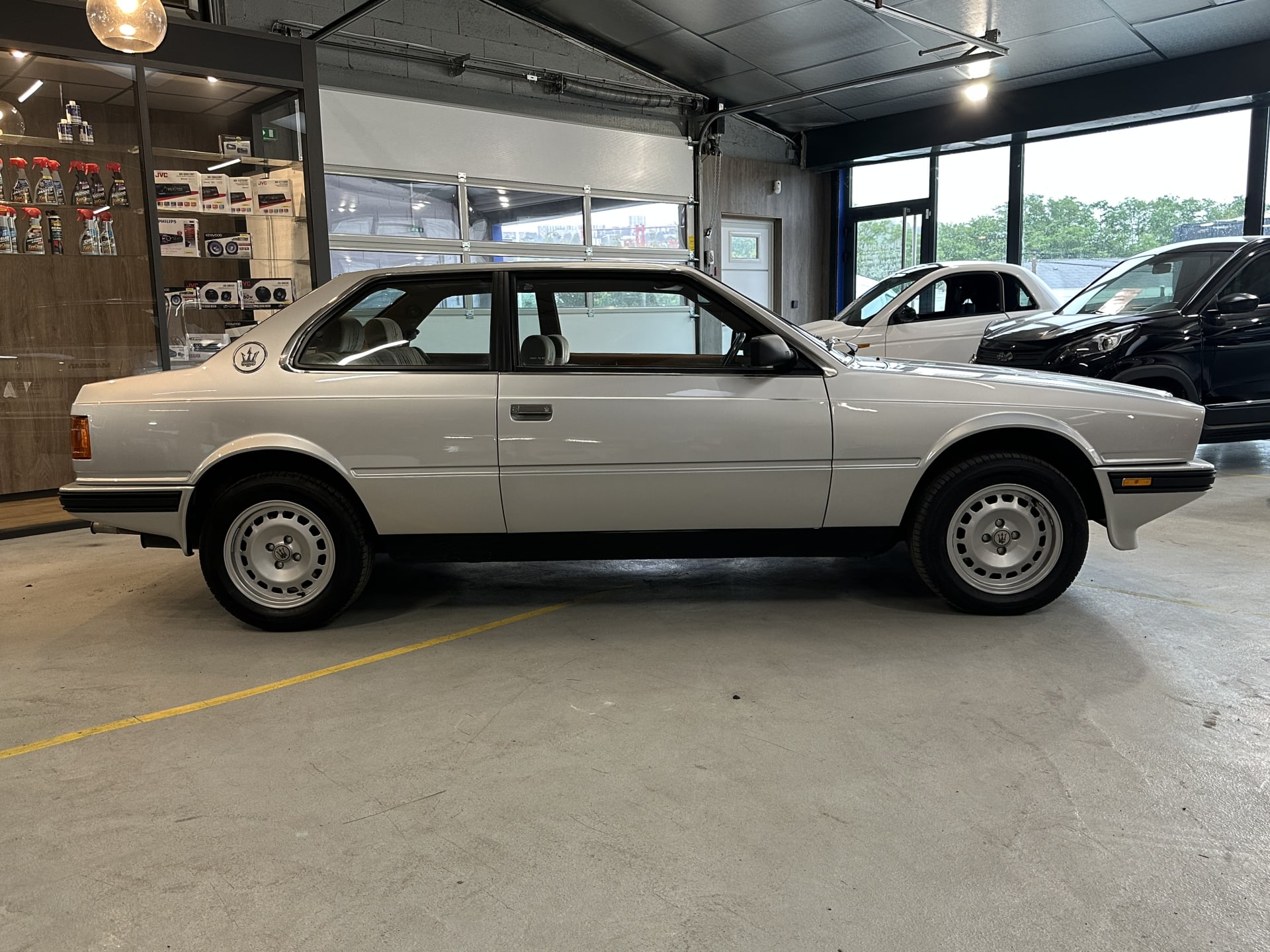
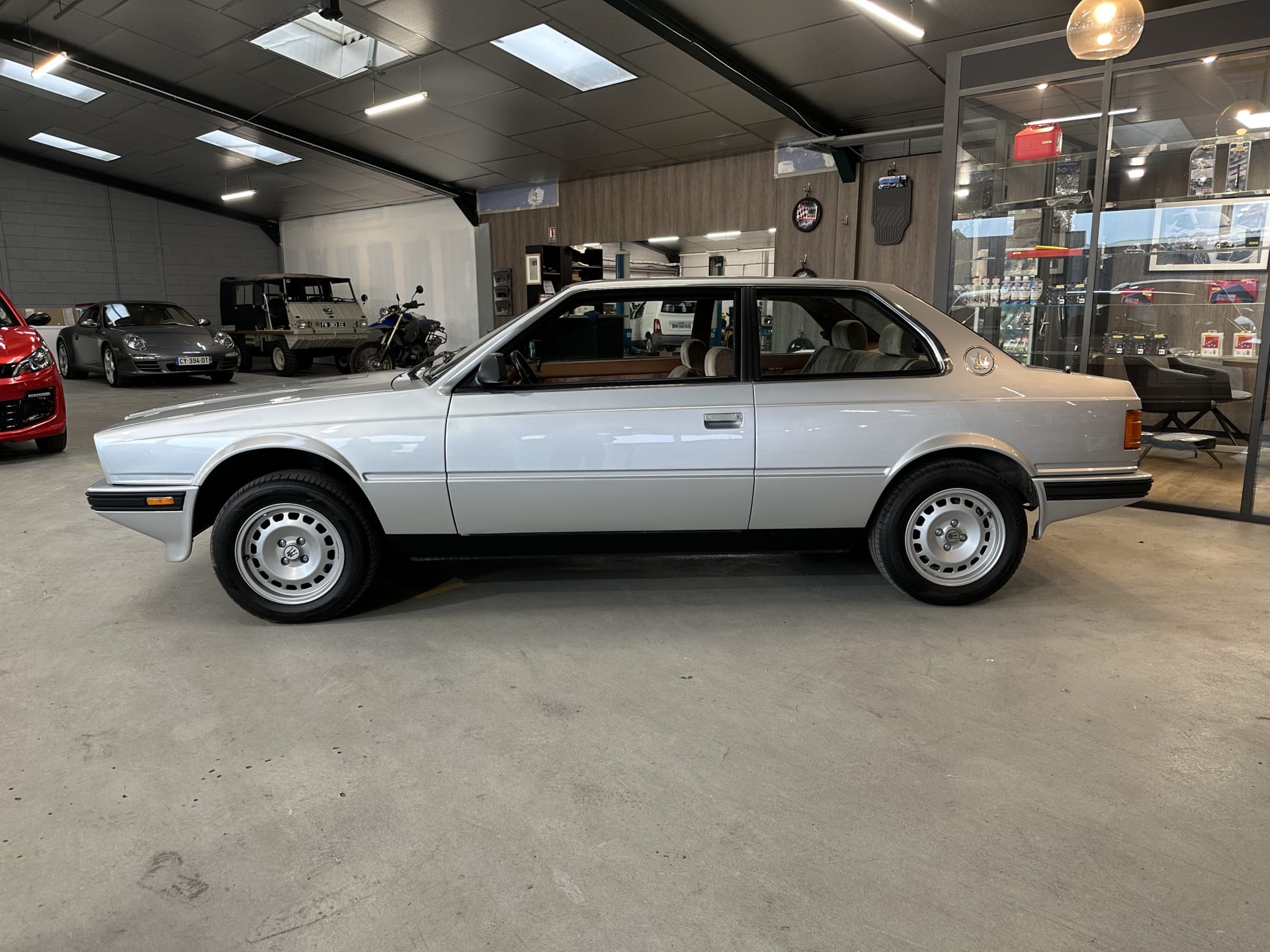
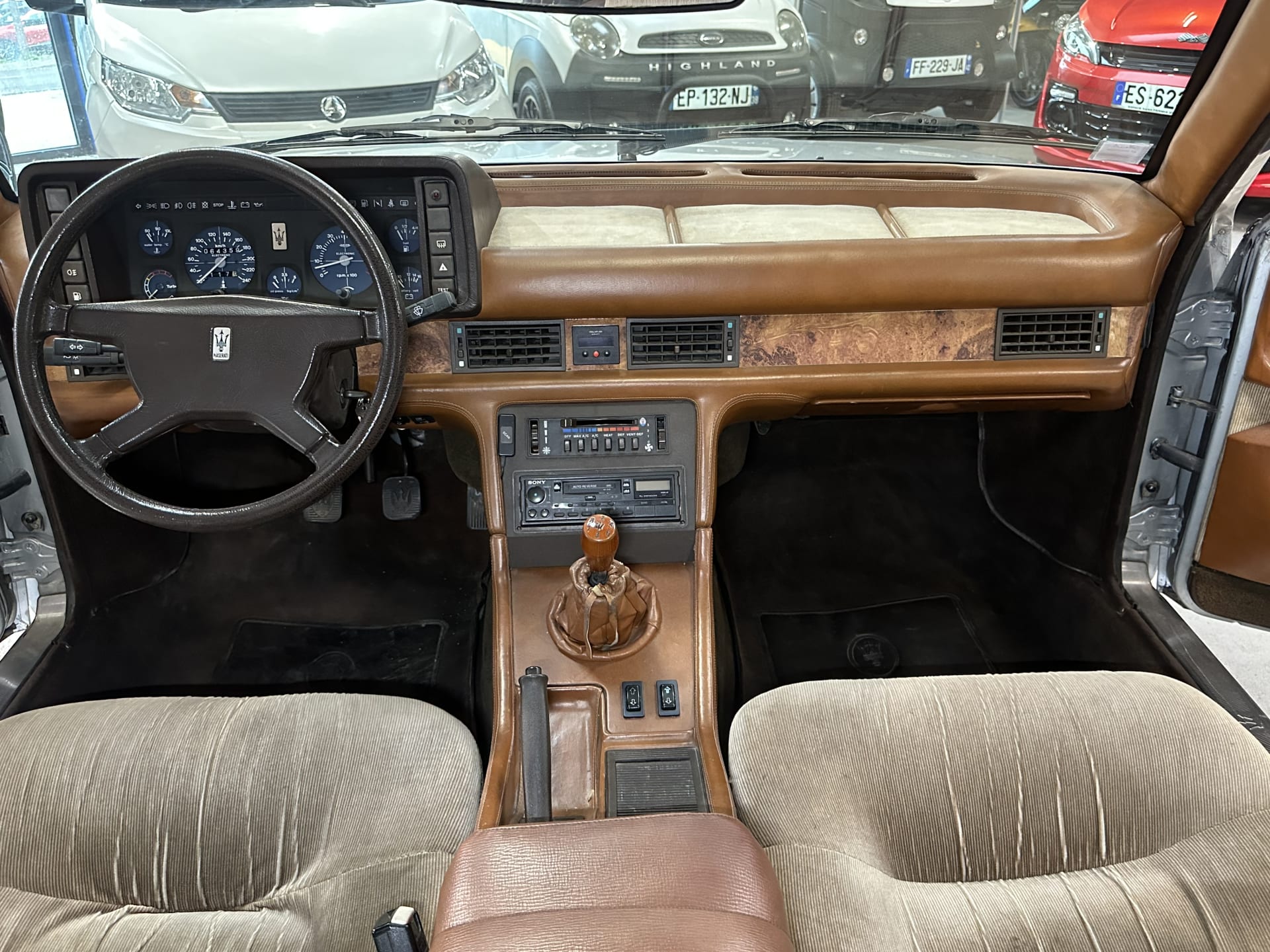
Maserati Biturbo
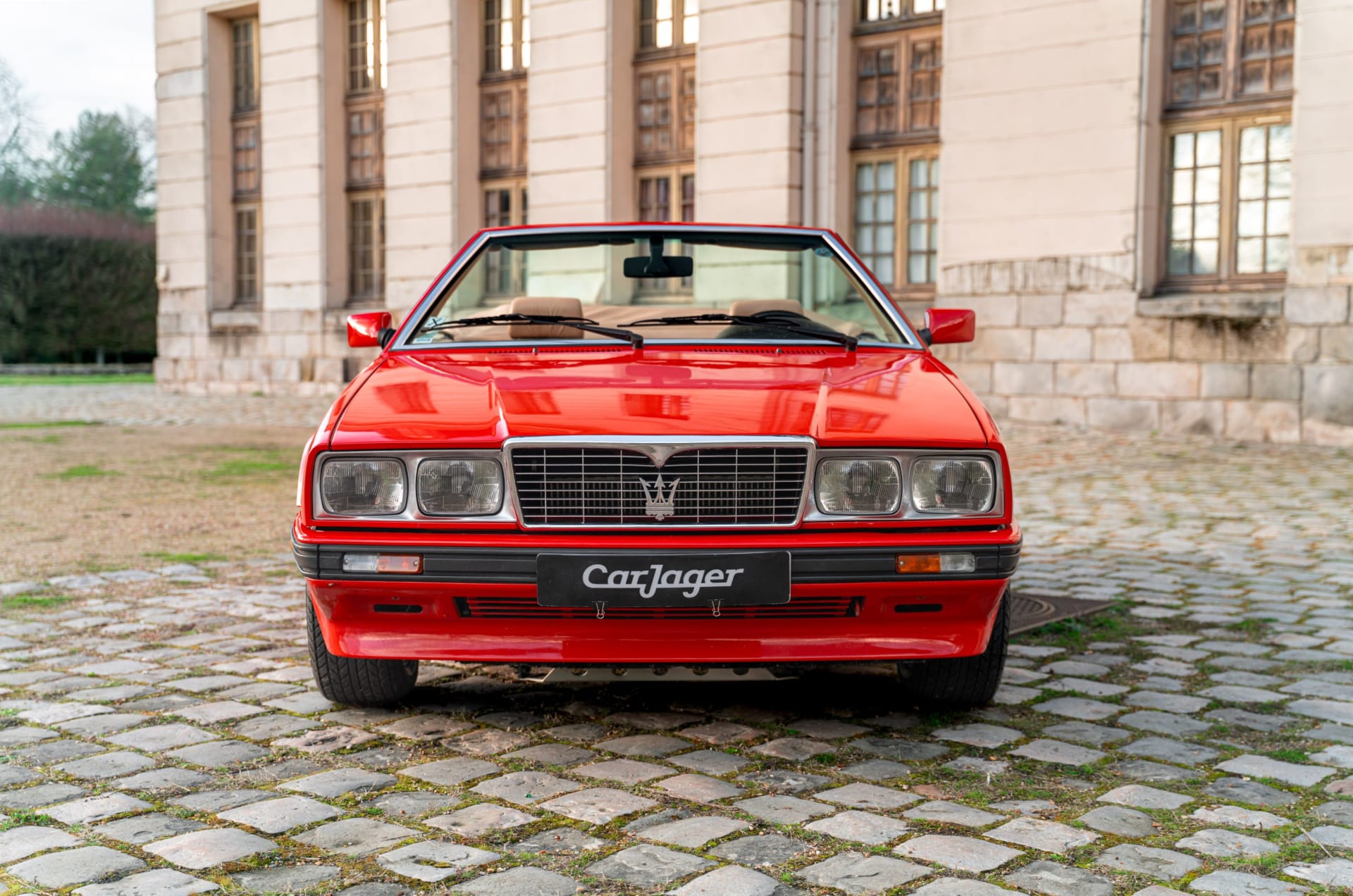
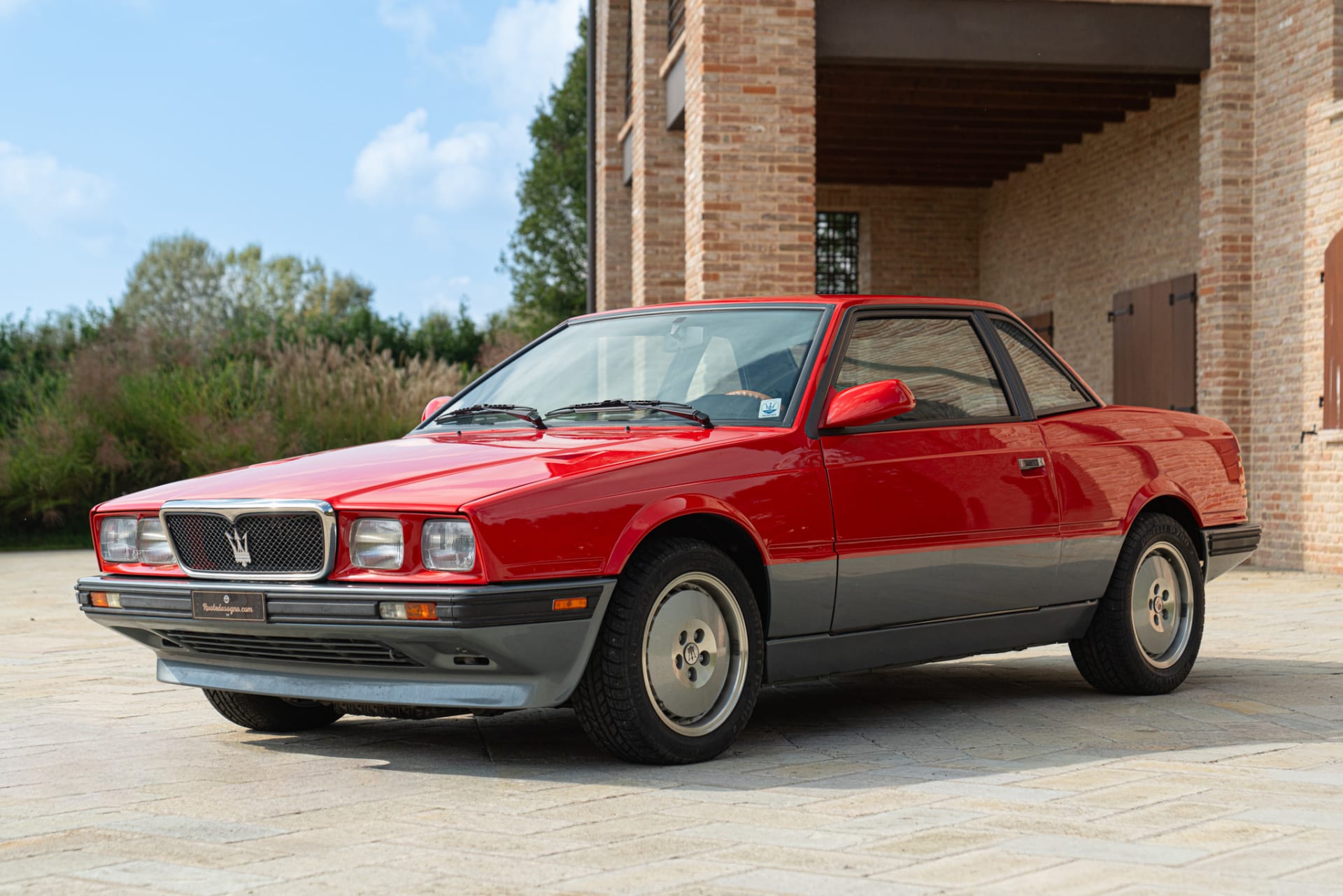
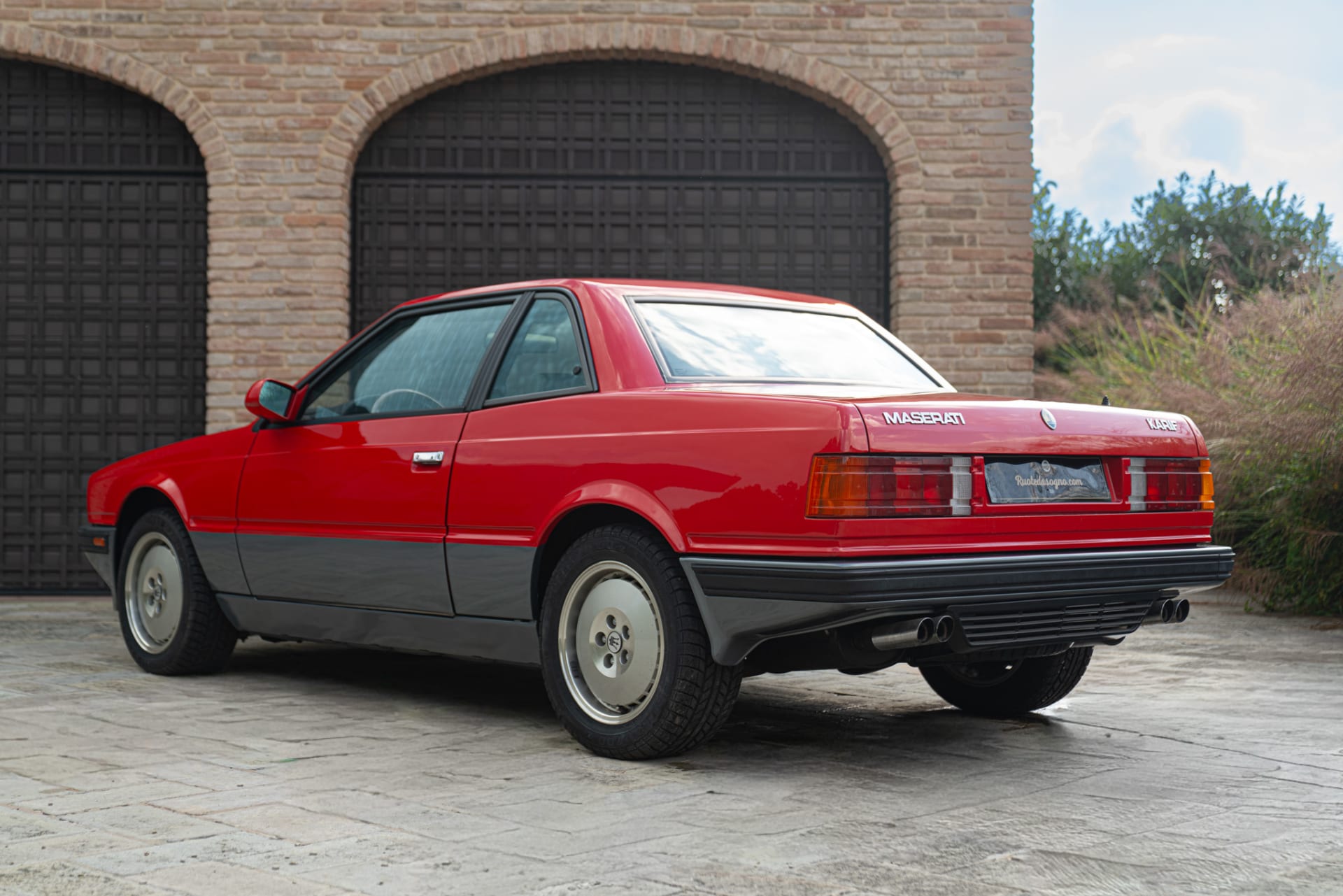
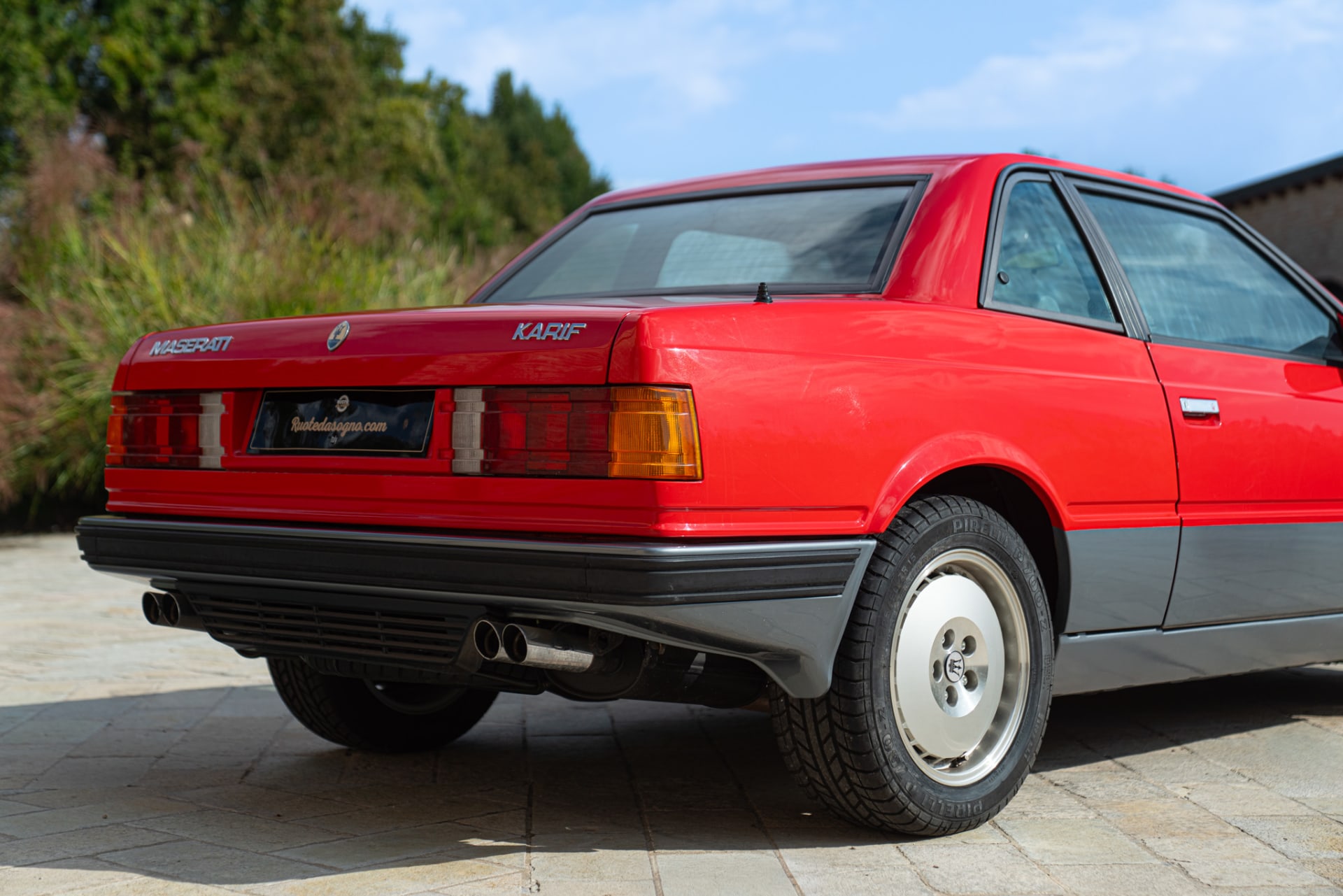
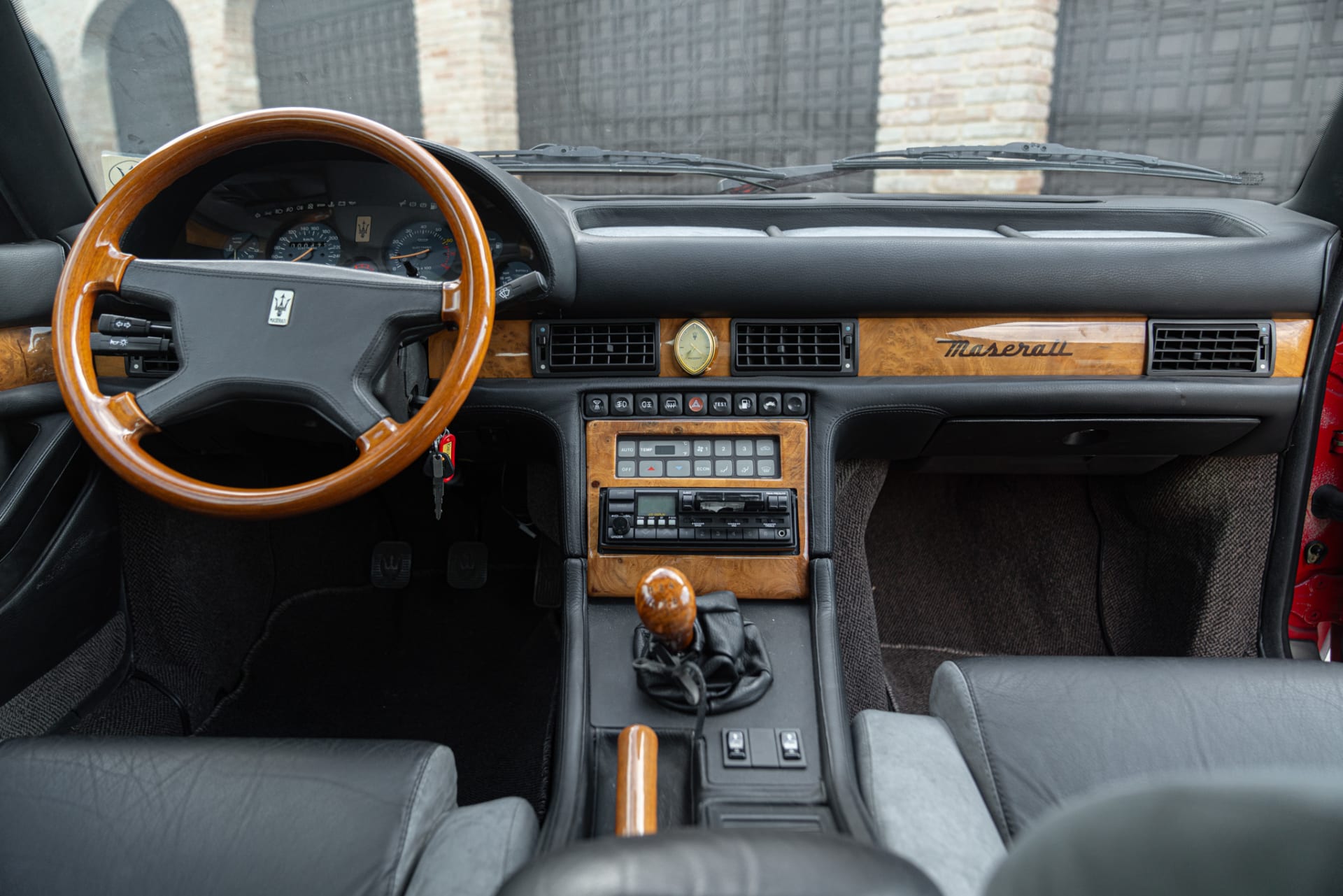
Starting in 1981, Maserati adapted its offering with the introduction of the Biturbo, a small front-engined GT with classic lines. Equipped with a highly capable turbocharged V6, the car would serve as the foundation for nearly the entire Maserati lineup over the next seventeen years.

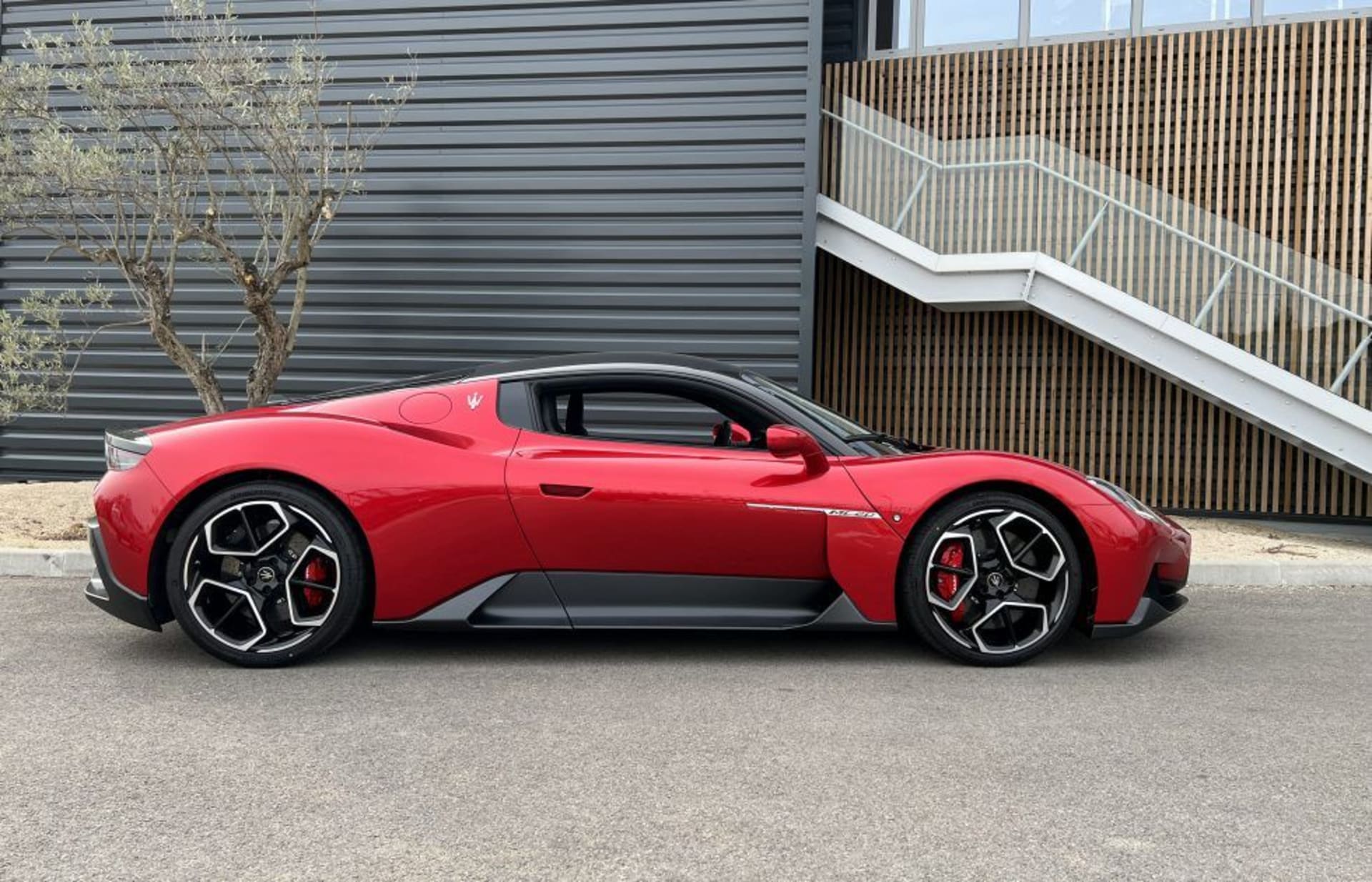
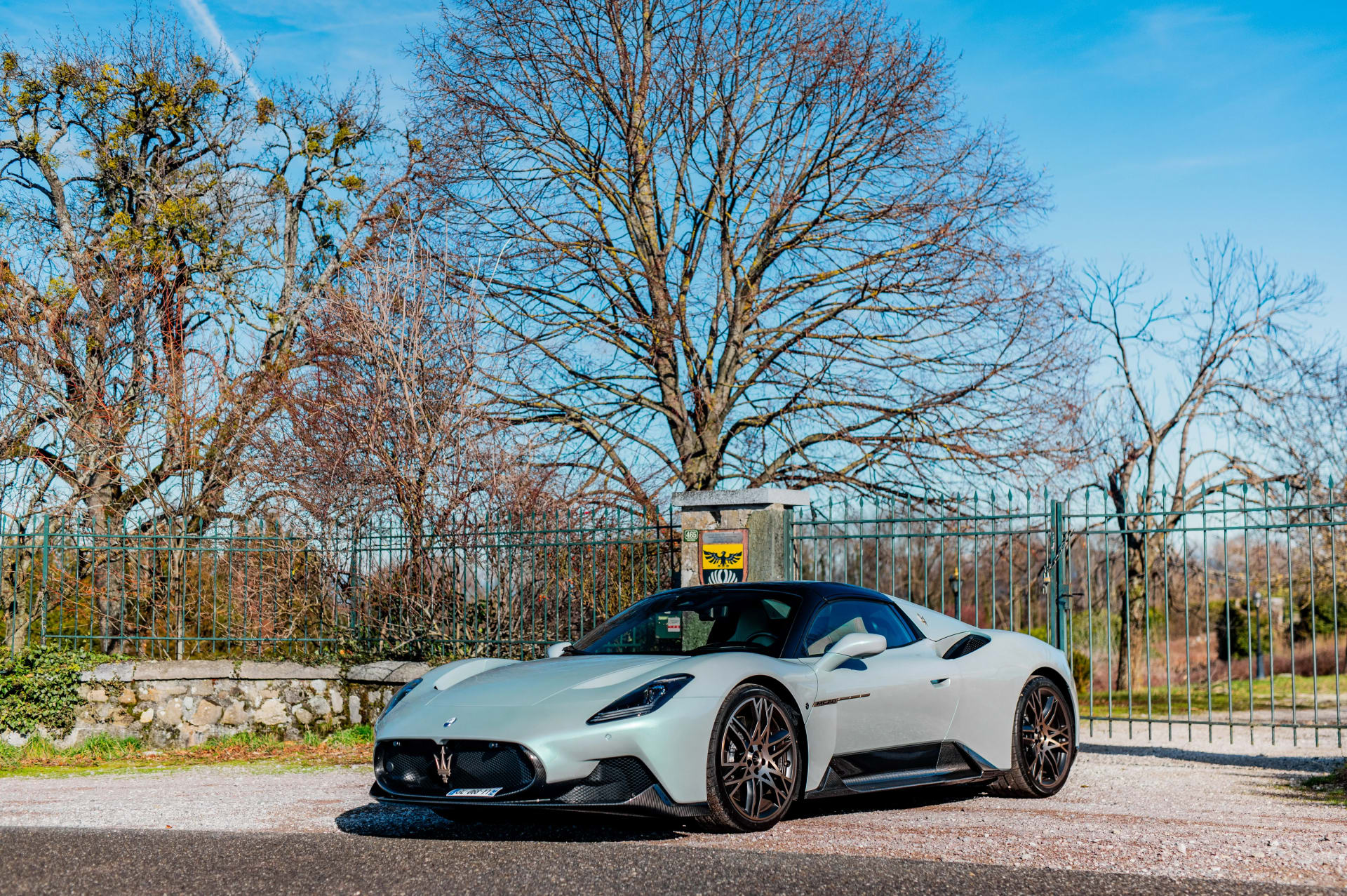
Maserati MC20
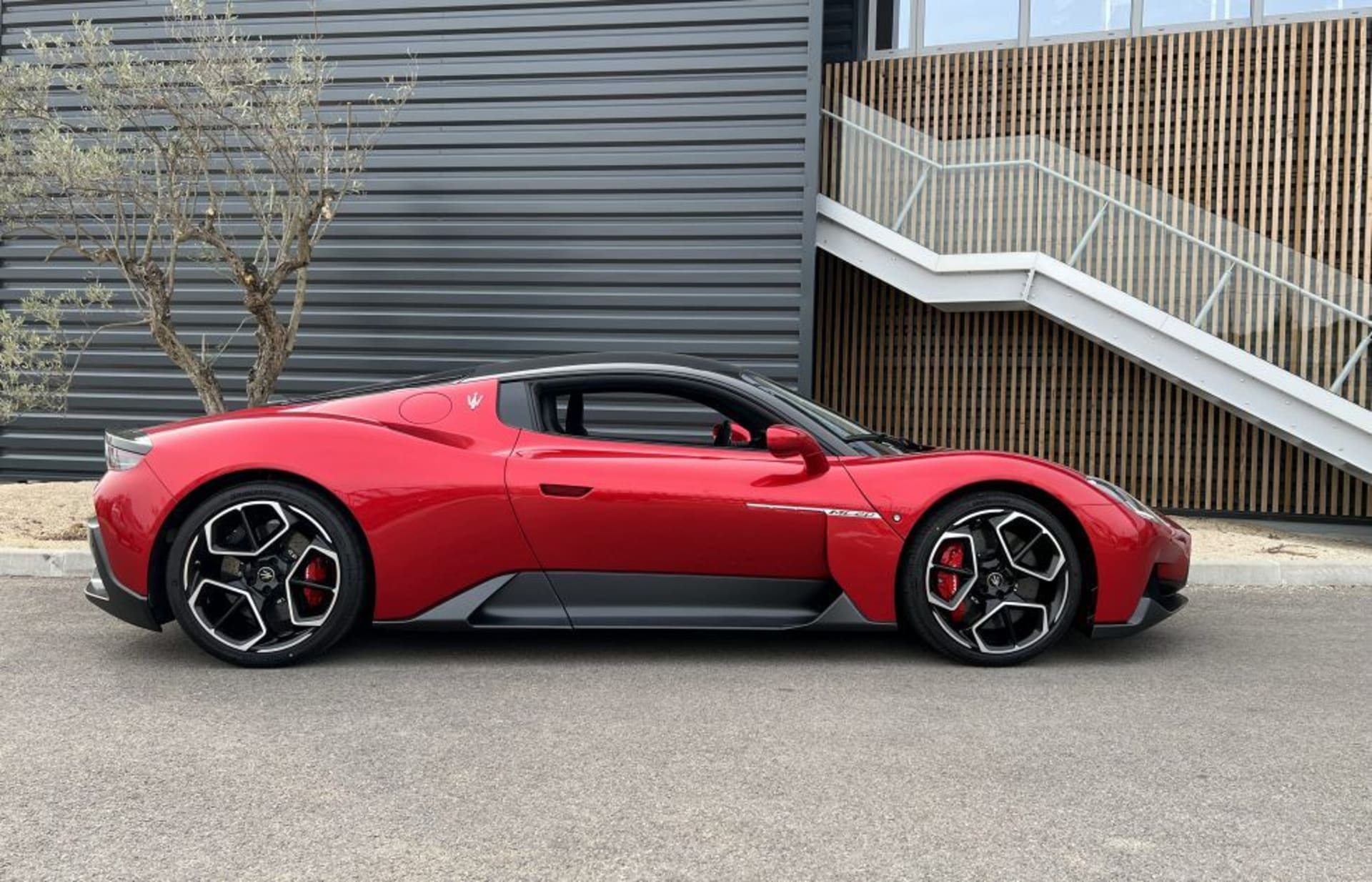
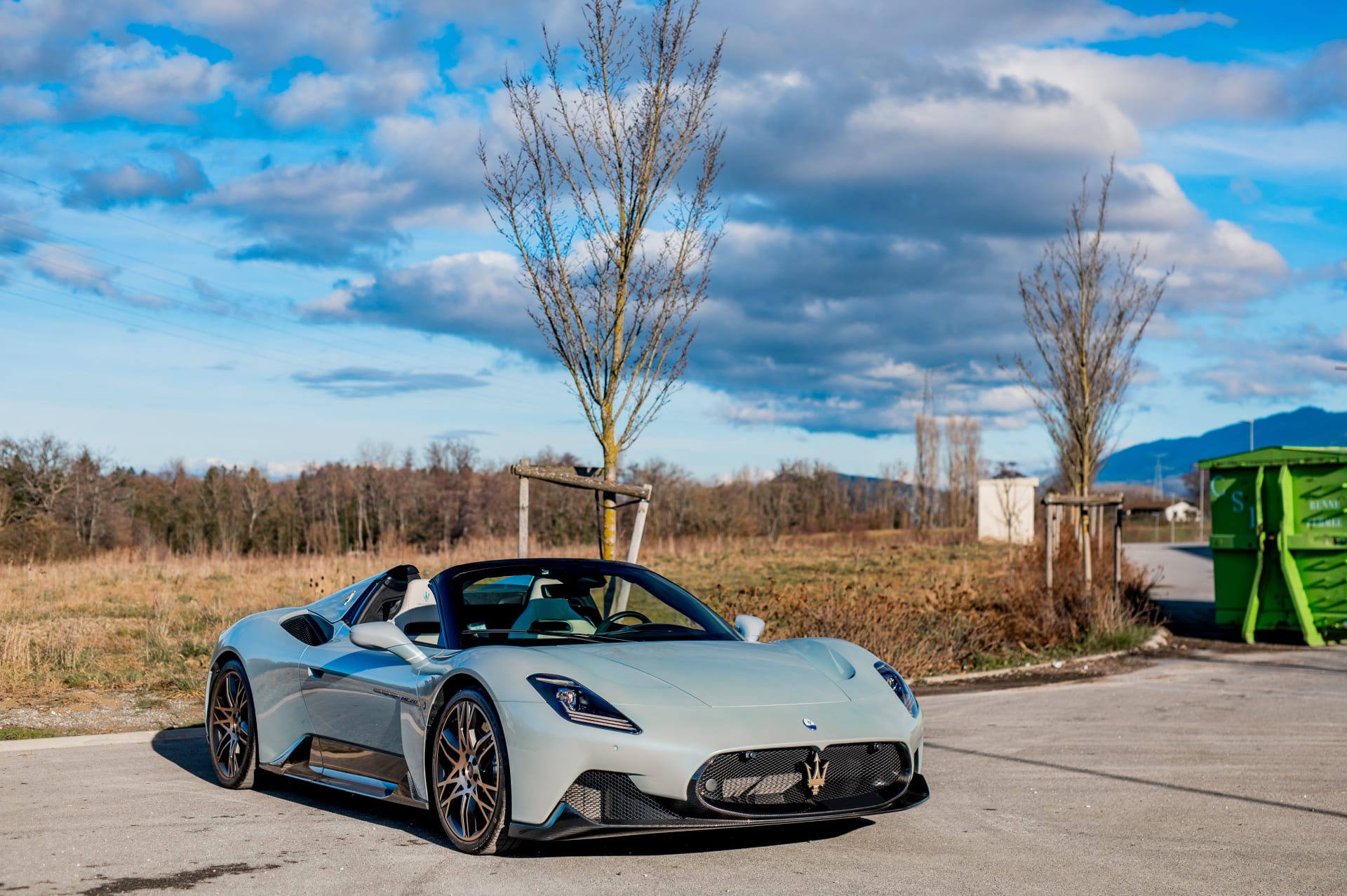
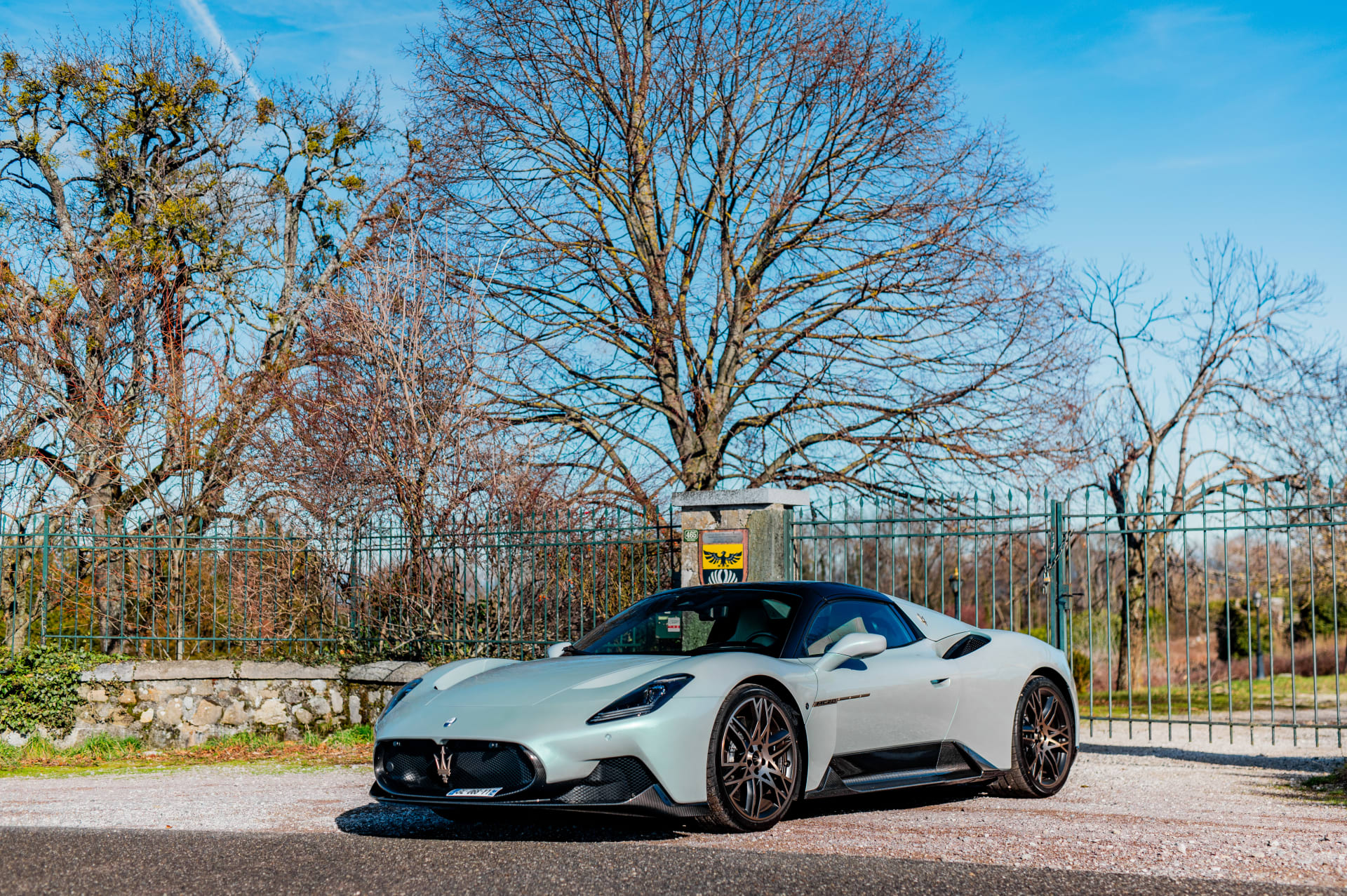
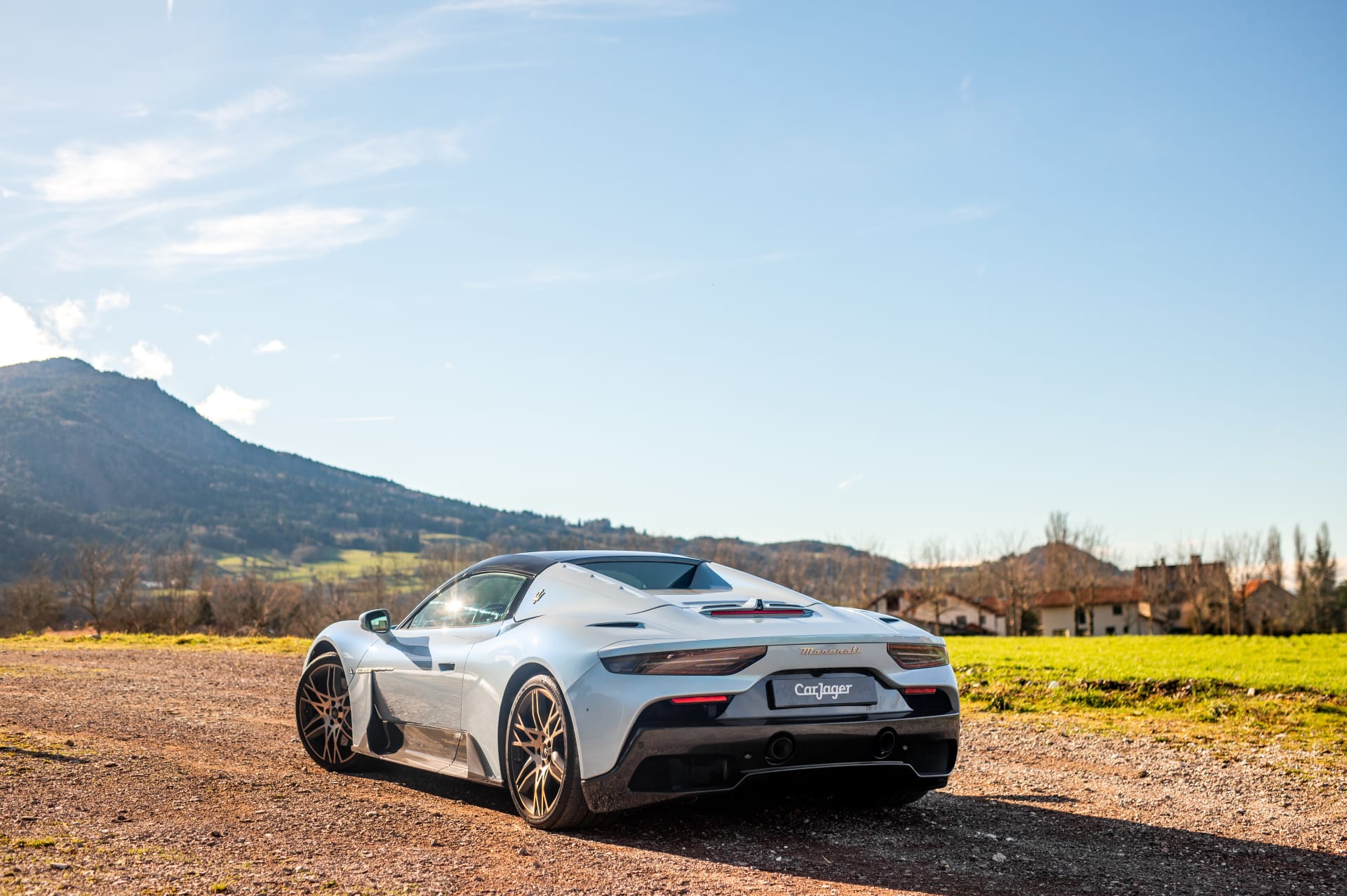
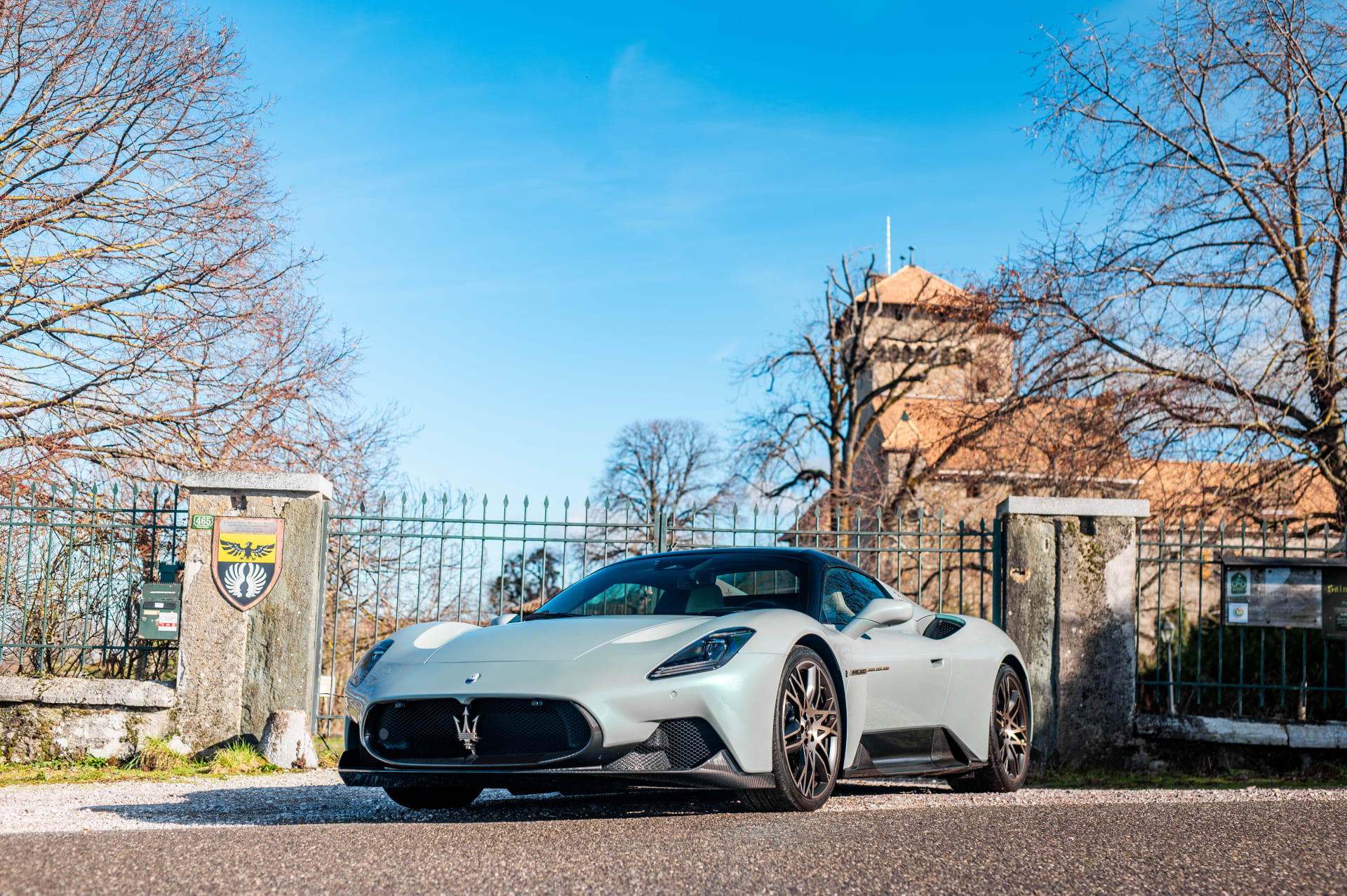
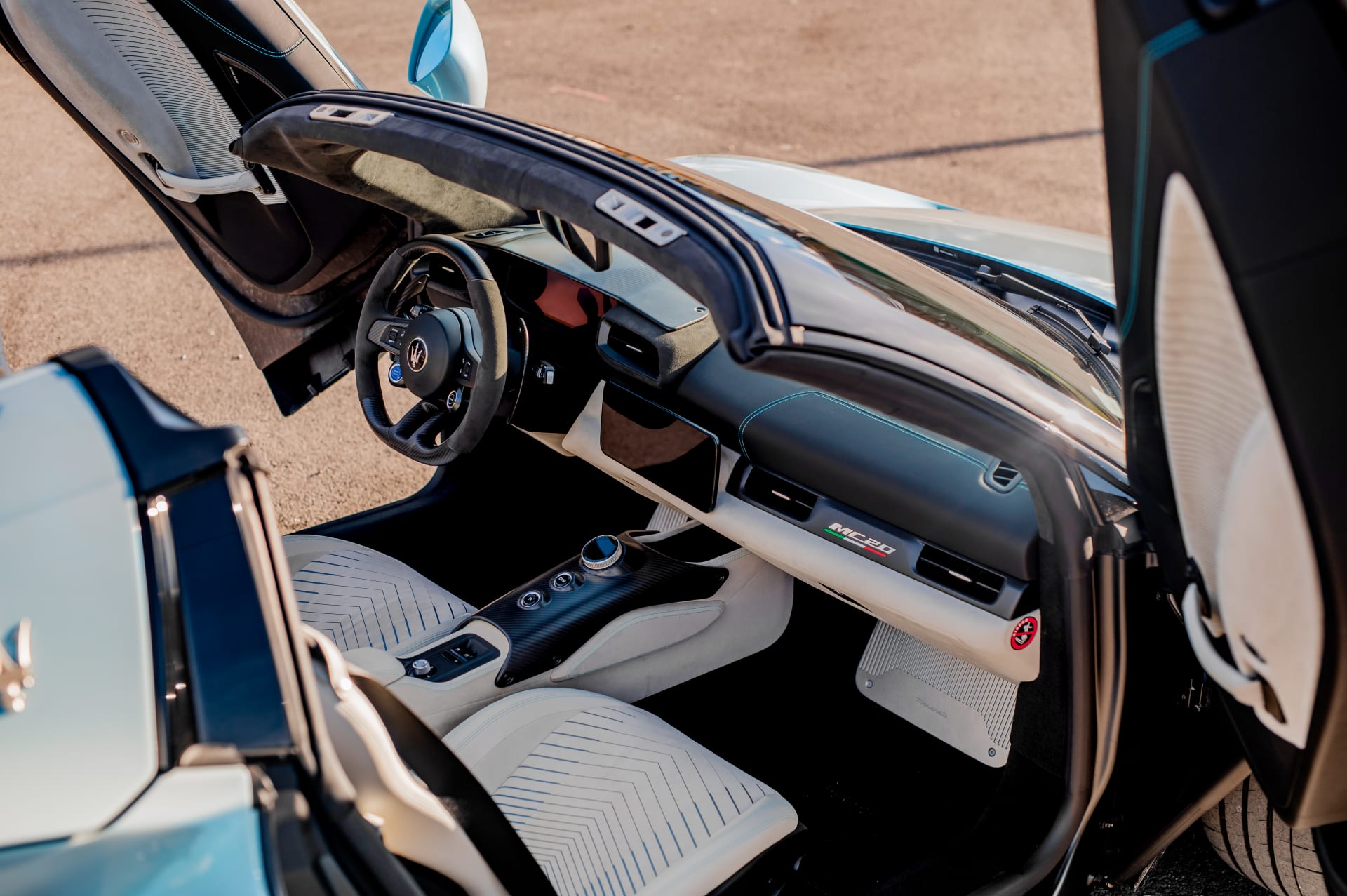
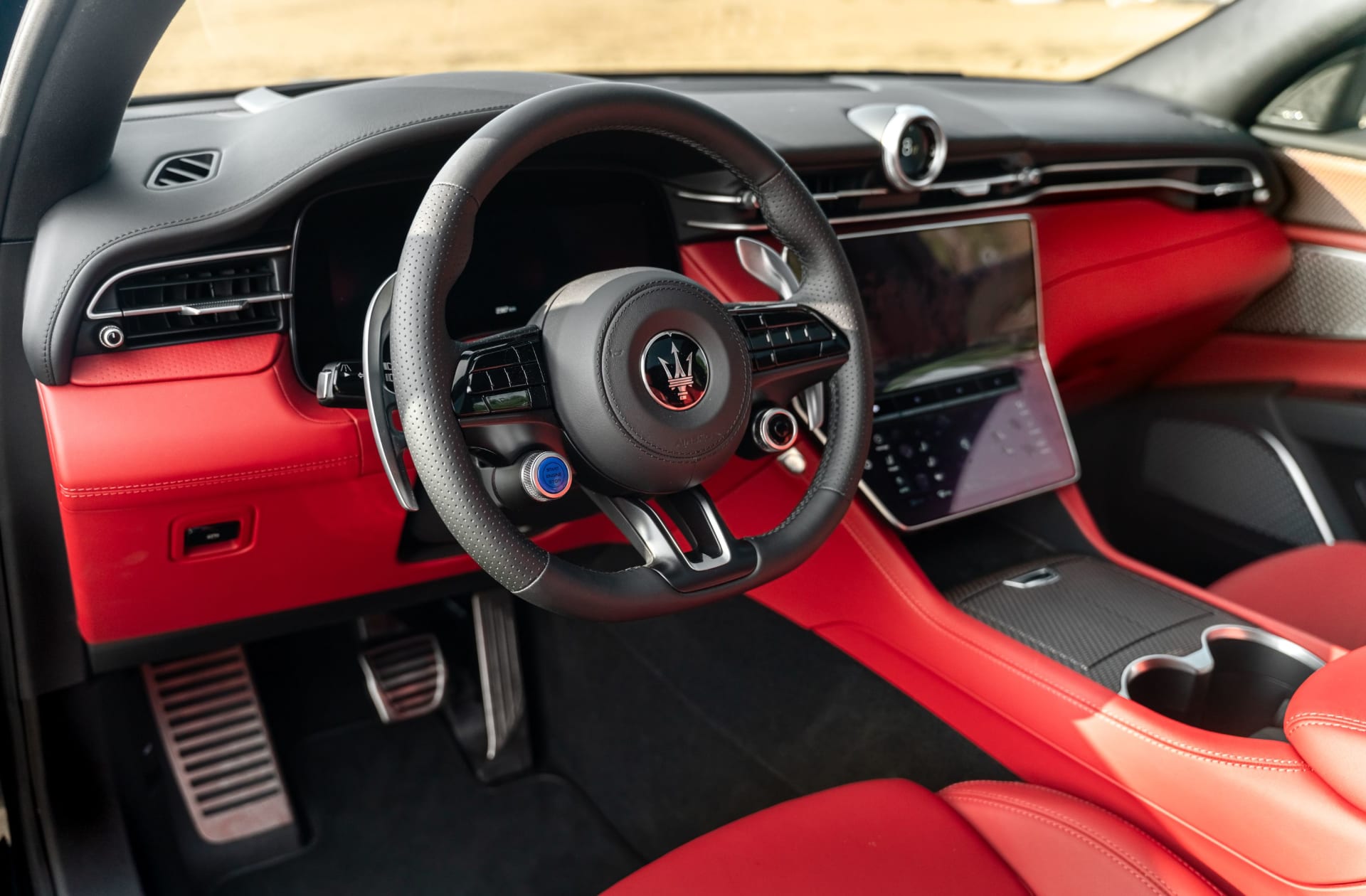
Launched in 2020, the MC20 is a mid-engined berlinetta. Its V6 engine, named Nettuno, is an all-new design; with 630 horsepower, it can propel the car to 325 km/h. The MC20 is also available in an open-top version called Cielo.

Vintage MASERATI
Vintage MaseratiMaserati Brand History

Maserati, the Grand Dame of Legendary Italian Marques
Founded in 1914 in Bologna by the five Maserati brothers, the eponymous company began as a manufacturer of racing cars for the Diatto firm. However, it wasn’t until 1926 that Maserati became a full-fledged automaker, dedicating its efforts entirely to motorsport and competing against the likes of Mercedes-Benz and Auto Union in the major races of the interwar period. The Maserati family handed over control of the company to the Orsi family in 1937—at which point the company moved to Modena, where its headquarters remain to this day—but the Maserati brothers continued collaborating with the firm for another ten years.
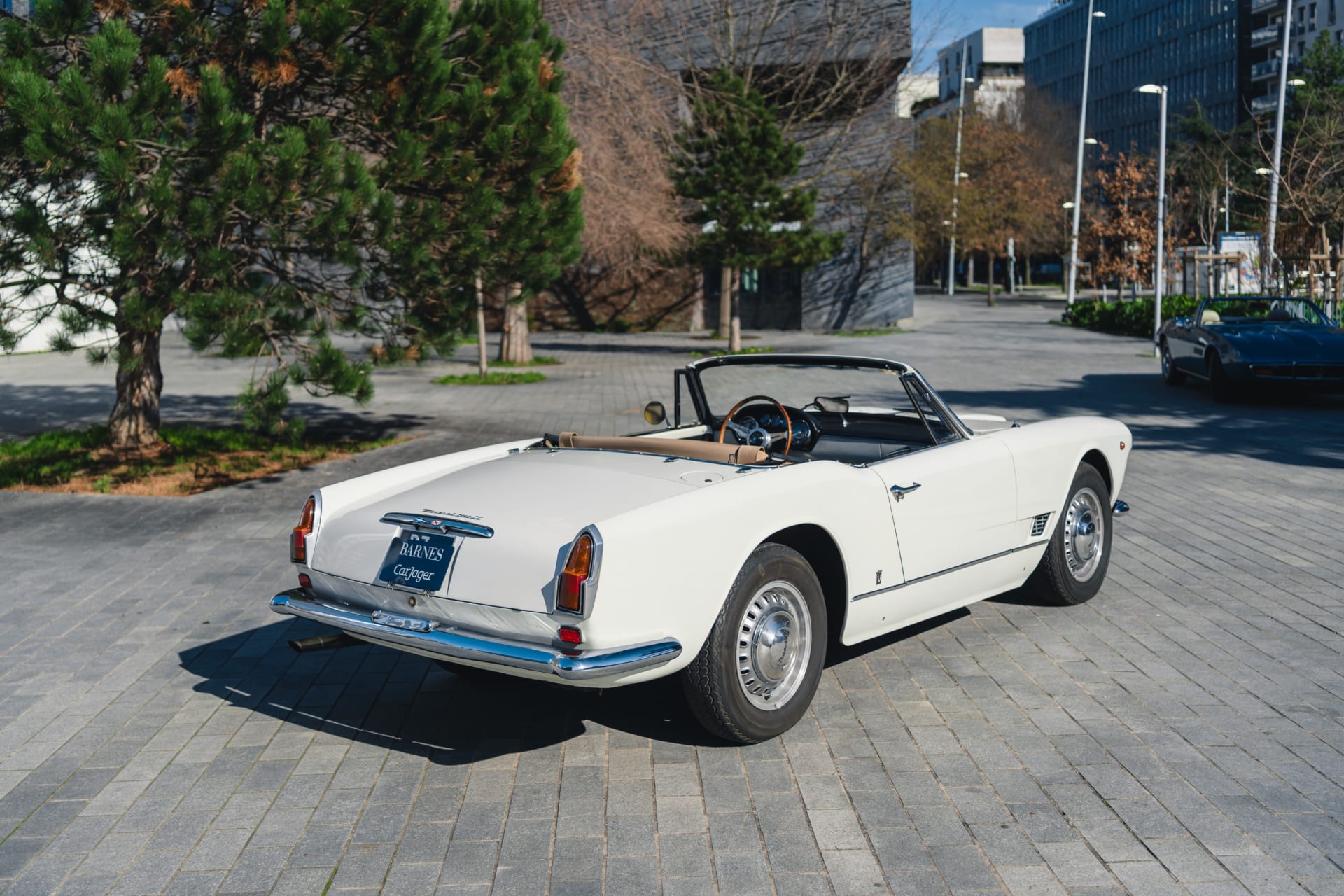
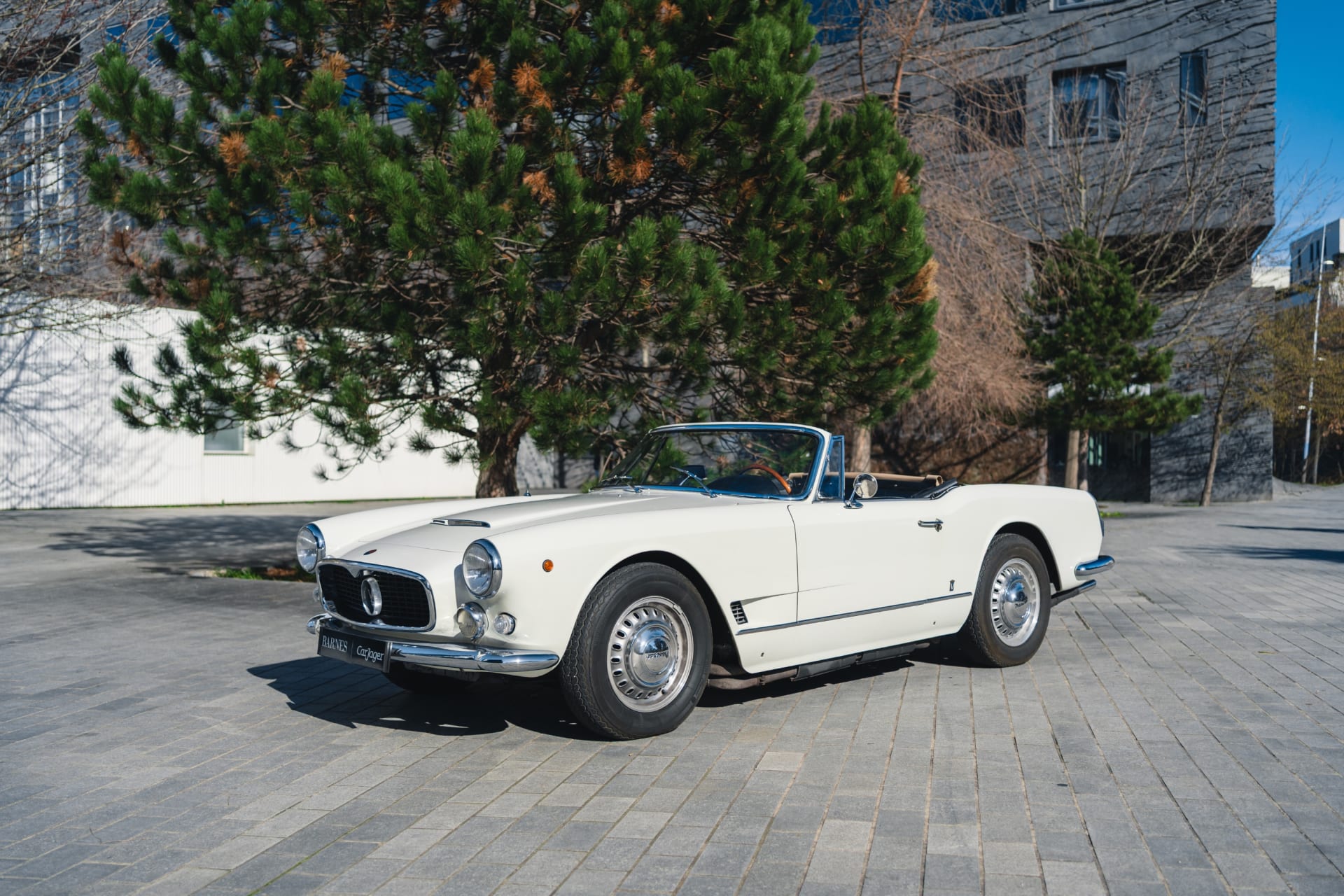
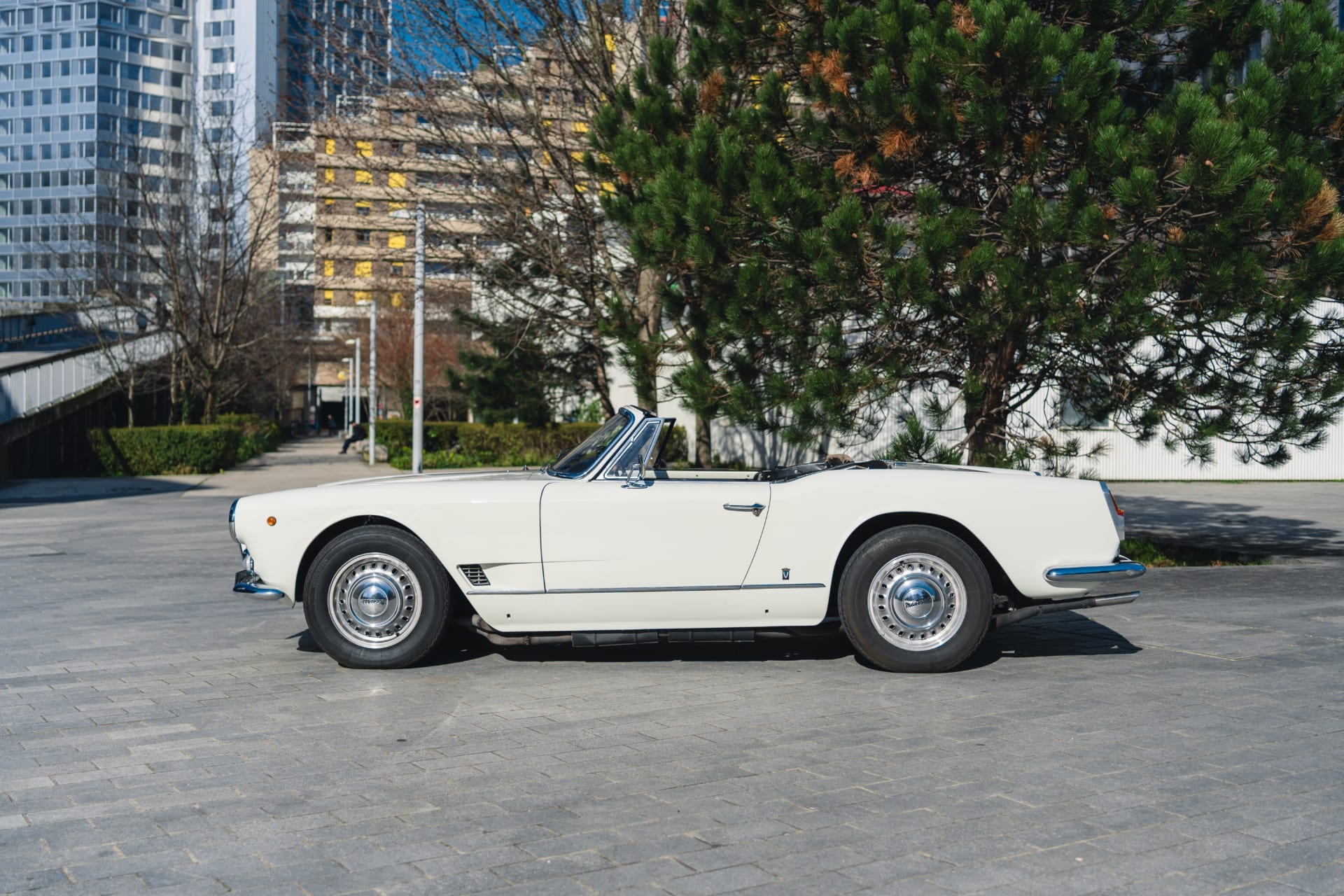
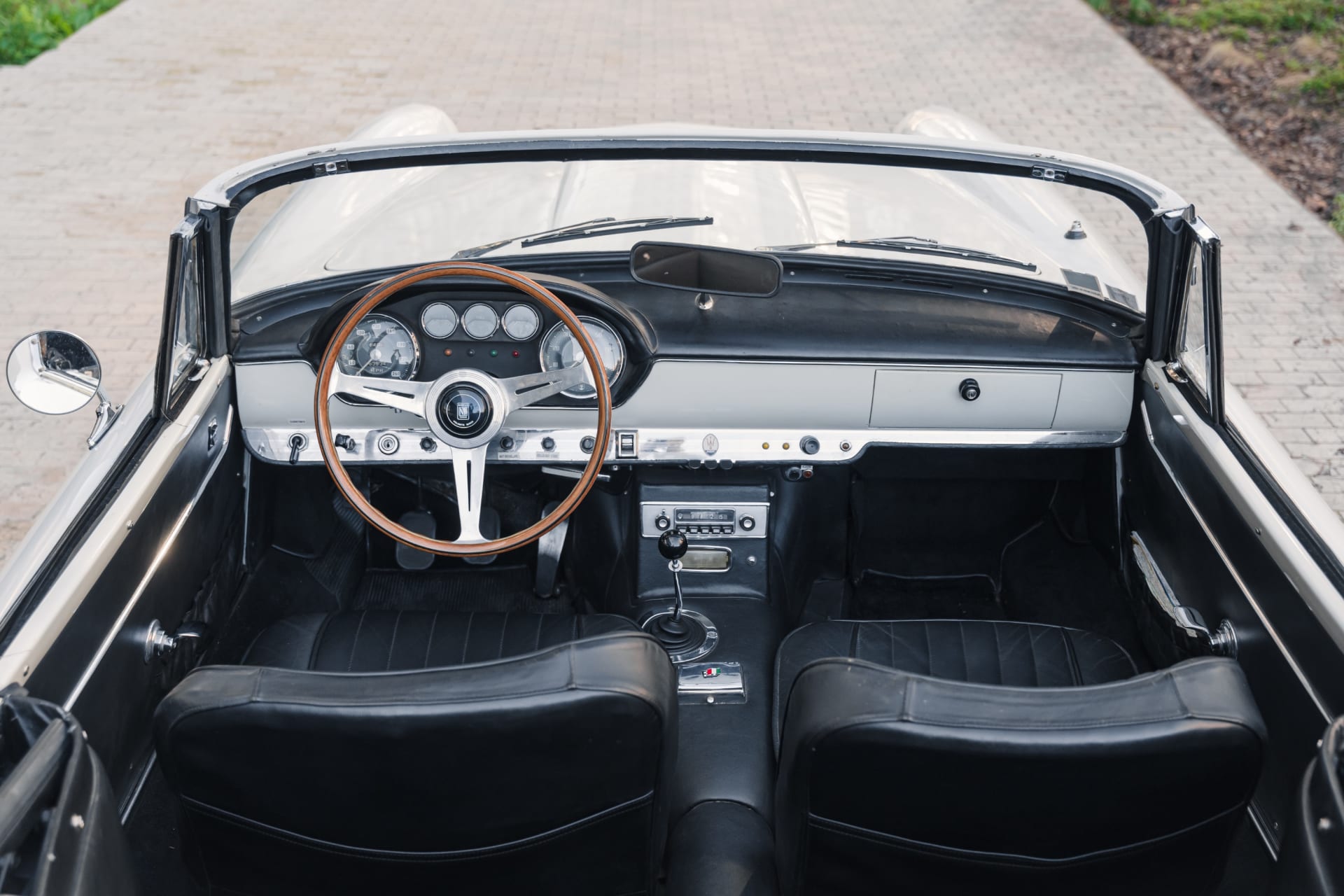
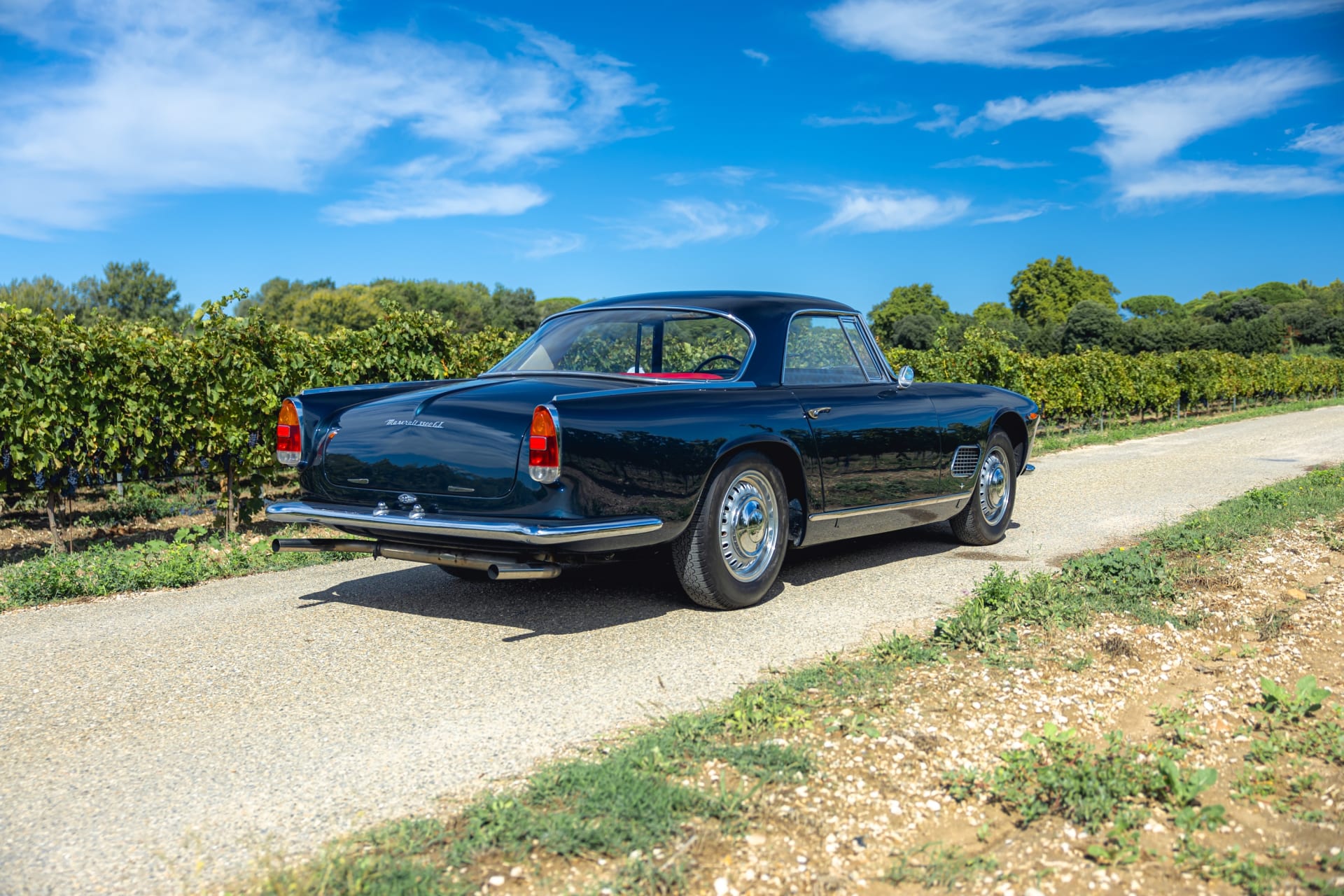
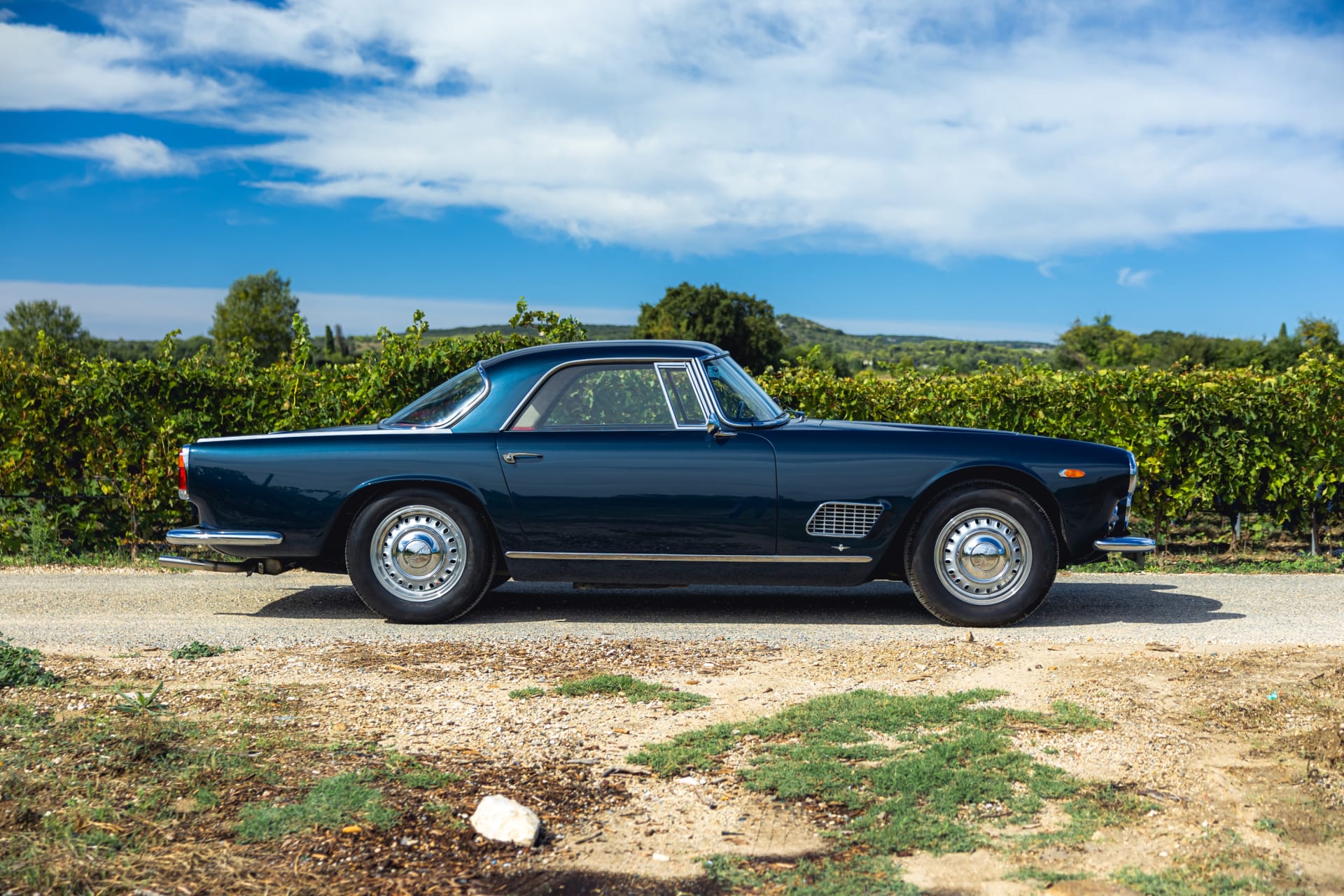
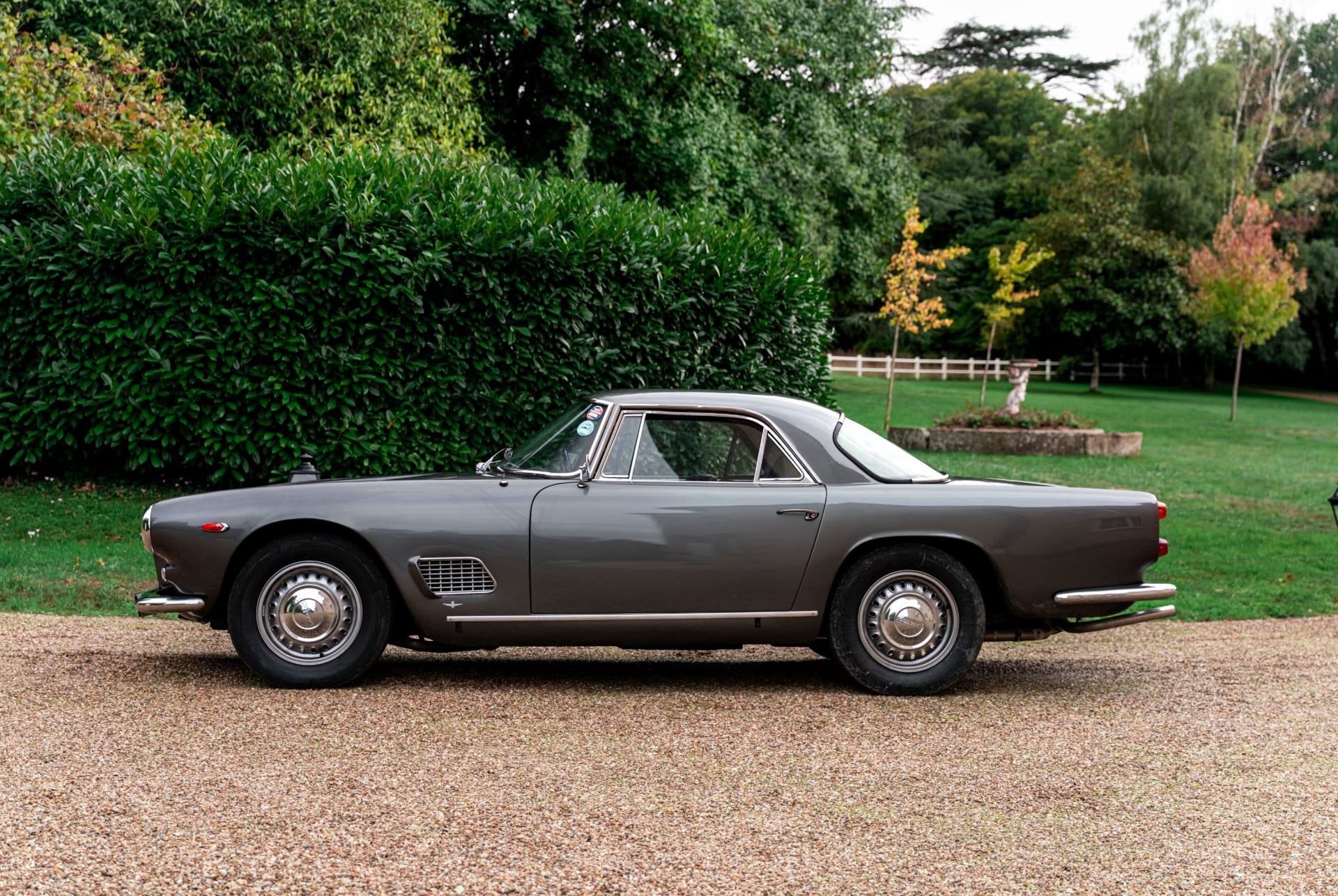
After the war, while maintaining its presence in racing, Maserati began designing and producing road cars focused on sportiness and grand touring. The celebrated A6 series marked the company’s first step toward the identity it holds today: Maserati gradually evolved into a manufacturer of high-end grand touring coupés and convertibles, ceasing direct involvement in motorsport after 1957. That same year, the 3500 GT brought the brand out of relative obscurity and secured it a reputation on par with Ferrari, Aston Martin, and Jaguar.

From Handcrafting to (Small-Scale) Series Production
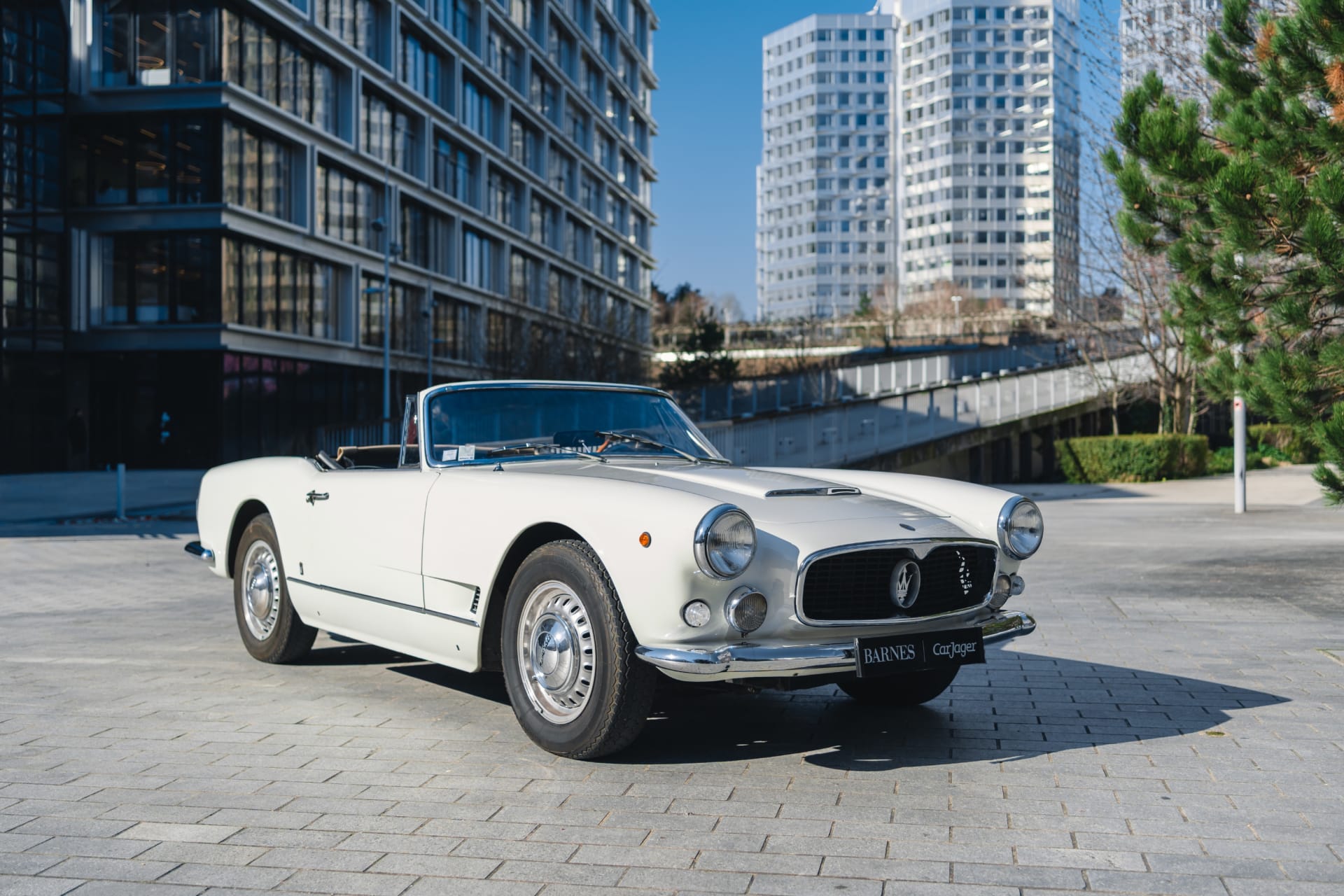
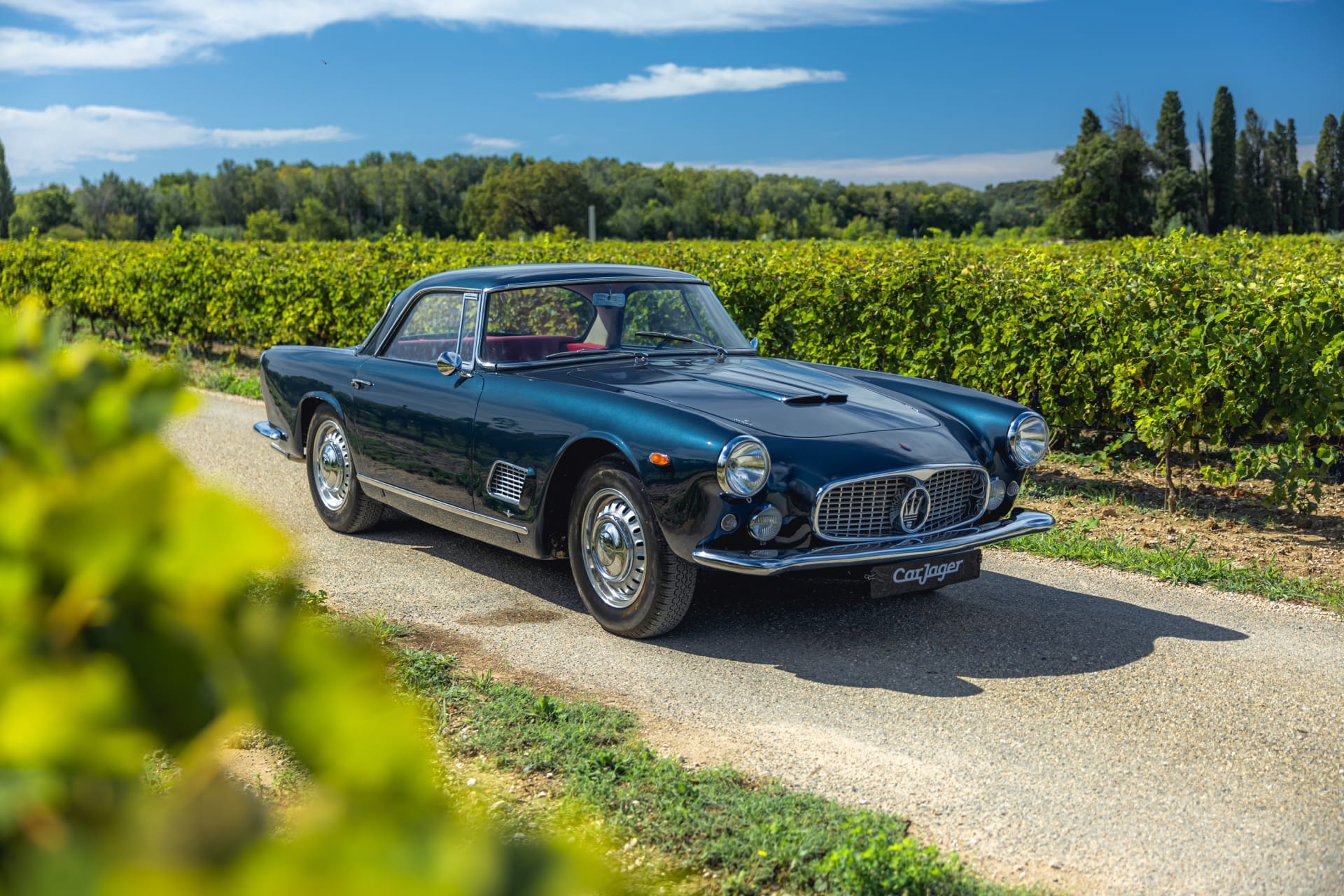
Built in over 2,200 units over a seven-year production run, the 3500 GT—offered as both a coupé and a convertible and powered, like its predecessors, by a race-derived inline-six engine—marked a turning point in Maserati’s evolution. Until then, the brand had operated on a largely artisanal scale, but the 3500 GT propelled it into a new dimension. Nevertheless, the ultra-exclusive 5000 GT continued the tradition of bespoke, prestige automobiles assembled in very limited numbers. The 3500 GT held its own against rivals like the Aston Martin DB4 and Ferrari 250 GT before giving way to an increasingly diverse lineup.
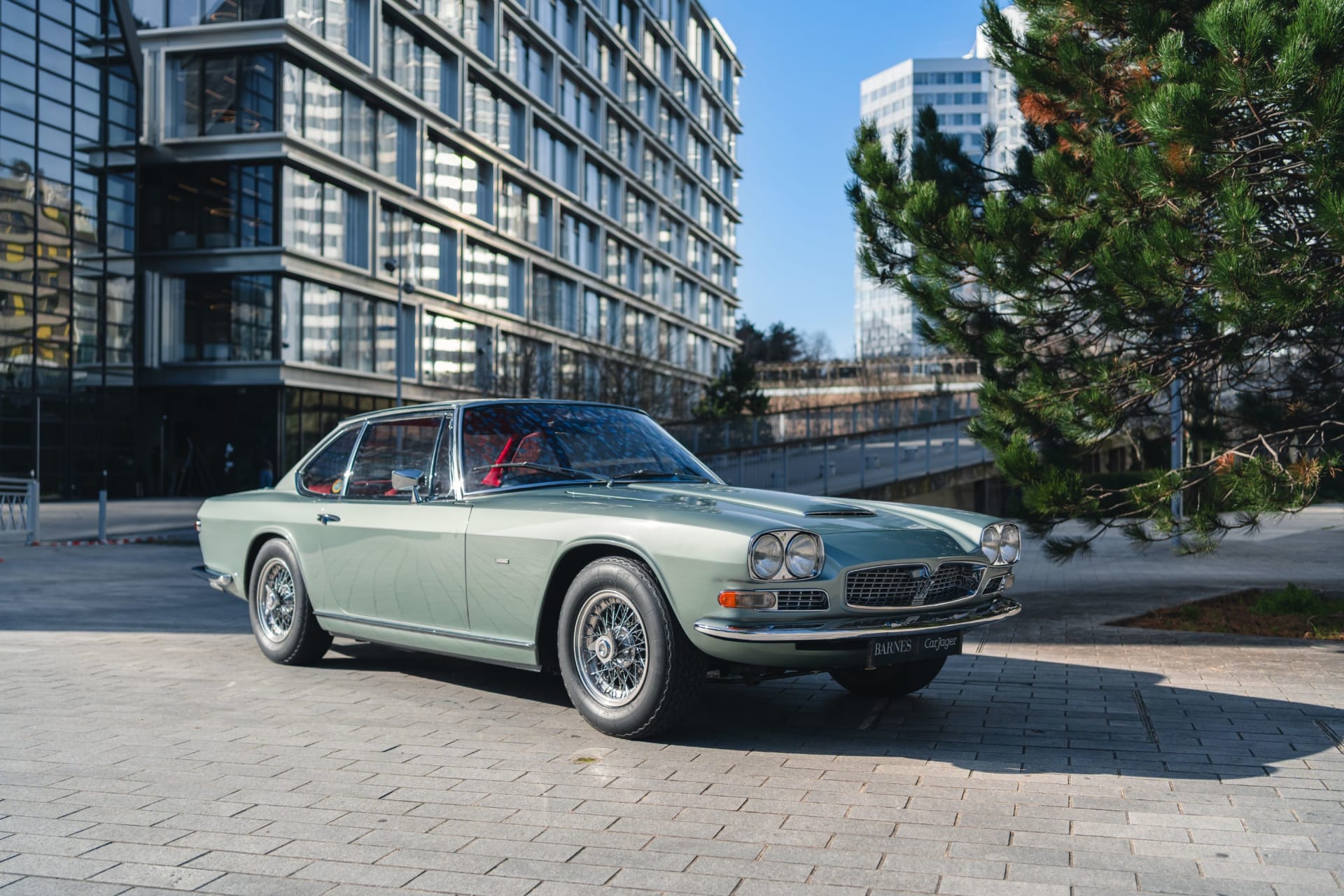
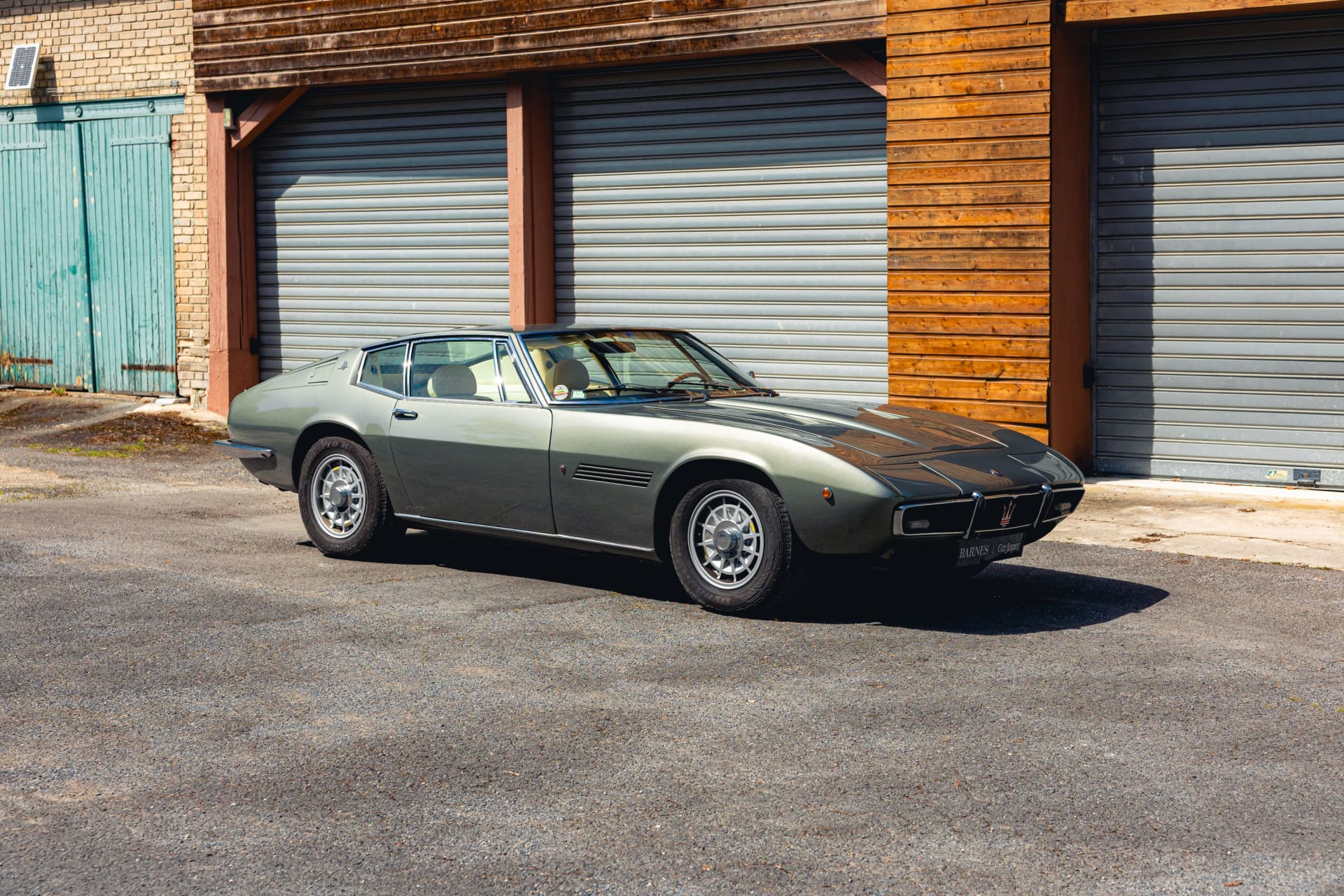
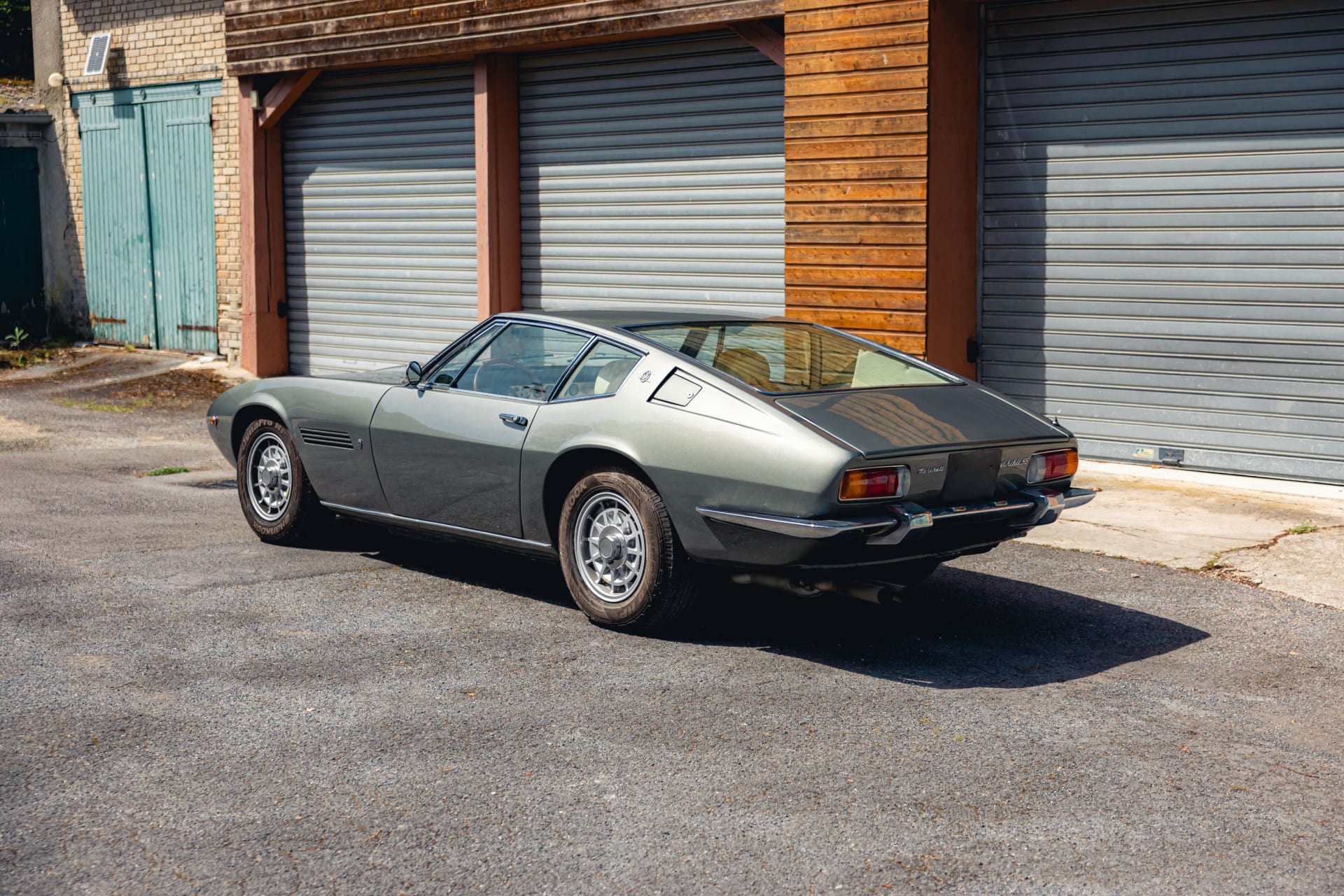
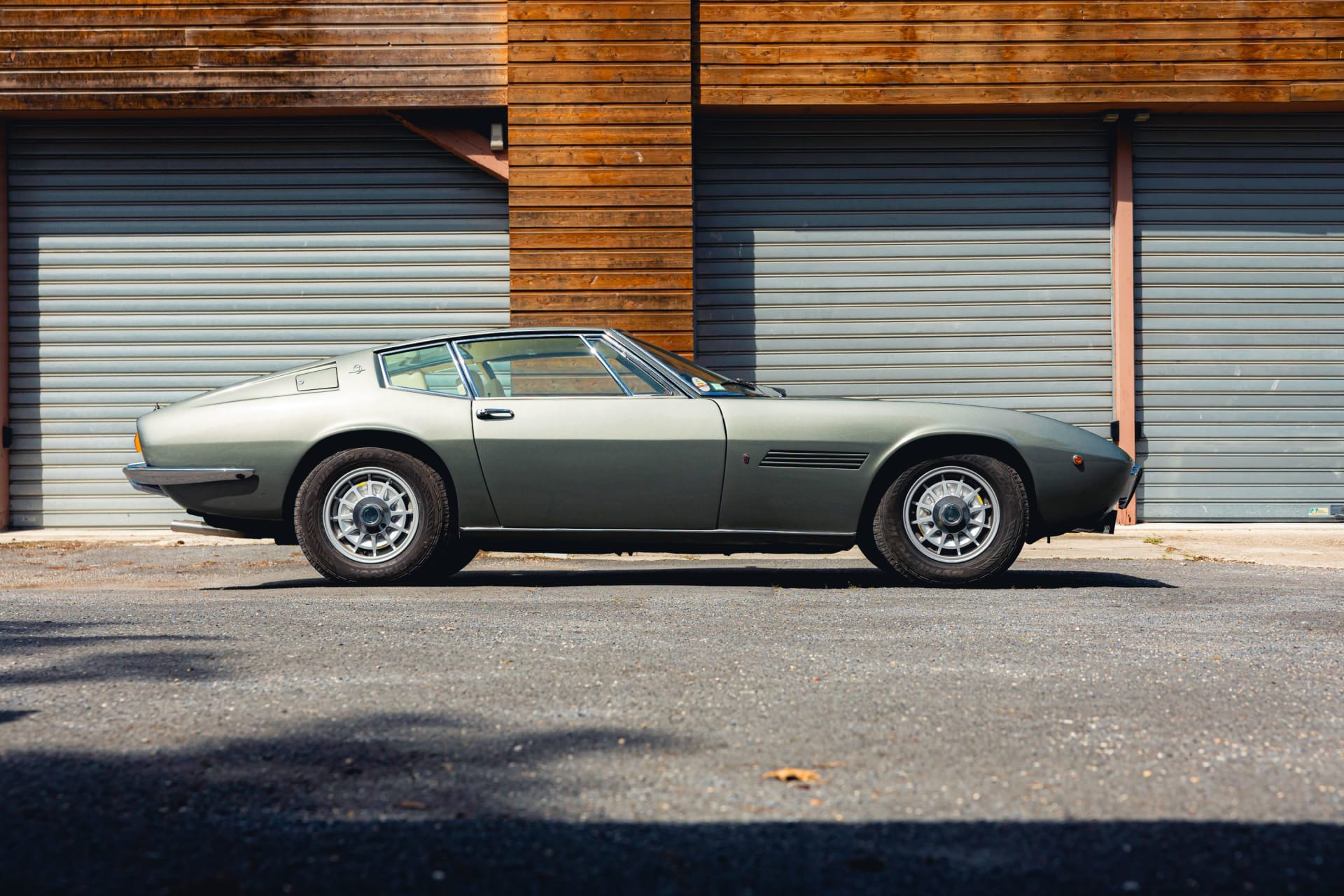
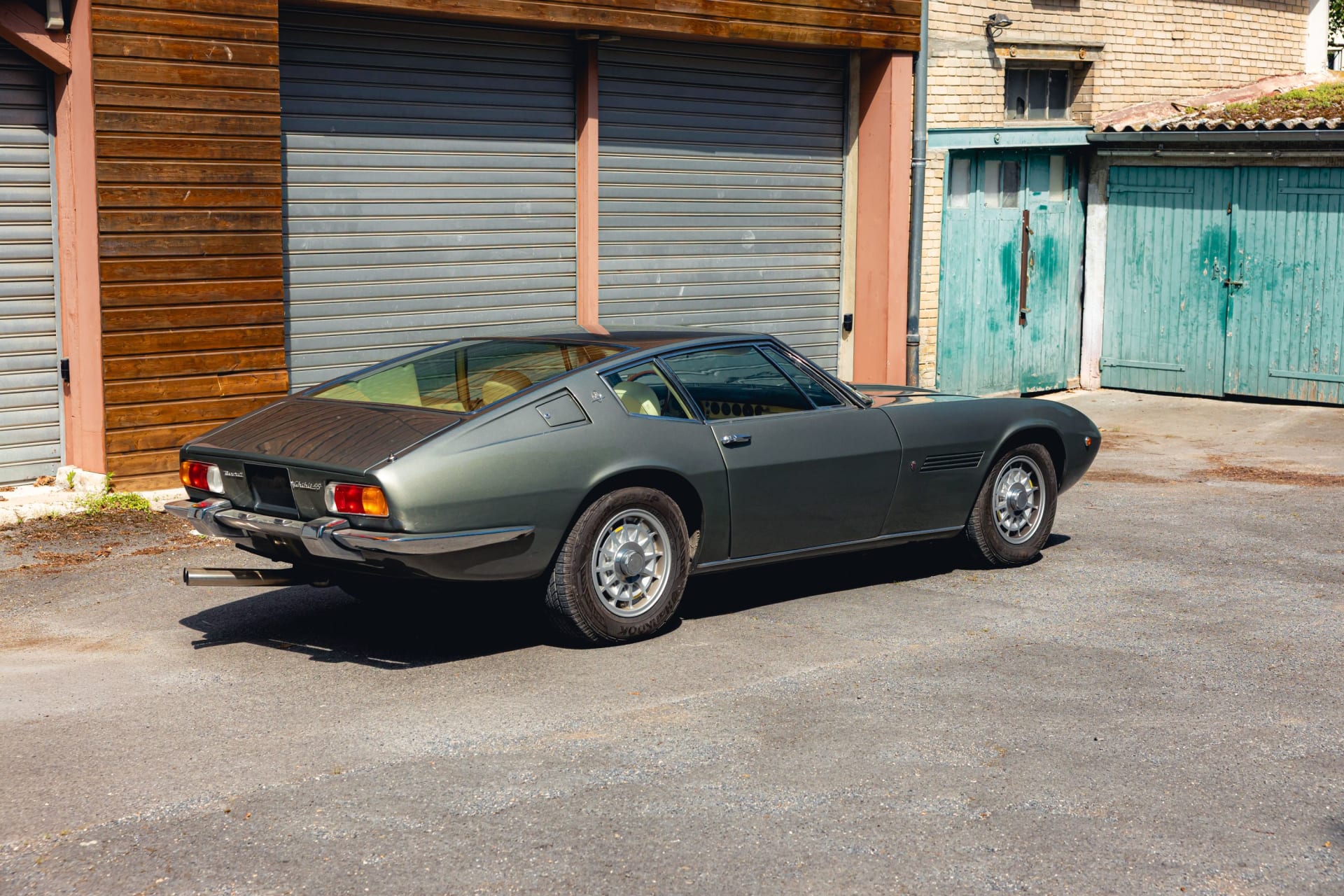
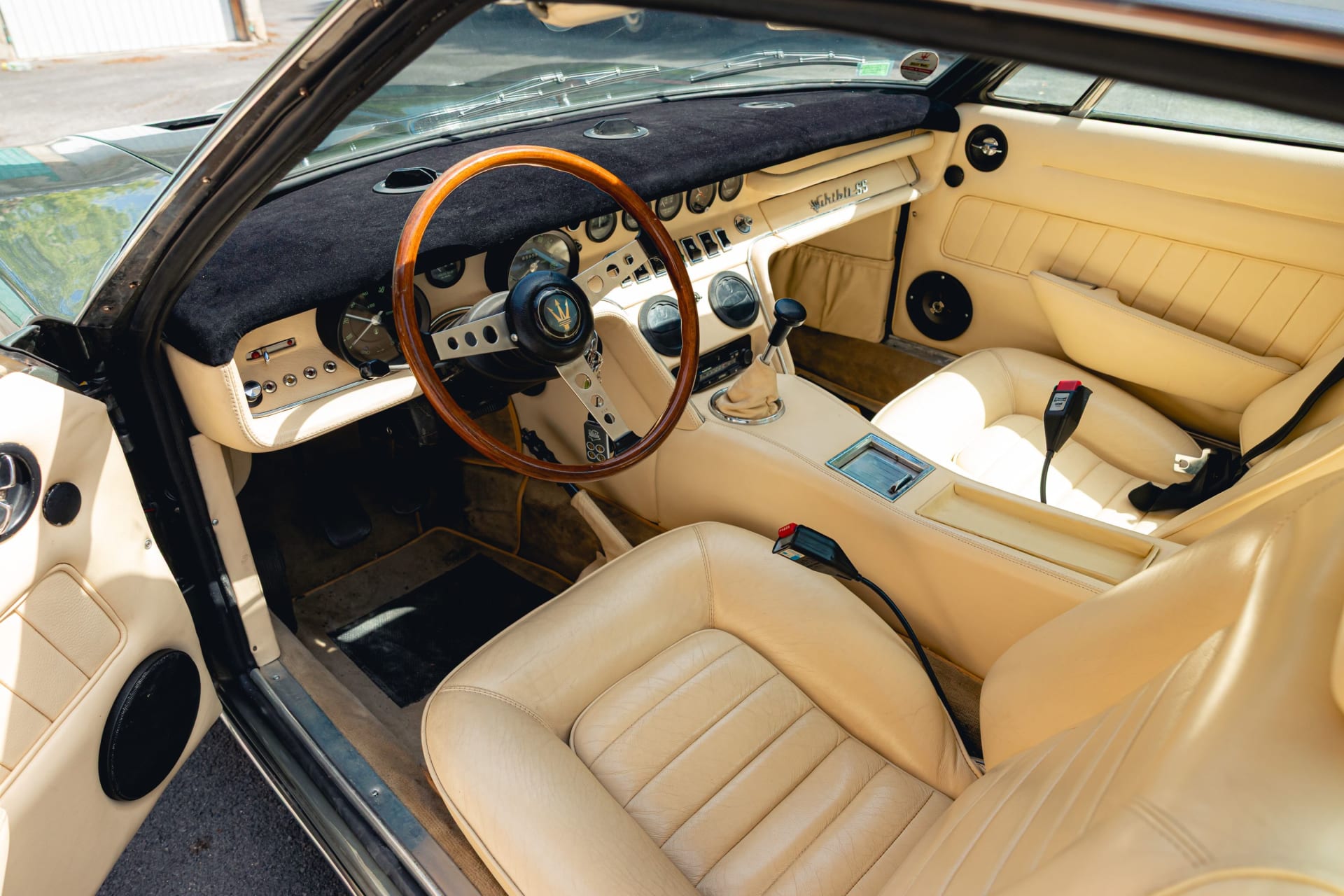
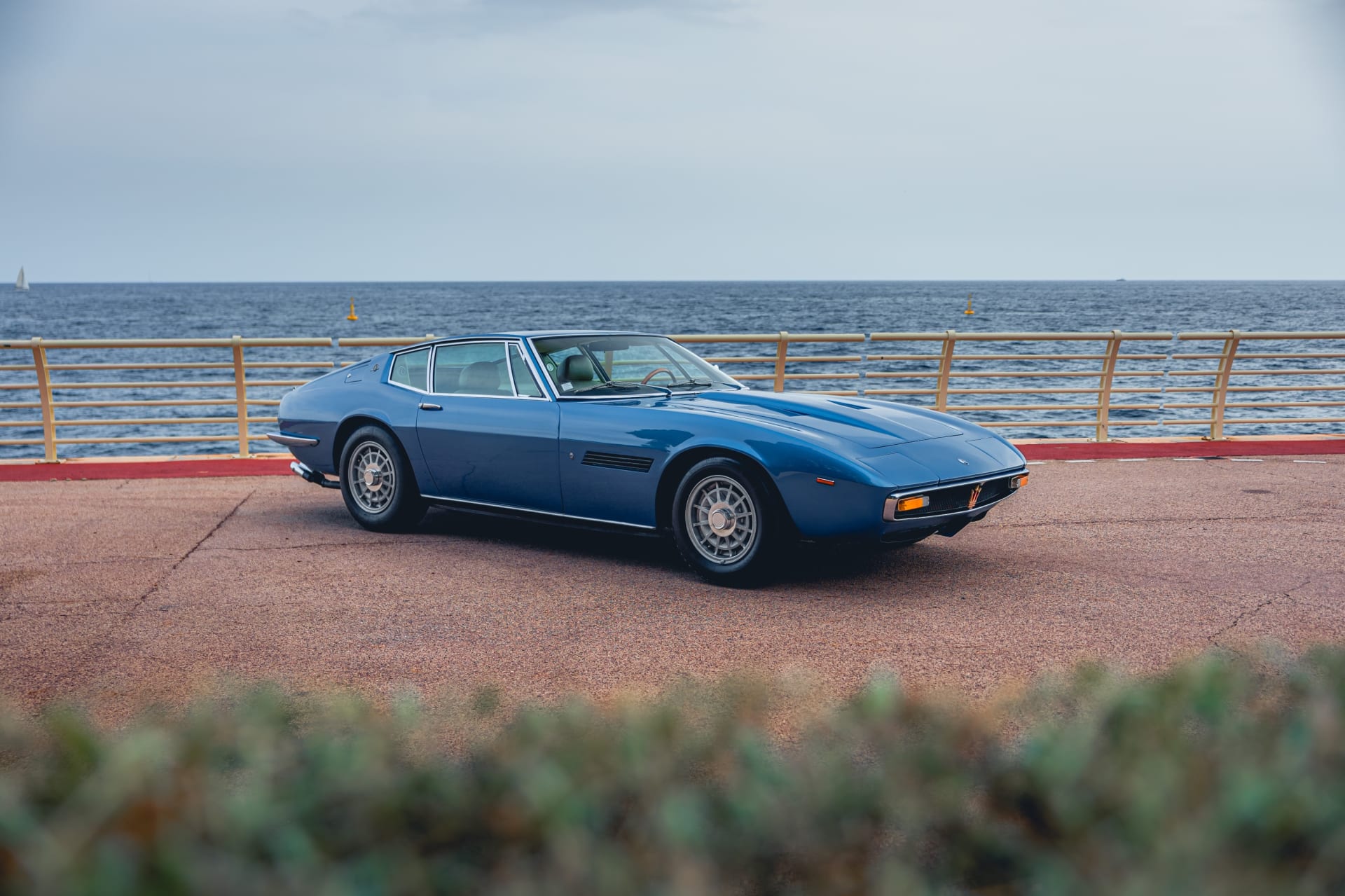
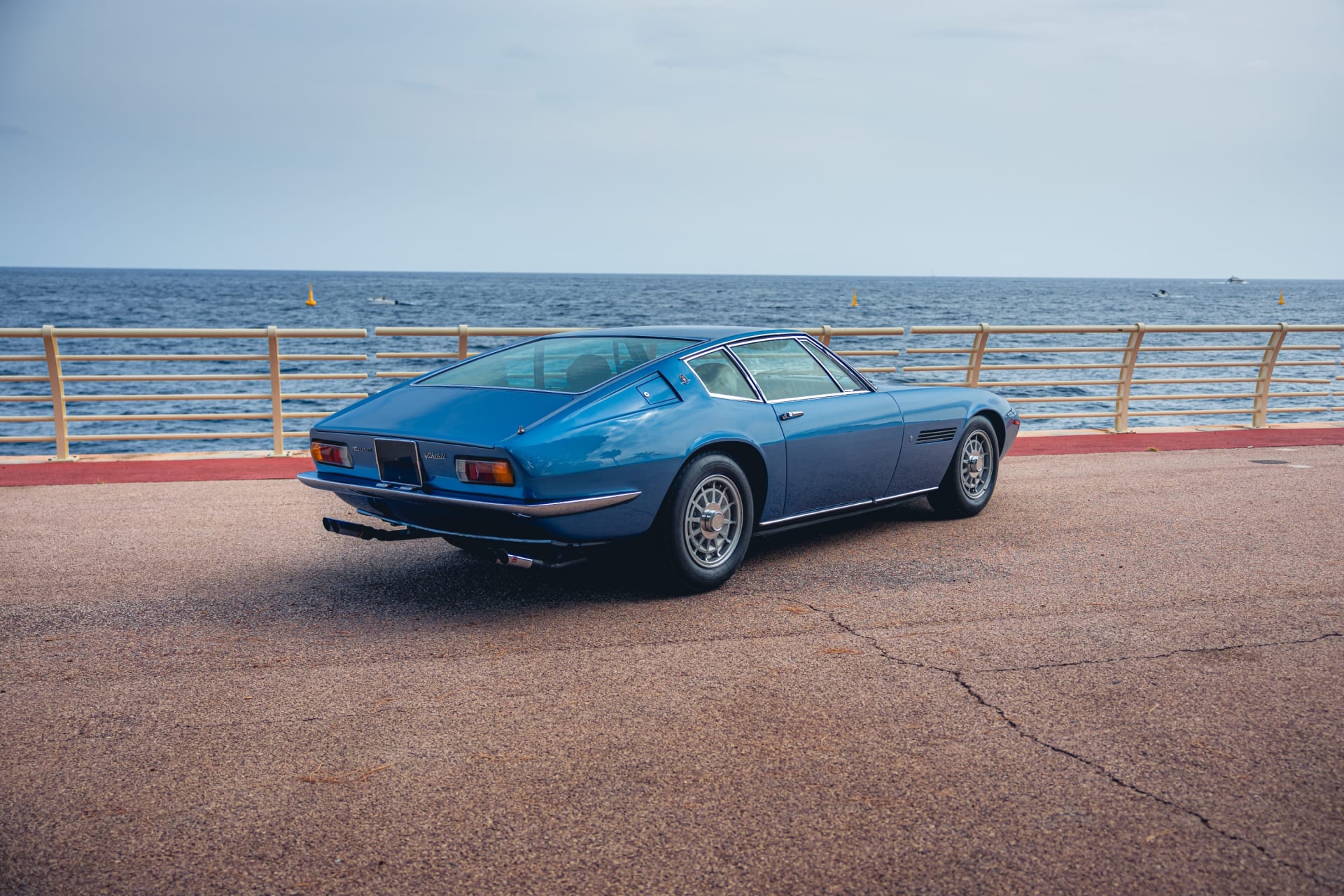
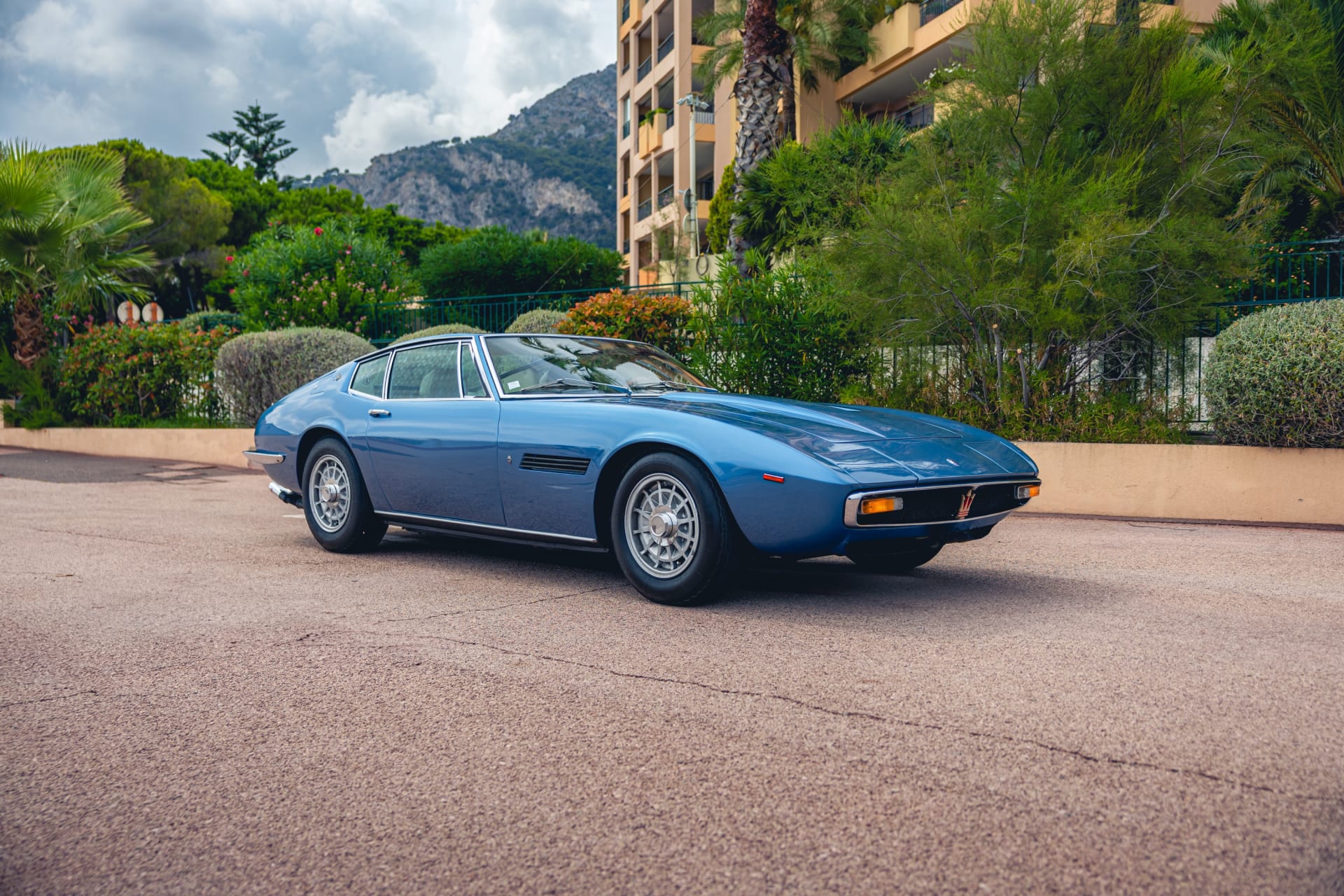
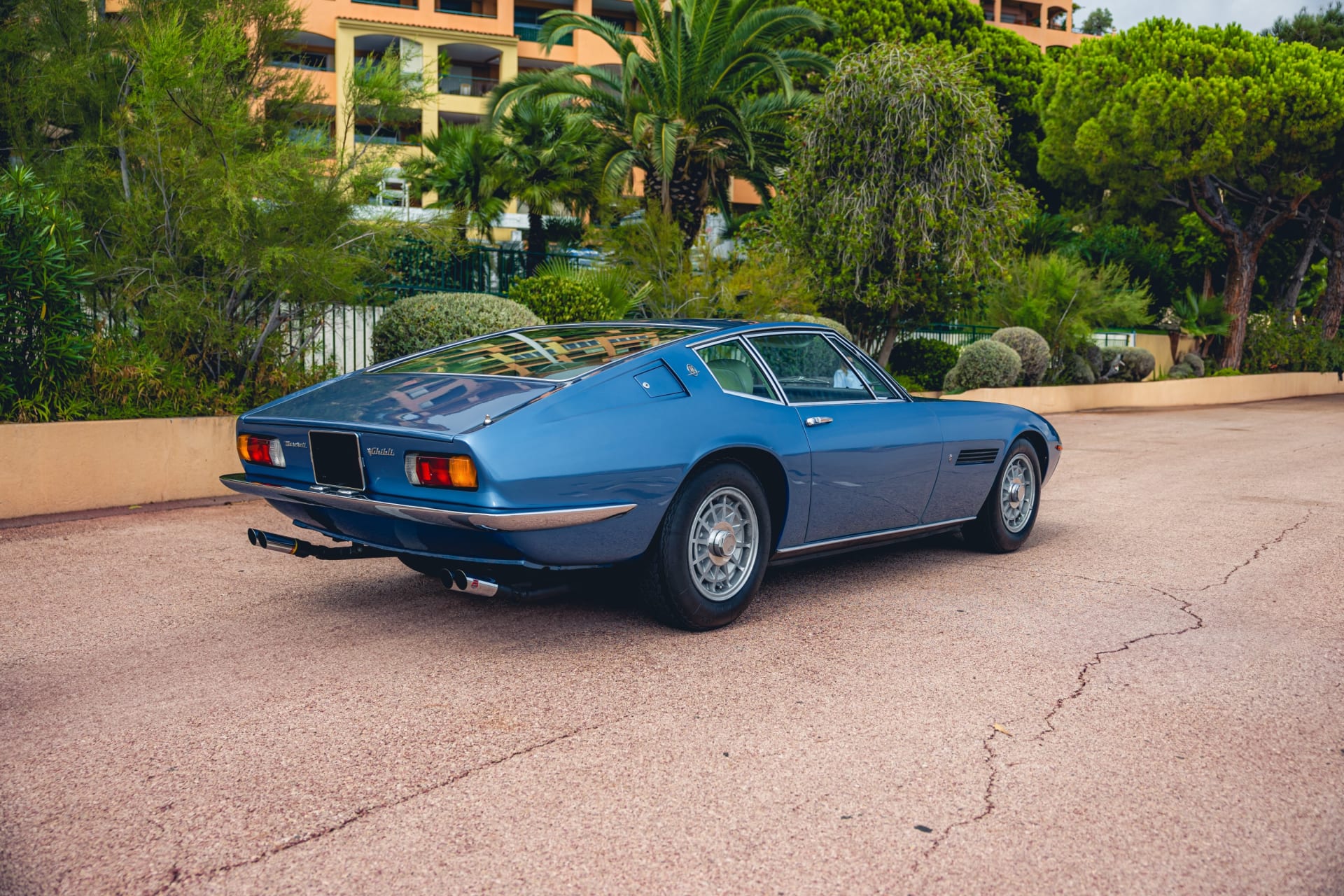
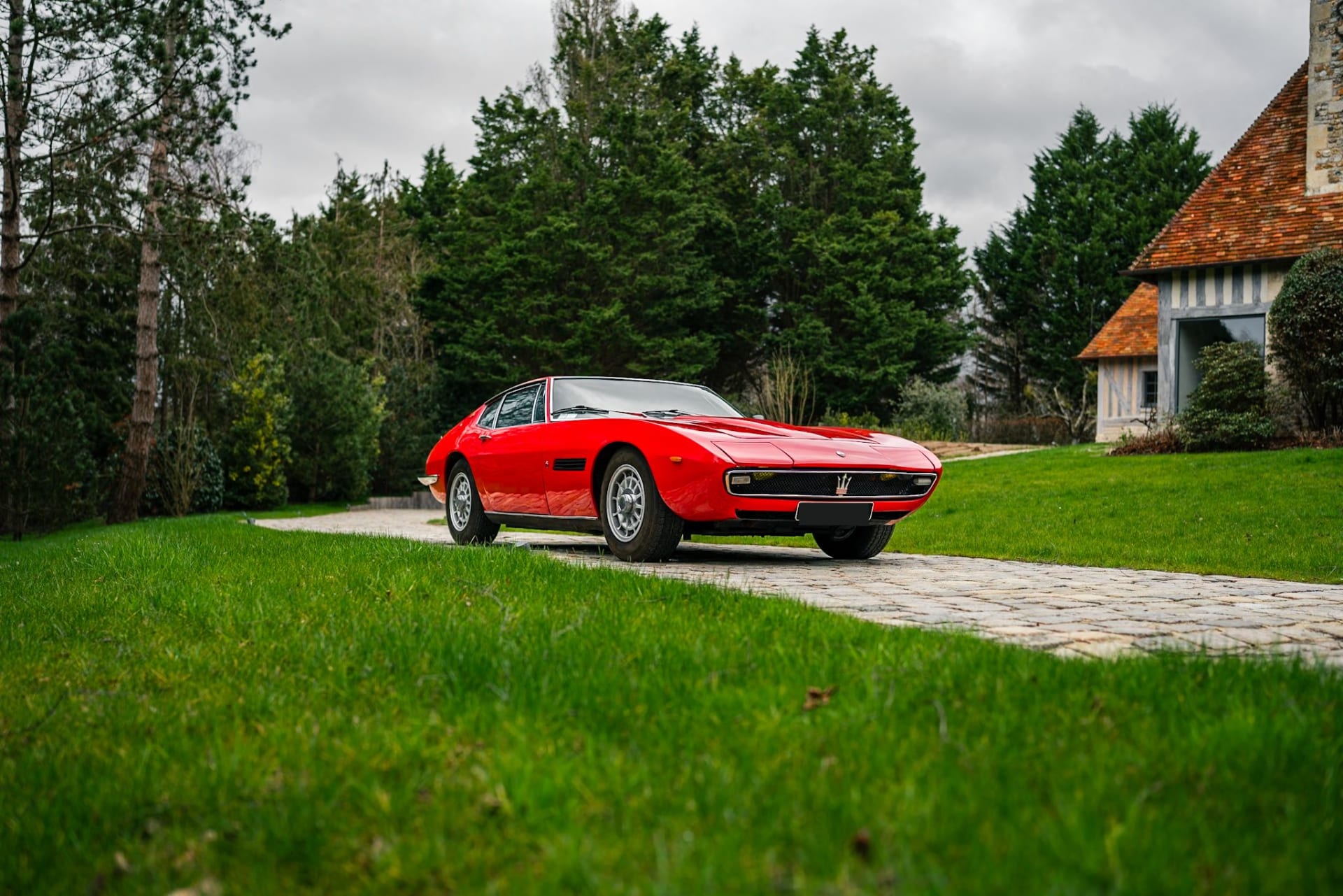
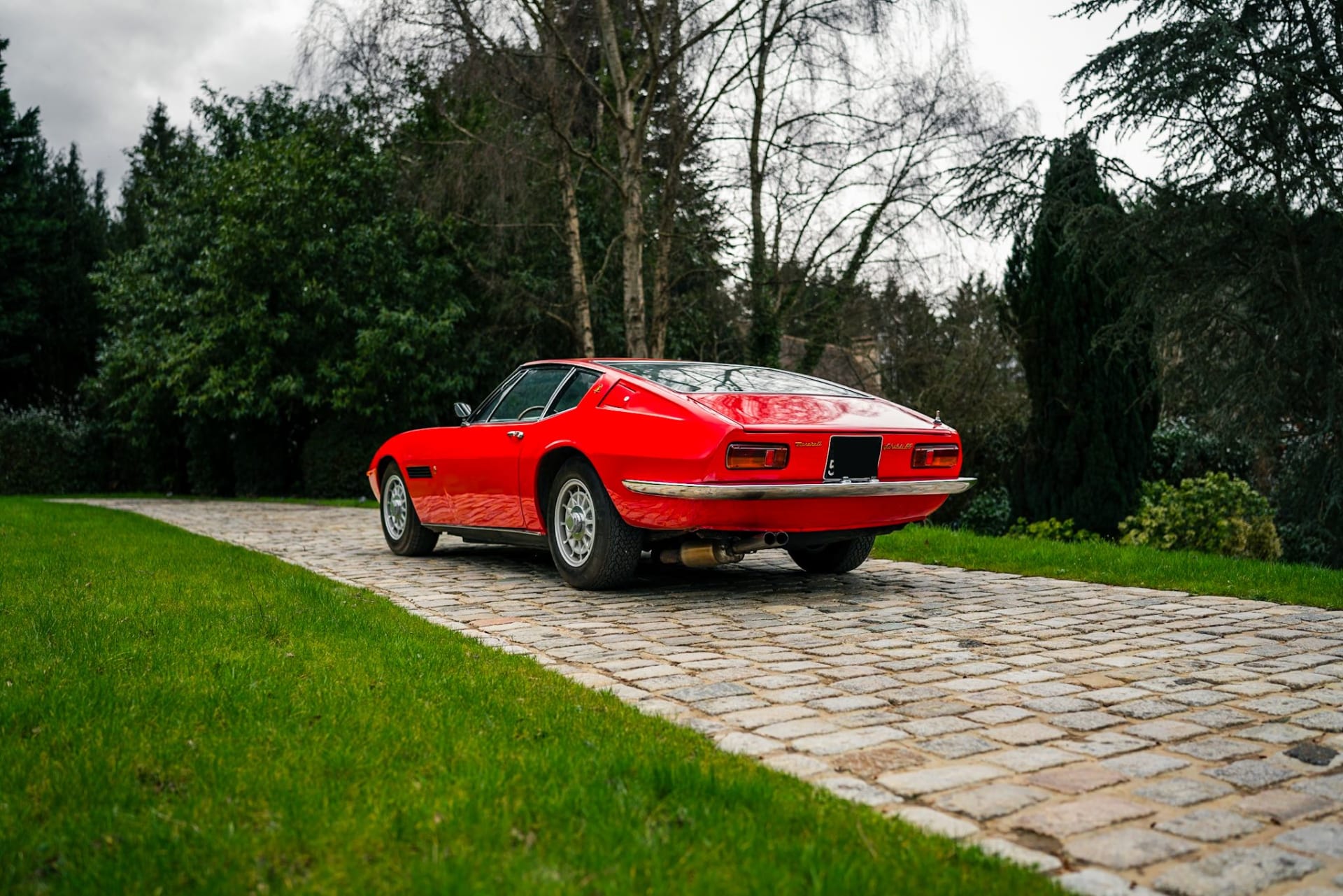
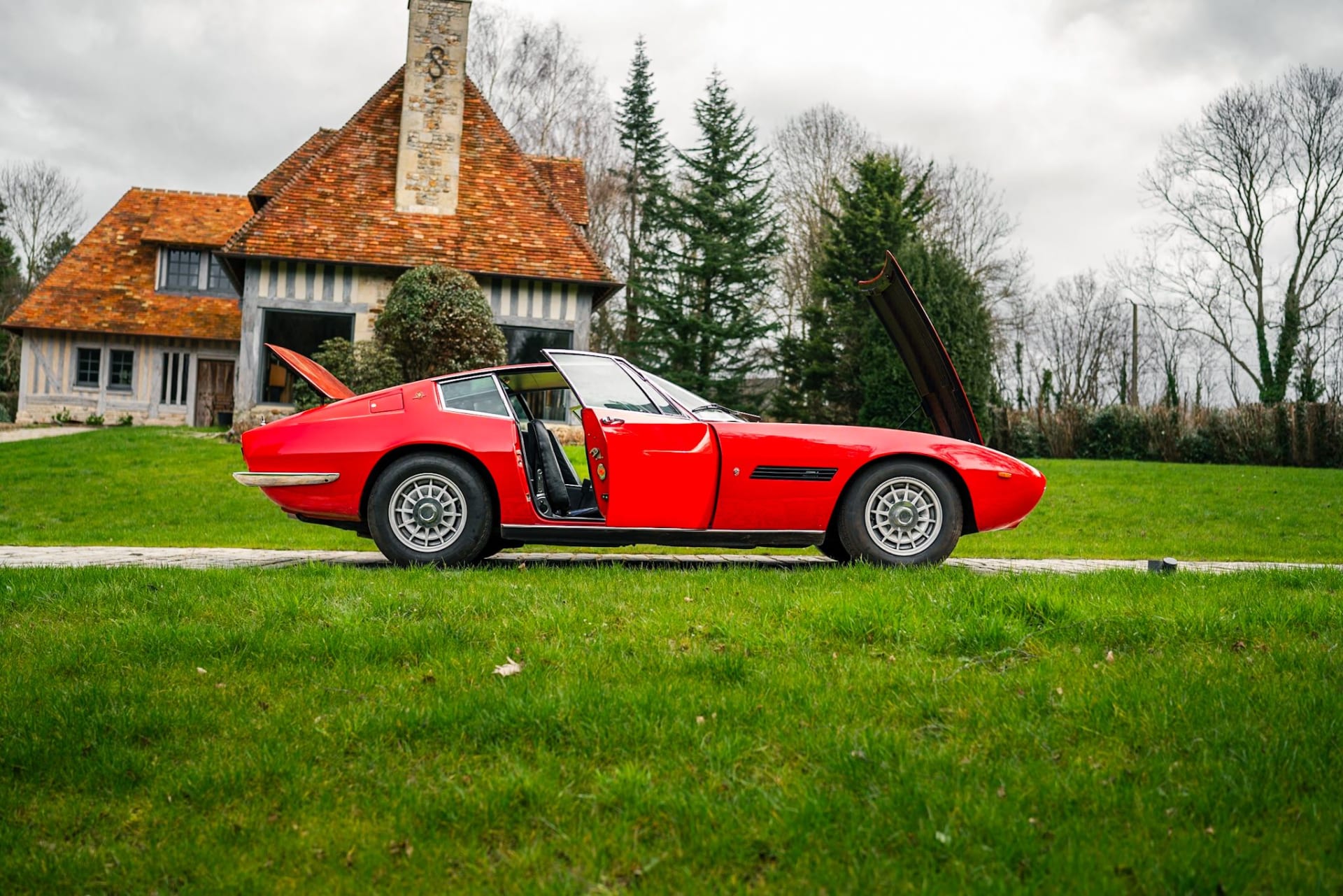
By the mid-1960s, Maserati had broadened its offering with the Sebring, the Mistral, and the Quattroporte sedan—all designed by Pietro Frua—aimed at a demanding clientele seeking the highest standards of luxury and performance. But the best was yet to come: in 1966, Maserati made a bold move with the launch of the Ghibli, a stunning V8-powered two-seater GT styled by Giorgetto Giugiaro for Ghia. Refined, luxurious, and utterly elegant, the Ghibli was also forward-looking, foreshadowing the design language of the 1970s. However, the decade’s end would bring major changes for Maserati.

Maserati’s Setbacks and Revival
Acquired by Citroën in 1968, Maserati collaborated on the design of the SM coupé before launching the Bora in 1971—the brand’s first mid-engine car, once again styled by the talented Giugiaro. But by 1975, facing severe financial difficulties, Citroën sold Maserati to Alejandro de Tomaso, who ensured the company's survival by introducing several new models, including the third-generation Quattroporte. His most significant move came in 1981 with the launch of the Biturbo, a compact four-seater GT powered by a front-mounted V6 engine. The Biturbo would become the backbone of Maserati’s lineup until the late 1990s, allowing the brand to boost production volumes and attract a new clientele that had previously leaned more toward BMW.
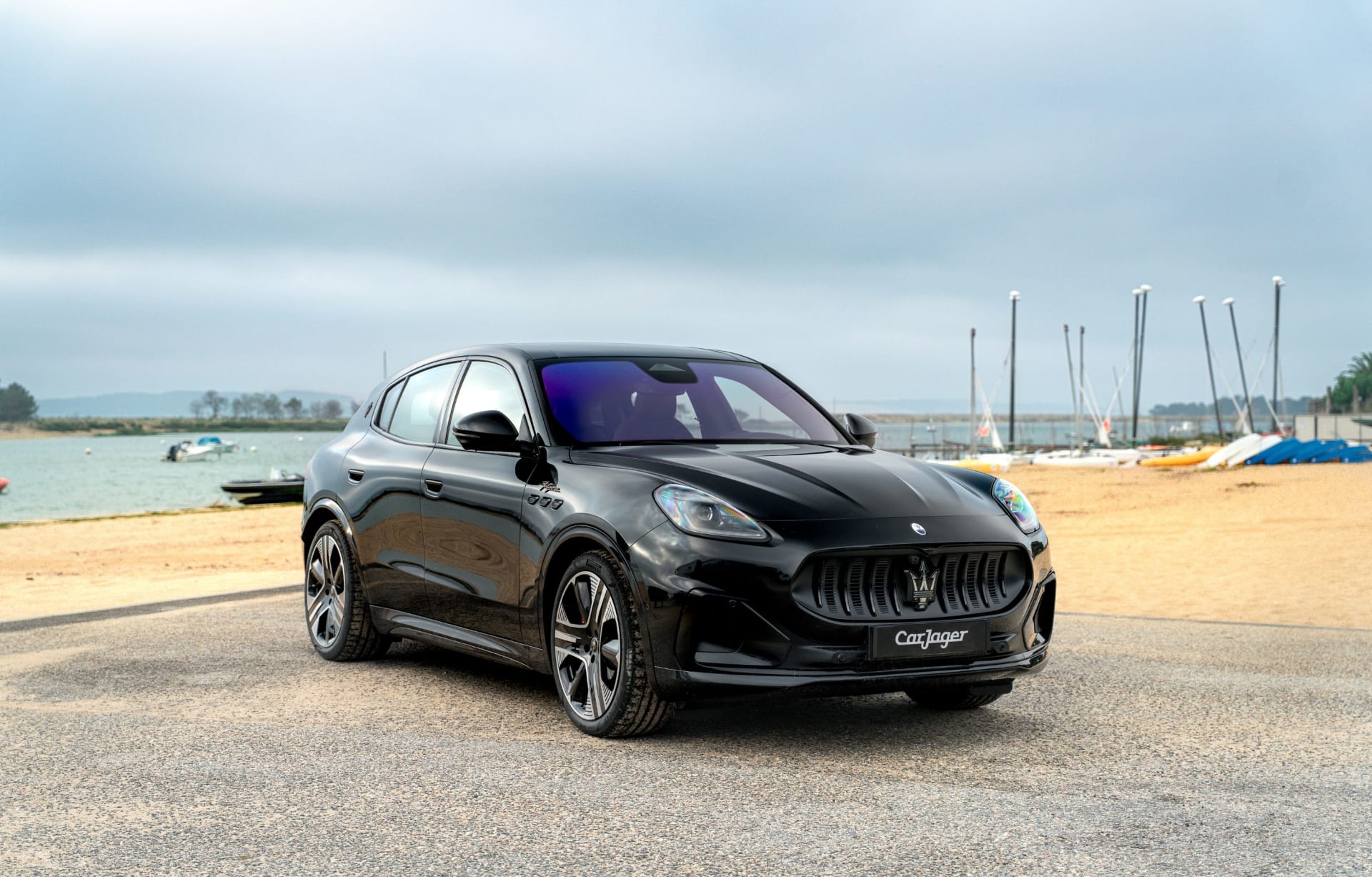
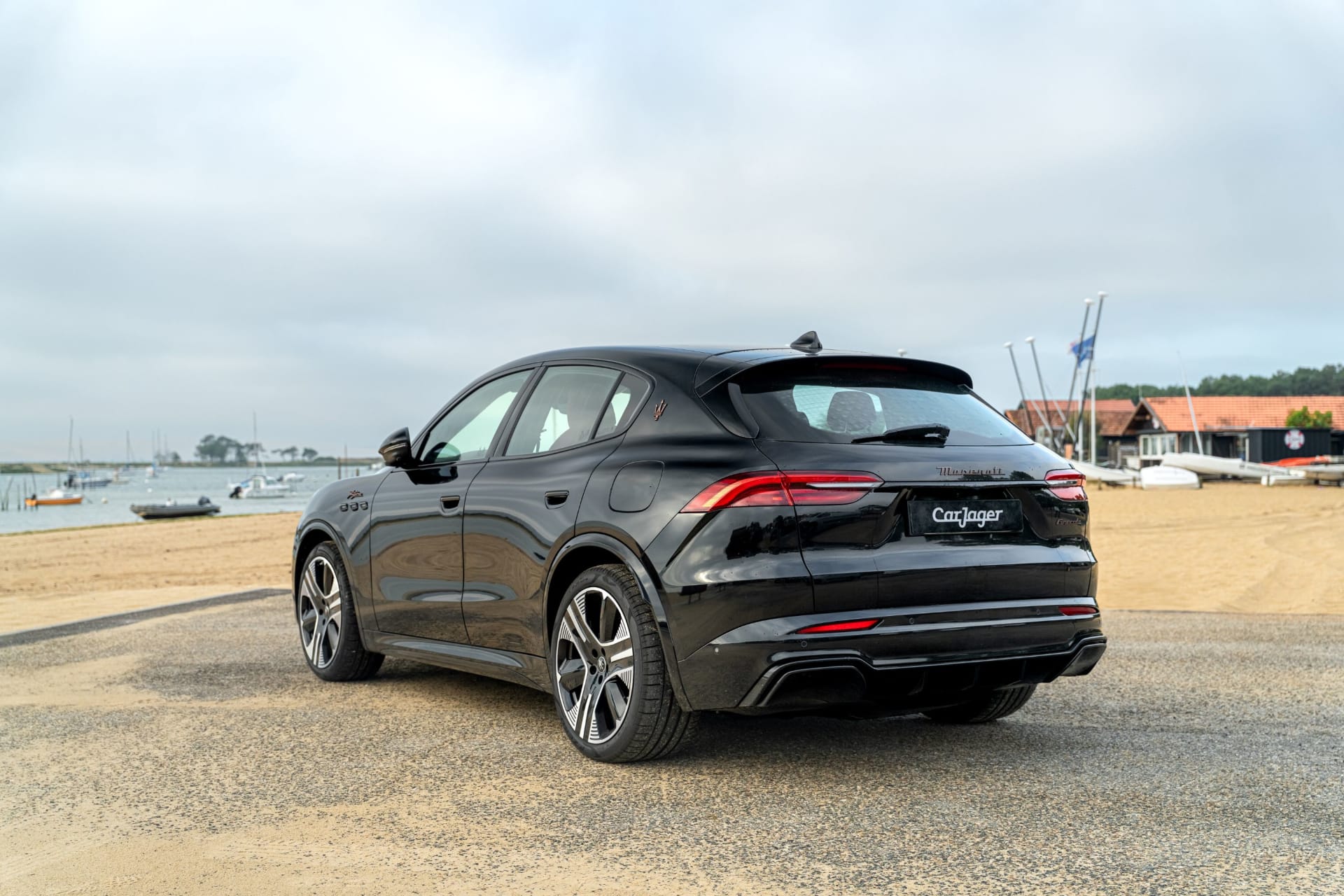
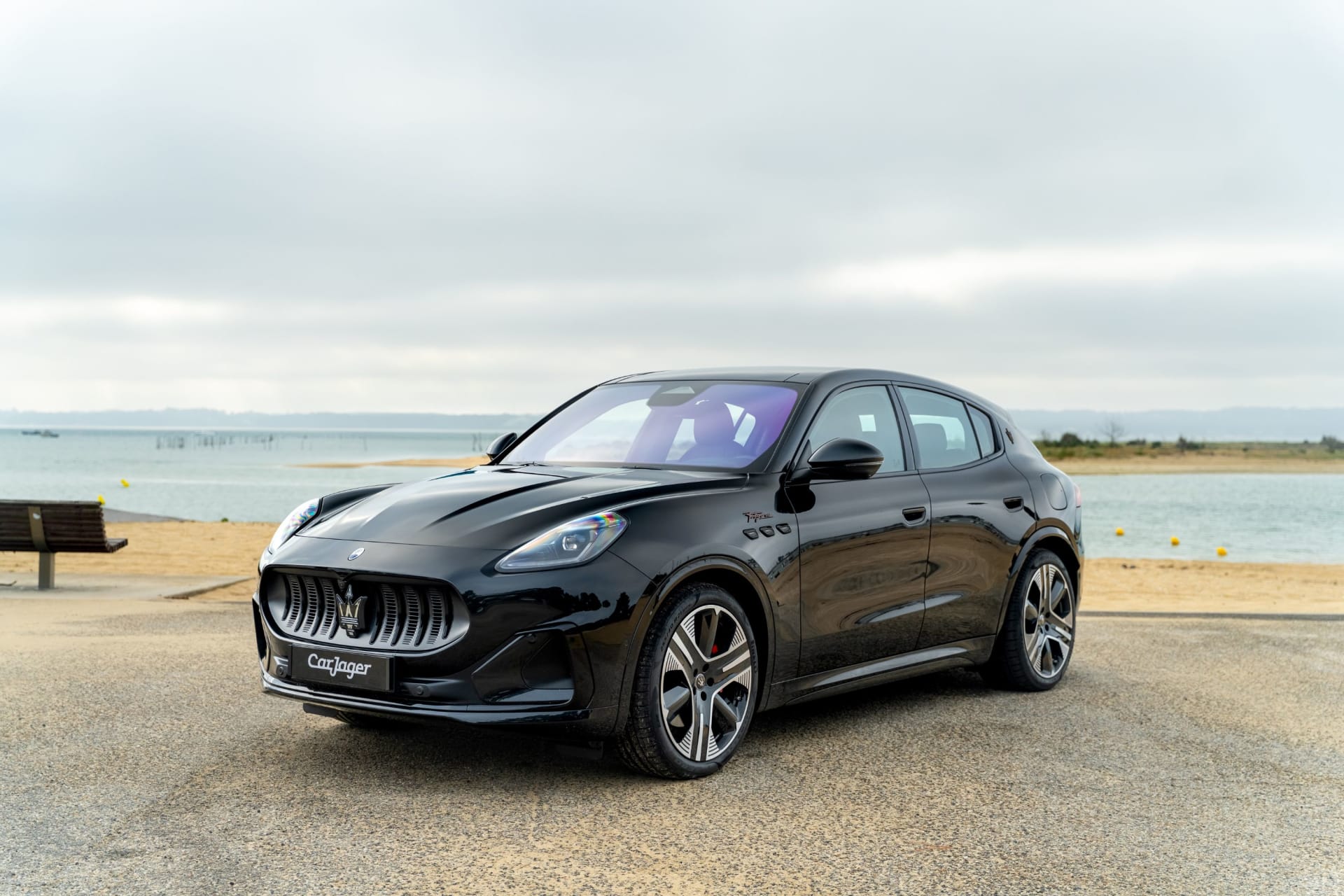
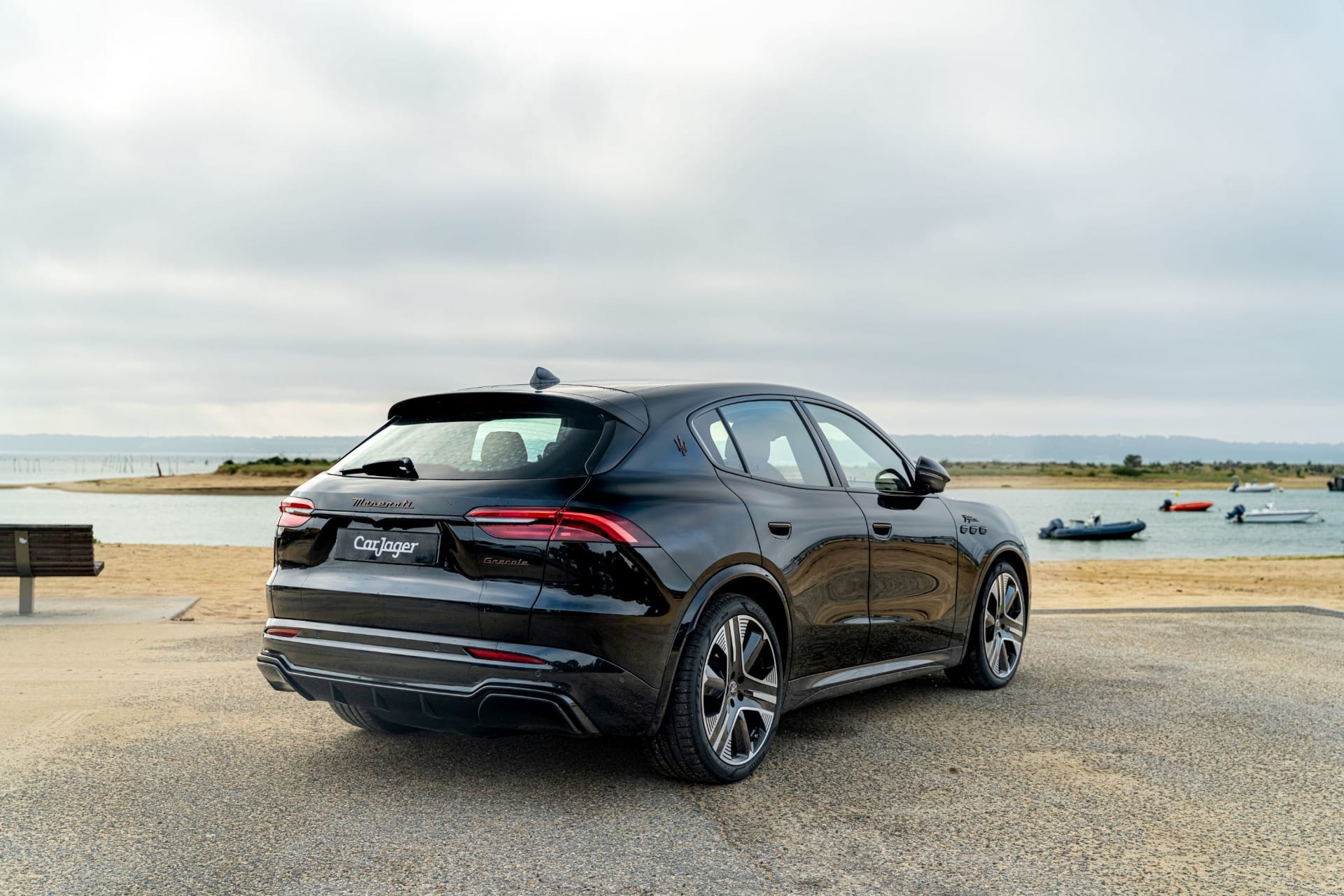
After producing numerous Biturbo variants, De Tomaso sold Maserati to the Fiat Group in 1993. Fiat began repositioning the brand upward, starting in 1998 with the launch of the 3200 GT—later fitted with a Ferrari-derived V8 engine—followed by a new Pininfarina-designed Quattroporte. Since 2021, Maserati has been part of Stellantis, formed from the merger of Fiat Chrysler Automobiles and PSA Peugeot Citroën. Today, Maserati boasts a diverse lineup that includes the mid-engined MC20 sports car, a front-engined GT available as both coupé and convertible, and the Grecale SUV. The latter two are offered in electric versions, giving Maserati the confidence to embrace the future with style and ambition.

Sell your MASERATI under the best conditions?
Sell my MaseratiDiscover Maserati Auctions
Our recent Maserati sales
Our customers are our best ambassadors
Our latest maserati articles
F.A.Q. Frequently asked questions before buying a Maserati
How much does a Maserati cost?
Depending on the model, Maserati prices can vary greatly. While the cheapest Biturbos sell for around €7,000, a 1990s Ghibli can fetch up to €25,000. Among the great classics, the extremely rare 5000 GT now fetches €1 million, while the Mistral and Bora are available from €200,000. A great rival to the Ferrari Daytona, the 1966 Ghibli is now worth up to €700,000 in its convertible version.
Who are Maserati models aimed at?
Since the launch of the 3500 GT in 1957, Maserati has never betrayed its identity; the company has always attracted a clientele of connoisseurs who are as passionate about performance as they are about style and refinement. Today, as in the past, Maseratis embody the quintessence of Italian grand touring – an epicurean and enlightened philosophy that places elegance above all else.
Which models make up the current Maserati range?
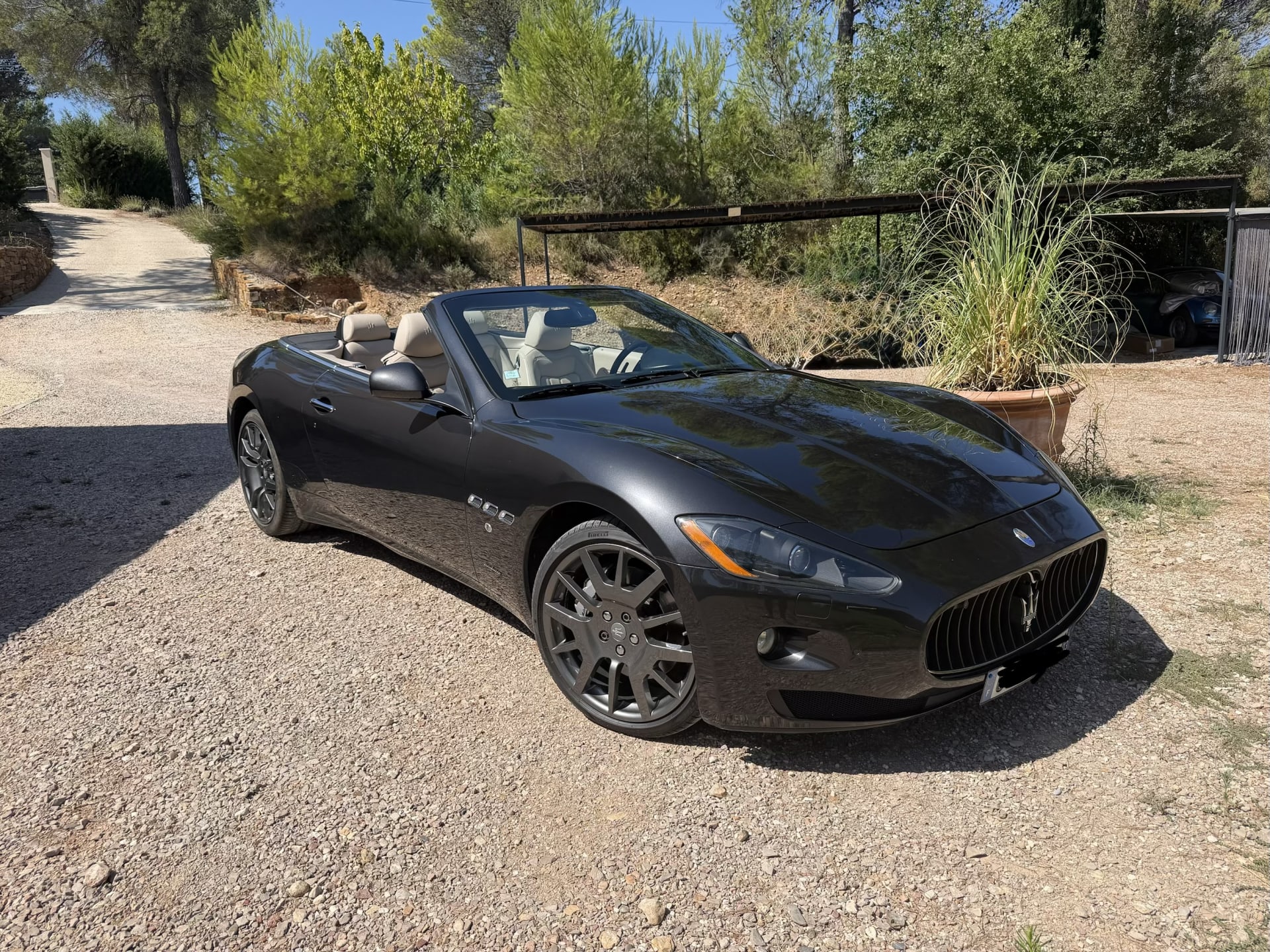
By 2025, the Maserati catalogue will feature three basic models: the MC20 mid-engine saloon and its GT2 Stradale derivative, the GranTurismo and GranCabrio grand touring coupés and convertibles, and the Grecale SUV. The entire range will be available with both combustion engines and electric versions, known as Folgore.
Which are Maserati's most iconic models?
A small artisan firm focused primarily on competition before the war, Maserati gradually industrialised its approach and devoted itself to road cars from the mid-1950s onwards with the 3500 GT. Over the years, other notable creations have marked the brand's history, such as the Mistral in 1963, the Ghibli in 1966, the mid-engined Bora introduced in 1971, and the large Biturbo family, which was produced from 1981 to 1998.
Who owns Maserati today?
Maserati is currently part of the Stellantis group, formed in 2021 through the merger of FCA (Fiat Chrysler Automobiles) and PSA Peugeot-Citroën. Acquired by Fiat in 1993, Maserati has had several owners throughout its history, including the Orsi family, Citroën and Alejandro de Tomaso.
When was Maserati founded?
Maserati was founded in 1914 in Modena, northern Italy. It is one of the oldest luxury car brands still in operation.
What should you check before buying a Maserati?
Like any exceptional car, a Maserati must undergo mandatory and thorough checks. These are complex, sometimes fragile cars that cannot tolerate any approximation when it comes to maintenance and repairs.
- Vehicle history: check that the service log is complete and that all work has been carried out by competent workshops or within the manufacturer's official network.
- General condition and specific inspections: a thorough inspection by a brand specialist is strongly recommended, especially for models built before 1998.
- Fuel consumption: equipped with powerful engines (6-cylinder or V8 in most cases). This mechanical excellence naturally comes at a price in terms of fuel consumption, and this parameter should be taken into consideration.
- Reliability and risk factors: each model has its own specific characteristics. While the V8 used in the early Ghibli and Bora models is very robust, the same cannot necessarily be said for the electrical system or certain peripheral components. If you opt for a model from the Biturbo family, you will need to be extra vigilant, as these cars are as powerful as they are mechanically fragile.
- Maintenance and repair costs: older Maseratis must be maintained with the care and expertise they deserve. This means above-average maintenance and repair costs, which can be very high for certain operations. Feel free to consult the buying guides published in the specialist press for more information.
By taking all these precautions, you will protect yourself against any disappointments that may arise from a hasty purchase decision.
To find out more about the different models and choose the one that best suits your profile, please request a Custom Search.